Arctic Ocean exploration 11th May
, 11 May 2012
Friday
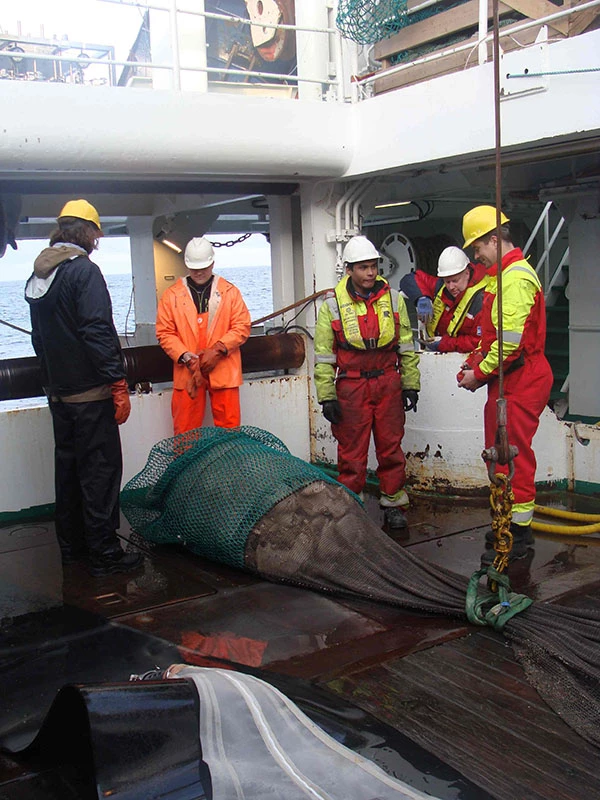
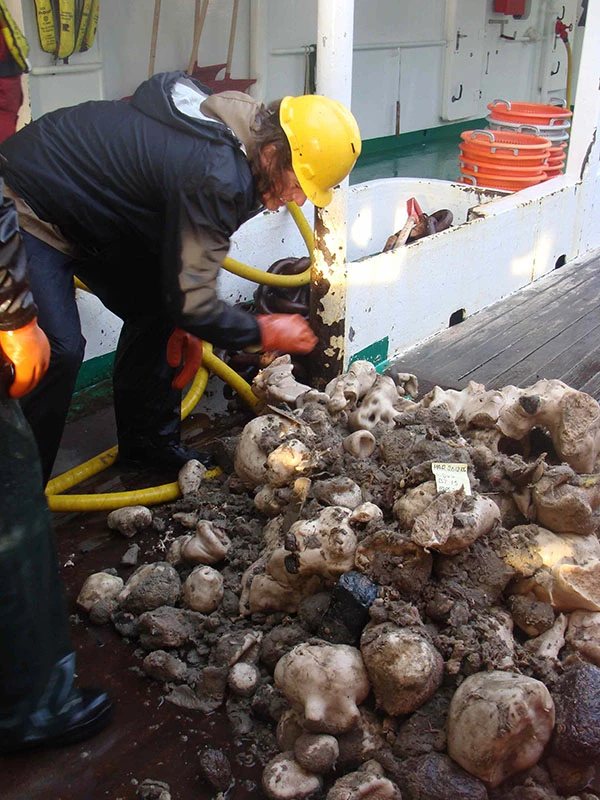
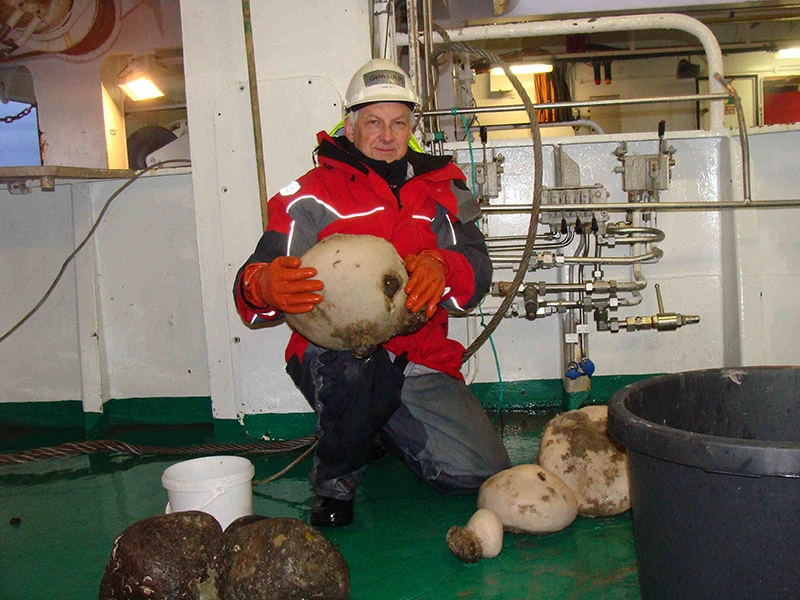
Since the last blog we have moved to shallower water which means that it takes a much shorter time to take the samples, less time between stations and a more hectic schedule. With the 12 hour shifts I have had little inclination to sit at the computer. Perhaps most spectacular have been the samples from the sponge grounds, some of these are the size of footballs. They are difficult to work with without gloves because of the spicules and worsened by the rather nauseous smell given off by some. Sorting and fixing such a large sample had everyone running around madly.
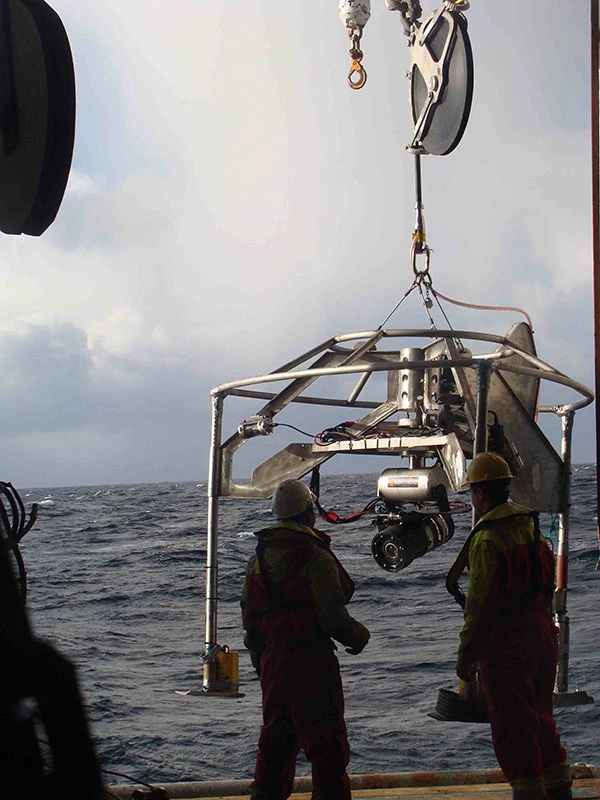
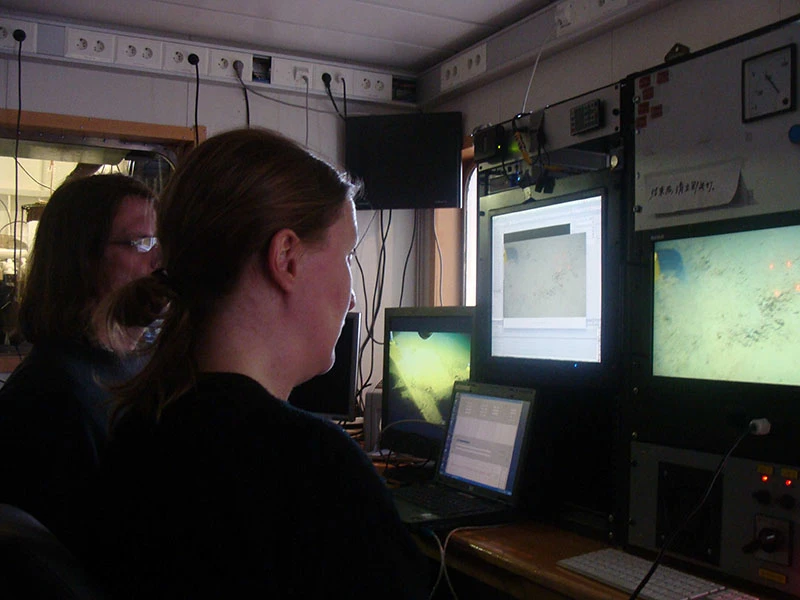
The Campod live video gear has been working, it is lowered to the sea bed and then hopped along a transect some 700metres long. The footage is stored and the megafauna analysed to create a chart of animal communities. You can see some of this video on the Mareano website http://www.mareano.no/english/. You can also read all about the programme in detail. We did a similar thing for the seas around Wales and published the results in our Biomor Reports but we did not have the video or geophysical data to go with our benthic sampling, wouldn’t it be interesting to have seabed images for all the communities we have found in the Irish Sea?
As far as my research goes we have collected a lot of relevant material. Firstly I have seen common Norwegian Sea species that just enter the British fauna and some that are found in both regions or so we think! I now have material of thyasirid bivalves to compare with those we have from the Atlantic Frontier Environmental Network (Shetland-Faeroes) programme and can hopefully describe some new species now.
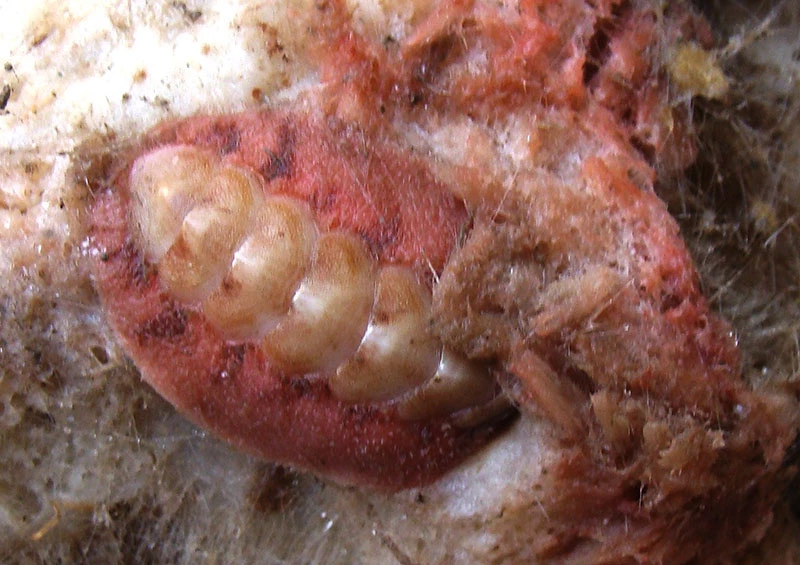
There is one family of bivalves that are always problematic, the Astartidae, and I now have a good series of northern A. sulcata fixed in 100% ethanol and RNA later for a molecular study that might be joint with the Bergen Museum.
I have not got Anna any Macoma for her tellinid study but I do have quite a few Abra longicallus a species we only get on the Porcupine Bank west of Ireland.
Andy has been building up an impressive collection of photographs of living polychaetes, he will post some of these on our “return to home” final blog.
We dock early tomorrow morning in Bodo so it is now a frantic pack, tidy and clean period so I had better go.