No Mow May at The National Wool Museum: What We Do and Why It Matters
, 3 June 2026
Each May, as part of No Mow May, the National Wool Museum allows areas of its landscape to grow freely, creating space for wildflowers, insects and the wider ecosystem to thrive. By stepping back from regular mowing, even for a short time, the grounds are transformed, revealing how much life depends on longer grass and seasonal change.
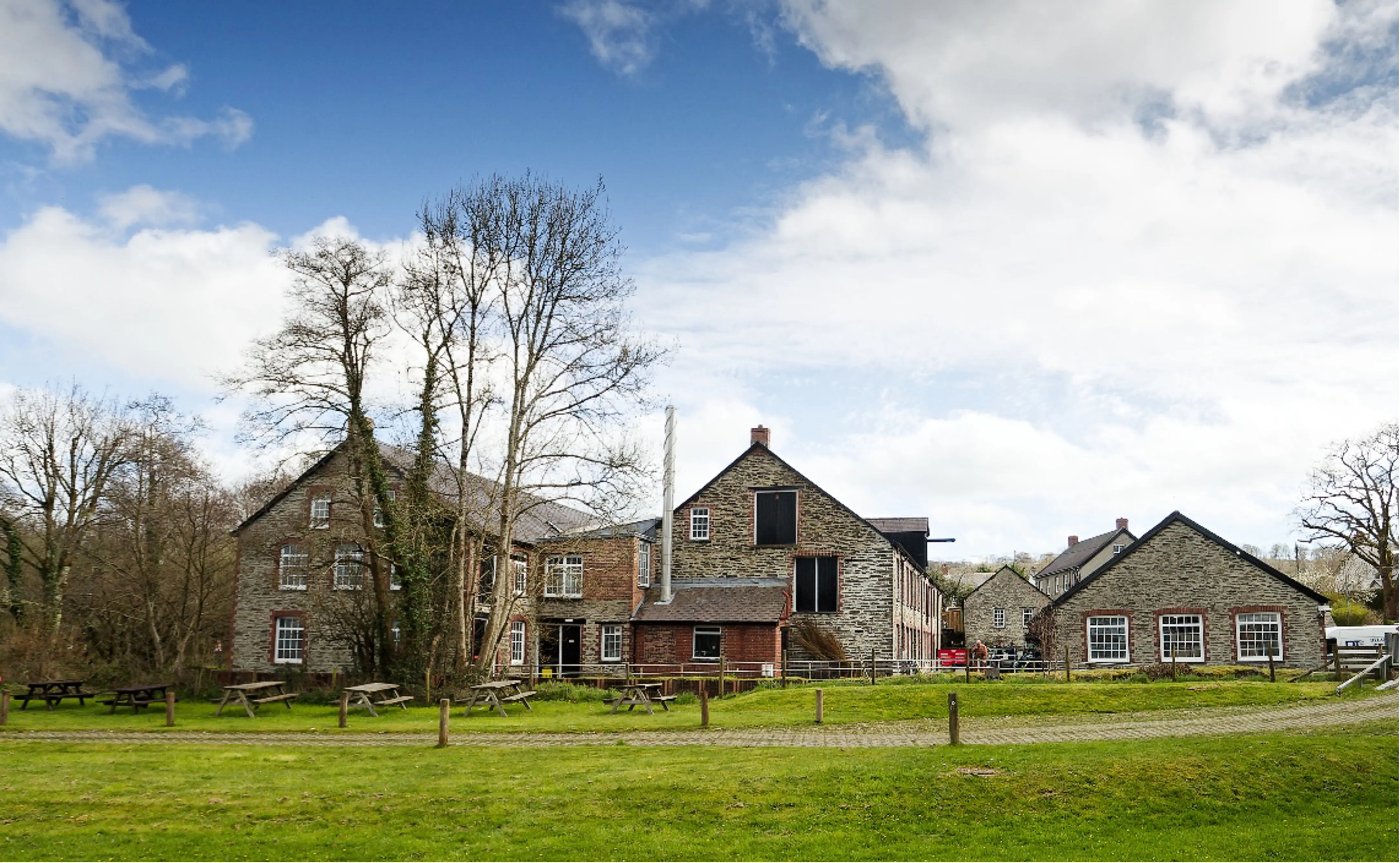
The Museum is deeply connected to its surrounding landscape, from the sheep that supply the wool to the habitats on its doorstep. Within the site lie three and a half acres of meadow, bordered by the Nant Bargod and Nant Bran, tributaries of the Afon Teifi. Alongside this sits the museum’s dye garden—a more cultivated space, but one that is equally rich in colour, history and wildlife.
Together, these spaces show how a simple change in land management can support a thriving and interconnected environment.
A Living Meadow Landscape
Away from the clatter of the mill machinery, the meadow offers a quieter, more reflective space. Managed through seasonal hay cutting rather than frequent mowing, it provides an important habitat for a wide variety of species. This approach sits at the heart of No Mow May, allowing grasses and wildflowers time to grow, flower and set seed.
This type of rough, damp grassland—known in Wales as rhos pasture—is increasingly rare. Its careful management is essential, as too much mowing or invasive species such as Japanese knotweed can quickly disrupt the balance that allows wildlife to flourish.
In spring and summer, the meadow comes to life. Butterflies such as Painted Lady and Red Admiral drift among the flowers, while the rare Brown Hairstreak lays its eggs on blackthorn in the hedgerows. Bees collect nectar from clover and hawthorn, ladybirds feed on aphids, and damselflies hover along the riverbanks. Surveys have even recorded more than 30 species of beetle on site.
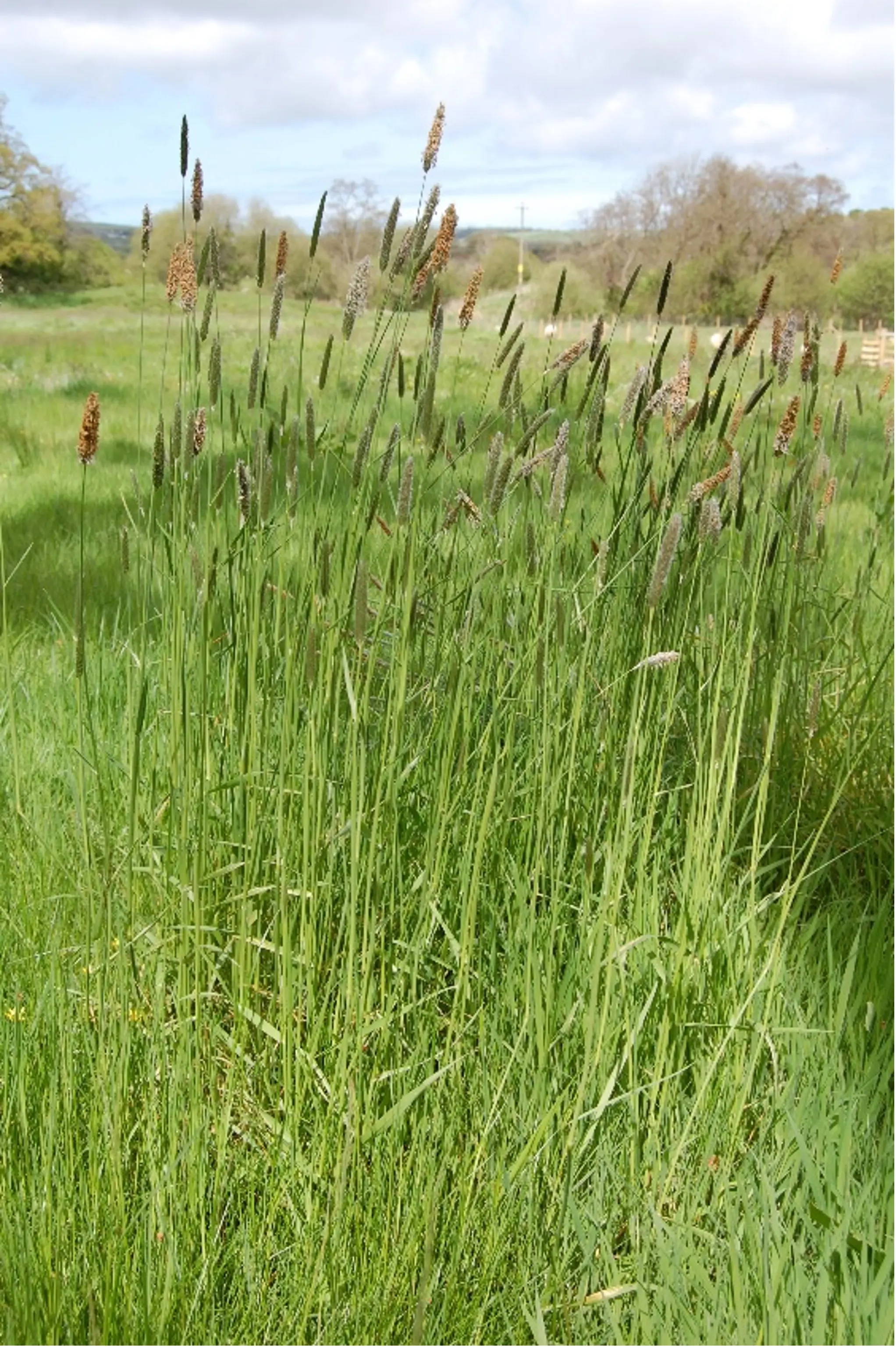
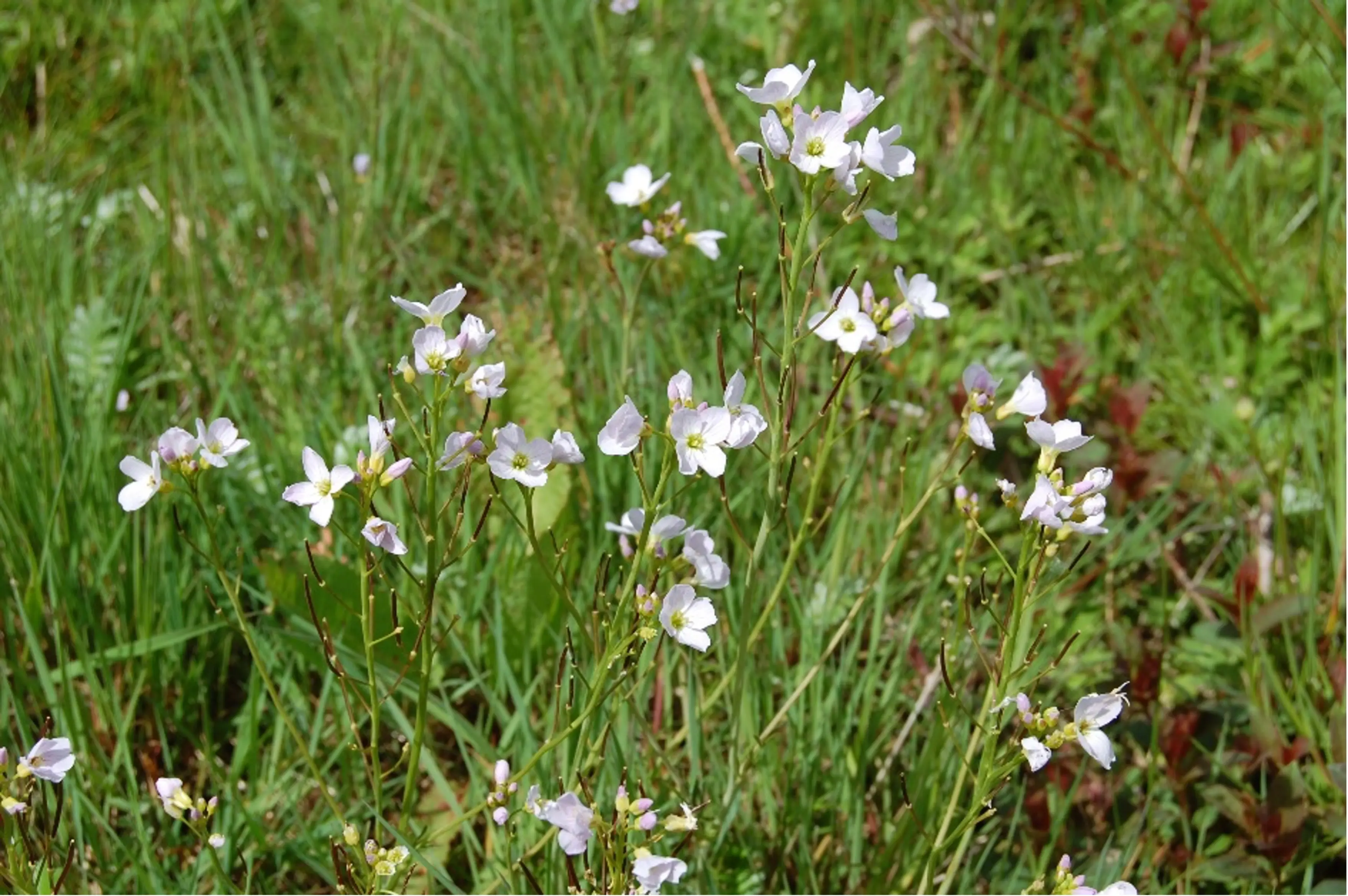
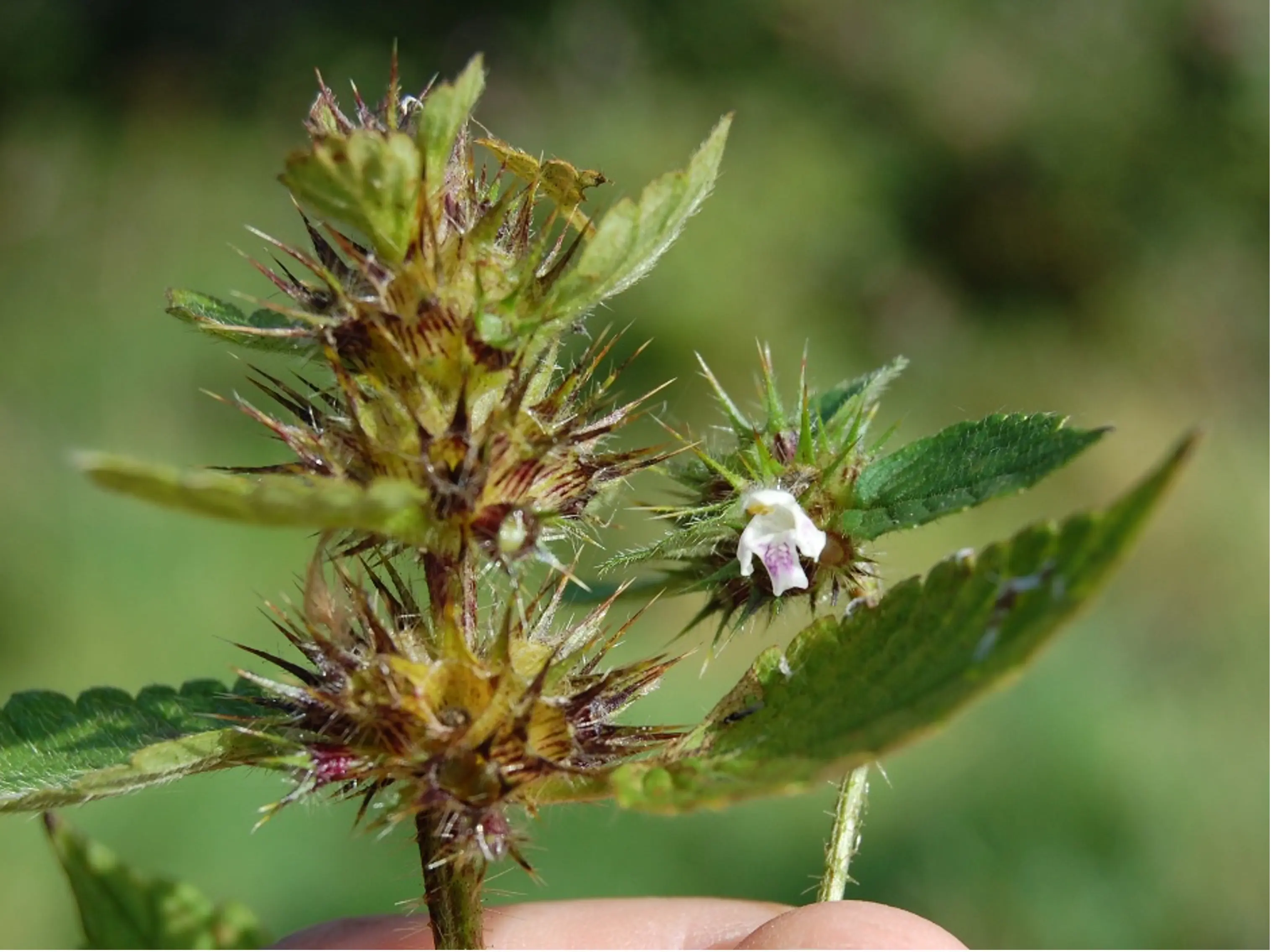
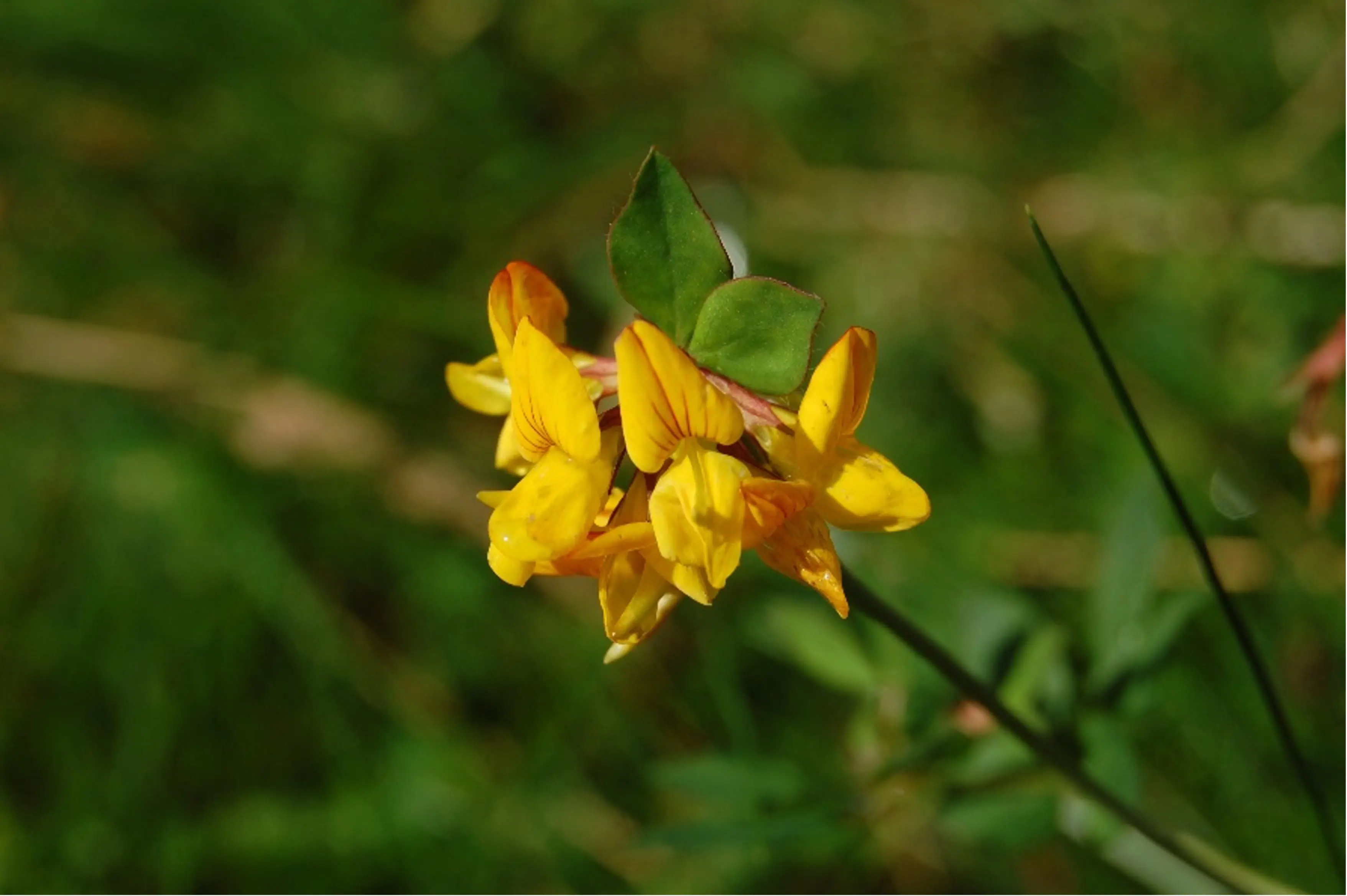
The plant life is just as important. Native grasses such as meadow foxtail and fescues support wildflowers including knapweed, cuckoo flower and tansy, while wetter areas are home to rushes, meadowsweet and valerian. Together, these plants provide food and shelter for insects, birds and other animals.
One particularly rich area is the river overflow channel, where seasonal flooding brings nutrients that encourage a dense variety of plant life. It’s a reminder that natural processes still shape the landscape.
By allowing the meadow to grow throughout May, No Mow May supports this complex and thriving habitat.
The Dye Garden: Craft and Wildlife
Alongside the meadow, the dye garden offers a more structured environment, rooted in the history of textile production. For thousands of years, people used plants and minerals to dye fibres, a practice that continued in Welsh woollen mills well into the 20th century before synthetic dyes became dominant.
Today, the dye garden reconnects with this tradition, allowing the museum to explore the journey from plant to dyed fabric. Developed over many years and now cared for by natural dye practitioner Susan Martin, supported by the National Heritage Lottery Fund, it is both a working garden and a place of learning.
During the growing season, the garden is filled with colour—creating an inviting space for visitors but also attracting a wide range of wildlife. The same principle behind No Mow May—allowing plants the time and space to grow—benefits this cultivated area.
Wildlife Across the Site
Across both the meadow and dye garden, a diverse range of species can be found, each playing a role in maintaining the health of the environment.
Butterflies are among the most visible visitors, but many species are in long-term decline. One reason is the lack of suitable plants for caterpillars. The flowers that attract butterflies are not always the same plants they lay their eggs on.
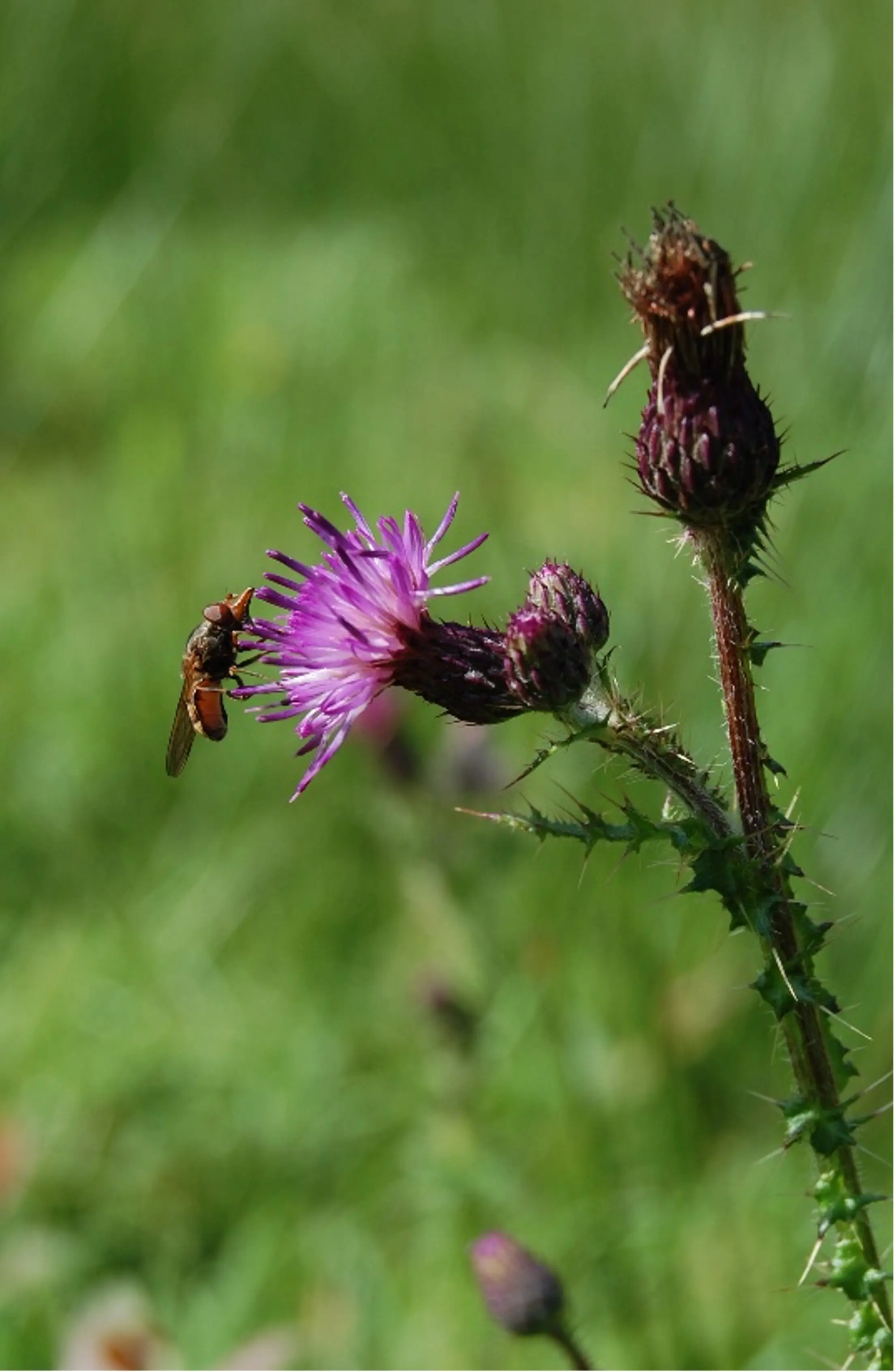
At the Museum, plants often considered “weeds”—such as nettles, thistles and willow—are allowed to grow in certain areas, providing essential habitats for caterpillars.
Bees are equally important, from familiar bumblebees to species such as the wool carder bee. Hoverflies, often mistaken for wasps, also play a dual role: as adults they pollinate plants, while their larvae feed on aphids, helping to protect plant life.
Not all wildlife is immediately noticeable. Earthworms are vital to soil health, aerating the ground and breaking down organic matter. They also form an important part of the food chain—there’s nothing a mole enjoys more than an earthworm-rich feast.
Birds are regular visitors too. Robins are familiar companions to gardeners, often appearing when soil is disturbed and insects are brought to the surface.
The range of habitats across the site has also led to the identification of less common species. Museum scientists have recorded the spider Araeoncus humilis, classed as vulnerable in the UK—highlighting the importance of maintaining these environments.
Looking Ahead and Visiting
No Mow May is just one of the ways the National Wool Museum supports biodiversity, but its effects can be seen across the entire site.
By allowing grass and wildflowers to grow, the museum creates conditions in which insects, birds and animals can thrive. Spaces such as the dye garden show that conservation and cultural heritage are not separate, but deeply linked.
It has been exciting to see the variety of wildlife visiting the museum grounds, but there is always more to discover. Work is ongoing to support these habitats, including plans for wildlife cameras to capture even more of the species that visit.
Visitors are encouraged to explore the landscape for themselves. In April this year, a narrow path was cut through the meadow, allowing visitors to wander through the longer grass without disturbing the wildlife.
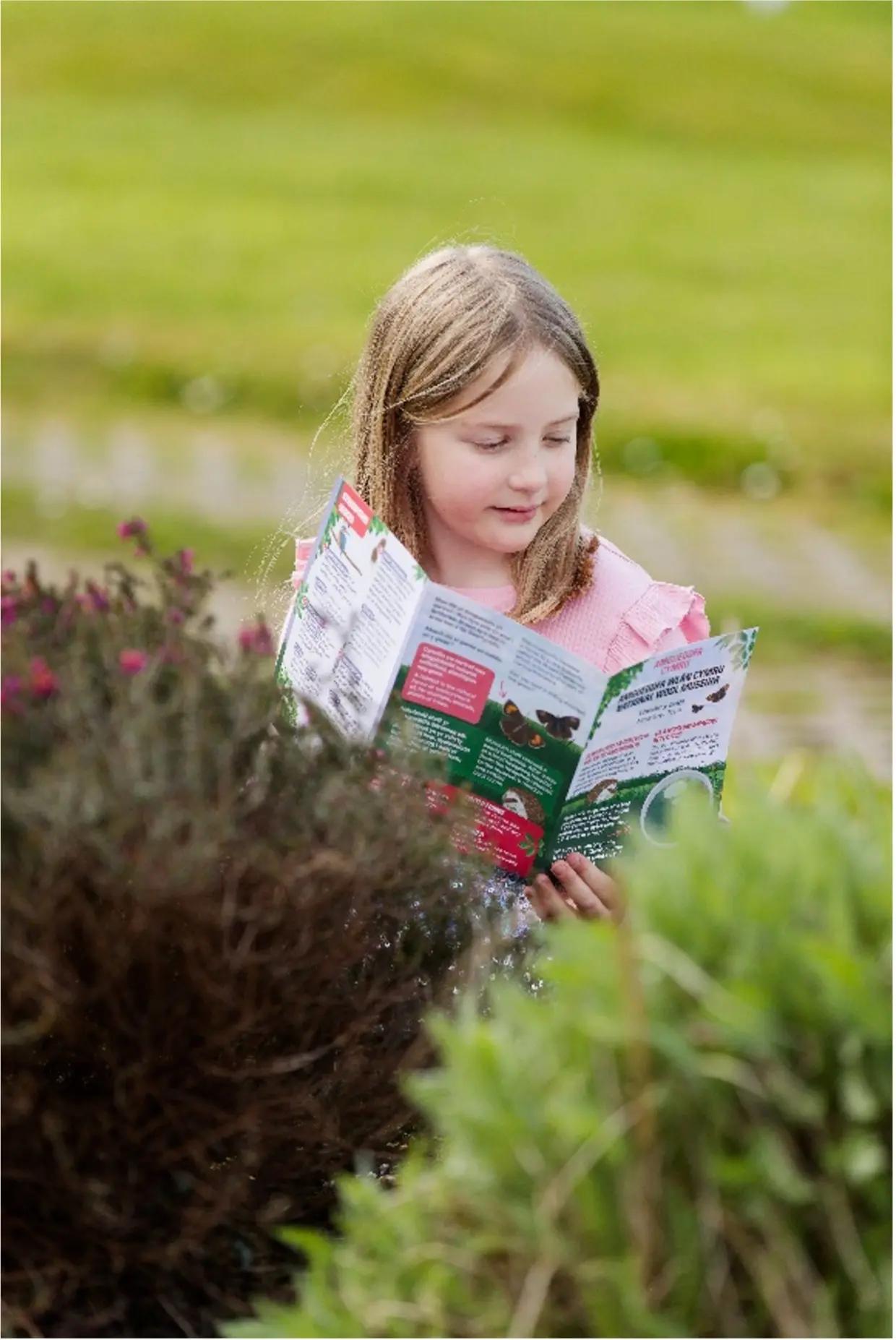
The Meadow Trail highlights some of the plants and animals that can be found across the site, while signage, supported by the National Heritage Lottery Fund GROW project, explains the importance of seasonal initiatives such as No Mow May.
By simply letting the grass grow, the National Wool Museum reveals a hidden world—one that changes with the seasons and rewards those who take the time to look a little closer.