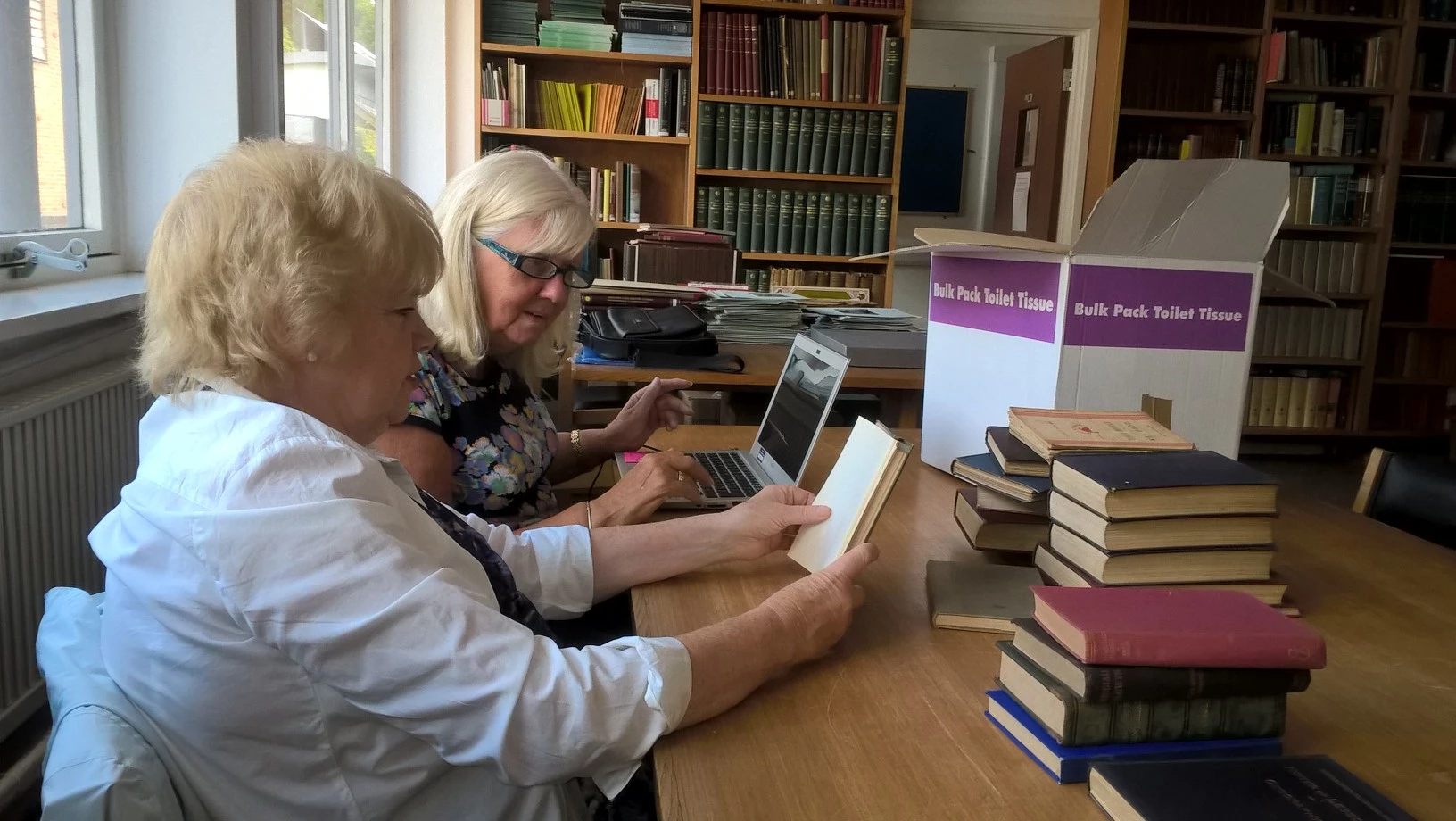
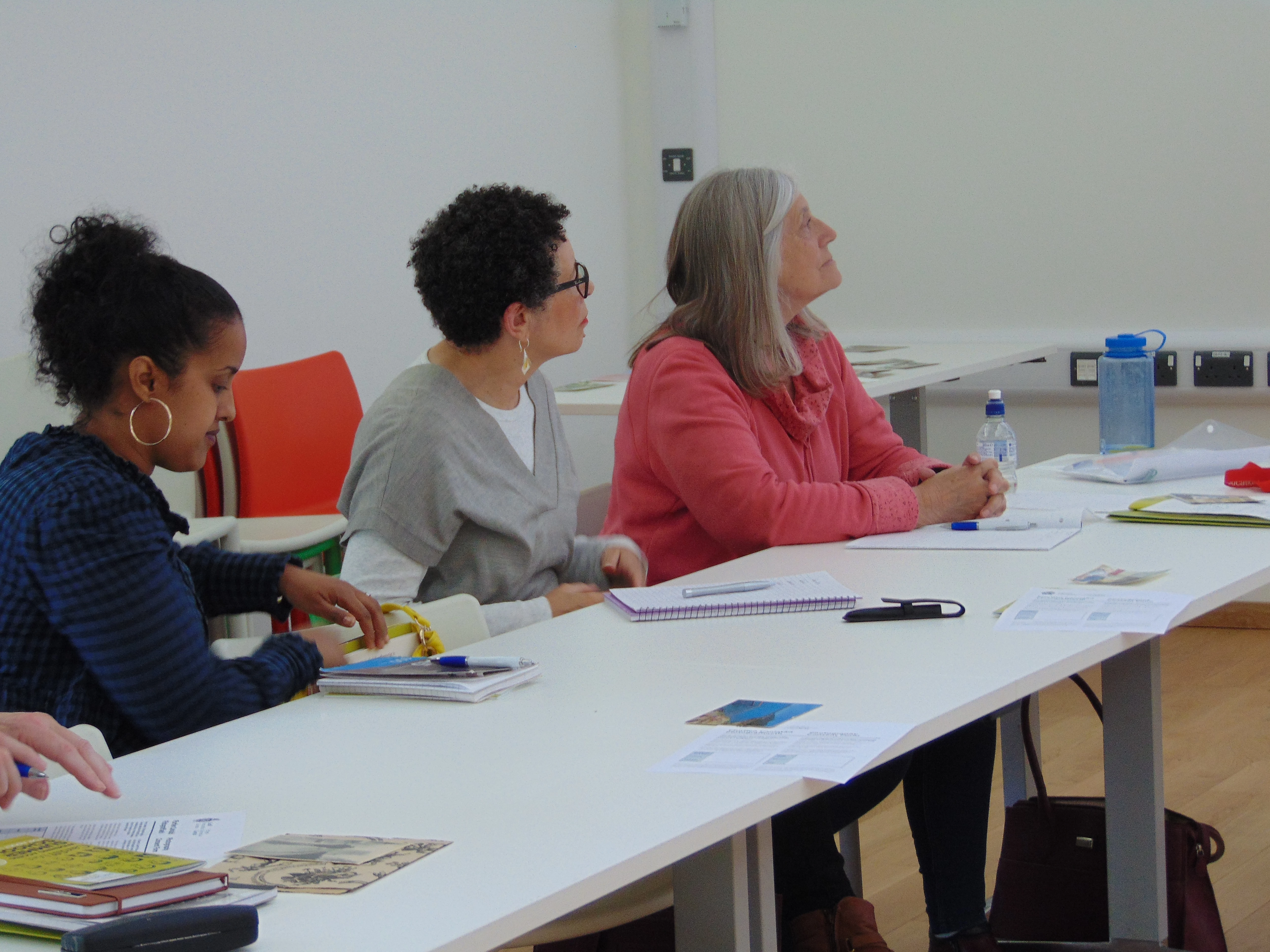
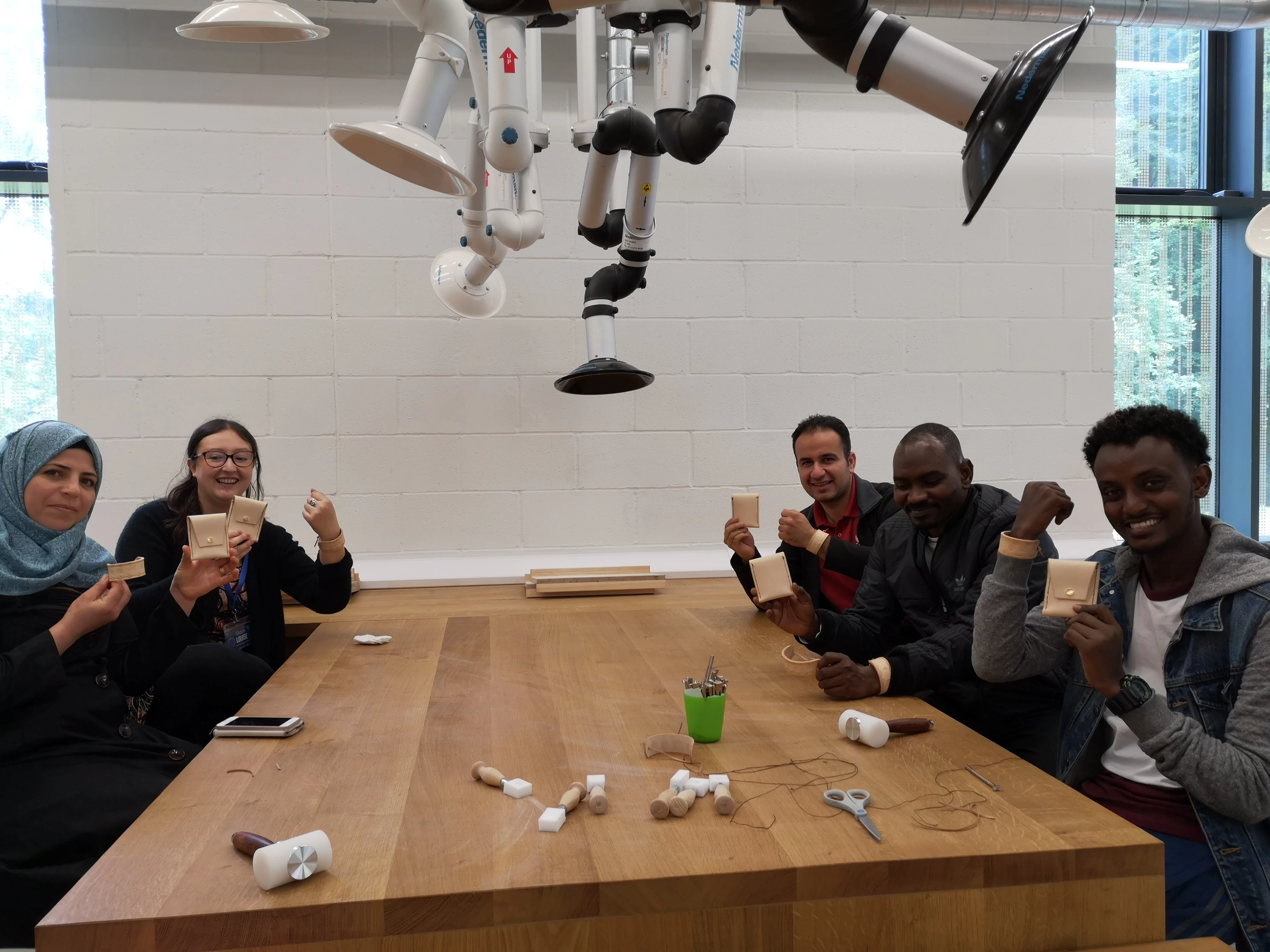
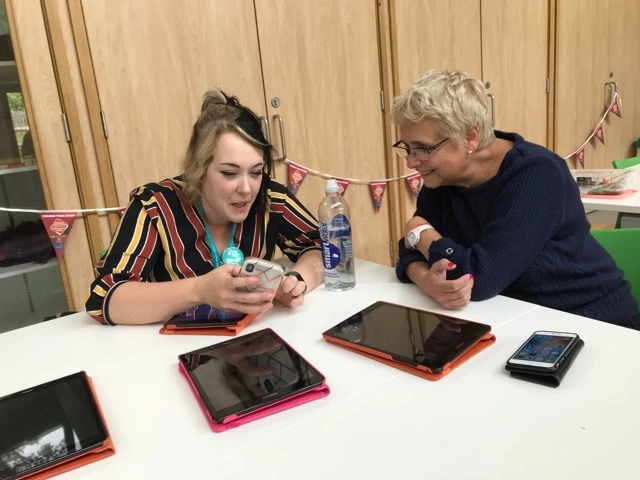
Adult Learning in Partnership at St Fagans National Museum of History Loveday Williams, Senior Learning, Participation and Interpretation Officer, 23 September 2020 Forums were established early in the Creu Hanes Making History project at St. Fagans to help us develop our participatory practice. One of these was the Informal Learning Forum, its focus was adult and community learning and involvement. Partners on this forum were largely involved in these areas of work and came together to support us to develop an adult learning programme at the Museum.During the project the Forums played different roles, and some were more active than others. The Informal Learning Forum initially worked with us a lot and subsequently throughout the life of the project they helped to shape the scope of Adult Learning at the Museum.In 2015 when I took on the role working with the forum we began to revisit their role and revitalise their involvement in not only the project but in Adult Learning throughout the Museum, in addition to contributing to the development of the Wellbeing programme.Since then the forum, now known as the Adult Learning Forum, has gone from strength to strength. They have supported us through the project and with new and ongoing work. Many of the original partners are still with us after the completion of the project in 2018, and new partners have since joined, adding to the diversity and scope of the group.Here’s a flavour of some of the work we’ve done together over the years and what the partners have to say about it:“Llandaff 50+ felt extremely privileged to be asked to join the Adult Learners’ Forum and attend its quarterly meetings at St Fagans National History Museum. Our charity’s aims are to help to ease the problems of loneliness and social isolation amongst older people and to encourage them to organise, and take part in, activities and social events. So, the opportunity to not only work with St Fagans, but also other local charity groups and organisations was an opportunity not to be missed. Contributing to discussions about facilities and opportunities for older people during the refurbishment of the Museum provoked many suggestions from our members about the problems of old age. It’s so easy to become centred on your own organisation and not see what else is happening in the voluntary and charitable sectors. Although we have the opportunity to give an update on our own activities in the Forum, it is always amazing to find out what else is happening. And we also get the chance to meet new people from all over Cardiff and the Vale, people helping others to improve their lives. Our Treasurer said ‘I didn’t realise there was so much going on, people are doing wonderful things’ after her first meeting. And we hear of opportunities to volunteer, too. We cherish the memories of cataloguing the books from the library at the Oakdale Workmen’s Institute, and then seeing them back on the shelves, where they belong. The books on engineering, that expanded the mind, children’s classics, that entertained at bedtime, and even a few that were a little risqué (and popular, too, judging by the stamps on the inside cover!). And an enjoyable lunch, after each session, formed a friendship group that still remains.The Forum has made Llandaff 50+ feel part of the Museum, and our organised visit and tour had a record attendance from members, all re-visiting with new friends, and enjoying the explanations of knowledgeable guides. Many returned with family later in the year to tell of their learning. We are also able to pass on information, learned at the Forum, to our members. Many attended Adult Learners’ Week events and enjoyed learning new crafts, and remembering old ones. New walks and leaflets are explained during 50+ meetings, and visits encouraged. We hope that the Forum will continue and enable our small, but very active charity, to work with such an important and much-loved Museum into the future, for mutual benefit.” (Volunteer, Llandaff 50+) Oakdale Reinterpretation Project The forum members were integral to the reinterpretation of Oakdale Workman’s Institute in 2015-16. The impact of their contribution saw the building reopen with a more participatory and user-friendly interpretation. This included developing resources for Welsh learners, those living with dementia, and individuals with sensory conditions. You can now also access all the rooms of the institute, some of which were only viewable from the doorway prior to the reinterpretation work.“In March 2016, as a member of Cardiff U3A’s Local History group, I became part of a re- interpretation project of Oakdale Miners Institute or ‘stute as locals called it. The project, which involved me in research of the building, built during the First World War and which remained a key educational and social centre for Oakdale miners and community through its reading room, meetings, library, concerts, films and dances for many years. This project culminated in the re-opening of the building in its centenary year, celebrated with a party for local people from Oakdale and for me by writing an article in the national U3A quarterly magazine ‘Third Age Matters’.” (Valerie Maidment, member of the Cardiff U3A).Trialling Adult Learning at St Fagans Forum members have been central to trialling courses and taster sessions at St Fagans over the past few years. We worked with local community partners Action Ely Caerau (ACE) to recruit volunteers to pilot our first accredited course in sewing skills in 2016. All participants were local to the area and faced barriers to participating in traditional learning opportunities. The course was integrally linked to the Museum, as the participants were making costumes for Museum staff to wear when delivering the Iron Age school session. The garments were based on a traditional pattern, and participants were guided through the techniques required to make them by the experienced tutor and expert historic garment seamstress Sally Pointer. None of the participants had previously sewn and they all left at the end of the 10-week course having not only achieved a qualification, but improved their confidence and interest in further learning.“We’ve really enjoyed working with the National Museum of Wales at St Fagans, and they’ve become a hugely valued partner in the CAER Hidden Hillfort Project. An example of the impact this partnership has made is found in our collaboratively organised sewing course. Accredited by Agroed Cymru and run in partnership with Adult Learning Wales, the project built on the strengths of both organisations, with ACE recruiting participants from our local communities (and hosting the training at the local community hub) and the National Museum creating a welcoming environment, facilitating the training and arranging participant visits to St Fagans. 13 participants, all of whom faced barriers to learning and none of whom had sewed before, completed the course. Outcomes included increased self-confidence and renewed interest in learning. The replica Iron Age costumes they made are still used by the museum, so they’ve left their mark! We love this kind of project and are enthusiastic participants in the Adult Learning Forum to ensure we can continue working with partners like the National Museum on precisely this kind of project well into the future.” Dave Horton, ACE Development Manager.Adult Learners Week: A key member of the Forum, the Learning and Work Institute, run the Adult Learners Week campaign across Wales every year. They have provided support when it comes to developing and delivering our programmes over the years and we have been regular contributors since 2015. We have tested activities and craft workshops, explored the potential of joint delivery and hosting courses, and ensured we’ve been able to provide opportunities to the participants of our partner organisations, as well as offering opportunities on a larger scale e.g. by holding an information fair in 2019. This year, for Adult Learners Week we have been proud to take part in this digital event, creating a programme of opportunities focused on making, crafting and creating.Here’s a quote from a key partner Hafal, whose participants have trialled and taken part in workshops during previous Adult Learners Weeks and at different times throughout the year.“I run a gardening project for groups of people at Hafal, the Mental Health Charity based inside St Fagans museum. Being part of the Adult Learners Forum has given me the fantastic chance to take groups to a variety of workshops held in the museum. The Decorative Copper workshop was a great success as was the Love spoon carving, and we worked for quite a few weeks on helping to thatch the Roundhouse building.Finding out from other members of the forum about what they have going on in the community has also offered opportunities for us to attend different activities. One of these was the archaeological dig at the Ely Hillfort, where we were shown around the site being worked on and then got to see some of the artefacts that had been uncovered there.This led to a workshop in the museum with the lead archaeologist, looking in more depth at what was found on the site and what it could tell us of the way people were living at that time, which was extremely interesting to the whole group.There are many learning opportunities discussed at the forums, and I am able to inform my groups so that they can take up them opportunities if wanted.Loveday is extremely knowledgeable and approachable, and very good at linking people together for mutual benefit. It has been a privilege to be part of the forum.” (Lesley, Recovery Practitioner, Hafal).Hosting courses at St FagansSince the opening of the new facilities at St Fagans in 2017 we have worked hard with partners to establish opportunities for other organisations to bring their learning opportunities to the Museum. We have worked with Cardiff Met’s Widening Access Department who in 2019 bought a series of courses to the Museum e.g. Creative Writing and Complimentary Therapy. These courses used the Museum and its collection to draw inspiration and influence the content of the courses. This delivery partnership enables learners to experience a unique Welsh perspective on their learning experience.Here’s what the Widening Access team at Cardiff Met have to say about the partnership:“It has been our great pleasure to work collaboratively with St Fagans, enabling us to enrich courses by sharing the wonderful resources and expertise available at the Museum. Tutors from the University are able to work with the staff at St Fagans to incorporate Welsh culture into their courses and the exhibits bring this to life for students. By sharing resources, publicity and expertise the students benefit by a greater offer than without the partnership work. We are also able to reach a wider community and are able to consult via the learning forum so that we have a better understanding of what the community would like to learn. Finally it is great to be able to hold the courses in such fantastic buildings and have the support of all the staff who are always professional, friendly and most importantly provide a warm welcome.” (Jan Jones, Head of Widening Access, Cardiff Met).We also work closely with Welsh for Adults, based within the School of Welsh at Cardiff University. We have hosted Sadwrn Siarad, a day of welsh language activities, in the summer for several years, but in 2019 we were able to offer them classroom space to bring Welsh evening courses to St Fagans. This was piloted in January 2019 when the first Entry 1 course started. Following its success two further courses started the following September, whilst the learners engaged on the first course progressed to Entry 2.Here’s what the Welsh for Adults team at the School of Welsh have to say about the partnership:“Mae Dysgu Cymraeg Caerdydd yn falch iawn o gael y cyfle i gyd-weithio â Sain Ffagan Amgueddfa Werin Cymru. Ffurfiwyd y bartneriaeth drwy Fforwm Addysg Oedolion sy’n cael ei arwain gan Loveday Williams o’r Amgueddfa ac mae’r cyd-weithio rhyngom wedi mynd o nerth i nerth ers hynny. Yn Ionawr 2019, cynhaliwyd cwrs dysgu Cymraeg lefel Mynediad ar gyfer dechreuwyr yn yr Amgueddfa. Mae’r gwaith wedi dwyn ffrwyth ers hynny gan i ni ddarparu tri chwrs ym mis Medi 2019, cwrs dilyniant a dau gwrs lefel Mynediad i ddechreuwyr. Er i ni orfod oedi’r dysgu wyneb yn wyneb ym mis Mawrth eleni, mae’r holl gyrsiau wedi parhau’n rhithiol ac yn parhau ar-lein am 2020-2021. Felly er nad oes modd i ni gynnal dosbarthiadau yn Sain Ffagan ar hyn o bryd, mae’r Fforwm Addysg Oedolion yn ein galluogi ni i barhau i gyd-weithio a chynllunio at y cyfnod nesaf.” (Mari Rowlands, Dysgu Cymraeg Caerdydd)“Learn Welsh Cardiff is delighted to have the opportunity to work with St Fagans National Museum of History. The partnership was formed through the Adult Learning Forum led by Loveday Williams from the Museum and the partnership has gone from strength to strength ever since. In January 2019, we held an Entry level Welsh course for beginners at the Museum. The work came to fruition when we provided three courses in September 2019, a progression course and two Entry level courses for beginners. Despite pausing all face-to-face learning back in March, all courses have continued virtually and will remain online for 2020-2021. So although we can't hold classes at St Fagans at the moment, the Adult Education Forum allows us to continue to work together and plan for the next period.” (Mari Rowlands, Learn Welsh Cardiff)We look forward to continuing to work with all our partners, and establishing new ones in the future as we assess what our “new normal” will look like and how we can continue to operate and grow our adult learning offer.

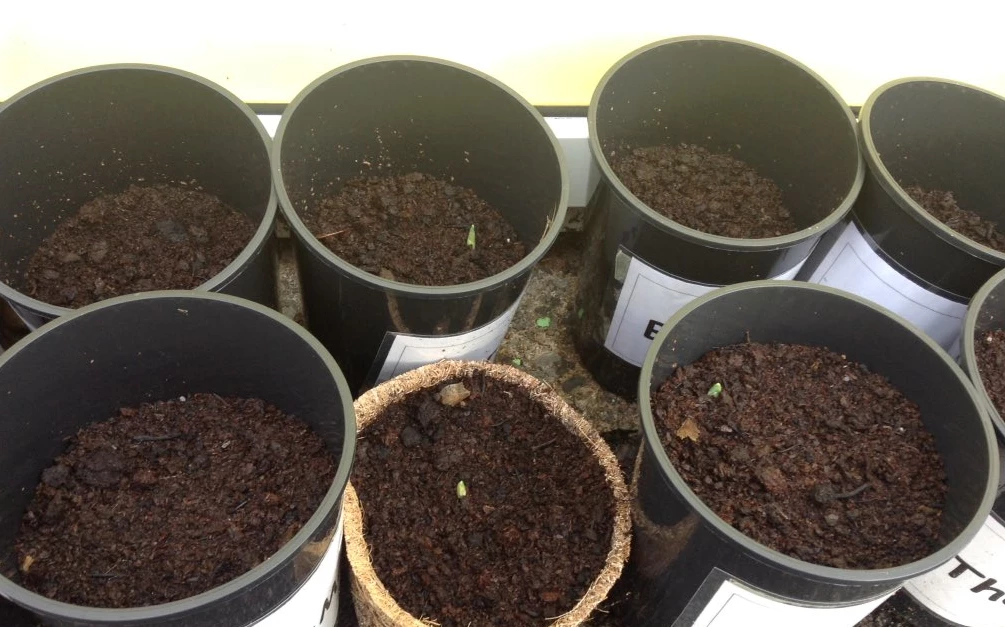
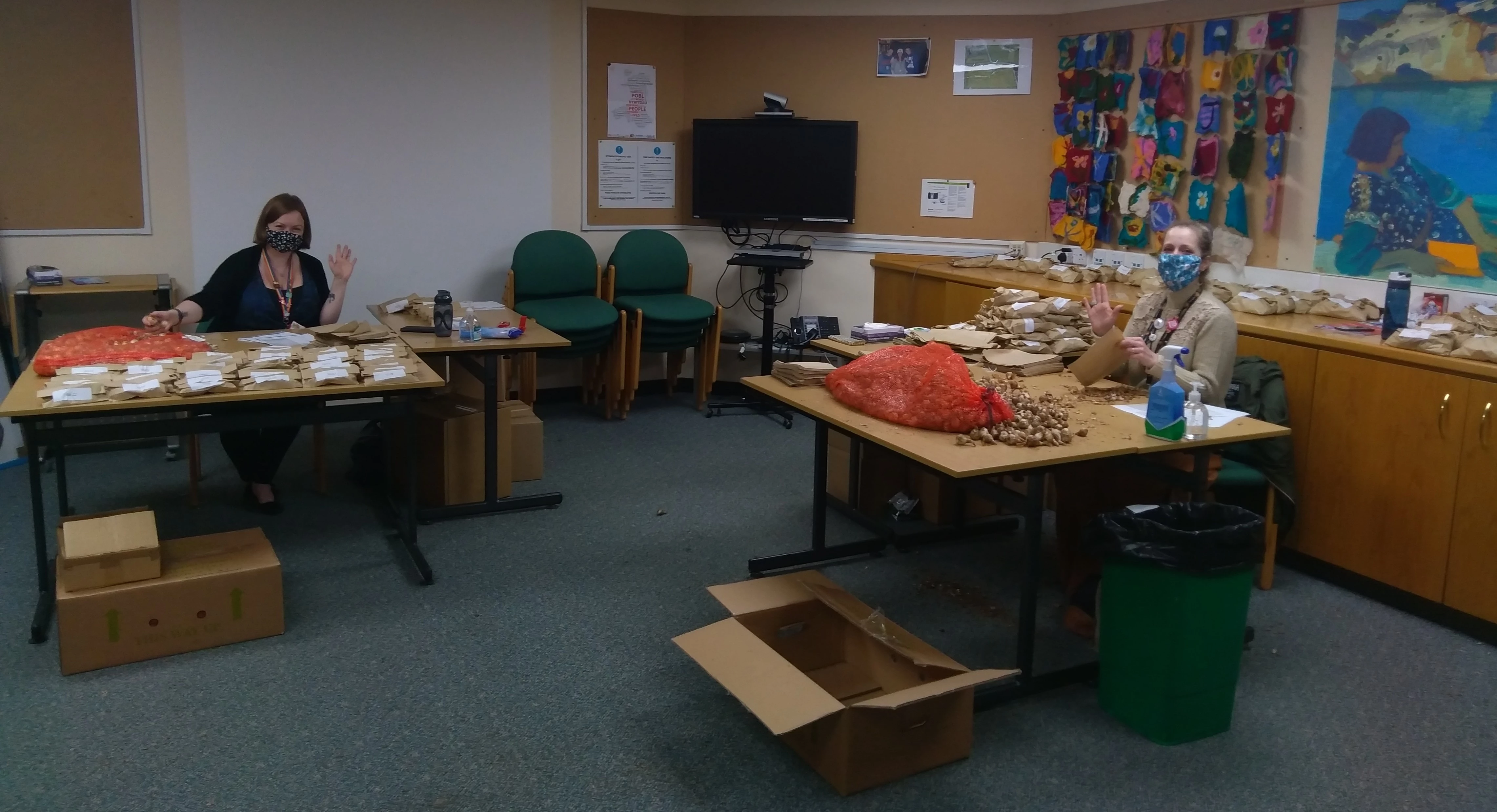
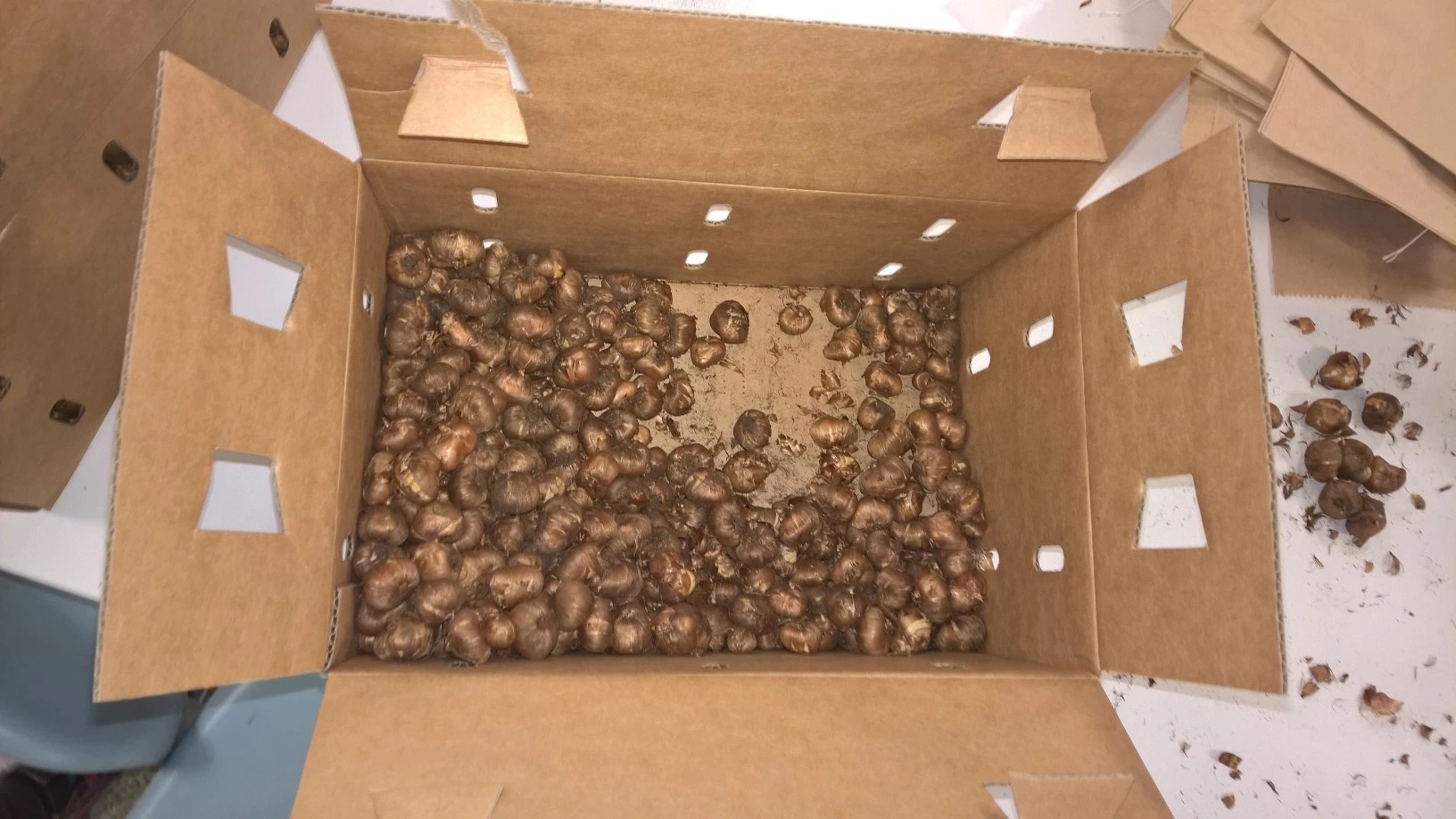
Super Scientists 2020 Penny Dacey, 3 August 2020 Amgueddfa Cymru – National Museum Wales would like to congratulate the 4,463 pupils from across the UK who achieved Super Scientist recognition for their participation in the Spring Bulbs for Schools Investigation 2019-2020.A big congratulations to you all! Thank you for working so hard planting, observing, measuring and recording, you really are Super Scientists!Many thanks to The Edina Trust for funding this project.Super Scientists 2020Enillwyr / WinnersCymru / Wales: Ysgol Gynradd Gymraeg TonyrefailGogledd Iwerddon / Northern Ireland: Holy Cross Girls' Primary SchoolLloegr / England: St Michael's CE Aided Primary SchoolYr Alban / Scotland: Gavinburn Primary School Yn Ail / Runners upCymru / Wales: Bryncoch CiW Primary SchoolGogledd Iwerddon / Northern Ireland: Greenhaw Primary SchoolLloegr / England: King's Meadow AcademyYr Alban / Scotland: Penpont Primary School Clod Uchel / Highly CommendedCymru / Wales:St Paul's CiW PrimarySt. Julian's PrimarySt. Robert's Catholic PrimaryYsgol Gymraeg CaerffiliGogledd Iwerddon / Northern Ireland:Steelstown Primary SchoolLloegr / England:Arkholme C of E Primary SchoolBursar Primary AcademyClifton Primary SchoolOssett Flushdyke Junior and Infant SchoolSt Austins Catholic Primary SchoolStoneferry Primary SchoolWoodfield PrimaryYr Alban / Scotland:Dalbeattie Primary SchoolSt Fergus' Primary SchoolSt John Ogilvie Primary School Cydnabyddiaeth arbennig / Special RecognitionCymru / Wales:Blaendulais Primary SchoolBro PedrBroad HavenCarreghofa C P SchoolDarran Park PrimaryEvenlode PrimaryFerryside V.C.P SchoolGaer Primary SchoolHenllys C/W PrimaryLitchard Primary SchoolLlanedeyrn Primary SchoolLlanharan Primary SchoolPil Primary SchoolSofrydd Primary SchoolSt Athan PrimarySt Joseph's Cathedral Primary SchoolTonyrefail Community SchoolYsgol DeganwyYsgol Gymraeg Dewi SantYsgol Llwyn yr EosYsgol San SiorLloegr / England:Canon Peter Hall Primary SchoolFieldhead Primary AcademyFleet Wood Lane Primary SchoolHudson Road Primary SchoolOldfleet Primary SchoolStanford in the Vale Primary SchoolYr Alban / Scotland:Carnbroe Primary SchoolEarlston Primary SchoolGreenburn SchoolLawefield Primary SchoolSanquhar Primary SchoolSt Mungo PrimaryWhatriggs Primary School Gwyddonwyr Gwych / Super ScientistsCymru / Wales:Dyffryn CledlynAberdare Park Primary SchoolAlbert Primary SchoolBlaengwrach PrimaryGarth primary SchoolGeorgetown PrimaryHendredenny Park PrimaryHigh Cross Primary SchoolLlangan Primary SchoolMaesgwyn Special SchoolNPTC Newtown CollegeSt. Michael's RC PrimaryTy Isaf Infants SchoolWhite Rose Primary SchoolY Berllan DegYsgol Craig yr WylfaYsgol Ysbyty IfanGogledd Iwerddon / Northern Ireland:Auchencairn Primary SchoolJohn Paul II Primary SchoolNewbuildings Primary SchoolSaint Patrick's Primary SchoolSt Anne's Primary SchoolSt Paul's Primary and Nursery SchoolLloegr / England:Adelaide Primary SchoolBardney CofE Primary SchoolCastleford Park Junior AcademyChorley St James CE PrimaryDunstall Hill Primary SchoolGarstang St Thomas C.E. PrimaryGonerby Hill Foot C E Primary SchoolNorth Road Primary SchoolSandal Magna Community AcademySt Helen's C of E Primary SchoolSt Michael's Church of England Aided Primary SchoolSt Peter's Catholic Primary SchoolYr Alban / Scotland:Cummertrees Primary SchoolDrummore Primary SchoolGelston Primary SchoolGlenluce Primary SchoolGordon Primary SchoolLaurieknowe Primary SchoolLocharbriggs Primary SchoolLoreburn Primary SchoolNew Abbey Primary SchoolNewmains Primary SchoolOur Lady of Peace Primary SchoolSaint Anthony's Primary SchoolSheuchan Primary SchoolWormit Primary SchoolSt Peter's Primary School
Minecraft Your Museum: The Winners! Danielle Cowell, 25 July 2020 We have had fantastic entries from all areas of Wales & beyond! The standard is truly incredible! Visiting these virtual museums has been great fun and an incredible honour! Many thanks to everyone who took part in the Minecraft Your Museum Competition! We hope you enjoyed taking part as much as we enjoyed visiting your Museum! The video below shows entries from all our participants and highlights the winning entries.Congratulations to everyone who took part in this (woolly) mammoth of a challenge! This competition shines a light on the talented young 'crafters' we have in Wales! They have created the most beautiful Museums and wonderful collections. They also thought of everything a visitor might need from cafes, to play areas, shows and of course toilet facilities. They are digital architects, curators and Museums managers all rolled into one! The digital skills they have used in both creating and presenting is something to shout about! Digital Literacy being a cross-curricular theme in Wales is really paying off. We are delighted to announce that the People's Collection Wales will be creating a collection of all the entries so others too can appreciate the amazing museums created. Once we have permission from participants,we will update this blog with links. People’s Collection Wales is a National digital collection that gathers history from the People of Wales.We are delighted to announce that the Minecraft Your Museum competition has been shortlisted for the Family Friendly Museum Award From Home. The Winners:1st place: Prize VIP trip for your class to your chosen museum (when safe to do so). Plus two reserved tickets for the Museum Sleepover - Dino nights at home & certificates. Year 2 - Thomas Denney Year 3 - Carys Lee Year 4 - Gwilym Davies-Kabir Year 5 - Osian Jones Year 6 - Caitlin Quinn & Lucy Flint Group category: Marc, Zach and Matthew Chatfield. 2nd place: Two reserved tickets for the Museum Sleepover - Dino nights at home & certificates! Year 2 - Monty Foster Year 3 - Nico Poulton Year 4 - Luca Dacre Year 5 - Chloe Hayes Year 6 - Bethan Silk Group category - Emily Jones and Daisy Slater 3rd place: Two reserved tickets for the Museum Sleepover - Dino nights at home & certificates! Year 2 - Meilyr Frost Year 4 - Arwen Silk Year 5 - Zach Waterhouse Year 6 - Evie Hayden Group category - Theo Harrison, Thomas Sommer, William Howard-Rees Highly commended: One reserved ticket for the Museum Sleepover - Dino nights at home & certificates! Year 2 - Mali Smith Year 4 - Oliver Jarman Year 5 - Ffion Ball Year 5 - Zac Davis Year 6 - Scarlett Foster Year 7 - Wren Ashcroft Group category - Bella Hepburn and Phoebe Wilson Group categroy - Gwen Fishpool, Ethan Coombs and Sofia Mahapatra To be awarded Minecraft Your Museum certificates for completing the challenge! Rita Jones Thomas Silk Elliott Thompson Entry 1 (Gelli Primary) Entry 2 (Gelli Primary) Entry 3 (Gelli Primary) Entry 4 (Gelli Primary) Alis Jones Andrew Poulton Cari Hicks Elyan Garnault Ethan Beddow Evan Hicks Greta Wyn Jones Joshua Akehurst Jude Clarke Matilda Turner Ronan Peake Tomos Dacey Zac Jonathan Cally Sinclair Chris Jones David Hughes Durocksha Eshanzadeh Eifion Humphreys Emilia Slater Emily Akehurst Freya Powell Harriet Heskins Henry Lansom Holly Wyatt Ioan Davies Isaac Smith Jessica Thomas Kayden Matthews Lewis Hopkins Macy Jo Tolley Maisie Boyce Mia Livingstone Noah Pearsall Oliver Reeves Peyton Creed Phoebe Skinner-Quinn Rufus Huckfield Sam Cowell Sam Rees Sophie Vickers Sumaiyah Ahmed Tomos Pritchard Will Heskins Zoe Murfin Abhay Prabhakar Alexander Newman Angharad Thomas Floyd Thomas Gwydion Frost Morgan Trehearne Rhys Tinsley Ziggy Dyboski-Bryant Ben Fox-Morgan Emilia Johns Trixx Flixx Dylan, Rhiannon, William Bringhurst Dylan, Rhiannon & William Ellouise Grace James Matthews Pippa and Monty Walker Daniel Brenan & Micah Bartlett Chloe and Grace Chamberlain The CompetitionCompetition for 6-11 year olds.The Challenge: Use your imagination to build your dream museum in Minecraft. Decide how you would like the building to look and fill it with some of your favourite Museum objects. They could be anything from any of our seven museums, such as a Dinosaur, a Roman coin or a house from St Fagans!Prizes: Win a VIP trip for you & your whole class to your chosen museum - when schools re-open! A prize will be awarded to each year group (Yrs. 2-6).
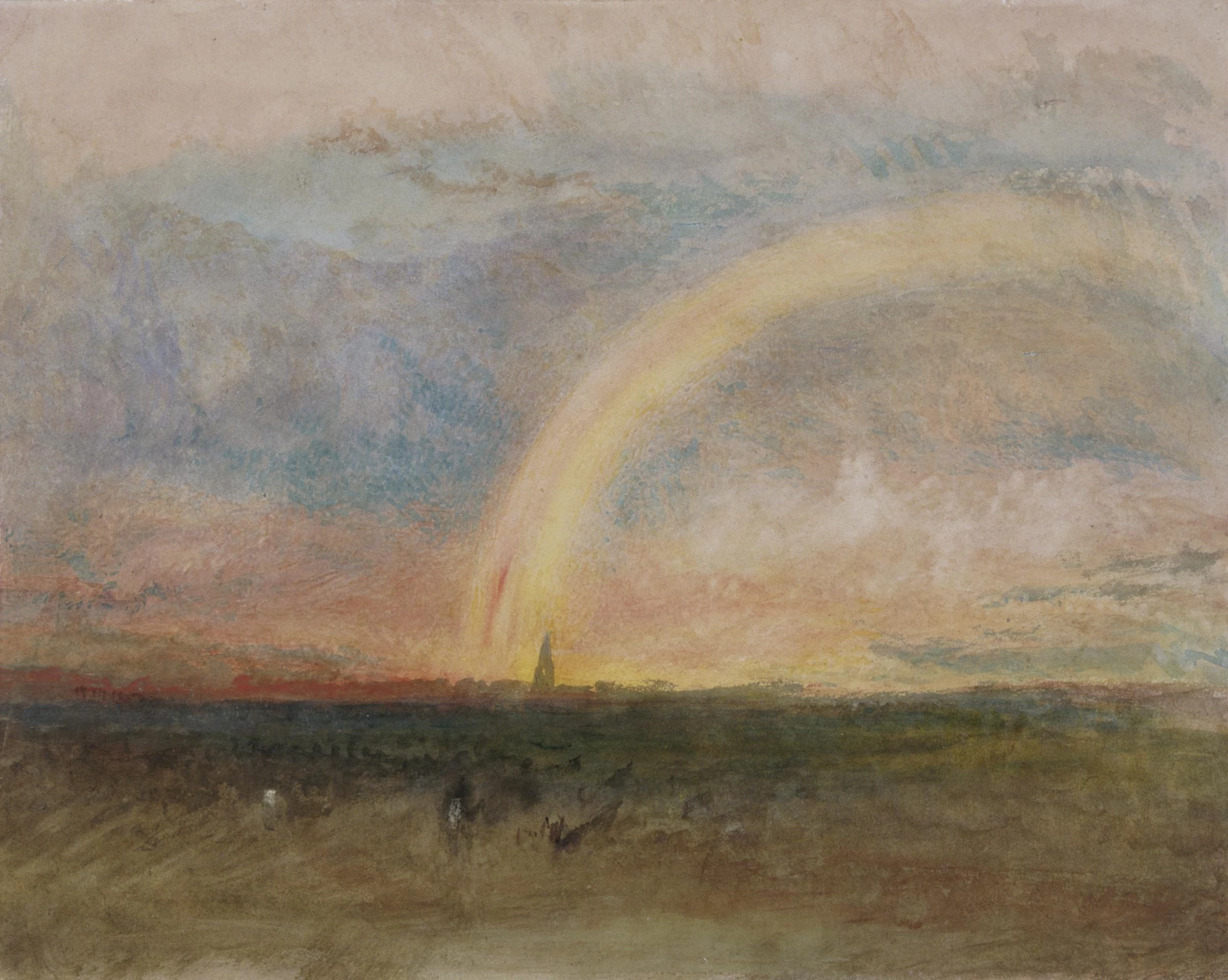
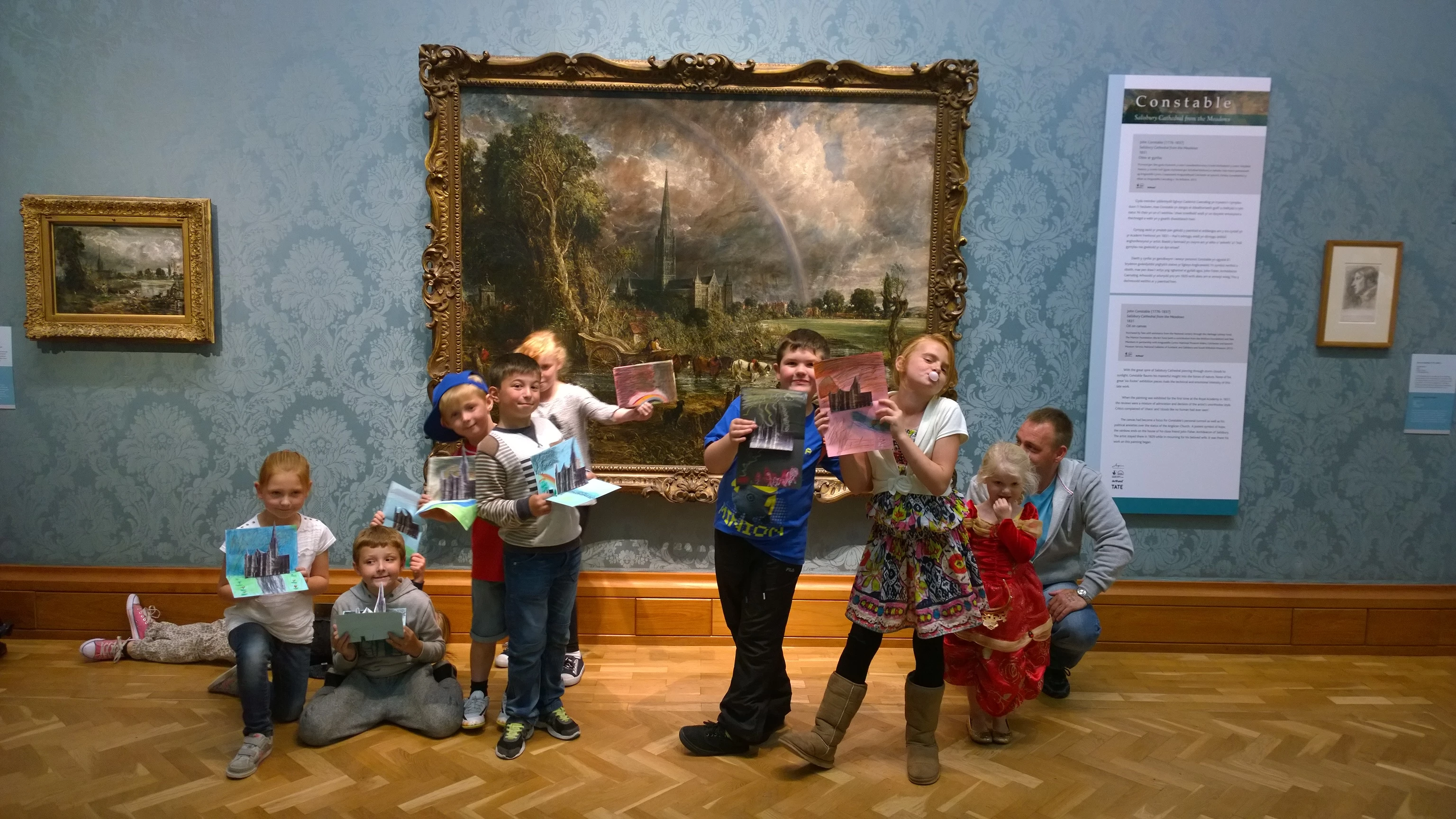
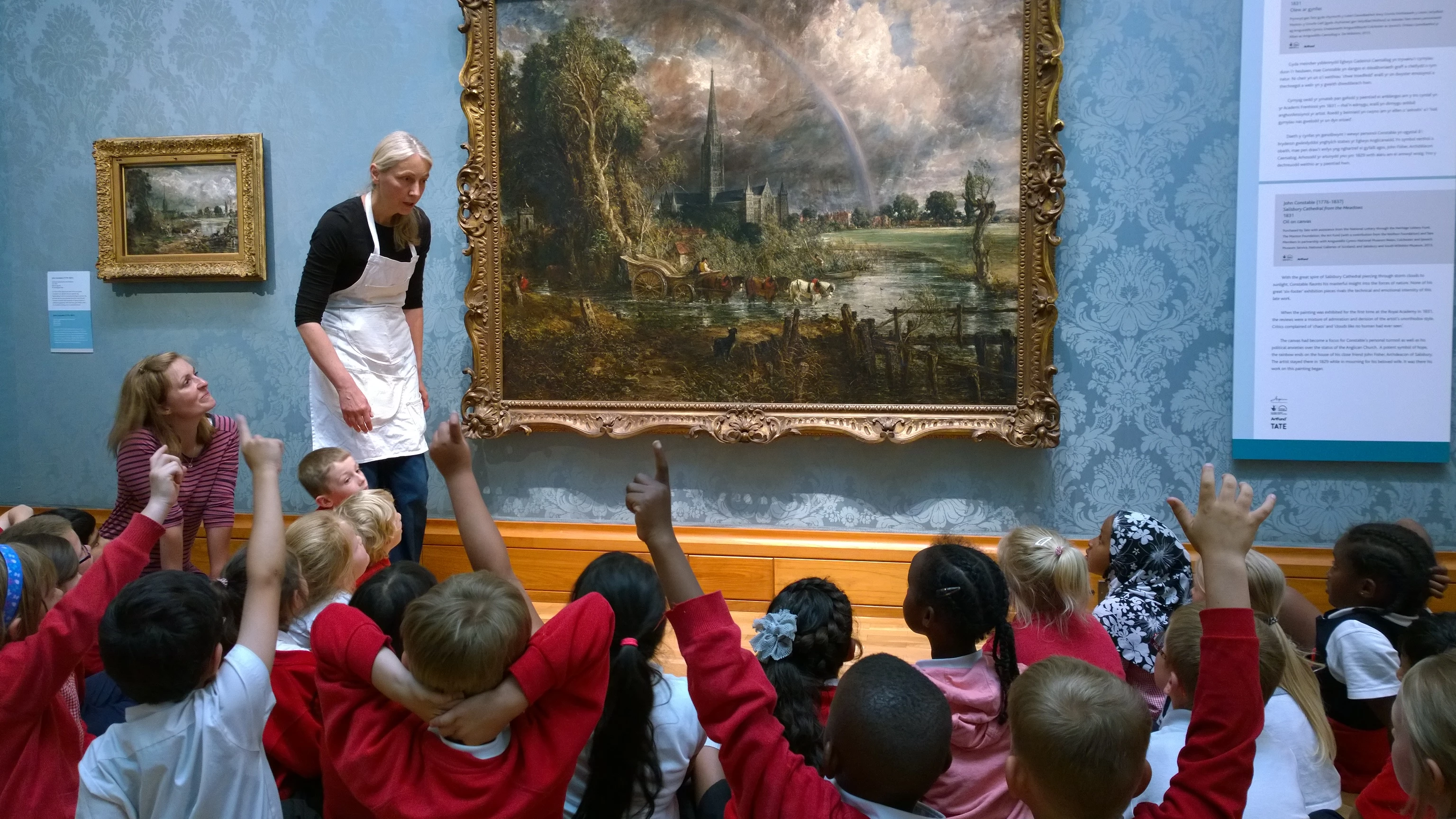
Painting: another word for feeling? Constable, rainbows and hope Stephanie Roberts, 2 June 2020 Since lockdown began, I have found myself spending more time than ever peering in to people’s windows. Not because I’m nosy (well, maybe just a little) but because our streets have become almost living galleries, with art popping up in windows everywhere – mostly rainbow art, as symbols of hope.This got me thinking about the rainbows in the national art collection, like the Turner watercolour given to us by Gwendoline Davies in 1952 as part of the Davies sisters bequest; Thomas Hornor’s rushing waterfall rainbow; and this more melancholic painting in the manner of Constable of a rainbow cutting through dark clouds, with a solitary figure at a fence seemingly oblivious to the rainbow above.Comfort on our doorstepsThe weather was a constant source of fascination to Constable. He was drawn to rainbows as a scientific spectacle, and also for their calming effects. He once said ‘nature… exhibits no feature more lovely nor any that awaken a more soothing reaction than the rainbow’. For Constable, the rainbow represented a glimmer of hope in tumultuous times – something that may resonate with many of us today, as we struggle to come to terms with traumatic world events.Constable believed artists should paint views and subjects with deep personal connections – things that they know and love; things that have stirred their senses and emotions. He once said that ‘painting is but another word for feeling’. For some, this is key to understanding his art. Constable’s paintings are not meant to looked at – they are meant to be felt.Much of his work was inspired by childhood memories of his native Suffolk. A Cottage in a Cornfield shows a humble cottage in the country, with what appears to be a little donkey and foal hiding in the shadows at the gate – a simple scene he saw every day on his way to school as a boy. He delighted in the smallest details – things that many of his contemporaries in the nineteenth century art would have overlooked. ‘The sound of water escaping from mill dams, willows, old rotten planks, slimy posts, and brickwork, I love such things’ he wrote. Nothing was too commonplace, too mundane to be in his paintings. He saw beauty in things that at the time were not considered worthy to be the subject for art. He teaches us to find beauty in the everyday, and comfort on our doorsteps.Today lockdown has stripped many of us right back to basics, and we are being encouraged to seek comfort and value the everyday more than ever before. We would love to see the things that are helping you get through these difficult times. You can share your #ObjectsofComfort with @AmgueddfaCymru on Twitter, or follow to see the items in our collections that have brought comfort to different people through the ages. Learning from Constable’s rainbowsSix years ago I had the privilege of being part of the Aspire partnership project which saw Constable’s incredible six-footer painting Salisbury Cathedral from the Meadows 1831 (Tate) displayed at National Museum Cardiff, after it was saved for the nation in 2013. The painting shows Salisbury Cathedral under a storm-heavy sky, a flash of lightning striking its roof. When he began paiting it in 1831, Constable was caught up in his own personal storm. His wife Maria had died from tuberculosis, leaving Constable to raise their seven children alone. He was also plagued by anxiety about political and religious changes raging around him. The painting is seen as an expression of the deep anxieties Constable felt at this time - anxieties, which were nonetheless mixed with a glimmer of hope for the future, symbolised by the faint rainbow. It is no coincidence that the rainbow ends at Leadenhall, the home of his friend and patron John Fisher who supported him through his darkest days.Alongside the display we co-ordinated a series of learning activities, working with different visitor groups to create artworks and poems inspired by this painting. Over 6000 people took part in the programme, and I loved seeing the creative responses like these amazing pop-up rainbow landscapes made in family workshops. The animated light projections made by school groups working with artist Anne-Mie Melis , and CPD workshops for teachers led by poet clare e. potter were also real highlights.Hope and broken heartsWhat struck me during this project is that people of all ages responded so openly to the painting, and how it sometimes opened up dialogues about complex emotional states like grief, loss, hope and happiness.One young pupil, Charles, asked ‘why does the dog look up for hope but the horses look down with their broken hearts?’; another, after learning that it took Constable four years to complete this painting, wondered ‘can you be that sad for that long? cos for every day you have a different feeling.’ I think about these questions even six years later: how emotions are never seperate - they intermingle and change so easily - and how our emotional states are never static, but are in a constant state of flux, which can sometimes make them difficult to deal with because they seem impossible to control.This, I think, is why we need art and creativity more than ever. Not because I think art will solve the issues we are facing today - but perhaps it has a role in helping us to ask the right questions, and in teaching us how to feel our way through, together. In 2013 Constable’s Salisbury Cathedral from the Meadows 1831 was secured for the British public through the Heritage Lottery Fund, the Manton Foundation, the Art Fund (with a contribution from the Wolfson Foundation) and Tate Members. The acquisition was part of Aspire, a five year partnership between Amgueddfa Cymru, Colchester and Ipswich Museum Service, The Salisbiry Museum, National Galleries of Scotland and Tate Britain, sponsored by the Heritage Lottery Fund and the Art Fund.To secure the painting, a unique partnership initiative was formed between five public collections: Tate Britain, Amgueddfa Cymru – National Museum Wales, Colchester and Ipswich Museums, Salisbury and South Wiltshire Museum and the National Galleries of Scotland. This initiative, named Aspire, was a five-year project supported by the Heritage Lottery Fund and the Art Fund enabling the work to be viewed in partner venues across the UK. National Museum Cardiff was the first venue to display the work.
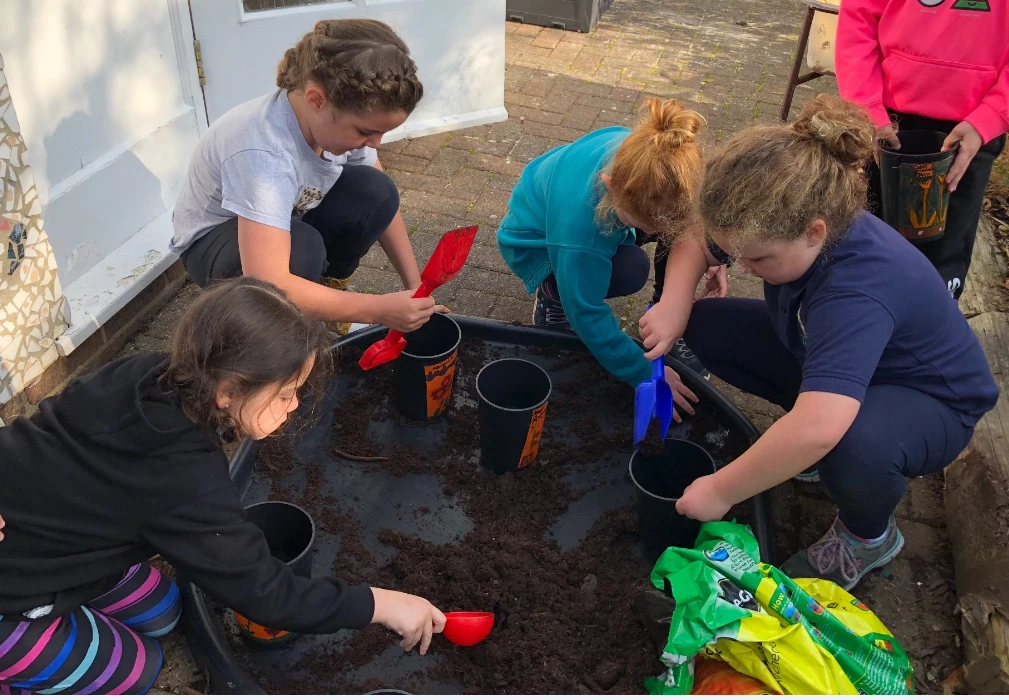
Dig for Health and Wellbeing! Sharon & Iwan Ford, 29 April 2020 Produce and flower gardens were a mainstay of Miner's homes. An important place where food was grown, where pidgeons, chickens and often a pig was also kept. Sharon Ford is Learning and Participation Manager at Big Pit National Coal Museum. She wrote this article for our blog, in celebration of the health and wellbeing benefits of gardening - particularly during this lockdown. Its full of gardening joy and helpful hints and tips, and Sharon had more than a little help from a fellow keen gardener - her son, Iwan. ‘We may think we are nurturing our garden, but of course it's our garden that is really nurturing us’ Jenny Uglow I’ve never been so grateful to have a garden as I do at the moment, because it offers a space to inhabit beyond the four walls of the house. The fact that the weather has been so consistently good has enabled us to make the most of being outdoors when not working, to get out of each other’s way when we need a bit of solitary time, and of course catch up on all the garden tasks which are usually shoe horned into evenings and weekends. Having something to plan and focus on has been really helpful in taking our minds away from the current global crisis and the fact that we are away from friends and family. Even our energetic 8 year old son Iwan has been more engaged with the outdoors so far this year, planning which vegetables he wants to harvest and eat in a few months time, and the fresh air and activity tires him out at the end of the day. This is important as he is missing his usual swimming, gymnastics and rugby sessions.The benefits of gardening on physical and mental health are well-researched and widely known, and it can help with a range of physical conditions such as high blood pressure and anxiety, as well as helping those with more defined mental health problems.Not everyone is as lucky as we are to have a garden at home and an allotment just across the road, but keeping pots or planters of vegetables in small spaces can also help reduce stress and boost self-esteem. Tending for house plants has also been proven to give a sense of purpose, and can be a good place to start for those with no previous experience of gardening.Anyway, I asked Iwan of he wanted to share his top tips for growing and tending, as he’s a seasoned gardener with four years experience now. He also wanted to share his tips for keeping chickens, just in case anyone is thinking of getting chickens to keep them happy! By the way, the therapeutic benefits of chicken keeping are also well documented!My name is Iwan Ford. I am 8 years old and live in Blaenavon. During the lockdown, I spend all my time at home with Mam and Dad. It is ok but I miss my friends and cousins. We are very lucky because we have two gardens and two chickens. My chickens are called Barbara and Millie. I had another chicken who was called Penny, but she died a few weeks ago because she was poorly. We buried her in the garden.Someone gave Millie to us when they heard Barbara was on her own. She is a Silkie, and is very funny and clumsy. She has big feet and walks on and into everything. Sometimes she kicks the food over and sometimes she walks over Barbara. She is very friendly and follows me around the garden. Silkies have blue ears and furry feathers. Barbara is a small bantam and has very beautiful feathers. She had orange feathers around her neck. She lays very small eggs but they are yummy and have very yellow yolks. You can tell they are happy chickens.I do some gardening to help Mam and Dad because we have an allotment as well as our house garden. I like planting, watering and picking the vegetables and fruit when they grow. I have my own vegetable patch and have planted my French beans, pumpkin, marrow and kidney bean seeds already. Seeds need good soil with compost mixed in, sunshine and water. You have to remember to water a lot or they will not grow.Iwan’s Top Tips:Planting tips: Fill the plant pots with compost. Put your seed in. Sometimes you half fill the pot with compost then the seed then more compost. Sometimes you fill the pot then make a hole with your finger and put the seed in. Make sure you water them, and they will grow in a few weeks. When they have grown big enough and no more frost is coming, you put the plants out into the ground. If you haven’t got a garden you can grow potatoes in buckets or bags of compost if you cut the top. Tomatoes will grow like this as well. Always write the names of what you are planting on tags or lolly sticks and put into the pots so you know which is which. Chicken tips: Silkie chickens don’t like to wander as they can’t fly, so if you only have a small garden silkies are the best. Chicken poos are good for making compost. When this is ready you can dig it into the soil to make your plants come up big and strong. Chickens love meal worms as a little treat. We give some to the chickens and put some out for the garden birds as well. ‘Beaky and Feather’ is the chickens favourite food and makes their feathers shine.