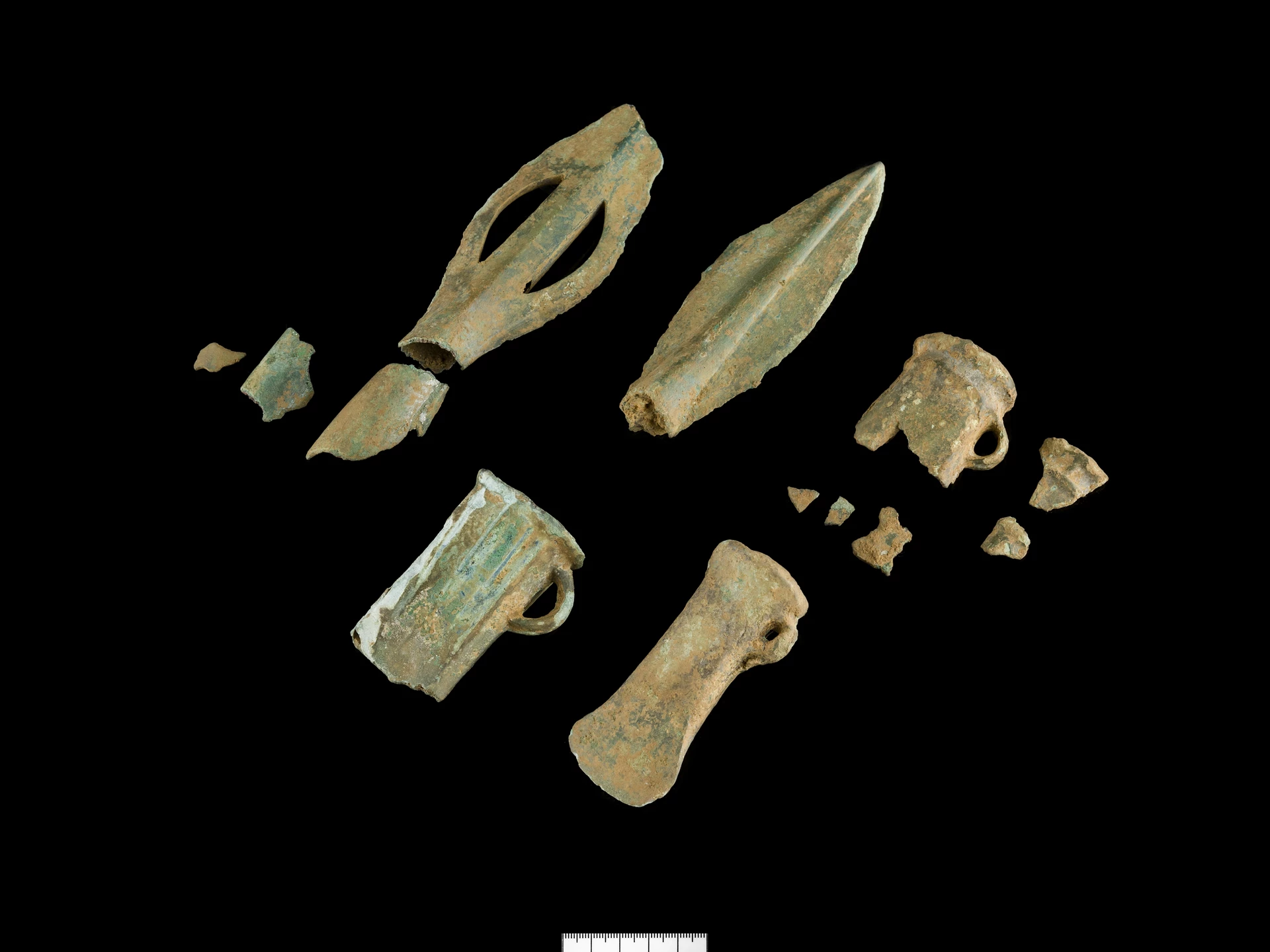
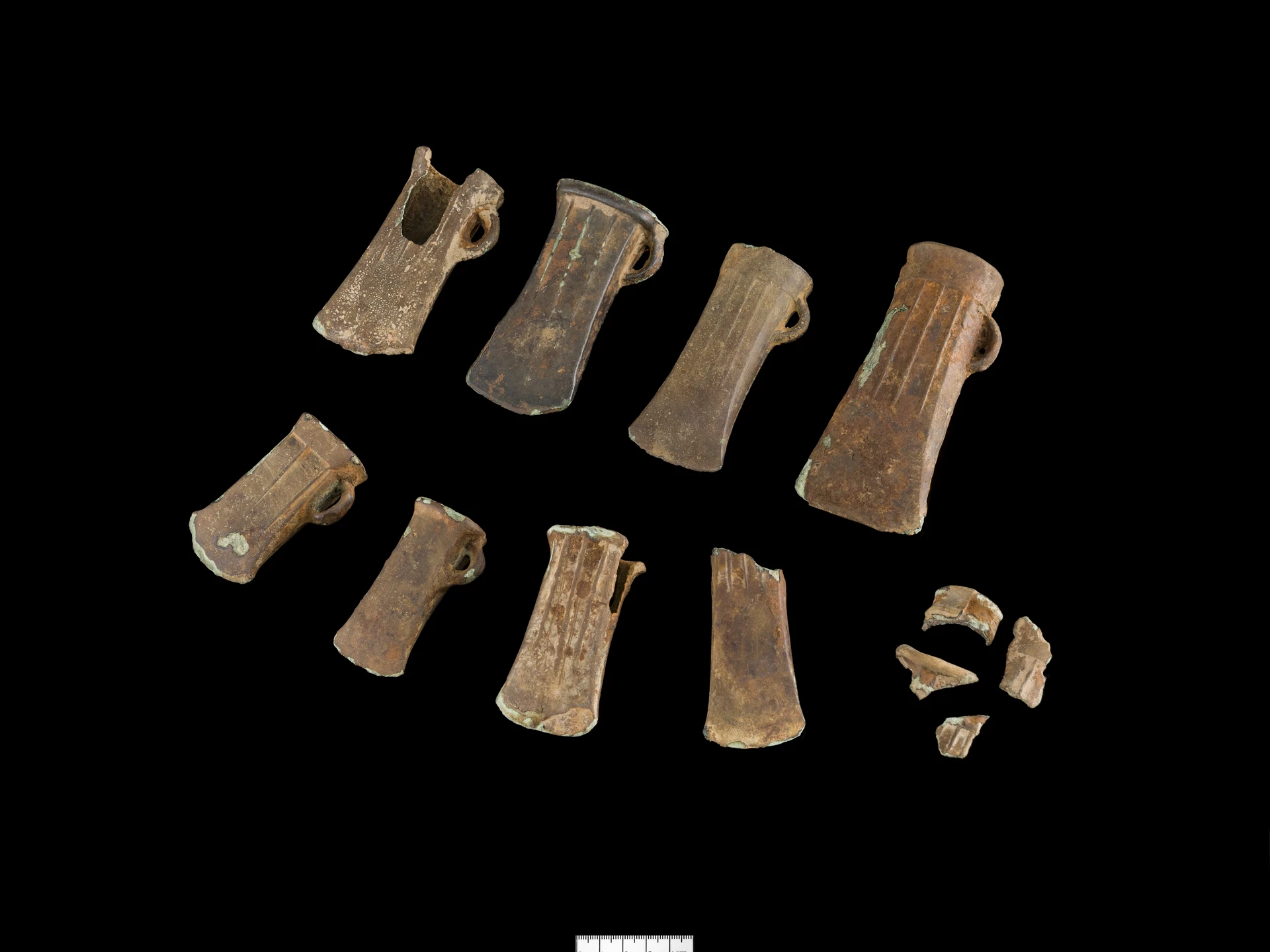
Bronze Age Hoarding in Wales Matthew Guiseppe Knight, 16 June 2017 People have been hoarding objects for thousands of years.People still do it today, but its origins lie in prehistory. This was very common in the Bronze Age (around 3000 years ago) when people collected items, such as weapons and tools, and buried them in pits and ditches. Hoards may contain only three or four objects, or up to fifty or more. The largest Bronze Age hoard currently known in Britain contains over 6500 objects! Many hoards have been found in Wales recently and reported through the Portable Antiquities Scheme Cymru. This greatly adds to our understanding of prehistoric Wales.Most recently, the Trevethin hoard from Torfaen has caught media attention, containing three axes and two spearheads. Other hoards have recently been found in the Vale of Glamorgan, Carmarthenshire, and Monmouthshire.Buried objects include swords, spears, axes, and ingots of raw metal. Sometimes these objects were buried complete and pristine, while others were deliberately broken, burnt and bent before being put in the ground.Many questions surround this practice.Why were so many objects buried?Why were some objects broken, while others were left intact?Were hoards for religious purposes (e.g. as an offering)? Or did they act as stores of raw material that were lost?It’s unlikely we will ever truly know the answers to these questions, and there is no “one-size-fits-all” approach. However, archaeologists can speculate based on how and where the hoard was buried and by comparing it to known historical periods in which hoarding was also practiced.For instance, many hoards in Roman and Medieval times were deposited for safe keeping, during times of unrest. Meanwhile, objects deposited on hilltops or in rivers may have been symbolic markers within the landscape.We can also think about what people do with objects today.Some people collect objects for a hobby, such as stamps, coins, or shot glasses. Sometimes it’s for a specific purpose, such as preserving heritage – museums are an excellent example of this.Similarly, items might be destroyed or discarded for a variety of reasons, such as eliminating a memory, commemorating the death of a friend or family, or simply as waste. Of course we can’t forget that sometimes objects might simply be lost.Whatever the reason, hoarding formed an important tradition in Bronze Age Wales. With every new discovery, archaeologists get one step closer to understanding prehistoric ideas and values.The Trevethin hoard is one of several hoards that was responsibly reported through the Portable Antiquities Scheme Cymru. It is now proudly on display at Pontypool Museum where it can be enjoyed by all members of the public. It was acquired with funding from the Saving Treasures: Telling Stories Project. More details on how the hoard was investigated, as well as a conversation with the finder, Gareth Wileman, can be found here.
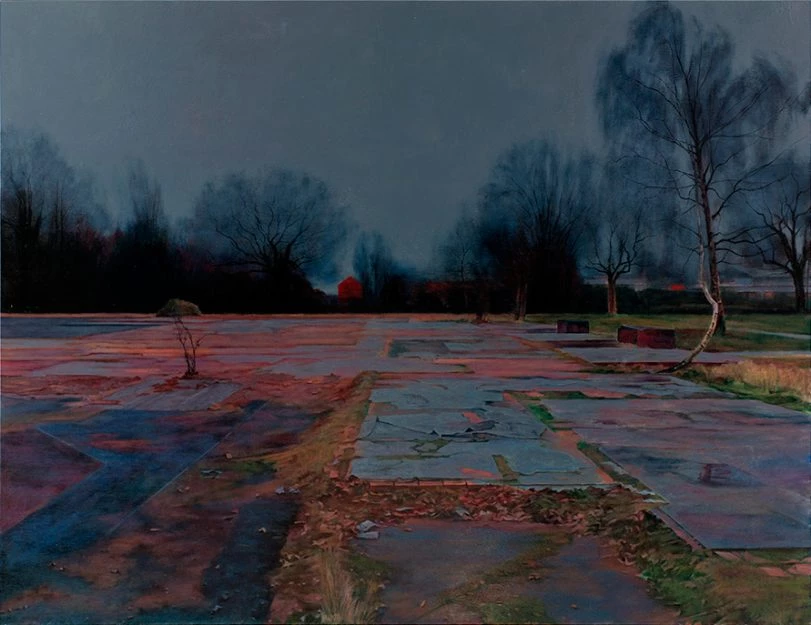
Explore the Derek Williams Trust Collection of Modern & Contemporary Art Bryony White, 1 June 2017 Whether you love L. S. Lowry, Lucian Freud or Richard Long, you know that when you visit Amgueddfa Cymru – National Museum Wales you can always see outstanding examples of international modern and contemporary art. What you might not know is that a significant part of that collection is here thanks to The Derek Williams Trust, which lends Amgueddfa Cymru over 260 of its most important works of twentieth and twenty-first century art.This week sees the launch of The Derek Williams Trust website, a fantastic resource for anyone interested in exploring this collection. The site will enable you to search for art works and artists, and discover more about the Trust and its work with Amgueddfa Cymru.Derek Williams was a Cardiff-based chartered surveyor and art lover, who had a particular interest in mid-twentieth century British art. He collected a large number of works by John Piper and Ceri Richards, which were supported with works by major figures such as Ben Nicholson, Henry Moore, David Jones, Ivon Hitchens and Josef Herman. Following Williams’ death in 1984, his collection and the residue of his estate were left in trust. Since that time, The Derek Williams Trust has undertaken the care, enhancement and public display of the collection, and in turn lends the collection to Amgueddfa Cymru – National Museum Wales. The generous support of Trust has transformed the Museum’s collection of twentieth century art and parallels the great bequests of French Impressionist art made by Gwendoline and Margaret Davies a generation earlier.Since 1992, The Derek Williams Trust has also been working with Amgueddfa Cymru to build its own collection of modern and contemporary art, and recent purchases include work by Howard Hodgkin, George Shaw, Anthony Caro and Clare Woods. The Trust also provides financial support for Museum purchases, and funds the biennial Artes Mundi Derek Williams Trust Purchase Award – recent recipients include Tanja Bruguera, Ragnar Kjartansson and Bedwyr Williams.For the latest news from The Derek Williams Trust collection, why not follow us on Instagram and Twitter?
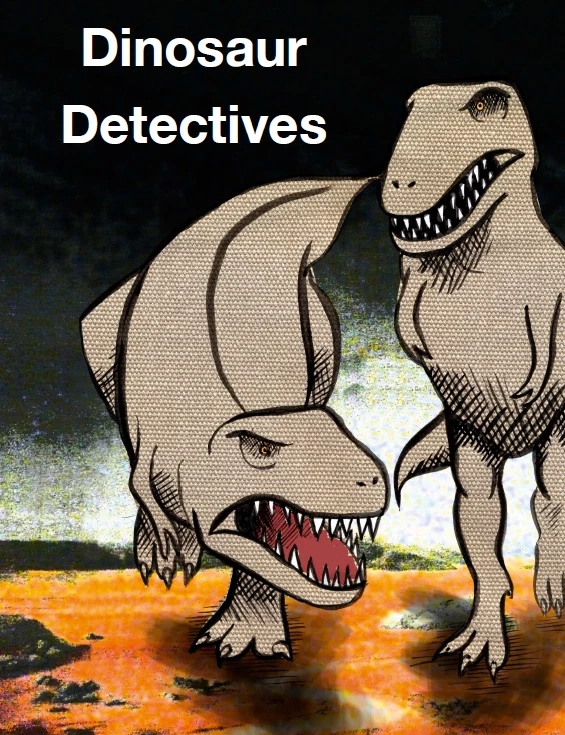
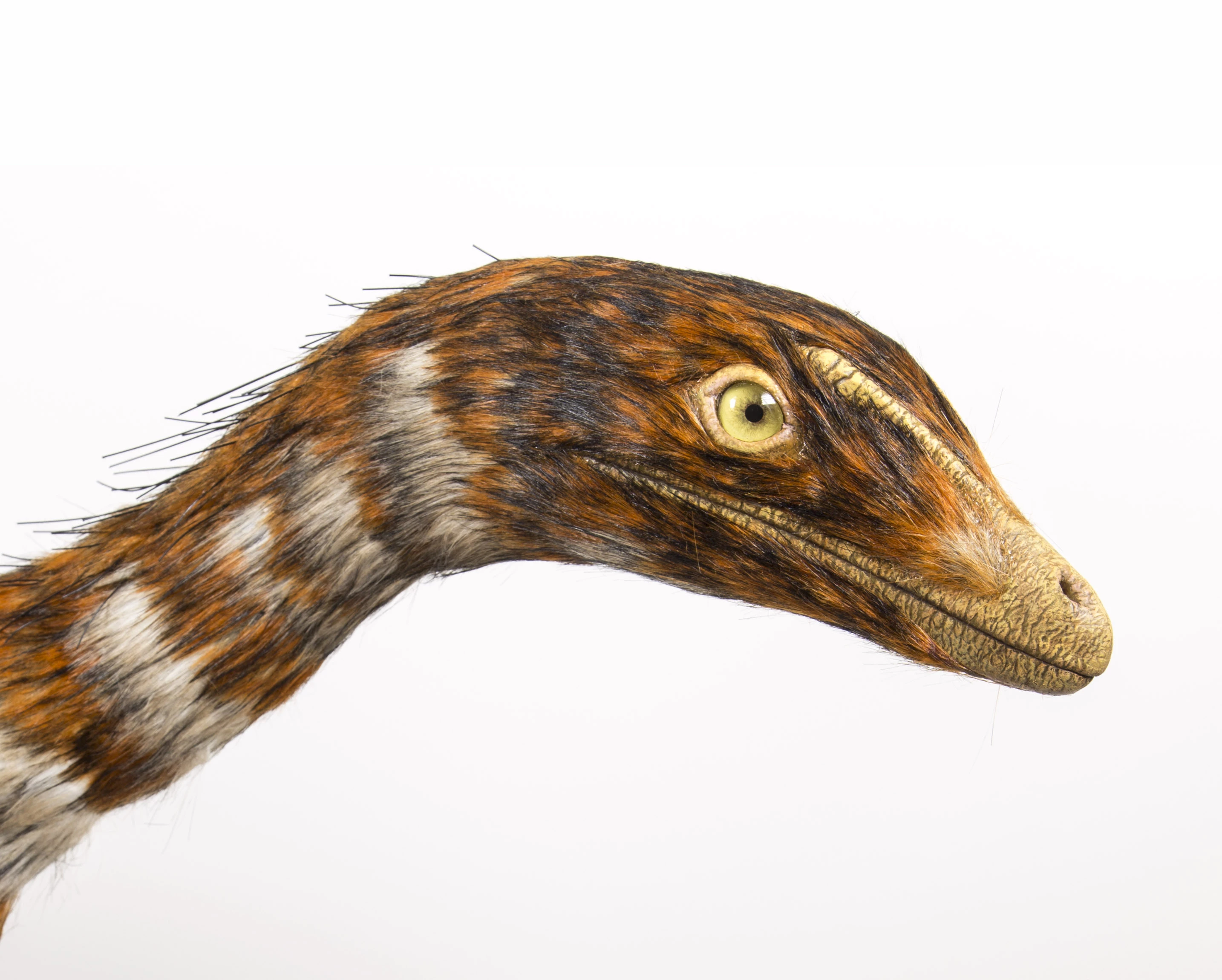
Are you a Dinosaur Detective? Liam Doyle, 25 May 2017 There are lots of amazing things at National Museum Cardiff, but if we had to choose the one that’s most popular with our visitors it would probably be the dinosaurs. The Evolution of Wales gallery is often the first place people visit, and our dinosaur-themed school sessions are constantly in demand.That’s why Amgueddfa Cymru - National Museum Wales is launching its new dinosaur eBook Dinosaur Detectives. Aimed at visitors between 7 and 11, the interactive resource allows users to become virtual palaeontologists and explore real fossils from our collections. The eBook contains photographs of specimens as well as Frank Duffy’s illustrations from our dinosaur children’s book, Albie The Adventurer.You can unearth a dinosaur fossil, find out if T. rex had big feet, and discover what dinosaurs liked to eat, through a variety of puzzles, games and interactives that put the user in charge of their own learning. There is also the chance to meet Wales's newest dinosaur Dracoraptor hanigani. Model of Dracoraptor hanigani, the small theropod dinosaur found near to Penarth in 2014 and now on display in the Evolution of Wales gallery Download the eBook onto your iPad or other Apple device and start finding out more. You can use it at home, or bring it to the museum and use it as you explore the galleries. Look for this symbol to find more dinosaur facts in the museum’s Evolution of Wales galleries. Let us know what you find out! Share your favourite dinosaur facts from the eBook or the museum on Twitter, by tagging us at @Museum_CdfLearn. Don’t forget to play the design-a-dinosaur game, and share that with us on Twitter too!Download the Apple version from the iTunes store, or a PDF resource from our website.If that’s not enough dinosaurs for one day, why not visit our new exhibition, Dinosaur Babies? Opening on the 27th of May, this is the first chance to see this exciting family-friendly exhibition in Wales. It includes full size dinosaur skeletons, touchable models of dinosaur embryos and eggs, and even a huge 2.5 metre model dinosaur nest! Visit our What’s On page for more information.
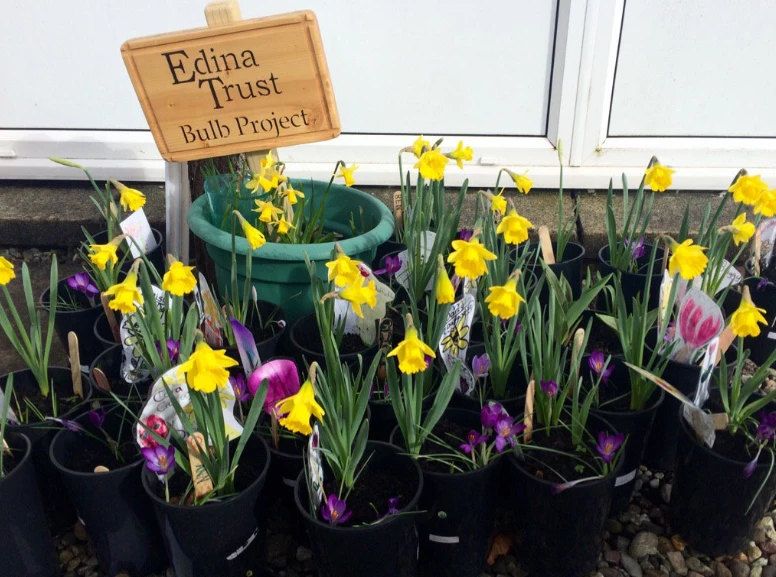
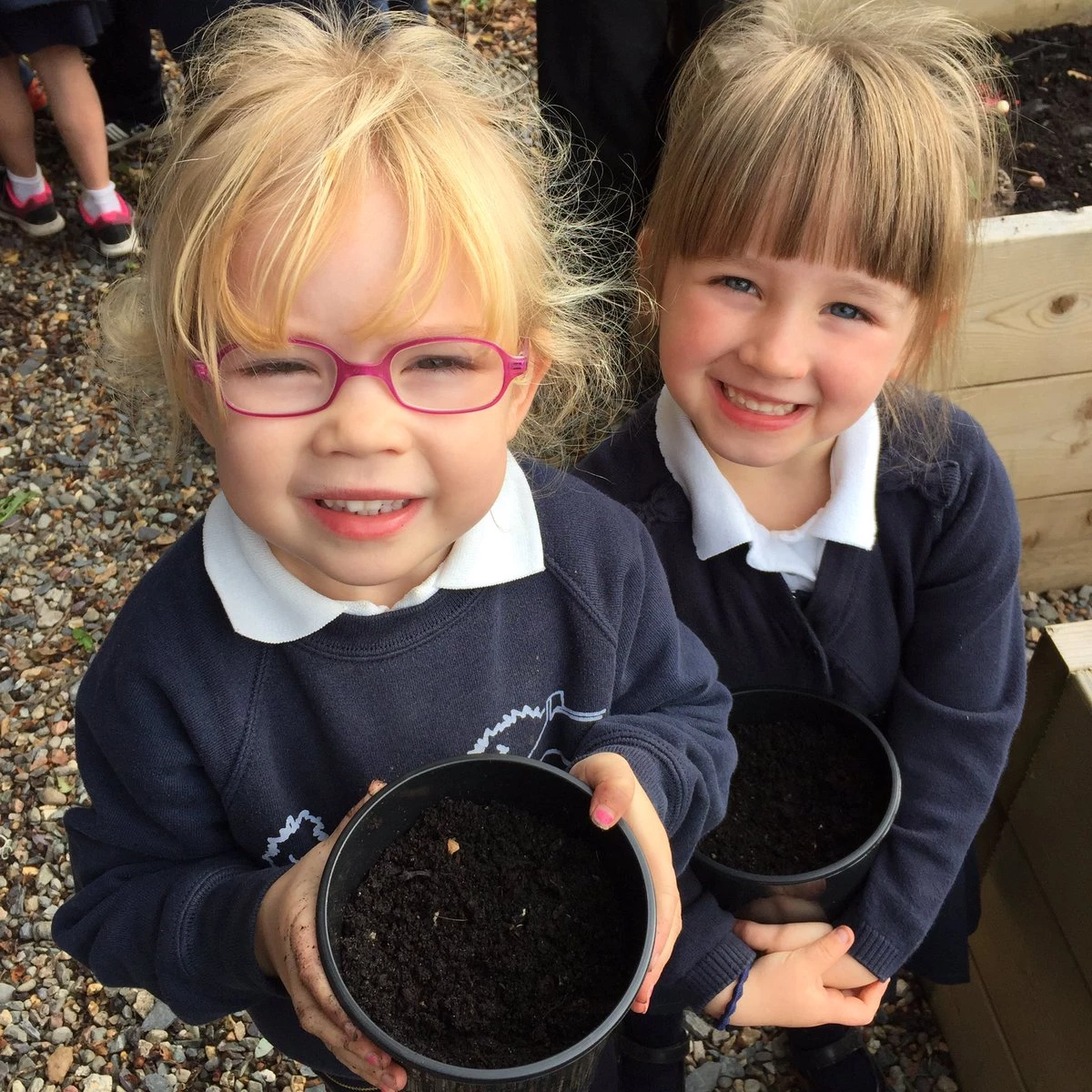
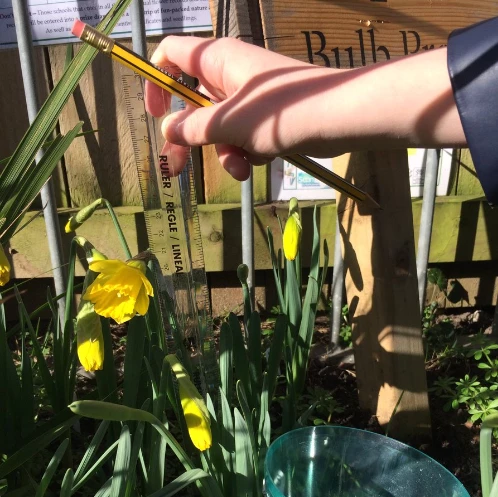
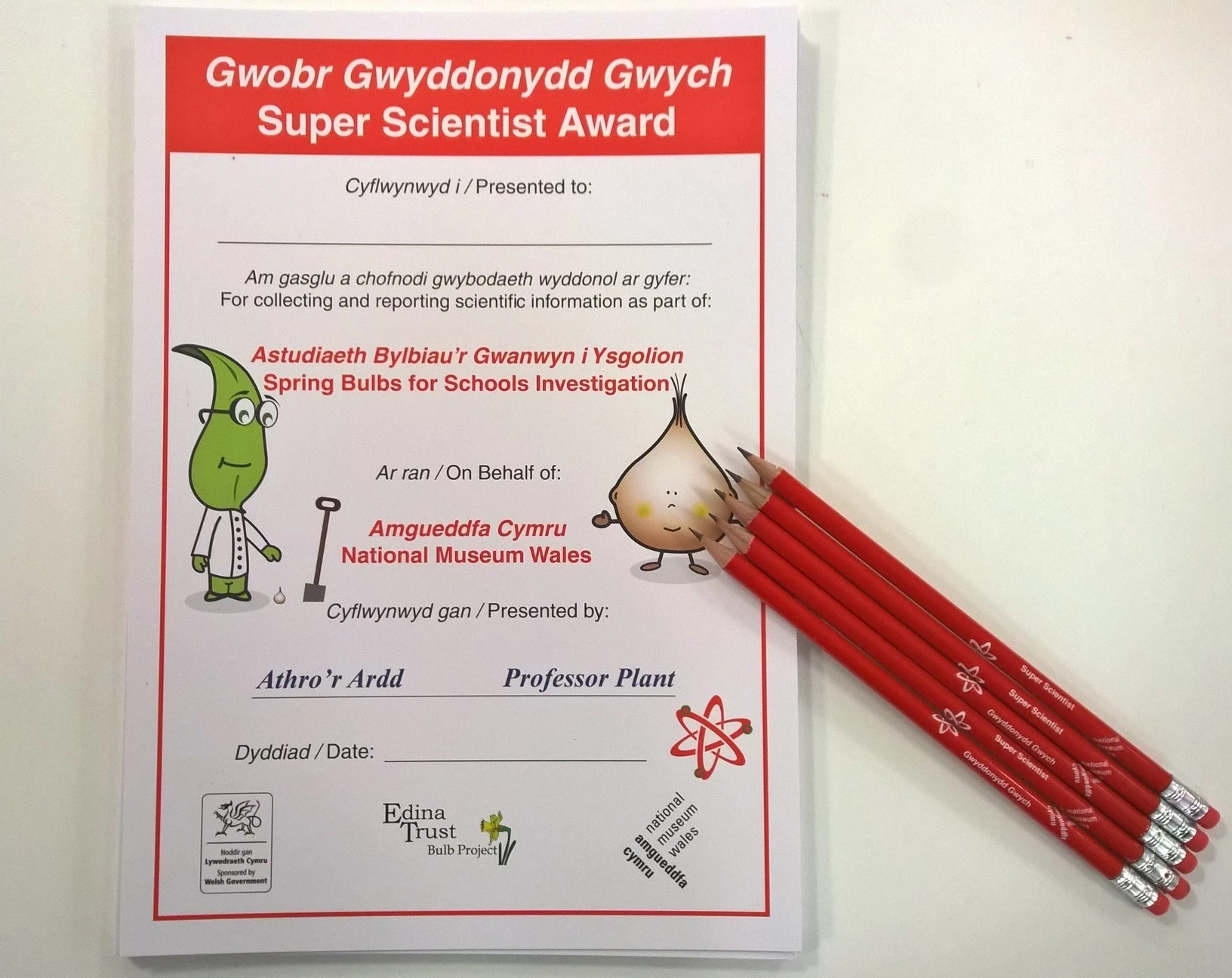
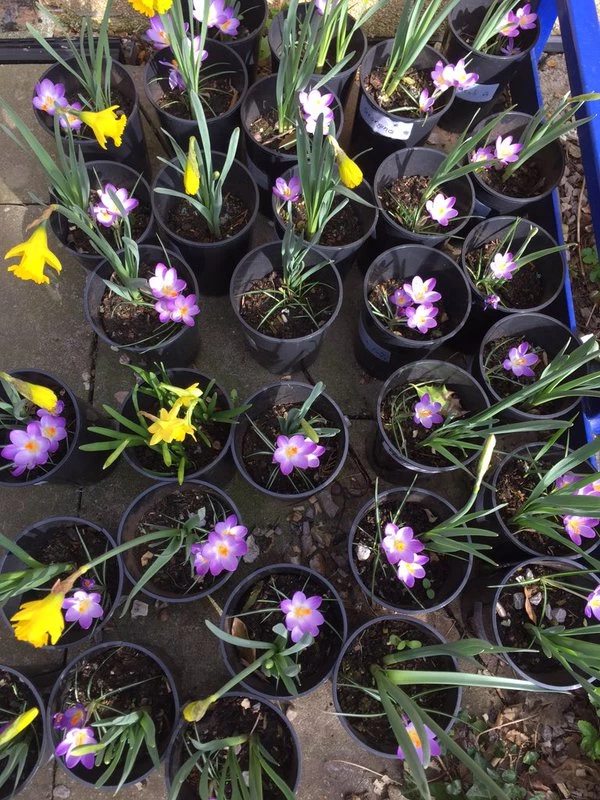
Super Scientist Awards 2016-17 Penny Dacey, 28 April 2017 5,098 pupils from across the UK are to be awarded Super Scientist certificates on behalf of Amgueddfa Cymru - National Museum Wales, in recognition for their contribution to the Spring Bulbs for Schools Project.A big congratulations to you all! Thank you for working so hard planting, observing, measuring and recording, you really are Super Scientists! Each one of you will receive a Super Scientist certificate and pencil, these will be sent to your school by mid-May.Many thanks to The Edina Trust for funding this project.Super Scientist Winners 2017WinnersEngland: Carnforth North Road Community Primary SchoolScotland: Auchenlodment Primary SchoolWales: Tonyrefail Primary School Runners-upEngland:Arkholme C of E Primary SchoolBreckon Hill Primary SchoolHemlington Hall AcademyLadygrove Park Primary SchoolSt Clare's Catholic Primary SchoolSt Michael's CE Aided Primary SchoolSt Nicholas Primary SchoolSt Peter's Primary SchoolScotland:Biggar Primary SchoolCarnbroe Primary SchoolGavinburn Primary SchoolWales:Broad HavenEvenlode PrimaryGlanyfferiHenllys Church in Wales PrimaryRougemont Prep SchoolSt. Robert's Catholic PrimaryTrellech Primary SchoolYsgol Borth Y GestYsgol DeganwyYsgol Gynradd Gymraeg TonyrefailYsgol PentrefoelasYsgol RhostyllenYsgol y Wern High RecognitionEngland:Coppull Parish Church SchoolGarstang St ThomasHudson RoadStanford in the Vale Primary SchoolThe Blake CE Primary SchoolAbbey Primary SchoolScotland:Bellyeoman Primary SchoolLawhead SchoolLoch Primary SchoolOur Lady of Peace Primary SchoolSt Mary's Primary SchoolWormit Primary SchoolWales:Ysgol Tal y BontBlaengwawr Primary SchoolLlangors Church in Wales SchoolLlanharan Primary SchoolLlanvihangel Crucorney Primary SchoolSevern Primary SchoolSt Athan PrimaryYsgol Tanygrisiau Receiving Sunflower SeedsEngland:Barmston Village Primary SchoolBarnes Junior SchoolBernard Gilpin Primary SchoolBoston West AcademyChorley St James Primary SchoolEllel St John's CE Primary SchoolFosse Way AcademyLeyland Methodist Junior SchoolOur Lady Queen of Peace RCVA Primary SchoolPeel Park Primary SchoolQuernmore Primary SchoolSaint Leonards Church of England Primary SchoolSt Leonard's RC Primary SchoolStaining C of E SchoolUsworth Colliery Primary SchoolScotland:Alexander Peden Primary Sch Alexander PedenBarsail Primary SchoolBent Primary SchoolCarbrain Primary SchoolDykesmains Primary SchoolEast Fulton Primary SchoolGreenburn SchoolHill of Beath Primary SchoolKelso High SchoolLanark Primary SchoolLaw Primary SchoolNew Monkland Primary SchoolNewmains Primary SchoolNewport Primary SchoolOur Lady and St Francis Primary SchoolPirnmill Primary SchoolSt Charles Primary SchoolSt Columbkilles Primary SchoolSt Mary's Primary School, LanarkSt Mary's Primary School, PaisleySt Ronan's Primary SchoolWales:Beulah SchoolCoedpenmaen PrimaryCrymlyn primaryDarran Park PrimarySt. Paul's CIW PrimaryTrallwn PrimaryWhitestone Primary SchoolYsgol PennantYsgol Rhys Prichard Receiving Certificates and pencilsEngland:Alston Lane Catholic Primary SchoolBacup Thorn Primary SchoolBelmont Community Primary SchoolBolton-le-Sands Church of England SchoolConingsby St Michael's Primary SchoolGeorge Washington Primary SchoolTrinity Church of England Methodist Primary SchoolWolvercote Primary SchoolScotland:Abronhill Primary SchoolCalderbridge Primary SchoolGlebe Primary SchoolSt Catherine's Primary SchoolStane Primary SchoolWest Primary SchoolWales:Betws Primary SchoolCastle SchoolMelin Junior SchoolSt Brides Major CW Primary SchoolSt. Michael's RC PrimaryYsgol AbererchYsgol BethelYsgol Betws yn RhosYsgol Bro OgwrYsgol Iau Hen GolwynYsgol PencaeYsgol San SiorYsgol TudweiliogYsgol Ty CochYsgol y TywynThank you for all your hard work Bulb Buddies,Professor Plant
Beachcomb take 2 Stacey Owen, 27 April 2017 Looking across Swansea Bay on a chilly spring morning and seeing that the tide was out came with a sigh of relief as this meant we didn’t have to wait an hour or so to get started with our beachcomb.I joined Swansea Museum on The Mumbles side of the Bay to take part in one of their community projects that aims to engage local communities with their pasts. On this occasion the museum teamed up with the Llanrhidian Women’s Institute and the Gurnos Men’s Community First group to take part in a beachcomb led by archaeologist Paul Huckfield, from the Glamorgan Gwent Archaeological Trust.All wrapped up in extra layers we were ready to begin our trek across the swamp-like beach, luckily most of us received the wellies memo and they were definitely needed. Beachcombing on Swansea bay with Llanrhidian Women's Institute and the Gurnos Men's Community First group. Paul wanted to create a sense of what the landscape would have been like during the Bronze Age and took us to areas on the beach where some of the landscape remained fairly similar and unchanged. “We’re standing on the actual ground surface as it would have been in the Bronze Age. You can see the peat levels just here show what would have been around in the Bronze Age; you can see that this is black in colour from the trees and bits of foliage. So you’re actually standing in the past at around 4,000 years ago.” Travelling through time across the bay allowed us to think of what life would have been like 4,000 years ago, what is now a beach would have been a woodland and shrubbery area surrounded with fresh water pools.Paul talks about some of the reason why the landscape changed and during what periods. You can watch the clip HERE:Bringing us through time to the 19th and 20th century we were then led to some of the remaining shipwrecks found on Swansea Bay. On the Mumbles side of the bay alone we could spot around 14 shipwrecks and vessels. Vessel remains are still on the bay and these would have been used to protect the area from submarine attacks during the Second World War. Paul said: “The whole beach is covered in metal uprights and wire to stop enemy gliders coming onto the beach.” Another shipwreck was part of an oyster fleet. We learnt that the bay was a natural resource for oysters and they were a major food source, some dating back to Roman times, however this source was destroyed during the industrial period.After having a look around the beach and learning how it has changed through time with different inhabitants we were then given clear bags and told to try and find our own items.We found a variety of items during the beachcomb from ceramics, beer bottles from London, fossils and different types of slate and stone. The items found today along with others from previous beachcombs with Swansea Museum will be kept and made into a mosaic for public viewing in the future. Beachcombing on Swansea bay with Llanrhidian Women's Institute and the Gurnos Men's Community First group. Beachcombing on Swansea bay with Llanrhidian Women's Institute and the Gurnos Men's Community First group. Swansea Museum are currently working on a project called ‘The Lost Treasures of Swansea Bay’, which is funded by the help of the ‘Saving Treasures; Telling Stories’ project and you can read about the last walk I attended with them HERE. Saving Treasures is funded by the Heritage Lottery Fund which is acquiring archaeological objects for local and national collections and providing training for heritage professionals and volunteers.