Blog: Learning

Wild winter flowers

Danielle Cowell, 12 January 2012

You may remember our pictures of roses and daisies flowering in December?  Well, top botanist, Dr Tim Rich, who is based at Amgueddfa Cymru - National Museum Wales has looked much further into this strange occurence.

On new year's day he counted how many different types of plants were found to be flowering in the Winter. He found that the warm weather had allowed an amazing 63 wildflowers to bloom, which is much more than the normal average of 20-30 species. See the news reports below that explain the findings of his investigation.

Perhaps you could count the number of wild plants that are in flower around your school? If you do, please send me in some pictures. Meanwhile, I've had many reports from schools telling me that their daffodils and crocus are starting to grow!

Many thanks. Professor Plant.

Links:

BBC Breakfast this morning and BBC News live pieces all day today

http://www.bbc.co.uk/news/science-environment-16503250

Listen out for Tim Rich on BBC Radio Wales' Roy Noble Show at 3pm

BBC Radio 4 Today programme this morning - listen again

http://news.bbc.co.uk/today/hi/today/newsid_9675000/9675422.stm

Western Mail  http://www.walesonline.co.uk/news/need-to-read/2012/01/08/unseasonably-warm-weather-sees-doubling-of-wild-flowers-in-cardiff-91466-30081765/

BBC Wales Online http://www.bbc.co.uk/news/uk-wales-16465133

www.museumwales.ac.uk/scan/bulbs

Follow me on Twitter http://twitter.com/Professor_Plant

Follow Professor Plant Facebook

 

A New Year of Exploring Nature at St Fagans

Hywel Couch, 10 January 2012

First of all I’d like to wish everyone a Happy New Year! 2011 was a very busy year for the Explore Nature project here at St Fagans. The project was officially launched back in April, and we had a full calendar of events throughout the spring and summer, taking a closer look at the fascinating wildlife here at the museum.

Thank you to all who came along and took part in our events, whether it was bird spotting in the bird hide, pond dipping for a closer look at our newts or watching the lesser-horseshoe bats on our infra-red bat camera. If you missed out, many of these events will be happening again later in the year. Keep an eye on the What’s On pages for details. http://www.museumwales.ac.uk/en/whatson/?site=stfagans


The bird hide, of course, is still open to visitors. Situated along the woodland walk it is a great place to relax and watch our woodland birds at the feeding station. With the weather as cold as it is, I’m sure the birds are very appreciative of the food as it can be hard for them to find food at this time of year! If you find the bird hide a little cold, you can watch some of our birds feeding from the comfort of Nature Den in the Oriel 1 gallery, or even from home. http://www.museumwales.ac.uk/en/woodlands/wildcams/birdfeed_cam/

This month gives you all the perfect opportunity to find out what birds visit your own gardens. The RSPB’s Big Garden Bird Watch takes place over the weekend 28-29th of January. All you need to do is spend an hour watching you garden and keeping track of which birds visit. You can register and find out more by visiting the RSPB’s website. http://www.rspb.org.uk/birdwatch/

 This morning we took advantage of the dry, yet very windy, weather to set-up some nest boxes. We are hoping to attract Great Tits to one and Robins to the other. Both are fitted with cameras, so if they do get used, we should get some really good footage of the eggs and chicks. We will of course share any footage we do get with you!

If you are interested in our wildlife and nature events at the museum, follow us on Twitter at www.twitter.com/Nature_StFagans or send us an email at nature.stfagans@museumwales.ac.uk


New year, new shoots!

Danielle Cowell, 6 January 2012

This year’s bulbs are taking advantage of the mild weather. I can't remember such a warm Christmas holiday, almost every day the temperature was 10 degrees!

Fulwood and Cadley Primary School have sent in some pictures and reported: "We were very excited when we visited our bulbs after the Christmas break. Some of them had grown and we could see small green shoots peeping through the soil."

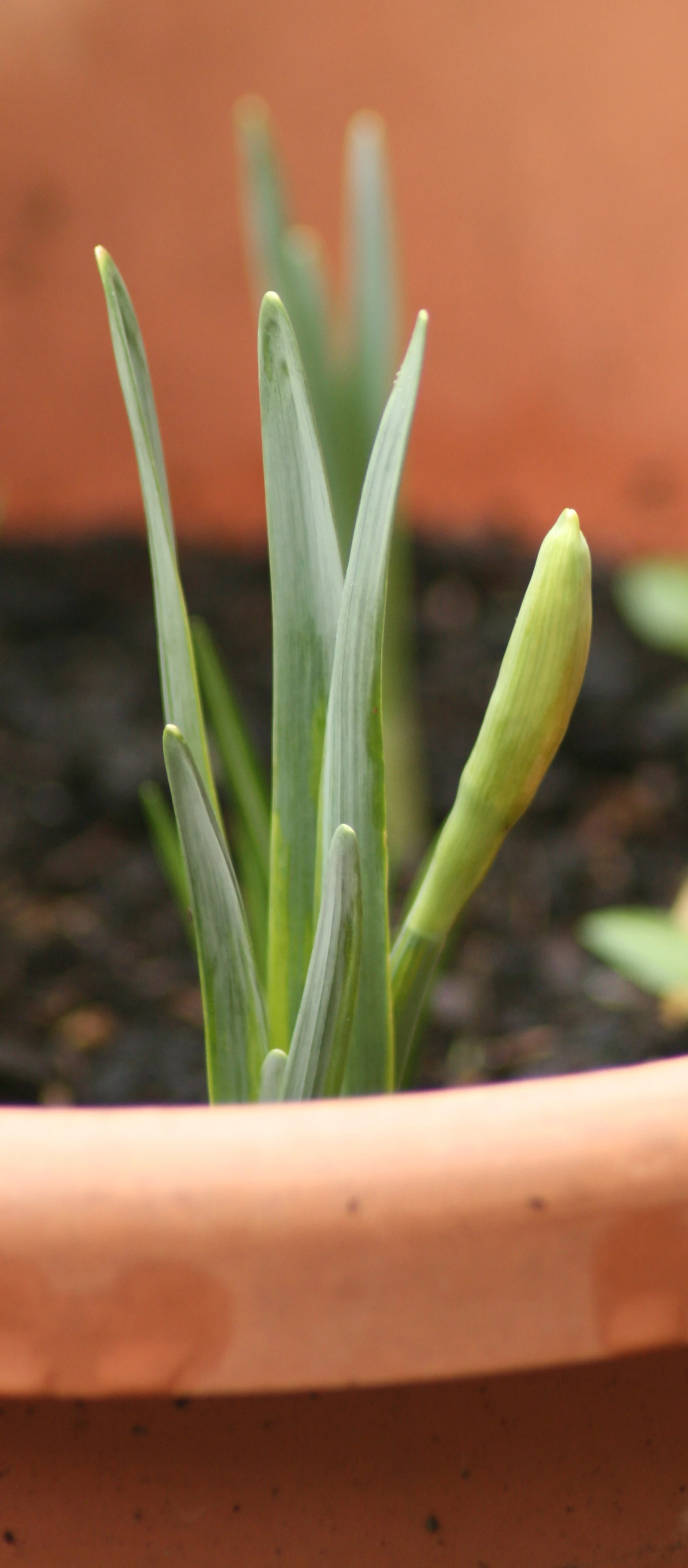
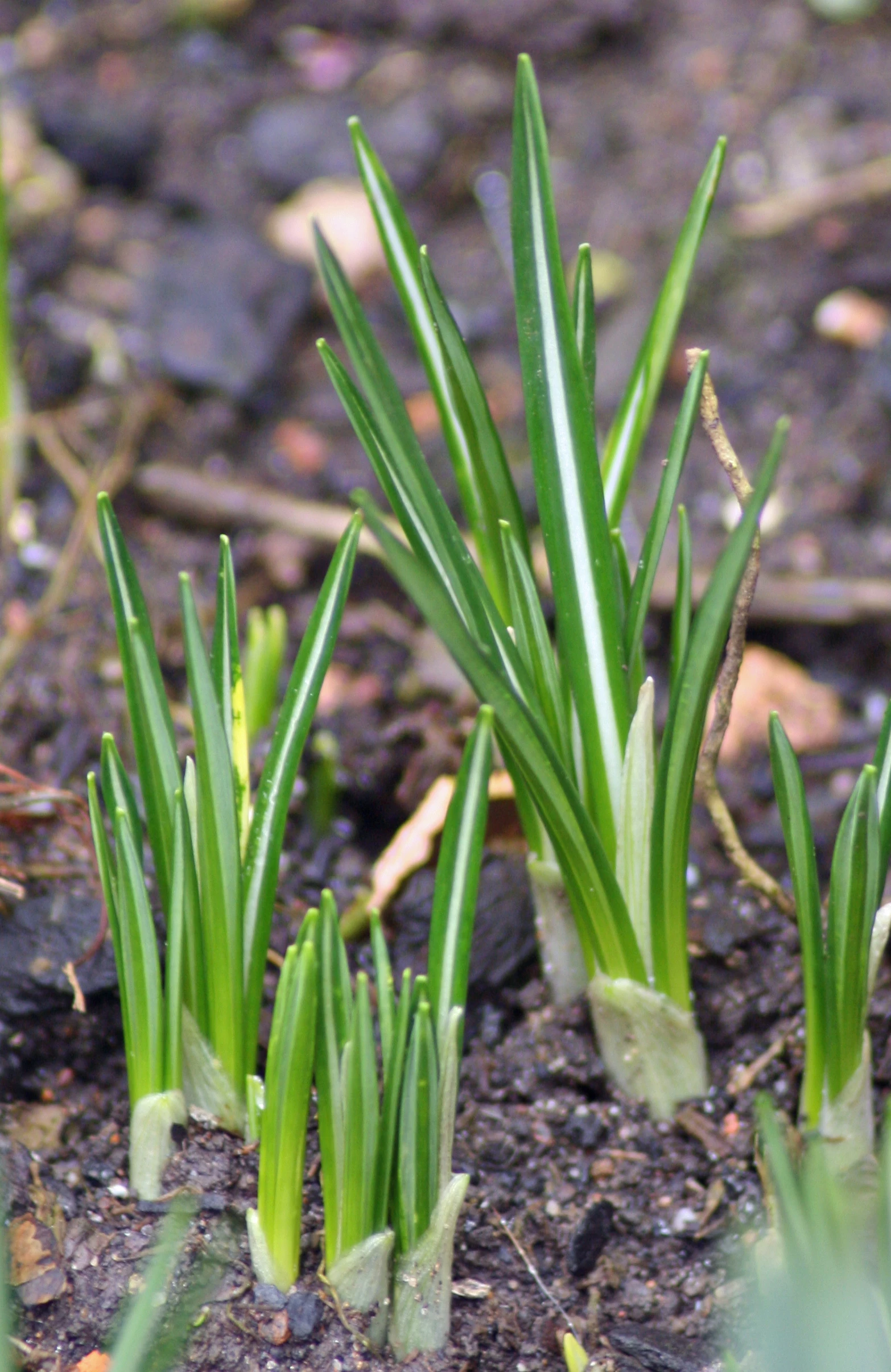
My plants in Cardiff have begun to grow too, the daffodils are about 3cms tall and the crocus is just shooting through. If you’re not sure which is which please take a look at my pictures. This time last year there was very little sign of growth. 

The bulbs that I planted in autumn 2010 are really coming along now. The daffodils are about 20cms tall. I wonder how early they will flower.

What should schools be doing now? As usual you will need to keep your weather records but now the plants are starting to grow you need to watch them - to see when they flower. Please see Keeping flower records to know what to do. Teachers may find it useful to refer to the Teachers Notes 2011-12 which will point you in the direction of all the useful resources.

Big School's Bird Watch. Don't forget you can help the RSPB to count birds on in your own school grounds between the 16th and 30th of January 2012 http://www.rspb.org.uk/schoolswatch/

Brush-up on your birds by watching our woodland wildcams - which view the woodland birds living at St Fagans: National History Museum.  

www.museumwales.ac.uk/en/woodlands/wildcams/

Many Thanks, Professor Plant.

www.museumwales.ac.uk/scan/bulbs

Follow me on Twitter http://twitter.com/Professor_Plant

Follow Professor Plant Facebook


Merry Christmas!

Danielle Cowell, 20 December 2011

Merry Christmas from Professor Plant & Baby Bulb!

Thanks to all the schools that have been recording and sending in their data over the last few months. I look forward to hearing about when the flowers start to grow in the Spring!

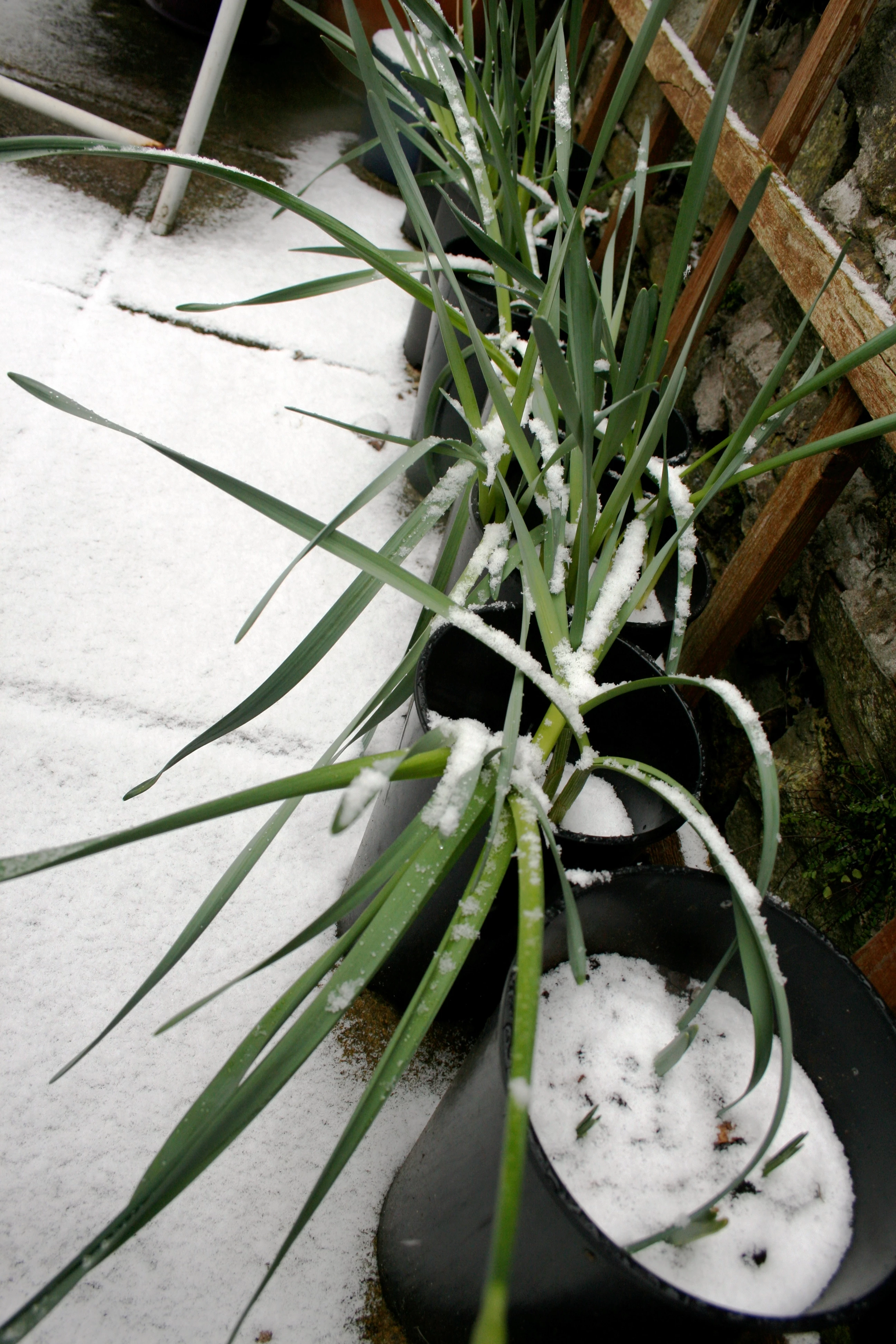
Some of you have reported hail and some even snow! See your comments below.

Last week in Cardiff, we had quite a bit of hail. This got me wondering, how exactly are hail stones formed? Derek the Weatherman had the answers. Click here to see his blog and a picture of a giant hail stone that fell near Cardiff in 1968. http://www.bbc.co.uk/blogs/walesnature/2011/12/how_hailstones_are_formed.html

Hope you have a fantastic holiday!

Professor Plant

christmas decorations part two.

Sian Lile-Pastore, 9 December 2011

In my last post I mentioned that I would be running a drop in arts and crafts session on the 17th december in Oriel 1, St Fagans: National History Museum. We will be taking inspiration from 1950s decorations, and to get some good ideas I went around the site with my camera the other day and took these photos.

Do you have anything similar at home? don't forget to let me know your memories of Christmas decorations in your house when you were growing up too!