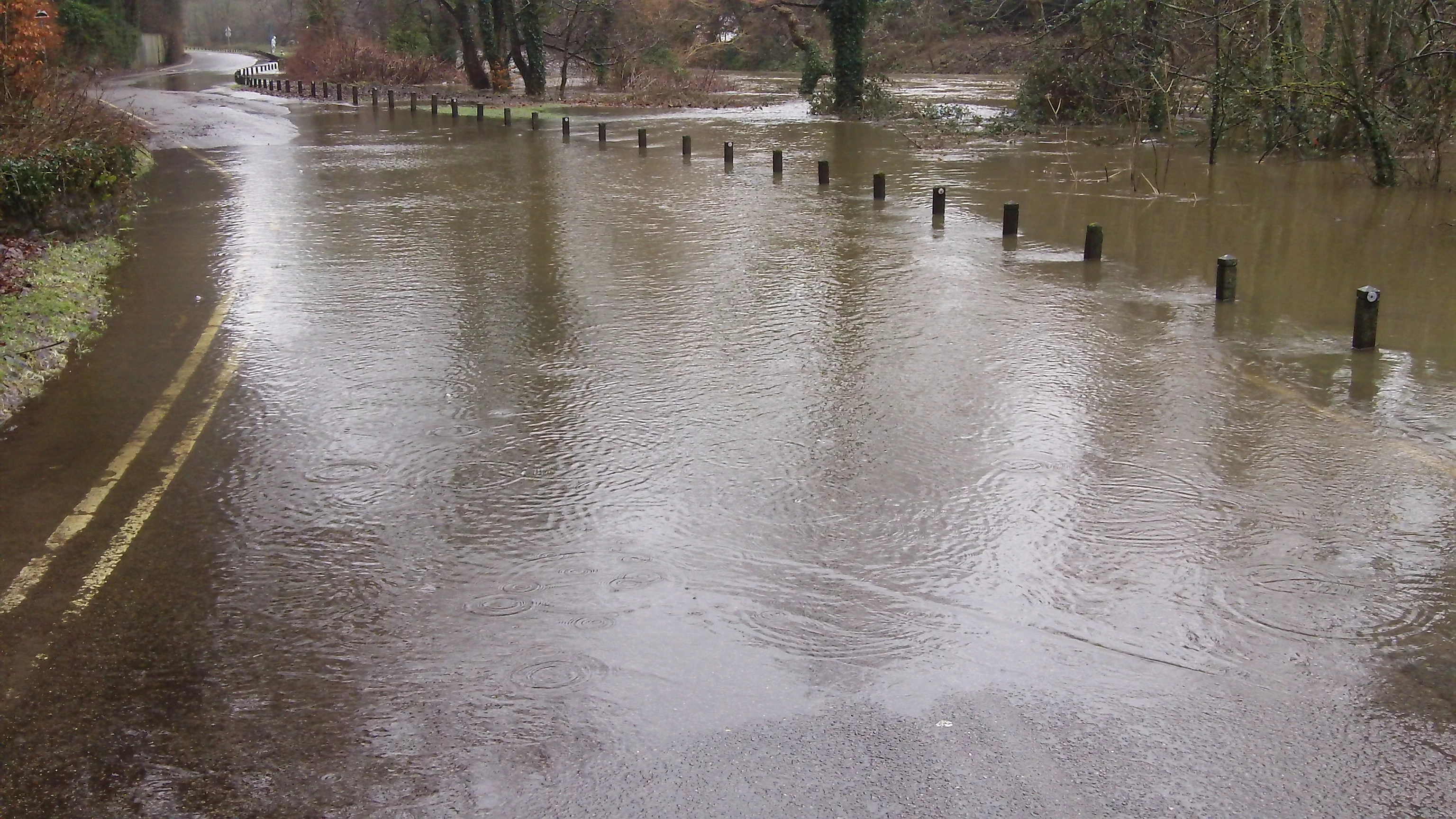
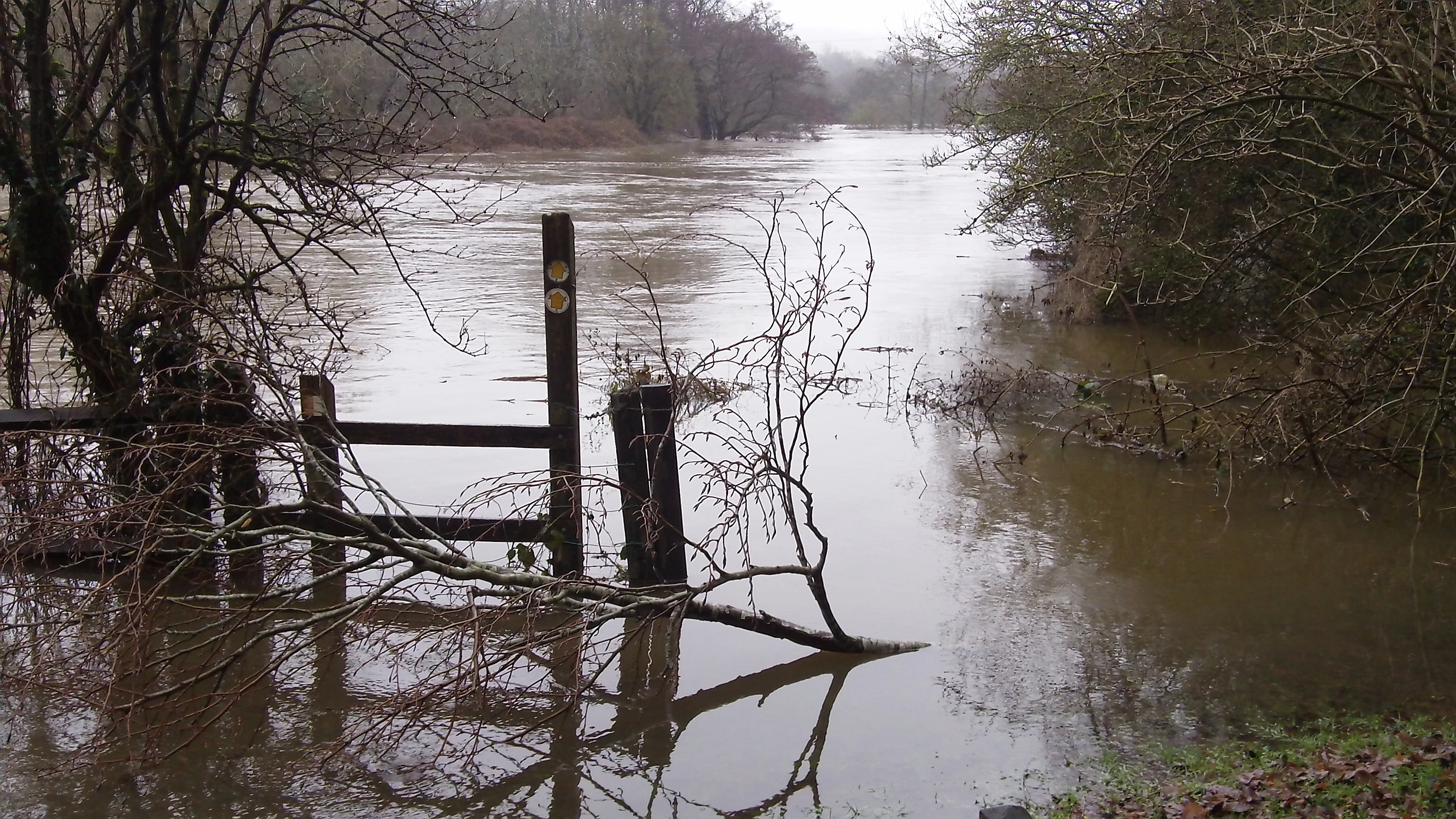
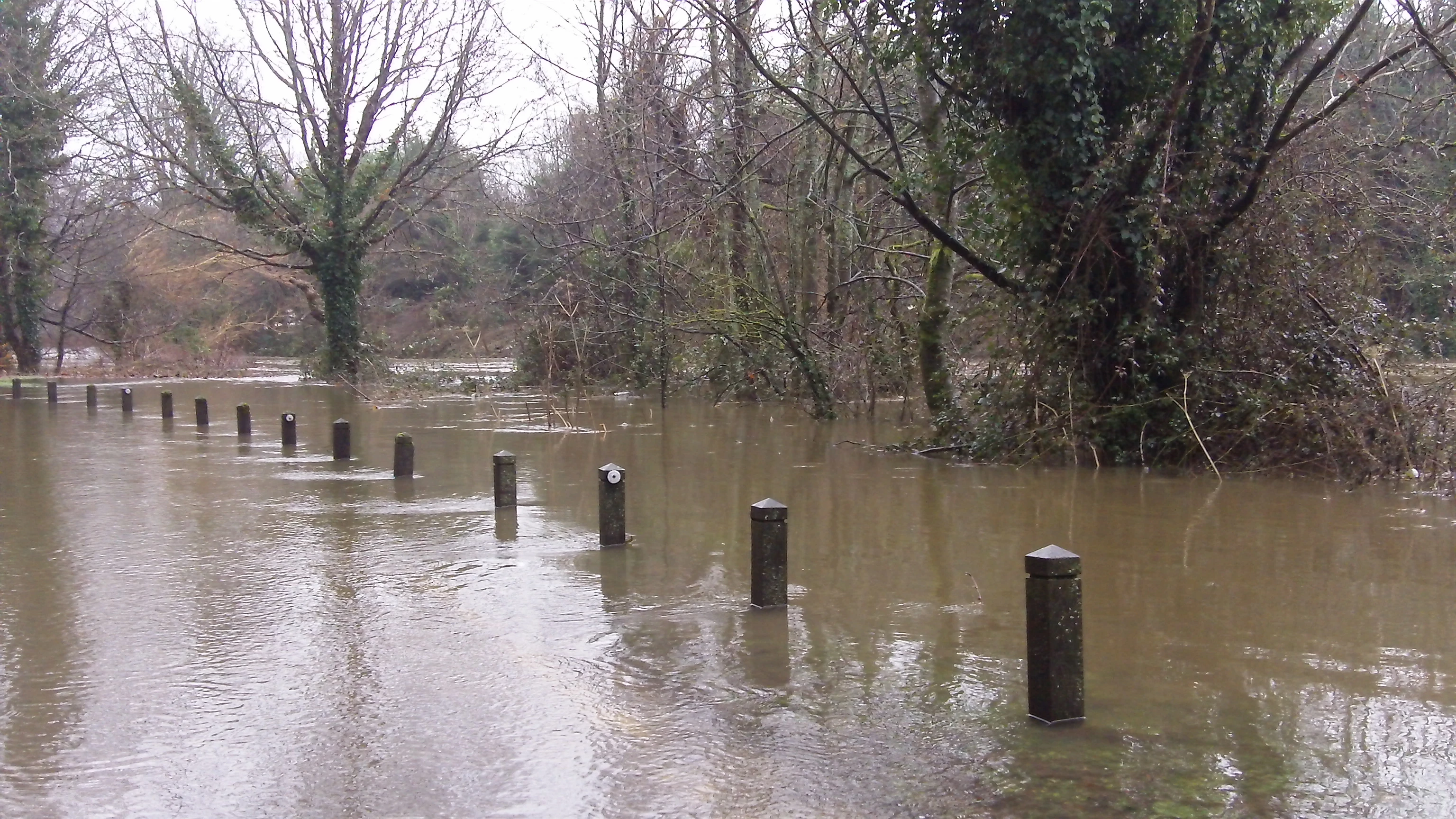
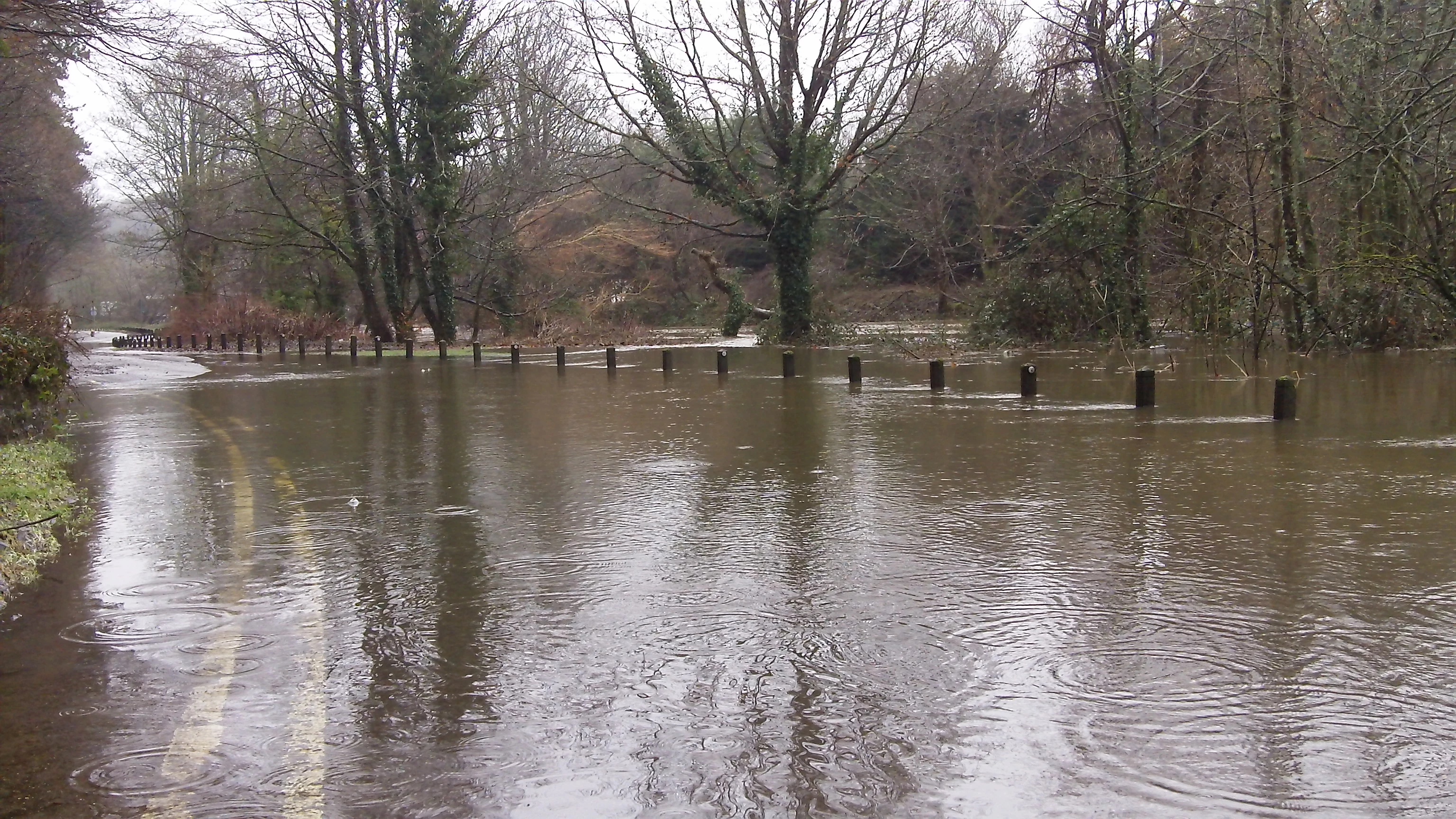
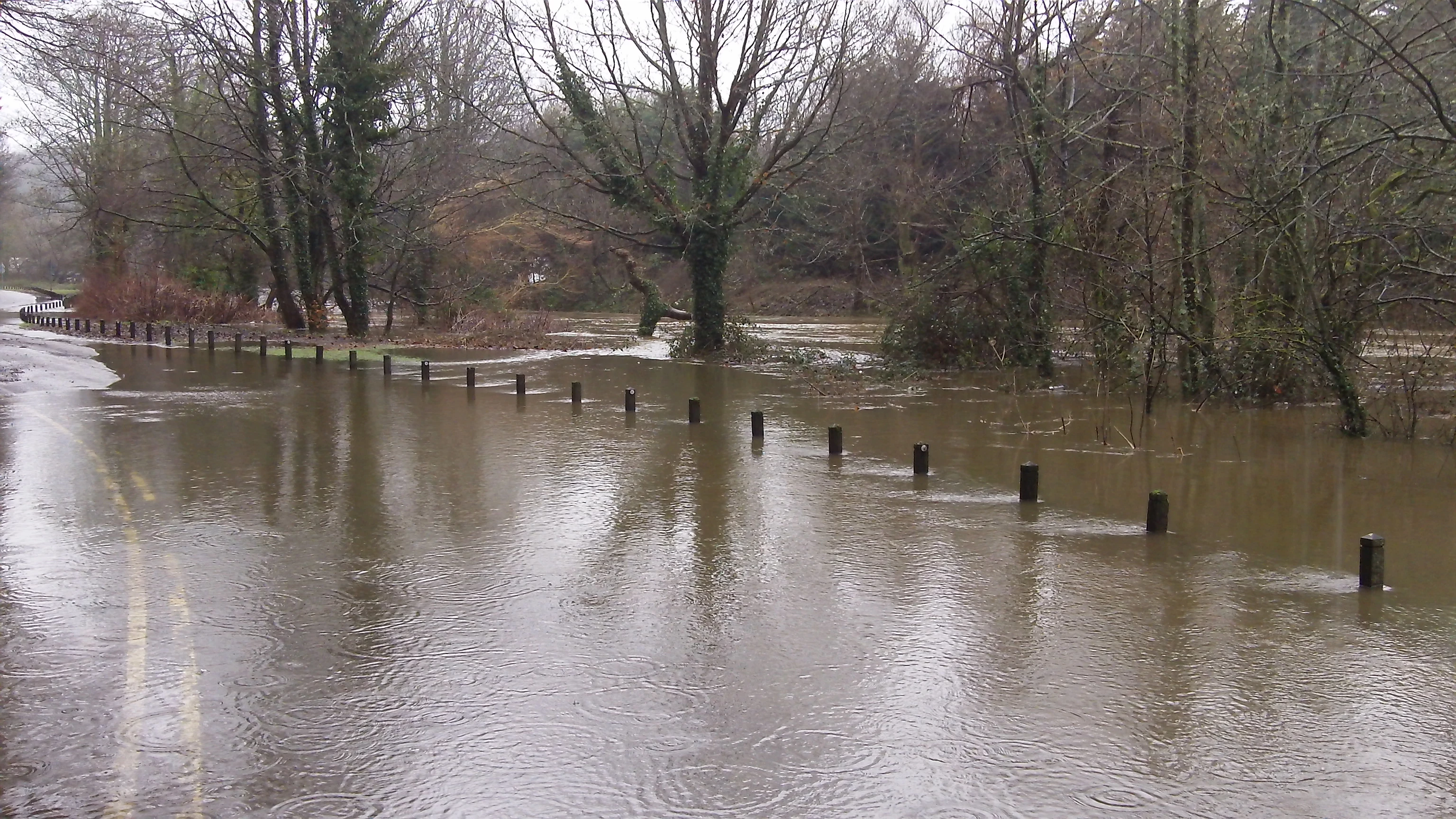
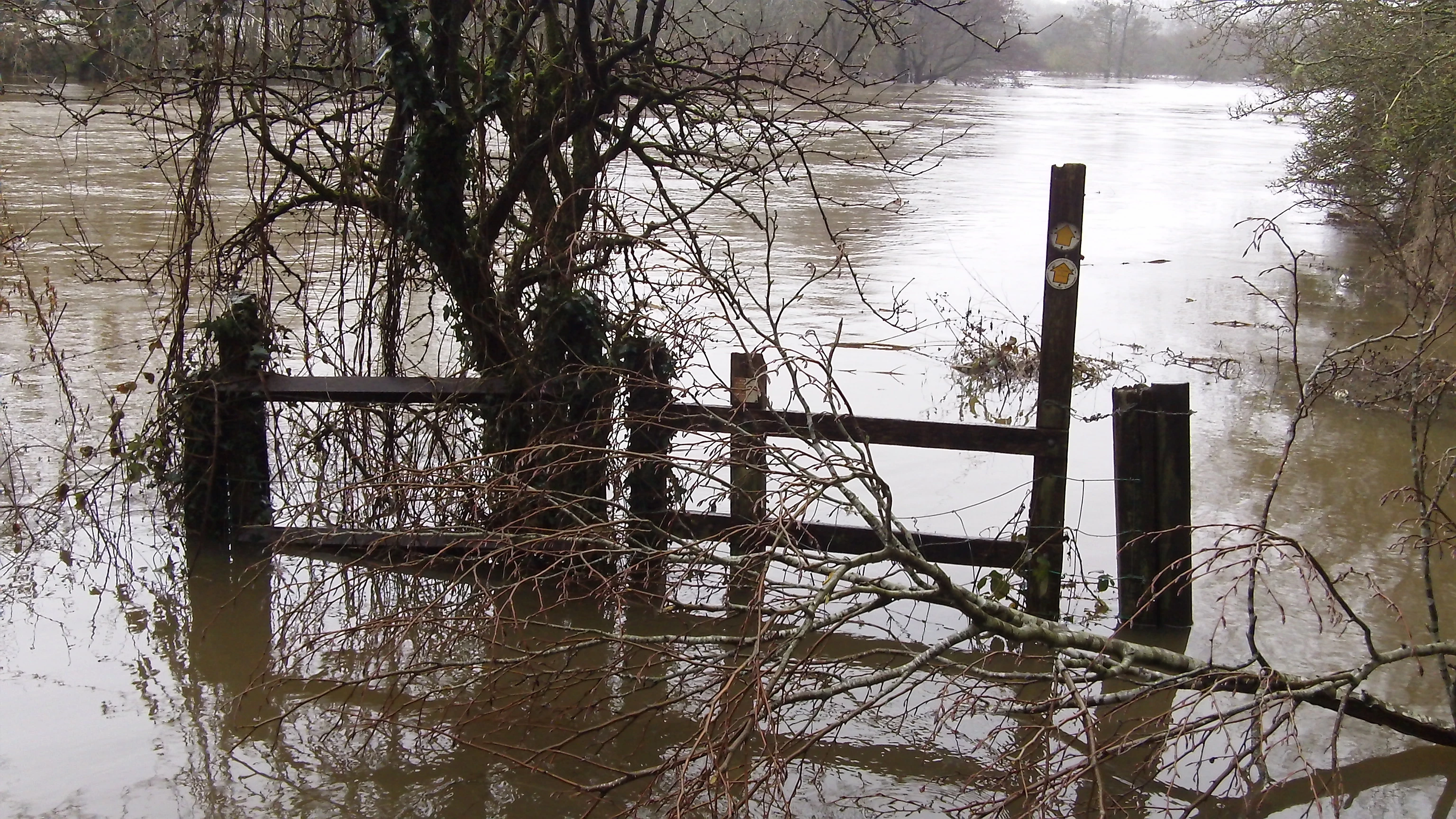
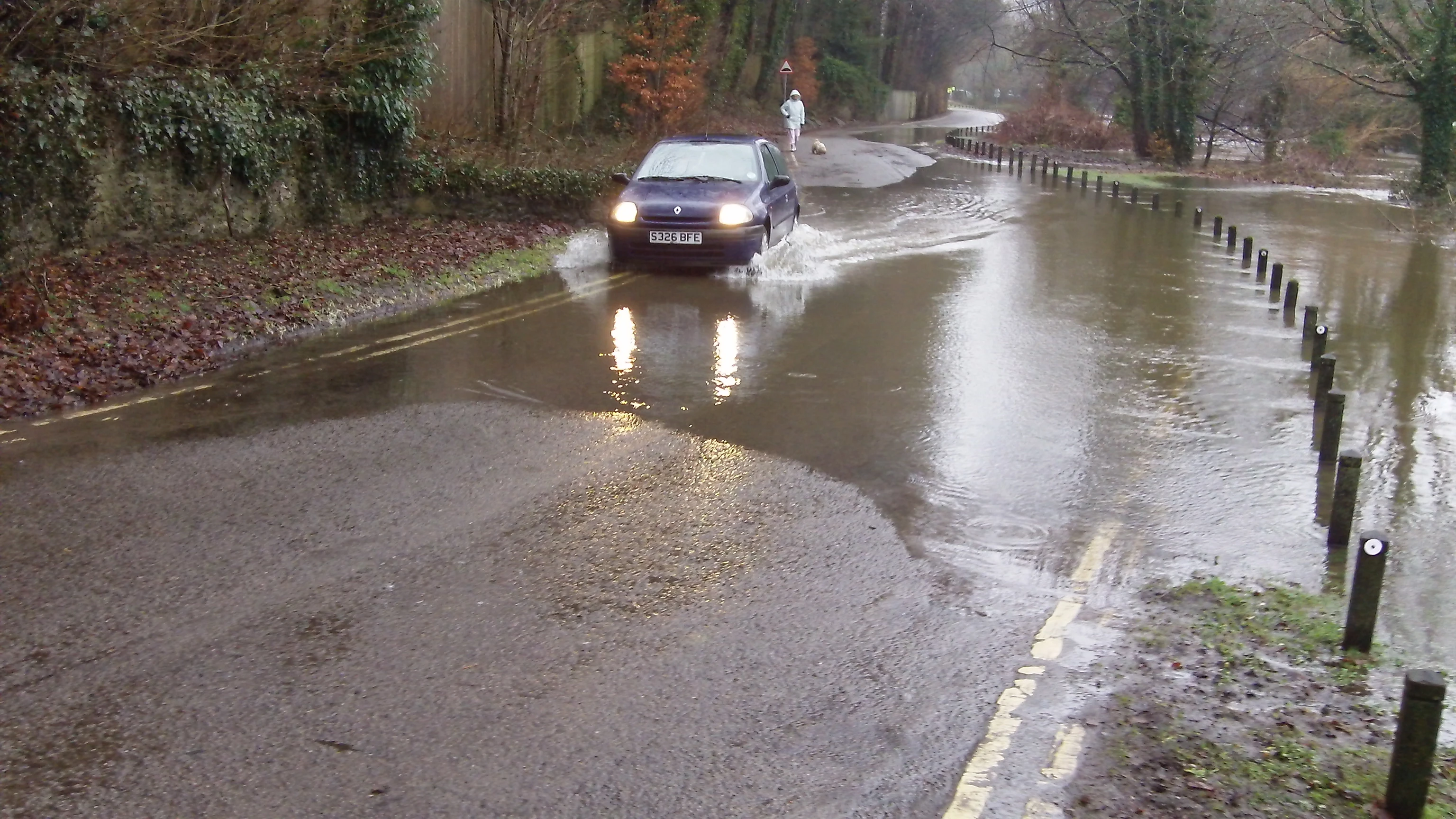
First it was the snow and now it's the rain! The Ely burst its banks at St Fagans today and rose pretty high. A mere trickle compared to what's happening over in queensland though...
You can help victims of the floods in Australia here
I've blogged about it before, but we have started a quilting club here in Oriel 1, St Fagans: National History Museum. We meet every two months on a saturday morning between 11 and 12.30, our next meeting is on 5th March. It's a relaxed and informal session with a mixture of complete beginners and people that have been quilting for a while. Samantha Jenkins is there to help out when we make quilting errors and generally to offer hints and tips.
It's been really lovely and I have started making my own quilt too
It looks pretty garish in this photo so I hope it's going to turn out ok! It would be great if the quilters in the group could email me photos of their works in progress too - my email address is sian.lile@museumwales.ac.uk
The snow and ice has meant that St Fagans:National History Museum has been closed to the public for the last few days and we've had to cancel the Christmas art cart sessions (it happened last year too!).
The plan was to make Christmas decorations, tags, cards and wrapping paper, and these are still things that you could make quite easily at home, and it's lovely and cosy to be inside making things when it's snowy outside!
A really lovely eco friendly decoration is to make strings of popcorn and fresh cranberries - you can put them on the Christmas tree like tinsel, and then in the new year but them outside for the birds! They are super easy to make - take some strong thread (i use embroidery thread), make a knot in the bottom and thread through quite a large needle. All you need to do then is to thread cranberries and popcorn through until you have a long garland - it works best with popcorn that is a little bit stale as this makes it easier to thread.
Paperchains are simple to make and look great too - you can make them out of any kinds of paper, newspaper and magazines look pretty festive. If you wanted to make it a bit fancier, why not paint the newspaper first?
You will need to cut out strips of paper about an inch wide but as long as you would like (the longer the paper the bigger the loop), take one strip and bend it to form a circle and tape or glue it together, with the next strip thread it through your original loop to make a second circle and glue that too - then just carry on until you have made your desired length!
If you want to make your own wrappping paper you could get some brown packing paper and using cookie cutters dipped in paint or carved potatoes, you can print festive shapes!
I've been making paper snowflakes to decorate my house, they look fantastic taped to windows or hanging on a string together. Snowflakes are pretty easy to make but hard to explain so have a look if you can find some instructions on the internet. If you've been to any of the art cart sessions recently, you might be familiar with one of my favourite books
The Art of Decorative Paper Stencils , which has really great directions in how to make paper snowflakes and other paper shapes, there is also a second volume out too.
That should keep you busy until the New Year!
The next art club is on the 8th of January at 2pm - please book if you would like to attend - we will be starting a very important project!!
Quilting club is also on the same day at 11am - it's only are second meeting so don't be shy! We would love for some more people to come along (again, please book ahead). Details for both are on our website.
So have a happy and creative holiday and see you all in January
I'd like to thank all the super scientists who have been carefully recording since the 1st of November - this is now the last recording week before Christmas. It has been a very cold winter for going outside and recording so I'm delighted with the dedication each of you has shown! Thankfully, this week is a little warmer so the measuring shouldn't be so cold on the fingers!
Many schools have expressed concerns about their bulbs getting damaged by the frost:
"Due to the extremely cold weather we are concerned that our plants might not survive" St. Mary's Catholic Primary School.
"It has been really cold. Will the bulbs grow?" Ysgol Porth Y Felin.
I've had a good chat with our Senior Gardener, Juliet, who works at St.Fagans and we both agree that the bulbs should be ok. There will be some bulbs damaged by the frost but daffodil and crocus bulbs are very tough - so most should be ok!
At this time of year the bulbs are tucked under the ground, so snow and ice isn't as damaging as it can be in the spring, when the delicate tips and flowers are out on show. So fingers crossed :-)
One of the most popular displays at the National Roman Legion Museum is a stone coffin that contains the skeleton of a Roman man. The coffin also contains the remains of grave goods that he would need for their next life, including the base of a shale bowl and fragments of a glass perfume or ointment bottle.
Like the base it was broken by the digger. Here it is with all the fragments lined up ready to be joined. Some areas are missing, but the gaps will allow people to see inside the coffin when it is put back on display.
Step 18
The top of the lid looks so uneven and eroded because acid rain soaked into the soil has dissolved the limestone. This process eventually leads to the formation of limestone caves in nature. Solution holes, the start of mini 'caves', can be seen in the lid.
Step 19
Adhesive alone may not be strong enough to keep the heavy fragments of stone together.
To help strengthen the bond, metal rods will be inserted across the join. Holes have to be drilled into the broken edges of the stone. This is a tense moment as any mistakes could cause further damage.
The stone could split or flake; we just don't know how it will react to the drilling!
Step 20
Thankfully all goes well and the drill makes light work of the task.
That pile of stone dust will also come in useful; we can mix it with the glue to help secure the rods.
Step 21
Another hole now has to be drilled in the edge of the adjoining fragment; this must match up perfectly to allow the rod to fit across the break.
First stage is to dab paint thickly around the freshly drilled hole.
Step 22
The fragment is then placed in position and pressure applied.
This has to be done quickly before the paint blobs dry, but also with care as we don't want paint smeared everywhere
Step 23
Success!
The paint has left a good imprint on the other fragment, so we know where to drill the second hole to fit the rod.
Step 24
The metal rods now have to be cut to the right length, about 7cm.
This was harder than we thought as the stainless steel is very tough. We had to stop several times as the blade kept heating up.
Only 6 more to go!
Step 25
With the metal rods in place within the join and epoxy glue applied, the two pieces are brought together.
Care is taken to align the edges before the two sections are held in place and the adhesive allowed to set.
Step 26
All stuck together now.
Hopefully the metal dowels will give the extra strength required, especially as we have to move the lid from the workshop in the basement to the gallery upstairs, where at last it can be reunited with its base.
Unfortunately we have no lift....any ideas!
Step 27
The only option is good old fashioned man power just like the Romans!
Here some of the team (our modern day Roman slaves) take a well deserved break after bringing one of the coffin lid fragments up the stairs.
Step 28
Before the lid is put in place the skeleton has to be laid out again. Being careful to get it right!
Unfortunately one item will be missing for a while and that's the skull. This is needed for analysis as we try and find out more about the man buried in the coffin 1800 years ago.
Step 29
Once everything is in place a new Perspex cover can be installed to support the stone fragments of the lid.
The Perspex is only 1cm thick so hopefully it will be robust enough to take the weight of the solid Bath stone blocks.
Step 30
Now the tricky task of installing the lid begins.
Thankfully all goes well and the Perspex proves strong enough to take the weight.
At last, 15 years since its discovery, the lid is once more back where it belongs, on top of the coffin.
Although the lid partially obscures the contents of the coffin, new lights will be installed to help illuminate the interior.
Step 31
The first phase of the redisplay is now complete, so in the second phase we turn our attention to the Skull.
Follow the blog as we attempt to learn more about the man buried in the coffin.