Teaching on the Moon
, 14 May 2026
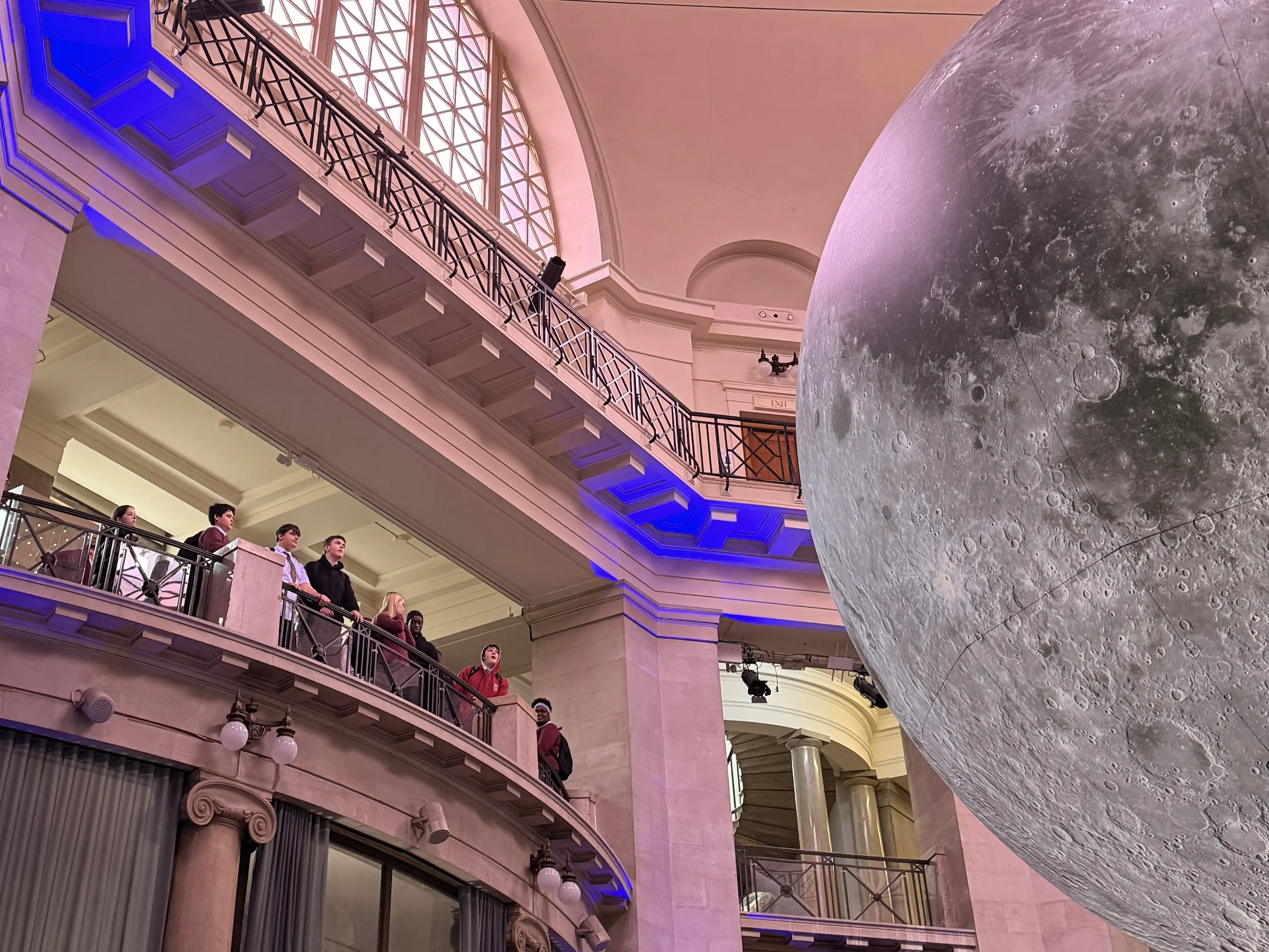
As the technical team planned their rigging for Luke Jerram’s Museum of the Moon, I was dealing with a different challenge: How to create inspiring Moon workshops that linked to our collections and would still appeal to pupils after the installation had left the building.
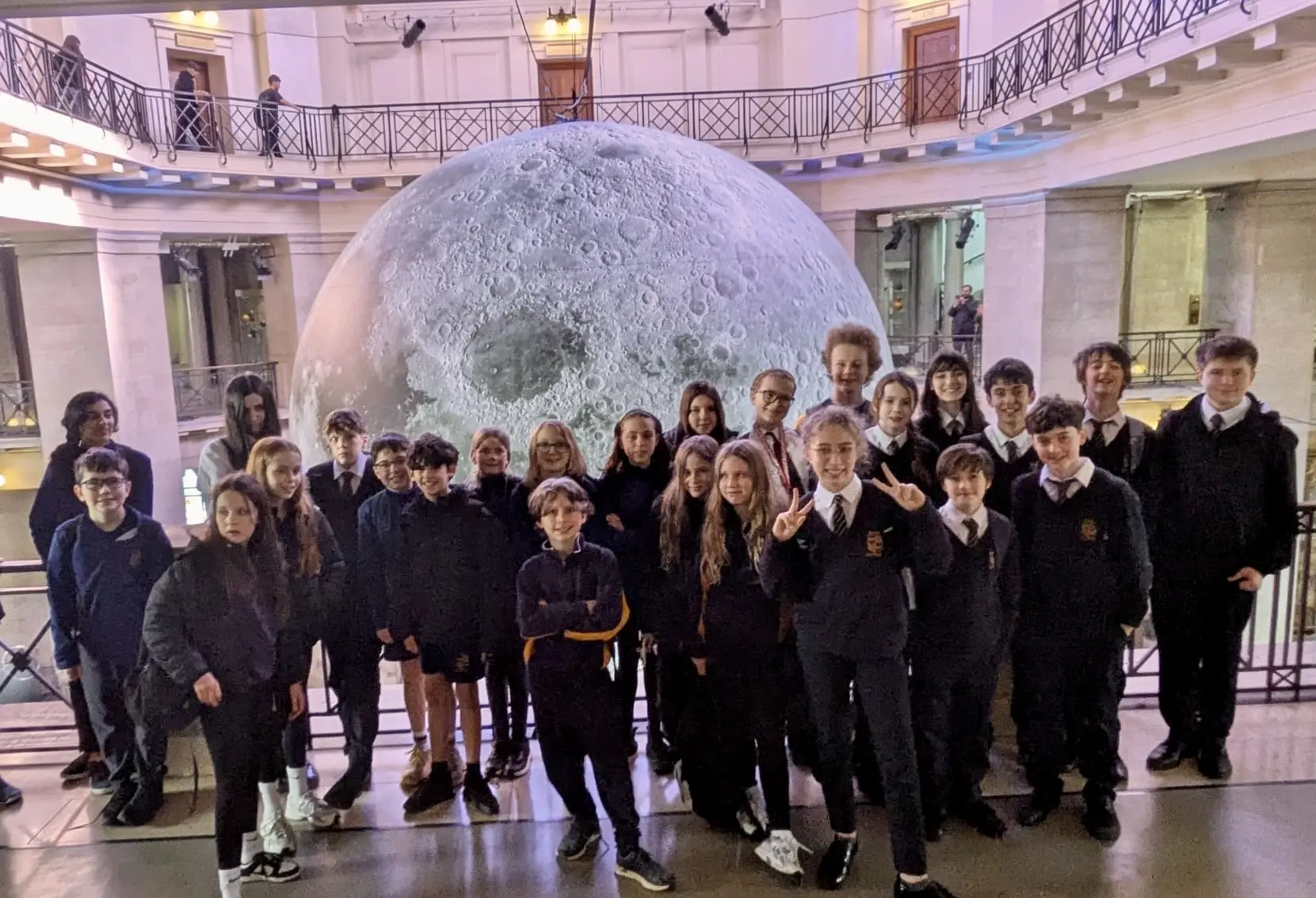
I started by going to the experts – our potential audience. The Stanwell School Astronomy Club were key to the development of these workshops. In our first session together I introduced the possible collections we could use and they voted for the specimens they found most interesting.
In their subsequent feedback session, they developed questions they hoped the workshop would answer, and it became clear that having some genuine photographs of the Apollo 12 mission (which collected the Goodwill Moon Rock on display in our Evolution of Wales gallery), would help set the scene.
With the help of Natural Science curator Dan Cox and the NASA archive, I tracked down images of Astronaut Alan Bean’s time on the lunar surface. He collected the actual Moon rock that is displayed in our Evolution of Wales gallery, so it was great to find photographs of him taking rock samples on the Moon.

Photographs of Apollo 12 astronaut Alan Bean collecting lunar rock samples, courtesy of NASA, and the Moon Rock on display at National Museum Cardiff
The students had selected examples of replica lunar dust and iron meteorites as some of their favourite items. National Museum Cardiff has an excellent rock and meteorite collection, so to give learners a sense of the lunar landscape, I added some samples of olivine basalt and an unusual rock called anorthosite, both of which can be found on the Moon. Although the anorthosite in our workshop is from Norway, the same rock was found by the Apollo missions in the lunar highlands (which make up the lighter patches we see on the Moon).
Two secondary school teachers then helped to develop the workshop narrative, and we invited Stanwell Astronomy Club back in to test our possible activities.
Testing the workshop with the Stanwell School Astronomy Club
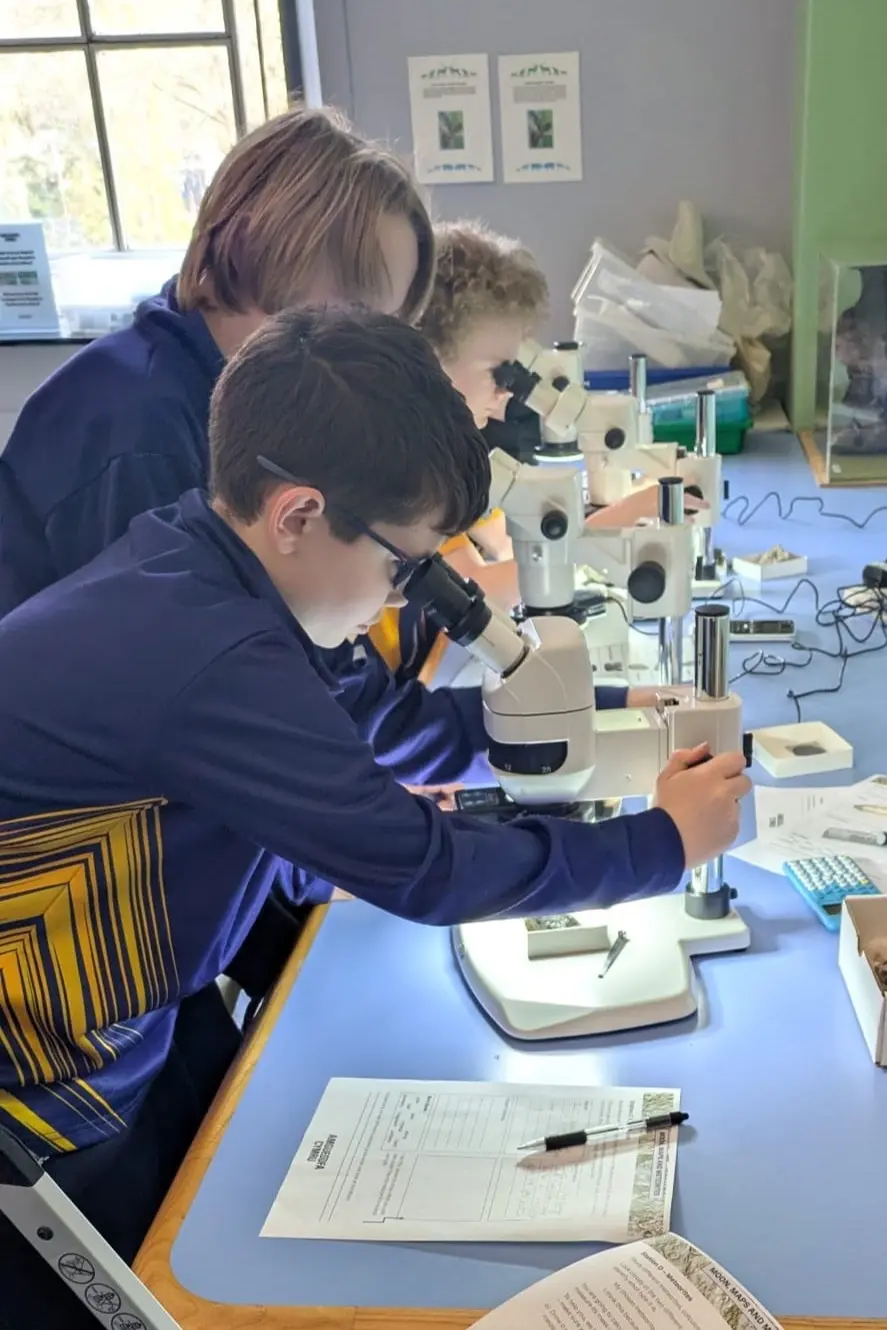
One of the things that delighted me was the enthusiasm the pupils showed for the detailed maps of lunar craters. Robin Maggs from the photography department was able to produce high quality replicas of maps of lunar craters from the 1970s, so students could use these for their own measurements – and learn about our map collection.
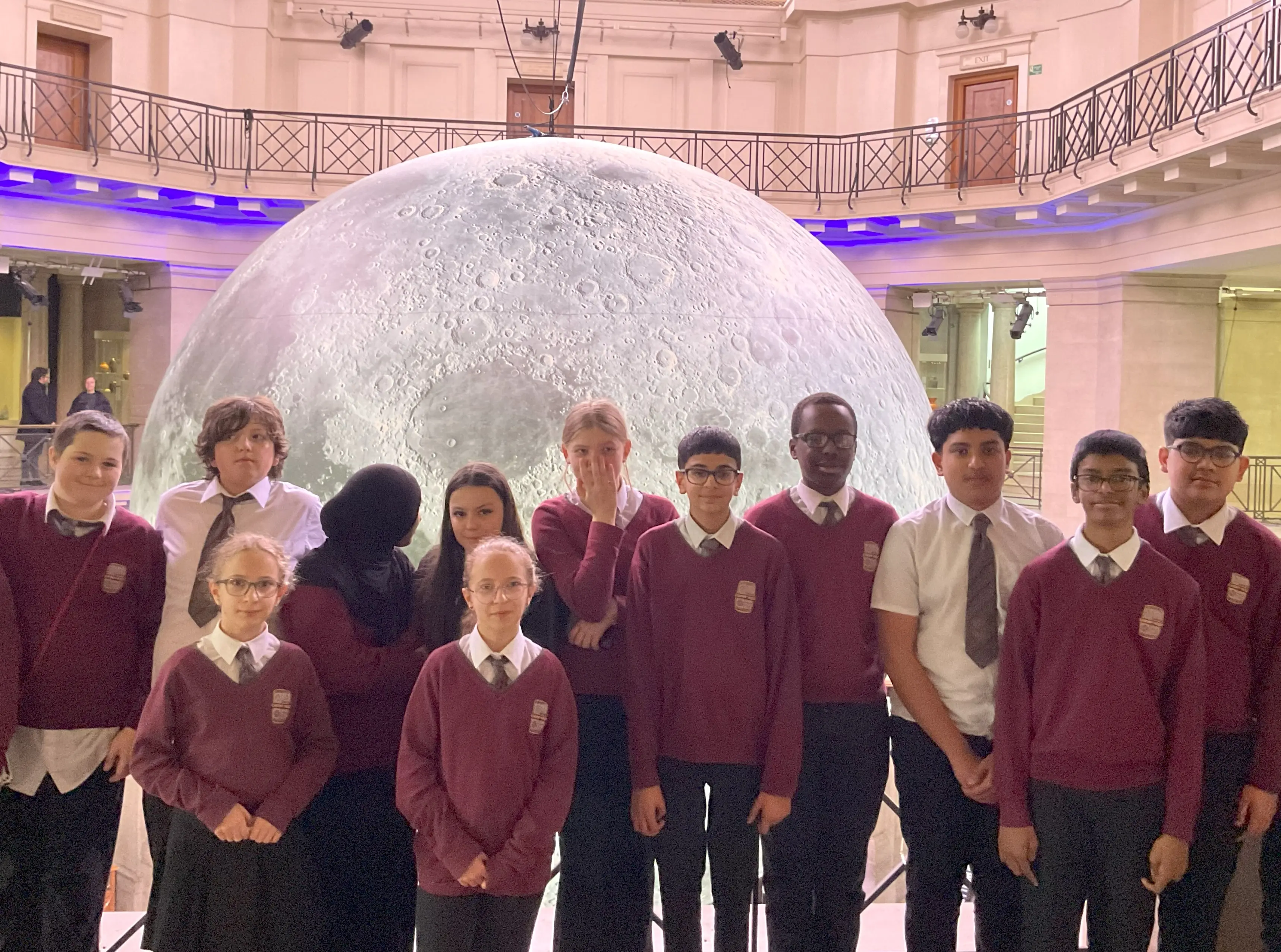
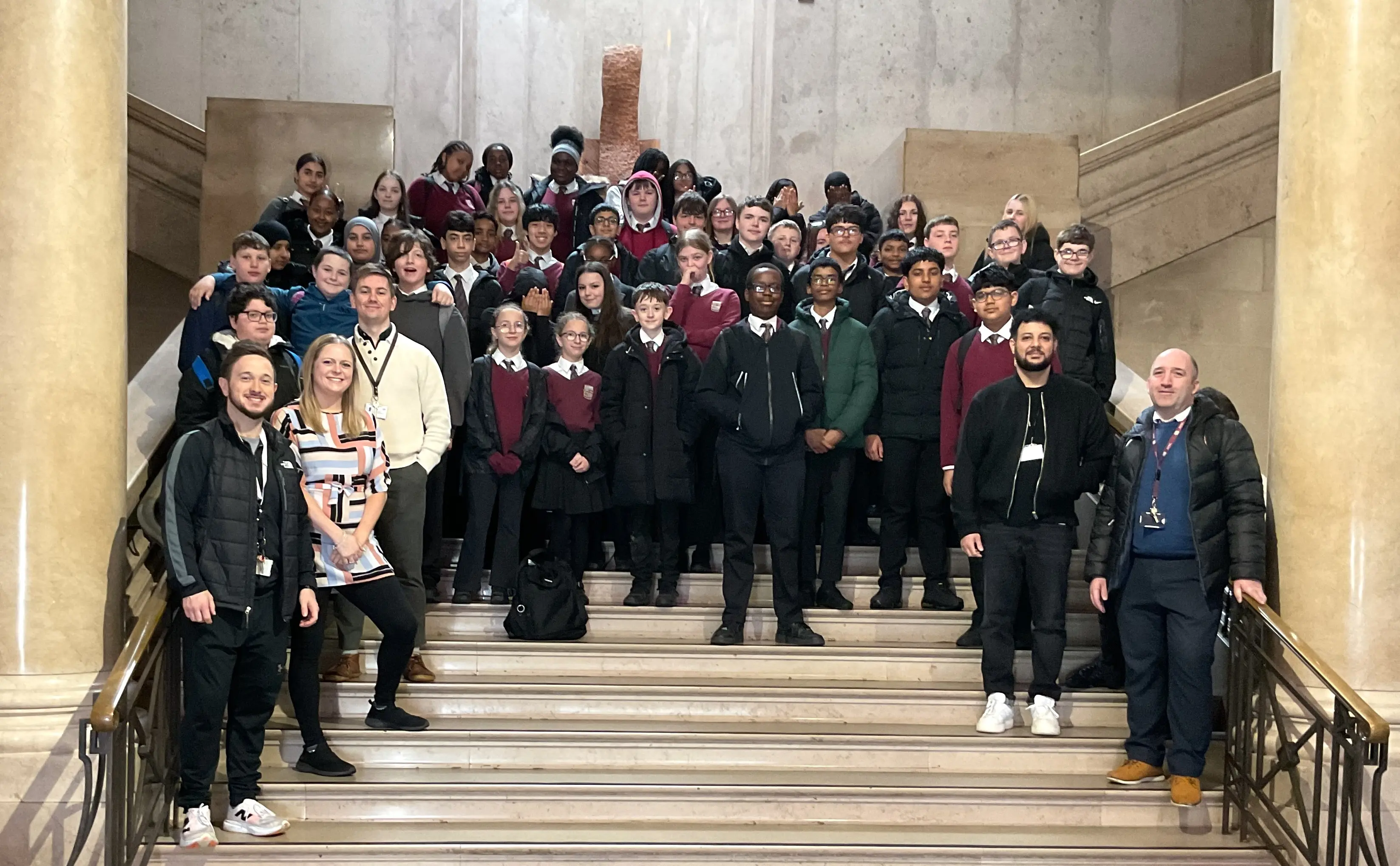
Finally, we refined the sessions with help from Tim Curtis, Numeracy Lead at Cardiff West Community High School and his pupils, and hope they will be enjoyed by learners for years to come.
The workshop is truly authentic – it allows pupils to explore photographs of the Apollo missions, maps created at the time, and rock samples from our collections that are so close to the lunar rocks that only a geologist could tell the difference. Real experiences, with real specimens, and real scientific outcomes.
Pupils from Cardiff West Community High School taking part in The Moon, Maps and Meteorites workshop
Find more information on the The Moon, Maps and Meteorites workshop on our Learning pages