Blog: Learning

Bronze Age discovery dishes the dirt on Swansea's heritage

Alice Pattillo, 2 February 2018

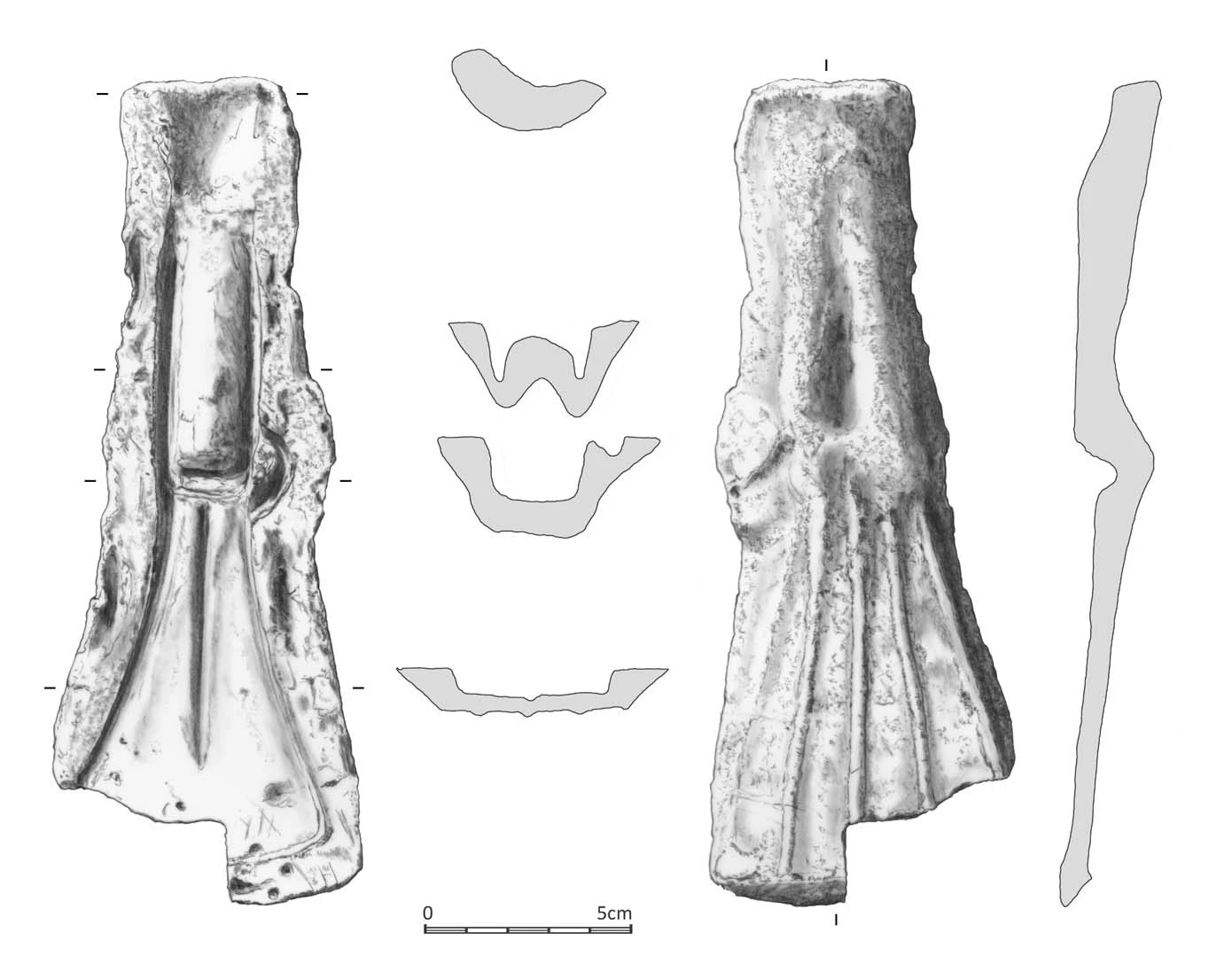
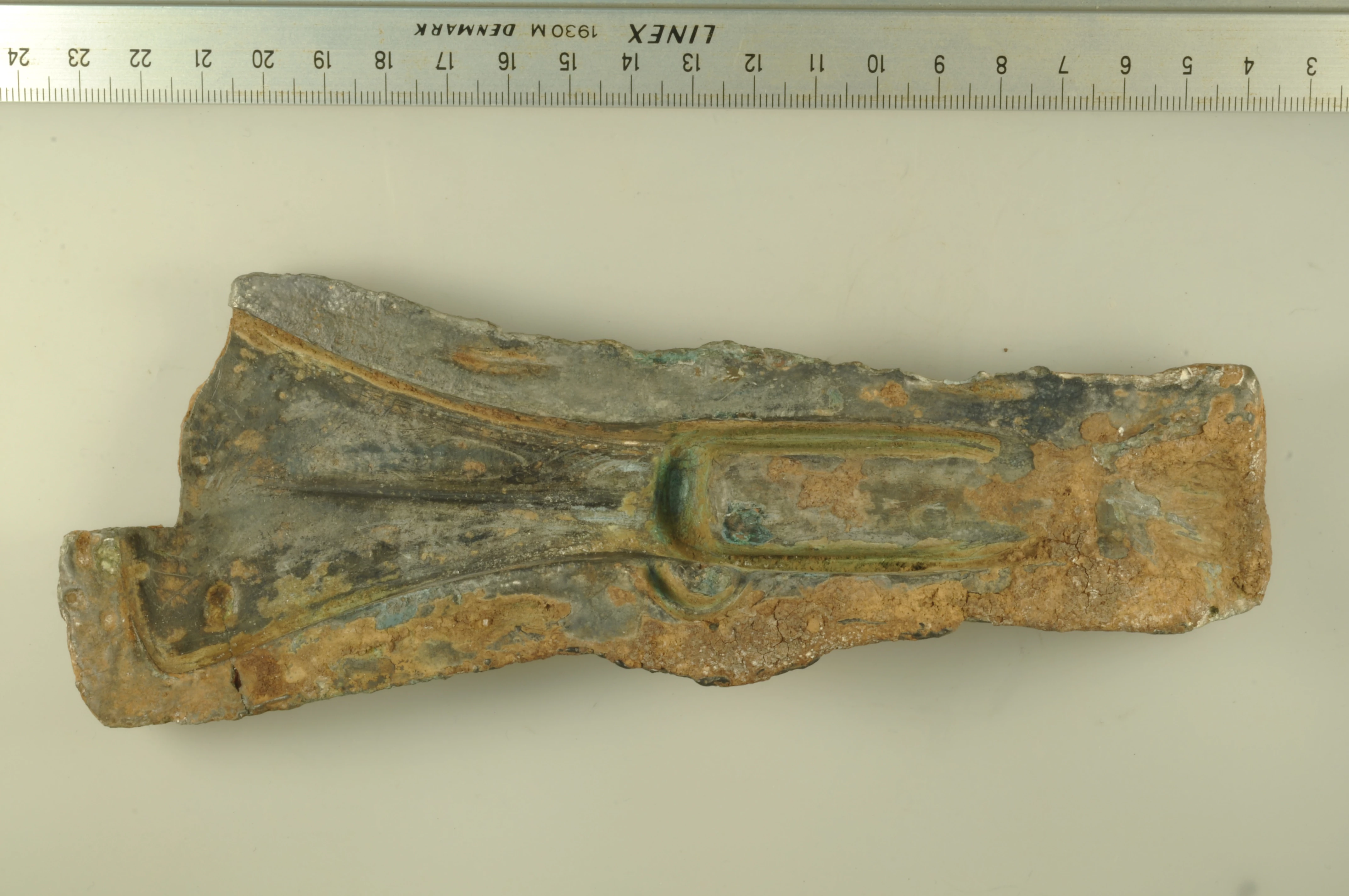
Swansea has a whole host of treasures just lying within its midst, from the Red Lady of Paviland to the 4200 year old flint dagger that formed the basis for Saving Treasures; Telling Stories first Community Archaeology project, ‘The Lost Treasures of Swansea Bay’. With the rip roaring tides, miles of beaches and hidden caves waiting to be discovered, you’d expect the sea (for which the city is named) to occasionally stir up something significant; but what about an unassuming Welsh livestock farm? Doesn’t sound like the setting for a major archaeological discovery, does it? Suprisingly, that’s exactly where local man, Geoff Archer, picked up one half of a Middle Bronze Age copper-alloy palstave axe mould dating somewhere between 1400-1200 BC.

It was over two decades ago when Geoff first picked up a metal detector, having first taken it up as a hobby after he got married. But it wasn’t until he retired last year that he was able to really get out into the field, and armed with a pair of wellies and a brand spanking new detector, he decided to venture to one of his old jaunts – a farm not far from his home.

“Over the last few nights I’d been thinking about going to the farm and something was telling me to go to the right hand side of it, just to walk the fields,” he explains, “so that’s what I did.” After traipsing around in the mud for a few hours, Geoff stumbled upon a patch of uneven terrace he couldn’t help but investigate.

Unearthing History

“I got to the lumpy, bumpy parts, had a couple of signals – nothing much.” But then Geoff had another signal, “a cracking signal” and realised it was time to dig around in the dirt to find out what it was. Figuring it would just be another case of random odds and sods, or a coke bottle lid (they find an abundance of litter!) he was surprised to hear a clunk.

“I hit this bloomin’ great big stone, so I dug around it, lifted up a clod of earth” and underneath yet another stone he noticed something interesting inside the muddy cave, something not made of rock. “What the heck’s that?” he thought, picking up the oddity with care. 

“I pulled it out and on the back end of the mould there’s, like, ribs.” This prompted Geoff to recall a discovery he made about 15 years ago, when he wasn’t so rehearsed in Bronze Age metalwork.

“Going back, must be about 15 years ago, I found an item - I didn’t know what it was. I wasn’t experienced enough then. So this item, I took it home and I put it in the garage, as most detectorists do!” He had a feeling it was important but wasn’t sure why.

After a few years of picking the item up off his work bench and trying to decipher its meaning, Geoff decided to take it up to the kitchen and do some research. “So I started buying books to research Roman, believe it or not, alright? So, I bought this book and I was looking through it. I got to the part for the Stone Age, read that. Then I got to the Bronze Age, and I turned a couple of pages and there was the item I’d found! Bronze Age Axe Head. My jaw just dropped, right? And the Bronze Age Axe Head had ribs on the outside.”

Devastatingly, Geoff has misplaced the axe head, which he is now, more than ever, desperate to locate – and even more upsetting still, it’s the same type of axe as the mould he discovered 15 years later would have been built to make. “It’s what they call a loop, I think it’s got two loops on this one, each side, where they used to put, if you can imagine, the Bronze Age axe head. It’s flat, but this part at the back, its round and they put it over the wood and then they loop it, they tie it onto the wood to secure it.”

Monumental findings

When Geoff uncovered the mould, he immediately realised its importance thanks to his previous finding – but he still wasn’t entirely certain of what it was he’d discovered. “On the inside of the mould, there’s like a round piece, like in the middle part. I honestly thought at that time that it was a bit off a tractor, because it was so… the engineering of it, the precision engineering of it! But in the back of my mind I was thinking it can’t be off a tractor because it’s got these ribs at the back from this Bronze Age axe that I found.”

After digging out some modelling clay and experimenting, he came to the realisation that what he’d found was an axe head mould. Geoff phoned up one of his buddies at Swansea Metal Detectorist Club for a second opinion and after a positive diagnosis by them both, he took it along to a club meeting.

“As it so happened, it was our ‘Find of the Month’ meeting!” Geoff explains. “So I won find of the month for the artefact and Steve, our Finds Liaison Officer, said ‘you’d better show this to someone in Cardiff because they are going to be interested.’ So, photographs were sent to Cardiff [National Museum of Wales] and they wanted to see it. I went with Steve to Cardiff and the mould’s been there ever since!”

Mark Lodwick, the Portable Antiquities Scheme (PAS) Cymru Co-Ordinator at The National Museum of Wales in Cardiff confirmed Geoff’s identification and has recorded the item so it can be used in further research and study.

Under the Treasure Act, the mould isn’t classed as ‘treasure’, so why is it so special? “It’s the only one that’s been found in South West Wales,” Geoff enthuses, “and it’s the second one that’s been found in Wales. The other one was found in a hoard of axes in Bangor in the 1950’s, so this is the first one that’s been found since then!”

Preserving the past

Geoff is in utter disbelief that he was the one to stumble across the important artefact, which has been conserved at the National Museum of Wales, Cardiff, but, eventually he’d like it to end up back home at Swansea Museum.

Having reported the axe mould to the museum, Geoff sees this as an important part of his role as a treasure hunter. Letting other people view the item, he says, “gives other people a chance to understand about their locality, of what’s been going on.”

“I think it opens up a new chapter in [Swansea’s history]. There’s a bit of history regarding the Bronze Age but to find something like an axe making product in Swansea, which has never been found before - it opens up a new chapter of where these people were living and how far were they living on the fields of that farm,” explains Geoff. “That’s my quest now I suppose, is to try and find out – keep walking the fields and I might find the other half, I don’t know.”

With hopes of the axe mould ending up in Swansea Museum, Geoff is keen that people will be interested in viewing his remarkable find. “The more publicity it gets the better!” he says. “The more people who know about this the better as far as I am concerned, because it’s the first one to be found in South West Wales and the second one to ever be found in Wales – so don’t tell me that’s not important.”

To discover more about Swansea’s Bronze Age history and see some fascinating Neolithic archaeological artefacts visit Swansea Museum, entry is free!

Words: Alice Pattillo

Early signs of spring

Penny Dacey, 29 January 2018

Hi Bulb Buddies,

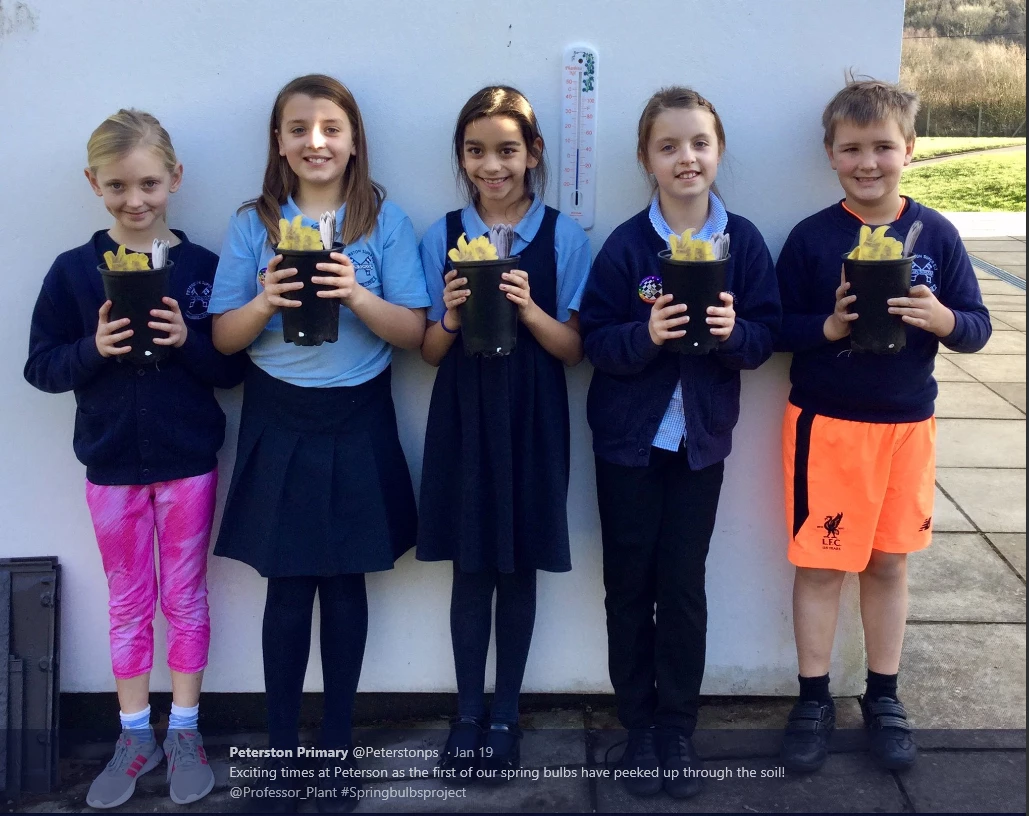
I’d like to share some photos with you. Remember, if you ask your teacher to send photos of your plants to me I can share them with other schools involved in the project! I’m especially interested in photos that show signs of the coming spring, such as flower buds, bees, butterflies, frogspawn or nesting birds! Can you think of any other signs of spring?

There has been some confusion over when to enter your flowering dates online. You can monitor how tall your plants are growing each week and let me know in the ‘comments’ section when you enter your weekly weather records. But the ‘flowering date’ and the height of your plant on the day it flowers are to be entered on the website only once the flower has opened. 

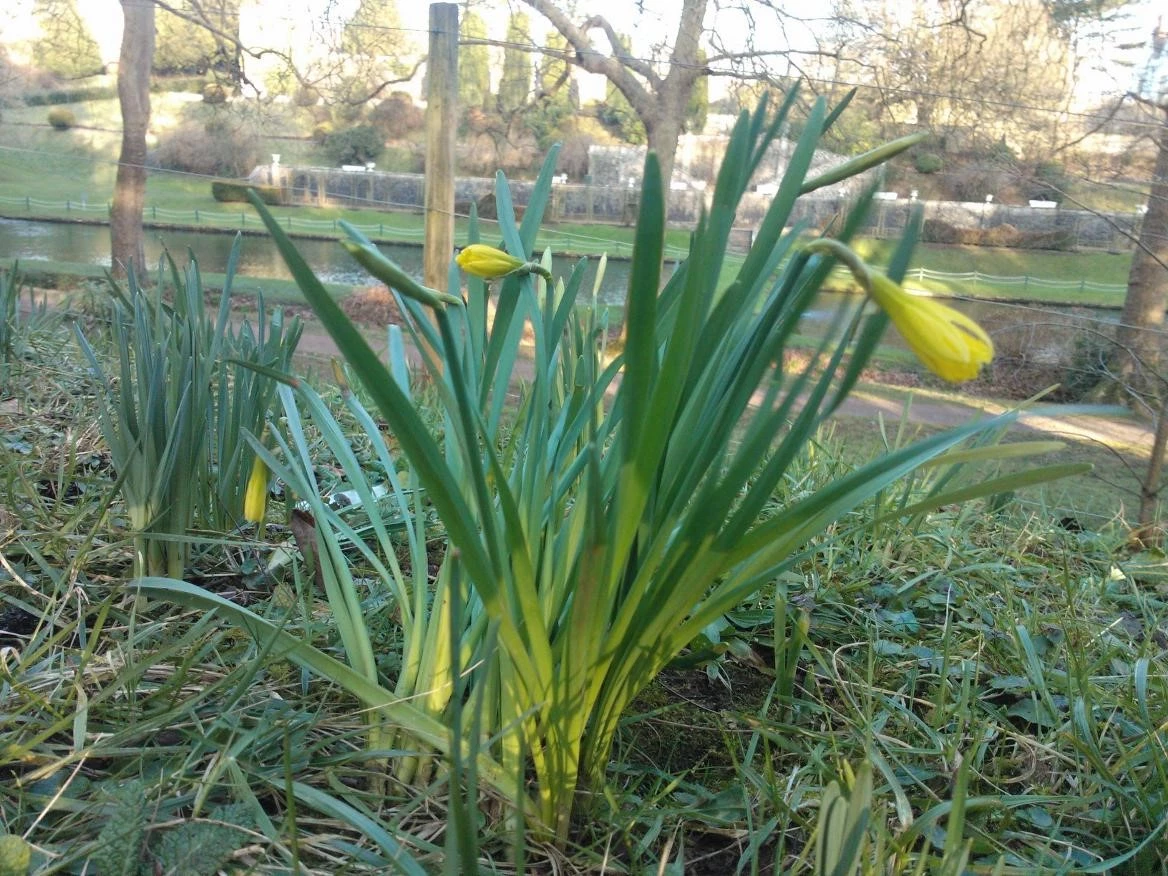
Look at the picture of Daffodils on the right (click on it to make it bigger). This picture was taken on a cold day, so the flowers haven’t fully opened. But, you can still tell which ones have flowered by looking closely at the picture. If you can clearly see all of the petals then your plant has flowered. Before flowering, the petals are held tight in a protective casing called a spathe.

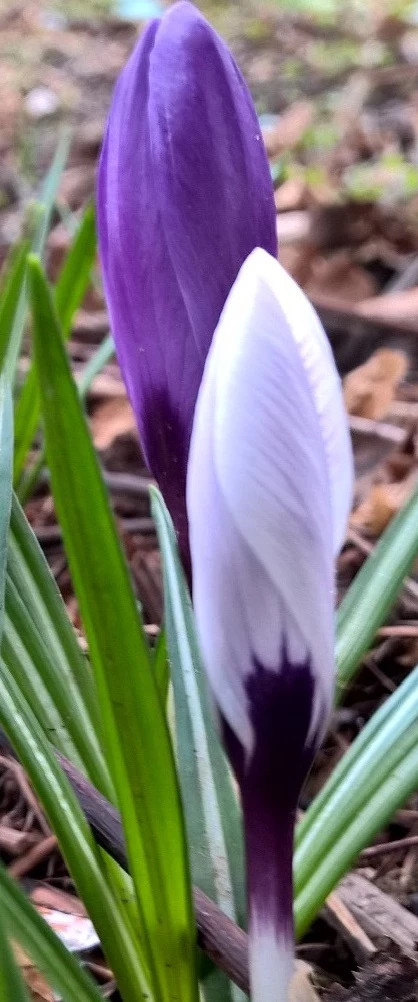
The second photo on the right shows Daffodils before they have opened. These Daffodils are still in bud, which means the flowers are still developing. Once the flower has matured inside the bud (and the weather is warm enough) the casing will begin to open. This can take a few hours or a few days! If you watch your plants carefully you might see this happening! Once you can see all of your petals and the casing isn’t restricting them at all, you can measure the flowers height and enter your findings to the website.

Have you compared the heights of the plants in your class? Are there big differences in the size and maturity of the plants, or are they all very similar? What about the plants planted in the ground, are these any bigger than the ones in your plant pots? Why do you think this is? You can let me know your thoughts in the ‘comments’ section when you enter your weekly weather records!

Once your plants start to grow, send your stories and pictures to Professor Plant to be included in the next Bulb-blog or shared on Twitter! 

Keep up the good work Bulb Buddies!

Professor Plant


Your Comments:

I've enjoyed reading about your bulbs, the weather and the things you have been doing in school. Thank you for letting me know when extreme weather has meant weather data couldn't be collected. Keep the comments coming Bulb Buddies!

Arkholme CE Primary School: Some of the bulbs have spouted and some have not. We have not had much rain or much warmth either. The average temperature has been 5 degrees and the rain has been 3 ml. L and E. Professor Plant: Wow Bulb Buddies, thank you for your update. I’m impressed to have the average temperature and rainfall for the week. Keep up the fantastic work!

Steelstown Primary School: Happy New Year, still enjoying the bulb project, lots of little sprouts are coming up now.

Carnforth North Road Primary School: Bulbs have started to grow in pots and in the ground as well.

Inverkip Primary School: The water was frozen on Friday. The bulbs have started to grow.

Carnforth North Road Primary School: Lots of Crocus are growing but not very many daffodils.

Ysgol Bro Pedr: A few buds beginning to show their heads above ground this week - happy days.

Tonyrefail Primary School: Two of our pots have got shoots coming through.

Pembroke Primary School: Approximately half crocus and a few daffodils now showing.

Nant y Moel Primary: Our bulbs have started to grow, we are getting excited.

Henllys CIW: Monday was 26 mm and shoots are starting to come up.

Carnbroe Primary School: Hi Professor Plant on Wednesday the rain was very heavy and the temperature begun to rise. Today it was very frosty and icy. Hopefully our bulbs will begin to grow soon.

Ysgol Y Traeth: Yn anffodus mae ein thermomedr wedi torri yn gwyntoedd cryfion rydym yn aros am un newydd i gyrraedd.

Glenluce Primary School: We are building an ark in Glenluce! Professor Plant: Gosh Glenluce Primary, that sounds exciting! Please share photos of your ark!

Glenluce Primary School: Snow day Friday, great snowball fights!

St Teresa's Primary School: We were closed on Wednesday due to snow.

Biggar Primary School: Due to snow the school was closed and no data was collected for 3 days.

St. Columbkille's Primary School: Heavy snow and school closures meant pupils were unable to get readings for some days.

Ysgol Beulah: Roedd llawer o law dros y penwythnos.

Stanford in the Vale Primary School: Very cold week!


The results so far: 2018-01-22

Penny Dacey, 22 January 2018

What interesting weather we’ve been having Bulb Buddies!

Looking through our results from 2011 to 2017 (using the chart on the right), we can see that November and December2017 had less than average temperatures and rainfall but higher than average hours of sunshine! By comparing the data for 2017 with previous years, we can see that November and December 2017 had the third highest average hours of sunshine since our records began in 2011.

Why not work out your average readings for November and December and compare them to the average readings shown in the table?  

I have received a number of reports that shoots have begun to appear in your pots! Do you think that Crocus or Daffodils will appear first? Why not look through last year’s report and compare the average flowering dates for Crocus and Daffodils to help you decide which will flower first!

I've attached some photos that have been shared over Twitter on the right. Please share your photos with me so that I can post them in my next Blog.

Keep up the good work Bulb Buddies,

Professor Plant


Your Comments:


Pembroke Primary School: We have planted tulips in pots also in school and it will be interesting to see how they compare to the daffodils and crocus. Professor Plant: That will be interesting, let me know how they compare Bulb Buddies!

Portpatrick Primary School: Shoots are stretching out of the ground :) . Professor Plant: What a lovely way of describing the sprouting of plants Bulb Buddies!

Inverkip Primary School: We really enjoyed doing it. We really want to do it again. Professor Plant: I’m glad to hear you are enjoying the project Bulb Buddies. Keep up the good work!

Newton Primary School: It's been a lovely week. It's been quite cold, but mainly dry. Four plants have started to grow over the weekend and by the end of the week they were around 2cm tall. Professor Plant: Gosh Bulb Buddies, thank you for keeping such a close eye on your plants. It will be interesting to see how much they grow week by week!

Darran Park Primary: There hasn't been any change to our bulbs this week.

Auchenlodment Primary School: We can see some roots growing out the bottom of the pots.

Ysgol San Sior: Our plants are growing well.

Ysgol San Sior: Our plants have grown well over the Christmas holiday.

Ferryside V.C.P School: Mae wedi bod yn wythnos wlyb dros ben!

Ysgol Carreg Emlyn: Roedd yr ysgol ar gau Dydd Llun a Dydd Mawrth oherwydd yr eira.

Darran Park Primary: We had a lot of snow on the weekend the temperature was very cold and below freezing on Monday and Tuesday. The temperature rose a little on Wednesday and it rained a lot.

Carnbroe Primary School: Hi Professor Plant last week we had snow,snow,snow! On Tuesday the rainfall cup was filled with snow because of the low temperature. On Friday we got sent home because of the red warning about a blizzard coming our way. Our bulbs look safe and are still sleeping. Professor Plant: Wow Bulb Buddies, it sounds as though you have had some extreme weather! Thank you for keeping me up dated.

St Julians Primary School: Melted snow increased our rainfall total on Monday. Our plants didn't seem to mind the colder weather!

Newton Primary School: A chilly week on the playground!

Beaufort Hill Primary School: Closed Monday and Tuesday due to snow.

St. Nicholas Primary School: We had a snow day on Monday - the 40mm (42mm) was ice in our rain gauge!

Hudson Road Primary School: It is getting colder and we have had heavy rain again

St Paul's CE Primary School: Frosty every morning, sunny spells.

Peterston super Ely Primary School: It was a wet week this week!

St Andrew's RC Primary School: We hope you have a merry Christmas and a happy new year. Professor Plant: Thank you Bulb Buddies, I hope you all enjoyed your holidays!

St Michael's CE (Aided) Primary School: There has been snow laying on our playground 11/12 December.

Canonbie Primary School: It's Christmas jumper day today so we were all wearing our Christmas jumpers as we were out measuring rainfall.

Interview: Wrexham’s treasure volunteers

Alice Pattillo, David Burton, Jill Burton, 11 January 2018

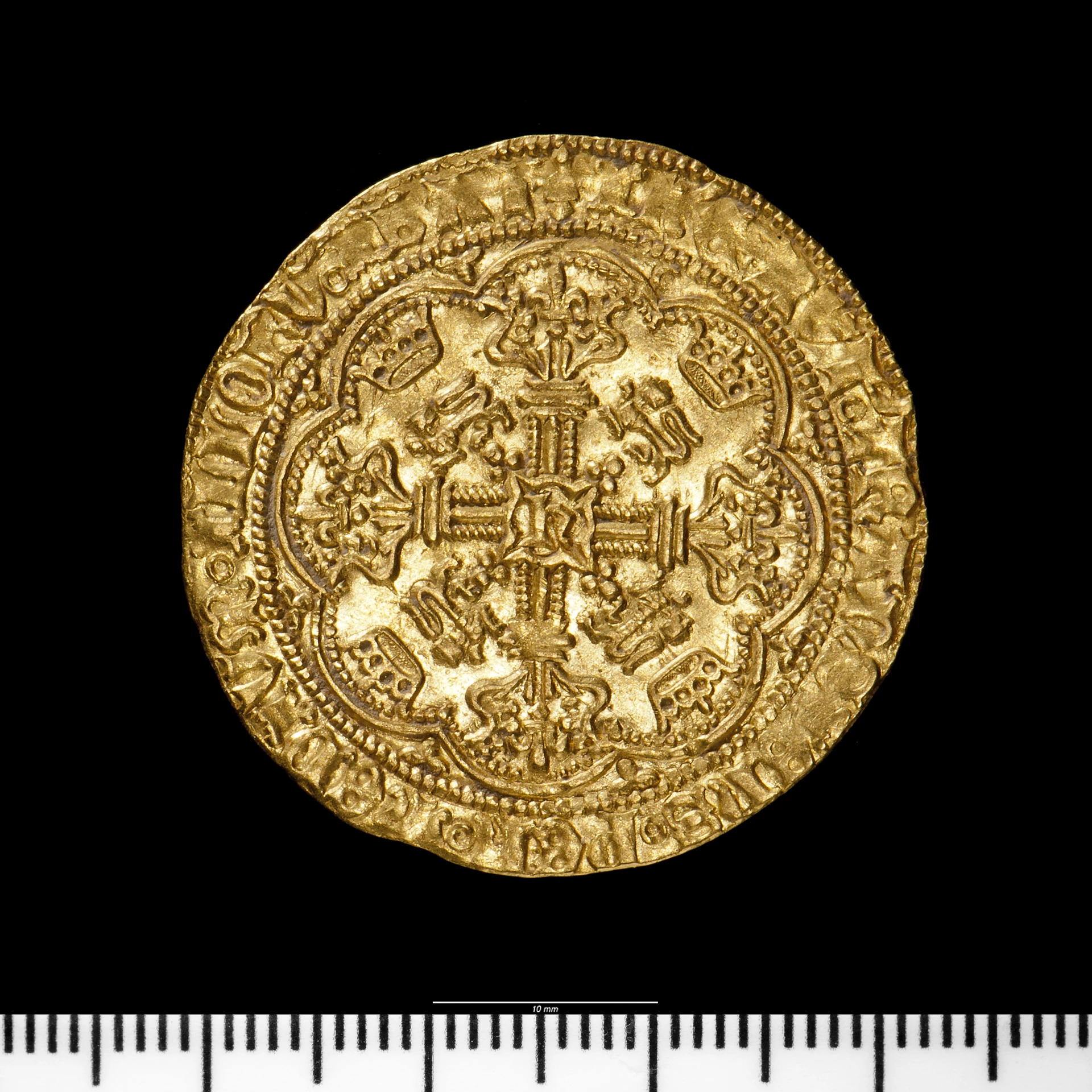
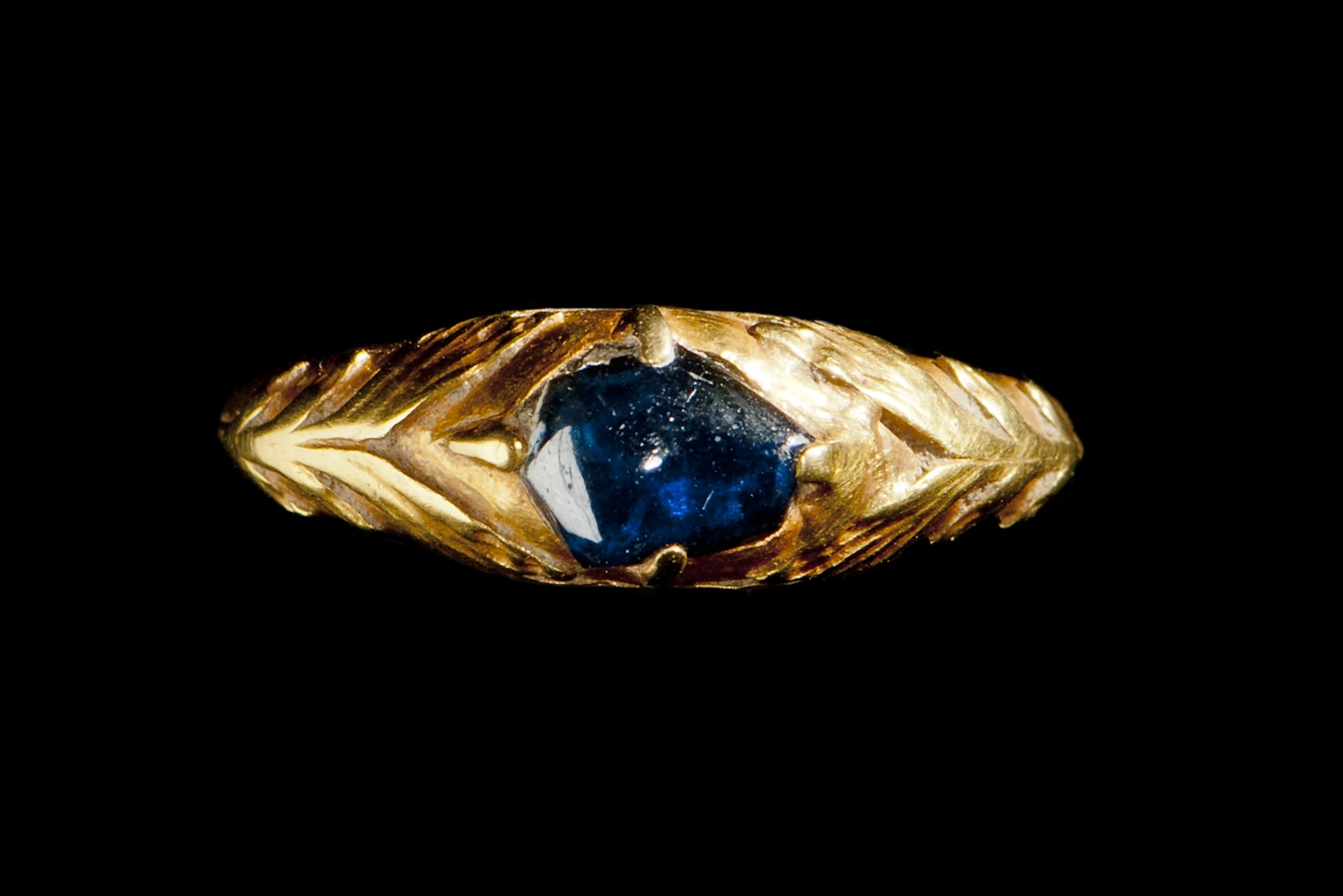
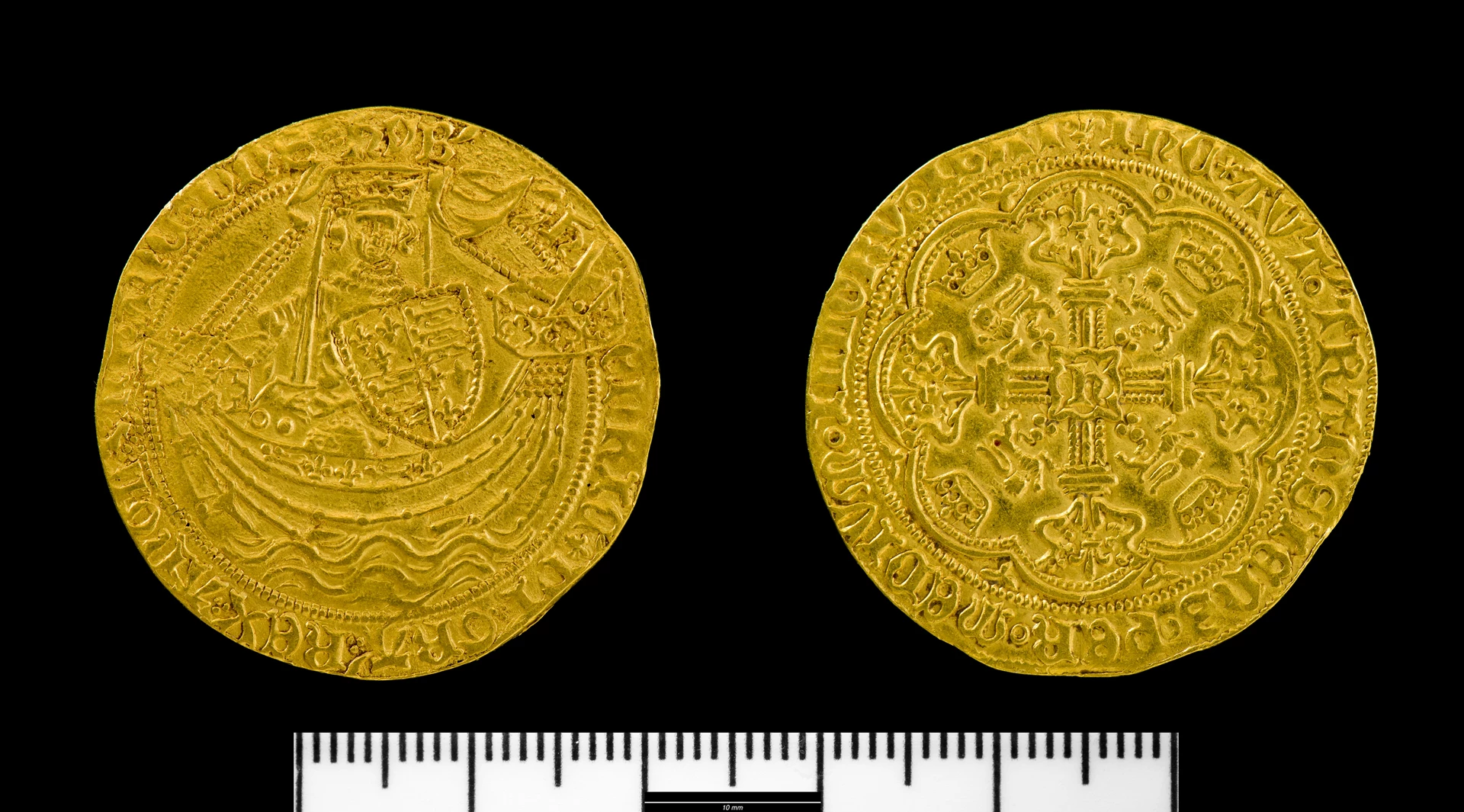
Following Wrexham Museum’s recent acquisition of the Bronington Hoard, a collection of 15th century gold and silver coins and a gold and sapphire ring found by local metal detectorists, the Saving Treasures; Telling Stories Project helped fund the Buried in the Borderlands Community Archaeology Project.

The project, which goes on display in March, focuses on working with and inspiring the local community to investigate and produce creative responses to the historic objects discovered right under their noses.

David and Jill Burton are part of the Maelor heritage society set up by the museum, a group of volunteers who research and help to exhibit the Bronington findings. We caught up with them to talk about the project.

Why were you drawn to the project?

We have enjoyed the opportunity to be involved with the “Buried in the Borderlands" project as volunteers with the Wrexham Museum team. Initially it was curiosity that took us along to the community meeting in the local pub to find out about more about the hoard that had been discovered in a field not far from where we live. This was followed up with meetings at the museum and the exciting chance to examine at close quarters the coins and ring that had been discovered. 

The hoard consists of 52 coins and a gold ring with a sapphire stone, all buried in approximately 1465. The hoard has been dated to a period of history we knew little about, the Wars of the Roses and we were intrigued what effect the conflict had had on our local area. 

What does your voluntary work involve?

Our “homework" between meetings was the opportunity to research into settlement and ways of life in the Maelor area 550 years ago and the politics of the time. Out limited knowledge of old coins, their designs and production, was helped by attending an excellent Numismatics Day at Wrexham Museum with the chance to listen to top quality speakers from the Royal Mint and the Fitzwilliam Museum amongst others.

What’s your favourite aspect of being involved with “Buried in the Borderlands”?

We enjoyed using the information we had discovered to put together a brief for designers of the popup information boards which would accompany displays and were delighted to see the resulting ideas come to fruition.

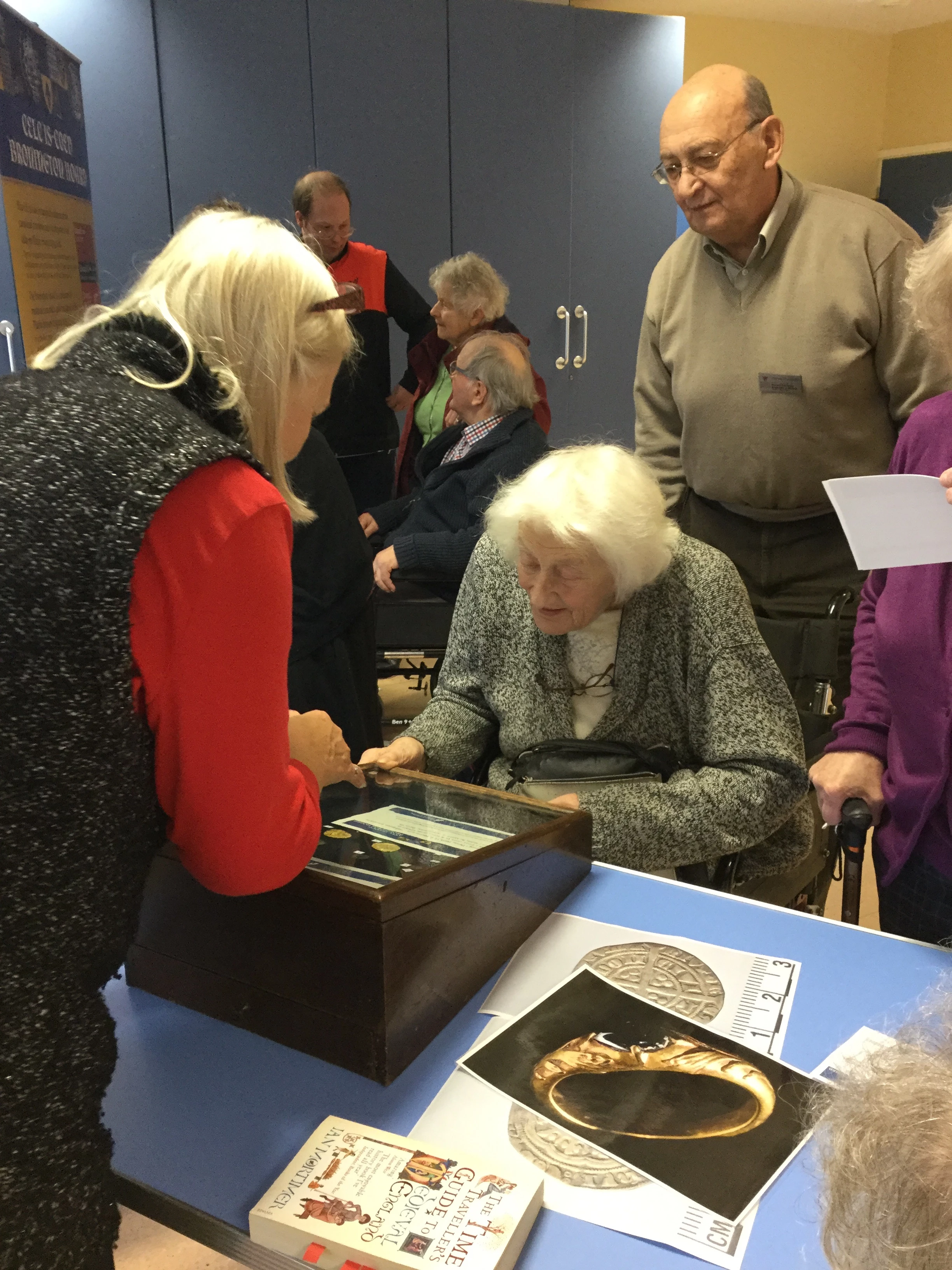
But I think our favourite part of the project was helping museum staff take a sample of the hoard and the completed information boards “on tour”, to three venues in the area where the hoard had been discovered, a community centre, a school hall and a heritage centre. At all three places we were met with interest and enthusiasm by visitors of all ages.

We loved having the time to chat, to explain and to listen to theories on why our visitors thought the hoard had been buried. We met 387 people on these days, some were local historians, some metal detectorists, some local residents and farmers but we especially enjoyed talking to the children who loved seeing “real treasure” and had the most imaginative theories as to its origins.

What does the future hold for the project?

We look forward to the next stage in the New Year when we can help with ideas for the designs for the permanent exhibition of the Bronington Hoard in Wrexham Museum, and of course the grand opening when for the first time we will see our local hoard all displayed together for everyone to appreciate and enjoy.

Interested in getting involved? Contact Wrexham Museum directly to find out more.

Kick the Dust - dance at the museum

Christina Dixon, 19 December 2017

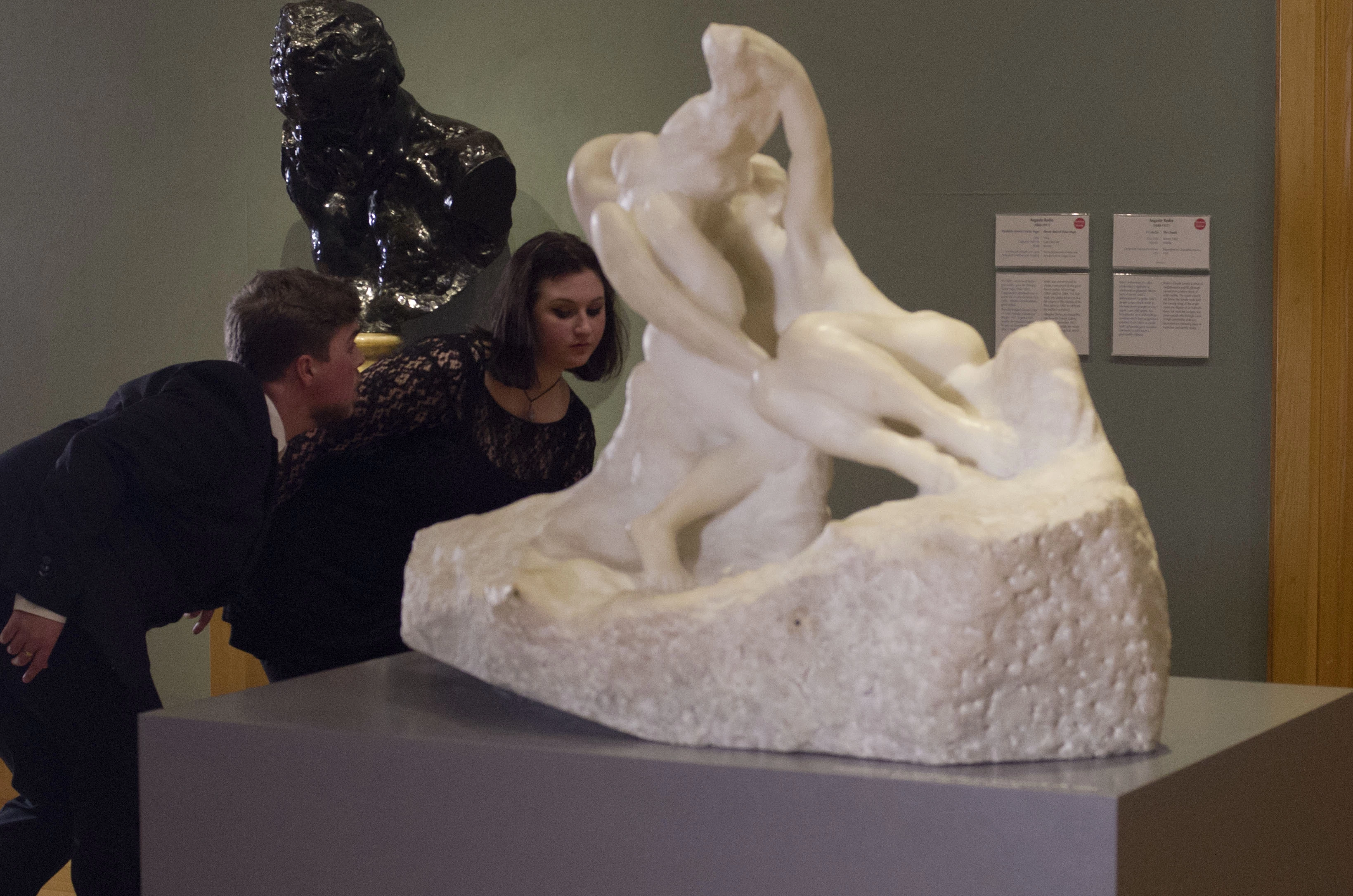
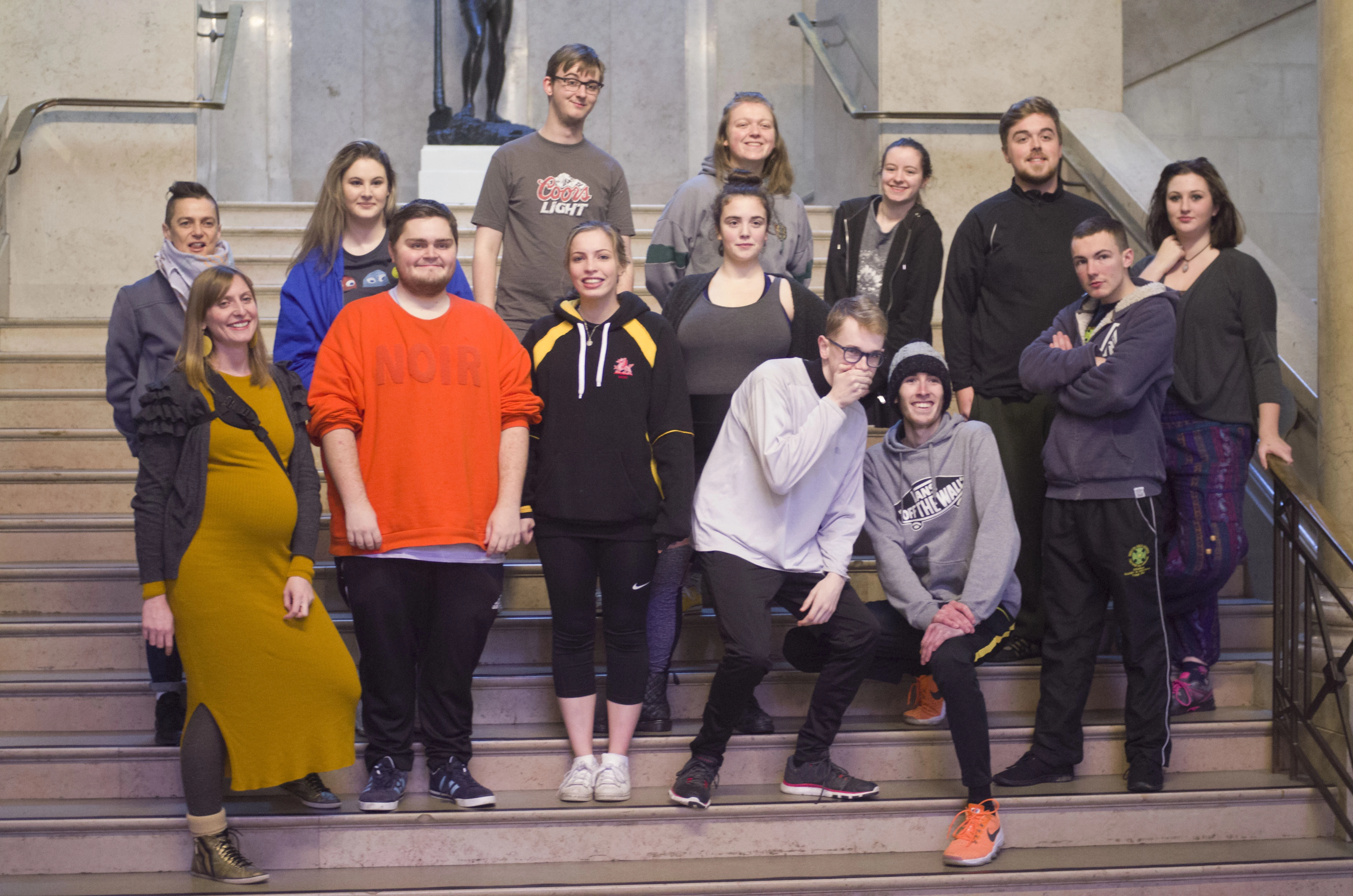
Monday, 11th December, the National Museum Cardiff in Cathays hosted the first pilot activity of ‘Kick the Dust’, a Heritage Lottery funded youth and community engagement programme aiming to to work with 14-24 year olds and use the National Museums of Wales as tool boxes to provide fun, engagement, career and life-skills development opportunities. The first people to utilise the museums’ space was a group of twelve students in their second year of the BA Theatre and Performance course at Aberystwyth University. This was an opportunity for them the try out and experiment with performance techniques and styles studied in a module over the last ten weeks.

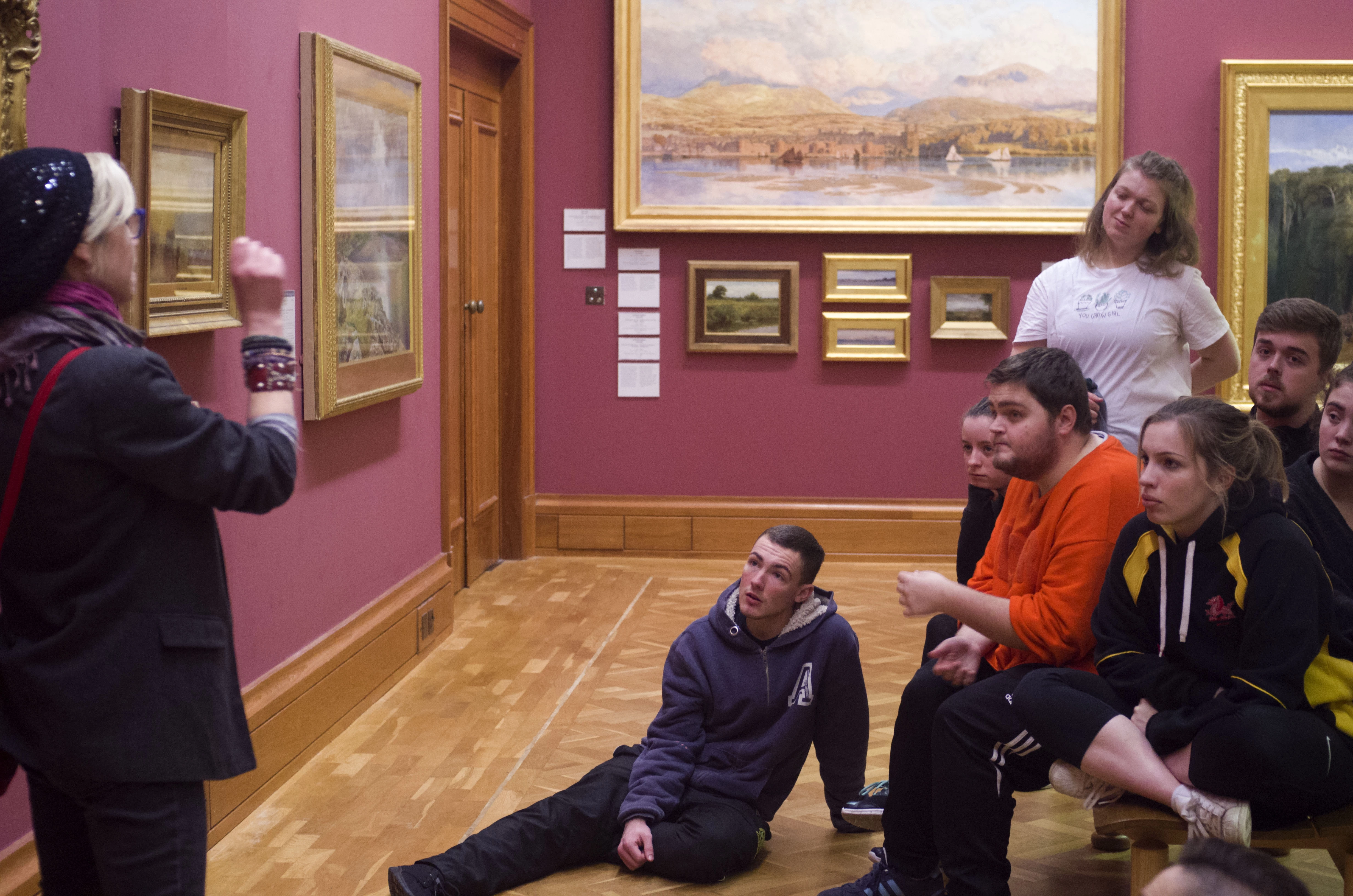
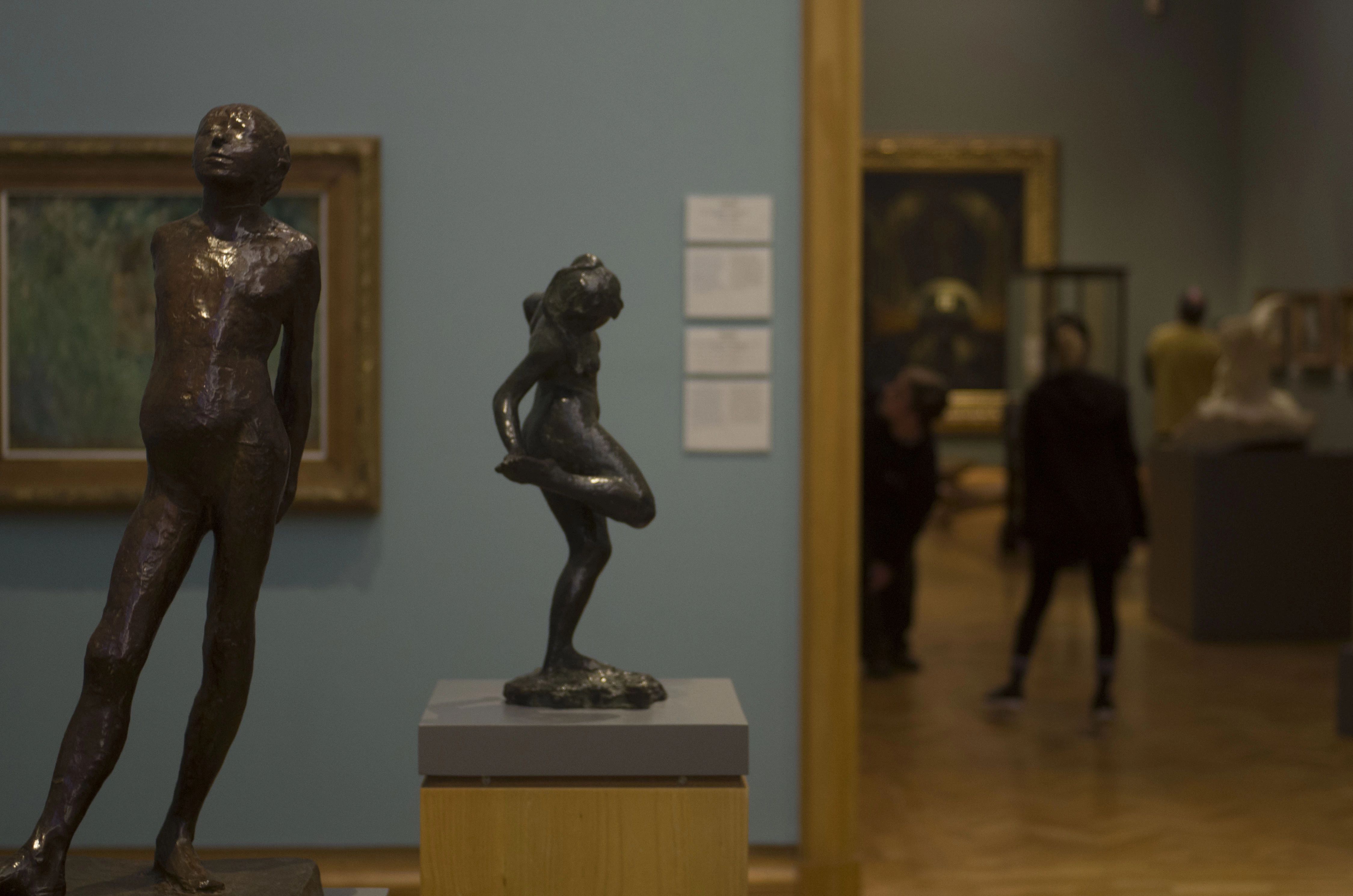
After a three-hour journey through snowy Wales, the students arrived and were taken on a tour; they were invited to examine and be inspired by the textures, architecture, sculptures and paintings within the building and the students developed physical responses to their chosen areas of interest. Initially, the museum felt like a loaded space to the students, they were unsure of the rules of engagement to begin with. However, through the course of the day, the students stretched out and embraced the museum; the performers worked the dormant surroundings and brought the halls of memory to life.  

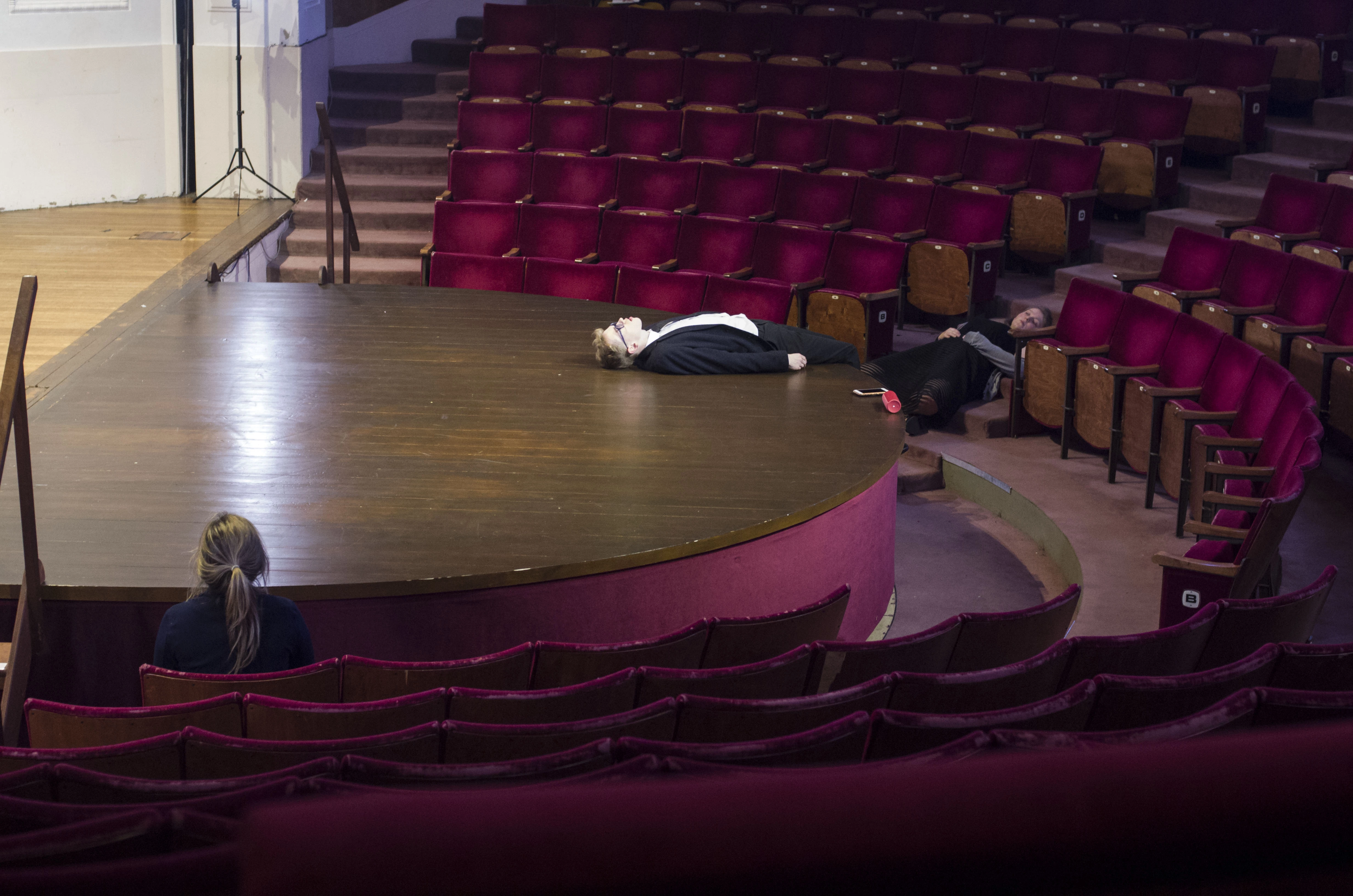
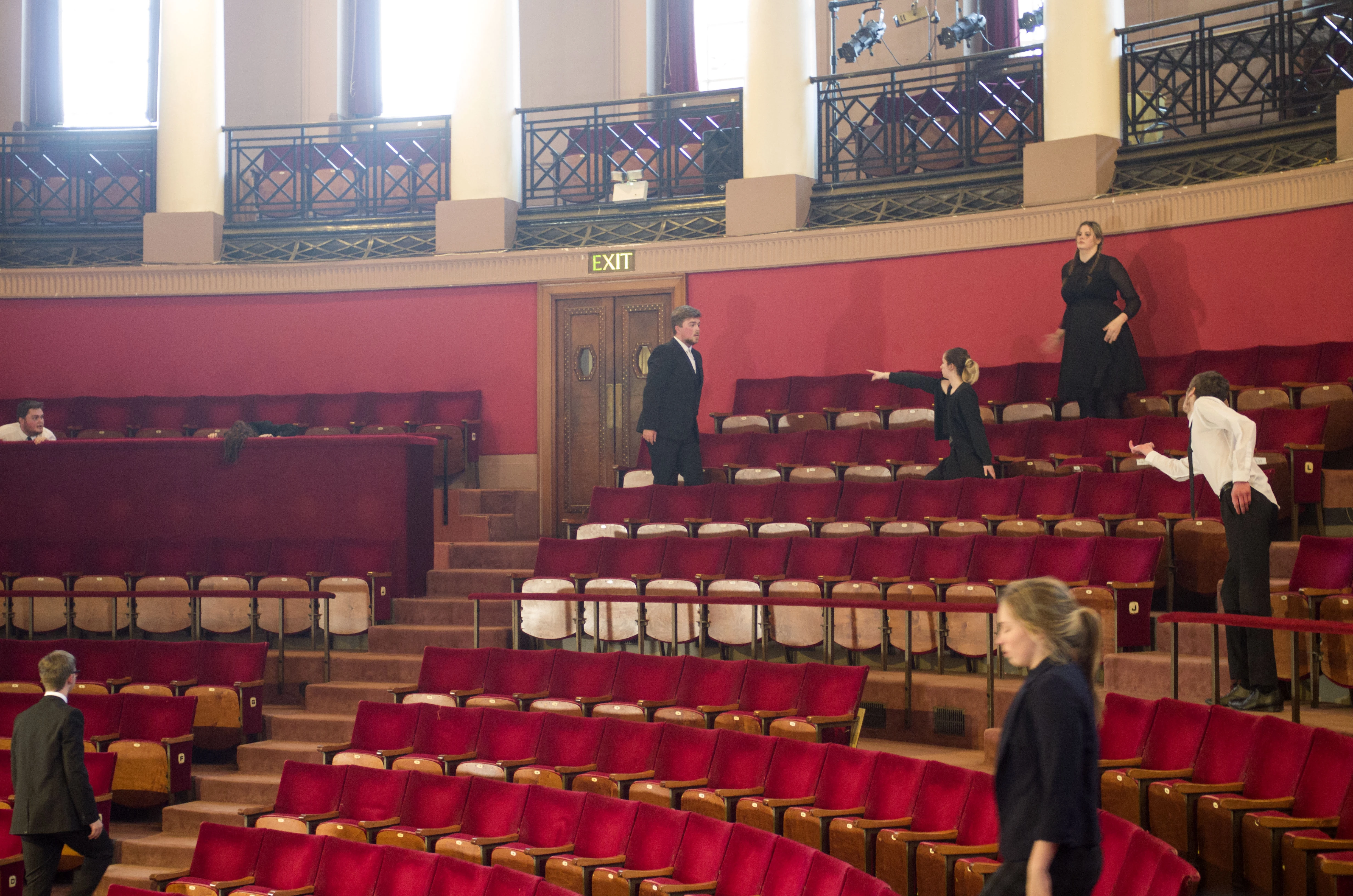
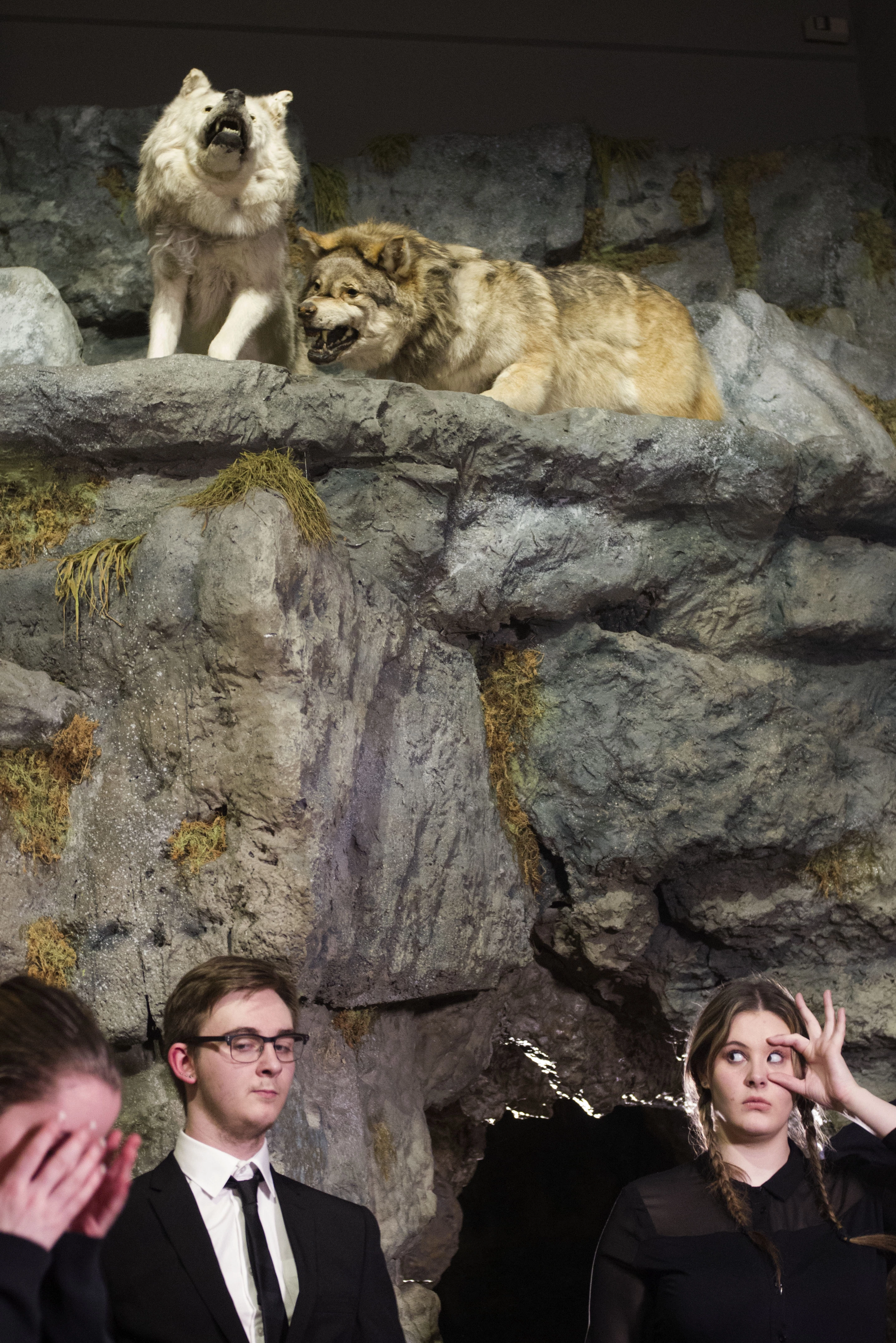
Performances were filmed and photographed in four locations within the museum; an empty exhibit space, the theatre, the gallery space containing the painting ‘Choir of the Capuchin Church’ 1817 by François Marius Granet, and a taxidermy section of the natural history exhibition. These diverse spaces yielded equally diverse results. The first space, the empty exhibition, they found to be eerie and neutral so they used it to workshop and play with the concepts of a previous performance. The students engaged with this area for at least fifteen minutes of focussed and intense work which was fascinating to witness. The next space was the theatre and here the students felt at home and they really began to thrive. In the ten minutes of their performance here, they engaged with the architecture and sharp lines of the auditorium as well as the performer-audience relationship; this piece blurred the lines between the expected, smashing the fourth wall and replacing it with an osmotic veil which helped me, as an observer, reinterpret the space and the emotional journeys taken within it.

The next, more traditional museum-gallery location was enchanting to witness. The group were inspired by the depth and angles within the painting and decided to use a doorway between two gallery spaces as the ‘frame’ to their interpretive performance; they explored the role of the spectator observing the artwork, the shapes and emotion within the pieces themselves, and the angles and imposition of the cases and stands. It became an active, rhythmic representation of the feeling and themes present in the room within the framed-depth concept. I found myself observing their fluid development of the space as I would a static piece of art, finding new areas of detail and interpretation the longer you look. The last performance in the taxidermy exhibition was an intense one. They explored the processes involved in preparing taxidermy through physical gesture re-enactment and, in the confined space overlooked by wolves, skeletons and a bison, it became quite claustrophobic and uncomfortable; they captured the unnaturalness of the grotesque process.  

At 5pm, the students finally got on the coach back to Aberystwyth, still excited and proud of the amazing work they’d done at the museum. They had indeed managed to ‘Kick the Dust’.

This blog post was written by Christina Dixon, a BA history student volunteering and getting work experience at Amgueddfa Cymru-National Museum Wales.