No Mow May at The National Wool Museum: What We Do and Why It Matters Heather Jackson & Debby Mercer, 3 June 2026 Each May, as part of No Mow May, the National Wool Museum allows areas of its landscape to grow freely, creating space for wildflowers, insects and the wider ecosystem to thrive. By stepping back from regular mowing, even for a short time, the grounds are transformed, revealing how much life depends on longer grass and seasonal change.The Museum is deeply connected to its surrounding landscape, from the sheep that supply the wool to the habitats on its doorstep. Within the site lie three and a half acres of meadow, bordered by the Nant Bargod and Nant Bran, tributaries of the Afon Teifi. Alongside this sits the museum’s dye garden—a more cultivated space, but one that is equally rich in colour, history and wildlife.Together, these spaces show how a simple change in land management can support a thriving and interconnected environment.A Living Meadow LandscapeAway from the clatter of the mill machinery, the meadow offers a quieter, more reflective space. Managed through seasonal hay cutting rather than frequent mowing, it provides an important habitat for a wide variety of species. This approach sits at the heart of No Mow May, allowing grasses and wildflowers time to grow, flower and set seed.This type of rough, damp grassland—known in Wales as rhos pasture—is increasingly rare. Its careful management is essential, as too much mowing or invasive species such as Japanese knotweed can quickly disrupt the balance that allows wildlife to flourish.In spring and summer, the meadow comes to life. Butterflies such as Painted Lady and Red Admiral drift among the flowers, while the rare Brown Hairstreak lays its eggs on blackthorn in the hedgerows. Bees collect nectar from clover and hawthorn, ladybirds feed on aphids, and damselflies hover along the riverbanks. Surveys have even recorded more than 30 species of beetle on site.The plant life is just as important. Native grasses such as meadow foxtail and fescues support wildflowers including knapweed, cuckoo flower and tansy, while wetter areas are home to rushes, meadowsweet and valerian. Together, these plants provide food and shelter for insects, birds and other animals.One particularly rich area is the river overflow channel, where seasonal flooding brings nutrients that encourage a dense variety of plant life. It’s a reminder that natural processes still shape the landscape.By allowing the meadow to grow throughout May, No Mow May supports this complex and thriving habitat.The Dye Garden: Craft and WildlifeAlongside the meadow, the dye garden offers a more structured environment, rooted in the history of textile production. For thousands of years, people used plants and minerals to dye fibres, a practice that continued in Welsh woollen mills well into the 20th century before synthetic dyes became dominant.Today, the dye garden reconnects with this tradition, allowing the museum to explore the journey from plant to dyed fabric. Developed over many years and now cared for by natural dye practitioner Susan Martin, supported by the National Heritage Lottery Fund, it is both a working garden and a place of learning.During the growing season, the garden is filled with colour—creating an inviting space for visitors but also attracting a wide range of wildlife. The same principle behind No Mow May—allowing plants the time and space to grow—benefits this cultivated area.Wildlife Across the SiteAcross both the meadow and dye garden, a diverse range of species can be found, each playing a role in maintaining the health of the environment.Butterflies are among the most visible visitors, but many species are in long-term decline. One reason is the lack of suitable plants for caterpillars. The flowers that attract butterflies are not always the same plants they lay their eggs on.At the Museum, plants often considered “weeds”—such as nettles, thistles and willow—are allowed to grow in certain areas, providing essential habitats for caterpillars.Bees are equally important, from familiar bumblebees to species such as the wool carder bee. Hoverflies, often mistaken for wasps, also play a dual role: as adults they pollinate plants, while their larvae feed on aphids, helping to protect plant life.Not all wildlife is immediately noticeable. Earthworms are vital to soil health, aerating the ground and breaking down organic matter. They also form an important part of the food chain—there’s nothing a mole enjoys more than an earthworm-rich feast.Birds are regular visitors too. Robins are familiar companions to gardeners, often appearing when soil is disturbed and insects are brought to the surface.The range of habitats across the site has also led to the identification of less common species. Museum scientists have recorded the spider Araeoncus humilis, classed as vulnerable in the UK—highlighting the importance of maintaining these environments.Looking Ahead and VisitingNo Mow May is just one of the ways the National Wool Museum supports biodiversity, but its effects can be seen across the entire site.By allowing grass and wildflowers to grow, the museum creates conditions in which insects, birds and animals can thrive. Spaces such as the dye garden show that conservation and cultural heritage are not separate, but deeply linked.It has been exciting to see the variety of wildlife visiting the museum grounds, but there is always more to discover. Work is ongoing to support these habitats, including plans for wildlife cameras to capture even more of the species that visit.Visitors are encouraged to explore the landscape for themselves. In April this year, a narrow path was cut through the meadow, allowing visitors to wander through the longer grass without disturbing the wildlife.The Meadow Trail highlights some of the plants and animals that can be found across the site, while signage, supported by the National Heritage Lottery Fund GROW project, explains the importance of seasonal initiatives such as No Mow May.By simply letting the grass grow, the National Wool Museum reveals a hidden world—one that changes with the seasons and rewards those who take the time to look a little closer.
Bulbcast 2025-2026! Megan Naish, 29 May 2026 Hi Bulb Buddies, Here are our amazing Bulbcast submissions for this year!Enillwyr/Winners: Cortamlet PrimaryYn Ail / Runners-up: St Patrick’s RC PrimaryLeslie PrimaryPinehurst PrimaryYn Drydydd/Third Place:St Michael’s CladyWell done everyone, it has been lovely to see all the hard work you have put into the project this year. Thank you for taking part in this competition, we hope you enjoy your prizes!-Professor Plant
Future Generations: Success for Amgueddfa Cymru Graduate! Kate Breeze, 21 May 2026 In March, I became Amgueddfa Cymru’s first ever graduate of the Future Generations Leadership Academy (FGLA)! Run by the Future Generations Commissioner for Wales, the FGLA brings together a selected group of 18-30 year-olds from all corners of Wales to unlock leadership skills and expand knowledge on the Wellbeing of Future Generations Act. This all started when Amgueddfa Cymru announced that they had been awarded funding via the National Lottery Heritage Innovation Fund Project #GROW to sponsor a participant, which then culminates in the person working with #GROW Project Leads to support sustainability and climate action in line with the Wellbeing of Future Generations Act. I have always been passionate about nature and how it can shape our identity, our place in the world and our wellbeing. As a second language Welsh speaker too, I always found the crossover of language with nature, and how it can evoke different connections to our cynefin deeply fascinating. This opportunity felt the perfect opportunity to implement this passion tangibly with the enrichment of the FGLA skills and knowledge I gain. I was so excited to be part of FGLA 5.0 this year and Amgueddfa Cymru’s first ever participant - it was both thrilling and a little daunting to be the first person ever. However, it has been an amazing chance to gain skills to drive positive changes within the organisation, inspired by the values of the Wellbeing of Future Generations Act. As a public body, Amgueddfa Cymru is subject to requirements of the Act, and it is pivotal that the next generations of staff have the knowledge and experience of it to channel it into positive action. My FGLA journey kicked off with a residency where I met my cohort for the first time. We shared ideas, our ambitions networked as future leaders. We also met the residency speakers, Academy alumni, and the Future Generations Commissioner for Wales, Derek Walker. This was incredibly inspiring and set the tone for my fortnightly training sessions across the 8-month programme. I learned a range of things - from how to act and consider seven generations ahead, building a wellbeing economy, to how other leaders are pioneering the Act. Our final residency in North Wales further sparked my ideas and built my networks with people doing such amazing work across the public, third and private sector in Wales. As training developed, I also shared and explored ideas with different colleagues, and it’s been so gratifying seeing how others are excited at the potential of working in new ways. At last, my experience culminated with a fun but bitter-sweet graduation in Cardiff with my cohort, the Future Generations Office, alumni, as well as representatives from Welsh Government and organisations. I even took part as a speaker to present my change plan (more on that below!). It was amazing to be able to share how I’ve embedded my new skills and knowledge into a plan. So what’s next? As part of the FGLA, each person creates something called a ‘Change Plan’; a proposal in your area of expertise, which channels your new learning into a practical plan for their place of work to better align to the Wellbeing of Future Generations Act. My change plan looks at how we can blend language, nature and cynefin to develop opportunities for Amgueddfa Cymru audiences which invoke connection, belonging and wellbeing and helps people to connect to their cynefin and to nature overall. Linking these together not only fosters deeper learning and care about the natural world, it invites people to reconnect to nature, shares intangible cultural heritages and links language to ecological literacy.The outcome of this contributes to a future Wales where growing people’s connections, knowledge and care for nature inspires future resilience. It also shows how Amgueddfa Cymru can be a hub for Welsh language as a way to experience nature and cynefin - inspired by our collections, spaces, programming, events and experiences.I am immensely proud to have had this opportunity to develop, from scratch, an ambitious, creative plan aligned to Amgueddfa Cymru’s organisational goals. I’m excited to see how it may be applied in order to contribute to a better future for Wales. This opportunity would not have been possible without the support of the National Lottery Heritage Innovation Fund Project #GROW, which builds workforce resilience in the face of climate change. I also extend my grateful thanks to my GROW project colleagues, Sarah Younan, Heather Jackson, Steph Burge, and Victoria Hillman for all of their support.
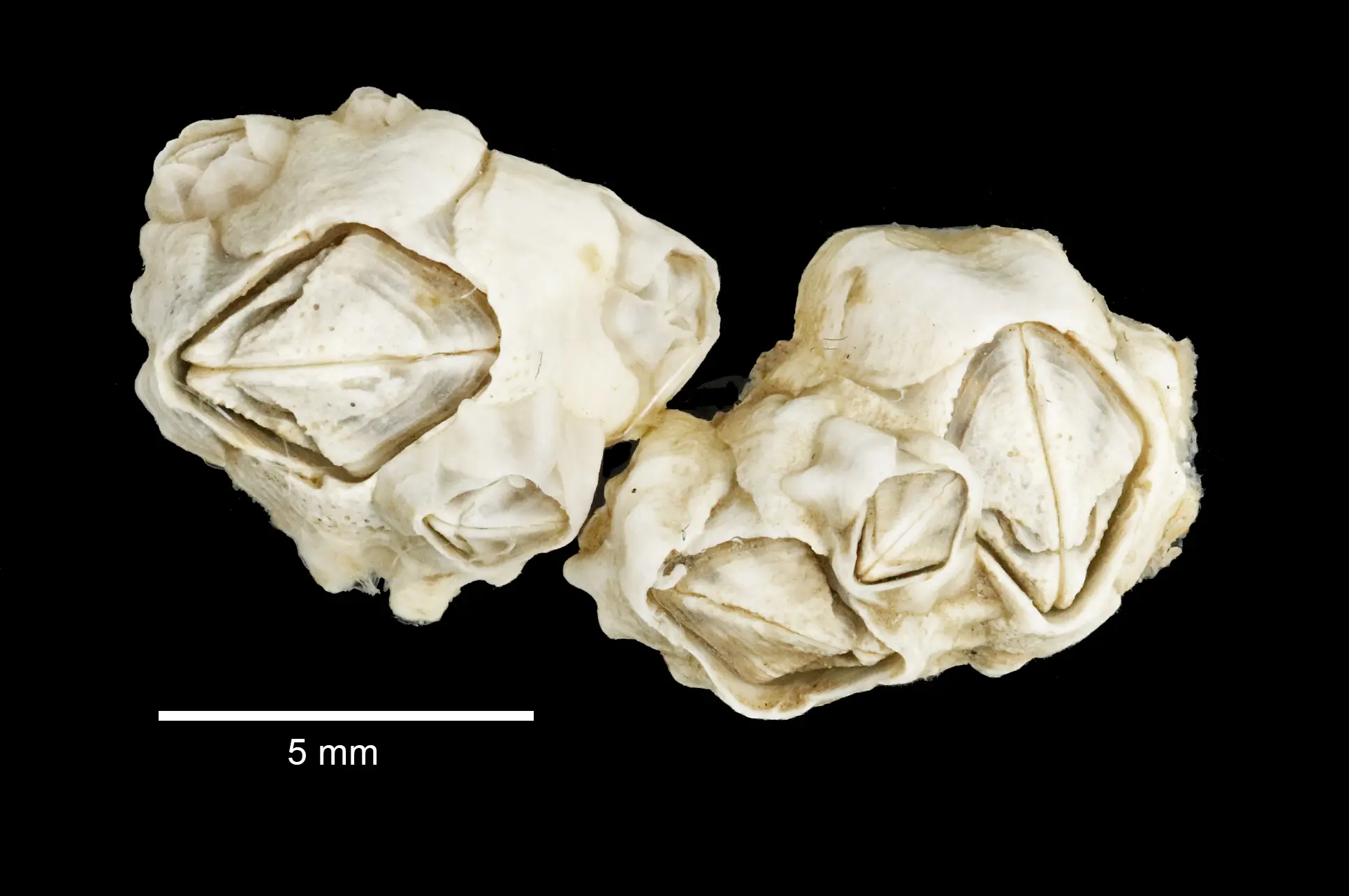
Time Travelling in the Archaeology Stores By Aron O’Shea Aron O'Shea - Archaeology Volunteer, 20 May 2026 Since January 2025, I’ve had the wonderful pleasure of helping Archaeology staff at the National Museum Cardiff alongside my fellow volunteer, Jeff. Together, Jeff and I have worked with the amazing Dr Elizabeth Walker, the all-knowing Evan Chapman, and the excellent Siân Iles (who you might recognise from a previous Museum Voices blog). This is a short blog about what we’ve accomplished so far. At the end, I have linked to some additional online material for those who wish to discover more of what is presented here briefly.First on our journey through the Archaeology stores is the Stone Age (or the Palaeolithic). Here, Elizabeth introduced us to Coygan Cave, an important Middle Palaeolithic cave site (destroyed by quarrying) near Laugharne, Carmarthenshire.The cave appears to have been used as a den by hyenas for the most part, given the accumulation of large prey animal remains, including those of mammoths, woolly rhinoceros, giant deer, and horse alongside an assortment of small mammals and birds. Remains of some other carnivores were present such as brown bear, wolf, and arctic fox. Equally of note from Coygan are three wonderful examples of so-called bout coupé handaxes, one of which is on display and pictured here. Elizabeth kindly took the time to explain how stone tools are made (something which I still find mind boggling) and how to spot signs of their use. Previously, the skeletal remains from Coygan were stored in plastic boxes to keep them in their “comfortable” temperature and humidity ranges. Upgrades to the stores’ environmental conditions meant that the remains could be repackaged into archival cardboard boxes, and the plastic containers repurposed for other artefacts. Jeff and I were tasked to work on rehousing the teeth, bones and coprolites (fossilised dung) whilst tracking their new home location and ticking off each bag of remains from a list. All in all, we transferred over 2,000 bags of remains and managed to reclaim a few shelves of storage space! Having not really considered the life (and death) of prehistoric creatures before, it was humbling (and terrifying) to think of the size and kinds of animals with which Neanderthals and modern humans would have cohabited.One of our next projects saw us jump forward in time to the Roman occupation of Britain! More specifically, we find ourselves in the Roman city of Venta Silurum, the “market” and administrative capital of the Silures tribe that was established and located in what is now Caerwent.Large portions of the stone city walls and the foundations of some buildings still stand today – visit and see for yourself! Several excavations were undertaken at Venta Silurum, first by the Caerwent Exploration Fund (CEF) in 1899-1913 and later by Amgueddfa Cymru from 1981 to 1995. Amongst the discoveries from the later excavations (missed by the CEF!) was the beautiful copper alloy belt-buckle below, which you can read more aboufirst by the Caerwent Exploration Fund (CEF) in 1899-1913 and later by Amgueddfa Cymru from 1981 to 1995. Amongst the discoveries from the later excavations (missed by the CEF!) was the beautiful copper alloy belt-buckle below, which you can read more about here.Besides the wonderfully decorative metalwork, the Museum’s excavations of the forum-basilica (local government building with an open-air market) at Caerwent uncovered a veritable hoard of……oyster shells, thought to have been consumed by the government officials. Curator and fountain of knowledge for all things store-related, Evan, tasked us with the job of auditing these oyster shells and sorting them by excavation phase. While the work was dusty, it was a great opportunity to learn about the more civil dynamic between Empire and local tribes which contrasts sharply with the military fortification at nearby Caerleon.The final highlight in this whistle-stop tour through history lands us in the Medieval period, and to a certain degree at the beginning of the Museum’s collections. Museums have long been places for education and for “showing off” artefacts to which most people have little access; Amgueddfa Cymru, in its early years, was no different. Other than acquiring new and unique artefacts, one way that museums and scholars in the 19th century could display or study artistic or archaeological objects was by replication. A noteworthy example of this practice was the making and sale of plaster copies of carved Medieval ivory objects for example. The skilfully furnished copies were called “fictile ivories”. A recent exhibition by the Courtauld Institute of Art and the Victoria & Albert Museums has also explored this topic, which you can read about (and watch) here. A collection of such fictile ivories had been purchased and catalogued by Amgueddfa Cymru (then the Welsh Museum of Natural History, Arts and Antiquities) and has since been housed within the Archaeology Stores, one example being the panel carving of various saints. Siân, Senior Curator Collections Development: Medieval, Jeff and I set about scouring the text-only 1902 catalogue of over 130 “ivories” to attempt to match up the descriptions with what we saw in the collection. The reasoning behind this approach was twofold: firstly, to understand which copies were still present in the collections; secondly, to better be able to identify and connect the artefacts to those housed in museums like the V&A and indeed to the original objects from which the replicas were derived. Fortunately, the magic of photography and extensively digitised collections made the work a little easier, as most of the “ivories” and the Museum’s catalogue reference biblical scenes or mythological scenes less known to contemporary audiences (me!). Though a maddening experience of déjà vu and (carefully) rifling through boxes of (sometimes large and unwieldy) casts, I am honoured to have been connected in some small way to part of the early collections of the Museum. The slightly odd-looking faces and unexpected creatures present were certainly a bonus. and (carefully) rifling through boxes of (sometimes large and unwieldy) casts, I am honoured to have been connected in some small way to part of the early collections of the Museum. The slightly odd-looking faces and unexpected creatures present were certainly a bonus.Were it not abundantly obvious – I’ve had a fantastic time volunteering with Amgueddfa Cymru. Not only was it a chance to get up close and personal with some incredible artefacts and pieces of Welsh history, but I’ve also met some amazing and kind people in the Museum staff. Everyone from the Security to the Volunteering team, to the Archaeology department have been generous and welcoming. I shall treasure the time spent laughing and learning in the Archaeology stores (and in the break room!).A very special thanks go to Elizabeth Walker, Evan Chapman, and Siân Iles without whom I would not have had the pleasure of the above-described adventure, nor would I have understood half of what I do now. Thanks also to Jeff for his friendship, support and, especially, his voice in reading out various numbers and coordinates.Further Reading:The Museum’s Collections Online database is a great place to find photos of and information about objects!Prehistory[ARTICLE] ‘A Day in Archaeology – Sorting out the storeroom’ by Elizabeth Walkerhttps://www.archaeologyuk.org/resource/sorting-out-the-storeroom-dr-elizabeth-a--walker--principal-curator--collections---access--amgueddfa-cymru---national-museum-wales-.html[ARTICLE] ‘The Cave Men of Ice Age Wales’ by Elizabeth Walkerhttps://museum.wales/articles/1317/The-Cave-Men-of-Ice-Age-Wales/[ARTICLE] ‘The oldest people in Wales – Neanderthal teeth from Pontnewydd Cave’ by Elizabeth Walkerhttps://museum.wales/articles/1014/The-oldest-people-in-Wales---Neanderthal-teeth-from-Pontnewydd-Cave/[VIDEO] Cambrian Archaeological Association Presidential Address 2022 (Elizabeth A Walker): The significance of Welsh Caves to Palaeolithic Archaeologyhttps://cambrians.org.uk/elizabeth-a-walker-presidential-address-2022/ [Mention of Coygan begins at 27:16]Roman[ARTICLE] ‘A Day in Archaeology – The Llantrisant Fawr Hoard’ by Evan Chapman https://www.archaeologyuk.org/resource/llantrisant-fawr-hoard-by-evan-chapman--senior-curator--archaeology-at-amgueddfa-cymru-museum-wales.html[ARTICLE] ‘Segontium – The Romans in North Wales’ by Evan Chapmanhttps://museum.wales/articles/1322/Segontium---The-Romans-in-North-Wales/[ARTICLE] ‘Gelligaer Roman fort’ by Evan Chapmanhttps://museum.wales/articles/1328/Gelligaer-Roman-fort/Medieval[ARTICLE] ‘Medieval Cardiff’https://museum.wales/articles/1334/Medieval-Cardiff/[ARTICLE] ‘A Day in Archaeology – Medieval Floor Tiles Project at Amgueddfa Cymru’ by Jennifer Frost (Volunteer)https://www.archaeologyuk.org/resource/medieval-floor-tiles-volunteering-project-at-amgueddfa-cymru-museum-wales.html[ARTICLE] ‘A Day in Archaeology – Medieval Floor Tiles Project at Amgueddfa Cymru: Part 2’ by Siân Iles https://www.archaeologyuk.org/resource/medieval-floor-tiles-volunteering-project-at-amgueddfa-cymru--part-2--museum-wales-.htmlSources:Aldhouse-Green, S., Scott, K., Schwarcz, H., Grün, R., Housley, R., Rae, A., Bevins, R. and Redknap, M. 1995. ‘Coygan Cave, Laugharne, South Wales, a Mousterian Site and Hyaena Den: a Report on the University of Cambridge Excavations’, Proceedings of the Prehistoric Society, 61, pp. 37-79.Guest, P. 2022. ‘The Forum-Basilica at Caerwent (Venta Silurum): A History of the Roman Silures’, Britannia, 53, pp. 227-267.
Teaching on the Moon Heather Jackson, 14 May 2026 As the technical team planned their rigging for Luke Jerram’s Museum of the Moon, I was dealing with a different challenge: How to create inspiring Moon workshops that linked to our collections and would still appeal to pupils after the installation had left the building.I started by going to the experts – our potential audience. The Stanwell School Astronomy Club were key to the development of these workshops. In our first session together I introduced the possible collections we could use and they voted for the specimens they found most interesting. In their subsequent feedback session, they developed questions they hoped the workshop would answer, and it became clear that having some genuine photographs of the Apollo 12 mission (which collected the Goodwill Moon Rock on display in our Evolution of Wales gallery), would help set the scene. With the help of Natural Science curator Dan Cox and the NASA archive, I tracked down images of Astronaut Alan Bean’s time on the lunar surface. He collected the actual Moon rock that is displayed in our Evolution of Wales gallery, so it was great to find photographs of him taking rock samples on the Moon. Photographs of Apollo 12 astronaut Alan Bean collecting lunar rock samples, courtesy of NASA, and the Moon Rock on display at National Museum Cardiff The students had selected examples of replica lunar dust and iron meteorites as some of their favourite items. National Museum Cardiff has an excellent rock and meteorite collection, so to give learners a sense of the lunar landscape, I added some samples of olivine basalt and an unusual rock called anorthosite, both of which can be found on the Moon. Although the anorthosite in our workshop is from Norway, the same rock was found by the Apollo missions in the lunar highlands (which make up the lighter patches we see on the Moon).Two secondary school teachers then helped to develop the workshop narrative, and we invited Stanwell Astronomy Club back in to test our possible activities. Testing the workshop with the Stanwell School Astronomy Club One of the things that delighted me was the enthusiasm the pupils showed for the detailed maps of lunar craters. Robin Maggs from the photography department was able to produce high quality replicas of maps of lunar craters from the 1970s, so students could use these for their own measurements – and learn about our map collection.Finally, we refined the sessions with help from Tim Curtis, Numeracy Lead at Cardiff West Community High School and his pupils, and hope they will be enjoyed by learners for years to come.The workshop is truly authentic – it allows pupils to explore photographs of the Apollo missions, maps created at the time, and rock samples from our collections that are so close to the lunar rocks that only a geologist could tell the difference. Real experiences, with real specimens, and real scientific outcomes. Pupils from Cardiff West Community High School taking part in The Moon, Maps and Meteorites workshop Find more information on the The Moon, Maps and Meteorites workshop on our Learning pages