Miners Fortnight
, 24 July 2026
“I remember Miners’ Fortnight when I was just a lad, I went to Barry Island and the weather always bad.”
Max Boyce ‘Ode to Barry Island’
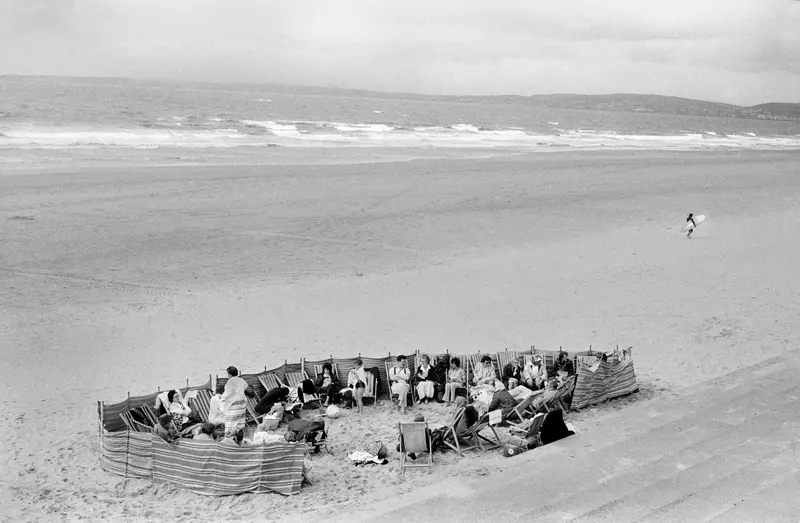
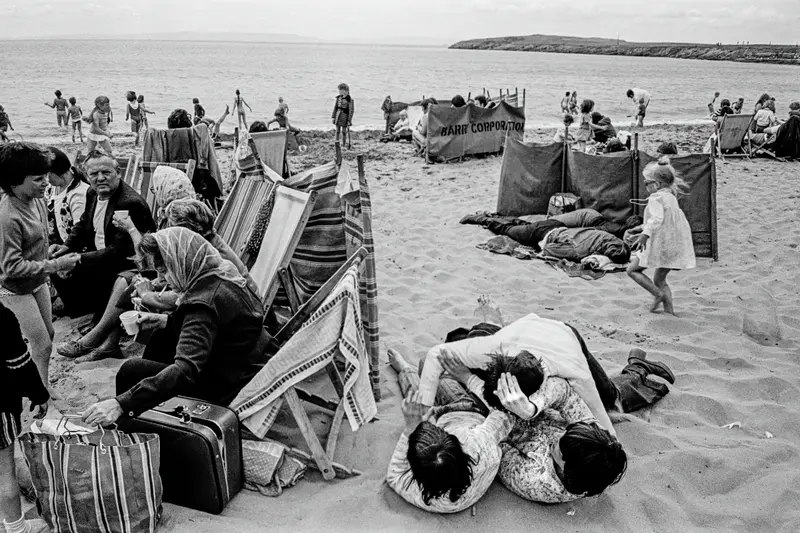
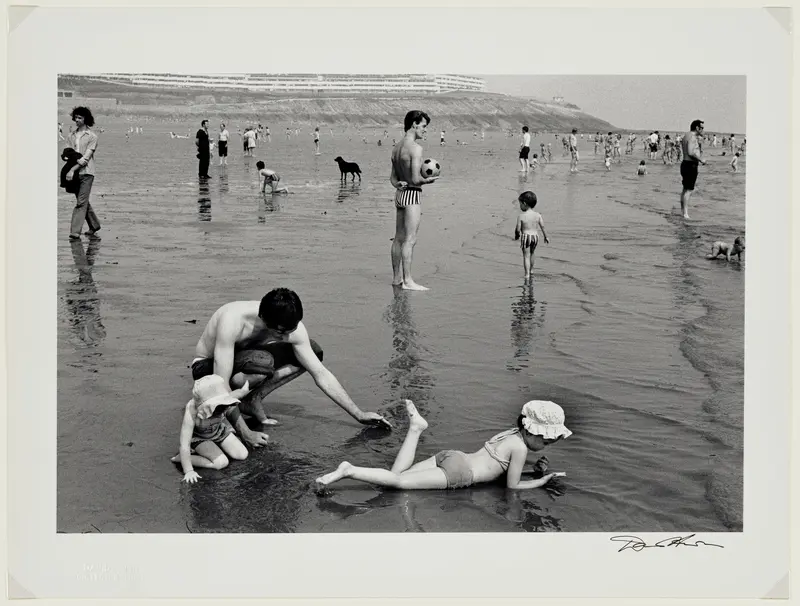
Traditionally, the last week of July and the first week of August was known as ‘Miners’ Fortnight’. Between the 1940s and 1970s there was a mass exodus from the coalfields to the coast, especially the seaside towns of Barry and Porthcawl.
The miners had fought for holidays from the late 19th century. Between 1888 and 1898, a day’s holiday was secured by the Welsh miners’ leader, William Abraham (known by his bardic name Mabon). Known as ‘St. Mabon’s Day’ this holiday every month was designed to give the coal miner a day away from their usual heavy labour. On these days large Eisteddfodau were held in places such as Blaenafon, Risca, and the Rhondda. This holiday had to be given up following the bitter coal strike and lockout of 1898 when the owners forced the men to give the day up. Following this set back, miners had to take unpaid leave, in fact, in 1924, a Government Report stated that ‘in no case apart from officials and clerical staff, is any payment to be made for holidays either public or otherwise in the mining industry.
In the 1920s and 1930s, it was usual for miners’ families to camp out in places like the dunes in Porthcawl. They used large ex-Army tents and transported furniture from their houses for the length of the school holidays. The husbands worked during the week and travelled down to their families on the weekend.
In 1938 a Holiday with Pay Act was passed by the government which gave employees a statutory right to paid holidays. By the 1940s, miners were entitled to two weeks paid holidays. This occurred the last week of July and the first week of August and coal mines and factories would halt production for two weeks, however many men volunteered for essential safety and maintenance work and received extra pay for their sacrifice.
The two major resorts in south Wales were Barry and Porthcawl , as well as Aberavon Beach and Tenby, although Tenby was regarded as more ‘middle class’. In north Wales, miners occupied places such as Prestatyn. Families flocked to occupy every caravan and guest house in these resorts – Porthcawl was known as ‘Hiyabutt Bay’ because of the number of miners there on holiday. In these places there were fairgrounds, boxing booths, a beach and, in Barry, there was the famous Butlins Holiday Camp. As well as beaches and activities these places were connected to the coal field towns and villages by the same rail network that usually carried coal down to the docks.
By the 1970s there were as many factory workers as miners on the beaches and the holidays later became known as ‘Factory Fortnight’.
By the late 1970s, many families, often entire streets, swapped the Welsh resorts for Spanish ones although Porthcawl and Barry still catered for ‘day trippers’ as well as the more traditional beach holidays.
Although I had given up on a fortnight in Porthcawl by the 1970s, I still found the paid two weeks useful. As with many others, weddings were arranged for the end of July so that the happy couple could enjoy a two week honeymoon.
Ceri Thompson
Curator
Big Pit: national Coal Museum
Photographs © David Hurn / Magnum Photos / Amgueddfa Cymru - Museum Wales