If you go down to the beach today….
Dafydd Newton-Evans, 13 August 2026
You’re sure of a big surprise! Okay you are not likely to find a Teddy Bear’s picnic but that doesn’t mean that it won’t be any the less surprising! There is plenty to discover and learn about the amazing wildlife we have around the coasts of Wales.
Our marine biologists, the museum scientists who study the life within the sea, have set you a challenge to see if you can find 16 objects at the seaside. Fancy giving it a go?
See if you can find and photograph all of these objects. Some may be more familiar to you, but some are not so obvious. To help our scientists have shared the results of their last visit to the beach to give you a helping hand [Bingo answers]. They have also prepared some spotter’s sheets that you can print out and take with you when you go to help you spot the things on the shore:
https://museum.wales/media/52516/10SG-Treasures-of-the-Strandline.pdf
https://museum.wales/media/51467/08SG-Spotting-Seaweeds-in-Wales-reds-and-greens.pdf
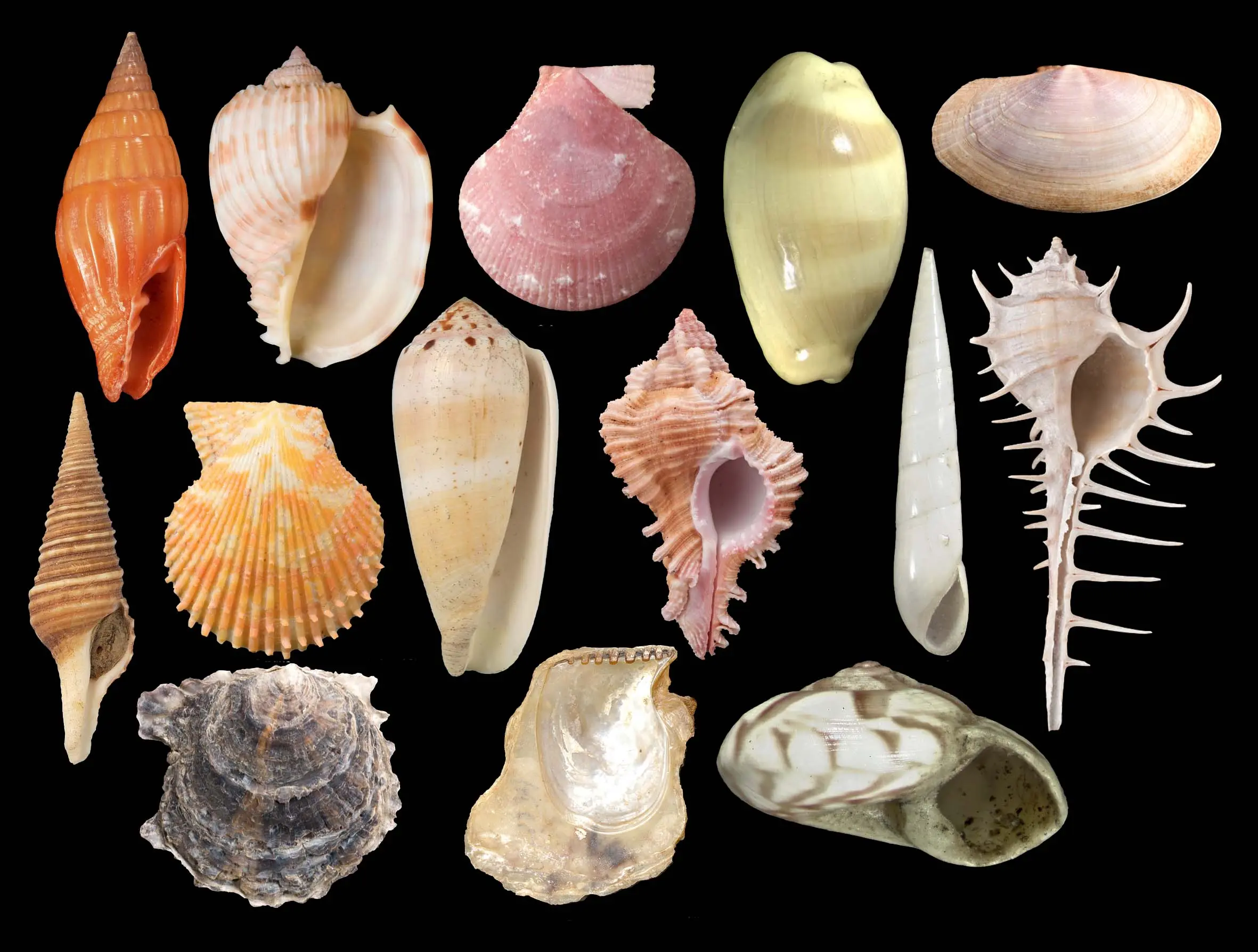
https://museum.wales/media/52514/09SG-Common-Seashells.pdf
https://museum.wales/media/51473/03SG-Have-I-found-a-fossil.pdf
https://museum.wales/media/51468/07SG-Spotting-Seaweeds-in-Wales-brown-seaweeds.pdf
There are a few that are a little bit harder than others to spot, so our marine biologists have given you some helpful tips;
Hornwrack
Hornwrack may look like seaweed but it is actually a bryozoan moss animal! They are made up of a colony of tiny individuals called zooids, which you may be able to see using a magnifying glass. Find pieces washed ashore on the strandline.
Efallai bod gwymon corniog yn edrych fel gwymon ond mewn gwirionedd yr hyn ydyw yw anifail mwsogl bryosoaidd! Cytref o unigolion bychan bach o’r enw sõoidau ydyn nhw, y mae’n bosib y byddwch chi’n gallu eu gweld drwy ddefnyddio sbienddrych. Dewch o hyd i ddarnau wedi eu golchi i’r lan ar ymyl y traeth.
Thrift
Thrift is a plant that is called Clustog Fair in Welsh, or Mary’s Pillow. The plants grow in small mounds that look like cushions at the top of the shore.
Yr enw Cymraeg ar Thrift yw Clustog Fair. Mae’r planhigion yn tyfu mewn twmpathau bach sy’n edrych fel clustogau.
Barnacle
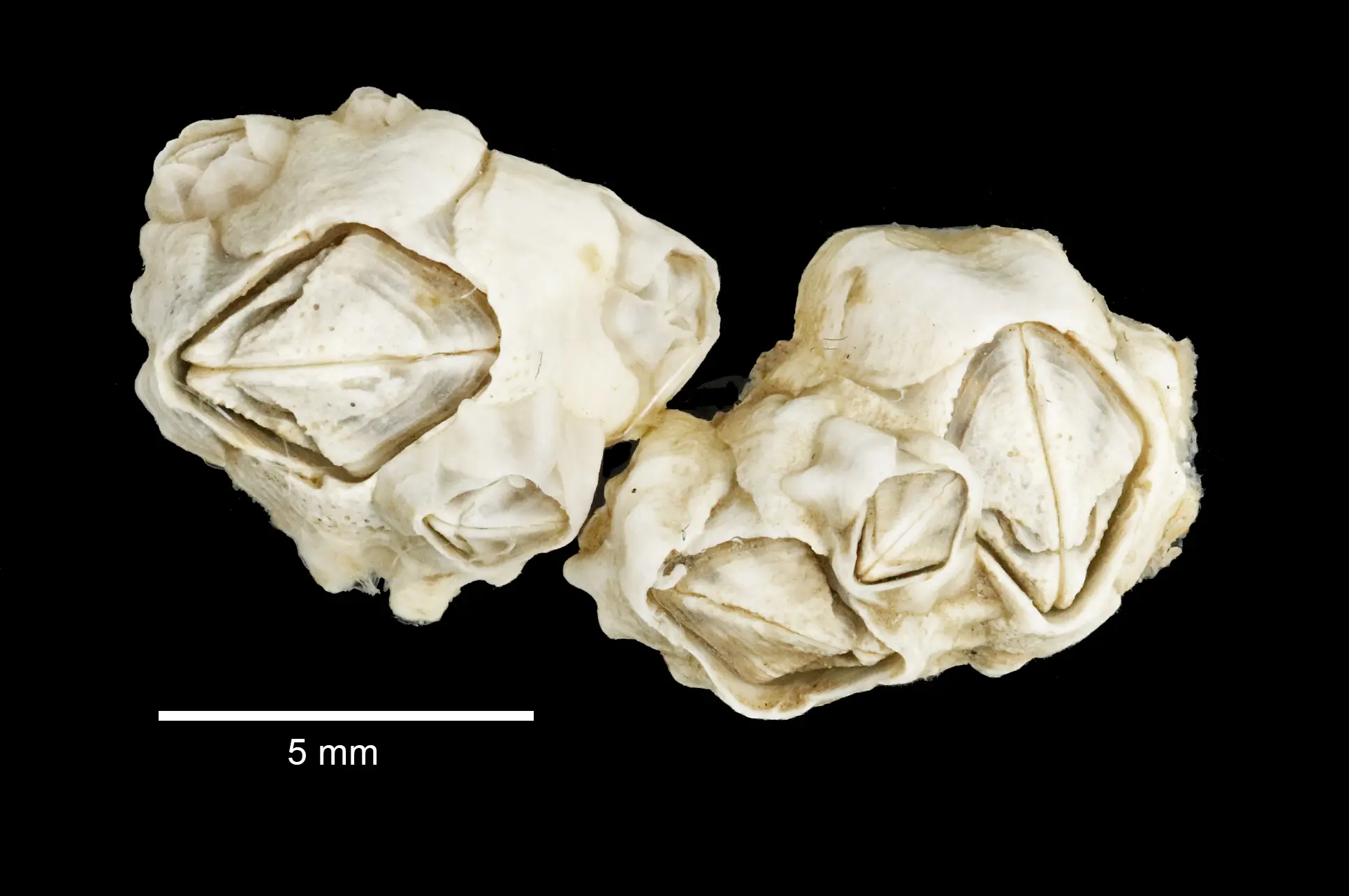
You can find barnacles attached to rocks at the beach. They may look like shells, but did you know that they are related to crabs and lobsters! Rather than using their feet to walk, they actually use them to gather food from the water column. Most of the barnacles you see are pretty small, but we have some whale barnacles in the collections at National Museum Cardiff. They came off the Humpback Whale that is on display and they are a lot bigger, almost the size of a human fist!
Starfish
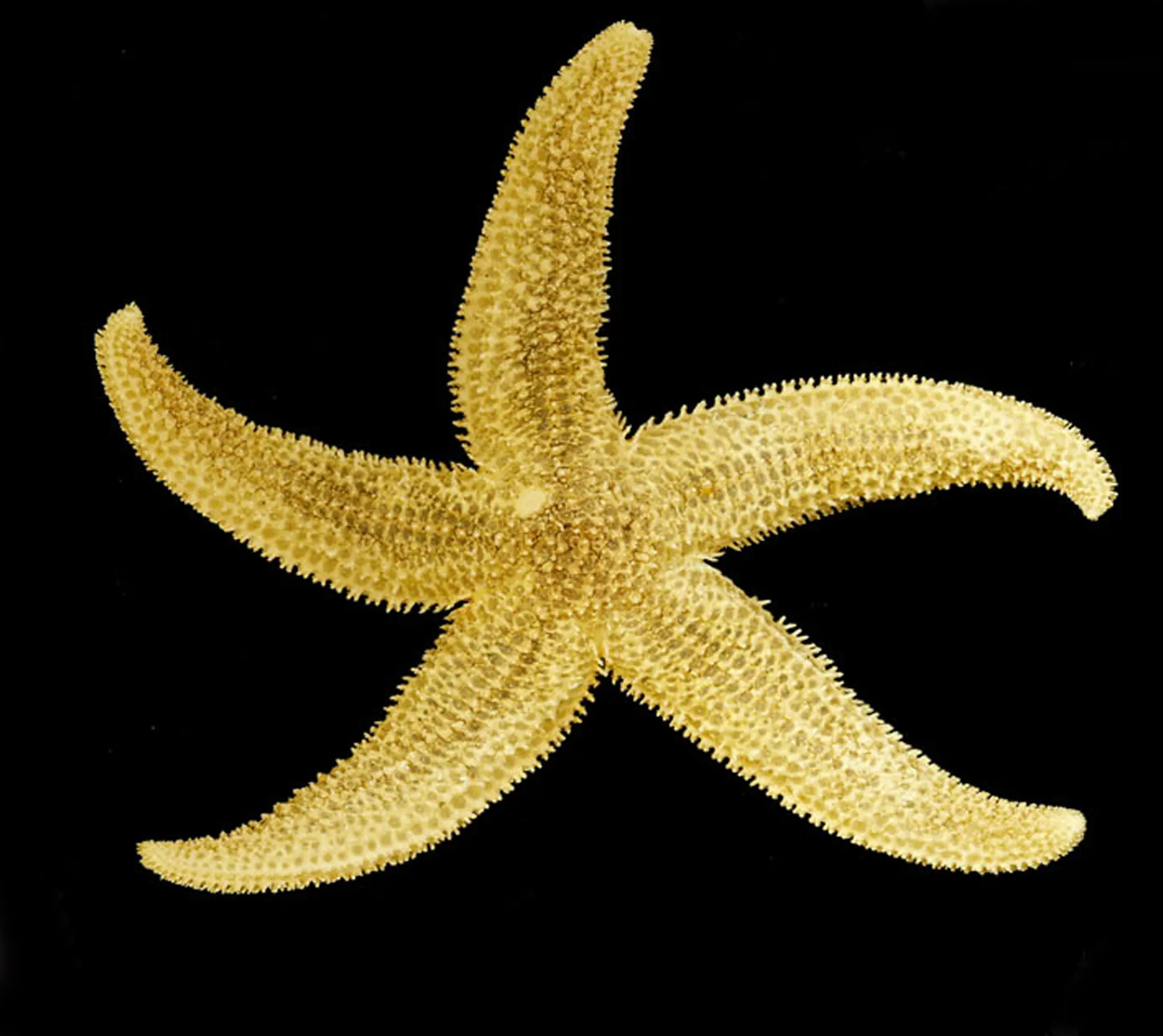
There are several different types (species) of starfish you might see at the beach. The most common one to find is the Common Starfish, which is reddish/orange in colour. However, you might come across a spiny starfish, a sand starfish or even brittlestars, which have very delicate legs. There are even some very small starfish called cushion stars, which you might see stuck on rocks. They take some finding though as they are not very big at all. Next time you see a starfish, count how many legs they have.
Lugworms
We might all be familiar with the squiggles of sand that you see on a sandy beach. These are called lugworm casts, and they are actually worm “poo”. They are left behind after a lugworm, a type of marine bristleworm, has consumed lots of sand. However, there are actually a couple of different types of lugworms in South Wales, and you can tell them apart from the shape of the cast they make! The blow lugworm has very messy casts whilst the black lugworm has very neat and tidy casts.
Honeycomb worms
Have you seen this strange honeycomb like structure covering rocks near a sandy beach? Well, this has been made by the Honeycomb Worm. Each opening is the home of one worm and they build this reef-like structure together. It’s really important that we try to look after the reefs and to not tread on them as we walk over the rocks.
Remember if you do go out on the beach be safe (RNLI Beach Safety – Top Five Tips To Stay Safe By The Sea) and follow the seashore code (Seashore code-web.pdf)., Respect | Wild Seas Wales