The Red Flannel Remedy
Dafydd Newton-Evans, 3 November 2026
As the days grow shorter and the winter chill sets in, we reach for our woolly jumpers, scarves and blankets to keep warm. But did you know that there was once a time when a simple piece of red flannel was believed to do much more than keep out the cold? It was thought to help cure it too!
Long before the days of modern cold remedies, families turned to a humble piece of red fabric, believing it possessed remarkable healing properties. The practise was wonderfully simple. When someone developed a cold or sore throat, a piece of red flannel would be wrapped around their neck, sometimes warmed beforehand and often left in pace overnight.
For chest complaints the fabric might be worn beneath clothing, close to the skin, while some people wore red flannel throughout the winter months in the hope of preventing illness altogether.
Red flannel was also associated with remedies for rheumatism, muscular aches and other ailments.
But why red? You’d think that any warm piece of wool would work.
The answer lies in a fascinating mixture of practical medicine, folklore and superstition.
Throughout history, the colour red has been associated with warmth, blood, strength, vitality and protection. In traditional folk medicine, colours were sometimes believed to possess special powers, capable of influencing illness or driving away harmful forces. Red was considered particularly powerful.
In medieval medicine, red cloth and furnishings were sometimes used in the treatment of diseases such as smallpox. It was believed that surrounding a patient with red could influence the course of the illness.
Over time, such ideas became woven into everyday household remedies, with red threads, ribbons and pieces of cloth used to protect against various ailments. The red flannel remedy was therefore about more than keeping warm. For some, it was a way of wrapping themselves in protection against illness.
Of course, there was also a more practical reason why flannel became such a popular choice. Wool is a remarkable natural fibre. It can help to regulate body temperature by insulating from the cold and it wicks away moisture to prevent chills from fever sweats. Woven into flannel, it provided a comfortable and practical material for clothing, bedding and wraps.
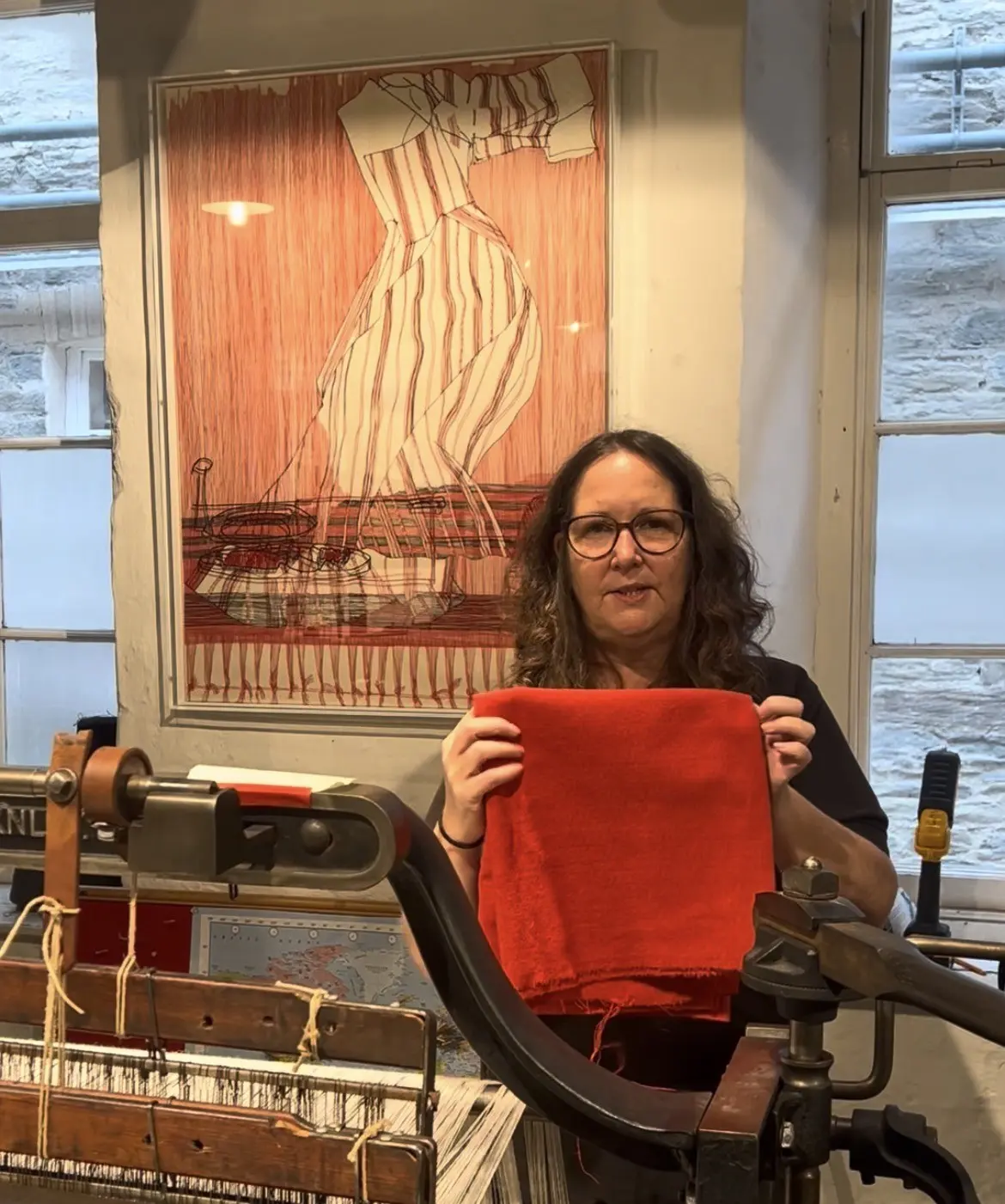
In Wales, flannel has a particularly rich history. For centuries, Welsh woollen mills produced flannel for clothing and everyday use, supplying both local communities and markets further afield. Red flannel was among the fabrics produced and sold.
Today, we know that the colour red has no special ability to cure colds or prevent infections. Colds are caused by viruses, and wrapping ourselves in wool cannot make them disappear. Nevertheless, a warm woollen scarf can certainly provide comfort on a chilly winter’s day.
The story of the red flannel remedy offers a wonderful glimpse into the lives of generations past. It reminds us of a time when home remedies were passed down through families, and when the warmth of a simple piece of wool could offer both physical comfort and reassurance. For the people who believed in its healing properties, red flannel represented something more than a piece of fabric. It was a symbol of care, protection and hope.
And while we may no longer believe that red wool can cure the common cold, the comforting warmth of wool remains as welcome today as it was centuries ago.