A Colourful Language of the Sea: How Flags Connected Wales to the World
, 19 October 2026
Imagine standing on the deck of a ship in Swansea Harbour 150 years ago. Around you, vessels are arriving from across the world, carrying cargo, passengers and stories from distant shores. But how did sailors communicate with one another before radios and modern technology?
The answer was often found in the colourful flags flying high above their ships.
For centuries, maritime flags have helped sailors communicate across oceans, overcoming language barriers and sharing important information through colours and patterns.
Five colours, countless messages
The International Code of Signals uses just five colours: red, blue, yellow, black and white.
Chosen for their visibility and contrasting combinations, these colours form distinctive patterns that allow ships to communicate messages without exchanging a single word.
Each flag represents a letter of the alphabet, but many also carry a specific meaning when flown individually.
Here are three examples:
🔴 Red – Bravo
A solid red flag warns that a vessel is carrying, loading or unloading dangerous goods.
🔵⚪ Blue and white – Alpha
This distinctive flag signals that a diver is working beneath the water and warns other vessels to keep clear and proceed slowly.
🔴🟡 Red and yellow – Oscar
Divided diagonally into red and yellow, this flag communicates one of the most urgent messages at sea: Man overboard!
Connecting Wales to the world
These colourful flags have a particular connection to Wales’s rich maritime history.
During the nineteenth century, Welsh ports such as Swansea, Cardiff, Porthmadog and Newport became bustling centres of international trade. Ships carried Welsh coal, copper and other goods to destinations across the globe, returning with cargoes, people and ideas that helped shape Welsh communities.
In these busy harbours, maritime flags were an important part of everyday life.
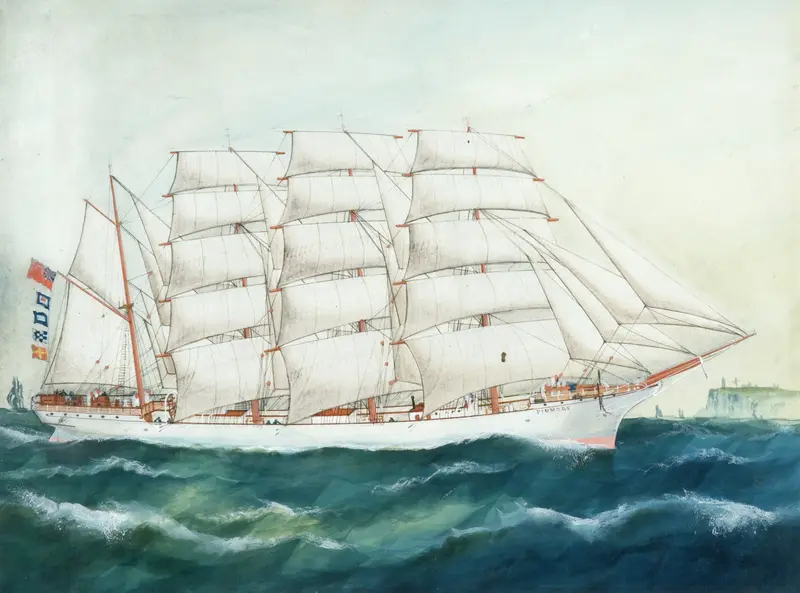
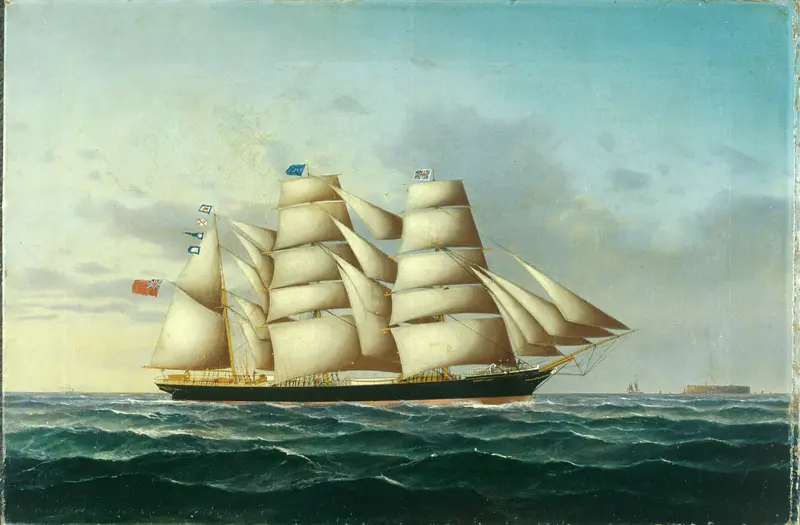
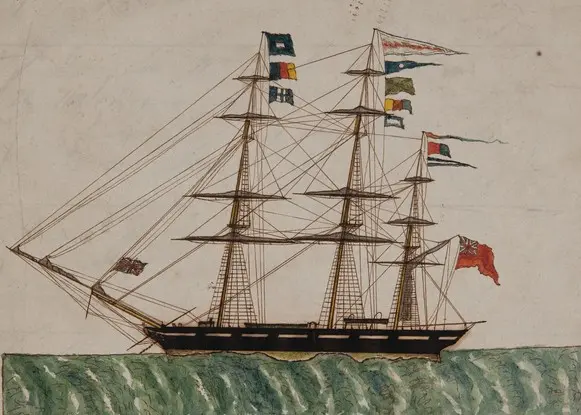
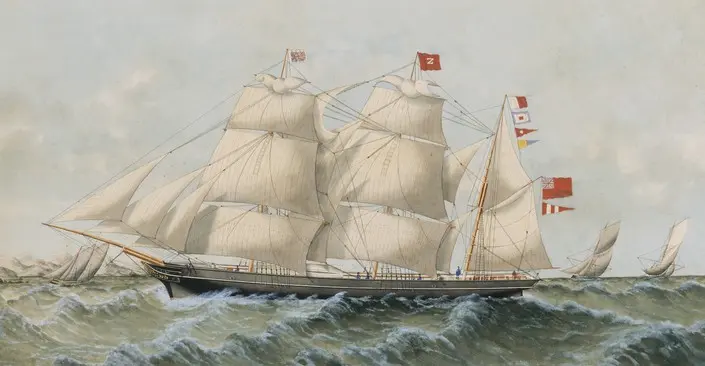
Ships displayed national ensigns and shipping company flags to identify themselves, while signal flags provided a shared means of communication between vessels whose crews might speak different languages.
From the copper ships of Swansea to the coal-carrying vessels of Cardiff, the maritime world relied on systems of communication that helped connect Wales with distant shores.
A tradition that continues today
Although modern ships now rely on radio, satellite navigation and digital technology, maritime signal flags remain in use.
Their bold colours and distinctive designs are a lasting reminder of the ingenuity of generations of seafarers.
And behind each flag is a story of communication, cooperation and the extraordinary connections made possible by the sea.
Next time you spot colourful flags flying from a ship, remember that you’re looking at a language that once helped connect Welsh ports with the rest of the world.