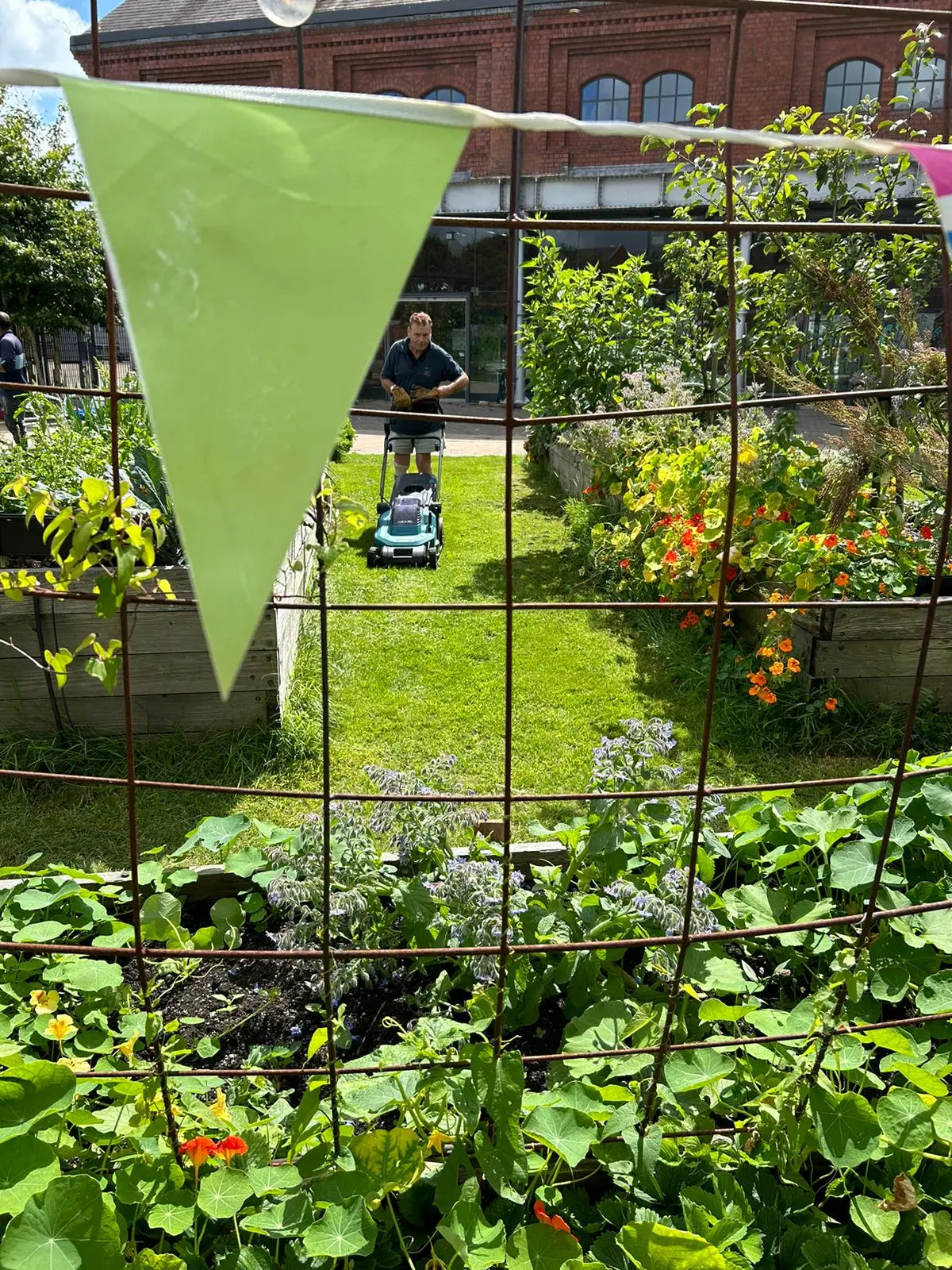
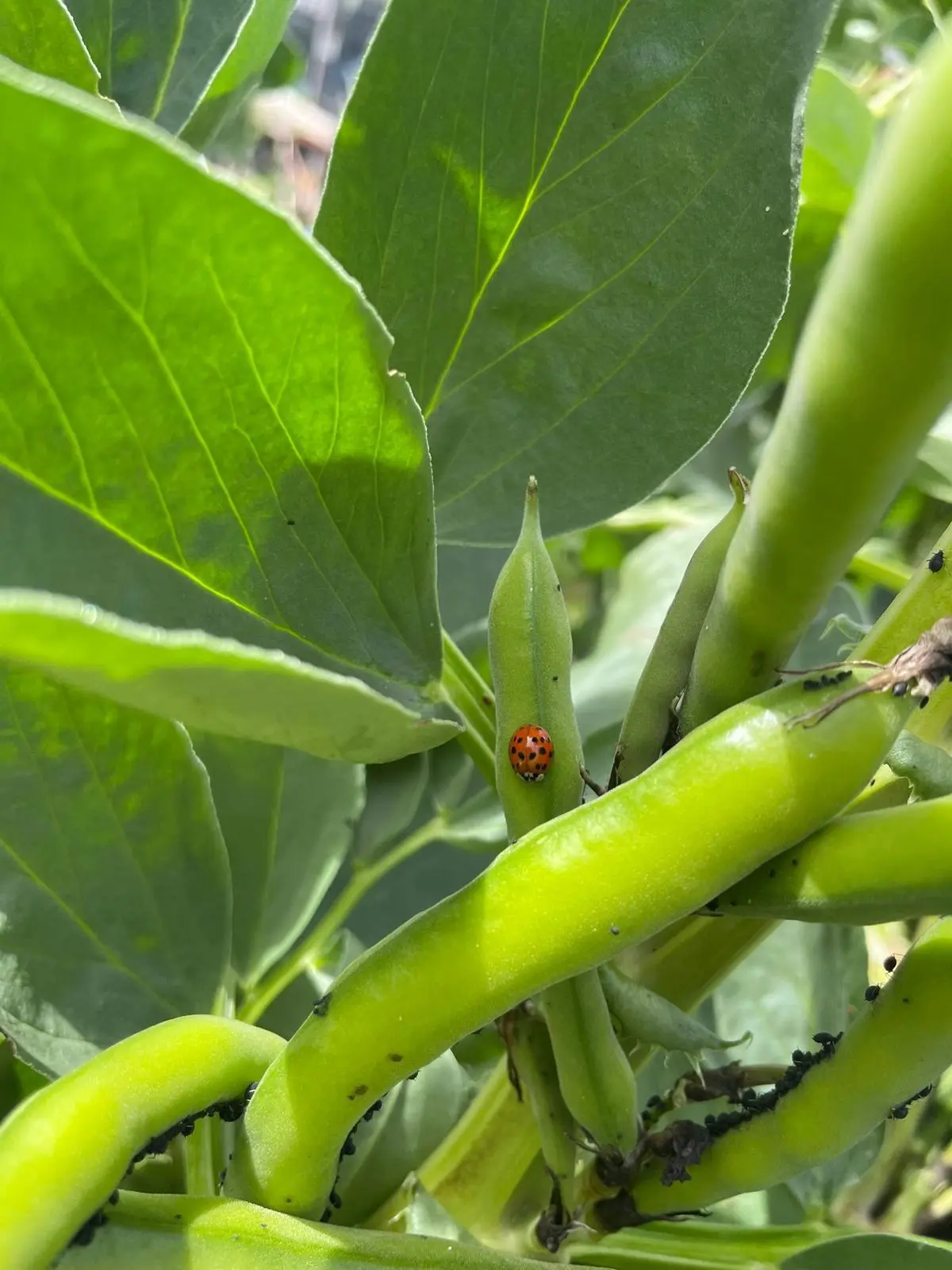
Hidden Wildlife in the Museum Garden Josh David-Read, 3 March 2026 Before 2017 the Waterfront Museum’s central garden was plain, and had no interest for wildlife to thrive. Then in came the GRAFT Garden to shake up the soil and to introduce a haven for wildlife in what is a concreted area of Swansea. Over the last two years I have found many species of insects and birds visit the Garden, and some have even made the Garden their home. In GRAFT we do not use any pesticides, and try to use natural organic solutions to the problems posed by pests. For World Wildlife Day I am spotlighting some of our most exciting and annoying bugs and birds that visit the Garden and how they impact the space. Compost Royalty! 👑🌱We produce our own compost on site, this is the best place to spot the royalty of the compost heap, and the best bugs in the business of breaking down organic matter into the lovely soil for our growing beds. We have the humble Earthworm which helps Aerate the soil and breaking the organic matter into useable soil. We have hundreds if not thousands of them! And did you know that there are over 16 different species! Pollinators 🐝🌼 The insects we love the most! The pollinators. These are a collection of insects (and sometimes birds but not in our case) that support our ecosystem. We of course have our Honeybee’s managed by our beekeeper Alyson and a group of students from Dylan Thomas School. At its peak we have over 100,000 bees in our hives!Bee’s play a massive part in global biodiversity and food production and we are lucky to have them here on site! Please keep an eye out on our what’s on pages on the website for your opportunity to see them! Pests 🐛Every gardener will have a battle with insects, be it Cabbage Moth or Slugs eating all our crops! But I am going to highlight a lesser known garden pest called the Aphid. These are tiny black insects that collect in their thousands on plants. Aphids love our Broad beans and Broccoli. They can cause disease in plants so it is important to regulate them. We use companion planting and also some water mixed with fairy liquid to try and support our plants.We also have a super hero in the form of Ladybugs who eat Aphids and help us create balance. Did you know you can buy ladybugs in the post? I didn’t! Birds 🐦I am not a bird watcher, however when I am working in the garden and see birds follow me around the garden it fills me with a little bit of Joy! We found evidence of a nest in our Grapevine last year, I am not sure what species this belonged to, but we also have a resident Robin that calls Graft its home and is its ‘patch’. Robins are extremely territorial and you will rarely see more than one Robin. We haven’t named this one yet, but maybe we should name it Charles Watkins after the inventor and creator of The Robin Goch monoplane …. So next time you visit the museum, take a walk out into the GRAFT garden and see what wildlife you can spot.
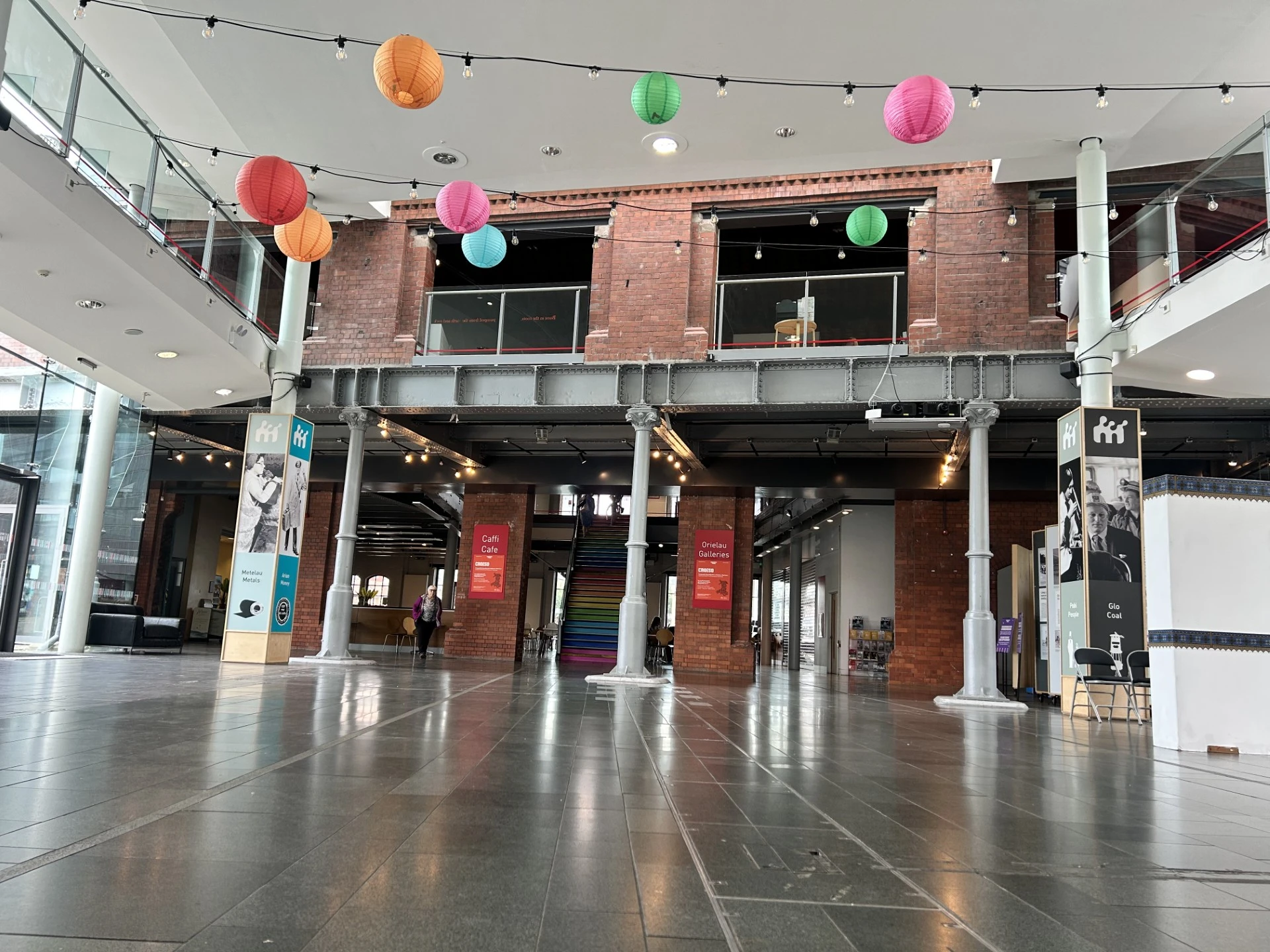
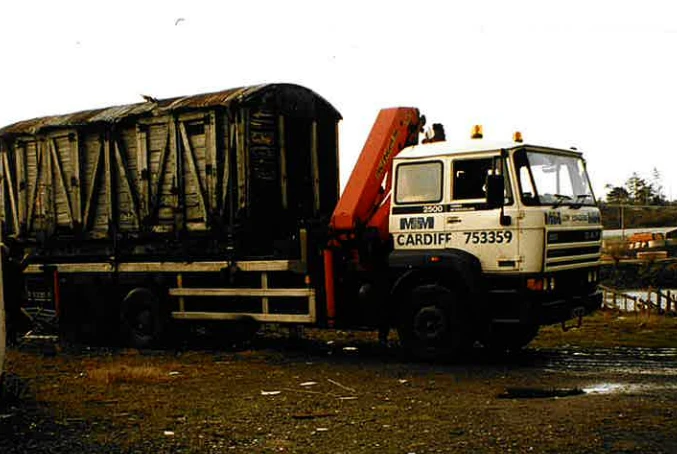
Lighting the Way: The Next Chapter of the Weston Hall Dafydd Newton-Evans, 19 December 2025 Change is coming to the National Waterfront Museum. You may have already notice small changes around the museum. But the Weston, Hall, the museum’s vast modern heart is about to be reimagined as the beating centre of a bold new story about Wales and its ever-evolving relationship with the sea. Wales’s maritime heritage is so much more than ropes, anchors, and model ships. Therefore, our vision for the Weston Hall is far more dynamic – a space that aims to inspire, surprise and spark conversation. A place where the stories of people, trade, migration, innovation, culture and sanctuary meet at the water’s edge.A Beacon RebornOne of the first objects that will capture your eye as you enter the museum will be a magnificent lighthouse optic, dating back to the mid 19th century.For decades, this great glass giant has rested in storage, its prisms silent and still. Now it will rise again, radiant and alive, transforming into a symbol of hope and renewal. Each day, visitors will be able to watch as the intricate mechanism is wound – a ritual that will power the optic to spin and shine. It won’t just illuminate the hall with its light, but it will also illuminate with meaning. The optic will represent the lives spent at sea and the safety Welsh lighthouses provided. Here at the National Waterfront Museum, it will also stand as a beacon of sanctuary, reflecting the museum’s status as a Museum of Sanctuary and our commitment to being a welcoming space for everyone. From this point, visitors will be invited to journey deeper, into the heart of Wales’s maritime heritage and the people whose lives it shaped. A Journey Along the RailsStepping further into the Weston Hall, and you’ll encounter something unexpected: a restored Rhymney Railway covered van, and the only surviving example from over 300 covered vans owned by this Welsh railway company. It will once again be poised on the original tracks that still cut through the museum floor. To bring the story of our historic home alive, the railway van will be used to interpret the trade handle by the warehouse, and to provide context for the colonnade and its integral railway tracks set into the floor. When it takes its place in the Weston Hall, it will stand as a reminder that Wales’s connection with the sea doesn’t start at the shoreline, but with the industry and innovation that dominated the Welsh landscape and communities from North to South. Art on the HorizonFrom the old to the new, our exciting art commission will soon rise into the air, to be unveiled in early spring 2026. Suspended from the roof of the Weston Hall, this remarkable piece by Jacqui Symons will interpret Wales’s connection to the sea through creativity and emotion. It will challenge visitors to look at familiar waters with new eyes.Jacqui Symons was the successful artist from over 30 submissions of inspirational and creative concepts and ideas, and we cannot wait to see the vision transform from paper to reality. Shaping the Story TogetherThe transformation of the Weston Hall marks the beginning of a new voyage for the National Waterfront Museum. So, make sure you join us on the journey, watch the carriage roll into place, be there when the waves of creativity rise and discover the stories of the sea and the people shaped by its tides.
Setting Sail on a New Chapter: Reimagining the National Waterfront Museum Nicole Deufel, 25 September 2025 Earlier this year, I took the helm at the National Waterfront Museum, and as we enter the Autumn it already feels like we’re catching the wind in our sails. From my very first day, I’ve been inspired by the passion and expertise of our team, who love and breathe the extraordinary stories held in our collections. Their insights, and the warm welcome I’ve had from Swansea itself, have convinced me of one thing: this museum has the potential to be a destination that surprises, delights and connects people in new ways. Anchoring Our StoryOne of the first challenges we’re tackling is how we tell our story. Visitors often arrive and are unsure of where their journey should start. With three different entrances and meandering routes, it’s easy to lose your bearings. Add to that an expectation (based on our name and location) that the museum is about the sea, and Wales’s maritime stories, and you can see why some visitors leave a little puzzled. Visitors are often curious about the story behind our historical warehouse. What was it built for? Why is it here? And for too long, we realised, we hadn’t been telling the story behind this remarkable building. The Warehouse stands proudly in its original setting, where it once overlooked a bustling dock alive with ships, dockworkers, and the rhythm of industry. Here, the Warehouse played its part in the great exchange between Wales’s heavy industries and the wider world across the sea. It is that story that inspired us to turn our gaze seaward, to let the sea guide how we tell our stories: the sea really is at the heart of our vision. It’s the thread that ties everything together – industry, art, archaeology, and the lives of communities from across Wales. From coal and copper exports, to the journeys of families who crossed oceans, the story of Wales is a story shaped by the sea. And what better place to tell this story than in our historic Warehouse? Built in 1900 beside South Dock – now Swansea Marina – the building itself still whispers of its industrial past. Rail tracks run through its floor, the Harbour Trust office and Pump House still stand nearby. This is history you can see, touch and feel all around you. Opening the Doors to the SeaWe’ve already begun small but powerful changes. Shuttered windows in the Warehouse are now open again, letting in light and reconnecting the space with the Marina outside. This simple act has transformed the atmosphere, and it feels like the building is breathing again. We’ve also removed bulky exhibition structures that block the view, making the Warehouse’s historic environment part of the visitor experience once more. The Weston Hall, which links the New Gallery to the Warehouse has already seen some changes as well. We’re stripping back the clutter and reimagining it as an inspiring space of welcome and orientation. Here, visitors will encounter stunning focal points – objects that stop you in your tracks and give you that WOW moment!Picture this: the 1842 South Bishop Lighthouse optic, restored to working order, its top glowing each day when wound by hand. Or a historic railway van positioned on the historic tracks, making the Warehouse’s industrial past visible at a glance. These aren’t just exhibits, they’re the beacons of our identity and conversation starts about safety at sea, Swansea as a City of Sanctuary, and the deep connections between Wales and the wider World. Coffee with a ViewOur café is also likely going to move. We’re scoping to relocate it upstairs to make the most of our balcony overlooking the marina. Imagine sipping your coffee with a panoramic view of the waterfront. It will also help us transform the Marina Entrance into a true front door to the museum, ready to welcome the growing number of people who pass by.Fresh Horizons for ExhibitionsUntil now, temporary exhibitions have been held in the Weston Hall, a space which was never designed to host exhibitions. This resulted in compromises and limits on what we could show. That’s about to change!We’re expecting to create a dedicated temporary exhibition space on the mezzanine of the New Gallery. This fresh, flexible area will allow us to host high quality, ambitious exhibitions that surprise and inspire, giving visitors more reasons to return again and again. Looking Further AheadThe journey ahead is an exciting one for us as a museum and for Swansea. We plan to redevelop the New Gallery and Warehouse displays in line with modern exhibition standards, placing communities and inspiration for all at the heart of what we do. Over the coming months, we’ll be shaping the details, working with communities and our visitors, mapping out how to tell Wales’s story through the lens of the sea. Until then, expect small but powerful changes – unexpected moments, joyful encounters, and new perspectives that highlight how the sea has shaped life across Wales. A Living Museum for EveryoneI’m incredibly grateful to the team here, whose ideas and enthusiasm are steering us forward. Together with the people of Swansea and our visitors, we’re making the Waterfront a place to be explored, enjoyed, and celebrated – a living museum, full of hands-on, joyful experiences for everyone. So come board. The tide is turning, and a new chapter for the National Waterfront Museum is just beginning.