Look above: look within

Festival of British Archaeology 2009

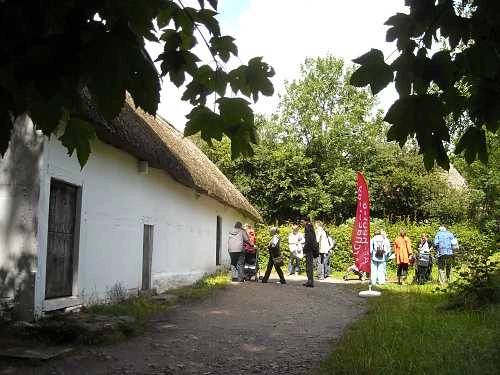
On Wednesday and Thursday this week (29th and 30th July) Sue Fielding and Geoff Ward from the Royal Commission on the Ancient and Historical Monuments of Wales demonstrated building recording at St Fagans. Thanks to them, visitors had the chance to record a 500 year old house, Hendre’r Ywydd Uchaf, which once stood near Ruthin in the Vale of Clwyd.

I couldn't get to the event myself,  but Adam Gwilt who helped organise things sent in this report.


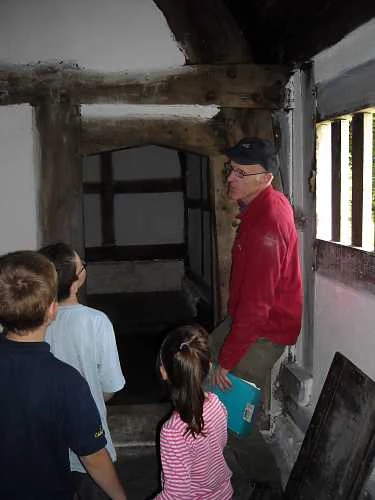
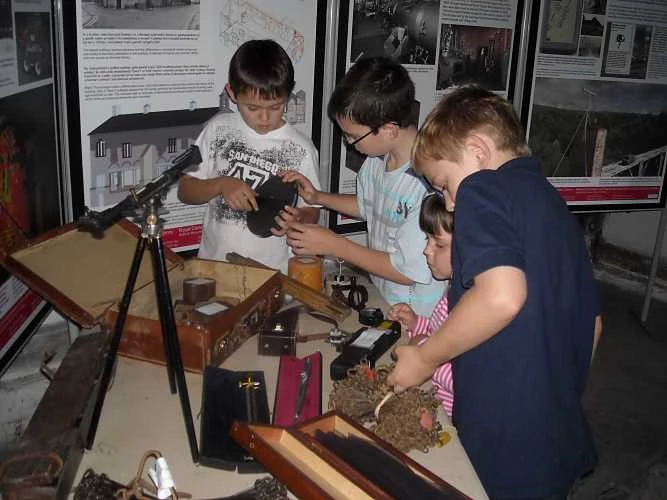
"Geoff has been getting people to look more carefully at the way the house was built and showing young and old alike how to measure and draw the exposed timbers of a wall partition inside the house.

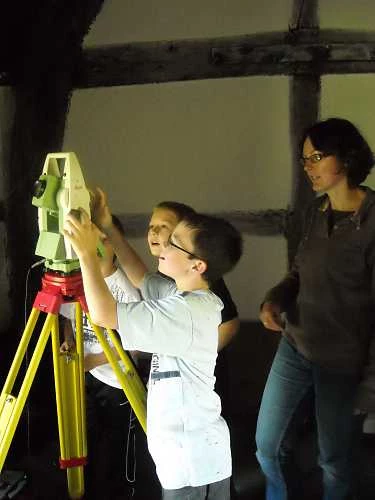
Sue has been enlisting the help of people, using the ‘total station’ survey equipment. Using a laser beam to record the dimensions and details of one of the rooms, a 3D drawing of the room has grown in front of our eyes on the laptop computer screen. 

On Wednesday, the stream of people was slow but constant, though the torrential rain all day affected the numbers of visitors. After early showers on Thursday, the much improved weather brought people to us in significant numbers, at times queuing to enter the house to see what was going on! 

We used a red flag banner to let visitors know that something was going on in this house in the large museum grounds, while the additional building trail developed for the Festival has helped some children to hunt for evidence relating to the long use of this building.

The event was a great success with Sue commenting: ‘Many children have really enjoyed using our new survey equipment to generate an immediate visual and digital drawing of this historic house. I was really pleased that the Royal Commission was asked to contribute to the Festival events hosted by the national museum.’ "

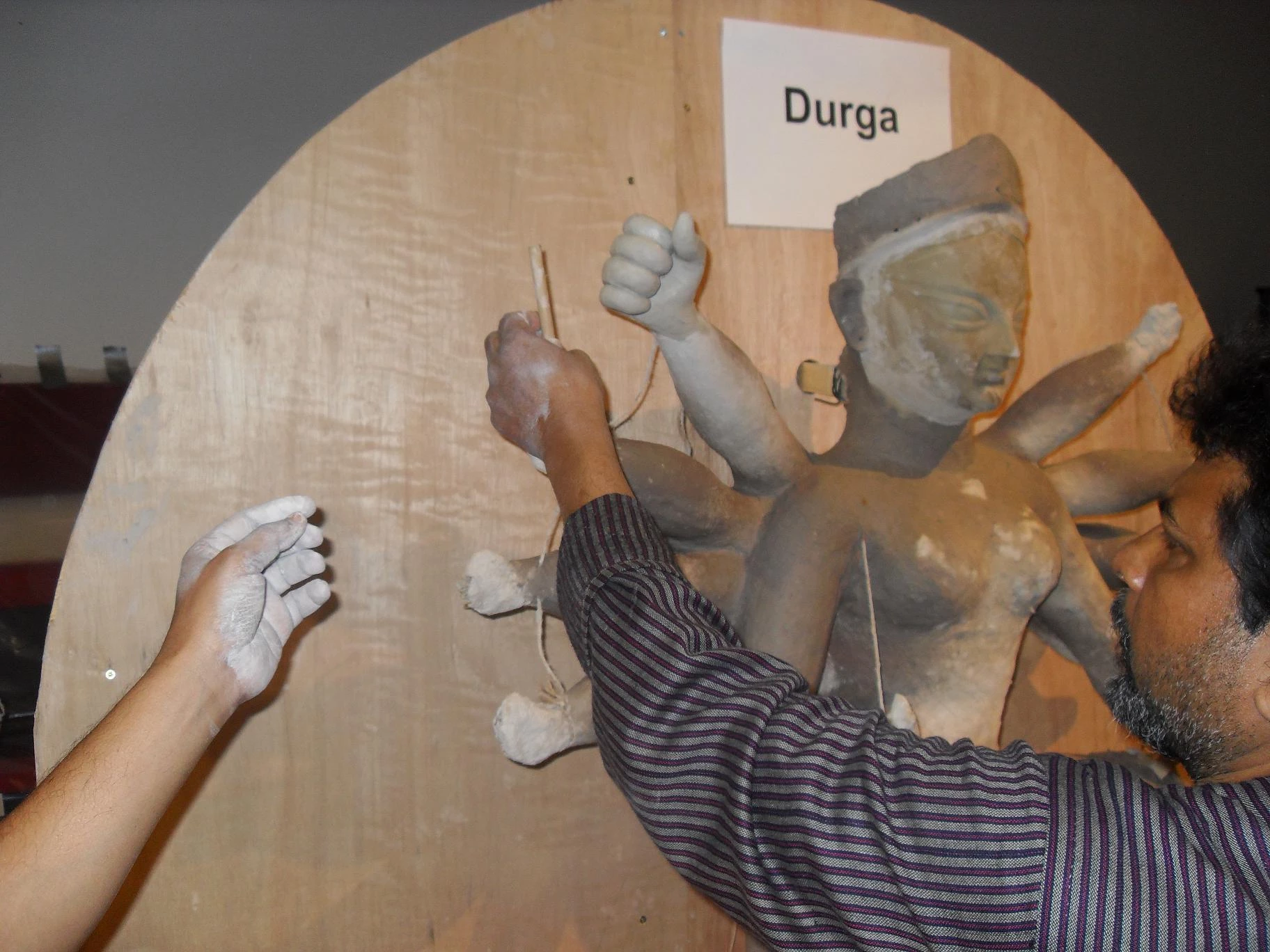
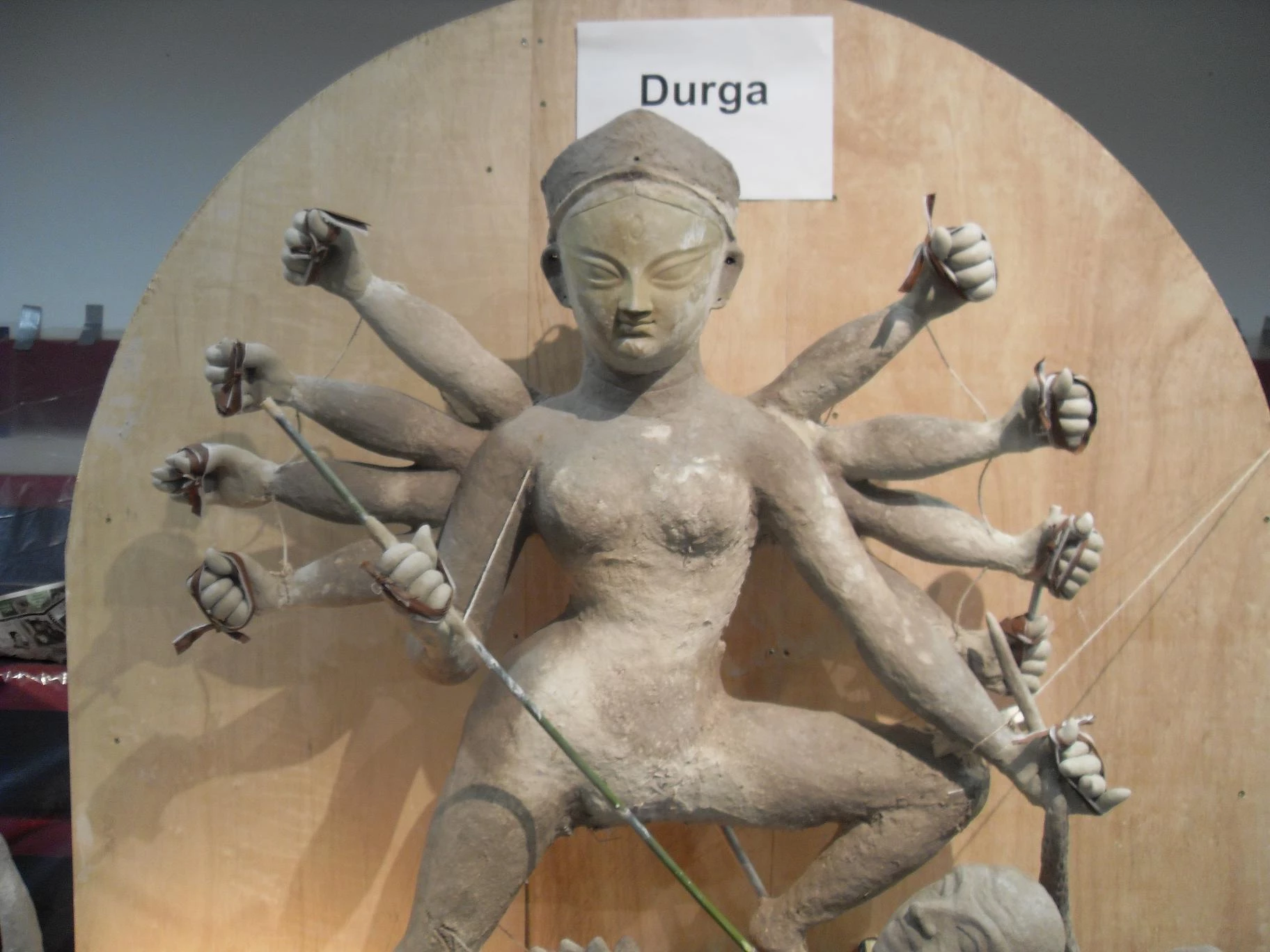
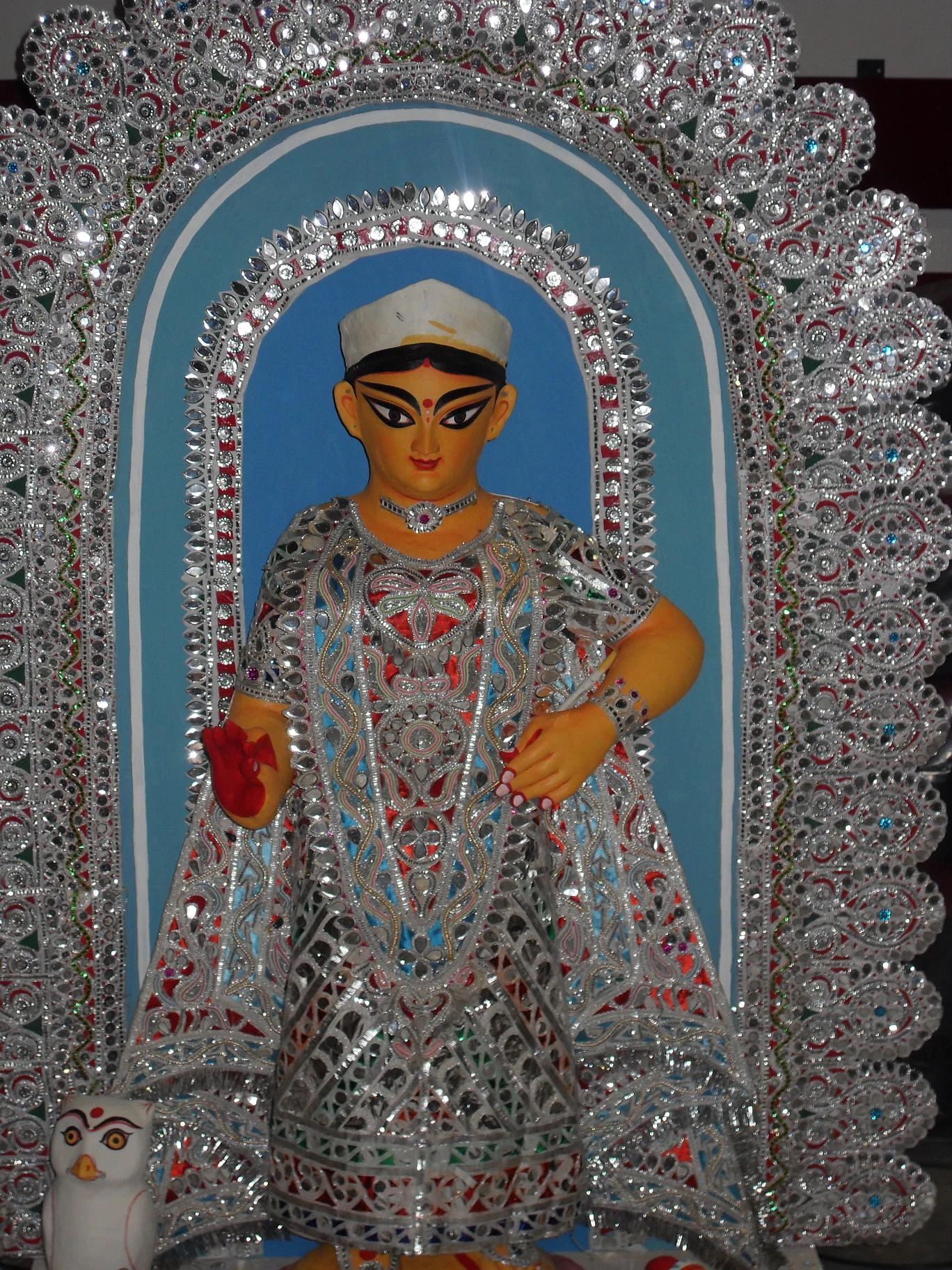
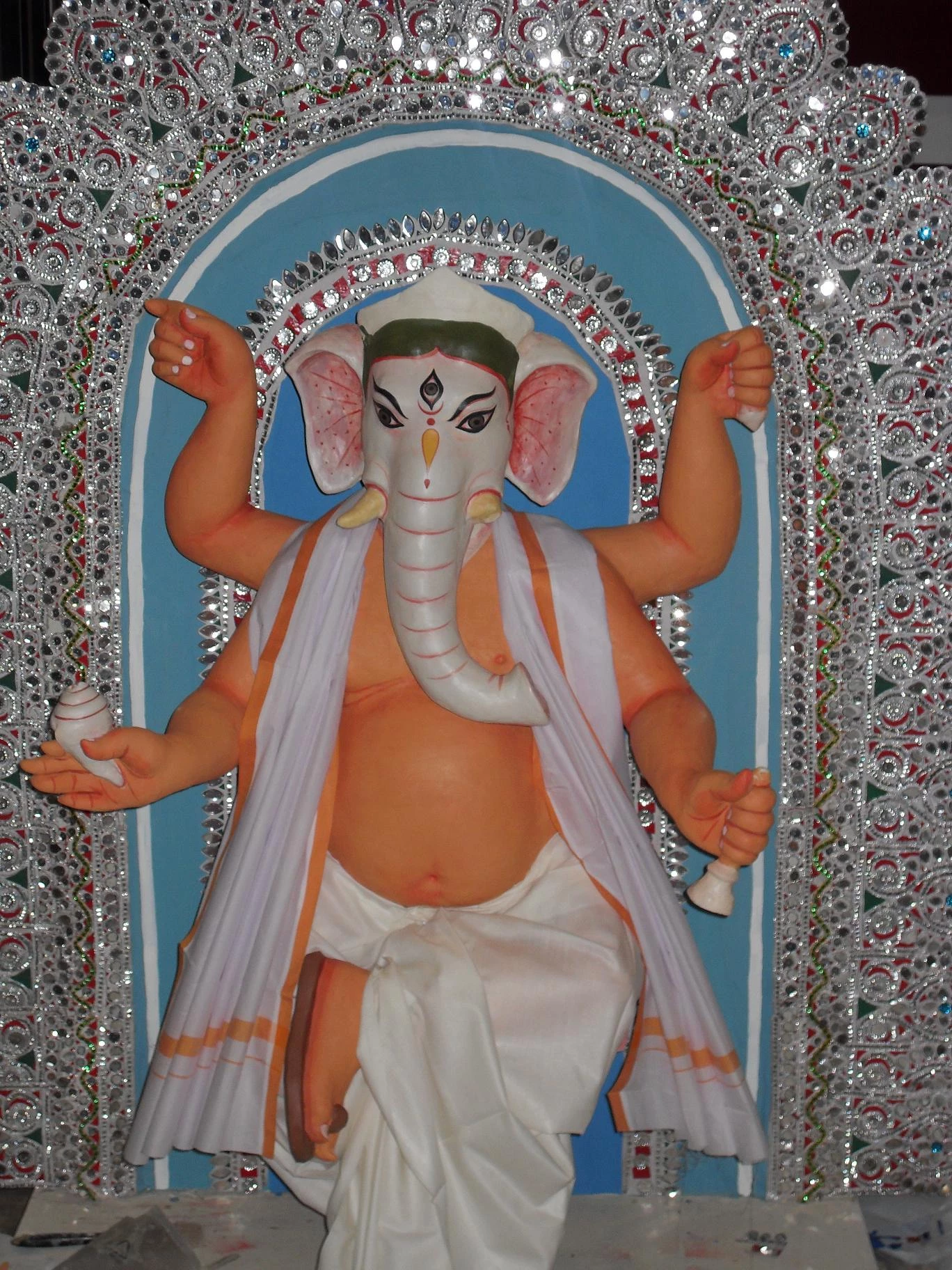
Durga Puja: Creating a Goddess

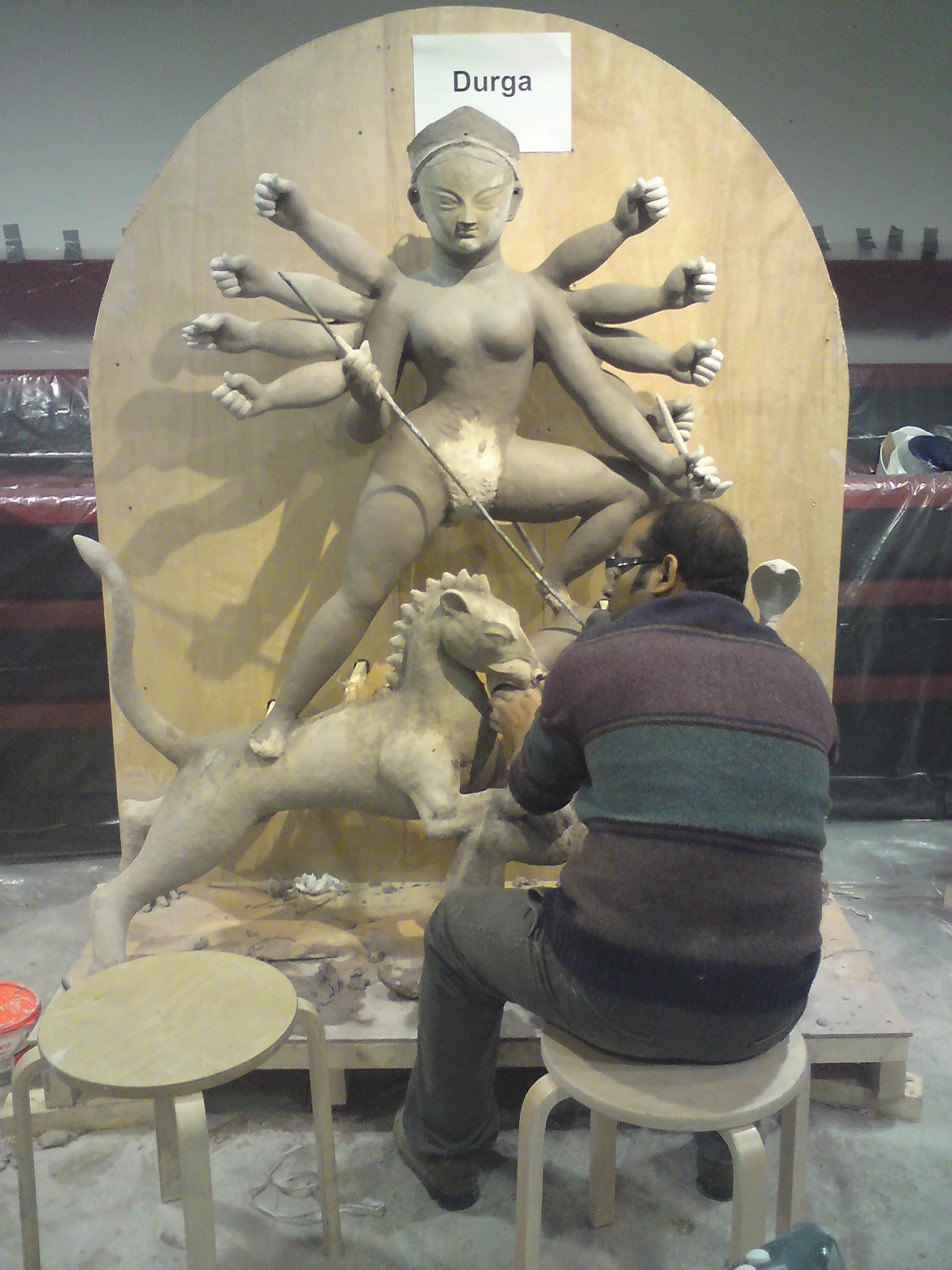
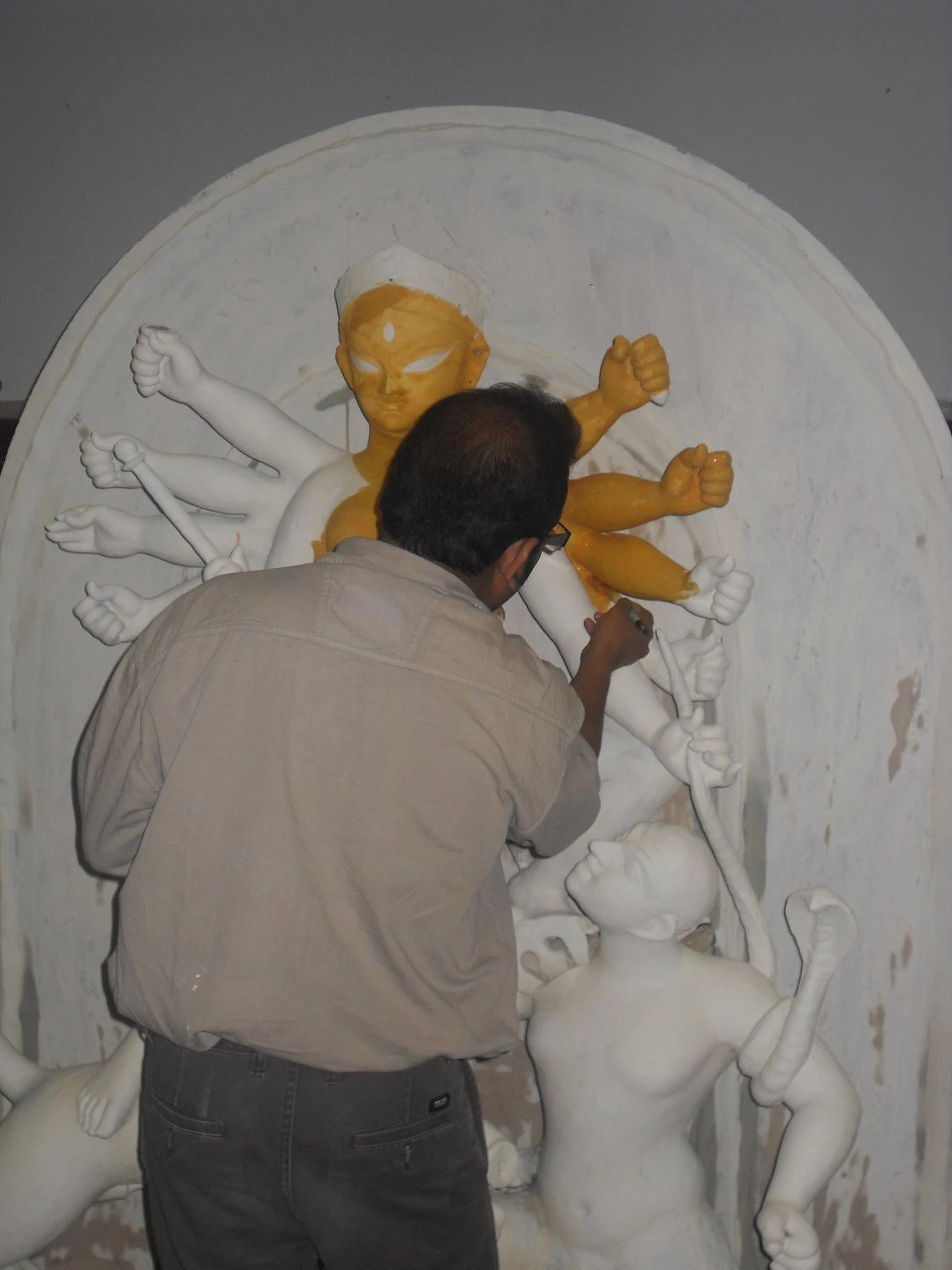
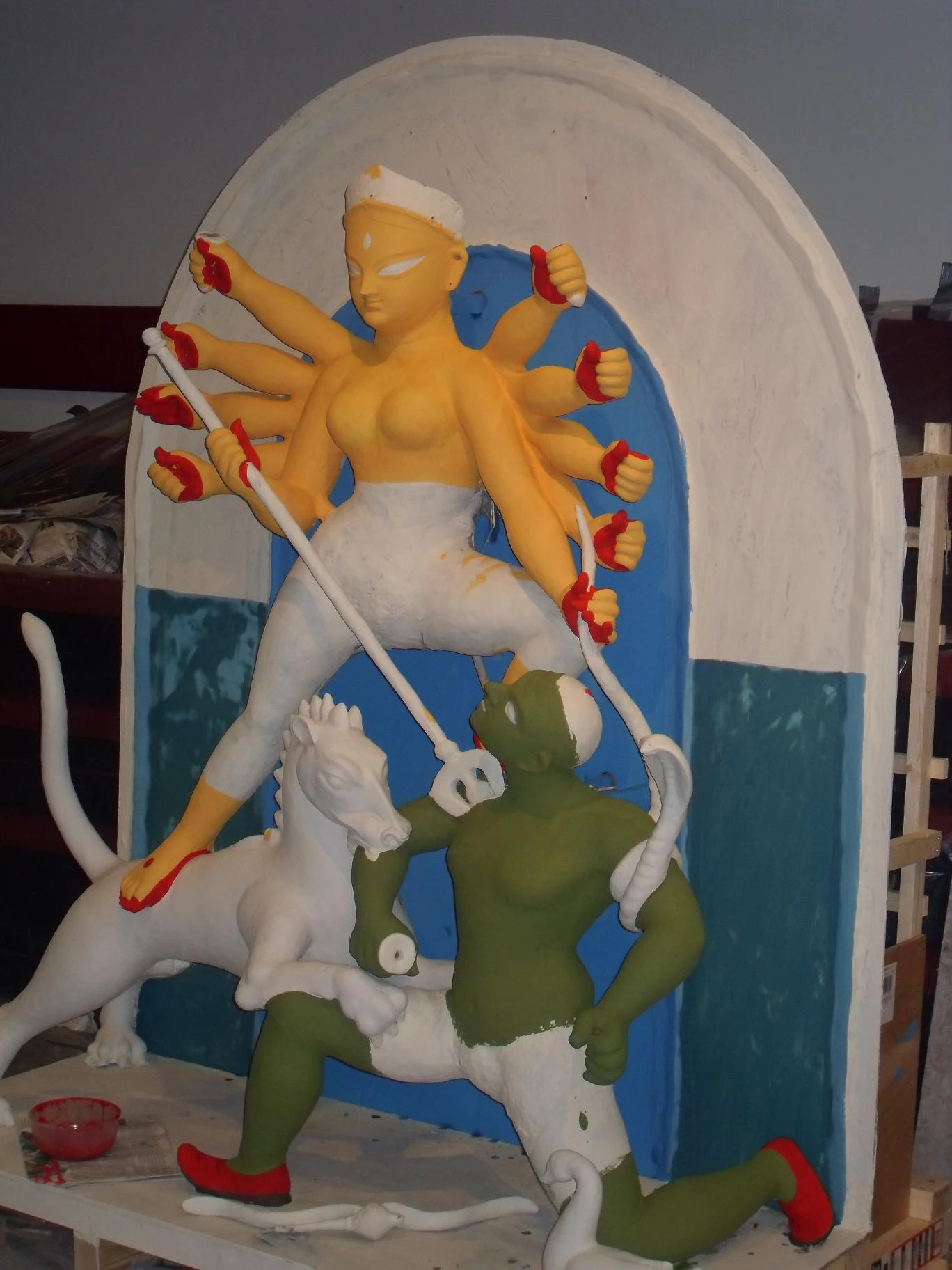
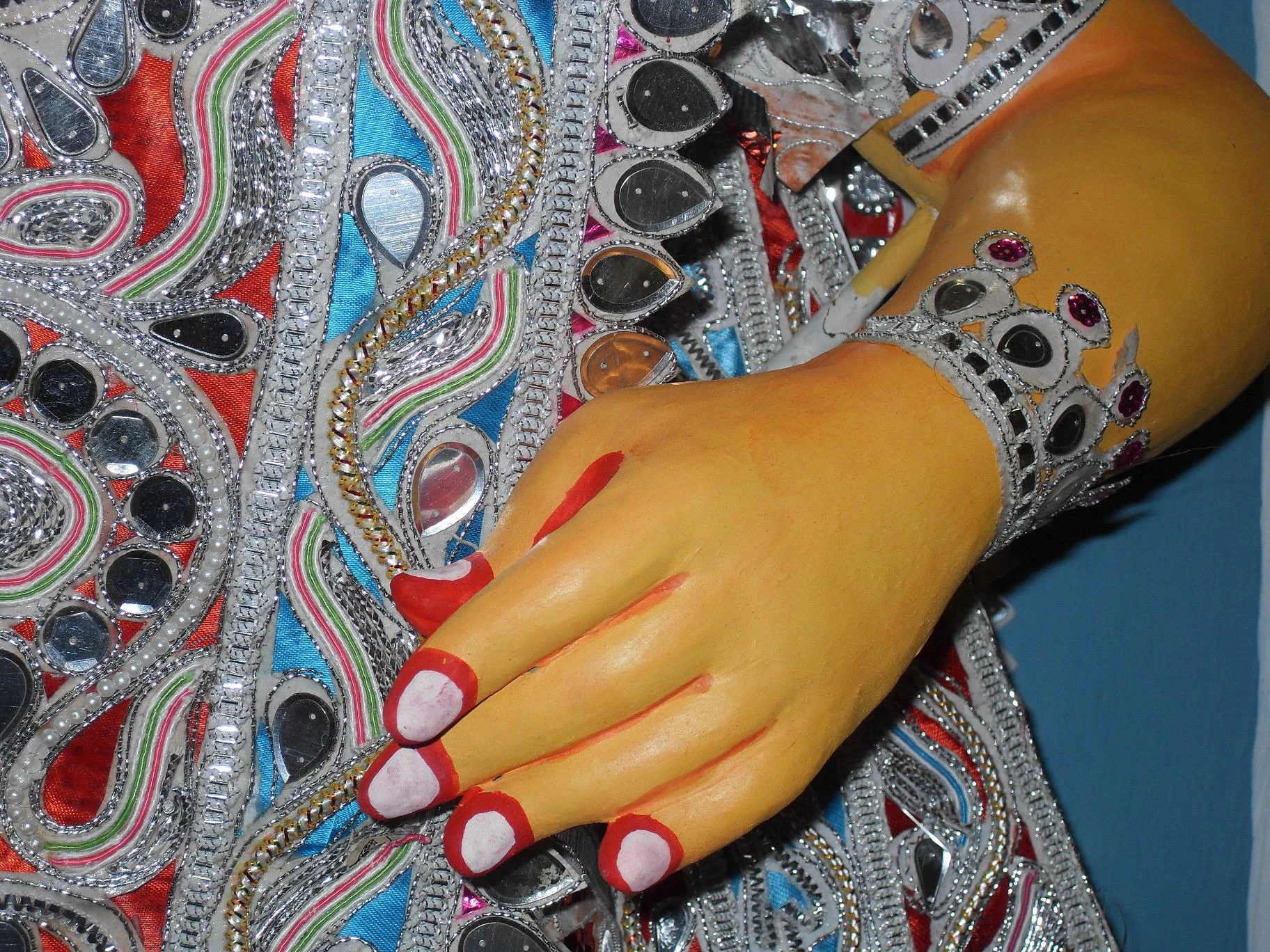
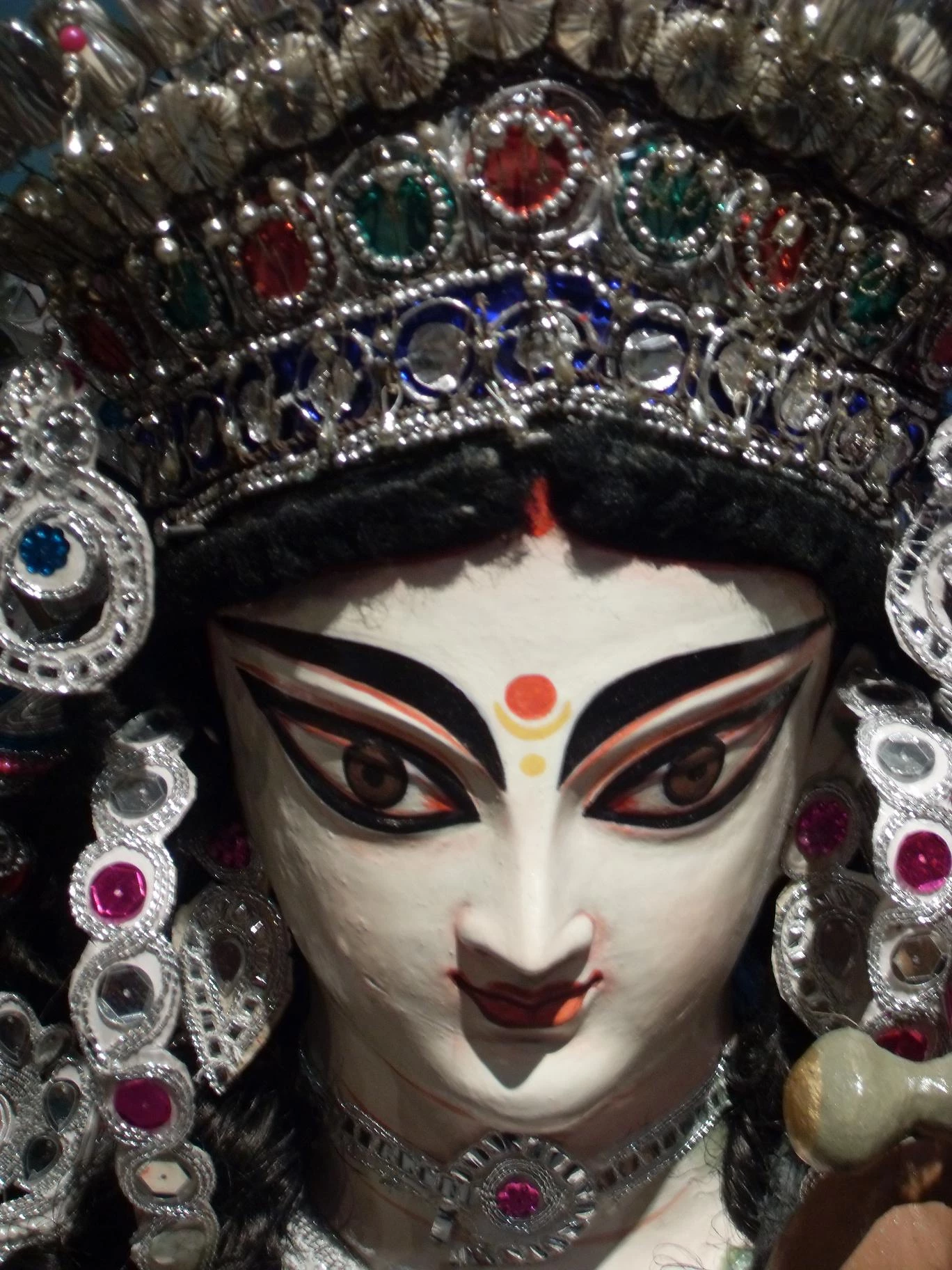
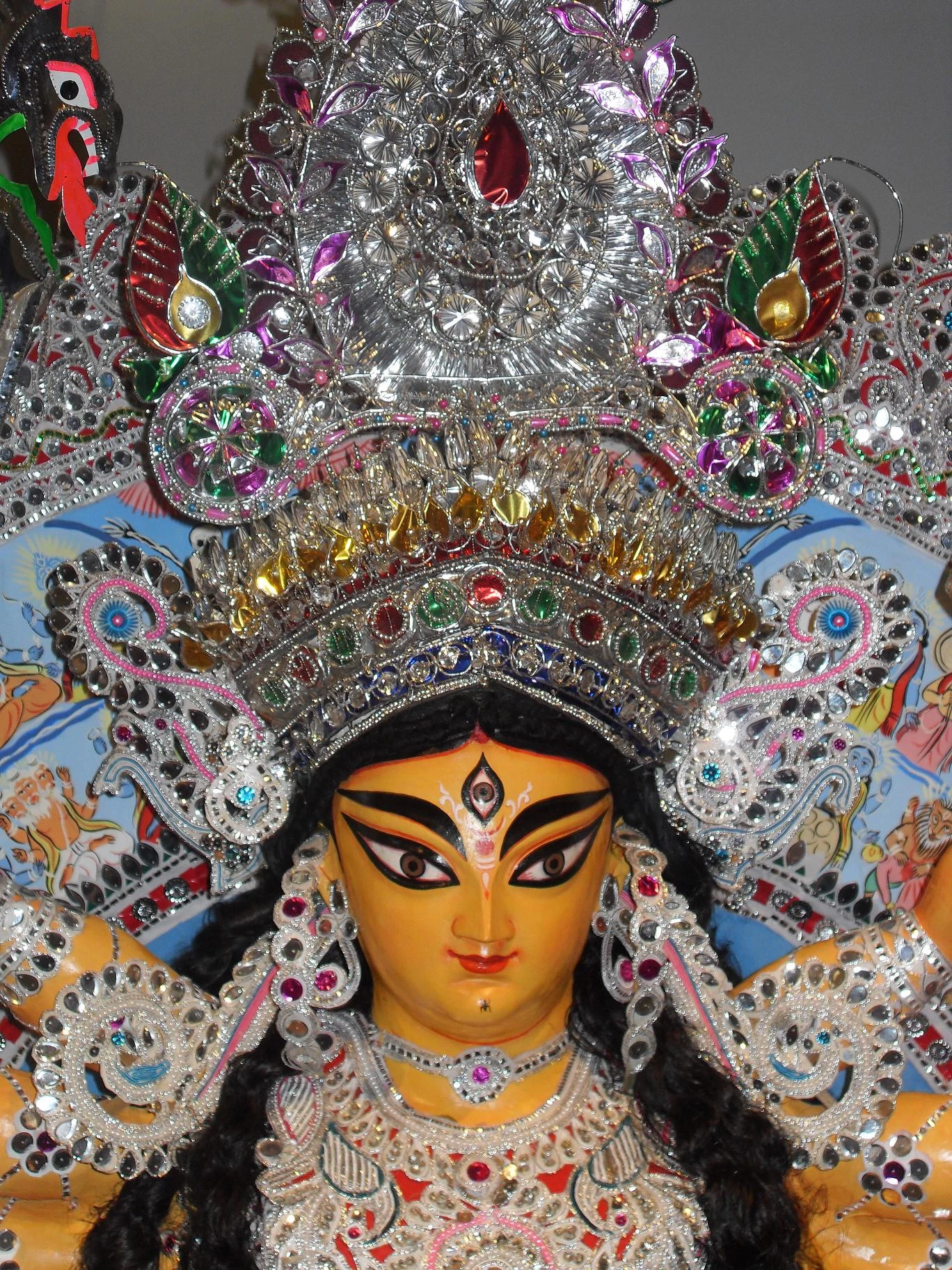
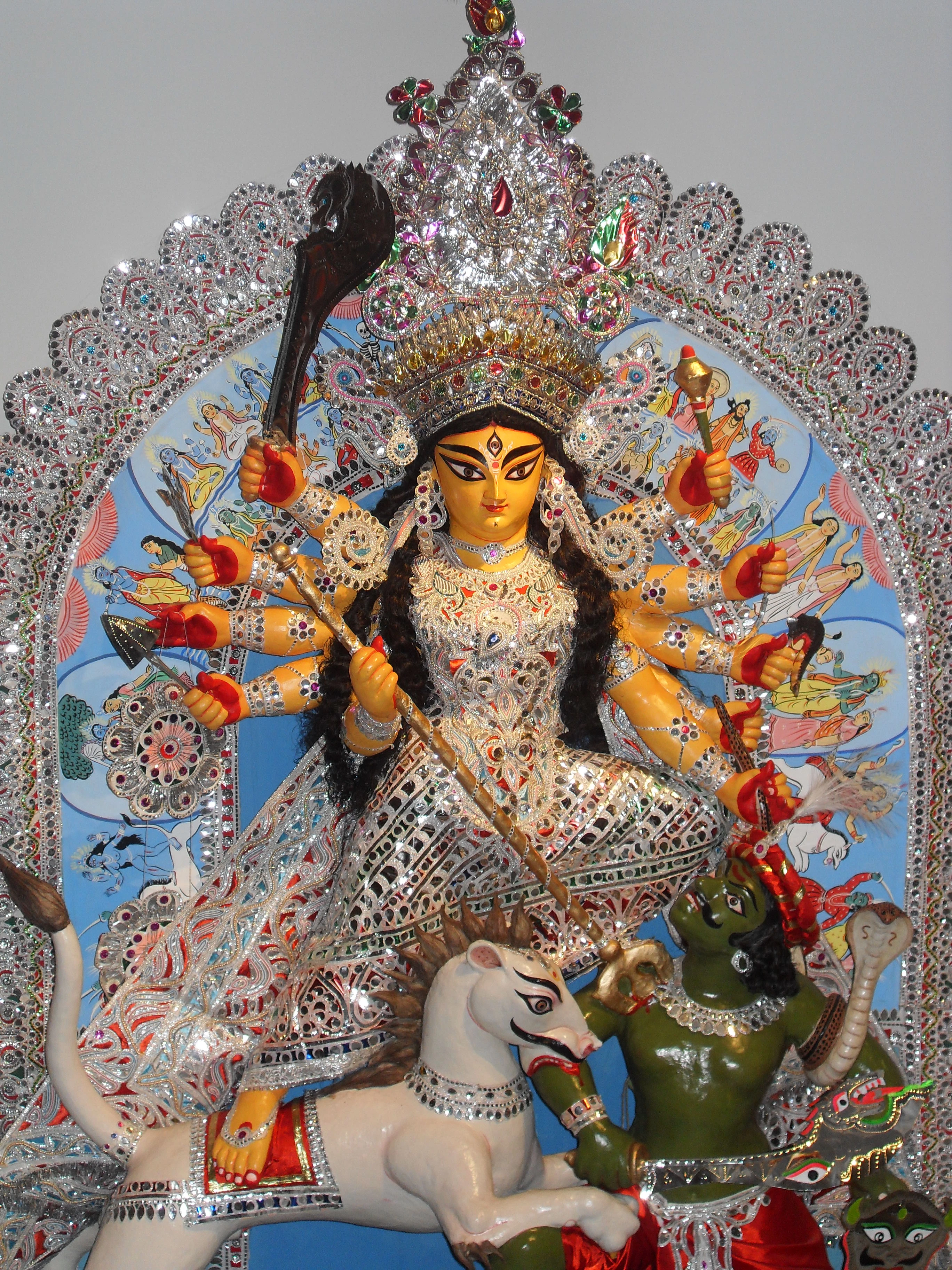
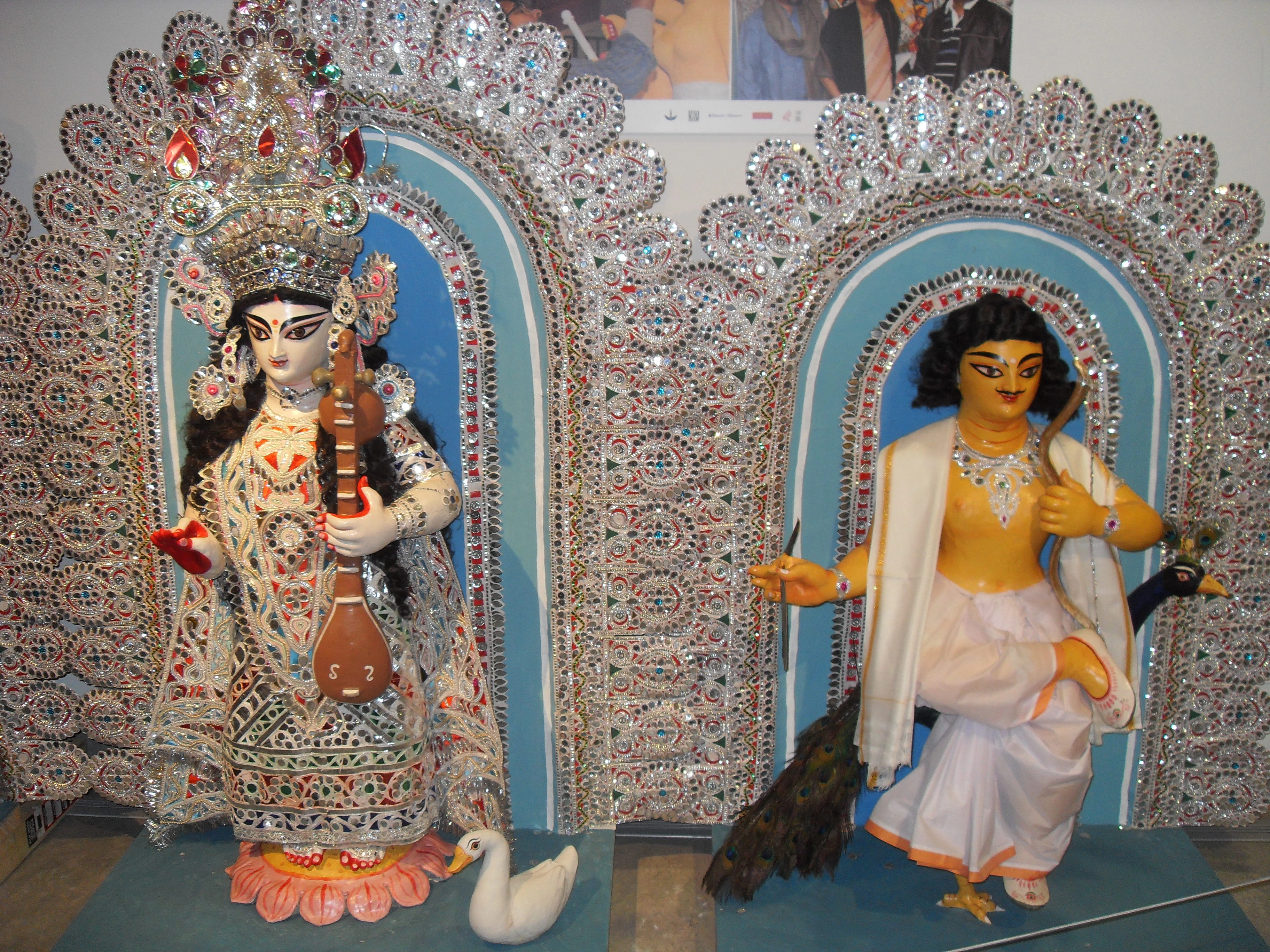
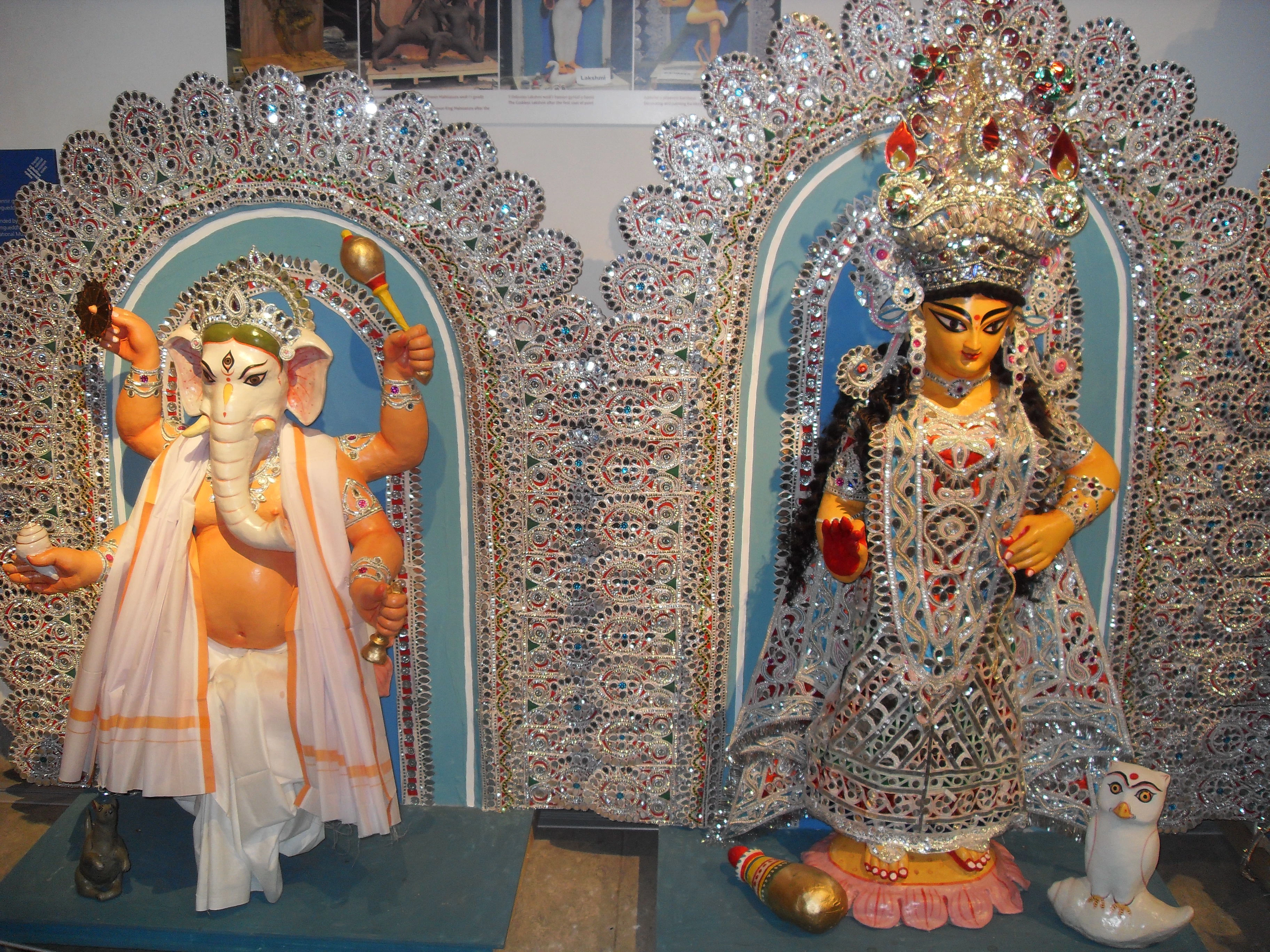
The Goddess Durga ready for the Puja

The Goddess Durga ready for the Puja

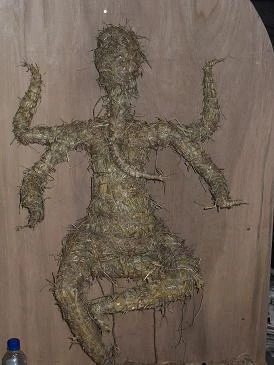
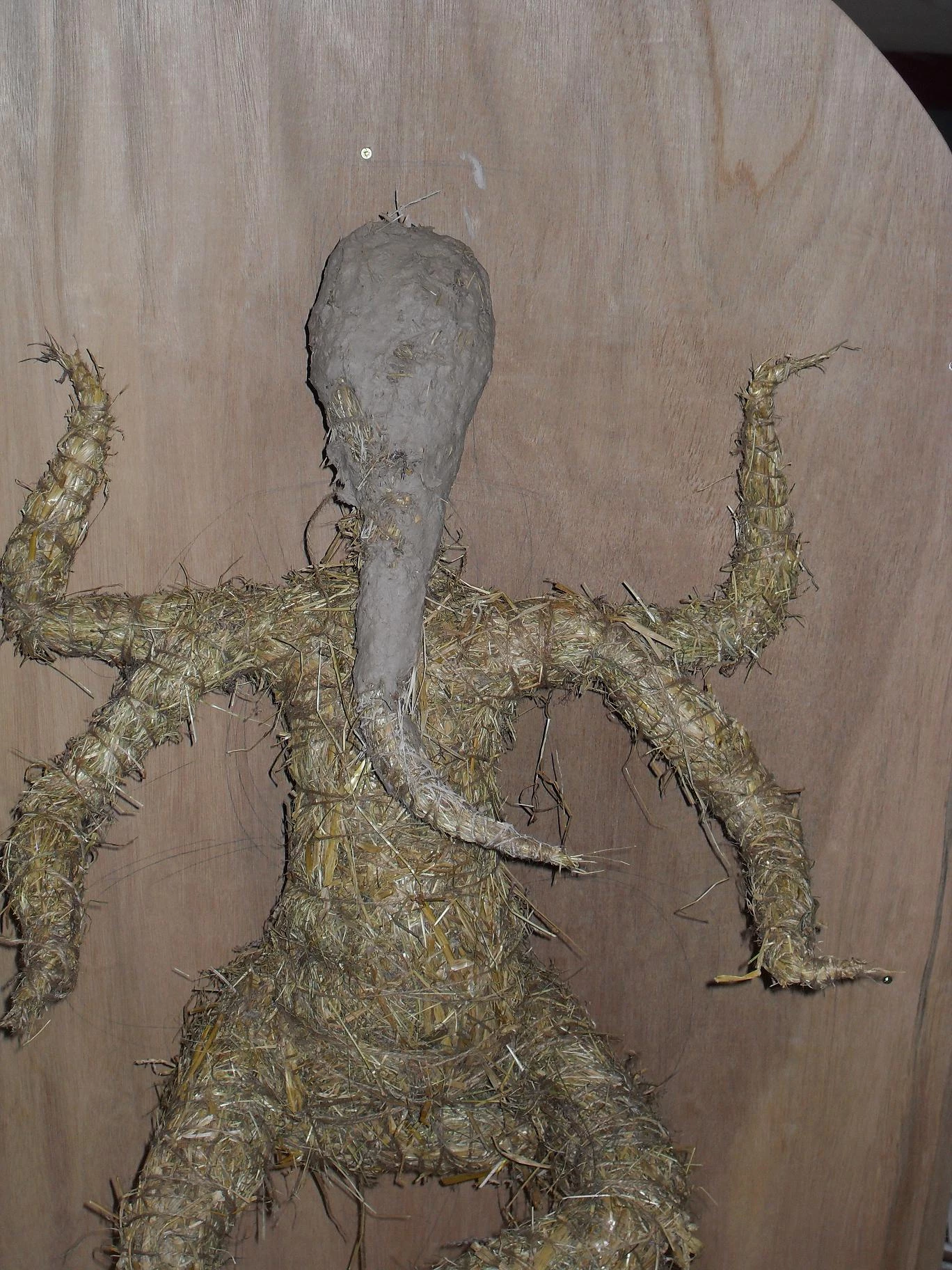
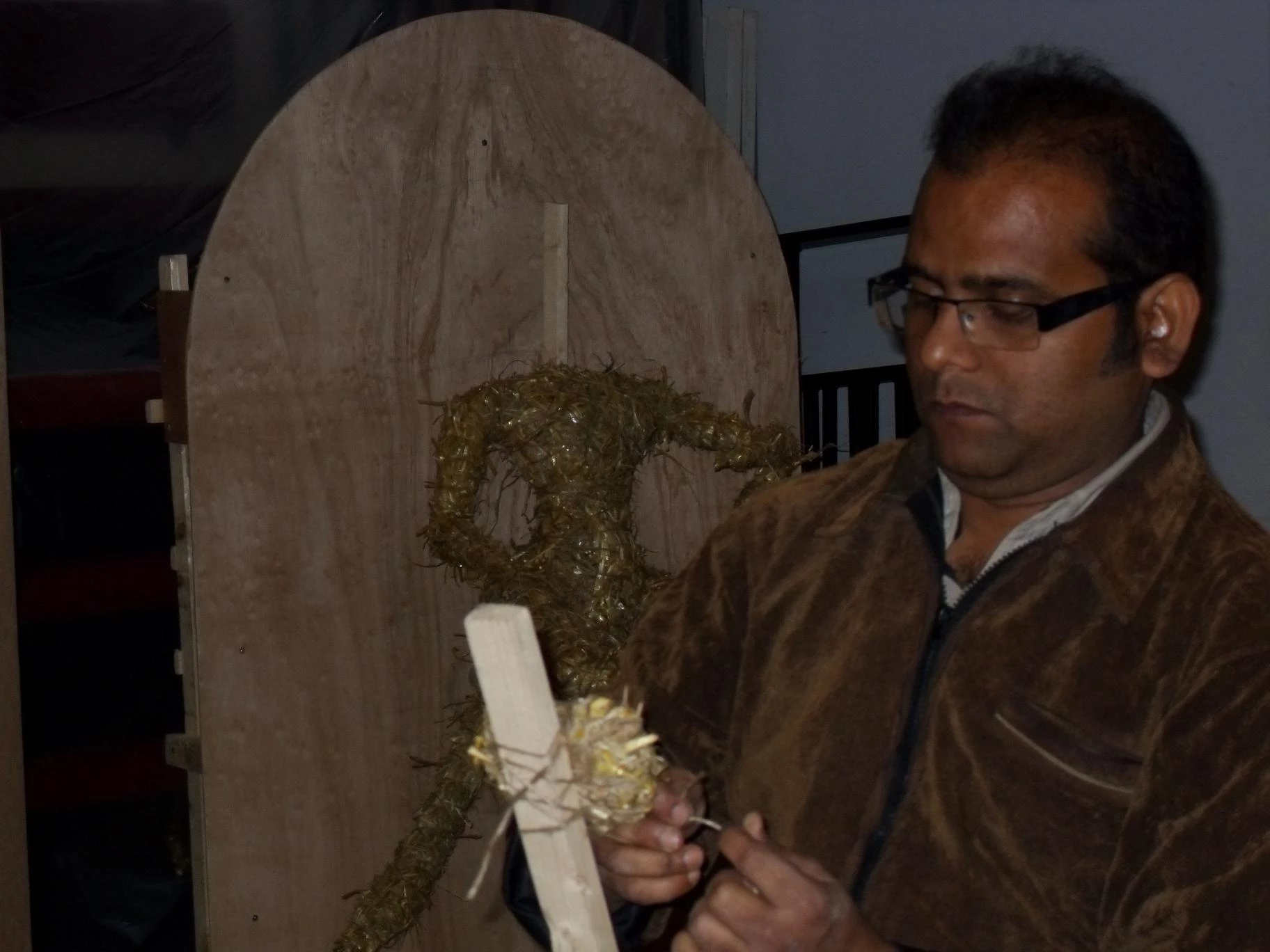
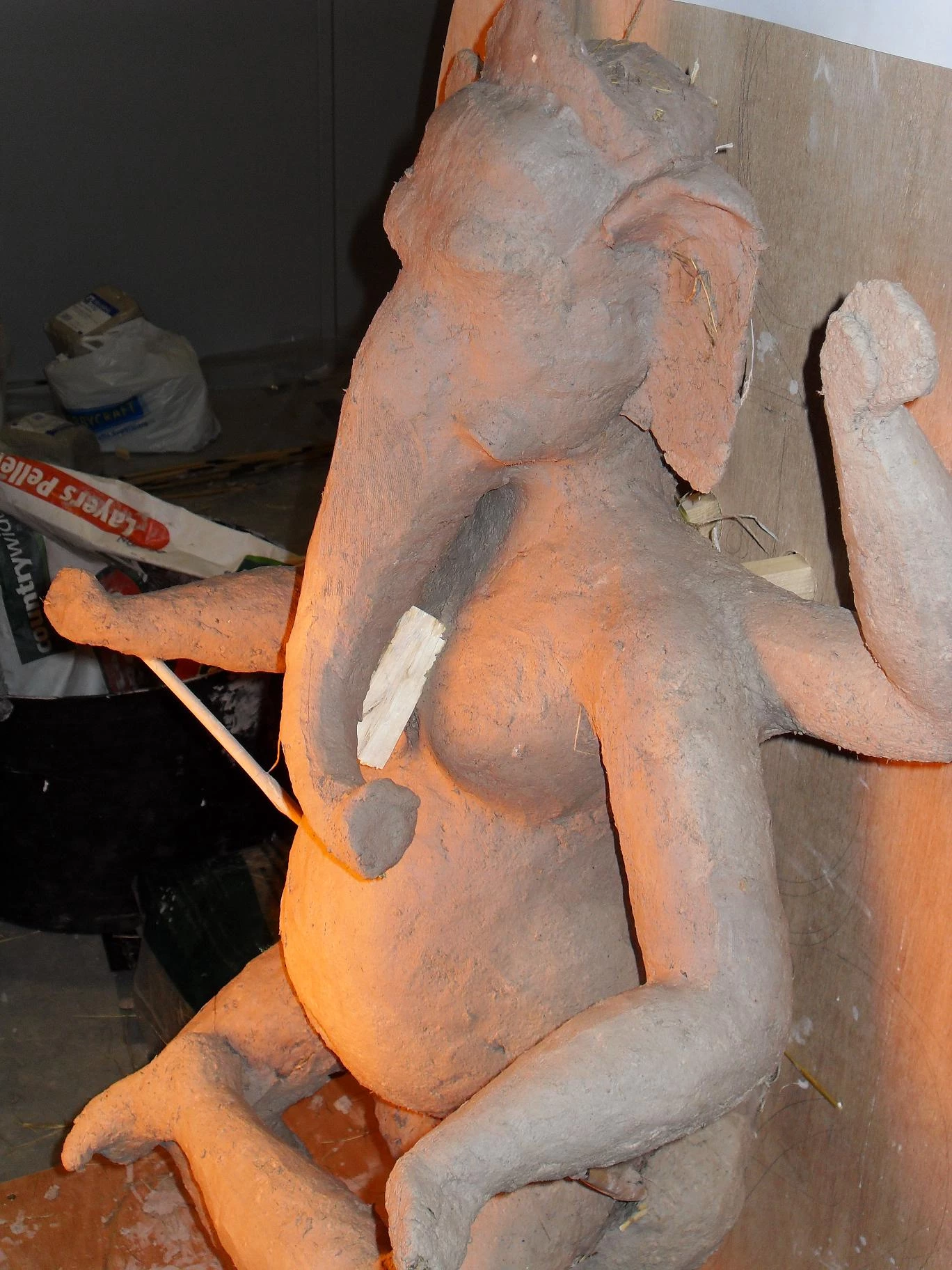
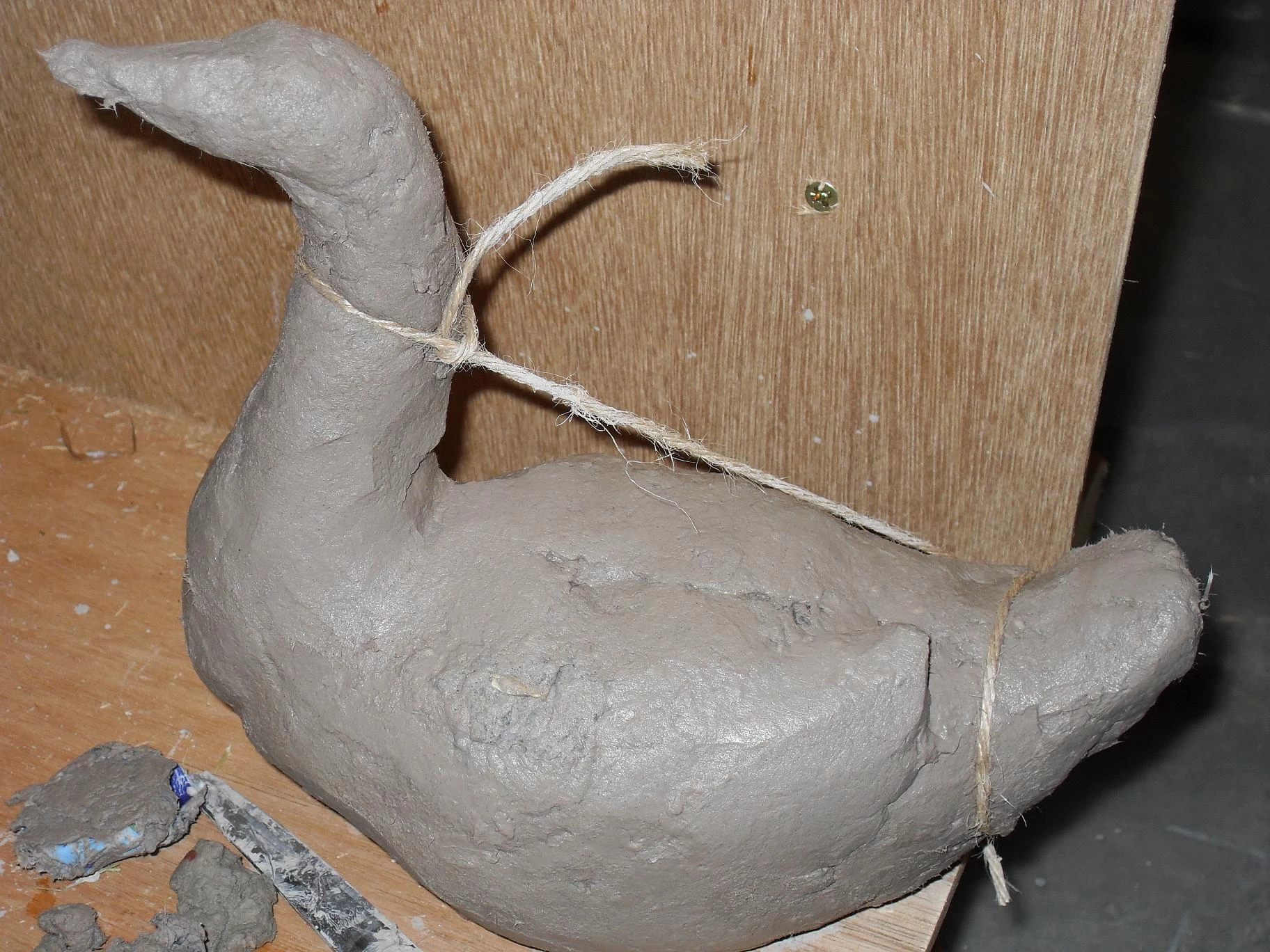
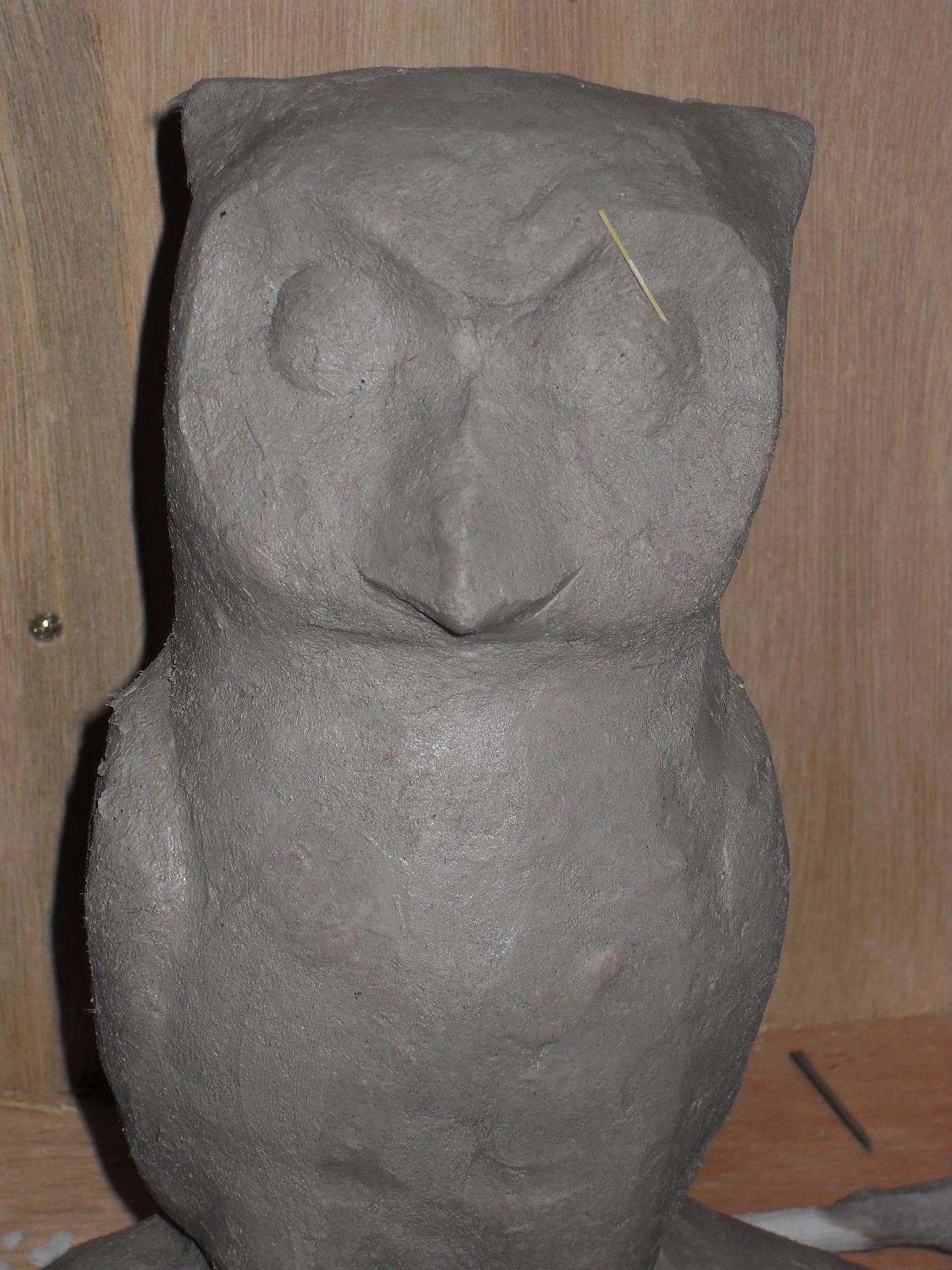
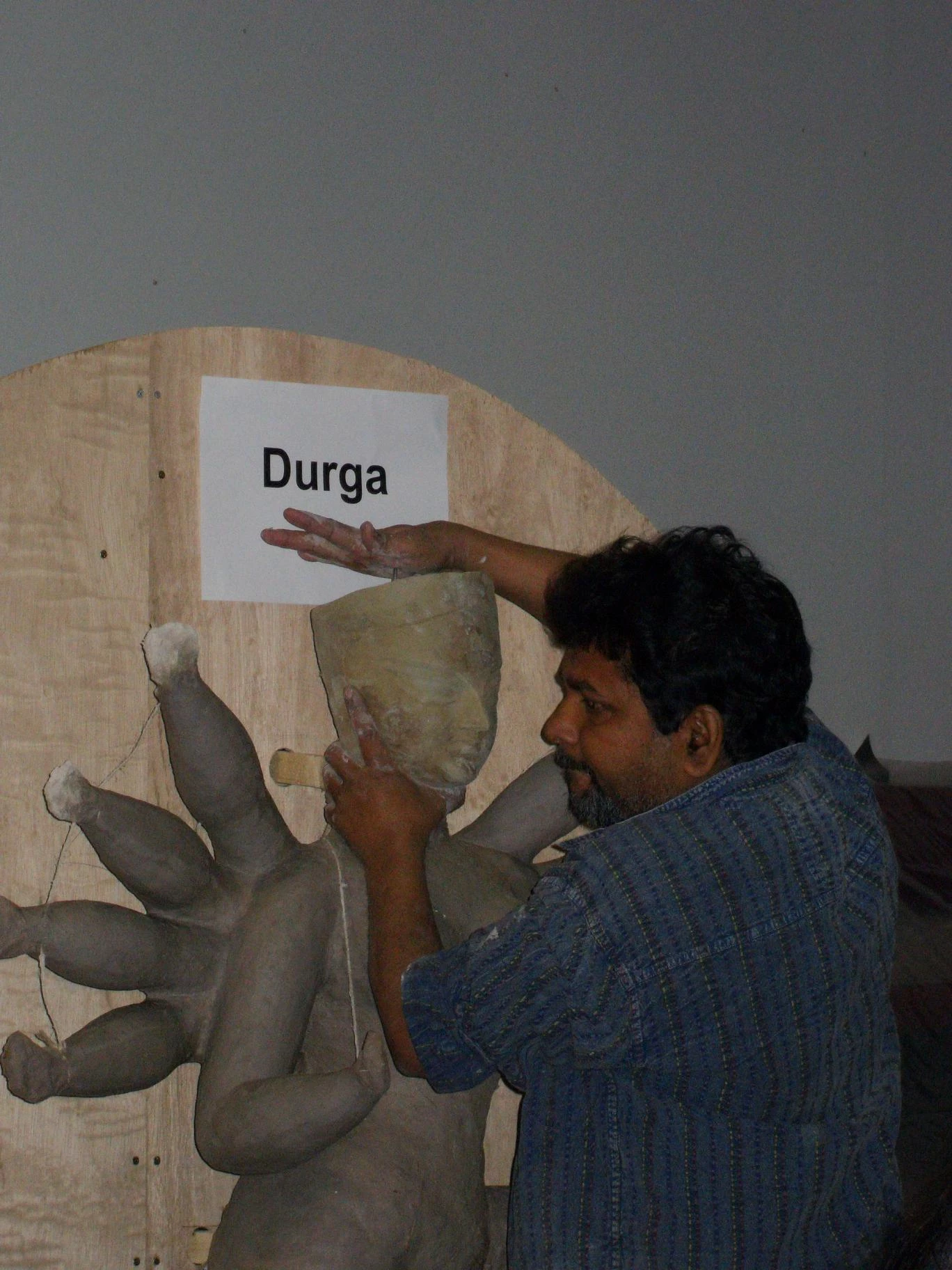
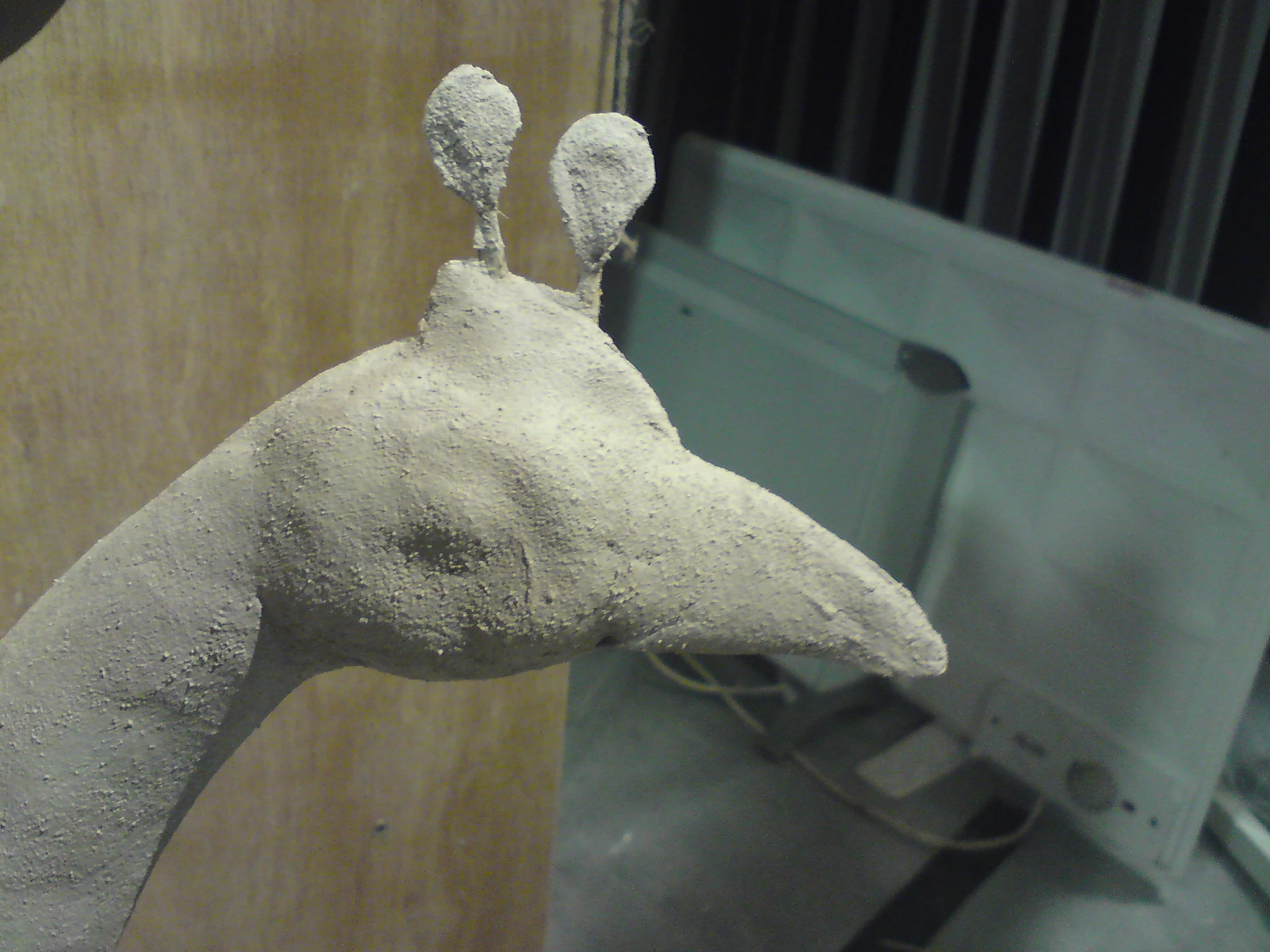
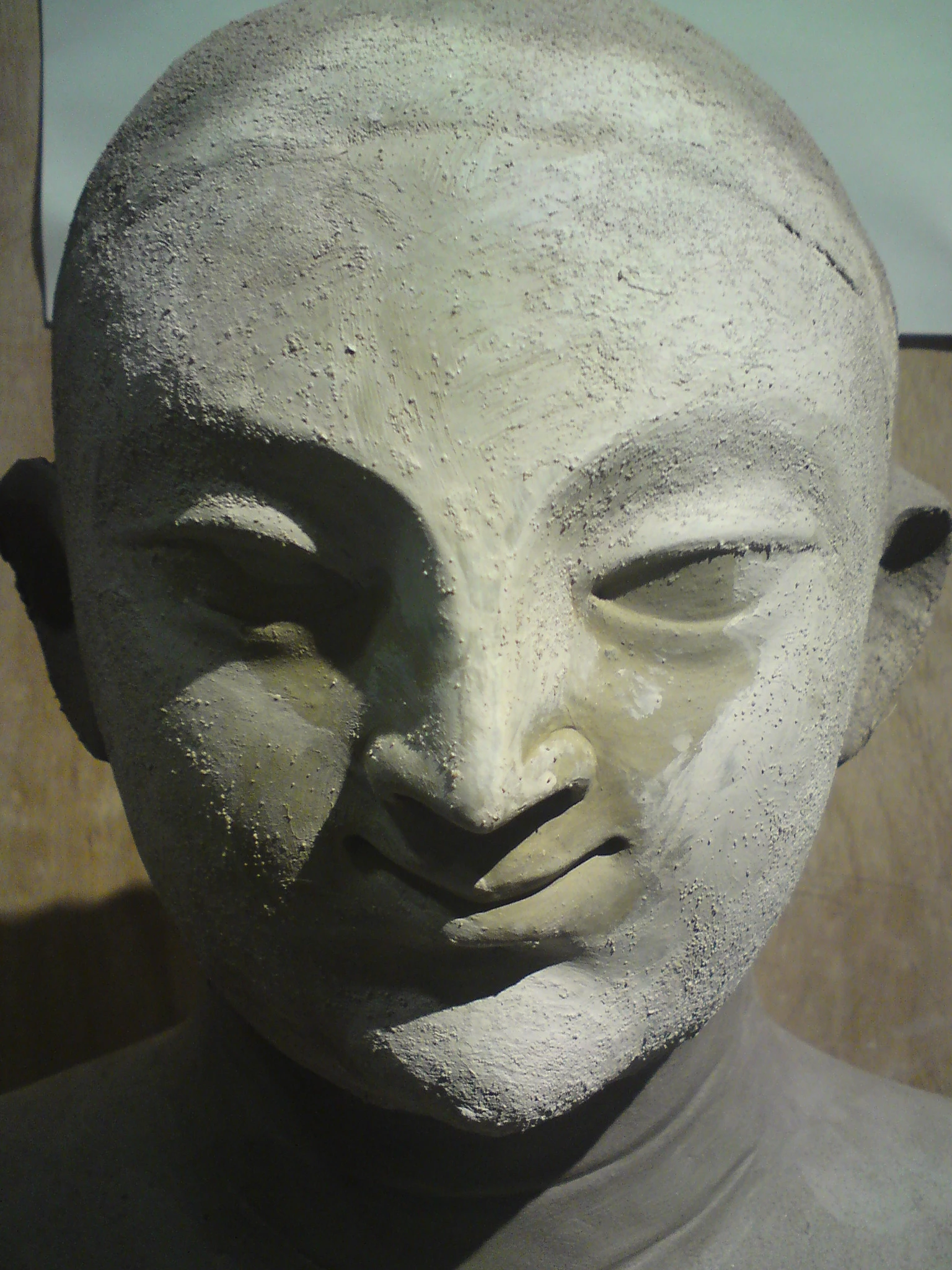
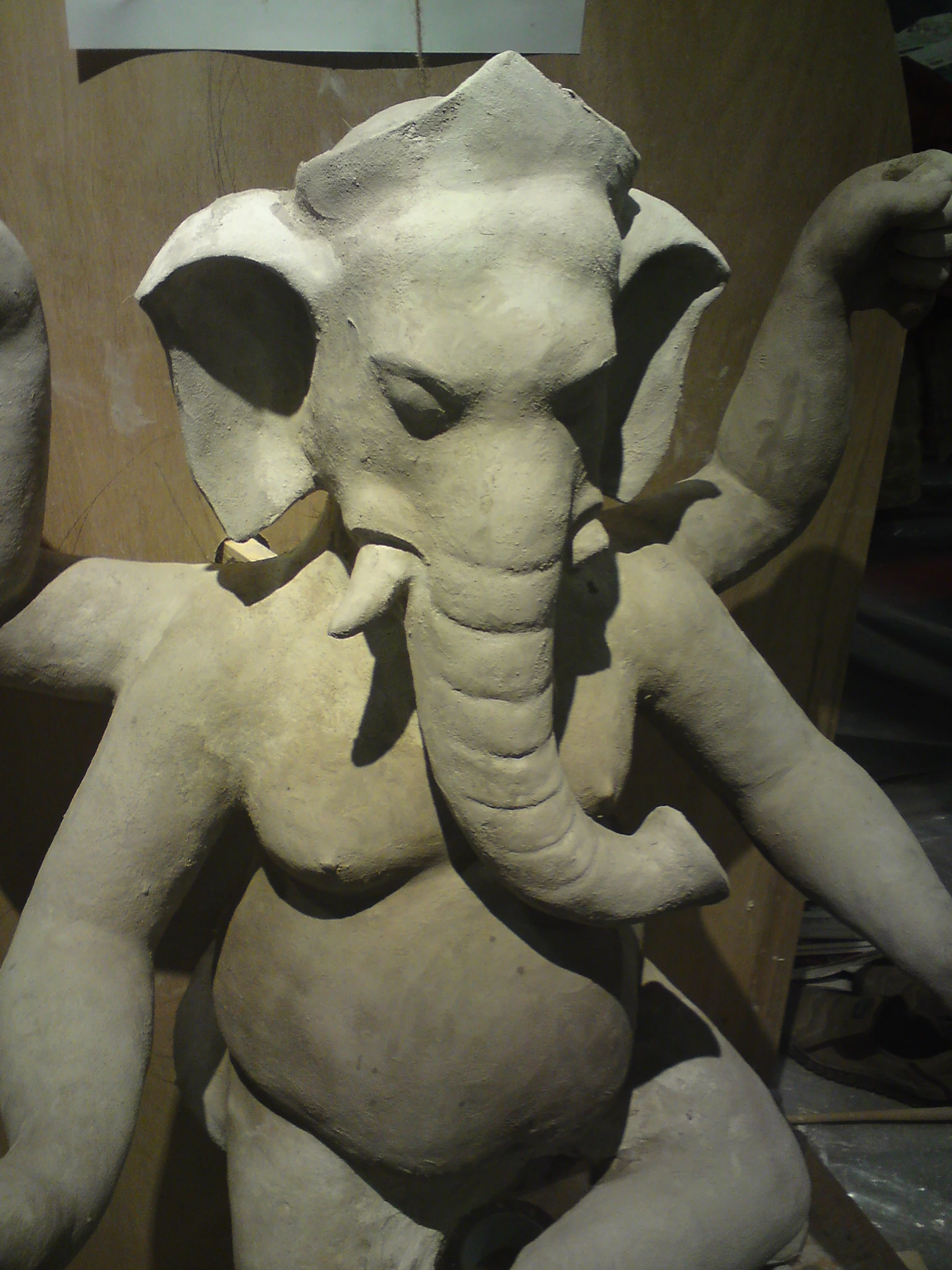
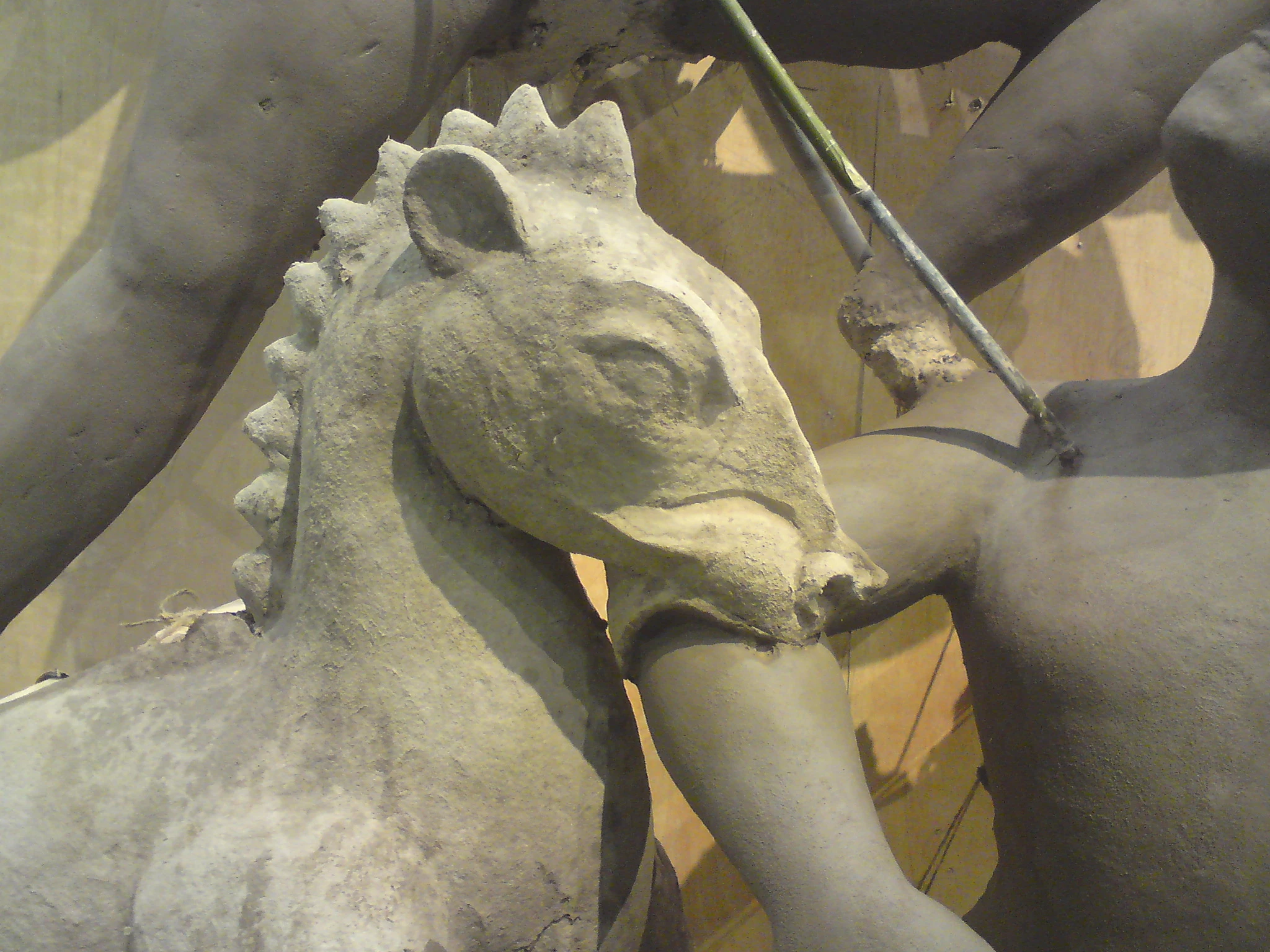
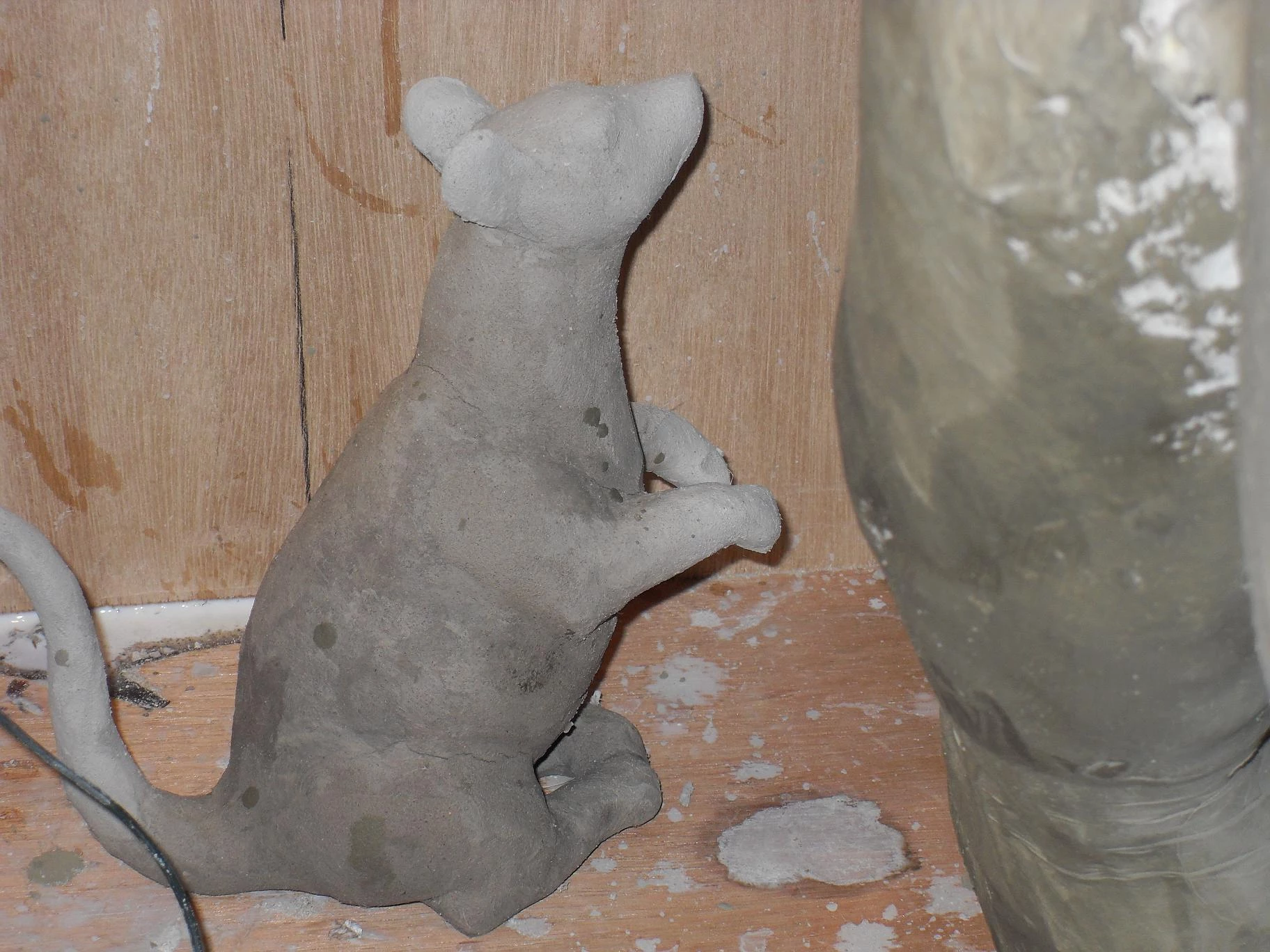
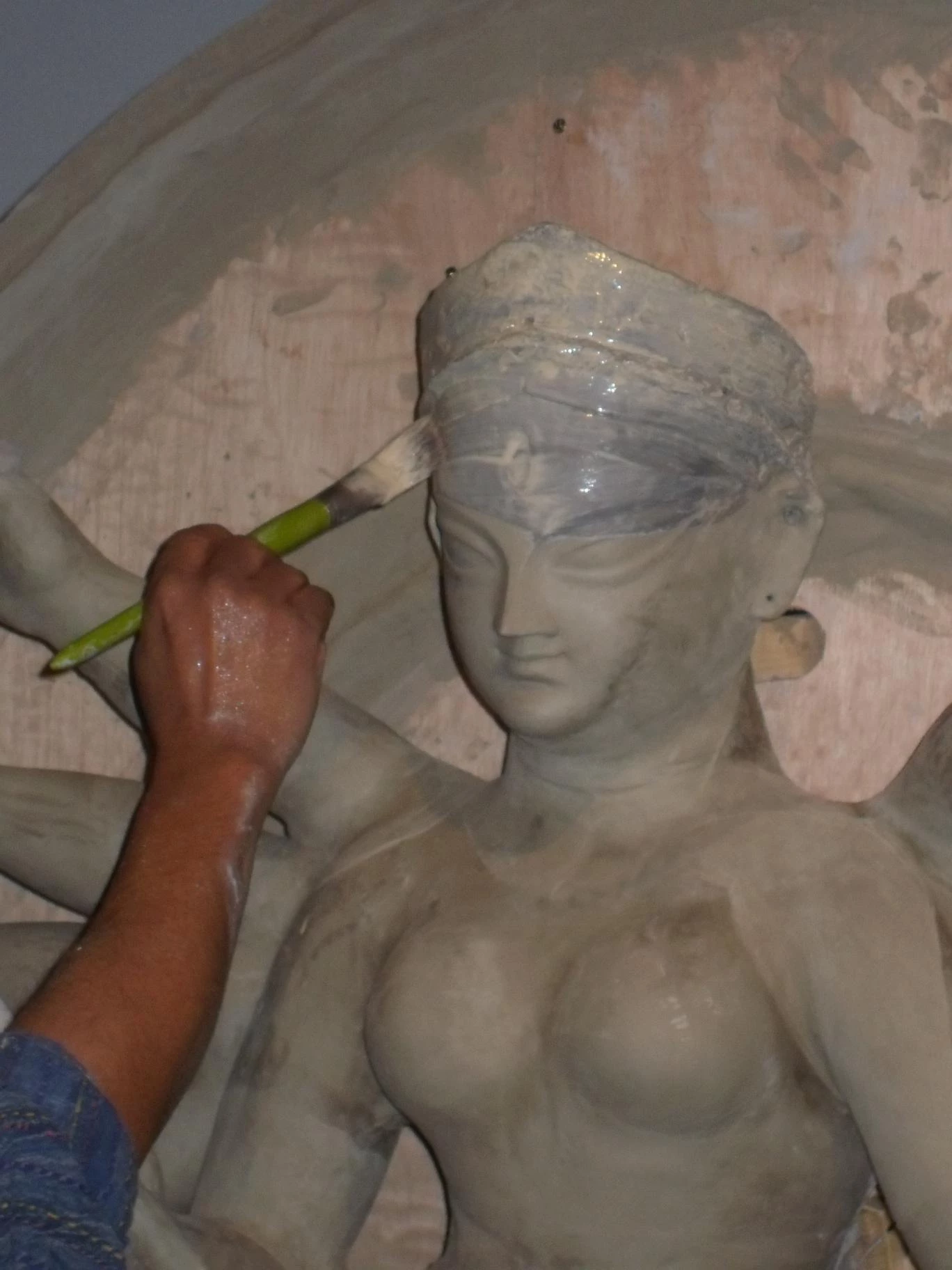
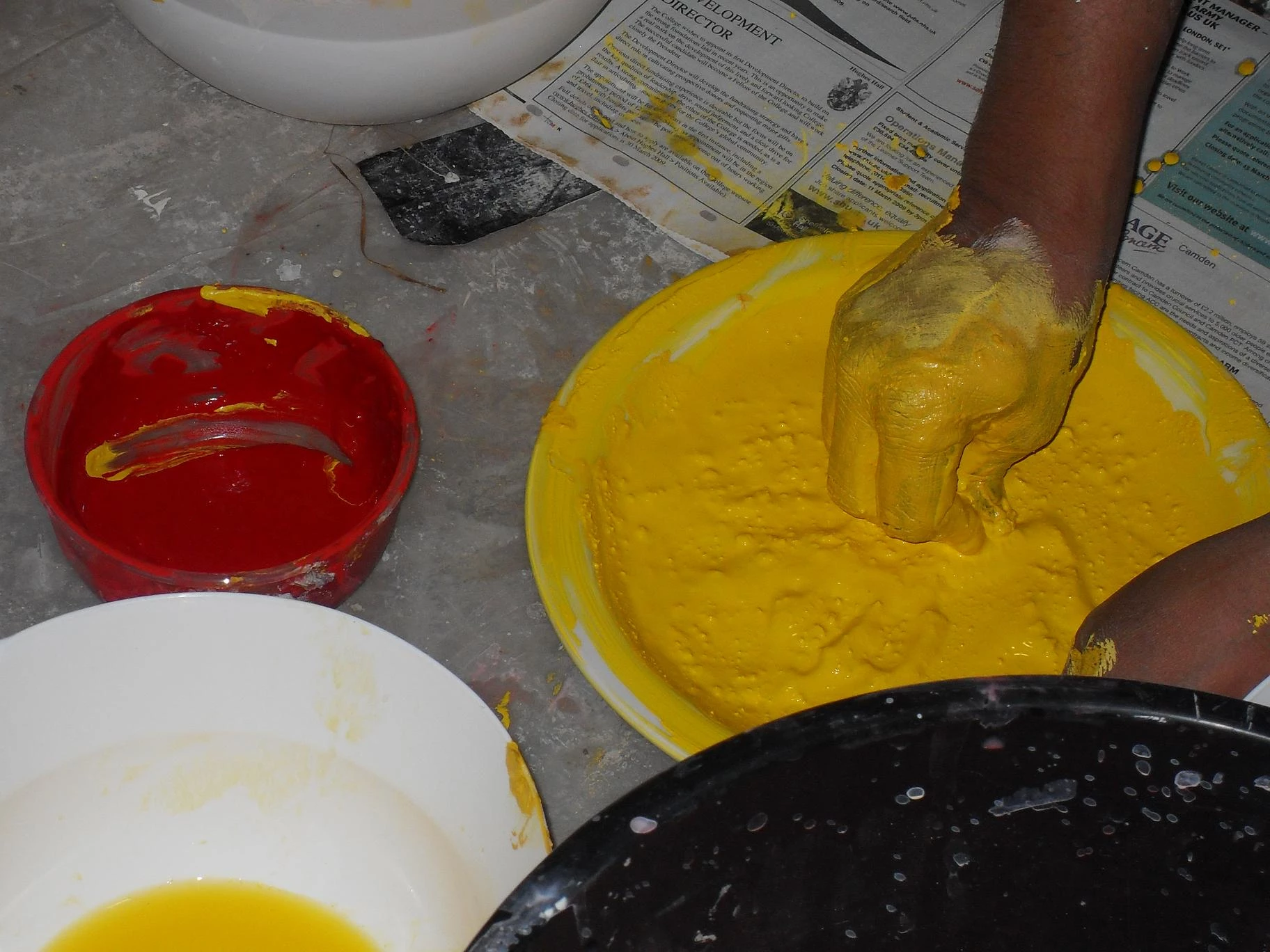
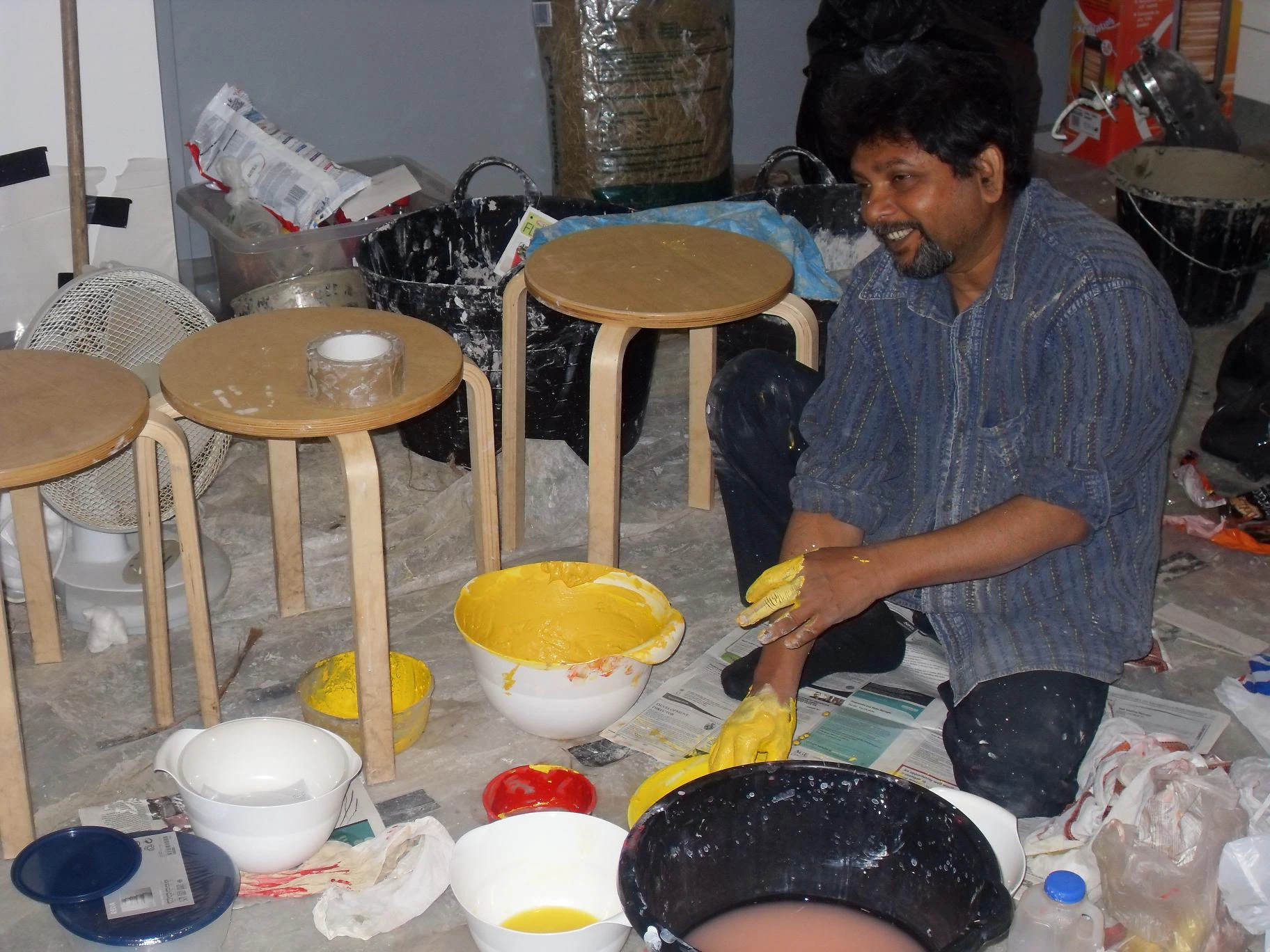
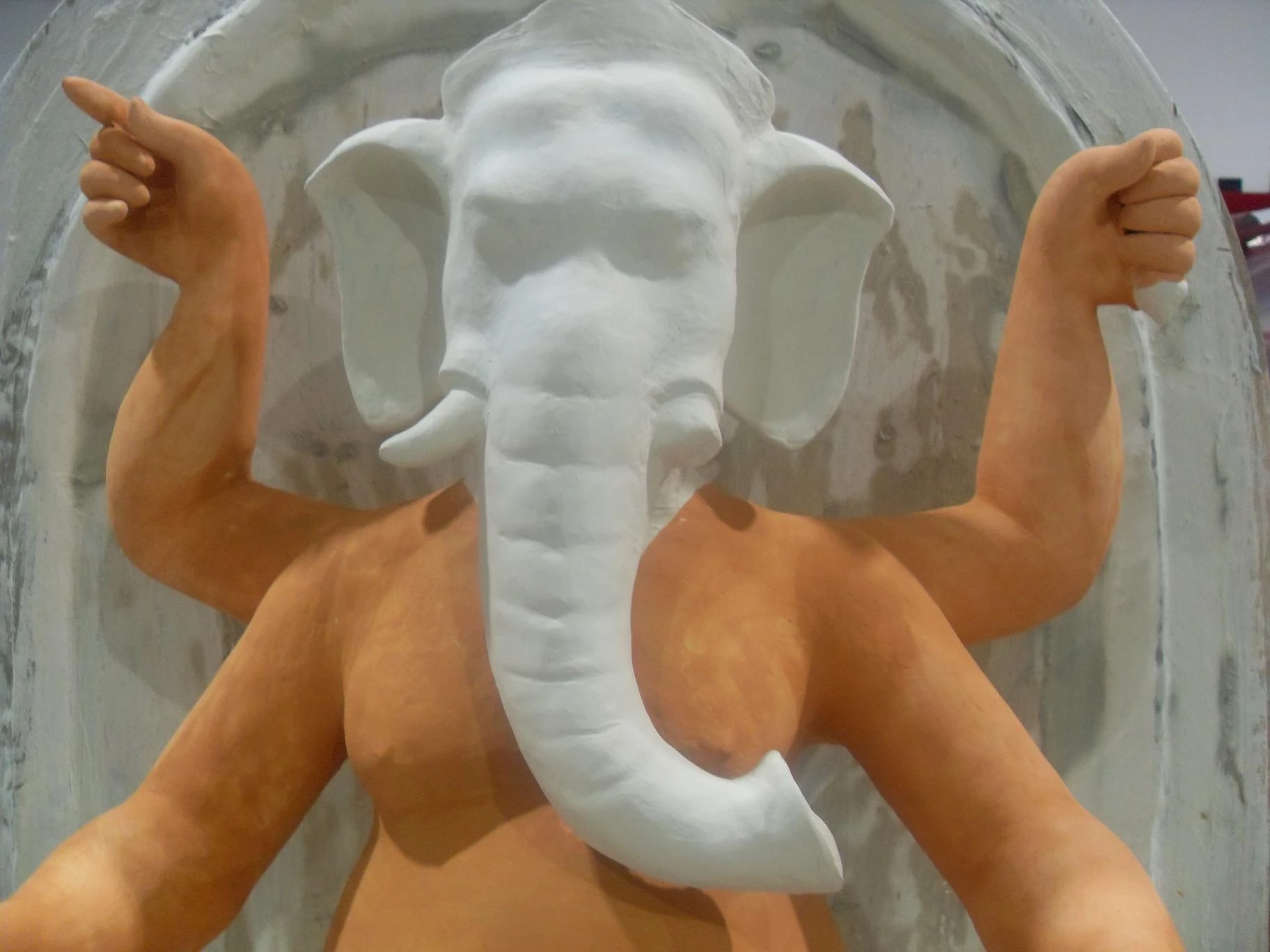
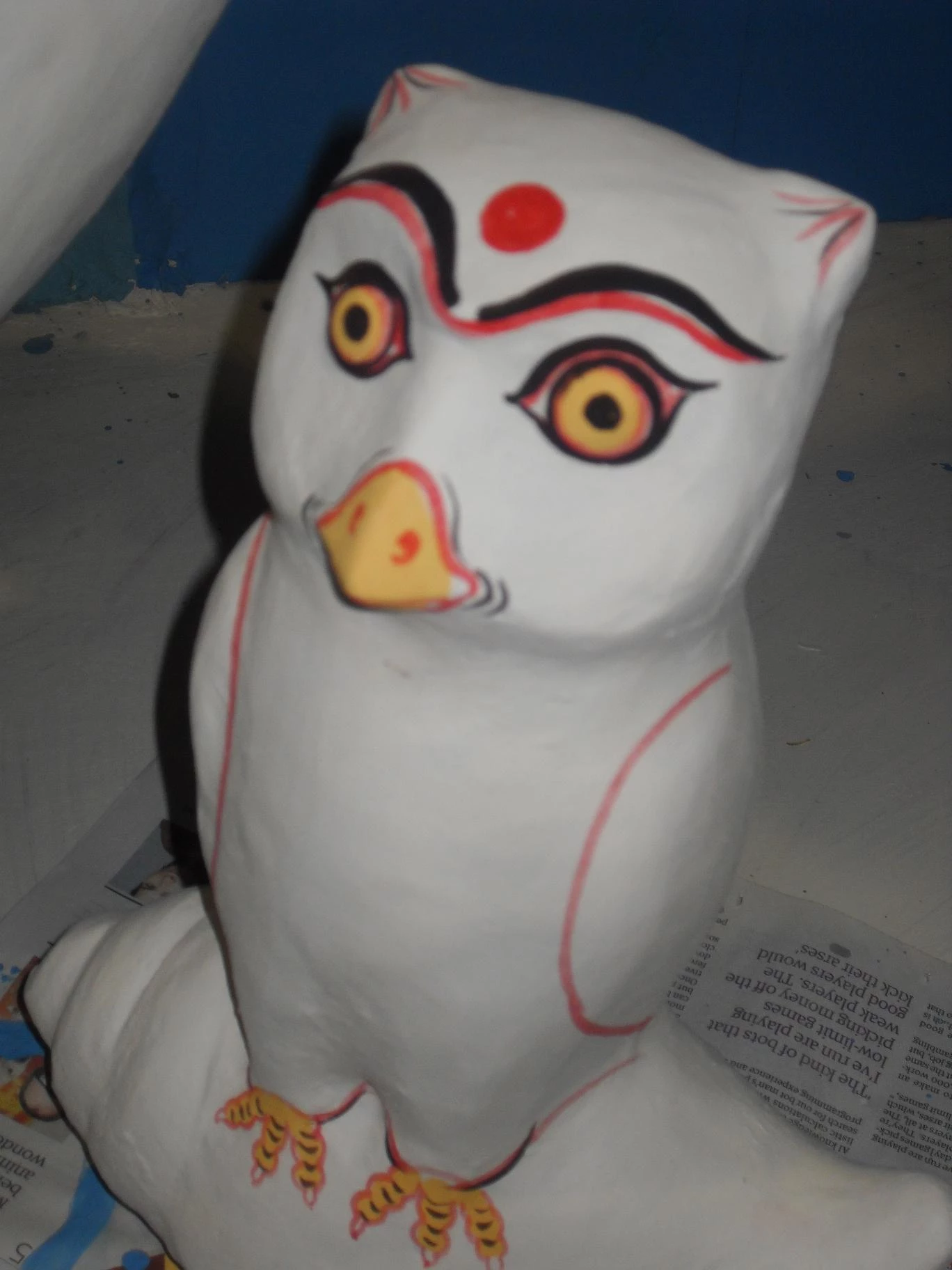
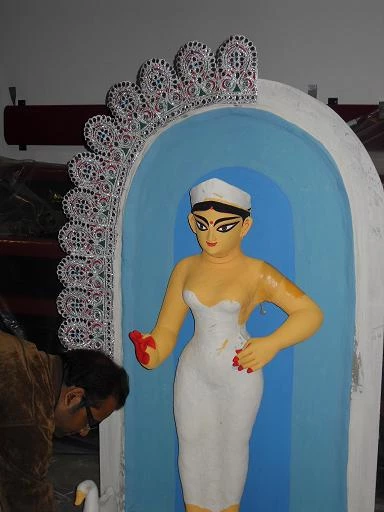
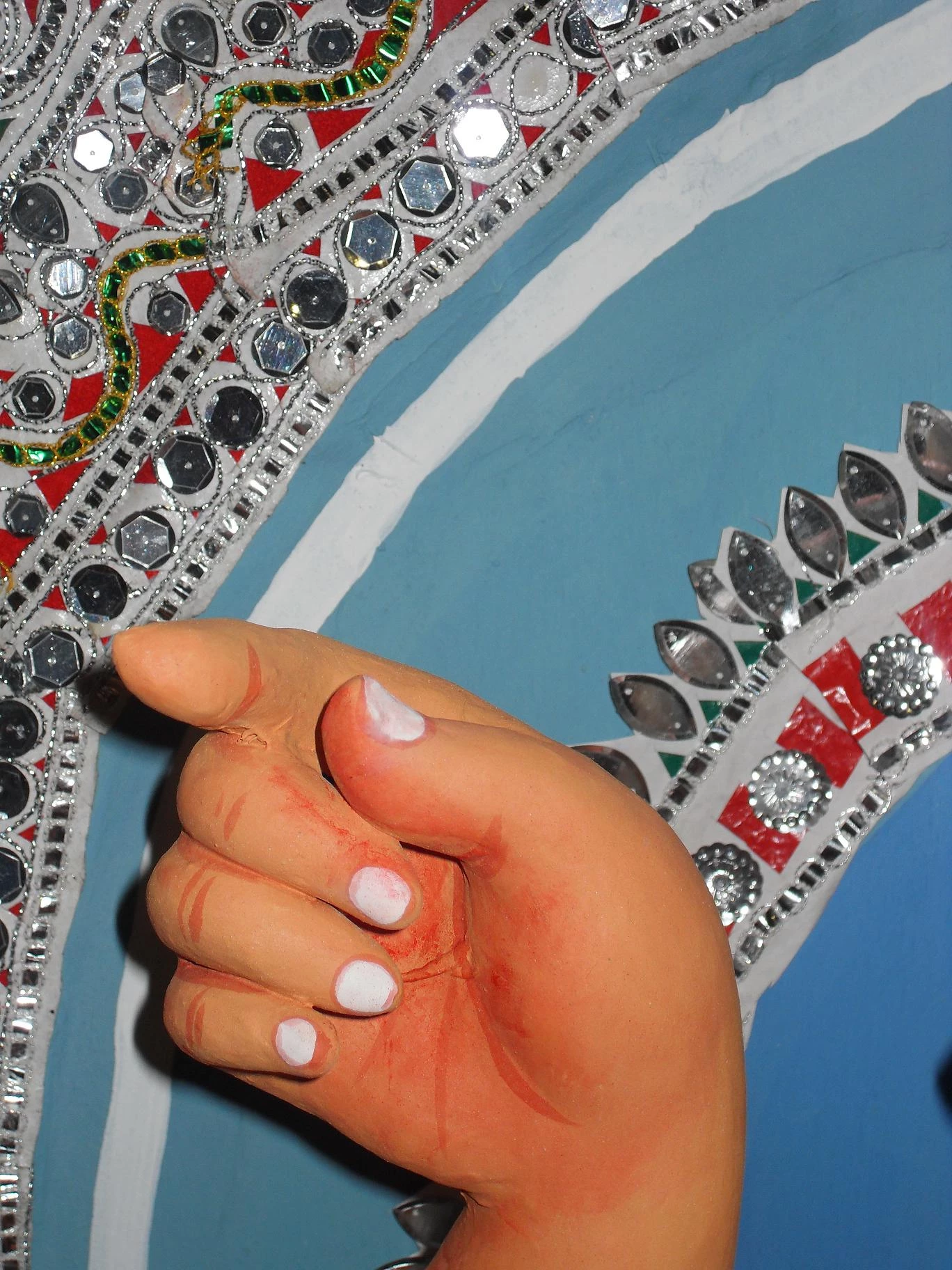
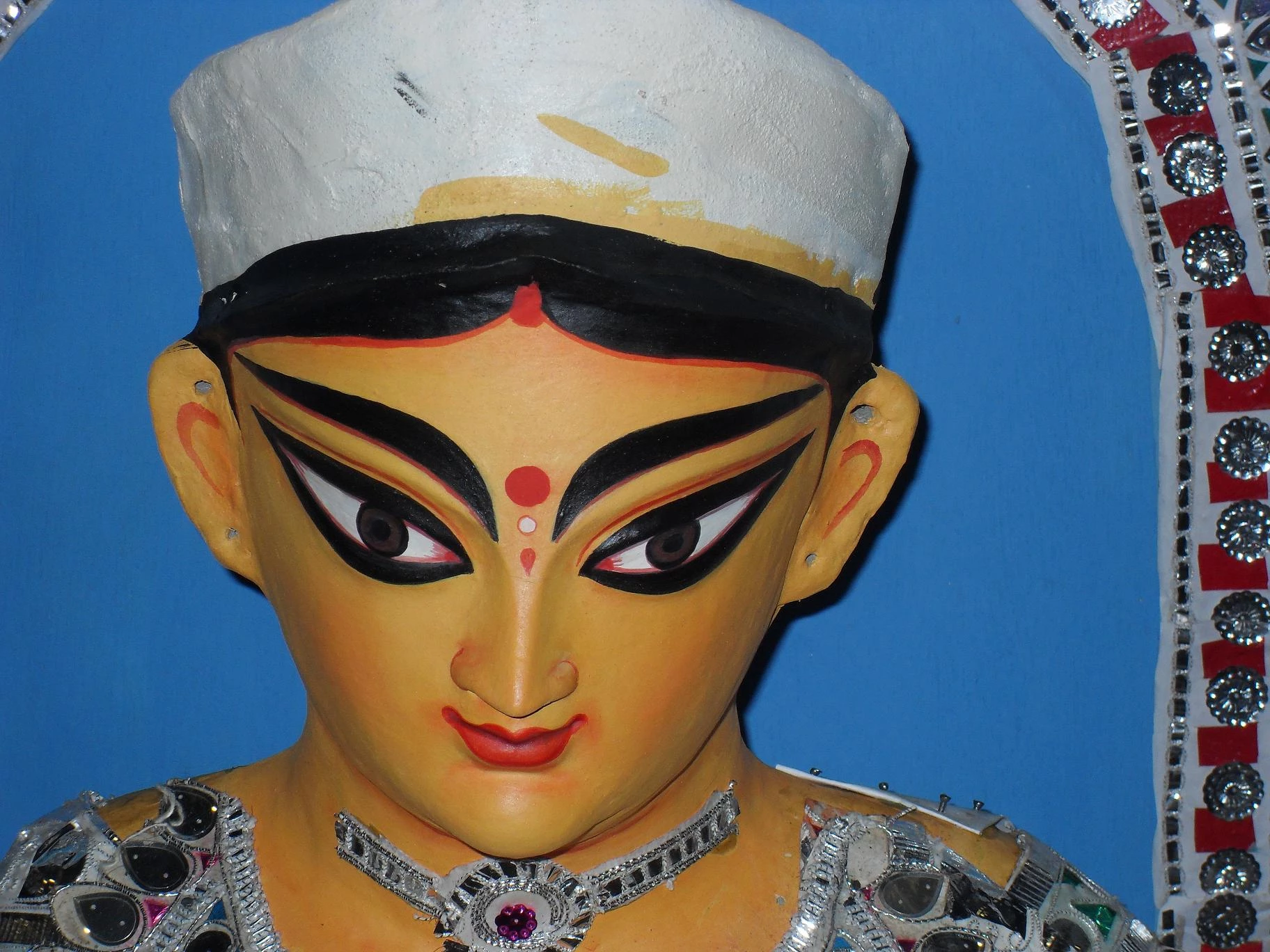
For three weeks in the spring of 2009, two artists from India created beautiful images of the Goddess Durga and her family at St Fagans National History Museum. Week by week, simple materials like clay, papier mache, hay and wood were skilfully transformed into finely detailed sculptures – all with their own symbols and meanings. They were made for the Wales Puja Committee – a Hindu group that has worshipped in Wales since the 1970s. Their existing image of the Goddess Durga was old and worn – so they needed a new one.

Durga is the invincible Mother Goddess, riding a lion into battle. Created by the Gods when evil threatened the Universe, she is ‘Shakti’ the divine power to stand against, absorb and fight dark forces. Throughout worship, known as Puja, Hindu people celebrate the defeat of evil by Durga.

She is portrayed in all her beauty displaying strength, warmth and motherly love. She stands proud on a lion slaying the demon King, Mahisasura. With her are her two sons, Ganesh and Kartikeya and her two daughters Lakshmi and Saraswati.

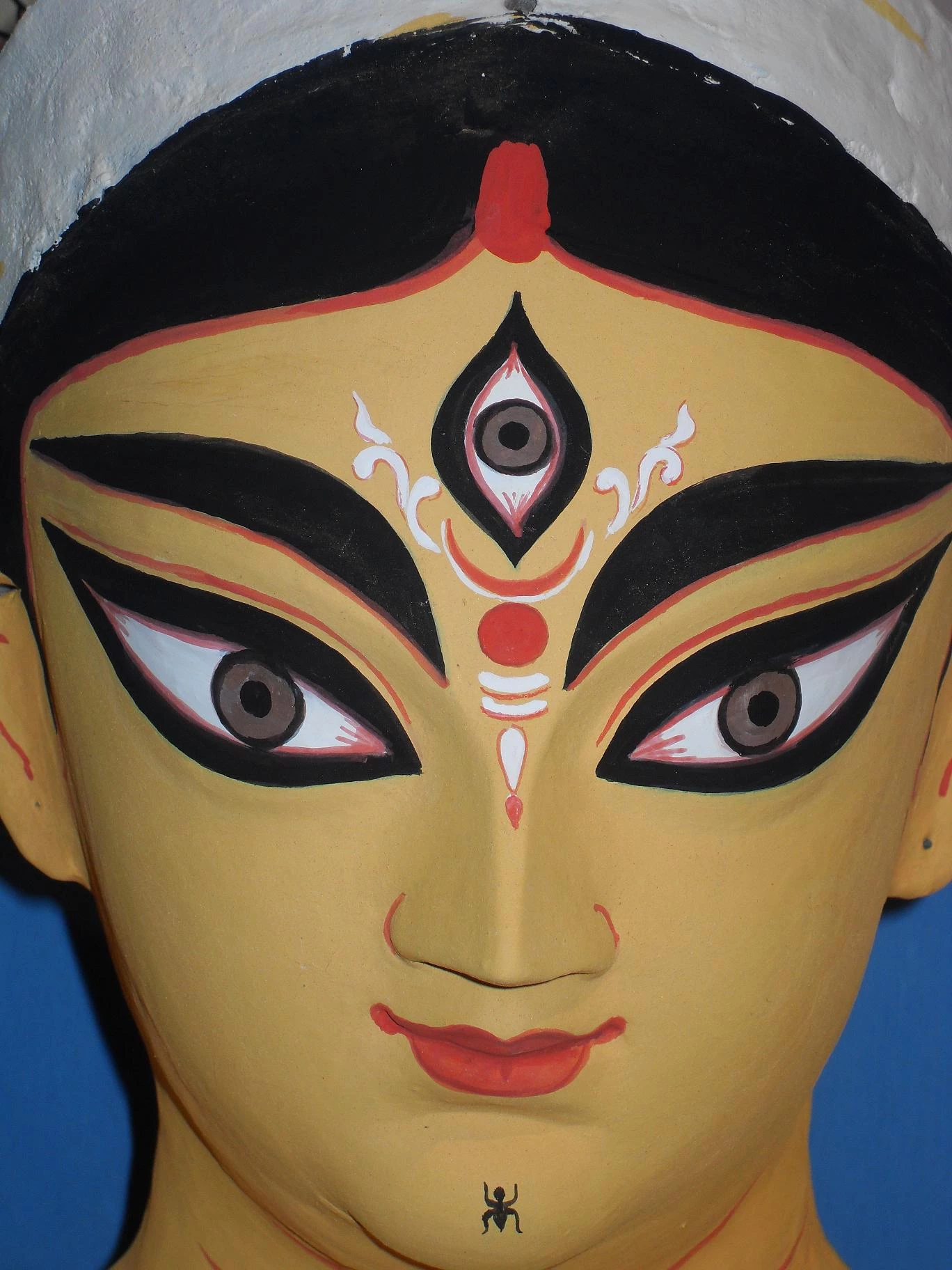
The two award winning artists - Purnendu and Dubyendu Dey – were from Kolkata, India. Throughout the process of creation certain religious rites were followed. The most important of these is known as Chakkshu Daan - the Painting of the Eyes. Purnendu carefully brought Durga to life by painting her eyes. From this point on the image of the Goddess is worshipped as though she has all the powers given to her by the Gods.

The Pujas begin on the sixth day of Navaratri, the nine nights of rites to the Goddess Durga, with the welcoming of the Goddess and her family. Mantras are chanted in Sanskrit and offerings made to seek the Goddess’ blessings to fight evil.

After nine days the final day known as Dushera arrives, this is the day to say goodbye to the Mother Goddess and her family. In India, they are placed into the waters of the river Ganges, with hopes of welcoming her back next year. In Wales, they are stored carefully ready for next year.

Art Cart

The art cart starts this Saturday in Oriel 1, St Fagans:National History Museum from 11 until 1 and 2 until 4. We will be creating art works inspired by the new exhibtion Pop Peth Music & Me and making collages based on the Goddess Durga.

When you are enjoying a break in Bardi's Cafe or the Resturant, why not draw or colour in a picture? The pictures below show the kind of activities available for your enjoyment!


The magic flute

Festival of British Archaeology 2009

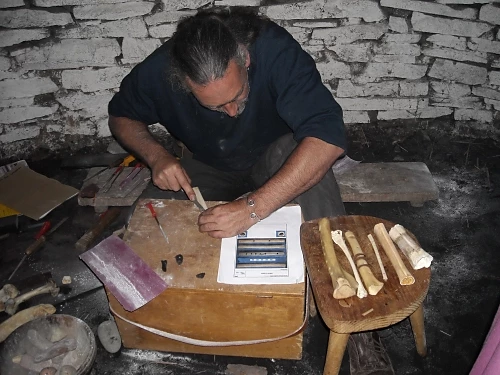
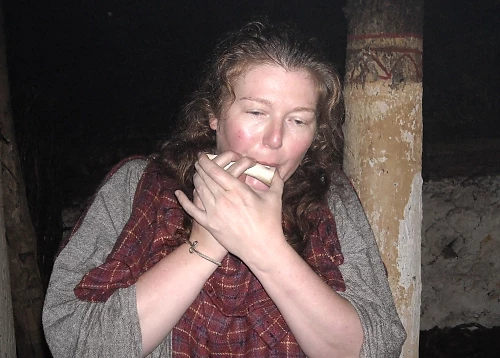
A few photos from last weekend's "Magic flute" event in which Gareth Riseborough tried to make replicas of a medieval and a possible Neolithic flute.

He was successful in both projects. The medieval flute plays very well and looks fantastic. The Neolithic whistle looks the piece, but is very difficult to play - no fault of Gareth's there, the reason he was trying to replicate the original was to see whether it was actually a whistle, or whether it might have been simply a dog-chewed bone.

Sally conjuring colours

Festival of British Archaeology 2009

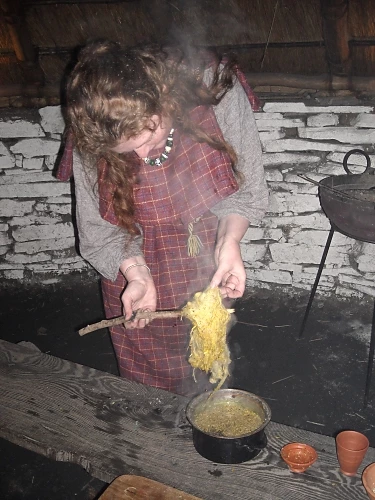
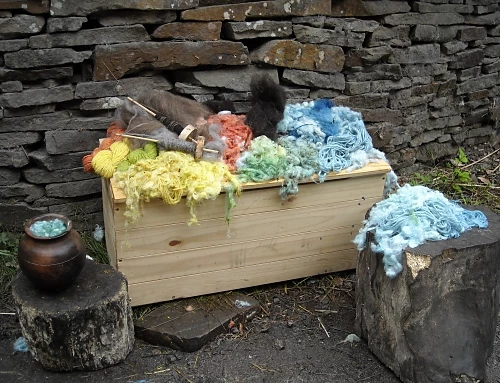
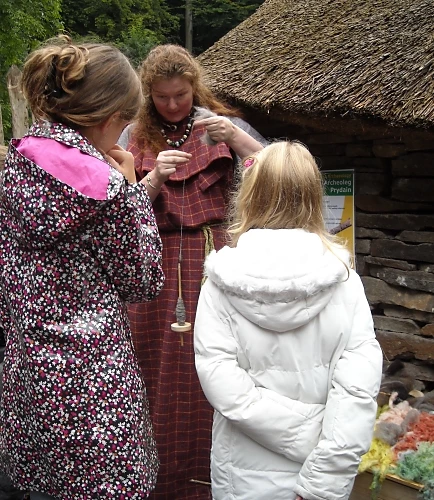
More photos from finished events... This time Sally demonstrating dyeing with natural dyes.

The orange comes from madder, the yellow from weld, blue from woad, and green is a mix of woad and weld.