Working Abroad - Welsh Emigration: Metal Mining

Quarrying stone, Randolph, Wisconsin

Quarrying stone, Randolph, Wisconsin

Welsh people were renowned for their mining expertise. As well as coal, they were experienced at excavating gold, iron, lead and copper ores.

As frontiers opened up in developing countries, Welsh miners were often to be found at the forefront. As well as miners, Wales provided some of the most experienced mine managers and engineers in the world. Demand for their skills led to the payment of good wages.

Welsh miners were second in number only to Cornishmen in the metal mines of the western USA.

Some metal mines in India and South Africa were developed by Welsh lead miners in the late 19th century. Both countries were part of the British Empire at the time and the declining lead industries in Wales meant there were people looking for opportunities in new areas.

The widening search for copper ores lead Welsh companies to open new mines in Newfoundland, Canada and Cape Colony, South Africa.

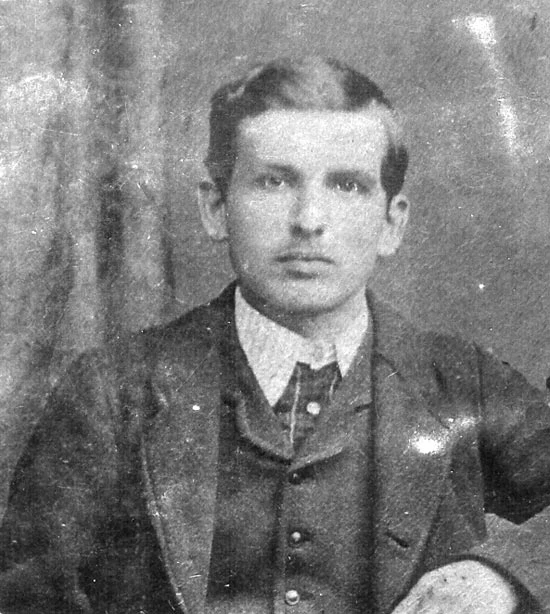
Watkin Cynlais Price

Price was born in Cwmllynfell around 1839. He emigrated first to Scranton, Pennsylvania as a coal miner but by 1860 he had moved to California and then British Columbia in the gold rush. He was a regular prize winner in goldfield eisteddfodau and conductor of a Welsh choir. Records show he was still seeking gold in 1887.

Working Abroad - Welsh Emigration: Radicalism

Breaker boys in Pennsylvania.

Breaker boys in Pennsylvania. Many Welsh boys in the USA began work in this way at an early age.

Welsh industrial workers came from areas that had well organised unions. They had a reputation for standing up for their rights, safe working conditions and decent pay. When they left Wales to work abroad they took that reputation – and the fight – with them.

John Owens emigrated from Clydach Vale to Ohio, USA, as a child in the 1890s. He lost a leg in an accident and occupied himself with union work. By the 1930s he was president of the United Mine Workers of America for Ohio. After World War Two he was International Secretary Treasurer of UMWA until 1970. Owens created the USA's first workers health and welfare system.

Welsh radicalism has been blamed for the troubles of the British car manufacturing industry in the late 1970s, although most of the factories were located outside Wales.

Many employees in the car factories of Oxford and Birmingham were Welsh. They had emigrated, looking for work as the traditional Welsh industries struggled in economic depression before and after World War Two.

In America this reputation for militancy prejudiced some employers against Welsh workers.

Mary Thomas (O'Neil)

Born in the Ogmore valley in 1887, Thomas went to the USA in 1913 with her two children, searching for her miner husband who had abandoned her. Involved in the 'Ludlow Massacre' of striking miners in Colorado in 1914, she was the only woman arrested. She travelled across the country raising support for striking miners, even addressing the President.