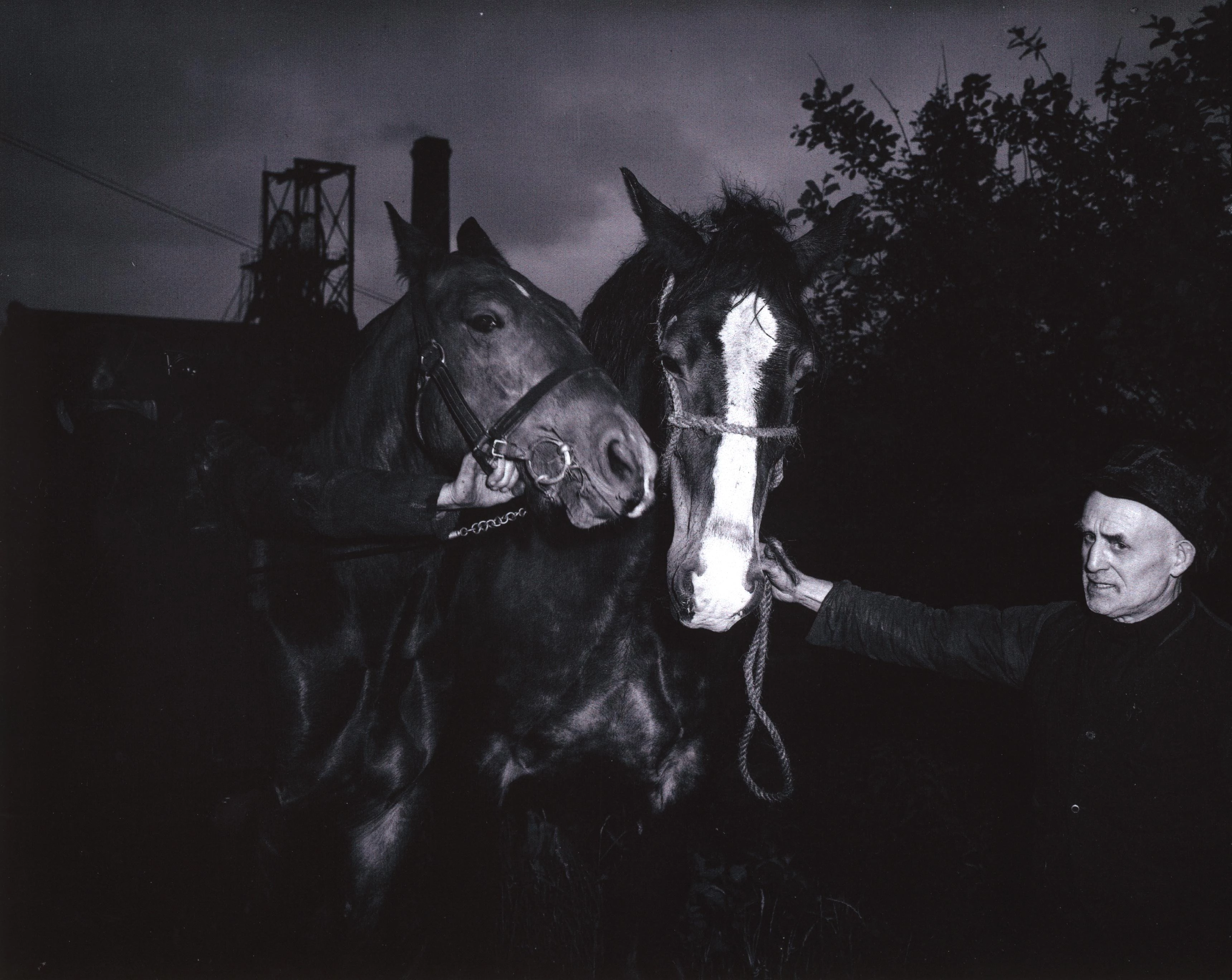
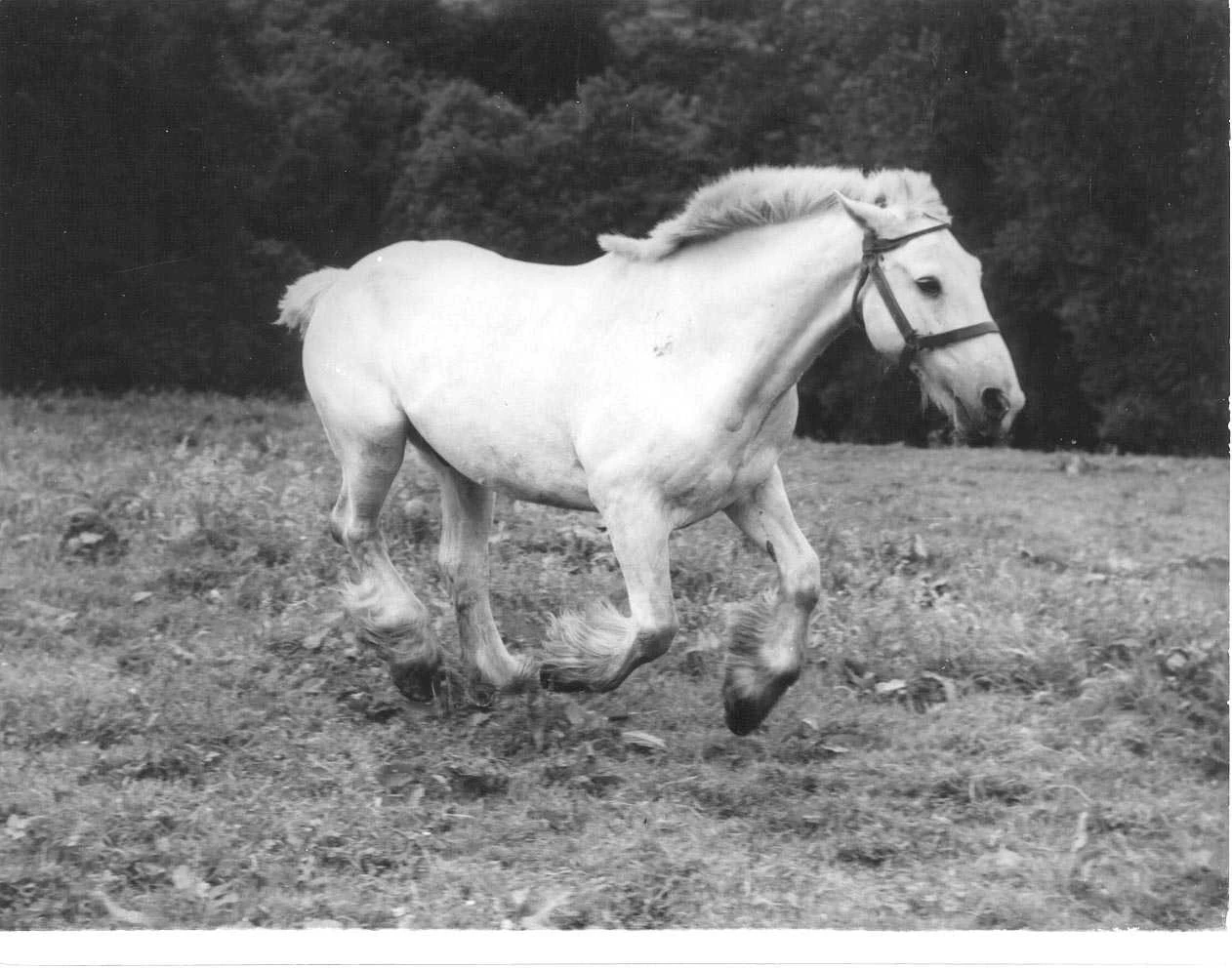
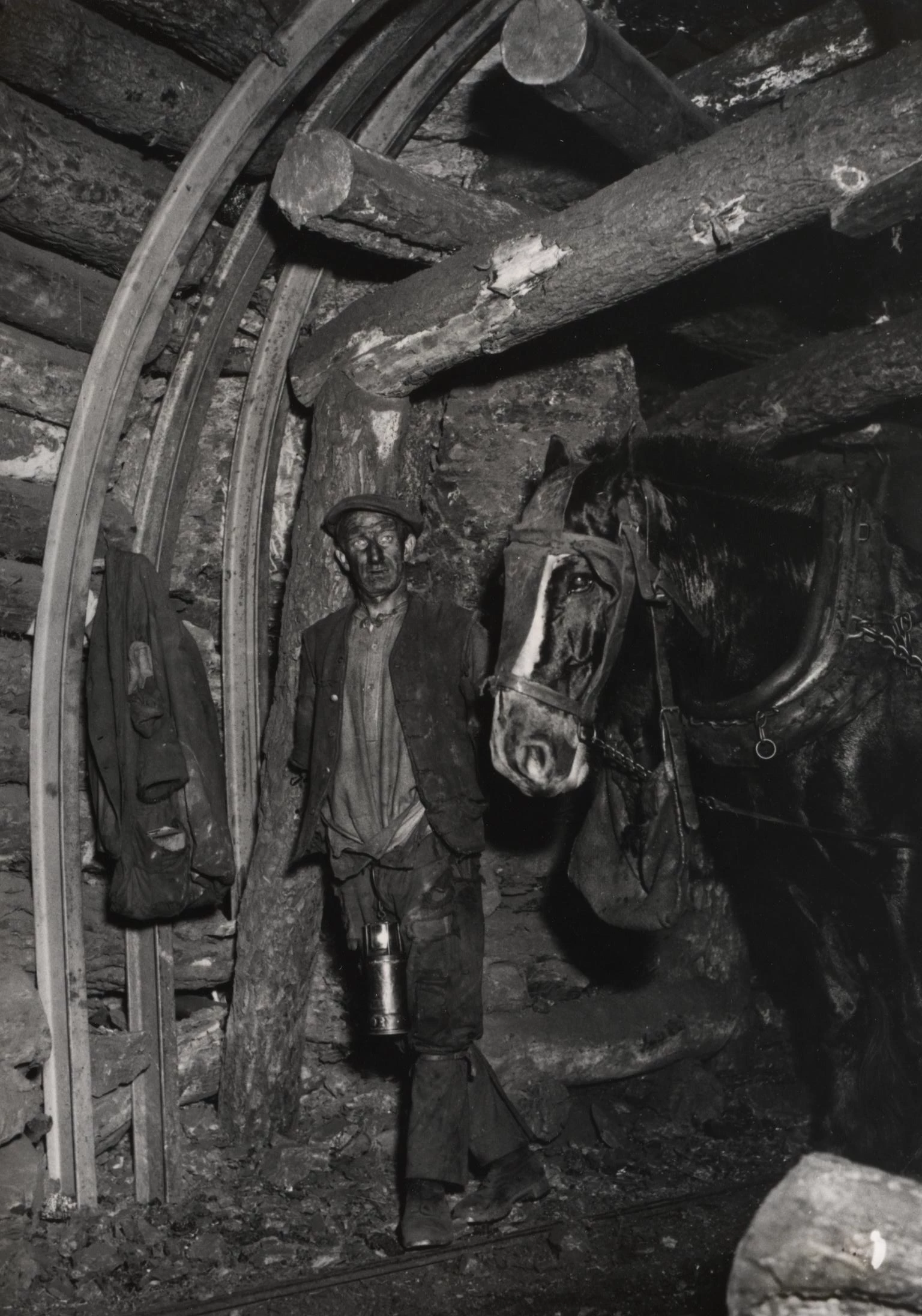
Welsh colliery horses Ceri Thompson, 6 October 2023 Horses have been closely connected with coal mining since the early days of the industry. They have been used to transport coal from the collieries to the customer, have been used to power winding and pumping engines and, most importantly to move coal from the coalface to the shaft.In 1878 the RSPCA calculated that there were over 200,000 horses at work in British mines. The numbers decreased as mechanisation became more common, but they continued to be used throughout the twentieth century. The last Welsh colliery horse was probably Robbie who retired from Pant y Gasseg Mine in 1999.Most commonly known as ‘pit ponies’ by the general public but Welsh colliery horses were usually around 15 hands high – the same size as Henry VIII’s warhorses. It is often claimed that they went blind, but a blind horse would not have been very useful underground and any animal which did lose its sight was usually brought to the surface as soon as possible.Although they were essential for the production of coal before introduction mechanised haulage, use horses in industry has often been highly controversial. The owners argued that vital economic process winning while animal lovers regarded their as inhuman.In between these opposing sides were the mineworkers, who may have felt sympathy for these animals. However, they could turn a blind eye to any callousness, or even be cruel themselves, if their pay packets were under threat.Welsh colliery horses were usually around 15 hands high and males, mostly geldings but some stallions were kept. The majority were of the Welsh Cob type but larger horses such as Shires and imported Belgian horses were also kept, especially on the surface or in main haulage roads. When stocks of horses were low, they could be obtained from as far away as America and Russia. Smaller ponies, around 13 hands, were sometimes used for light haulage duties.They had to be at least 4 years old before being accepted into colliery work. In 1893, the average life expectancy of a horse was between eight and nine years, with around 6% killed in accidents. By 1950s this risen ten fifteen although there were some on ‘light jobs’ still employment over twenty age.By the 1930s, most horses worked between forty-five and sixty hours a week. After 1949 the maximum working hours were to be not more than forty-eight hours, and no more than seven shifts, per week. They were also entitled to the same twenty-minute break as the men.In 1938, colliers were entitled to an annual week’s paid holiday and the horses were usually allowed above ground as well. By 1948 both the colliers and horses got a two-week annual holiday.By 1878, the RSPCA estimated that there were around 200,000 horses working in British mines. By 1913 this had decreased to 70,000, because of improved mechanical haulage methods. In 1930 it was reported that 25 Welsh collieries had no horses at all. In 1947 there were some 8,000 Welsh colliery horses, by 1967 there were only 417. By the 1980s National Coal Board horses were being retired but, in smaller, ‘private mines’ horses were in use for a few years to come.The last Welsh colliery horses, ‘Gremlin’ and ‘Robbie’ retired from Pant y Gasseg (‘Horses’ Hollow’) Mine, Pontypool, in 1999. They were sent to a RSPCA rest home in Milton Keynes, but Robbie found that boring and was loaned to the National Coal Mining Museum for England in Wakefield where he pulled light tubs of visitors around the site. Robbie died on the 27th April 2009, probably the last working Welsh colliery horse.For many visitors to Big Pit, the most memorable parts are the underground and surface stables, still bearing the names of the horses that worked there. By the start of the 20th century, there were around 300 horses working in Blaenafon coal mines with 72 working in Big Pit alone.The last underground horse at Big Pit was brought up in 1972, but two horses continued to work on the surface until 1974.Whether he was a ‘willing pet’ or ‘wretched pit pony’ the colliery horse shared the same conditions and dangers as the coalminer. They died in their hundreds from mistreatment, accident and explosion. We owe them a great deal, including the success of the industrial revolution.
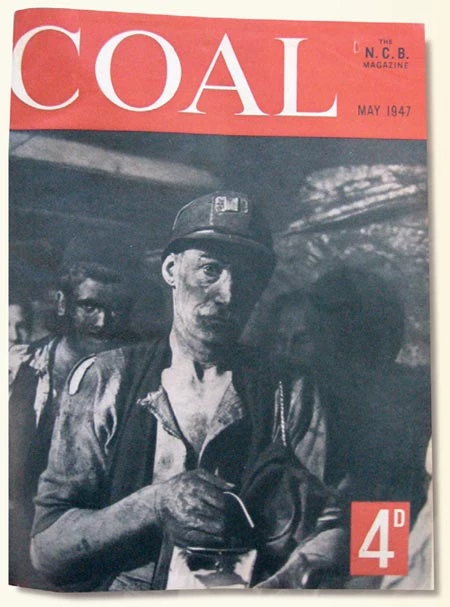
Glo - people's history online 2 September 2014 COAL magazine, produced by the National Coal Board from May 1947. It later became COAL NEWS. All issues of the magazine Glo are now available on this site.The style of Glo is based on the photojournalistic magazine Picture Post and compliments the excellent St Fagans publication Homefront, which commemorated Welsh life during the Second World War.Glo is also similar in appearance to COAL, the National Coal Board's magazine, first published in 1947.Glo can best be described as a 'people's history' magazine; people are asked to contribute their own views, images and experiences of a particular topic.A selection of stories and images from the magazines are also available on Rhagor as individual articles, each linking to the relevant issue of Glo.Issues are available to download below. Bevin Boys [PDF 5MB] 'Bevin Boys': Conscription into the mines during the Second World War Glo: 'N C bloody B' [PDF 7 MB] 'NC-Bloody-B' The nationalization of the coal industry All Poles [PDF 2MB] 'All Poles?' Foreign workers in the Welsh coal fields The Miners Strike of 1984 [PDF 2.6 MB] 'Strike!' The 1984/5 Miners' Strike Minreworkers [PDF 4.8 MB] Mineworkers The forgotten coalfield? [PDF 2MB] North Wales: The Forgotten Coalfield? A Cog in the Wheel [PDF 2.4MB] A Cog in the Wheel Big Pit [PDF 5.4MB] Big Pit When Dai Became Tommy [PDF 5MB] When Dai became Tommy Glo issue 10: Cambrian Voices [PDF 2.2MB] Cambrian Voices Laughter and Tears [PDF 7.1MB] Laughter and Tears
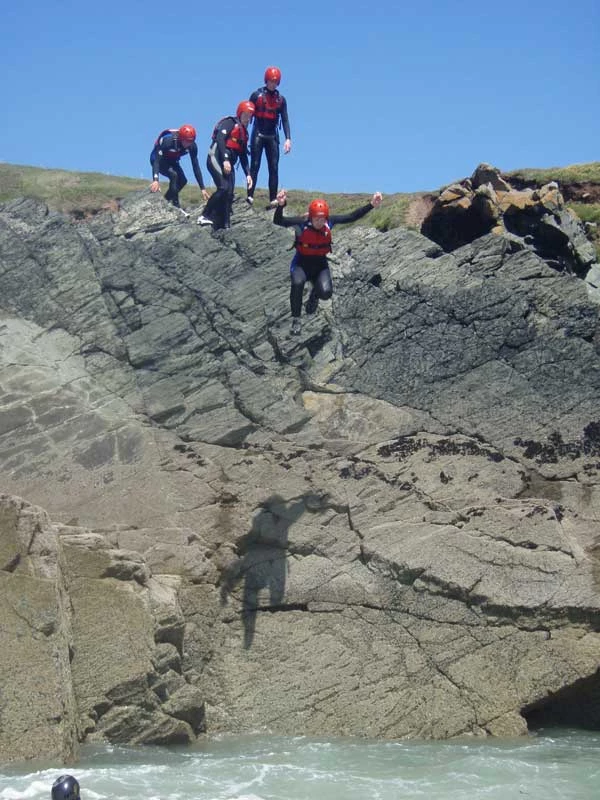
Wales – a modern maritime nation? David Jenkins, 26 September 2013 A Welsh tramp steamer loading Welsh coal at a Welsh port - The Cardiff-owned Radnor at Barry Docks in 1925 Wales has a long and often spectacular coastline, over 850 miles in length, and nowhere in the country is more than some forty miles from the sea. This proximity to the sea has given rise to lengthy periods in our history when the Welsh were enthusiastic seafarers - but this was not always the case...Celtic highwaysTravel by sea was important in pre-history, especially for the Celtic saints. Archaeology is revealing the degree to which they considered the sea to be a highway, not a barrier, and common dedications to the same saints in Wales, Ireland, Cornwall and Brittany bear testimony to their maritime missionary wanderings.The domination of the seas around Wales by the Vikings led to a sharp decline in maritime activity, and the Welsh would remain reluctant seafarers until the 18th century when the Industrial Revolution led to an upsurge in maritime activity once more. The various heavy Welsh minerals for which there was a demand were most economically transported by sea, by ships built in Wales and manned by Welshmen.Welsh steam coal - a premium world fuelOf all the minerals extracted in Wales, none was more significant than coal. A premium world fuel with a status comparable to that of oil today, it was the foundation of the Welsh economy from the 1850s well into the twentieth century. Burning south Wales steam coal, ships were no longer dependent on the wind and could reach their destinations sooner and with predictable reliability, transforming many aspects of everyday life.The demand for Welsh steam coal slumped from the 1920s onwards, and by 1957, oil had overtaken coal as the world's premier source of energy. The decline of Wales' heavy industries also had a profound 'knock-on' effect on Welsh maritime activity, with docks closing and very few Welshmen going to sea. Today, Wales is a net importer of energy - unimaginable a century ago!The tourist industryThousands of people interact with the sea in post-industrial Wales, but today they go to sea for pleasure, not for profit. Sailing, surfing, fishing, coasteering and similar leisure activities - these are the maritime activities of modern Wales. Tourism is today Wales's biggest industry and its stunning coastline plays a vital role in attracting visitors to the country.
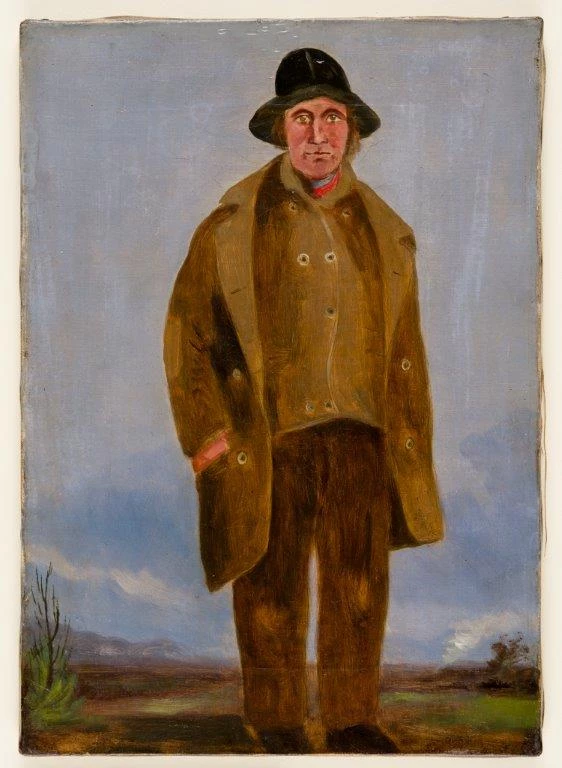
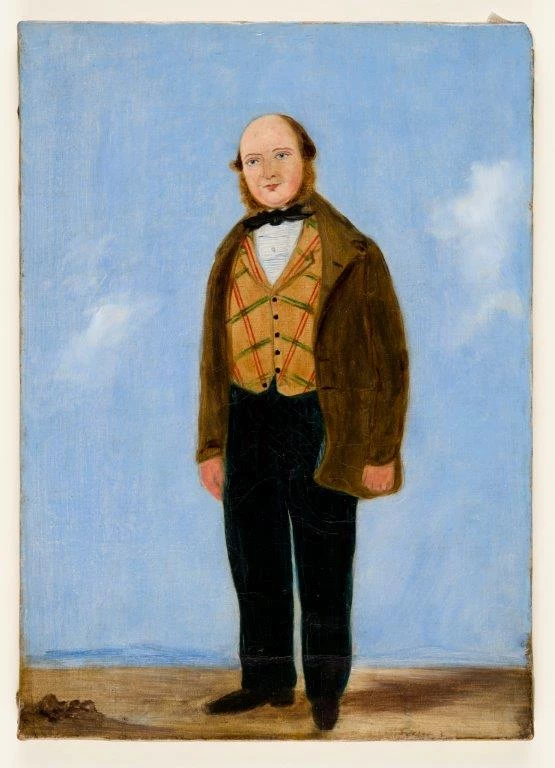
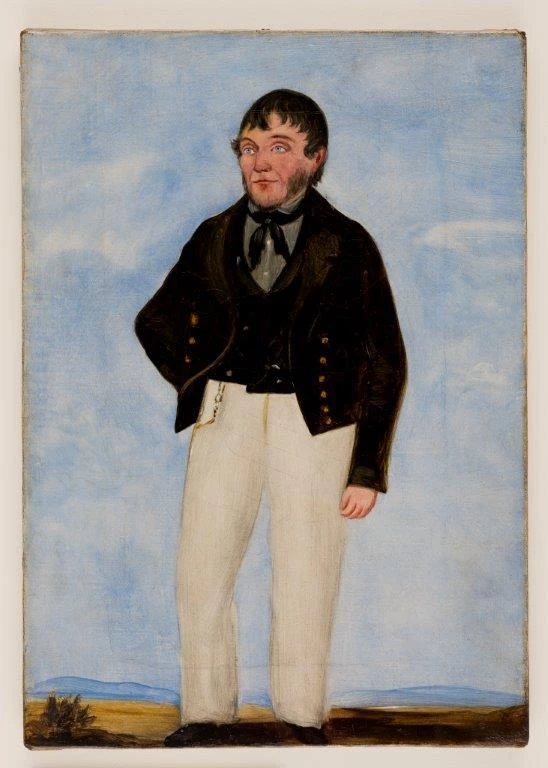
Francis Crawshay's Workers 26 July 2013 The sixteen men in these little portraits all worked for Francis Crawshay (1811-1878), a reluctant industrialist, who maintained unusually close personal relationships with his employees. In the mid-1830s, Francis was in charge of the Hirwaun Ironworks, acquired by his father, the great ironmaster William Crawshay II, in 1819, and of the family’s recently enlarged tinplate works at Treforest, near Pontypridd. The group includes both skilled and unskilled workers as well as managers, and all are depicted as standing figures in a landscape, in working clothes and with the tools of their trade. Although the wealthy sometimes commissioned portraits of their domestic servants, no other such images of industrial workers are known. The pictures are believed to be by William Jones Chapman (c.1808-after 1871), a travelling portrait and sporting painter who worked mostly in Wales and the border counties. The group passed by descent in the Crawshay family, and may originally have been even larger. Attributed to William Jones Chapman (c.1808-after 1871), sixteen portraits of employees of Francis Crawshay (1811-1878) at the Hirwaun Iron Works and the Treforest Tinplate works, about 1835-40. Given by Miss Sylvia Crawshay, 2012 Francis Crawshay's Workers William James, Roller, Forest Unknown Man Thos. Francis, Quarryman, Forest Thos Euston, Lodge Keeper, Hirwaun Thomas Kirkhouse, Hirwaun Rees Davies, Mechanic, Hirwaun Llewellyn Jenkins, Foreman Carpenter, Hirwaun John Richards (John Cwmbran) John Llewellyn, Foreman Smith, Forest John Davies, Tin Mills Manager John Bryant, Mine Agent, Hirwaun Evan Bryant, Agent, Hirwaun David Williams, Carpenter, Forest David Lewis, Storekeeper, Hirwaun David Davies, Fineries, Hirwaun David Davies, Cinder Filler, Hirwaun
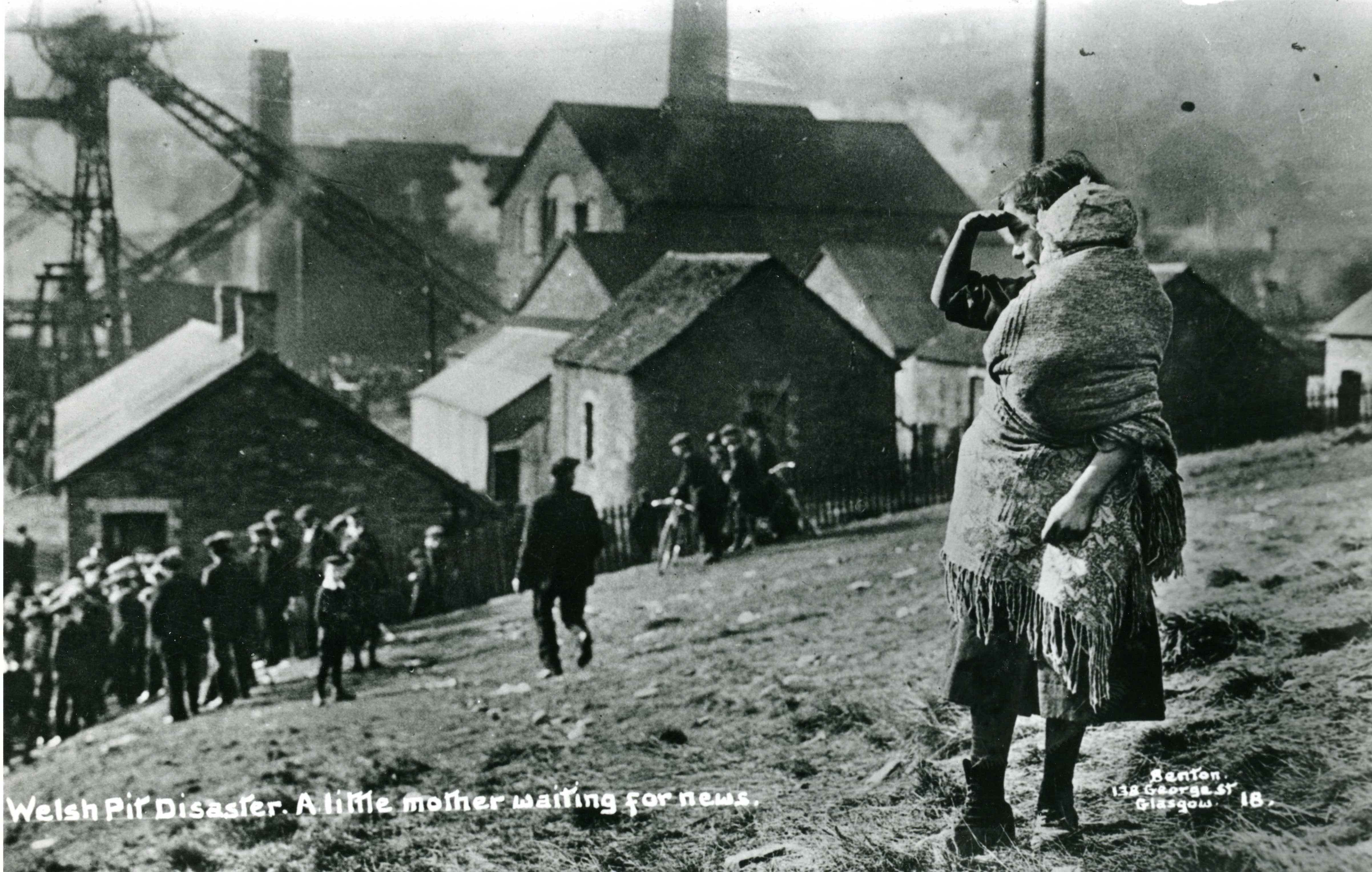
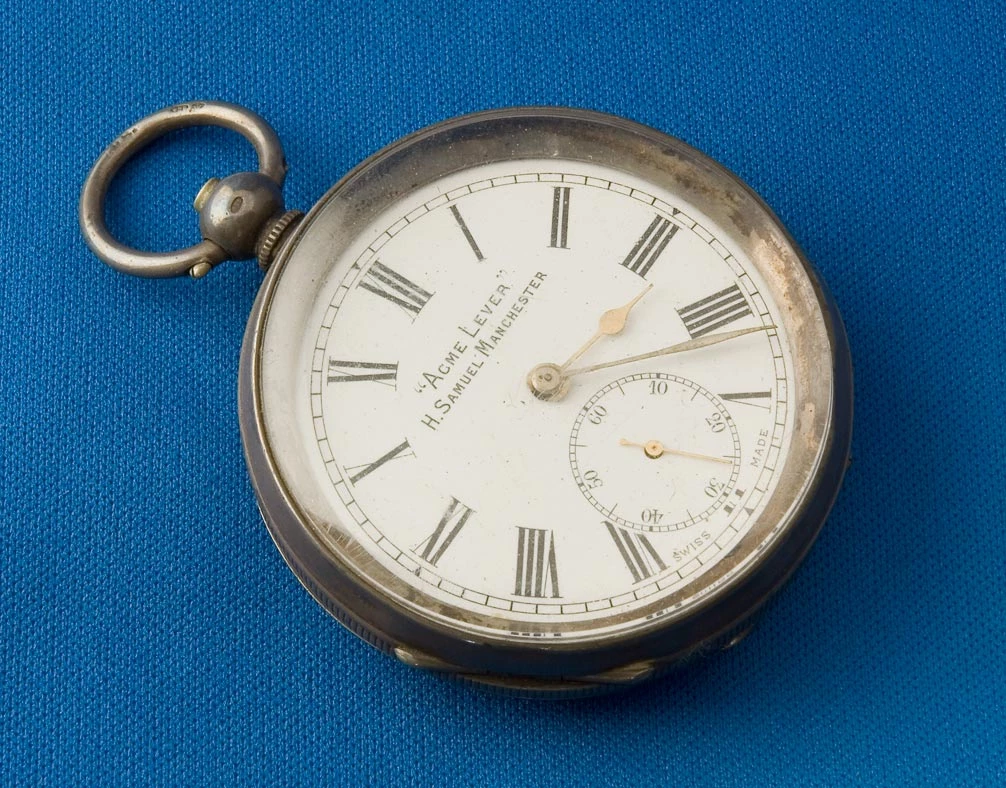
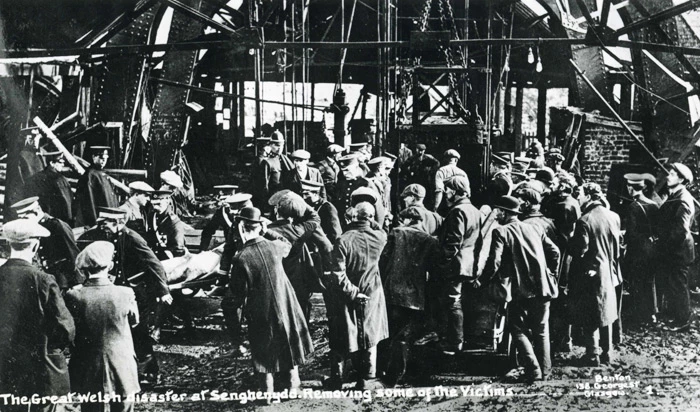
‘Miners’ lives at 5½p each’: The Government Enquiry into the 1913 Senghenydd mine disaster 6 July 2012 A young mother and baby wait for news This watch was found on a body following the Senghenydd mine disaster on 14th October 1913 and was used to identify the deceased. The final death toll from the disaster reached 440 men. Some of the bodies were never recovered. It was the worst mining disaster in the history of the British coalfields. Bodies of the victims being recovered from the mine The final death toll from the Senghenydd mine disaster on 14 October 1913 was 439 men. Some of the bodies were never recovered. It was the worst mining disaster in the history of the British coalfields.At ten minutes past eight on the morning of 14 October 1913 the 950 men on the day shift at the Universal Colliery, Senghenydd had just began work when a huge explosion ripped through the workings.The blast was so powerful that it sent the two-ton cage shooting up the Lancaster Shaft into the headgear.The men working on the east side of the underground workings were all safely brought to the surface, but the west side was a raging inferno from which only a few escaped.By 20 October the death toll had reached 440, including one rescue worker.The subsequent inquiry could not determine the origin of the explosion although it was agreed that methane gas ('firedamp') was involved. However, it was apparent that there had been a number of violations of the 1911 Coal Mines Act.In May 1914 the mine manager, Edward Shaw, faced 17 charges while the colliery owners, the Lewis Merthyr Coal Company, faced 4 charges.Edward Shaw was convicted of 8 of the charges and fined £24 - leading a local newspaper to publish the headline 'Miners Lives at 5½p each'. The owners were convicted of the single charge of not fitting reversible ventilation fans and were fined £10 with £5.25 costs.Of the disaster victims, 60 were younger than 20 years old, and 8 of those were only 14 years old. The disaster left 205 widows, 542 children and 62 dependent parents.This was the second explosion at the Universal Colliery: in 1901, 81 men had died.The Universal Colliery closed in March 1928.Below is a copy of the complete Home Office enquiry on the 1913 explosion at Universal Colliery, Senghenydd. Senghenydd-Explosion-Report-opt.pdf Senghenydd Explosion Enquiry and Report to the Home Office 1913 Senghenydd-Explosion-Report-APPENDICES.pdf Senghenydd Explosion Enquiry and Report - APPENDICES