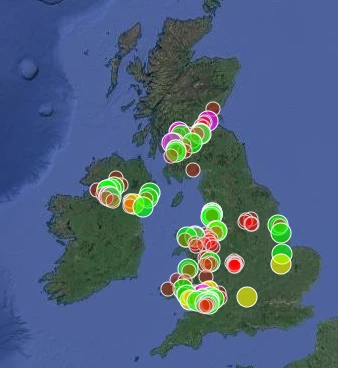
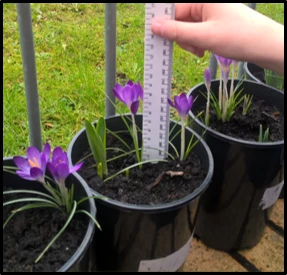
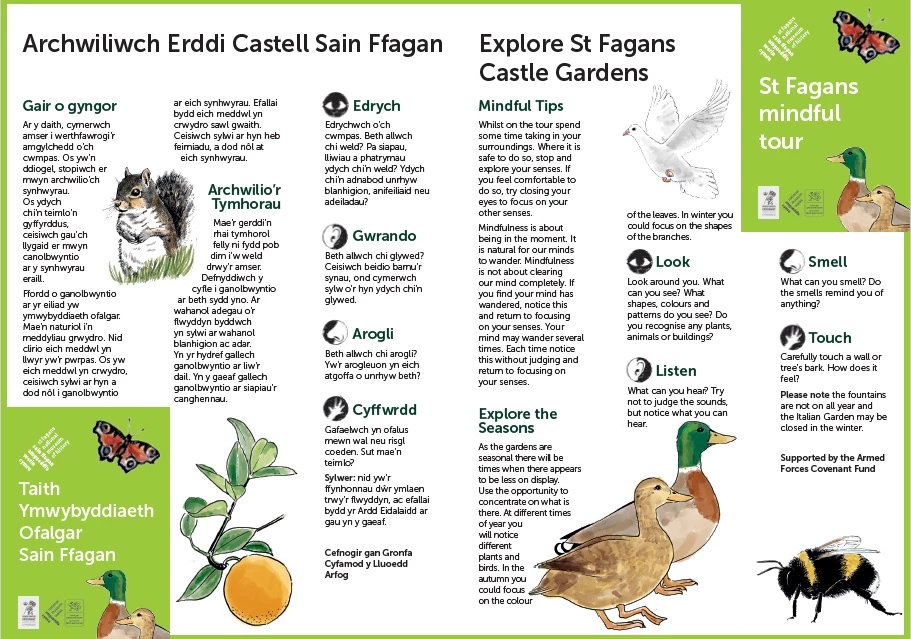
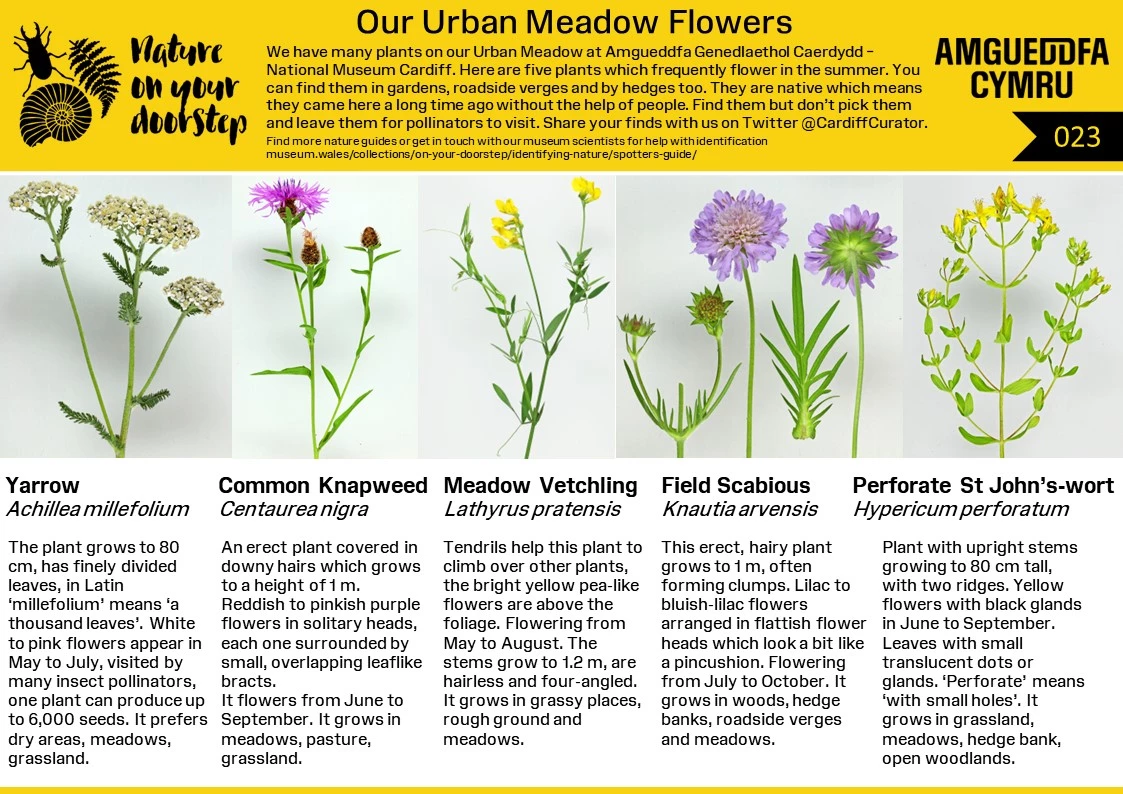
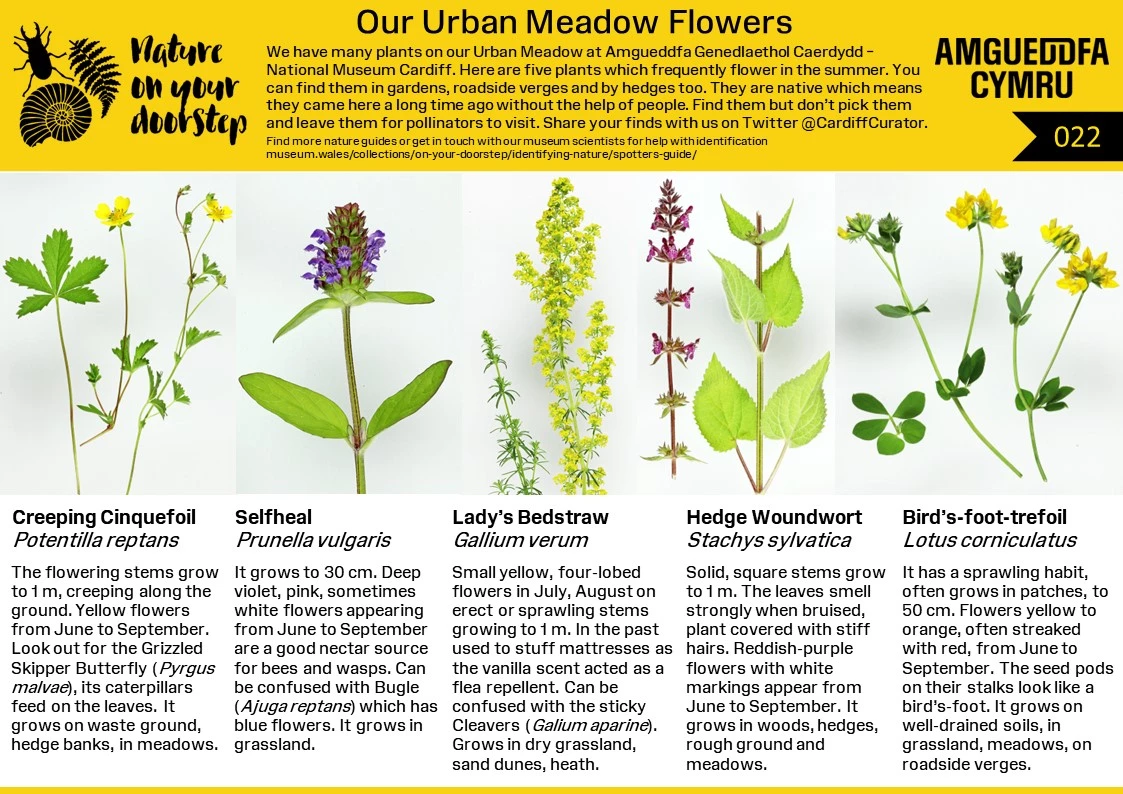
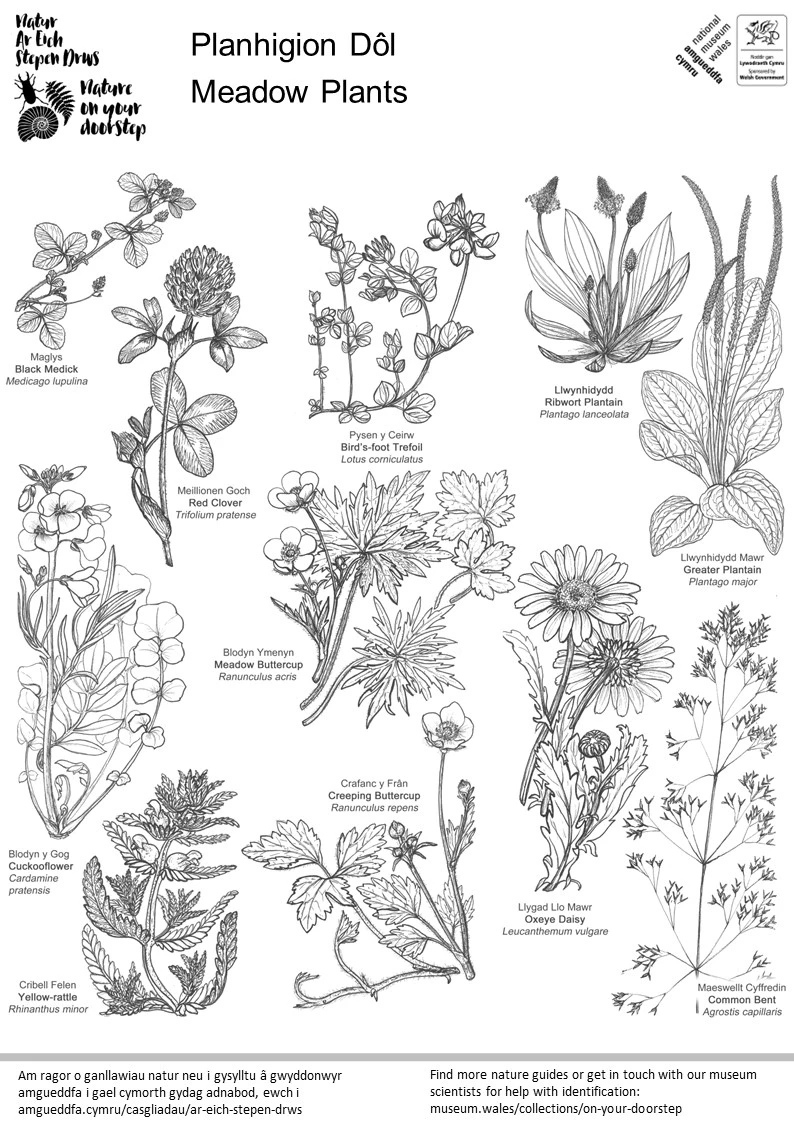
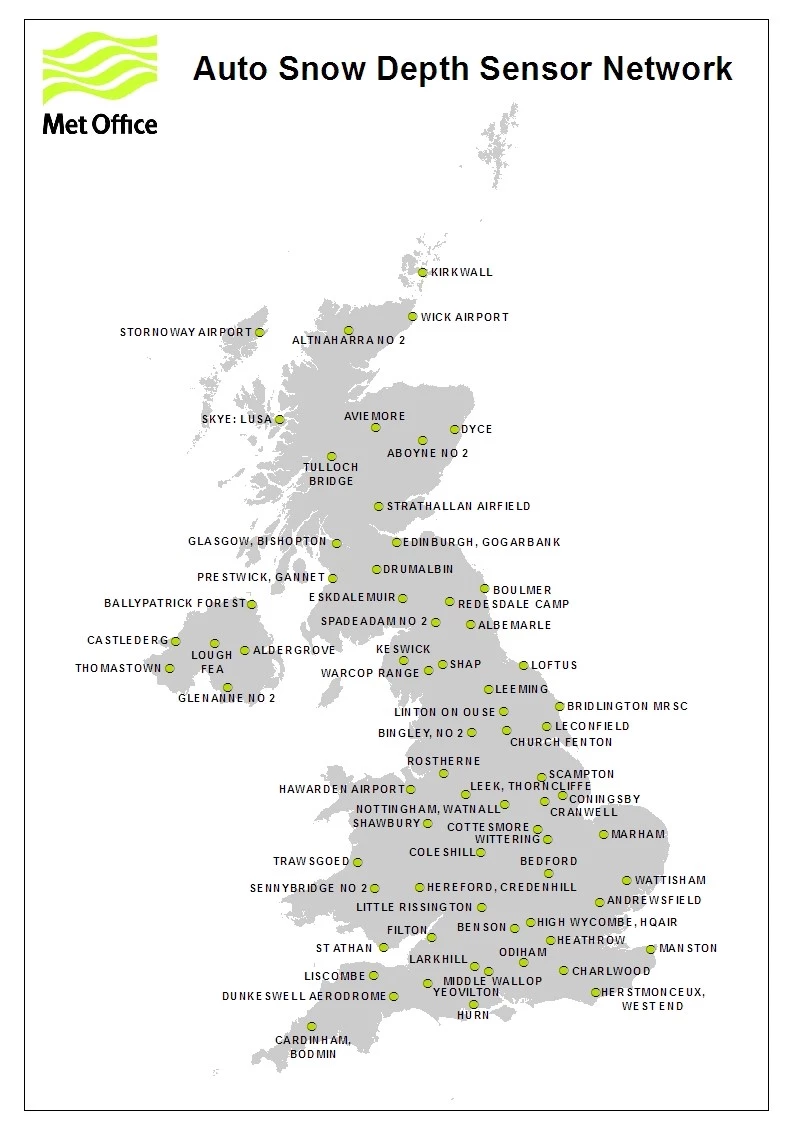
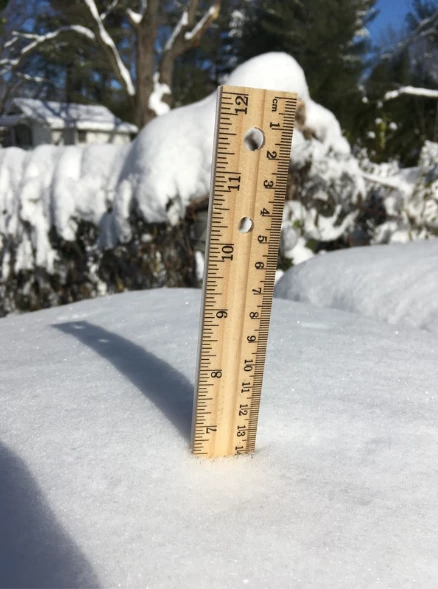
How to measure snow Penny Dacey, 8 March 2023 Hello Bulb Buddies,Thank you for the comments and observations you sent in with last week’s weather readings. I’m expecting that some of Friday’s weather comments will mention snow, as many areas across the UK will have woken up to snow and ice this morning. I thought this might be a good time to look at how Meteorologists (weather scientists) measure snow. It is a lot trickier to measure the amount of snow that falls than it is to measure the amount of rain. This is because snow misbehaves! Snow is often blown by the wind into drifts, which causes some areas of deep snow and less snow in the areas around it. Because the snow fall is uneven the measurements from these places will be wrong. This is why we have to measure snow on flat surfaces, in the open and away from areas where drifts happen. Snow also likes to play games with Meteorologists who want to measure it, it melts into water and re-freezes into ice. This means that the snow measured on the ground isn’t always the same as the amount of snow that has fallen. Another problem is that new snow settles on old snow, so it is difficult to tell how much snow has fallen in one day from the snow that fell the day before.Meteorologists have to take all these tricks the snow plays, and work around them to discover how much snow has fallen. They look at snow fall (the amount of snow that falls in one day) and snow depth (how deep the total snow level is, old snow and new snow). One way that Meteorologists measure snow fall is to use a piece of ply wood. They place the wood in an open location away from areas where snow drifts occur, and measure the snow on the board at 6hr intervals, clearing the snow from the board each time they measure it. This means they are only measuring the snow from that day, which will tell them how much snow has fallen on that day in that area.Snow fall can also be measured in its melted state, as water. This means that you can use your rain gauge to measure the water equivalent of snow fall. If you only get a bit of snow then it should melt in your rain gauge anyway. But if you get a lot of snow, take your rain gauge inside to the warm and wait for the snow to melt into water. Then measure the water in the same way as you have done each week and report this as rain fall in your weather logs. If you have snow and enough time for an extra experiment – why not have a go at measuring snow depth? To do this all you need is a ruler (also known as a snow stick!). Place the snow stick into the snow until it touches the surface underneath and read the depth of the snow. Take these measurements from flat surfaces (benches work well) in open areas and away from snow drifts. You need to take at least three separate measurements to work out the average snow depth in your area. You work out the average measurement by adding the different readings together and dividing them by the number of measurements. So, if I measured the snow depth of three surfaces at 7cm, 9cm and 6cm, I would add these together (7+9+6 =22) and divide that by three, because there are three readings (22÷3=7.33). So, 7.33cm would be my average reading for snow depth on that date. Weather stations such as the MET Office have come up with new ways of measuring snow depth, using new technologies. The picture on the right shows one of the MET Offices snow stations. These use laser sensors to measure how deep the snow is on the flat surface placed below it. This means that Meteorologists can collect readings from all over the country at the push of a button, which is far more reliable and a lot easier than sending people out into the cold with snow sticks! The map on the right shows how many snow stations the MET office has and where these are, is there one close to you? If you have snow and measure the snow fall with your rain gauge or the snow depth with a snow stick, then please tell me in the ‘comments’ section when you are logging your weekly records. I would be very interested to know what the snow depth is compared to the snow fall collected in your rain gauge.Keep up the good work Bulb Buddies, Professor Plant
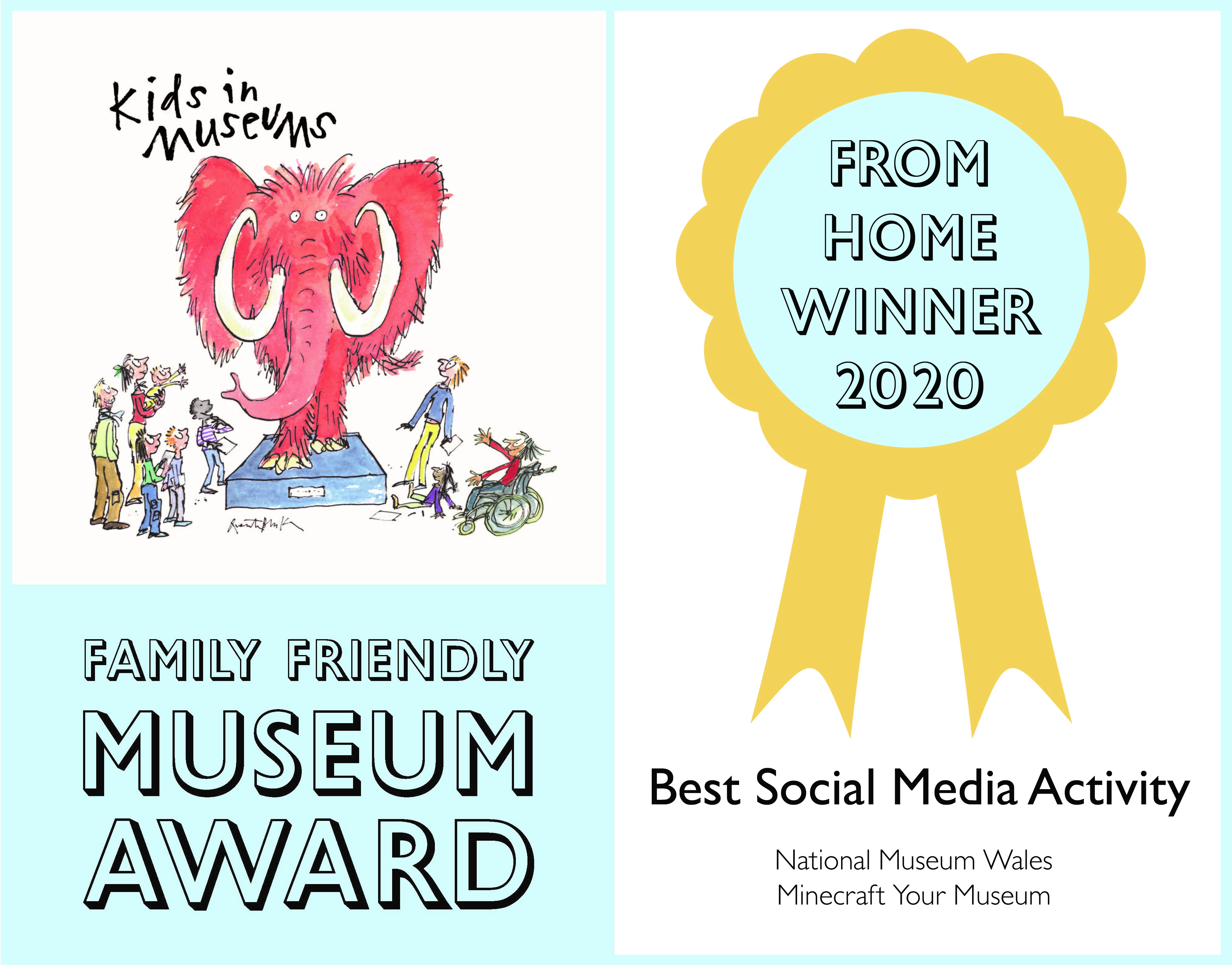
Minecraft Your Museum - families' favourite lockdown activity Danielle Cowell, 22 October 2020 Amgueddfa Cymru - National Museum Wales has been recognised for its fun family activities during lockdown in the Family Friendly Museum Award From Home.The museum was one of five museums awarded top prizes today in an online awards ceremony hosted by TV personalities, Philip Mould and Professor Kate Williams.Charity Kids in Museums has held its annual Family Friendly Museum Award for the past 15 years, recognising the most family friendly heritage sites in the UK. This year the charity created a special award to celebrate the extraordinary effort museums made to adapt to lockdown and support families. They asked families and museums to share their favourite lockdown activities – whether it was a film, quiz, game, craft or something else!Over 400 nominations for the award were sent in from all over the world. In July, an expert panel whittled down these nominations to a shortlist of 26 museums.Over the summer, families tested out the activities and their feedback, along with an expert panel, decided the winners of each category.Amgueddfa Cymru - National Museum Wales won the award for the Best Social Media Activity for the Minecraft Your Museum Competition. "We are delighted that this work was recognised! The work the children created by taking part was phenomenal! The effort they put into creating their own Museums was clearly evident and they had used so many skills to make them. More importantly all children said how much they enjoyed making their Museums and all of our judges enjoyed visiting them!" Danielle Cowell - Lead for Digital Learning at AC-NMW. Whilst the Minecraft Your Museum competition has finished you can still take part by creating your own Museum in Minecraft.Download a resource pack here.Please share your creations with us on social media - so others can enjoy!The video below shows entries from all our participants and highlights the winning entries.Indivdual entries can be found on the Peoples Collection Wales website.Philip Mould, art dealer, broadcaster and Kids in Museums President, said: “It is a pleasure to today celebrate how museums and heritage sites have sprung into action and brought culture to families during this challenging time. What all our winners have in common is that they have managed to bring the best of museums to families at home. These projects not only helped them with home schooling, but also supported their wellbeing and helped them have fun together. Many congratulations to all our worthy winners.”Here is the full list of families’ favourite lockdown activities: Best Social Media ActivityHighly Commended· Ditchling Museum of Art + Craft – Virtual Museum ClubWinner· National Museum Wales – Minecraft your Museum Best FilmHighly Commended· University Museum of Zoology, Cambridge - Zoology Live! Online FestivalWinner· Cooper Gallery, Barnsley - Wow Wednesdays Best Website ActivityHighly Commended· National Galleries Scotland – Home is Where the Art isWinner· National Videogame Museum, Sheffield – Create Your Own Pixel Art Character Best International Digital ActivityHighly Commended· Andy Warhol Museum, USA – Warhol Making It VideosWinner· The Glucksman, Republic of Ireland – Creativity at Home Going the Extra MileHighly Commended· Colchester and Ipswich Museums – Museum From Home Activity Packs· Seven Stories: The National Centre for Children’s Books, Newcastle Upon Tyne – Something to Smile About: Supporting Families in East NewcastleWinner· The Whitworth, Manchester – Still Parents