Treftadaeth Byw: Living Heritage in Dyffryn Nantlle - Wales REACH

Lotti Mai Jones, 30 October 2025

As part of the Wales REACH project, we’ve had the pleasure of collaborating with a range of housing associations and community organisations across Wales. Among these are Adra and Yr Orsaf, both dedicated to supporting people in North Wales with housing and community initiatives.

Discover what Lotti, Yr Orsaf’s Heritage Officer, has been organising and delivering in Dyffryn Nantlle as part of the Wales REACH programme.

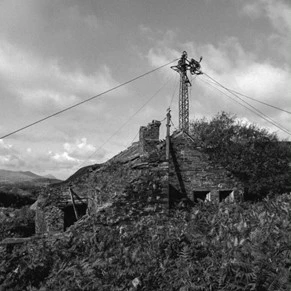
How do cultures, histories, and language sit within the open arms of this valley, swim with the rivers, and dance across the etched cliff faces? These are some of the things I have been ruminating on as a Heritage Officer - neu Swyddog Treftadaeth - in Dyffryn Nantlle over the past few months. See Fig 1.

I arrived to this role at Yr Orsaf community hub feeling a post-uni-lostness; I had returned to my childhood home near Clynnog after spending time away in Oxford and felt pretty rusty in my Welsh. Thus, working as a heritage officer in Dyffryn Nantlle was a time re-turn and re-connection. 

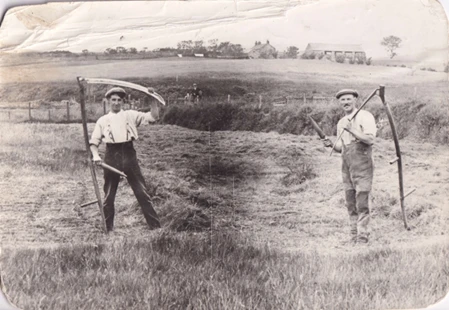
Our first session - Noson Hen lunia/Old Pictures Evening - was a chance to open up conversations about heritage. It was golden to hear people’s pride and passion for their sense of place, and to see such care that people had for material pieces relating to their past.  See Fig 2.

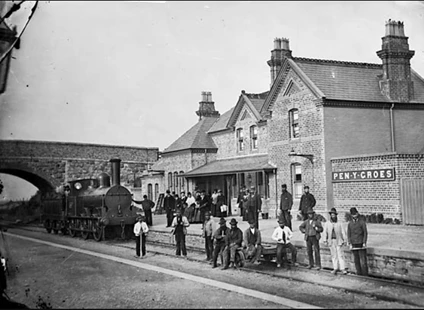
Seeing old images of Penygroes shocked me: a bustling place of independent shops, trains, quarrying, a cinema, when compared to its relative understatedness now. Someone told me about the fun they had dancing and singing at farms for Noson Lawen and the excitement of meeting people from different towns at Clynnog disco. Beyond nostalgia, seeing how Dyffryn Nantlle has changed over time also gave me excitement at the feeling of possibility and was a reminder of the importance of ongoing community work happening at places like Yr Orsaf. See Fig 3.

Our Noson Streuon - storytelling night - was bustling with eager listeners for Gwynn and Gethin’s tales. I was mesmerised by Gethin’ delicate, unfurling image of the oak sampling sprouting up before the grand tale of Blodeuwedd and Lleu Llaw Gyffes. What felt most meaningful were that the stories were rooted in this landscape - that the story of the tylwyth teg unfolded on a farm just across from the top of the high street and another one just down at the river I cycled passed on the way to work. It added cultural depth to my internal map of home. I had never been to a storytelling yn Gymraeg. It felt right to hear these stories in the language of which they had been borne, the language of this land; a powerful holder of heritage. 

Heritage is a personal thing, where complex feelings towards it are shaped by particular moments and experiences. As a heritage officer, this means a humble approach that recognises that people already have their own heritages and connect to them in a range of personal ways.

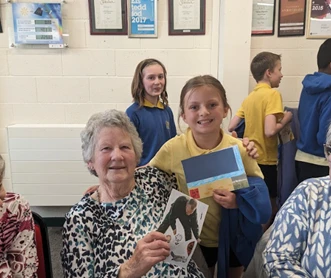
Our collaging afternoon with year 6 from Ysgol Bro Lleu and our fortnightly coffee club for older members of the community - BeNawnNi - was an example of the reciprocal learning that can emerge from intergenerational exchange. Many of the older members were unsure about collaging since it was something that they did not have much experience of. Meanwhile, the primary school kids got stuck right in and took up the opportunity to show their older counterparts what they were doing. They worked together to collage their favourite places in Dyffryn Nantlle and talk about what it meant to them. See Fig 4. 

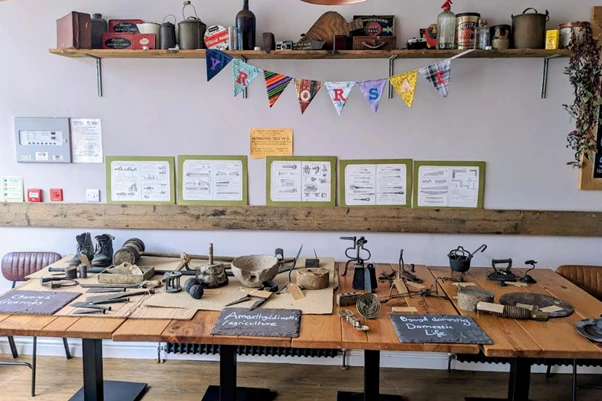
Our three open evenings in May - Nosweithiau Treftadaeth - provided a space for people to share their knowledge and experiences of living in Dyffryn Nantlle. I got to hear about captivating things that have punctuated people’s lives: the trembling cupboards of the 1984 Llŷn Peninsula earthquake (5.4 Richter scale!), traces of old ways of land ownership in the landscape such as names carved on rocks, and a familial pride at the sight of old farming equipment such as maen melin (millstones). Even mysterious, ghostly musings of a flying circus act that once came to Dorothea Quarry. See Fig 5. 

From these heritage events arose particular challenges. How, for example, to engage secondary school age people in heritage? I found the recent work by Gwyrddni with local schools on the theme of climate change very inspiring. Their work culminated in a bright, big book and a beautiful range of singing and poetry performances for the crew at BeNawnNi. What struck me was that their work not only touched on themes of climate change but were also deeply rooted in a sense of place and heritage. This performance showed me the opportunities that arise when we approach heritage with loosened meanings, one that does not wholly have to be fixed on the past, but is an ongoing process; a conversation that encompasses practices and ways of living that are important for the future. 

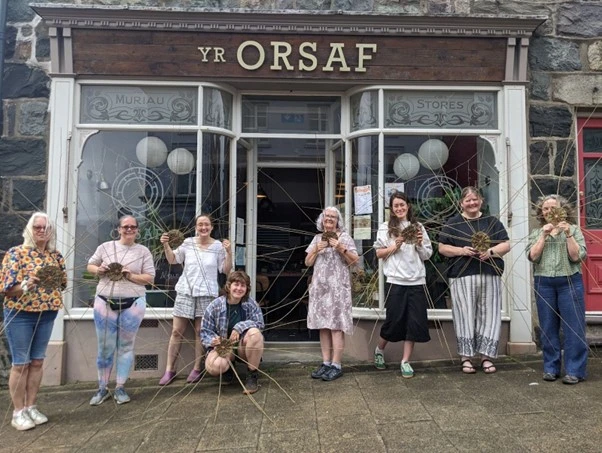
Following this theme of heritage as an ongoing process, later workshops explored heritage by actively doing arts and crafts. We had weaving and natural dyeing sessions with the artist Ella Jones, made sculptural portraits of local famous figures with Luned Rhys Parri, and braided willow baskets with Eirian Muse while listening to Welsh folk on BBC Radio Cymru. See Fig 6. 

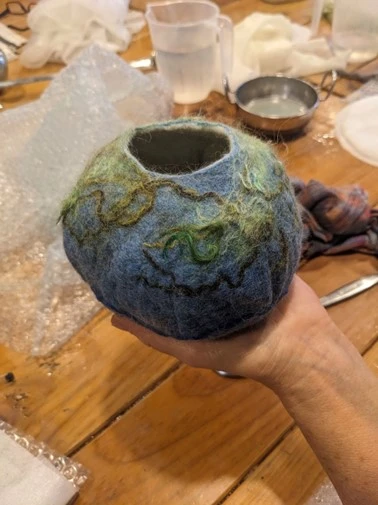
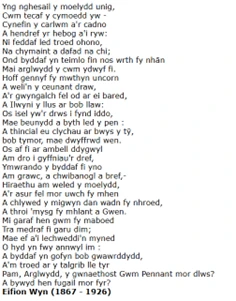
Following a theme of wool, we had a series of sessions on natural dyeing woollen embroidery threads with a local community textiles company called Tecstiliau, and a bowl felting workshop with Nicole LeMaire. Angharad Tomos kindly showed me poems along the way which were relevant to the agricultural love of place that has been nurtured in this area. Reading them during the workshop provided a lovely framing for reflecting on the relationship between wool and this landscape while working with our hands. Many people mentioned grandmothers who had been skilled quilters, embroiderers and makers of clothing. See Fig 7 and 8. 

Heritage will continue to be cultivated in Dyffryn Nantlle. The very active ‘Criw Kate’ group in Penygroes are organising a festival for the prominent writer - Kate Roberts - at Cae’r Gors in September. I am particularly excited about an old place names project which we started off in August with a session for collecting field names from farmers. Place names - like ‘mini pdf files’ - give interesting and surprising clues about past land use, topographical features like water sources, or can even connect to folktales. Names can change with different ownership or be passed down for generations. Elinor Gwynn and Carwyn Graves - who recently did a talk about the ‘Iaith Yn Y Tir/Language in The Land’ at Yr Orsaf - have been particularly inspiring in this regards; attending to the ways relationships with land have been carried in Cymraeg - is key to making a more just future which respects the beautiful ways that people have inhabited places across time. 

I am grateful to have been entrusted with people’s memories and stories over the past few months. To braid these strands together, I hope that we can make something creative and collaborative with these place names, such as a quilt or an embroidery piece, to celebrate their beauty and rootedness in this landscape.

Keep an eye out for others upcoming blogs, showcasing the amazing work that’s been happening across all our participating communities. 

Wales REACH is made possible with The National Lottery Heritage Fund. It is a partnership between thirteen organisations and is led by The Open University and Amgueddfa Cymru. It is funded with a grant from the National Lottery Heritage Fund. The current phase started in autumn 2024 and is scheduled to run until autumn 2026. 
Weather Records Start from 3 November!

Megan Naish, 30 October 2025

Hi Bulb Buddies,

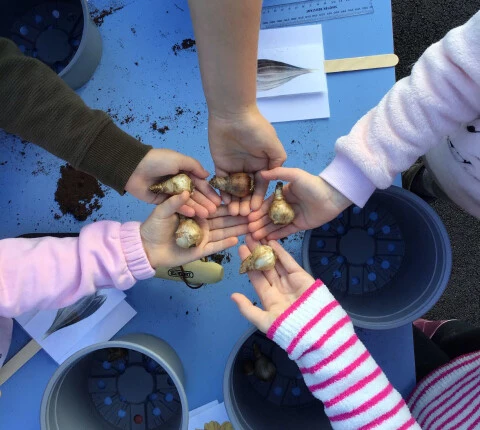
I want to say a big thank you to all of the participating schools who worked hard planting bulbs for the project. Together we planted over 18 thousand bulbs across the UK and from the photos I’ve seen, it looks as though everyone had great fun doing it! 

All schools taking part in the project will be collecting weather data from the 3rd of November until the 27th of March. They will be uploading these records regularly to the Amgueddfa Cymru website, along with comments and weather observations. We'll be learning a lot together over the school year!

Step 4: Keeping weather records (November - March)

Resources are available on the website that explore different aspects of the project, including ideas for additional experiments and guides to making short videos for the Bulbcast competition!  

Step 3: Optional hands-on weather and gardening themed activities

Bulbcast competition

I'll be sure to share more photos and comments from schools to the Blog in the coming weeks. 

Keep up the good work Bulb Buddies,

Professor Plant

Planting Day 2025

Penny Dacey, 20 October 2025

It’s Planting Day for 178 schools across the UK today!
More than 18,000 bulbs will be planted by over 7,000 primary school scientists as part of this exciting outdoor investigation exploring how a changing climate affects the flowering dates of spring bulbs.

Follow the project and the experiences of our Super Scientists through this blog or on X at @ProfessorPlant.

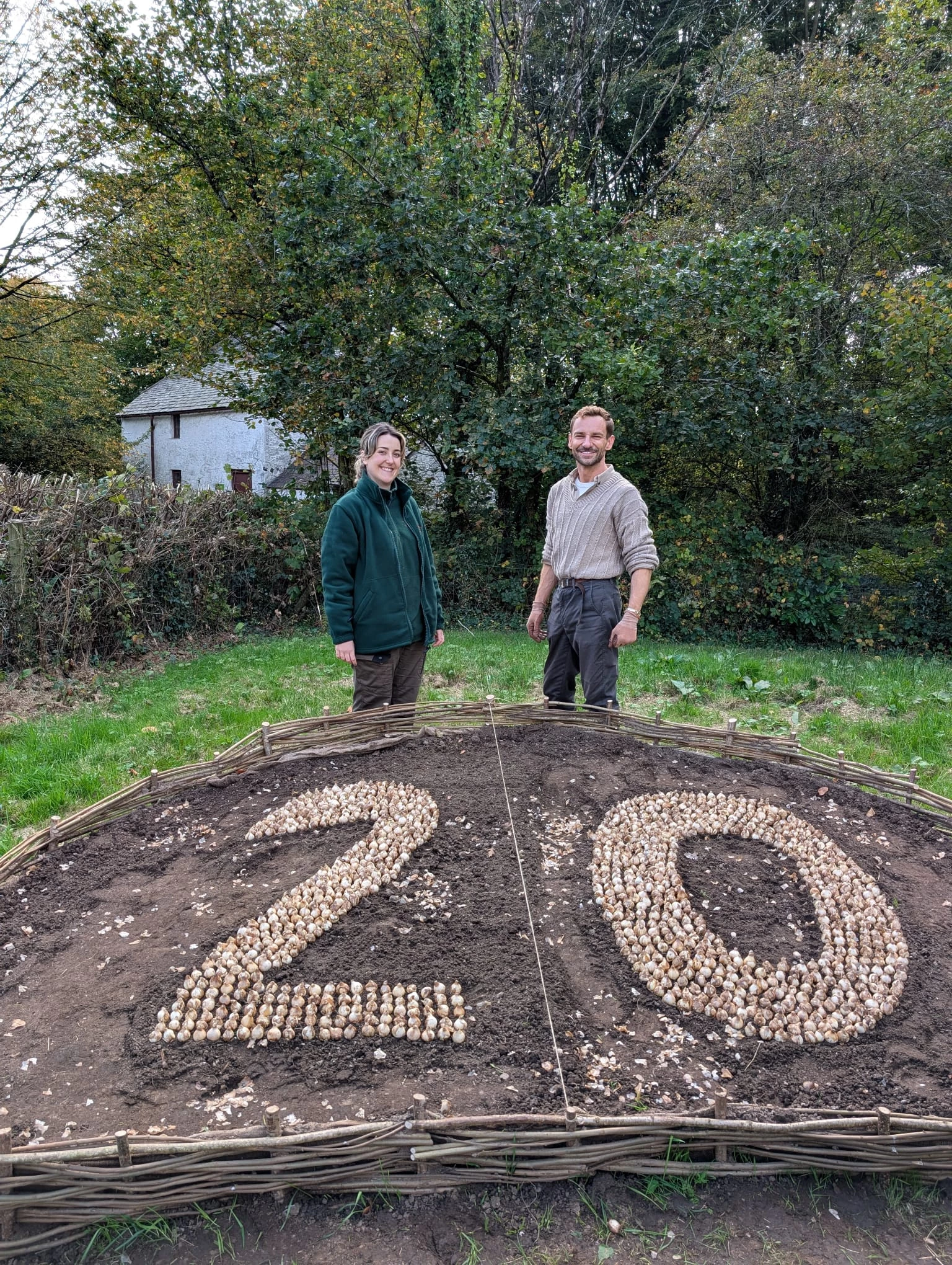
Project team members are visiting several schools today to celebrate the 20th anniversary of Planting Day, and we look forward to receiving updates and photos from schools across the country.

Competitions and Creative Projects

Schools are invited to share their photos and creative media for our Planting Day Photo Competition. We’ll showcase the winning entries here next month!

We’re also running the Bulbcast Competition, where participating schools create short videos highlighting their favourite parts of the investigation. Resources to support this can be found here.

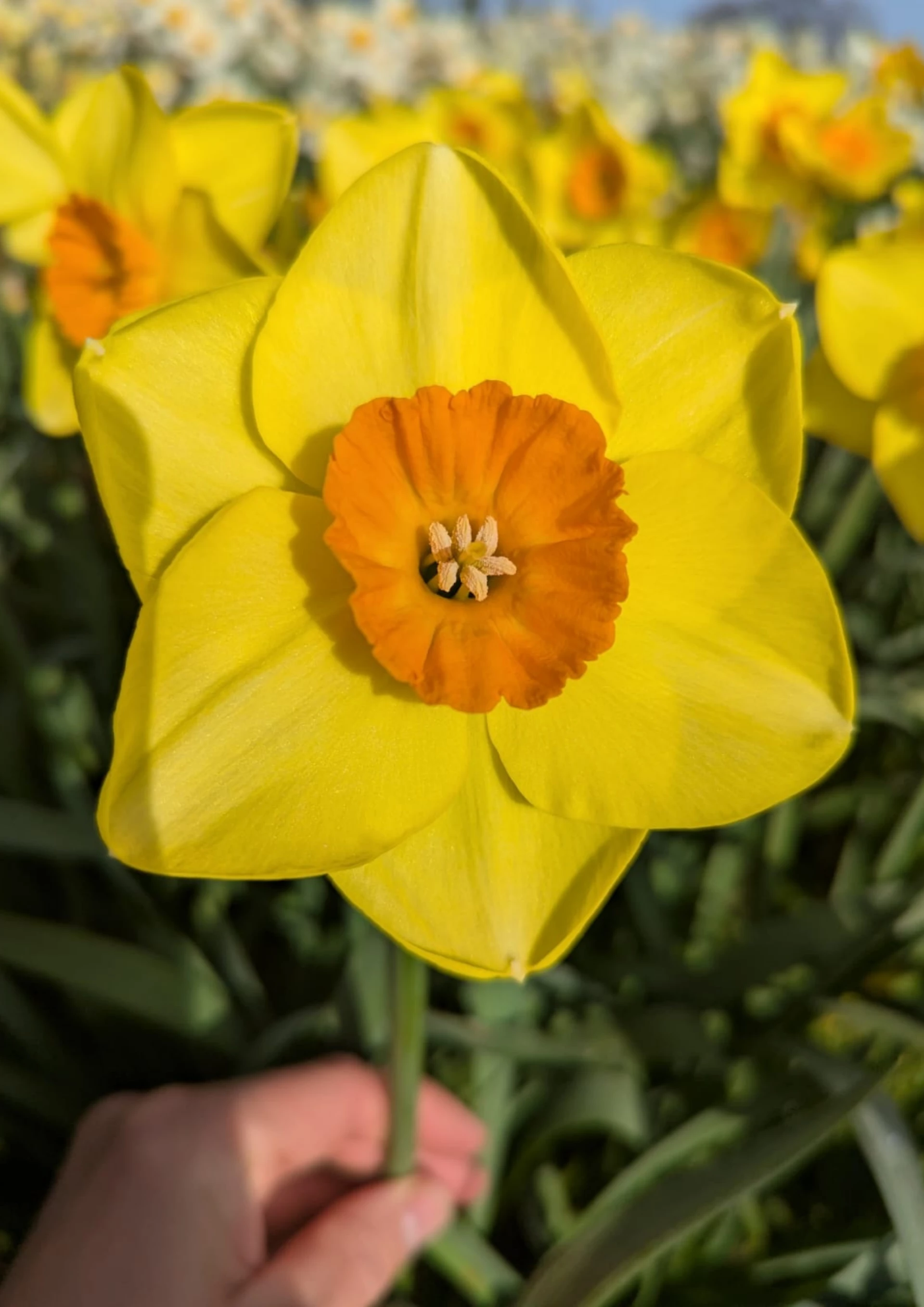
And for this special anniversary year, we’re thrilled to launch a Name the Daffodil Competition! Participants can suggest names for a brand-new daffodil variety commissioned to mark the 20th year of the investigation. You can see what our daffodil looks like in the attached image and find inspiration and guidance in the resource linked here. We can’t wait to see your entries!

A Special Display at St Fagans

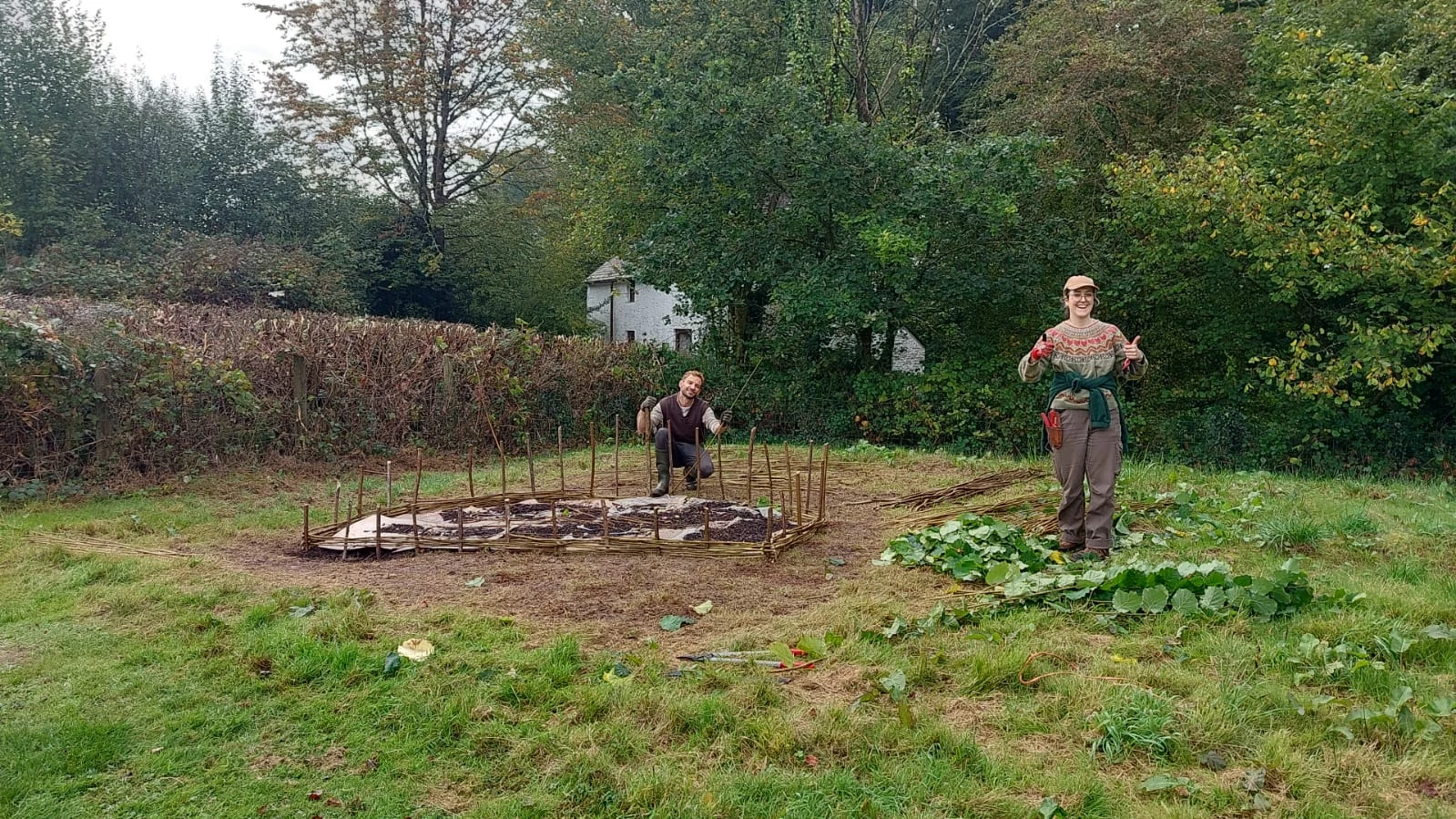
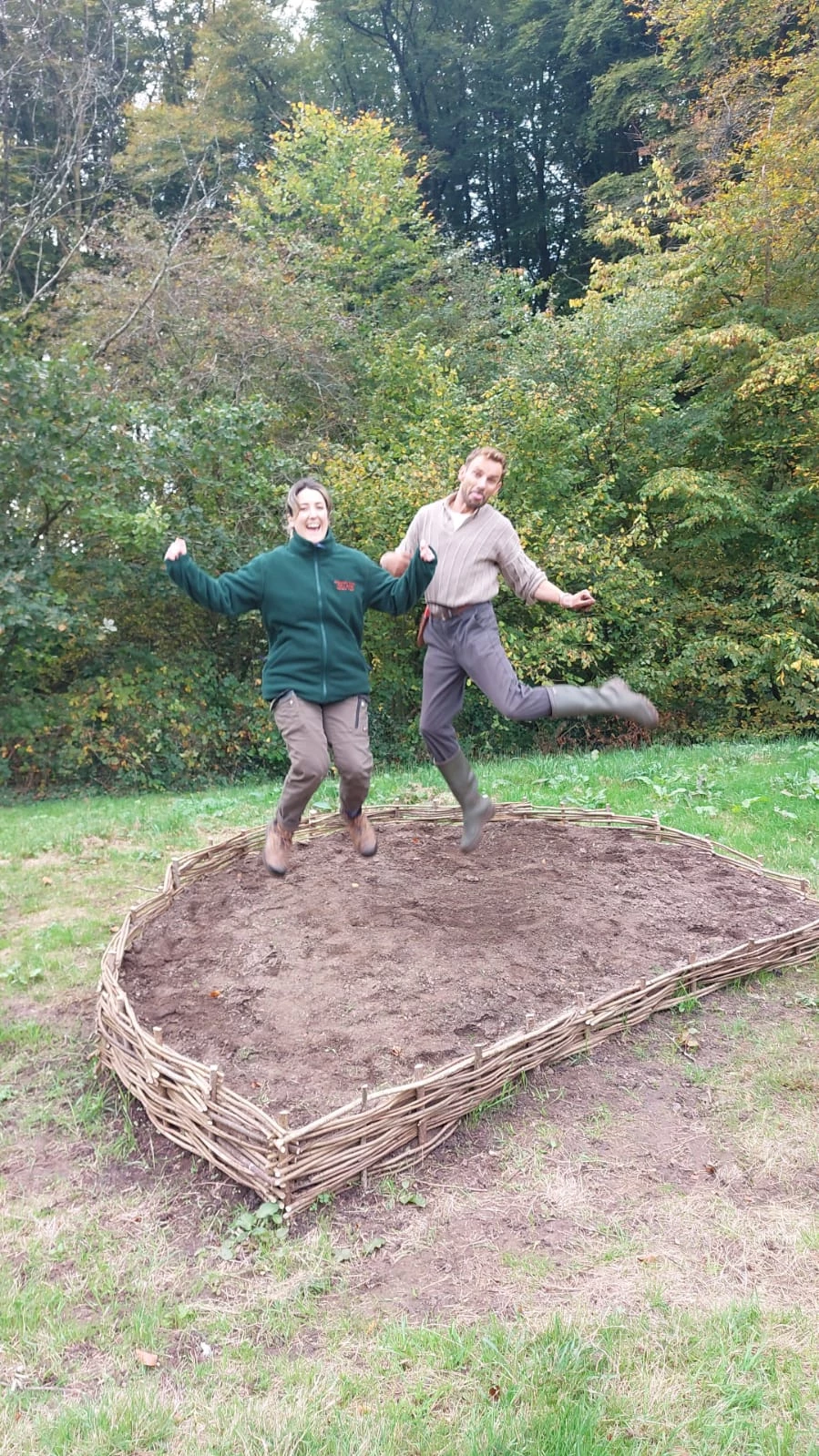
The fantastic Gardening Team at St Fagans National Museum of History have been joining in the celebrations too! They’ve planted a commemorative display and created a beautiful woven planter for the project, which you can see in the attached images.

Get Involved

Feeling inspired? Why not plant some bulbs this October and share your images with us!
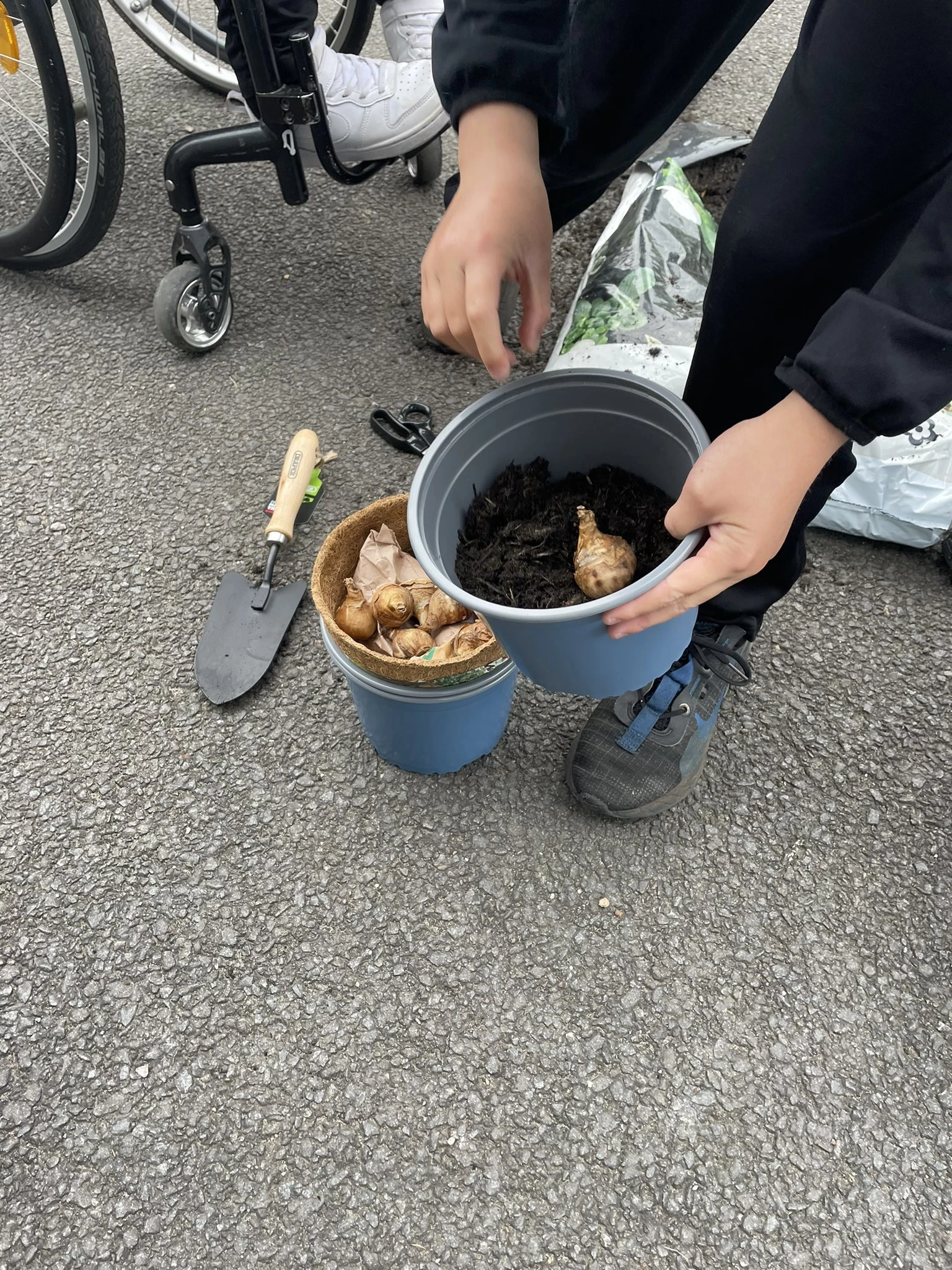
We’ll also be hosting free planting activities for families at St Fagans National Museum of History and National Museum Cardiff, where visitors can learn about plants and adopt their own baby bulbs. Find out more about how to join these sessions on our website.

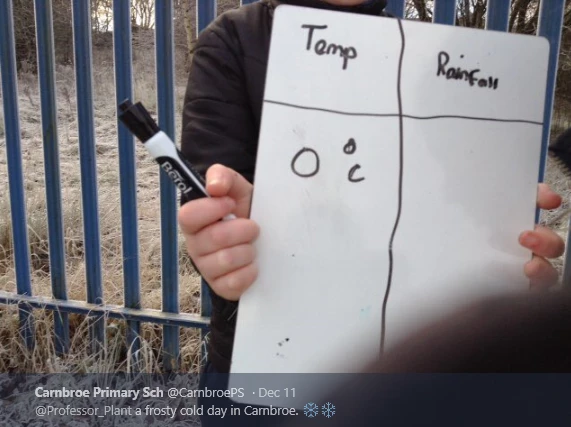
Once schools have adopted and planted their bulbs, they will set up outdoor weather stations. From 3 November, they’ll collect daily weather readings every day that they are in school and upload these weekly to the Amgueddfa Cymru website. You can follow their progress here.

We’re so excited to get this year’s project underway and to share the journey with you all.

Here’s to another year of discovery, teamwork, and blooming science!

Professor Plant & Baby Bulb

My experience: Collections Care volunteering across the Museum

Anna Watson - Collections Care Volunteer, 30 September 2025

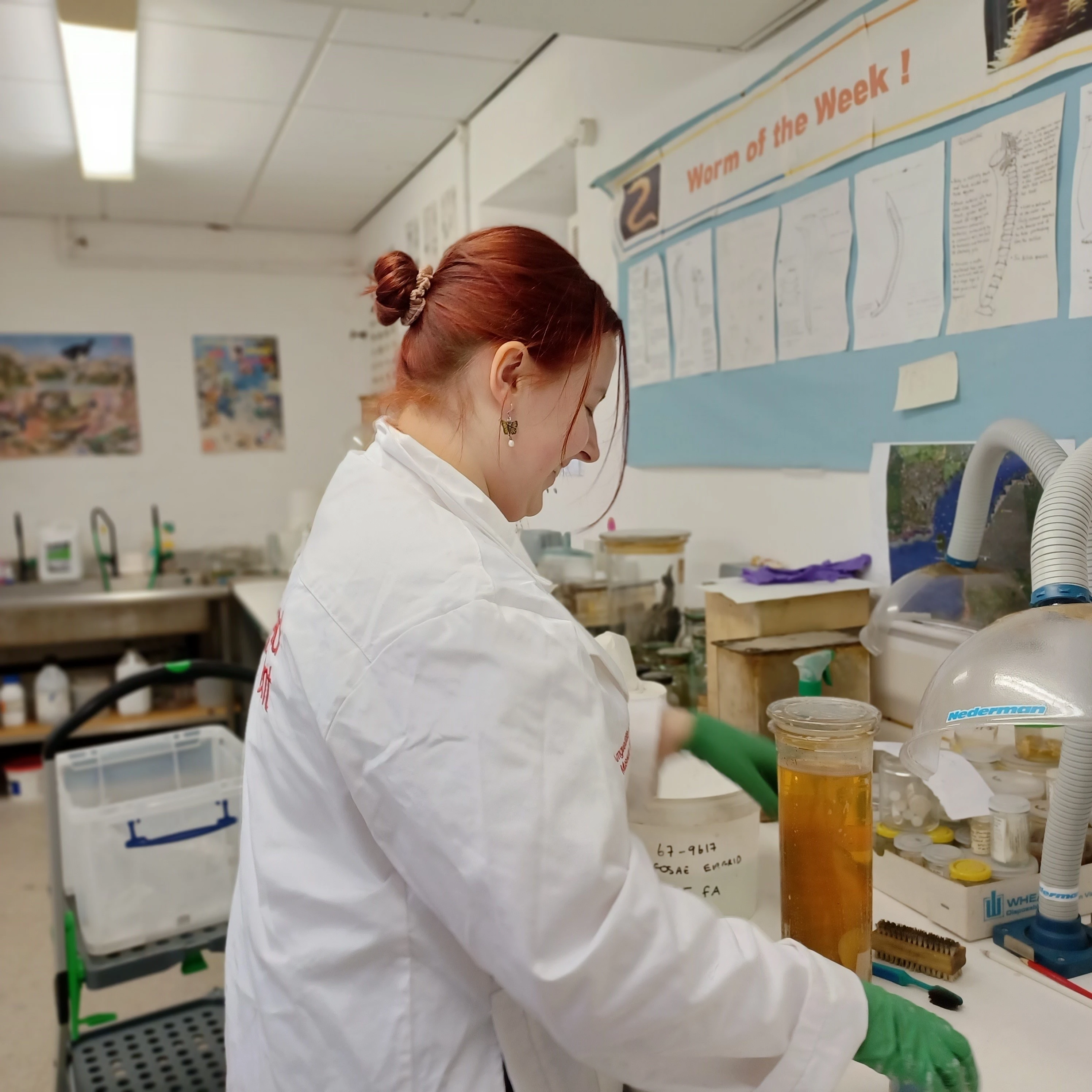
My name is Anna Watson and I’ve been volunteering with the National Museum of Wales since November 2024. I volunteer every week as a collection care assistant in the conservation department. I have enjoyed the experience immensely as every week is different, so I am always learning something new and developing my skills. I began this volunteering role after finishing my MSc in Care of Collections with Cardiff University and this opportunity has been fantastic for putting the skills I gained from that course into practice. So far, I have been able to help with exhibition maintenance in the art galleries and natural histories department, microclimate maintenance in archaeology, collection audits in entomology and have helped clean and relocate the fluid store (pictured here)! The opportunity to work in multiple departments and meet so many different curators, conservators and technicians who are all specialists in their fields has been invaluable and each week I am excited to see what we will do next.

Setting Sail on a New Chapter: Reimagining the National Waterfront Museum

Nicole Deufel, 25 September 2025

Earlier this year, I took the helm at the National Waterfront Museum, and as we enter the Autumn it already feels like we’re catching the wind in our sails. From my very first day, I’ve been inspired by the passion and expertise of our team, who love and breathe the extraordinary stories held in our collections. Their insights, and the warm welcome I’ve had from Swansea itself, have convinced me of one thing: this museum has the potential to be a destination that surprises, delights and connects people in new ways. 

Anchoring Our Story

One of the first challenges we’re tackling is how we tell our story. Visitors often arrive and are unsure of where their journey should start. With three different entrances and meandering routes, it’s easy to lose your bearings. Add to that an expectation (based on our name and location) that the museum is about the sea, and Wales’s maritime stories, and you can see why some visitors leave a little puzzled. 

Visitors are often curious about the story behind our historical warehouse. What was it built for? Why is it here? And for too long, we realised, we hadn’t been telling the story behind this remarkable building. 

The Warehouse stands proudly in its original setting, where it once overlooked a bustling dock alive with ships, dockworkers, and the rhythm of industry. Here, the Warehouse played its part in the great exchange between Wales’s heavy industries and the wider world across the sea. 

It is that story that inspired us to turn our gaze seaward, to let the sea guide how we tell our stories: the sea really is at the heart of our vision. It’s the thread that ties everything together – industry, art, archaeology, and the lives of communities from across Wales. From coal and copper exports, to the journeys of families who crossed oceans, the story of Wales is a story shaped by the sea. 

And what better place to tell this story than in our historic Warehouse? Built in 1900 beside South Dock – now Swansea Marina – the building itself still whispers of its industrial past. Rail tracks run through its floor, the Harbour Trust office and Pump House still stand nearby. This is history you can see, touch and feel all around you. 

Opening the Doors to the Sea

We’ve already begun small but powerful changes. Shuttered windows in the Warehouse are now open again, letting in light and reconnecting the space with the Marina outside. This simple act has transformed the atmosphere, and it feels like the building is breathing again. We’ve also removed bulky exhibition structures that block the view, making the Warehouse’s historic environment part of the visitor experience once more. 

The Weston Hall, which links the New Gallery to the Warehouse has already seen some changes as well. We’re stripping back the clutter and reimagining it as an inspiring space of welcome and orientation. Here, visitors will encounter stunning focal points – objects that stop you in your tracks and give you that WOW moment!

Picture this: the 1842 South Bishop Lighthouse optic, restored to working order, its top glowing each day when wound by hand. Or a historic railway van positioned on the historic tracks, making the Warehouse’s industrial past visible at a glance. These aren’t just exhibits, they’re the beacons of our identity and conversation starts about safety at sea, Swansea as a City of Sanctuary, and the deep connections between Wales and the wider World. 

Coffee with a View

Our café is also likely going to move. We’re scoping to relocate it upstairs to make the most of our balcony overlooking the marina. Imagine sipping your coffee with a panoramic view of the waterfront. It will also help us transform the Marina Entrance into a true front door to the museum, ready to welcome the growing number of people who pass by.

Fresh Horizons for Exhibitions

Until now, temporary exhibitions have been held in the Weston Hall, a space which was never designed to host exhibitions. This resulted in compromises and limits on what we could show. That’s about to change!

We’re expecting to create a dedicated temporary exhibition space on the mezzanine of the New Gallery. This fresh, flexible area will allow us to host high quality, ambitious exhibitions that surprise and inspire, giving visitors more reasons to return again and again. 

Looking Further Ahead

The journey ahead is an exciting one for us as a museum and for Swansea. We plan to redevelop the New Gallery and Warehouse displays in line with modern exhibition standards, placing communities and inspiration for all at the heart of what we do. Over the coming months, we’ll be shaping the details, working with communities and our visitors, mapping out how to tell Wales’s story through the lens of the sea. 

Until then, expect small but powerful changes – unexpected moments, joyful encounters, and new perspectives that highlight how the sea has shaped life across Wales. 

A Living Museum for Everyone

I’m incredibly grateful to the team here, whose ideas and enthusiasm are steering us forward. Together with the people of Swansea and our visitors, we’re making the Waterfront a place to be explored, enjoyed, and celebrated – a living museum, full of hands-on, joyful experiences for everyone. 

So come board. The tide is turning, and a new chapter for the National Waterfront Museum is just beginning.