Sharing Stories, Sharing Collections

Poppy Nicol, 27 February 2018

In November 2017, I started a placement with the Amgueddfa Cymru-National Museum Wales (AC-NMW). The four-month placement is funded by the Natural Environment Research Council Valuing Nature Programme. It aims to investigate ways in which the AC-NMW’s Economic Botany Collection can improve societal understanding and valuing of biodiversity and contribute to the AC-NMW well-being duty (Well-Being of Future Generations (Wales) Act 2015). I arrive at this placement with an interest in how plants and the cultivation of plants have the potential to support health and well-being in a range of ways.

Amgueddfa Cymru-National Museum Wales Economic Botany Collection

The Amgueddfa Cymru-National Museum Wales Economic Botany Collection consists of approximately 3,500 specimens of various items ranging from seeds to medicinal plants, dyes, tannins, cotton and other fibres as well as a range of oils, gums, resins and pine cones.

I have spent the first part of the placement exploring the collection. Highlights include the largest seed in the world – the Coco de Mer – to some of the smallest orchid seeds, a range of naturally dyed wool samples from Cambrian Mills – including Walnut, Elderberry, Indigo, Privet and Madder.

Stories and Seeds

Alongside the diversity of material contained within the collection, there are many stories. The collection includes a range of notation and correspondence of collectors. Exploring the collection also reveals interests of collectors. One of the previous Keepers of Botany at AC-NMW (1962-1984), SG Harrison had a keen interest in drift seeds, found floating along the tidal range of beaches across the world from Riviera Beach, Florida to Malaysia. A key contributor to the collection is AE Wade, who investigated Welsh flora within South Wales and surrounding environs. He contributed seeds of wild plants and flowers found in the verges of Cardiff city, within Cardiff Castle and National Museum Cardiff grounds, Cardiff and Barry Docks and the Vale of Glamorgan. There are also a number of seeds from Singleton Park Botanic Gardens and Kew Gardens.

Materia Medica

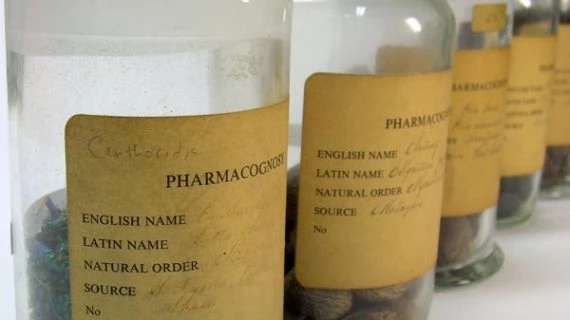
The Museum also hold the recently acquired Materia Medica collection from Prof. Terence Turner (School of Pharmacy and Pharmaceutical Sciences, Cardiff University).

Next steps

The next phase of the placement invites members of the public explore how the collection might be better used and how new collecting approaches might best be approached. I am looking forward to meeting a range of stakeholders interested in biodiversity and well-being within Wales. One of the forms of engagement will include the co-production of a range of handling boxes of specimens from the Economic Botany Collection with a number of identified stakeholders, and a public consultation at the Museum during February half-term.

Medicinal Plants

The potential for the collection lies not only in enabling the public to learn more about the power of plants. It could also hold information that could support the health and well-being of future generations through scientific research. It is estimated that of the 250,000 species of flowering plants only 5,000 have had their pharmaceutical potential tested in laboratories. Cancer-curing properties have been found in a range of plants including:

  • Yew (Taxus baccata), the needles of which contains yew leaves contained compounds that could be used as starting material for the synthesis of paclitaxel, an active anti-cancer compound which can be used for the treatment of ovarian cancer.
  • Madagascan Periwinkle (Catharanthus roseus) contains several highly toxic alkaloids which have been used in the treatment of a number of cancers. One derived compound has been credited with raising the survival rate in childhood leukaemia from less than 10% in 1960 to over 90% today [1].
  • Sweet Wormwood (Artemisia annua) has  been used in China for centuries for treatment of malaria – since at least the third century CE. The active principle artemisinin which is a chemical that occurs naturally in the leaves of Sweet wormwood has been identified as a potent anti-malarial agent that may be used to treat one of the most deadly malarial parasites, Plasmodium falciparum [2]. Several semi-synthetic derivatives have now been used for combination therapies for the safe treatment of acute and recurrent malarial infections. There are now a range of programmes selecting and cloning high artemisinin-yielding chemotypes.

There must be more plant medicines to be discovered! By the year 2050, 60,000 species may become extinct. Conservation which preserves biological diversity is vital for the future. The Materia Medica gifted to AC-NMW by Prof Terence Turner of the School of Pharmacy and Pharmaceutical Sciences may prove to be a useful resource for the future of understanding the healing properties of plants. I am in the process of building links with the National Botanic Garden of Wales, Kew Garden and the Royal College of Physicians garden team to further explore how the Prof Turner’s Materia Medica could be developed as a resource.

Endnotes

The project is funded by the Natural Environment Research Council-Valuing Nature Programme. Poppy Nicol is the principal researcher (Sustainable Places Research Institute, Cardiff University) currently based at Amgueddfa Cymru-National Museum Wales. Findings will be presented in a report which will be made publicly available on the NERC Valuing Nature network website.

[1] http://powo.science.kew.org/taxon/urn:lsid:ipni.org:names:77880-1

[2] http://powo.science.kew.org/taxon/urn:lsid:ipni.org:names:304416-2

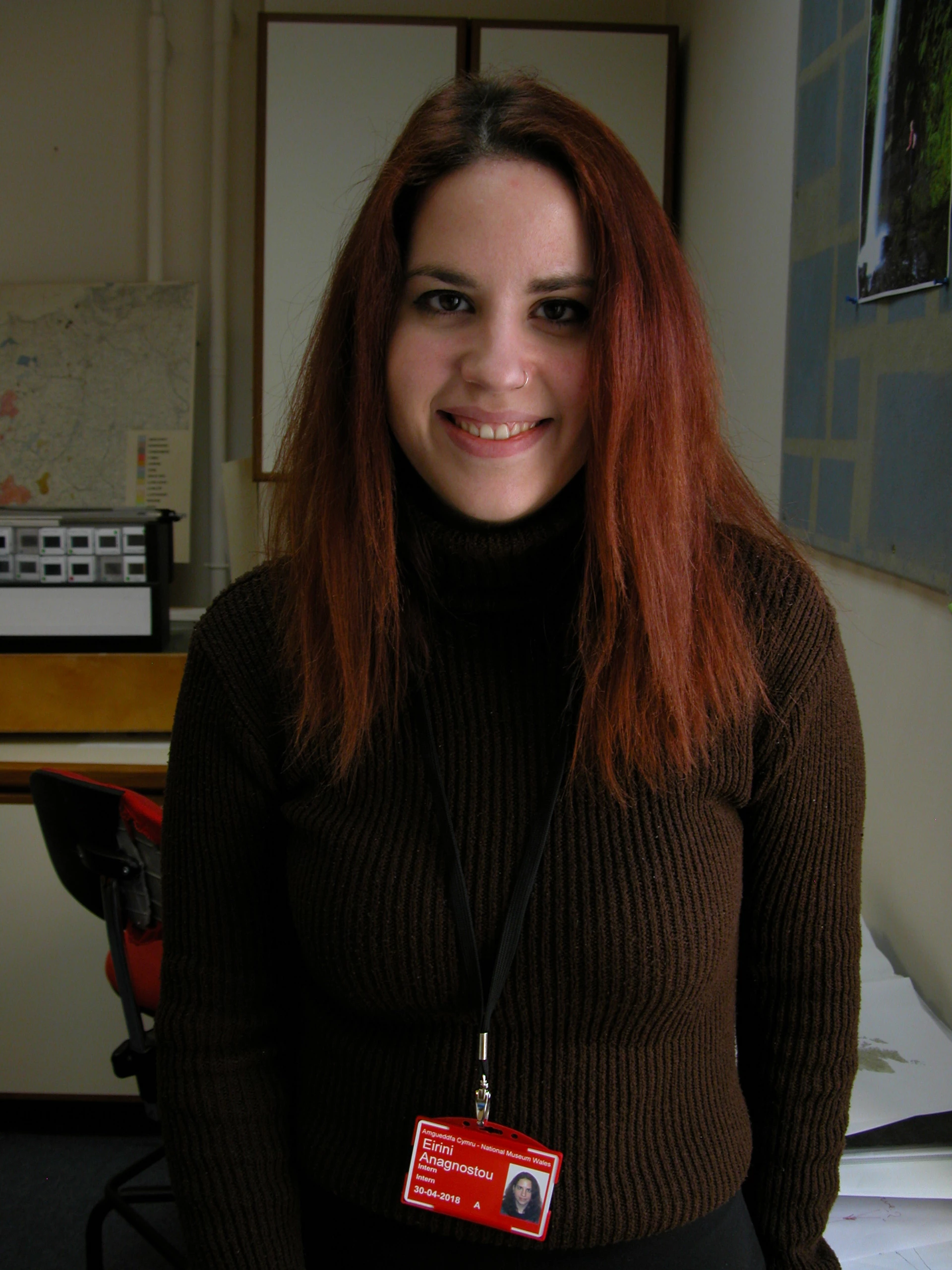
Meet our student intern: Eirini!

Alice Pattillo, 23 February 2018

As we are sure you are aware, there's a lot that goes on behind the scenes at the National Museum of Wales, including research, conservation and work experience. This week is Student Volunteering Week and in honor of this, we have taken the time to find out a little bit more about one of our interns, Eirini...


Profile

Name: Eirini Anagnostou

Job title/ Role: Intern

Department: History and Archaeology, National Museum Cardiff


Where you are you from?

Greece

What are you studying?

I am a student of Aristotle University of Thessaloniki, studying Archaeology and History of Art

Why did you choose to study Archaeology and History of Art?

I've been interested in Art since high school, particularly Contemporary but also Renaissance and Byzantine art and I am also interested in cultural history and civilisations.

What are you doing here?

Erasmus+ placement programme, working as an intern updating the Portable Antiquities Scheme Cymru database – I’ve worked here for 2 months so far!

What are your main duties?

Using the Photoshop programme and processing images of artefacts found by mainly metal detectorists to go on the PAS database.

Next week I will be doing some photography, and working on developing stories on a collection of Ancient Greek coins. I am also hoping to have input into the development of an exhibition concept.

Why did you come to Cardiff?

I visited Cardiff three years ago and I liked the city. I chose the National Museum because it is one of the biggest museums in the UK. I think it’s a good experience for my personal development and future aspirations.

Are you enjoying your time in Cardiff?

Yes, Cardiff is a lovely city with friendly people. There are many things to do and a beautiful castle!

What have you enjoyed the most about working at NMW?

The working environment here is very friendly and helpful. I’ve learnt a lot and I’ve had the opportunity to see the galleries – I was amazed at the extensive collection of Impressionist paintings!

Have you seen anything that’s not currently on display that particularly interested you?

I’ve never seen so many artefacts before – I’ve never seen bones and prehistoric artefacts like those collected in the museum’s stores, and I enjoyed having the opportunity to see them.

What do you hope to learn from this experience?

I hope to learn how a museum works because I’d like to do a Masters in Museum Studies and possibly become a curator. I am still deciding where to study for my Masters degree. I also am enjoying experiencing living abroad and I hope to continue travelling for a couple more years.

To see more content related to the Portable Antiquites Scheme and the Saving Treasures; Telling Stories Project, a project currently working with PAS and local metal detectorists and communities to record all archaeological findings, click here.

Wales and the Sea

David Jenkins, 16 February 2018

What does ‘Wales and the Sea’ mean to me?

Well, quite simply, it’s a huge part of who I am!

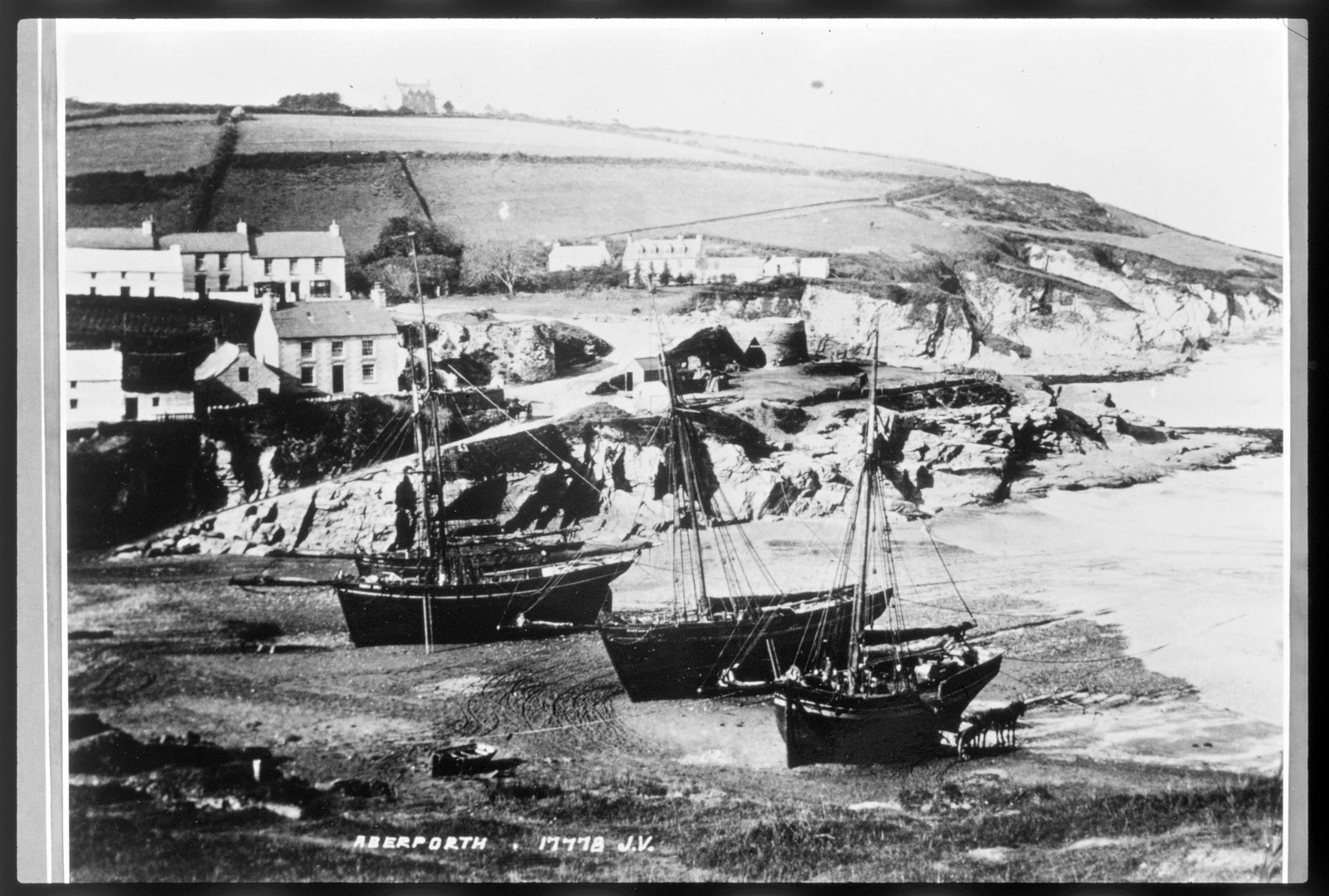
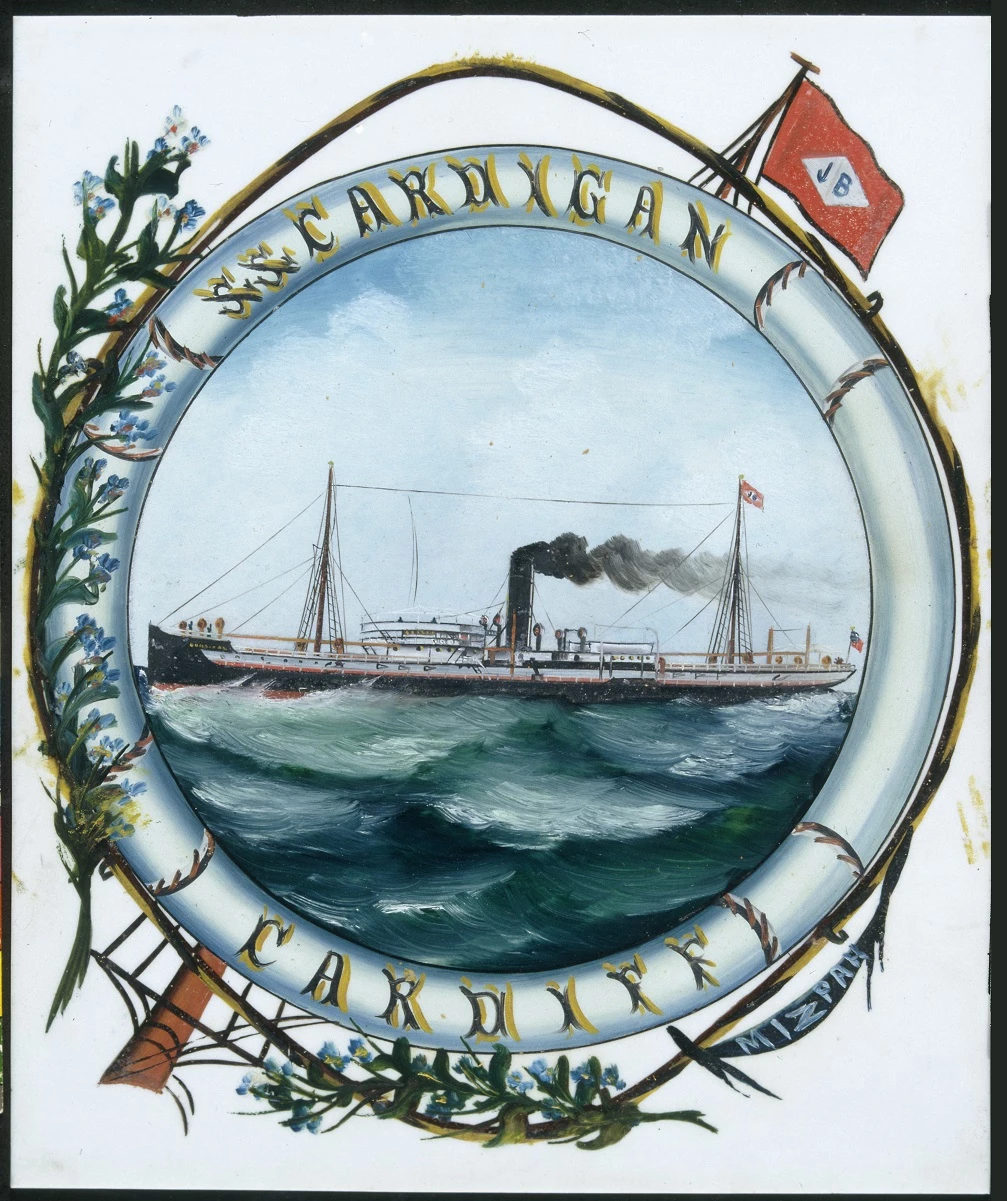
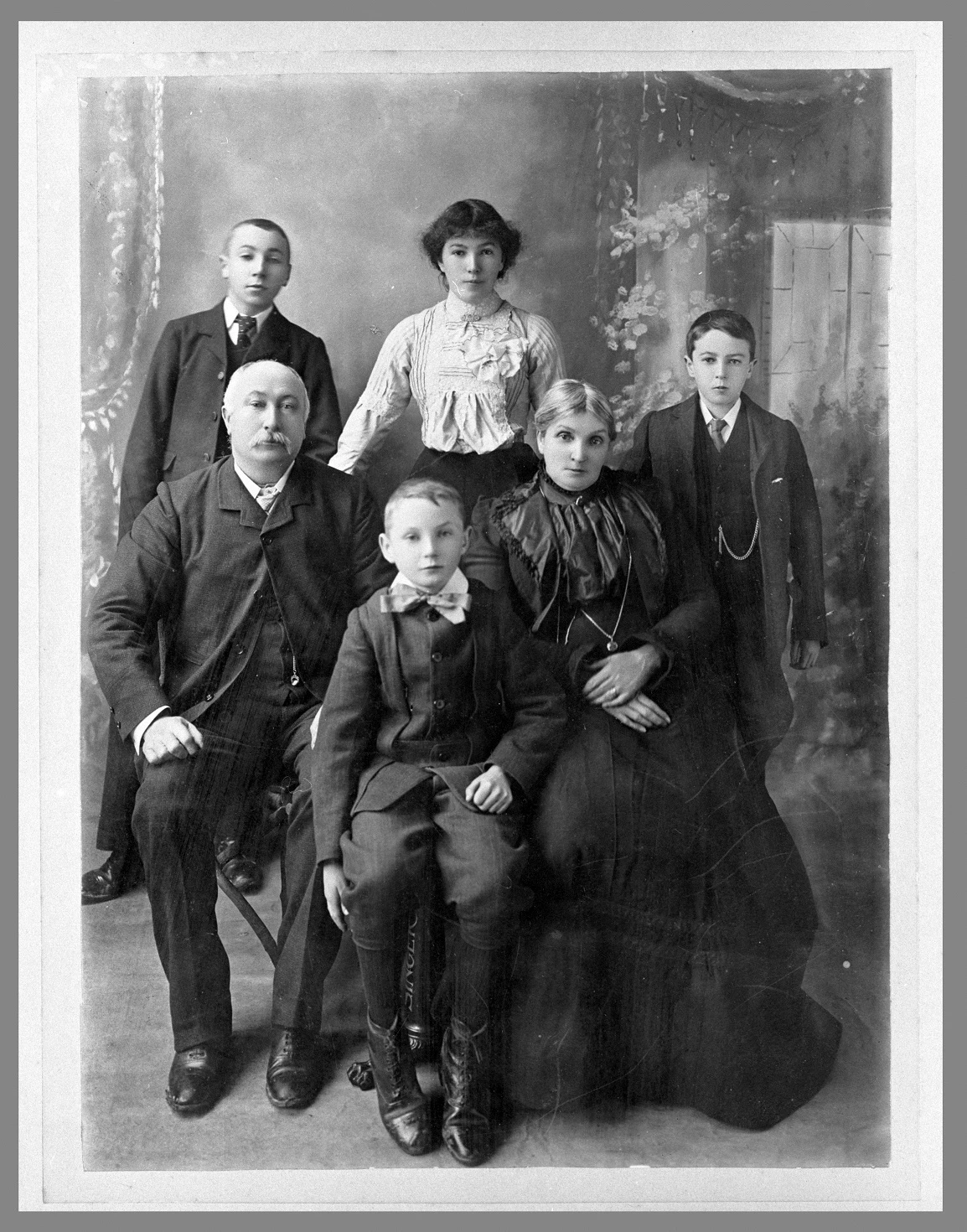
Through my late father, I am the nephew, grandson, great nephew, great-grandson and great-great grandson of seafarers from the Ceredigion coastal village of Aber-porth.

They were all part of the massive, disproportionate even, contribution that Welsh seafarers made to the British merchant fleet during the two centuries 1750-1950.

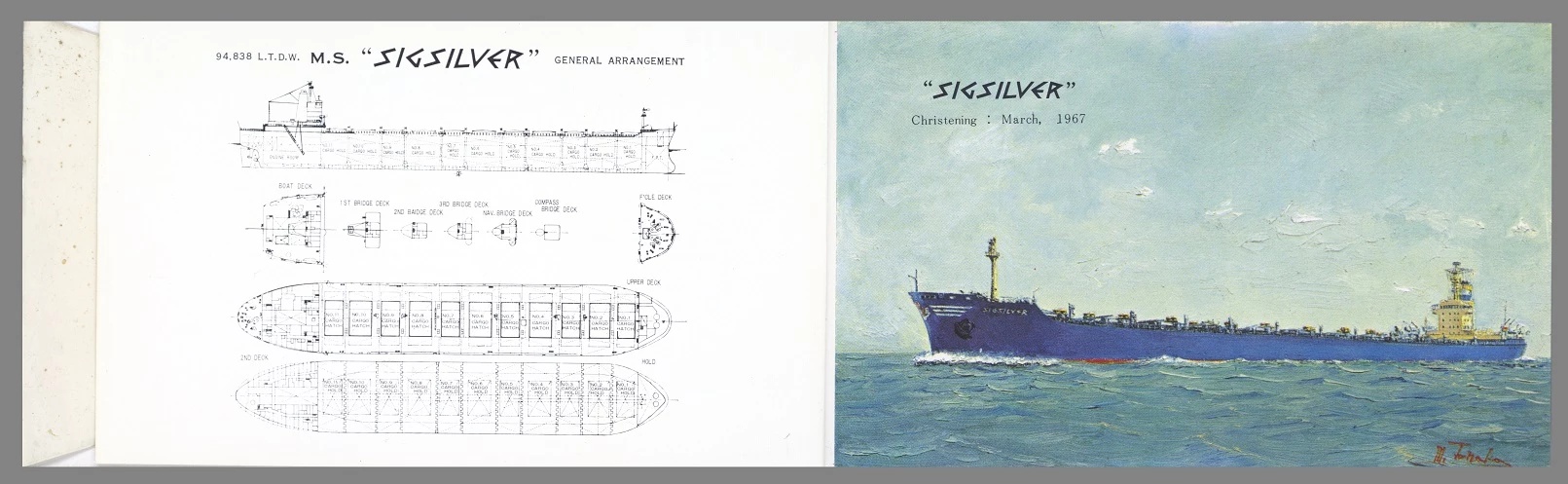
Almost all reached the rank of master mariner, and over the centuries they commanded vessels that ranged in size from little coastal smacks that brought culm and limestone to Aber-porth in the 19th century, to the largest bulk carrier under the Red Ensign in the late 1960s.

One of them lies deep in the cold waters off Newfoundland where he drowned after his ship struck an iceberg. Another lies buried in the British cemetery at Chacarita in Buenos Aires, where he died whilst the Cardiff tramp he commanded was discharging Welsh coal to power Argentina’s railways and meat packing plants. Another had to deal with a murder on his ship after a dispute between two crew members over a gambling debt got way out of hand.

But mine is just not a story about seafaring men.

Communities like Aber-porth, where, at any one time in the early 20th century, up to half the village’s male population might be away at sea, were matriarchal communities, where strong women brought up families single-handed and endured the absence of their loved ones over extended periods. It is difficult to fathom the anguish and worry that they must have experienced on countless stormy nights, with thousands of miles of forbidding seas between them and their loved ones.

Nevertheless, there were advantages to being a captain’s wife! If their husband’s ship was in an UK or near-continental port, they would often travel to meet them for a brief interlude of conjugal company, taking advantage of their visits to sample the best shops with the latest fashions in Cardiff, Newcastle or Glasgow - even Antwerp or Hamburg!

And the wives of master mariners were always accorded the respect ashore that their husbands had at sea – my great-grandmother would always have been addressed as Mrs. Captain Jenkins!

With such an ancestry as this, it is ironic that accidents of employment meant that I was brought up miles from the sea in the heart of Montgomeryshire; visits to relatives in Aber-porth, when we fished for mackerel and set lobster pots, were confined to school holidays!

Montgomeryshire is my mother’s ancestral home; members of her family have been farming in the north of the former county since Elizabethan times at least, and one might think that the sea had little impact on their daily lives.

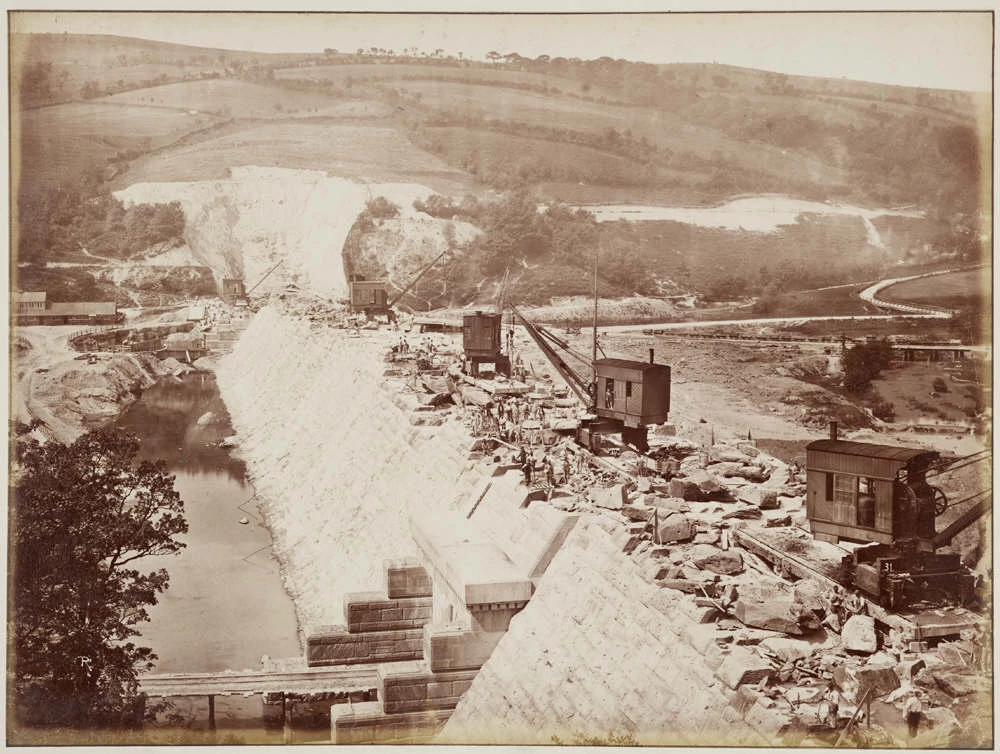
Nevertheless, in the mid-1880s, they had to leave their home, Ty Ucha' in the village of Llanwddyn, because the River Efyrnwy was being dammed to provide water for Liverpool, then at the height of its commercial success as one of Britain's foremost ports.

The impact of the sea extends far beyond our coasts, so this year’s event should be an event for all of Wales, not just our coastal communities.

Dr David Jenkins, Honorary Research Fellow.

Love tokens

14 February 2018

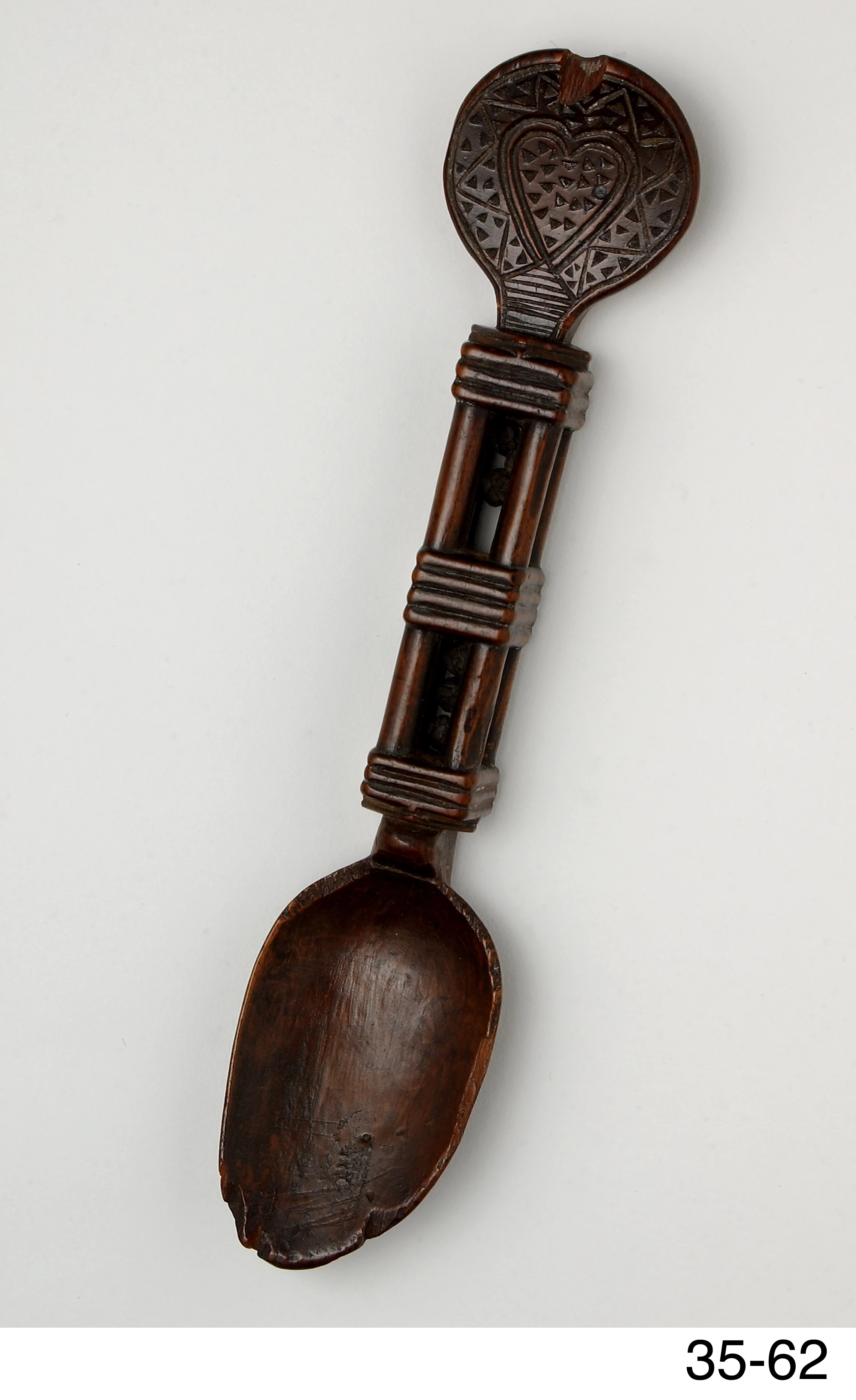
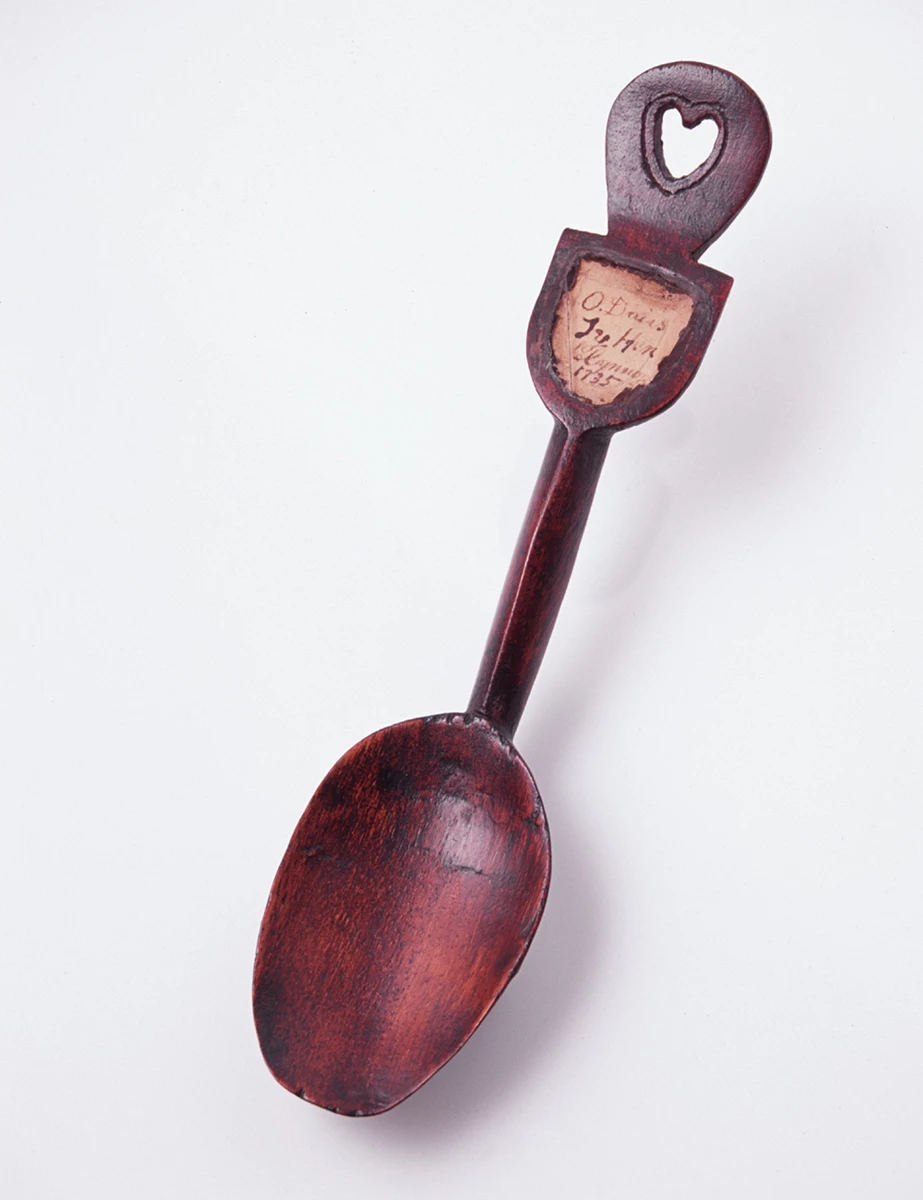
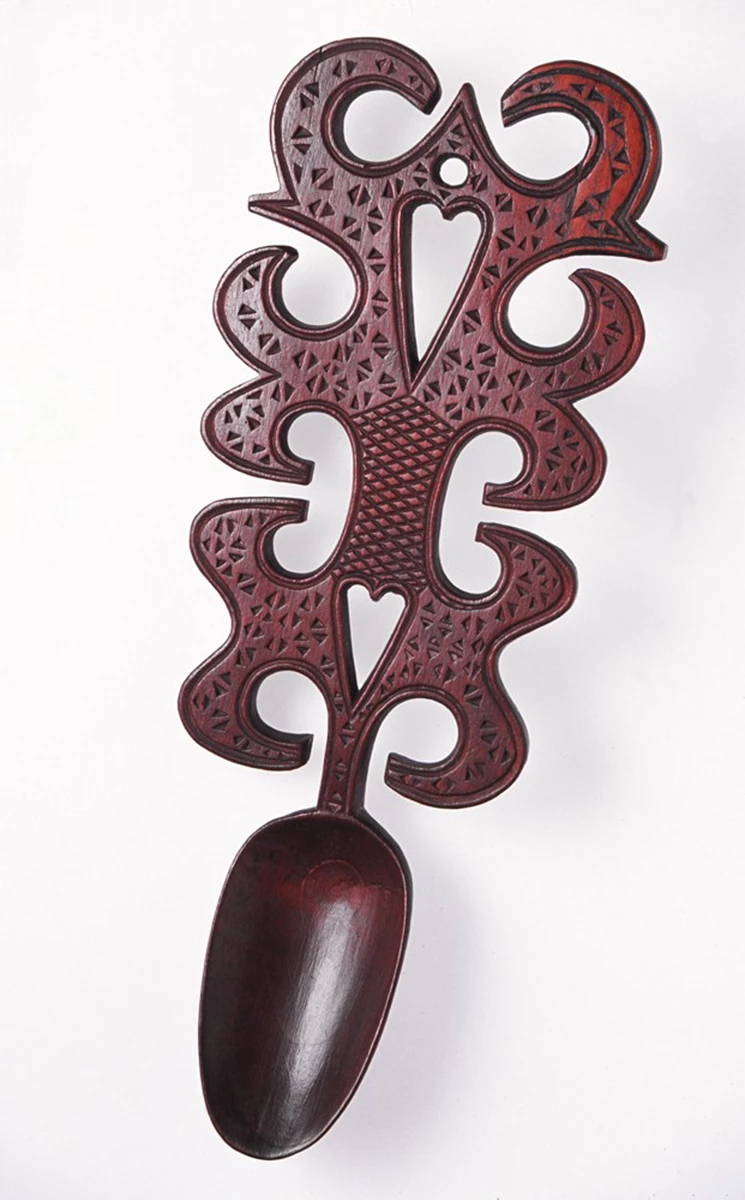
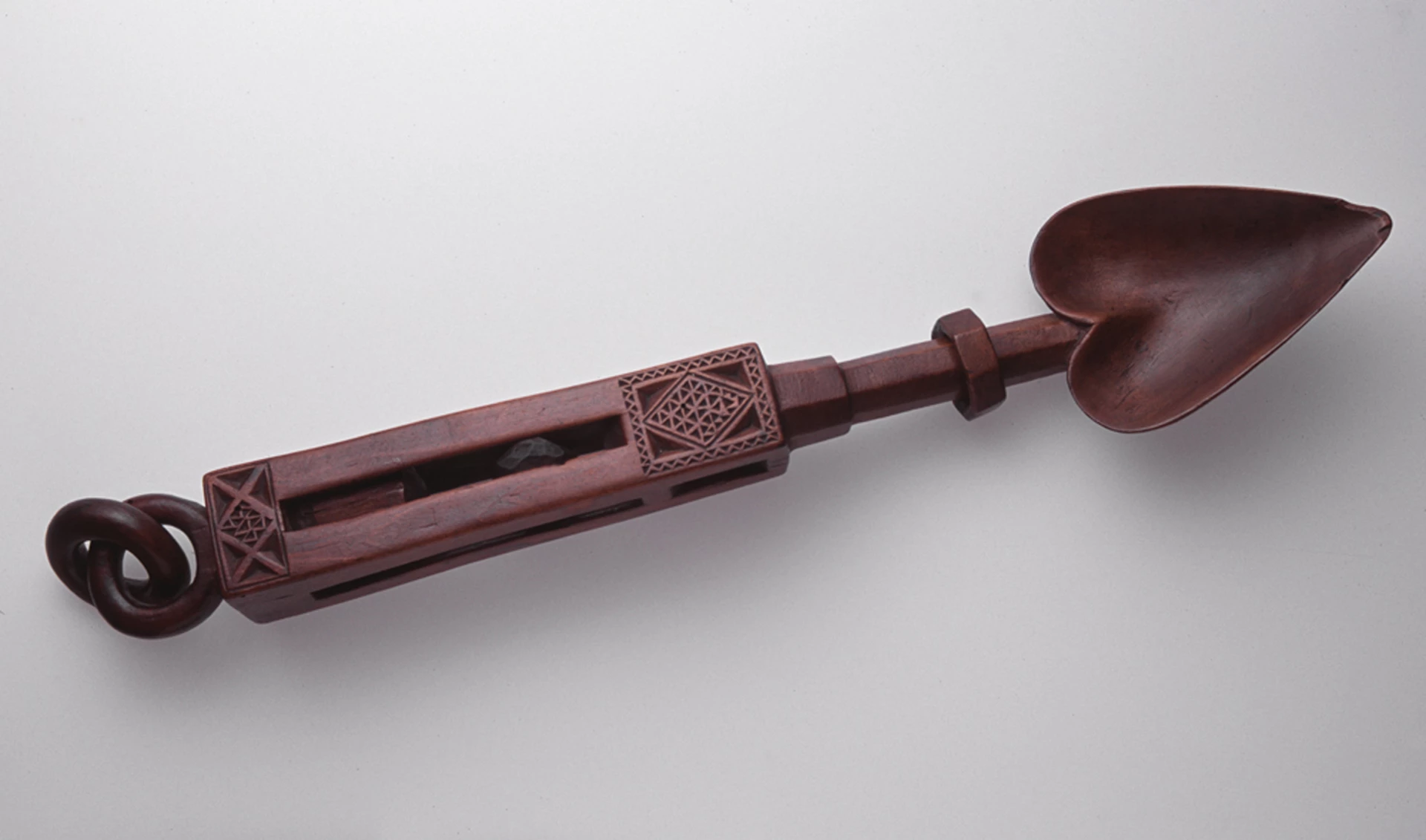
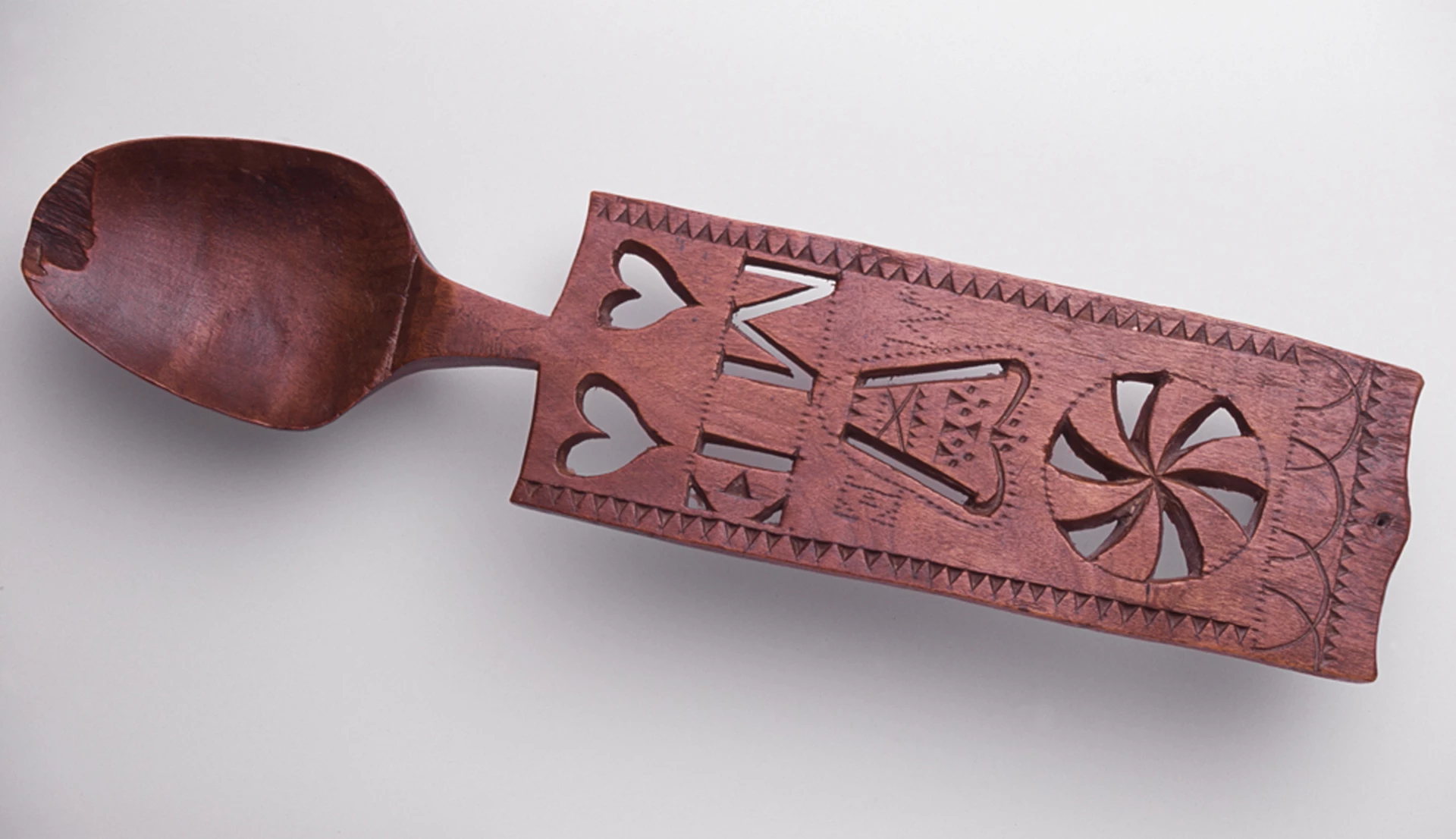
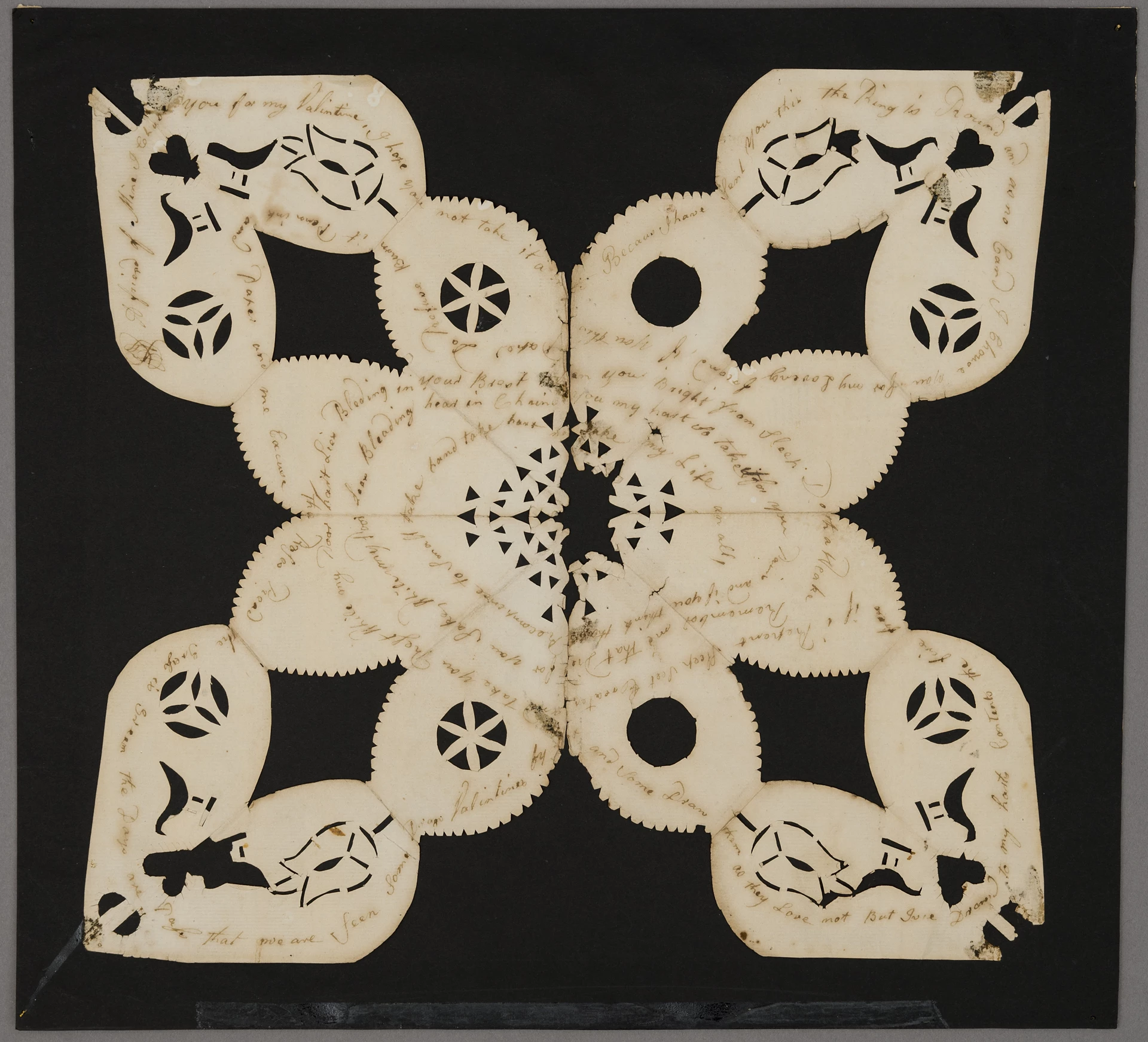
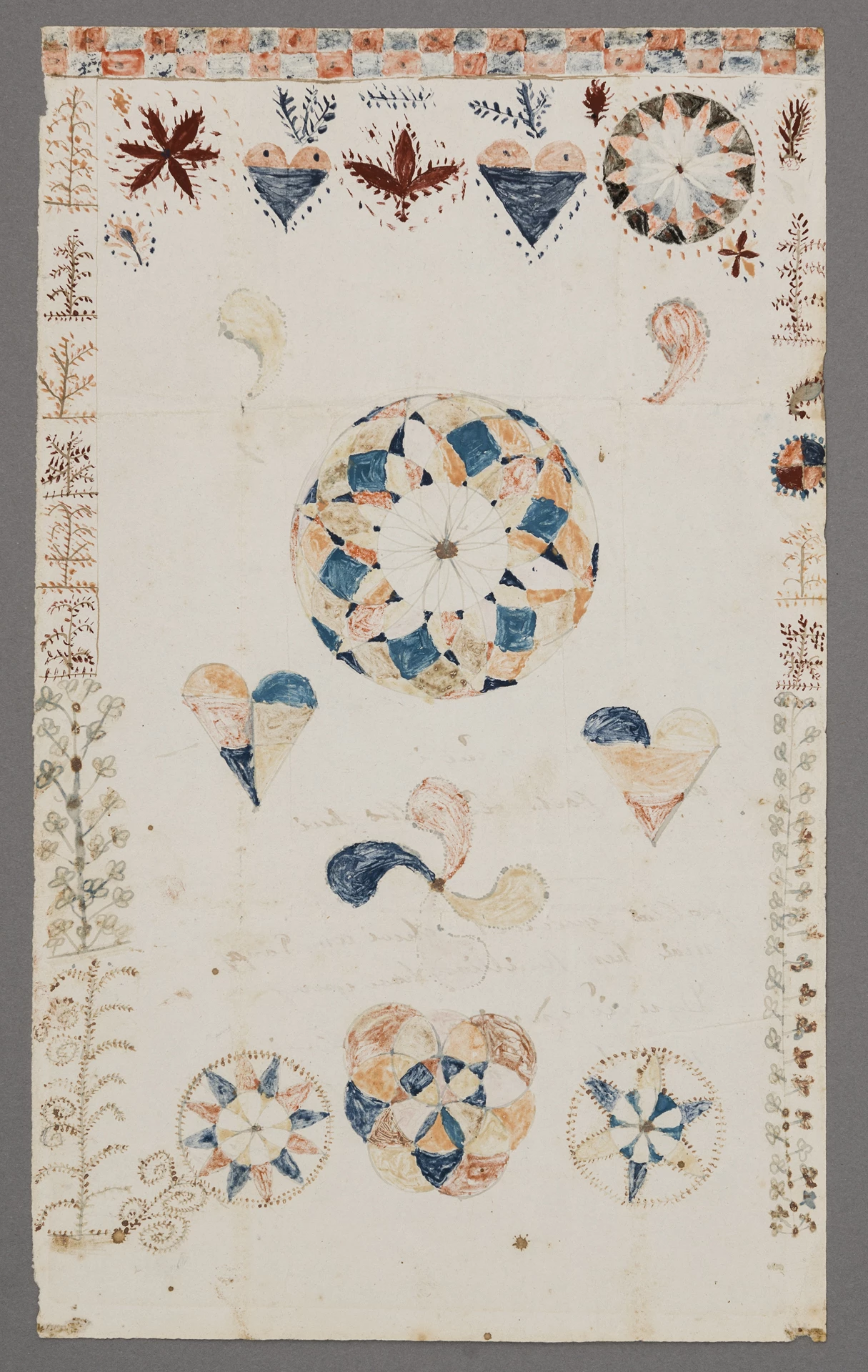
To celebrate St. Valentine’s day, and the recent St. Dwynwen's day, here are images of items from the collections at St Fagans National Museum of History, given as tokens of love.


The Lovespoon

The earliest dated lovespoon in the SFNMH collection is from 1667 but it is probable that the tradition of carving lovespoons pre-dates this.  The tradition of spoon carving for domestic purposes was a common pastime during the long winter months, especially in farming communities. The early lovespoons were given as love tokens but also used by the receiver as a spoon for eating. As the craft developed they became more decorative and less utilitarian. Shapes and decorations were added and below is a list of these with descriptions of the meanings.

Hearts

The heart is the universal symbol of love and is frequently seen on Welsh lovespoons. It is a sign of passion and strong emotion which surely signifies the carver’s depth of feeling for his beloved. A lovespoon showing twin hearts might well indicate a mutual love between sender and recipient.

Double bowls

Occasionally, lovespoons are carved with two or more bowls; two possibly signalling the union of the souls when joined together and three perhaps indicating the wish for a child.

Comma or paisley shape

Often visible on historic Welsh lovespoons, this shape is said to represent the soul and deep affection.

Balls in cage

Balls carved within cages are commonly thought to represent the number of children desired by the carver, but could equally be a sign of a man held captive by his love.

Chain links

Generally considered to indicate loyalty and faithfulness, chain links might also symbolise a couple bound together in their love and loyalty.

Diamonds

Diamonds are believed to represent a wish for prosperity and good fortune and a promise to provide well for a loved one.

Keys and keyholes

In addition to the house images that sometimes appear on Welsh lovespoons appearing to represent domestic contentment, key and keyhole carvings are also used frequently, perhaps symbolizing security or, more romantically, the key to one’s heart.

Wheel

Wheel symbols often feature in Welsh lovespoons and are said to represent a vow by the carver to work hard and to guide a loved one through life.


Valentine Cards

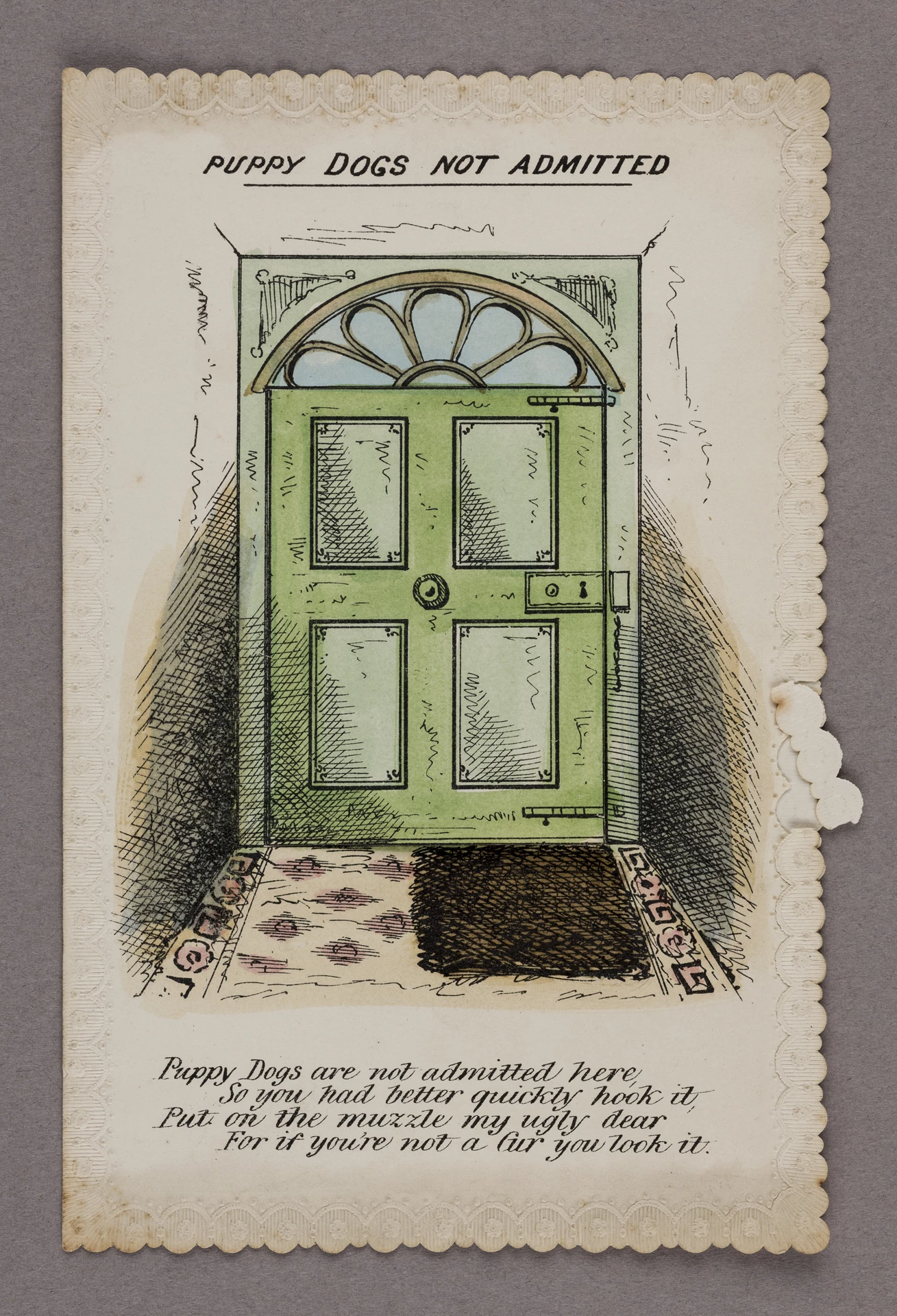
The first written valentine message in England dates from 1684 and in Wales the poet Edward Morris, Perthi-llwydion mentions a valentine message in his works during a similar period. It is not until the 19th century however that the custom of valentine cards became popular, the earliest examples in Wales are from the early part of that century. In Glamorgan, also during this time, true lover's knots were distributed as favours on Valentine’s Day. Known as  common symbols of affection and devotion, they were later incorporated onto valentine cards. It is also well known that the path of true love never runs smoothly and there are also examples in the SFNMH collection of valentine spite cards, sent to those who had rebuked the sender’s affection or broken off a romance. This first image shows an example of such a card.


The early bird catches the worm

Kimberley Mills, 7 February 2018

....... quite literally in some cases!

Last week saw us head up to Berwick-upon-Tweed to sample for species of marine bristle worms, the shovelhead worms (Annelida: Magelonidae). The aim was to collect enough of these burrowing animals from under the muddy sand at low tide that we could contribute to our collections and additionally place some in our laboratory tank for live observations.

After closely examining one species of shovelhead worm at the museum (Magelona alleni) for the majority of the first seven months of my professional training year (PTY) from Cardiff University, and successfully finding out some exciting new behavioural traits (in press), I find myself wanting to expand not only my own knowledge, but becoming eager to contribute more to our overall understanding of these fascinating and somewhat enigmatic creatures. The more science we uncover, the more well known these species, who perhaps do not receive the same attention as some of the bigger vertebrates, become. I see this as a crucial factor to raise awareness for a preservation of the natural world in our future.

With this mantra circling around my head, my enthusiasm was bursting as we drove to the beach on our first day of sampling. Low tide was just before 8am, meaning leaving our cottage, full gear in tow, at around 6.30am. No problems, I thought. I’m ready for that chilly Northern January air. Bring. It. on. Assembled with so many layers that we lost count, we clambered out of the car ready to get onto the beach, undeterred by the eerie super moon and snow battering our windscreen as we drove to our destination that morning. We were looking for two species of Magelona in particular, Magelona johnstoni and Magelona mirabilis, known to occur in abundance in this location, where George Johnston first describer of the the latter species lived and collected worms (you can learn more about the fascinating life of George Johnston and what he accomplished at these sites: https://en.wikipedia.org/wiki/George_Johnston_(naturalist), http://www.raysociety.org.uk/userfiles/File/Johnston%20essay.pdf).

Our first dig looked promising, revealing many of the now familiar milky white, almost stringy, teeny tiny strands of magelonids. As we gently prised them out of the sand and put them into test tubes, by using seawater to gently wash the surrounding sand away in our hands, it occurred to me my hands were starting to go a little bit numb in the icy water. I thought I obviously wasn’t quite as seasoned at this as Kate, my museum mentor. Luckily we had hand warmers at the ready to dive our hands into after each dig. However, as we dug more and more both of us felt our hands turn to popsicles, and let me tell you, anyone who has ever tried to get a worm that is only a few millimeters in length into a test tube does not want popsicle hands. Over the next few hours our feet slowly turned into matching ice cubes, until we had to call it a day. Luckily for us, we had the same scenario to play out all over again the next morning.

 What I haven’t mentioned yet is that despite the somewhat crisp weather, we saw some of the most breathtaking sunrises, with only the odd oystercatcher and redshank to accompany us. Along with this, we were further rewarded by the pure amount of magelonids present in such small spaces, meaning our collection was plentiful and we could take the animals back to our make-shift laboratory at our accommodation for identification, which is when you really start to see what the fuss is about with these worms. The stringy white appearance you see from afar turns into an elegant, ethereal-like animal under the microscope, with complex morphological features. Perhaps, most notably, long, flowing palps that arise near to the animal’s mouth. The number we collected means observations in the laboratory can now be started for new research. George Johnston’s description of the abundance of the animals here sure hasn’t changed much in well over 100 years. Ultimately, the moral of the story is that sometimes, the more changeling the environment, the more recompense. Who knows, maybe one day we’ll be worm hunting in the Artic!

Catch up with some other tails of a PTY student