Life in the Sea
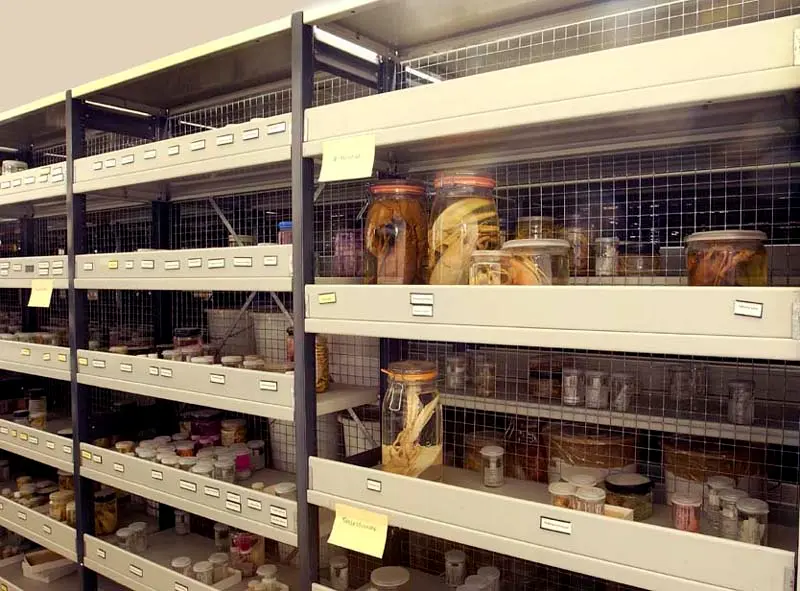
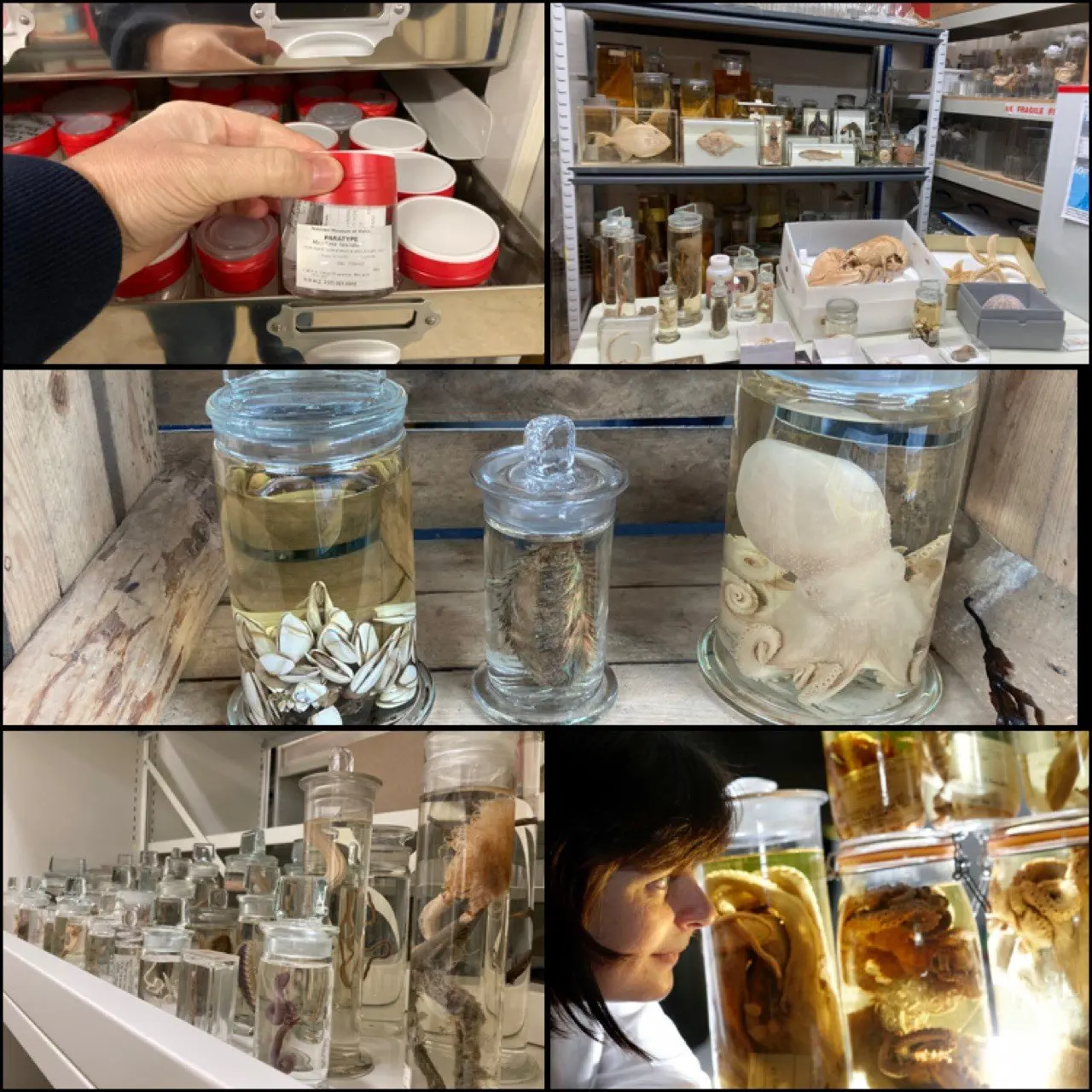
- Amgueddfa Cymru houses nearly 750,000 specimens of marine life in its collections, such as worms, crabs, starfish and more!
- The collections are an important reflection of which animals live in which habitat at any point in time. Therefore, they are vitally important in tracking what happens with climate and ecological change.
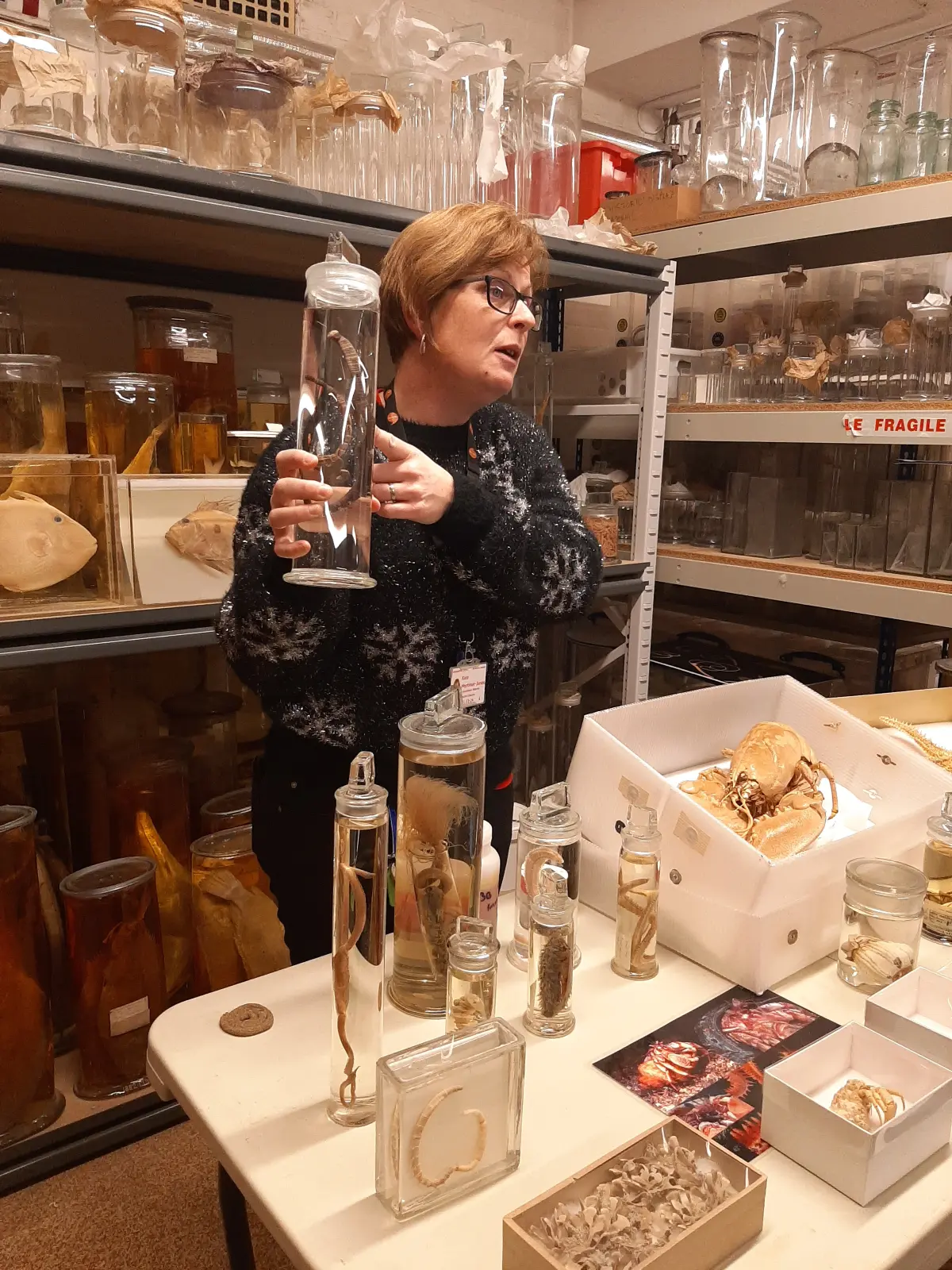
- Delve into the world of the curators who look after these collections and carry out research into these wondrous animals
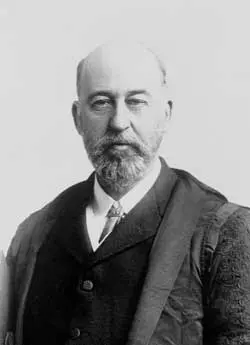
Amgueddfa Cymru has a rich history researching sea life, starting with the work of William Evans Hoyle, our first director (1909-1924), and continuing with the work of our current curators and scientists. Hoyle focused his research on squid, octopus and cuttlefish (cephalopods), but since then the museum has been actively involved in understanding more about the diversity of life living in and on the seabed, a subject known as benthic biodiversity.
An important role of museums is to house and care for collections, and whilst some of these collections may be used in the galleries and exhibitions you see around you, others are utilised for different functions such as education and scientific research. Our collections are enhanced by our research activities and expertise, and this goes for the sea life collections housed in National Museum Cardiff.
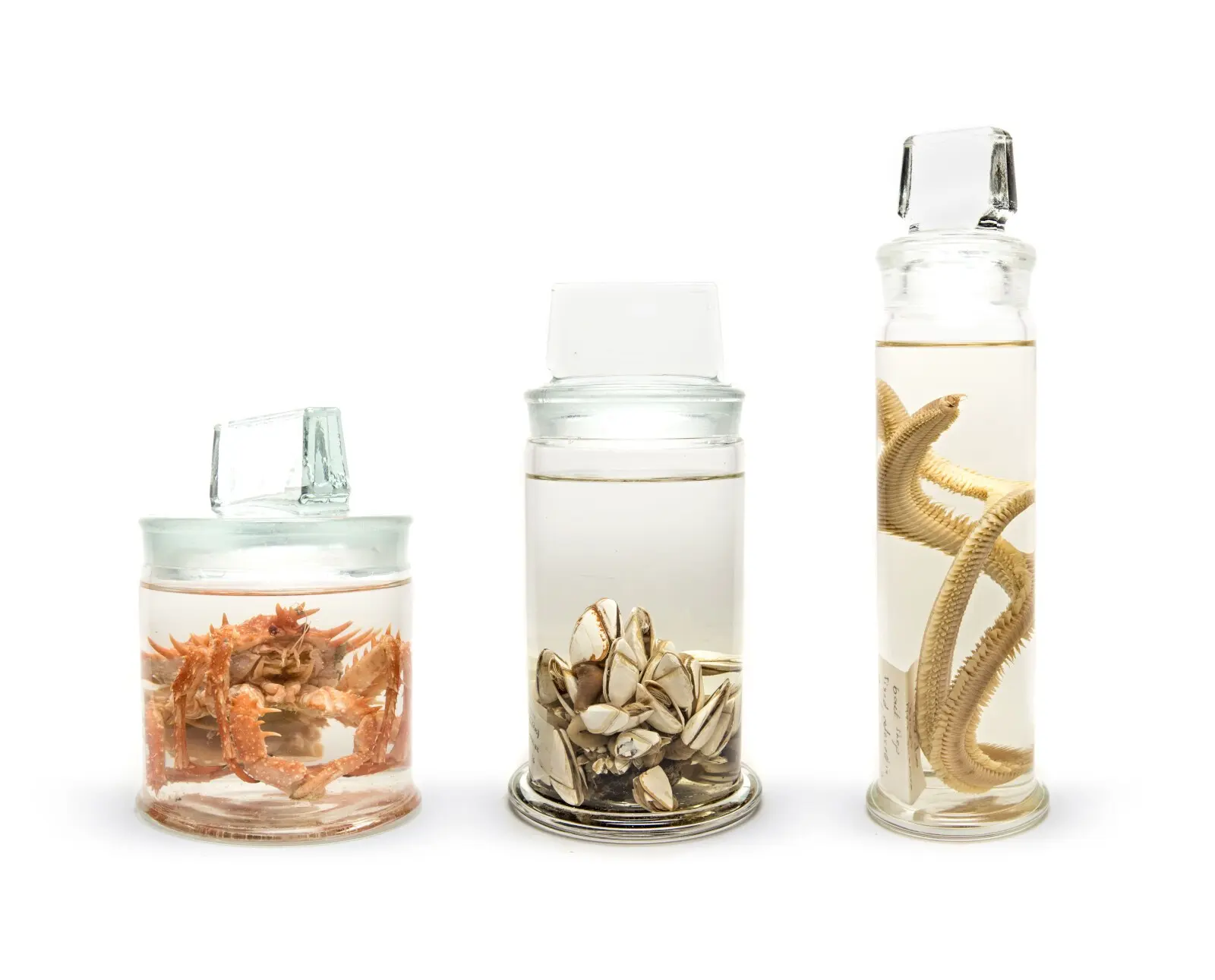
The Museum holds a wide and diverse collection of marine invertebrates. These are animals in our oceans and seas without back bones, such as sea worms, shells, starfish, crabs, lobsters, corals, sea urchins and many more. Whilst most of our marine invertebrate collection is housed together, our extensive collection of molluscs (a group which includes clams, oysters, mussels, cephalopods to name a few) is housed separately and cared for by specific curators.
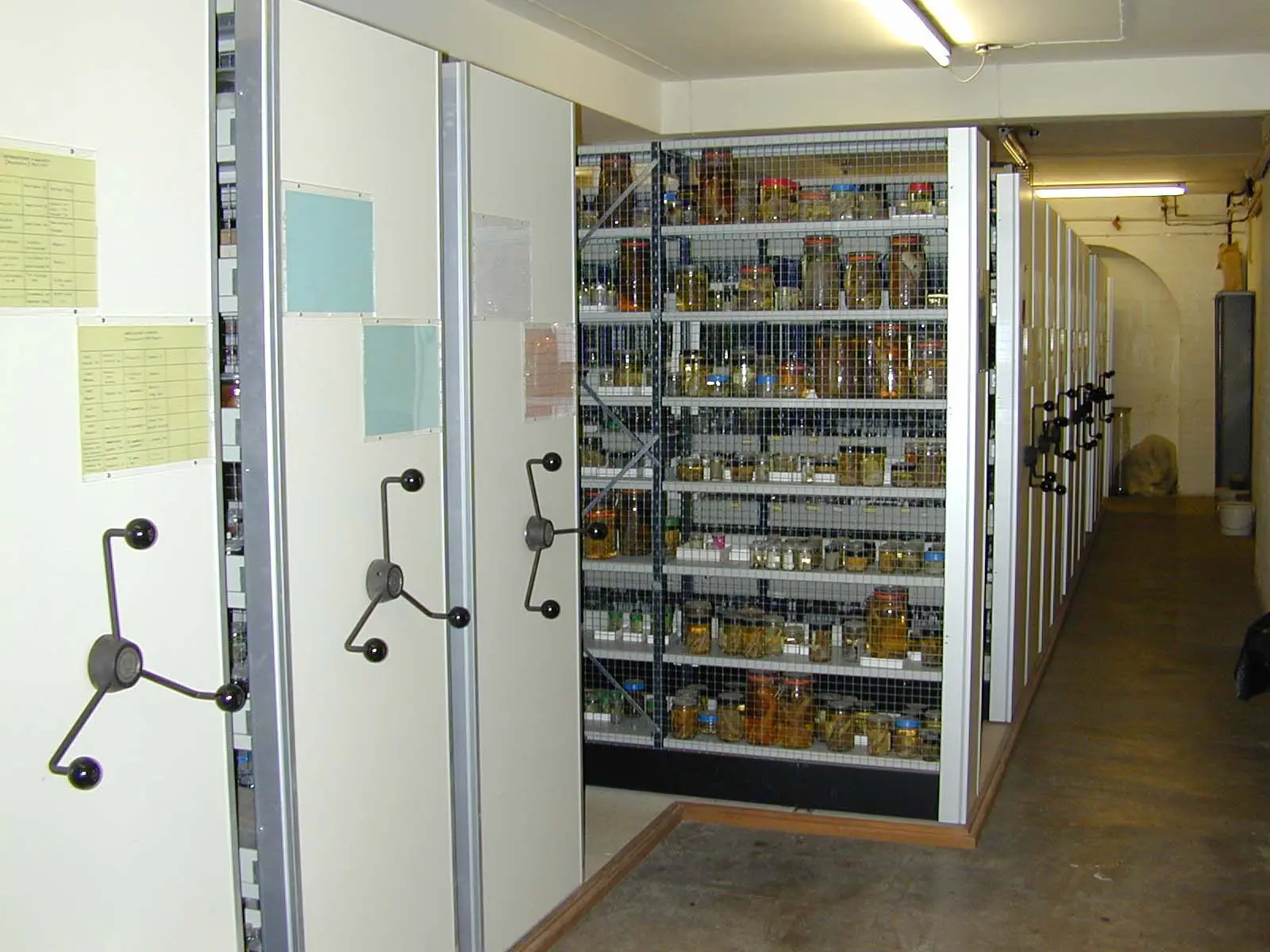
The Marine Invertebrate Collection comprises approximately 750, 000 specimens, and this number is continually growing through the museum’s own fieldwork and research, as well as donations. The collection represents many different groups of animals but over half is comprised of marine bristleworms, or polychaetes to give them their scientific name. Marine bristleworms [Link to can of worms article when published], are segmented worms related to earthworms and leeches and are a vital part of seabed communities. The abundance of sea worms in our collections reflects our museum’s expertise but also the abundance of bristleworms occurring in seabed sediments, sometimes as many as 50–80% of the animals living there.
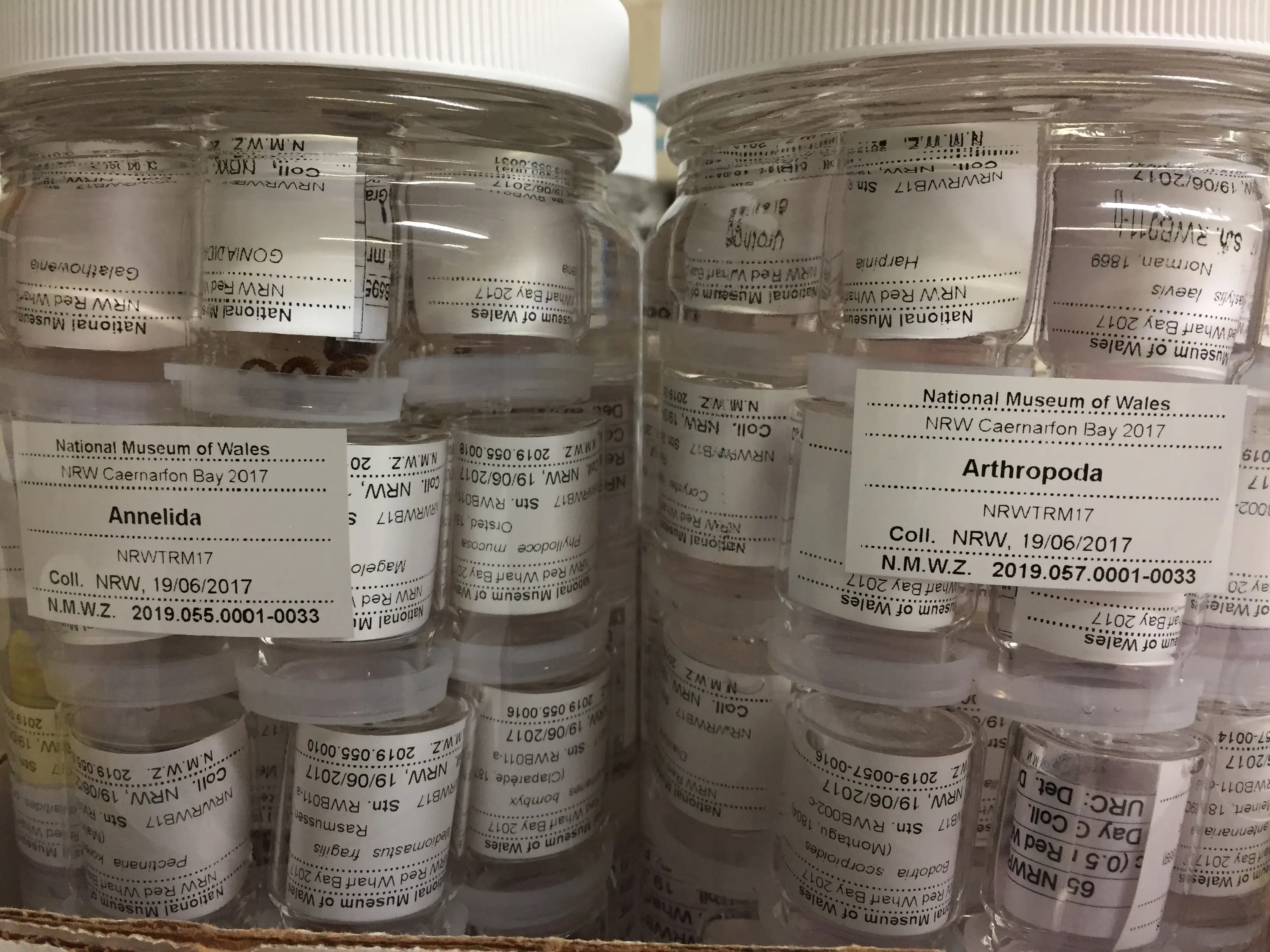
Most of our marine collections are preserved in fluid, usually industrial denatured alcohol (IDA) or ethanol, which prevents the specimens from rotting. Much of this material will have been additionally fixed before preservation using formaldehyde. However, we also have frozen tissue samples, used for DNA analysis (allowing us to see which species are more closely related to one another) and dry collections, the latter of which are predominantly collections of Crustacea (e.g., crabs and lobsters) and corals.
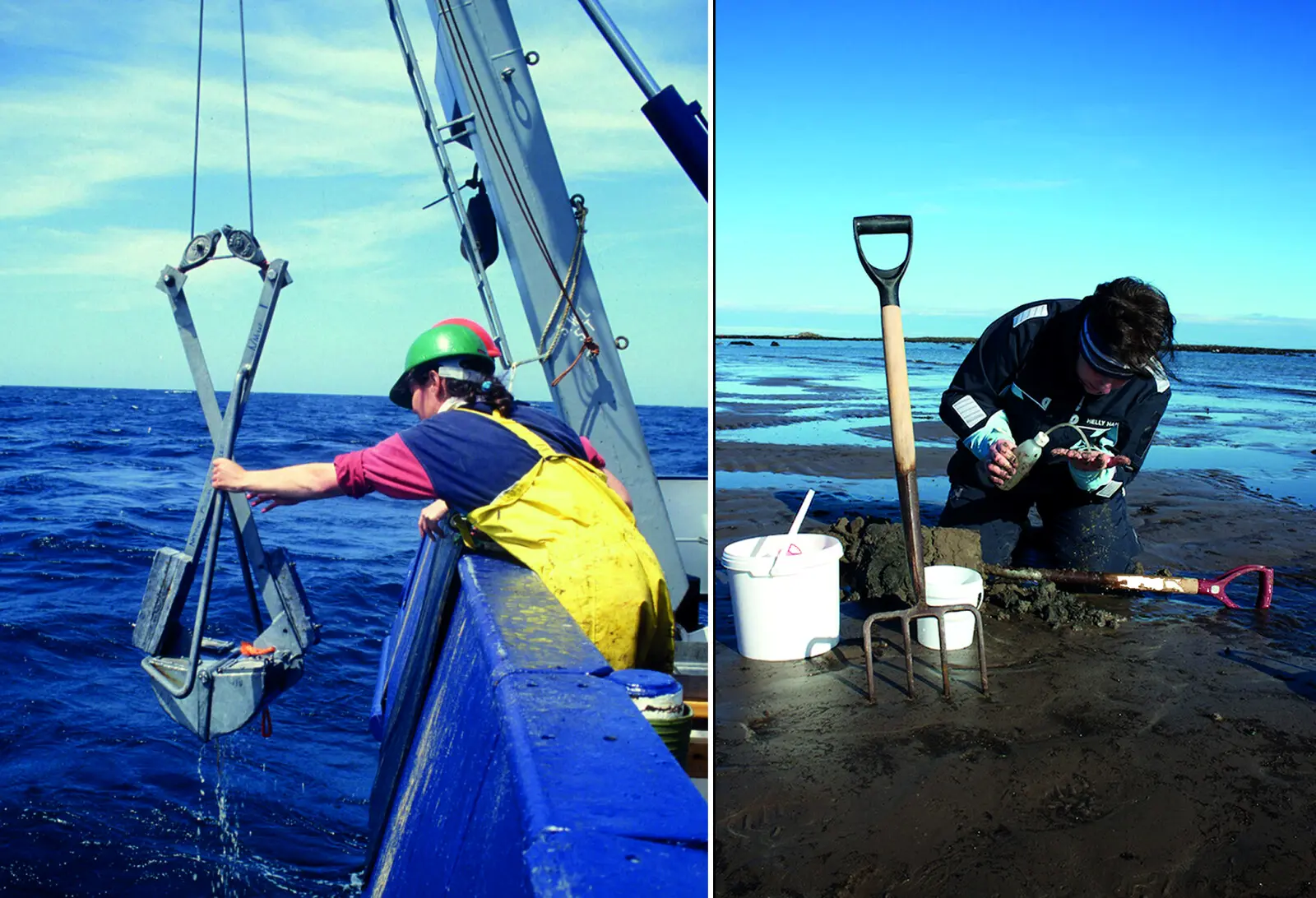
Most of the material in our collection is from the UK, and we house the largest collection of Welsh marine invertebrates in the world. Much of this material has been collected during years of seabed life surveys around the Welsh coast and Irish Sea by Museum staff. However, we also have specimens from over 60 different countries around the world, some arrived as donations, and some came from our own survey work in places such as the Seychelles, Hong Kong and the Falkland Islands. The donated material includes reference collections from oil and gas survey work and surveys monitoring the health of the seabed in the UK and around the world.
So why are our collections important, and why is it important to have so many specimens? Our collections are a unique record of which species lived in which habitat at any given time. This is important as it allows us to track changes which may occur as a response to climate or environmental change, pollution events or even transportation of alien or invasive species around the world, allowing us to assist in the protection of seabed life. We can also check any previous identifications that have been made by going back to the original samples, something that you would not be able to do just with the record itself. Our collections are also used by researchers and scientists to enhance their skills in identification and as part of the work describing other new species.
One of the most important uses of our collections is keeping safe the scientifically priceless specimens we call ‘types’. When a new species is discovered, described and named, the scientists in question choose a specimen that they say best represents the new species, and this specimen is then known as the holotype. These specimens are vitally important because they enable people across the world to know what the new species looks like in comparison to other species. Many museums across the world are depositories for type material and are entrusted to keep it safe but facilitate access to it for those who need to.
Our own curators and scientists use our collections too. Our expertise in the marine invertebrate section is in marine bristleworms and we have described over 35 new species since 2000. The collections allow us to compare similar species so that we can see when a species is new to science or a new record for a particular area. To do this work we employ drawing techniques, Scanning Electron Microscopy (which allows us to take images at high magnifications), photography and DNA analysis.
You can find out about some of our research on marine bristleworms in the following blogs:
- Uncovering new species
- Falkland Islands Marine Bristleworms
- A species new to science
- Shovel head worms from Wales to West Africa
- Unravelling a can of worms
So, next time you are in the main hall of National Museum Cardiff, think about the marine invertebrate collections beneath your feet and the importance they have in keeping our seabed habitats around Wales healthy. You may even find some of these collections in our displays and exhibitions. We used many of our bristleworm specimens in the touring exhibition ‘Wriggle! The Wonderful World of Worms’.