I wanted to give you a heads up about an exciting new competition that will be launching soon!
It's a chance for all groups participating in this year's Spring Bulbs for Schools Investigation to show off their fantastic filming and storytelling skills! You'll be asked to work in groups to produce 30 second videos exploring what you've enjoyed most about the Investigation.
I'm looking forward to sharing more information with you and seeing what you all create!
I wish to say a big thank you to all the schools who participated in the investigation this academic year. Thank you for sharing your weather records, comments and photos. I hope you all enjoy the holidays.
Please share any observations on the type of weather you see over the holidays with your comments when you return to school. I wonder if any of us will have a white Christmas!
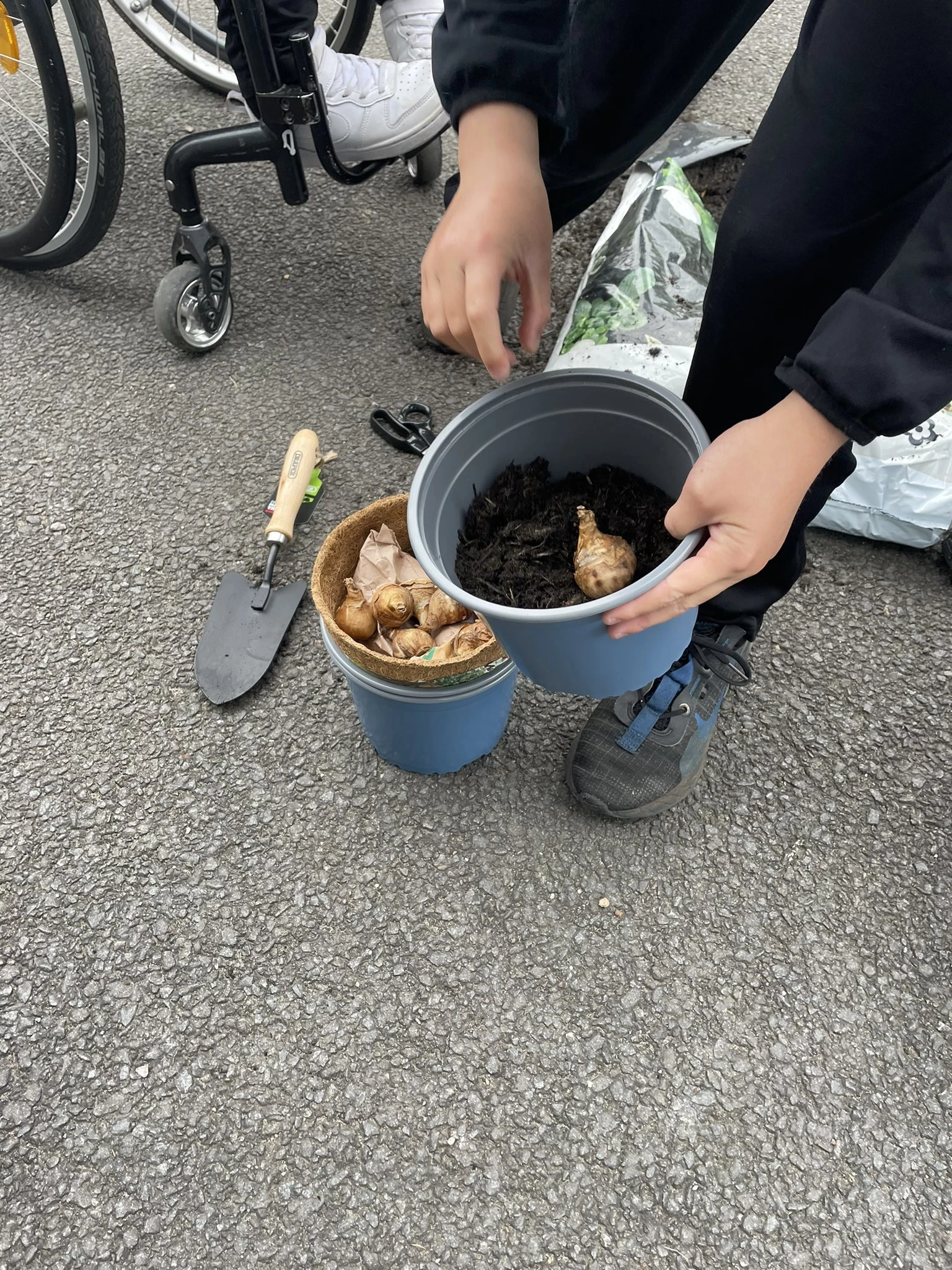
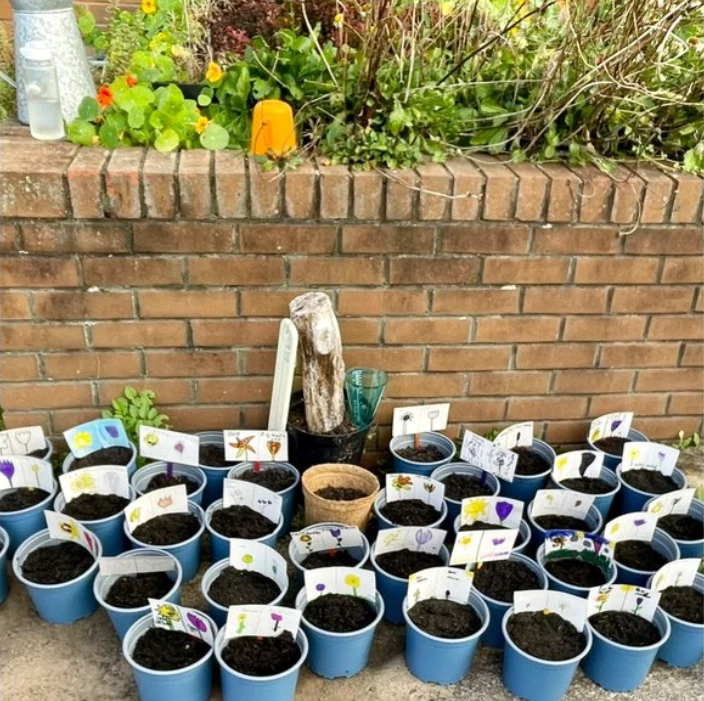
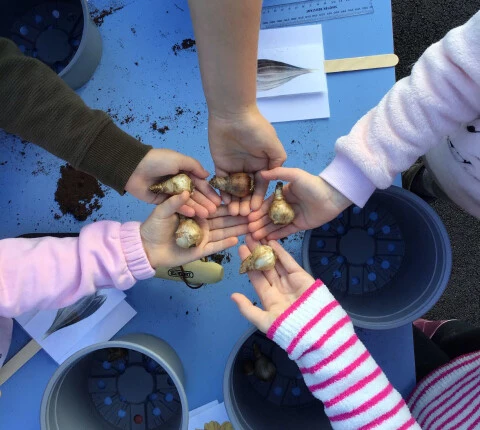
I want to say a big thank you for all your hard work on planting day. You helped to plant 11,183 bulbs across the country and from the photos I’ve seen, it looks like you all had a great time doing it!
Weather records should be kept from 1st November. Please make sure that your thermometer and rain gauge are in a suitable place next to your bulbs so that you can take weather readings every day that you are in school. Don’t worry if you are on holiday this week, you can enter ‘no record’ for any days that you are not in school.
There is a resource on the website to help you prepare for taking Weather Records. I’ve attached this here in case you haven’t already seen it. This resource helps you to answer important questions, such as ‘why rainfall and temperature readings are important to our investigation into the effects of climate on the flowering dates of spring bulbs’!
Use your Weather Chart to log the rainfall and temperature every school day. At the end of the week, log into the Amgueddfa Cymru website to add your weekly findings. You can also leave comments or ask questions for me to answer in my next Blog.
Let me know how you get on. You can share photos with me via email or X/Twitter.
176 Schools from across the UK will be joining together to plant 11,183 bulbs for this fantastic project.
We run a Planting Day creative media competition every year that encourages schools to showcase planting day at their school. Watch this space to see the winning entries in November!
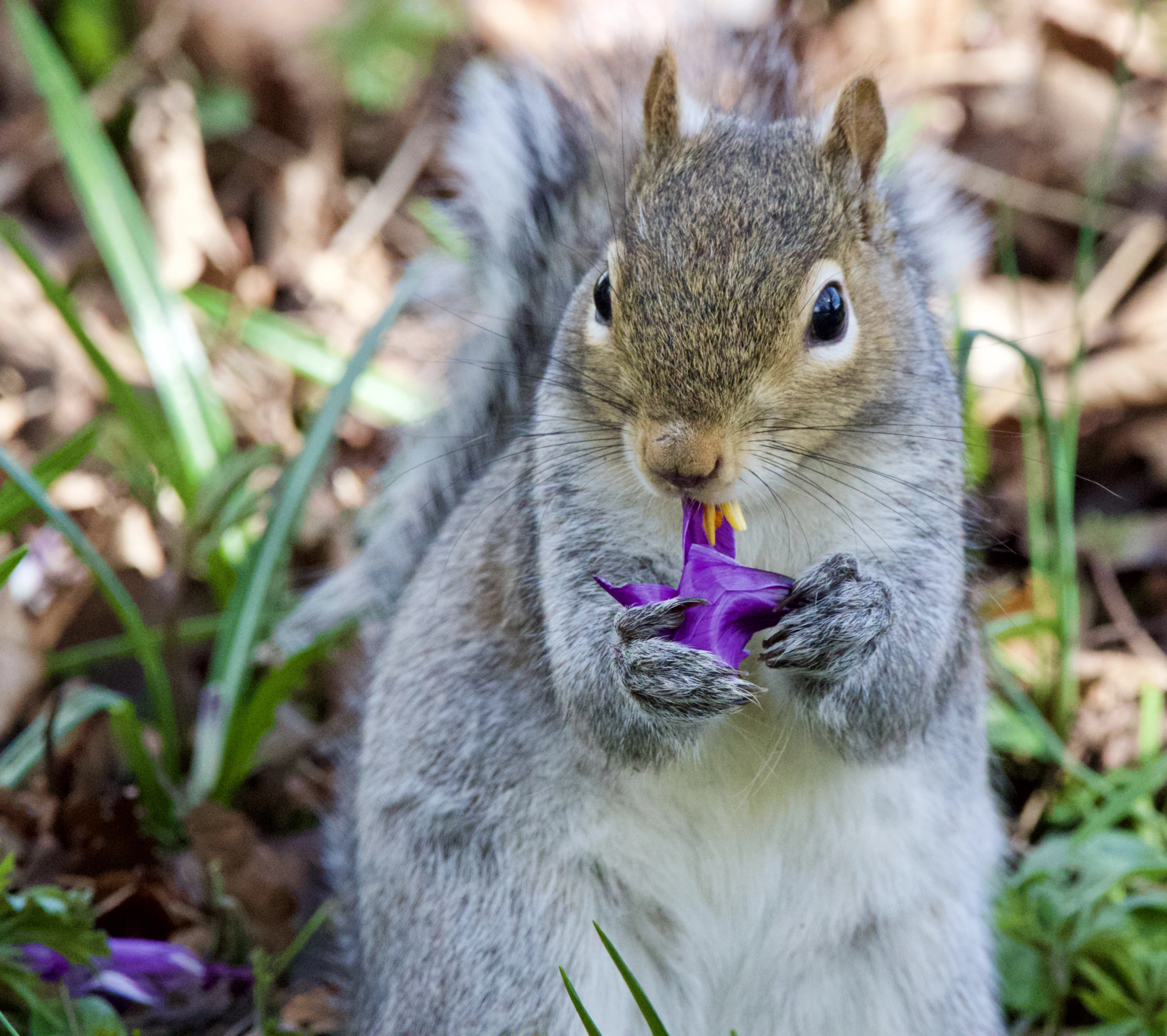
Meanwhile, we'll be following every stage of the Investigation on this Blog. We'll hear from pupils directly, as they share their comments when uploading their weekly weather data. We'll regularly check in with schools to hear about any extreme weather in their areas and any issues that might affect their weather stations or planting areas (in the past this has included hungry squirrels!)
We'll watch with pupils for the first signs of spring and share their excitement as the first shoots and then the first flowers appear.
We will then review the weather and flower data for the period November 2023-March 2024, and compare it to data collected since 2005 to see if we can spot any trends.
We hope that you will join us on this fun journey as we explore the effects of weather and climate change on spring bulbs.
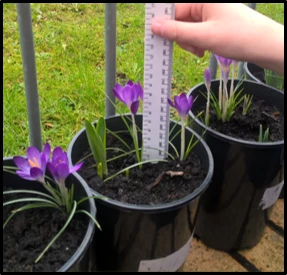
Model Church in Wales Primary from Carmarthen were this year’s Wales winners for the Spring Bulbs for Schools Investigation. Schools who participated in the project planted bulbs in October, took daily weather readings from November to March, monitored their plants and recorded their flowering dates and heights and uploaded all this data to the Amgueddfa Cymru website.
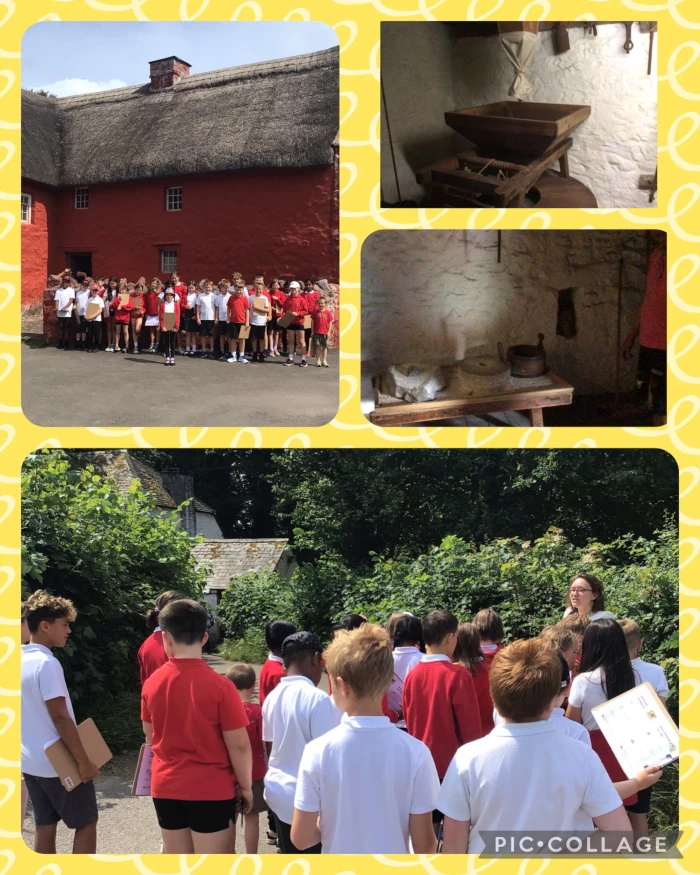
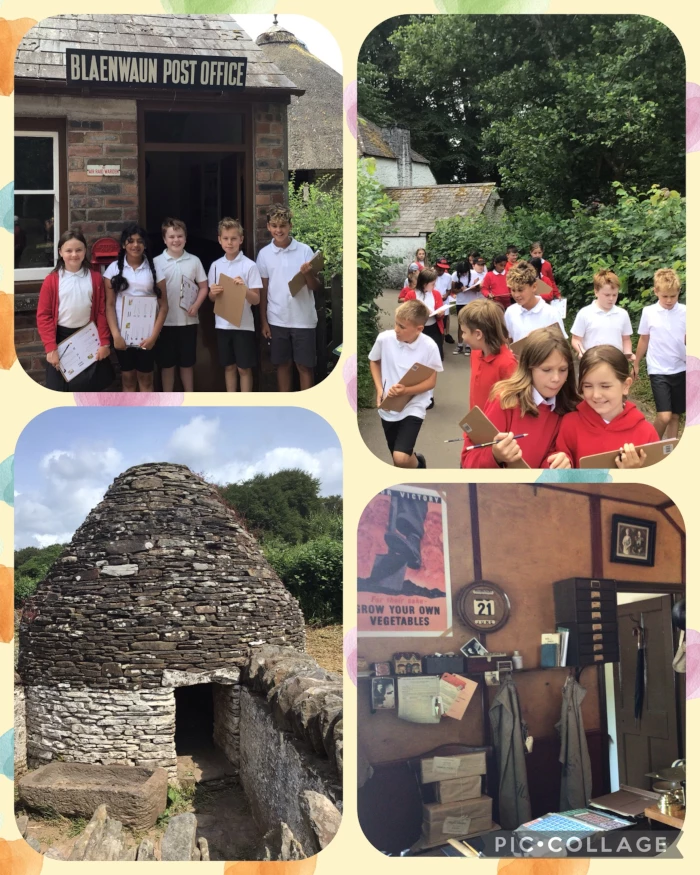
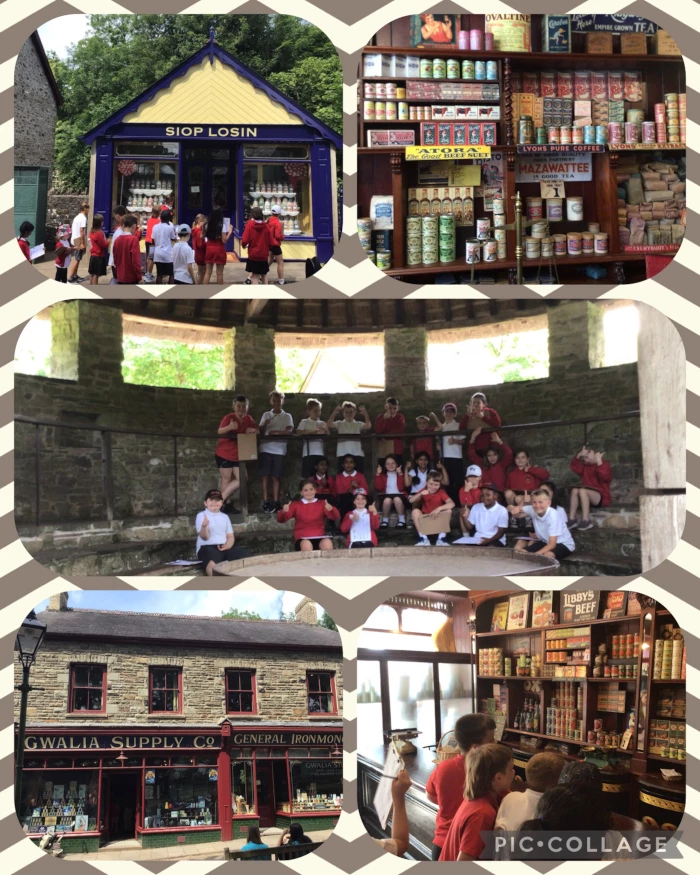
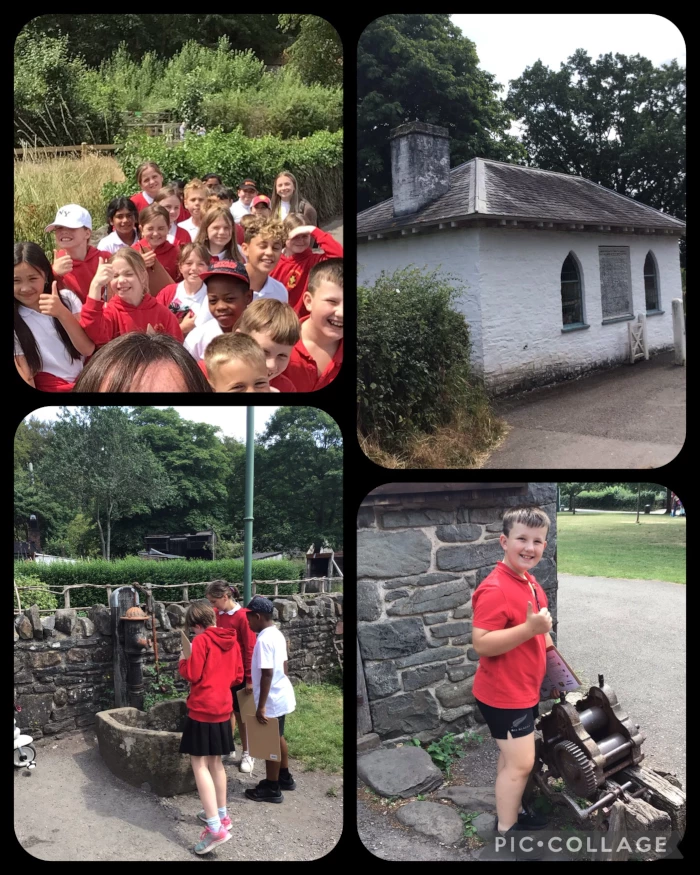
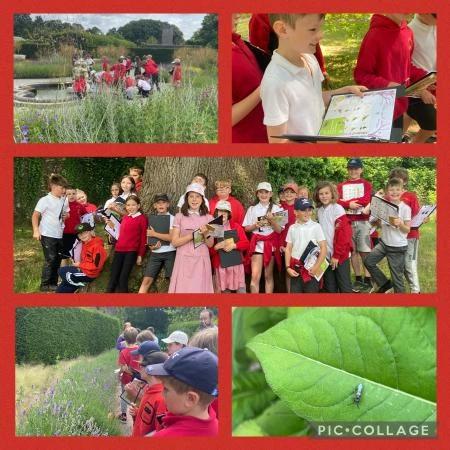
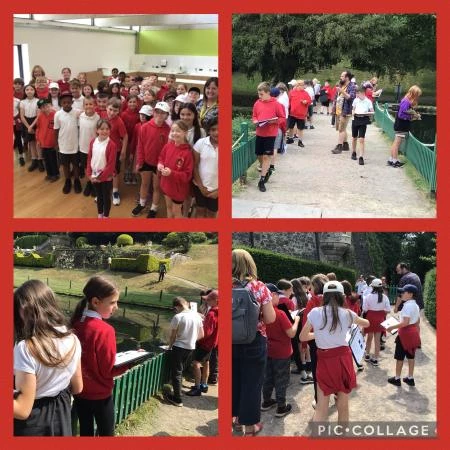
The prize for the winning Wales school each year is a trip to one of Amgueddfa Cymru's seven museums, with coach hire and activities. This year Model Church in Wales Primary elected to visit St Fagans National Museum of History. The day included a Sustainability Trail that involved exploring some of the museum’s historic buildings and a Mindful Bug Hunt, where we explored some of the museum’s beautiful gardens.
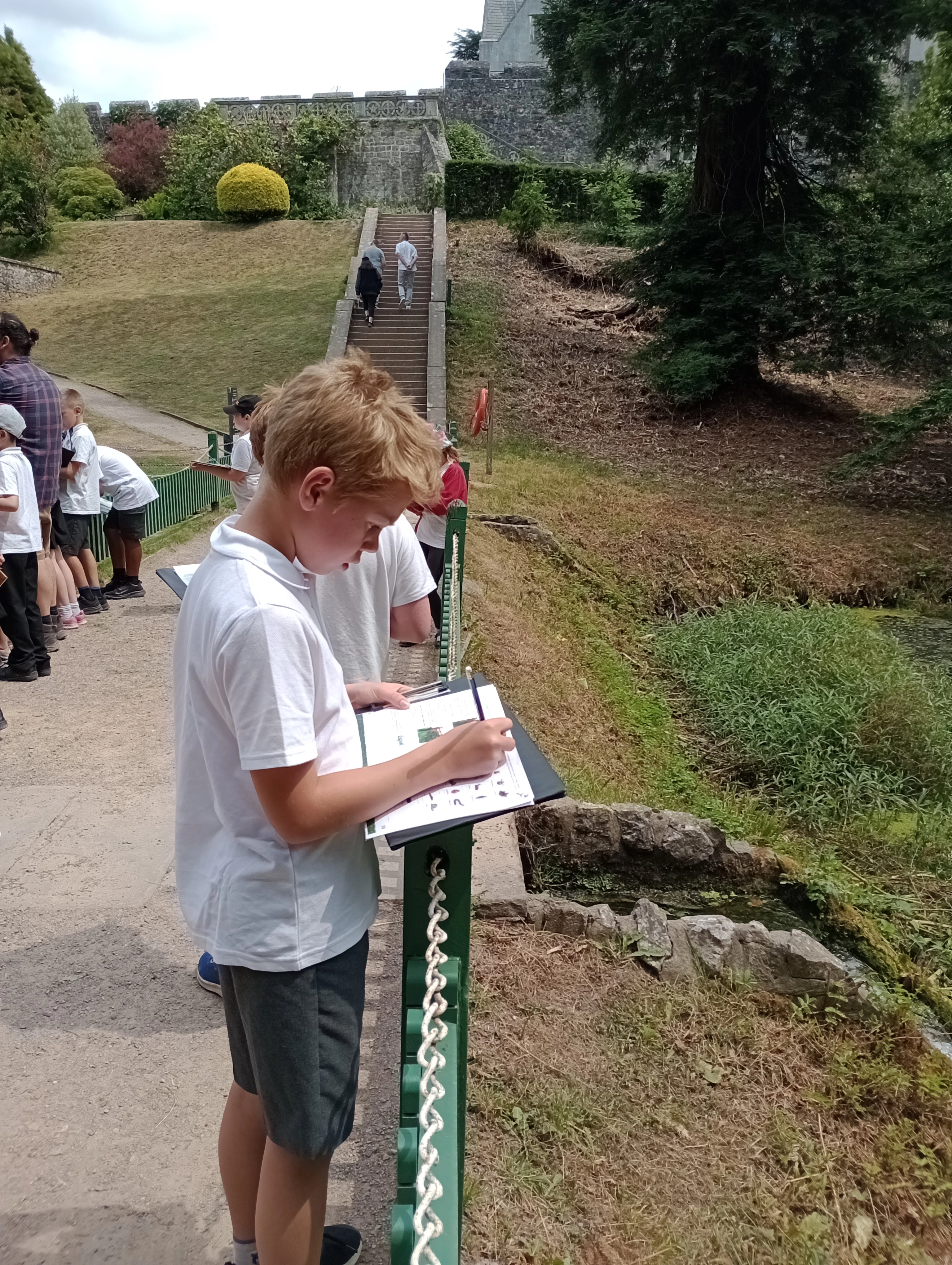
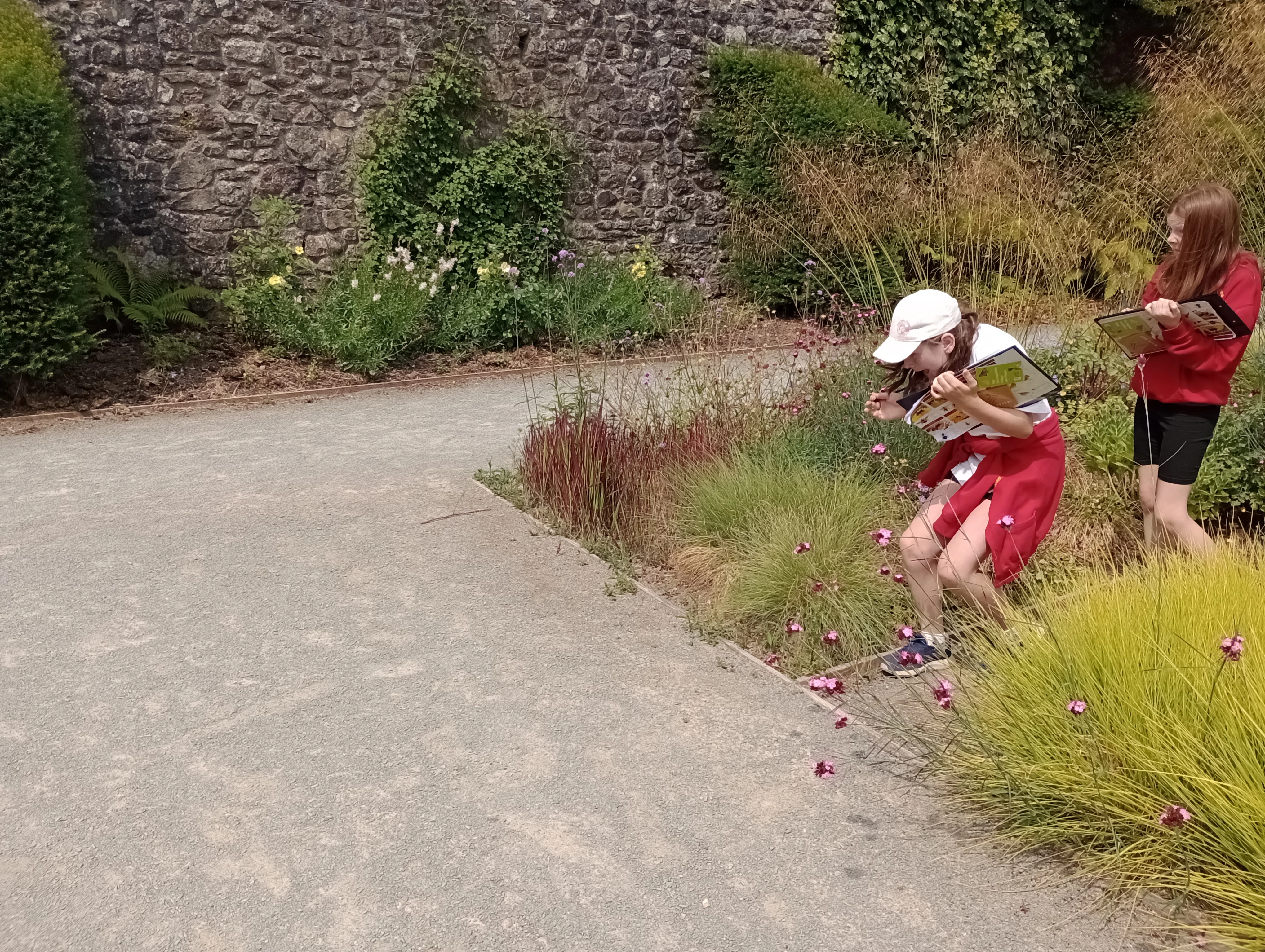
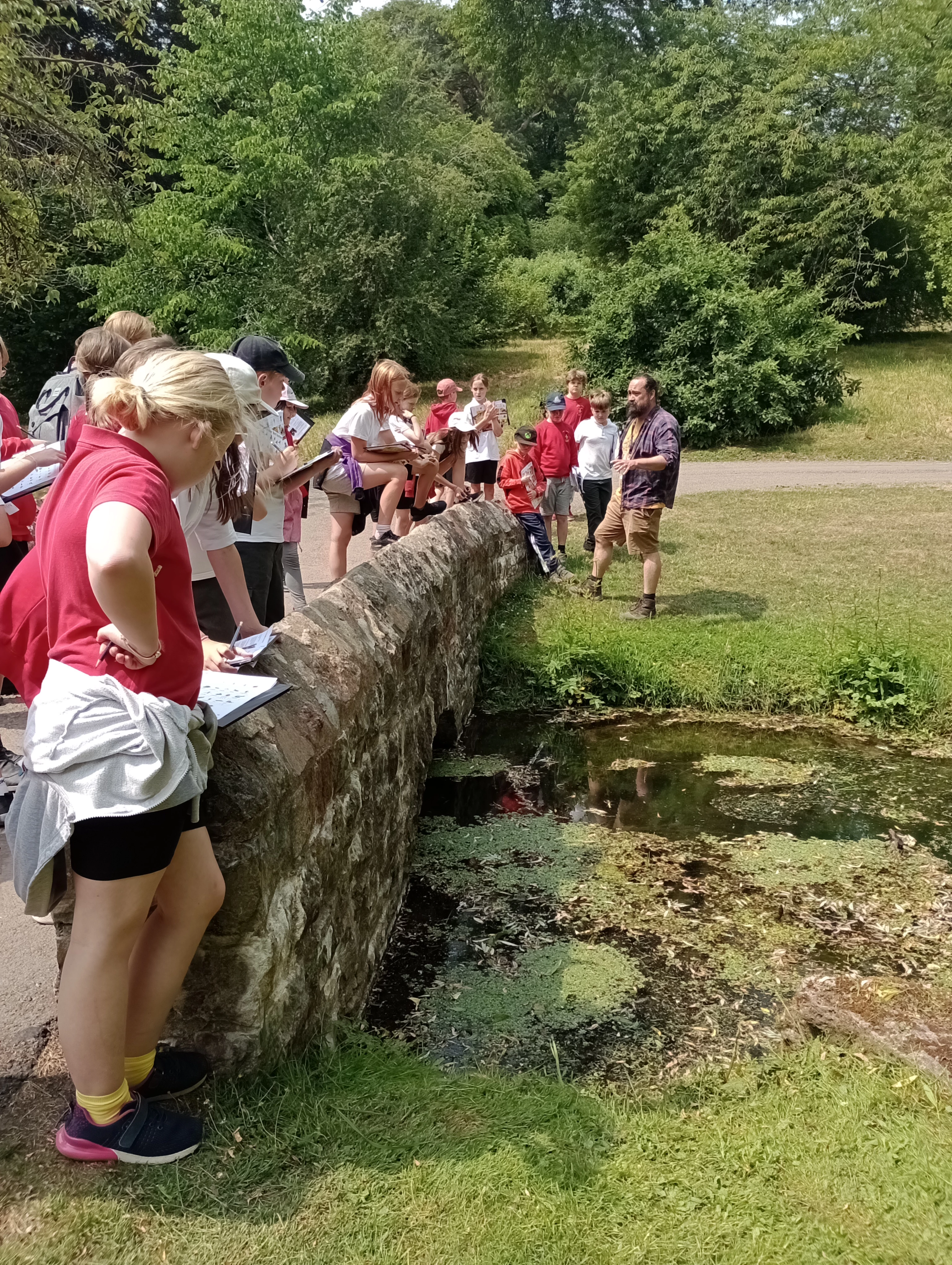
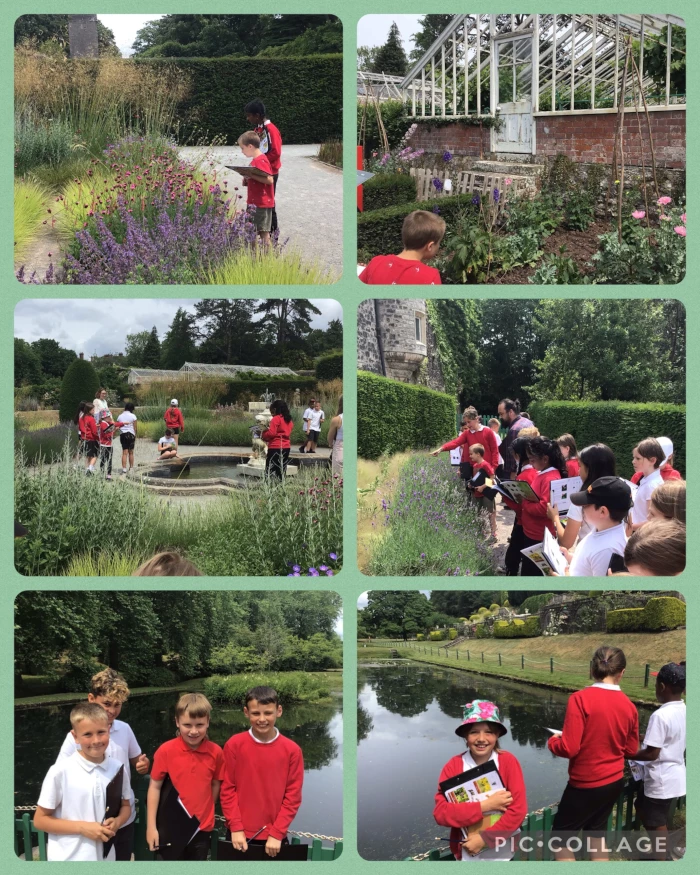
We were extremely lucky on our Mindful Bug Hunt, which involved being attentive to our surroundings and watching, listening, and smelling intently. We saw emerald green and sapphire blue damselflies dancing above the water at the fishponds, and many little fish darting about beneath the surface. Some were lucky enough to catch a glimpse of a grass snake as it slithered into the water and away.
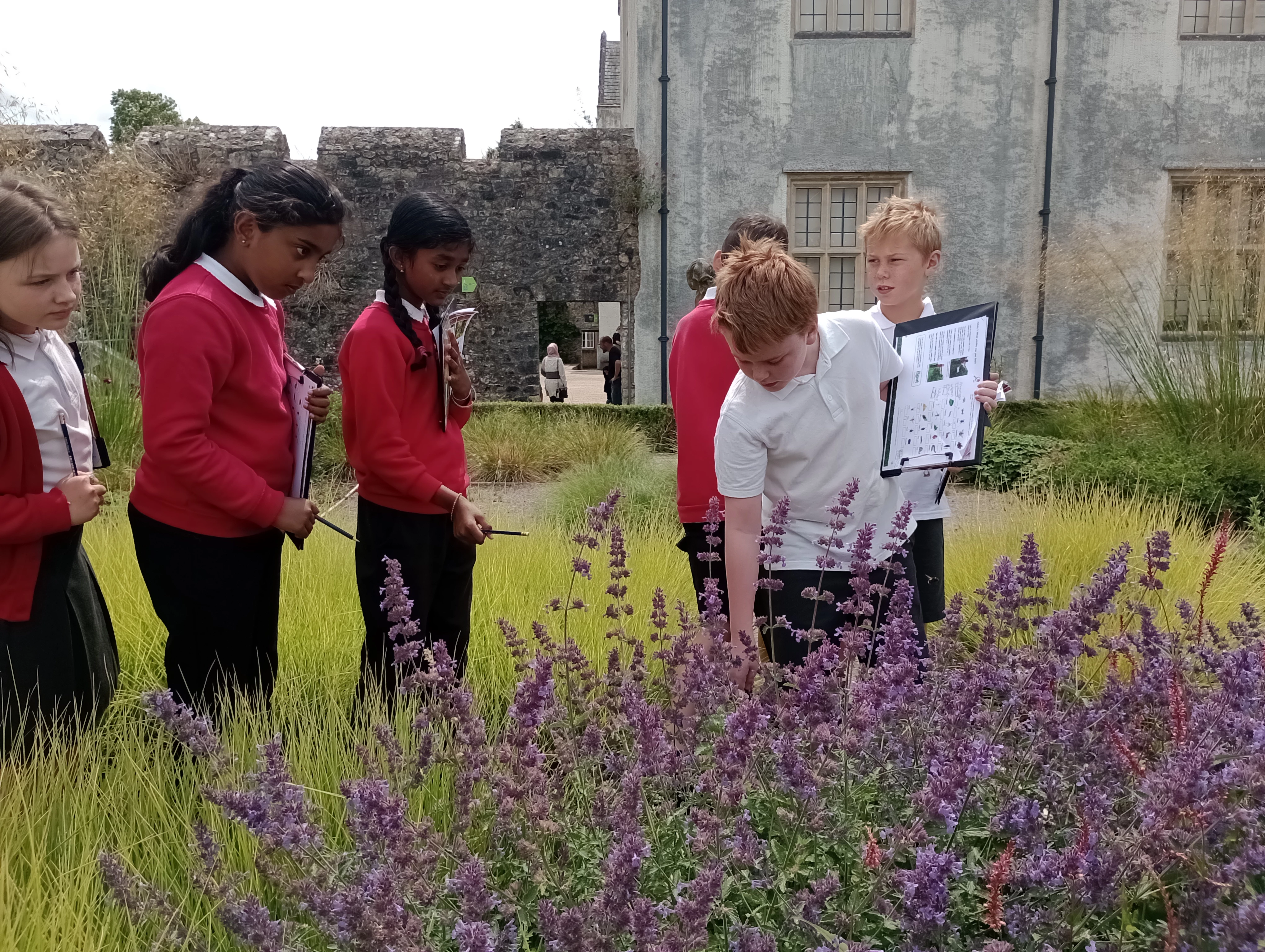
We saw busy bumble bees and colourful butterflies pollinating sweet-smelling plants like Lavender. We saw and heard long legged grasshoppers in the undergrowth of the flower beds, along with ladybirds, aphids, ants, beetles, centipedes, snails, earwigs, and woodlice. We ducked as a giant dragonfly fed on insects above our heads, diving at us repeatedly.
We watched and listened as solitary bees buzzed around a mound in the lawn, burrowing new homes into the soil. We saw hundreds of baby garden spiders burst out of their egg sack and scatter throughout a hedge.
We watched water boatmen swim leisurely past the stone footbridge, and water snails beneath feeding slowly on algae. We watched the familiar wild ducks, the stately Canadian geese and all their young chicks as they carried about their business along the water’s edge.
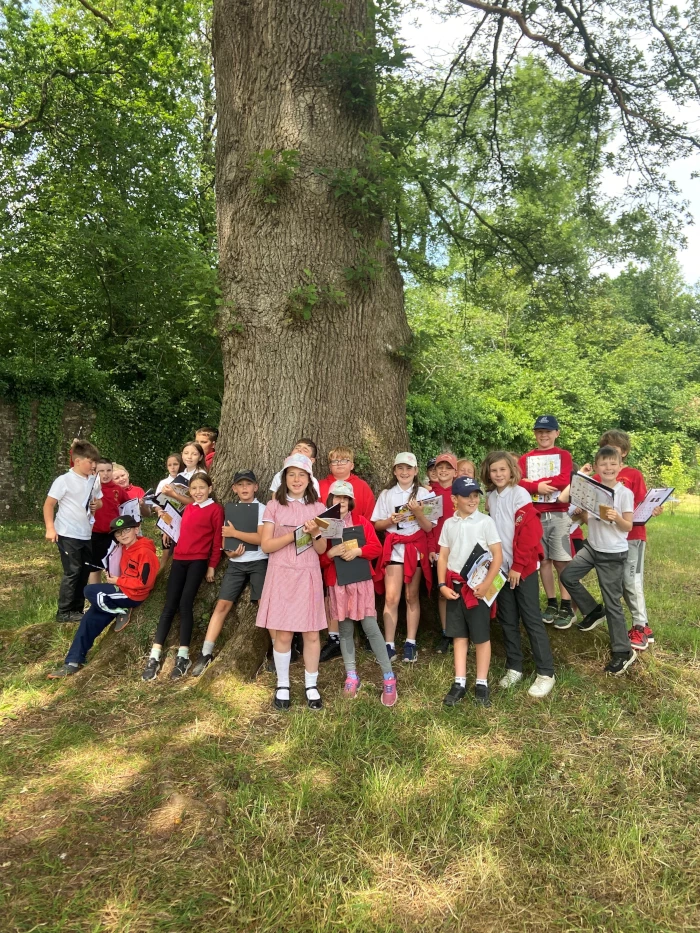
We identified different plants and trees and saw how many of us it took to surround the entire width of the 400-year-old Oak tree. We were each immersed in the present and in wonder at it.
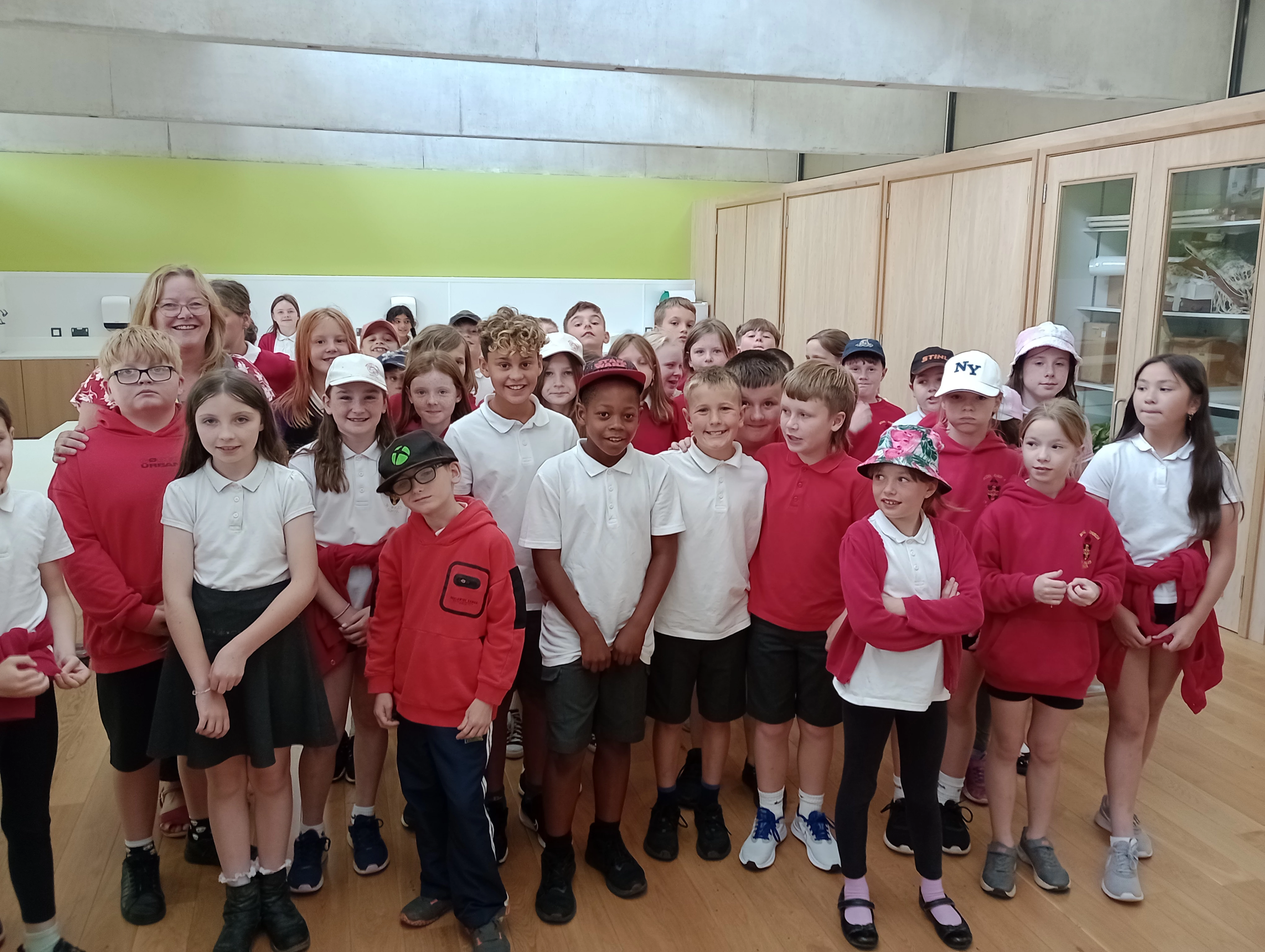
Model Church in Wales Primary have shared the following photos with us to depict their day at the museum.
Model Church in Wales Primary at St Fagans National Museum of History
Model Church in Wales Primary at St Fagans National Museum of History
Model Church in Wales Primary at St Fagans National Museum of History
Model Chuch in Wales Primary at St Fagans National Museum of History
Model Church in Wales Primary at St Fagans National Museum of History
Model Church in Wales Primary on their Mindful Bug Hunt
Model Church in Wales Primary on their Mindful Bug Hunt
Model Church in Wales Primary on their Mindful Bug Hunt