: GRAFT

Celebrating Volunteers!

Ffion Davies, 5 July 2025

Amgueddfa Cymru hosts a range of socials and celebration events to recognise and celebrate our volunteers throughout the year. Every summer we organise celebrations event at Cardiff, Swansea, Drefach Felindre, and North Wales to celebrate Volunteers’ Week.  Volunteers’ Week is a UK celebration of all thing volunteers and happens every year between 1-7 June. 

This year’s summer celebrations were unique!

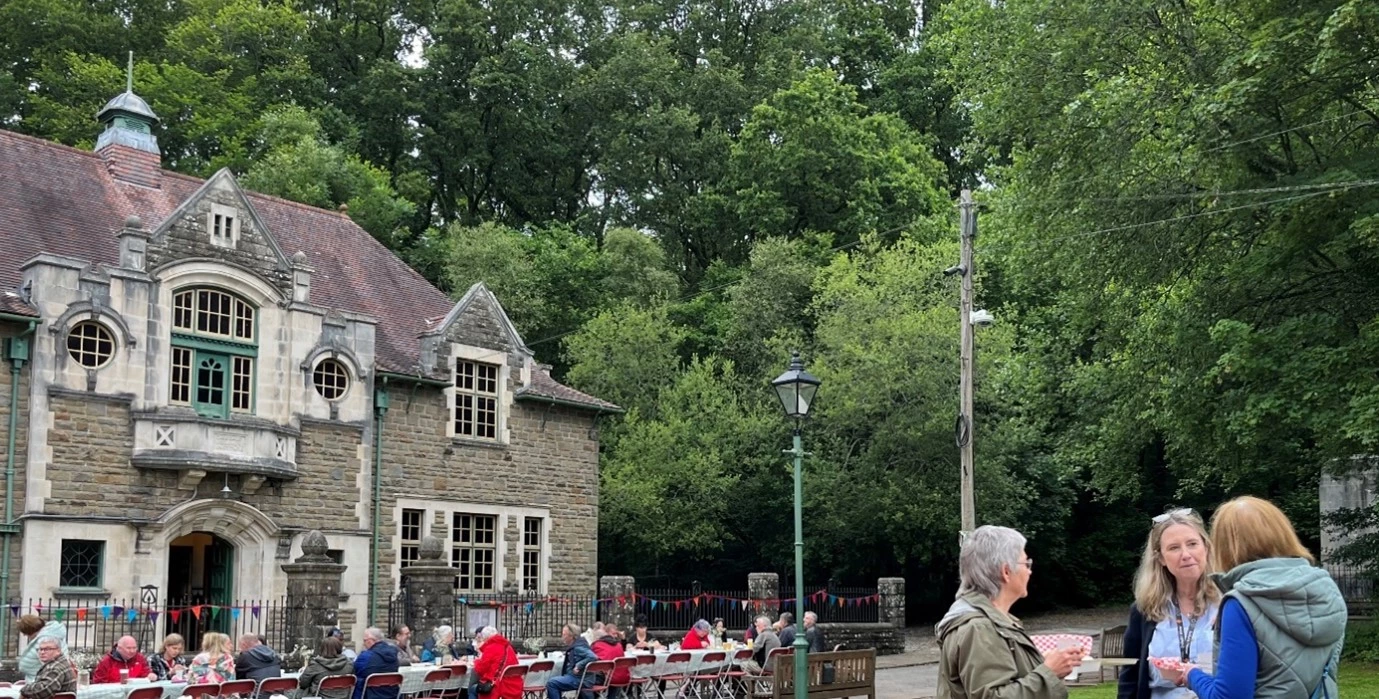
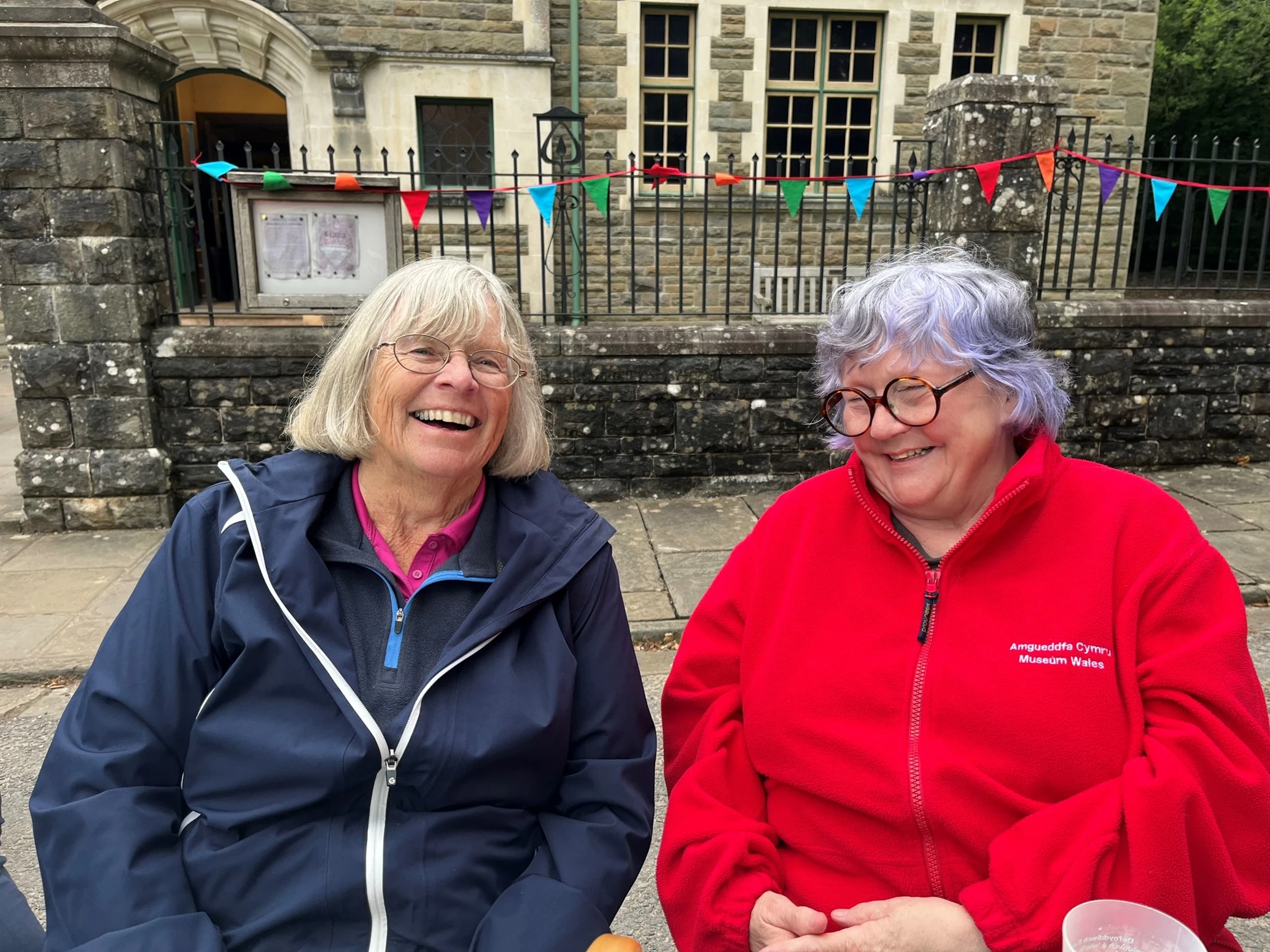
We hosted our first ever street party outside our two iconic buildings, Oakdale Workmen’s Hall and The Vulcan Pub, at St Fagans. Over 60 volunteers across Cardiff attended to have vegan pizza with sides and an optional pint at The Vulcan. We also hosted our famous quiz, which this year seemed very fitting in The Vulcan. Craft Club Volunteers won this year’s quiz!

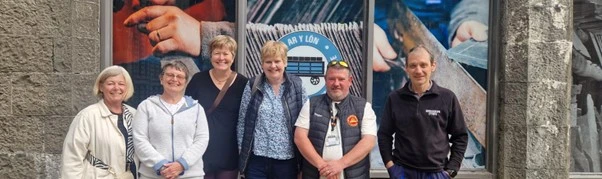
In North Wales due to the redevelopment work the National Slate Museum is currently closed, so volunteers choose to use this as an opportunity to visit the Museum on the Move and to attend a slate splitting demonstration by one of our demonstrating quarrymen who are currently based at Penrhyn Castle. The volunteers also enjoyed the opportunity to walk around the castle’s historic rooms, learning about the links between the castle and the slate industry. 

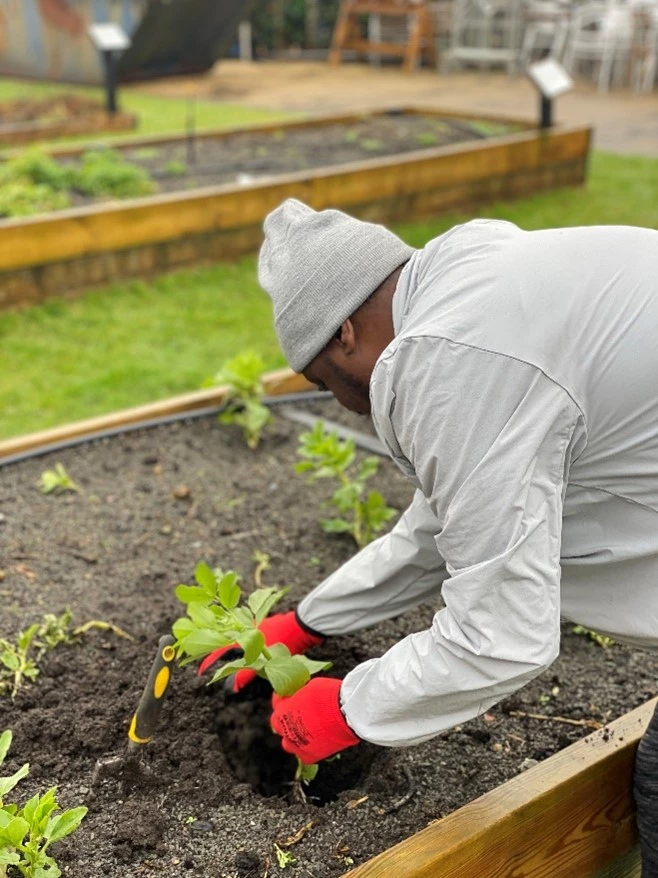
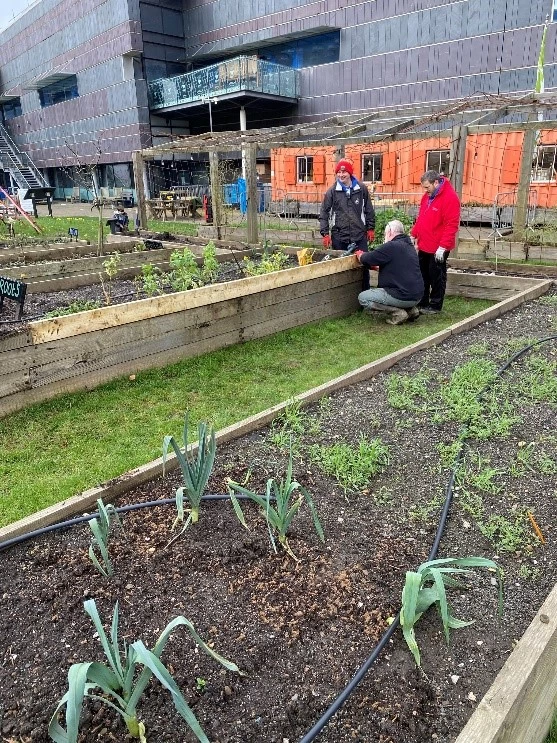
Volunteers at the GRAFT, National Waterfront Museum had a mosaic making session with an artist to create artwork with the prompt ‘what does the GRAFT garden mean to me’. This was followed by pizza and an awards ceremony celebrating the best weeder, water wizard, etc. We ended the session with a drumming session from One Heart Drummers.

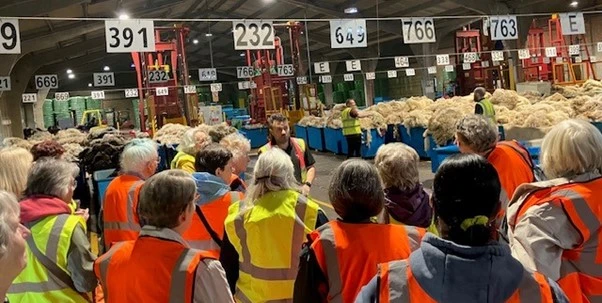
Instead of our usual lunch and craft activity, volunteers at the National Wool Museum had a day out to visit the British Wool Sorting Depot and local museum. We did say unique! 

This is our way of saying Diolch to our amazing volunteers, that last year (2024-2025) donated over 34,880 hours!  

“Volunteers are a highly valued part of our family here at Amgueddfa Cymru. Volunteers enrich and add value to the way we inspire learning and enjoyment for everyone through the national collection of Wales. They enable a much wider, and more diverse range of voices, experiences and perspectives to contribute to the delivery of that core purpose than we could ever achieve solely through the staff body.  I started my culture and heritage career with a volunteering placement many years ago. Volunteering changed my life, and it’s wonderful to see the wide range of ways in which volunteering changes lives in Amgueddfa Cymru.” Jane Richardson, Chief Executive, Amgueddfa Cymru.

Fancy getting involved? Get Involved | Museum Wales

GRAFT March

Josh David-Read, 11 April 2024

“March brings breezes, loud and shrill, 
To stir the dancing daffodil.” Sara Coleridge, The Garden Year 

March is Most Likely the Gardener's Busiest Month!

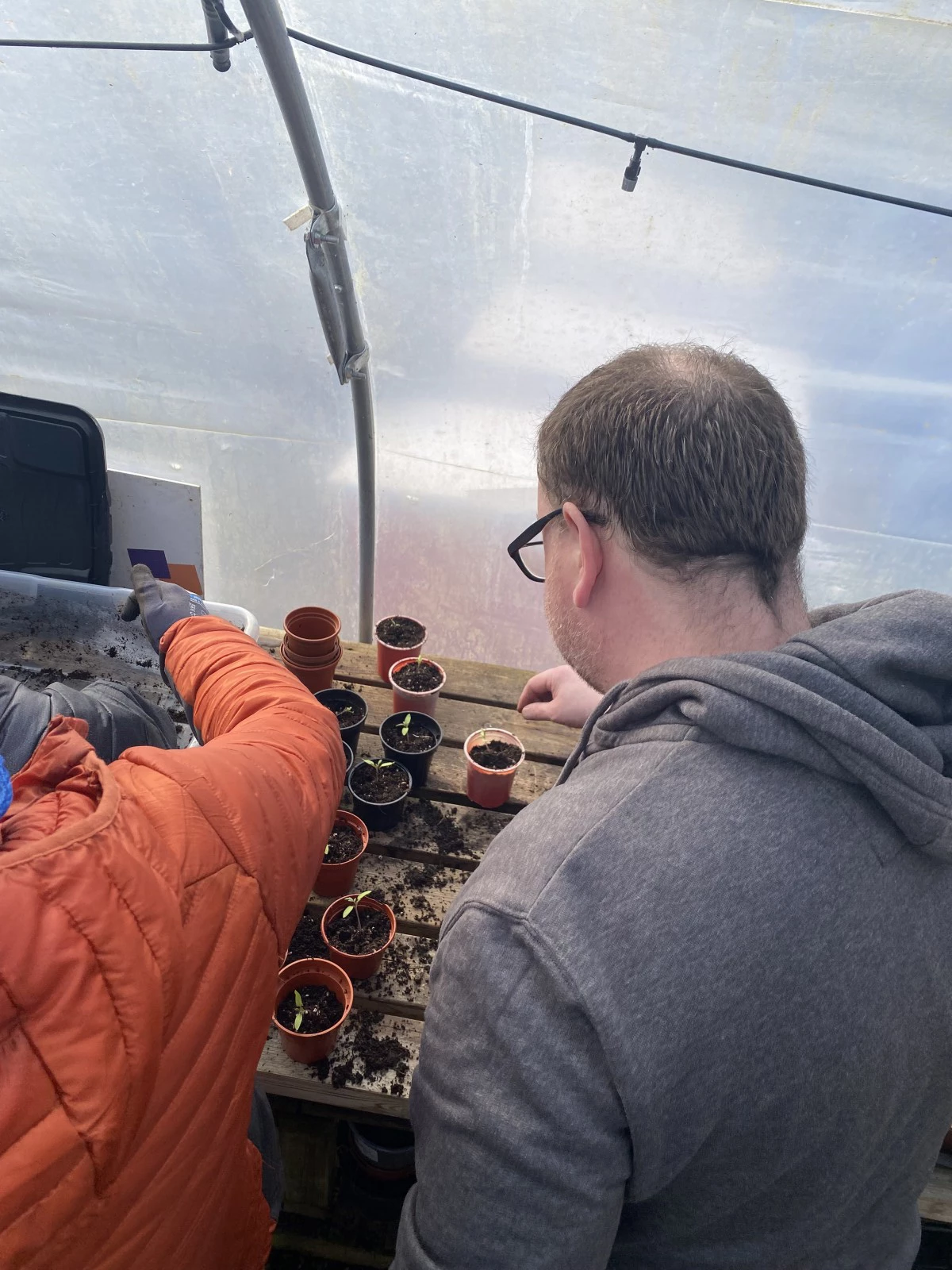
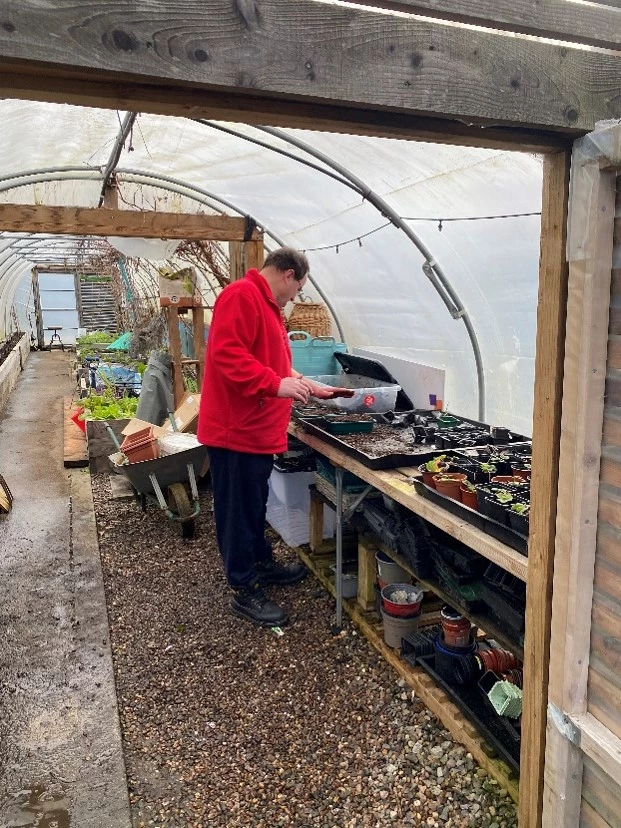
This month has consisted of sowing, sowing, and more sowing! We've sown different varieties of tomatoes, aubergines, runner beans, chilies, watermelons, salad leaves, herbs, and roots (to name a few!). Most have started life in propagators in the orange container (more on that later) or in the polytunnel, as most seedlings prefer a warm environment to germinate. Hardier seeds like spinach have been directly sown outside.

Move Over, Marvin Gaye!

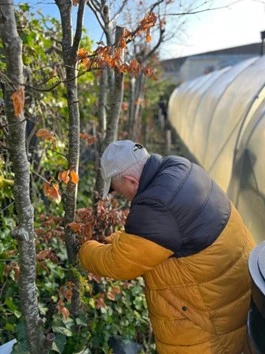
Ani and Laurence expertly pruned the grapevine in the polytunnel. This is the time to cut back the vine to encourage new growth. Don't be afraid to cut back more than you think. The rule of thumb is to choose a few of the strongest canes to leave and prune the rest. Typically, people choose 10 to 12 good canes and shorten them to four or five buds each.

The Hügelkultur Method

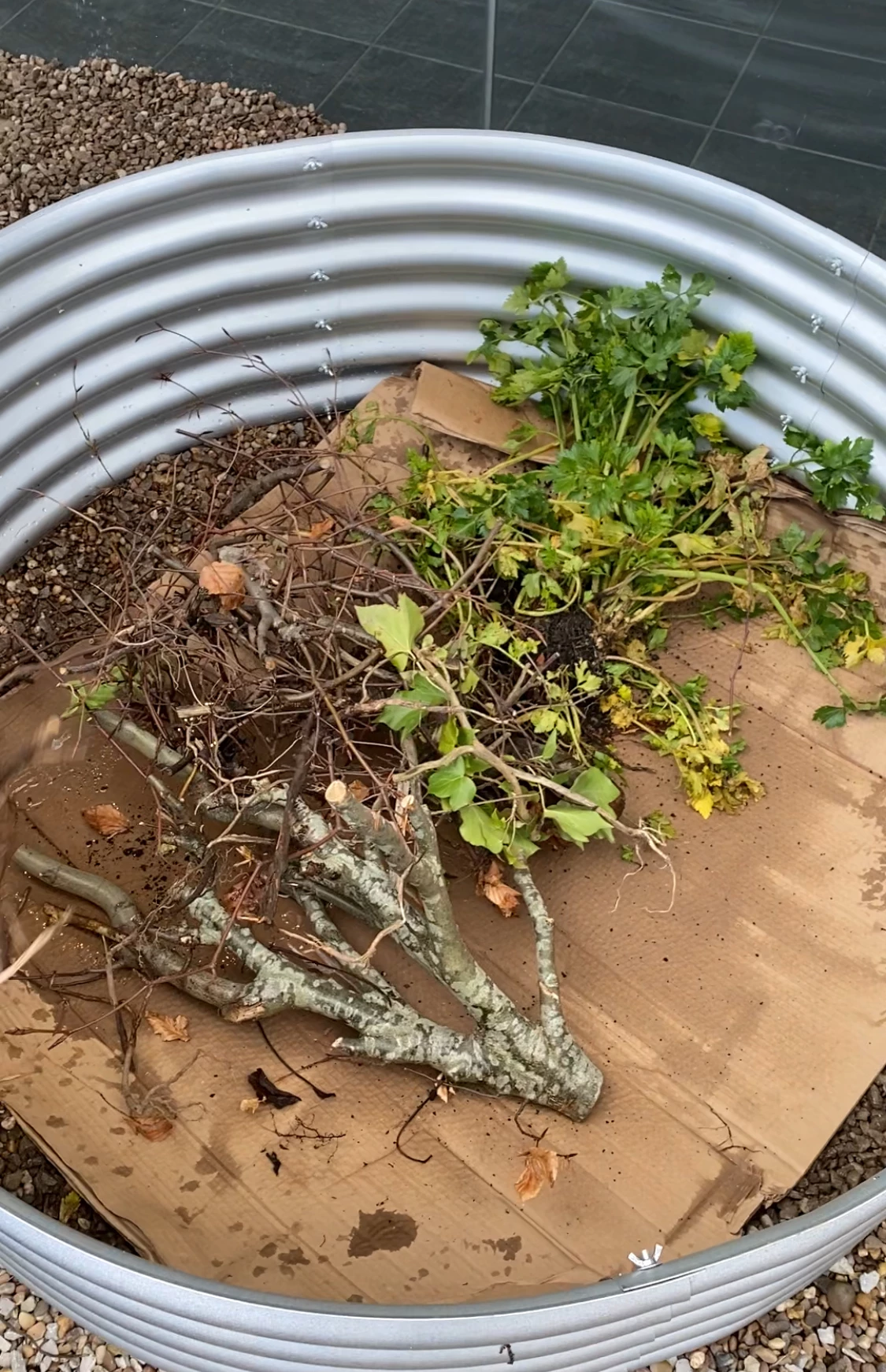
We tried the Hügelkultur method with our raised beds alongside the glass panels of the colonnade. In Hügelkultur, you layer different organic materials together, which will slowly release nutrients into the soil for years to come. To try it yourself, simply add a base layer of cardboard, wood such as logs and smaller dried twigs, and hay or grass cuttings, followed by green organic material. Then layer a lot of compost and topsoil, and you're ready to plant. Please note that the soil level will fall as the layers decompose. In this case, simply add another layer of soil to the top.

Bye-Bye, Orange!

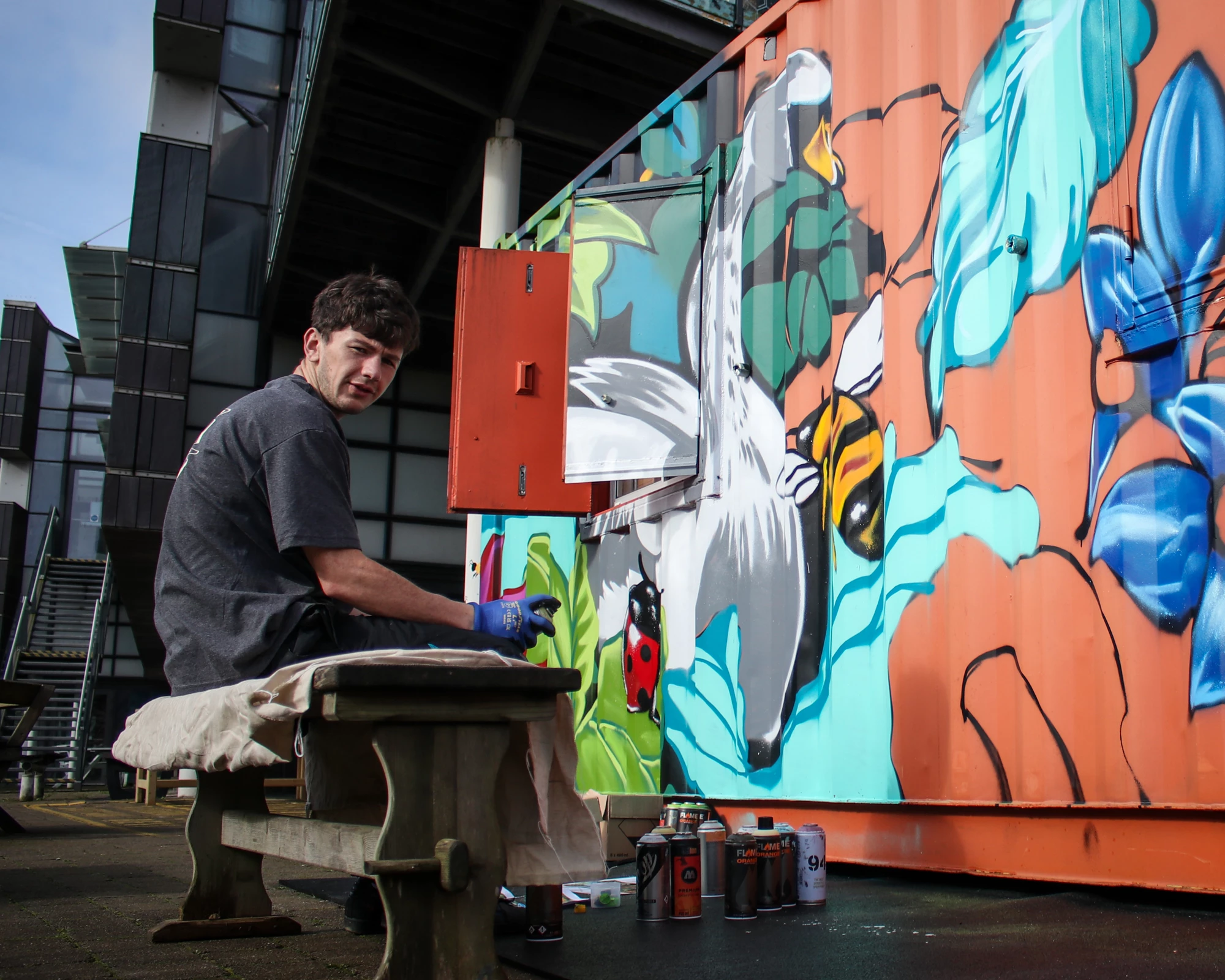
This month has seen us update one of the staples in the GRAFT garden: the orange container. Over the years, the vibrant orange container has, well, become a bit tired and showed its age. So we decided to give it a facelift and employed the expertise of brothers Hassan and Kareem, who designed and painted the container. It's turned some heads and really given the garden a new lease on life! The design reflects the important elements of the garden and connects to nature.

A Cockleshell Pathway

We took delivery of some Penclawdd cockles to build a cockleshell pathway, making the garden more accessible, especially on rainy days. This will be an ongoing project, so watch this space!

Natural Dyes Workshop

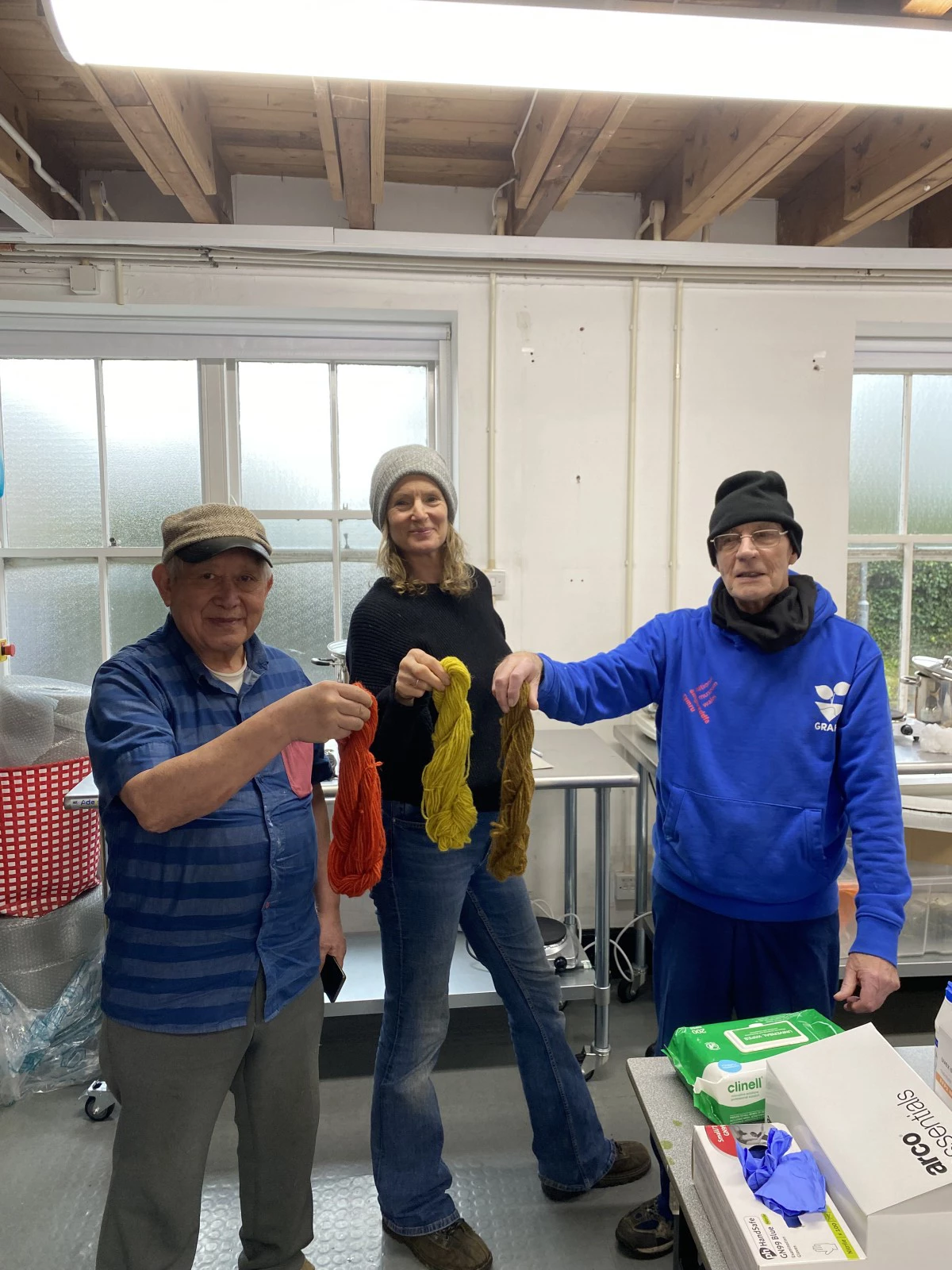
On Thursday, March 14th, GRAFT volunteers visited the National Wool Museum in Drefach to learn about natural dyes and how to incorporate them into the GRAFT garden.

Susan taught everyone about the natural dyeing process using different plants. Then, everyone had a go at dyeing wool themselves in various colors. They even gave GRAFT seeds to get started, which we plan to plant this month!

Chai and Chat Takeover 

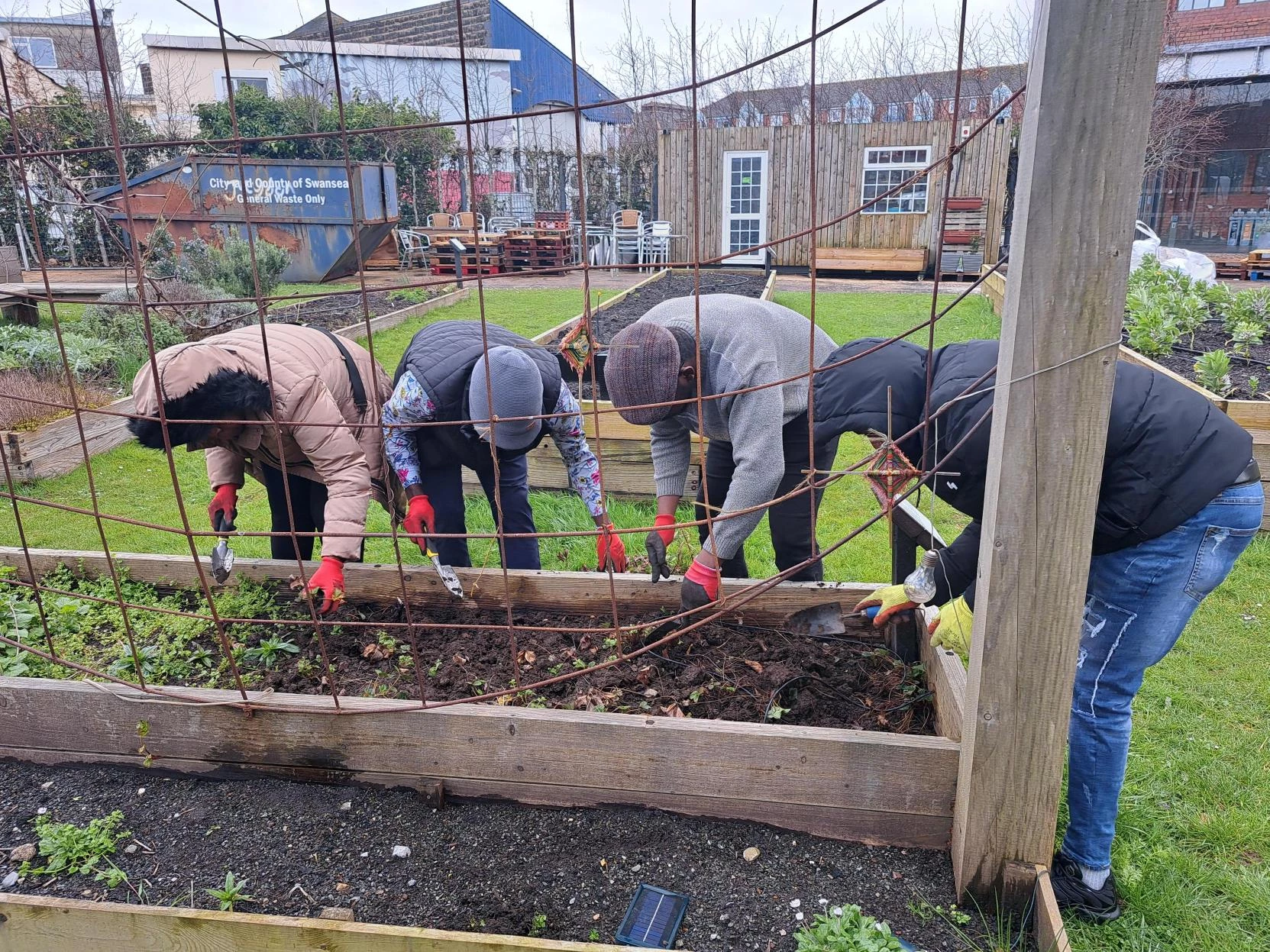
We are fortunate to be able to work with and host many community events and groups here at the Waterfront Museum! We're even more fortunate to offer them a taste of different aspects of the museum. On Wednesday, March 27th, the Chai and Chat group, which meets weekly at the museum, visited GRAFT and helped plant some seeds, transplant tomato seedlings, move strawberry plants, and harvest salad from our polytunnel. We're excited to welcome them back to the garden in the future!

Farewell, Zoë!

March also sees us sadly say farewell to one of the project founders, Zoë, who will be leaving the museum for new adventures! She leaves a great legacy in GRAFT and will be missed by all the volunteers, partners, and staff who use the garden.

I will be updating readers every month or two months with the general work we have done in the garden. We will pass on information we have learnt, things we have done well (and not so well) and any tips for budding gardeners (or experienced gardeners) out there to take to your own green space. I will also include a seasonal recipe from The Shared Plate using ingredients from GRAFT. 

GRAFT January

Josh David-Read, 21 March 2024

“No matter how long the winter, the spring is sure to follow”. 

For many March is the month to begin sowing, planting and getting excited for a year full of harvest. In GRAFT the Volunteers have not stopped and waited for March but instead have ploughed through the cold winter weather to fix and prepare the garden for the year ahead. 

January

January 12th and 19th was our first sessions back after a couple of weeks off. With the bad weather and power cuts in the museum we stuck to maintenance jobs, clearing  some of our raised beds and preparing beds ready to be planted later in the year. Even more exciting we sorted all of the seeds into month order [TOP TIP] which helped us to plan what seeds we needed to buy from our suppliers (Real Seeds, and the Incredible Seed Hub) but also forward plan the growing schedule for the year. 

We also cleared and cut back our Birch and planted in some blackthorn and hawthorn. We did this to make the hedge more attractive to different wild-life species and also harvest lovely tasting berries. 

Compost glorious compost! Compost is so important to the garden for many reasons. Not only does it reduce waste, reduces landfill and saves water but it also enriches the soil and adds lots of microorganisms to it. It’s great for the environment By composting at home you will reduce your carbon footprint by not buying factory-made fertilisers. [TOP TIP] only add the following to your compost pile: Fruit scraps, Vegetable scraps, Coffee grounds, Eggshells (though they can take a while to break down), Grass and plant clippings. DON’T add Bread, Diary Products, Rice and anything not biodegradable, such as plastics, shiny paper, stickers and some tea bag brands. 

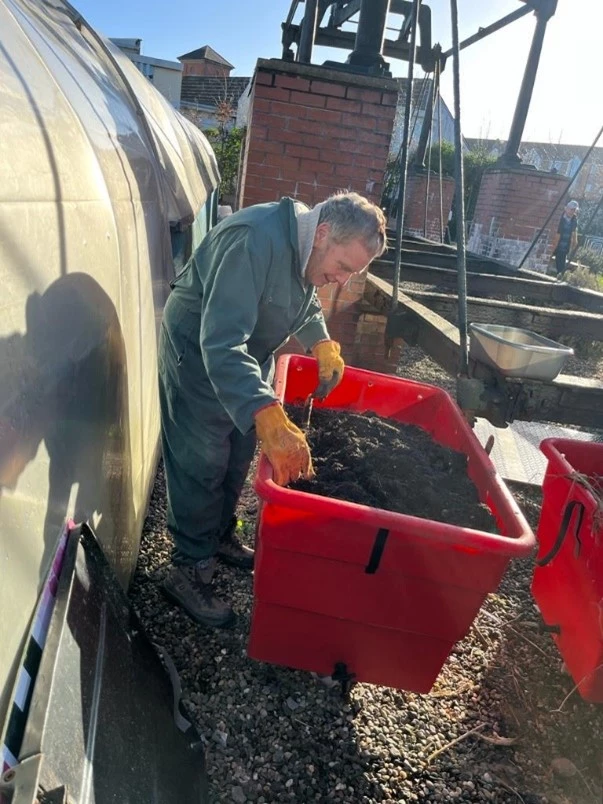
Annie led Graft Volunteers alongside Westcross Day Care to empty our compost out, sieve it and picked out worms to add back into the compost.

 I will be updating readers every month or two months with the general work we have done in the garden. We will pass on information we have learnt, things we have done well (and not so well) and any tips for budding gardeners (or experienced gardeners) out there to take to your own green space. I will also include a seasonal recipe from The Shared Plate using ingredients from GRAFT. 

GRAFT February

Josh David-Read, 21 March 2024

“There are no Gardening mistakes only experiments.” Janet Kilburn Phillips

February too early to begin planting? Now this is a debatable topic in the gardening world… But we thought to give early planting a try.

At the end of January and early Feb we direct planted some Onions and Parsnips (seeds), planted out some Broad Beans and sewed early Tomatoes, Aubergine, Chillis, Peppers and Sweet Peas. We also planted a Bay tree in a pot by the Kitchen and 2 Blackberry stems in the Forest Bed. Starting early gives slower germination but also means an earlier crop. 

We will sew a later variety of all the above to ensure we have more crop later in the year. [TOP TIP] Only start early if you have a heated propagator or a windowsill above a radiator at home. 

We led a workshop in making your own potting mix. What we have gone for this year is 2 part compost (our own), 2 part Coir (Coconut Husk), and 1 part Perlite. This gives a good chance to all new seeds. Only downside to using your own compost is the weeds… we have found that germinating with your own compost has encouraged them to grow. Do you have another potting mix you swear by? Let us know! 

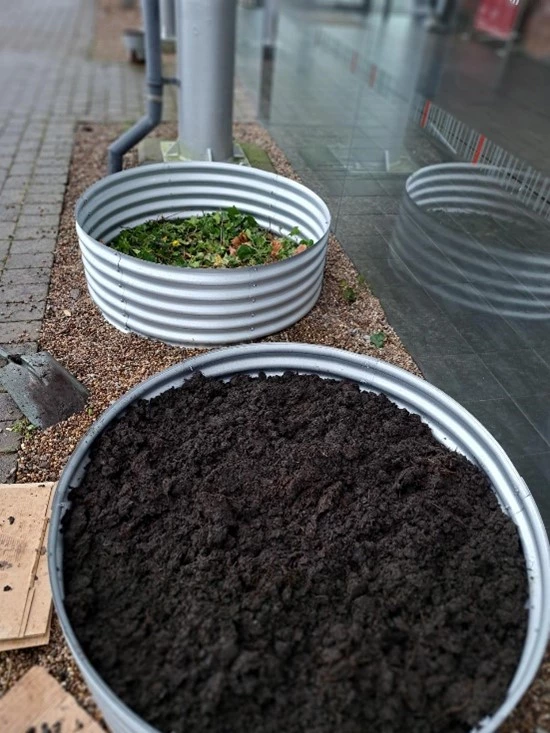
Later in the month Ian set about repairing the wooden beds, teaching two of the GRAFT Volunteers the process. We also assembled 6 more raised beds out of corrugated iron which will line the glass edge of the Museum. As this is a shadier part of the garden, we are going to have to plan carefully what to plant there. Next time you are in the museum have a look, they look great! To fill the beds we added cardboard and a lot of cuttings and branches to pack out the base then added Top Soil on top. When this organic matter breaks down it will give nutrients to the soil.                        

At the end of February, we sewed Spinach, and a selection of Herbs (Thyme, Oregano, Marjoram, Basil) in the Polytunnel. We also ‘chitted’ (Bless me!) our potatoes, this means placing them in egg boxes with the ‘eyes’ face up. When they sprout they are good to go in the ground. Alternatively, you can just chuck them straight in the bed without chitting. [TOP TIP] Grow potatoes from home! Ever gone to make some mash and found sprouting potatoes? You can cut them in half and place them in soil to make a big crop of Potatoes right from home. Give it a try and let us know how you get on! 


Roast Crown Prince Squash with whipped tahini


Serves 4


Ingredients

1.2 k Squash of your choice, deseeded and cut into chunks

3 tbsp oil

1 red onion, finely sliced

Glug of red wine vinegar

200g tahini

Squeeze of lemon juice

Handful of mint leaves

Salt and pepper


Method

Preheat oven to 180 degrees

Roast squash in oven with oil and season with salt for 40 mins, turning half way

Place onion in a bowl with vinegar and pinch of salt and mix well

In another bowl add 125ml of cold water to the tahini and whisk well

Add lemon juice and salt to taste

To serve put the tahini on the plate, top with the squash, pickles onions, torn mint leaves and salt and pepper


I will be updating readers every month or two months with the general work we have done in the garden. We will pass on information we have learnt, things we have done well (and not so well) and any tips for budding gardeners (or experienced gardeners) out there to take to your own green space. I will also include a seasonal recipe from The Shared Plate using ingredients from GRAFT. 

National Waterfront Museum, Swansea named as one of country’s best green spaces

Angharad Wynne, 14 October 2020

Keep Wales Tidy has unveiled this year’s Green Flag Award winners – the international mark of a quality park or green space. 

The National Waterfront, Swansea has achieved the prestigious Green Flag Community Award in recognition of its dedicated volunteer involvement, high environmental standards and commitment to delivering great quality green space.

The Green Flag Community Award is designed to help promote quality green spaces that are accessible to all.  They are a great way to highlight the work that the fabulous volunteers have done, and to show that we are using the museums garden to grow produce that is donated to groups in need across the city. 

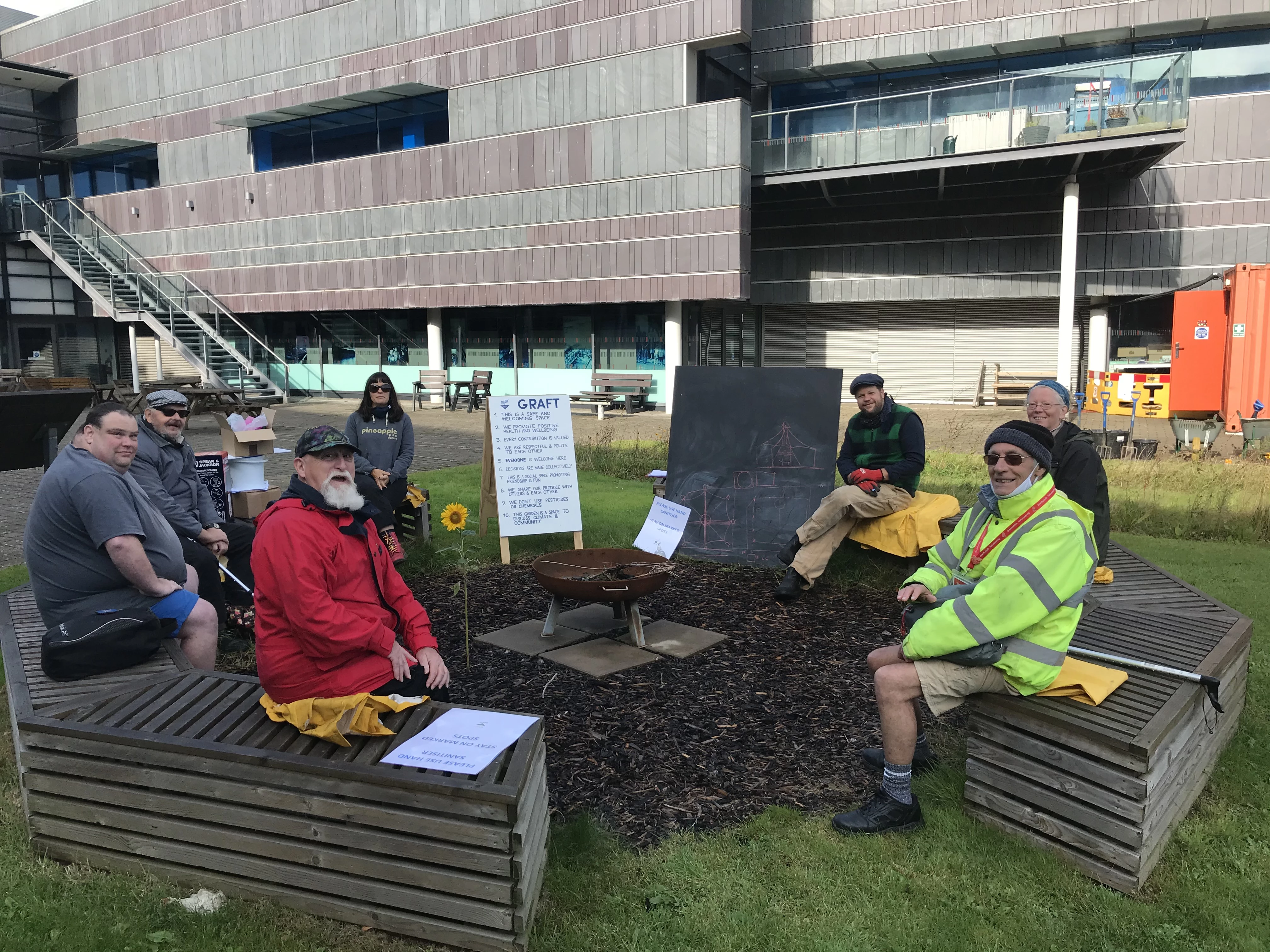
GRAFT volunteers taking a break from harvesting at the gardens at the National Waterfront Museum, Swansea

Speaking on behalf of the Waterfront Museum’s GRAFT team, Senior Learning, Participation and Interpretation Officer, Zoe Gealy said: “The GRAFT team at The National Waterfront Museum are delighted to have received this Green Flag, it really highlights the fabulous work our amazing volunteers have put in since we started in 2018 and is such a great accolade during a particularly challenging year for us all.  We look forward to many more years of growing and developing our green space and will continue to create learning and volunteering opportunities, as well as donating produce to the fantastic charities across the city who are providing services for those in need”.   

The National Waterfront Museum is one of a family of seven museums and collections centres under the banner of Amgueddfa Cymru  - National Museum of Wales, which offers free entry thanks to the support of the Welsh Government. Together, they house the nation's art, history, heritage and science collections, which will continue to grow so that they can be used and enjoyed by present and future generations.

127 community managed green spaces across the country have met the high standards needed to receive the Green Flag Community Award. This means that Wales still holds a third of the UK’s community Green Flag sites.

The Green Flag Award programme is delivered in Wales by environmental charity Keep Wales Tidy, with support from Welsh Government. Independent green space experts volunteered their time in early autumn to judge applicant sites against eight strict criteria, including biodiversity, cleanliness, environmental management, and community involvement.

Lucy Prisk, Green Flag Coordinator at Keep Wales Tidy said: "The pandemic has shown just how important high-quality parks and green spaces are to our communities. For many of us, they have been a haven on our doorstep, benefitting our health and well-being. The success of National Waterfront Museum in achieving the Green Flag Community Award is a testament to the volunteers who have maintained excellent standards under the most challenging circumstances this year. I’d like to congratulate and thank them all for their outstanding commitment.”

A full list of award winners can be found on the Keep Wales Tidy website www.keepwalestidy.cymru/greenflag