Learning

Kick the Dust - dance at the museum

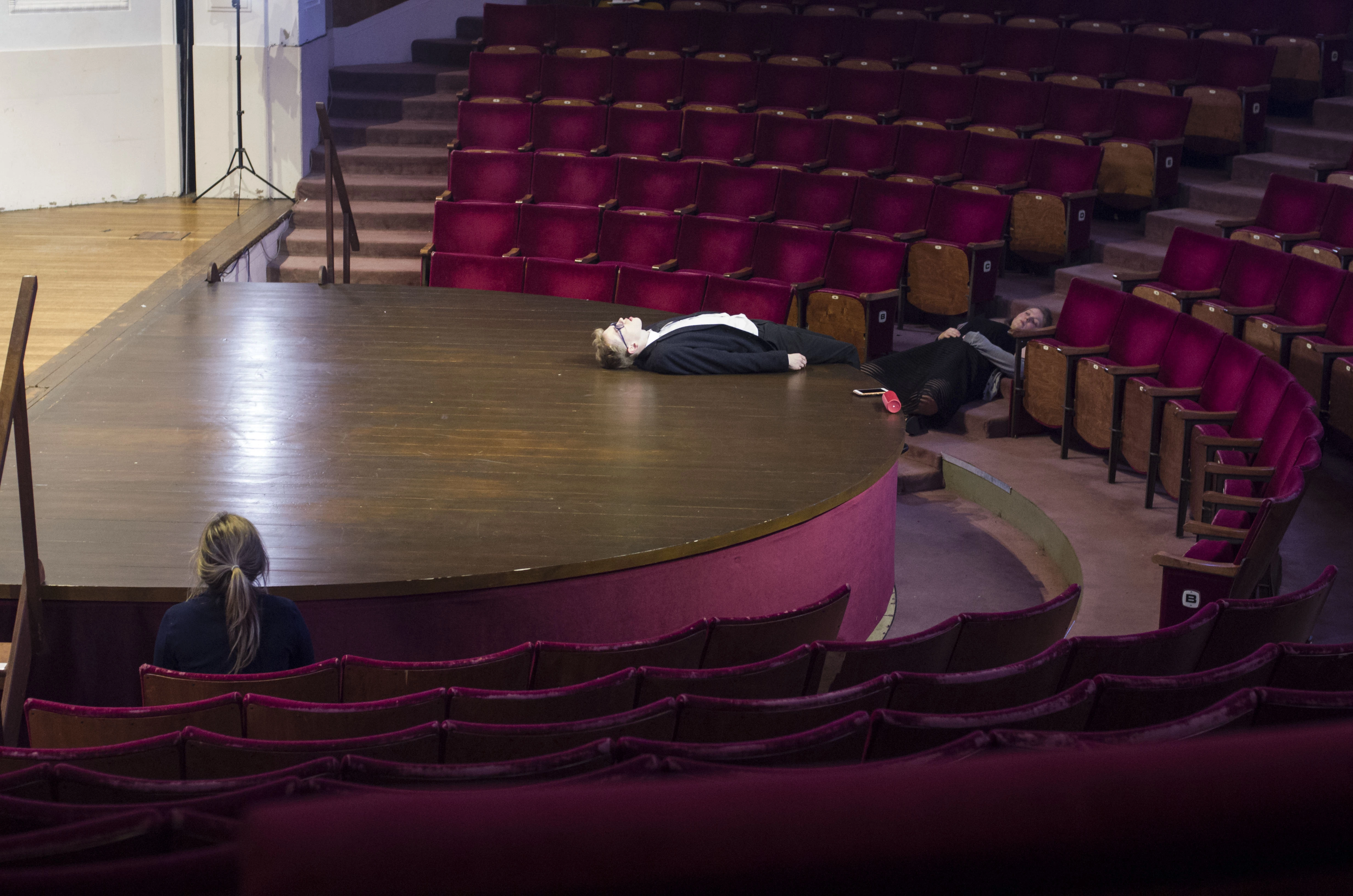
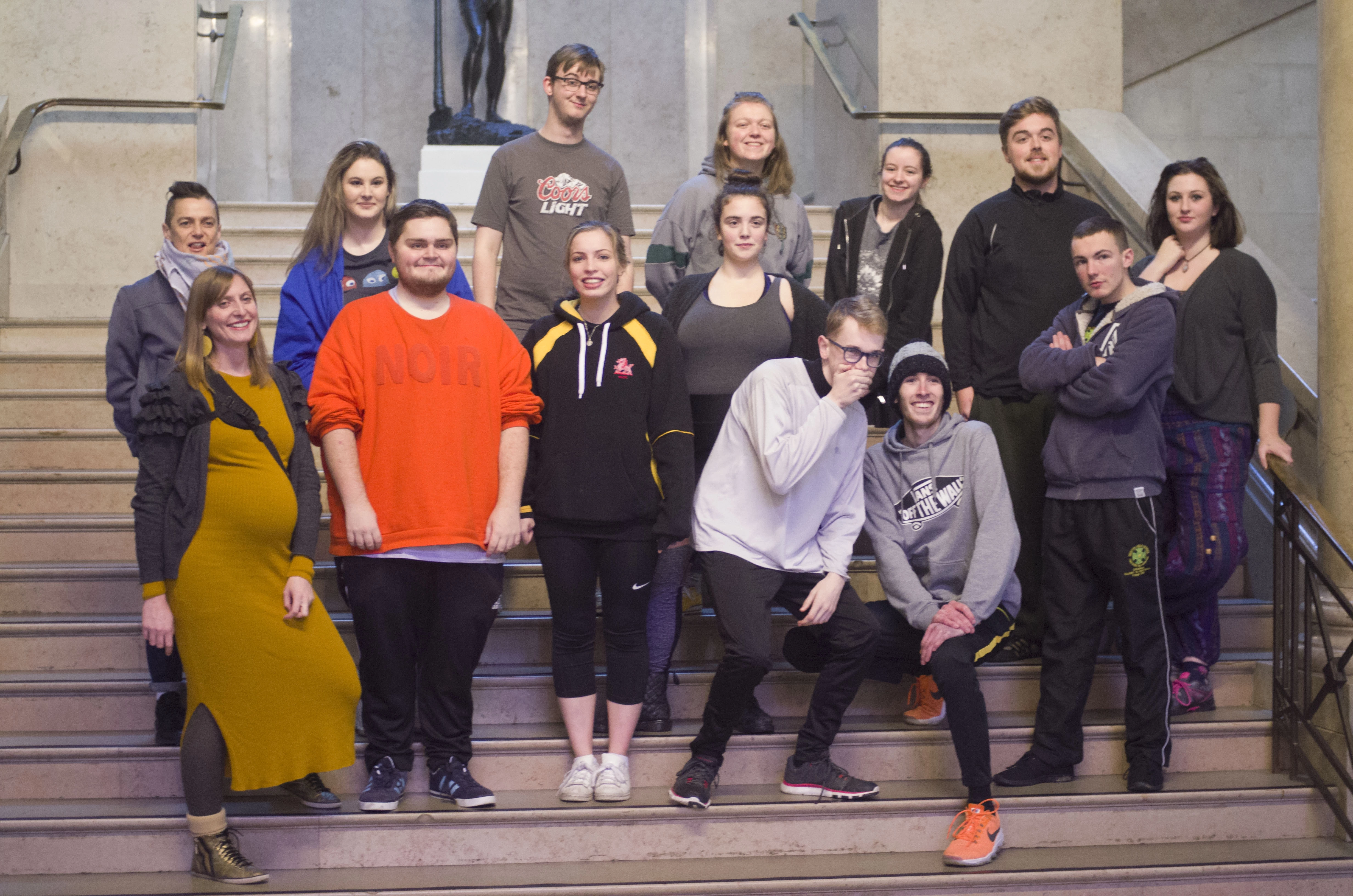
Monday, 11th December, the National Museum Cardiff in Cathays hosted the first pilot activity of ‘Kick the Dust’, a Heritage Lottery funded youth and community engagement programme aiming to to work with 14-24 year olds and use the National Museums of Wales as tool boxes to provide fun, engagement, career and life-skills development opportunities. The first people to utilise the museums’ space was a group of twelve students in their second year of the BA Theatre and Performance course at Aberystwyth University. This was an opportunity for them the try out and experiment with performance techniques and styles studied in a module over the last ten weeks.

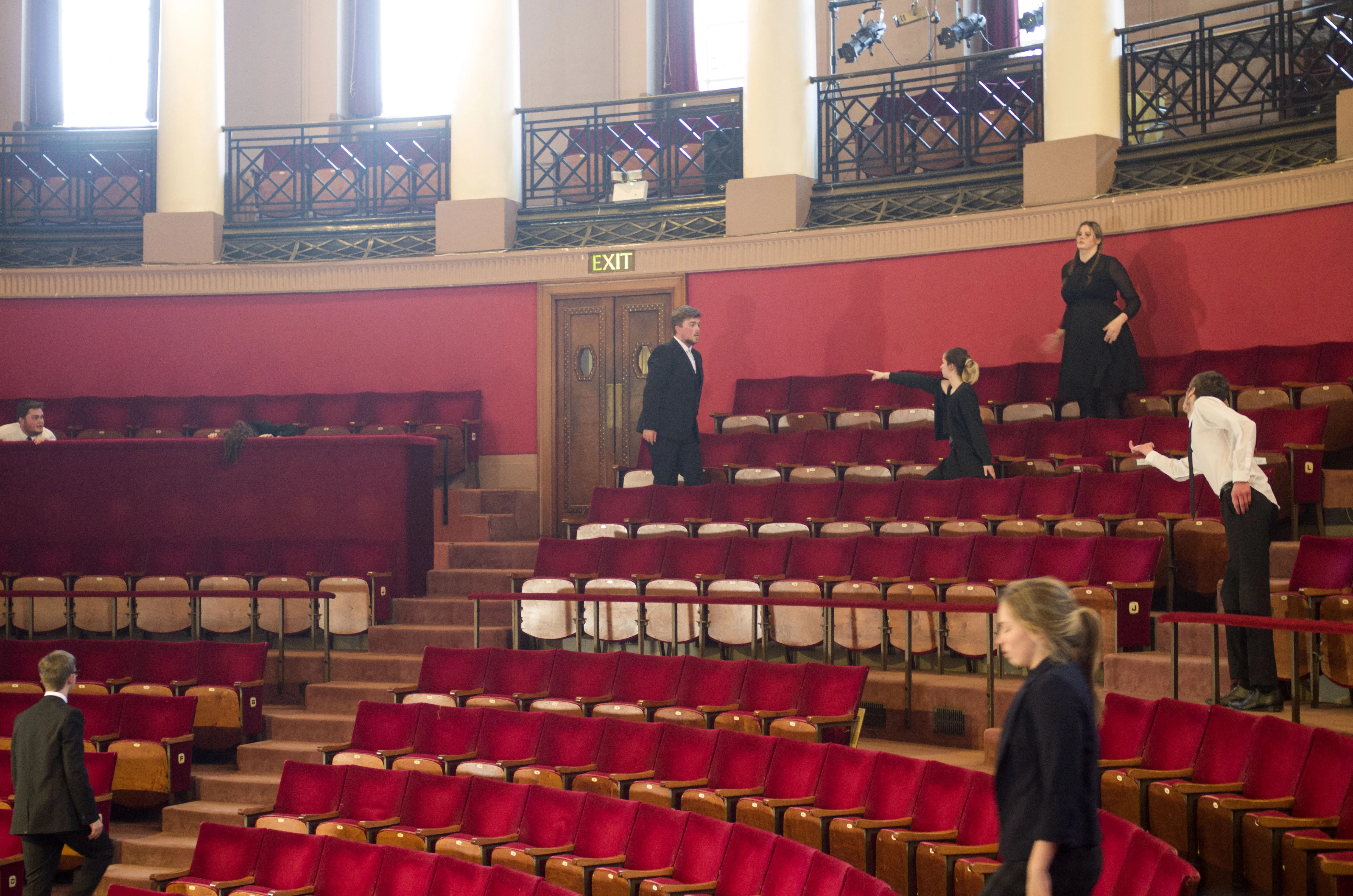
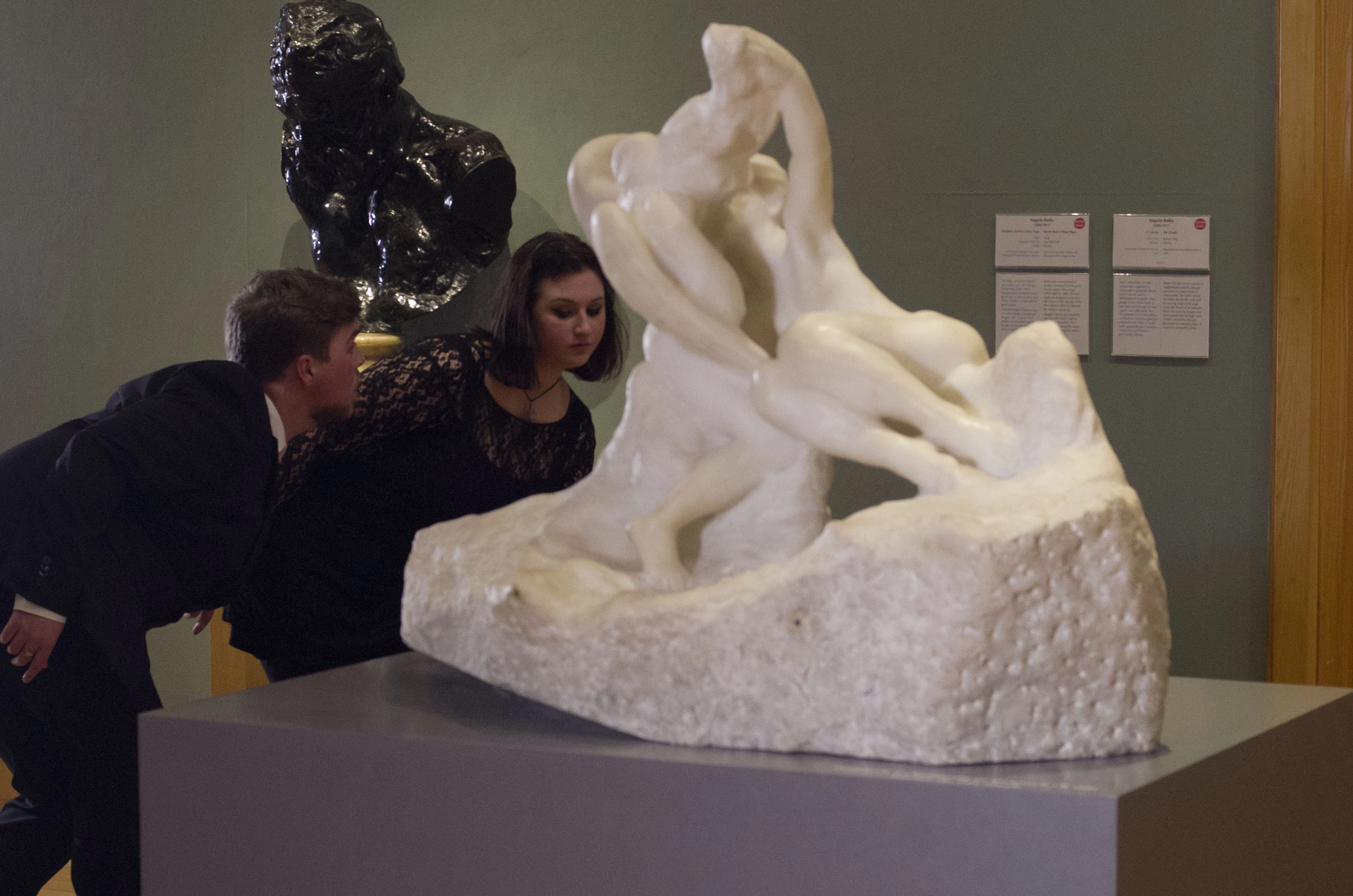
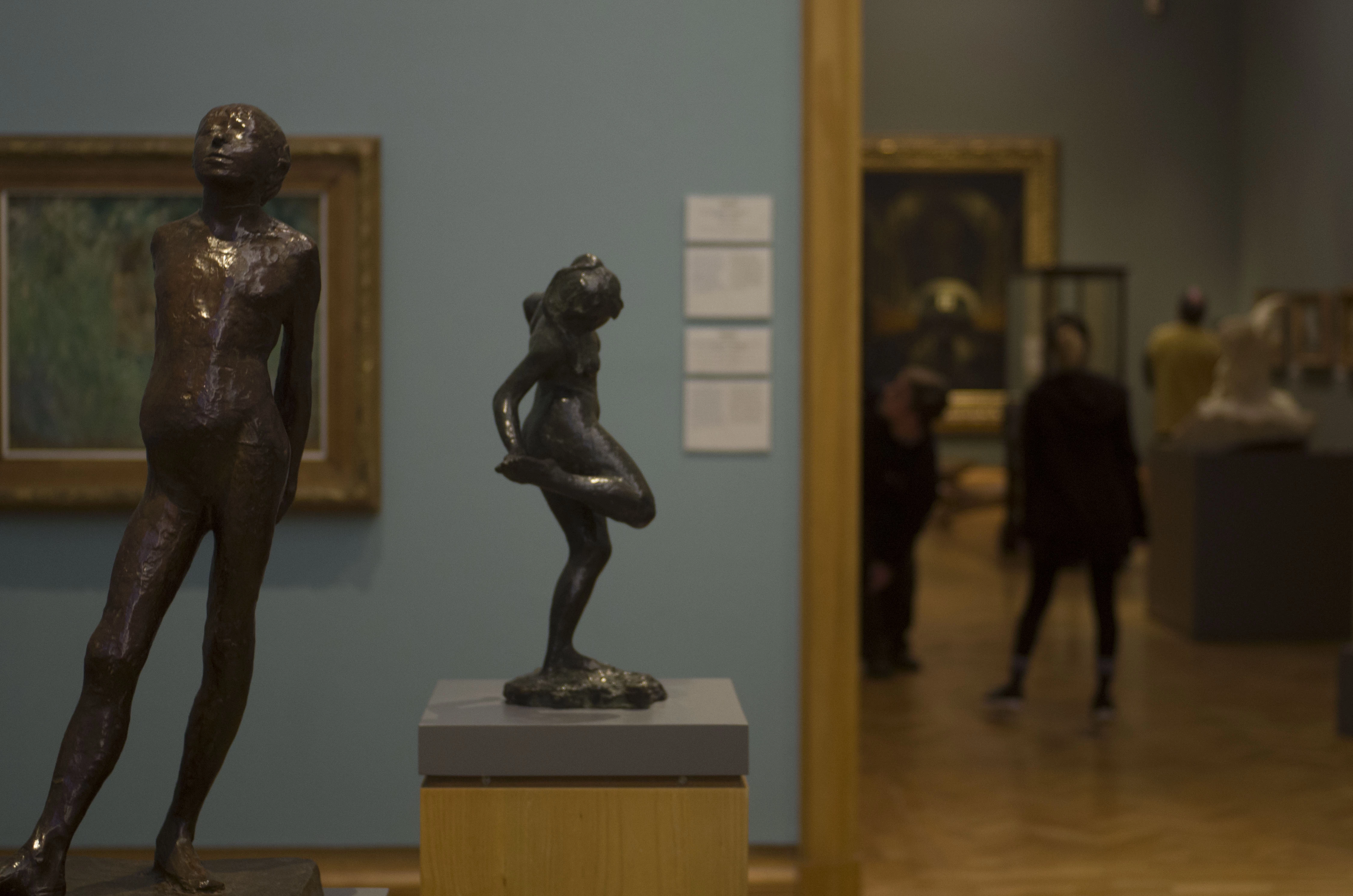
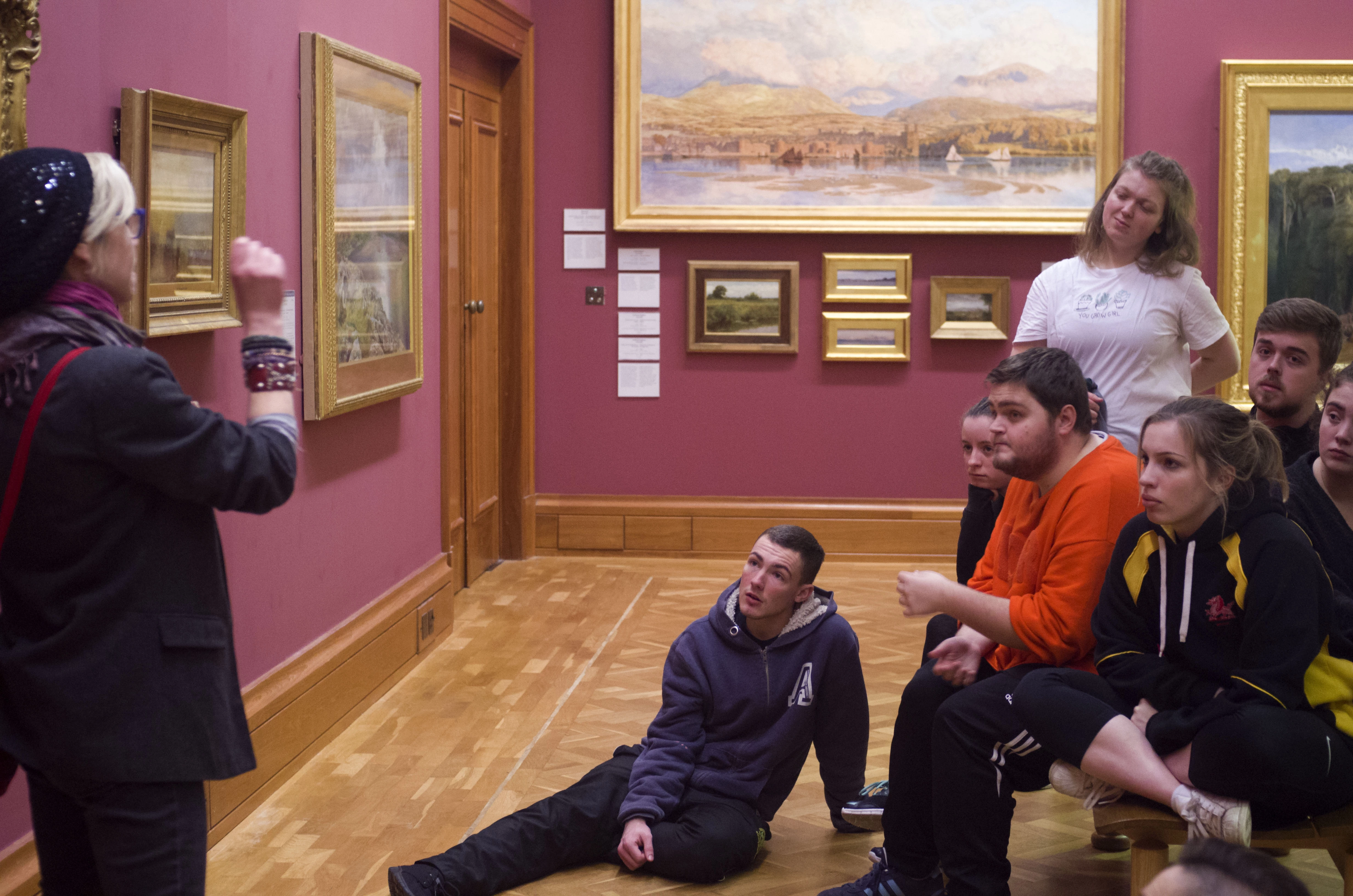
After a three-hour journey through snowy Wales, the students arrived and were taken on a tour; they were invited to examine and be inspired by the textures, architecture, sculptures and paintings within the building and the students developed physical responses to their chosen areas of interest. Initially, the museum felt like a loaded space to the students, they were unsure of the rules of engagement to begin with. However, through the course of the day, the students stretched out and embraced the museum; the performers worked the dormant surroundings and brought the halls of memory to life.  

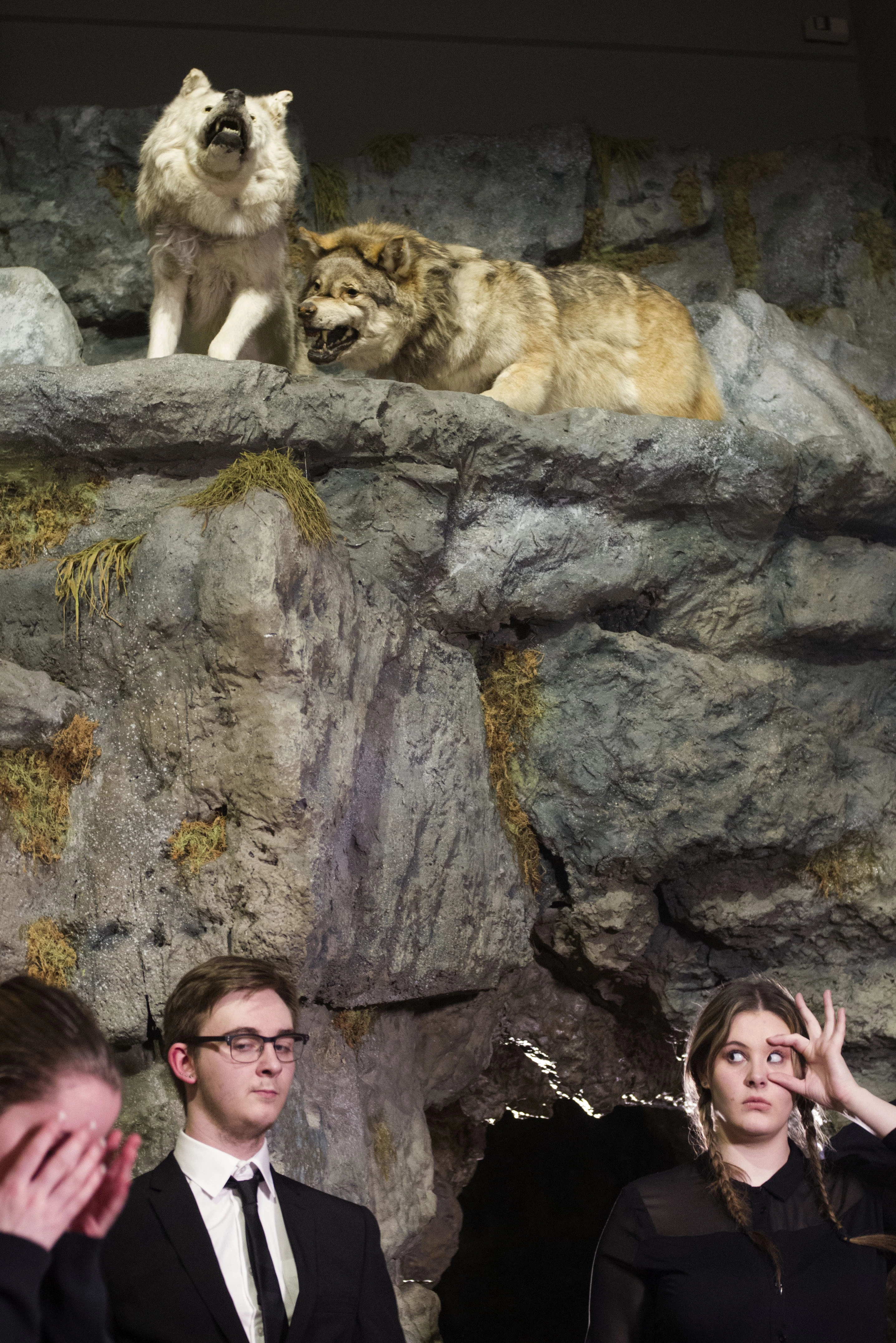
Performances were filmed and photographed in four locations within the museum; an empty exhibit space, the theatre, the gallery space containing the painting ‘Choir of the Capuchin Church’ 1817 by François Marius Granet, and a taxidermy section of the natural history exhibition. These diverse spaces yielded equally diverse results. The first space, the empty exhibition, they found to be eerie and neutral so they used it to workshop and play with the concepts of a previous performance. The students engaged with this area for at least fifteen minutes of focussed and intense work which was fascinating to witness. The next space was the theatre and here the students felt at home and they really began to thrive. In the ten minutes of their performance here, they engaged with the architecture and sharp lines of the auditorium as well as the performer-audience relationship; this piece blurred the lines between the expected, smashing the fourth wall and replacing it with an osmotic veil which helped me, as an observer, reinterpret the space and the emotional journeys taken within it.

The next, more traditional museum-gallery location was enchanting to witness. The group were inspired by the depth and angles within the painting and decided to use a doorway between two gallery spaces as the ‘frame’ to their interpretive performance; they explored the role of the spectator observing the artwork, the shapes and emotion within the pieces themselves, and the angles and imposition of the cases and stands. It became an active, rhythmic representation of the feeling and themes present in the room within the framed-depth concept. I found myself observing their fluid development of the space as I would a static piece of art, finding new areas of detail and interpretation the longer you look. The last performance in the taxidermy exhibition was an intense one. They explored the processes involved in preparing taxidermy through physical gesture re-enactment and, in the confined space overlooked by wolves, skeletons and a bison, it became quite claustrophobic and uncomfortable; they captured the unnaturalness of the grotesque process.  

At 5pm, the students finally got on the coach back to Aberystwyth, still excited and proud of the amazing work they’d done at the museum. They had indeed managed to ‘Kick the Dust’.

This blog post was written by Christina Dixon, a BA history student volunteering and getting work experience at Amgueddfa Cymru-National Museum Wales.

 

Buried in the Borderlands with Wrexham Museum

What’s it all about?

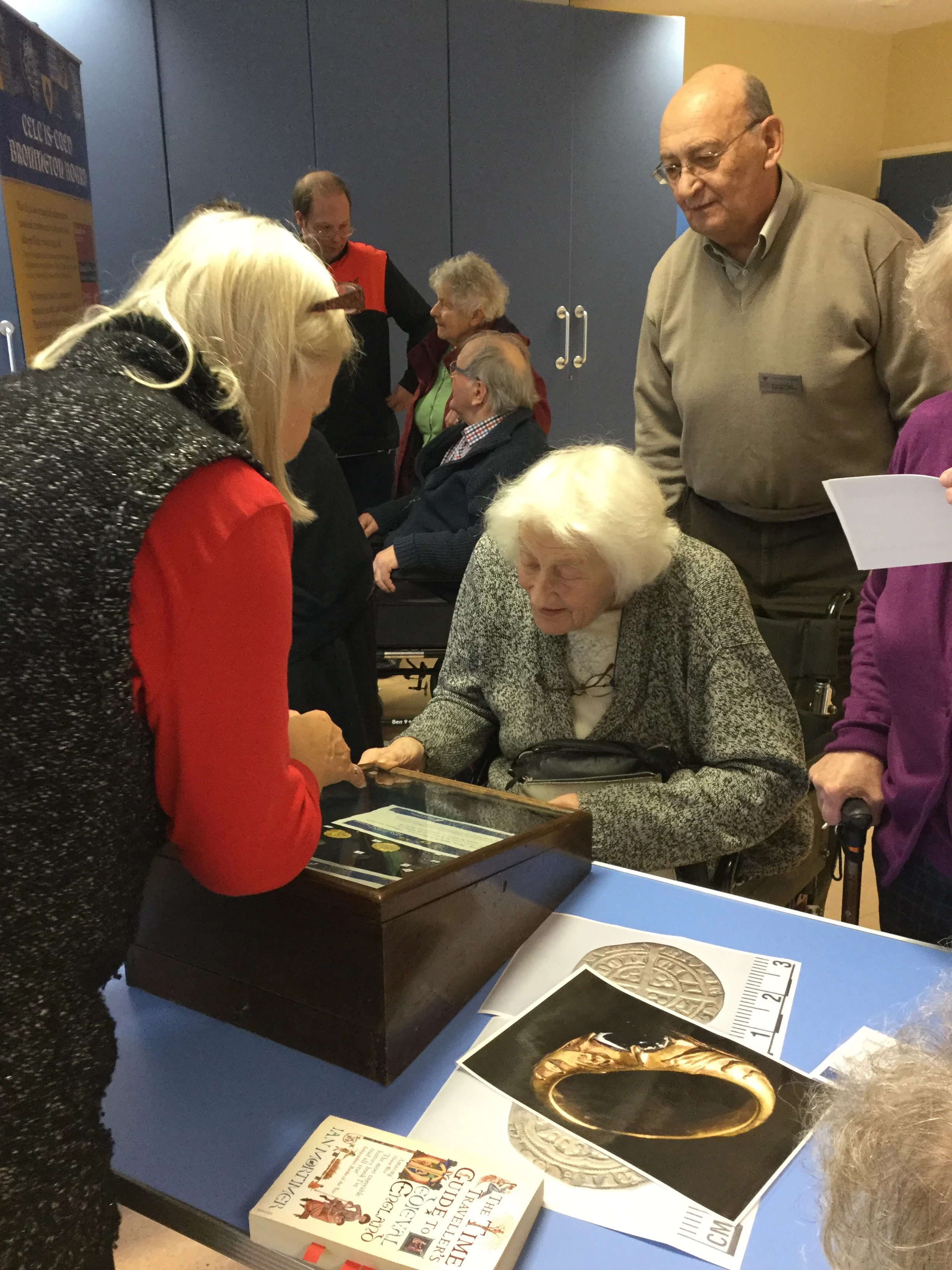
‘Buried in the Borderlands’ is a brilliant Community Archaeology Project at Wrexham Museum, funded by the Saving Treasures; Telling Stories Project.

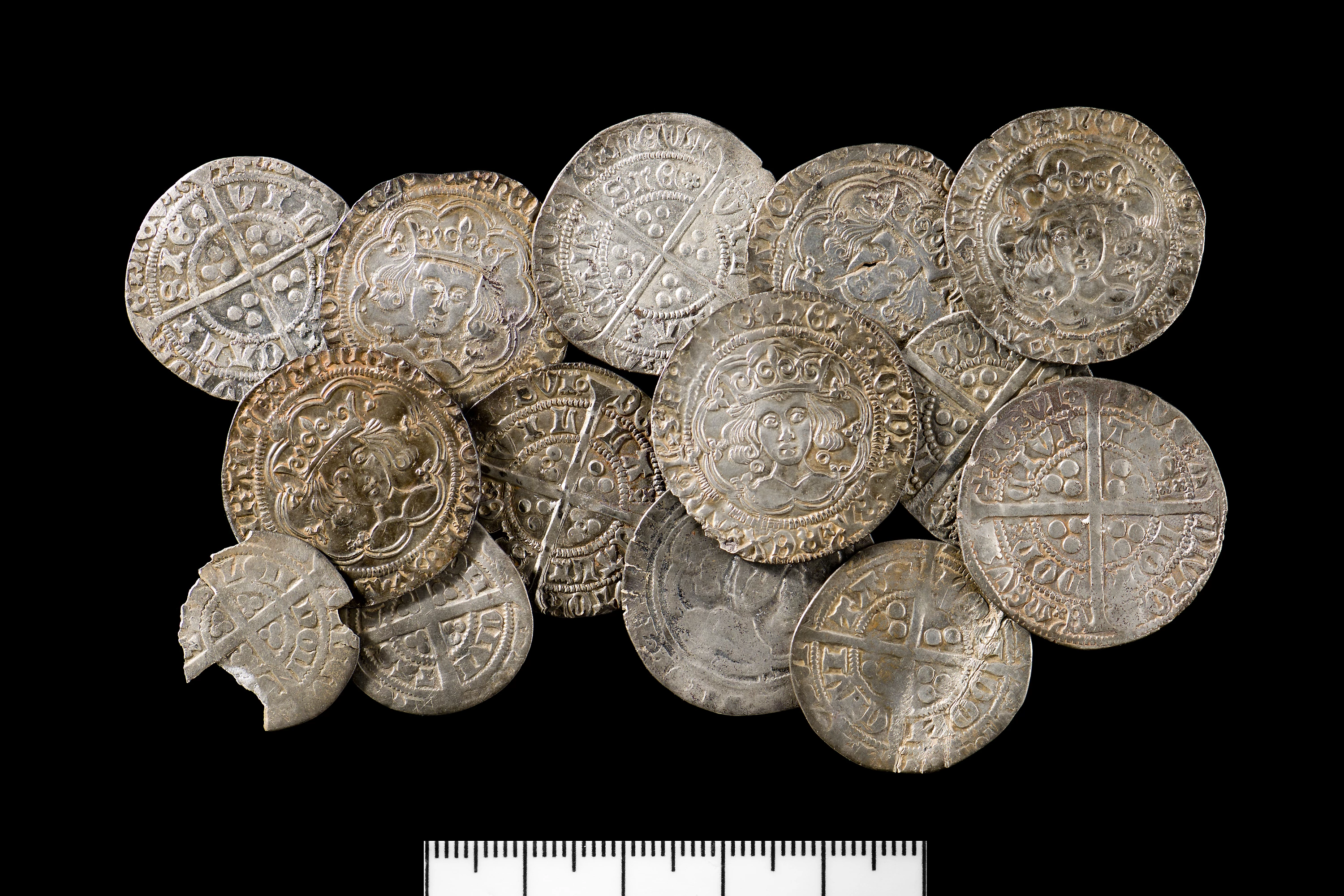
It’s based on the recent acquisition of a hoard of 15th century gold and silver coins and a gold and sapphire ring, known as the Bronington Hoard, found by local metal detectorists.

The project is working with the local community, inspiring creative responses to the material heritage on their doorstep, which will go on display in March 2018.

This post introduces two museum volunteers who have been working on the project.

Leon and Tom’s story

Hello everyone, we’re Leon and Tom. We’ve been working recently on the very exciting Buried in the Borderlands project with Wrexham Museums and Archives.

The two of us are currently studying AS Levels at The Maelor School, Penley. I (Leon) am studying Biology, Chemistry and Maths whilst Tom is studying Politics, English Literature and Psychology.

But we have one subject in common, that’s History!

We’ve both always loved history, from learning about the World Wars, to the history of Wrexham county. That’s why we are thrilled to be volunteering with the Bronington Hoard.

We get to learn about the history of the Maelor, complete our Community Challenge for the Welsh Baccalaureate, and work with all our Friends at Wrexham Museum. Win, win, win.

We’ll keep you up-to-date with our progress as part of our Blog every 1 to 2 weeks.

We look forward to your feedback and hope you’re as ecstatic as we are for the arrival of the Bronington Hoard in March 2018. 


Stori Leon a Tom

Helo bawb, Leon a Tom ydym ni. Rydym ni wedi bod yn gweithio ar brosiect cyffrous Yn Gudd yn y Gororau yn ddiweddar gydag Amgueddfa ac Archifau Wrecsam.

Mae’r ddau ohonom ni’n astudio Lefel AS yn Ysgol Maelor ar hyn o bryd. Rydw i (Leon) yn astudio Bywydeg, Cemeg a Mathemateg tra bod Tom yn astudio Gwleidyddiaeth, Llenyddiaeth Saesneg a Seicoleg.

Ond mae gennym un pwnc yn gyffredin, sef Hanes!

Mae’r ddau ohonom ni yn mwynhau hanes, o ddysgu am y ddau Ryfel Byd, i hanes bwrdeistref Wrecsam. Dyna pam ein bod wrth ein boddau yn gwirfoddoli gyda Chelc Is-y-Coed.

Rydym ni’n cael dysgu am hanes Maelor, cwblhau Her y Gymuned ar gyfer Bagloriaeth Cymru, a gweithio gyda’n ffrindiau yn Amgueddfa Wrecsam. Mae pawb ar eu hennill.

Fe fyddwn ni’n eich diweddaru gyda’n cynnydd yn rhan o’n Blog bob 1 i 2 wythnos.

Edrychwn ymlaen at glywed eich adborth a gobeithio eich bod chi'r un mor hapus â ni y bydd Celc Is-y-Coed yn cyrraedd ym mis Mawrth 2018. 

Using digital skills on takeover day

Takover Day at the National Roman Legion Museum 2017.

Pupils from Lodge Hill Primary reviewed and created a promotional video for our latest digital learning resource called the Roman School.

The aim of the day was to provide pupils with an opportunity to build on their confidence and to enhance their digital and presentation skills.

Pupils took part in a role play Roman classroom session. Then created their own film called – ‘What was school like in Roman times?’ which will be used to promote the resource to other schools on social media and the museum website. They learned how to create a story, write a script and select actors for each scene. Click here to view the video https://www.peoplescollection.wales/items/635461

The feedback and the suggestions gathered from the children are being worked into the final version of the Roman School resource. The resource supports our popular roleplay workshop called Grammaticus - Roman Classroom.

During the day the pupils also had a chance to find out more about Roman weapons. After completing the challenge each pupil was presented with a certificate by Eleri Thomas - Kids in Museums Trustee.


Protest - Cardiff High Takeover the Atrium!

Earlier this month saw the takeover of our brand new Atrium space by Cardiff High students. Over 80 year 10 pupils from their Art, Music and Drama departments filled the space with their performances and artworks inspired by the museum’s collections. This was the culmination of 6 weeks of work by the students, although the planning goes back almost 6 months!

We were initially contacted by Eve Oliver from Cardiff High with an idea for a cross-curricular project in the summer. The idea was to bring together pupils studying the creative arts together to work on the same theme. After discussions with Elen Phillips, the Principal Curator Contemporary & Community History at St Fagans, the idea of working around the theme of ‘Protest’ was suggested. This was chosen because it would give the pupils an opportunity to explore their own beliefs and values as they responded to the museum’s collections.

The project began with a visit to St Fagans on October the 4th for 85 pupils. Elen gave a presentation to the pupils around ‘Protest’ using objects from the collection as inspiration. These included objects around the suffragette movement, anti-racism protest and the miner’s strikes of the 1980s. It was an opportunity for the pupils to hear the histories of these objects but also an opportunity to see them in the flesh, and you could see how inspiring this was for them.

After the visit to the museum, the pupils returned to their school to unpick these themes in more depth. Over the next 6 weeks the pupils enjoyed masterclasses with Timothy Howe from the Sherman Theatre, Anita Reynolds from the Royal Welsh College of Music and Drama and the artist Anna Barratt.

The culmination of this part of the project came on November the 16th. Cardiff High returned to St Fagans National Museum of History to display and perform the work that they had done. We used the new atrium space at the museum which was filled with artworks and performances. We invited the parents of the pupils to watch, and including some museum staff, there must have been around 50 in the audience.

The drama students performed extracts from the play The Radicalisation of Bradley Manning by Tim Price while the music students performed the classic call to arms Yma o Hyd by Dafydd Iwan. The backdrop to the performances were a mass of protest banners and placards created by the art students. The performance culminated in a sing-along of Yma o Hyd by the entire cast as well as the audience. It was truly a powerful performance which brought the atrium to life!

The project has been a great success with the pupils debating and questioning their understanding of ‘Protest’, using contemporary references to deepen their understanding of the past and gaining insights into the beliefs of others. For the museum, it was a fantastic way of engaging with a local secondary school, using a model that we are keen to use again. We have already begun discussion on what other themes we could explore next year!

Diolch yn fawr Cardiff High!

Mareth and Mike's blog - half term arts activities in the 'Who Decides' Exhibition

We've had a great few days at the museum, being half term we created lots of different art activities for visitrs to try in the 'Who Decides' exhibition. People created monsters and put them on sticks and took photos of their favourite things in the gallery.

Visitors made monsters and photgrpahed them with tehir favourite art

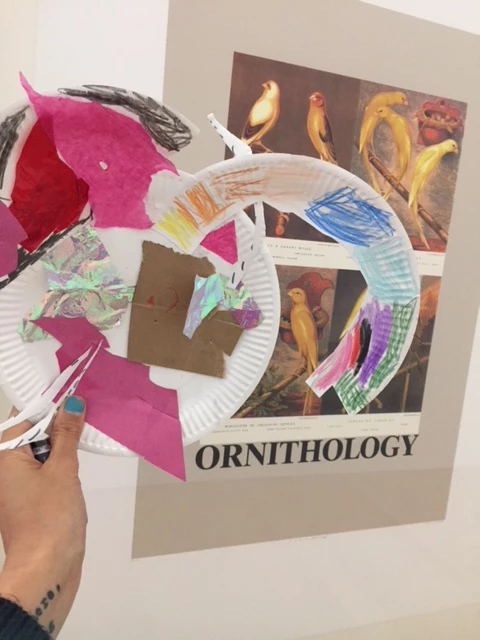
Inspired by the sculpture they made sculptures from pipe cleaners. The Besson ceramics collection let people be creative by making their own designs on plates. The visitors really enjoyed taking part and we had a great time to, talking about the art we've chosen with visitors.

sculptures from pipecleaners

There was a (nice!) mess on the floor afterwards but Mike did a great job clearing up!

A happy mess!

If you took part dont forget to share your photos on social media using #wallichXart

Visitors to the exhibition have left some great messages

There will be lots more events and activities happening in the gallery over the coming months. Check our events web page for more information.