Learning

Wales for Africa - flagging not blogging

Mari Gordon, 5 November 2010

Blog’s been a bit neglected recently, partly due to my travelling and partly because of incredibly bad internet connection in the office. Also no pics, due to more technical break down – my laptop has stopped talking to any external devices so I’ve no way of getting my photos off my camera. Disaster. All this, on top of the relentless struggle of getting from A to B whether through the gridlock that is Lusaka or over the bone-crunching out-of-town roads, is becoming wearing, if I’m honest.

Luckily the temperature has improved, as the rains finally arrived on Sunday night – and what rains! It was as if Lusaka had relocated to underneath the Victoria Falls, complete with thunder, lightning – and power cuts. Then, next day, back to intense sunshine and clear blue sky. It’s spectacular, but apparently we haven’t seen anything yet.

Developments in the Woodlands!

Hywel Couch, 3 November 2010

This is my first blog since being appointed Exploring Nature Facilitator here at St Fagans museum. The purpose of my job is to try and encourage visitors to take notice of the wealth of nature and animals living within the museum. 

As part of this project, there have recently been some developments in woodlands at St Fagans, near the woodlands walk. Alongside one of the information panels, we have had a bird sound winder installed! By simply selecting the bird you want and winding the arm you can now listen to the songs and calls of 8 of our woodland birds! It’s a great way to get to know the different bird songs!

We have also recently had a bird hide installed in the woods. This is a great place to come and relax while watching some of our birds feeding at the feeding station. So far we have noted at least 9 different species visiting the feeders, from assorted tits to a greater spotted woodpecker. Of course, being in the woodlands we also get the occasional squirrel visiting too.

The bird hide should be open to the public soon, hopefully before the end of the month! It really is a lovely place to come with a thermos of hot tea and relax. We are currently working on some information panels which will hope to have up ready for early spring.

If you have any suggestions about how we should use the bird hide or even a name for it, please let me know by commenting. Keep an eye on this blog for information on forthcoming nature events and activities. 

The project is funded by Biffaward though the Landfill Communities Fund and by Legal and General.

The big plant

Danielle Cowell, 28 October 2010

Thousands of pupils enjoyed getting their hands dirty on Wednesday 20th of October as part of the Spring Bulbs for Schools - climate change investigation.

Many were really excited to plant their 'baby' bulbs which they will nurture until next spring. Next week, the schools will begin to gather weather records and complete challenges set by Professor Plant to work towards their Super Scientist Certificates.

This project is not only an excellent opportunity for learning outside the classroom but also a great way for Amgueddfa Cymru-National Museum Wales to share scientific knowledge and resources with schools all across Wales.

The stats...

5.4% of Welsh primary schools are taking part this year, that’s 2,681 pupils from 71 schools across Wales.

60% of the schools are more than 30 miles away from National Museum Cardiff, which is hosting the investigation. 

42% of the schools are based in North Wales, 33.8% in South East Wales, 16.9% in West Wales and 8.4% from Mid Wales.

38% are in communities 1st areas and 40% are Welsh speaking or bilingual.

37% are in the 1st year of the project whilst 63% have been doing the project for two years or more.

Wales for Africa: crisis

Mari Gordon, 25 October 2010

We've convened a crisis meeting of the Forum's members in order to draw up a planned response to the Government's National Development Plan - the Plan with no chapter on housing. Members also looked at the Position Statement I'd drafted the week before, which we're placing in the Times of Zambia - a government paper, so we altered the tone a little bit!

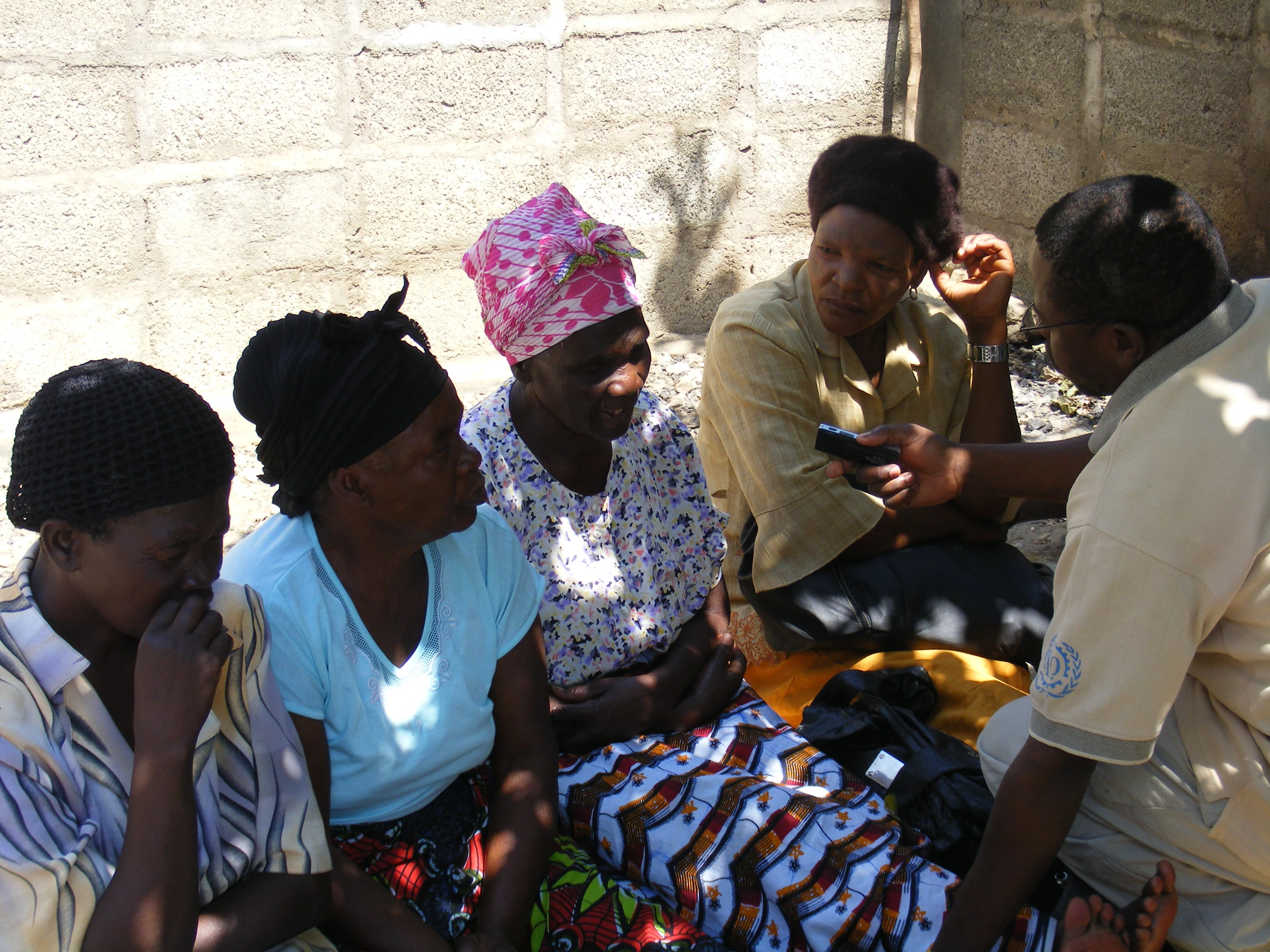
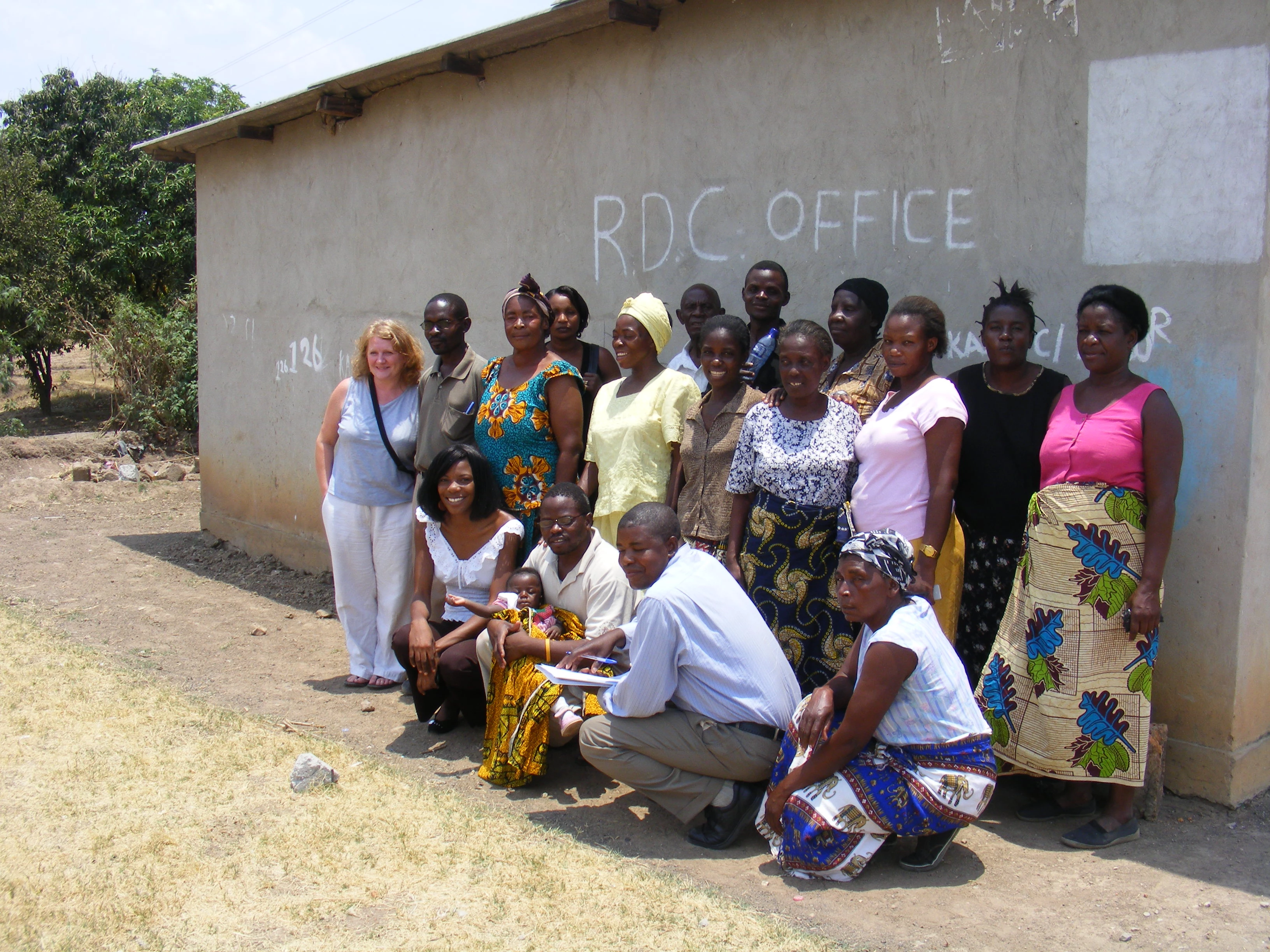
I spent the rest of the week visiting members to carry out the baseline survey. The week was sort of topped and tailed by highlights. At the beginning we visited two women's co-operatives in rural areas, teaching women skills like brick-making and land rights issues. The week ended, however, with a visit I'll never forget. If I said I enjoyed it that would be inappropriate - nobody could enjoy seeing the appalling circumstances some people live in. We visited two compounds, one in Lusaka and one 200 miles north in Kitwe, to conduct focus groups with the residents' committees. In Lusaka, about 2,000 people live in the compound in homes that range from breezeblock constructions to shacks that are collapsing around them. They draw water from shared taps located around the compound. Everywhere is dirt and dust. Some people, usually women, set up their own business, ranging from a single table with a few vegetables to brick-built grocery shops - and loads of hairdressers. I was taken to see the school, which was spotless and being repainted as I was there. A gang of schoolchildren, in their navy blue uniforms, were chatting and giggling on their way from school, just like a crowd of Cardiff schoolkids. Everywhere I went I was followed by a growing crowd of small children. At first they mutter 'muzungu' (white person) but when I wave at them I get dazzling smiles and waves back. And then when I attempt to greet them - 'muli shani' - they burst into laughter.

The residents' committees in both Lusaka and Kitwe are simply inspirational. They're politicised, aware, committed; they spoke in dialect but I continuously heard the words 'advocacy', 'sensitised' and 'empower'. They have the will, the intelligence and the inner resources to achieve what's needed to lift these communities out of abject poverty, if only the infrastructure we take for granted was put in place for them.

Some good news, after our crisis meeting my colleague secured a meeting at the Ministry of Finance the next morning, and a committment to revisit the Housing Chapter to try, with the NGO's help, to make fit for reinstatement in the National Plan. It's a start.