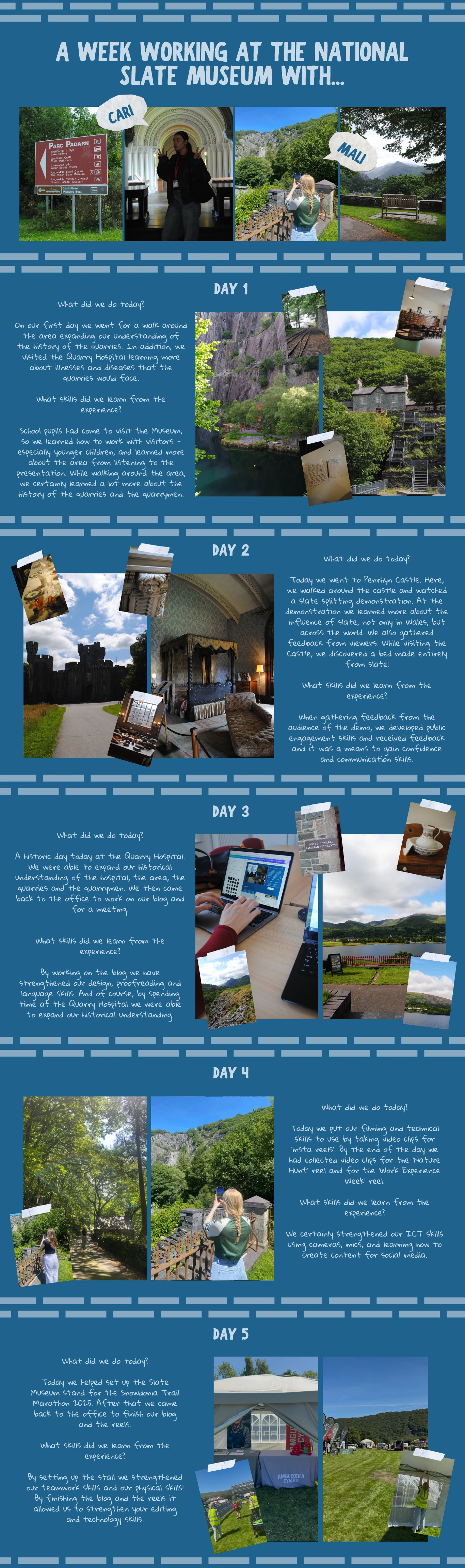
A week working at the National Slate Museum with Cari and Mali

Cari and Mali, work experience students , 14 July 2025

Cari and Mali, two work experience students at National Slate Museum.
Cari, work experience student, walking along a narrow road surrounded by green leafy trees.

Day 1 

What did we do today?

On our first day we went for a walk around the area expanding our understanding of the history of the quarries. In addition, we visited the Quarry Hospital learning more about illnesses and diseases that the quarries would face.

What skills did we learn from the experience?

School pupils had come to visit the Museum, so we learned how to work with visitors - especially younger children, and learned more about the area from listening to the presentation. While walking around the area, we certainly learned a lot more about the history of the quarries and the quarrymen.

Day 2

What did we do today?

Today we went to Penrhyn Castle. Here, we walked around the castle and watched a slate splitting demonstration. At the demonstration we learned more about the influence of slate, not only in Wales, but across the world. We also gathered feedback from viewers. While visiting the Castle, we discovered a bed made entirely from slate!

What skills did we learn from the experience?

When gathering feedback from the audience of the demo, we developed public engagement skills and received feedback and it was a means to gain confidence and communication skills.

A laptop opened onto a screen showing the blog a student on work experience is creating.

Day 3

What did we do today?

A historic day today at the Quarry Hospital. We were able to expand our historical understanding of the hospital, the area, the quarries and the quarrymen. We then came back to the office to work on our blog and for a meeting.

What skills did we learn from the experience?

By working on the blog we have strengthened our design, proofreading and language skills. And of course, by spending time at the Quarry Hospital we were able to expand our historical understanding.

Day 4

What did we do today?

A historic day today at the Quarry Hospital. We were able to expand our historical understanding of the hospital, the area, the quarries and the quarrymen. We then came back to the office to work on our blog and for a meeting.

What skills did we learn from the experience?

By working on the blog we have strengthened our design, proofreading and language skills. And of course, by spending time at the Quarry Hospital we were able to expand our historical understanding.

Collage of an event set up with Museum Wales branding, and work experience students helping to set up wearing high-vis.

Day 5

What did we do today?

Today we helped set up the Slate Museum stand for the Snowdonia Trail Marathon 2025. After that we came back to the office to finish our blog and the reels.

What skills did we learn from the experience?

By setting up the stall we strengthened our teamwork skills and our physical skills! By finishing the blog and the reels it allowed us to strengthen your editing and technology skills.

Head over to Facebook to see a Reel Cari and Mali made to document their time on work experience! 

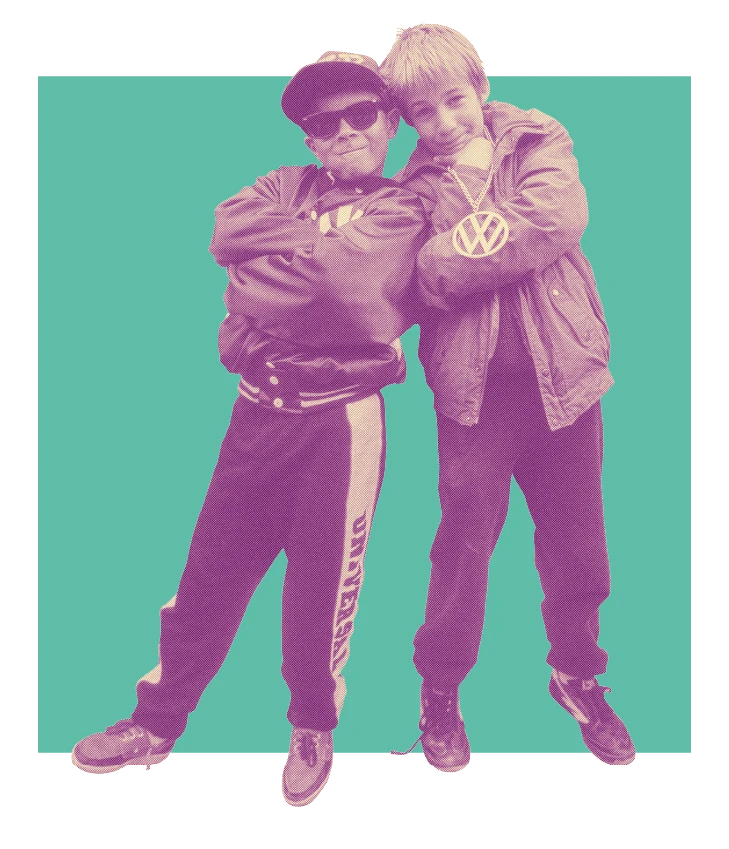
Hip-Hop: A Welsh Story

Kieron Barrett, 9 July 2025

There are two questions which have been at the forefront of my mind when curating Hip-hop: A Welsh Story for National Museum Cardiff. Firstly, ‘what is Hip Hop?’ and secondly ‘what is a museum?’ You’d think both would be relatively simple to explain but I’ve still not come up with a satisfactory answer. Yet continually searching for some kind of resolution to them both has laid the foundations for the whole project.

You’d think the former would be easier for me. I’ve followed Hip Hop since the early 80s and it forms an important part of my identity. At various moments I’ve been a rapper, a DJ, a promoter, a blogger and an artist manager, but most of all I’ve been a fan of Hip Hop culture in all of its many forms. My background is in Hip Hop, not in museums. However, I took the responsibility of bringing an exhibition like this to life incredibly seriously. To do that properly I would have to step outside of my own relationship to Hip Hop, to ensure that I was representing a cross section of the whole country. I had to investigate the many ways that Hip Hop has become a part of Welsh culture and in many cases Welsh identity. I wanted to explore and celebrate the impact that Hip Hop has had on Wales since it first arrived back in the early 80s.

Although Hip Hop was born in the 1970s, the culture really started to make an impact here from the tail end of 1982. It was easy to form a collective identity then as we only had 4 TV channels and limited print media. However Hip Hop has been through many changes since and in the age of the internet and increased globalisation, it’s not so easy to put your finger on what makes something Hip Hop.

That’s a long conversation and I'm not going to unpack that here just yet, but it was important for me to hear thoughts and experiences from as many people as possible. To make an exhibition with legitimacy we had to include voices older and younger than myself as well as my peers. I travelled across Wales and spoke to lots of people I knew and a number of others that I didn’t - in Newport, Cardiff, Port Talbot, Bridgend, Swansea, Carmarthen, Caernarfon, Aberystwyth, Bangor, Conwy, Colwyn Bay, Wrexham and many other smaller towns and villages in-between. In total there were over 70 recorded interviews - a number of which are going into the museum’s oral history archive. However I met and spoke to hundreds more people along the way and this whole project has been a huge collective effort. I also have to give a special mention to Luke Bailey who collected a number of important interviews in podcast form which were invaluable to the research.

I trawled through multiple archives to find more stories and information. Newspapers, libraries and the BBC in particular. There were a number of videos and articles that I knew existed, but most seemed to be lost forever. I spent hours looking through websites and articles on the internet and I’m grateful to Dr Kieran Nolan the founder of irishhiphop.com for finding some of the archived pages of my old website welshhiphop.com from 2000. I found some incredible pictures but years of being passed around the internet had greatly degraded the quality of them. Wild goose chases were common in trying to hunt down the originals but they all led me to find even more voices, and more stories. This inevitably led to more photos and more (objects) for us to share with you. Some people I chased around social media sites for years before I got to speak to them in person and it took time to build and maintain trust enough for them to unlock their memories and lend us their most cherished connections to the past. I often felt the weight of this huge responsibility and still do for everything that’s on display.

I started to pull out recurring themes from the interviews and conversations. Community and competition were the most common. Not that everybody recognised these within their own experiences, but enough to start building a narrative for the exhibition. There has been a common misconception that we are creating a history of Hip Hop in Wales, perhaps this is because people view museums as a place to store history and that’s arguably one part of their function. In fact a number of people didn’t want to take part at first for the simple fact that they weren’t ready to be consigned to the past. That’s certainly not what this exhibition is about and it’s not how I view museums. For me they help us to explore our identity, especially as it relates to nationality. In the Victorian and Edwardian eras this seems to have been more prescribed, but now it’s an ever-evolving discussion and I’m so pleased that Hip Hop is finally part of that conversation.

But we really are only able to scratch the surface. We’d need the whole building and then some to get close to a proper history of Hip Hop in Wales. I heard a podcast with Neil deGrasse Tyson in which he said, “The goal of a museum is to inspire you to want to learn more” and I hope we manage to do that for you. We will continue to populate this blog with more context and more information over the next few months.

I thought I knew a lot about Hip Hop in Wales when I started this project but I have learned so much along the way. We have such a rich Hip Hop history here and you can see its influence everywhere if you look closely enough. I know people are apprehensive about the way Hip Hop will be represented and believe me nobody is more nervous than me about getting things right. I’ve been grateful for such an incredible team in pulling everything together. I could never have guessed how much work goes into a museum exhibition before I started. 

We wanted to make sure this exhibition was accessible to as many people as possible but it had to be historically and academically sound as well. This meant spending hours of my own time doing my homework on Hip Hop and unpacking the many mythologies that underpin it. Books, academic papers, interviews, documentaries, articles. It’s difficult to scrutinise something you love that much but this was largely background research. In Wales we have adapted and carved our own chapter within Hip Hop’s history. We echo the wider narratives of struggle, acceptance, self expression, healthy competition and passing on the torch to the future generations that follow us. There are many stories worth telling, we have highlighted a few to create ‘Hip-hop: A Welsh Story’ and we really hope you visit and leave the exhibition as inspired as we’ve been whilst building it.

Celebrating Volunteers!

Ffion Davies, 5 July 2025

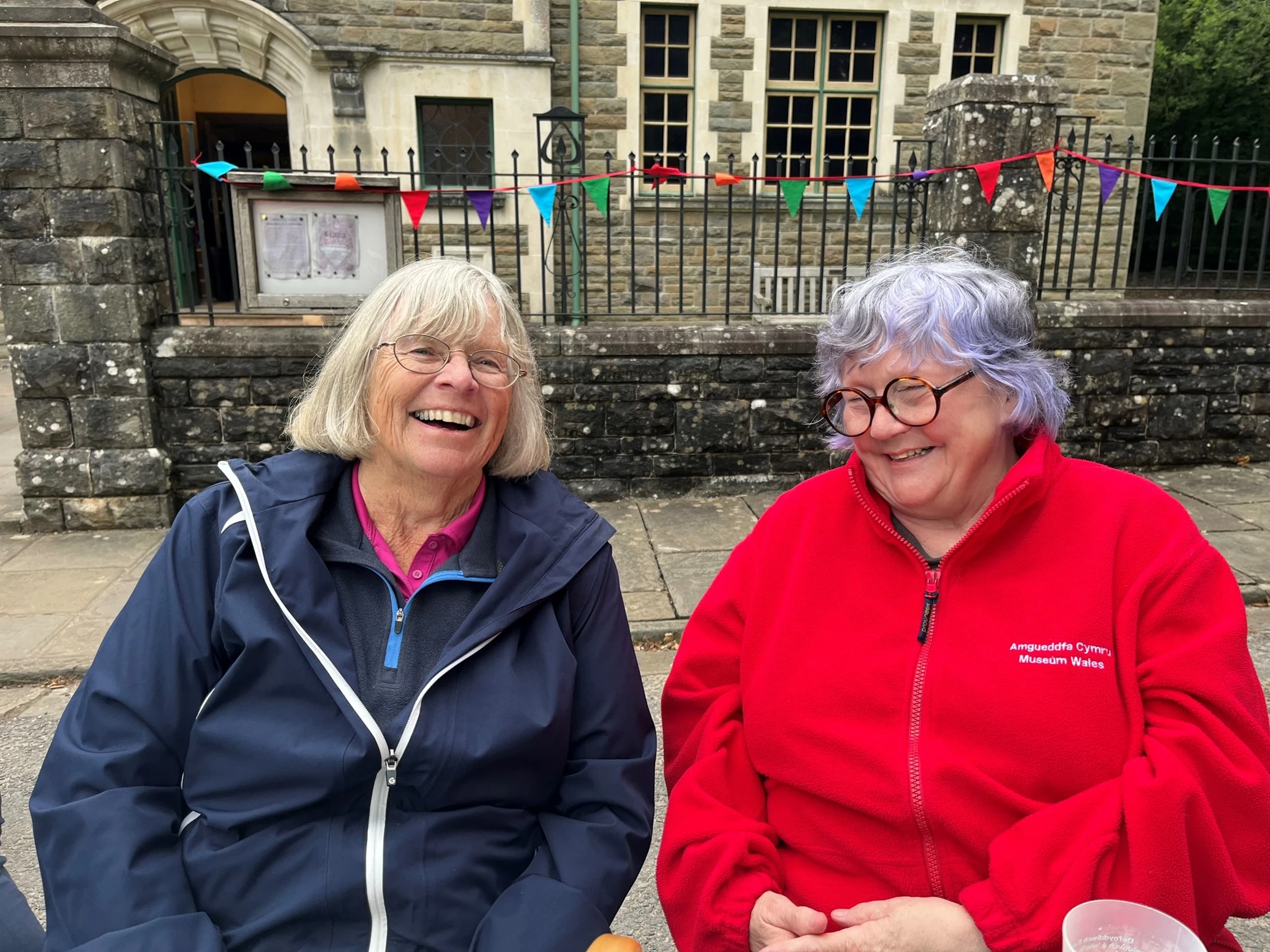
Amgueddfa Cymru hosts a range of socials and celebration events to recognise and celebrate our volunteers throughout the year. Every summer we organise celebrations event at Cardiff, Swansea, Drefach Felindre, and North Wales to celebrate Volunteers’ Week.  Volunteers’ Week is a UK celebration of all thing volunteers and happens every year between 1-7 June. 

This year’s summer celebrations were unique!

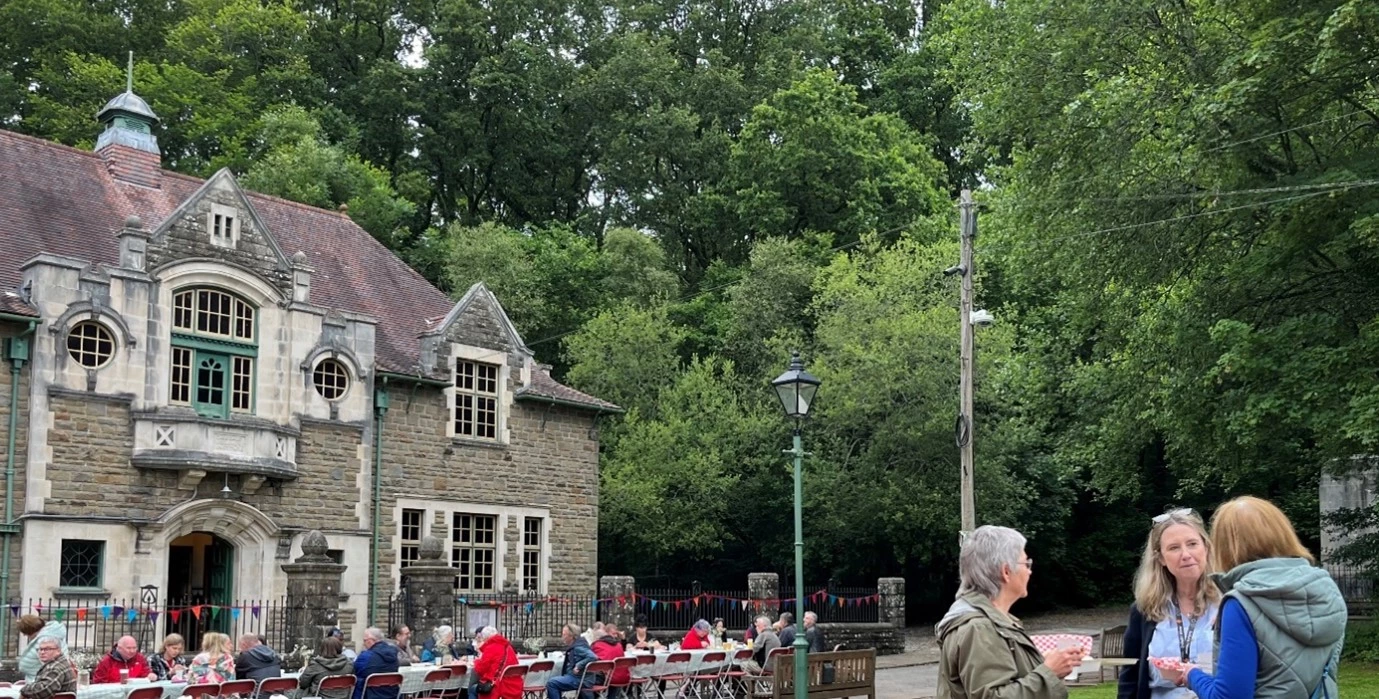
We hosted our first ever street party outside our two iconic buildings, Oakdale Workmen’s Hall and The Vulcan Pub, at St Fagans. Over 60 volunteers across Cardiff attended to have vegan pizza with sides and an optional pint at The Vulcan. We also hosted our famous quiz, which this year seemed very fitting in The Vulcan. Craft Club Volunteers won this year’s quiz!

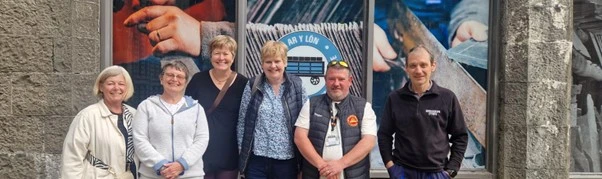
In North Wales due to the redevelopment work the National Slate Museum is currently closed, so volunteers choose to use this as an opportunity to visit the Museum on the Move and to attend a slate splitting demonstration by one of our demonstrating quarrymen who are currently based at Penrhyn Castle. The volunteers also enjoyed the opportunity to walk around the castle’s historic rooms, learning about the links between the castle and the slate industry. 

Volunteers at the GRAFT, National Waterfront Museum had a mosaic making session with an artist to create artwork with the prompt ‘what does the GRAFT garden mean to me’. This was followed by pizza and an awards ceremony celebrating the best weeder, water wizard, etc. We ended the session with a drumming session from One Heart Drummers.

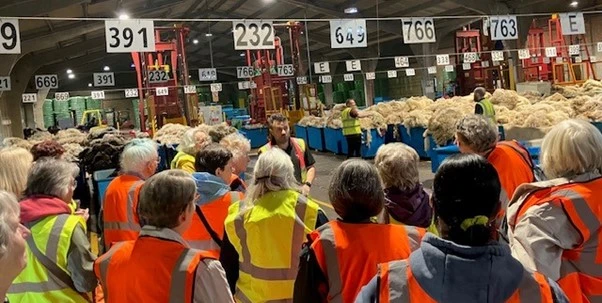
Instead of our usual lunch and craft activity, volunteers at the National Wool Museum had a day out to visit the British Wool Sorting Depot and local museum. We did say unique! 

This is our way of saying Diolch to our amazing volunteers, that last year (2024-2025) donated over 34,880 hours!  

“Volunteers are a highly valued part of our family here at Amgueddfa Cymru. Volunteers enrich and add value to the way we inspire learning and enjoyment for everyone through the national collection of Wales. They enable a much wider, and more diverse range of voices, experiences and perspectives to contribute to the delivery of that core purpose than we could ever achieve solely through the staff body.  I started my culture and heritage career with a volunteering placement many years ago. Volunteering changed my life, and it’s wonderful to see the wide range of ways in which volunteering changes lives in Amgueddfa Cymru.” Jane Richardson, Chief Executive, Amgueddfa Cymru.

Fancy getting involved? Get Involved | Museum Wales

Celebrating Pride Month! - Wearing my badge with Pride

Kaja Brown, ACP, 27 June 2025

To celebrate Pride Month this year, some of our amazing ACPs will be hosting Pride themed workshops across some of our museums this June. As part of that celebration, we asked them to reflect on the themes and inspiration behind their workshop and what Pride means to them. 

Pride means solidarity and intersectionality - always has and always will! 

“You have worn our badge ‘Coal Not Dole’ and you know what harassment means, as we do. Now we will support you. It won’t change overnight, but now a hundred and forty thousand miners know … about black [communities] and gays and nuclear disarmament and we will never be the same.”

David Donovan speaking on behalf of the Dulais miners to a crowd 1,500 at the Pits and Perverts Ball, Camden Town, 10th December 1984

I was inspired to run several queer, intersectional badge-making workshops for Bloedd because of the legacy of LGSM. Lesbians and Gay men Support the Miners were a group who raised money for, and stood with, the 1984-1985 Miners Strike. They built connections with mining communities in South Wales, including Neath, Dulais and Swansea, as well as raising money for women’s support groups. A pin badge from this group is immortalised in the Amgueddfa Cymru collection. The badge was designed by LGSM member and activist Jonathan Blake.

LGSM is an incredible example of intersectional activism and queer solidarity. As the quote from David Donovan demonstrates, this movement was about groups supporting each other and uniting against systems of oppression and alienation. LGSM were passionate about class solidarity, and drew parallels between how the miners and LGBT+ communities were treated by the media (e.g. the vilification of the National Union of Mineworkers and the disinformation spread about the HIV/AIDS pandemic). Both groups also experienced police violence and political scapegoating. 

LGSM was also an important community for people diagnosed with HIV AIDS, like Jonathan Blake who was one of the first people diagnosed with HIV in the UK. HIV was widely misunderstood and stigmatised at the time, so LGSM providing a safe space for members with HIV would have been both radical and life-changing.

LGSM raised thousands of pounds to support the striking miners, putting on theatre performances and their famous ‘Pits and Perverts’ ball to raise funds for miners and their families. In turn, many miners came to march at Pride, and later in the year the NUM pushed for LGBT rights to be included in both TUC (Trades Union Congress) and Labour Party policies. This is such a perfect example of the important role that intersectional activism and class solidarity can play in society.

This is a message that we need now more than ever. This year alone we have witnessed the rolling-back of LGBT+ rights, the demonisation and scapegoating of trans communities, and the rise of right wing parties. We have seen global genocides, political atrocities, and the violation of human rights. We have also seen political tactics and media narratives that are meant to overwhelm and divide us. And we, as communities, have been hurt by these narratives and hurt by the systems that are taking away our rights, our benefits, our welfare. 


And so this Pride Month we need to unite and stand together. We need to embody the spirit of LGSM and come together to support each other. We are living in hard times -- we are living in a cost of living crisis -- and instead of being divided, we should be helping each other out with food drives and potlucks and fundraising events and protests and action. Community and love and solidarity. This is what Pride is about. 

These are the themes I hope to embody in my workshop. As a queer and disabled activist, I am a strong believer in intersectional activism. I think badges are brilliant ways to implement micro-activism and micro-resistance. Badges have been used in DIY and punk movements for years, and have long been used as a creative way to express queer identity and pride. For me, the LGSM badge in the museum’s collection is more than just an accessory. It symbolises a movement of hope and solidarity. By creating our own badges we get the chance to express ourselves and the causes we care for. 

Kaja Brown @kaja_amy_brown on Instagram 

Amgueddfa Cymru Producers [ACPs] are a group of young people aged 16 – 25 living in or from Wales who collaborate with the Museum through participatory and paid opportunities.

This is a space to deepen knowledge and to ensure that cultural and heritage spaces are more representational of the young people and their many cultures that make up Wales today. We are here to make heritage relevant!

We explore art, heritage and identity, environmentalism, natural science, social history and archaeology through our collections and by co-producing events, workshops, exhibitions, digital media, publications, development groups and more! Our ACPs work closely with departments across the Museum to help us deepen representation within our collections and programming, that reflects all communities in Wales. This includes expanding our LGBTQ+ collection, decolonising our collections and gathering working-class history through oral histories. ACPs can also bring their own ideas or topics they wish to explore through our collections!

You can sign up to our mailing list here to keep up to date with news and new opportunities.

If you have any queries you can email us on bloedd.ac@museumwales.ac.uk. Follow us on Instagram to keep updated on all things Bloedd! 

Celebrating Pride Month! - Queer Identity: Floral Symbolism and Community

Elizabeth Bartlett, ACP, 19 June 2025

To celebrate Pride Month this year, some of our amazing ACPs will be hosting Pride themed workshops across some of our museums this June. As part of that celebration, we asked them to reflect on the themes and inspiration behind their workshop and what Pride means to them. 

Symbolism plays a large role in queer history; a big part of this symbolism has been through the use of flowers. Whether it be a derogatory or reclaimed term or a way of signaling to other members of the community, flowers are intertwined with our history.

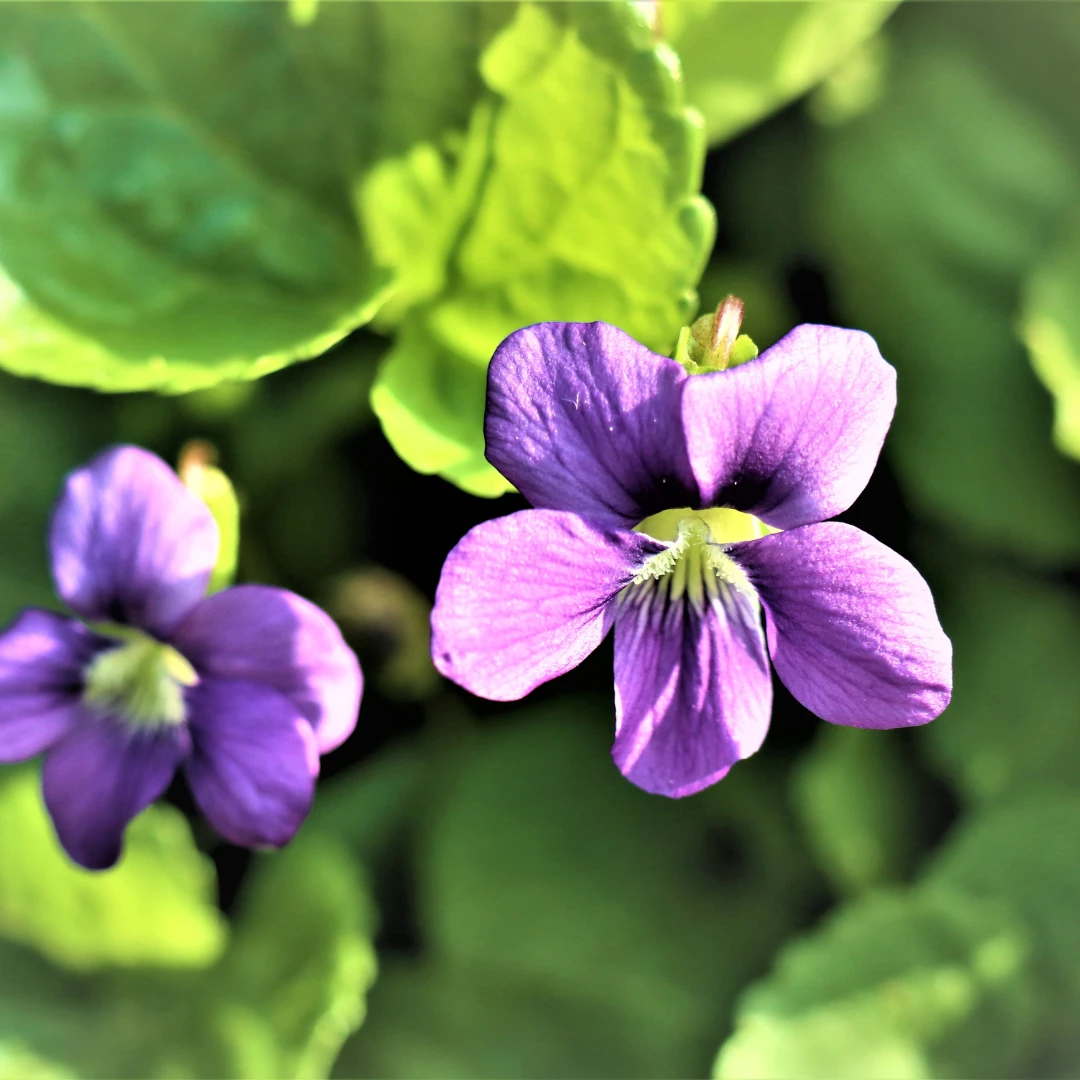
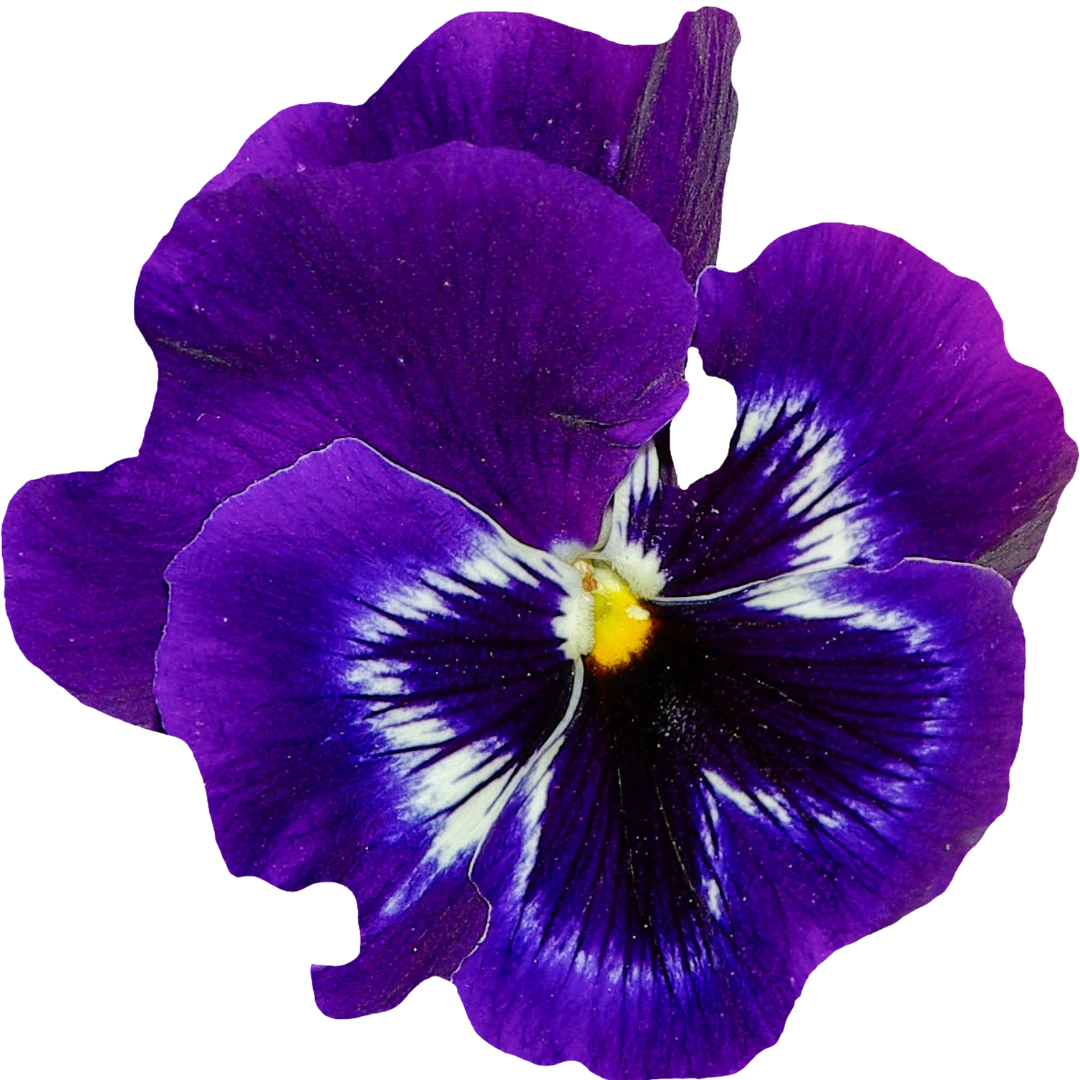
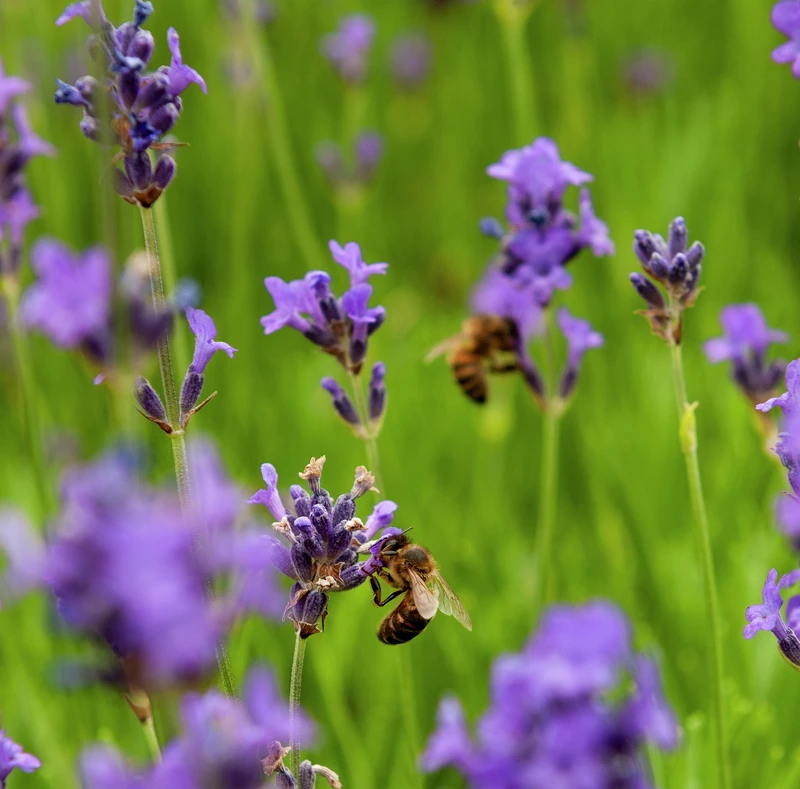
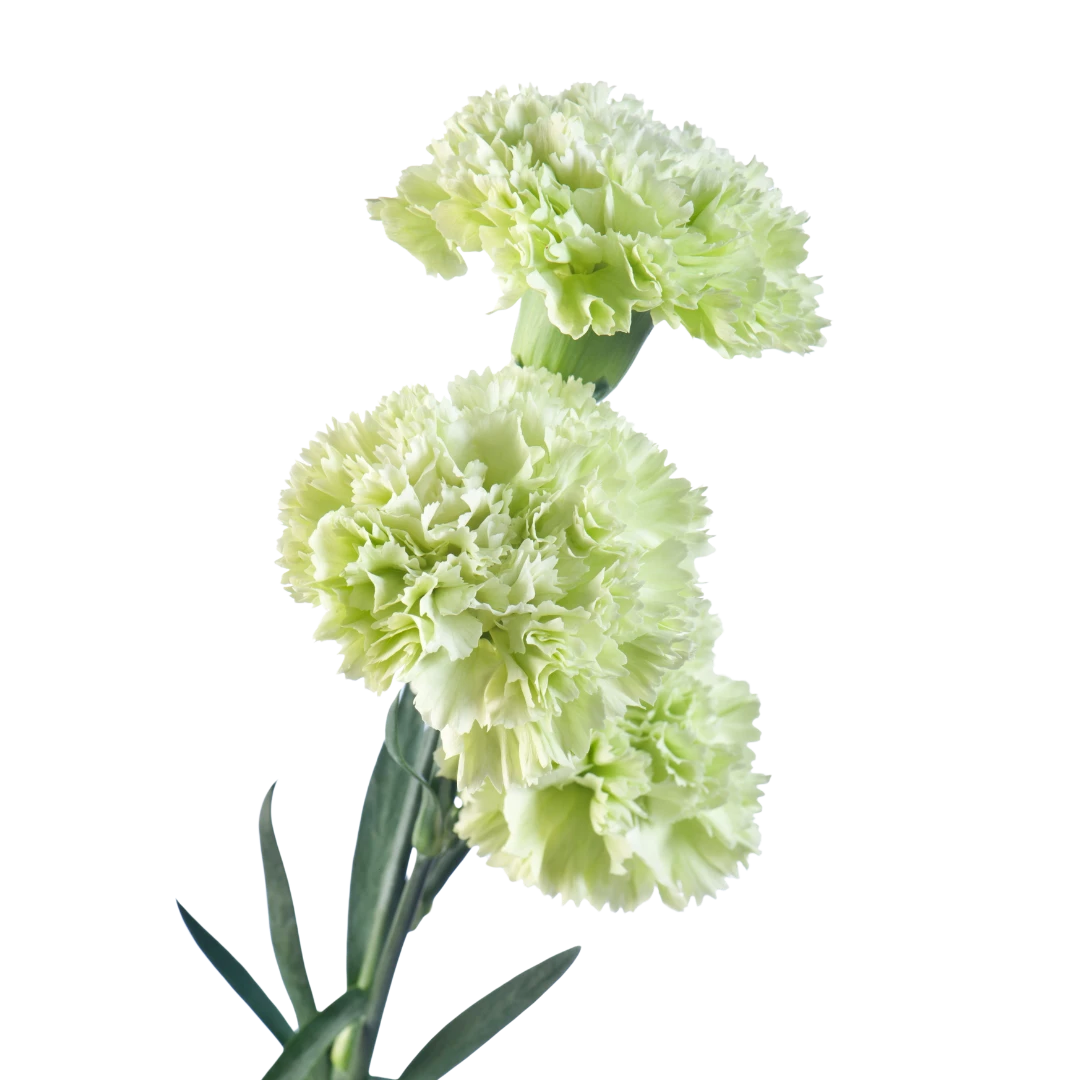
Violets have historically been associated with lesbianism and femininity; green carnations have been used as a way for gay men to flag each other, ‘pansy’ has been used as an insult for effeminate men, and lavender, both the colour and flower, has been used for decades as an icon of queer resistance and liberation.

Throughout the museum’s archives there are examples of this floral symbolism in protest badges and artworks, which embody the link between our history and flowers.

Violets

In the 6th century, Sappho, a poet from the island Lesbos, described her female lover as wearing a ’violet tiara’. Sappho, well-renowned for her poems, sapphic eroticism and love (indeed, she is where the word sapphic originates), influenced the language and iconography associated with lesbianism and female sexuality extraordinarily. Her use of florals in her poetry no doubt shaped queer symbolism and kinship with flowers across the following centuries.

In early 20th-century Paris, violets were a common adornment for those a part of ‘Paris Lesbos’, homosexual women who built a community with one another represented by the violets they carried, gifted each other, and were buried with.

The symbol was reborn in America when a French play being performed on Broadway, The Captive, used violets to symbolise sapphic love. In the play, a woman gifts her romantic interest a bouquet of violets; this led to outrage and scandal across New York, the play being shut down, the sale of violets plummeting and a state law dealing with ‘obscenity’ being introduced. Despite the pushback, Parisian supporters of the play wore violets on their lapels and belts.

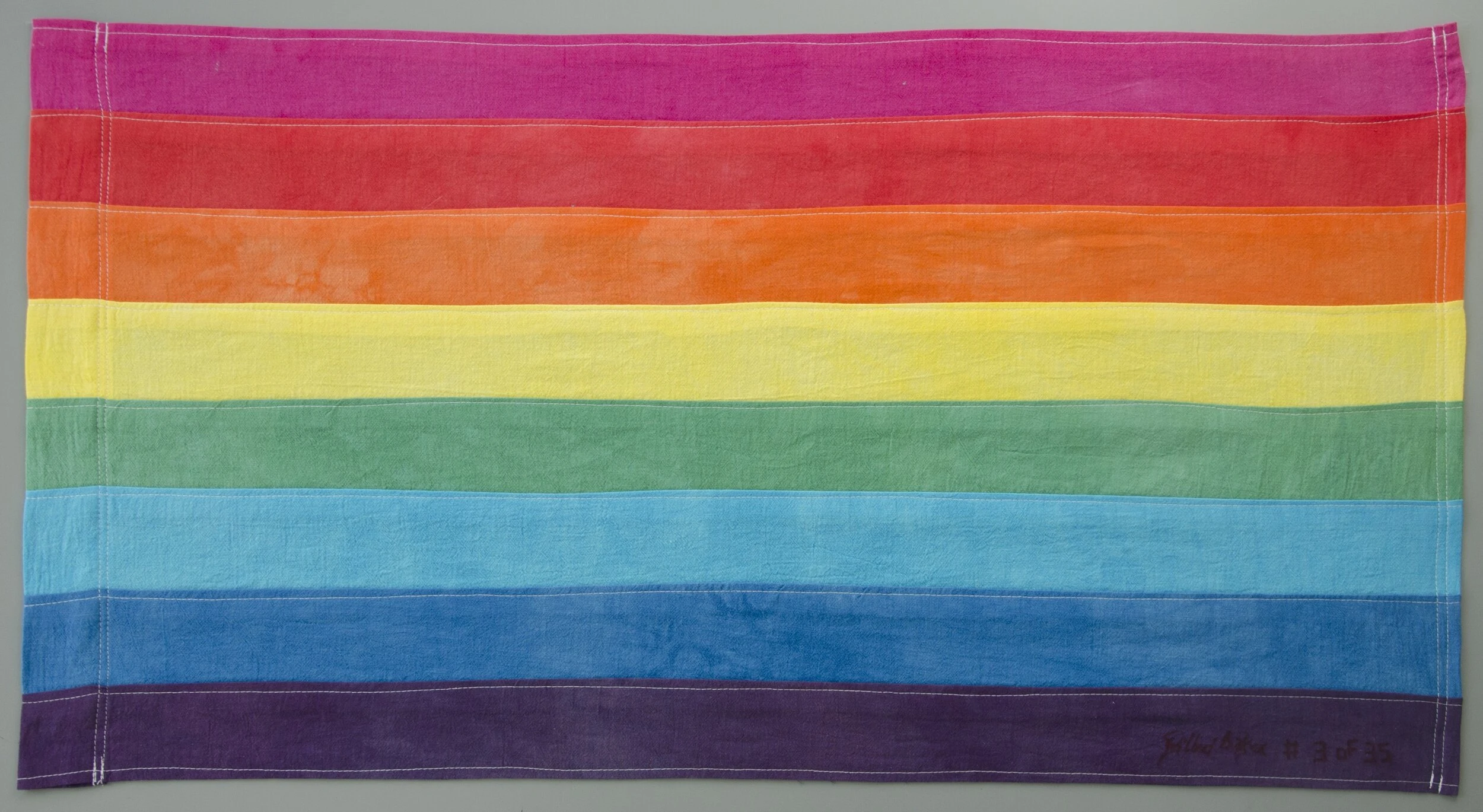
The colour violet has also had significant presence in LGBTQ+ history, with it being present on the first pride flag– created in 1978 by artist Gilbert Baker in California, USA- and it still being present on the traditional 6-stripe rainbow pride flag and progress pride flags and many other iterations. Violet typically symbolises the spirit of the LGBTQ+ community, a fitting meaning for a symbol that has lasted and spread for over a millennium.

Pansies

In the early 20th century, there were many floral terms used to describe an effeminate (and therefore ‘gay’) man. ‘Daisy’, ‘buttercup’ but, perhaps most notably, ‘pansy’. The term ‘pansy craze’ was used to describe the underground queer nightlife and drag scene in places like New York, Los Angeles and Chicago, with similar scenes being seen across European cities like London, Berlin and Paris before the rise of authoritarian politics and Nazism. The onset of the depression, the beginnings of World War II and the end of American prohibition saw an end to the short period of visibility for the LBGT community, but the icon that is the pansy has prevailed. Still occasionally used as an insult by the some, ‘pansy’ has taken on a life of its own being used as a term of endearment.

Lavender

The colour lavender has been distinctly used to represent the LGBTQ+ community in many different eras and places, especially in the 20th century, but the flower was also used as a lesser-known symbol for homosexual love. Lesbians gifted lavender as a covert way of expressing their romantic interest in one another, and the flower became increasingly entwined with queer identity throughout the mid-1900s.

The ‘lavender scare’ was a time that parallelled the ‘red scare’ in 1940s and 50s America when those perceived to be a part of the community were fired from their jobs, often when working for the American government, due to their supposed ‘communist sympathies’ because of their sexuality.

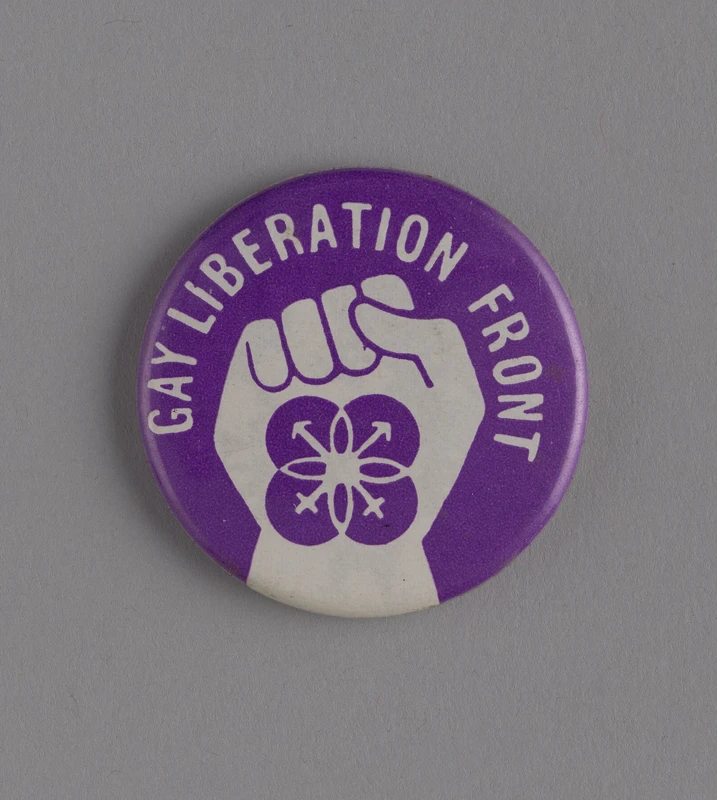
The colour lavender was used to symbolise queer identity once again a month after the pivotal Stonewall Riots, in July 1969, as lavender sashes and armbands were handed out by the Gay Liberation Front in a ‘gay power’ march across New York City.

The Gay Liberation Front was the first recorded gay organisation to use ‘gay’ in its name, and its existence and work marked a turning point for the LGBTQ+ community across the globe. One of their first badges used a purple flower with the male/female symbols detailing its petals, whilst resting on a raised fist, a historic symbol of protest. The badge, which can currently be seen at St Fagans’ Wales is: Proud gallery.

A radical feminist group, ‘the Lavender Menace’, was an informal group that protested the exclusion of lesbians and sapphic women in feminist movements in the early 1970s. The term was first used by feminist writer and activist Betty Friedan, who described lesbians as a ‘lavender menace’ that would undermine the entire women’s liberation movement. The name was adopted by the group as a way of reclaiming the negative language used about them, and they are widely associated as being integral to the founding of lesbian feminism.

Carnations

Oscar Wilde, the Victorian author, famously popularised the green carnation in the late 19th century. The flower was dyed by watering it with water laced with arsenic. He pinned one to his left lapel, a style that keeps cropping up as we analyse the use of these flowers as a way to subtly signal to others that he was a rebellious individual, a man who loved other men, in a society that condemned and criminalised male homosexuality– Victorian London.

Eventually, after the publication of a book written anonymously, ‘The Green Carnation’, Wilde was arrested and jailed for gross indecency. Wilde outright denied writing the book, but his work popularising the carnation years prior was enough for authorities to pin the work on him.

Despite this, the carnation prevailed, and it is still a recognised symbol today, albeit a less popular one.

Roses

The rose is a well-known symbol of love, and of course this extends to queer love. In 1960s Japan the rose became an iconic symbol for gay men, even influencing the language they use to describe gay men today. Bara, meaning rose, is a commonly used term for the community.

Roses are also special to the transgender community, especially on Trans Day of Visibility (March 31st), when the phrase ‘give us our roses while we are still here’ is echoed. It means that we should celebrate the lives of trans people, of trans WOC, rather than simply mourning them when they are killed. It is about decentring grief in the trans community and celebrating life whilst amplifying transgender voices. The rose is an important symbol of this, showing appreciation and joy for transgender people.

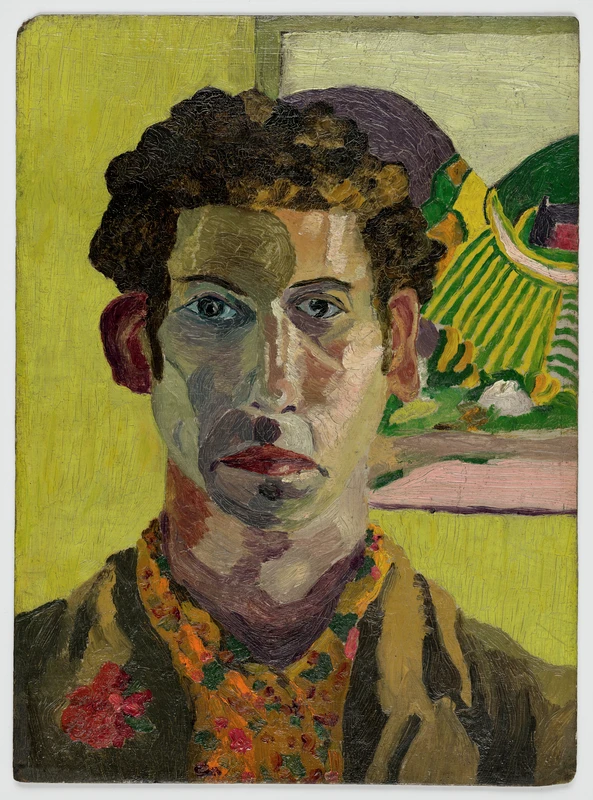
In this painting, a self-portrait by gay artist Cedric Morris while he lived with his partner in Cornwall, Morris is depicted with a rose pinned to his lapel. Whether this is symbolic of his love or homosexuality is unclear, but it is an obvious example of the tie between the LGBTQ+ community and flowers throughout the ages. Morris was relatively open about his relationship with fellow artist Arthur Lett-Haines, despite homosexuality being illegal at the time.

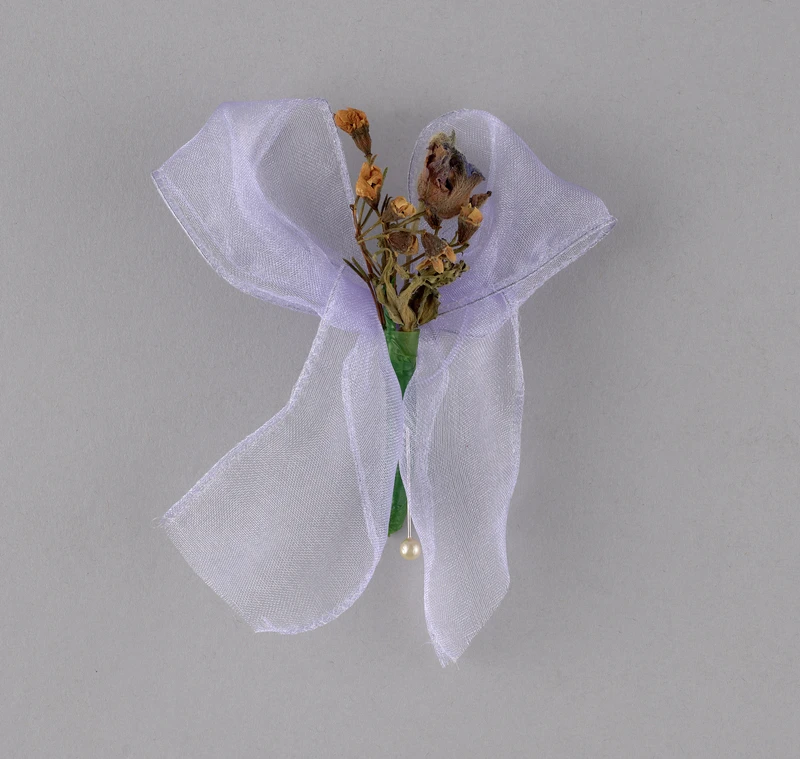
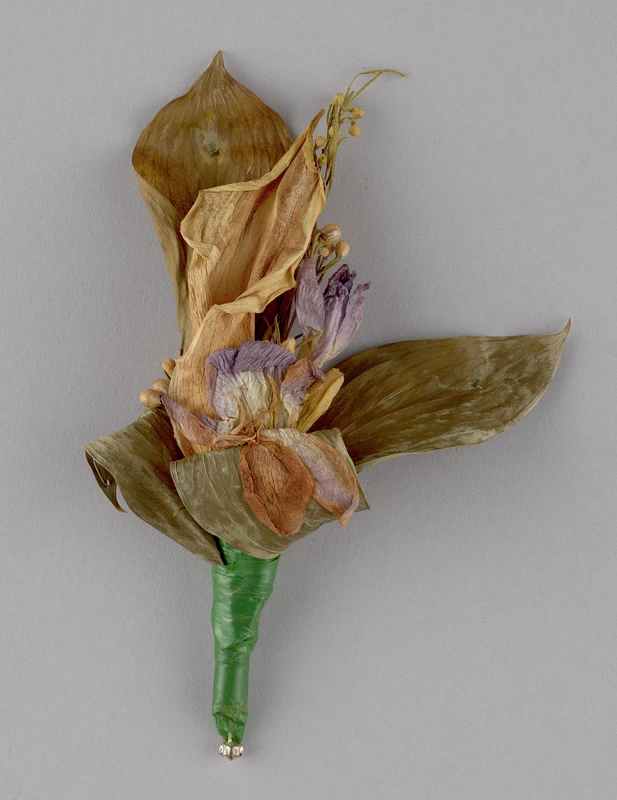
Flowers are still an integral part of our community and a beautiful way to honour our history. A piece from the museum's archives I find particularly valuable is the flowers worn during the marriage of two gay men, Federico Podeschi and Darren Warren, on the day same-sex marriage was legalised in England and Wales. These flowers symbolise so much that the queer community has fought for: the right to be legally recognised. But they remind us that there is so much further to go, especially in these uncertain times and how recently it was that we gained some basic rights.

My workshop, run both this year and last for Pride, encourages you to connect with our history through the medium of printmaking. Last year we created a banner to be marched at Pride Cymru, and now I will invite participants to create a piece of art to take home or gift to another.

Elizabeth Bartlett @liz_did_stuff on Instagram

Amgueddfa Cymru Producers [ACPs] are a group of young people aged 16 – 25 living in or from Wales who collaborate with the Museum through participatory and paid opportunities.

This is a space to deepen knowledge and to ensure that cultural and heritage spaces are more representational of the young people and their many cultures that make up Wales today. We are here to make heritage relevant!

We explore art, heritage and identity, environmentalism, natural science, social history and archaeology through our collections and by co-producing events, workshops, exhibitions, digital media, publications, development groups and more! Our ACPs work closely with departments across the Museum to help us deepen representation within our collections and programming, that reflects all communities in Wales. This includes expanding our LGBTQ+ collection, decolonising our collections and gathering working-class history through oral histories. ACPs can also bring their own ideas or topics they wish to explore through our collections!

You can sign up to our mailing list here to keep up to date with news and new opportunities.

If you have any queries you can email us on bloedd.ac@museumwales.ac.uk. Follow us on Instagram to keep updated on all things Bloedd!