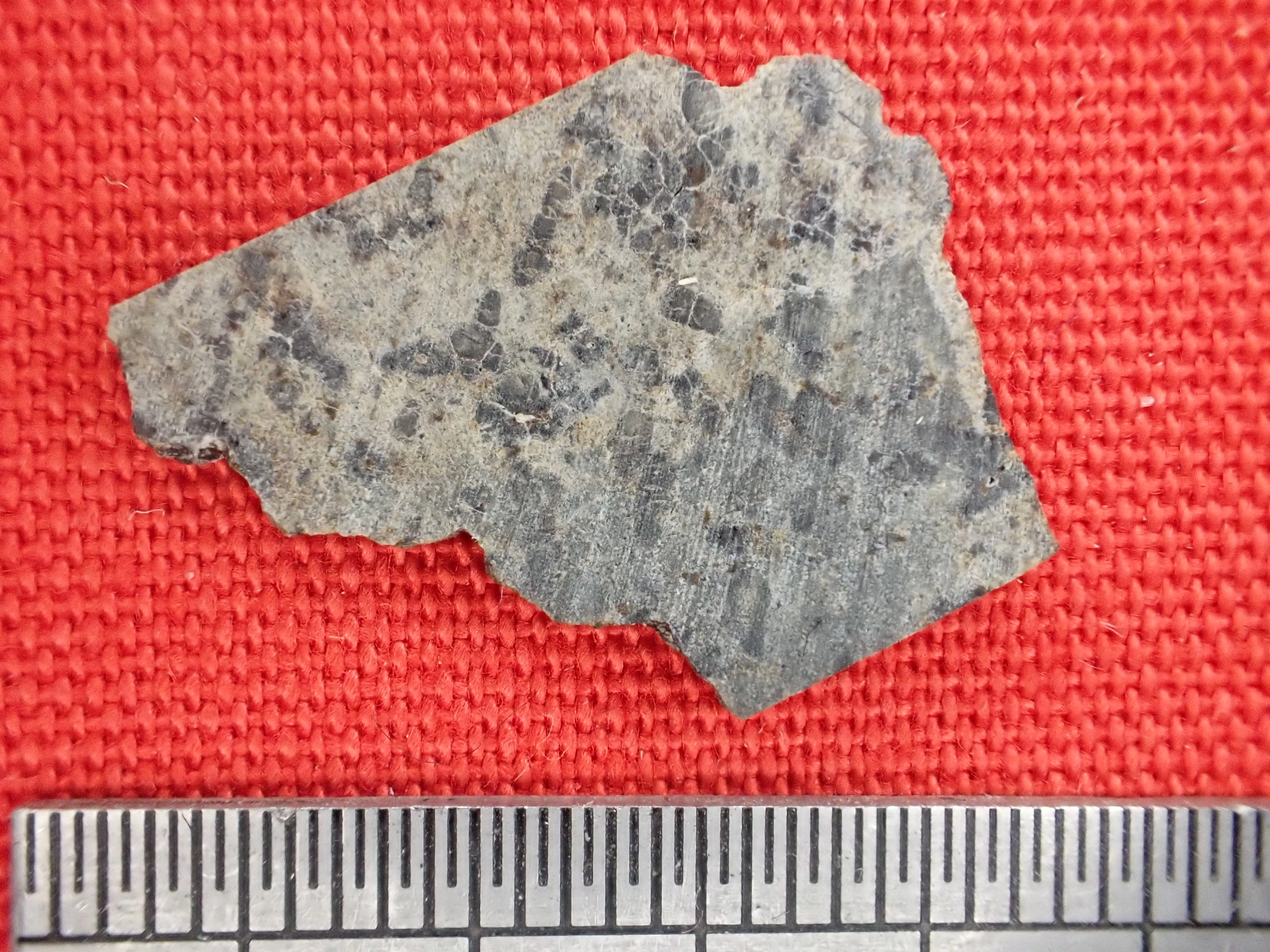
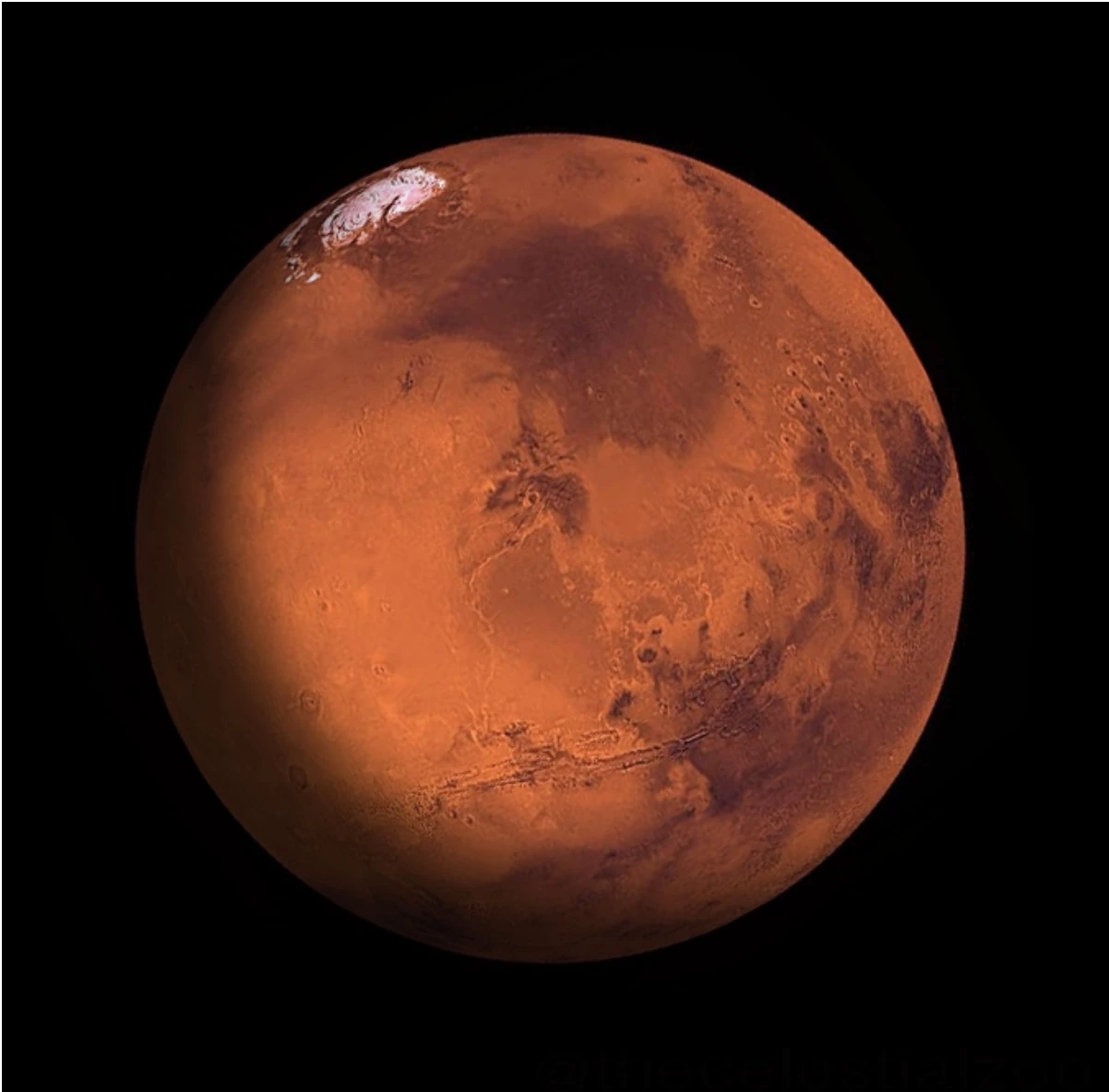
Rocks from the Red Planet Andrew Haycock - Curator Mineralogy & Petrology, Natural Sciences, 18 March 2021 This weekend our Curators open online doors to our fascinating meteorite and space rock collections. Join them on Saturday and Sunday for free behind the scenes tours, streamed on our National Museums Wales website, as part of our Amazing Astronomy Weekend. Then on Sunday, our museum curators will be joined by expert astronomers to take your questions in a live, bookable event. See Amazing Astronomy for full details.Here, Andrew Haycock, Curator Mineralogy & Petrology, Natural Sciences shares a little of his thoughts on one of our space treasures, a rock from Mars. There are 77 meteorites in the Amgueddfa Cymru - National Museum of Wales collection, which have been found in localities the World over. Some of these are permanently on display in our Evolution of Wales Gallery. They include a 260kg iron meteorite, which fell in Namibia, Africa; and a slice of a stony meteorite which fell in Beddgelert in 1949. This meteorite is one of only two known meteorites from Wales.The vast majority of meteorites in the collection are held in climate-controlled storage, so they do not decay, but are often used for our Space-themed outreach events and teaching. Every specimen, however small or big, visually stunning or insignificant looking, has an interesting story to tell. One such unremarkable looking specimen is a stony shergottite meteorite collected in Libya in 1998. The Mars meteorite is a shergottie (NMW 2010.17G.R.26). The surface of Mars may be red but the rocks that we have are grey, it is only the surface dust of the planet that gives the distinct orange colour. Around 95% of meteorite finds are classified as ‘stony’, mainly made-up of minerals commonly found on Earth, and most (99.8%) are about 4,560 million years old, and originated in the Asteroid Belt between Mars and Jupiter. That is impressively old, but a casual observer may be forgiven to think that this shergottite meteorite was ‘just another stony meteorite’, but it is actually rather special, it is a part of Mars.Of the 65,000 or so meteorites, which have been collected, examined and named, just 292 are considered to originate from Mars. They can be classified as 3 different rock types, all igneous in origin (formed from magma or lava). They are much younger than the meteorites from the Asteroid belt, and were formed by volcanic activity on Mars between 165 and 1,340 million years ago. Only one known meteorite, found in the Allen Hills of Antarctica, is thought to be around 4,500 million years old, and was part of the initial Martian crust when the planet formed.Mars has been in the news a lot recently (February 2021), with the landing of the NASA Perseverance rover. The rover’s main job is to seek signs of ancient life and collect samples of rock and regolith (broken rock and soil) for possible return to Earth. Launch of Mars Perserverance rover, 30 July 2020 Prior to the landing of the Perseverance Rover, four other rovers have successfully been sent to Mars sending valuable data back to scientists on Earth; Sojourner (1997), Spirit and Opportunity (2004); and Curiosity (2012). The first space craft to successfully land on the planet was part of the Viking 1 and Viking 2 missions (Obiter and Lander) which reached Mars in 1976.So, how do scientists know that these meteorites are from Mars? By studying the composition of meteorites similar to this one, and comparing it to data sent back by spacecraft on Mars. The meteorites were found to have elemental and isotopic compositions very similar to some Martian rocks. The Shergottite group of Martian meteorites are very similar to basalt rocks found on Earth, but the oxygen isotopes are different to those of Earth rocks.Conclusive evidence for a Martian origin was provided in 1983, when tiny bubbles of gas trapped in inside the glassy fragments of a shergottite meteorite from Antarctica were analysed. The trapped gasses matched perfectly with the signature of the Martian atmosphere as reported by NASA’s Viking 1 and 2 landers in 1976.No astronauts have been to Mars, and no material from Mars has been sent back to Earth. So how did a rock from Mars get to Earth? The only known mechanism to eject a rock from Mars is a massive meteorite impact event. The impact would have smashed into Mars with enough force to eject debris out into Space, away from the gravitational pull of the planet, which is much less than that of Earth. At some point the meteorites were deflected from their orbit and pulled into the Earth’s gravitational field. Some of this debris then fell to Earth as meteorites.The 3-million-year-old crater Mojave, is 58.5 km in diameter and the youngest crater of its size on the planet, has been identified as a potential source of most Mars meteorites.Unlike the Moon, when it comes to Mars, scientists don't have rocks collected by astronauts to study. But they do have the next best thing, and they are Martian meteorites.
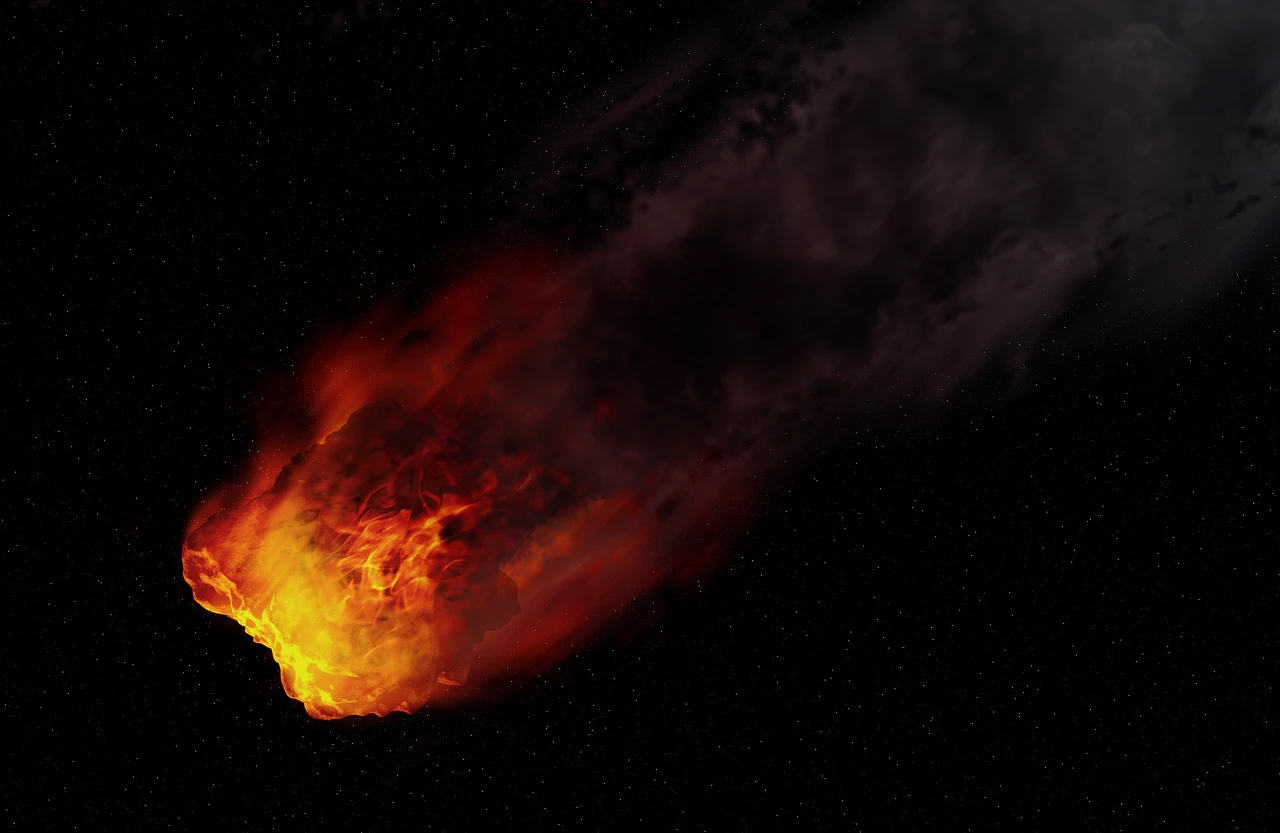
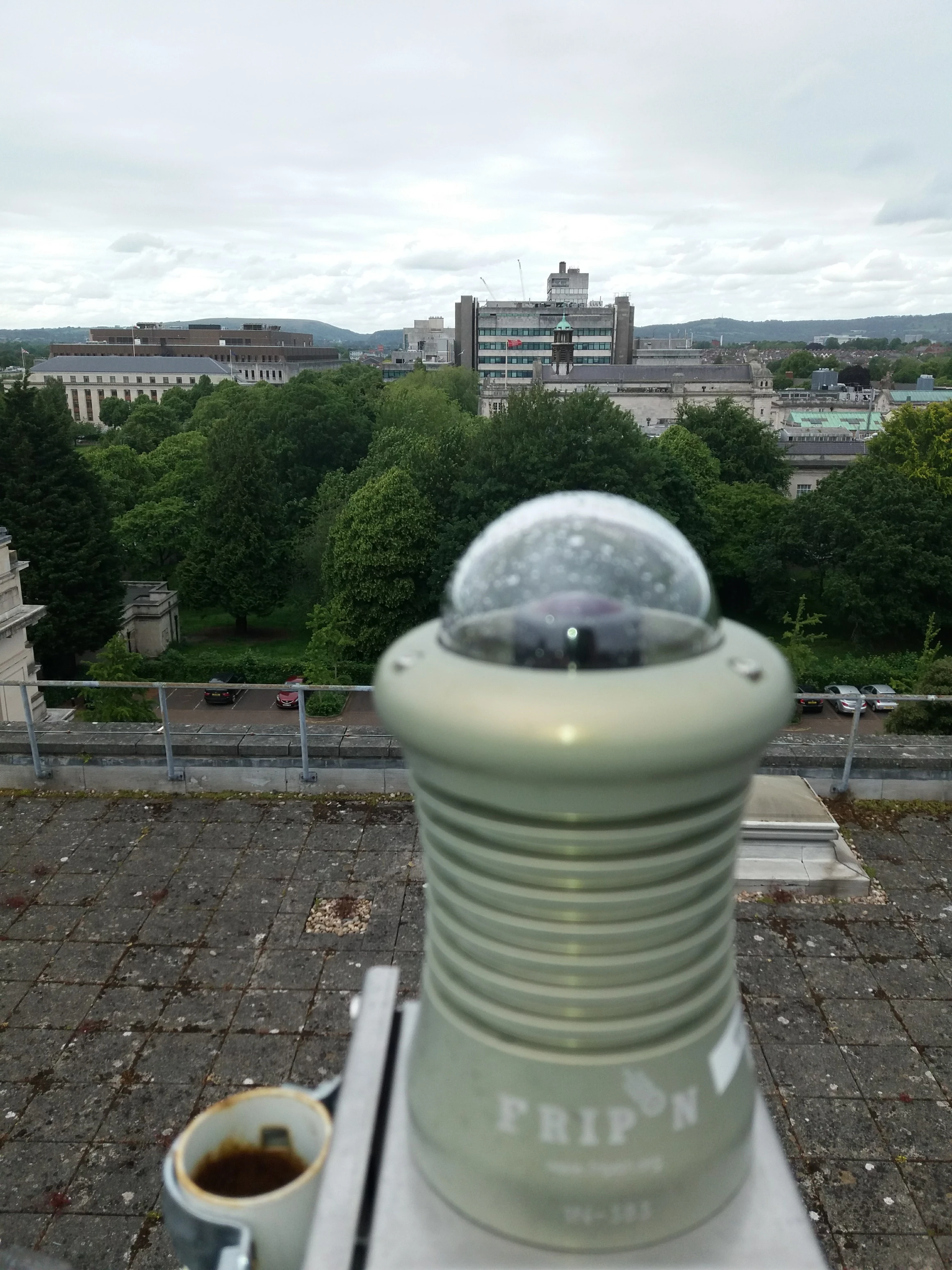
Great Balls of Fire! Jana Horak, 9 March 2021 Have you seen the footage of a meteorite fire ball passing through our atmosphere on 28 February? Our team have been working to help scientists find where it made landfall in Gloucester: on a suburban driveway! Since 2019, Amgueddfa Cymru National Museum Wales has been part of the SCAMP (System of Asteroid and Meteorite Paths) UK network, part of UK Fireball Alliance which spots, tracks and helps to locate meteorite falls. Jana Horak our Head of Mineralogy & Petrology explains how and invites you to join her and some of her curatorial colleagues for a behind the scenes, online tour of our meteorite collection during our Amazing Astrology weekend 20-21 March.Every year curators in the Museum examine, numerous samples of possible meteorites, found by the public. Scientists estimate that around 44,000 kilograms of rock fall from space and land on Earth every day, this may sound a lot, but this equates to a cube just 2.3 meters across. Within the UK alone, it is estimated that 10-20 meteorites a year reach the ground, although the last one to be found was in Cambridgeshire in 1991. In Wales, just two meteorites have been collected to date, as both fell close (or through!) human habitation, both in North Wales. Look at our Mineralogy of Wales pages for more information.But if we don’t see a meteorite fall, how do we know where to look for them? In arid regions, such as the Sahara Desert, the dark outer layer of a meteorite contrasts with the paler stony desert surface, making the meteorite relatively easy to spot. In Wales, however, our temperate climate produces a well-developed soil and vegetation cover, so a falling stone is easily lost. The SCAMP camera on the Museum Roof in Cardiff, which records fireball activity, It recorded the Gloucester fireball (28th February 2021) and has contributed to helping to find samples. When a space rock hurtles towards Earth, pulled by Earth’s gravity, the glow of the fireball or ‘shooting star’ alerts us to this intruder. If we can record the direction (or path) of the fireball, we may be able to pin-point where the meteorite falls. Since 2019, Amgueddfa Cymru National Museum Wales has been part of the SCAMP (System of Asteroid and Meteorite Paths) UK network, part of UK Fireball Alliance (https://www.ukfall.org.uk/) which does just that. A special camera on the roof at National Museum Cardiff, records the motion of any passing fireball. From this data the rate and direction of travel can be determined, and by combining information from other UK cameras, can calculate the location where the meteorite hits the ground. Since we have had the camera installed, we have recorded several fireballs, but only two are calculated to have resulted in a meteorite fall. The first, near Salisbury in November 2020, was considered too small to attempt to recover, but the recent larger one near Gloucester (28th February 2021) will be a test of the system, as it is estimated to include a piece about the size of an orange. Should you encounter a recently fallen meteorite it is best to wrap it in some clean aluminium foil or place it in a bag without handling it. It is really important not to test it with a magnet as this may destroy valuable information. You can make contact with us here at the Museum to confirm anything you find. A sample of the Chelyabinsk meteorite which fell in the Russian Federation in February 2013. So how might you know if you have found a meteorite, if you don’t see it fall? Although the internal texture of meteorites may vary, the most characteristic feature of them is a fusion crust. This is the dark outer layer, a few millimetres thick, produced by friction melting as the rock as it sped through the atmosphere. When hot and travelling fast, the melt layer is stripped away, reducing the size of the rock, and smoothing its outline. As it slows down, cools and stops glowing the melt layer cools and solidifies, to produce a typically dark and smooth outer surface, which may be crossed by a series of small cracks. The Chelyabinsk meteorite which fell in western Siberia, in February 2013, has a very fresh and well-developed fusion crust . The most common specimens we see which might be confused with a meteorite are; hematite, particularly where it has a smooth bulbous form, marcasite nodules from the Chalk of the southern England, and samples of slag, a product of Wales’ industrial past. Slag commonly has rounded gas bubble cavities on the surface, something that is uncommon or absent from meteorite fusion crusts. If you think you have found a meteorite contact the Department of Natural Sciences Amazing Astronomy, 20 - 21 March 2021 Full information about our AMAZING ASTRONOMY weekend here
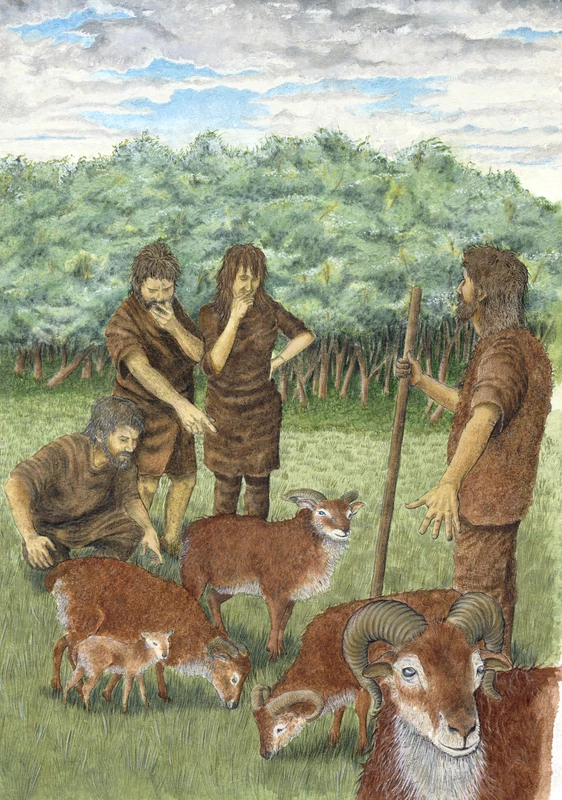
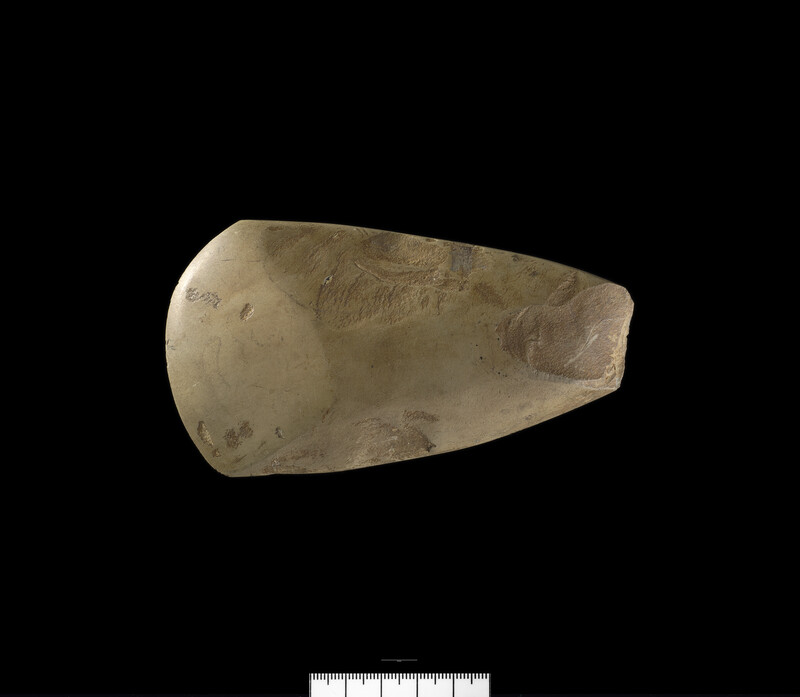
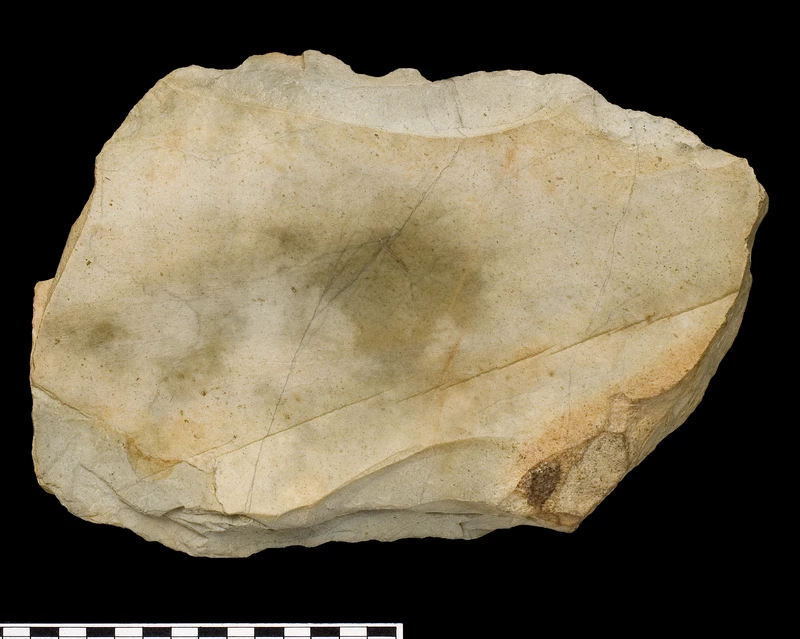
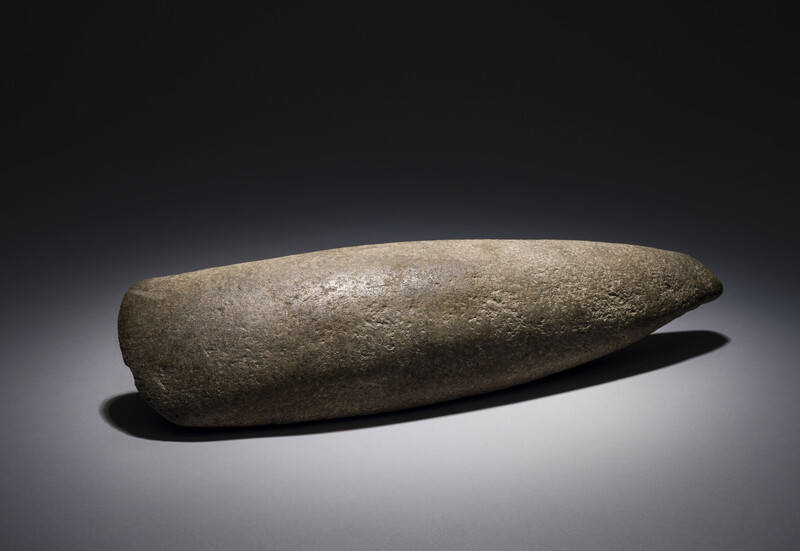
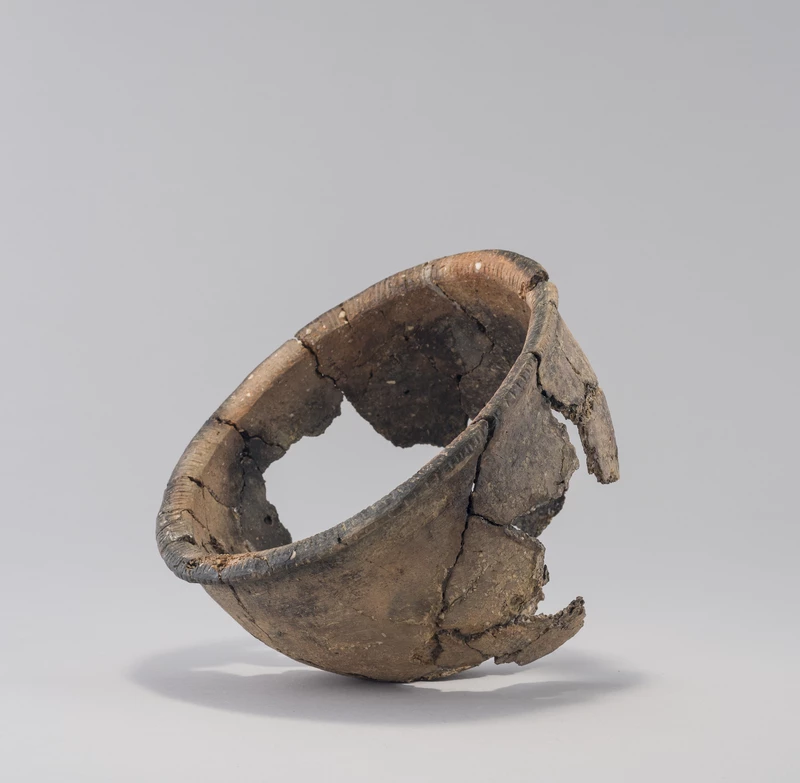
Wales' First Farmers Jody Deacon, Curator: Prehistory (Collections and Access) , 26 February 2021 The launch of Lambcam 2021 seems like the perfect opportunity to think about the world of the very first farmers in Wales. This takes us back around 6000 years, to the beginning of the Neolithic period, a time when the hunting and gathering ways that had governed life for millennia were being challenged for the first time. Here we’ll take a quick look at three Early Neolithic innovations – farming, stone axes and pottery. Farming fundamentally altered how people interacted with their environment. The wild woodlands that covered most of Britain started to be cleared using axes and fire creating areas suitable for animals and new cereal crops. Seasonal rhythms that had previously encouraged movement around the landscape became tied to the demands of cultivating crops and raising animals for milk, meat, skins and hair. Today sheep are a familiar sight grazing on the Welsh hills but before 4000BCE people living in Britain would have been more used to aurochs (wild cattle measuring 1.8m at the shoulder), red deer, wild boar and wolves than exotic creatures like the domestic sheep! That said, a Neolithic sheep might challenge our modern expectations of what it is to be a sheep! They were much smaller with shorter, brown wiry hair rather than having the fluffy white wool we’re more familiar with – something like the modern Soay sheep found in the Outer Hebrides of Scotland. Polished stone axes were another Neolithic innovation! The Public History and Archaeology department holds over 1,200 ‘roughouts’ and finished axes that have been found across Wales. Many stone axes come from specific rock outcrops that were returned to over many years. In these remote places, stone was quarried and roughly shaped before being taken elsewhere to be finished and polished into fine axes. Sometimes axes are found considerable distances from their original outcrops – this helps archaeologists to understand the ways different groups of Neolithic people might have been connected. Making and finishing a stone axe was a time-consuming business - it took hours of polishing with sand and water to create the smooth, polished surface. Some axes would have been practical tools, used for felling trees, shaping wood or even as weapons. Others are incredibly beautiful and finely made. These may have been used to show prestige, status and connection to special places or groups of people. Most of us have a favorite tea mug, breakfast bowl or plant pot so it’s hard to imagine a time when pottery did not exist. For the first farmers, pottery was the latest technology! Wet clay was shaped and changed into hard ceramic in a bonfire – this might have seemed magical at first, but it quickly caught on and pottery use spread across Wales. The first pots were simple bowls with rounded bases that were good for resting on the ground. They could be used for cooking, serving and storing food or to hold liquids such as soups and stews.
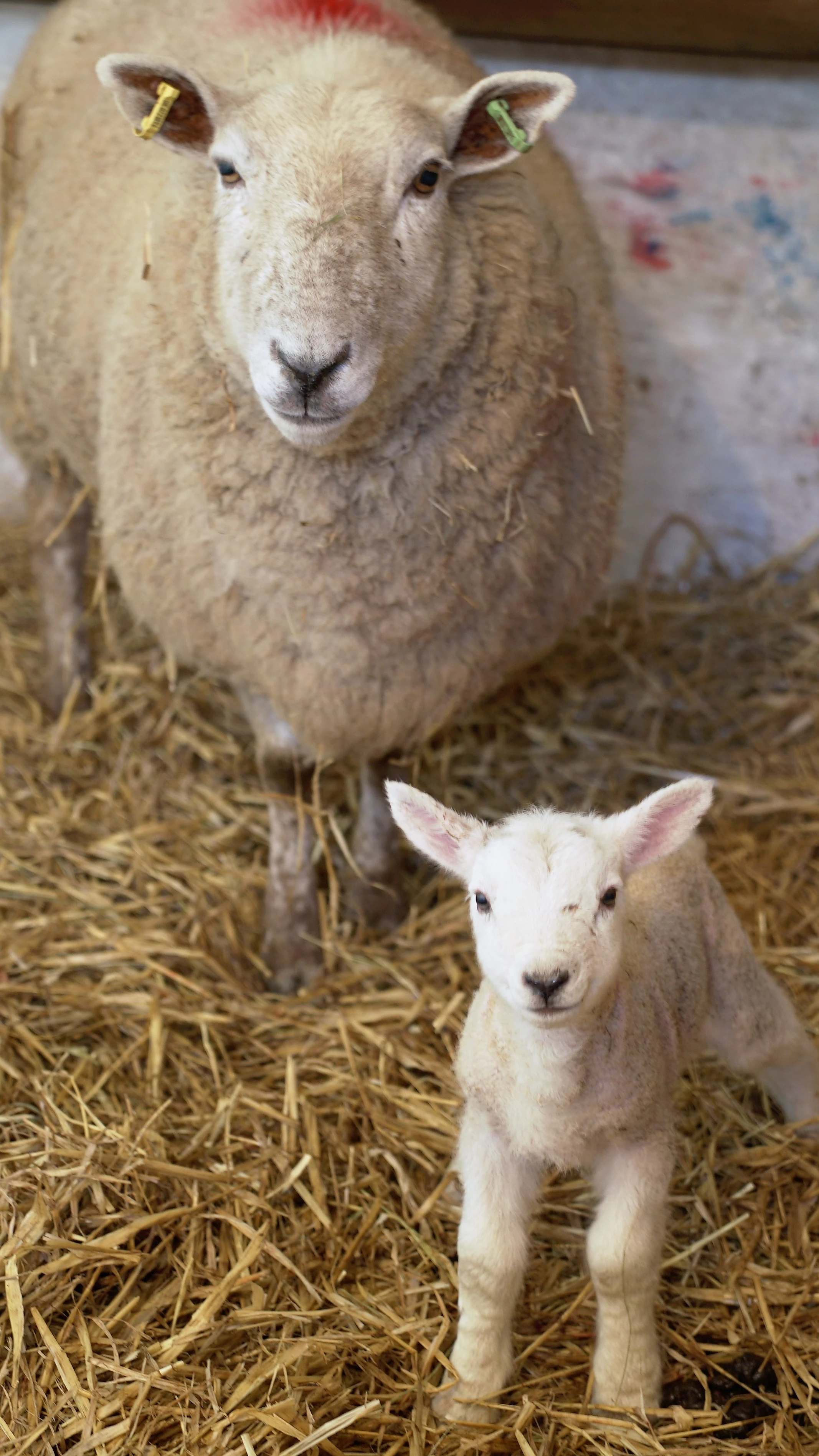
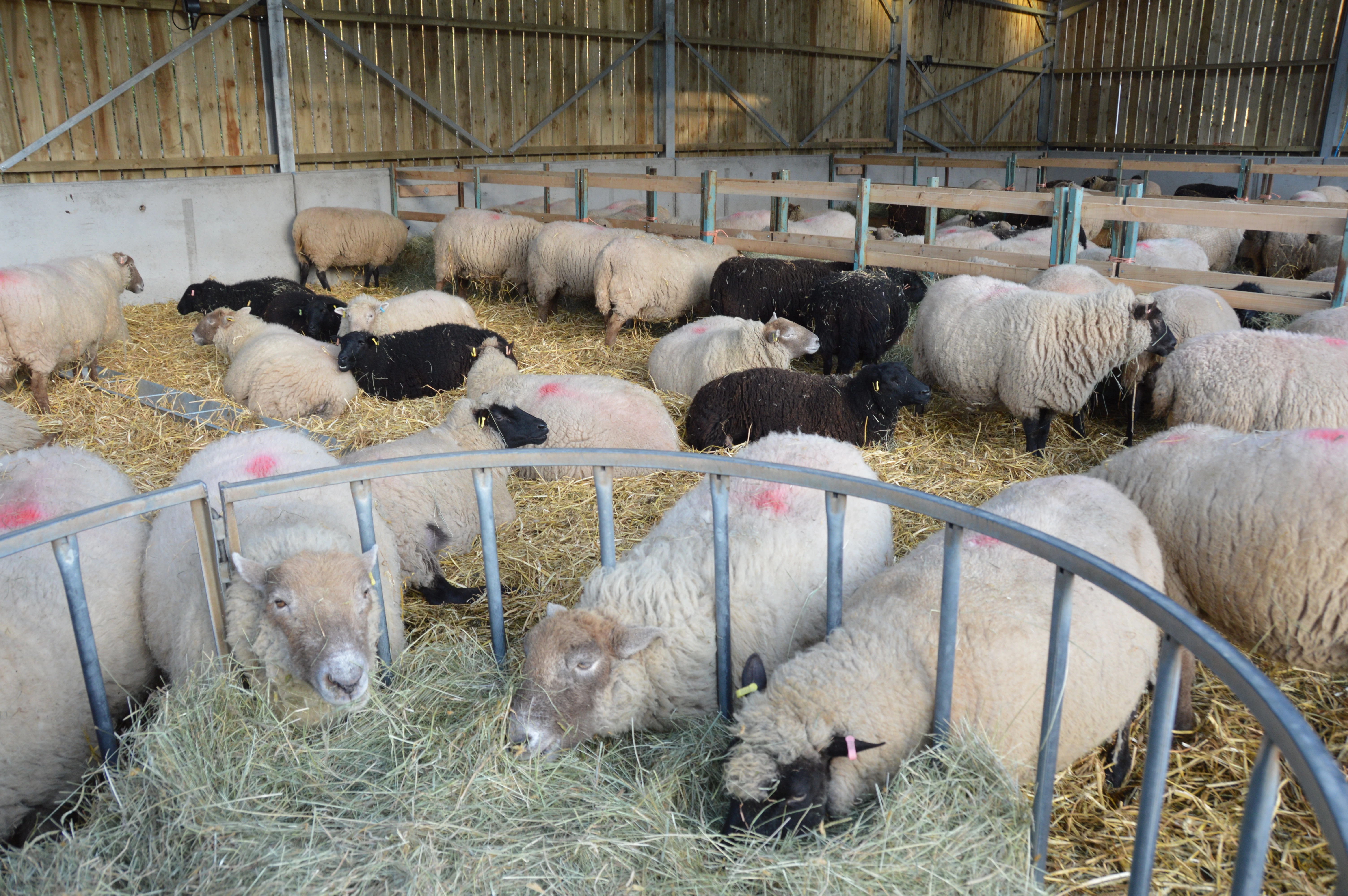
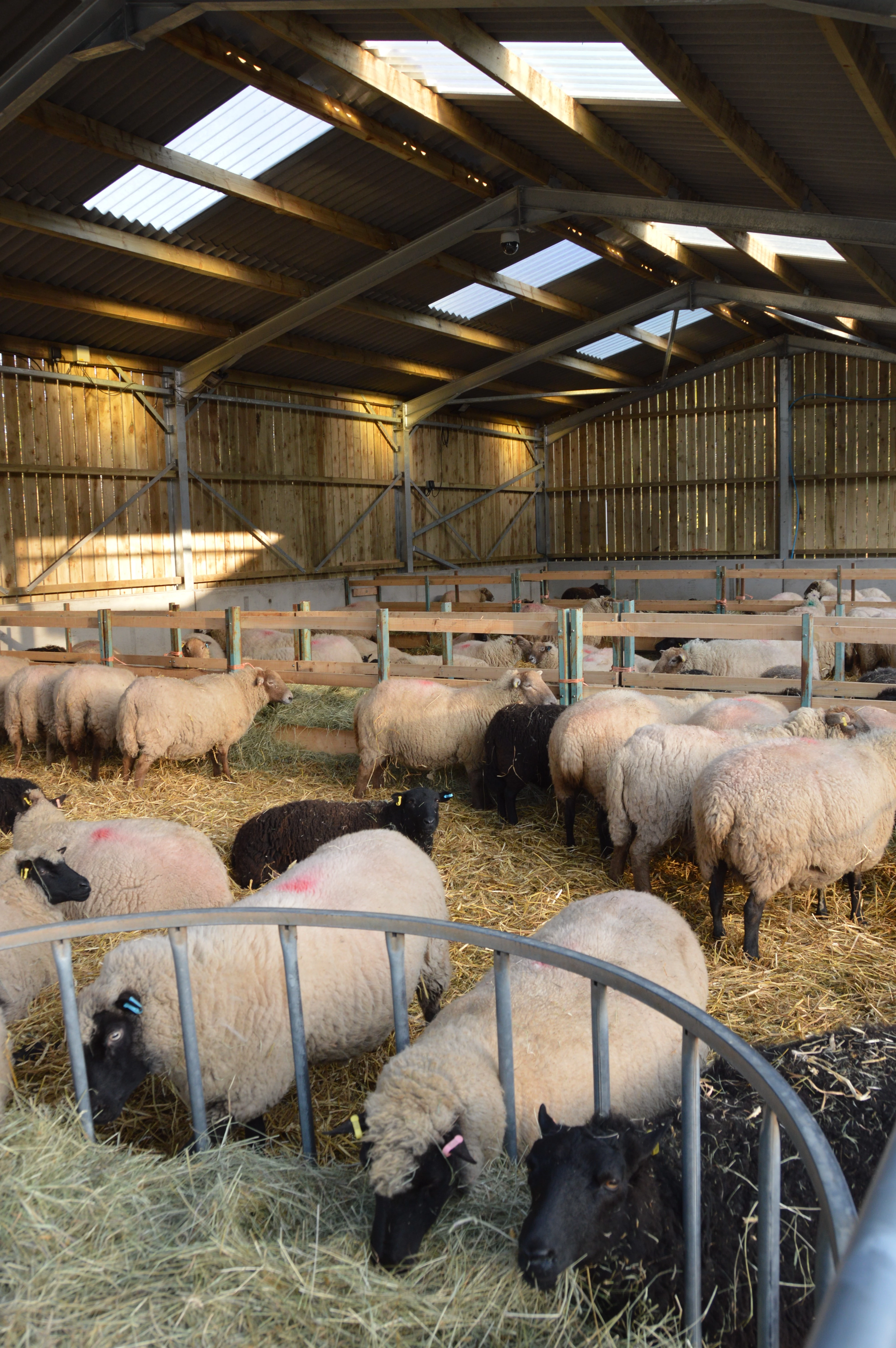
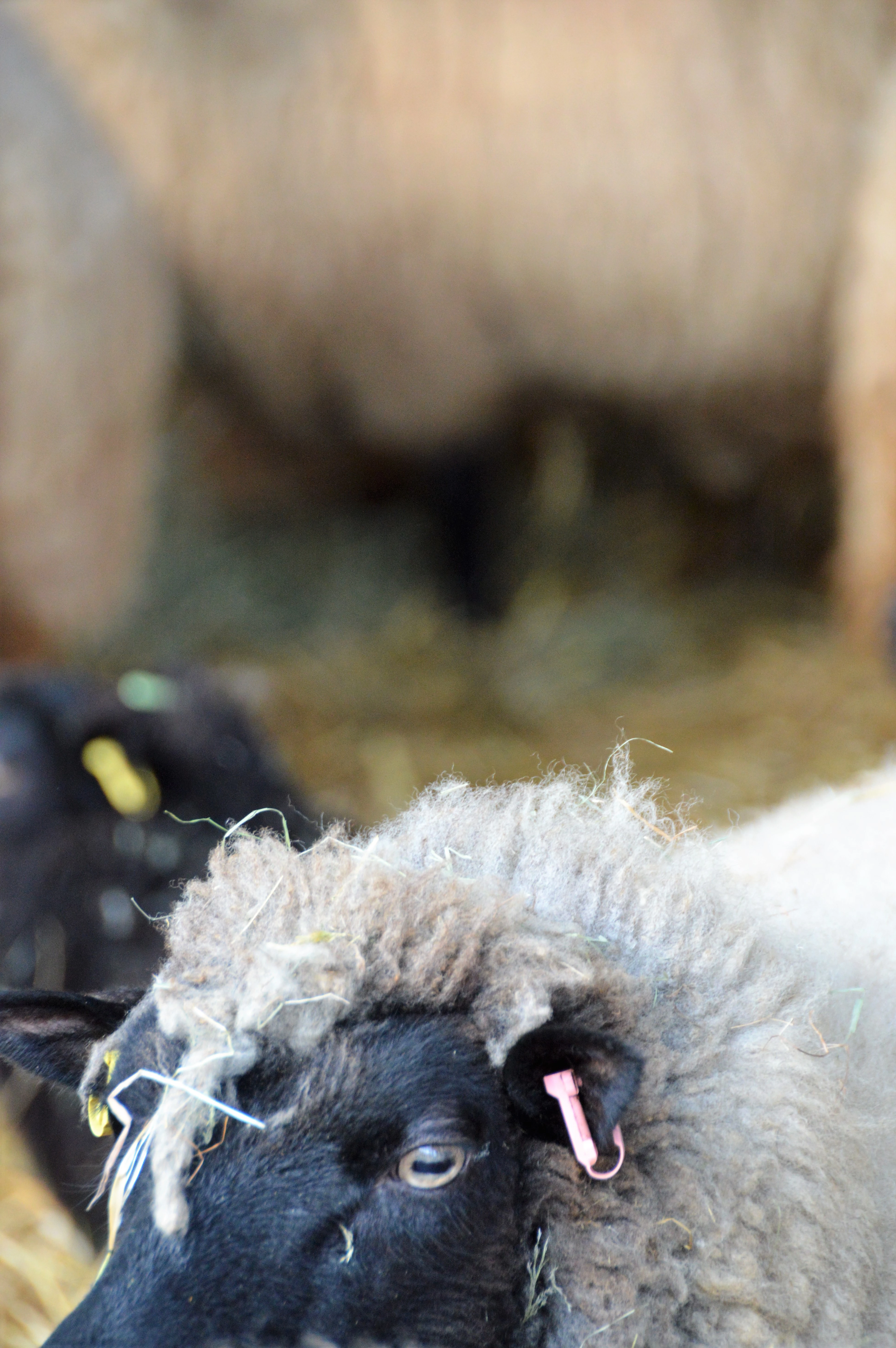
Lambcam 2021 - FAQs: Bernice Parker, 19 February 2021 We're getting ready for another lambing season here at St Fagans and we know that lots of you will be looking forward to #lambcam. So, we've put together the answers to some of the most frequently asked questions that have come up over the years. Here's the stuff you need to know when things start to hot up in the lambing shed: Why do the sheep head butt each other? The ewes are very grumpy, hormonal and territorial as they prepare to give birth. Sheep only have teeth on their bottom jaw with a hard pad on their upper jaw - good for nibbling grass, but useless for fighting biting. They're also not very good at kicking with their spindly little legs. So a good hefty headbutt is their preferred method of asserting themselves! Why have some of the sheep got blue straps on them? Like all pregnant animals, sheep can sometimes suffer from uterine prolapse (look away now if you're squeamish). It's usually caused by big lambs. The harness helps to hold everything in place until the ewe is ready to lamb. Most sheep can then lamb normally without expelling the uterus as well. Some of the sheep are limping or walking on their front knees – why don’t you do anything about it? Our sheep have their feet trimmed as part of their regular care, but it's not ideal to do this in late pregnancy. Sitting them up onto their bottoms (same hold as shearing) can crush their lung capacity and stop them breathing. So by the time they lamb, they are very heavy and may have sore feet. Once they've had a few days to get over the birth they will be foot trimmed as part of their post-natal care. Some of the sheep may also suffer nerve pain in their legs from the pressure of the lambs inside them. This can make them lame, but usually resolves itself immediately after lambing. All sheep that are eating and drinking well are best remaining with the flock – we only separate them for medical necessities. Is anybody there looking after the sheep? Lambcam is brought to you by a small but dedicated team. Once things get going there are experienced staff on hand during the day and through the night. Are the sheep in pain? Yes - they're giving birth, and labour can be a long and painful process! I've been watching a sheep struggling to give birth - why doesn't someone go in and help her? Sheep are nervous animals - they don't find the presence of humans relaxing. Their natural instinct is to run away (as you'll see every time the team go in). Sprinting round the shed stresses them out and slows down the lambing. The shepherds observe quietly from a distance and intervene as little as possible. A calm, quiet shed means shorter labours for everyone. But she's been struggling for ages and no-one's been to see her! As well as the area you can see on camera, we have separate nursery sheds for the ewes and their lambs. The team will always assess the needs of the whole flock and prioritise the most vulnerable. A very sick newborn lamb that needs tube feeding may be taking precedence over a ewe in labour. Remember that there may be a staff member just out of shot watching on. Why are you letting it go on so long? The ewe needs to labour until her cervix is dilated enough for the lambs to pass through. This can take anything from 30 minutes to several hours. The ones that are making the most fuss are often our yearlings giving birth for the first time. Ironically these are the girls that need to do the most work to open their cervixes. Caesarean births for sheep would only ever be an absolute last resort and have very poor outcomes for the ewe. A long labour is always a much better option - sorry ladies! There's a sheep in the shed screaming in pain… Sheep are mostly completely silent when giving birth (but you should hear the racket at feeding time!) In the wild, being quiet while in labour reduces the chances of being attacked by a predator at such a vulnerable moment. When you see a ewe with her eyes wide, head thrown back and top lip curled, it's evidence of the strength of her contractions. That's a good thing - it means she's getting down to business and there'll be a birth happening soon. I've just seen the shepherd give the sheep an injection - what was that? A shot of calcium can help get things moving if a ewe has been in active labour for a long time but is not making much progress with dilating her cervix. Why do they swing the lambs by their legs sometimes? It's vital that lambs start to breathe on their own as soon as they are born. They sometimes have noses and throats full of fluid. You may see the shepherds sticking a bit of straw up the lamb's nostril to get it to cough or sneeze. If this doesn't work they will sometimes swing the lamb by its back legs. It looks dramatic - but is the most effective way to clear the airway. Centrifugal force helps the lamb to cough out any obstructions. What are they doing when they put their hands inside the sheep? Check out this blog post from 2016 for a full guide to lamb presentation aka 'What's going on there?'
Give us ONE WORD - just one - for Wales Angharad Wynne, 17 February 2021 Today, Wales is a modern, ethnically diverse, multicultural nation, and many of our family, friends and fellow Welsh men and women are scattered across the globe. We’ve been living through unprecedented times and our world is changing. So as St David’s Day approaches, we want to explore how Welsh identity might be changing too.We miss welcoming you to our Wales Is gallery at St Fagans National Museum of History where we explore Welsh identity and ask you to share your thoughts on what it is to be Welsh. So, we’d really like to hear from you. Please give us ONE WORD – just ONE WORD to describe Wales or Welshness right now. It could be a thing, an emotion, a colour, whatever it is for you at this time. We want to understand whether things like daffodils or cawl or concepts such as ‘hiraeth’ or ‘cwtch’ still represent us, or are there other things and feelings that are emerging as icons or as associations with contemporary Wales. One Word For Wales We’re interested in hearing from all and anyone who lives in Wales, or identifies as Welsh – of whatever ethnic or cultural background, regardless of where you live in the world right now.We’ll collect all your words together and make something beautiful with them to share with you just before St David’s Day.Please feel free to Tweet your word or create an Instagram to share it, but please, please remember to add the #wordforwales hashtag to your post so that we can find it and include it in our trawl of responses. Alternatively, please email us your word to: onewordforwales@museumwales.ac.uk .And please remember to share this with friends and family across Wales and across the world.