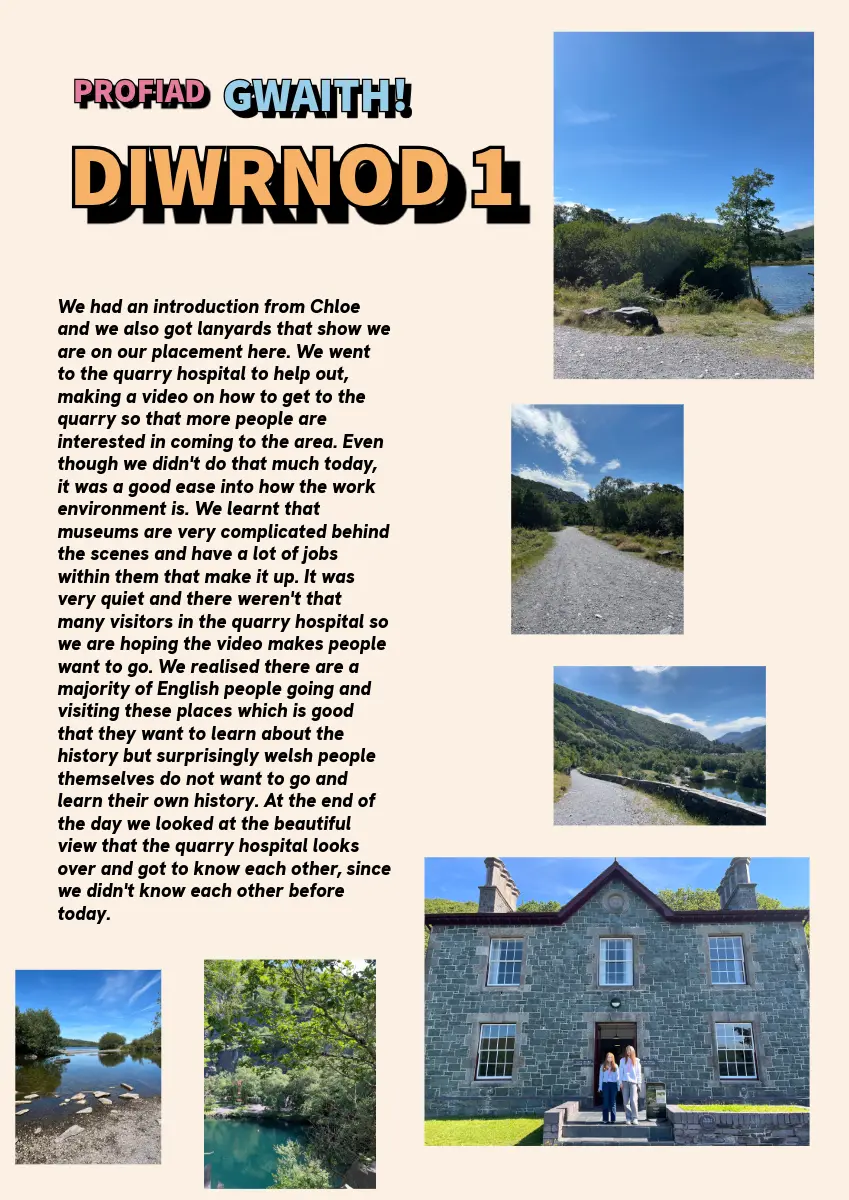
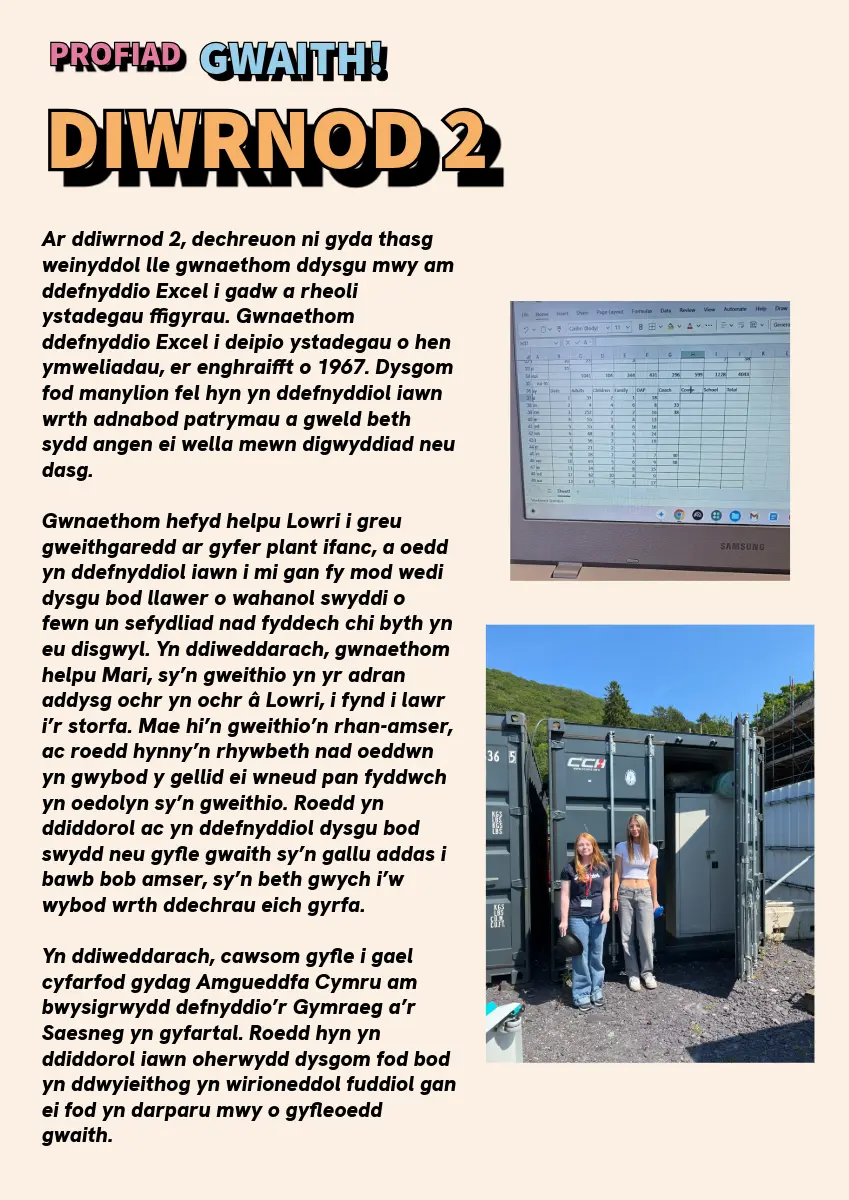
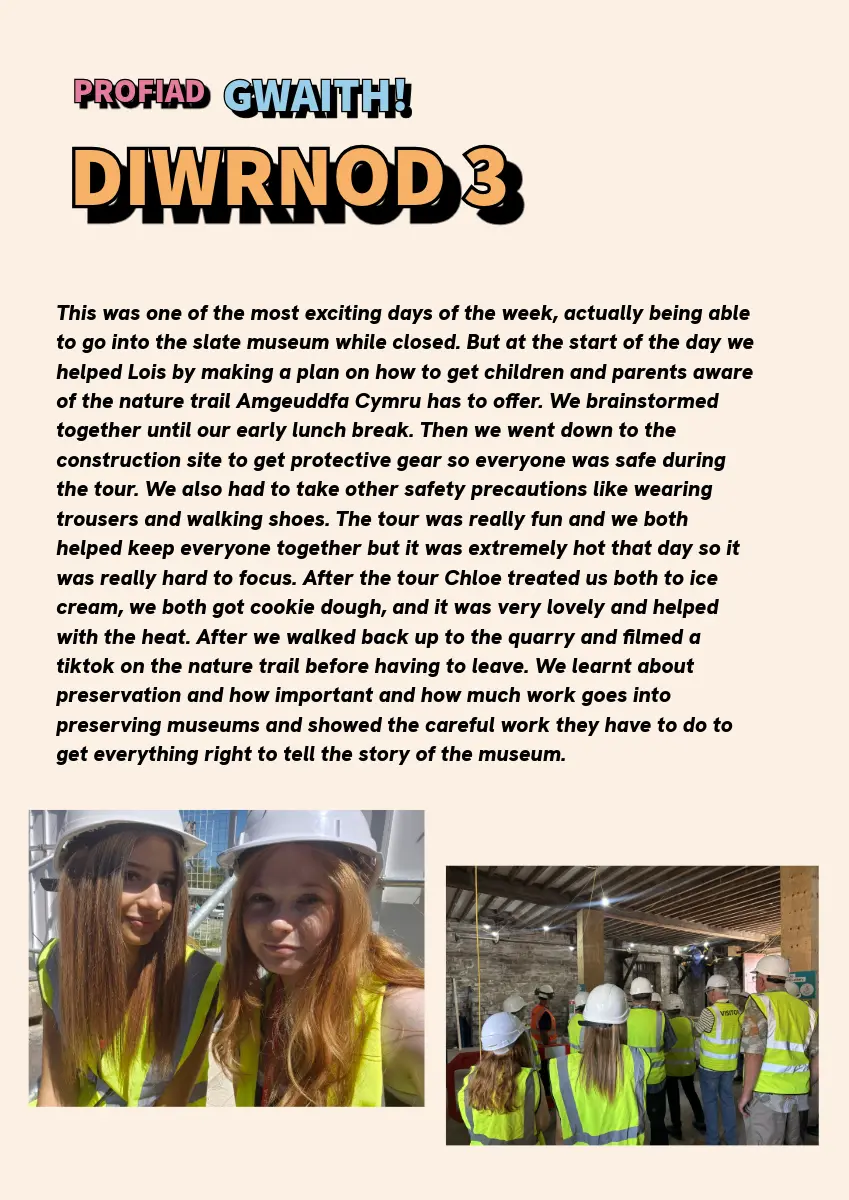
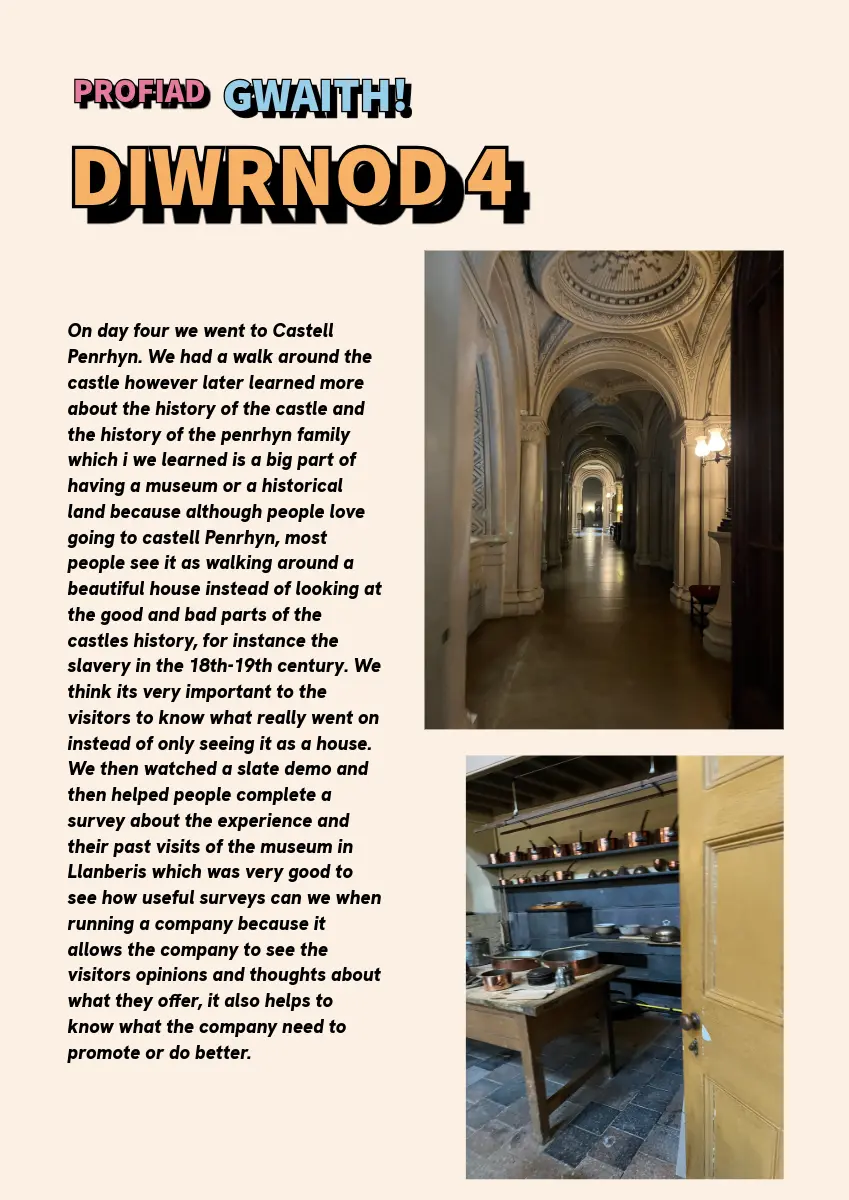
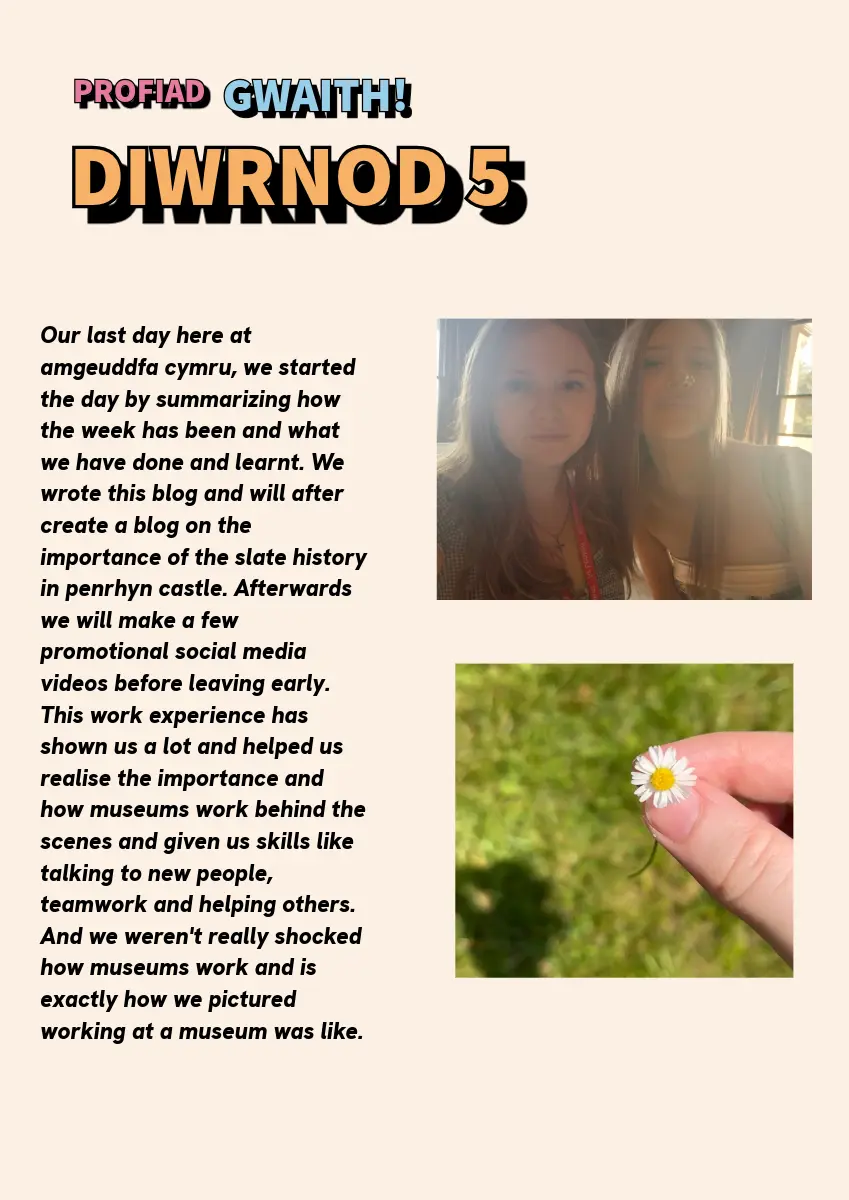
Work experience at National Slate Museum, 2026 Lloer and Becca, work experience students, 14 July 2026 During this year's work experience week at the National Slate Museum, the students were asked to keep a record of their experience and to write a blog. This is the format the students chose! Click on the pictures on the right, or read below about Becca and Lloer's experiences!Day 1We had an introduction from Chloe and we also got lanyards that show we are on our placement here. We went to the quarry hospital to help out, making a video on how to get to the quarry so that more people are interested in coming to the area. Even though we didn't do that much today, it was a good ease into how the work environment is. We learnt that museums are very complicated behind the scenes and have a lot of jobs within them that make it up. It was very quiet and there weren't that many visitors in the quarry hospital so we are hoping the video makes people want to go. We realised there are a majority of English people going and visiting these places which is good that they want to learn about the history but surprisingly Welsh people themselves do not want to go and learn their own history. At the end of the day we looked at the beautiful view that the quarry hospital looks over and got to know each other, since we didn't know each other before today. Day 2On day 2 we started off with an admin task where we learned more about using excel to maintain information and numbers. We used excel to type up the stats from old visits from e.e 1967. We learned that details like this can be useful in terms of patterns and what needs to be improved about the event or task. We also helped Lowri create an activity for young children which was very helpful to me as I learned that there is many jobs within one company that you would never expect for example we later helped Mari who works in the education department with Lowri to go down to storage, she works part time which was something I didn't know you could do when working as an adult but it was interesting and useful to know that there's always a job or opportunity that can suite everyone which would be great for when just starting of your career. We later had an opportunity to have a meeting with Amgueddfa Cymru about the importance of using both languages equally, which was very interesting because we learned that it really is helpful to be bilingual as it provides more job opportunities. Day 3This was one of the most exciting days of the week, actually being able to go into the slate museum while closed. But at the start of the day we helped Lois by making a plan on how to get children and parents aware of the nature trail Amgueddfa Cymru has to offer. We brainstormed together until our early lunch break. Then we went down to the construction site to get protective gear so everyone was safe during the tour. We also had to take other safety precautions like wearing trousers and walking shoes. The tour was really fun and we both helped keep everyone together but it was extremely hot that day so it was really hard to focus. After the tour Chloe treated us both to ice cream, we both got cookie dough, and it was very lovely and helped with the heat. After we walked back up to the quarry and filmed a tiktok on the nature trail before having to leave. We learnt about preservation and how important and how much work goes into preserving museums and showed the careful work they have to do to get everything right to tell the story of the museum. Day 4On day four we went to Castell Penrhyn. We had a walk around the castle however later learned more about the history of the castle and the history of the Penrhyn family which I we learned is a big part of having a museum or a historical land because although people love going to castell Penrhyn, most people see it as walking around a beautiful house instead of looking at the good and bad parts of the castles history, for instance the slavery in the 18th-19th century. We think its very important to the visitors to know what really went on instead of only seeing it as a house. We then watched a slate demo and then helped people complete a survey about the experience and their past visits of the museum in Llanberis which was very good to see how useful surveys can we when running a company because it allows the company to see the visitors opinions and thoughts about what they offer, it also helps to know what the company need to promote or do better. Day 5Our last day here at Amgueddfa Cymru, we started the day by summarizing how the week has been and what we have done and learnt. We wrote this blog and will after create a blog on the importance of the slate history in Penrhyn castle. Afterwards we will make a few promotional social media videos before leaving early. This work experience has shown us a lot and helped us realise the importance and how museums work behind the scenes and given us skills like talking to new people, teamwork and helping others. And we weren't really shocked how museums work and is exactly how we pictured working at a museum was like.
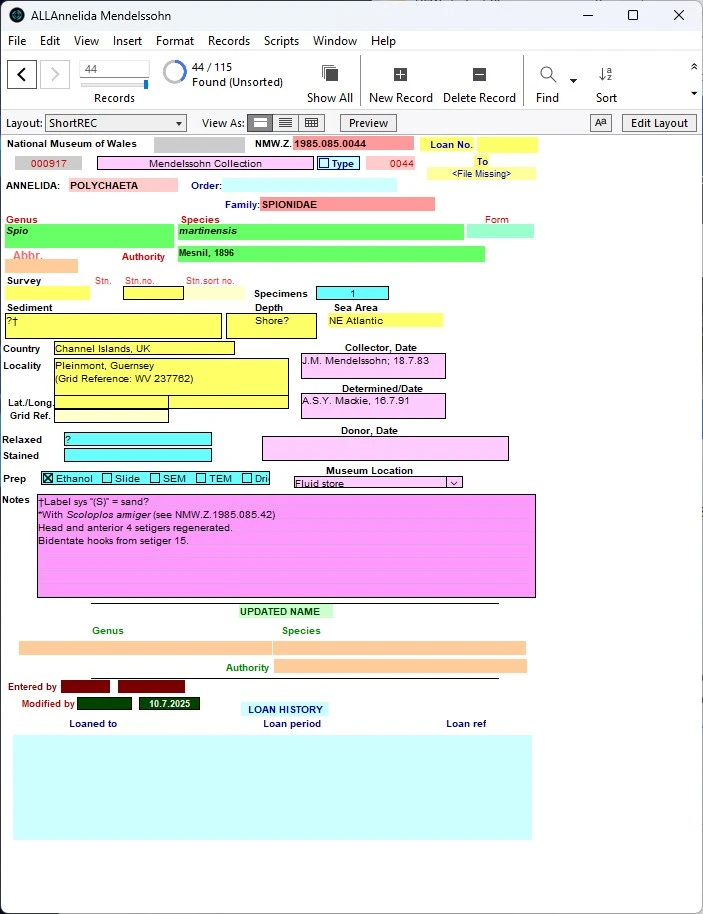
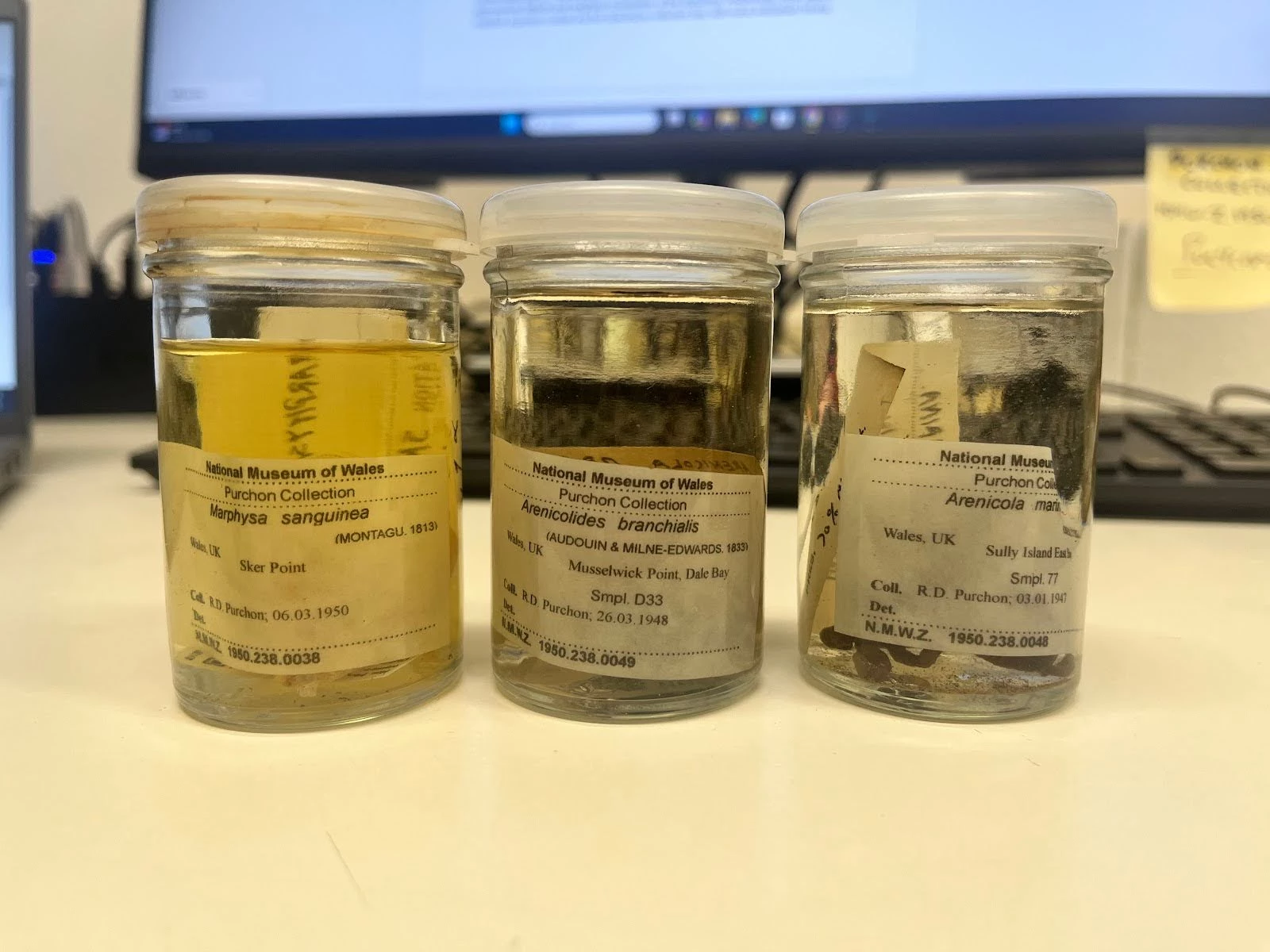
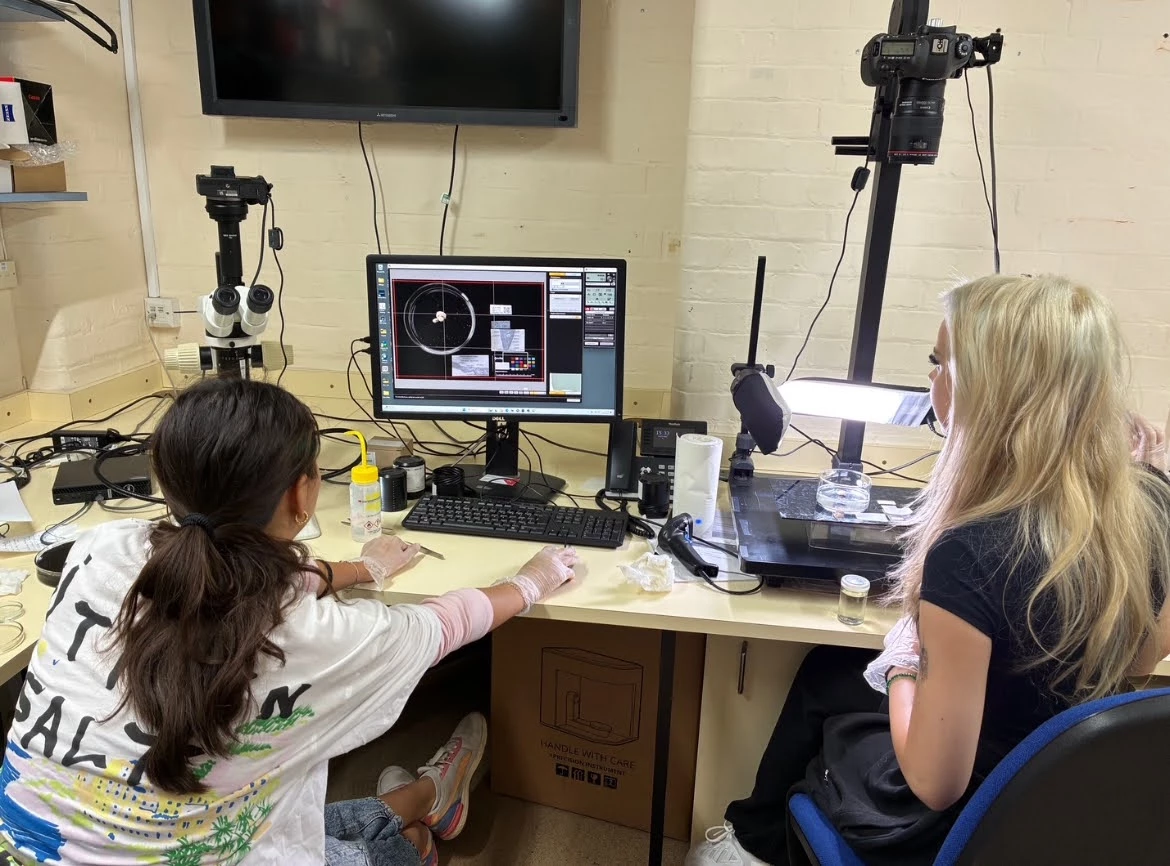
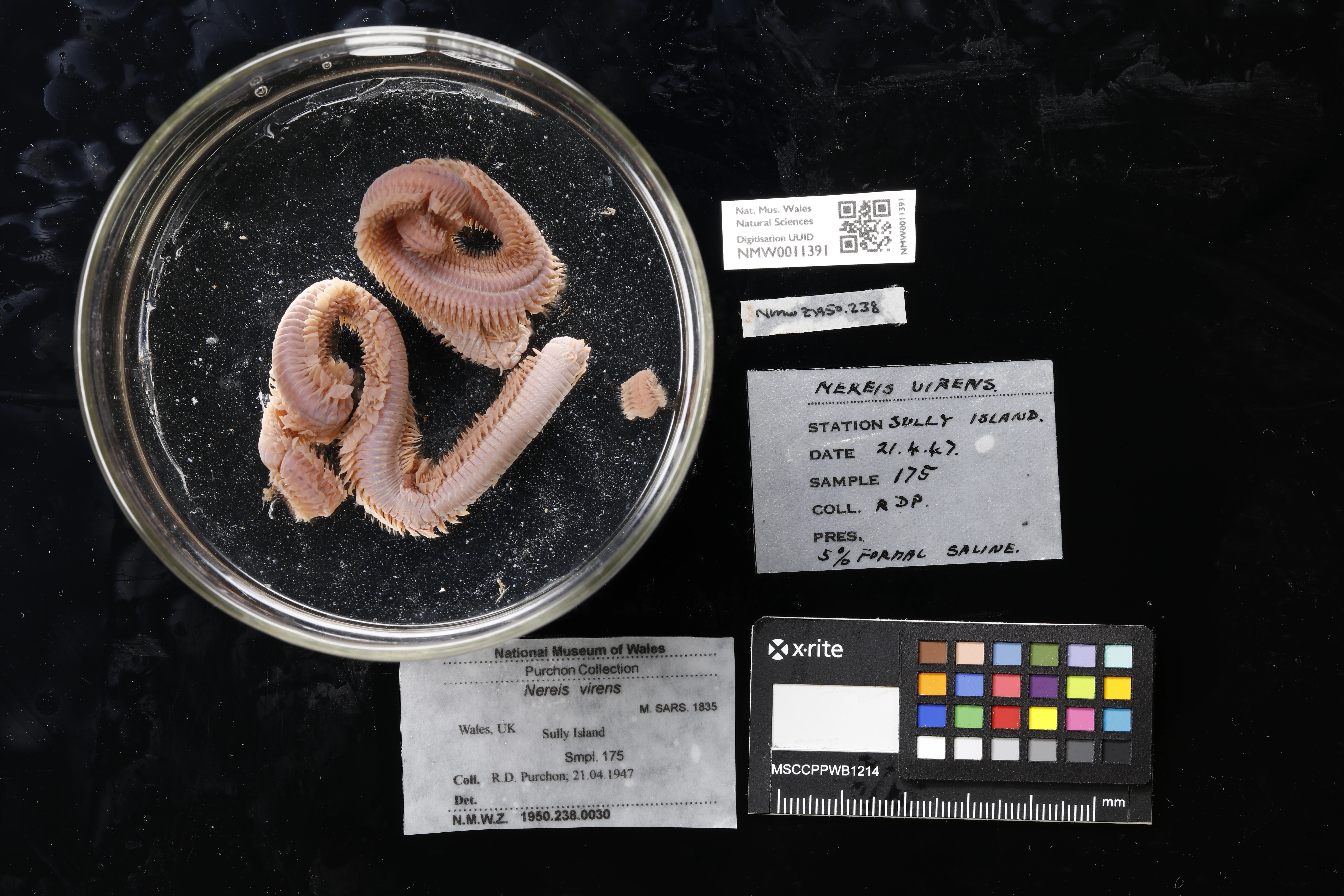
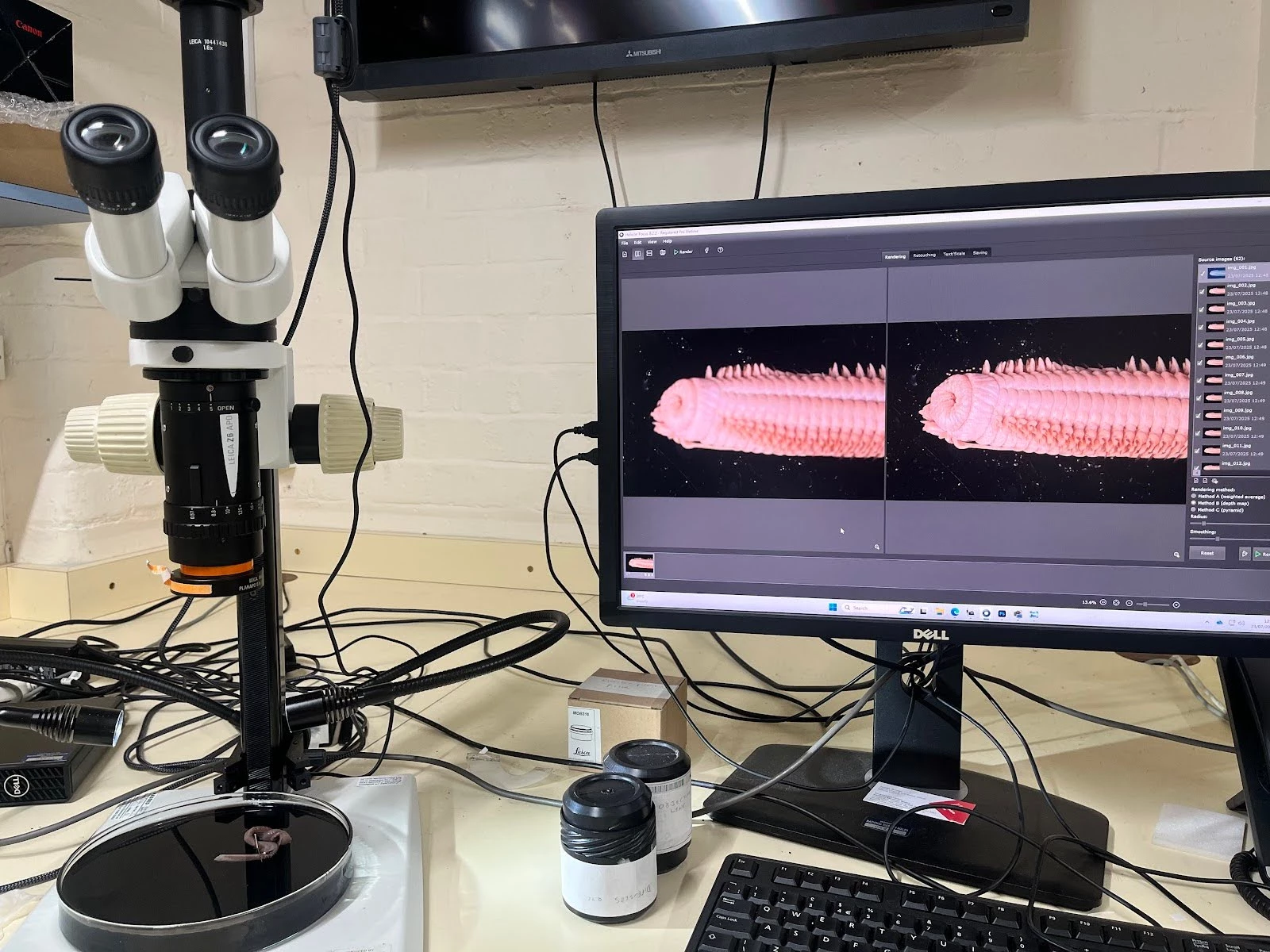
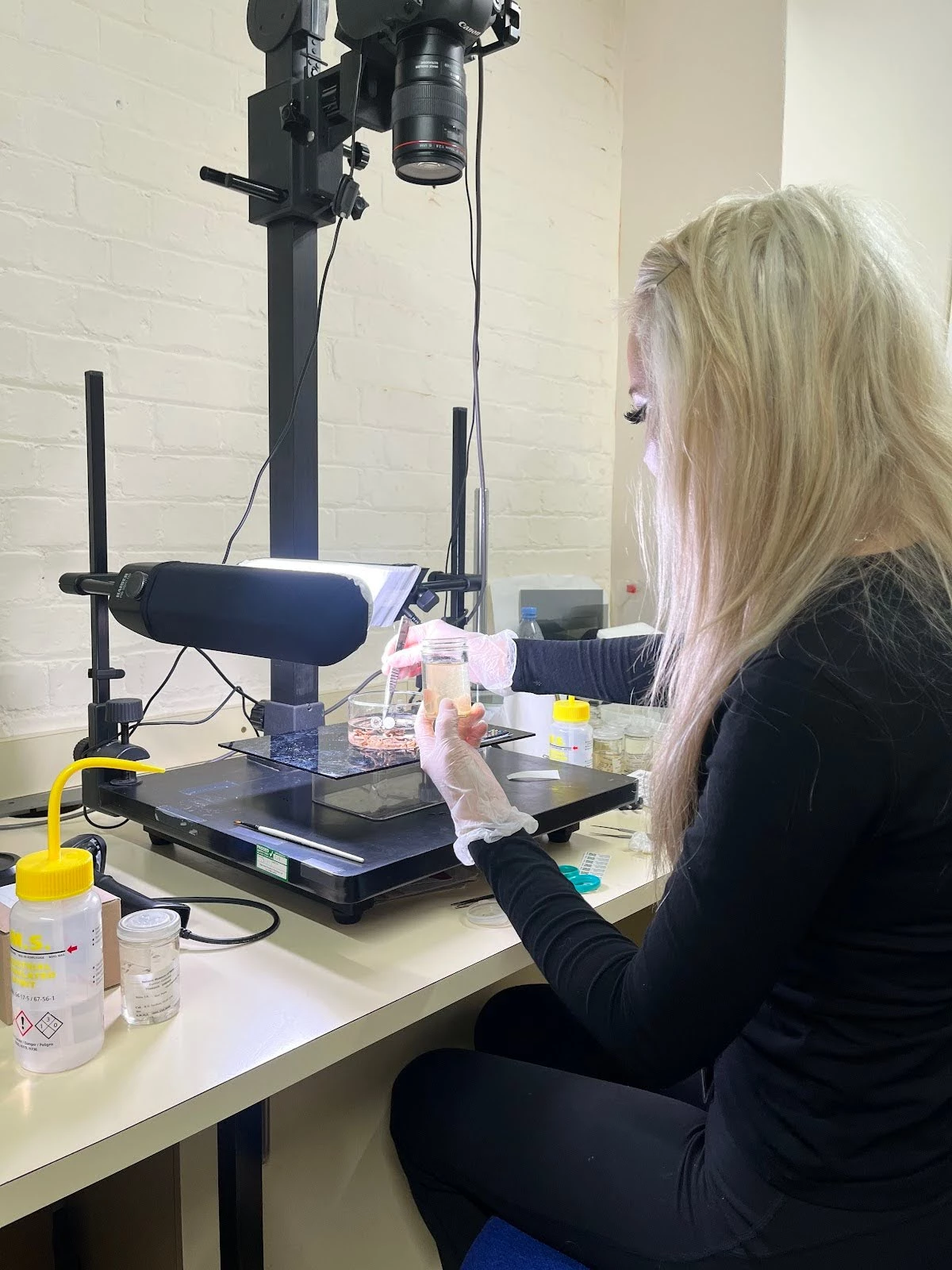
Polychaete Placement Party - Tales from student placements working on marine bristle worms Mayu Seguchi and Caitlin Evans, 26 August 2025 Mayu SeguchiHi my name is Mayu Seguchi and I have just graduated with a BSc (Hons) in International Wildlife Biology from the University of South Wales. The most commonly asked question I’ve received since moving away from my small town in Michigan is “Why Wales”? My automatic response has always been to praise my university course for the extensive amount of travelling embedded into the curriculum. I recount stories about my experiences - like how an African elephant herd mock charged us in South Africa, or swimming in this gorgeous river in the Chiquibul Rainforest while rainbow marques flew overhead in Belize. I will tell anyone who listens about diving in the second largest barrier reef and how these nine dives cleaved open a new path I never expected to follow: marine biology. I went as far as selecting a dissertation on iguanas so that I could live on a small island off the coast of Honduras for two months, diving and snorkelling whenever I had a spare minute. Thus, when a placement opportunity became available to work with marine bristle worms aka polychaetes at National Museum Cardiff, I knew I had to apply. My first day was spent trying to avoid getting lost in the labyrinth they call hallways and start learning about the museum’s digitization methods used for specimens. It was only when I became settled that I really began to realize how amazing the collection I was working with was. The samples were obtained by R. D. Purchon from five locations along the Bristol Channel: Peterstone Wentlloog, Sully Island, Barry Harbour, Breaksea Point, and Dale Sands. This means every specimen I’m handling has resided in Welsh waters surrounding Cardiff! With only having travelled abroad for field work, it was easy to get enthralled by colourful reefs and larger marine mammals. This collection enlightened me to the gaps in my knowledge about species that I share a home with and provided me with the opportunity to learn. So now when people ask me why I moved to Wales, I can respond with “Why NOT Wales”? With all the beautiful wildlife, from puffins to polychaetes, there is so much to explore. At museums with large collections, like Amgueddfa Cymru, it is nearly impossible to register every conserved specimen that has been accessioned. However, this limits the amount of information that can be ascertained regarding a species, and that holds valuable insight into the fauna of Wales and the UK. Thus, my colleague, Caitlin Evans (see below), and I were tasked with 1) curating the specimens into the museum's database and 2) taking and attaching images to each specimen. I will be discussing the methodology used for curating the collection from Purchon (1950), before Caitlin continues into how we performed the imaging aspect of our work with the polychaetes. To curate the collection, I used the database FileMaker Pro with a museum developed template (Figure 1). For each specimen, I documented the collection’s name, accession number (a unique number enabling each specimen to be located), and the date the specimen was collected, as well as the specimen’s family, genus, and species. Each specimen also specified a collection site which, when paired with R. Denison Purchon’s Ph.D. on The Littoral and Sublittoral Fauna of the Northern Shores, near Cardiff and Dale Fort Marine Fauna edited by J.H. Crothers provided me with the information needed to determine the approximate latitude and longitude coordinates of the locality the specimen came from. Additionally, these papers supplied a greater context into the specimen’s collection site, with some individuals having descriptions on the surrounding sediment in which they were discovered. Once the sediment was recorded and these documents were complete, key identifying information was printed onto smaller labels to be preserved in the jar with the specimen (Figure 2). With the collection fully curated onto the museum’s database, it was time to begin the imaging process. Caitlin EvansImagine being able to learn and research animals that go completely un-noticed by humans. Polychaetes are marine invertebrates that some people don’t even know about due to their predominate nature of burrowing in the sand. They live all along the shoreline and tides of our favorite beaches and can get completely overlooked. I’m Caitlin, a Biology student currently in my final year completing my undergraduate degree in the University of South Wales. The opportunity of a summer placement at Amgueddfa Cymru - Museum Wales came to me completely by chance, I had no real plan to take part in a placement. However, when one of my lecturers mentioned this chance, I knew I had to jump on the opportunity. When I began university, I wasn't sure which field I wanted to pursue. But as soon as I began studying ecology and zoology, I knew I had found my passion. I travelled to the Belizean rainforest and coast for a month, gaining hands-on experience on what it’s like to pursue a career in the field. From mist netting to scuba diving, this opportunity only solidified my interest. I am currently collecting data for my upcoming dissertation project on bat populations, collecting data for the Bat Conservation Trust alongside completing this placement, meaning my weeks are full of zoology-based activities.During my time at the museum, I was tasked to curate and complete imaging practices on the Mendelssohn Collection by my supervisor Dr Teresa Darbyshire (Senior Curator: Marine Invertebrates). This is a large collection of around 115 fluid preserved specimens. They range from tiny samples that are barely noticeable to large worms that barely fit in their jars. The specimens in this collection have all been collected from Guernsey by J.M. Mendelssohn and have been preserved in ethanol. Working with this collection has allowed me to appreciate the biodiversity of a place I have never visited before. It gives a great insight to the nature that can be found there. As Mayu mentioned, the task of curating this collection involved thoroughly searching Mendelssohn’s PhD thesis from 1976 in order to discover exact locations of where the specimens were collected from. Through the use of the thesis and the help of trusty google maps, I was able to determine latitude and longitude coordinates for each specimen and log them into the database. Any and all information was inputted into the database including all taxonomic information and even sediment details. Once this was completed for every sample, we moved onto completing fresh labels for the physical fluid samples. This involved opening the samples and placing a new label into the jar. This allows for quick and easy identification of the specimen.The next stage would be navigating through the maze down to the imaging room. The imaging process of these specimens involved being able to get physical experience of how to handle the preserved fluid specimens properly. Taking the preserved polychaetes out and being able to analyze the amazing details and evolutionary traits of these worms was truly amazing. The imaging allowed us to gain skills we would never be able to develop if it wasn't for the museum, including how to properly handle old specimens and even gave us a foundation in photography. During our time at the museum, we were lucky enough to trial a DISSCO-style project (Distributed System of Scientific Collections) which involves digitizing the collections of the museum, this extensive project includes ALL collections and it is hoped that the marine collections may form a part of it some time in the future (Figure 3).The first step of the imaging process is to complete an audit image, this means to photograph everything that is present in the jar (Figure 4). Using forceps, we would take out the specimen(s) and place them in a petri dish full of ethanol. We would then take all of the labels, old and new, and lay them neatly in frame. Next was added a QR code for the DISSCO process. After photographing the fronts and backs of the labels and specimen, we would then move on to the specimen images. Next, more close up images such as Figure 5 are taken to help identification, for example, the lugworm Arenicola marina has a specific number of ‘rings’ on its head that is used to identify it. This process of specimen imaging takes numerous photos at different focal levels, which are then combined to create a crystal clear and detailed photograph. This final image is rendered by using the Helicon Focus software before transferring it to Photoshop to add a scale bar. This process was completed for both mine and Mayu’s collections (Figure 5). We switched jobs regularly, which allowed us both to progress our imaging skills further (Figure 6). The final task we completed during our time at the museum was using Photoshop in order to edit our images to make them clean and tidy. Our experience completing the placement has allowed us to gain valuable skills that are impossible to get anywhere else. It has been an incredible experience and has opened the door to the world of natural science and has been an amazing steppingstone for our future careers.The entire natural science department has made our time in the museum fun and incredibly fascinating. In addition to the marine section, we were able to get an inside perspective of many other sections including vertebrates and botany which we are extremely thankful for, and working together has allowed us to develop new friendships. Thanks to the staff and our supervisor, Teresa Darbyshire, for creating a warm and welcoming environment for us to work in and making our time at the museum irreplaceable. They have expanded our knowledge greatly and we couldn’t have asked for a better experience.
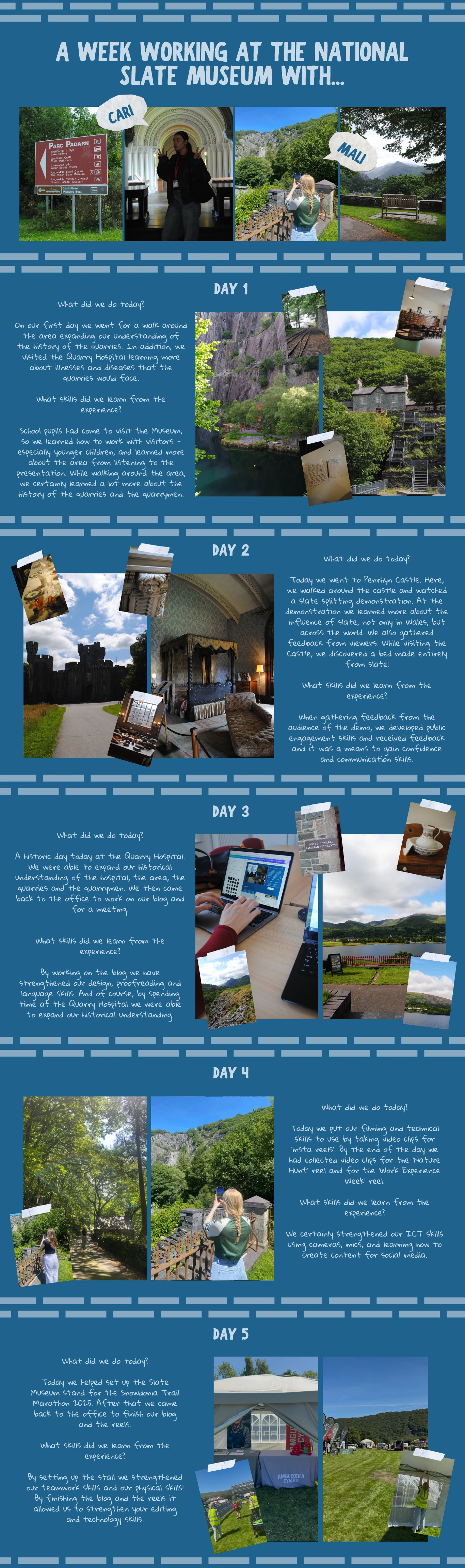
A week working at the National Slate Museum with Cari and Mali Cari and Mali, work experience students , 14 July 2025 Day 1 What did we do today?On our first day we went for a walk around the area expanding our understanding of the history of the quarries. In addition, we visited the Quarry Hospital learning more about illnesses and diseases that the quarries would face.What skills did we learn from the experience?School pupils had come to visit the Museum, so we learned how to work with visitors - especially younger children, and learned more about the area from listening to the presentation. While walking around the area, we certainly learned a lot more about the history of the quarries and the quarrymen.Day 2What did we do today?Today we went to Penrhyn Castle. Here, we walked around the castle and watched a slate splitting demonstration. At the demonstration we learned more about the influence of slate, not only in Wales, but across the world. We also gathered feedback from viewers. While visiting the Castle, we discovered a bed made entirely from slate!What skills did we learn from the experience?When gathering feedback from the audience of the demo, we developed public engagement skills and received feedback and it was a means to gain confidence and communication skills. Day 3What did we do today?A historic day today at the Quarry Hospital. We were able to expand our historical understanding of the hospital, the area, the quarries and the quarrymen. We then came back to the office to work on our blog and for a meeting.What skills did we learn from the experience?By working on the blog we have strengthened our design, proofreading and language skills. And of course, by spending time at the Quarry Hospital we were able to expand our historical understanding.Day 4What did we do today?A historic day today at the Quarry Hospital. We were able to expand our historical understanding of the hospital, the area, the quarries and the quarrymen. We then came back to the office to work on our blog and for a meeting.What skills did we learn from the experience?By working on the blog we have strengthened our design, proofreading and language skills. And of course, by spending time at the Quarry Hospital we were able to expand our historical understanding. Day 5What did we do today?Today we helped set up the Slate Museum stand for the Snowdonia Trail Marathon 2025. After that we came back to the office to finish our blog and the reels.What skills did we learn from the experience?By setting up the stall we strengthened our teamwork skills and our physical skills! By finishing the blog and the reels it allowed us to strengthen your editing and technology skills.Head over to Facebook to see a Reel Cari and Mali made to document their time on work experience!
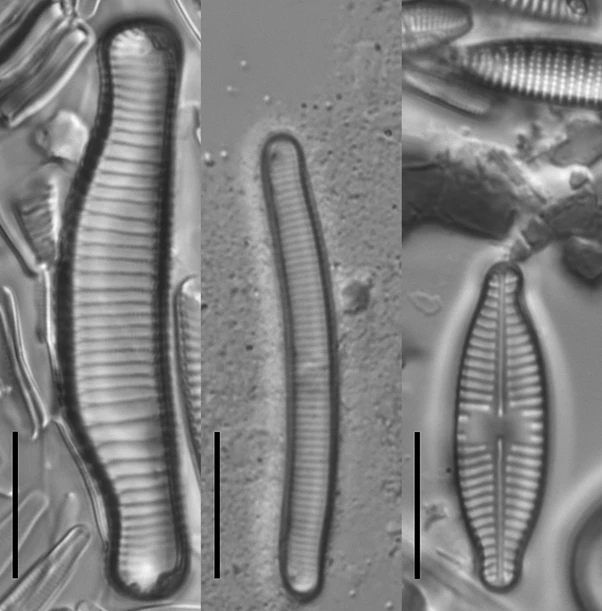
Meeting Microscopic Marvels Aron O'Shea, 28 August 2024 I’m currently studying heritage conservation at Cardiff University, so I wanted to undertake his placement as I have a keen interest in how museums digitise their collections for educational purposes and to increase the accessibility of the heritage they safeguard, and I also wanted to explore how museum collections are used for research purposes.What are diatoms?Diatoms are microscopic, single-celled algae that inhabit oceans, rivers, and lakes. They are notable for their intricate cell walls made of silica, which resemble delicate glass shells when viewed under a microscope. These cell walls, called frustules, have unique and complex patterns. Diatoms play a vital role in the environment by performing approximately one-fifth of the total global photosynthesis. This process not only produces a significant portion of the Earth's oxygen but diatoms also form an important part of aquatic food webs, supporting a diverse range of marine and freshwater organisms.Their importance for research lies in their ability to act as bio-indicators in aquatic ecosystems. Analysis of diatom populations and diversity studies have been used to evaluate human impact on freshwater and marine environments. As bio-indicators, diatoms can be used to assess the levels of organic pollution, eutrophication and acidification of their aquatic environment. Different species have differing tolerance levels of environmental conditions like water pH (the acidity or alkalinity of the water) and nutrient concentrations. Several diatom indices have been developed and are used by the Environment Agency to monitor water quality in UK rivers and lakes.Analysis of diatom populations can also be used to demonstrate trends over time, as Ingrid’s work on the restoration of water quality of the rivers Wye and Irfon through periodic liming shows (for more details visit https://www.sciencedirect.com/science/article/pii/S1470160X20309961#ab010). The same case can be made for historical collections stored in museums, which can provide unique insight into historical diatom populations, and which can be used to infer previous environmental conditions and compare them to those found in contemporary studies.In addition to their environmental and research importance, diatoms are incredibly beautiful. So much so, that during the Victorian period, they were often assembled into decorative arrangements on microscope slides. For the uninitiated, I would highly recommend searching for images of Johann Diedrich Möller’s work as well as the more contemporary works of Klaus Kemp; they are truly astounding arrangements. The PlacementUnder Dr. Ingrid Juttner’s excellent guidance I learned basic diatom morphology and how to identify Gomphonema species, which typically display asymmetry along the trans-apical axis (i.e. the top and bottom halves are not usually mirror images of each other).Ingrid took me through the process of diatom analysis in light microscopy, from “cooking” the water samples with hydrogen peroxide to remove organic cell content and preparing the microscope slides, through to photographing, editing and uploading the images to the museum’s diatom website. The photographs featured were taken with a light microscope at x1000 magnification, and measurements (length, width, striae density) were recorded. These images were then edited and prepared as plates to provide an overview of the cell size distribution in the species population. The plates were uploaded to the website with corresponding literature and morphological descriptions. Some notable species I photographed which are now featured on the website are Eunotia arcubus, Eunotia botuliformis and Planothidium incuriatum.Overall, my placement within the Lower Plants section hasProvided me with invaluable insights into scientific and particularly, taxonomic, practicesHighlighted the role that diatoms play in our natural environmentsDemonstrated how museum collections can and are being utilised for the benefit of science as well as being important repositories for mapping changes in biodiversity.Illustrated how projects like the Diatom Flora and Fauna of Britain and Ireland can help create accessible resources for professional and amateur researchers as well as opening up collections to a wider public, who might otherwise be unaware of their existence.Finally, this placement has been an opportunity to admire the exceptional beauty of diatoms.If you would like to know more about the diatom collection at the National Museum of Wales, please see the museum’s Diatom Research page as well as blog posts by Ingrid entitled ‘Scientific expedition to Rara Lake, Nepal’ and ‘Diatom diversity of the Falklands Islands’. I would also highly encourage anyone interested in diatom identification to view the Diatom Flora and Fauna of Britain and Ireland website.My heartfelt thanks go out to Dr. Ingrid Jüttner for her instruction, her wealth of knowledge and, not least, her conversation. I would equally like to thank the various staff members who coordinated and supported this placement at Amgueddfa Cymru, may there be many more such opportunities.
Work Experience at the National Roman Legion Museum. Lois Davidson, 17 July 2024 Zoe and I completed a work experience week with the Museum. This is my diary of the week. Day 1: To begin the week, Zoe and I were able to work with Verdun, the Learning Officer, and shadow him whilst he took a primary school class on what the museum calls a ‘Walk with the Romans’, around the Amphitheatre and Barracks. It was clear to me throughout this experience that the children were gaining interest in the presence of Romans in Welsh history, whilst being given the opportunity to dress up in Roman tunics, with shields and wooden swords, and impersonate soldiers charging into battle. The sheer sense of enjoyment from not only the children, but the teachers as well, was clear to me, which I purely believe was a result of the massive amount of enthusiasm and obvious passion for their work shown by the staff involved in providing this experience. By the end of Day 1, I could safely say that I had gained more knowledge of the Romans impact on Welsh history than I ever had in my 17 years of living, along with the ability to understand how to engage with a large audience and maintain their full attention for a long duration of time.Day 2: As my desired career involves marketing, I was given the opportunity to work with Kathryn, the Digital Learning Officer and understand how she advertises the different workshops, events, and exhibits the museum hosts through its website and social media. To begin, Kathryn talked us through the different apps that are used to create digital content to advertise the museum. I was able to create a twitter post for the museum’s twitter account in order to advertise their ‘Roman Classroom’, which is an online teaching platform that involves a ‘costumed facilitator’ explaining all different areas of Roman history. I thoroughly enjoyed learning about the different methods that are used in order to advertise and market the Museum online, and encourage more to get involved, and immerse themselves in the Roman history that exists in Wales.Day 3:For day 3, we spent the day shadowing Dai, Visitor Experience Supervisor. He talked us through what is required of us in order to ensure that visitors are provided with the best experience possible. I was surprised by the sheer number of visitors the museum has every day, whether it is families, school trips, or tourists, whilst also picking up the knowledge of how to supervise and maintain order within the museum. Day 4: We spent the day with Mark, Senior Curator of Roman Archaeology. We were given the opportunity to photograph artifacts in order to update the museum’s records and provide photos for the website so people can study online. As well as using the advanced set up to photograph the artifacts, Mark also trusted us enough to handle the objects like a Roman brooch, lioness ornament, and a tile antefix, which was an especially interesting new experience. Along with this I was able to gain knowledge of the stories behind the different artifacts and what they symbolize at the time. After recording the descriptions, accession numbers, and other important information, Zoe and I were able to record that we were the ones that photographed the artifacts, which will then be uploaded for anyone to see.Day 5: I was able to spent some time with Rosie, Commercial Marketing Officer and she gave me amazing advice on steps I can take in order to achieve my career in marketing. As a result, I have gained a contact in the industry I aspire to become a part of, and this is something I would never have been able to attain if it weren't for this work experience, and for that I am eternally grateful.Lastly, I would like to express how much I appreciate all the opportunities and experiences this museum has provided me with and how much it will benefit me going forward, and Michelle, Engagement & Volunteer Coordinator, who has been a big factor of my experience here, continuing to welcome Zoe and I every morning and seeing us out every afternoon, and ensuring we are given as many amazing experiences as possible. I’ve also been inspired to volunteer – and I now volunteer at my local National Trust Property.