Guest Blog: A Visit to "War's Hell" at National Museum Cardiff Guest Blog by Holly Morgan-Davies, National Museum Cardiff Youth Forum, 23 May 2016 I actually visited the Mametz Wood exhibition twice. The first time was the official opening, but as I didn’t see anyone that I knew, I spent most of the time hovering at the back during the speeches and the opera recital (which sounded beautiful, but as I know nothing about opera it went over my head a bit), while feeling spectacularly under-dressed next to all the soldiers in their shiny, smart uniforms.I enjoyed the exhibition itself very much. The work we had done in youth forum had provided helpful context which meant I could appreciate what I was seeing a whole lot more; the Christopher Williams painting was of course a highlight, as was the World War One stretcher and a pistol owned by Siegfried Sassoon, who had fought at the battle.It was also great to see the work of the very talented Margaret Williams, who I hadn’t heard of before I joined the youth forum, showcased alongside her male counterparts. However, due to the fact that it was an opening, it was very crowded, and being too British to ask people to move slightly aside I missed some of the exhibits. I decided to go back a few days later, and this turned out to be a very good idea. This time, there were old music hall and war songs playing quietly in the background. Combined with the ghostly sketches of soldiers, surrounded by their old possessions, it really made you feel as though you had stepped back in time, which surely is a sign a museum has done its job.It also seems to enhance the sense of the futility of it all. I was surrounded by images and descriptions communicating the brutality, violence and bloodshed, the enormous sacrifice, and in the end, this was all that was left. A pipe, some faded documents, the stretcher rather than the people it had carried, a few old songs, and a collective national sense of loss. It was hard not to feel emotional. All this suffering may have created beautiful art, but the suffering itself hadn’t been worth it at all. There was also a video screen showing an actor reading a section of In Parenthesis, originally by David Jones, now adapted for a new opera. Whether it was because of the skill of the actor (whose name escapes me) or all the things I’d just seen and felt, I found I didn’t need to put the headphones on to understand what he was trying to say. So, to conclude. War’s Hell: The Battle of Mametz Wood in Art is well worth a visit. And next time I get invited to an exhibition opening, go with a friend and make more of an effort than just jeans and a jumper.
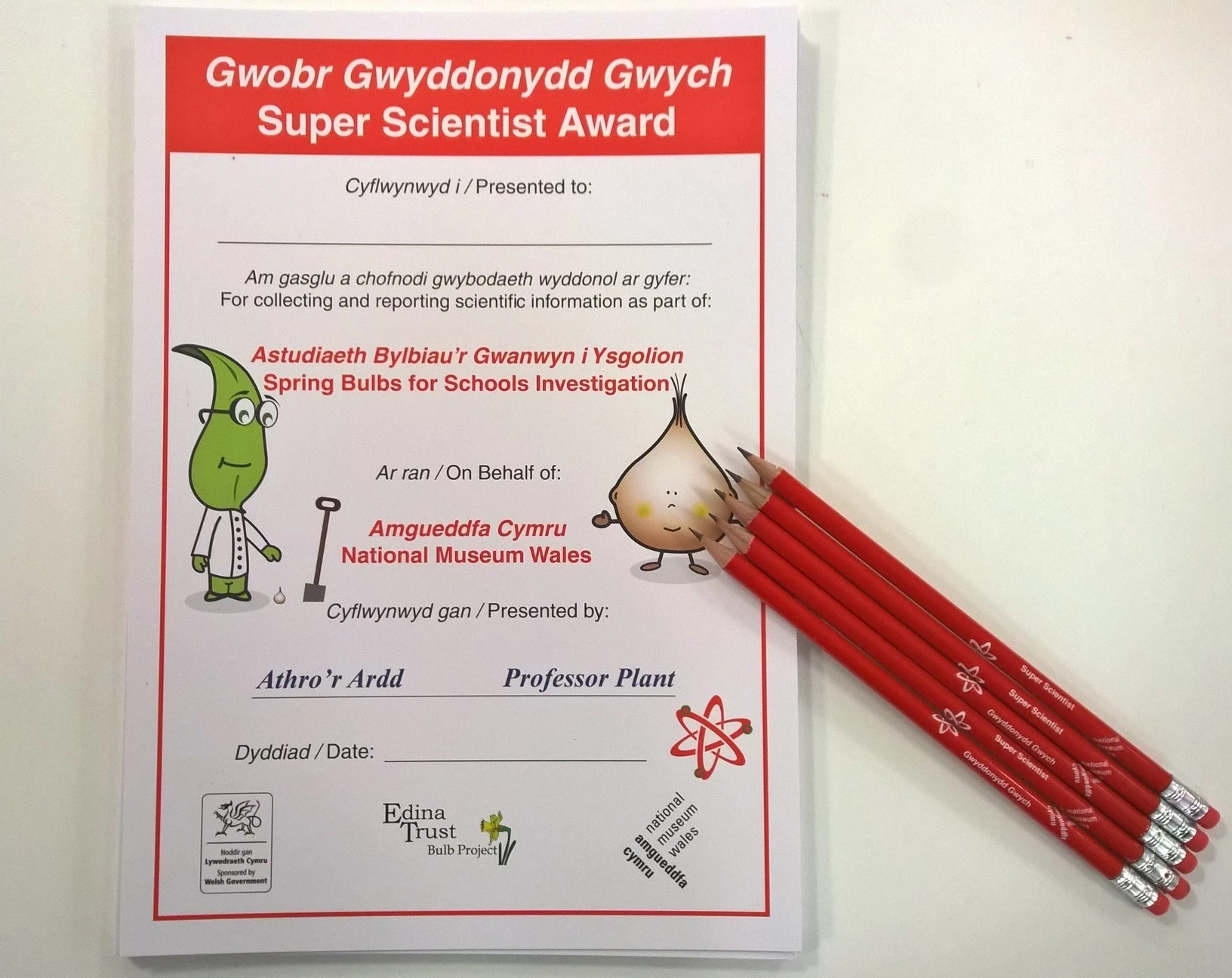
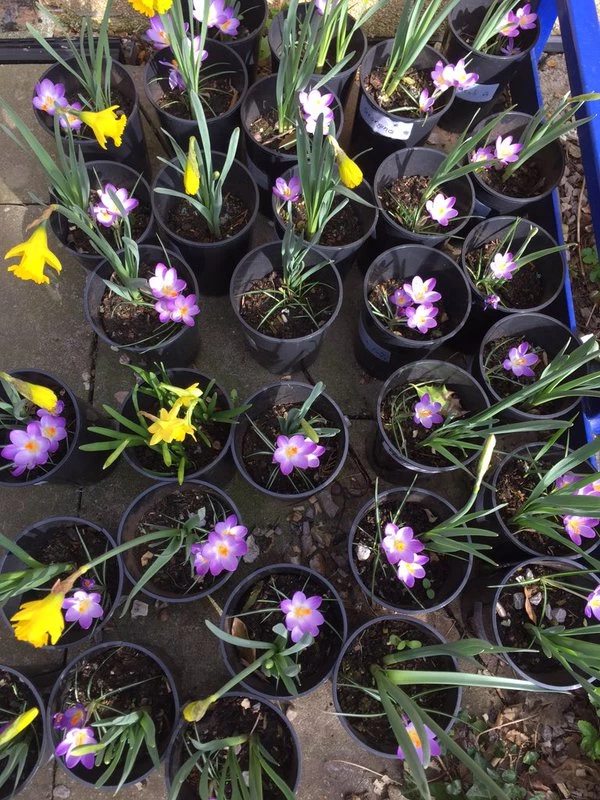
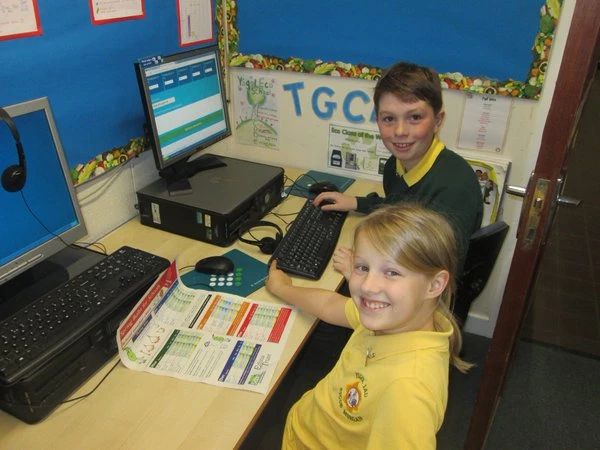
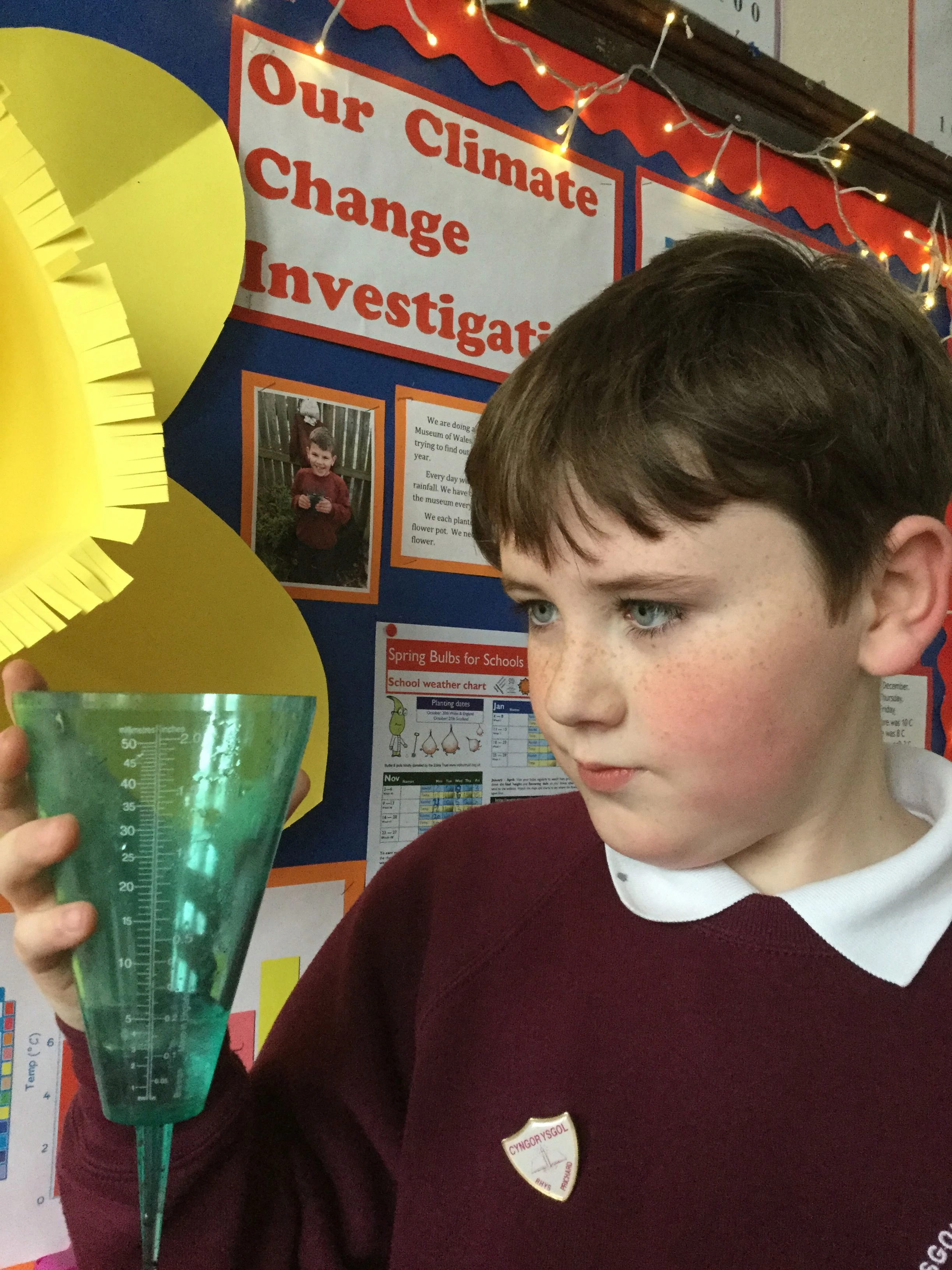
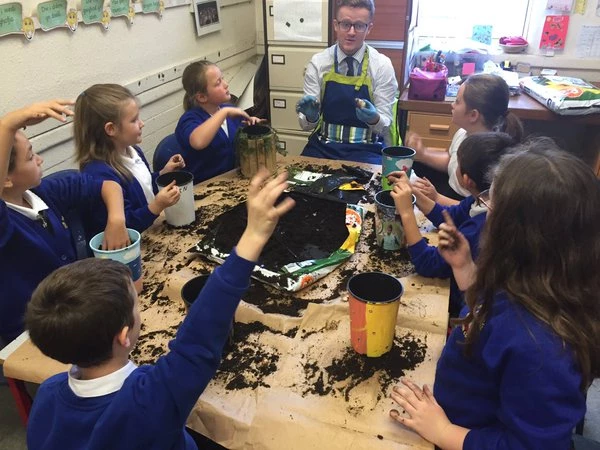
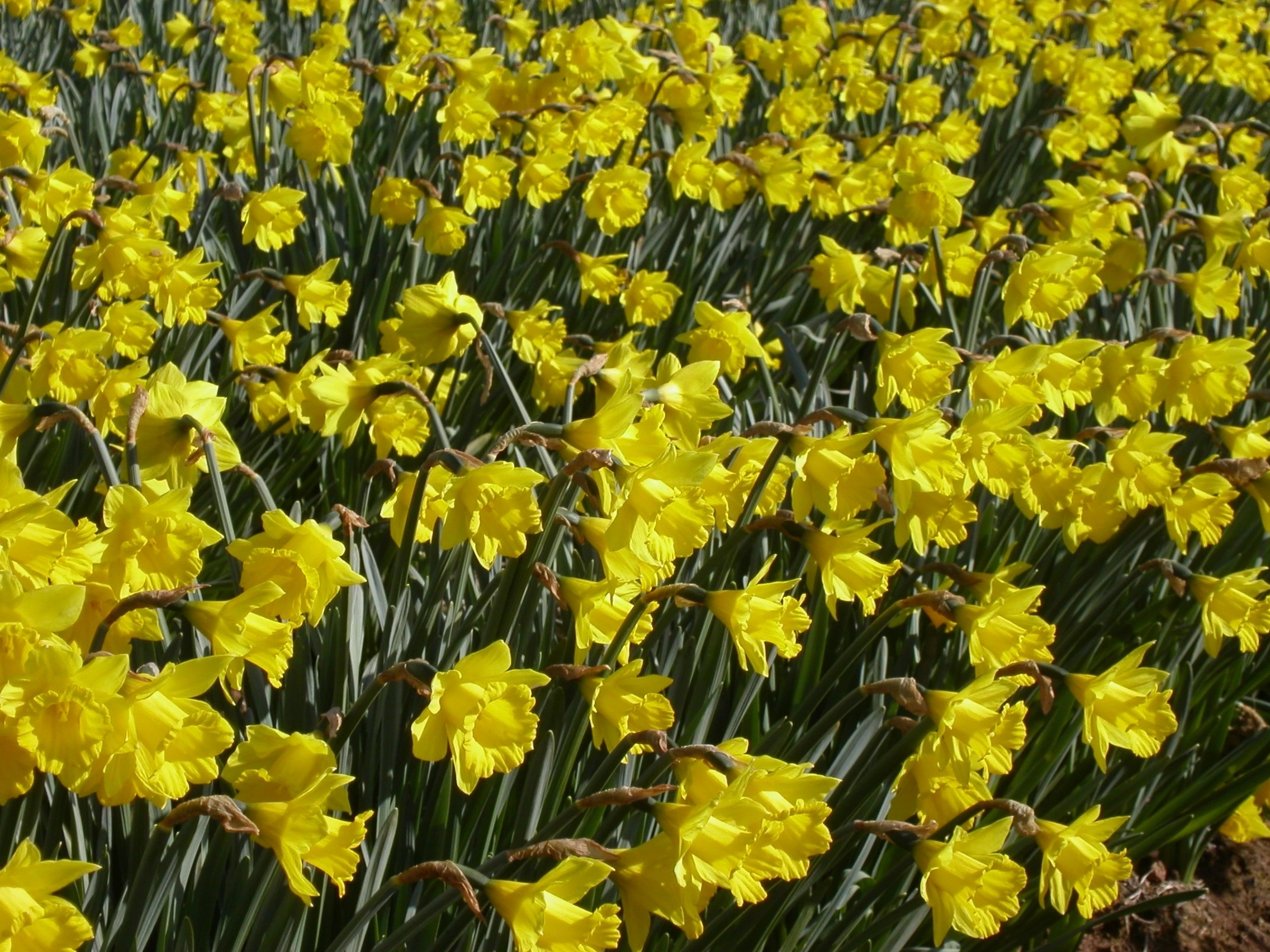
Super Scientist Awards 2016 Penny Dacey, 4 May 2016 One hundred and forty schools across the UK are to be awarded Super Scientist Certificates on behalf of Amgueddfa Cymru - National Museum Wales in recognition for their contribution to the Spring Bulbs - Climate Change Investigation.Huge Congratulations to all these schools!A big ‘thank you’ to every one of the 4,907 pupils who helped this year! Thank you for working so hard planting, observing, measuring and recording - you really are Super Scientists! Each one of you will receive a certificate and Super Scientist pencil, these will be sent to your school by mid-May.Many thanks to the Edina Trust for funding this project.Super Scientist Winners 2016Each will receive a class trip of fun-packed nature activities.Ysgol Pentrefoelas - WalesBiggar Primary - ScotlandCarnforth Primary - EnglandRunner's up: Ysgol Nant y Coed - WalesSevern Primary - WalesAbbey Primary School - ScotlandSt. John the Baptist Primary School – ScotlandSt. Nicholas' Primary School - EnglandThe Blessed Sacrament Catholic Primary School - EnglandHighly commended schools: Alexander Peden Primary School Allensbank Primary School Arkholme C of E Primary School Asmall Primary School Bacup Thorn Primary School Barsail Primary School Bent Primary School Betws Primary Bickerstaffe CE Primary School Blackwood Primary School Braidwood Primary School Breckon Hill Primary School Broad Haven Primary School Burnside Primary School Calderwood Primary School Castlepark Primary School Chapelton Primary School Coedpenmaen Primary School Coppull Parish CE Primary School Darran Park primary Drumpark Primary ASN School Dykesmains Primary School East Fulton Primary School Glebe Primary School Glengowan Primary School Grange Primary School Hay on Wye Primary School Henllys Church in Wales Primary School High Mill Primary School Hudson Road Primary School John Cross CE Primary School Kelly Street Children's Centre Lanark Primary School Law Primary School Llangors Primary School Llanharan Primary School Loch Primary School Lynnfield Primary School Maesycoed Primary School Mellor Saint Mary CE Primary School Milton of Balgonie Primary School Murray Primary School Nantymoel Primary Netherburn Primary School Newmains Primary School Newport Primary School Our Lady of Peace Primary School Pirnmill Primary School Rougemont Junior School Silverdale St. John's CE Primary School St. Charles Primary School St. Cuthberts RC Primary School St. Joseph's Primary School St. Paul's CIW Primary School St. Peter's Catholic Primary School St. Robert's Catholic Primary Staining C of E Voluntary Controlled Primary School Stanford-in-the-Vale Primary School Stonehouse Primary School Trellech Primary Underbank Primary School Ward Jackson Church of England Primary School Wormit Primary School Ysbyty Ifan Ysgol Bro Tawe Ysgol Deganwy Ysgol Gynradd Gymraeg Llantrisant Ysgol Gynradd Llandwrog Ysgol Rhys Prichard Ysgol San Sior Schools with special recognition: Arkleston Primary School Beckford Primary School Brisbane Primary School Carnbroe Primary School Castlepark Learning Centre Dasfen Primary School Glencairn Primary School Hakin Community Primary School Kirkfieldbank Primary School Lamlash Primary School Mossend Primary School Orchard Meadow Primary School Penygawsi Primary School Shakespeare Primary School St Athan Primary School St David's RC Primary School St Michael's RC Primary St. Aidan's Primary School St. Bernadette's Primary School St. Columbkille's Primary School St. Michael's CE Aided Primary School St. Oswalds V A School Wellpark Children's Centre Willow Lane Catholic Primary School Woodlands Nursery Centre Ysgol Esgob Morgan Ysgol Hiraddug Schools to be awarded certificates: Colinsburgh Primary School Bryn Celyn Primary Coleg Meirion-Dwyfor Condorrat Primary School Corsehill Primary School & Nursery Class Craigbank Primary School Holytown Primary School Howwood Primary School Inchinnan Primary School Ladywell Primary School NPTC Group Newtown Campus Our Lady & St. Francis Primary School Pontrhondda Primary School Rashielea Primary School Rhos Helyg Rigside Nursery Rogerstone Primary School Saint Anthony's Primary School St. Aidan's Primary School St. Bridget's Primary School St. Brigid's Primary School St. Mark's Primary School St. Mary's Primary School St. Paul's Primary School St.Brigid's SWISS VALLEY C.P. SCHOOL Tongwynlais Primary School Whitelees Primary School Ysgol Coed y Gof Ysgol Ffridd y Llyn Ysgol Iau Hen Golwyn Ysgol Mair Ysgol Pencae Thank you for all your hard work Bulb Buddies,Professor Plant
Preventive Conservation of Art in Schools Christian Baars, 13 April 2016 The recent Ivor Davies exhibition Silent Explosion at National Museum Cardiff sparked an explosive partnership project. The mMseum’s Learning Department and artist Claire Prosser worked with Albert Primary School in Penarth on an art project inspired by Ivor Davies's work. Ivor Davies grew up in Penarth and went to Albert Primary School as a child, where he witnessed the war and air raids on Cardiff. Some of his early work is based on these experiences. The year 5 pupils visited the exhibition at the Museum, which reflects some of those childhood experiences, and made sketches and collages. One of the boys had re-drawn Ivor Davies’s drawing of enemy planes being caught in search lights, and added an additional plane. Ivor Davies himself came to visit the school at the end of the day of walks and signed this drawing and many others, much to the delight of the pupils. On walks around Penarth the pupils discussed conservation, death and decay with Senior Preventive Conservator Christian Baars. It is not easy to conserve art that was created to be ephemeral. The pupils learned how organic objects, and even rock, are not everlasting, and instead part of a big circle of life, death and resurrection in new forms. The role of any museum, in essence, is to preserve objects by halting that circle at a particular point. Whether this is in line with the artist's intentions, and how museums deal with this conundrum, was part of a "Conservation Conversation" at National Museum Cardiff a few weeks back. Curators, conservators and artists were involved in the discussion then. Bringing this theme closer to year 5 pupils proved entirely possible, as they enjoyed learning about how museums preserve objects while thinking about how it is really difficult to make anything last for centuries. This interdisciplinary partnership project was also a joy to work on for staff, most of all the preventive conservator, as it brought together so many aspects of art and science. Find out more about care of collections at Amgueddfa Cymru - National Museum Wales here.
Helping English Learners at St Fagans Joe Lewis, 11 April 2016 Since September 2015 I have been working with Kate Congdon, Lecturer of ESOL (English as a Second or Other Language) at Cardiff and the Vale College. Together we have been working with ESOL students from the college to create learning resources to be used at St Fagans National History Museum as part of the colleges ESOL programme. The resources will provide ESOL students with the opportunity to practice their English abilities whilst learning about the history of Wales.In September 2015, 200 ESOL students visited St Fagans. The students’ abilities ranged from beginners to those who were nearly fluent. Kate created a questionnaire for the students to choose their top 3 buildings at the Museum. The results of these were split into two groups to reflect the different learners’ levels, lower level and higher level.Lower Level: Bryn Eryr (replica Iron Age roundhouses) Melin Bompren Corn Mill St Fagans Castle Higher Level: Rhyd-y-Car (row of terrace houses) Gwalia Stores Cockpit In December 2015, a small group of students from the lower or entry level visited St Fagans again to act as a focus group for the project. They worked with Kate and I to choose the aspects of the buildings they found most interesting.More recently, Kate, with information and images provided by the Museum, has designed and developed 2 draft resources for the students to trial, an entry level resource focusing on the St Fagans Castle and a higher level resource focusing on the Rhyd-y-Car Cottages. These were then proof read by myself and members of the curatorial staff team.On the 17th March I travelled to Cardiff and the Vale College to help Kate trial the resources with her lower level class and one of the higher level groups. I was really impressed with how engaged students from both groups were with the resources. They not only enjoyed the opportunity to learn new words and phrases, but were also fascinated by the histories of the buildings and the people of Wales. From my perspective, it was a thoroughly enjoyable experience and I picked up a few new teaching tips from the ESOL lecturers. I especially liked the use of a mini Welsh rugby ball which was passed around the class as a way for students to know it was their turn to answer questions. The feedback on the resources from the students was very positive and many of them enjoyed the opportunity to discover more about the country they have chosen to call their home.Kate will be returning to St Fagans in April to meet with myself and Mared McAleavey, Principal Curator: Historic Interiors. We will be discussing the history of the remainder of the buildings that the students chose and the learning activities that can be designed. I am really looking forward to trialling the next set of resources with the students and I’ll be posting updates here in the future. In the mean time you can keep up to date with the work of the Learning, Participation and Interpretation Department by following us on Twitter @StFagans_Learn.
War, What Is It Good For? by National Roman Legion Museum - Youth Forum, 30 March 2016 Exhibition review by Museum's Youth Forum.As youth forum members we were able to help input our opinions into the design of the temporary exhibition and have been able to see it develop from a drawing on paper to a physical form. Today we have examined the exhibition and have evaluated the information and items displayed.Amgueddfa Cymru has been tasked with commemorating the WW1 centenary. Personally, we believe that the exhibition is very interesting as it gives an insight into the medicinal history starting from Ancient Greece right up to the 21st century. We enjoyed the exhibition overall. The video grabbed our attention the most and we were able to see a visual aspect of medicinal practice with a humorous touch.The exhibition has a number of different displays which hold valuable information about medicine and the different tools used to carry out medical procedures such as amputations. It contains a silent video in both Welsh and English that shows a few medical procedures from the Roman times. There are some replicas of medical items in the display case that have been used such as a Face Mask used in World War One to disguise facial wounds. There is also a small game on an iPad that tests your knowledge of the information in the exhibition. This together with the video has proved to be a success with the general public. Some reviews say that they liked “the doctor video” and a young person enjoyed it when the doctor was “cutting the leg off”. By Joel Powell, Emma Jones and Hannah Sweetapple.