My experience: Collections Care volunteering across the Museum

Anna Watson - Collections Care Volunteer, 30 September 2025

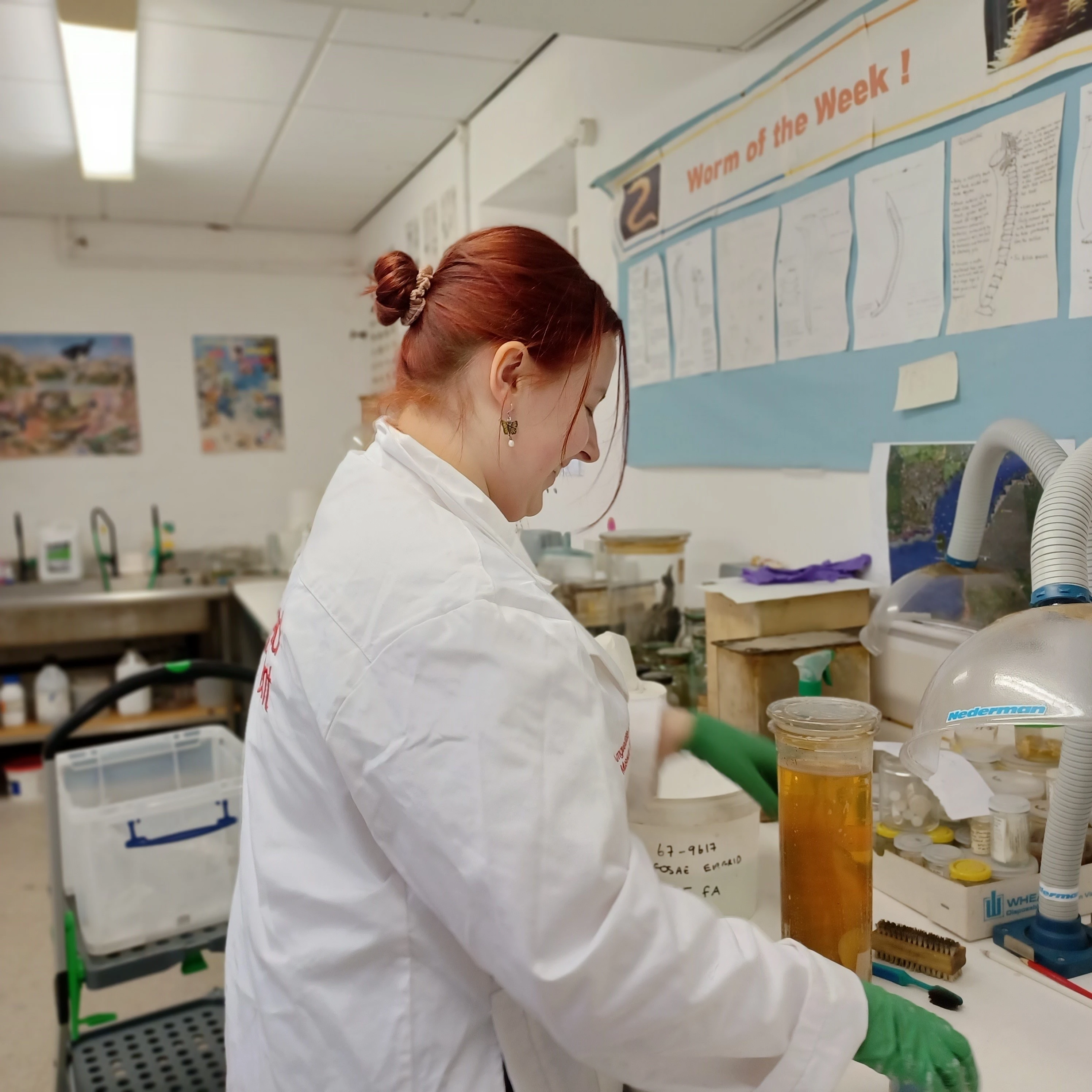
My name is Anna Watson and I’ve been volunteering with the National Museum of Wales since November 2024. I volunteer every week as a collection care assistant in the conservation department. I have enjoyed the experience immensely as every week is different, so I am always learning something new and developing my skills. I began this volunteering role after finishing my MSc in Care of Collections with Cardiff University and this opportunity has been fantastic for putting the skills I gained from that course into practice. So far, I have been able to help with exhibition maintenance in the art galleries and natural histories department, microclimate maintenance in archaeology, collection audits in entomology and have helped clean and relocate the fluid store (pictured here)! The opportunity to work in multiple departments and meet so many different curators, conservators and technicians who are all specialists in their fields has been invaluable and each week I am excited to see what we will do next.

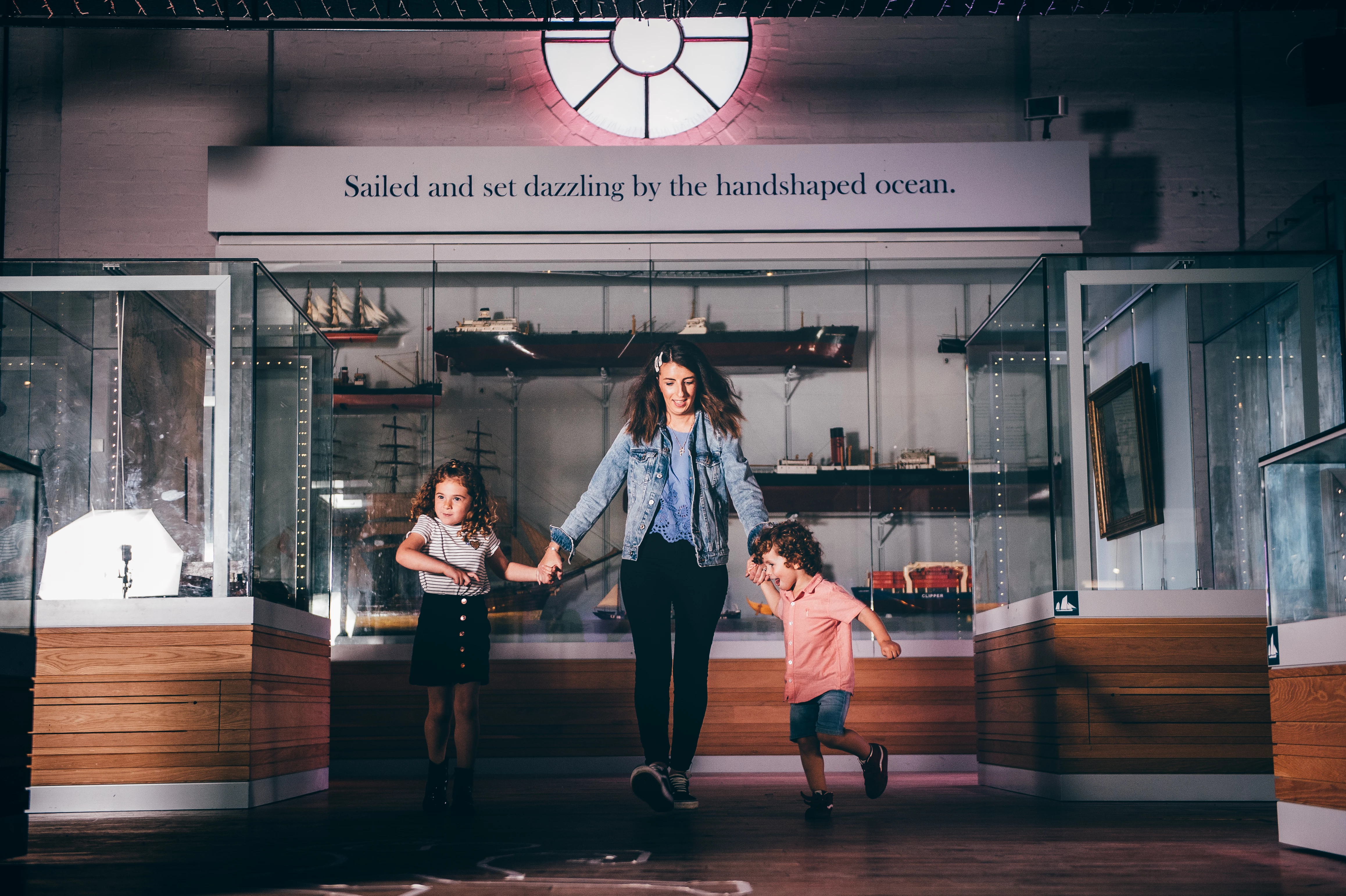
Setting Sail on a New Chapter: Reimagining the National Waterfront Museum

Nicole Deufel, 25 September 2025

Earlier this year, I took the helm at the National Waterfront Museum, and as we enter the Autumn it already feels like we’re catching the wind in our sails. From my very first day, I’ve been inspired by the passion and expertise of our team, who love and breathe the extraordinary stories held in our collections. Their insights, and the warm welcome I’ve had from Swansea itself, have convinced me of one thing: this museum has the potential to be a destination that surprises, delights and connects people in new ways. 

Anchoring Our Story

One of the first challenges we’re tackling is how we tell our story. Visitors often arrive and are unsure of where their journey should start. With three different entrances and meandering routes, it’s easy to lose your bearings. Add to that an expectation (based on our name and location) that the museum is about the sea, and Wales’s maritime stories, and you can see why some visitors leave a little puzzled. 

Visitors are often curious about the story behind our historical warehouse. What was it built for? Why is it here? And for too long, we realised, we hadn’t been telling the story behind this remarkable building. 

The Warehouse stands proudly in its original setting, where it once overlooked a bustling dock alive with ships, dockworkers, and the rhythm of industry. Here, the Warehouse played its part in the great exchange between Wales’s heavy industries and the wider world across the sea. 

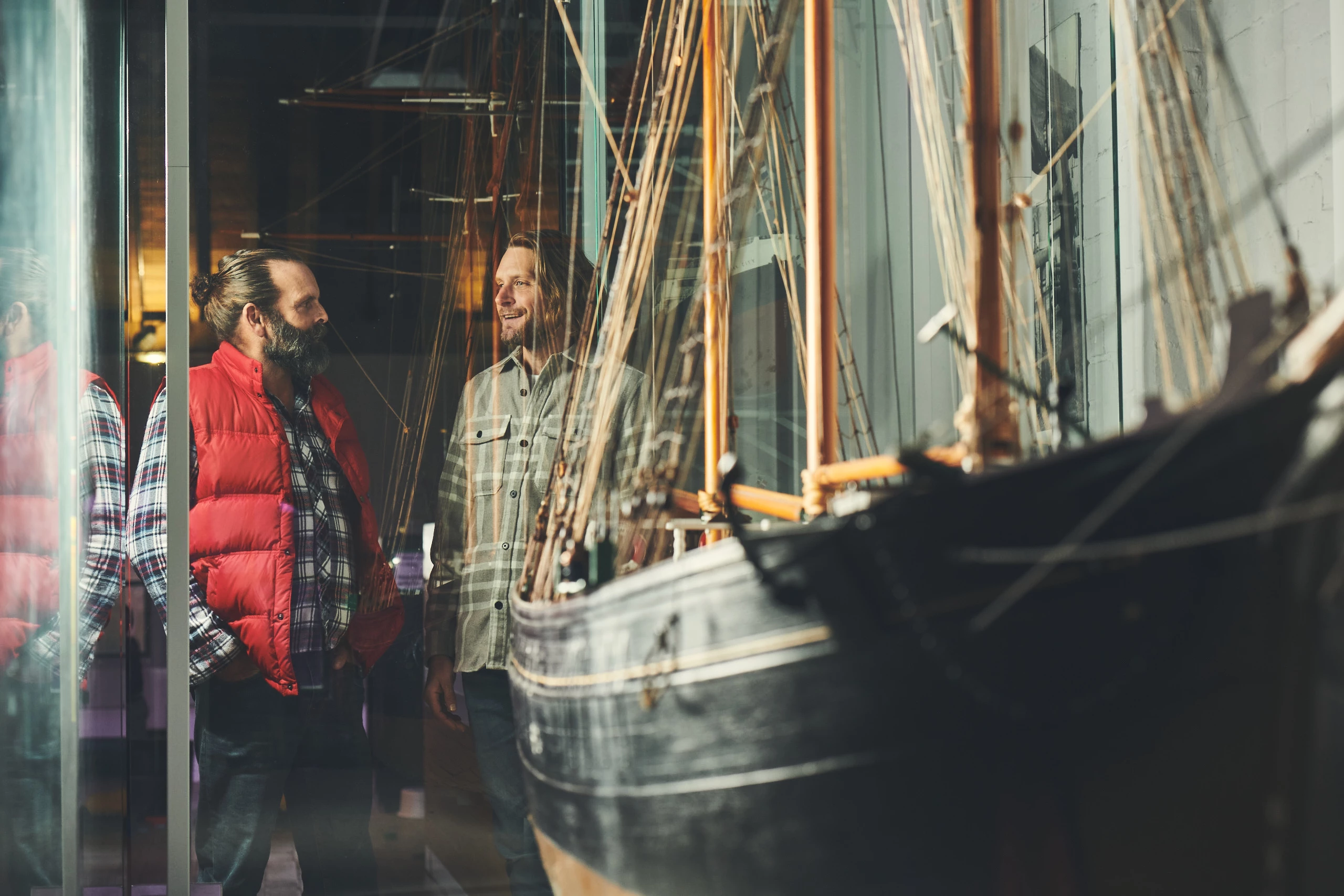
It is that story that inspired us to turn our gaze seaward, to let the sea guide how we tell our stories: the sea really is at the heart of our vision. It’s the thread that ties everything together – industry, art, archaeology, and the lives of communities from across Wales. From coal and copper exports, to the journeys of families who crossed oceans, the story of Wales is a story shaped by the sea. 

And what better place to tell this story than in our historic Warehouse? Built in 1900 beside South Dock – now Swansea Marina – the building itself still whispers of its industrial past. Rail tracks run through its floor, the Harbour Trust office and Pump House still stand nearby. This is history you can see, touch and feel all around you. 

Opening the Doors to the Sea

We’ve already begun small but powerful changes. Shuttered windows in the Warehouse are now open again, letting in light and reconnecting the space with the Marina outside. This simple act has transformed the atmosphere, and it feels like the building is breathing again. We’ve also removed bulky exhibition structures that block the view, making the Warehouse’s historic environment part of the visitor experience once more. 

The Weston Hall, which links the New Gallery to the Warehouse has already seen some changes as well. We’re stripping back the clutter and reimagining it as an inspiring space of welcome and orientation. Here, visitors will encounter stunning focal points – objects that stop you in your tracks and give you that WOW moment!

Picture this: the 1842 South Bishop Lighthouse optic, restored to working order, its top glowing each day when wound by hand. Or a historic railway van positioned on the historic tracks, making the Warehouse’s industrial past visible at a glance. These aren’t just exhibits, they’re the beacons of our identity and conversation starts about safety at sea, Swansea as a City of Sanctuary, and the deep connections between Wales and the wider World. 

Coffee with a View

Our café is also likely going to move. We’re scoping to relocate it upstairs to make the most of our balcony overlooking the marina. Imagine sipping your coffee with a panoramic view of the waterfront. It will also help us transform the Marina Entrance into a true front door to the museum, ready to welcome the growing number of people who pass by.

Fresh Horizons for Exhibitions

Until now, temporary exhibitions have been held in the Weston Hall, a space which was never designed to host exhibitions. This resulted in compromises and limits on what we could show. That’s about to change!

We’re expecting to create a dedicated temporary exhibition space on the mezzanine of the New Gallery. This fresh, flexible area will allow us to host high quality, ambitious exhibitions that surprise and inspire, giving visitors more reasons to return again and again. 

Looking Further Ahead

The journey ahead is an exciting one for us as a museum and for Swansea. We plan to redevelop the New Gallery and Warehouse displays in line with modern exhibition standards, placing communities and inspiration for all at the heart of what we do. Over the coming months, we’ll be shaping the details, working with communities and our visitors, mapping out how to tell Wales’s story through the lens of the sea. 

Until then, expect small but powerful changes – unexpected moments, joyful encounters, and new perspectives that highlight how the sea has shaped life across Wales. 

A Living Museum for Everyone

I’m incredibly grateful to the team here, whose ideas and enthusiasm are steering us forward. Together with the people of Swansea and our visitors, we’re making the Waterfront a place to be explored, enjoyed, and celebrated – a living museum, full of hands-on, joyful experiences for everyone. 

So come board. The tide is turning, and a new chapter for the National Waterfront Museum is just beginning. 
Celebrating Pride: Behind the scenes with Amgueddfa Cymru Producers

James Lindsay, 25 September 2025

In June 2025, as part of the Wales REACH project, Amgueddfa Cymru invited applications for two Amgueddfa Cymru Producers to design and deliver a workshop about Pride. Here’s what James, one of our ACPs, had to say about the experience:

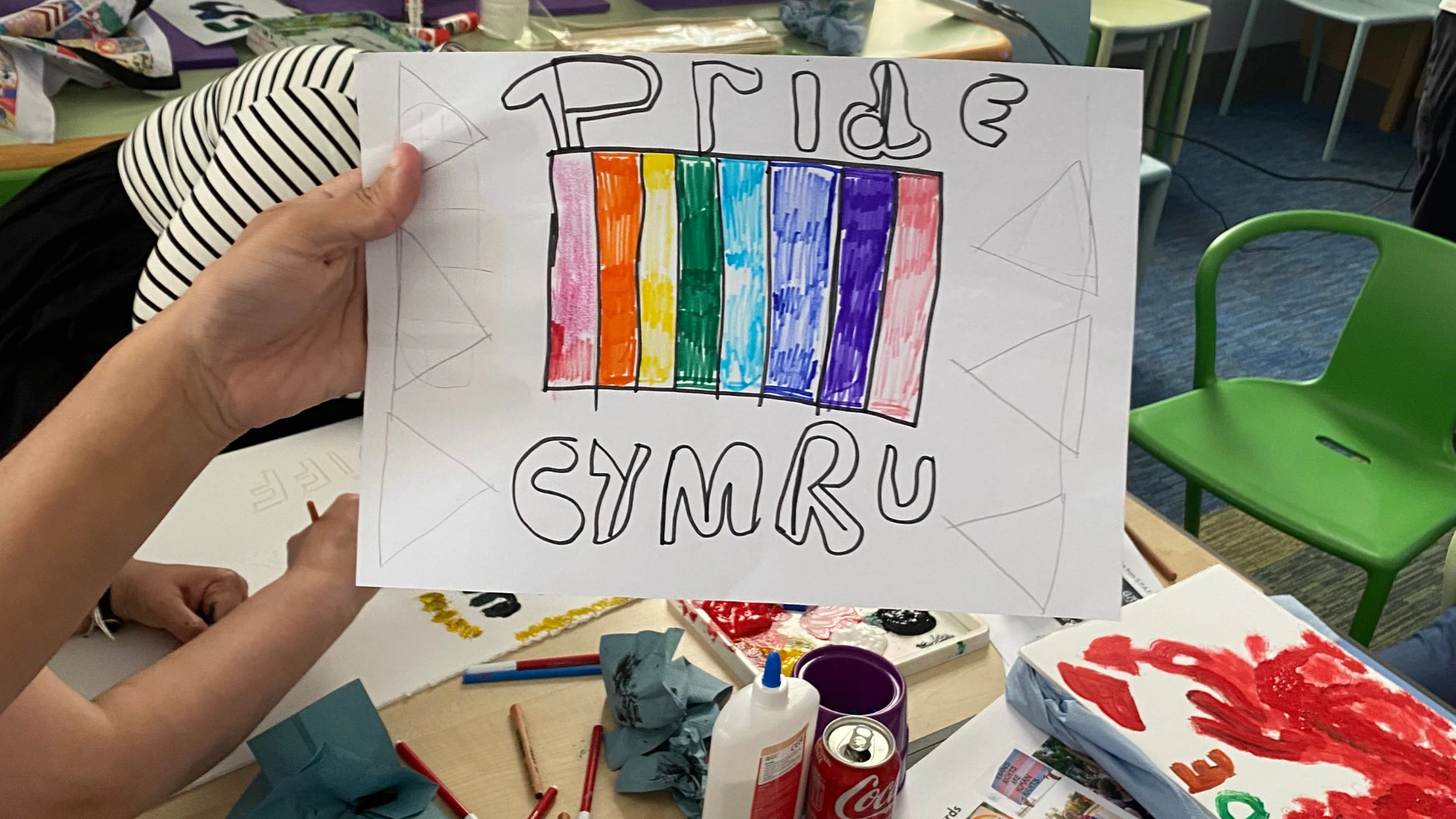
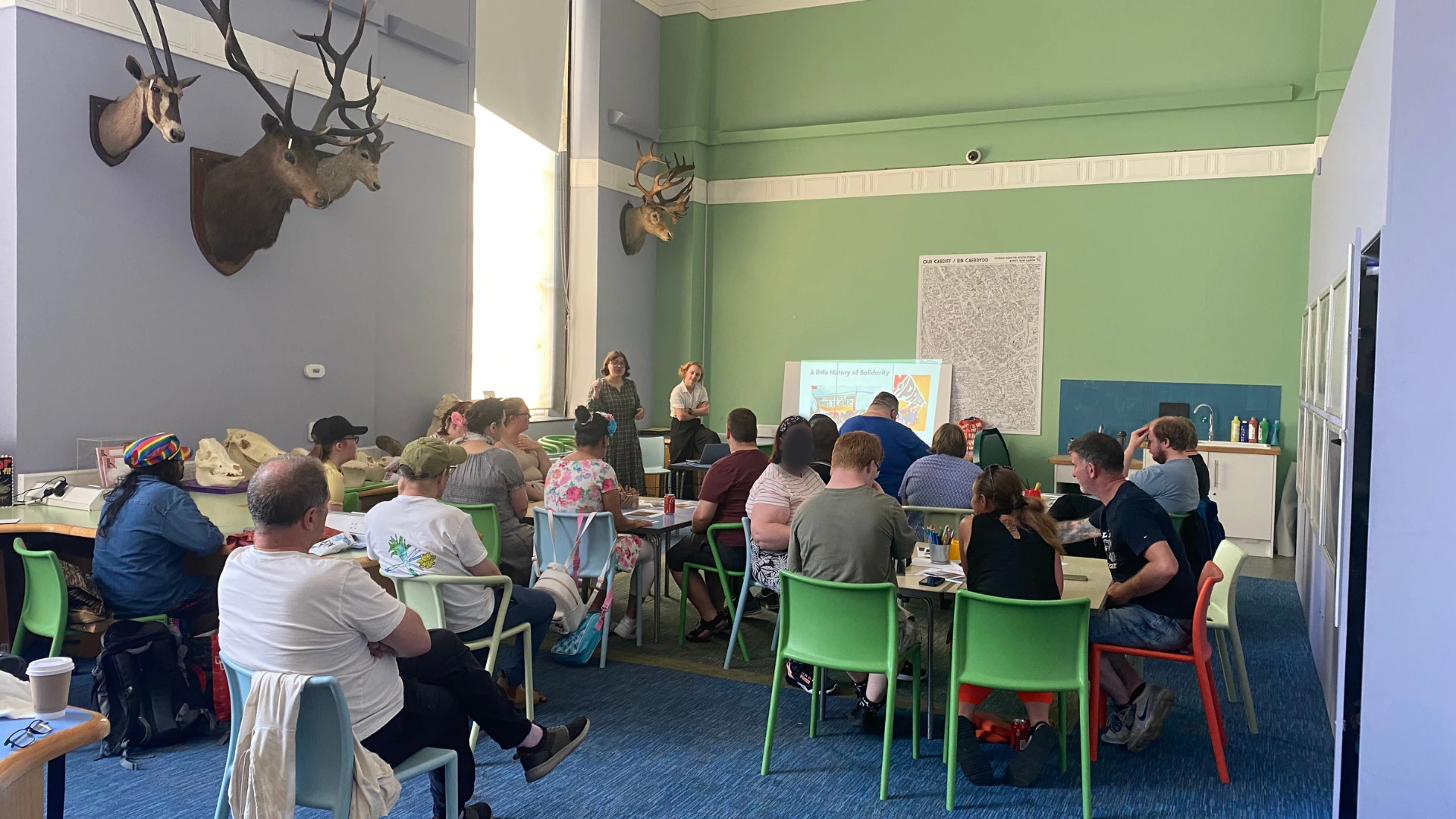
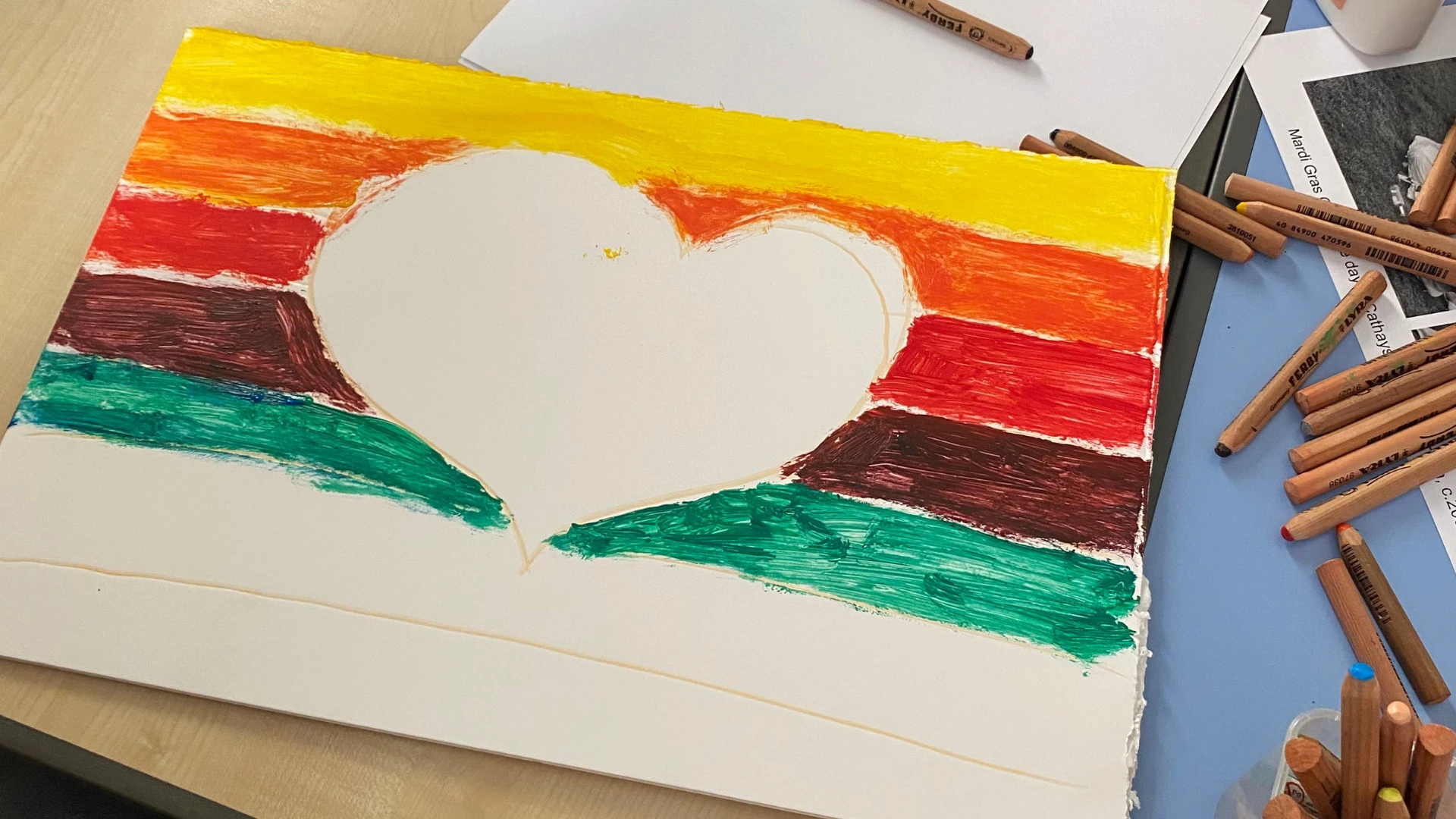
For pride month, Amgueddfa Cymru invited myself and Kleo to organise a workshop alongside Innovate Trust: a charity dedicated to helping adults with learning disabilities. We provided the materials, inspiration, and a brief history lesson so that people could create signs to carry at the Cardiff pride parade held on the 21st of June.

Part of my role was scouring the museum’s collection for some inspiration and the catalogue did not disappoint. I was surprised by the array of material available; from protest materials of the 1980s, to works by proudly queer artists, works loved by queer people, and private family photographs. Protest materials included t-shirts, banners, and badges, many of which were aimed against Section 28 in particular. This was part of the law put in place by Margaret Thatcher’s Conservative government that saw any mention of homosexuality in schools as an attempt to ‘promote’ the lifestyle. This meant that for over twenty years children in schools had no way to access accurate and unbiased information regarding sexuality or safe sex. Amgueddfa Cymru has a t-shirt with the exact wording of Section 28 printed on it. For me, part of pride has to be about looking back to all of the work done in the past so that we have the strength to look to the future. For museums to include objects like these is so important to me, and a huge step forwards for our communities and cultural institutions. 

My first time at pride was moderately unsuccessful. In either 2018 or 2019 myself and a friend travelled to London hoping to find the kind of community that was out of reach for kids in a relatively small secondary school. On the journey there we overheard a group of people warning each other that pride was on. That they had to be careful because we would all be having sex in the streets. I can safely say that hearing this made me feel infinitely more uncomfortable than anything I experienced at pride. But it still felt isolating. The two of us wandered around London and largely kept to ourselves and it didn’t feel like pride was the sort of thing I’d want to go to again.

On the morning of Cardiff pride this year I was exhausted and found myself sorry to miss the parade. But by the afternoon I was alive enough to walk into the city centre and within minutes it became easy to recognise many of the people that were there for pride or the big queer picnic. The number of families with children really warmed my heart. And I didn’t hear a single bad word about queer people. No warnings that we didn’t know how to control ourselves. No fearmongering about trans people in public spaces. I sat in the sunshine with some friends. I saw dogs dressed up in colourful outfits and silly hats. And it finally felt like a pride event that had done what it set out to achieve, it gave me an overwhelming sense of joy and family. I felt relaxed.

It was an absolute pleasure to work with Amgueddfa Cymru for pride month. Someone once described queer history to me as “cruising” through archives; seeing what or who catches your eye. I would encourage everyone to do the same and to seek out queer joy, whatever the month.

Wales REACH is made possible with The National Lottery Heritage Fund. It is a partnership between thirteen organisations and is led by The Open University and Amgueddfa Cymru. It is funded with a grant from the National Lottery Heritage Fund. The current phase started in autumn 2024 and is scheduled to run until autumn 2026.

Exploring Prehistory: My Volunteer Experience with Stone Tools at National Museum Cardiff

Rebecca Mahon - Prehistoric Stone Tools Volunteer, 10 September 2025

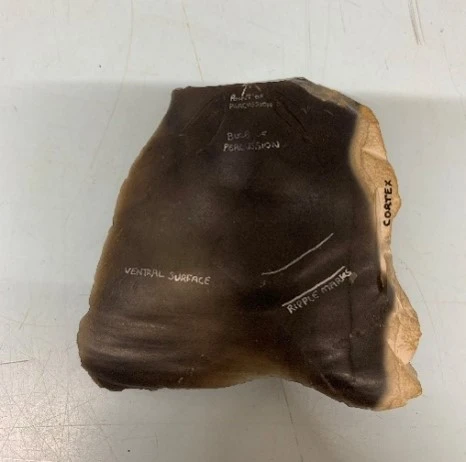
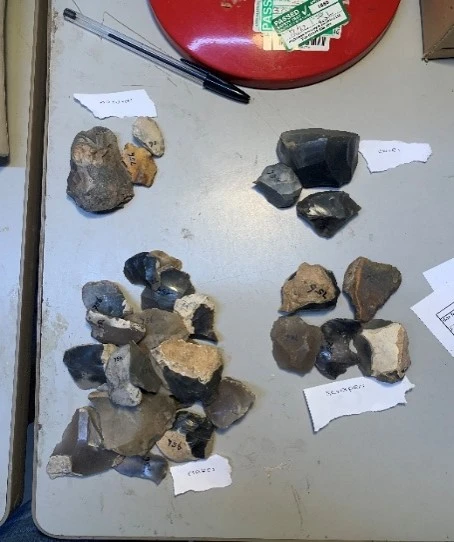
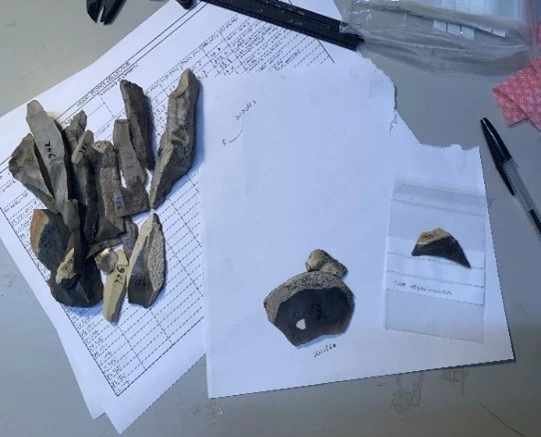
Between October 2024 and May 2025, I have been lucky enough to volunteer within the archaeological collections of Amgueddfa Cymru. Every Thursday, myself and my fellow volunteers were able to handle, identify and catalogue a vast collection of prehistoric stone tools gathered by Henry Stopes in the late 19th century. 

During our weekly sessions, we were encouraged by our supervisor, Principal Curator Elizabeth Walker, to understand and recognise the uses that these tools had within their communities across the globe. Beginning with this identification, we learnt how to categorise the tool’s usage based on their markings. We then numbered and categorised the tools using Stopes’ system so that they could be inputted onto the online database.

Our work as volunteers meant that Amgueddfa Cymru could succeed in completing its counting of the Stopes collection, which was acquired by the museum in 1912, allowing the collection to become fully accessible to the public. As a Cardiff University student, volunteering at Amgueddfa Cymru allowed me to gain experience relevant to my degree and work hands-on with artefacts ranging from flint arrowheads to jewellery made from bone! 

I feel fortunate to have had the opportunity to explore the inner workings of this amazing institution and meet the dedicated professionals and volunteers that work within it. Being a volunteer has truly been an enriching and valuable experience!

Polychaete Placement Party - Tales from student placements working on marine bristle worms

Mayu Seguchi and Caitlin Evans, 26 August 2025

Mayu Seguchi

Hi my name is Mayu Seguchi and I have just graduated with a BSc (Hons) in International Wildlife Biology from the University of South Wales. The most commonly asked question I’ve received since moving away from my small town in Michigan is “Why Wales”? My automatic response has always been to praise my university course for the extensive amount of travelling embedded into the curriculum. I recount stories about my experiences - like how an African elephant herd mock charged us in South Africa, or swimming in this gorgeous river in the Chiquibul Rainforest while rainbow marques flew overhead in Belize. I will tell anyone who listens about diving in the second largest barrier reef and how these nine dives cleaved open a new path I never expected to follow: marine biology. I went as far as selecting a dissertation on iguanas so that I could live on a small island off the coast of Honduras for two months, diving and snorkelling whenever I had a spare minute. 

Thus, when a placement opportunity became available to work with marine bristle worms aka polychaetes at National Museum Cardiff, I knew I had to apply. My first day was spent trying to avoid getting lost in the labyrinth they call hallways and start learning about the museum’s digitization methods used for specimens. It was only when I became settled that I really began to realize how amazing the collection I was working with was. The samples were obtained by R. D. Purchon from five locations along the Bristol Channel: Peterstone Wentlloog, Sully Island, Barry Harbour, Breaksea Point, and Dale Sands. This means every specimen I’m handling has resided in Welsh waters surrounding Cardiff! With only having travelled abroad for field work, it was easy to get enthralled by colourful reefs and larger marine mammals. This collection enlightened me to the gaps in my knowledge about species that I share a home with and provided me with the opportunity to learn. So now when people ask me why I moved to Wales, I can respond with “Why NOT Wales”? With all the beautiful wildlife, from puffins to polychaetes, there is so much to explore. 

At museums with large collections, like Amgueddfa Cymru, it is nearly impossible to register every conserved specimen that has been accessioned. However, this limits the amount of information that can be ascertained regarding a species, and that holds valuable insight into the fauna of Wales and the UK. Thus, my colleague, Caitlin Evans (see below), and I were tasked with 1) curating the specimens into the museum's database and 2) taking and attaching images to each specimen. I will be discussing the methodology used for curating the collection from Purchon (1950), before Caitlin continues into how we performed the imaging aspect of our work with the polychaetes. 

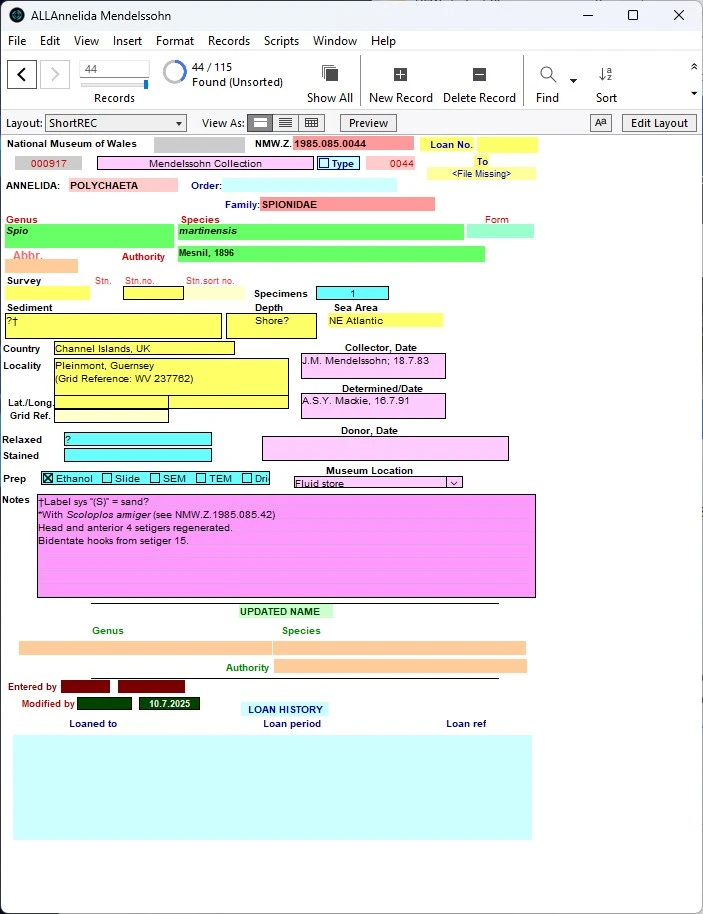
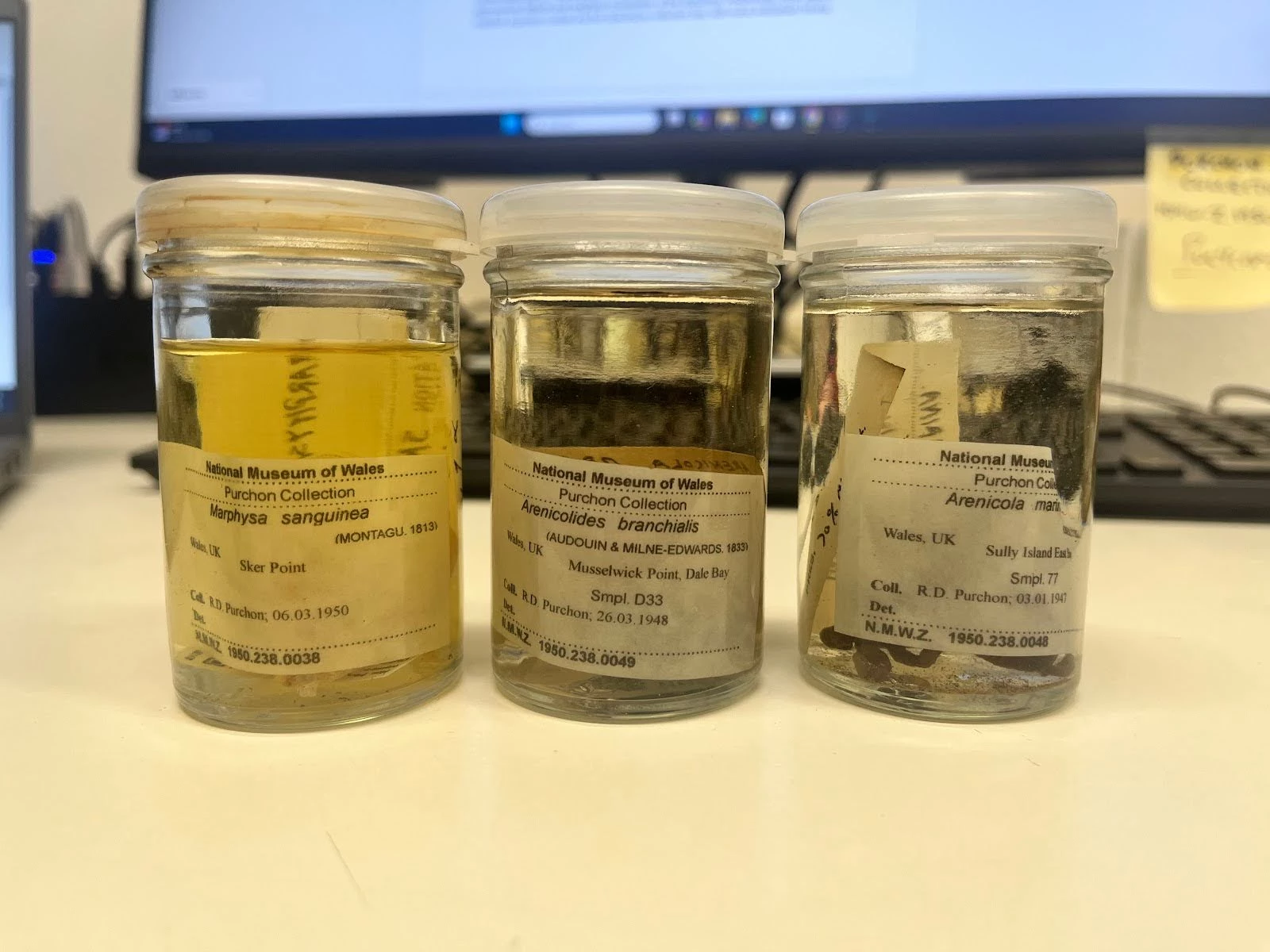
To curate the collection, I used the database FileMaker Pro with a museum developed template (Figure 1). For each specimen, I documented the collection’s name, accession number (a unique number enabling each specimen to be located), and the date the specimen was collected, as well as the specimen’s family, genus, and species. Each specimen also specified a collection site which, when paired with R. Denison Purchon’s Ph.D. on The Littoral and Sublittoral Fauna of the Northern Shores, near Cardiff and Dale Fort Marine Fauna edited by J.H. Crothers provided me with the information needed to determine the approximate latitude and longitude coordinates of the locality the specimen came from. Additionally, these papers supplied a greater context into the specimen’s collection site, with some individuals having descriptions on the surrounding sediment in which they were discovered. Once the sediment was recorded and these documents were complete, key identifying information was printed onto smaller labels to be preserved in the jar with the specimen (Figure 2). With the collection fully curated onto the museum’s database, it was time to begin the imaging process. 

Caitlin Evans

Imagine being able to learn and research animals that go completely un-noticed by humans. Polychaetes are marine invertebrates that some people don’t even know about due to their predominate nature of burrowing in the sand. They live all along the shoreline and tides of our favorite beaches and can get completely overlooked. I’m Caitlin, a Biology student currently in my final year completing my undergraduate degree in the University of South Wales. The opportunity of a summer placement at Amgueddfa Cymru - Museum Wales came to me completely by chance, I had no real plan to take part in a placement. However, when one of my lecturers mentioned this chance, I knew I had to jump on the opportunity. When I began university, I wasn't sure which field I wanted to pursue. But as soon as I began studying ecology and zoology, I knew I had found my passion. I travelled to the Belizean rainforest and coast for a month, gaining hands-on experience on what it’s like to pursue a career in the field. From mist netting to scuba diving, this opportunity only solidified my interest. I am currently collecting data for my upcoming dissertation project on bat populations, collecting data for the Bat Conservation Trust alongside completing this placement, meaning my weeks are full of zoology-based activities.

During my time at the museum, I was tasked to curate and complete imaging practices on the Mendelssohn Collection by my supervisor Dr Teresa Darbyshire (Senior Curator: Marine Invertebrates). This is a large collection of around 115 fluid preserved specimens. They range from tiny samples that are barely noticeable to large worms that barely fit in their jars. The specimens in this collection have all been collected from Guernsey by J.M. Mendelssohn and have been preserved in ethanol. Working with this collection has allowed me to appreciate the biodiversity of a place I have never visited before. It gives a great insight to the nature that can be found there. 

As Mayu mentioned, the task of curating this collection involved thoroughly searching Mendelssohn’s PhD thesis from 1976 in order to discover exact locations of where the specimens were collected from. Through the use of the thesis and the help of trusty google maps, I was able to determine latitude and longitude coordinates for each specimen and log them into the database. Any and all information was inputted into the database including all taxonomic information and even sediment details. Once this was completed for every sample, we moved onto completing fresh labels for the physical fluid samples. This involved opening the samples and placing a new label into the jar. This allows for quick and easy identification of the specimen.

The next stage would be navigating through the maze down to the imaging room. 

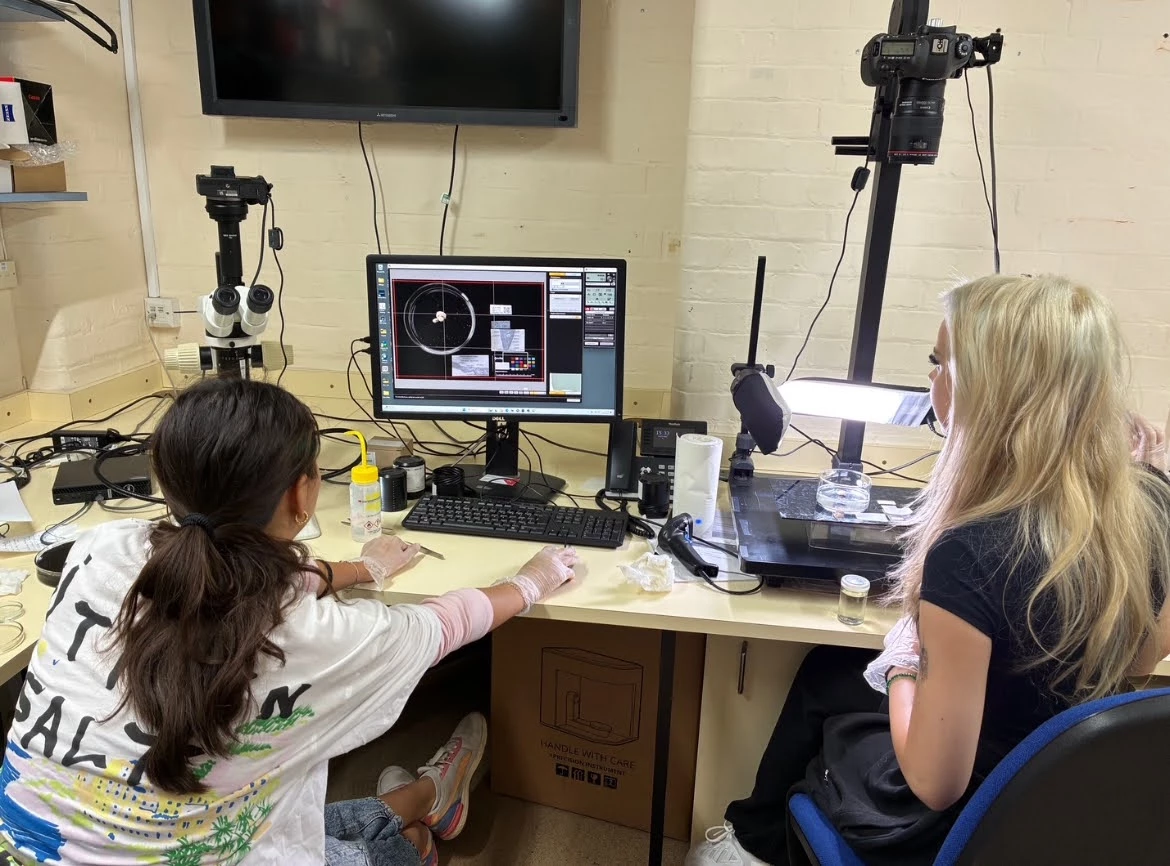
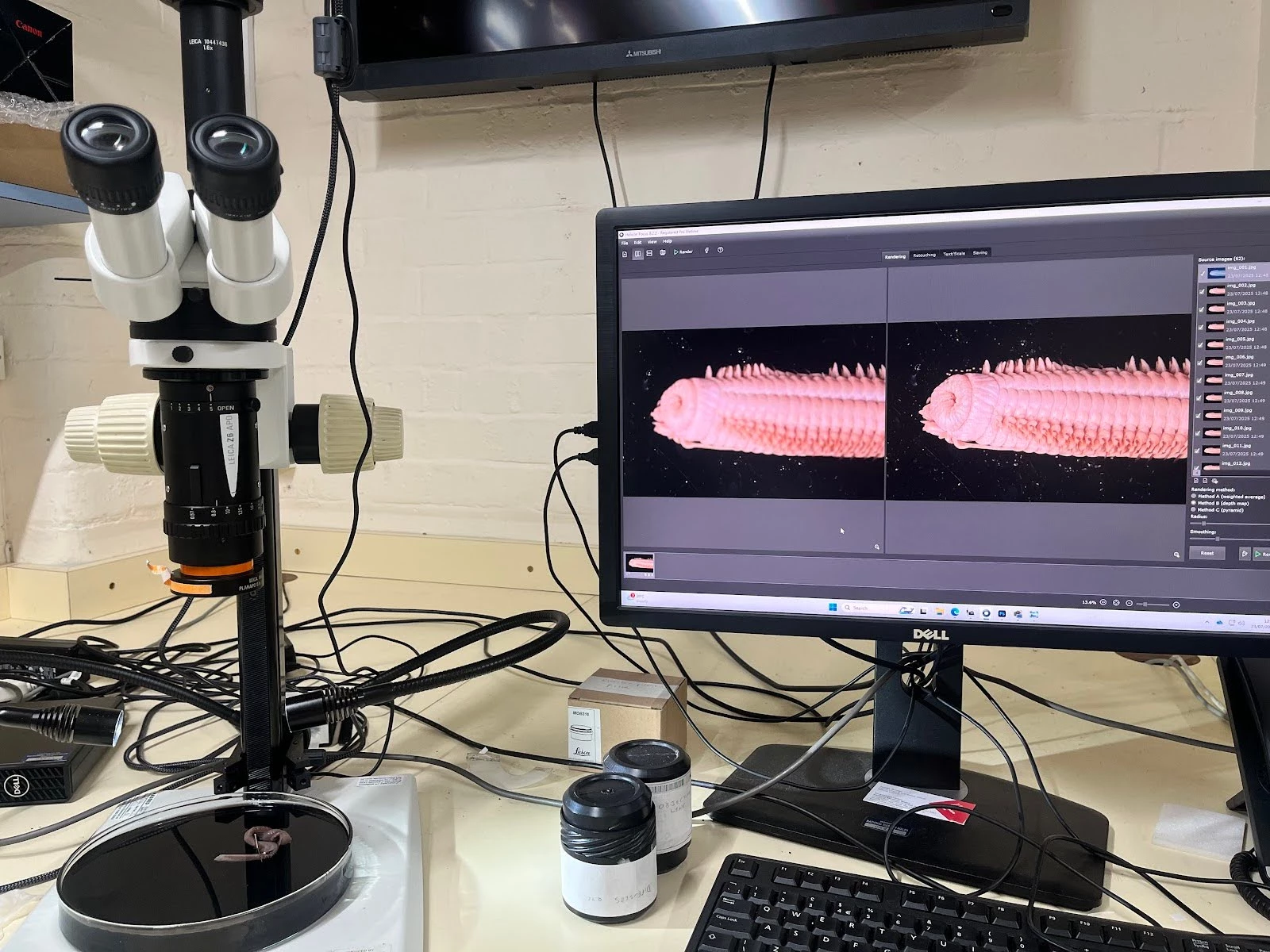
The imaging process of these specimens involved being able to get physical experience of how to handle the preserved fluid specimens properly. Taking the preserved polychaetes out and being able to analyze the amazing details and evolutionary traits of these worms was truly amazing. The imaging allowed us to gain skills we would never be able to develop if it wasn't for the museum, including how to properly handle old specimens and even gave us a foundation in photography. During our time at the museum, we were lucky enough to trial a DISSCO-style project (Distributed System of Scientific Collections) which involves digitizing the collections of the museum, this extensive project includes ALL collections and it is hoped that the marine collections may form a part of it some time in the future (Figure 3).

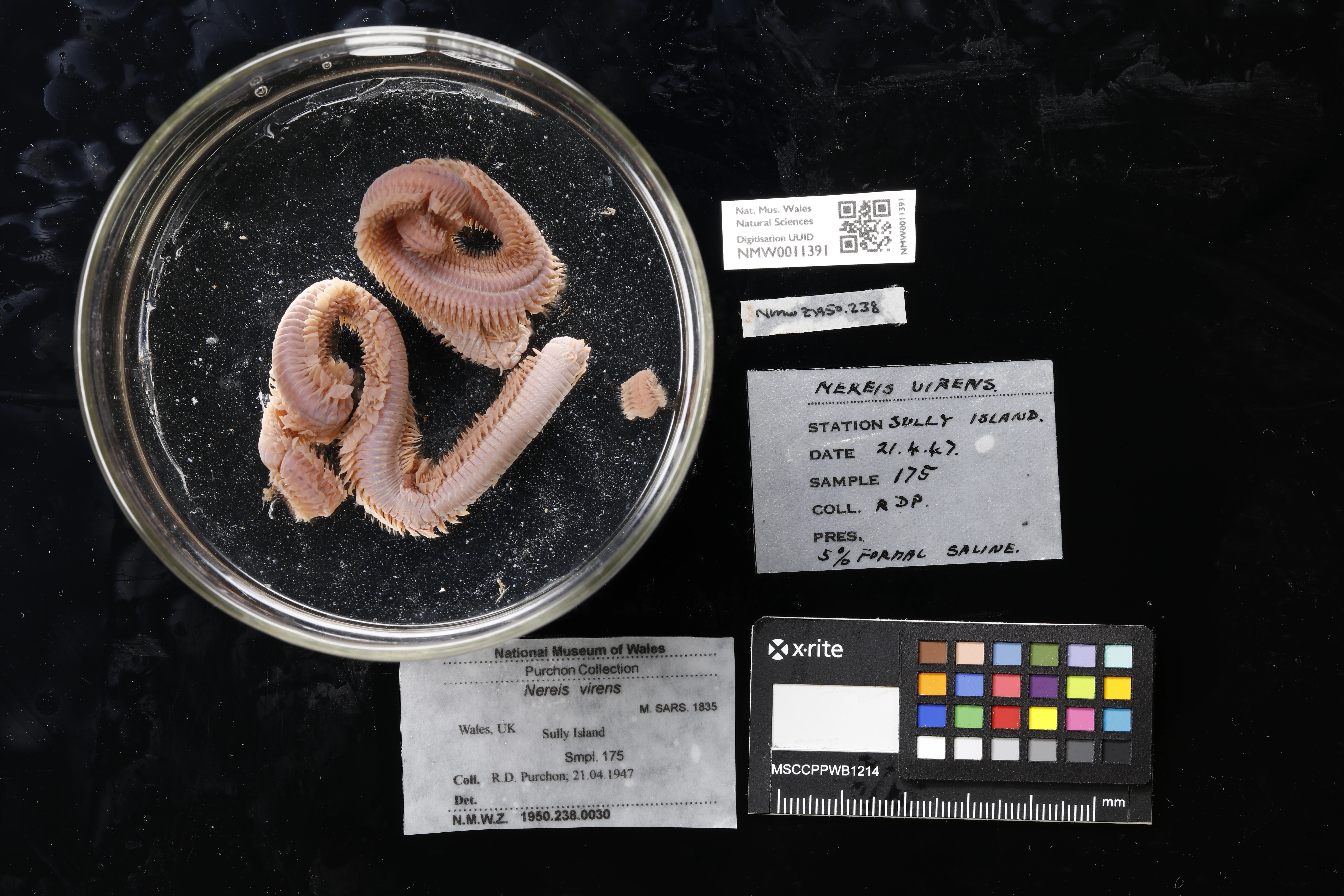
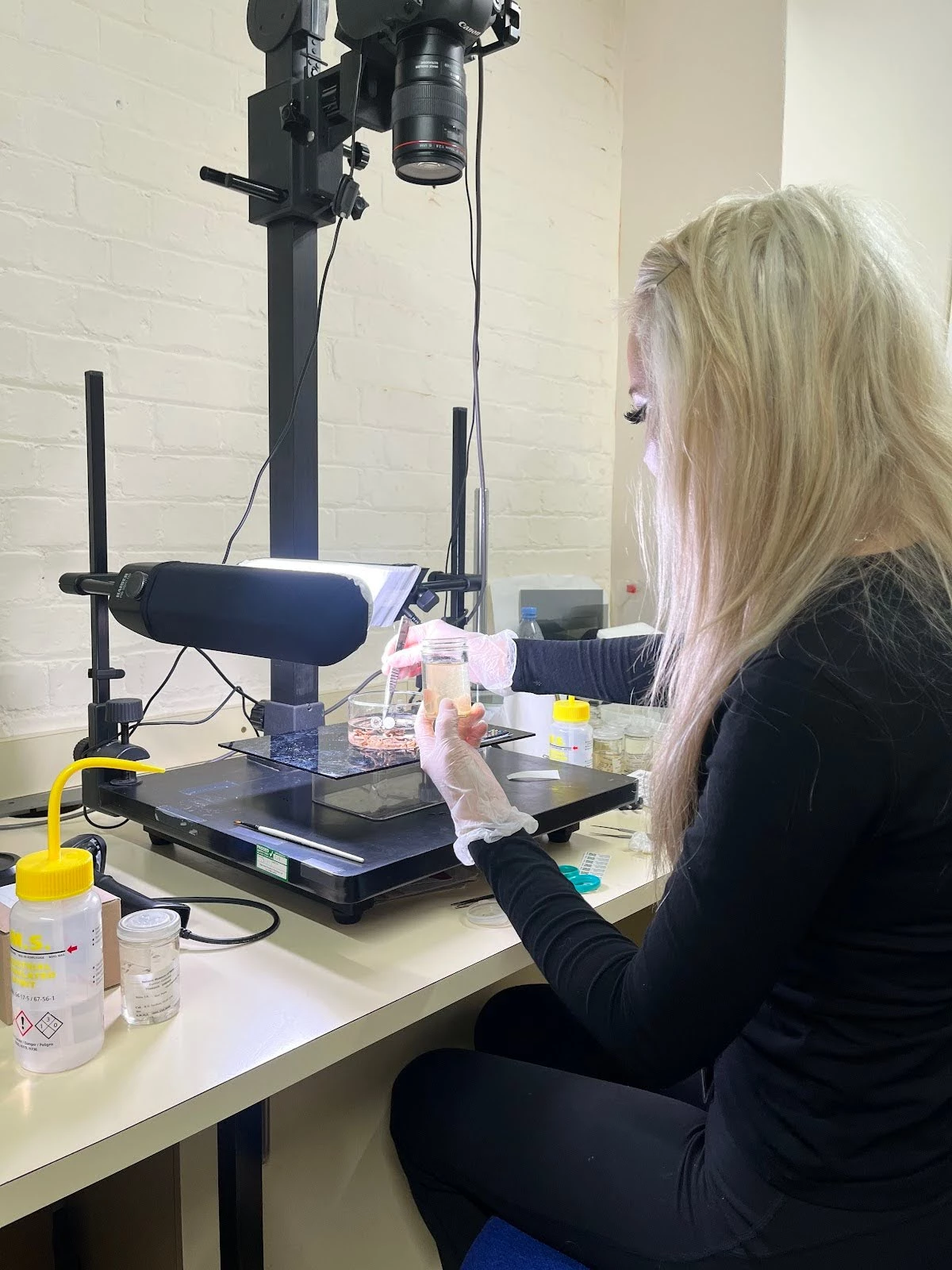
The first step of the imaging process is to complete an audit image, this means to photograph everything that is present in the jar (Figure 4). Using forceps, we would take out the specimen(s) and place them in a petri dish full of ethanol. We would then take all of the labels, old and new, and lay them neatly in frame. Next was added a QR code for the DISSCO process. After photographing the fronts and backs of the labels and specimen, we would then move on to the specimen images. Next, more close up images such as Figure 5 are taken to help identification, for example, the lugworm Arenicola marina has a specific number of ‘rings’ on its head that is used to identify it. This process of specimen imaging takes numerous photos at different focal levels, which are then combined to create a crystal clear and detailed photograph. This final image is rendered by using the Helicon Focus software before transferring it to Photoshop to add a scale bar. This process was completed for both mine and Mayu’s collections (Figure 5). We switched jobs regularly, which allowed us both to progress our imaging skills further (Figure 6). The final task we completed during our time at the museum was using Photoshop in order to edit our images to make them clean and tidy. 

Our experience completing the placement has allowed us to gain valuable skills that are impossible to get anywhere else. It has been an incredible experience and has opened the door to the world of natural science and has been an amazing steppingstone for our future careers.

The entire natural science department has made our time in the museum fun and incredibly fascinating. In addition to the marine section, we were able to get an inside perspective of many other sections including vertebrates and botany which we are extremely thankful for, and working together has allowed us to develop new friendships. Thanks to the staff and our supervisor, Teresa Darbyshire, for creating a warm and welcoming environment for us to work in and making our time at the museum irreplaceable. They have expanded our knowledge greatly and we couldn’t have asked for a better experience.