Blog’s been a bit neglected recently, partly due to my travelling and partly because of incredibly bad internet connection in the office. Also no pics, due to more technical break down – my laptop has stopped talking to any external devices so I’ve no way of getting my photos off my camera. Disaster. All this, on top of the relentless struggle of getting from A to B whether through the gridlock that is Lusaka or over the bone-crunching out-of-town roads, is becoming wearing, if I’m honest.
Luckily the temperature has improved, as the rains finally arrived on Sunday night – and what rains! It was as if Lusaka had relocated to underneath the Victoria Falls, complete with thunder, lightning – and power cuts. Then, next day, back to intense sunshine and clear blue sky. It’s spectacular, but apparently we haven’t seen anything yet.
This is my first blog since being appointed Exploring Nature Facilitator here at St Fagans museum. The purpose of my job is to try and encourage visitors to take notice of the wealth of nature and animals living within the museum.
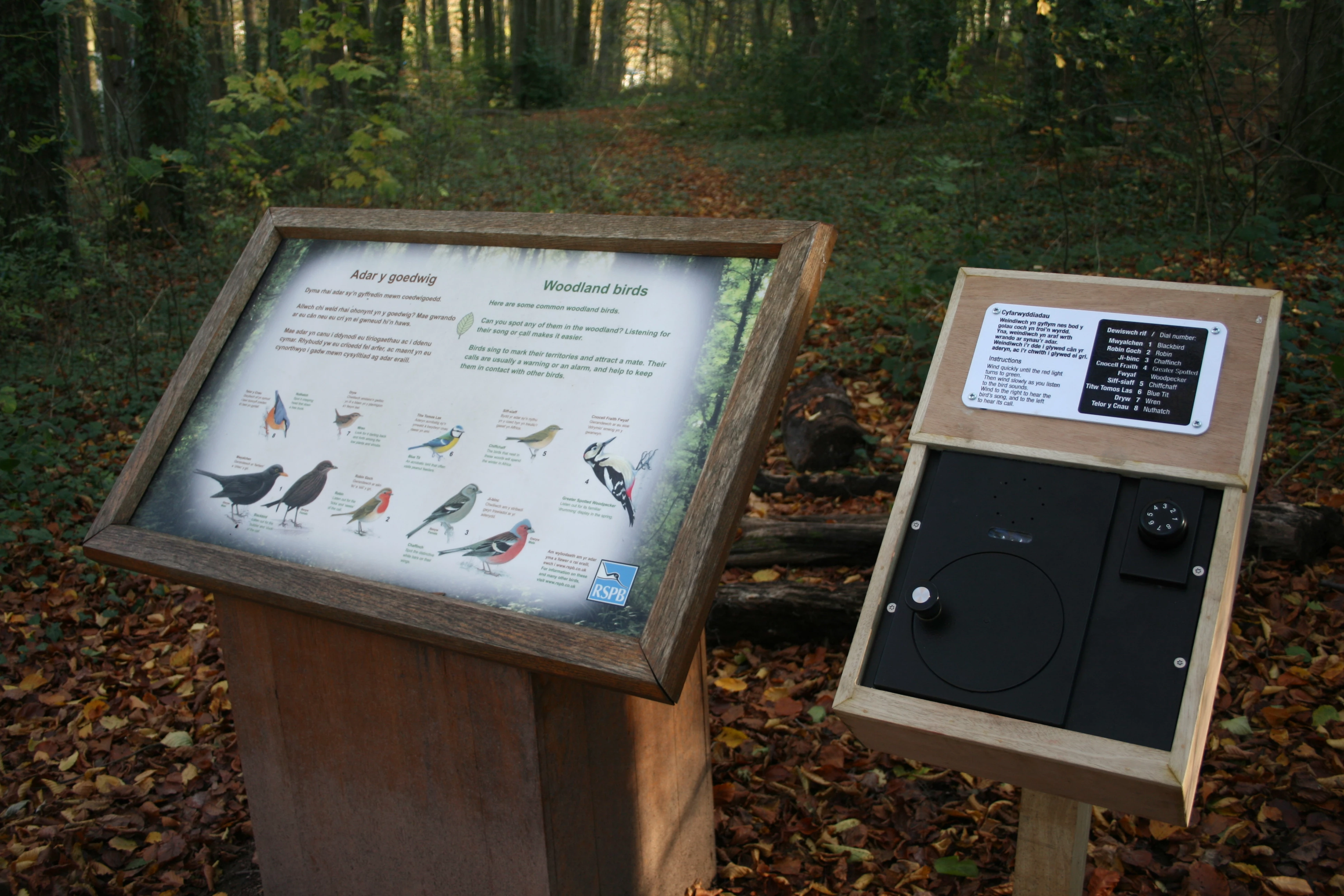
As part of this project, there have recently been some developments in woodlands at St Fagans, near the woodlands walk. Alongside one of the information panels, we have had a bird sound winder installed! By simply selecting the bird you want and winding the arm you can now listen to the songs and calls of 8 of our woodland birds! It’s a great way to get to know the different bird songs!
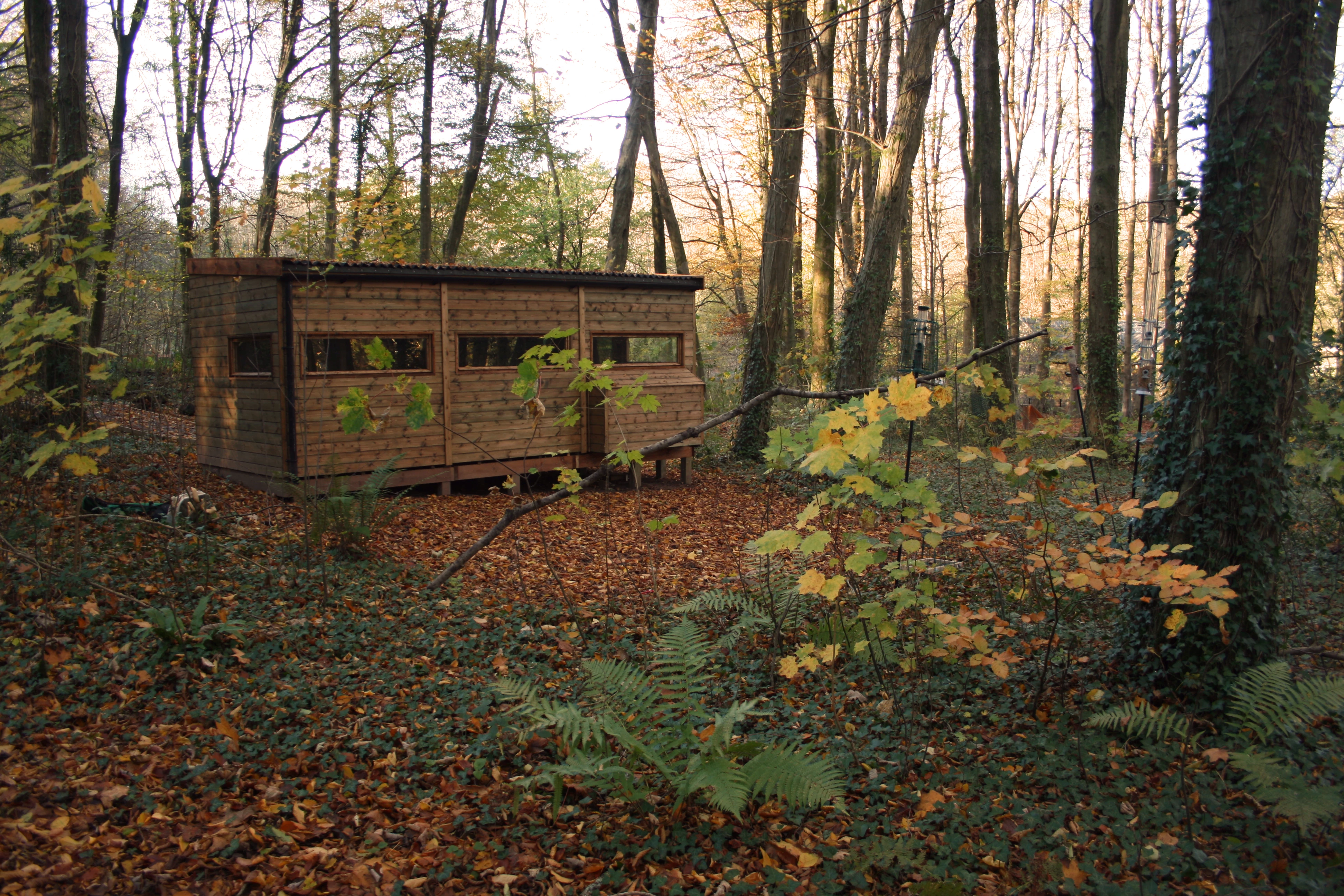
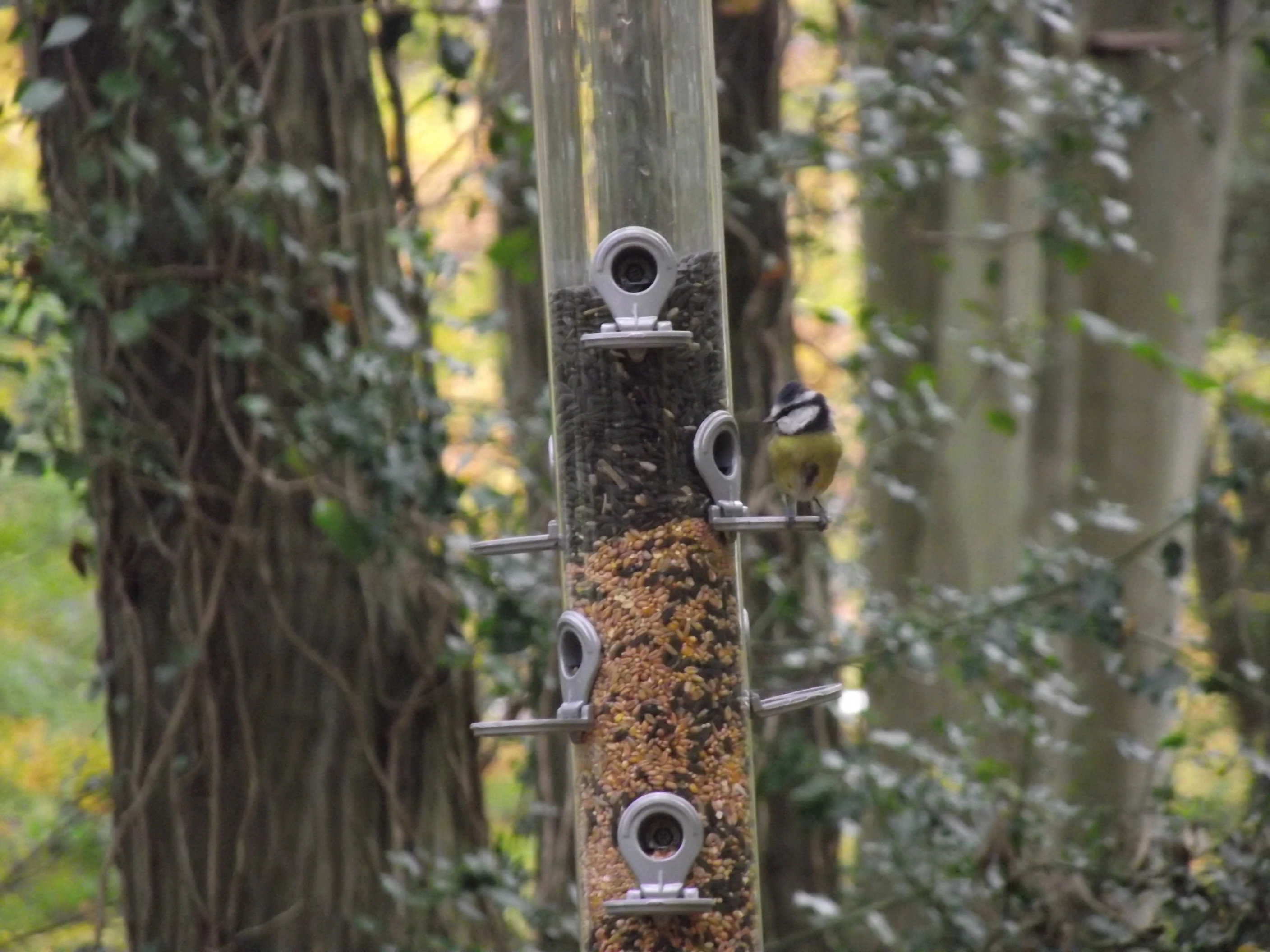
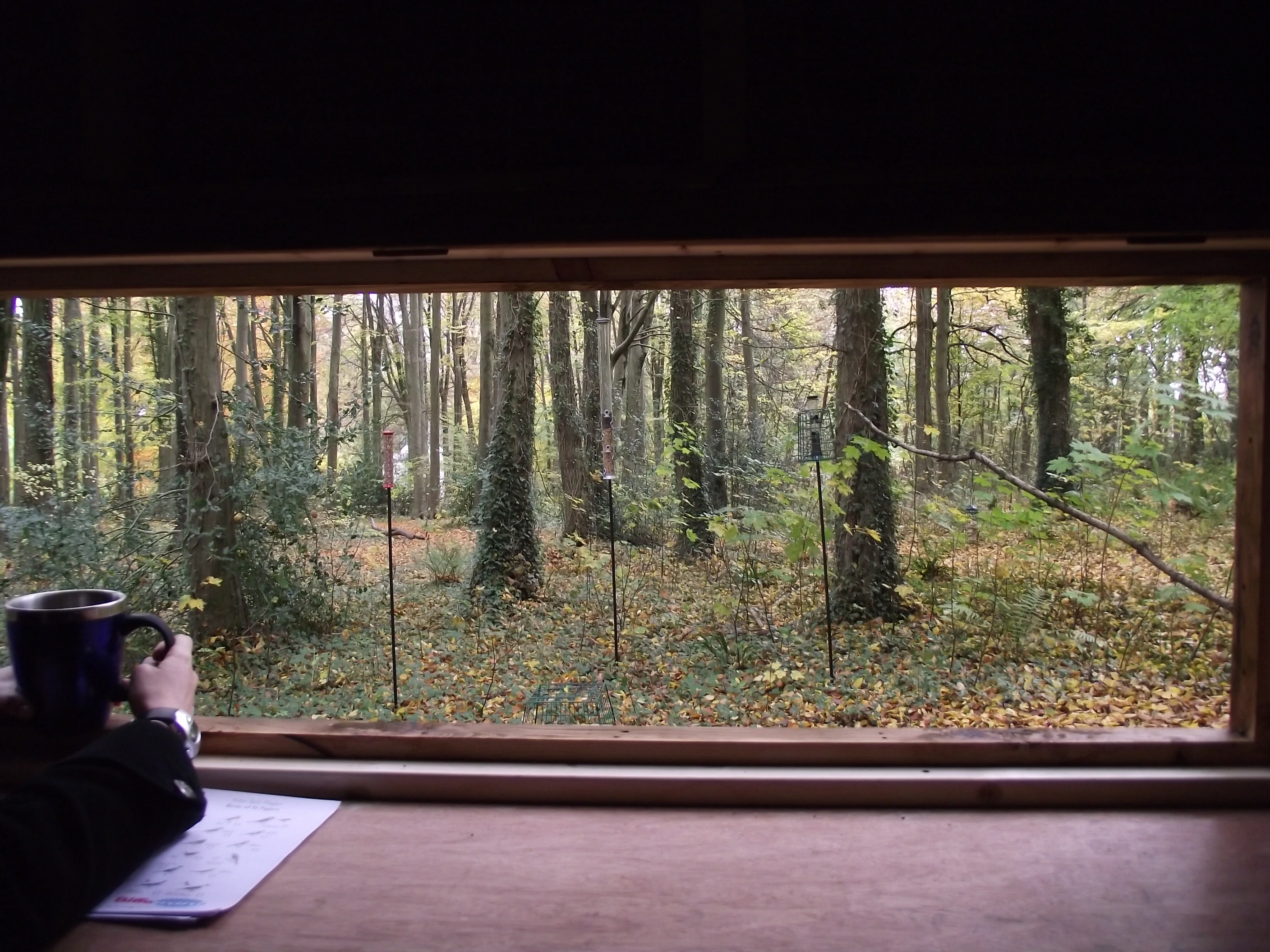
We have also recently had a bird hide installed in the woods. This is a great place to come and relax while watching some of our birds feeding at the feeding station. So far we have noted at least 9 different species visiting the feeders, from assorted tits to a greater spotted woodpecker. Of course, being in the woodlands we also get the occasional squirrel visiting too.
The bird hide should be open to the public soon, hopefully before the end of the month! It really is a lovely place to come with a thermos of hot tea and relax. We are currently working on some information panels which will hope to have up ready for early spring.
If you have any suggestions about how we should use the bird hide or even a name for it, please let me know by commenting. Keep an eye on this blog for information on forthcoming nature events and activities.
The project is funded by Biffaward though the Landfill Communities Fund and by Legal and General.
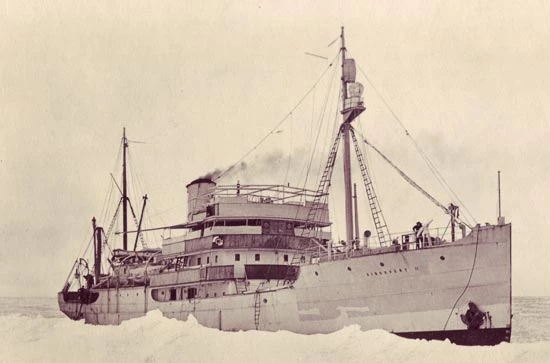
Royal Research Ship Discovery II in loose pack ice, Bouvet Island, Southern Ocean, 1926.
One of the most poignant Welsh stories from Scott's 1910-13 British Antarctic Expedition is that of Petty Officer Edgar Evans from Rhossili in Gower, one of the team of five who made it to the South Pole with Scott himself. Evans was the first to die on the return march from the South Pole.
Here we explore other Welsh links with Antarctica — a geologist from St Fagans, and the Antarctic work of a zoologist from St Brides Major who later became Director of the National Museum.
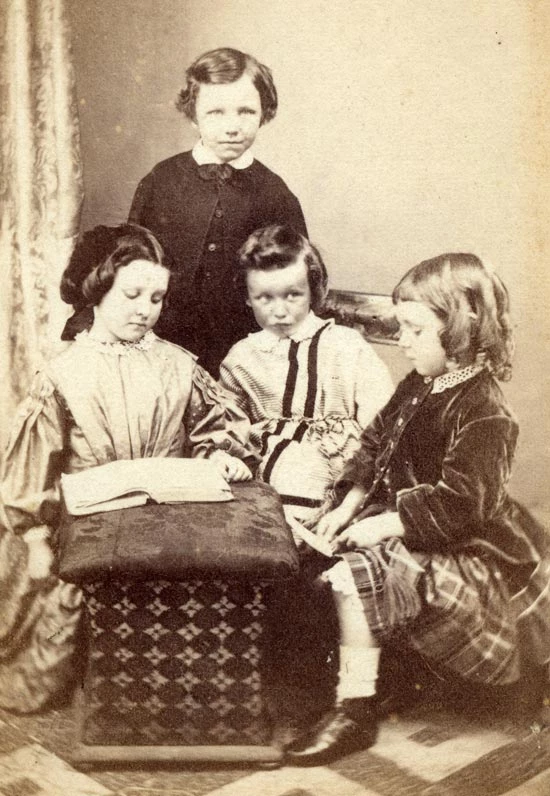
Edgeworth David (standing), aged about 7, with his sister Ethel (left) and two brothers (Edmund and Arthur), photographed in Cardiff in about 1865.
The geologist T.W. Edgeworth David was born in 1858 in St Fagans where his father was rector. He studied glacial deposits in south Wales before moving to Australia in 1882 to join the Geological Survey of New South Wales. In 1891 he was appointed Professor of Geology at the University of Sydney. He became one of Australia's most famous scientists.
David joined Ernest Shackleton's Nimrod expedition in 1907. In March 1908, aged 50, he led the first ascent of Mount Erebus, an active volcano on Ross Island. With Douglas Mawson and Alistair Mackay, in January 1909, he was the first to reach the region of the South Magnetic Pole. His journey of 2,028 kilometres took 122 days and is one of the longest unsupported man-hauled sledging journeys ever undertaken.
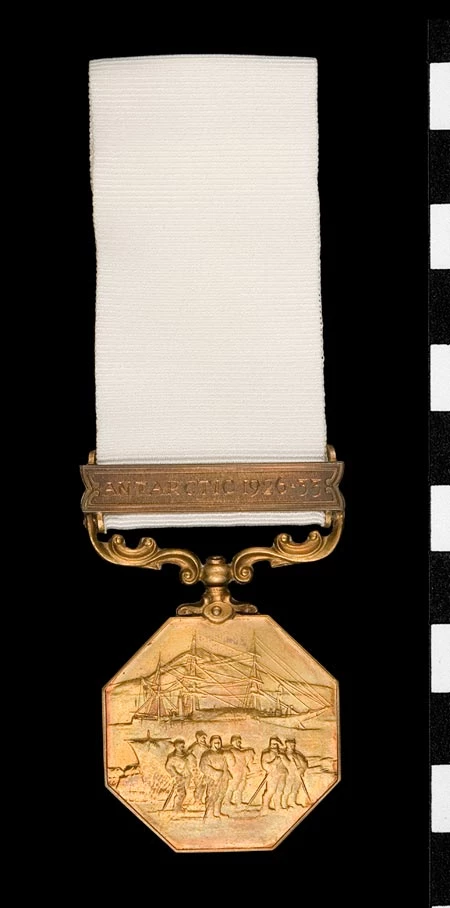
He persuaded the Australian government to contribute towards Scott's 1910 expedition and helped him appoint geologists from among his students. He was awarded the Polar Medal in 1910 and an honorary degree by the University of Wales in 1921.
Dilwyn John and the Discovery Investigations
Scott's first Antarctic ship, Discovery, returned to the continent in 1925 in the first of a series of scientific research cruises in the Southern Ocean to study the biology of the Southern Ocean and the effects of commercial whaling on the whale populations. This research, known as the Discovery Investigations, continued until 1951.
David Dilwyn John (1901-95), from St Bride's Major in Glamorgan, was a zoologist who participated in three of these cruises between 1925 and 1935. The first, on Discovery, between 1925 and 1927, worked in the seas around South Georgia and the Antarctic Peninsula. He then spent two years on RRS William Scoresby on a whale marking expedition around South Georgia. In 1931-33, he was Chief Scientist on Discovery II on the first winter circumnavigation of Antarctica.
In 1935 John joined the staff of the British Museum (Natural History) as Assistant Keeper of Zoology. He left in 1948 to become Director of the National Museum of Wales, a post he held until 1968. He was awarded the Polar Medal in 1941.
Dilwyn John on his retirement as Director of the National Museum of Wales in 1968.
Dilwyn John (on right) on John Peaks (415 metres), named after him on Powell Island, South Orkney Islands, 1933.
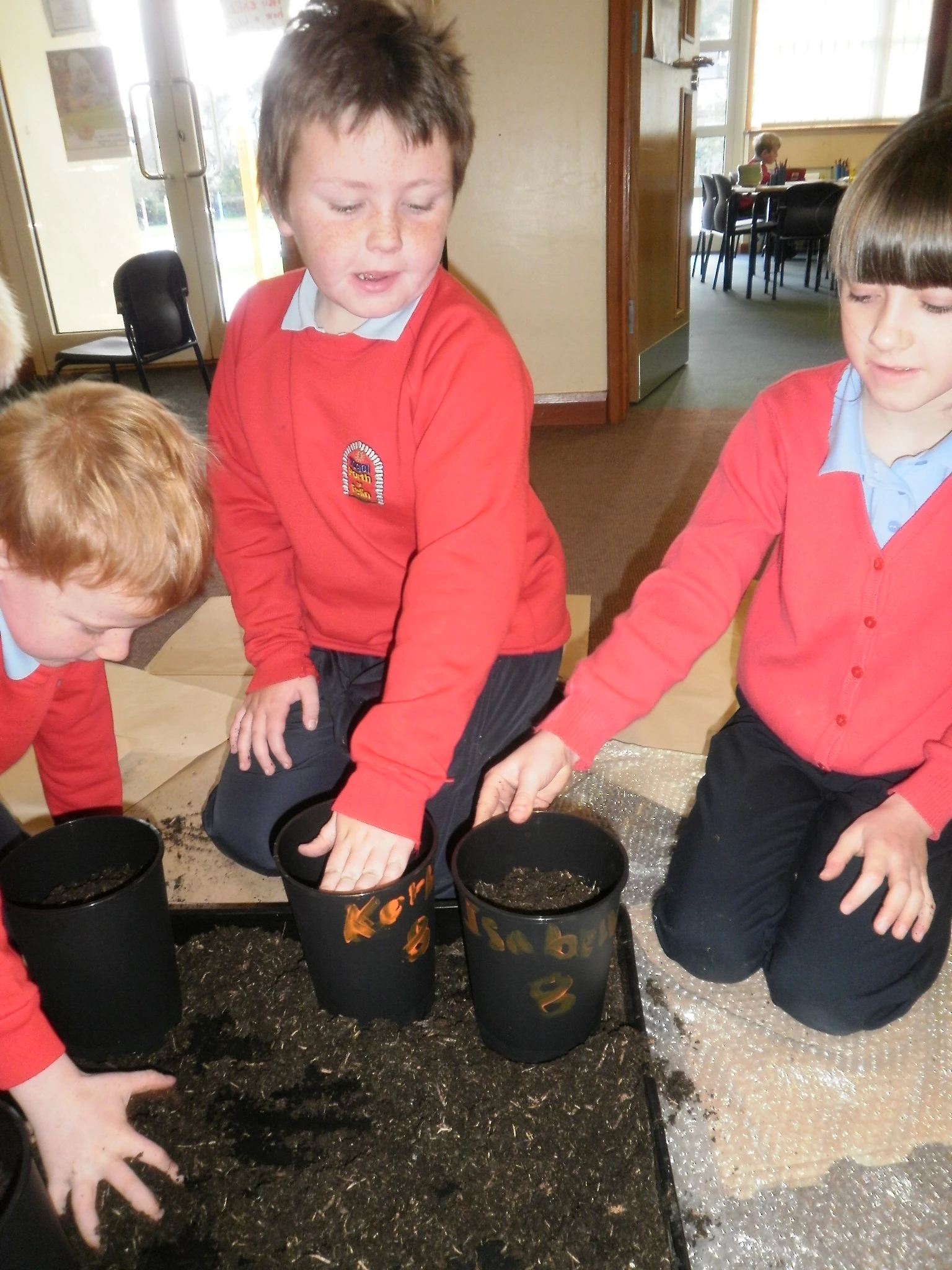
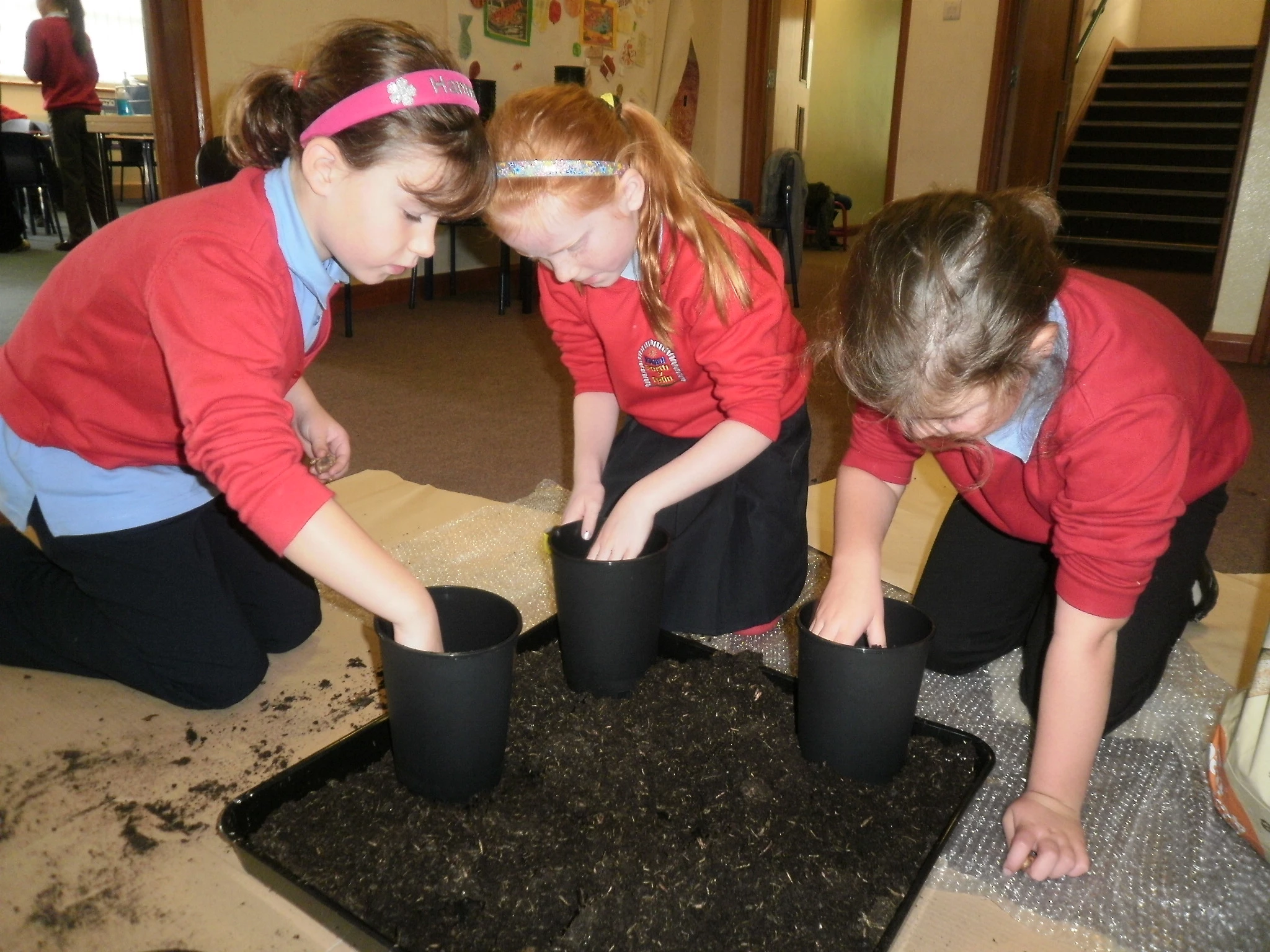
Thousands of pupils enjoyed getting their hands dirty on Wednesday 20th of October as part of the Spring Bulbs for Schools - climate change investigation.
Many were really excited to plant their 'baby' bulbs which they will nurture until next spring. Next week, the schools will begin to gather weather records and complete challenges set by Professor Plant to work towards their Super Scientist Certificates.
This project is not only an excellent opportunity for learning outside the classroom but also a great way for Amgueddfa Cymru-National Museum Wales to share scientific knowledge and resources with schools all across Wales.
The stats...
5.4% of Welsh primary schools are taking part this year, that’s 2,681 pupils from 71 schools across Wales.
60% of the schools are more than 30 miles away from National Museum Cardiff, which is hosting the investigation.
42% of the schools are based in North Wales, 33.8% in South East Wales, 16.9% in West Wales and 8.4% from Mid Wales.
38% are in communities 1st areas and 40% are Welsh speaking or bilingual.
37% are in the 1st year of the project whilst 63% have been doing the project for two years or more.
We've got one more day of Autumn Feast in Ty Gwyrdd and that's tomorrow (Friday the 29th).Thanks to everyone who came and enjoyed the food this week. I'll be blogging about the autumn soon but for now here are the recipes we used: