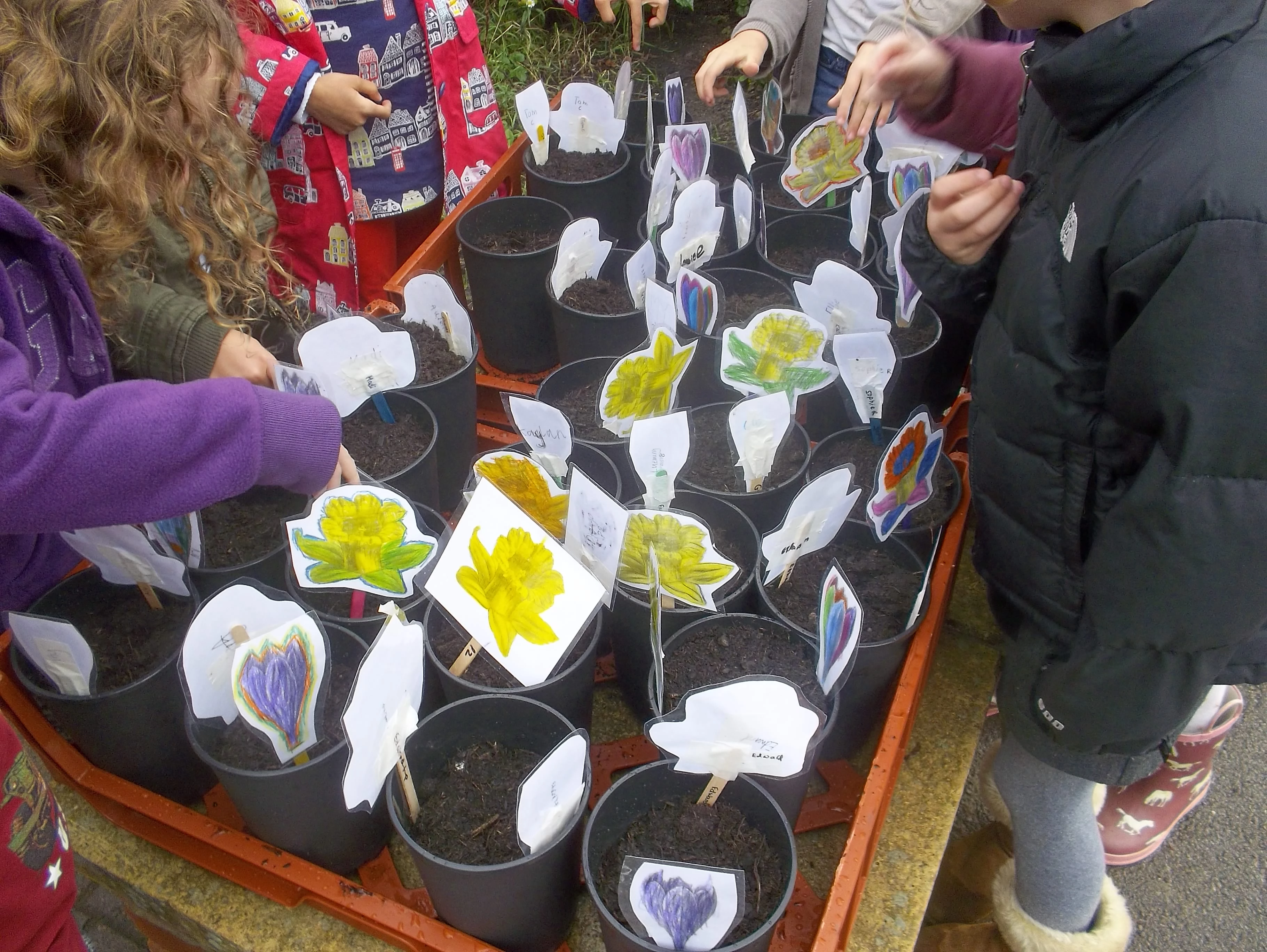
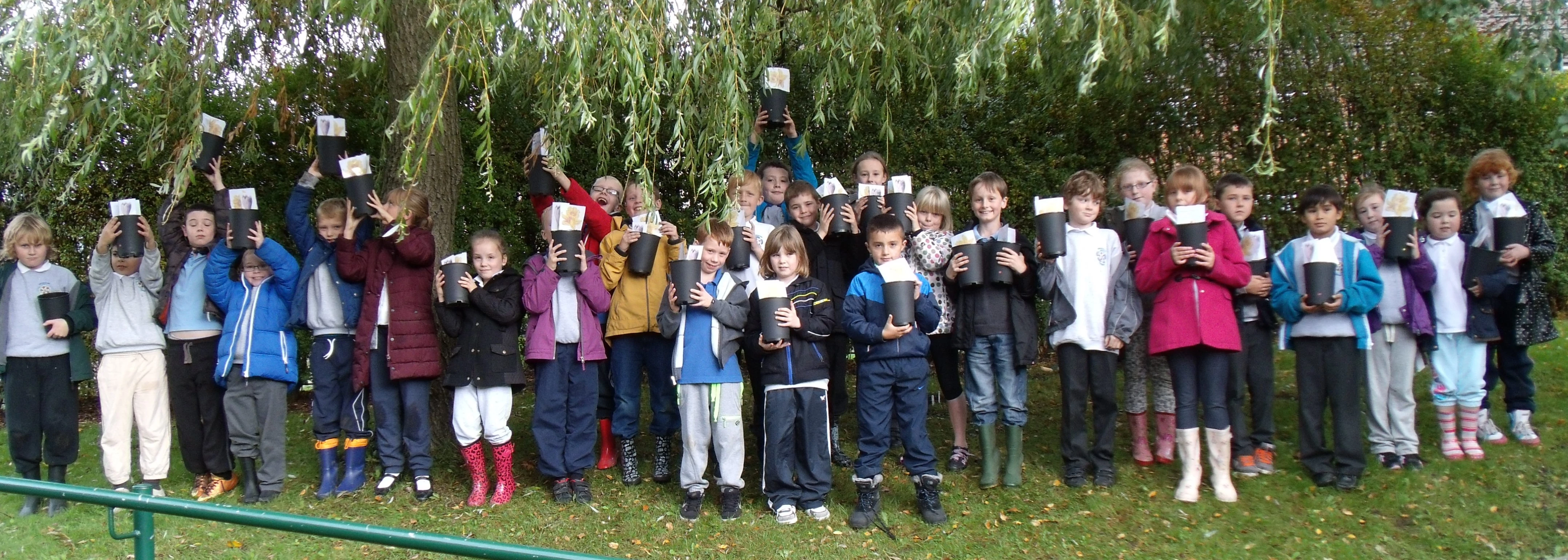
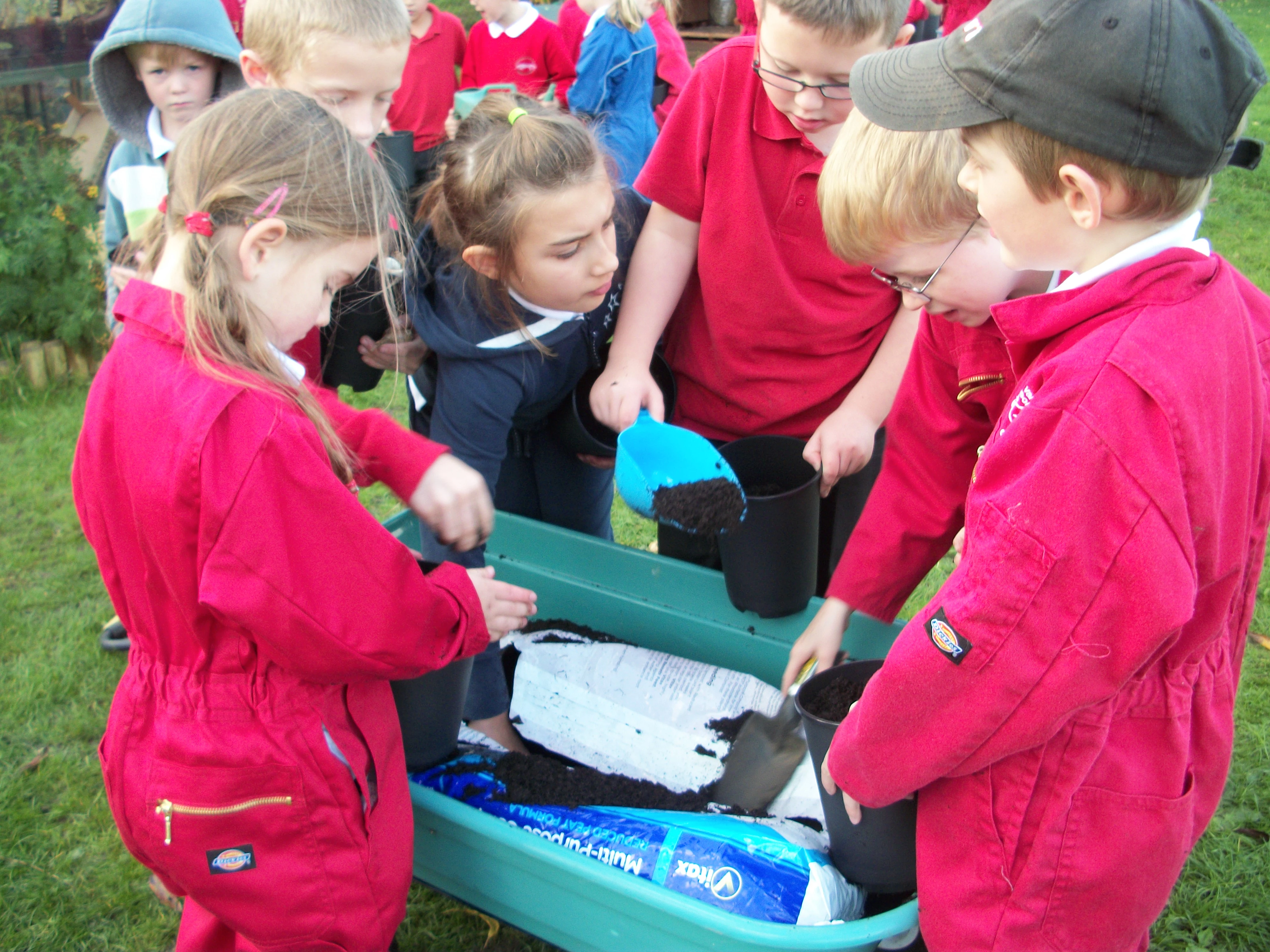
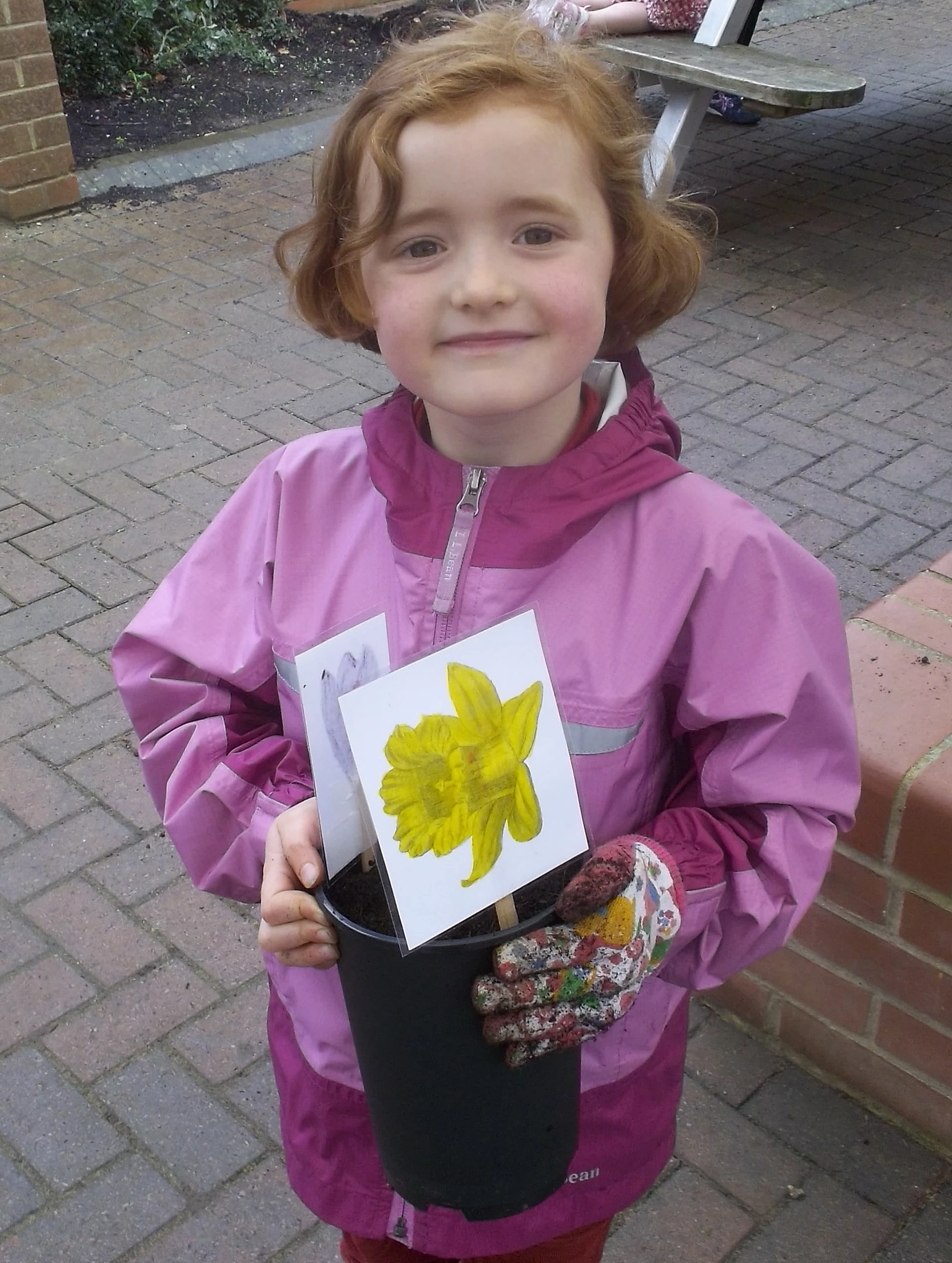
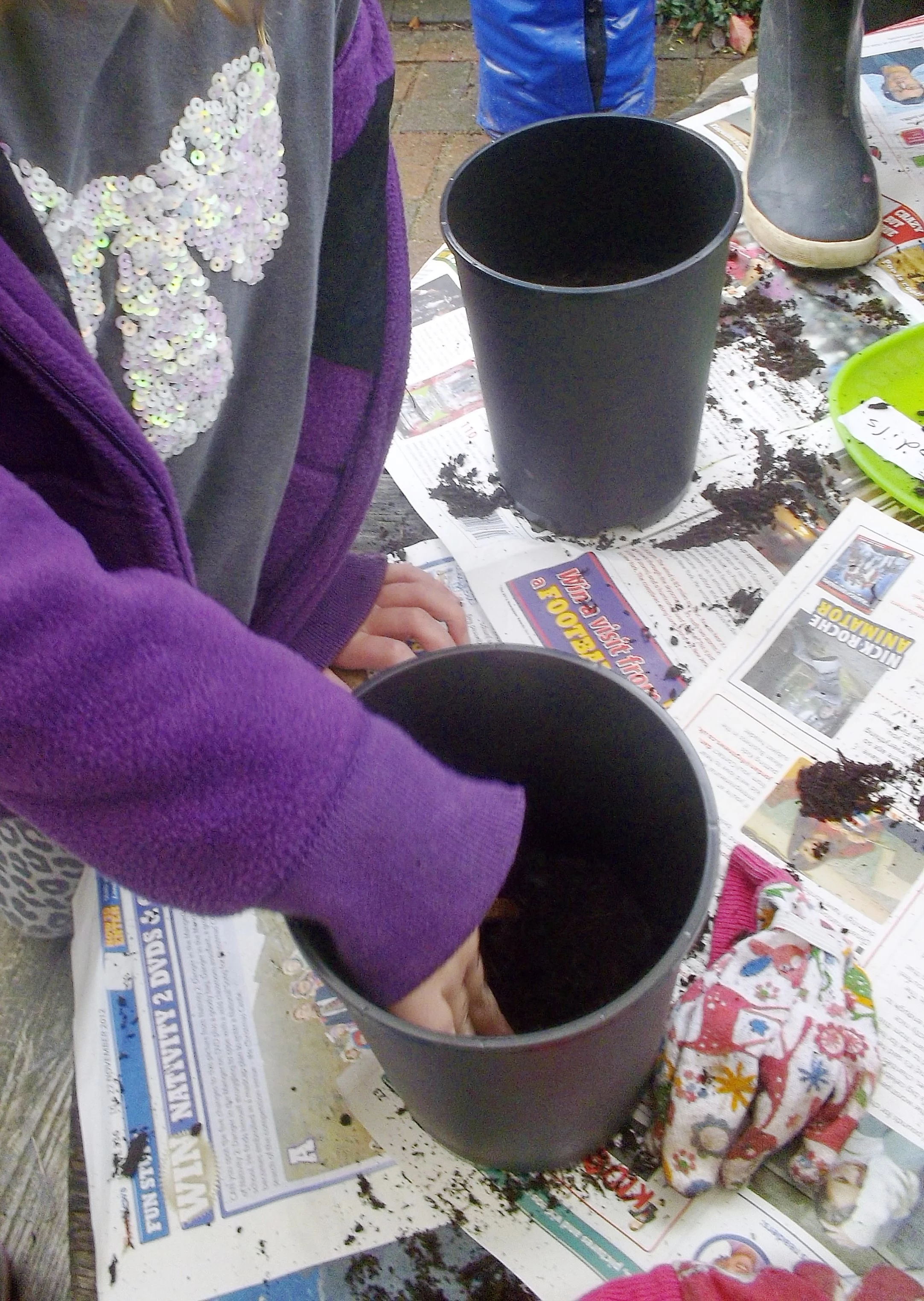
Planting and measuring Danielle Cowell, 13 November 2013 All the bulbs are now tucked safely into the soil! Over 6,000 in total were planted across the UK by the Super Scientists that have begun keeping weather records to investigate climate change.The weather on the week of planting was very wet but despite this the pupils got outside and enjoyed gardening. The pupils created labels for their plants and adopted them and will care for them until they flower next spring. See some of the pictures sent in from schools.Last week schools began keeping weather records. They are learning how to record temperatures and measure rainfall. They then upload these records to our website using their ICT skills. So far, I’ve received fifty four records - which is amazing! Keep up the good work bulb buddies!I'd like to say a special hello to Isaac from Lancashire who visited Cardiff Museum over half term and popped in to say hello. Unfortunately, I was working planting our new Urban Meadow and so missed Isaac but I did get the lovely note. Sorry I missed you Isaac - hope you enjoyed your visit to Cardiff.Professor Plant.Your comments - my answers:SS Philip and James CE Primary School: We're not sure our laminated labels will survive the winter so we wrote our names on the lollypop sticks and on the side of the pots in case the pictures fall off. Any other advice welcome! Here are some comments from the children: "I really liked comparing the size of the bulbs." "I enjoyed seeing the pointy part of the daffodil peeping through the compost." "Putting the soil in and getting my hands messy was the best bit". "It was really cool." Prof.P: Glad you enjoyed planting. Keeping the tags on the labels is tricky. I think what you have done is great. Some schools use a permanent white marker pen to write on the pots.Kilmaron Special School: This year we have planted our bulbs in 4 different places to see if they grow better at the front of the school or at the back. We have planted some in the bulbs in a new bed and some in old beds to see if the soil makes a difference. Prof P: Great investigative skills Kilmaron - please let us know if you see any changes and if they are as you predict?Glyncollen Primary School: Our bulbs are in good condition. We enjoyed planting them and can't wait to see them grow. Prof.P: Glad the bulbs are doing well and that you are enjoying the project again at Glyncollen.Greyfriars RC Primary School: I am really enjoying it thank you for last year. I'm loving the bulbs mine are called Earl and Willum. Prof.P: I'm delighted to hear you enjoyed and are continuing to this year at Greyfriars.Ladywell Primary School: We are really enjoying looking after the bulbs. We will be a few days behind everyone else as unfortunately they were knocked down and we had to replant the bulbs. We are thankful that you gave us more bulbs because they were destroyed. We are also thankful for including us in the project. Prof.P: Glad you got the bulbs and more importantly that you haven't given up!Bleasdale CE Primary School: We have been scaring away the slugs! Prof.P: Many gardeners will be very interested to know how you are doing this Bleasdale. Let me know.Raglan VC Primary: We removed lots of fallen leaves from the top of the pots. No watering required this week.Ysgol Bro Eirwg: Ar ddydd Mercher cafon ni 19cm o law, sef 190mm - mae'r siart dim ond yn mynd i 100mm! Hefyd ar ddydd Gwener cafon ni 11cm o law, sef 110mm, yr un broblem gyda'r siart! Diolch Athro.Ardd: Llawer iawn o glaw! Wnai newid y furflen we - diolch.Woodplumpton St. Anne's Primary School: It's interesting to see the difference between the highest and the lowest temperatures in one week. We are very excited to be taking part in the project. We want to know what will happen. Prof.P: Hopefully in the spring you will have some beautiful flowers!Culross Primary School: We are going to send our weather reports on Monday’s. On Friday the rainfall was 10 mm because it was hailstones on Thursday evening. Prof.P: Wow hailstones already! We had some in Cardiff too - I got soaked!Burscough Bridge Methodist School: There was a high amount of rainfall this week and due to the weather conditions over Wednesday night the gauges tipped and lost the contents. Prof.P: I use a big lump of clay to help keep my rain gauge in place but most days it should be fine in the soil.
The big plant 2013-10-16 Danielle Cowell, 16 October 2013 Just five days now until the big planting week which will take place all over the UK as part of the Spring Bulbs for Schools investigation! I do hope the weather is kind to us!Six and a half thousand pupils will plant bulbs as the 1st step in this exciting climate investigation.English and Welsh schools will be planting on the 21st of October and Scottish schools on the 25th.To all of you planting: Remember to make your labels before you plant! Please read this before Planting your bulbs to ensure a fair-test! Please send me or Tweet me pictures of your class planting to use in this blog. My Twitter account is www.twitter.com/professor_plantGood luck bulb buddies!Professor Plant
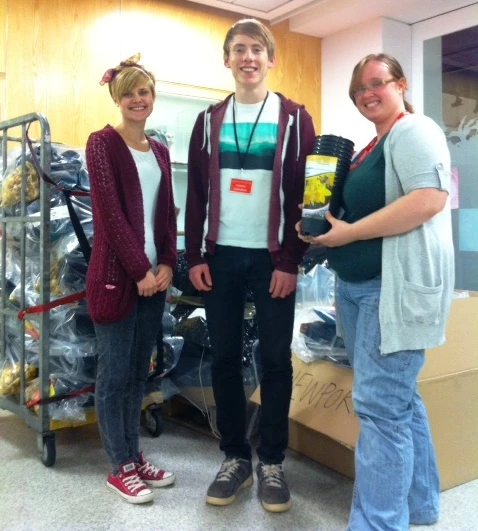
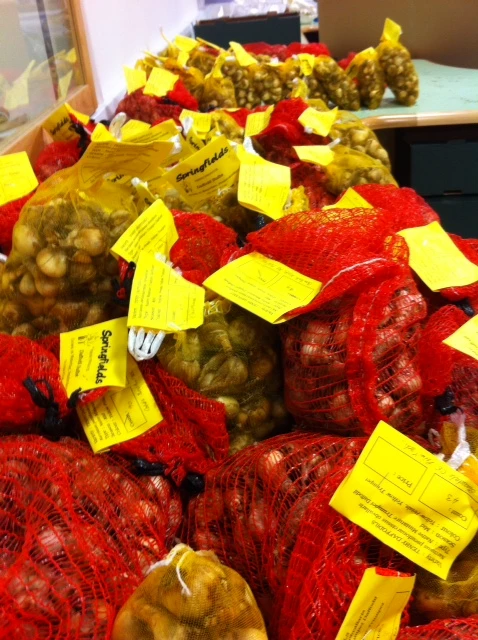
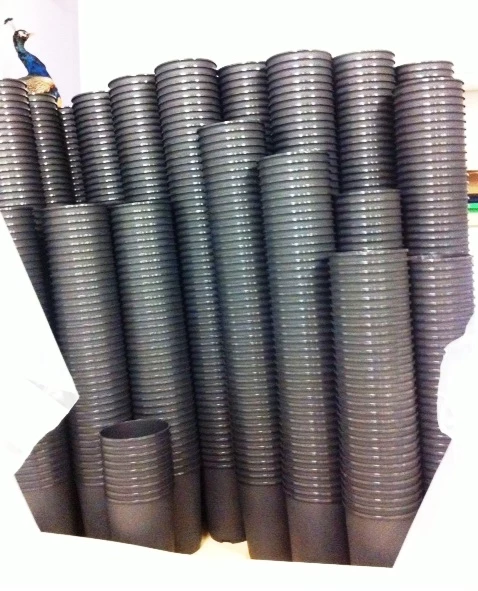
An experiment of bulbous proportions! Danielle Cowell, 3 October 2013 Hi! I'm Professor Plant and I'd like to welcome the six and a half thousand young scientists across the UK that are taking part in the Spring Bulb for Schools Investigation this year!Twelve thousand bulbs will be planted and monitored as part of this long term climate investigation being co-ordinated at Amgueddfa Cymru - National Museum Wales. If there was a world record for the most people planting bulbs simultaneously, (in several locations) we could smash it!All the bulbs have been counted up by our fantastic volunteers (see the pics) and are steadily being delivered to the 150 schools across the country. I'd like to welcome each an every pupil and teacher who will be working on this project! Take a look at the map to see where the bulbs are being sent across the UK If you haven't already received my letter please follow this link Before each bulb is planted, each pupil must also adopt their bulb and promise to care for it. If you want to know how see this link If you are wondering where the bulbs came from and how they got to your school - please read then read on y friend Baby Bulb is going to explain:"My bulb buddies and I come from a nursery plantation in Manorbier, near Tenby in Wales, it's called 'Springfields'. We didn't spring from the fields, but we were picked and loaded onto a van ready to go to our new homes. At first I was a little afraid, but then when I met Professor Plant at the Museum I understood that I would be cared for by a nice young person and that I have an important job to do. We have all been selected to help us understand how the weather can affect when my friends and I make flowers. My parents before me grew here too, Springfields have been growing us 'Tenby Daffodils' for about 25 years, and we are one of the two daffodils that are native to the British Isles".Just a few weeks until planting now! I can't wait!Professor Plant
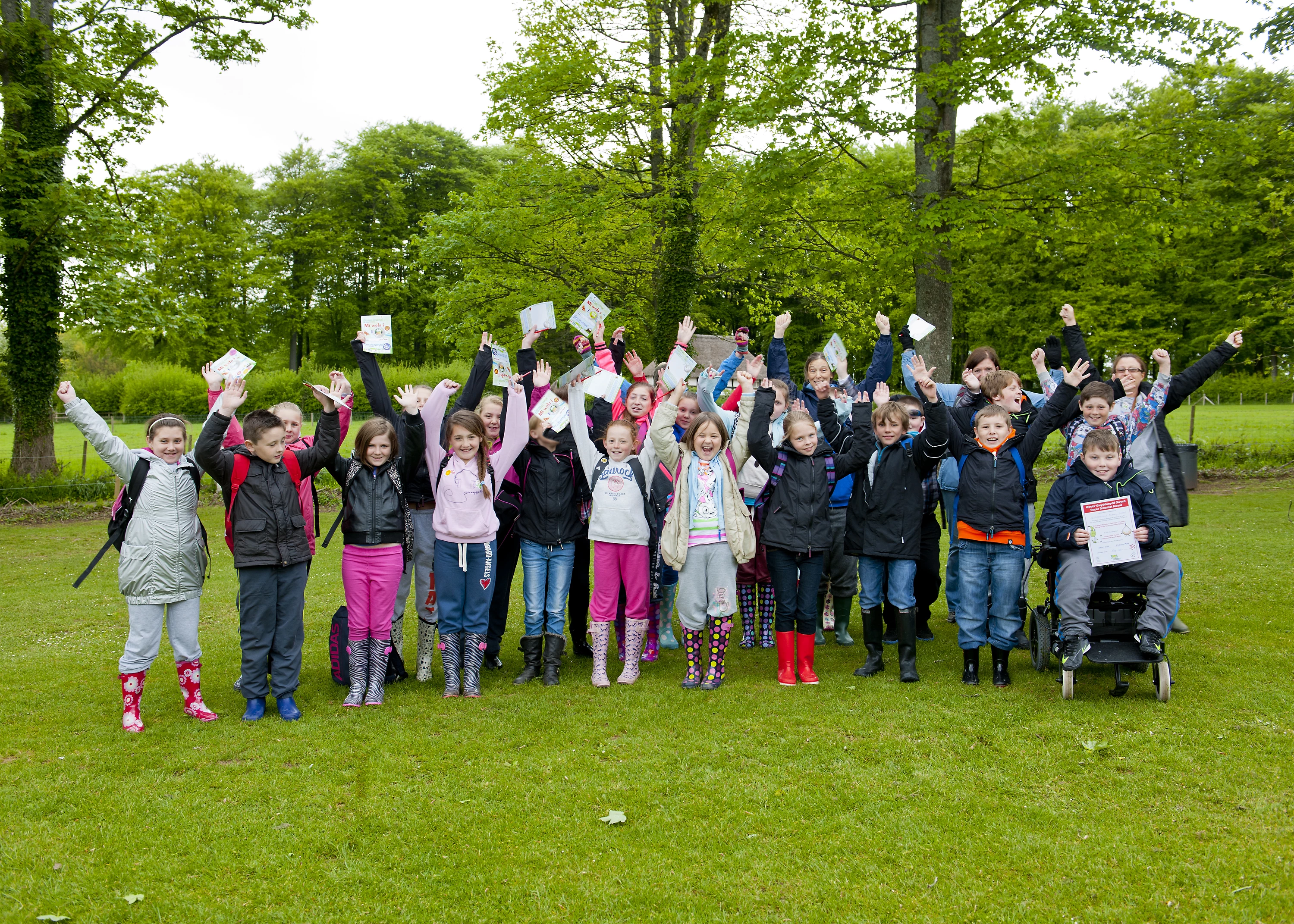
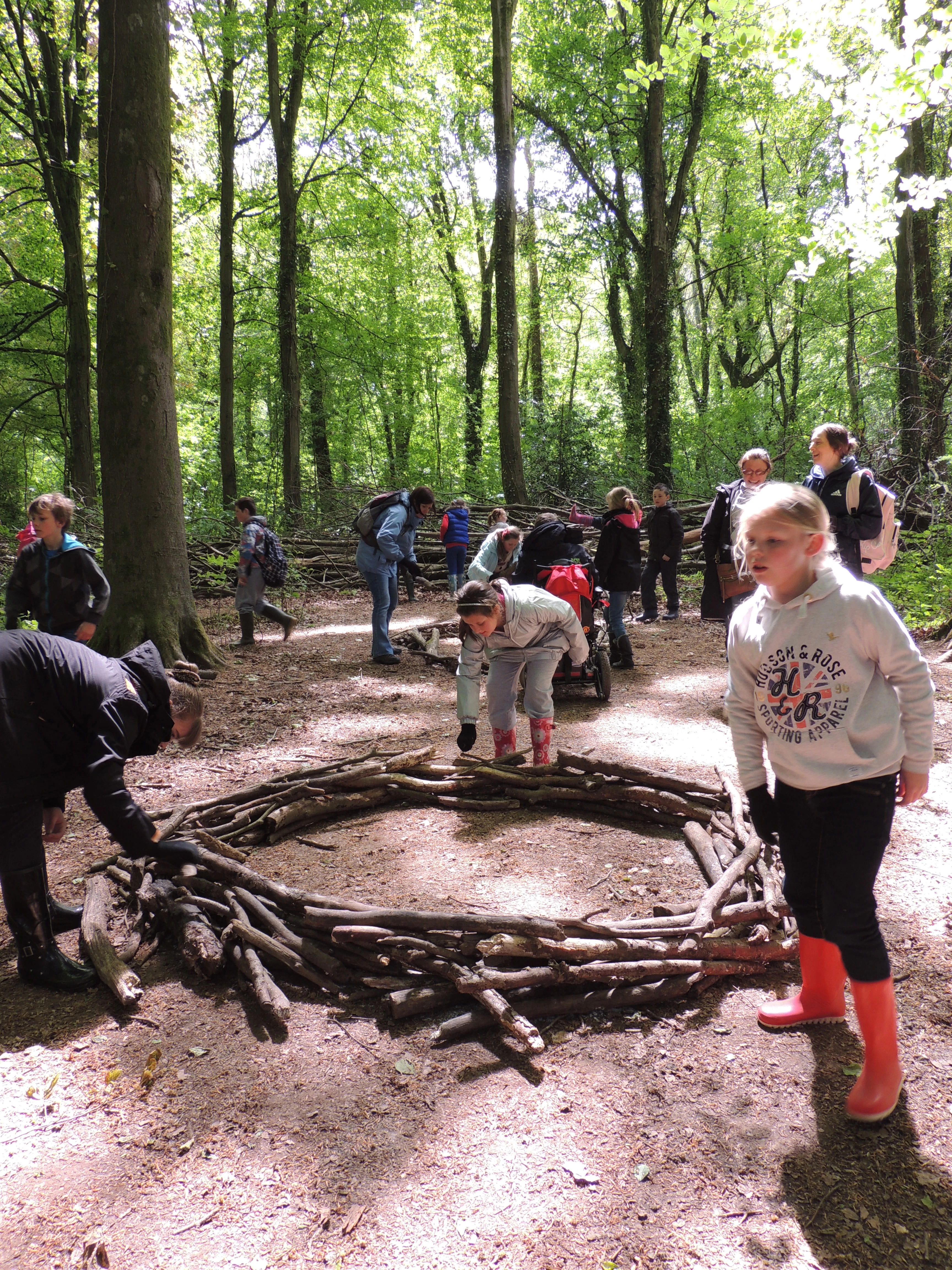
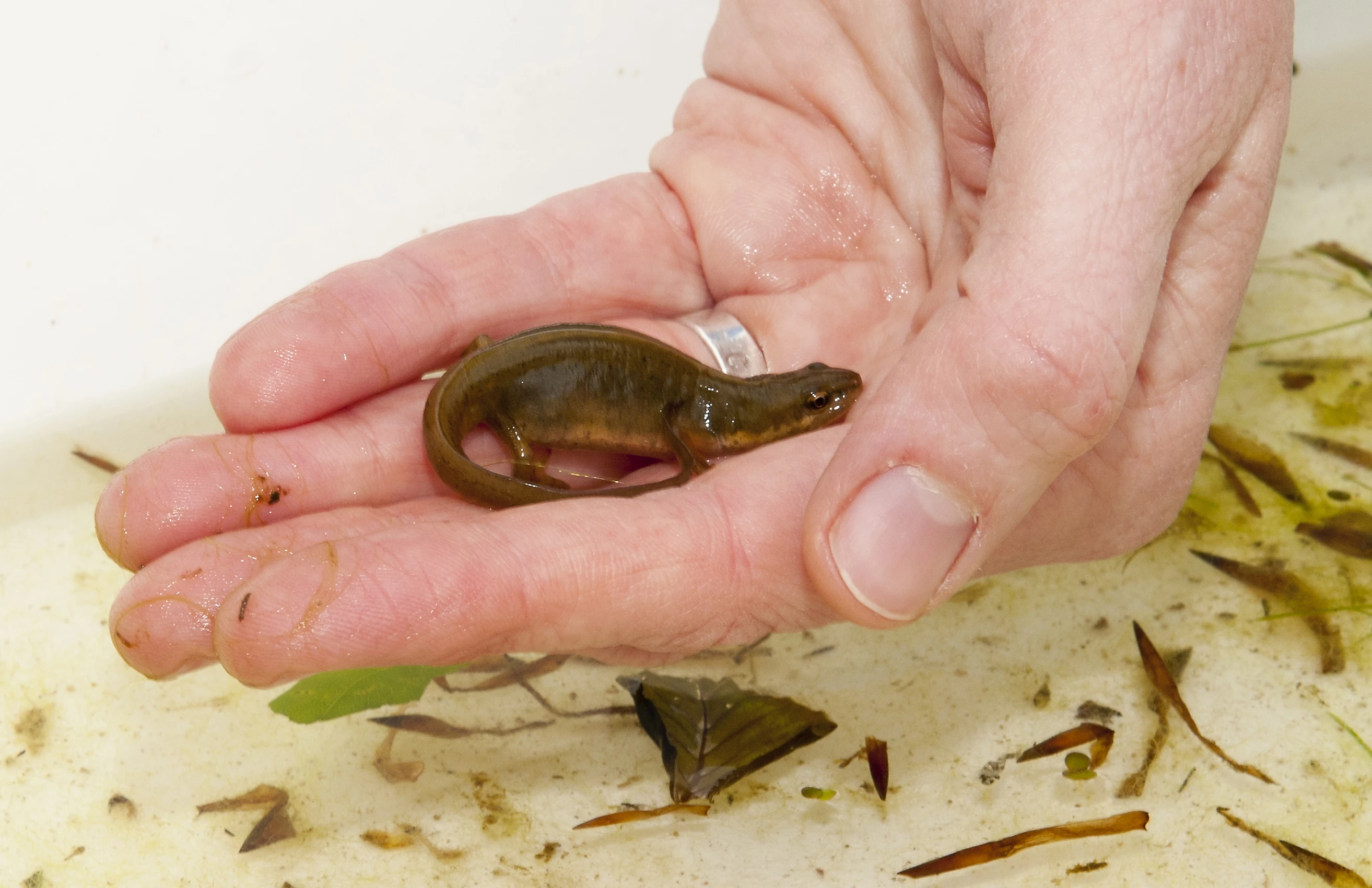
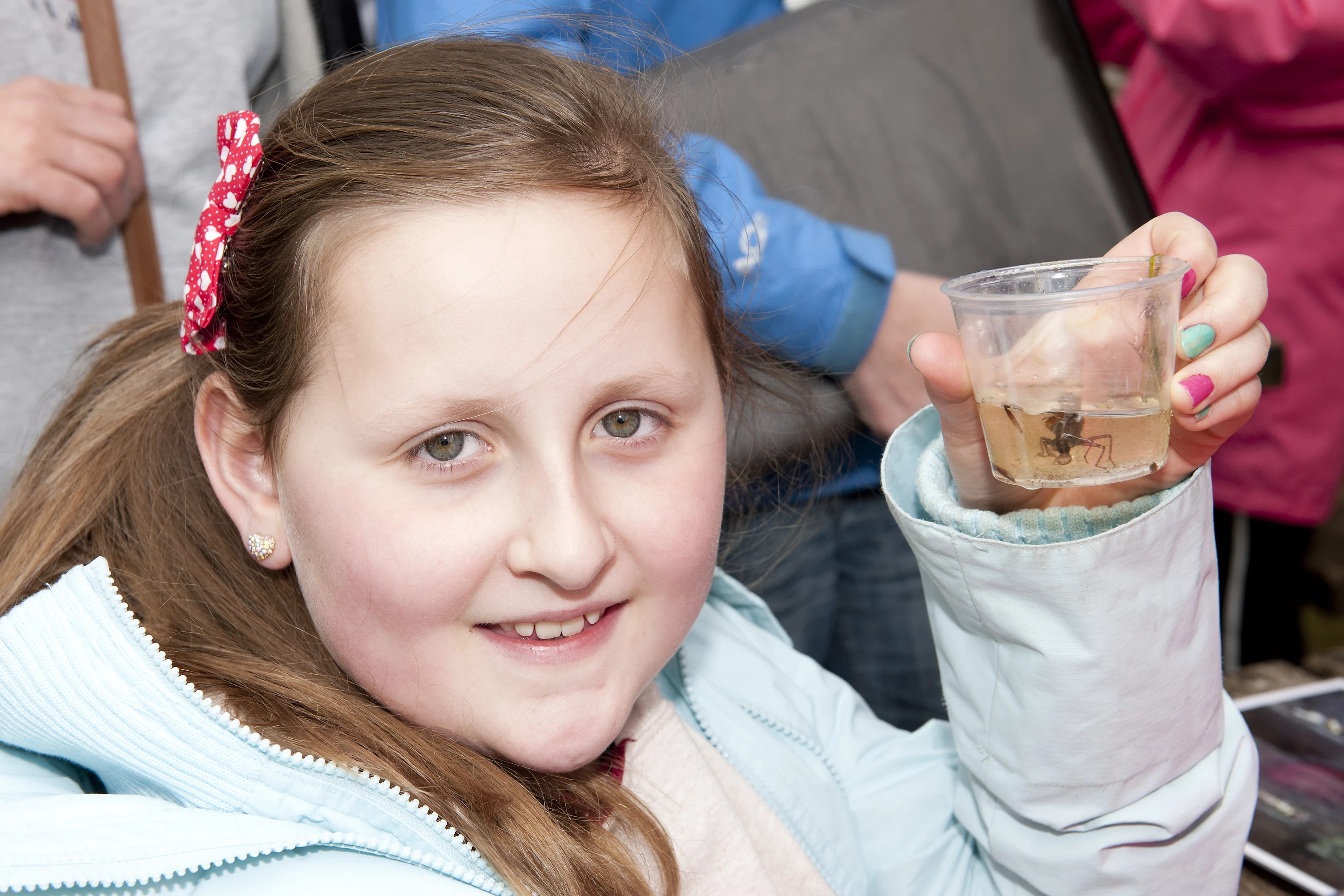
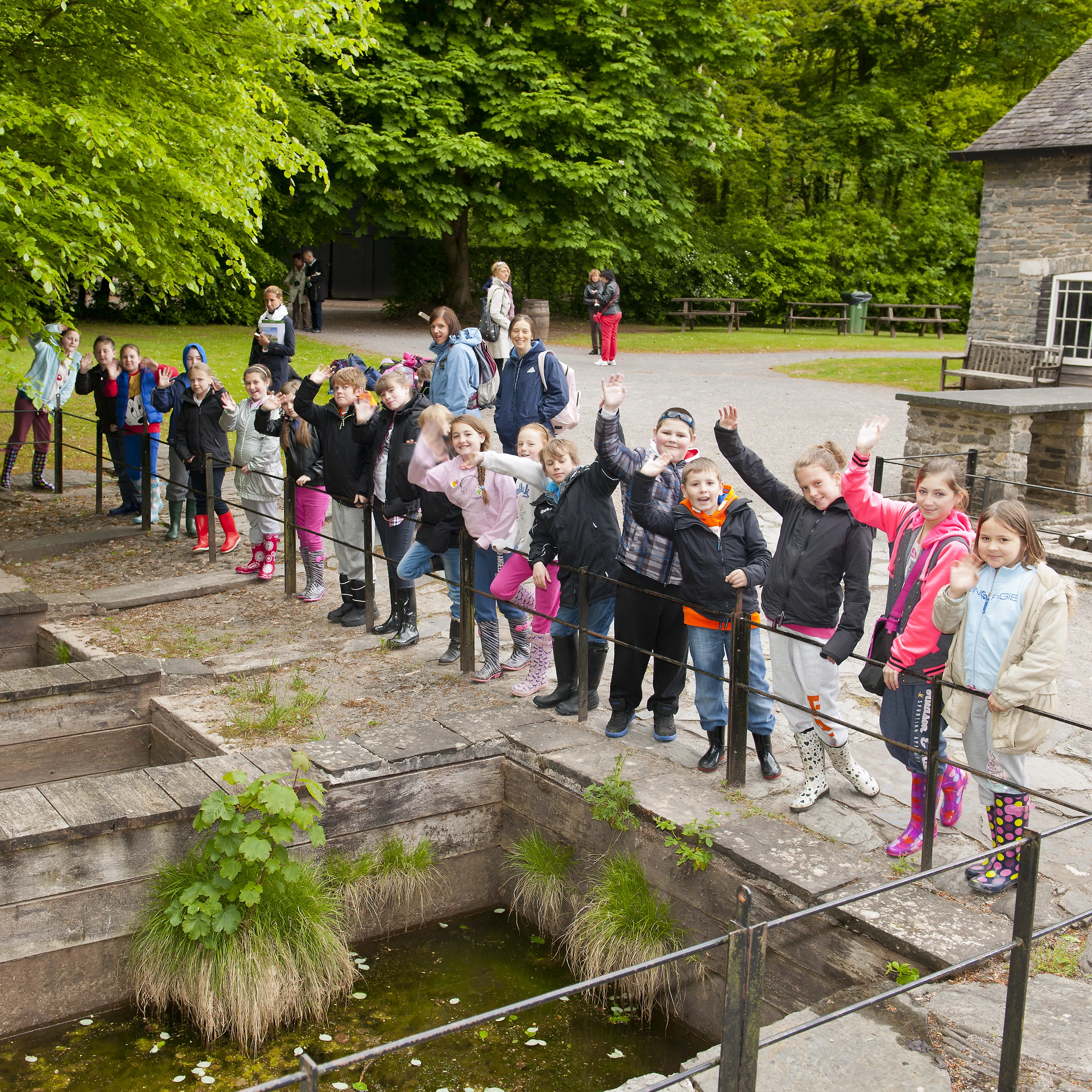
Rhondda Super Scientists Danielle Cowell, 8 July 2013 Williamstown Primary School pupils, in the Rhondda Valleys, were awarded first place amongst the sixty three Welsh schools taking part in the Museum's Spring Bulbs for Schools investigation this year. The class of Super Scientists won a fun-packed nature trip to St Fagans: National History Museum where they were awarded certificates. As part of the day trip they studied newts, looked for mini-beasts, watched bats and built giant nests in the woodland!Professor Plant: ''They all had a great day and should be very proud of how they represented their school. The standard was very high this year, the schools are getting better and better at recording and logging their data. Williamstown did extremely well with their recording and really got involved in the project from the start last November until the end in the spring - which came very late this year!"Alison Hall, Teacher at Williamstown Primary: "The pupils said it was the best day out they had ever had - they loved viewing the bat roost in particular! In terms of the investigation, the children have have loved the whole process from planting and recording to measuring and waiting for the first bloom to appear. It has been great for improving their science, numeracy and ICT skills. We are now really enthused about nature and the environment and are keen to set-up more outdoor investigations in our school grounds".If you would like to take part in this project next term - please complete the on-line application form: http://www.museumwales.ac.uk/en/1738/To see our teacher evaluation report - follow this link: https://scan.wufoo.com/reports/spring-bulbs-for-schools-evaluation-report/As you can see from the evaluation question below the project is very cross-curricular:
Spring Bulb for Schools: 2005-2013 Results Danielle Cowell, 13 June 2013 The ‘Spring Bulbs for Schools’ project allows 1000s of schools scientists to work with Amgueddfa Cymru-National Museum Wales to investigate and understand climate change.Since October 2005, school scientists have been keeping weather records and noting when their flowers open, as part of a long-term study looking at the effects of temperature on spring bulbs.Certificates have now been sent out to all the 3,979 pupils that completed the project this year.See Professor Plant's reports or download the spreadsheet to study the trends for yourself! Make graphs & frequency charts or calculate the mean. See if the flowers opened late in schools that recorded cold weather. See how temperature, sunshine and rainfall affect the average flowering dates. Look for trends between different locations. Many ThanksProfessor Plantwww.museumwales.ac.uk/scan/bulbsTwitter http://twitter.com/Professor_PlantFacebook Professor Plant