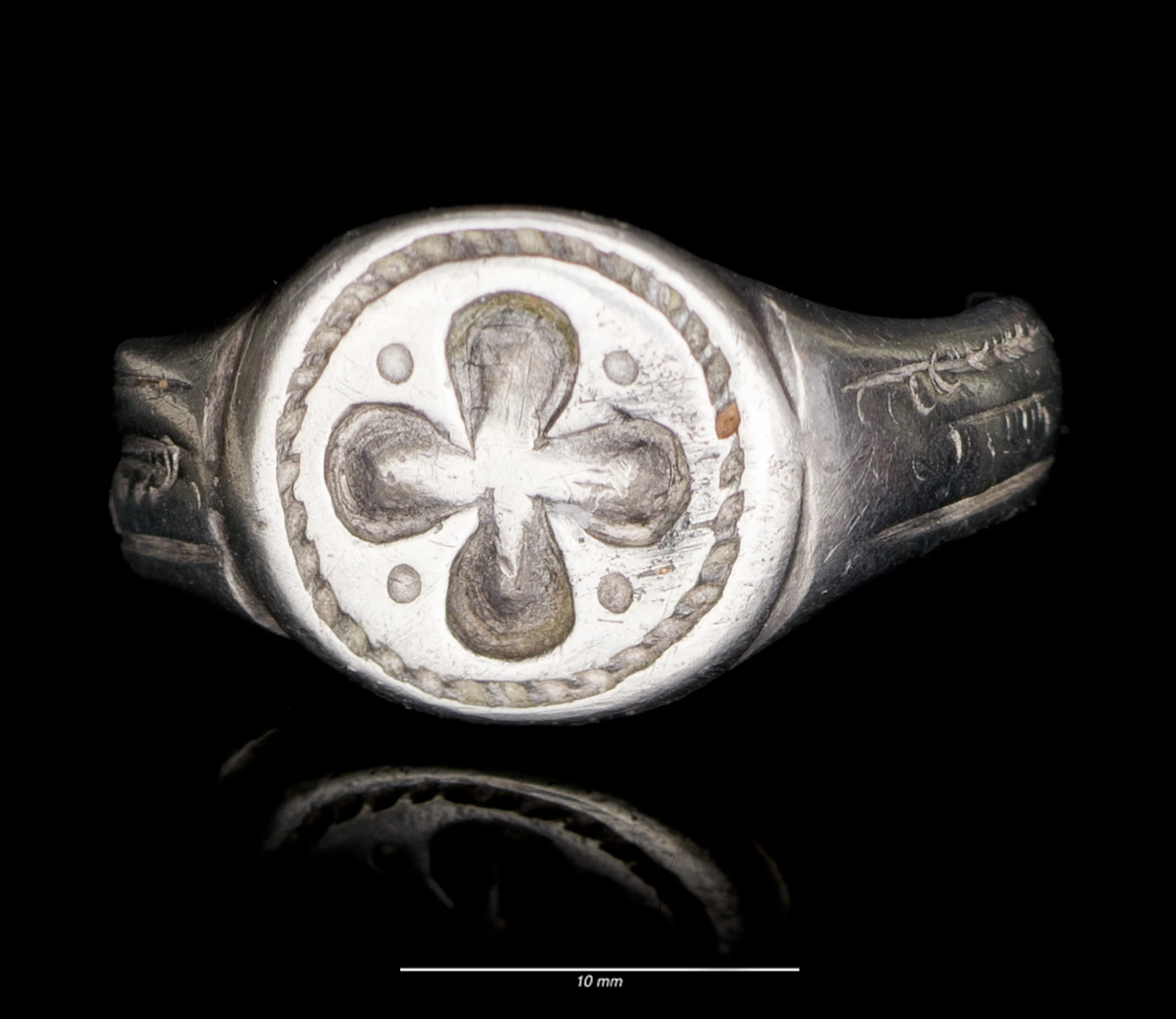
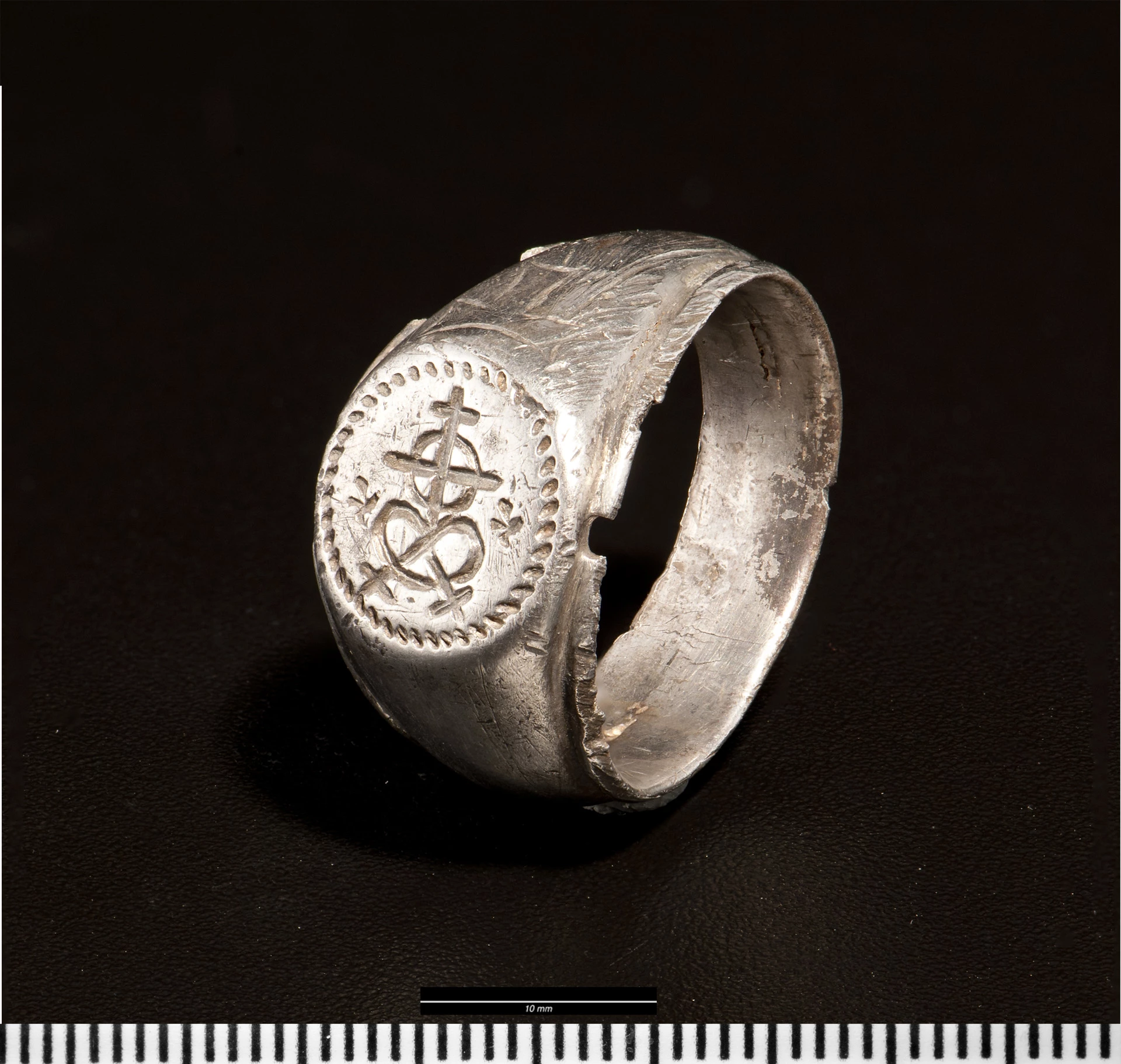
Signet Rings Rhianydd Biebrach, 8 May 2017 Merchant's signet ring from Haverfordwest Signet ring from Sully Meaning was also conveyed in the imagery portrayed on signet rings, which were often worn on the thumb. It is a type of ring still worn today, though now rarely used for its original purpose. In an age when even the wealthy and powerful could not be assumed to be literate, the signet ring featured a personal seal. This was used in place of a signature as a way of authenticating documents and was also an indicator of higher social status. Heraldic devices were used for those who had coats of arms, but for people lower down the social scale a variety of symbols, imagery and lettering could be used. For merchants, heraldry was replaced by merchants’ marks. A fifteenth or early sixteenth-century silver signet ring displaying such a mark was found in 2014 by Mr John Rees at Haverfordwest, and has since been acquired by Saving Treasures; Telling Stories for Haverfordwest Town Museum. The mark, made up of interlaced, curving crosses, is accompanied by a tau cross, associated with St Anthony and the treatment of St Anthony’s Fire, or ergotism, a disease caused by eating contaminated grain. The merchant’s mark itself was a personal device identifying the wearer, but the inclusion of the tau cross gives the ring a separate, religious overtone, and would have been specially chosen. St Anthony was not a saint who was especially popular in late medieval Wales, but as merchants were mobile this devotion could have been picked up elsewhere; west Walian merchants traded all along the Bristol Channel, as well as to Ireland, Spain and Portugal, or it could have belonged to a merchant from overseas. A much simpler signet ring was discovered at Sully in the Vale of Glamorgan in 2013 by Mr Michael Gerry. Made of silver, decorated with a plain, four-petalled flower and dated to the late 15th or 16th century, it is a much more enigmatic example, giving virtually nothing away about the identity, occupation or social status of its owner. Some rings seem to have been hybrids, with more than one purpose or significance. A particularly intriguing example is a 1st or 2nd century silver Roman ring found by Mr Leighton Jones in the Darran Valley, Caerphilly, in March 2010. It once held an oval intaglio, possibly a precious or semi-precious stone, which would have had an incised decoration used for sealing documents. So in one sense this is a signet ring like the ones described above, and would have identified its owner, but the inclusion of a precious or semi-precious stone gave the item at least one additional layer of meaning. The stone was attractive and decorative in its own right, suggesting something about the status and wealth of the individual who could have afforded it. But it would also have been thought to have intrinsic powers of healing or protection, and each gemstone was associated with a variety of medicinal, apotropaic or occult uses.
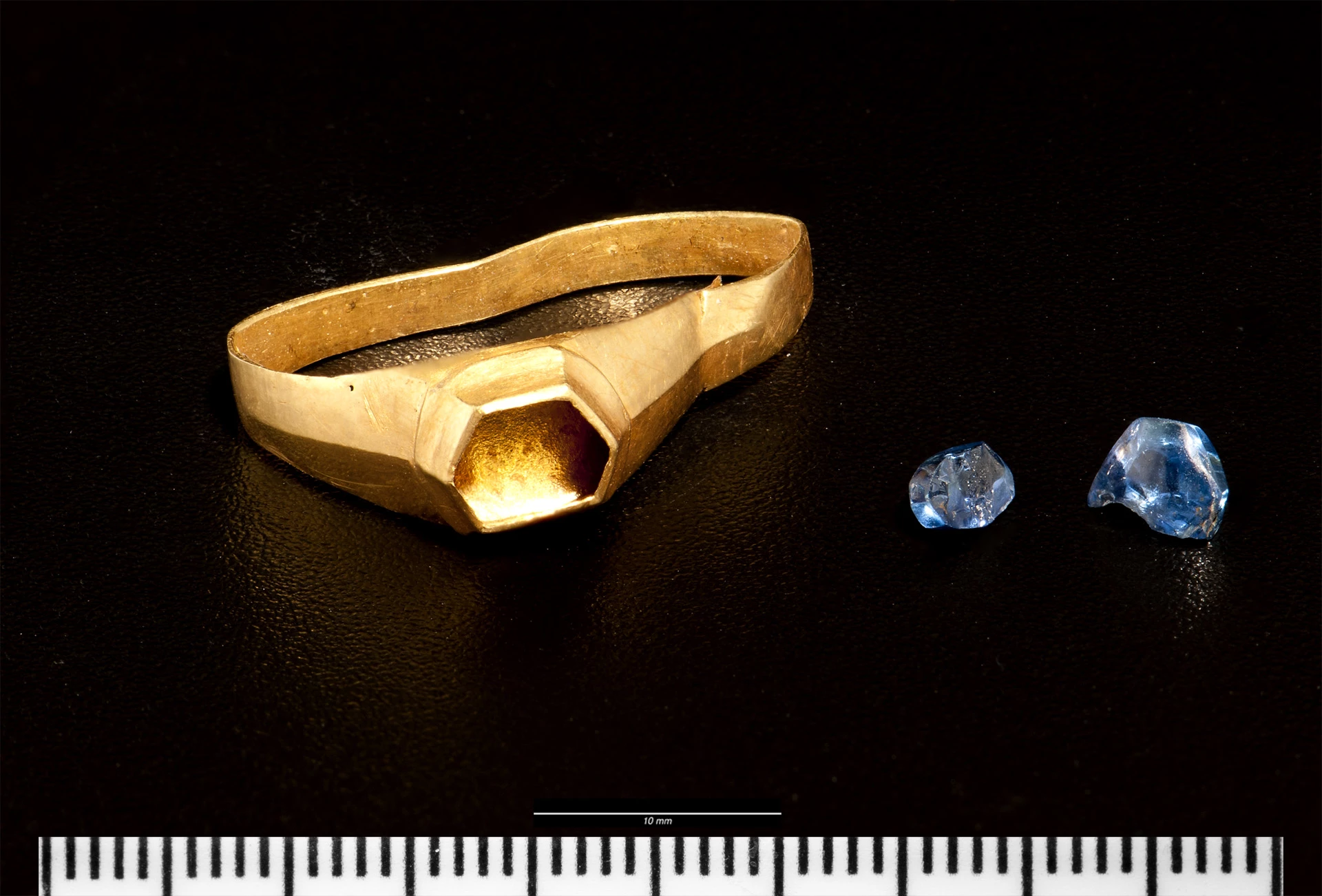
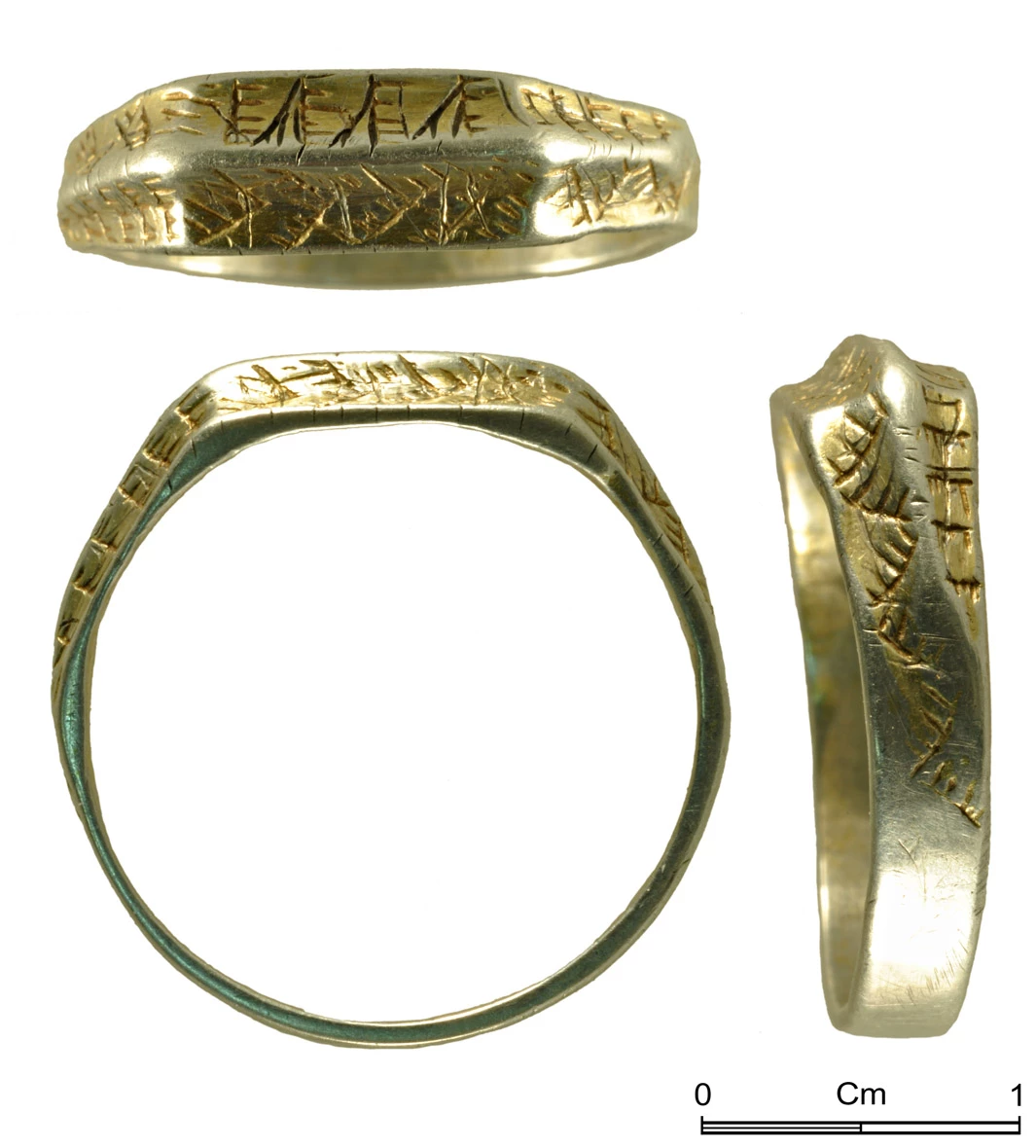
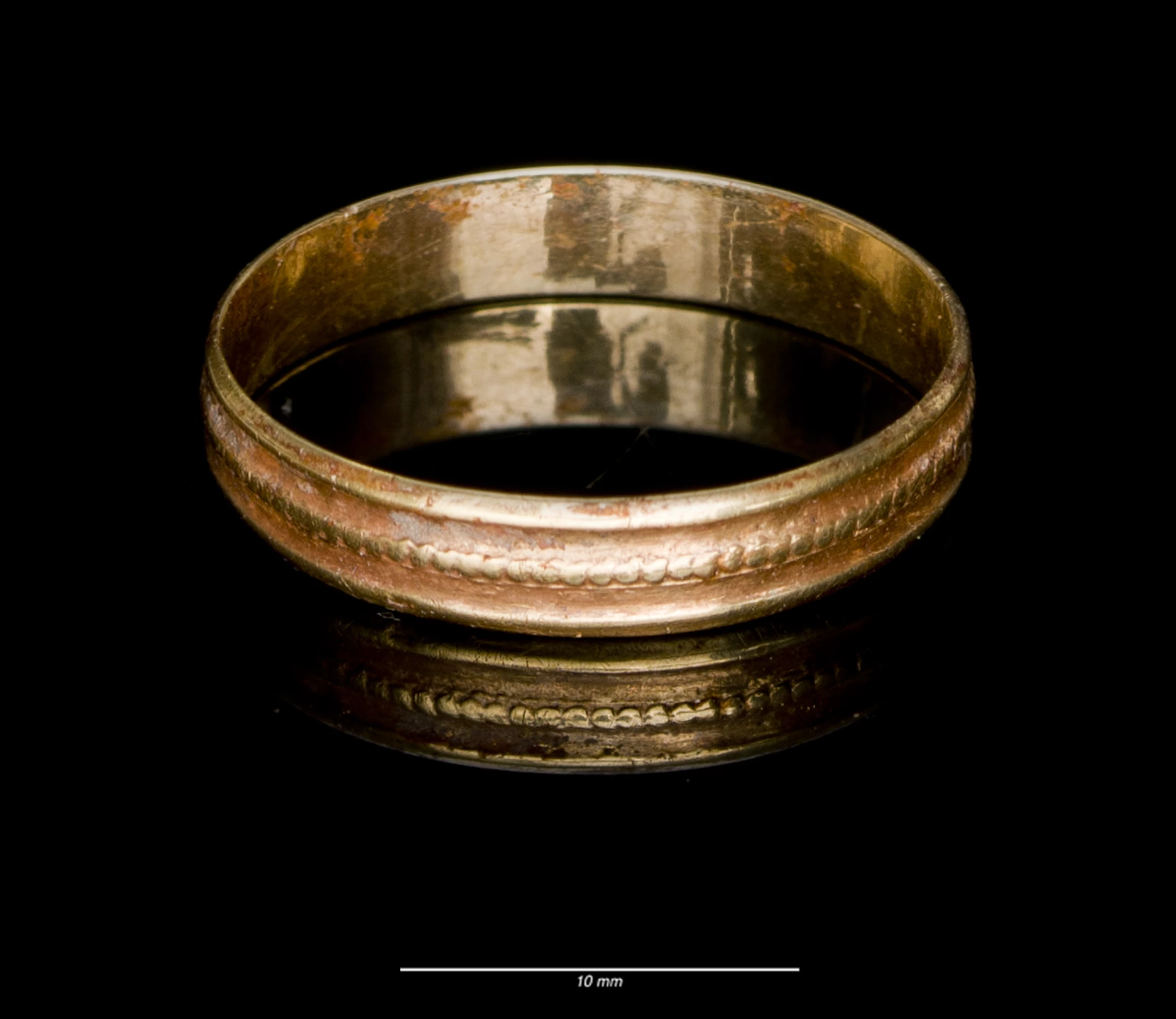
Decorative Rings Rhianydd Biebrach, 8 May 2017 Gold and sapphire ring from Pembroke Decorative ring from Gileston Decorative ring from Holt The final group of rings in this account are much more protective of their secrets. Lacking mottoes or symbols, they are largely decorative in form, and although they may well have had personal significance for their owners, unfortunately we now have no way of uncovering what this could have been. A particularly fine example is the gold and sapphire ring found at Pembroke by Mr Kevin Higgs in February 2014. The sapphire is polished (known as a cabochon), rather than cut, as was common in the Middle Ages, and is placed in a hexagonal setting. Unfortunately, the sapphire has broken in two and has come out of the setting, but it is still clear to see its beauty. Sapphires were imported from Sri Lanka and were thought to have the ability to cure headaches and other ailments and to protect against witchcraft, so maybe this ring’s purpose was not entirely decorative after all. Such an expensive import from the very edge of the known world must have belonged to a very wealthy individual, and it is tempting to speculate that it could have belonged to an inhabitant of Pembroke Castle or the nearby priory. The majority of the other rings in this category, however, lack stones and were decorated only with a series of patterns, ranging from the irregular, crude cross-hatching on a 15th century silver-gilt example discovered near Gileston, Vale of Glamorgan by Mr Mark Watson in 2011, to the sleek, understated band of pellets and raised borders on an early Tudor gold ring found at Holt in 2013 by Mr A. E. Jenkins.
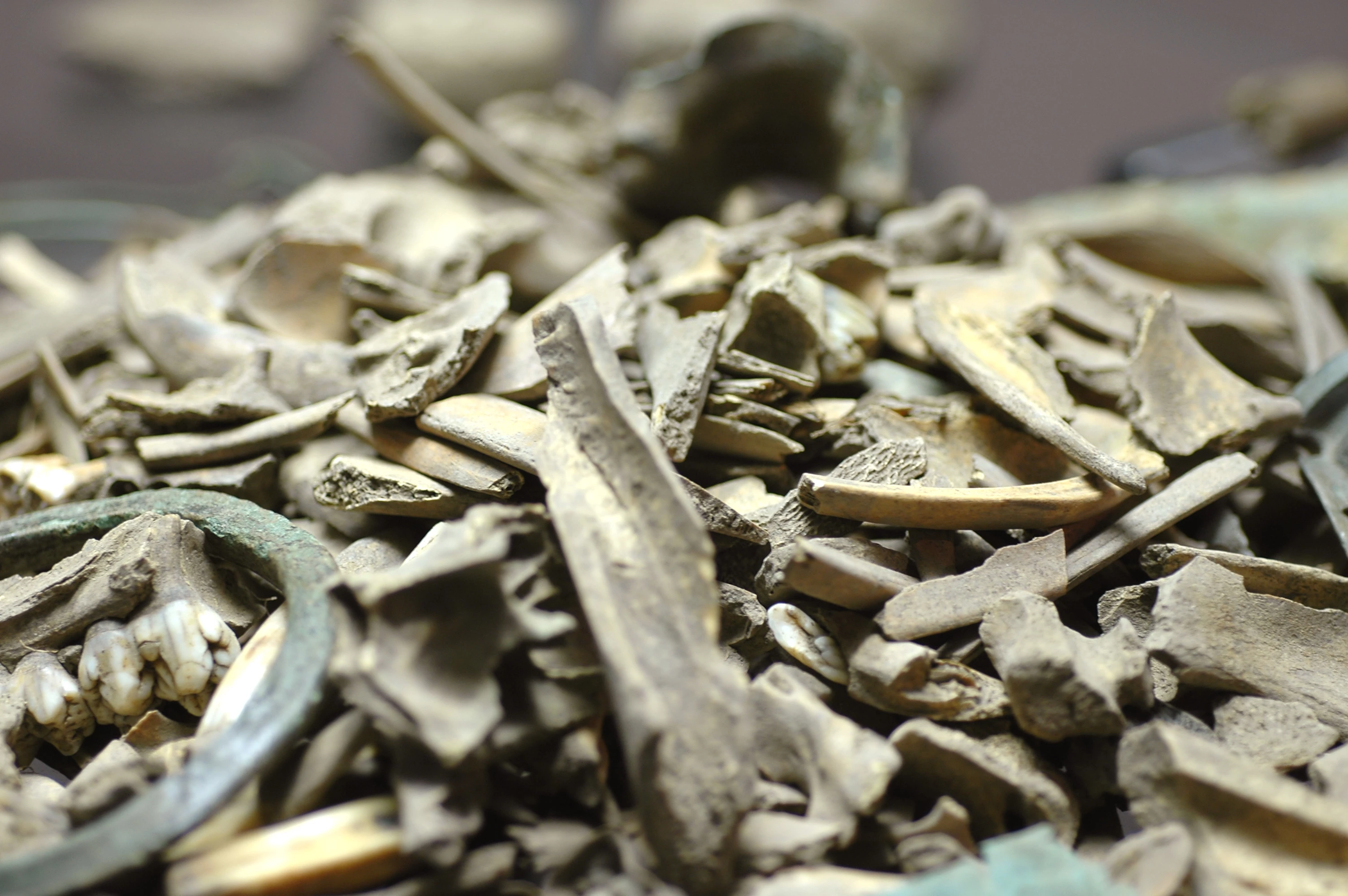
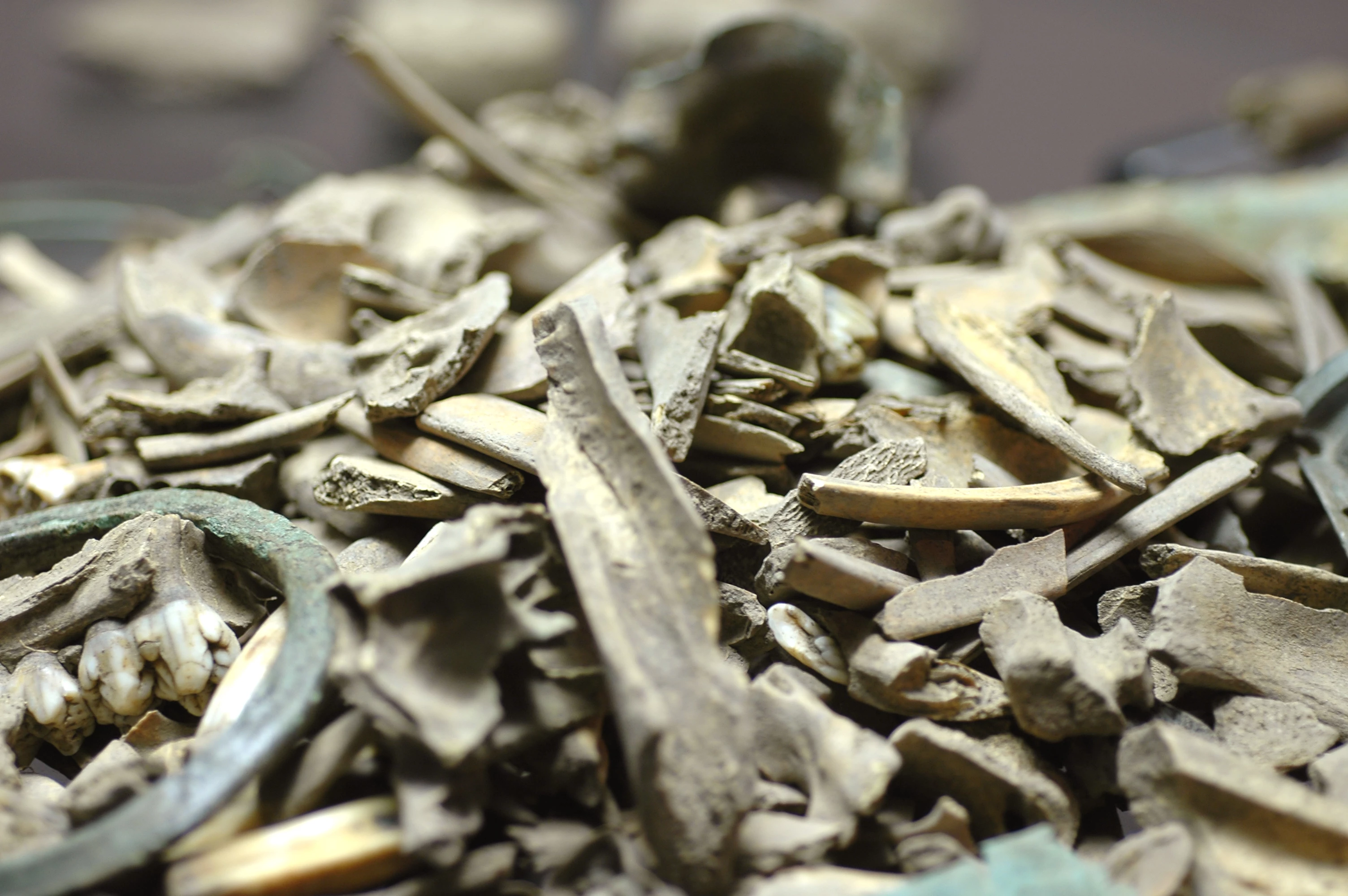
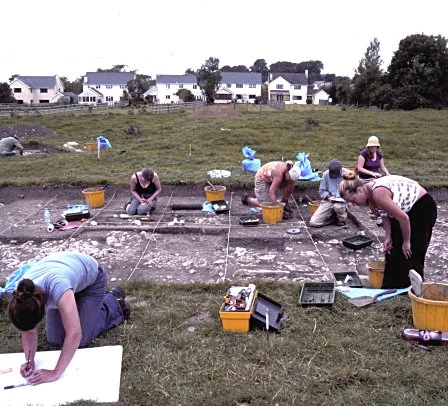
Top 20 Treasure Competition Stacey Owen, 3 May 2017 Over the last few months you may have seen the Saving Treasures; Telling Stories team on social media using the hashtag ‘Finds Friday’, where we’ve been showcasing some of our wonderful treasure and non-treasure items recorded by the Portable Antiquities Scheme Cymru.This month we’d like to focus on two special finds from Wales: The Abergavenny Coin Hoard and a prehistoric feasting site in Llanmaes. Why these two finds?Both have been nominated in a nationwide competition, held by the British Museum and The Daily Telegraph, to search for the nation’s favourite treasure item from the ‘Top 20’ list.2017 marks the 20th anniversary since the passing of the 1996 Treasure Act and items on the ‘Top 20’ list highlight some of the most important treasure discoveries since the Treasure Act.We might be a tad biased towards which ones we’ll be voting for, but we want to share the history behind these finds as they really do have a story to tell, or in the case of Llanmaes, an enigmatic mystery as to what was actually happening at the site. You can read about the 20 items by clicking this link, and don't forget to vote! 20 Years of Treasure logo LlanmaesOur first nomination on the ‘Top 20’ treasure list is a site, rather than a single group of objects. The discovery is a prehistoric feasting place and settlement, uncovered in Llanmaes, in the Vale of Glamorgan.This important site was discovered following the reporting of a potential treasure find by two metal detectorists in 2003, and excavation continued for the next seven years by archaeologists from the National Museum of Wales, assisted by students from Cardiff University and local volunteers.The story behind LlanmaesThe earliest remains on the site, dating to about 2150-1950 BC, are the cremated remains of an adult male, which were buried in an urn. It seems that this burial provided the focus for later settlement, which yielded treasure objects such as a gold bead. One mystery object in the shape of a great white shark’s tooth has left archaeologists puzzled. We’re not too sure where it came from or why it was left there!By the beginning of the Iron Age (about 675 BC) this settlement had been abandoned, but the site continued to be the focus of human activity in the form of feasting, which left behind an extensive midden deposit. This is the first known example from Wales, of a class of middens representing remarkable accumulations of cultural material gathered by communities at the beginning of the Iron Age. This has revealed an extraordinary prehistoric feasting mound, containing thousands of pig bones, further feasting vessels, bronze cauldrons, pottery and axes.Unexpectedly, nearly three-quarters of the animal bones were from pigs – a far higher proportion than is usual for such deposits, and, even more remarkable is the discovery that the majority of the pigs’ bones were from the right fore-quarter of the animal. Similarly, some of the axe-heads are of a type associated with parts of northern France, so it seems as though people were converging on Llanmaes during the Early Iron Age from a wide area to engage in cultural activities which had clear rules and accepted practices.Feasting seems to have come to an end at the site during the Roman period, when changing cultural practices made the earlier rituals less appropriate, but evidence of continued Roman occupation suggests that it still held meaning for local people into the 4th century AD.The community at Llanmaes were closely involved with the excavations over the years, and the National Museum’s Archaeology department brought in a number of school groups to work with artists on creative responses, such as performances, inspired by the site. Feasting and pig bones from Llanmaes (Credit: Amguedffa Cymru) Llanmaes excavation Abergavenny hoardIn April 2002 three metal-detectorists had the find of their lives in a field near Abergavenny, Monmouthshire where they found a scattered hoard of 199 silver pennies.The Abergavenny hoard is the earliest Norman hoard from Wales and provides a vivid picture of monetary circulation in the Welsh March in the 1080s CE. It includes 130 coins of the Anglo-Saxon king Edward the Confessor (1042-66) and 69 coins of the Norman king William the Conqueror (1066-87).Where did they come from?Norman incursions into Gwent (present-day Monmouthshire) had followed hard on the heels of the conquest of England by Duke William in 1066 and they brought with them the habit of using coins.The 199 silver pennies provide a rich mixture of issues of Edward the Confessor (1042-66) and William the Conqueror (1066-87); there are coins of 104 moneyers from 36 mints, with Hereford prominent.The coins had been lost or hidden in a cloth bag, after about 1080 CE and for most people living in that time they would have represented several months’ pay. However, the lack of positive archaeological context makes it impossible to judge whether the coins had been concealed deliberately or were simply lost. We shall probably never know quite why these coins ended up in the corner of a field in Monmouthshire but, as well as expanding our knowledge of the coinage itself, they will cast new light on monetary conditions in the area after the Norman Conquest.And there we have it, our two treasure finds on the ‘Top 20’ treasures list.The online voting continues until May 15th, and you can vote for LLanmaes or the Abergavenny Hoard by following this link:http://www.telegraph.co.uk/wellbeing/mood-and-mind/treasure-20-vote-favourite/.
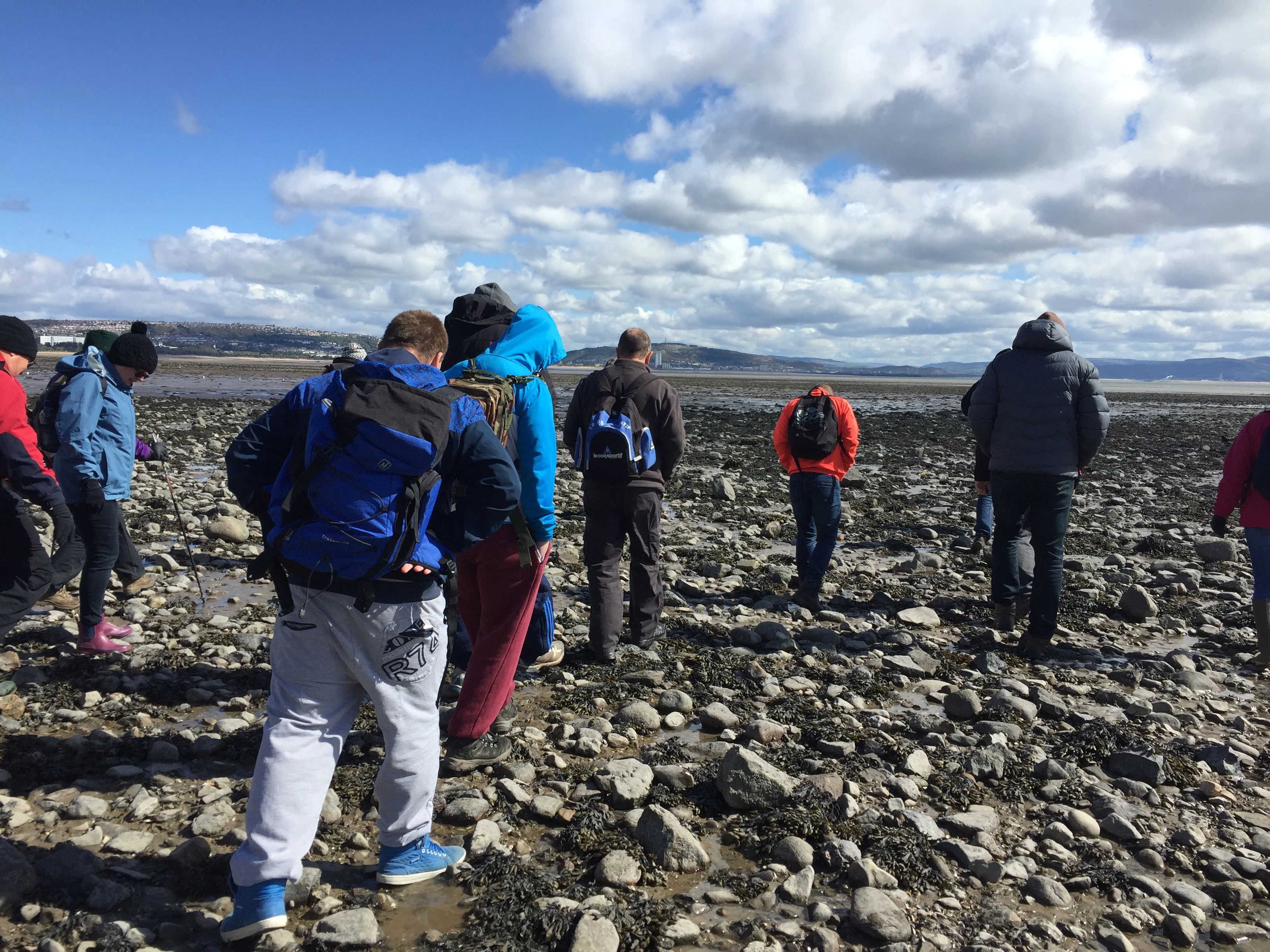
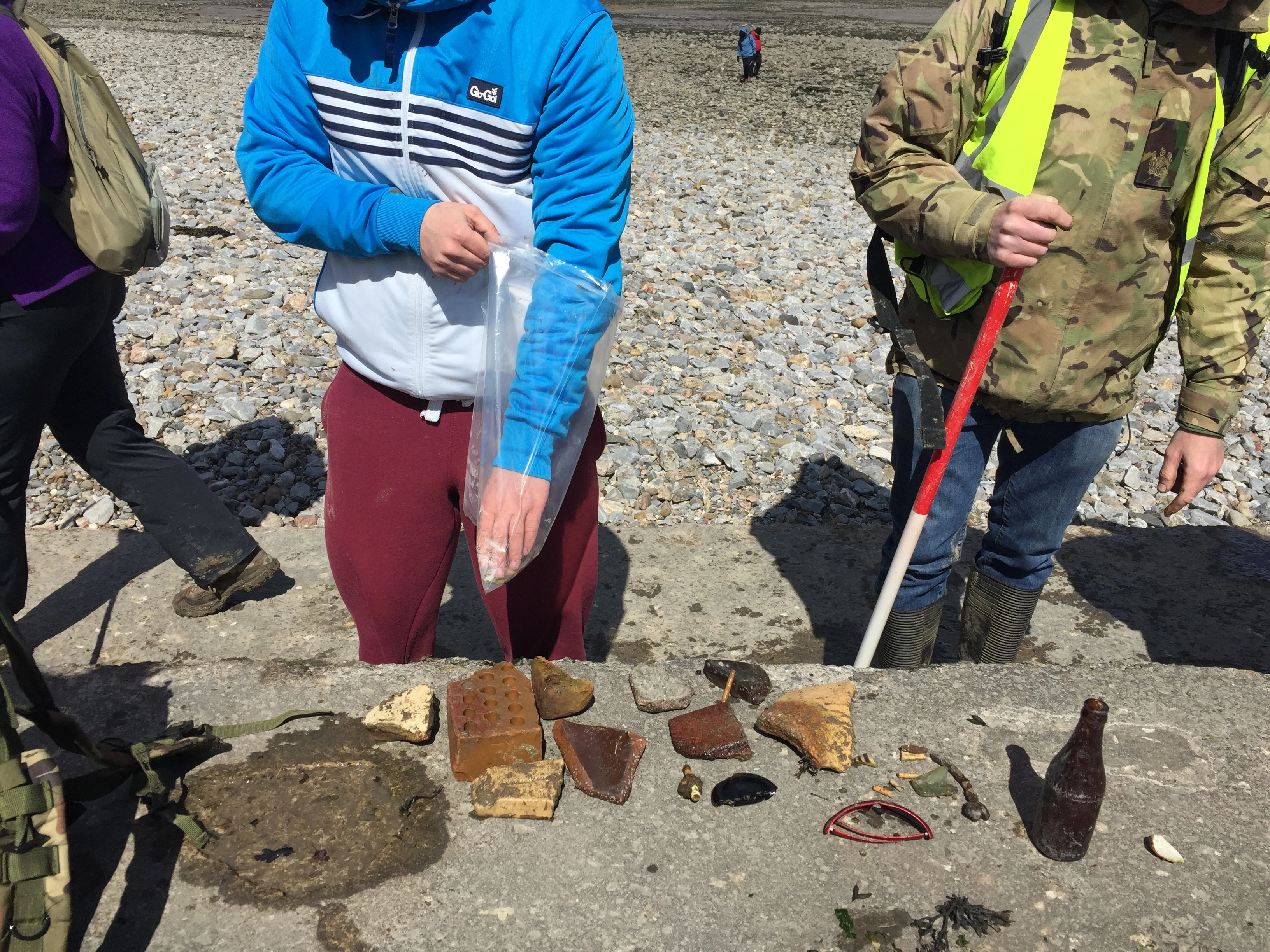
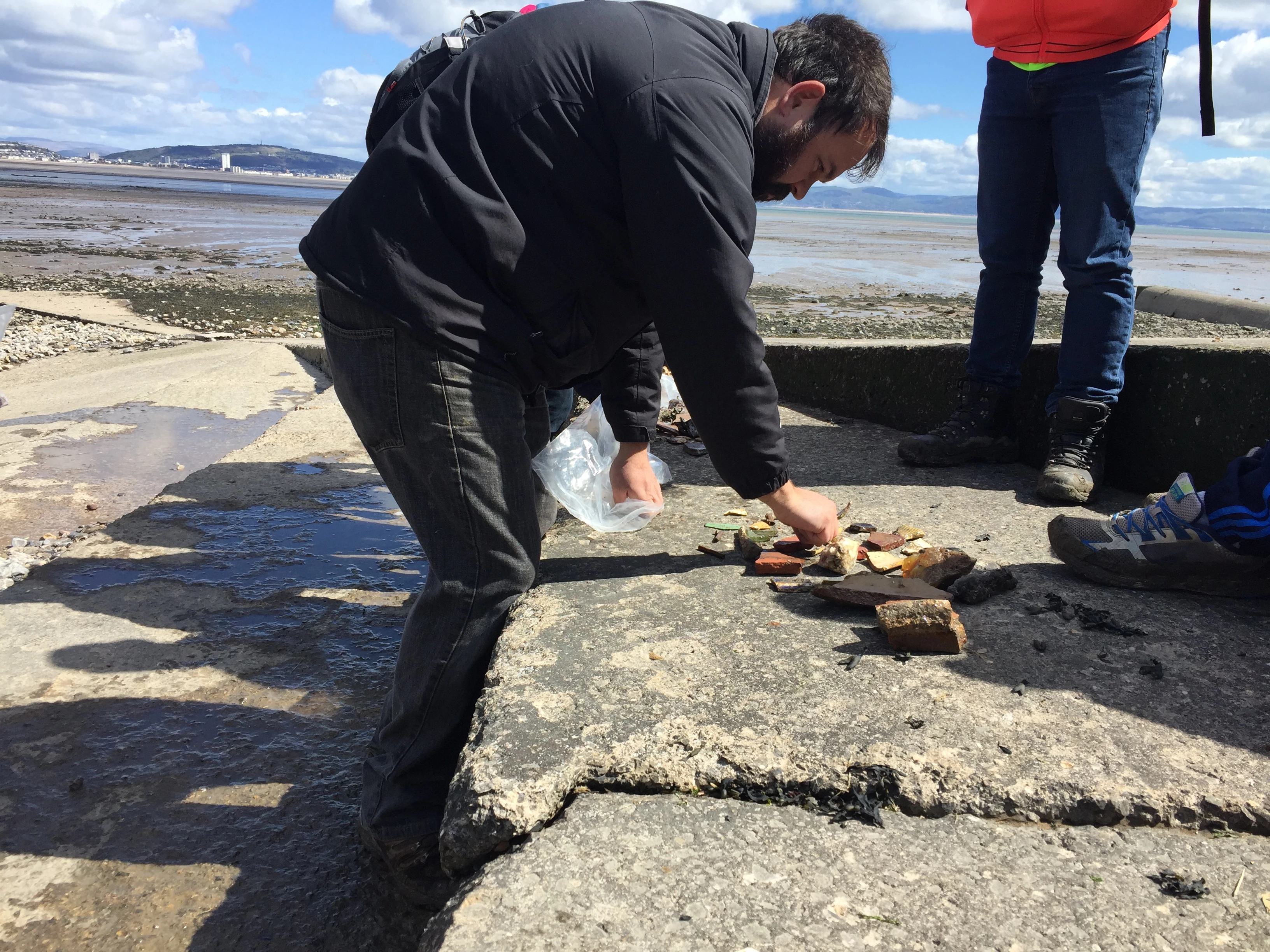
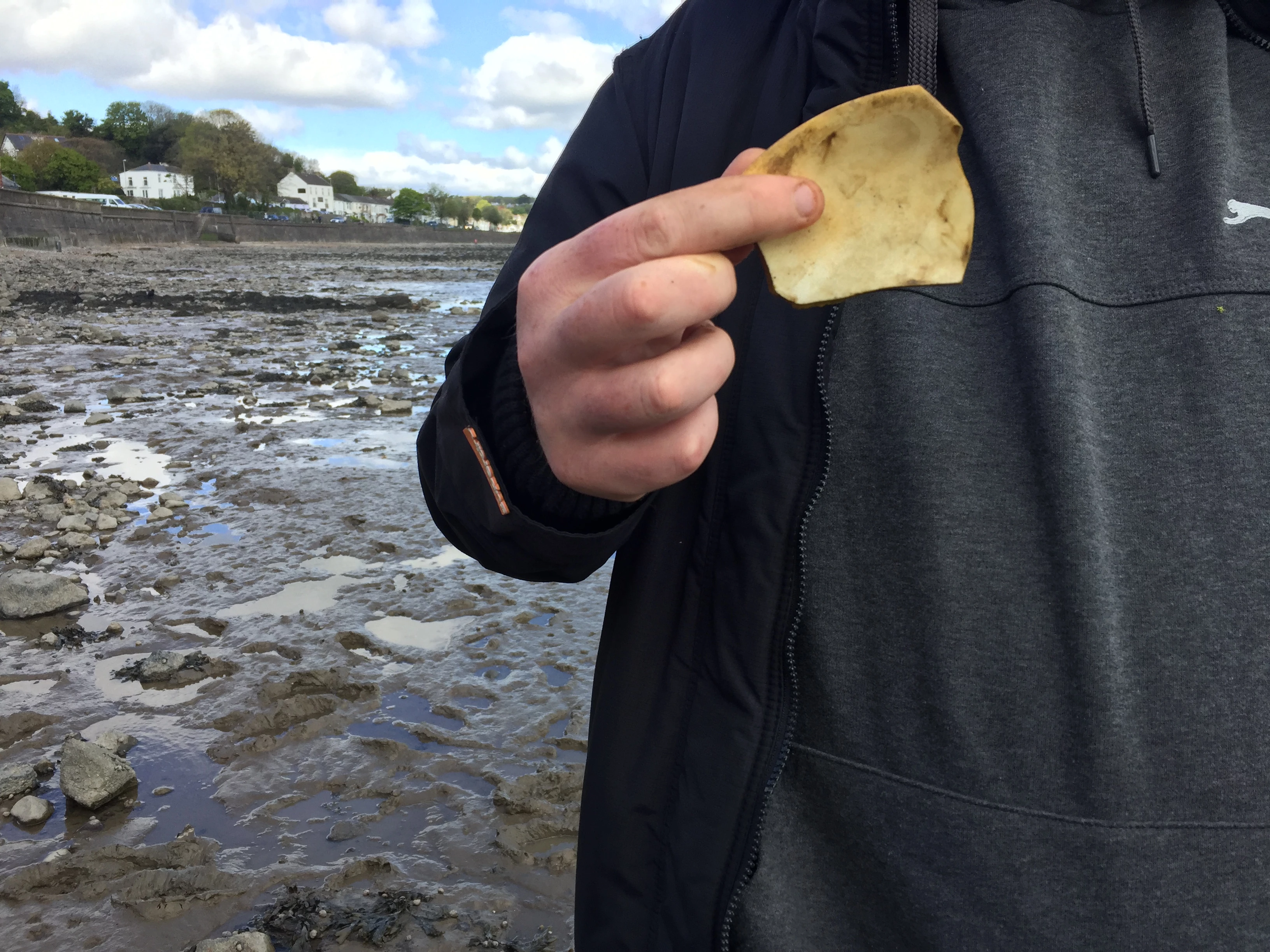
Beachcomb take 2 Stacey Owen, 27 April 2017 Looking across Swansea Bay on a chilly spring morning and seeing that the tide was out came with a sigh of relief as this meant we didn’t have to wait an hour or so to get started with our beachcomb.I joined Swansea Museum on The Mumbles side of the Bay to take part in one of their community projects that aims to engage local communities with their pasts. On this occasion the museum teamed up with the Llanrhidian Women’s Institute and the Gurnos Men’s Community First group to take part in a beachcomb led by archaeologist Paul Huckfield, from the Glamorgan Gwent Archaeological Trust.All wrapped up in extra layers we were ready to begin our trek across the swamp-like beach, luckily most of us received the wellies memo and they were definitely needed. Beachcombing on Swansea bay with Llanrhidian Women's Institute and the Gurnos Men's Community First group. Paul wanted to create a sense of what the landscape would have been like during the Bronze Age and took us to areas on the beach where some of the landscape remained fairly similar and unchanged. “We’re standing on the actual ground surface as it would have been in the Bronze Age. You can see the peat levels just here show what would have been around in the Bronze Age; you can see that this is black in colour from the trees and bits of foliage. So you’re actually standing in the past at around 4,000 years ago.” Travelling through time across the bay allowed us to think of what life would have been like 4,000 years ago, what is now a beach would have been a woodland and shrubbery area surrounded with fresh water pools.Paul talks about some of the reason why the landscape changed and during what periods. You can watch the clip HERE:Bringing us through time to the 19th and 20th century we were then led to some of the remaining shipwrecks found on Swansea Bay. On the Mumbles side of the bay alone we could spot around 14 shipwrecks and vessels. Vessel remains are still on the bay and these would have been used to protect the area from submarine attacks during the Second World War. Paul said: “The whole beach is covered in metal uprights and wire to stop enemy gliders coming onto the beach.” Another shipwreck was part of an oyster fleet. We learnt that the bay was a natural resource for oysters and they were a major food source, some dating back to Roman times, however this source was destroyed during the industrial period.After having a look around the beach and learning how it has changed through time with different inhabitants we were then given clear bags and told to try and find our own items.We found a variety of items during the beachcomb from ceramics, beer bottles from London, fossils and different types of slate and stone. The items found today along with others from previous beachcombs with Swansea Museum will be kept and made into a mosaic for public viewing in the future. Beachcombing on Swansea bay with Llanrhidian Women's Institute and the Gurnos Men's Community First group. Beachcombing on Swansea bay with Llanrhidian Women's Institute and the Gurnos Men's Community First group. Swansea Museum are currently working on a project called ‘The Lost Treasures of Swansea Bay’, which is funded by the help of the ‘Saving Treasures; Telling Stories’ project and you can read about the last walk I attended with them HERE. Saving Treasures is funded by the Heritage Lottery Fund which is acquiring archaeological objects for local and national collections and providing training for heritage professionals and volunteers.
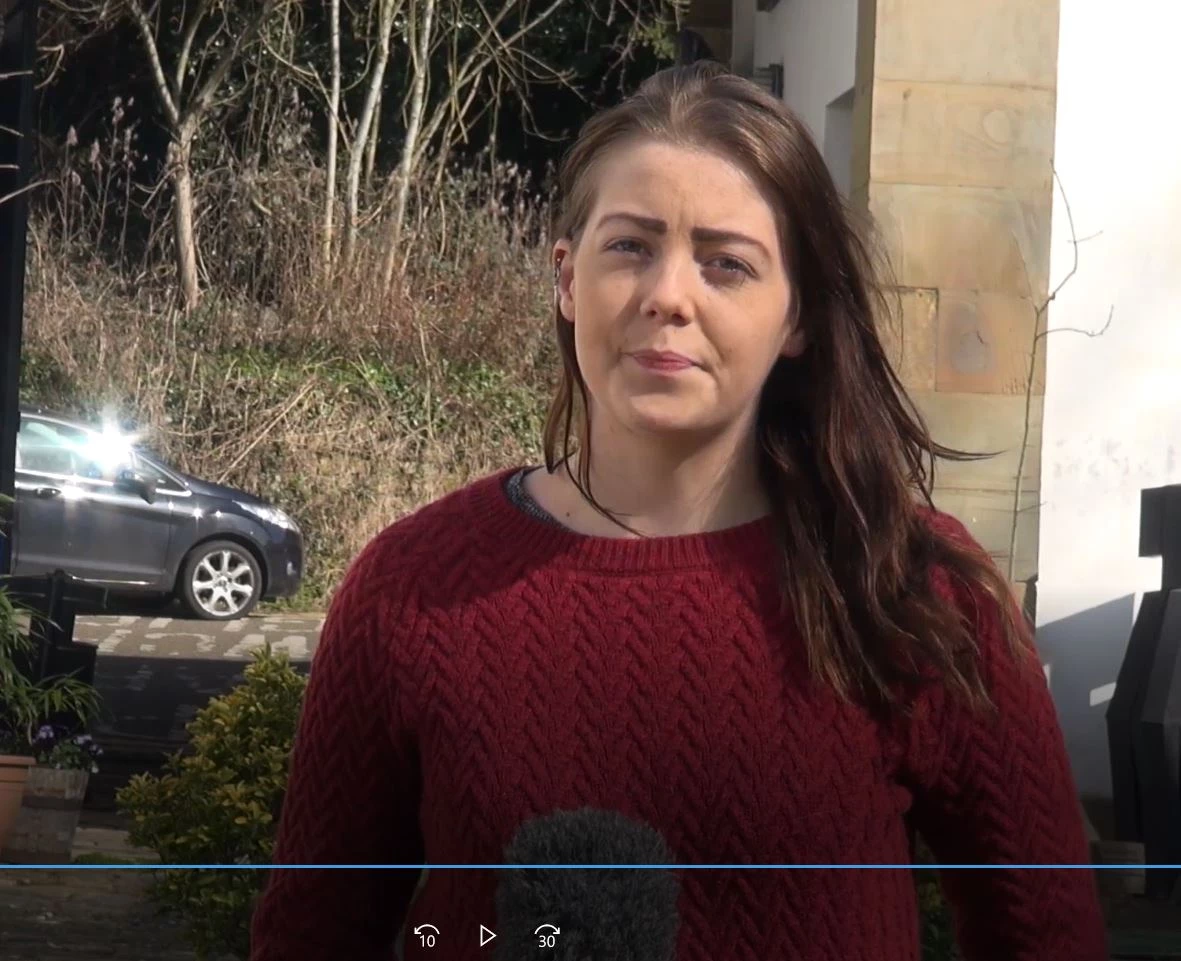
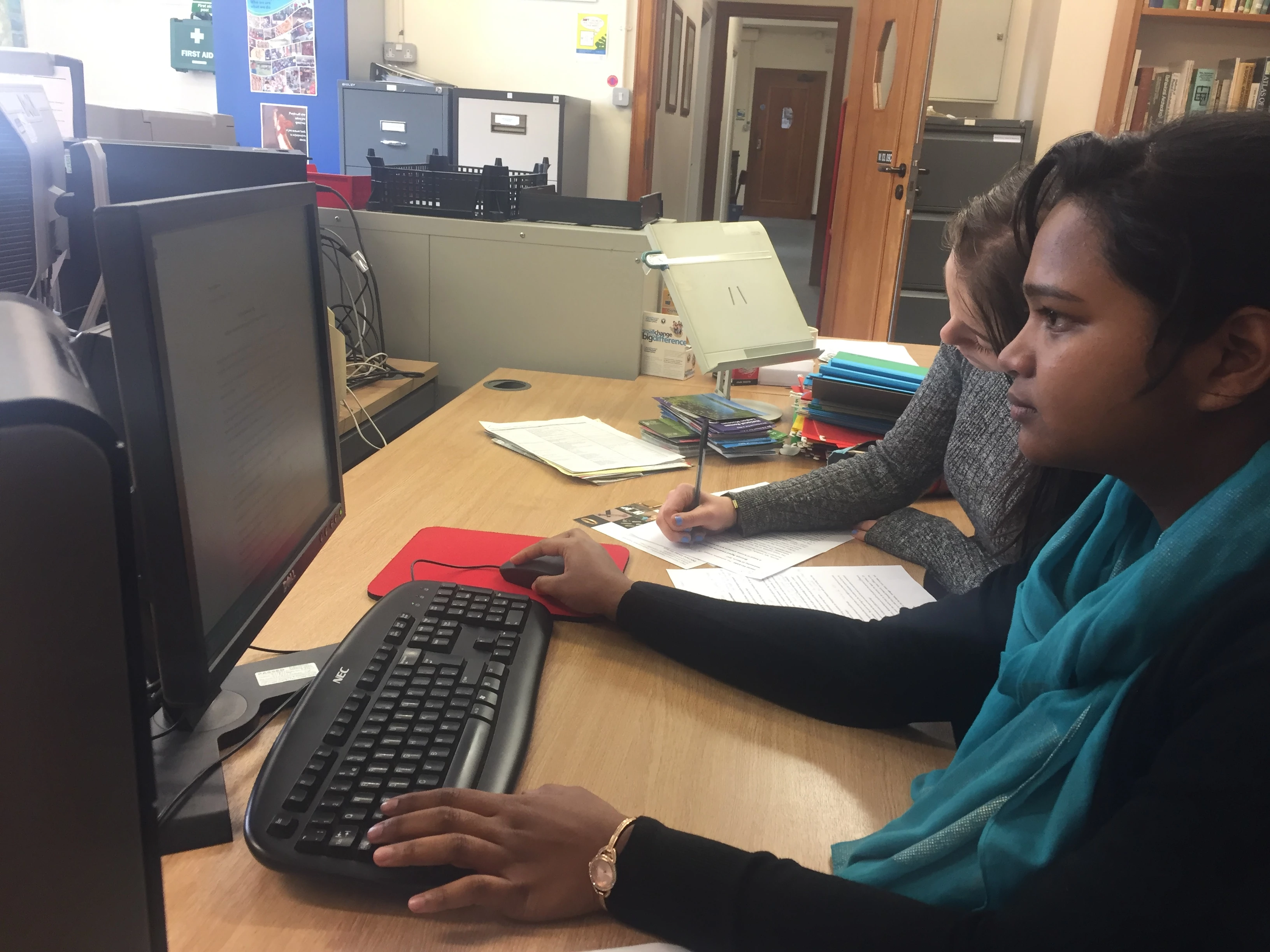
Work experience with the Saving Treasures; Telling Stories Project (April 17) Stacey Owen, 26 April 2017 By Rebecca LingI took part in a two week work placement at The National Museum Cardiff to work on a project called Saving Treasures; Telling Stories. I wasn’t too sure what to expect as a journalism student or how working at a museum could help enhance my journalistic skills, but I was ready to explore new ways of researching and writing stories and was pleasantly surprised with just how hands-on the placement was.Saving Treasures; Telling Stories made me realise how I can help bring history to life through researching around archaeological finds and discovering that every item has a past and story to tell. Our student journalists working on writing press releases during their time working on Saving Treasures; Telling Stories. The first day was an introduction to the department and a chance for us to find out more about the project itself as well as the role of The Portable Antiquities Scheme in Wales to find out how that fits into the Saving Treasures; Telling Stories Project. I was fortunate enough to have a look around, almost a behind the scenes tour, to see some of the interesting finds that weren’t currently on display. I also got to get a close up view as to what was going on the conservation laboratory as I watched the conservators in action!So where does journalism come into it all?During my two weeks I conducted phone interviews with curators, archaeologists and metal detectorists before having to transcribe these and write up blogs and articles. We also had the opportunity to film on location at Pontypool Museum and talk to someone whose recent treasure find is now going to be displayed at the museum for the first time. I wrote press releases covering upcoming events and even was invited to attend an oral history interview training course to learn different interview techniques and skills. From camera work to interviewing there was never a dull moment and I found myself busy each day. Our student journalist Rebecca is reporting at Pontypool Museum on their Torfaen Treasure Day. Interviewing a metal detectorist at Pontypool Museum about their Torfaen Treasure Day. The placement has inspired me to be more creative with my journalistic skills and to think outside the box, I didn’t know from my first day how I would be able to bring archaeology to life and create current and relevant stories in the public interest.Overall this experience has made me aware that archaeology evokes important questions that hadn’t crossed my mind before. Items and stories I have worked on during my time at Saving Treasures; Telling Stories make me wonder- Where did this come from? What importance does that piece of history hold? But more interestingly it makes you imagine what life was like during that time period, it's almost as if you are time travelling.