Curating at St Fagans National Museum of History: What I've learned and why it matters
Ammah Holder, 30 July 2026
As part of the Wales REACH project, we’ve had the pleasure of collaborating with a range of people across Wales. Among these is Ammah, a Wales REACH Community Curator. Discover what Ammah has been working on as part of the project.
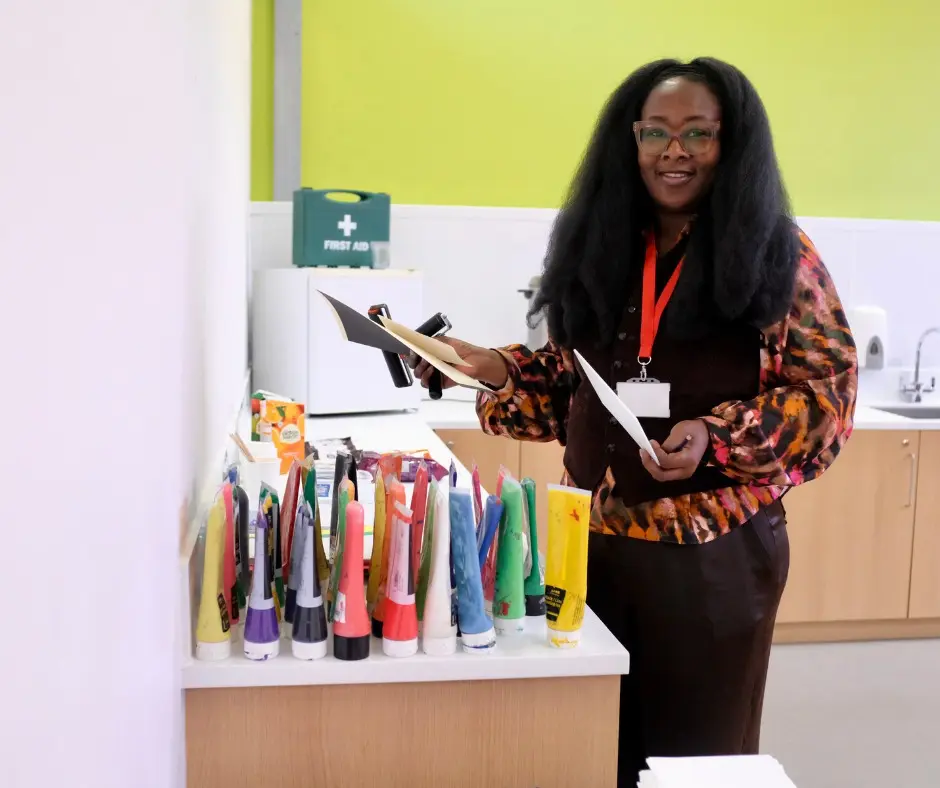
When Hywel Squires, Senior Engagement Coordinator at Amgueddfa Cymru, selected me as a Community Curator for the REACH project, I knew it was a rare opportunity.
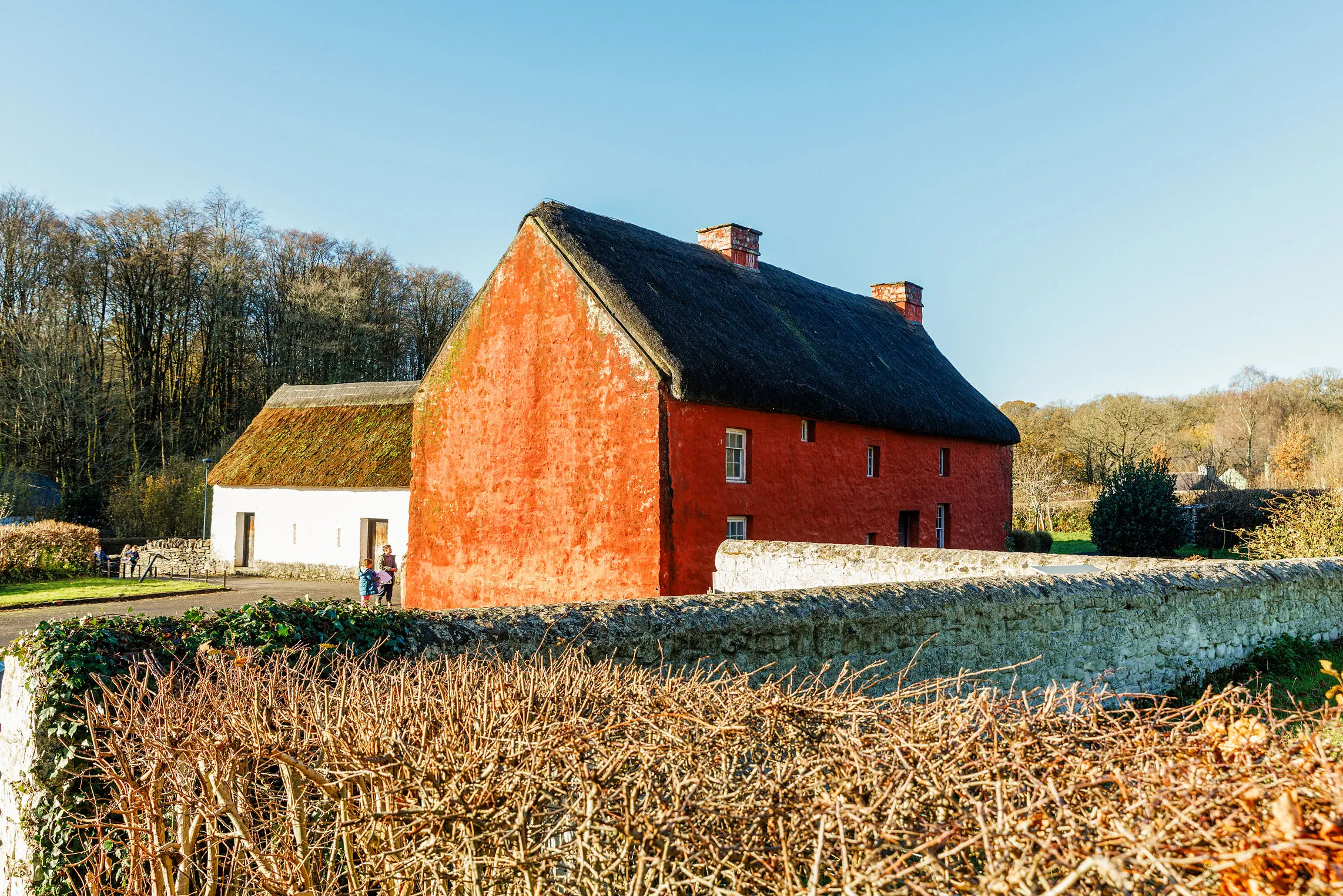
Helping develop an exhibition at St Fagans National Museum of History, one of the UK's most respected living museums, isn't something you take lightly. It's also an experience that stays with you.
Why this work matters to me
My work as a curator comes from a simple belief: objects help people find connections across cultures and communities. That belief is also shaping something I'm building closer to home: Earthen Acres CIC, a community interest company through which I'm working towards opening a nature museum in South Wales. Everything I learn here feeds into that vision.
What I focused on
My curatorial interests kept returning to four areas:
Objects with meaning
Everyday items can tell powerful stories. I wanted to help present artefacts in ways that show how they were used, valued and passed on by real people.
Craft and hands
Traditional skills deserve recognition, as do the people who keep them alive. I wanted visitors to appreciate the time, care and expertise behind the objects on display.
Visitor voice
Museums work best when people feel part of the conversation. I explored ways for visitors to share stories, contribute ideas and give feedback so their experiences become part of the wider story.
A lasting record
I was interested in how community voices can be recorded and preserved, becoming part of the museum's ongoing work rather than existing only for the duration of an exhibition.
The collection itself
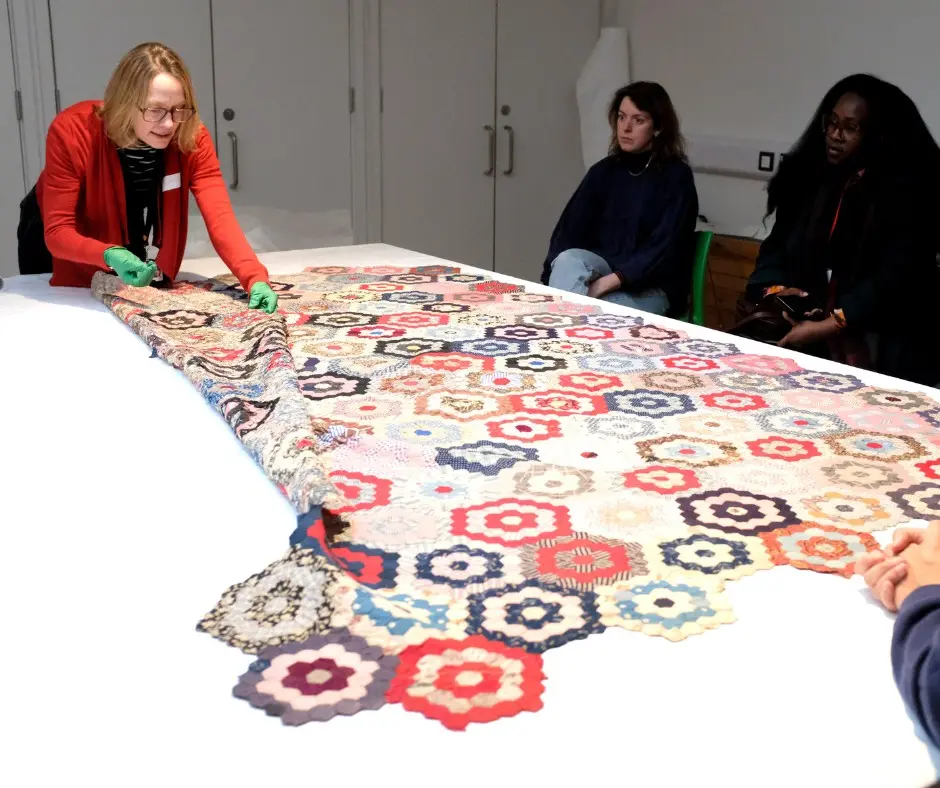
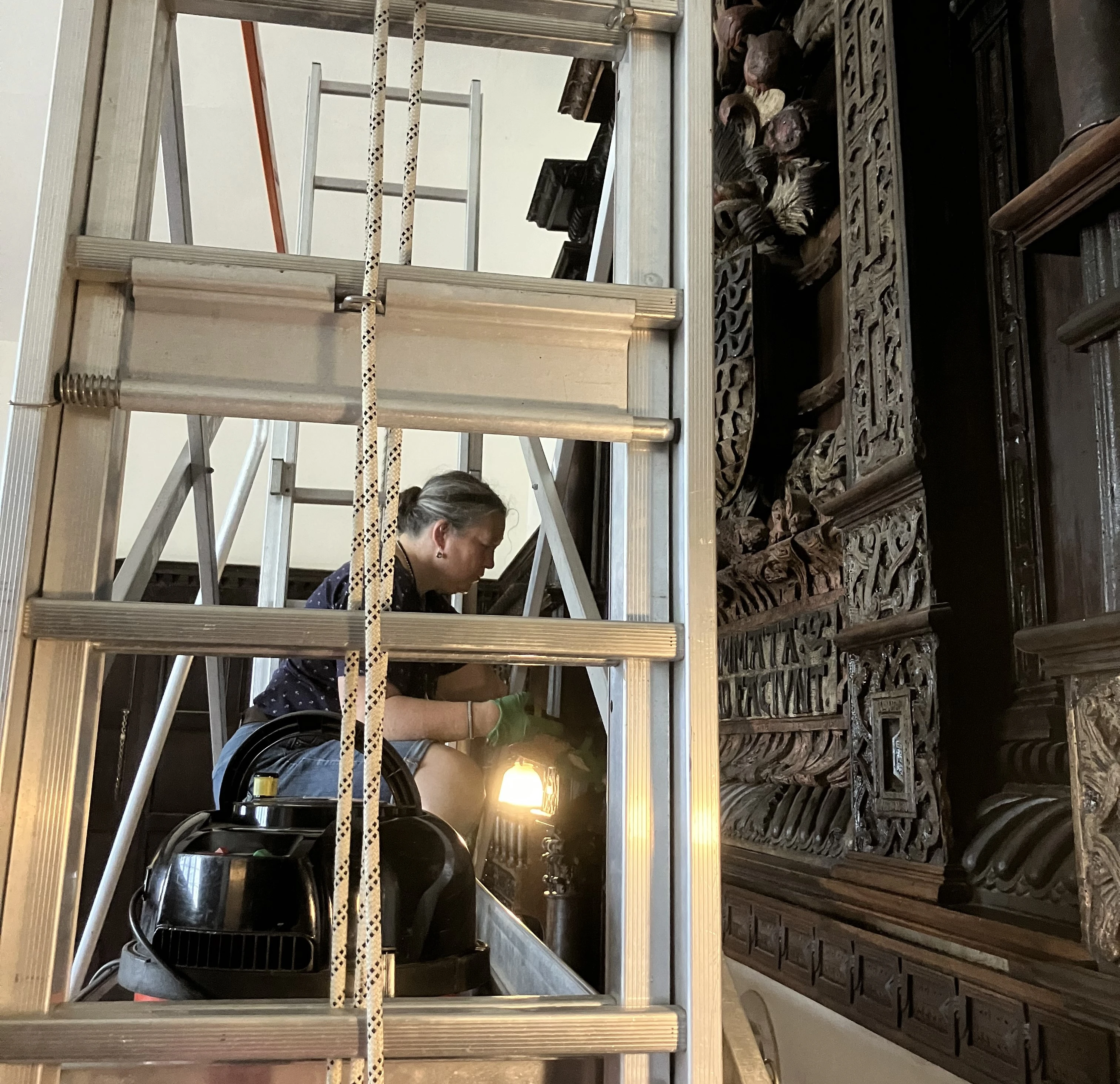
I won't spoil what's coming, but getting access to the storehouses and seeing selected objects up close has been one of the highlights of my recent working life.
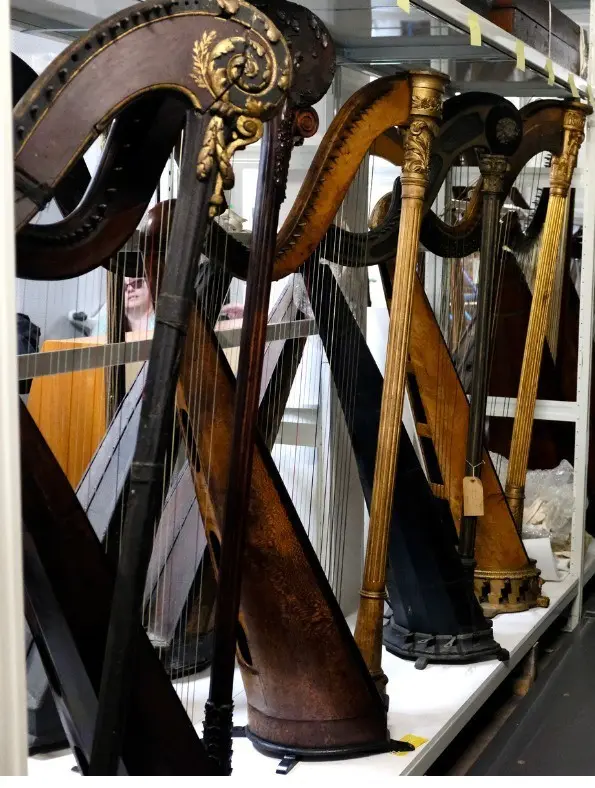
The harp collection at St Fagans stopped me in my tracks, and that was only a small glimpse of what is held across Amgueddfa Cymru's seven museums and five million objects.
Researching the histories of objects and seeing how knowledge is shared between different teams has been fascinating. Everyone I worked with was generous with their time, happy to answer questions, and keen to connect me with the right people. It's an approach to collaboration that I hope to carry into my own organisation.
Access and sustainability: small changes, real impact
Good museums keep listening to the people who use them. I suggested a number of practical changes, including reducing glare in some spaces, creating quieter zones, and providing waiting areas that still offer opportunities for engagement.
These are relatively modest adjustments, but they can make a significant difference to visitors' experiences.
Sustainability also featured in many conversations. Learning about how St Fagans manages its woodland and uses timber grown on site reinforced my view that museums can play an important role in demonstrating environmental responsibility through everyday practice.
How this team worked
The REACH exhibition team brought together people with different backgrounds, experiences and needs. Hywel worked hard to make sure everyone could contribute, making use of facilities already available at St Fagans, including quieter spaces, low-lit rooms, a prayer room, and flexibility in how people took part.
That thoughtful approach helped create an environment where people felt comfortable contributing their skills and ideas, and I think the exhibition is stronger because of it.
Looking ahead
This experience has given me a much clearer understanding of how museums operate. I've learned more about collections care, community engagement, sustainability and accessibility, and how these different areas connect with one another.
I joined the project as a community curator and leave it with a deeper appreciation of the people, knowledge and work that sit behind every exhibition.
If you'd like to get involved as a volunteer at Amgueddfa Cymru, please visit: Get Involved | Museum Wales or email: volunteering@museumwales.ac.uk.
Keep an eye out for others upcoming blogs, showcasing the amazing work that’s been happening across all our participating communities.
Wales REACH is made possible with The National Lottery Heritage Fund. It is a partnership between thirteen organisations and is led by The Open University and Amgueddfa Cymru. It is funded with a grant from the National Lottery Heritage Fund. The current phase started in autumn 2024 and is scheduled to run until autumn 2026.