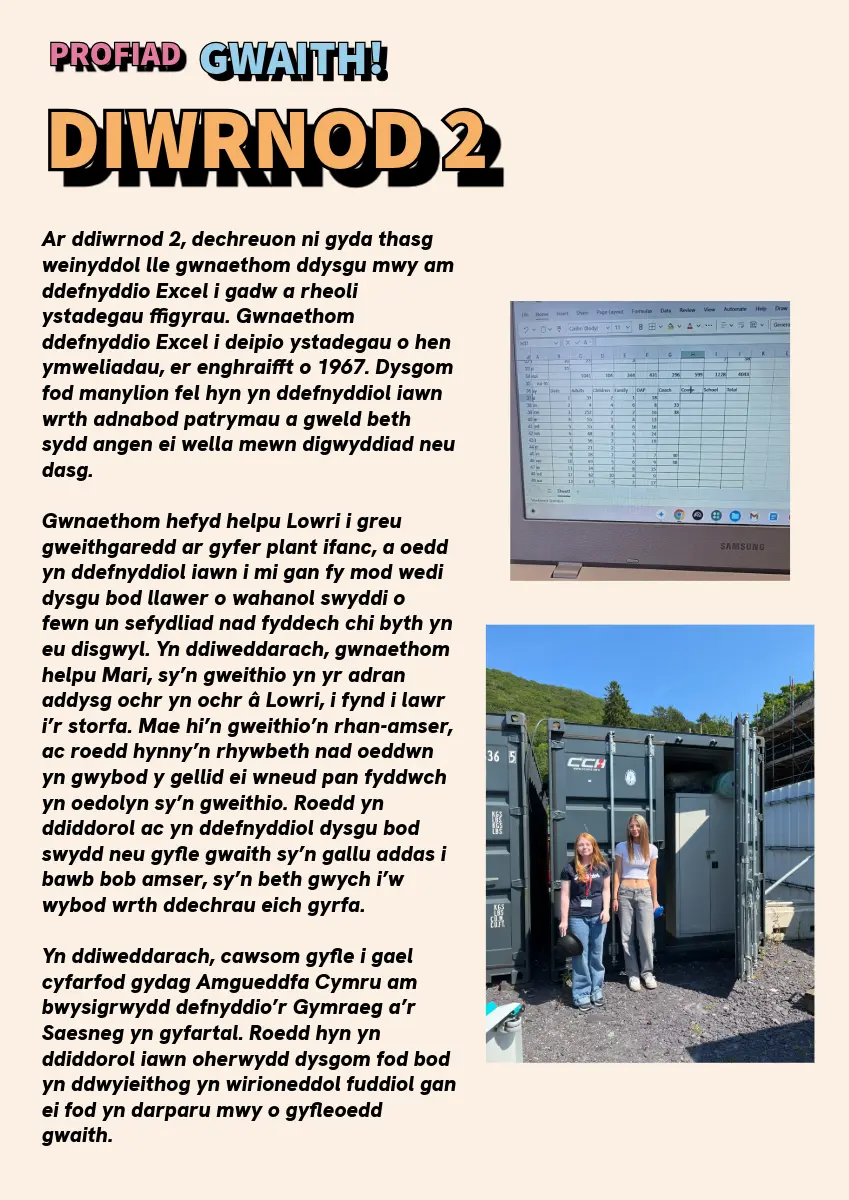
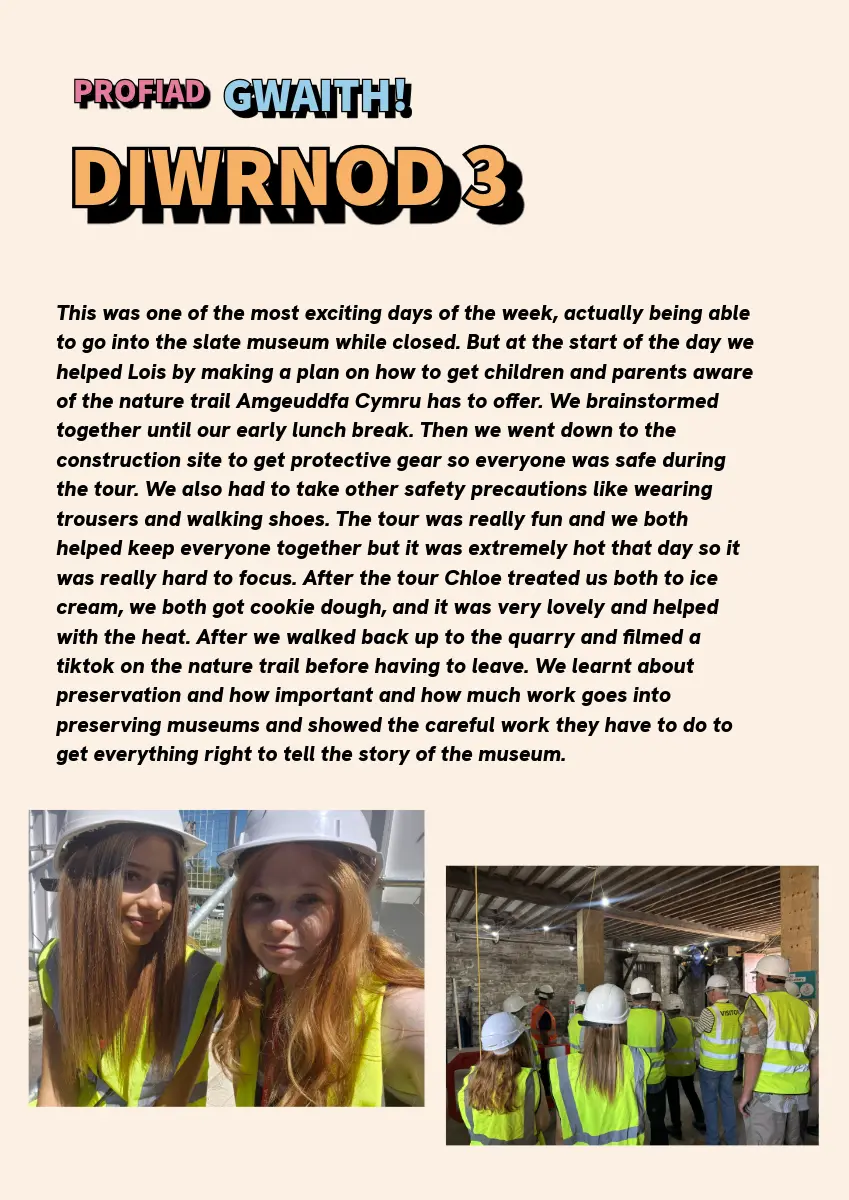
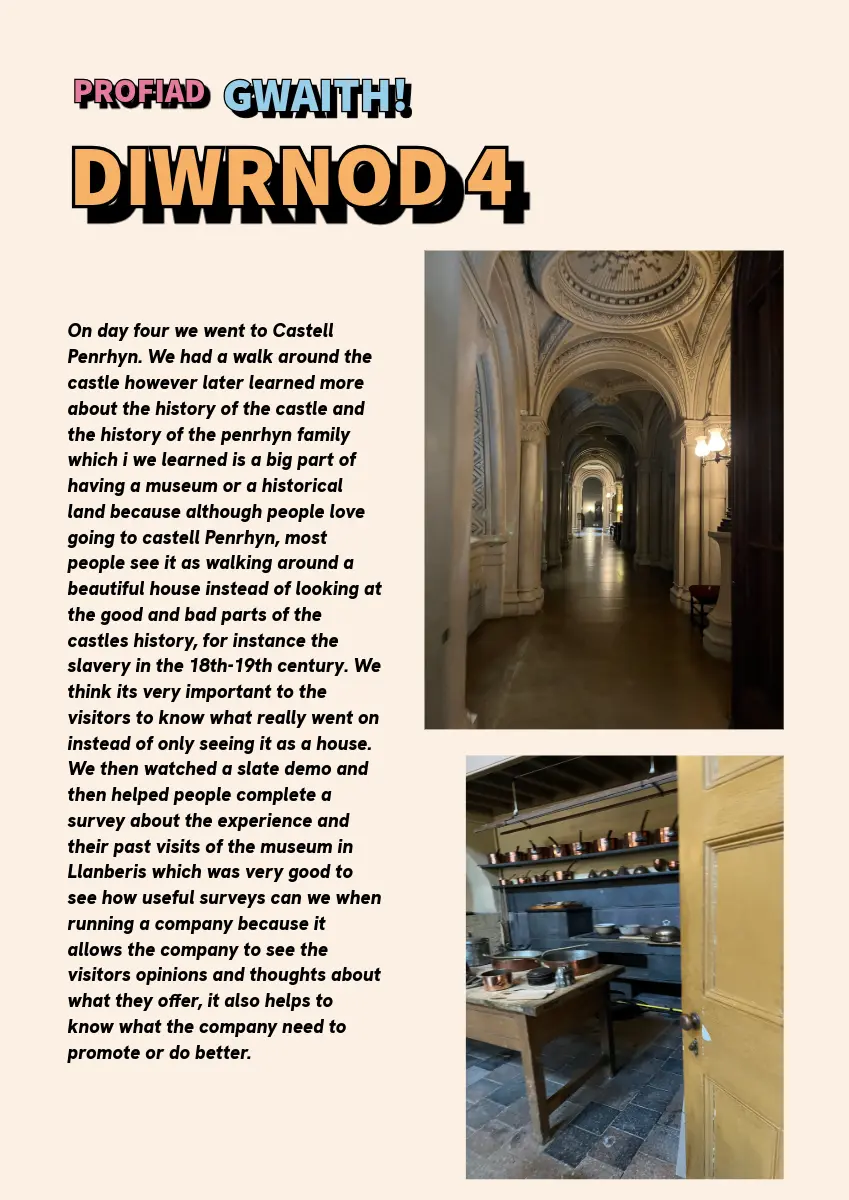
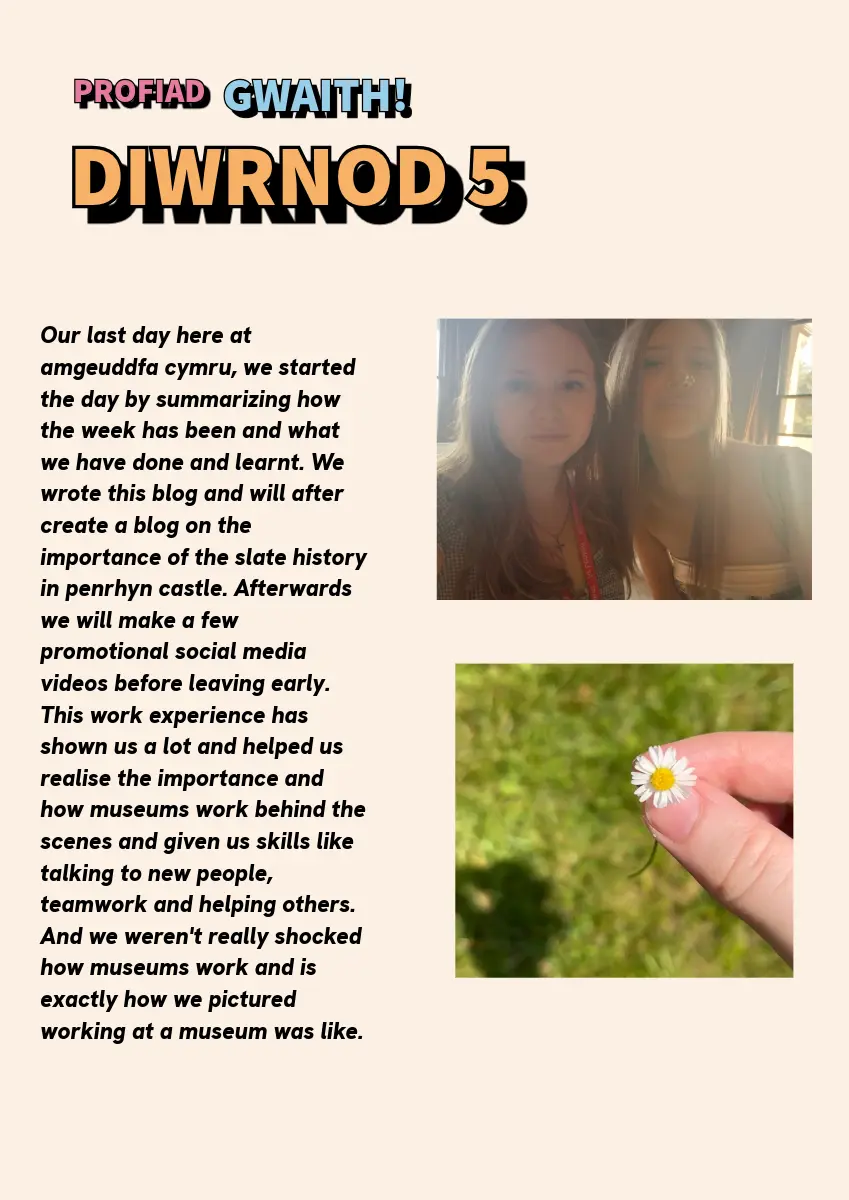
Working in partnership to help repair Una Chloe Ward, 26 January 2026 Una is undergoing essential repairs at Boston Lodge, the engineering works of the Ffestiniog & Welsh Highland Railways. In December and January, a group of volunteers spent a couple of weekends offering their time to help with the task! Una the engine was built in 1905 by the Hunslet company of Leeds and worked at Pen-yr-Orsedd until about 1960, being used mainly to haul wagons of rubble inside the Quarry. Sadly, she failed her safety tests a few years ago and has had to remain out of action since then - much to the disappointment of staff and visitors.This opportunity to help with the repairs has been a part of the collaboration between Ffestiniog & Welsh Highland Railways and the National Slate Museum, as we knew people would jump at the chance to be a part of Una’s story! Over the course of two weekends, several volunteers helped to sand, scrape, clean and prepare metalwork from Una, ready for repainting. This is an essential part of restoring Una and ensuring the steam engine is preserved for future generations, as fresh paint helps protect the metal. "The day I spent working on Una has led to me pursuing the opportunity to volunteer on other projects within the Northwest Wales Slate Heritage Site... I really enjoyed the day" - David, volunteerA big thank you to all those who came and contributed their time on cold winter weekends! It was wonderful to share Una’s story and see everyone’s passion shine through. As work continues with Una, we hope to offer more opportunities for people to engage with the journey! Join our mailing list to ensure you are kept up to date with the latest opportunities: Sign up to the mailing listThe project is funded by The National Lottery Heritage Fund, UK Government via Cyngor Gwynedd as part of the Llewyrch o'r Llechi project, Welsh Government including the Community Facilities Programme, the Wolfson Foundation and The Garfield Weston Foundation and other funders. We are extremely grateful to all our funders for their support.
Archaeologists at National Slate Museum? Chloe Ward, 5 January 2026 I know, archaeology is not something you would automatically associate with the Slate Museum – it’s usually geology! But in December, three volunteers joined us to take part with the archaeological surveying required for the enabling works of the redevelopment project at National Slate Museum, Llanberis.Archaeology Wales were commissioned to survey and record two features at the Gilfach Ddu workshops, where the museum is based. They were recording a post-1970s staircase in the Foundry, and original railway tracks outside in the yard. This surveying is required due to the Gilfach Ddu workshops being a listed building, and to ensure anything changed during the redevelopment project is recorded. The staircase is being replaced with a more accessible and safer design, whereas the railway tracks will be replaced once drainage has been installed beneath them. Three volunteers, Nicola, Donna and Shay, joined buildings archaeologist Emily to draw and photograph these features, creating a permanent record for the future. This provided volunteers with a good base of knowledge of buildings archaeology and how to survey features by drawing and photographing. It also gave a great opportunity to learn about the Slate Museum redevelopment and the improvements being made. DIOLCH Nicola, Donna a Shay! Sign up to the mailing list to hear about any future volunteering opportunities with the Slate Museum:Sign up to the mailing listThe project is funded by The National Lottery Heritage Fund, UK Government via Cyngor Gwynedd as part of the Llewyrch o'r Llechi project, Welsh Government including the Community Facilities Programme, the Wolfson Foundation and The Garfield Weston Foundation and other funders. We are extremely grateful to all our funders for their support.
An extraordinary year! One year on since closing the National Slate Museum temporarily for redevelopment! Helen Goddard, Project Director National Slate Museum Redevelopment Project, 3 November 2025 It's been an extraordinary twelve months for the National Slate Museum Redevelopment Project. Since we temporarily closed our doors in November 2024, the team has undertaken the incredible feat of preparing the museum for redevelopment. We've been successful with a hugely ambitious £12m grant from the National Lottery Heritage Fund. This, together with the investment from our other supporters, has finally enabled us to realise the full ambition of the project. We've safely packaged and moved our collections to their temporary home at Llandygai Collections Centre and we've appointed MPH Ltd as lead contractor and started the exciting and highly specialised work of conservation and repair on site. During the enabling works phase, we've seen the demolition of the old shop and café buildings in preparation for the new developments on site. It has been incredible to see these parts of the site temporarily returned to how they looked when the workshops were in operation.Our staff and collections have taken the museum experience beyond the museum walls into partner locations across the World Heritage Site with our ambitious 'Museum on the Move' campaign. Some of our staff are located at the Quarry Hospital here in Llanberis where we've introduced a new Museum character - Margaret the Matron! Our slate quarrymen have made themselves at home in their temporary location at Penrhyn Castle, a powerful and symbolic moment for the story of slate and its place in the history of our local communities here in northwest Wales. Our Blacksmith meanwhile has a space at Crefft Migldi Magldi in the slate quay in Caernarfon working alongside another young Blacksmith. We've also been working very hard on designs for some of the key areas for reinterpretation in the Museum which has been very exciting. Below is a list of some of the things that have taken place thanks to the dedication of our extraordinary team and wider partners. 123 people attended our Silent Spaces Tours of the Museum before closing. 27,643 people have visited our semi-permanent locationsWe’ve been to 19 community events where we’ve met and engaged with 1068 people. 1,115 children have enjoyed our digital and in person Learning activities including the Quarryman’s Day, the waterwheel challenge and 'Strike!' We used 1,734 cable ties to label all the original nails in the walls of the Museum. 165 objects have been boxed up at the Museum to protect them from damage.We've packed away 13,208 objects to our new collections centre in Llandygai by The collections team have hosted 13 visits to the Llandygai Collections Centre and provided guided tours to 119 people.It feels like a good time to pause, reflect and celebrate what we have achieved over the last year but the pace of the project shows no signs of slowing! Over the next two years we will continue to evolve the visitor experience on site including the exhibitions that will define a truly world-class gateway to the world heritage site of the Slate Landscapes of North-West Wales alongside our partners across this special region. Watch this space!
Treftadaeth Byw: Living Heritage in Dyffryn Nantlle - Wales REACH Lotti Mai Jones, 30 October 2025 As part of the Wales REACH project, we’ve had the pleasure of collaborating with a range of housing associations and community organisations across Wales. Among these are Adra and Yr Orsaf, both dedicated to supporting people in North Wales with housing and community initiatives.Discover what Lotti, Yr Orsaf’s Heritage Officer, has been organising and delivering in Dyffryn Nantlle as part of the Wales REACH programme.How do cultures, histories, and language sit within the open arms of this valley, swim with the rivers, and dance across the etched cliff faces? These are some of the things I have been ruminating on as a Heritage Officer - neu Swyddog Treftadaeth - in Dyffryn Nantlle over the past few months. See Fig 1.I arrived to this role at Yr Orsaf community hub feeling a post-uni-lostness; I had returned to my childhood home near Clynnog after spending time away in Oxford and felt pretty rusty in my Welsh. Thus, working as a heritage officer in Dyffryn Nantlle was a time re-turn and re-connection. Our first session - Noson Hen lunia/Old Pictures Evening - was a chance to open up conversations about heritage. It was golden to hear people’s pride and passion for their sense of place, and to see such care that people had for material pieces relating to their past. See Fig 2.Seeing old images of Penygroes shocked me: a bustling place of independent shops, trains, quarrying, a cinema, when compared to its relative understatedness now. Someone told me about the fun they had dancing and singing at farms for Noson Lawen and the excitement of meeting people from different towns at Clynnog disco. Beyond nostalgia, seeing how Dyffryn Nantlle has changed over time also gave me excitement at the feeling of possibility and was a reminder of the importance of ongoing community work happening at places like Yr Orsaf. See Fig 3.Our Noson Streuon - storytelling night - was bustling with eager listeners for Gwynn and Gethin’s tales. I was mesmerised by Gethin’ delicate, unfurling image of the oak sampling sprouting up before the grand tale of Blodeuwedd and Lleu Llaw Gyffes. What felt most meaningful were that the stories were rooted in this landscape - that the story of the tylwyth teg unfolded on a farm just across from the top of the high street and another one just down at the river I cycled passed on the way to work. It added cultural depth to my internal map of home. I had never been to a storytelling yn Gymraeg. It felt right to hear these stories in the language of which they had been borne, the language of this land; a powerful holder of heritage. Heritage is a personal thing, where complex feelings towards it are shaped by particular moments and experiences. As a heritage officer, this means a humble approach that recognises that people already have their own heritages and connect to them in a range of personal ways.Our collaging afternoon with year 6 from Ysgol Bro Lleu and our fortnightly coffee club for older members of the community - BeNawnNi - was an example of the reciprocal learning that can emerge from intergenerational exchange. Many of the older members were unsure about collaging since it was something that they did not have much experience of. Meanwhile, the primary school kids got stuck right in and took up the opportunity to show their older counterparts what they were doing. They worked together to collage their favourite places in Dyffryn Nantlle and talk about what it meant to them. See Fig 4. Our three open evenings in May - Nosweithiau Treftadaeth - provided a space for people to share their knowledge and experiences of living in Dyffryn Nantlle. I got to hear about captivating things that have punctuated people’s lives: the trembling cupboards of the 1984 Llŷn Peninsula earthquake (5.4 Richter scale!), traces of old ways of land ownership in the landscape such as names carved on rocks, and a familial pride at the sight of old farming equipment such as maen melin (millstones). Even mysterious, ghostly musings of a flying circus act that once came to Dorothea Quarry. See Fig 5. From these heritage events arose particular challenges. How, for example, to engage secondary school age people in heritage? I found the recent work by Gwyrddni with local schools on the theme of climate change very inspiring. Their work culminated in a bright, big book and a beautiful range of singing and poetry performances for the crew at BeNawnNi. What struck me was that their work not only touched on themes of climate change but were also deeply rooted in a sense of place and heritage. This performance showed me the opportunities that arise when we approach heritage with loosened meanings, one that does not wholly have to be fixed on the past, but is an ongoing process; a conversation that encompasses practices and ways of living that are important for the future. Following this theme of heritage as an ongoing process, later workshops explored heritage by actively doing arts and crafts. We had weaving and natural dyeing sessions with the artist Ella Jones, made sculptural portraits of local famous figures with Luned Rhys Parri, and braided willow baskets with Eirian Muse while listening to Welsh folk on BBC Radio Cymru. See Fig 6. Following a theme of wool, we had a series of sessions on natural dyeing woollen embroidery threads with a local community textiles company called Tecstiliau, and a bowl felting workshop with Nicole LeMaire. Angharad Tomos kindly showed me poems along the way which were relevant to the agricultural love of place that has been nurtured in this area. Reading them during the workshop provided a lovely framing for reflecting on the relationship between wool and this landscape while working with our hands. Many people mentioned grandmothers who had been skilled quilters, embroiderers and makers of clothing. See Fig 7 and 8. Heritage will continue to be cultivated in Dyffryn Nantlle. The very active ‘Criw Kate’ group in Penygroes are organising a festival for the prominent writer - Kate Roberts - at Cae’r Gors in September. I am particularly excited about an old place names project which we started off in August with a session for collecting field names from farmers. Place names - like ‘mini pdf files’ - give interesting and surprising clues about past land use, topographical features like water sources, or can even connect to folktales. Names can change with different ownership or be passed down for generations. Elinor Gwynn and Carwyn Graves - who recently did a talk about the ‘Iaith Yn Y Tir/Language in The Land’ at Yr Orsaf - have been particularly inspiring in this regards; attending to the ways relationships with land have been carried in Cymraeg - is key to making a more just future which respects the beautiful ways that people have inhabited places across time. I am grateful to have been entrusted with people’s memories and stories over the past few months. To braid these strands together, I hope that we can make something creative and collaborative with these place names, such as a quilt or an embroidery piece, to celebrate their beauty and rootedness in this landscape.Keep an eye out for others upcoming blogs, showcasing the amazing work that’s been happening across all our participating communities. Wales REACH is made possible with The National Lottery Heritage Fund. It is a partnership between thirteen organisations and is led by The Open University and Amgueddfa Cymru. It is funded with a grant from the National Lottery Heritage Fund. The current phase started in autumn 2024 and is scheduled to run until autumn 2026.
All the world's a stage! How becoming a character transforms a story! Julie Williams, 28 July 2025 Telling a story is a complicated process - especially a Museum story! Objects, information panels and websites do a good job of giving information and films are invaluable at setting context - but what we all want to know more about are the stories of the people who were there at the time. And there's no better way of doing that than by bringing them back to life! (sort of!) Rhian Cadwaladr - a popular local actor, has been telling 'stories' and creating 'characters' at the museum for over 25 years, and her latest creation, Margaret the Matron, has recently taken up residence at the Quarry Hospital in Llanberis as the Museum is temporarily closed for redevelopment. Margaret (or Gladys as she was more popularly known) was quite a character! An excellent nurse but also an excellent singer. She worked at the Hospiatl for many years and Rhian has meticulously researched her history so that she's able to answer all visitor questions that might come her way! Rhian first worked with the Museum back in the autumn of 1997 when she was asked to become a character in the Museum’s then newly restored Chief Engineer’s house. Over the years she has portrayed various characters from the original Elizabeth, the Chief Engineer’s maid, to Hanna the Chief Engineer’s wife and Anti Marged, who brings to life the 'washday' for local schoolchildren. As Hanna, Rhian would tell people all about her life in the Chief Engineer's House and the many objects in it – from the beautiful willow pattern crockery on the dresser to the handmade rag rugs on the floor. She would also draw attention to the ubiquitous SALEM painting on the wall – a common find in many Welsh homes circa 1919 due to the brilliant advertising mechanisms of sunlight soap! During Christmas events at the Museum 'Hanna' was often surrounded by families helping her to make Victorian oranges – leaving a gorgeous festive aroma through the house.Whilst families enjoy these activities, they are learning that these are places where people lived. Hanna spends a lot of her time making fires to warm the house and cook the food. She makes the rag rugs on the floor and polishes the brasses that have been passed down from generation to generation. Her favourite possession is the slate fan made by her father to show his skill as a quarryman. “Bringing our history to life, not only to generations of Welsh people but to people from all over the world has been an honour,” said Rhian, who is originally from the village of Llanberis and whose grandfather, great grandfather and great great grandfather worked at Dinorwig quarry. "People are so willing to imagine that they have stepped back in time and are meeting a ghost from the past - though I must admit some people, who have not expected to see me there, can be a bit spooked to start with!"Another character Rhian brought to life with local schoolchildren is 'Anti Marged'. These sessions focused on the traditional washday – from intense scrubbing with carbolic soap to pushing clothes through the mangle to drying and ironing – all centred around a warm coal fire of course and all a far cry from the convenience of our electric washing machines, tumble dryers and electric irons today. School children are always gob-smacked by the fact that the whole thing takes so long compared to the modern-day set-up! Another actor who has worked at the museum for a number of years is Leisa Mererid. Leisa would regularly take on the role of a 1901 housewife struggling to cope with the hardships brought about by the Great Strike at Penrhyn Quarry in Bethesda a difficult story! Based in 1901 Leisa’s Quarryman husband is on strike – during the Great Lockout of Penrhyn Quarry. She has little bread on the table and life is generally a struggle. Most prominent in the house where she ‘lives’ is a large conch shell which she and others who are married to men who are on strike, hoot through at the men who have decided to break the strike and go back to work. They are ‘bradwrs’ (traitors) but as the sign in Leisa’s window states “Nid oes Bradwr yn y ty hwn” (There are no traitors in this house!) In May 2022, the National Slate Museum celebrated its 50th birthday and introduced a new character – ‘Wil the Fitter’ – a former engineering fitter at the Gilfach Ddu workshops. The script for this was written by Rhian...and in 2024 Gwyneth was created - a character who was based in the 1969 House of the Fron Haul Quarrymen's Houses.This Summer, as the Museum is temporarily closed for redevelopment, Rhian takes on the role of yet another character - Margaret the Matron at the Quarry Hospital, located in the shadow of the Quarry but overlooking the beautiful Padarn Lake. Here she tells people about the type of injuries and illnesses that are treated at the Hospital, the Doctors who treat them, the type of work the Matron and other staff carry out day to day and just how progressive this amazing community Hospital is. There are many sad stories to be heard but it's also a story of innovation and of a community working together to provide an essential service for the Quarrymen and their families. Said Elen Roberts, head of National Slate Museum:“Being a museum actor is a hard role to take on! The depth of knowledge they have to accumulate is huge because the questions that can be asked are extremely wide ranging – from basics such as how to tell if the iron is hot enough to more complicated issues such as the political events of the day. We’re incredibly lucky to have such talented actors as part of our museum family; they’ve added so much value and enjoyment to thousands of visitors’ experiences over the years.” Margaret can be seen every Thursday during the Summer. Click here for more information.