@DyddiadurKate - pwy 'di pwy?

Elen Phillips, 13 January 2015

Diolch yn fawr i’r 166 ohonoch sy’n dilyn @DyddiadurKate. Mae’r ymateb wedi bod yn gret hyd yn hyn, er gwaetha’r faith mai dechre reit undonog sydd i’r dyddiadur – un cyfarfod gweddi ar ôl y llall! Diolch arbennig i un dilynwr sydd wedi cysylltu i ddweud ei fod yn perthyn i Kate Rowlands. Fel ddedodd @erddin, dim bob dydd mae rhywun yn croesawu ei hen nain i fyd y trydar.

Hanes llafar

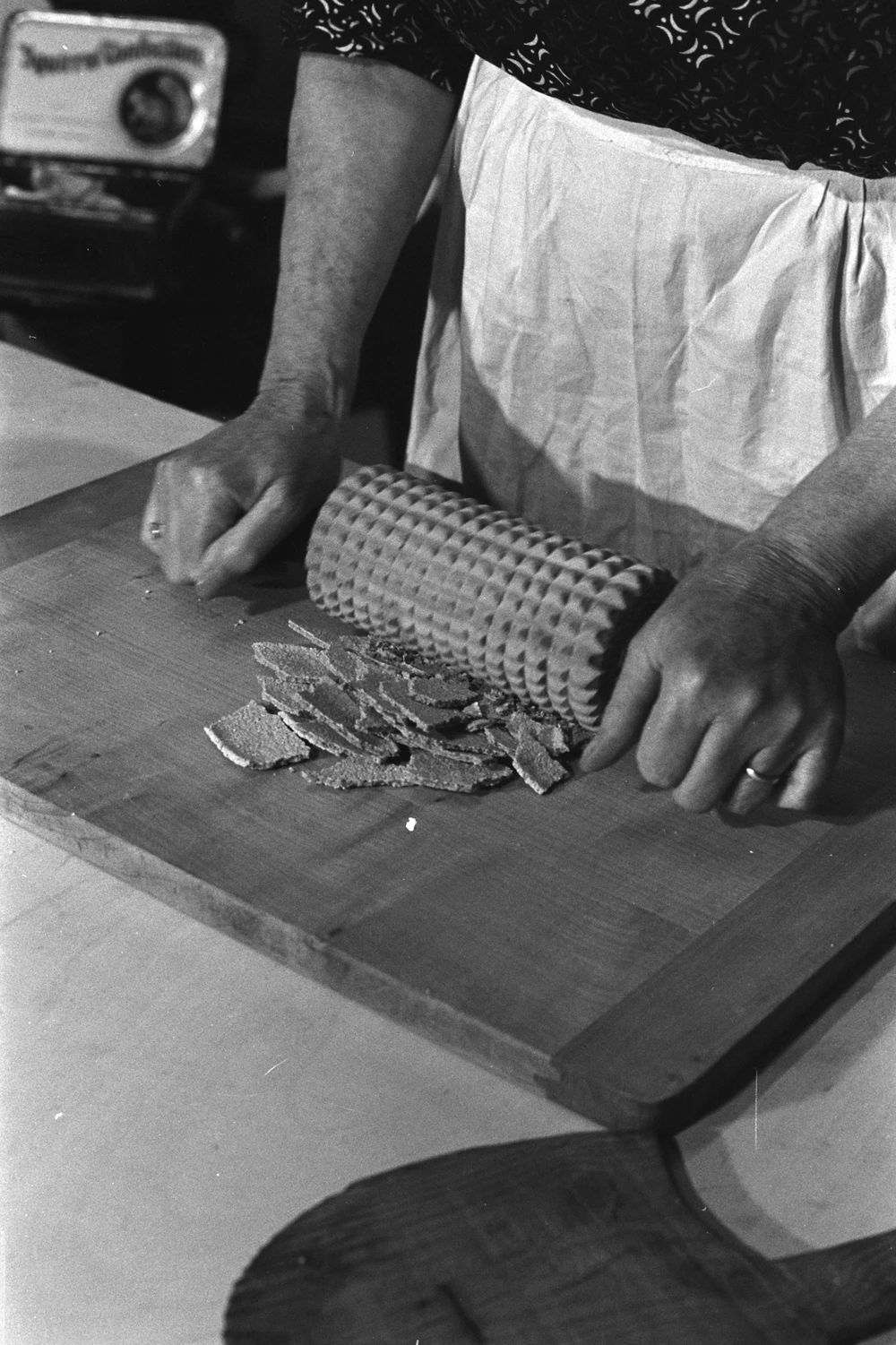
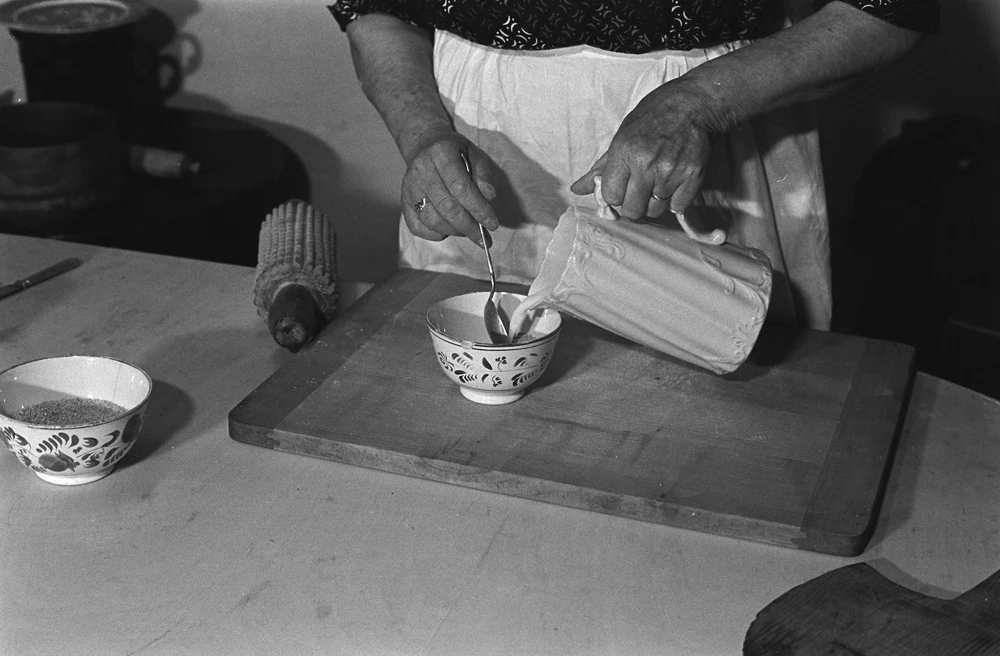
’Da ni’n edrych ’mlaen i glywed mwy am hanes Kate gan aelodau’r teulu cyn bo hir. Ond yn y cyfamser, mae’n hen bryd i ni rannu mwy o fanylion amdani, a rhai o’r enwau sy’n cael eu crybwyll yn y dyddiadur. Yn ffodus iawn, yma yn Sain Ffagan mae gennym dapiau sain o Kate Rowlands yn trafod arferion ei milltir sgwar – coginio, golchi dillad ac ati. Nôl yn 1969, aeth Lynn Davies o'r Amgueddfa i'w chyfweld er mwyn cofnodi tafodiaith ei hardal. Yna, yn 1970 aeth Minwel Tibbott i’w recordio fel rhan o’i gwaith maes arloesol ar fywyd cartref yng Nghymru. Ar ddechre’r cyfweliad cyntaf, mae Kate yn rhoi ychydig o’i chefndir teuluol, ac o fan hyn ’da ni wedi llwyddo i ddarganfod mwy am ei bywyd a phwy ’di pwy yn y dyddiadur.

Cefndir Kate

Ganed Kate yn y Brymbo, ger Wrecsam, yn 1892. Roedd ei mam (Alice Jane) yn wreiddiol o’r Hendre, Cefnddwysarn. Bu farw ei thad –  gweithiwr yn y diwydiant dur – pan roedd hi’n naw mis oed. Wedi hynny, dychwelodd ei mam weddw at ei theulu yng Nghefnddwysarn. Mae’n amlwg i rieni ei mam ddylanwadu’n fawr arni. Mewn un cyfweliad mae’n dweud mai “y nhw oedd y canllawie gathon ni gychwyn arnyn nhw.”

Tair blynedd yn ddiweddarach, mae’i mam yn ailbriodi ag Ellis Roberts Ellis. Hyd y gwn i, dyma’r Ellis sy’n cael ei grybwyll yn y dyddiadur. Tua 1887, pan roedd Kate yn bum mlwydd oed, symudodd y teulu bach i ffermio i ardal Llantisilio, ger Llangollen. Dychwelodd y tri i’r Sarnau tua chwe mlynedd yn ddiweddarach – i fferm Tyhen. Dyma leoliad y dyddiadur.

Tyhen, Sarnau

A hithe’n unig blentyn, gadawodd Kate yr ysgol yn 14 mlwydd oed i helpu ei rhieni wrth eu gwaith. Mae’n debyg mai fferm fach oedd Tyhen – rhy fach i gyflogi dynion:

“Mi gollodd nhad a mam eu iechyd i radde. Buodd hynny’n groes fawr i mi gael gyrru mlaen efo addysg ynde. Rhaid i mi fod adre ynde, ’da chi’n gweld… Dipyn o bopeth, jack of all trade ynde. O’n i’n gorfod helpu llawer iawn allan ynde, efo ceffyle a rwbeth felly ynde. Twmo’r popdy mawr i grasu bara, a chorddi fel bydde amser yno ynde, ryw ddwywaith yr wsos ynde.”

Ffermydd lleol

Penyffordd, Derwgoed, yr Hendre, Fedwarian – mae enwau’r ffermydd hyn yn cael eu crybwyll gan Kate bron yn ddyddiol. ’Da ni’n gwybod mai cartref ei mam oedd yr Hendre, ond byddwn ar drywydd y ffermydd eraill cyn hir.

Cyn gorffen, cadwch lygad am enw Bob Price, neu B.P, yn y dyddiadur.  Ar 11 Chwefror 1916, priododd Kate â Robert Price Rowlands yng Nghapel Cefnddwysarn. Felly roedd 1915 yn flwyddyn arwyddocaol i Kate. Roedd hi ar drothwy pennod newydd yn ei bywyd.


Baby Bulb is growing!!

Penny Dacey, 9 January 2015

Welcome back Bulb Buddies,

I hope you enjoyed your holidays! How are your daffodils and crocuses? Before we broke-up for Christmas a number of schools had written to tell me that their daffodils and mystery bulbs had begun to show above the soil! How are yours getting along? You can update me on how much your plants have grown by adding to the ‘comment’ section when you send in your data. C from Ysgol Y Plas has been very good at this, informing me that “13 bulbs have started to show in pots and 3 in the garden”.  It’s always exciting when you see the first shoots begin to show!

Last year the first daffodil flowered on the 10th of February, although the average date for flowering was 12th March. So keep an eye on them – it won’t be long now! Remember to measure the height of your flowers on the day they bloom. We will then look at all the dates and heights recorded to find an average date and height and this will help us to spot any changing patterns when we compare our findings to those of previous and future years! 

(Picture courtesy of Doug Green’s Garden)

Stages of a Daffodil bulb growing

(Picture courtesy of Doug Green’s Garden)

Remember, flowers need sunlight, warmth and water to grow. Last year was the third warmest year since the project began in 2006, with an average temperature of 6.0°. 2013-2014 also saw the highest rainfall at 187mm, but was the second lowest year in terms of sunlight hours with an average of 69 hours. This meant that our plants bloomed earlier than they did in 2012-2013, which had been much colder with slightly less rain and less sunlight hours. What has the weather been like where you live? Do you think our flowers will bloom earlier or later than they did last year? 

I look forward to seeing your data this week! 

Keep up the good work Bulb Buddies, 

Professor Plant

Your comments, my answers:
 
Morningside Primary School: It was very cold and very very wet this week at Morningside! There was also a little bit of snow on the ground, that would have perhaps melted in our rain gauge!  Prof P: Snow, how exciting! You are right about the snow melting in the rain gauge. This is because the ground will have been colder than the plastic of the rain gauge, especially if there was already rain water in the gauge when the snow fell. Your rain gauge can be used to measure snow fall the same as rain fall, and I will talk more about this in my next blog!

Newport Primary School: On Tuesday 2nd Dec we moved the thermometer because we believed there wasn't enough variation in temperature being shown on the thermometer where it was positioned. It was in a slightly sheltered spot. When we moved it the recorded temperatures dropped considerably backing up our impressions. Prof P: Well done for spotting this Newport Primary! It’s surprising how much difference location can make to the readings. Ideally, your thermometer should be placed in an open, shaded area, to the North of the school and some distance from the building. This is because direct sunlight, shelter from the wind and heat reflected from surfaces or emitted from buildings can cause higher, inaccurate readings.

Glyncollen Primary School: Thank you for the new thermometer. We think one of our bulbs is starting to grow because the weather has been quite mild. We are going to be watching it carefully. Has this happened in any other school? Prof P: Hi Glyncollen Primary School, I’m glad the new thermometer arrived safely! Well done on noting how the weather has effected your plants. I have looked through your weather records and can see that the temperature only really dipped in your area in weeks 49 and 50. The rainfall early on after planting and the mild temperatures will definitely have helped your Baby Bulbs to grow! Some other schools have also reported seeing their first shoots, these include The Blessed Sacrament Catholic Primary School and Silverdale St. John's CE School.

Bickerstaffe CE Primary School: We have noticed that some daffodils planted some years ago have grown new leaves to a height of about 150mm. They are in a quite sheltered spot close to the school buildings, if we remember we will take a photo and send it. The children wonder if these bulbs may be a different type or have come from a different country. Prof P: Hi Bickerstaffe CE Primary School! It’s nice to hear that plants have started growing! These Daffodils are probably a different variety to the ones we are growing. There are many different types, and some have been known to flower as early as November! If you send me a photo once the daffodils have bloomed I will see if I can identify it for you!

Glencoats Primary School: Glencoats primary are enjoying looking after their bulbs. It will make our Eco garden nice and colourful. Thank you for choosing us to be part of this project. Prof P: Thank you for taking part in the project Glencoats Primary School. I would very much like to see a photo of the Eco garden once all the flowers have bloomed!

Let the Buying Begin...

Sara Maidment, 8 January 2015

We’re getting excited about attending the upcoming gift buying shows in Birmingham and London in the next couple of weeks.  It feels crazy but we’ll be doing our order for Christmas 2015 decorations while we’re there!

The Spring shows are where our suppliers launch their new product ranges and are a great way to spot trends for the season. We try to find all of the Welsh companies at the show and make sure we visit their stands and find companies that we can work with to develop exclusive products for the Museum shops.

We found a great new company at last year’s shows. Here’s a sneak preview of an exclusive range that will be in the shops in the Spring. We love the dark denim and think it works so well with the super bright print.

Keep checking the shops and online shop to see the new product ranges coming through.

Worms for Wednesday

Katie Mortimer-Jones, 7 January 2015

Every week we tweet about worms! Yes, I know not everybody's favourite subject, but one which is both fascinating and important. Staff from the Natural Sciences Department at Amgueddfa Cymru-National Museum Wales have expertise in marine bristleworms (polychaetes), a diverse group of marine worms.

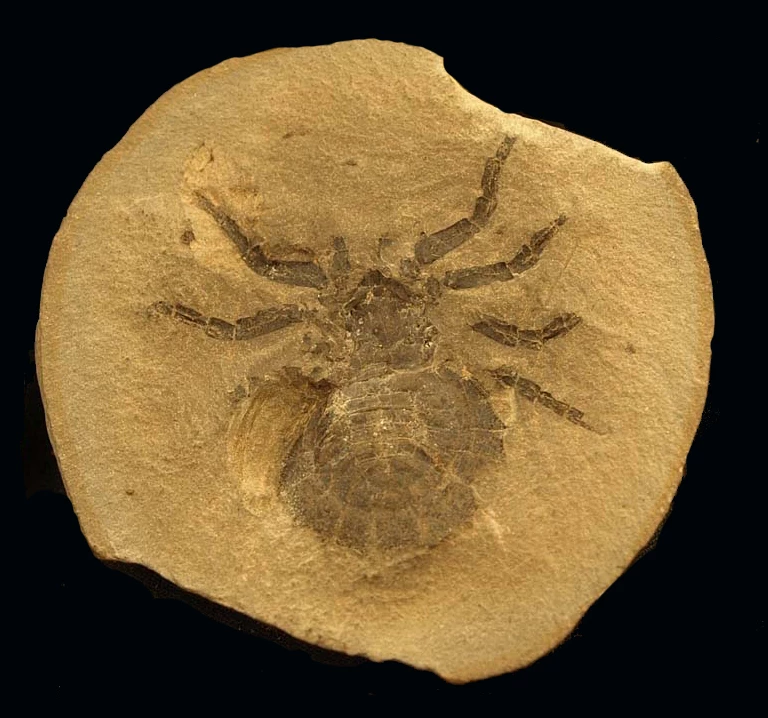
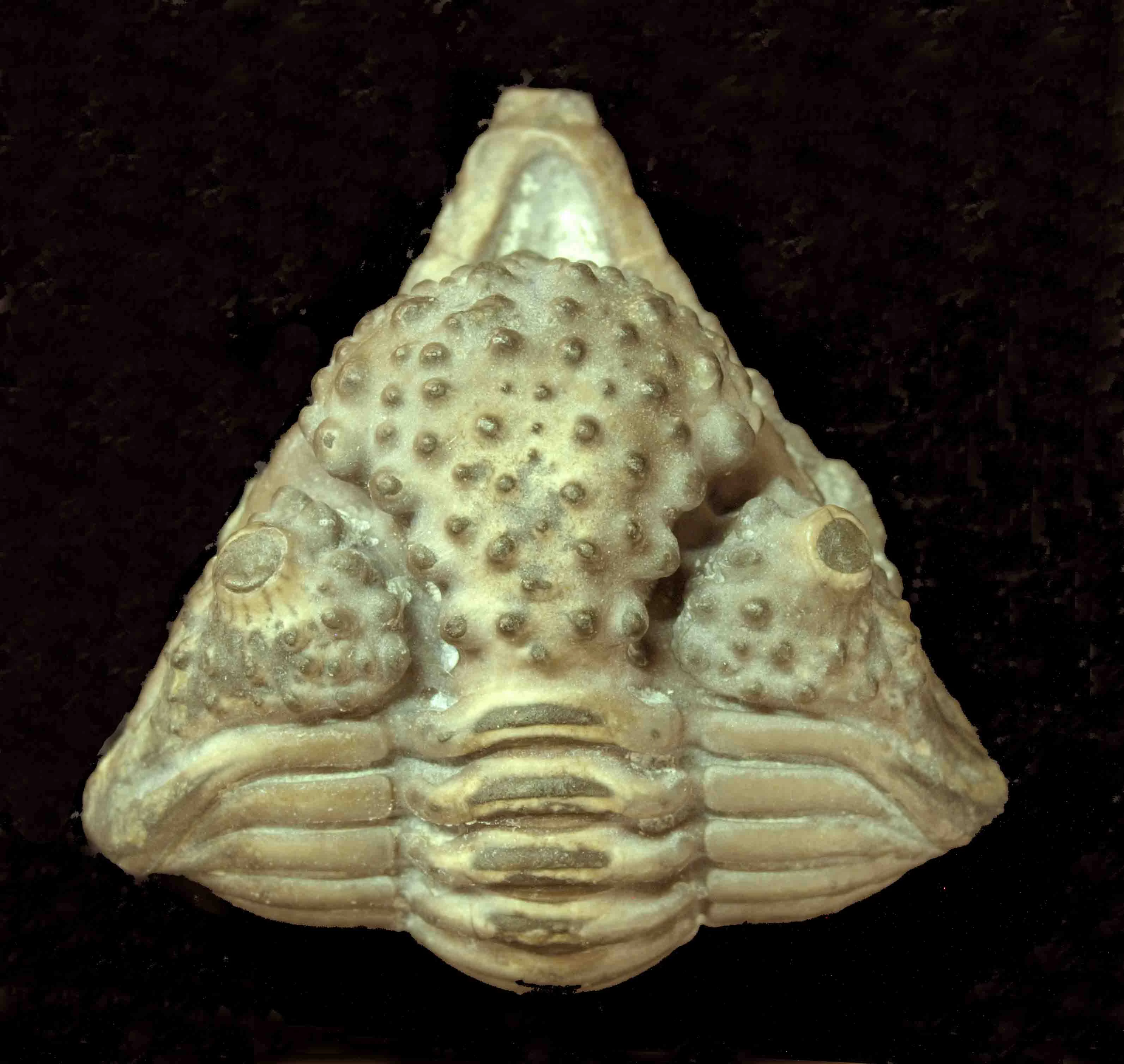
We decided that each Wednesday we would tweet a specimen from our collections, or something based on our research on this subject, from our Twitter account @CardiffCurator. Hence, #WormWednesday was born, to give these animals the prominence their wonderful diversity deserves. This followed on from other successful Twitter hashtags such as #FossilFriday and #TrilobiteTuesday. So, we have been doing this each week for just over a year. We have brought them together in one story for your pleasure. Here are all of the tweets from 2014 and the first few that we tweeted back in 2013 in our Storify Story

A Window into the Industry Collections

Mark Etheridge, 22 December 2014

With Christmas almost upon us I thought I'd start this month's blog with a few wintery scene from our photographic collections. The first photograph is attributed to Mary Dillwyn (1816-1906), sister to John Dillwyn Llewelyn (1810-1882), and was taken in the Winter of 1853/54 probably on John's estate at Penllergare near Swansea. It is very likely to be the first photograph of a Welsh snowman! The second shows Big Pit colliery, Blaenafon (now Big Pit: National Mining Museum) in the snow in 1978.

This month has seen quite a number of new additions to the industry collections. One of the most interesting are these two oil on canvas portraits of Thomas Jenkins and his wife Susannah. Thomas Jenkins was owner of the Avon Vale Tinplate Works (which opened in 1866) and Aberavon Tinplate Works (which opened in 1875), both located at Aberavon, Port Talbot. After his death in 1891, his shareholding was inherited by his two daughters, one of whom had married Colonel David Roderick David, one of Thomas Jenkins' co-partners in the Avon Vale Tinplate Works. The other married William M. Jones, a local ship owner whose vessel 'Sisters' is recalled by the family as having carried the works' product for export.

Neither works are signed nor dated, but both are inscribed on the reverse by the sitters. The inscription states that they sat on their respective 71st and 66th birthdays in February 1879.

This piece of coal was removed by open cast methods from a coal pillar left in the 9' seam at Abercraf Colliery workings in the late 1990s. We have a number of samples in our collection of coal from various Welsh pits including, some mounted like this one, but also many samples collected on the last working day of various collieries.

Many of you will have seen the recent film 'Pride'. If so you'll know the amazing true story of how a group of gay men and women raised funds to help families affected by the miners' strike. This badge was purchased by the donor "at an all night fundraiser for mining families held at the Scala cinema in Kings' Cross in early 1985. At the time they were sold for £2.50 each (which was quite a lot in 1985) with all proceeds going to straight to the Lesbians & Gaymen Support the Miners fund."

We have also had a number of other donations this month relating to the 1984-85 miners' strike. This badge was produced during the 1984-85 miners' strike, and was apparently designed by Tyrone Jenkins, a South Wales cartoonist. We would love to know more if anyone has any information.

2014 was the 30th anniversary of the start of the strike, and this limited edition medallion commemorates this.

We have added a further two share certificates this month to our collection. The first is for The Wemyss Mine Limited, and is dated 1885. The first Wemyss Mine Ltd. Company was floated in 1880 to acquire the Wemyss lead mine adjacent to the Frongoch lead mine near Pontrhydygroes in mid-Wales. After its collapse in 1884 it was replaced by a second company of the same name registered in 1884, to which this certificate relates. In the years 1885-1889 when worked by this company, the mine employed only a dozen men and produced very modest tonnages of lead and zinc ores. The company ceased work in 1889 and was struck off in 1894.

The second certificate very surprisingly relates to the Cardiff Castle Gold Mine!! No, there isn't gold under the castle! This was actually an Australian enterprise run by Welsh emigrants located in the internationally famous Coolgardie goldfields in Western Australia. The company was London-registered in 1895 and so the name probably served as both a sentimental attachment for the emigrants as well as a marketing tool to attract British investors.

This photograph shows the sinking of Wyllie Colliery in the Sirhowy Valley in 1925/26. Wyllie Colliery was sunk by the Tredegar Iron and Coal Company, and named after a director of the company, Alexander Keith Wyllie. It was the last deep mine to be sunk in Monmouthshire, and one of the last in south Wales. The colliery was closed by the National Coal Board in March 1968.

Finally, this 2nd class single ticket is said to have been used on the last train to run from Gorseinon to Swansea (Victoria). It is dated 13 June 1964.

Mark Etheridge
Curator: Industry & Transport
Follow me on Twitter - @CuratorMark