16 weeks to go...

Maria del Mar Mateo, 11 April 2014

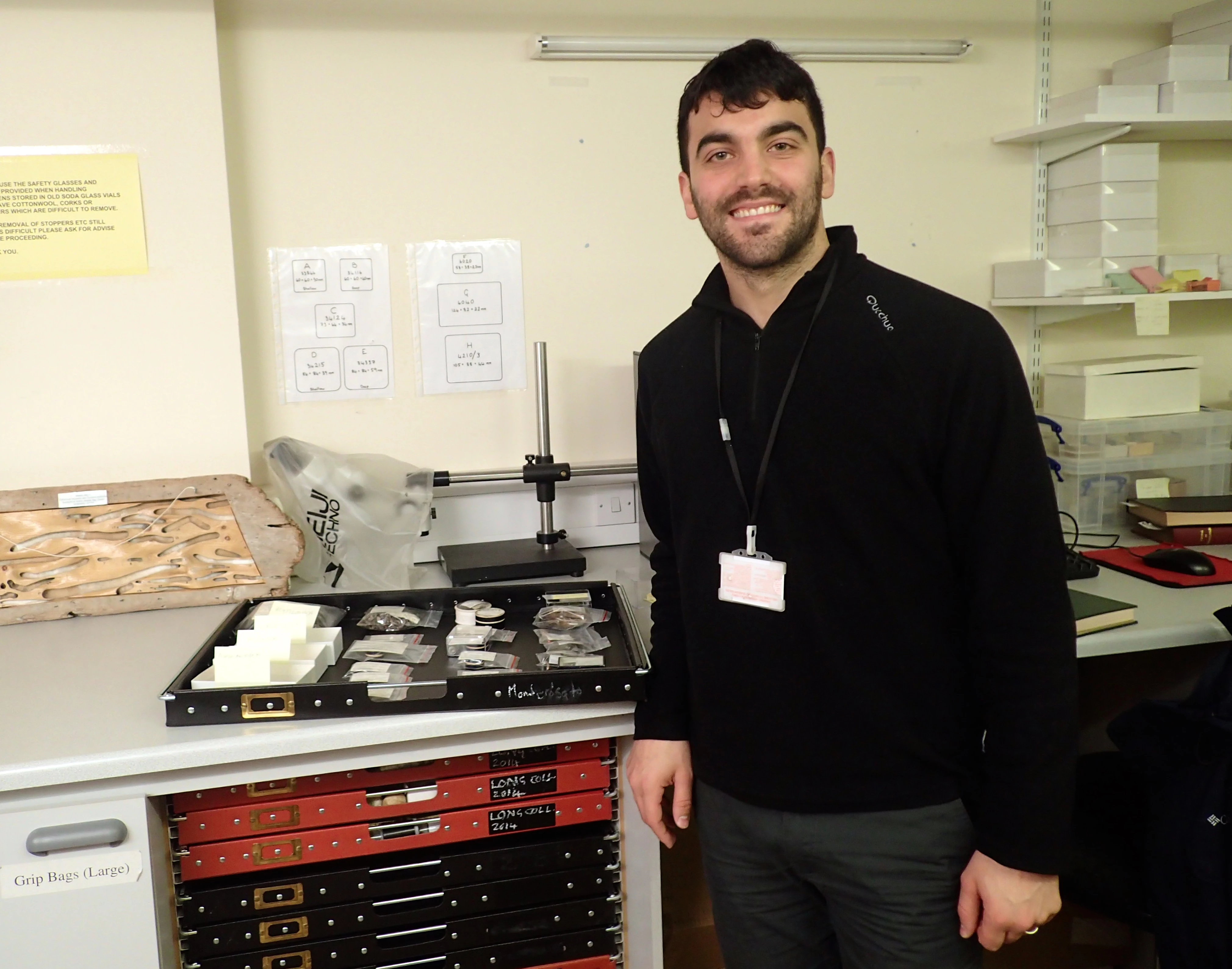
Let me introduce myself, my name is Mar Mateo Belda, I’m a paper conservator and after working in different cultural institutions in Spain, Nicaragua, Cuba and the United States, I’ve got a traineeship at the National Museum of Wales.

The purpose of this traineeship is to carry out conservation of the 66 lithographs from the portfolio “Efforts and Ideals” in 1917 that will be exhibited at the beginning of August 2014 with the title “The Great War: Britain’s Efforts and Ideals”.

Let’s get the show on the road!

I’m sure that for most of you, paper conservation sounds like interesting and weird all at the same time and for that reason you need to watch this space to find out what it is and what I’m doing.

The first step we follow before carrying out the conservation treatments of the works is making a condition report to assess the conservation condition of each of them. The next step is to photograph them all to capture the initial condition of the prints.

Collecting Seaweeds in Ireland

Katie Mortimer-Jones, 10 April 2014

By Kath Slade

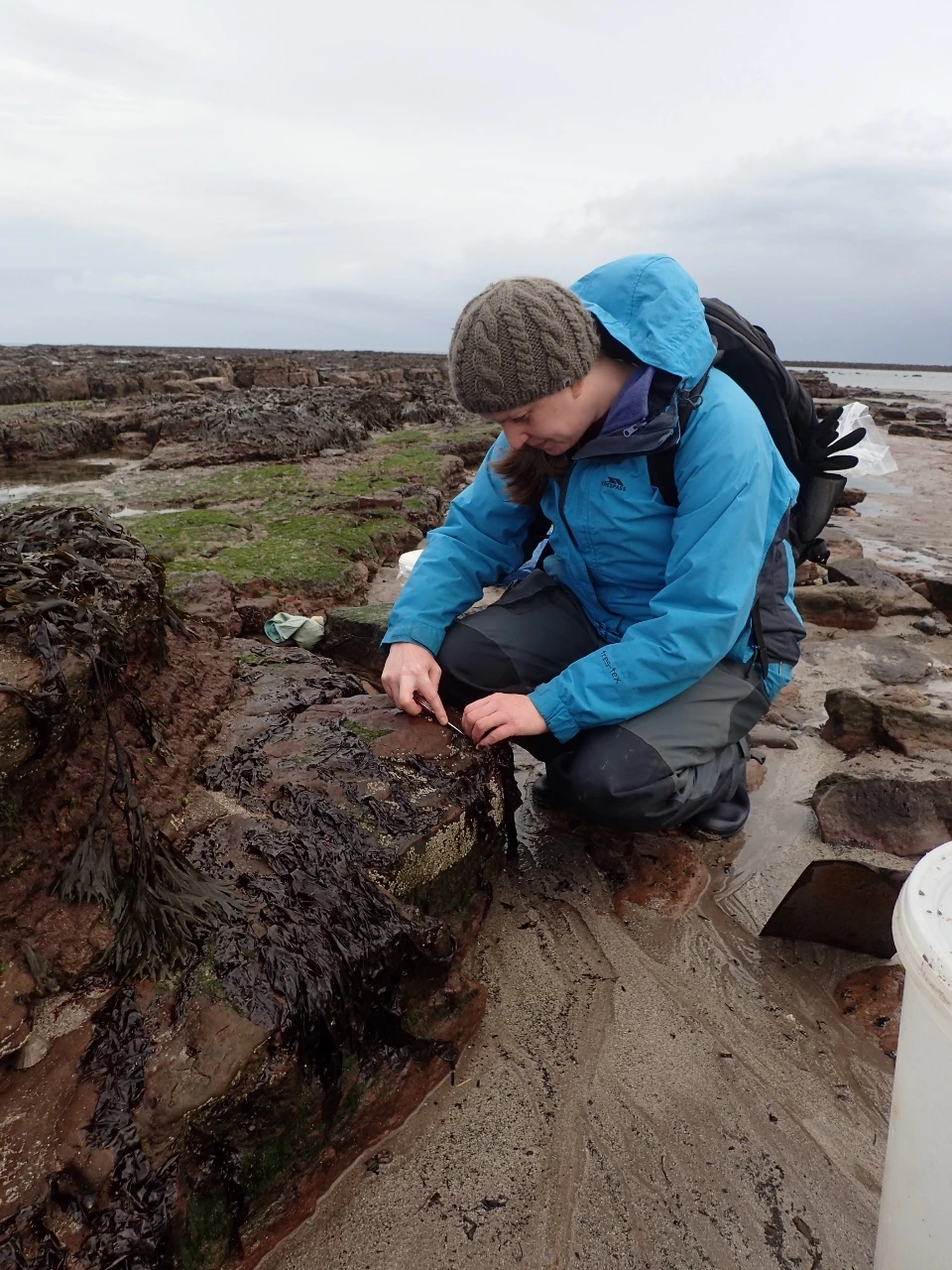
The marine team are back from their fieldwork to West of Ireland with lots of specimens to sort through, including seaweeds. The timing of fieldwork was chosen to coincide with several very low tides, allowing us to sample species lower down the shore, which are less adapted to long periods out of water. We still had limited a time to sample around low water (approx. 2 hours).

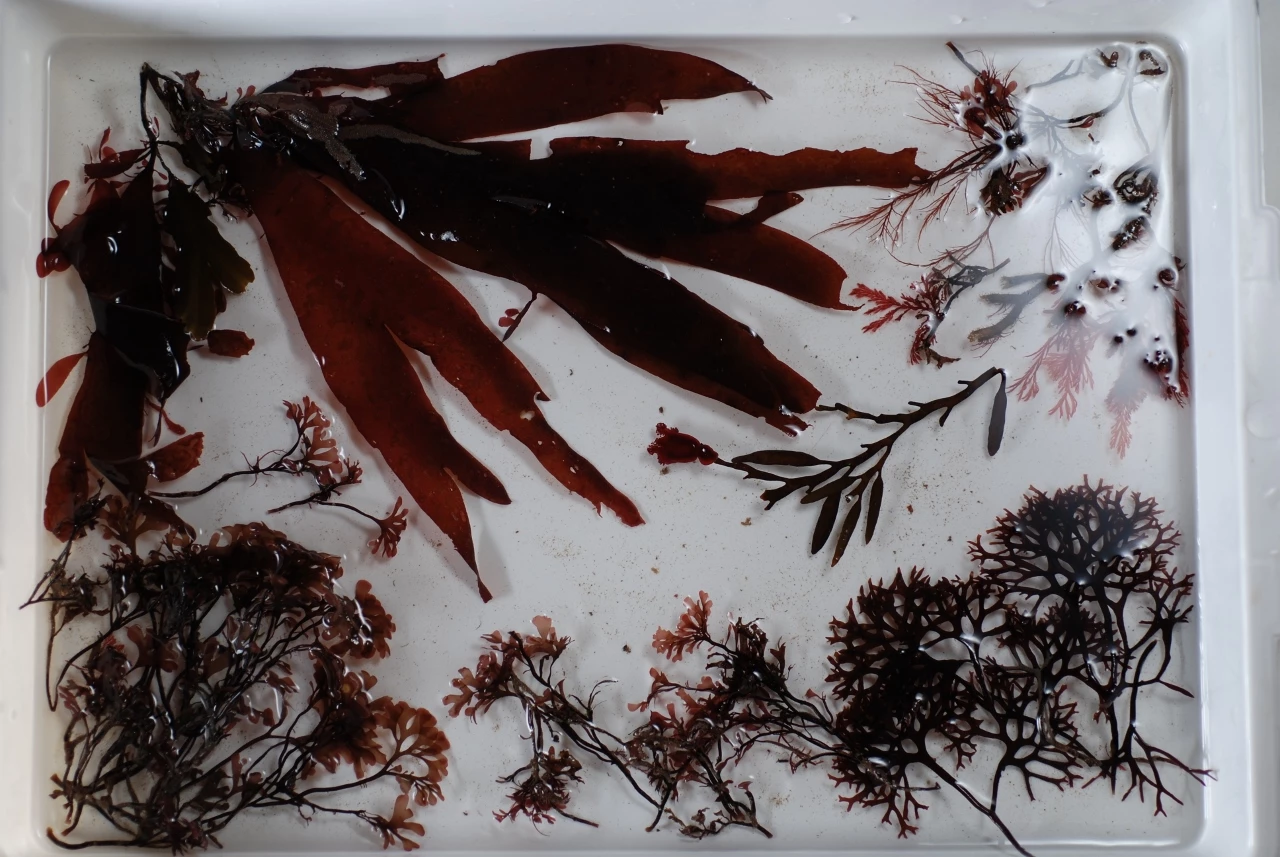
The lower shore holds many of the red seaweeds, such as Sea Beech (Delesseria sanguinea), Fine-Veined Crinkle Weed (Cryptopleura ramosa) and Bonnemaison’s Hook Weed (Bonnemaisonia hamifera).

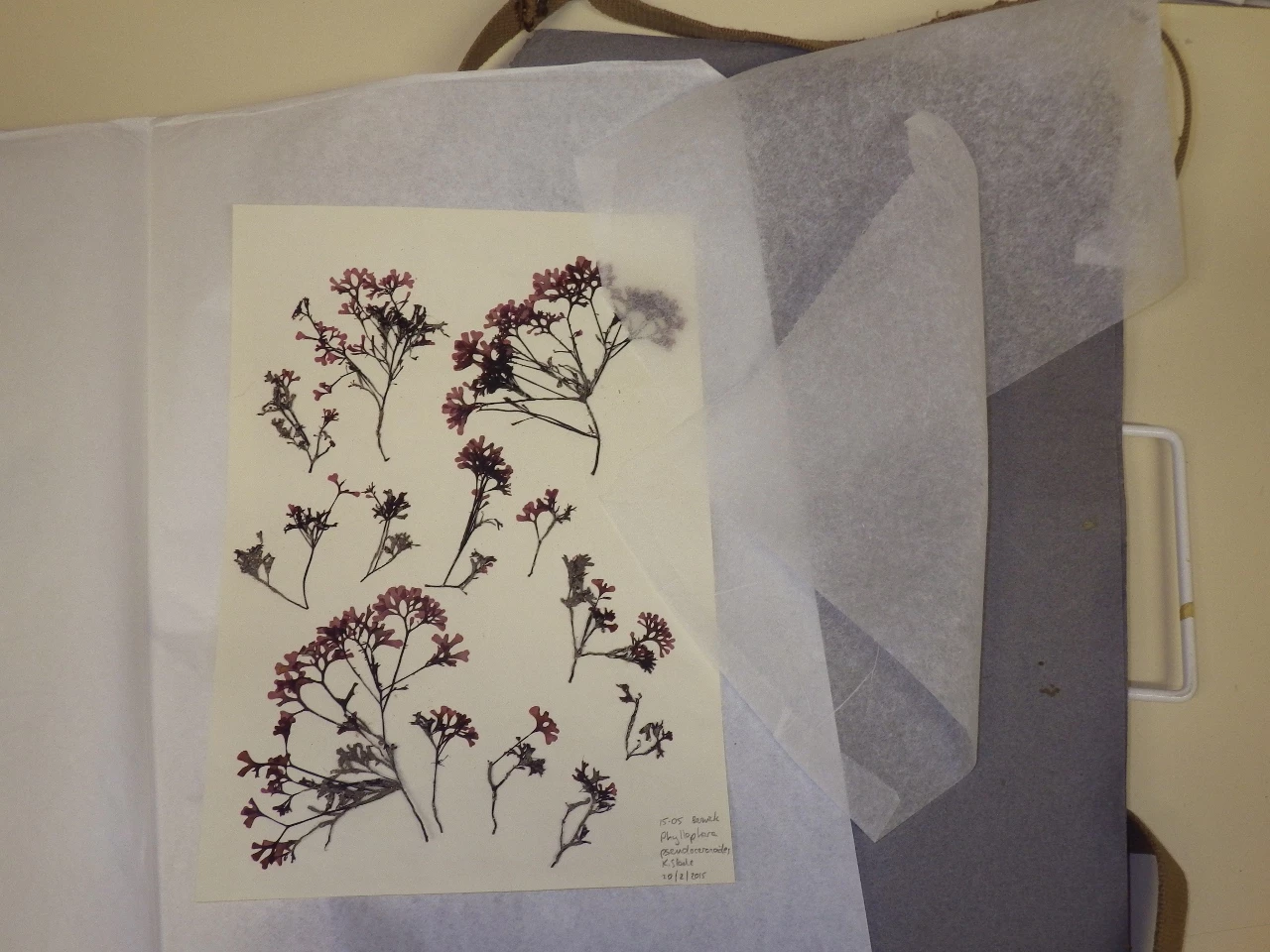
Immediately after collection, there was a fair amount of processing to do, as seaweeds don’t last long out of their natural habitat on the shore. Many were floated out in trays of seawater in order to spread all of the fronds (“leaves”) out, before being transferred and pressed onto conservation grade cotton paper. The specimens were stacked together, and between each layer we had blotting paper to soak up the water. The stacks of seaweed were then placed into large plant presses, just like those used for flower pressing. Each day the blotting paper was changed to remove as much water as possible. When we returned to the Museum, we placed the plant presses in drying machines to speed up the process and prevent the seaweeds from rotting.

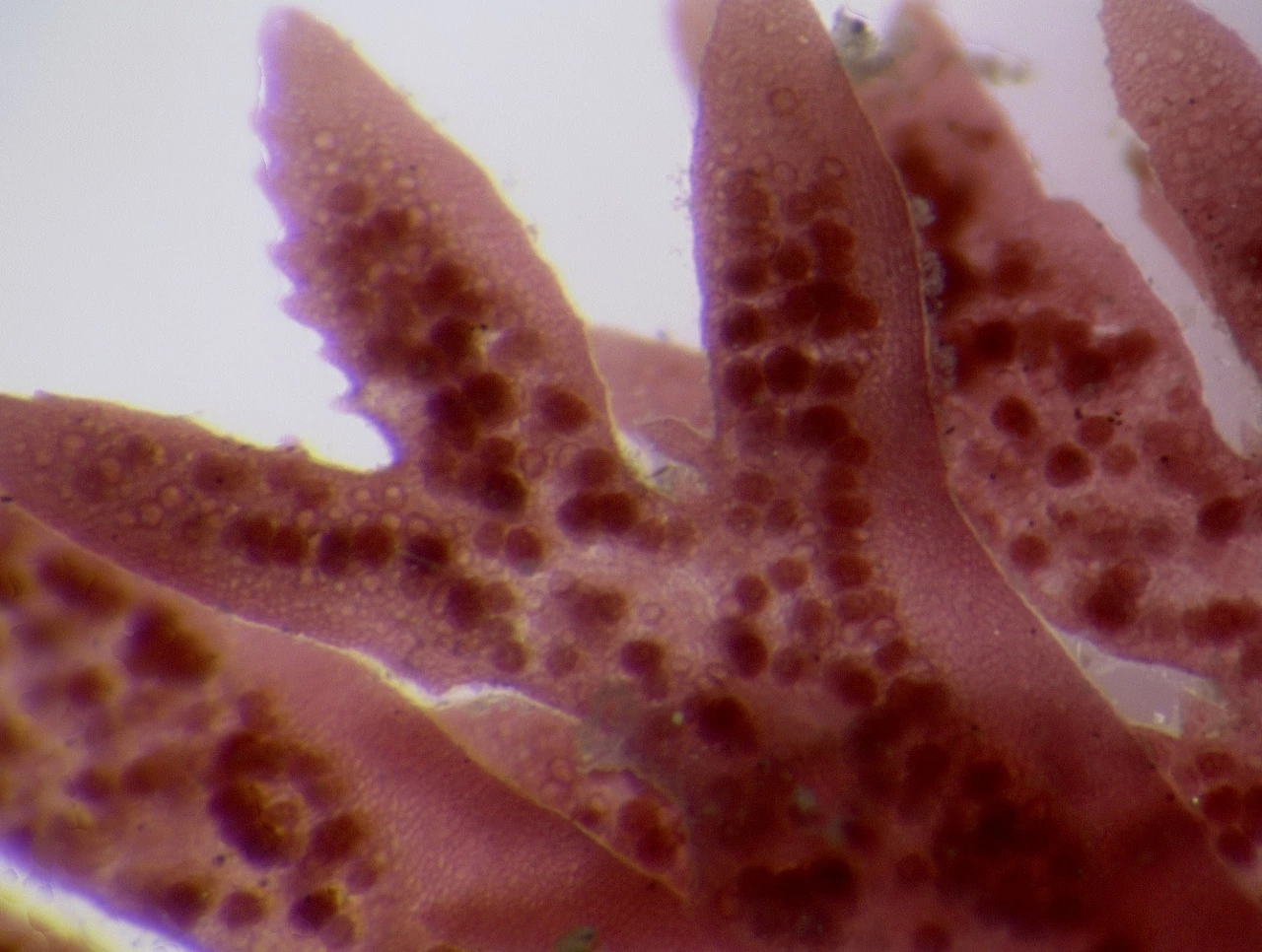
Some seaweeds are difficult to identify from external characters alone. For these species, small portions were collected and placed into silica gel. This dries the seaweed much quicker than pressing so that the DNA is better preserved enabling molecular work to be carried out at a later date. Others were preserved in formalin, which removes the colour of the seaweed but preserves the cell details and the seaweed’s 3D structure. Further identification work, will now be carried out back at the Museum.

All this preparation allows us preserve the seaweeds for future scientific studies. The specimens go into the Welsh National Herbarium (plant collections) at the Museum, and each provides evidence of what seaweeds are present at a particular locality at a particular time. The pressing process is so effective that specimens keep for hundreds of years.

Collections Reviews in Wales

Christian Baars, 10 April 2014

Collections reviews are a hot topic in museums these days, and for good reasons. Reviews form an integral part of collections management. Last October on this blog, I introduced a number of recent reviews of natural science collections. Now it’s time to talk about the Welsh Museums Federation’s approach.

Methodology

The dry bit first: we developed a methodology that reflects the constraints of the project. And they are pretty tight: we needed to undertake 20 reviews with an average time allocation of two curator days each. This means getting an overview of holdings, assessing their significance, and identifying any collections needs in a single day. We adapted UCL’s significance toolkit rather than using the more recently published CyMAL assessment. We felt that this better reflected the questions we were asking and the constraints of the project. If you want to know more about the methodology, please get in touch with the 'Linking Collections' project manager.

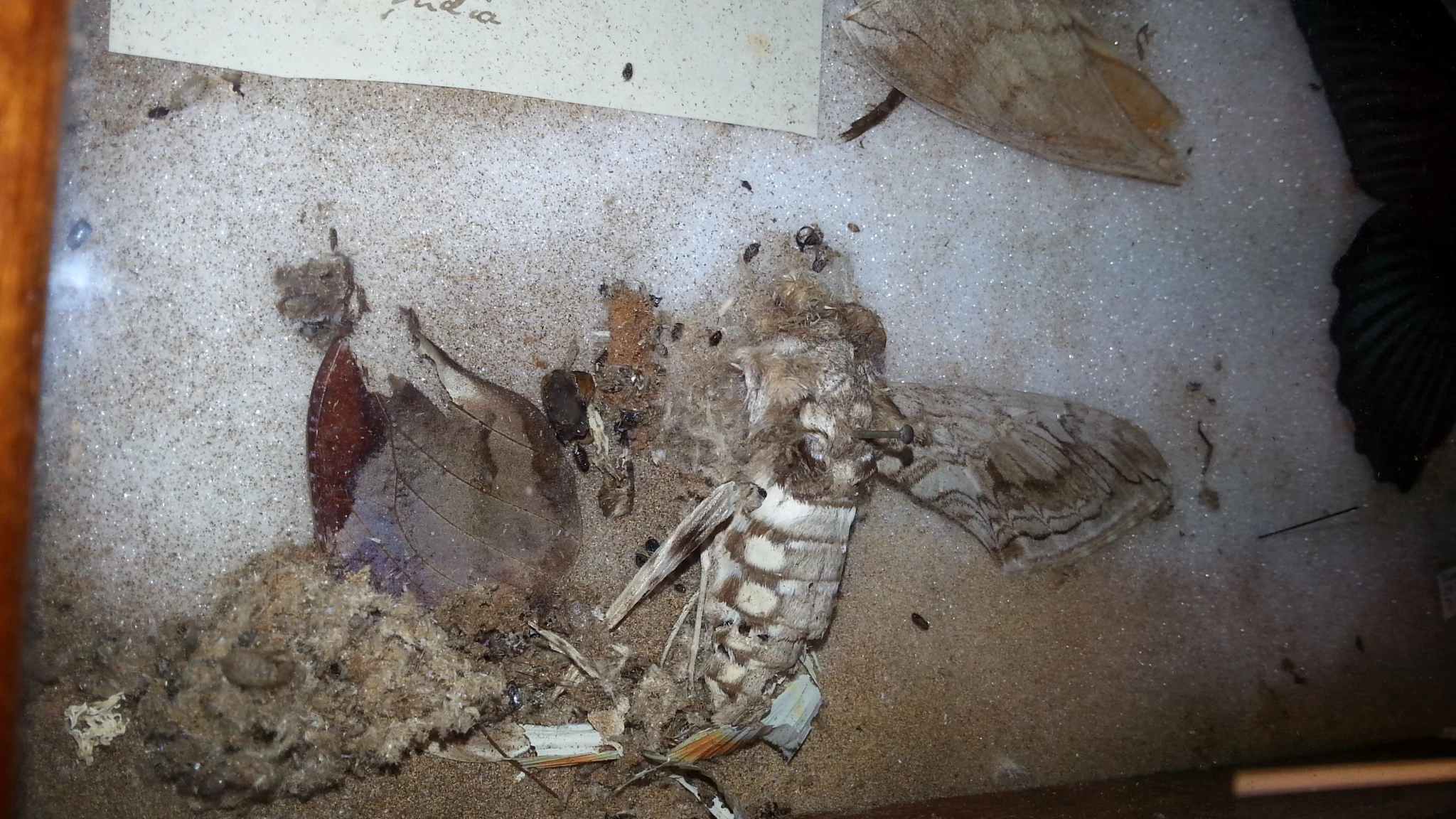
‘Linking Collections’ was conceived because natural science collections up and down the country are, generally speaking, relatively neglected and in need of TLC. We have found that this really is the case. In some cases, specimens were lovingly repackaged in acid free tissue in good boxes – and then not checked for ten years because of lack of specialist curatorial expertise, sometimes with spectacular results. If you work in a museum you know all about this; you are likely to have seen things no mortal eye should ever have to witness.

Process

Let’s focus on the review process itself. It’s quite simple really. A pre-review questionnaire sent to partner museums early last year collected information about scope and approximate size of collections. This then formed the basis for a decision on how many and which curators (reviewers) to send to each museum.  Amgueddfa Cymru – National Museum Wales very kindly provided ‘Linking Collections’ with expertise in the form of specialist curators; the National Museum is now the only museum in Wales with specialist natural science curators.

The project manager acts as the match maker and organises the (review) dates. At the museum, each reviewer is paired up with a local member of staff or a volunteer – in either case somebody who either already is, or will be in future, working with the natural science collection. In this way, the reviewer benefits from local knowledge of physical access to the collection. At the same time, the local staff/volunteers get hands-on training in object handling and a deep insight into their collection from the reviewer. This way of working not only speeds up the process of working through a collection; it also forms an important part of the training element of ‘Linking Collections’, as one of the main aims of the project is to improve the local understanding of natural science collections.

While the reviewer assesses the objects, the assistant fills in the EXCEL data matrix on a laptop. The data matrix asks for a definition of a ‘review unit’ as well as its size (a unit can be a single specimen or an entire cupboard full of specimens); information about provenance, the collector, collection date. We then record any information about local relevance and historic notes, as well as a simple indication of conservation state, documentation, quality of packaging and any potential health and safety issues. Then there is a block of columns with significance assessments, on a traffic-light-scale, regarding different levels of importance (local to international) and value (scientific, historic, educational, …). Finally, the reviewer also records an initial recommendation for potential use of the review unit.

Results

The information we get from this assessment helps determine the potential of each collection. It will also enable to identify gaps in collections that could be addressed, in the future, through the museum’s collecting strategy. And because the approach is consistent between 20 museums it will be possible to compare these collections directly, and see how they complement each other, or whether there are similar problems affecting them. This last point is particularly important in the context of establishing the Distributed National Collection in Wales, which is what this project is all about.

Follow 'Linking Natural Science Collections in Wales' on Twitter @LinkinCollWales or Facebook.


The countdown has started

Emily O'Reilly, 8 April 2014

Welcome to our blog.  This is the first blog in our journey to opening the exhibition, Britain’s Efforts and Ideas: Prints of the First World War on 2 August 2014 at the National Museum Cardiff.  The countdown has started.   

The exhibition will bring together the works from the portfolio, The Great War: Britain’s Efforts and Ideals. commissioned by Wellington House, the propaganda Bureau that became the Ministry of Information.  The prospectus described the series as …’a first attempt by a number of British artists, working in unison, to put on record some aspects of the activities called forth by the Great war, and ideals by which those activities were inspired.’  Artists of the day including Frank Brangwyn, Augustus John, William Rothenstein, Eric Kennington and C.R.W. Nevinson all contributed prints to the series.  In 1919 the National Museum of Wales was donated a set by the government.  We will be exhibiting these works as a group for the first time. 

Over the next few months we plan to give you an insight into preparations for this show.  Working together, conservators and curators will research and prepare all 66 prints for display.  We will give you an insight into what happens to works when they go ‘to be conserved’, how we can investigate the fibres to identify the paper, what new research will reveal about the series and the public reaction when they went on display.

Mar Mateo, Beth McIntyre and Emily O’Reilly

Fieldwork in Co. Mayo - Update

Katie Mortimer-Jones, 8 April 2014

The team are now back from the West Coast of Ireland and the trip has proven to be really successful. The team continued to sample around Corraun, near Achill Island, north Clew Bay for several days, although the weather did turn. They are now processing the samples collected back at National Museum Cardiff. The seaweed samples are carefully dried and pressed, bristleworm and shell specimens are removed from the formaldehyde fixative and then placed into alcohol, and the DNA samples are placed into the freezer. Once processed the specimens will become part of the Museum Collections, and will contribute greatly to the research of the Natural Sciences department.