The homepage of the Mollusca Types Catalogue.
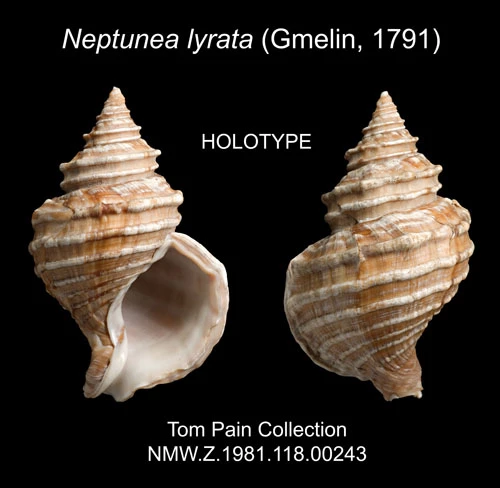
, the oldest type specimen held at Amgueddfa Cymru, collected by Captain James Cook in 1778 from Alaska.
Specimen images and labels for the type of Octopus maculosus described by our first director, Williams Evans Hoyle, in 1883.
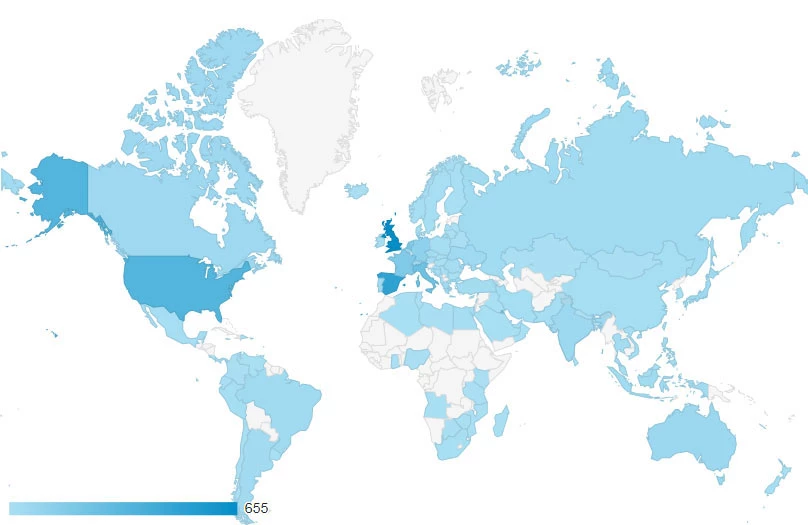
A map illustrating the 110 countries that our web visitors come from so far.
Top 10 most viewed specimens after 18 months online
The Mollusca Types Catalogue was published online by Amgueddfa Cymru in September 2012. This was the first time that images of over 350 of our most important mollusc specimens were made available to our ever growing cyber audience.
The Mollusc collections at Amgueddfa Cymru
The mollusc collections at Amgueddfa Cymru are of international significance and contain hundreds of thousands of specimens. Molluscs are an extremely diverse group that exist in most of the environments on the planet – from landsnails on mountain tops to bivalves in deep-sea hydrothermal vents, venomous cone shells to freshwater pearl mussels, carnivorous slugs to camouflaging cuttlefish. Our collection reflects this diversity and geographical and environmental range.
What are type specimens?
The ‘type’ specimens of any natural history collection are among the scientific gems that need to be safeguarded above all others. They are specimens carefully selected to represent new species and offer a permanent reference for future taxonomists.
Within the Amgueddfa Cymru Mollusca collection there are 3200 type specimens, spanning nearly 200 years of collecting. Two-thirds come from the famous
Melvill-Tomlin shell collection, illustrating its scientific depth and historical importance. Our earliest type is a large cold-water whelk from Alaska, collected in 1778 by Captain James Cook during his third and last voyage. This and many others were described by some of the great collectors and taxonomists of their time, including William Evans Hoyle, the Museum’s first director and Cephalopod expert.The Mollusca Types Catalogue online
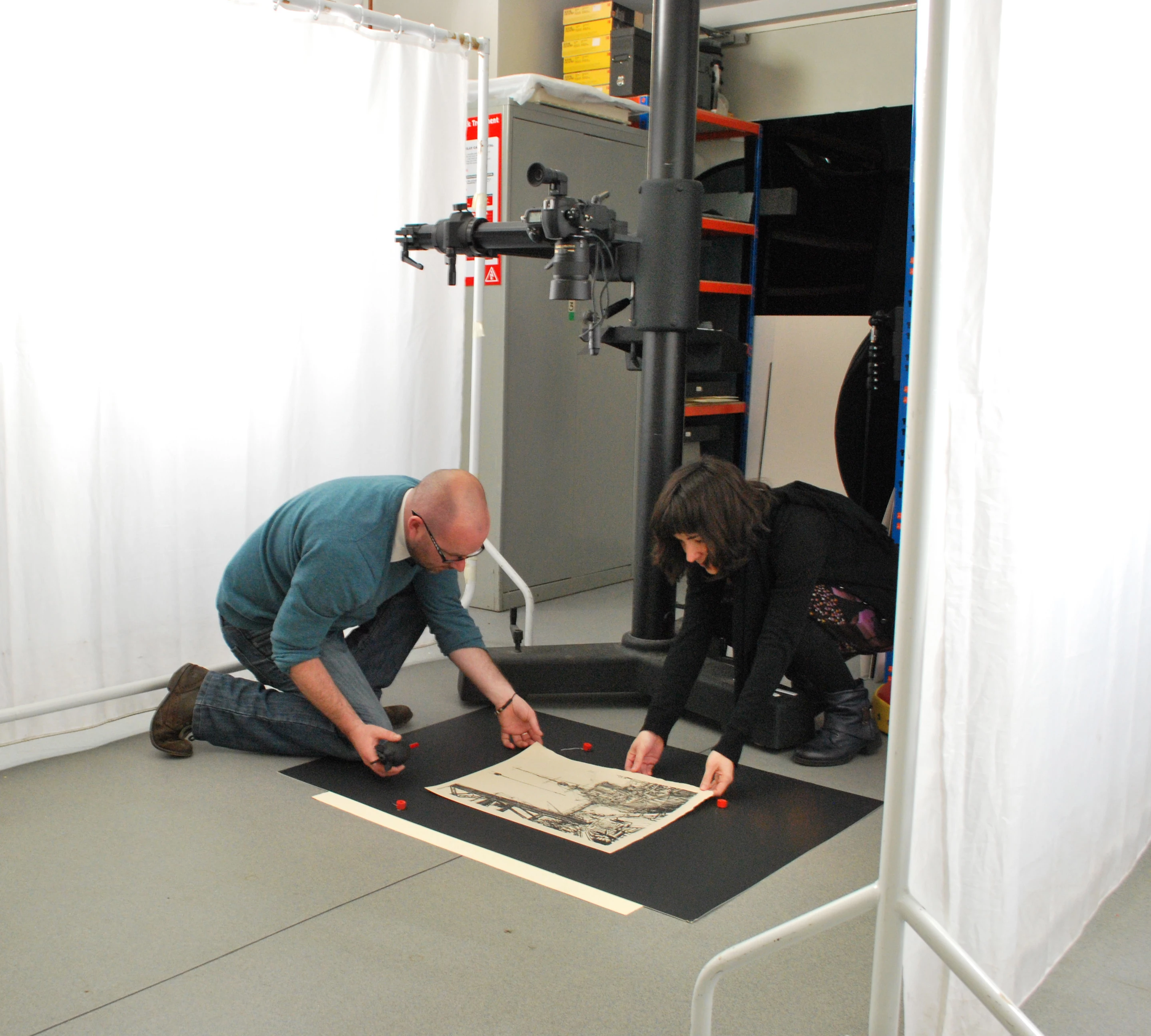
With many collection-based enquiries hinging on type material we were keen to develop a tool to make them accessible across the world and so the Mollusca Types Catalogue was born. The project began in 2009 when the focus was on isolating 350 of our most important types from the main collection, then storing them in new cabinets for easy access and increased security. All of these specimens and their labels were photographed and references for the original species descriptions were checked and scanned. This information was pulled together onto a database and published online. But this is only the beginning…
The many remaining types will be added periodically, with staff continuing to research unrecognised types within our collections. New type specimens will also be added whenever new species are discovered and described by our taxonomists.
Who’s been looking?
Since going online in 2012 the number of enquiries relating to type specimens has increased dramatically. This illustrates the important role that websites play in increasing access and the use of our collections. With the use of Google Analytics we can get some idea of who’s been looking over the last 18 months:
- We have had 3,973 visitors, viewing 12,268 pages.
- We have had hits from 113 countries.
- Top 5 users: UK, Spain, United States, Italy, France.
- 59.5% are new visitors and 40.5% are returning visitors.
- Most viewed specimen: Scintilla lynchae Oliver & Holmes, 2004
Take a look
So, take a look for yourselves and let’s see where we are in a year from now….
Wood, H. & Turner, J. A. 2012. Mollusca Types Catalogue. Amgueddfa Cymru - National Museum Wales. Available online at http://naturalhistory.museumwales.ac.uk/molluscatypes