Learning Traditional Carpentry Skills at St Fagans

Janet Wilding, 3 April 2020

The Historic Buildings Unit (HBU) at St Fagans National Museum of History have recently welcomed a new member of the team - Jen Farnell.

Jen joined HBU in January 2020 on a placement with The Prince's Foundation Traditional Building Skills Programme to learn traditional carpentry skills.  The bursary programme provides 8 months training in traditional skills for tradespeople already qualified in their field, but who want to train in traditional techniques.

Jen had completed her NVQ level 3 in Site Joinery and worked her apprenticeship with Persimmon Homes in south east Wales, when she heard about The Prince's Foundation Programme from a friend who had completed it and gained his NVQ level 3 in Carpentry Traditional Skills. The first 4 months of Jen's training were spent at Dumfries House with 11 other students, building an arbour in the grounds with a curved hip roof. Previously, Jen has volunteered in Swaziland teaching local women carpentry skills and worked for Wild Creations and NoFit State Circus.

At St Fagans, Jen has been working with Ben Wilkins (HBU Senior Traditional Carpenter) and Tom James (Apprentice HBU Traditional Carpenter) on the windows for The Vulcan Hotel. 

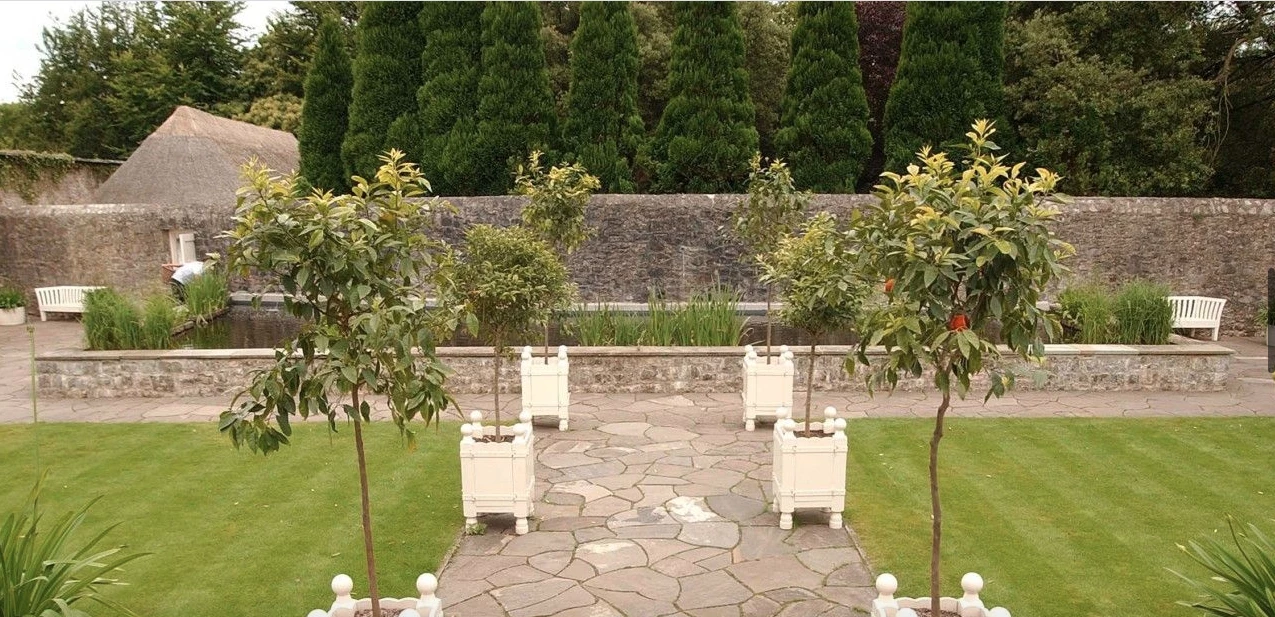
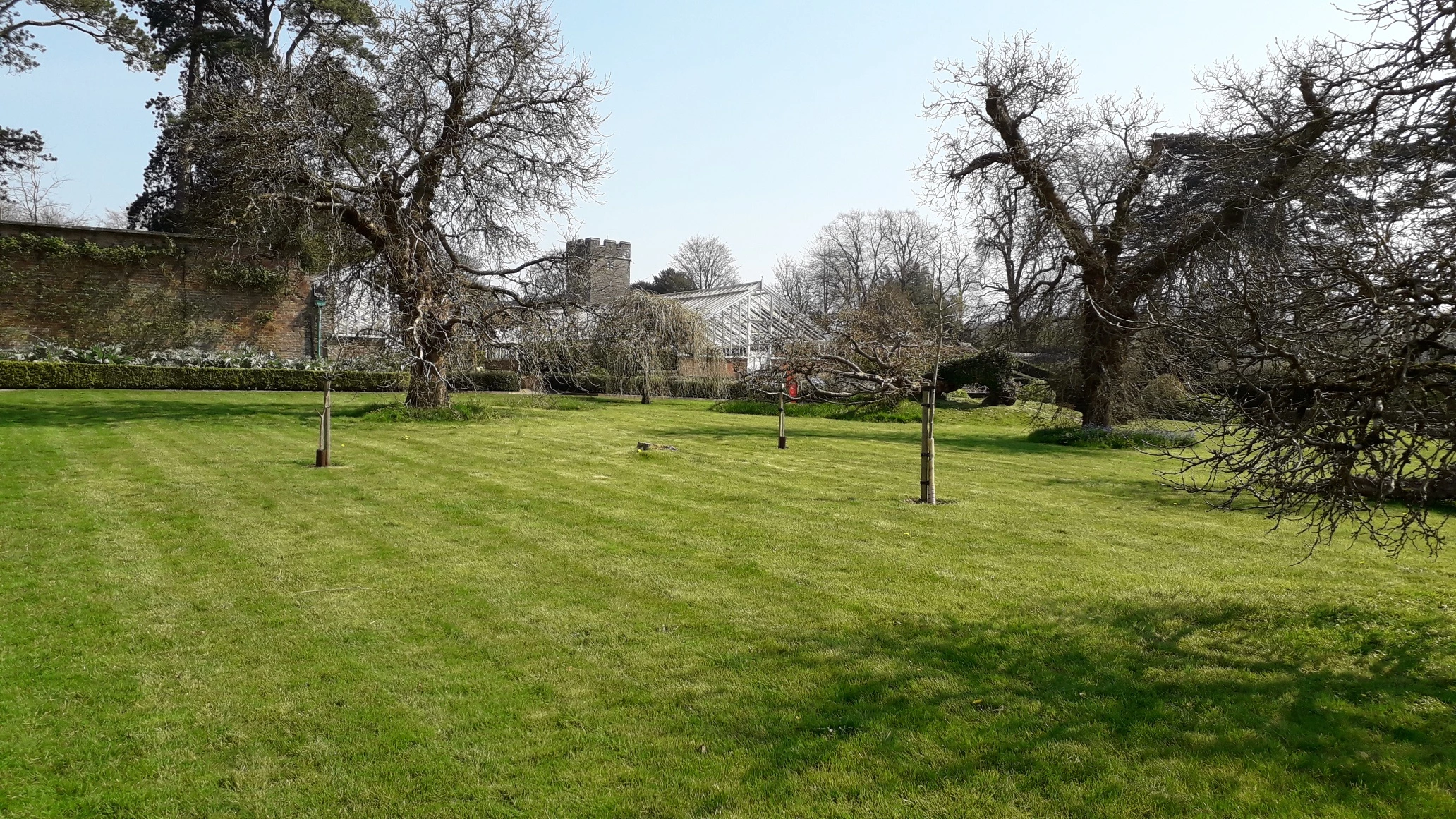
For the Castle Gardens, Jen has repaired the Mulberry Garden gate using traditional scarfing techniques to replace damaged sections of timber with new. She is also making a new gate for the Rosery replicating the trellis pattern from the Mulberry Garden gate.

Jen is originally from Aberystwyth and is a first language Welsh speaker. She is enjoying her time at St Fagans with the HBU team and said that “it is such a thrill to be at St Fagans, the home of Welsh culture, working with hand tools learning traditional techniques”.

Ordinary heroes in extraordinary times

Sioned Williams, 3 April 2020

The current health crisis has prompted a call for volunteers to support the NHS and plans are underway to convert large venues into field hospitals.

Over a century ago, similar preparations were taking place all over Britain in anticipation of the outbreak of the First World War. In 1909 the British Red Cross Society had joined forces with the Order of St John to form the Voluntary Aid Detachment scheme. Detachments (known as VADs) were to provide support and services to military hospitals. They were organized at county level and members included men and women who carried out a range of voluntary positions.

The first VAD in Wales was formed at St Fagans, Cardiff in November 1909. At that time, Countess Plymouth from St Fagans Castle was the President of the Glamorgan branch of the British Red Cross Society. Soon after, detachments were formed across Wales, bringing the total to 32 by September 1910. From thereon the work started in earnest, recruting and training members and converting buildings into hospitals.

On 24 September 1910, over 200 men and women from the newly formed VADs in Glamorgan gathered at St Fagans Castle grounds. The main purpose of the day was to recruit more volunteers, particularly amongst young women. Demonstrations were also carried out on the day, such as how to treat patients in the field using first aid and only limited basic equipment. Such events became a regular occurance at St Fagans Castle in the years leading up to the war.

Detachments would meet at least once a month and members (also known as VADs) would gain experience by volunteering in hospitals. Women VADs were taught first aid, home nursing, hygiene and cooking while men were trained in first aid in-the-field and stretcher bearing. VADs had to pass exams to receive their first aid and home nursing certificates.

Some of the VADs were dispatched to hospitals across Britain but most would volunteer within their own communities, such as at St Fagans. Due to a lack of hospitals, all sorts of buildings were offered for use to the Red Cross – from village halls to mansions. These were converted into auxiliary hospitals of about 30 beds that would support a nearby military hospital. In 1916 Earl and Countess Plymouth of St Fagans Castle offered their large Banqueting Hall in the grounds of the Castle to be converted into an auxiliary hospital.

By the outbreak of the First World War in August 1914, the work of the VADs had ensured preparations were in place to deal with the first casualties returning from war. From thereon many more volunteers were recruited and trained. In all, 90,000 volunteers worked at home and abroad during the war, playing a crucial part in caring for the sick and wounded.

Over the coming weeks, we’ll be posting more about some of the volunteers who worked at the St Fagans VAD Red Cross hospital.

In Celebration of International Carrot Day!

3 April 2020

Carrot Day is celebrated each year on April 4th and is the pinnacle for carrot lovers and growers around the world. During this time of isolation, as we respond to the Coronavirus pandemic, more and more of us are turning to our gardens for solace, as a way of gaining valuable fresh air, exercise and to grow food.

Amgueddfa Cymru National Museum of Wales has an array of gardens, from St Fagans’ formal pleasure gardens to the productive plots of the Rhyd-y-car Ironworkers terraced houses. The National Wool Museum has a garden dedicated to plants that produce natural dyes, The National Roman Museum in Caerleon has a dye and medicinal garden, while the National Waterfront Museum in Swansea has a community garden developed and managed by the GRAFT team. In celebration of Carrot Day, we’ve compiled a veritable potager of gardening wisdom, traditions and artefacts from our collection, to help inspire you to green up your fingers and put some seeds to earth.

Moonlighting in the Garden on Good Friday

Traditionally Good Friday has been considered an excellent day for planting potatoes. Temperatures are still generally cool, but the soil remains soft enough to cultivate. However, the primary reason is that the time of planting is perfectly aligned to the moon, the date for Easter always being set to fall on the first Sunday following the vernal or spring Equinox.

For millennia, gardeners have planted and cultivated in tune with the moon, based on the principle that just as the Moon’s gravitational pull causes tides to rise and fall, it also affects moisture in the soil. During the waxing moon (when the moon is growing towards full) is a time when sap flow is drawn upwards, so it’s great for sowing and transplanting flowering annuals, biennials, and grains - basically any short-lived plant that we want to harvest its leaves, seed, flowers or fruits. When the moon is waning, (i.e. decreasing in light from full moon to new moon) the sap flow is drawn down. This means that energy is focused towards the roots, which is more suited to cultivating root crops and perennials.

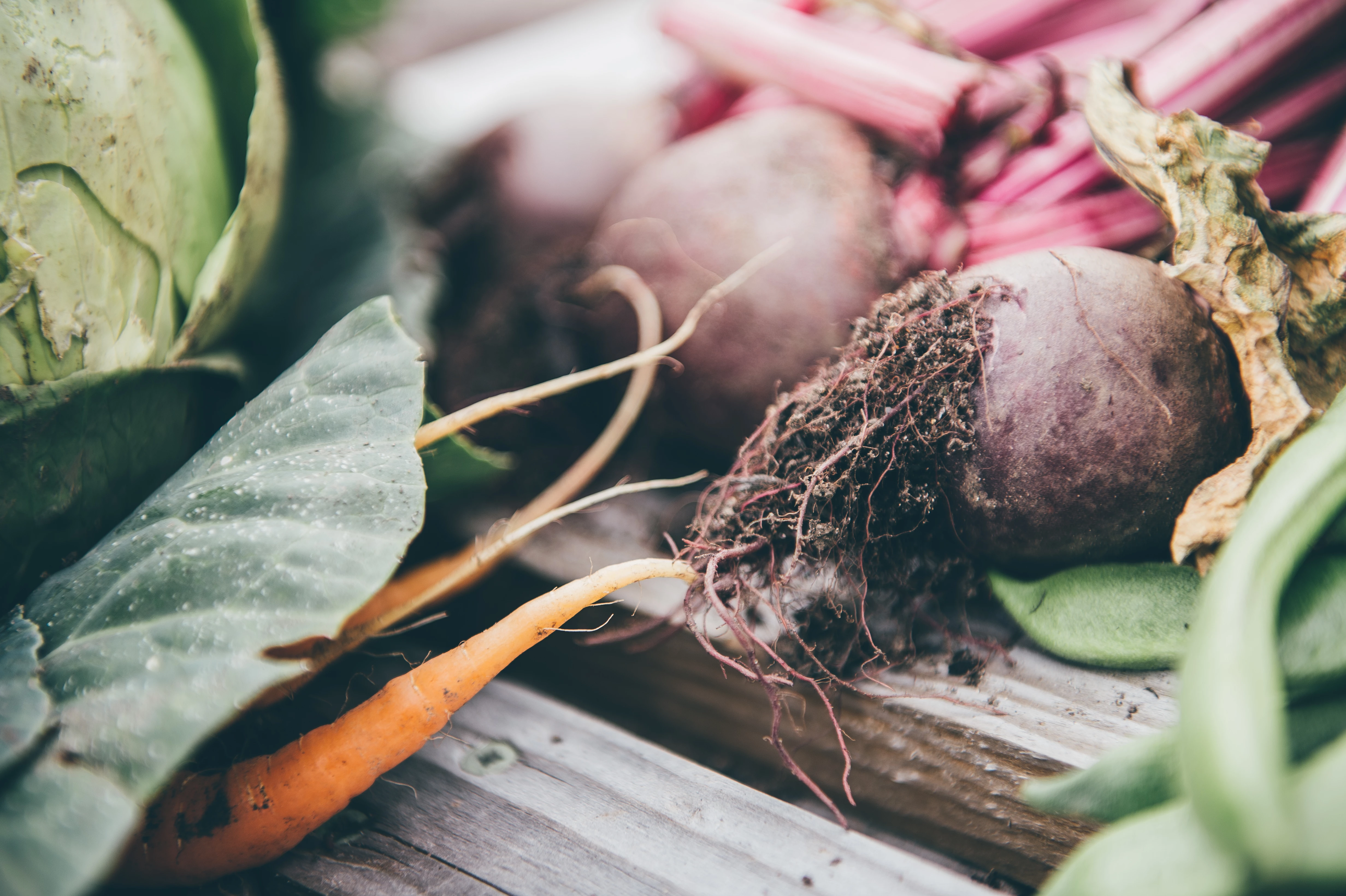
Potatoes, being a root crop, should therefore be planted during the waning moon. Good Friday ALWAYS falls after the first full moon of spring, and therefore is guaranteed to fall during this potent, potato planting period. Carrots, beetroot and other root vegetables fall into the same category, so as well as celebrating the carrot today, it’s also a great day to order some root vegetable seeds, ready for Good Friday planting.

Seed Fairs

Back in the day, the end of March would have been the time when Charter towns held seed fairs. Farmers and growers would bring their harvested seed to market to sell in exchange for other goods as well as money. Conwy in north Wales still holds a seed fair at the end of March. It was established by Royal Charter of Edward 1st more than 700 years ago and set for 26 March each year. It still holds to that date.

Here are a few gardening tools from our collection:

The familiar rake hasn’t changed its form much over the years.

Likewise this rather beautiful arrow headed weed hook is familiar enough.

But can you guess what this extraordinary tool might be for?

It’s actually a root grubber. Gardeners still have use for such tools today, but they look very different now.

This is a seed lip. It was filled with seeds, taken to the patch of land to be sewn, tucked under the arm and handfuls of seeds were then grasped in the hand and scattered.

Finally, so that we can celebrate the humble carrot in style on this International Carrot Day, National Wool Museum café cook, Olga James has kindly shared her delicious recipe for Carrot, Garlic and Thyme soup. Here it is. Enjoy!

 
  • 3 onions
  • L3 garlic cloves (crushed)
  • 3 good sized potatoes
  • 3Ib Carrots
  • Parsley, thyme
  • Oil
  • Salt and pepper
  • 6pts veg stock (5 stock cubes)

Gently soften onion in oil with garlic, thyme and parsley. Chop and add the potatoes and fry further 5 mins, add the chopped carrots. Stir, add stock and boil until all veg is soft. Blend and taste add salt and pepper if necessary.

Create your part in the National Wool Museum's Exhibition of Hope

National Wool Museum, 3 April 2020

Thank you for your square contributions. Contributions for Exhibition of Hope have now closed.

The Exhibition of Hope involved the creation of 8 inch or 20cm rainbow coloured squares. These will now be joined together by National Wool Museum Volunteers and exhibited later in the year at the National Wool Museum and following this, the National Waterfront Museum, Swansea.

Please keep an eye out on this page and @amgueddfawlan Facebook and Twitter pages for more information about the Exhibition of Hope.

Rainbows are often used as a symbol of peace and hope and as we know, they often appear when the sun shines following heavy rainfall. They serve to remind us that following dark times, there is always light at the end of the tunnel.

A place to chill out at the Waterfront Museum

Ian Smith, 2 April 2020

Today is National Autusm Day, a chance to spread awareness and increase acceptance of Autism. Here at Amgueddfa Cymru National Museums of Wales, we believe passionately in making our museums and galleries accessible to everyone, and more than that to creating welcoming, comfortable spaces for all. To that end, a couple of years ago, with the support of autistic volunteers and family members, the National Waterfront Museum created a 'chill-out-room', and began offering 'quiet hours' each month. Here, Ian Smith Senior Curator of Modern & Contemporary Industry at the Waterfront Museum explains how this special space came about.

“In October 2016 we had a staff training day in ‘Autism Awareness’. It opened our eyes to how they see the world and how we can support their needs. It showed us how even the simplest of environmental changes can affect a person with autism. Things like light and sound levels, the colour of walls and floors. In fact the general layout of a space which might be deliberately made stimulating and flashy might cause many autistic people to retreat within themselves.

It was around this time that we welcomed a new volunteer at the museum. Rhys, 17, has autism. His mother contacted us and asked if he could volunteer with us to help his confidence when meeting people and in a real work environment. Rhys helps to run an object handling session, usually with another volunteer or a member of staff, and he has taken to it really well. We have all noticed that he’s become more outgoing and will now hold conversations with total strangers.

With the growing awareness of autism the Museum decided to create an Autism Champion. Our staff member Suzanne, who has an autistic son, readily agreed to take up the challenge. She now attends meetings with our sister museums where issues and solutions around autism are discussed.

During our training session we discovered that some organisations have created ‘chill-out’ rooms. These are for anyone who is feeling stressed or disturbed to go to and relax and gather themselves together. These rooms are especially useful for autistic people. We put a small group together to look at creating a safe, quiet space somewhere in the Waterfront Museum. After considering options, we decided that a little used first aid room on the ground floor offered the best place.

Rhys came into his own. He offered us a number of suggestions on how we could change the space to make it autism friendly. These included making the light levels controllable and sound proofing the room so that gentle music or relaxing sounds could be played. Suzanne too came up with a number of ideas from her own experience of looking after her son. Additionally, a local special school, Pen-y-Bryn, with whom we had an established relationship also offered us their valuable expertise.

The room we’ve created is a very soothing space and we find it gets regular use by people with a range of needs, and is clearly much appreciated as shown by the comments in the visitor’s book:

“Fantastic resource! My daughter really needed this today – thank you!”

“Lovely place to get away from the hustle and bustle for a little one.”

“Lovely idea for people on the spectrum to come for quiet.”

“Really helped my son to have some time out.”

This has been a very big learning curve for most of us, but it has been made much easier by talking to people who have direct experience of autism. Their input as part of our team has been invaluable.”

The Museum is of course, closed right now, but for those of you interested, the times for our 'quiet hours' are posted on our events pages each month. We look forward to welcoming you all back in the coming months.