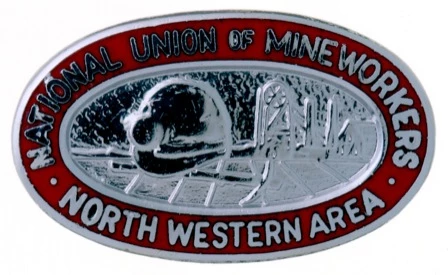
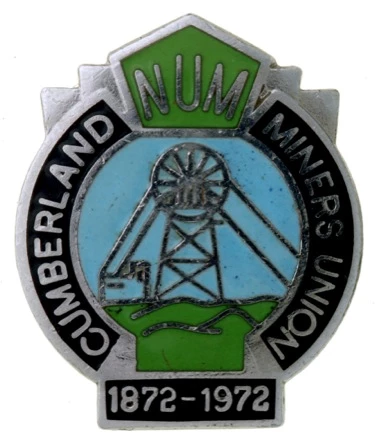
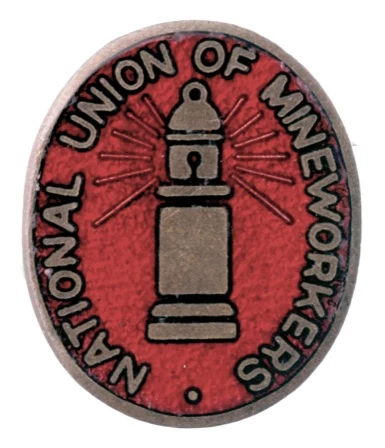
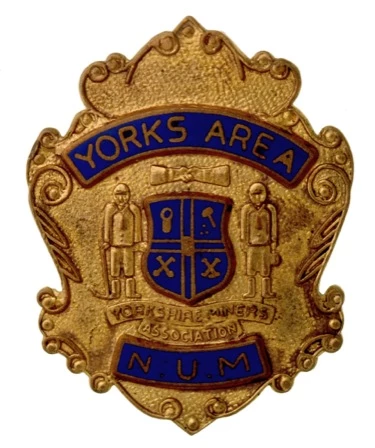
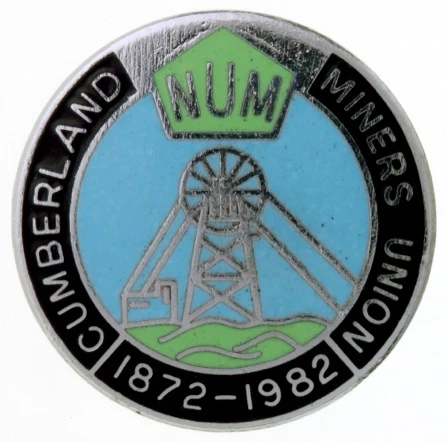
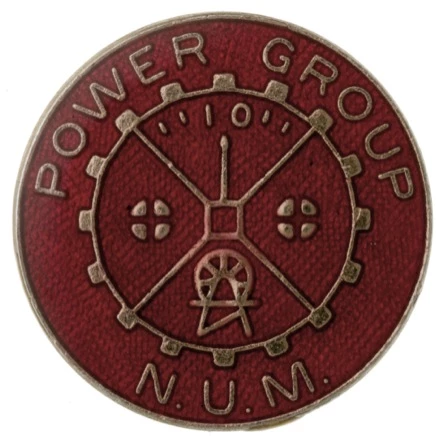
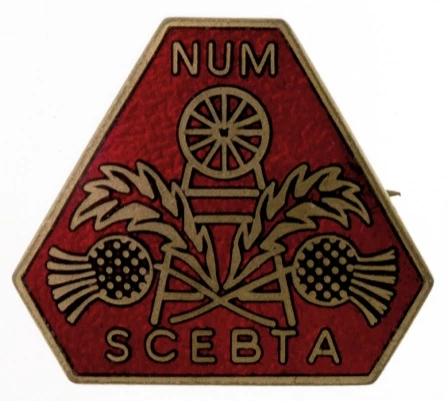
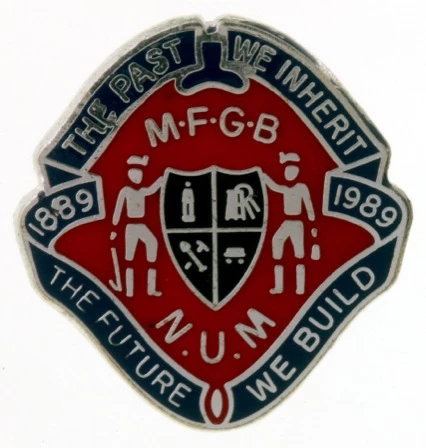
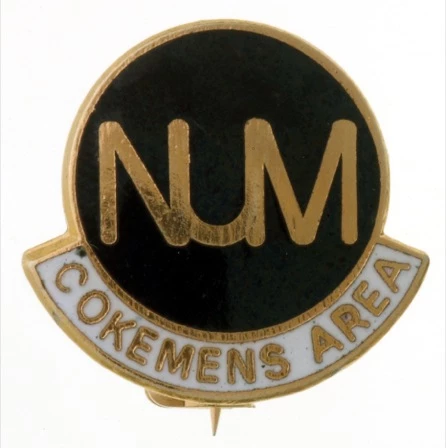
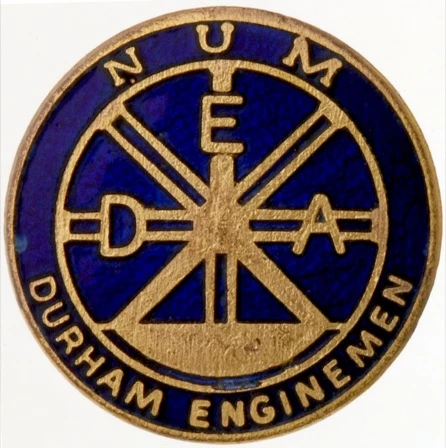
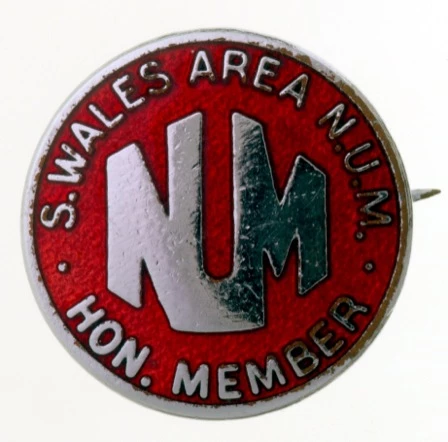
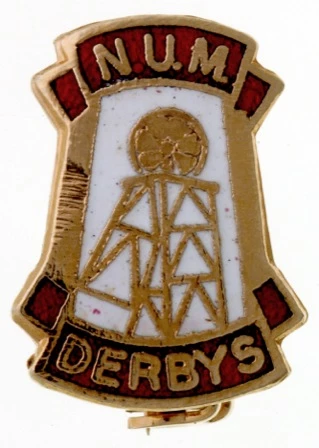
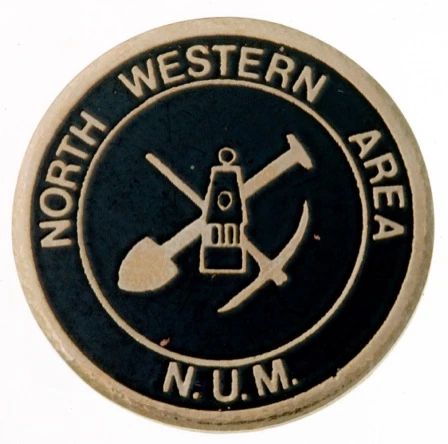
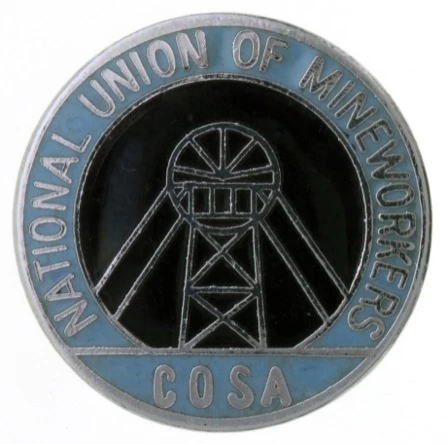
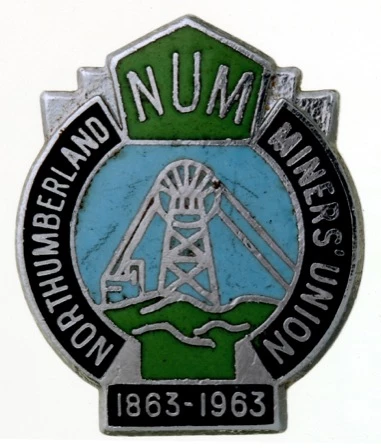
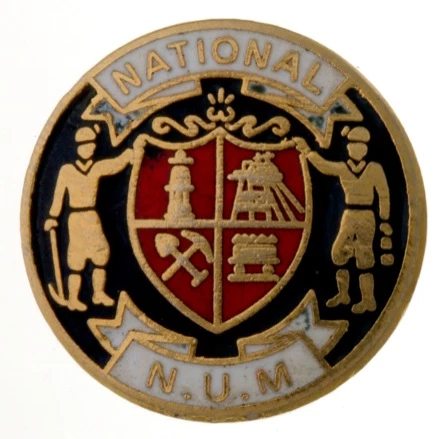
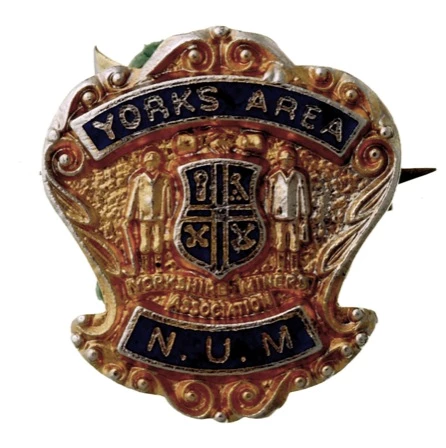
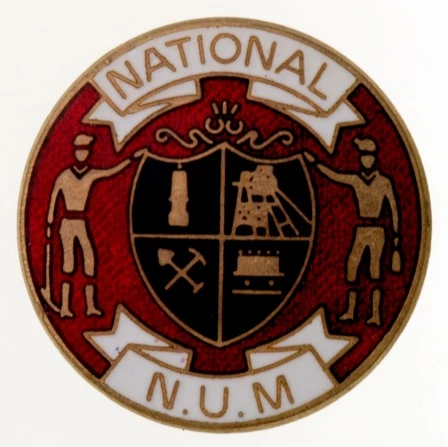
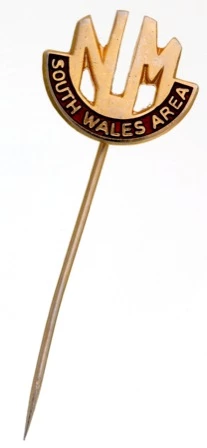
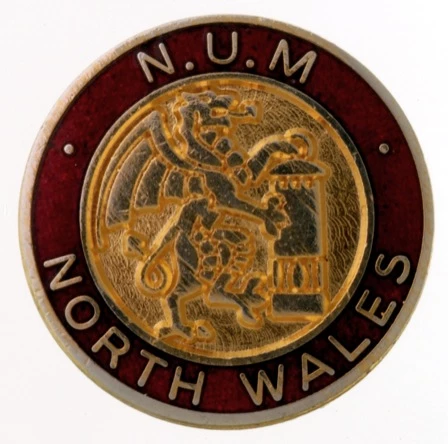
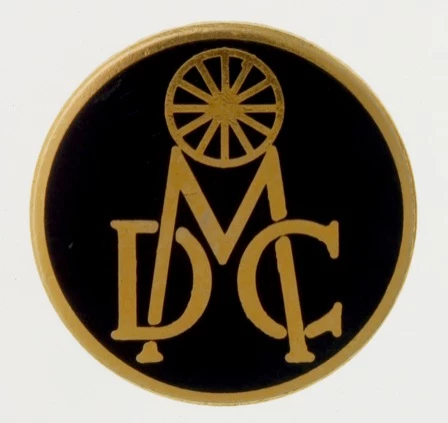
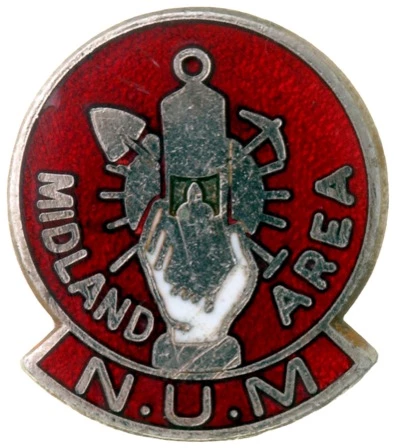
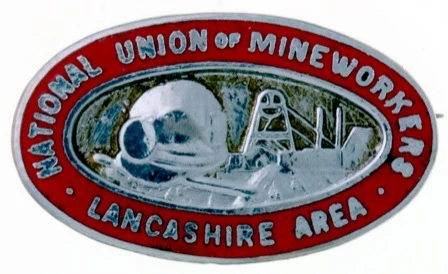
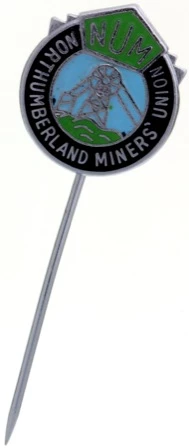
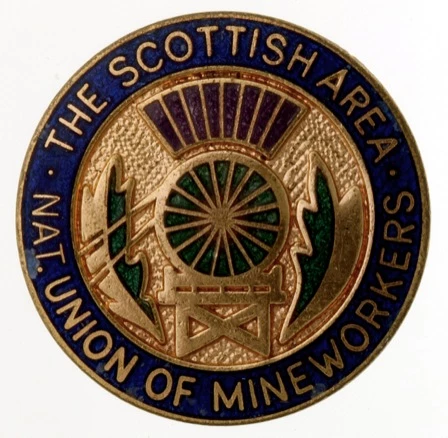
Coal Miners' Union Badges 2 July 2012 Badges are an important way of showing a person's allegiance to a particular cause or interest. They can also commemorate a particular event. There are many examples of badges connected to the coal industry. These badges were usually produced during industrial disputes or following mining disasters and were often sold to raise funds. The greatest number of badges were produced during and after the 1984-85 miners' strike. They came in various shapes and colours but usually gave the name of the National Union of Mineworkers (N.U.M.) Lodge or area, as well as a particular symbol. This could be an icon of the mining industry such as a lamp, headgear, crossed pick and shovel; or an example of working class symbolism such as clasped hands, broken chains and the scales of justice. In addition, badges produced in Wales often include a red dragon or a leek. The Industry Department of Amgueddfa Cymru - National Museum Wales has collected several hundred examples of these badges. Some are on display at Big Pit National Coal Museum and examples can be seen on our Images of Industry collections database. If you would like further information, you may be interested to read 'Enamel Badges of the National Union of Mineworkers' by Brian Witts (2008). Click on the thumbnail below for a selection of Badges from our Images of Industry collections database. Coal Miners' Badges Fattorini The Scottish Area National Union of Mineworkers (1984-1985) Fattorini National Union of Mineworkers North Western Area (1984-1985) Manufacturer unknown N.U.M. Cumberland Miners' Union (1972) Fattorini National Union of Mineworkers (1984-1985) Manufacturer unknown N.U.M. Yorks Area (1984-1985) Manufacturer unknown N.U.M. Cumberland Miners' Union (1982) Manufacturer unknown Power Group N.U.M. (1984-1985) Fattorini N.U.M. S.C.E.B.T.A. (1984-1985) Parry, F.C. M.F.G.B. N.U.M. (1984-1985) Manufacturer unknown N.U.M. Cokemens Area (1984-1985) Manufacturer unknown N.U.M. Durham Enginemen (1984-1985) Manufacturer unknown N.U.M. South Wales Area Hon. Member (1984-1985) Manufacturer unknown N.U.M. Derbys (1984-1985) Manufacturer unknown North Western Area N.U.M. (1984-1985) Manufacturer unknown National Union of Mineworkers C.O.S.A. (1984-1985) Manufacturer unknown N.U.M. Northumberland Miners' Union (1963) Manufacturer unknown National N.U.M. (1984-1985) Manufacturer unknown N.U.M. Yorks Area (1984-1985) Manufacturer unknown National N.U.M. (1984-1985) Manufacturer unknown N.U.M. South Wales Area (1984-1985) Manufacturer unknown N.U.M. North Wales (1984-1985) Fattorini Durham Colliery Mechanics (1984-1985) Manufacturer unknown N.U.M. Midland Area (1984-1985) Manufacturer unknown National Union of Mineworkers Lancashire Area (1984-1985) Fattorini N.U.M. Northumberland Miners' Union (1984-1985)
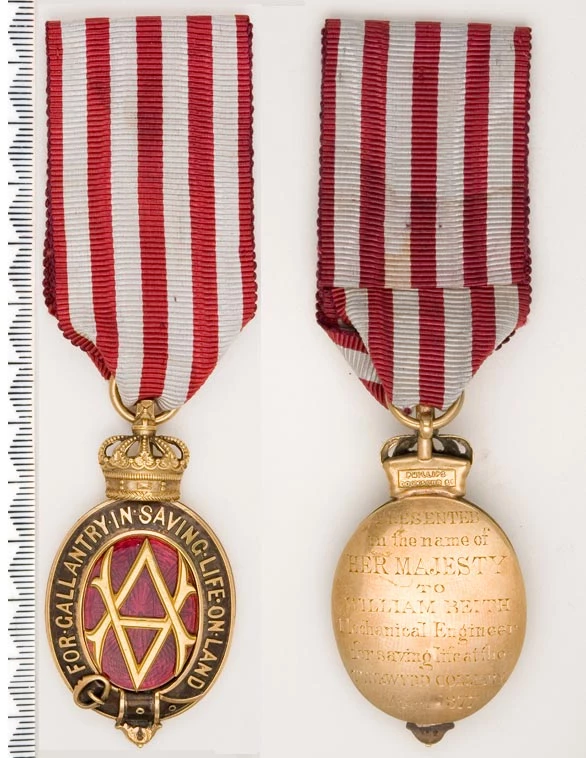
The Albert Medal and the Tynewydd Inundation Edward Besly, 25 June 2012 The reverse of Isaiah Thomas's Albert Medal.
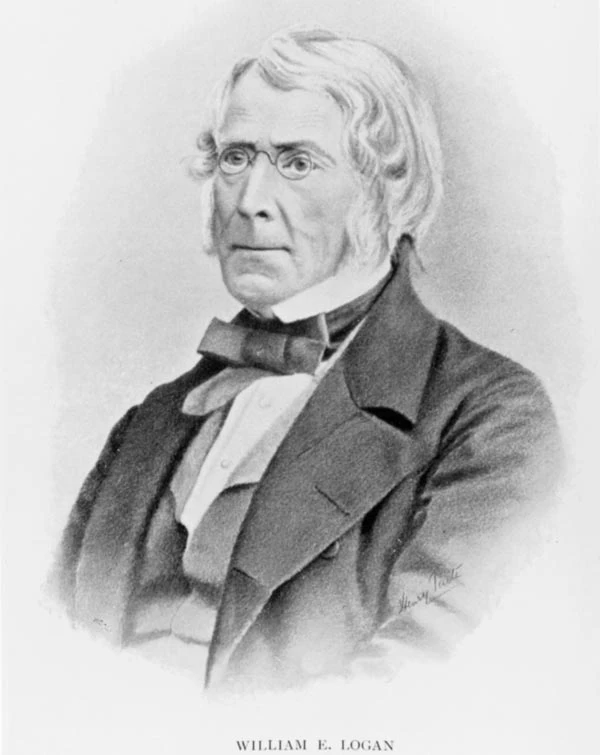
Coal seams and copper: W.E. Logan and the geological map 7 February 2012 William Logan, 1856 Henry Thomas De la Beche (1796-1855), founder of the British Geological Survey, about 1841. "I worked like a slave all summer on the gulph of St Lawrence, living the life of a savage, inhabiting an open tent, sleeping on the beach in a blanket and sack, with my feet to the fire, seldom taking my clothes off, eating salt pork & ship's biscuit, occasionally tormented by mosquitoes". Letter from Logan to De la Beche, 20 April 1844. Logan in Canada With his geological skills honed on the coal rocks of Swansea, in 1841 Logan applied for the post of first Director of the Geological Survey of Canada. His application was supported by many of the leading British geologists, including Henry De la Beche, and he was appointed in April 1842. By 1849 he and four staff had mapped the area between the St Lawrence River and the Great Lakes, worked on the coal deposits of Nova Scotia, and found copper ore to the east of Montreal. In 1851, he prepared a display of ore minerals from Canada for the Great Exhibition in London. In 1863, Logan and his staff published the first major study of the geology of Canada. It is regarded as the pinnacle of Canadian scientific publishing in the 19th century. This was followed by the publication of maps in 1865 and 1869. Logan returns to Wales Logan was knighted in 1856, the first native-born Canadian to receive a knighthood. He was also honoured by France, the Royal Society, the Geological Society, Bishop's University in Quebec, and McGill University in Montreal, as well as by the citizens of Toronto and Montreal. Although Logan officially retired in 1869, he continued summer fieldwork around Montreal and spent winters at his sister's house in west Wales. He died there in June 1875 and is buried in the churchyard at Cilgerran in Pembrokeshire. Today, William Edmond Logan is recognized as Canada's most important scientist of all time. And it was in Wales that his geological career began. External links Swansea Museum
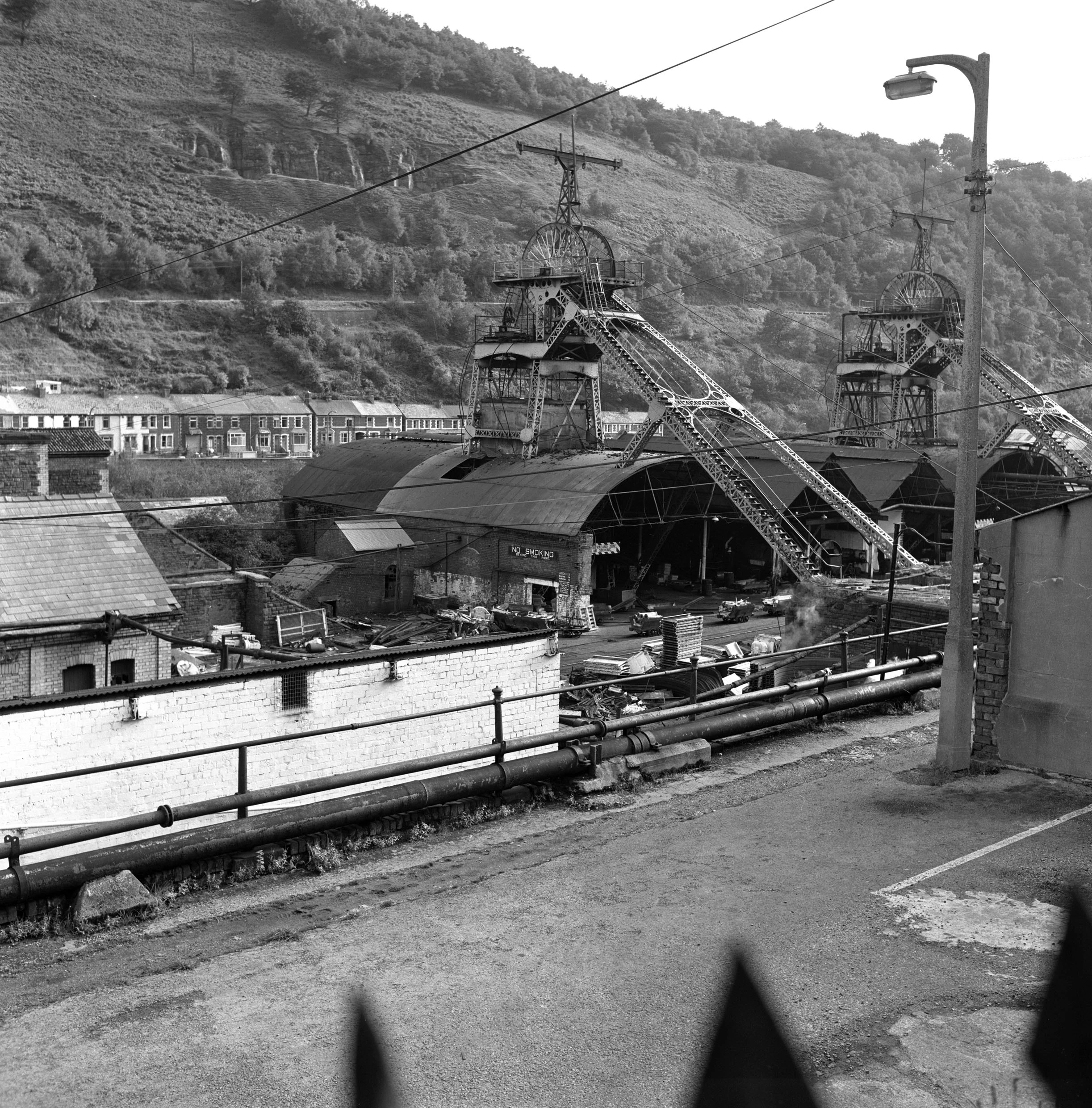
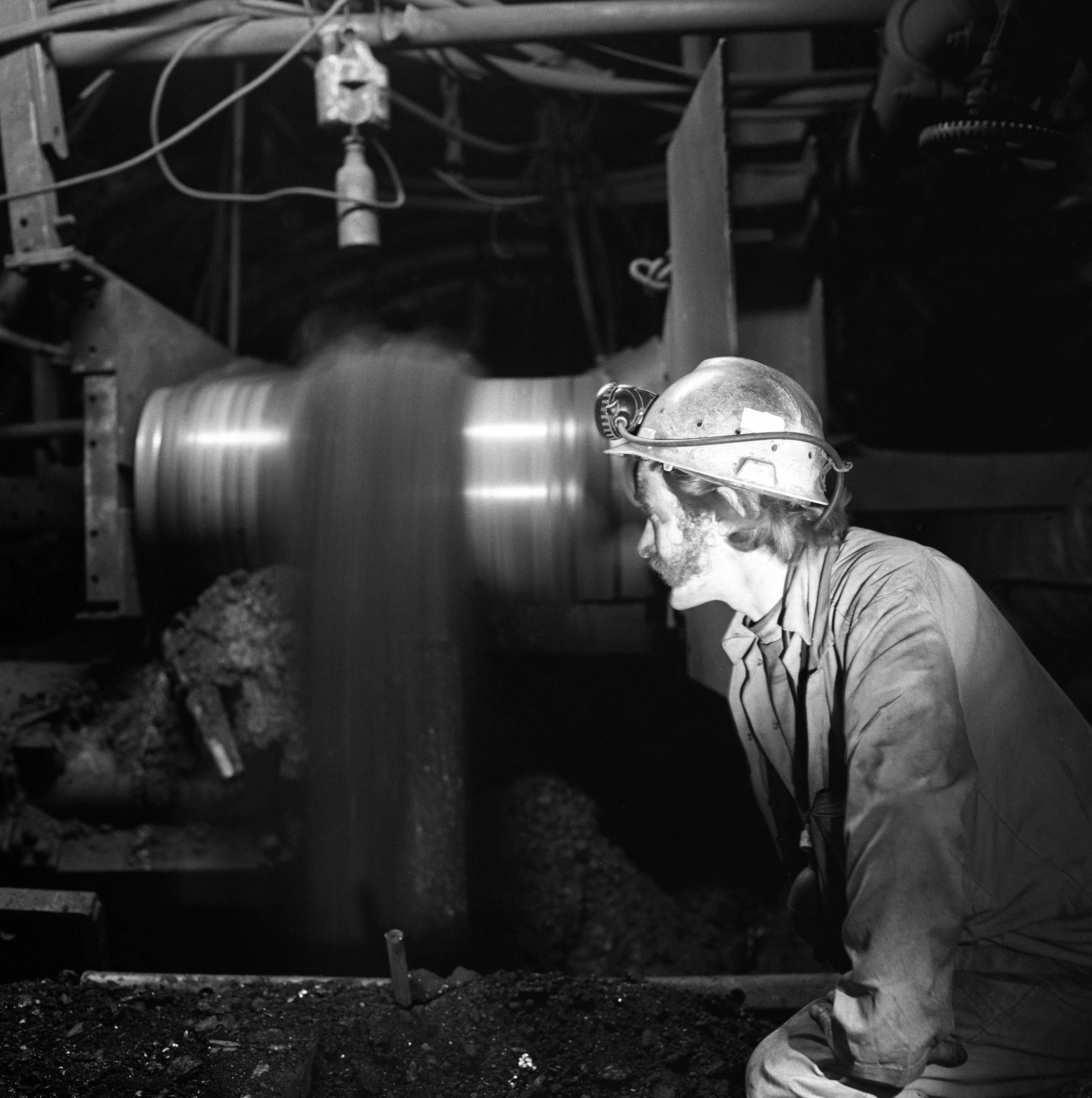
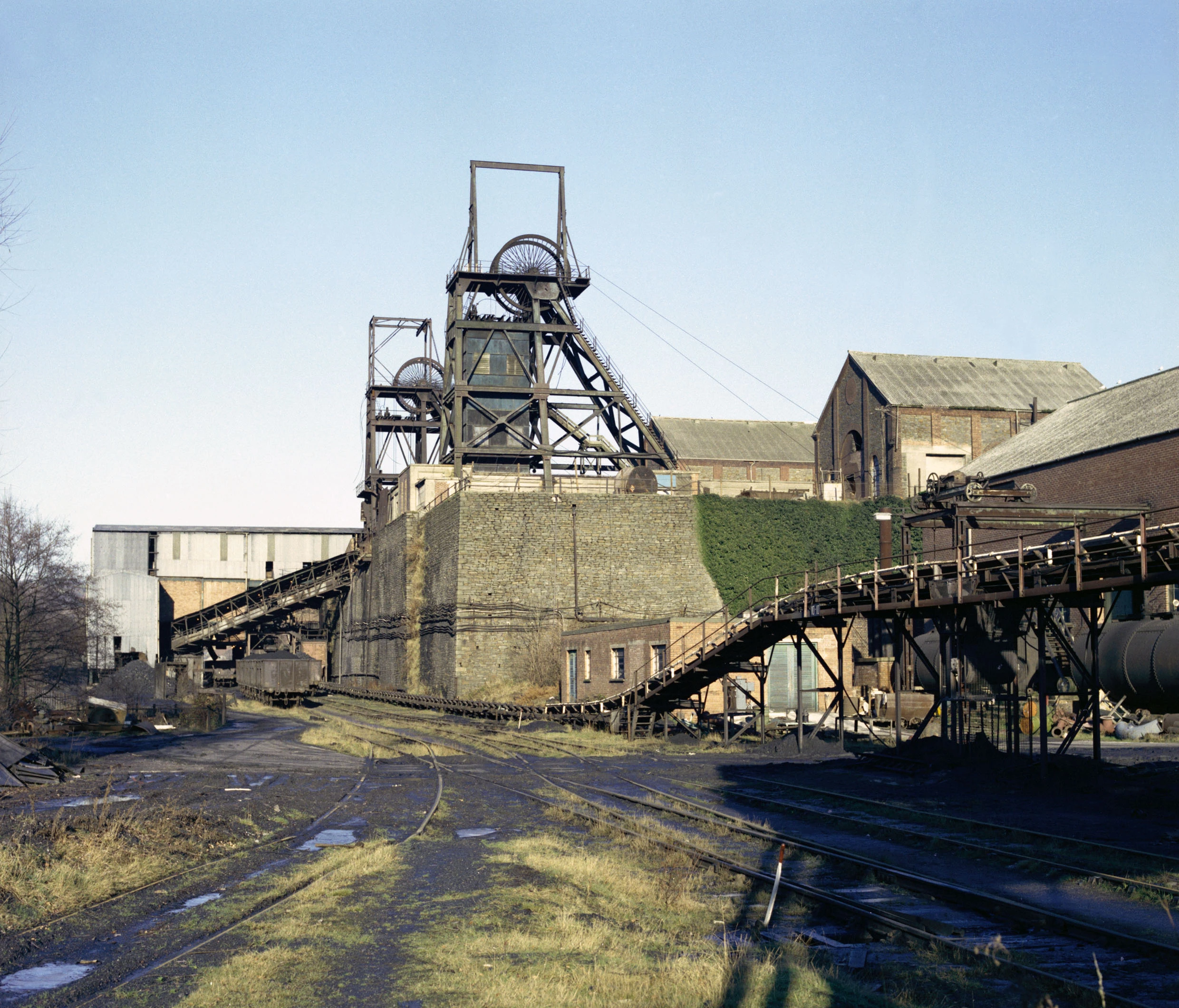
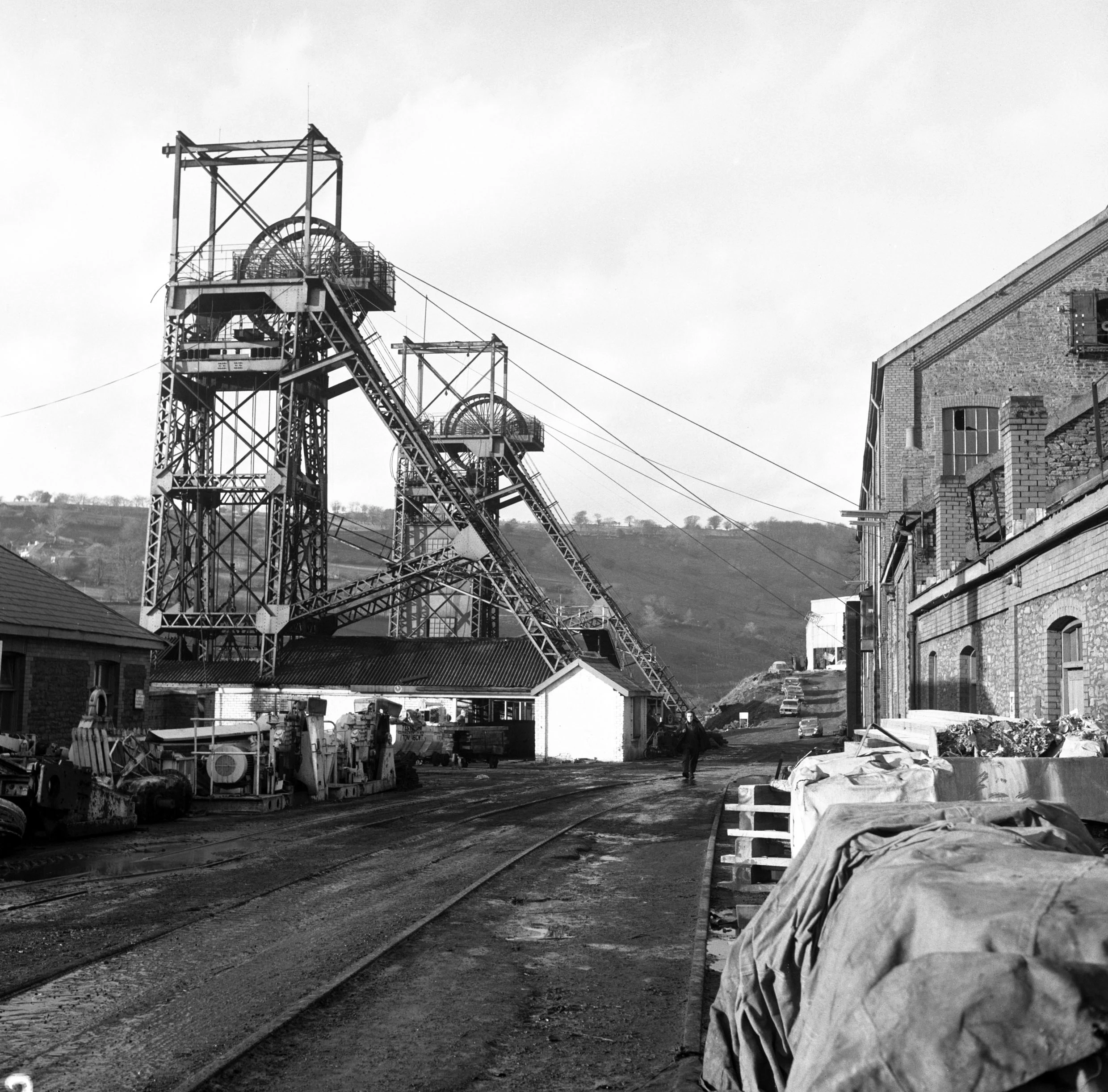
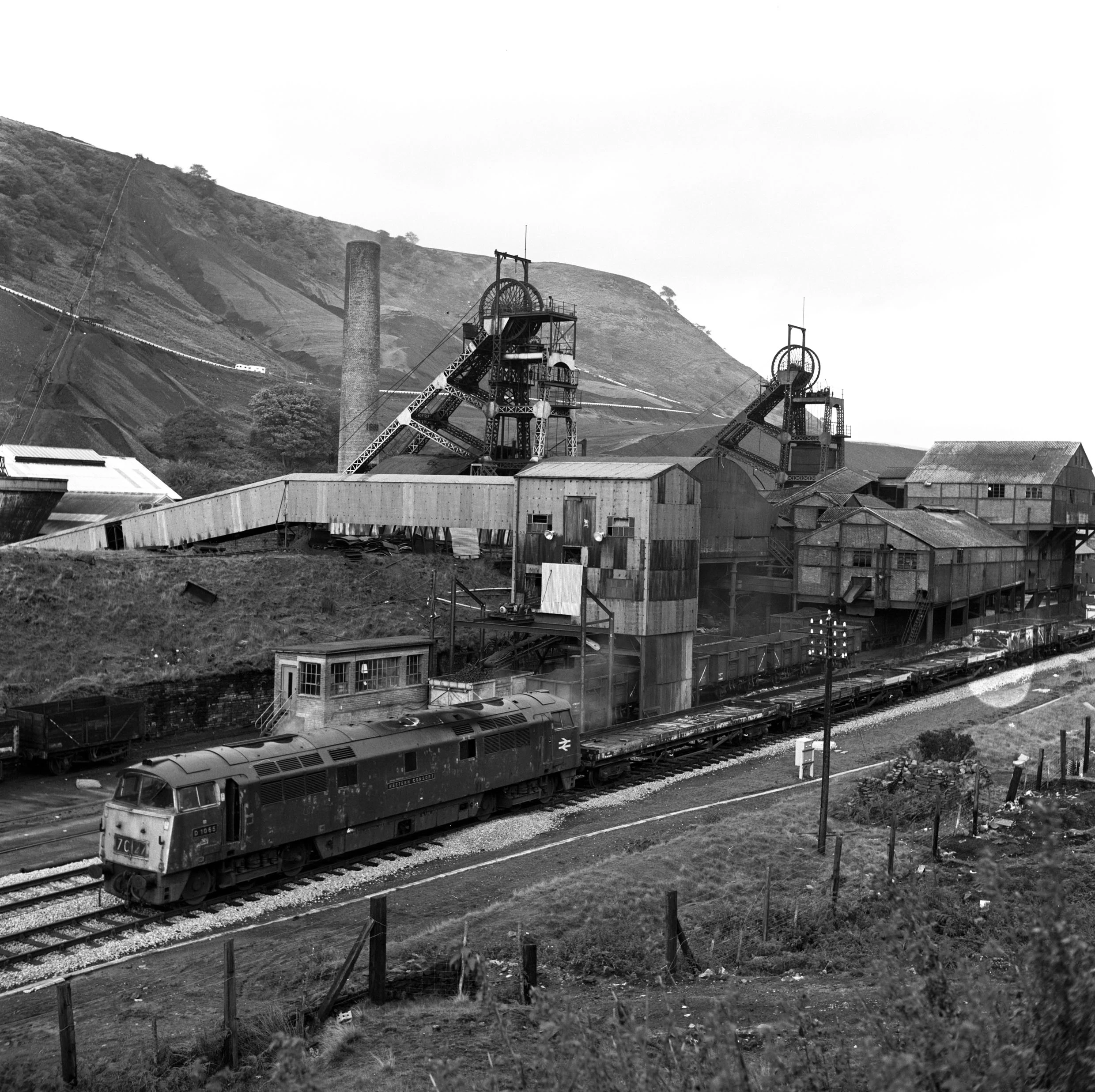
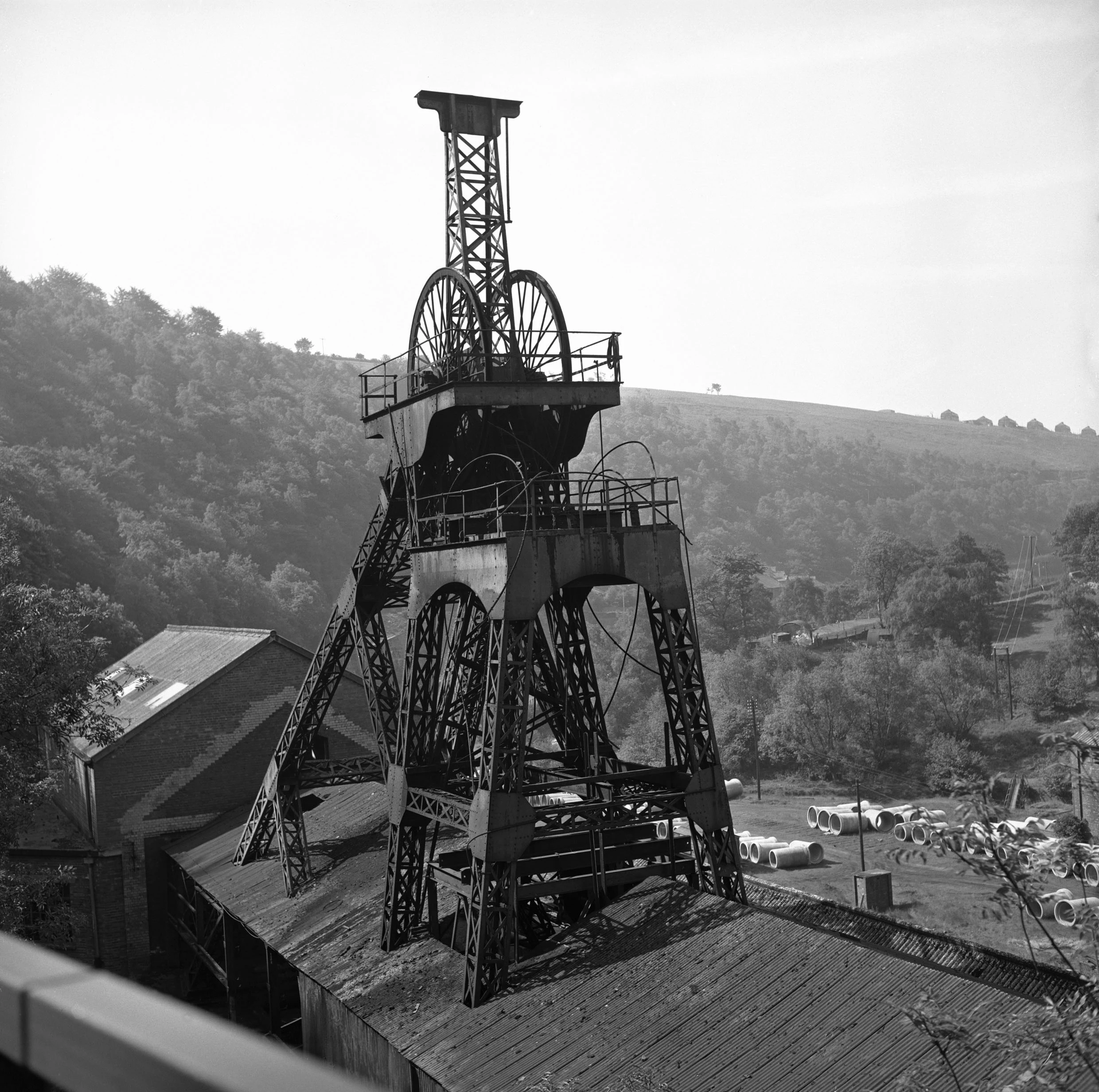
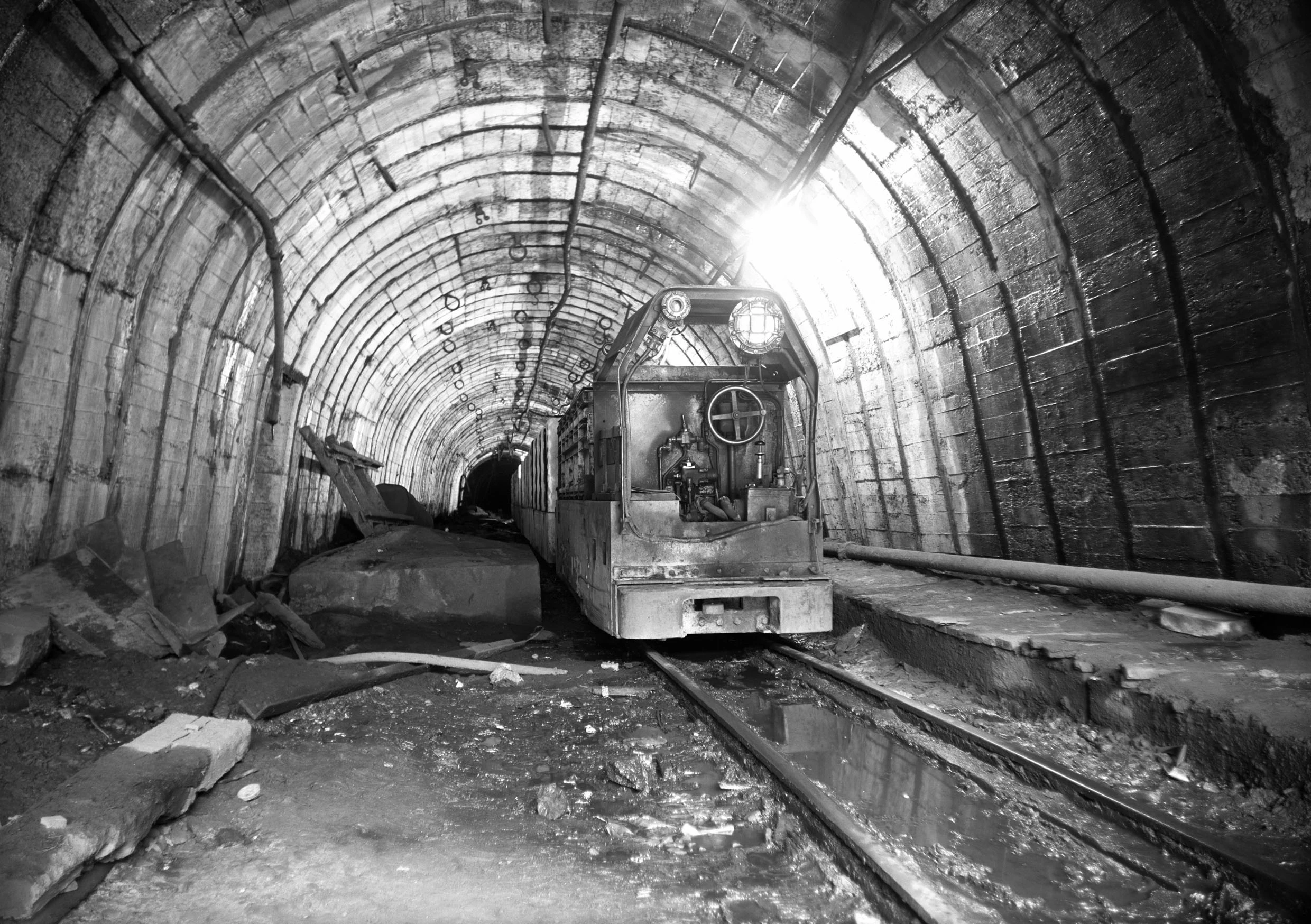
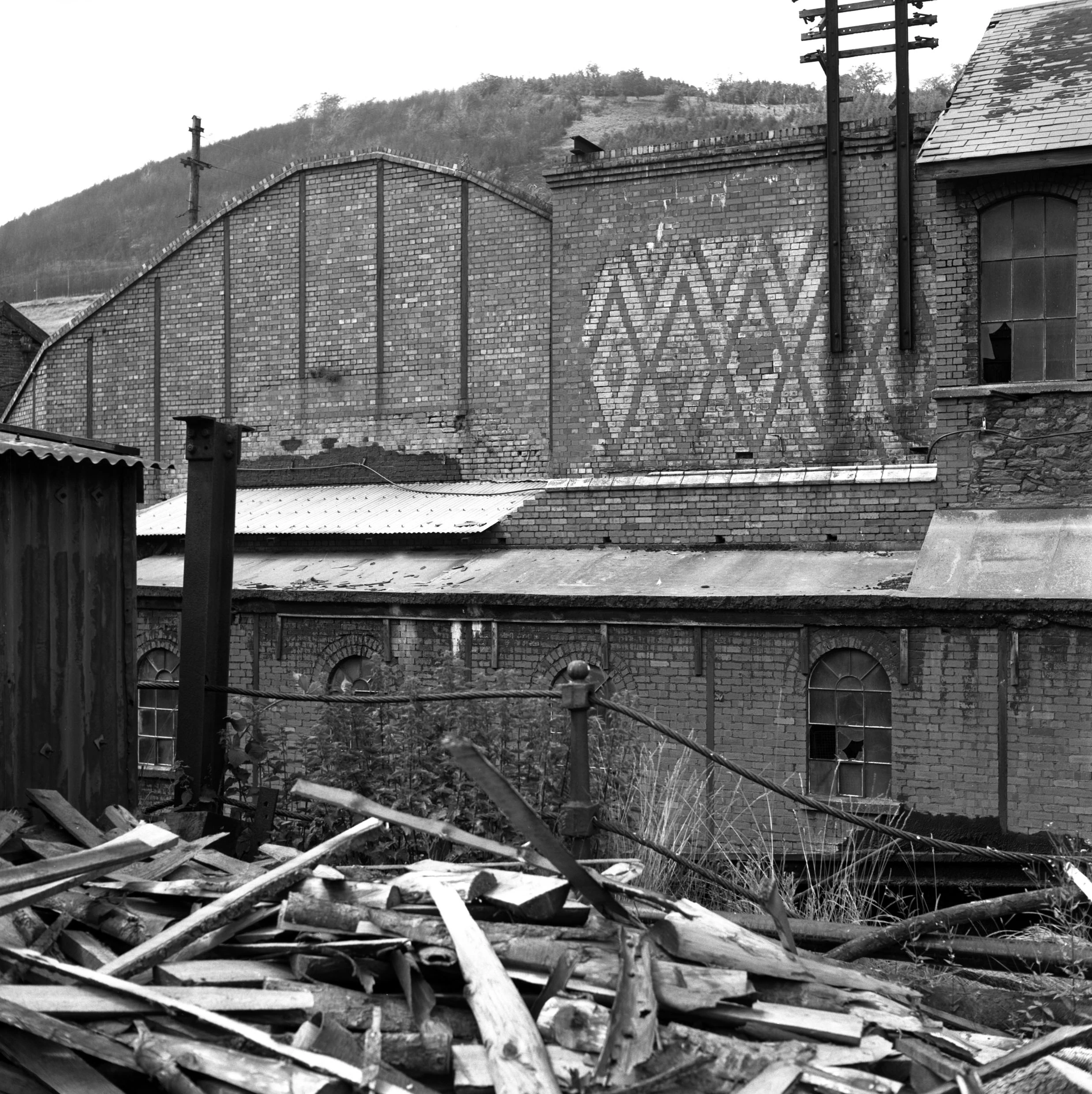
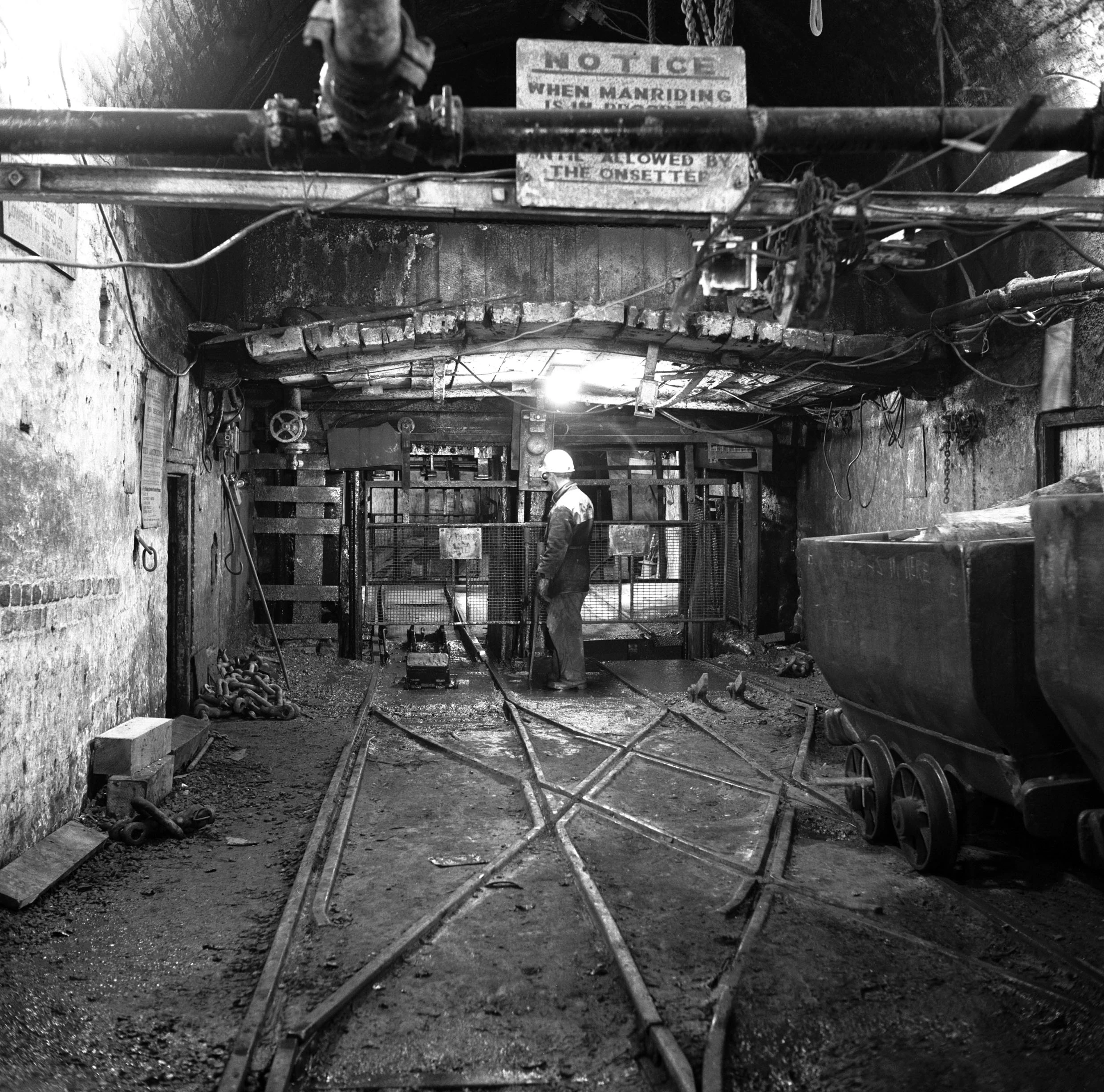
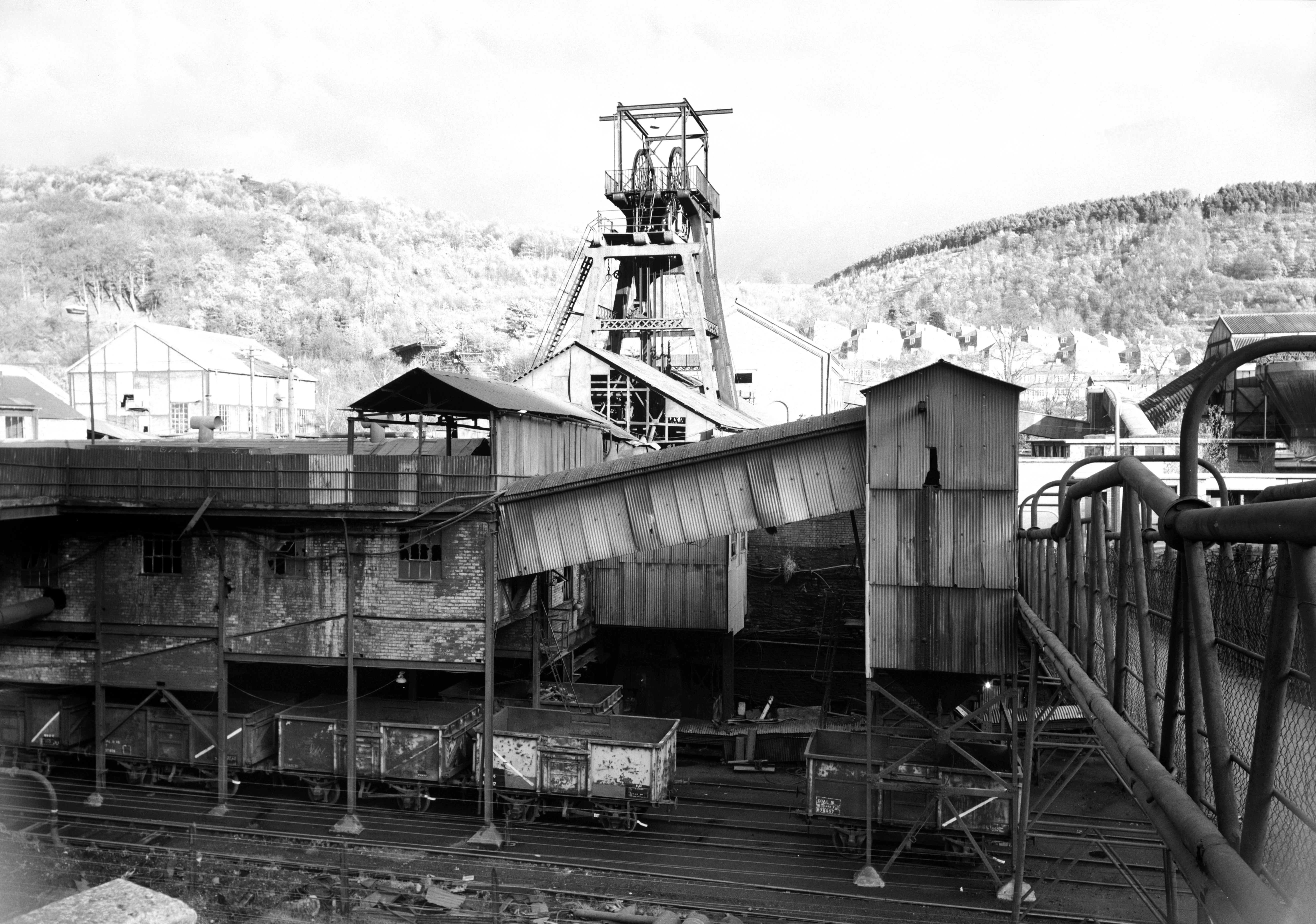
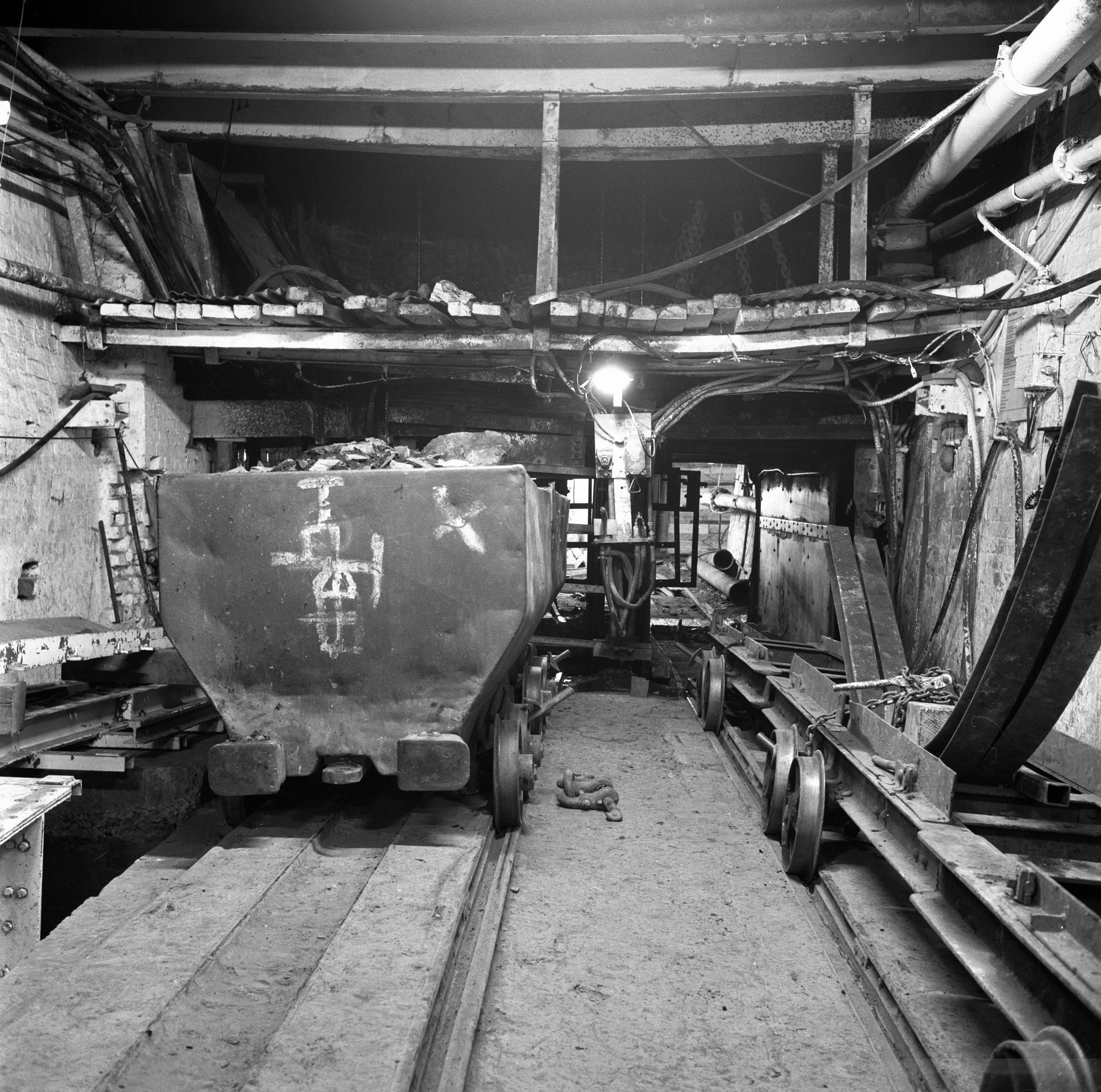
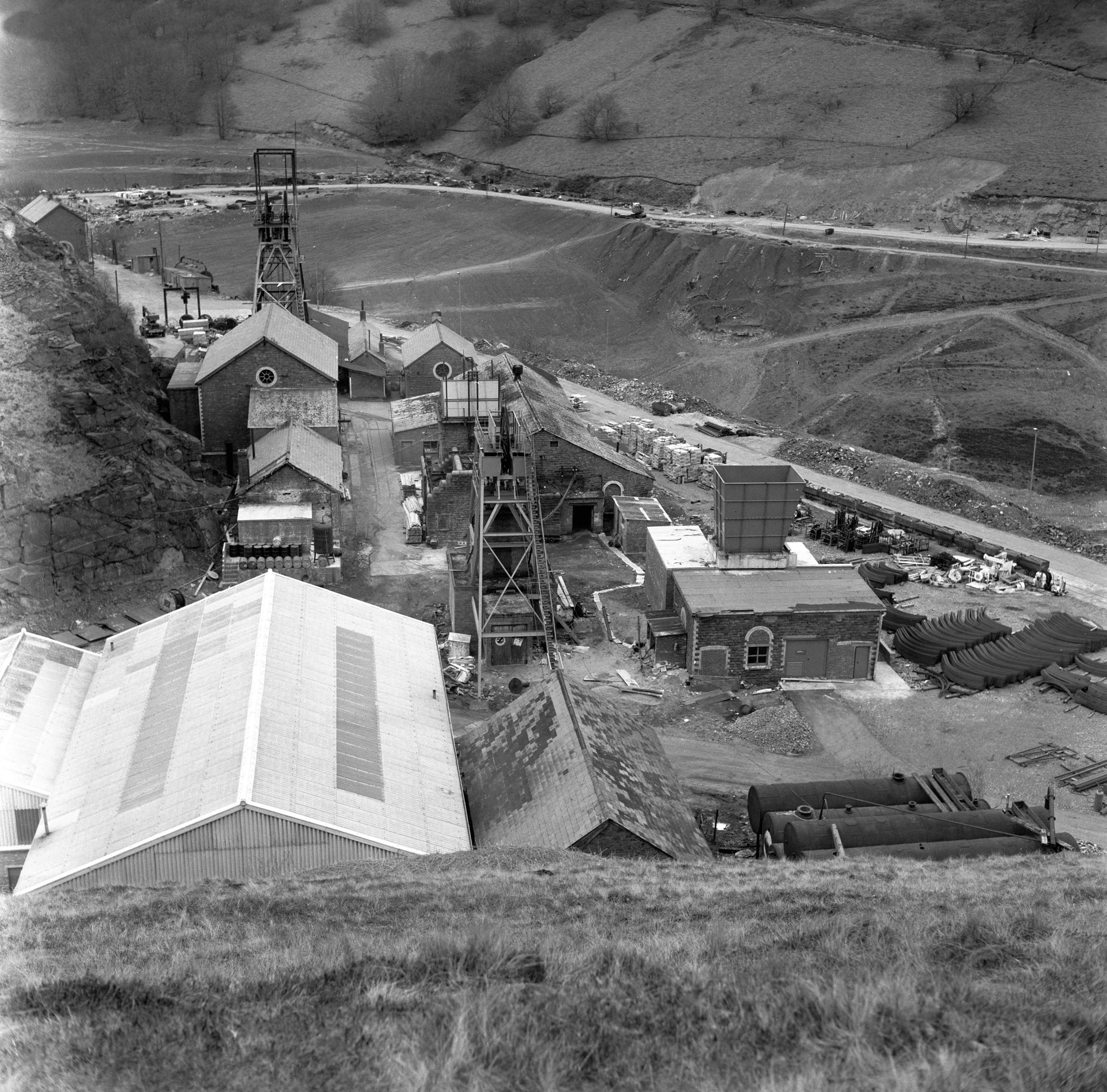
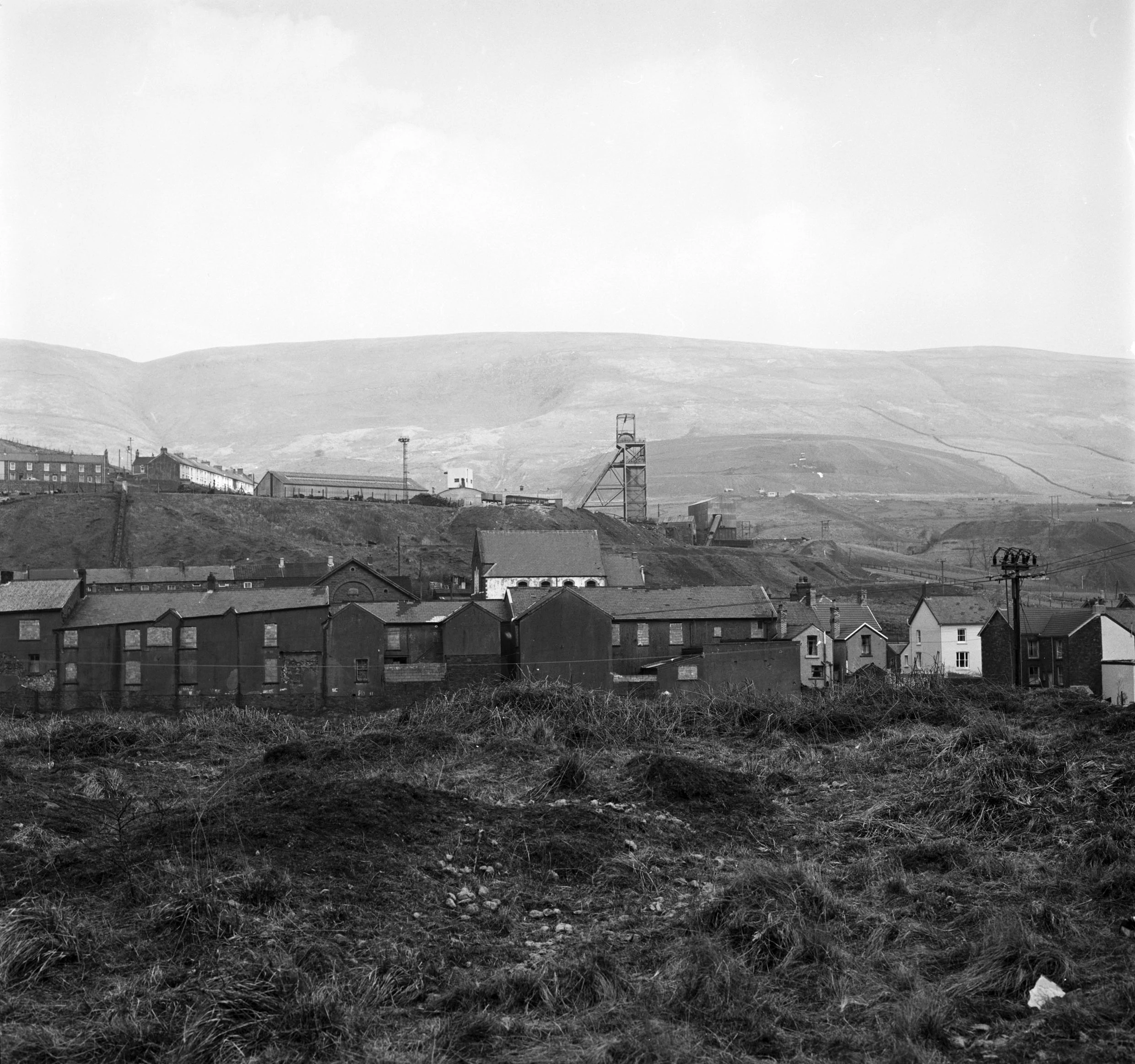
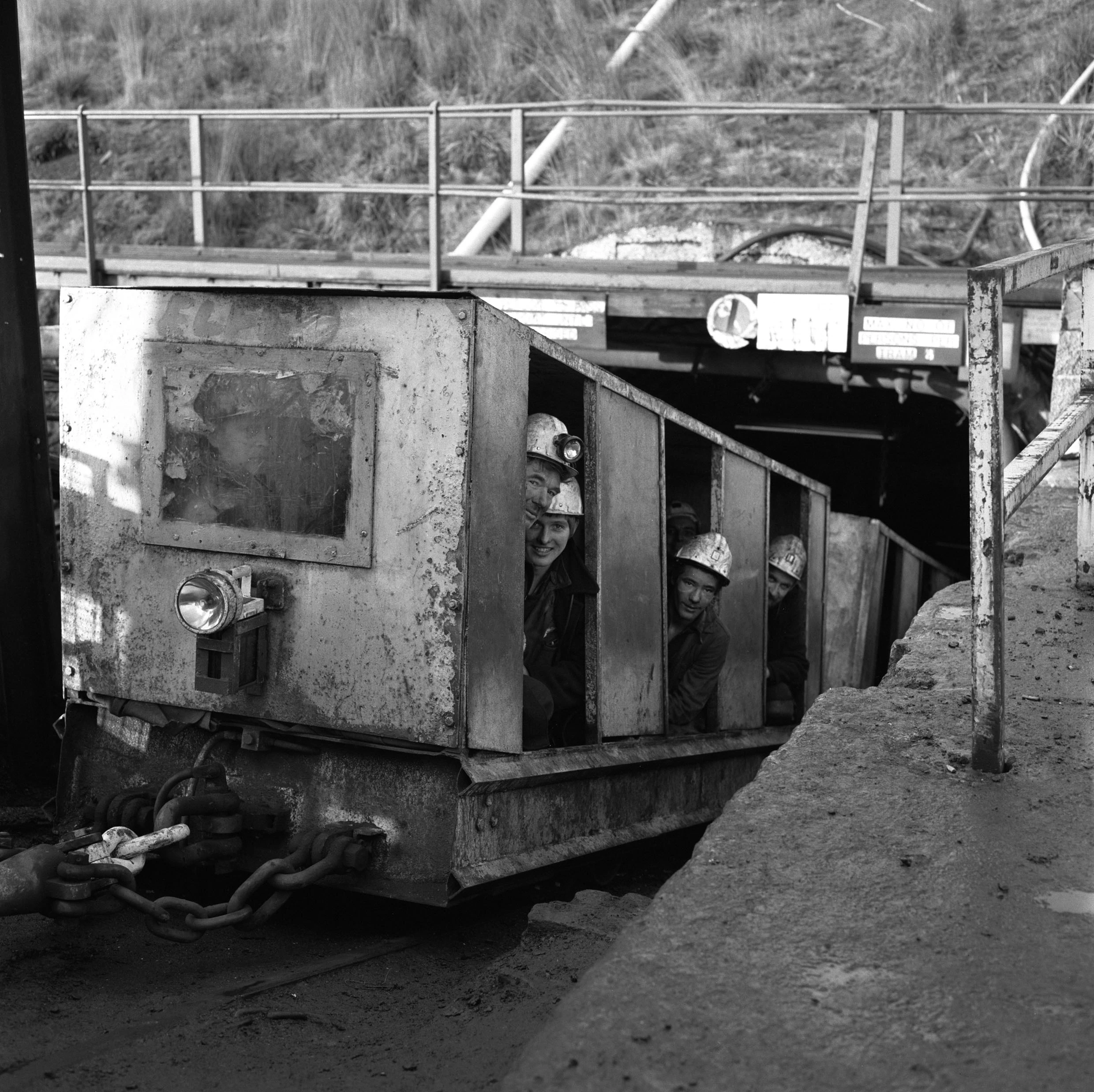
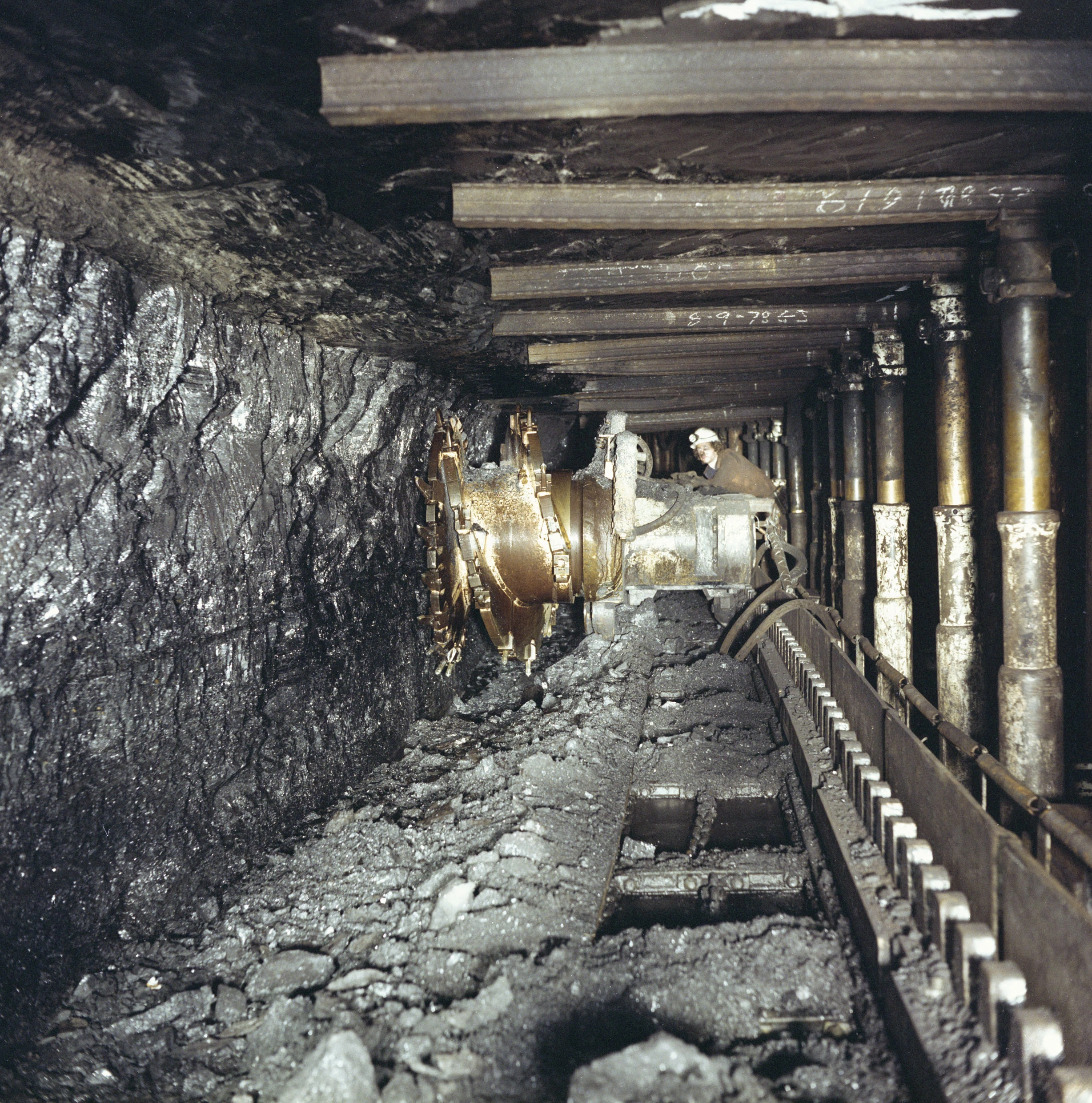
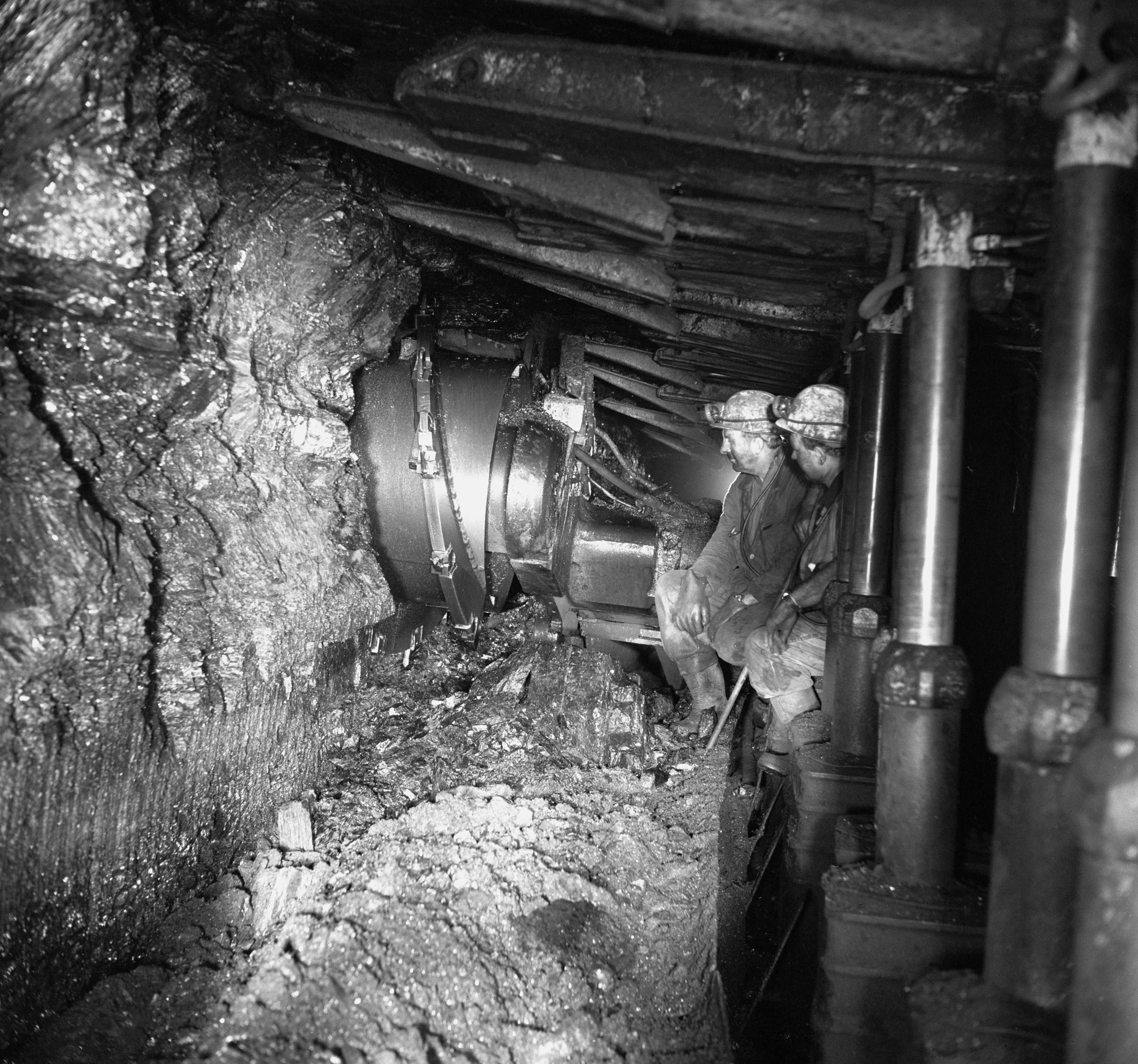
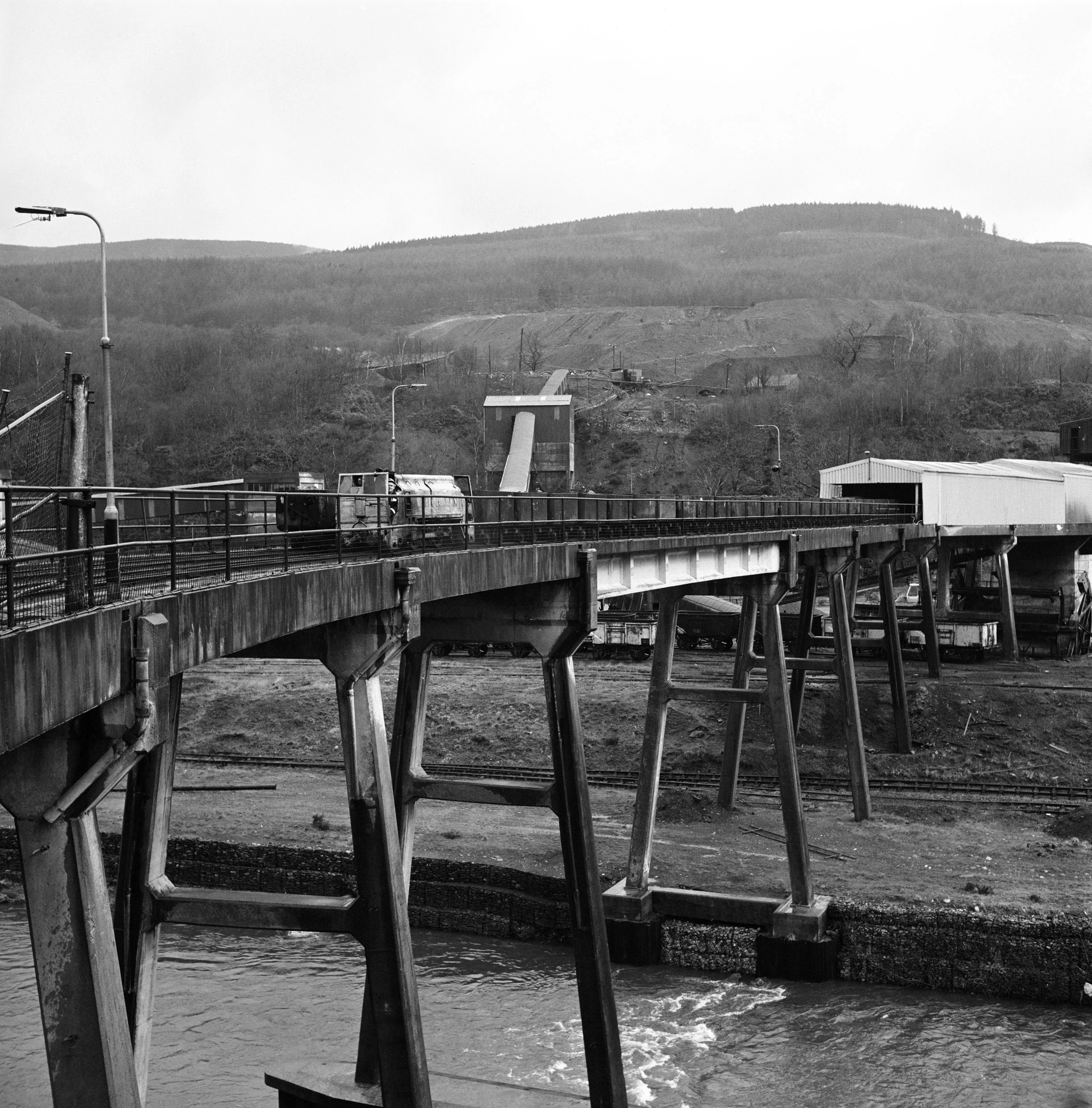
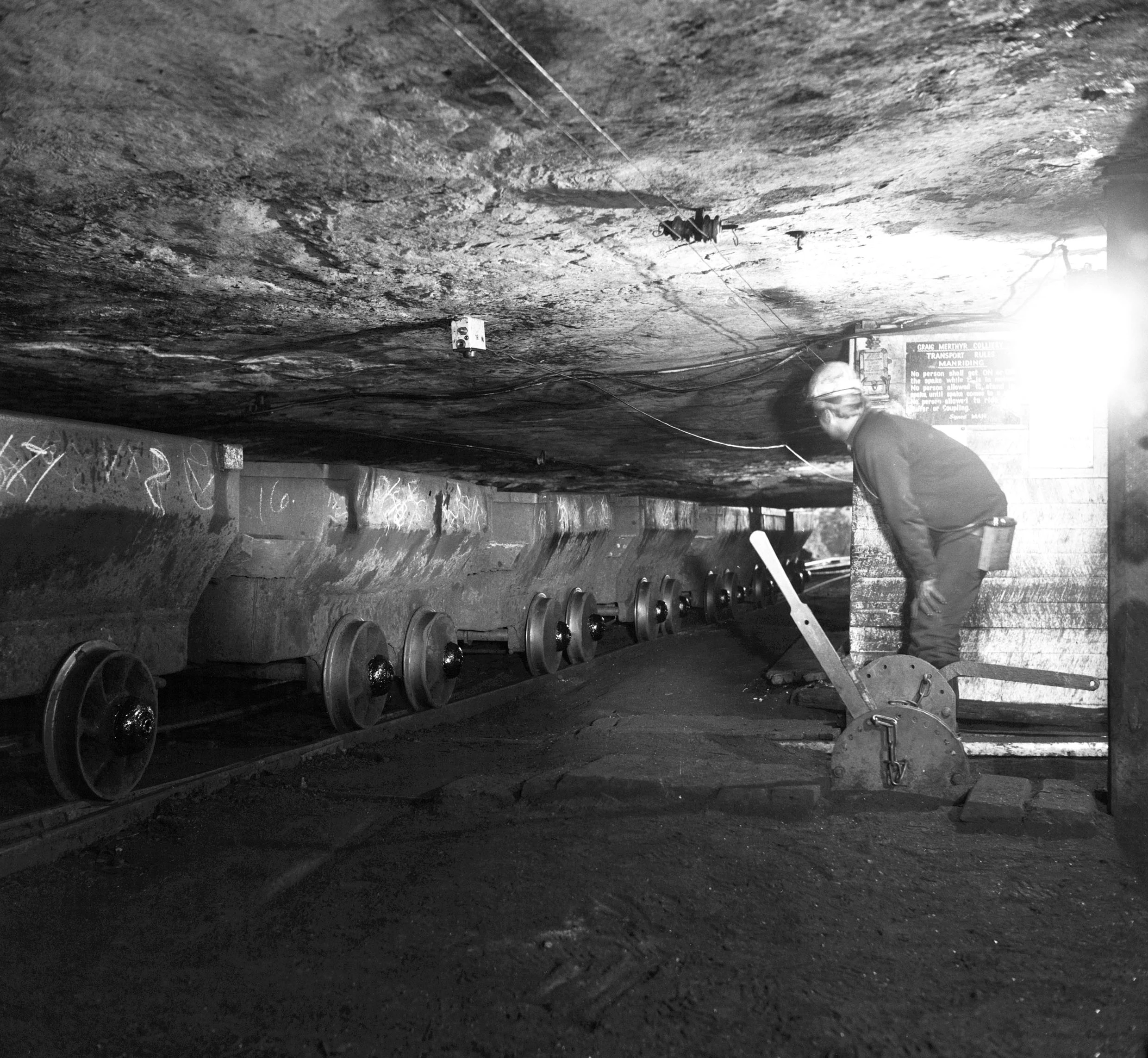
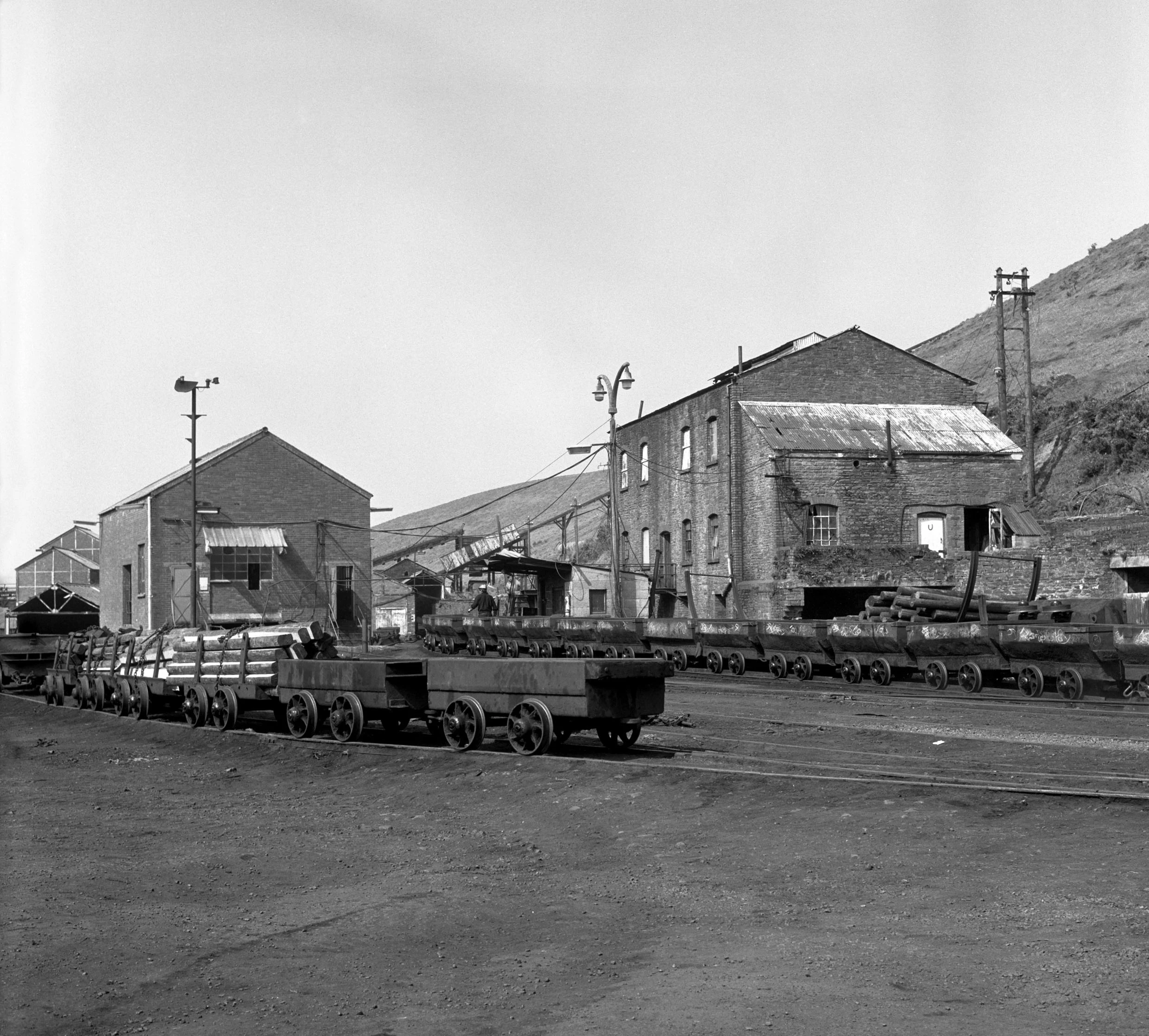
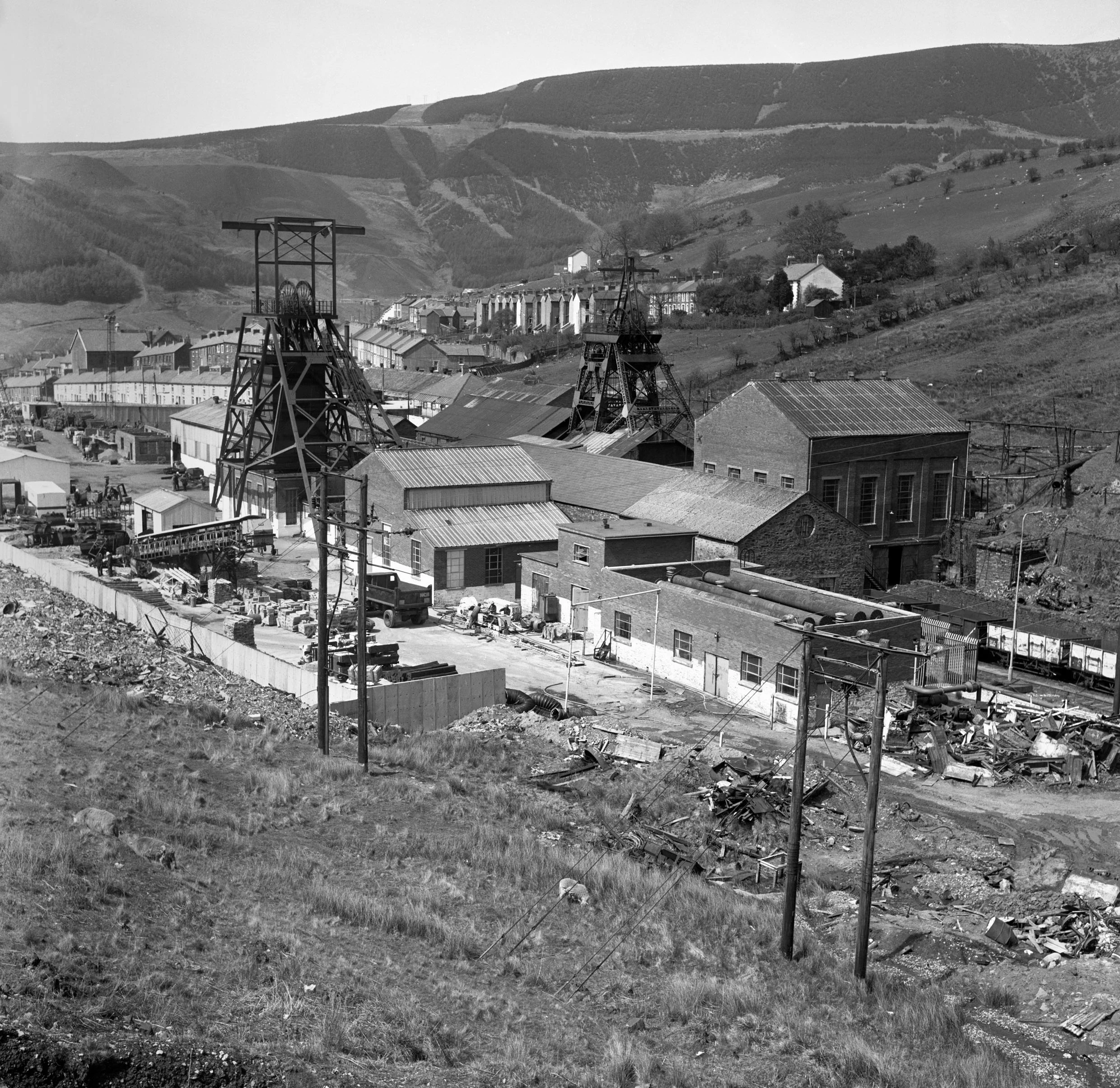
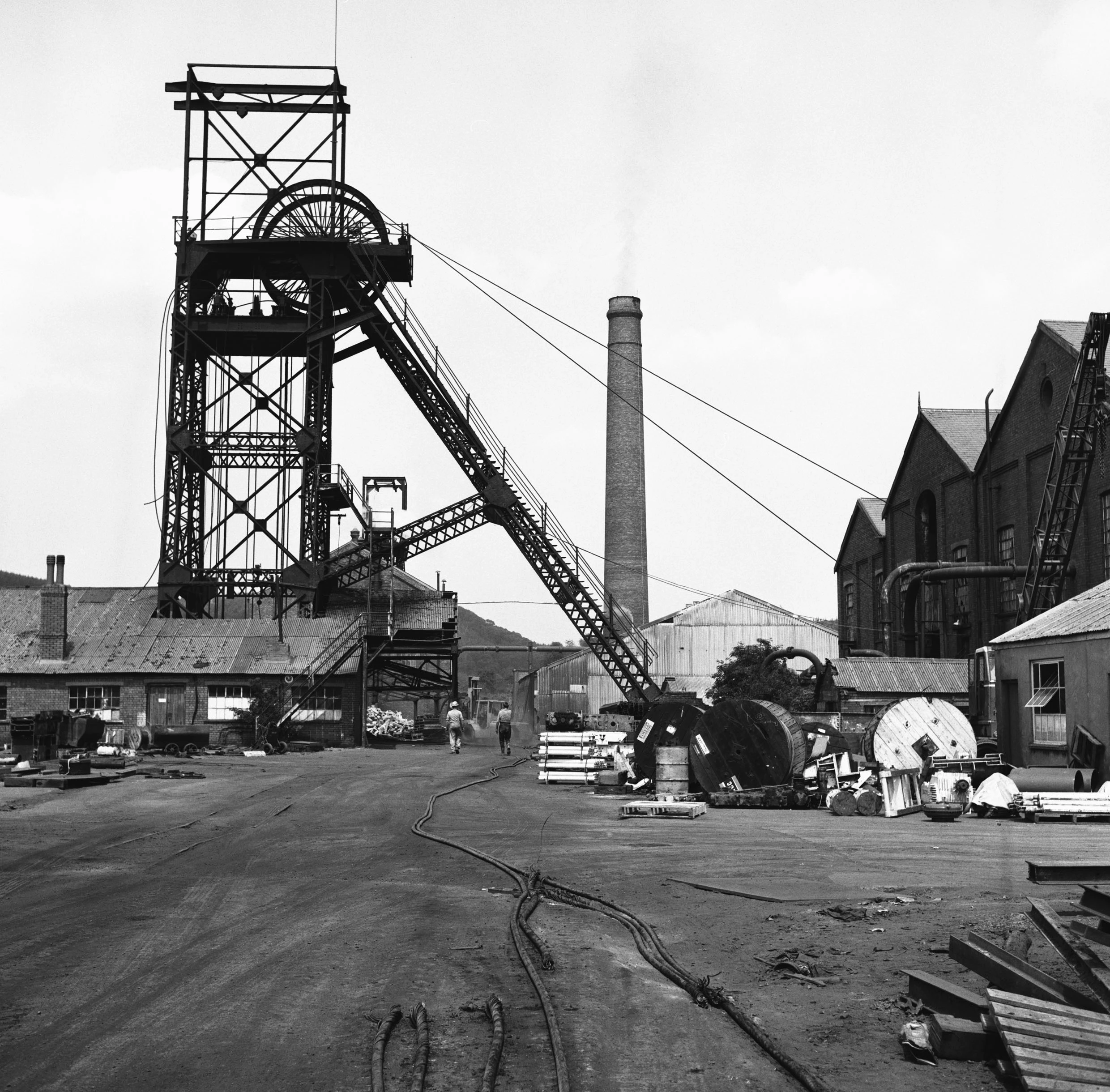
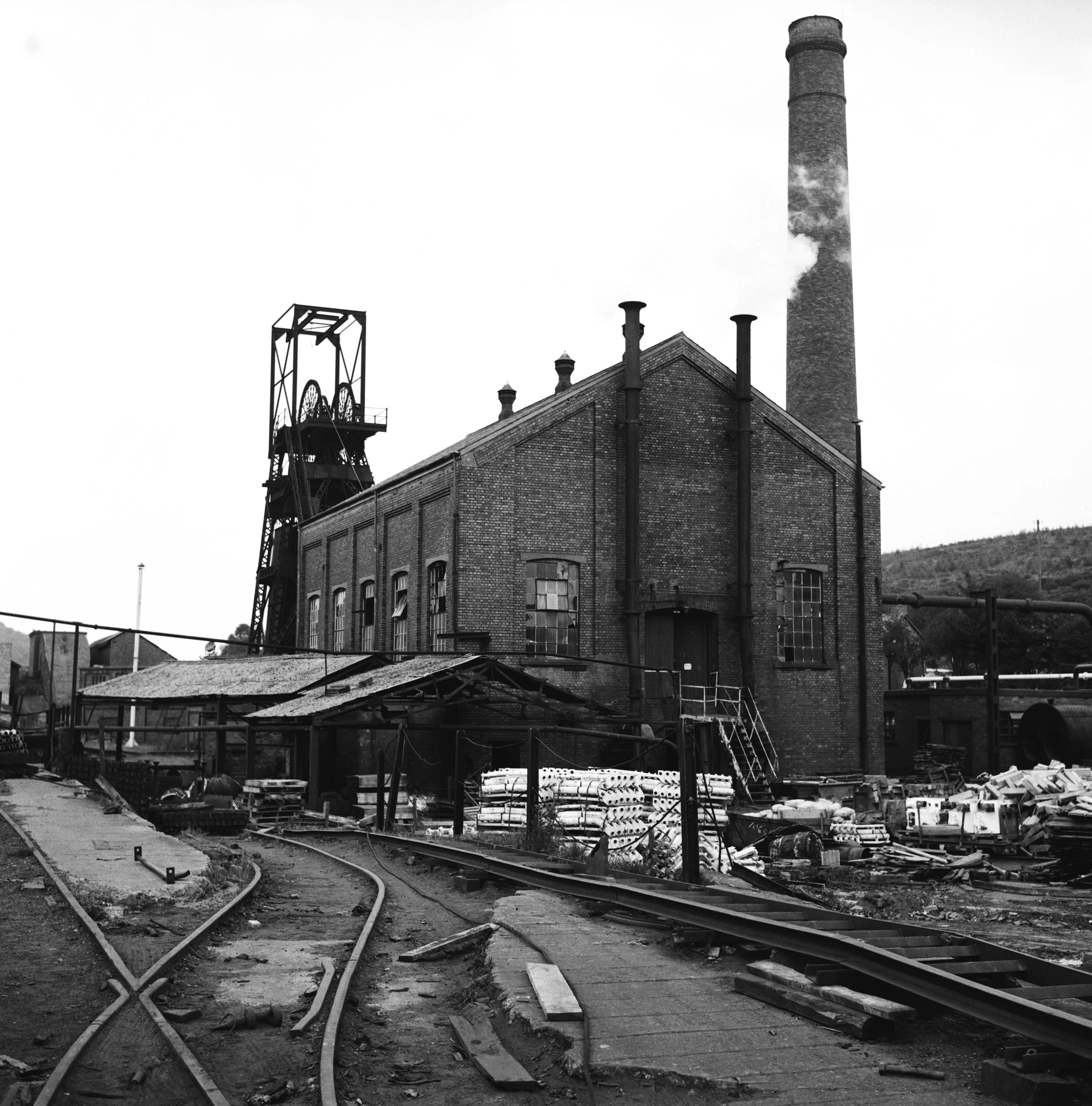
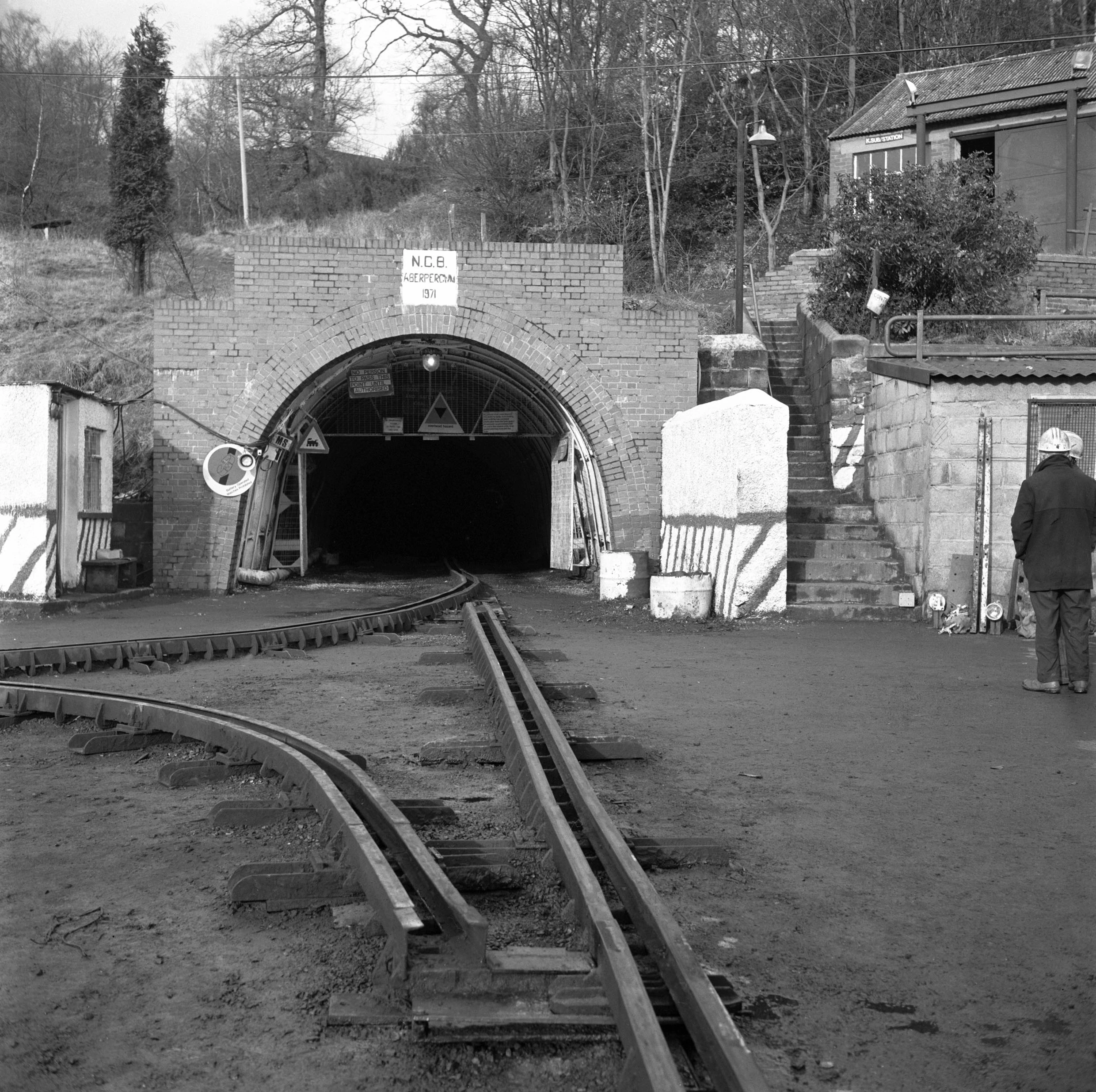
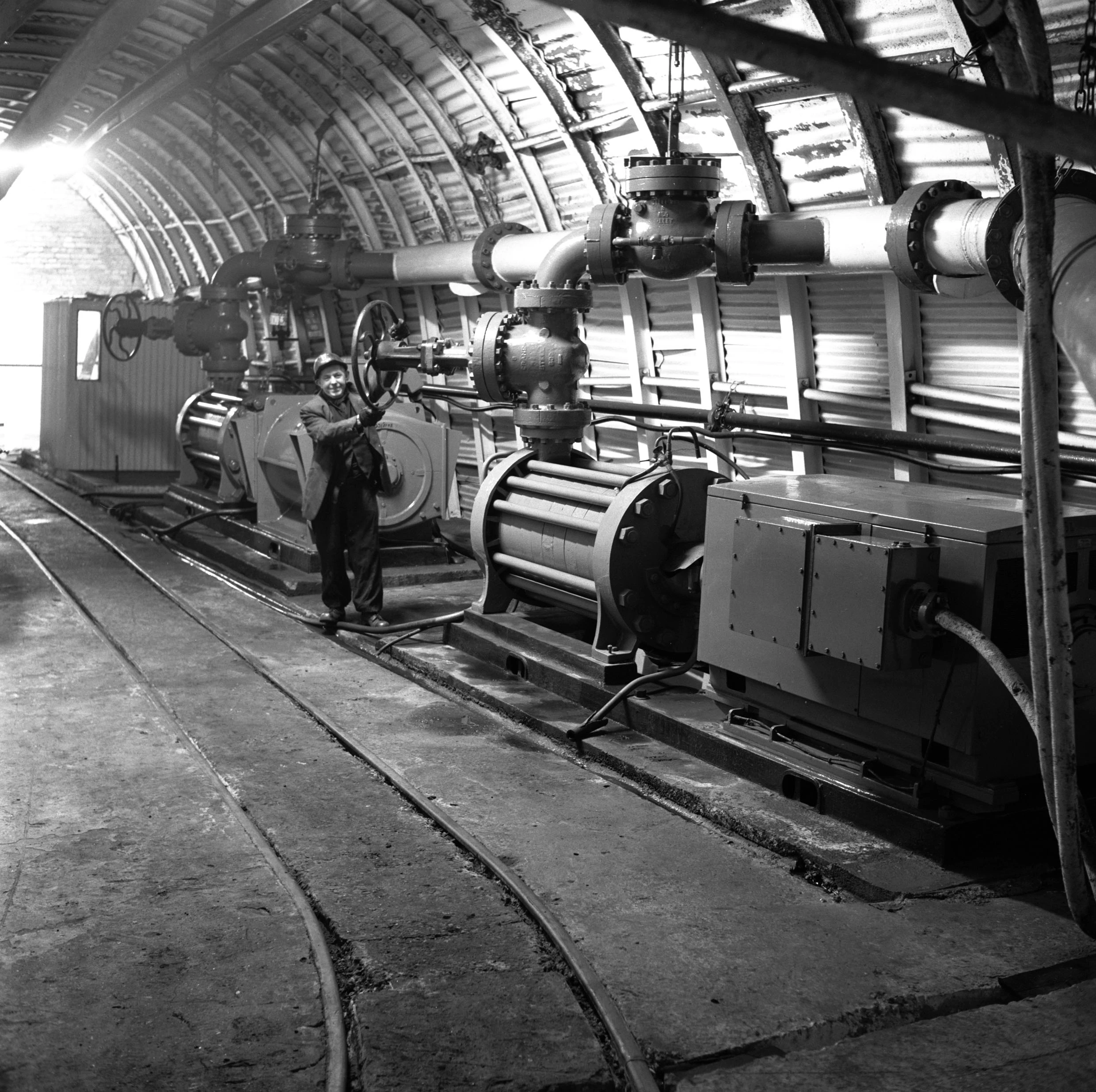
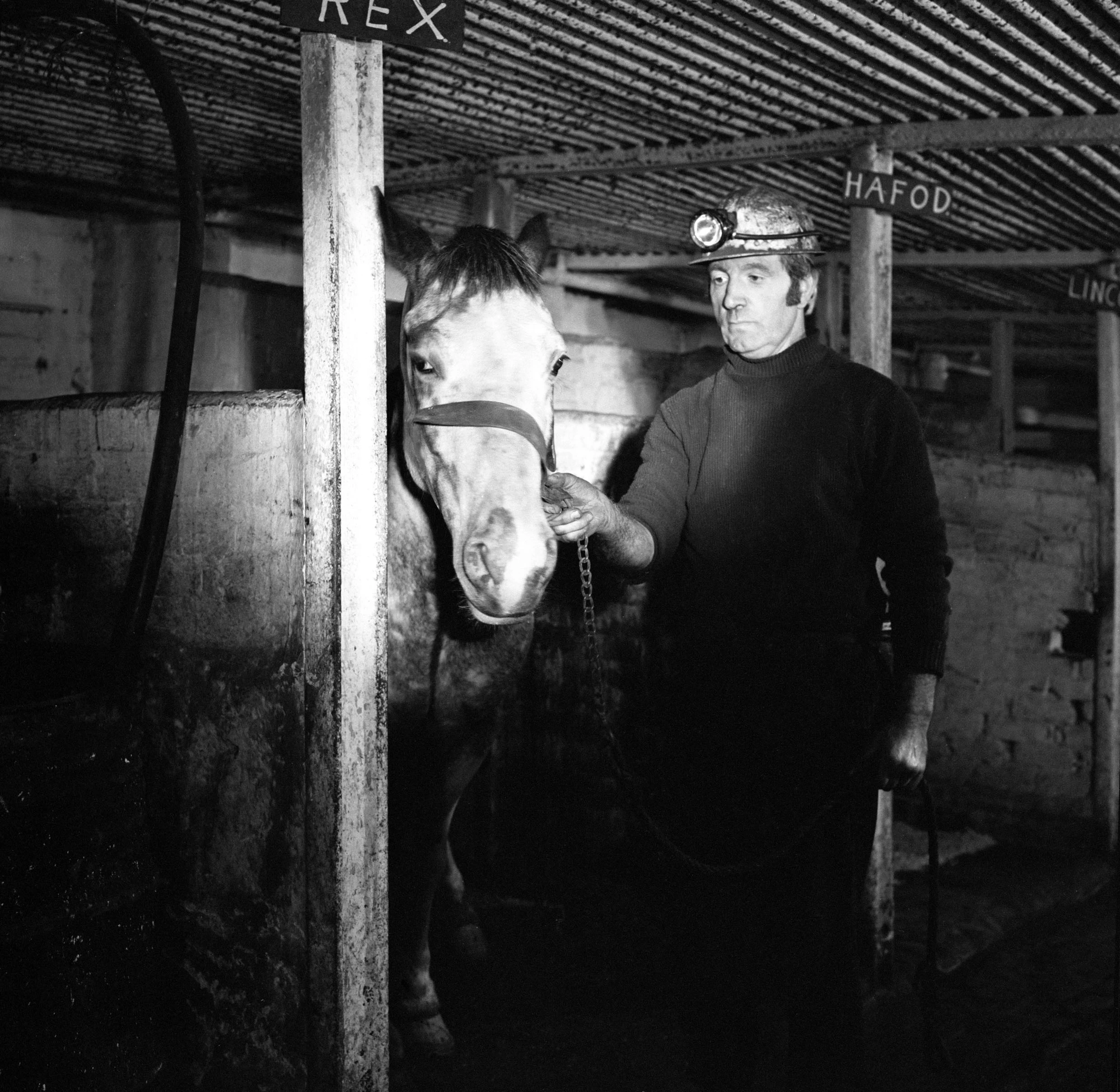
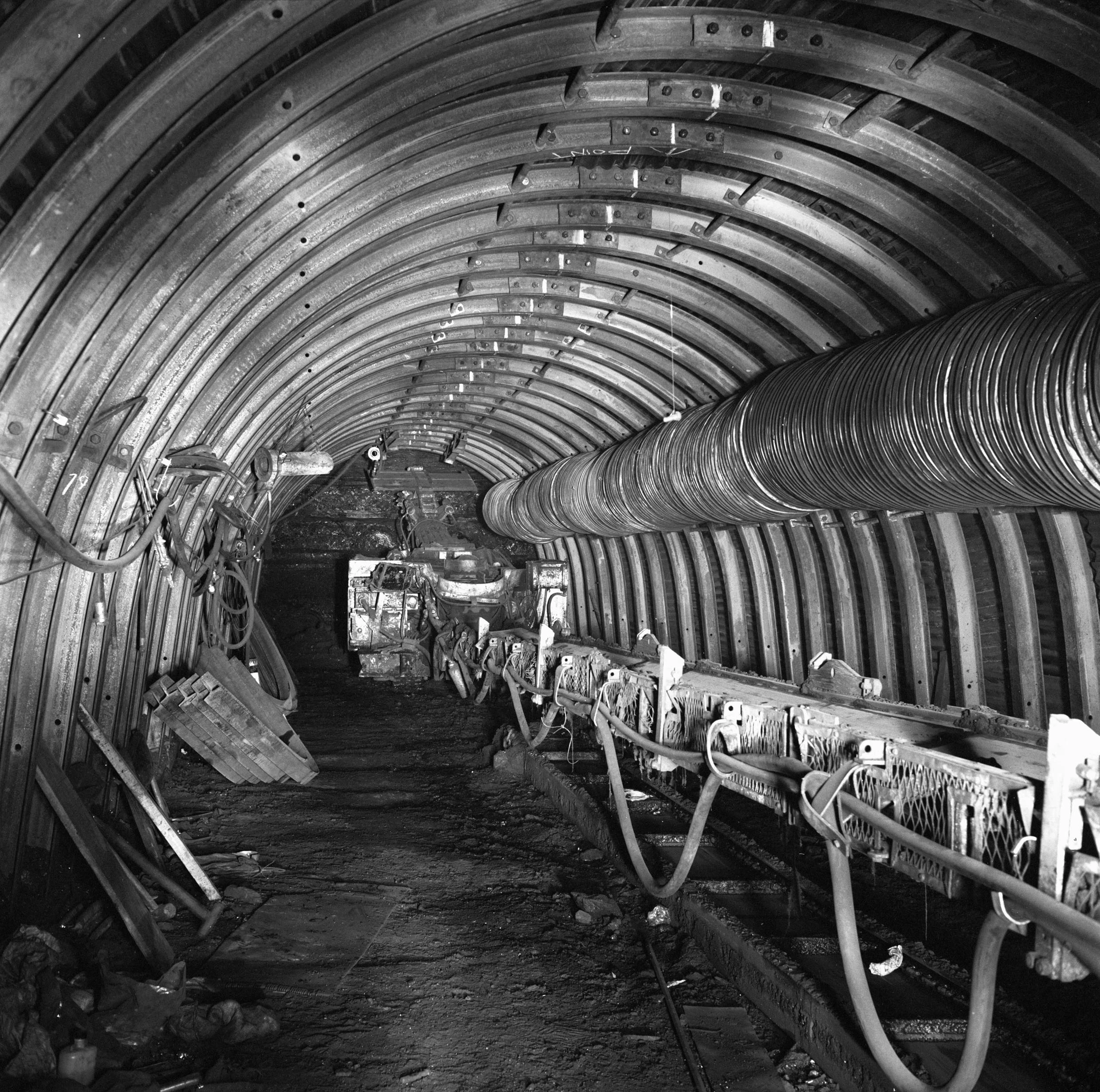
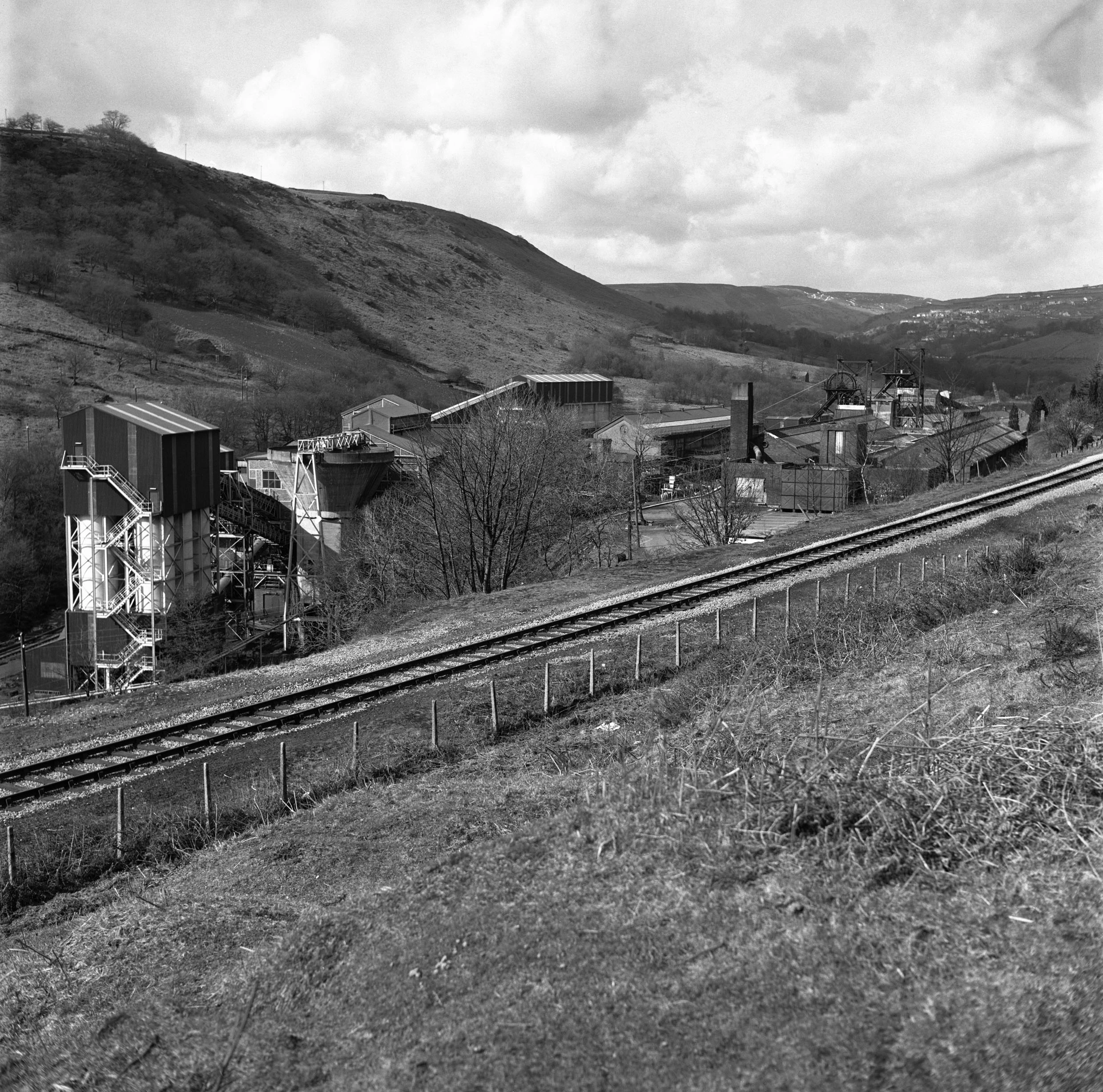
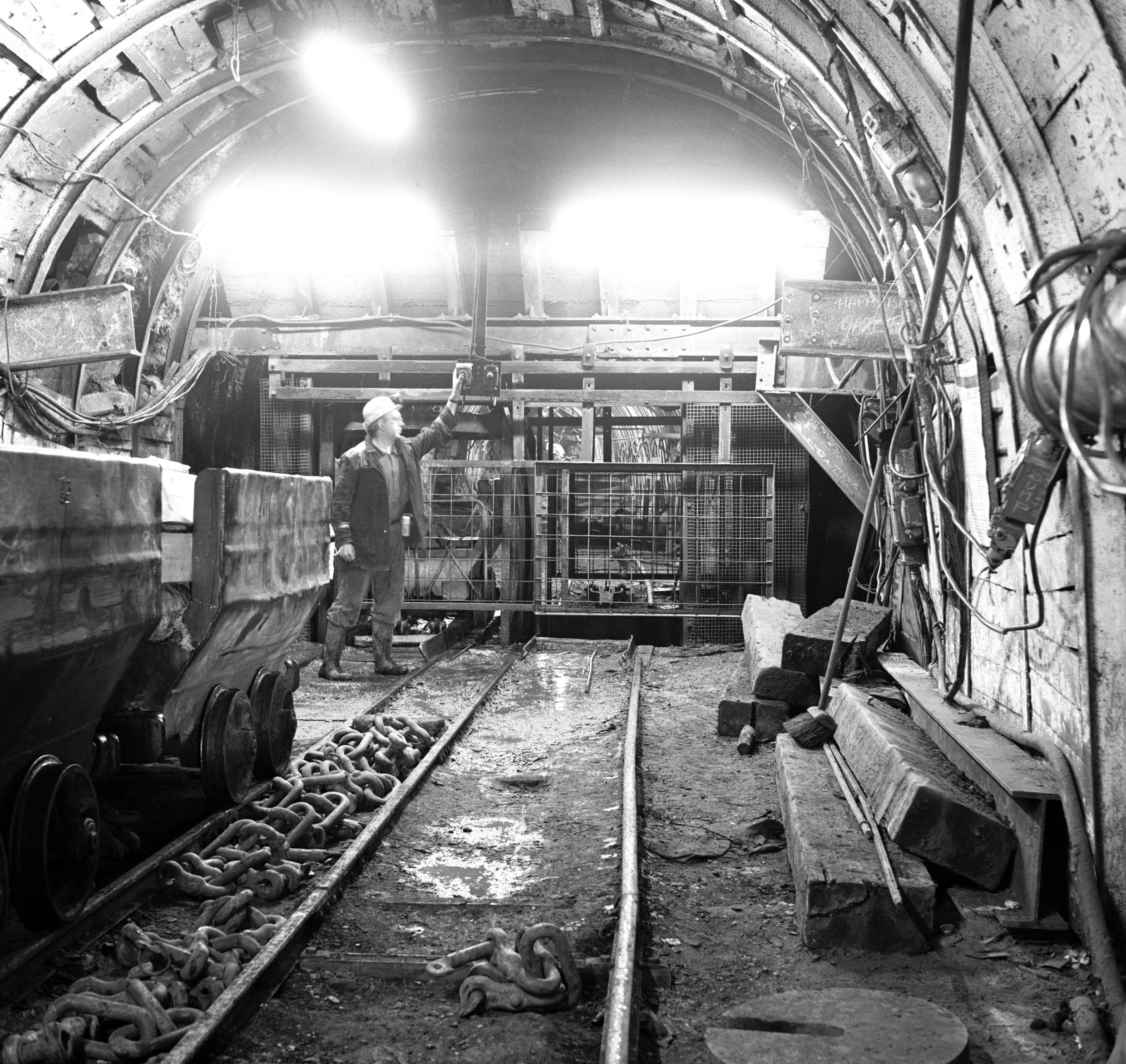
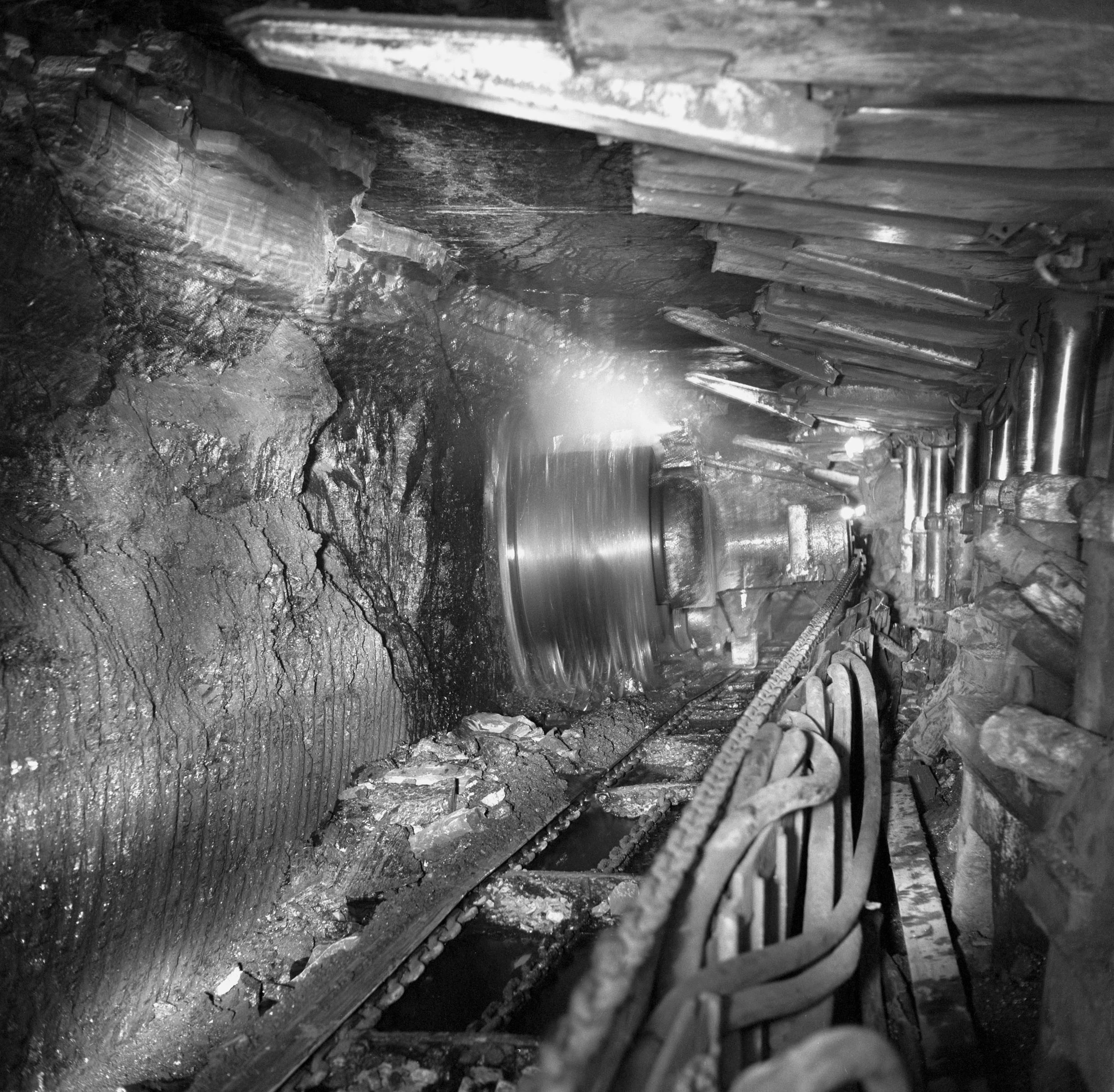
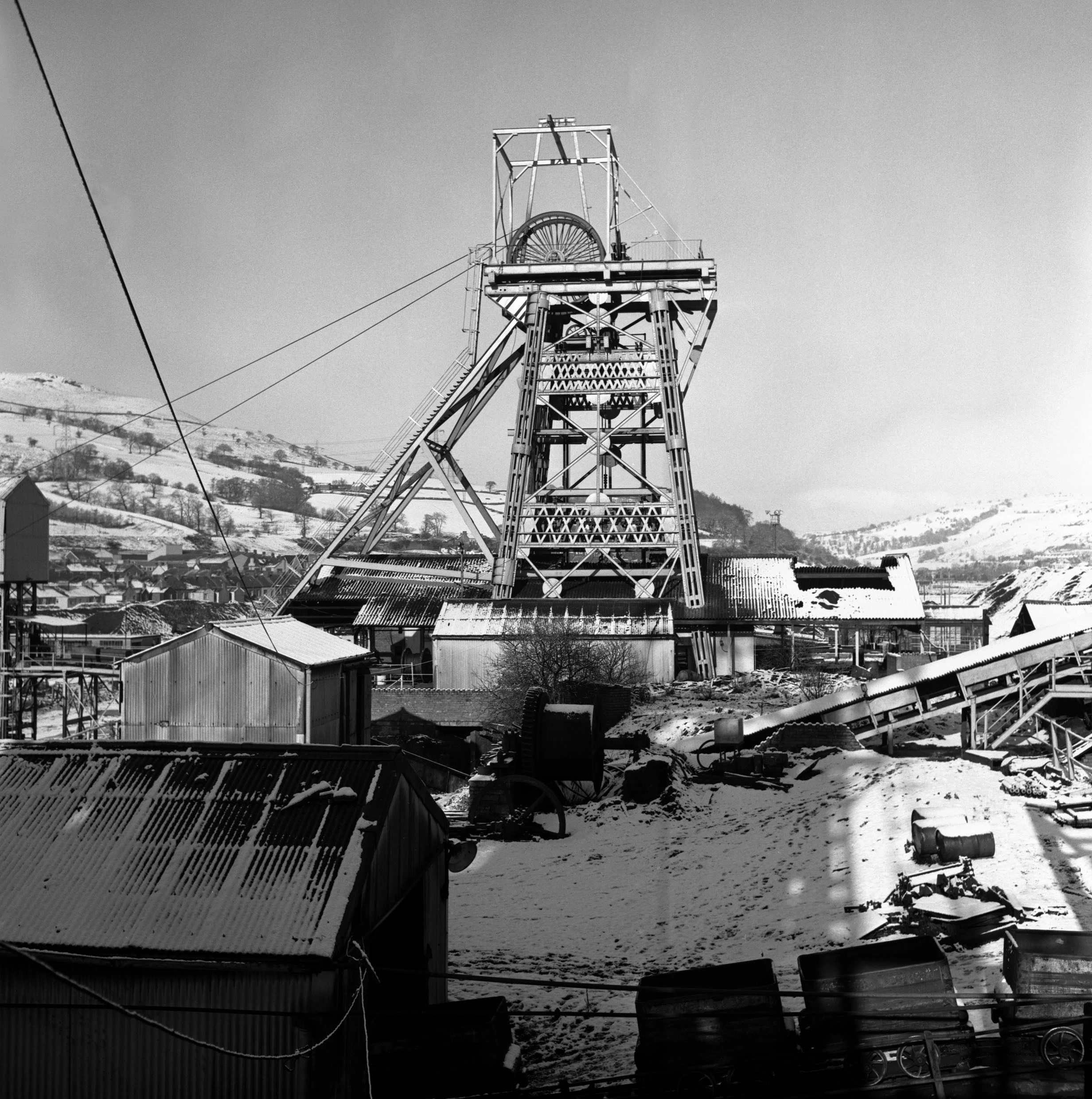
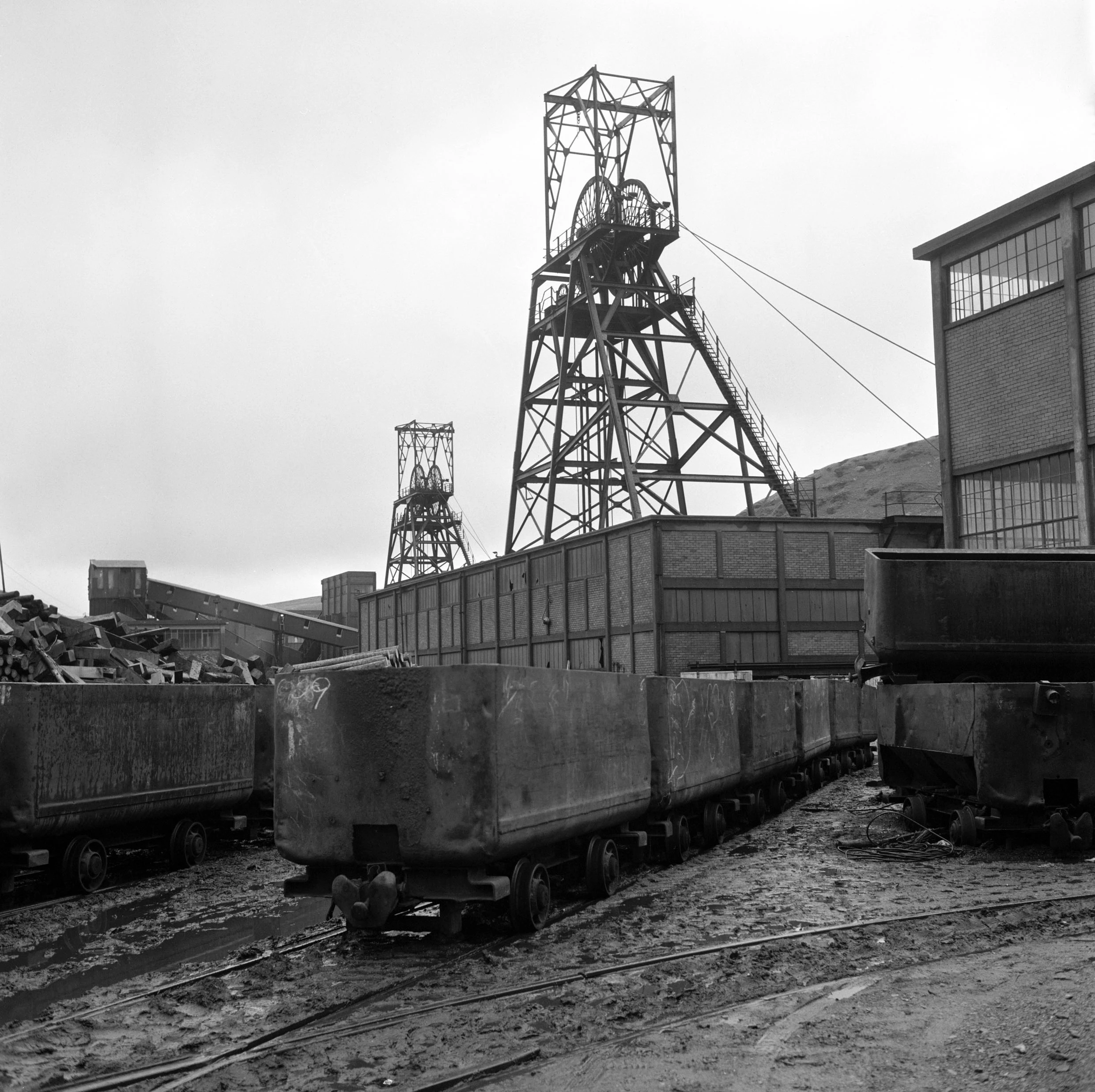
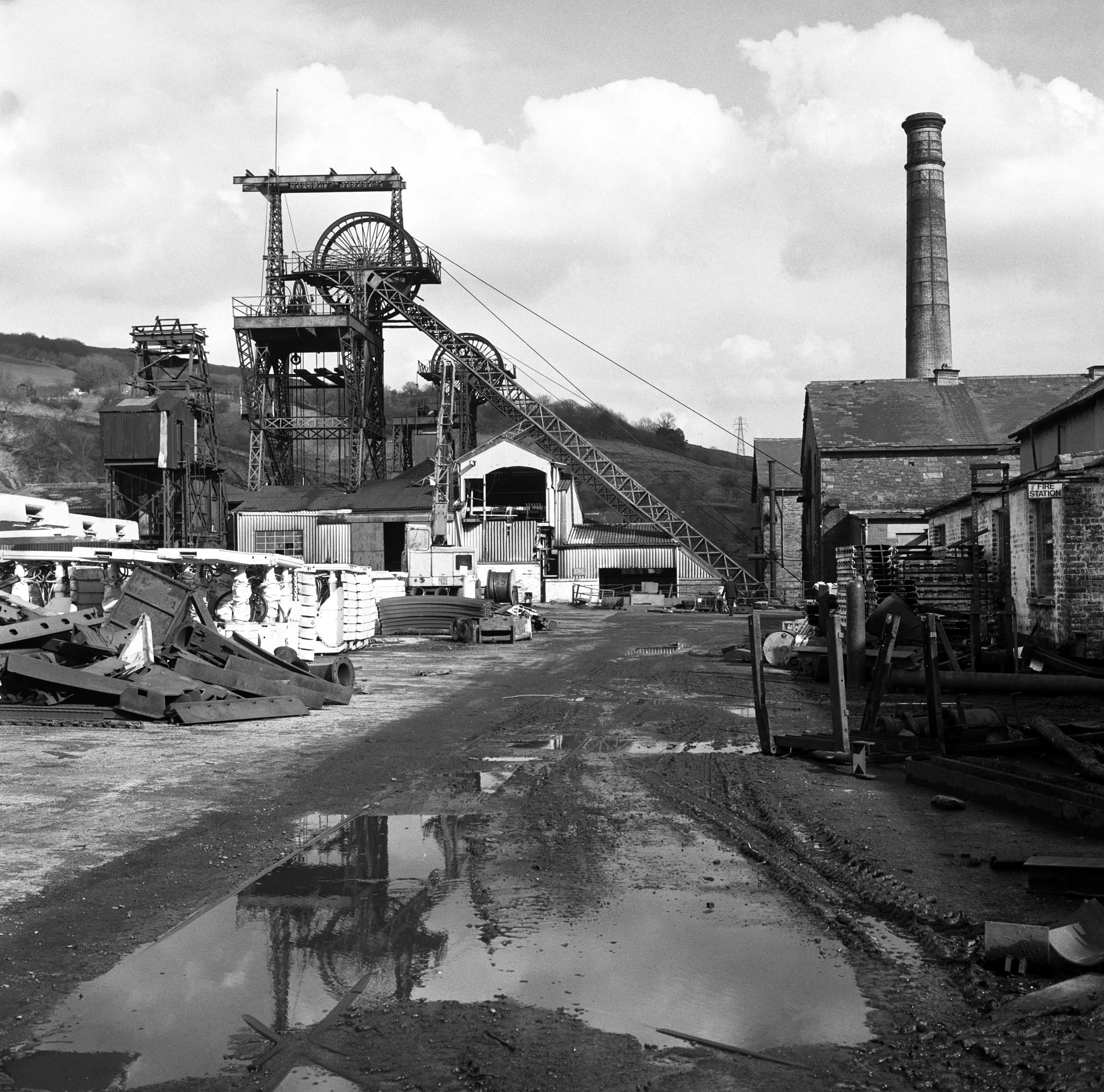
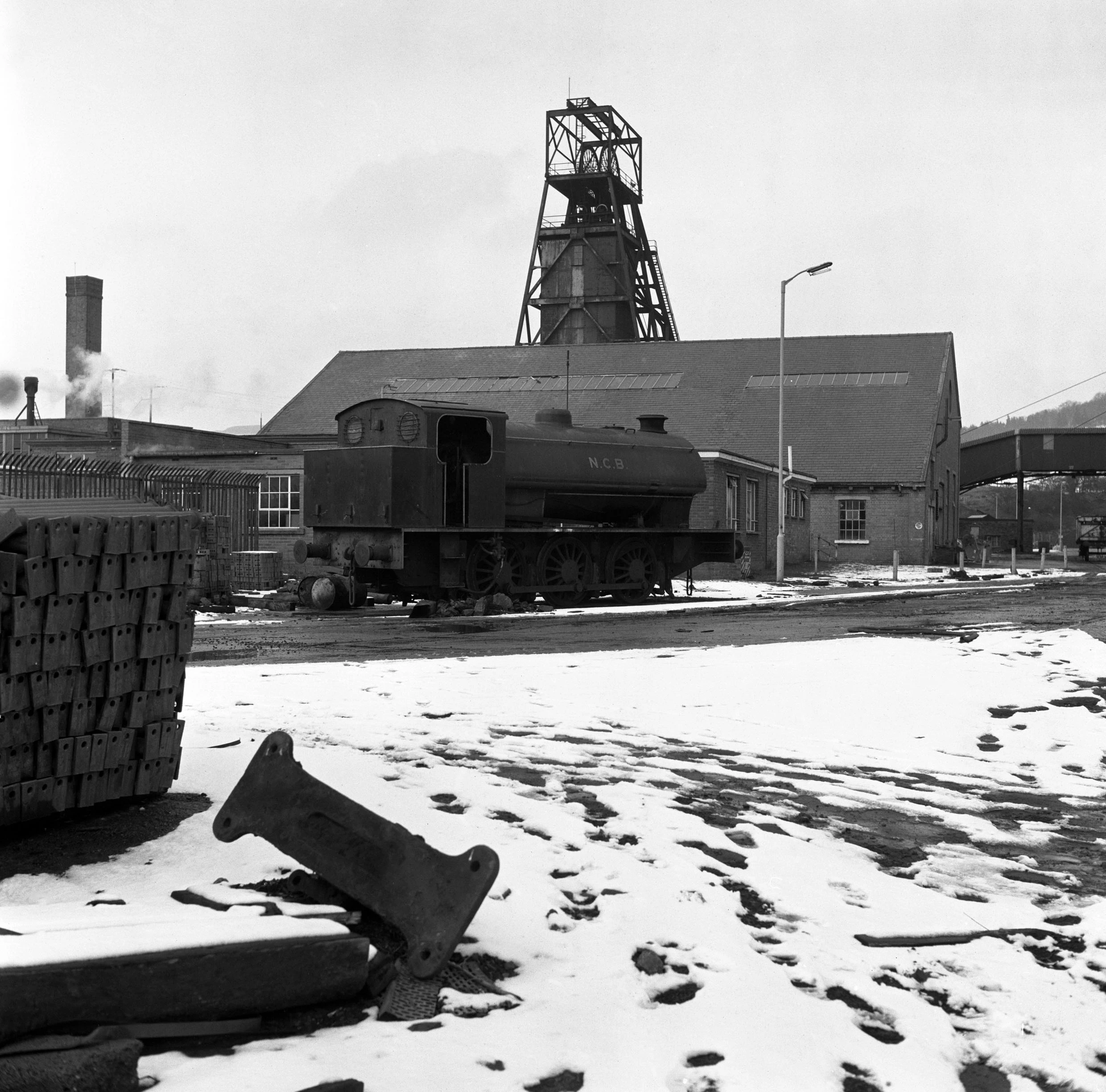
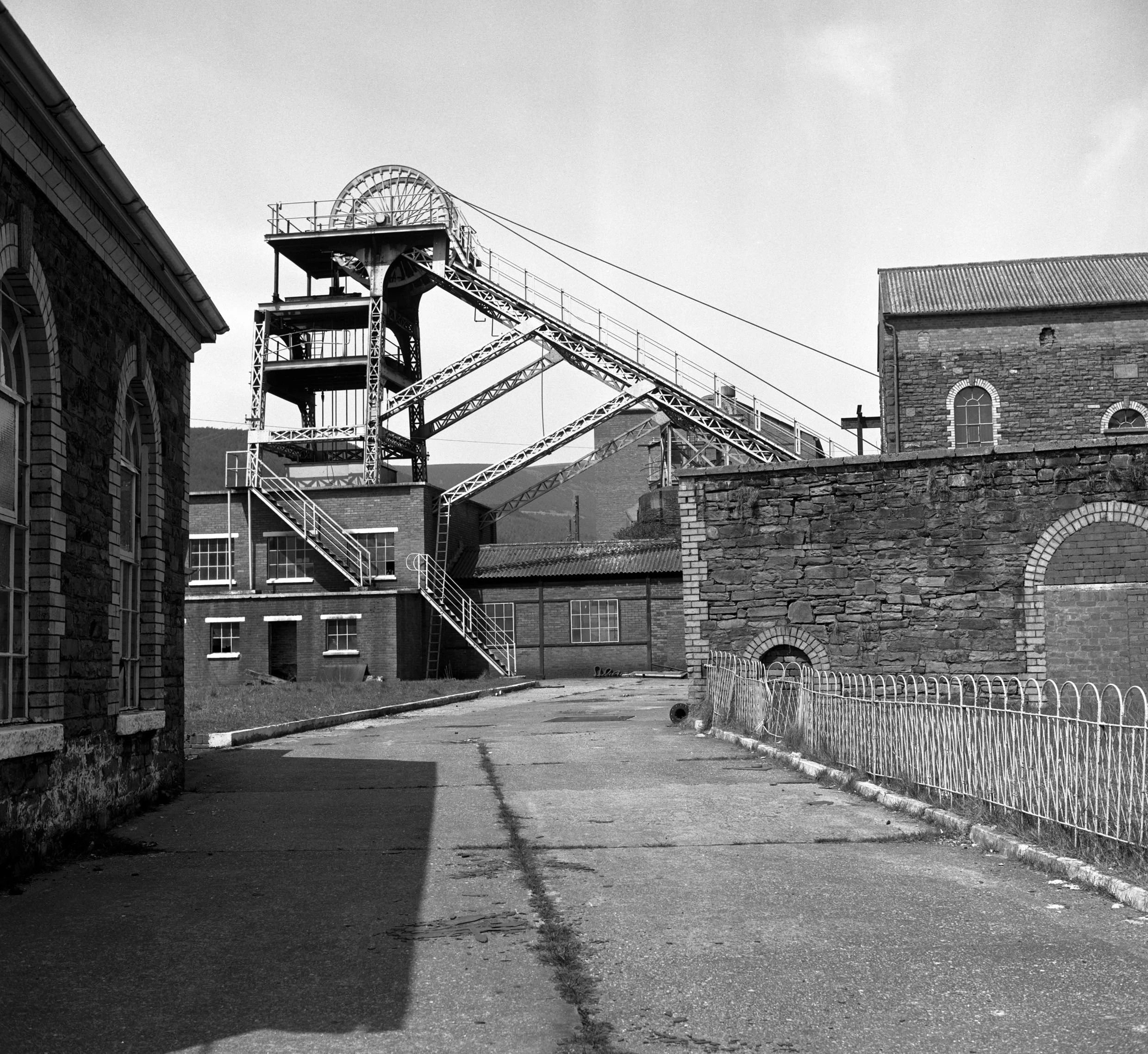
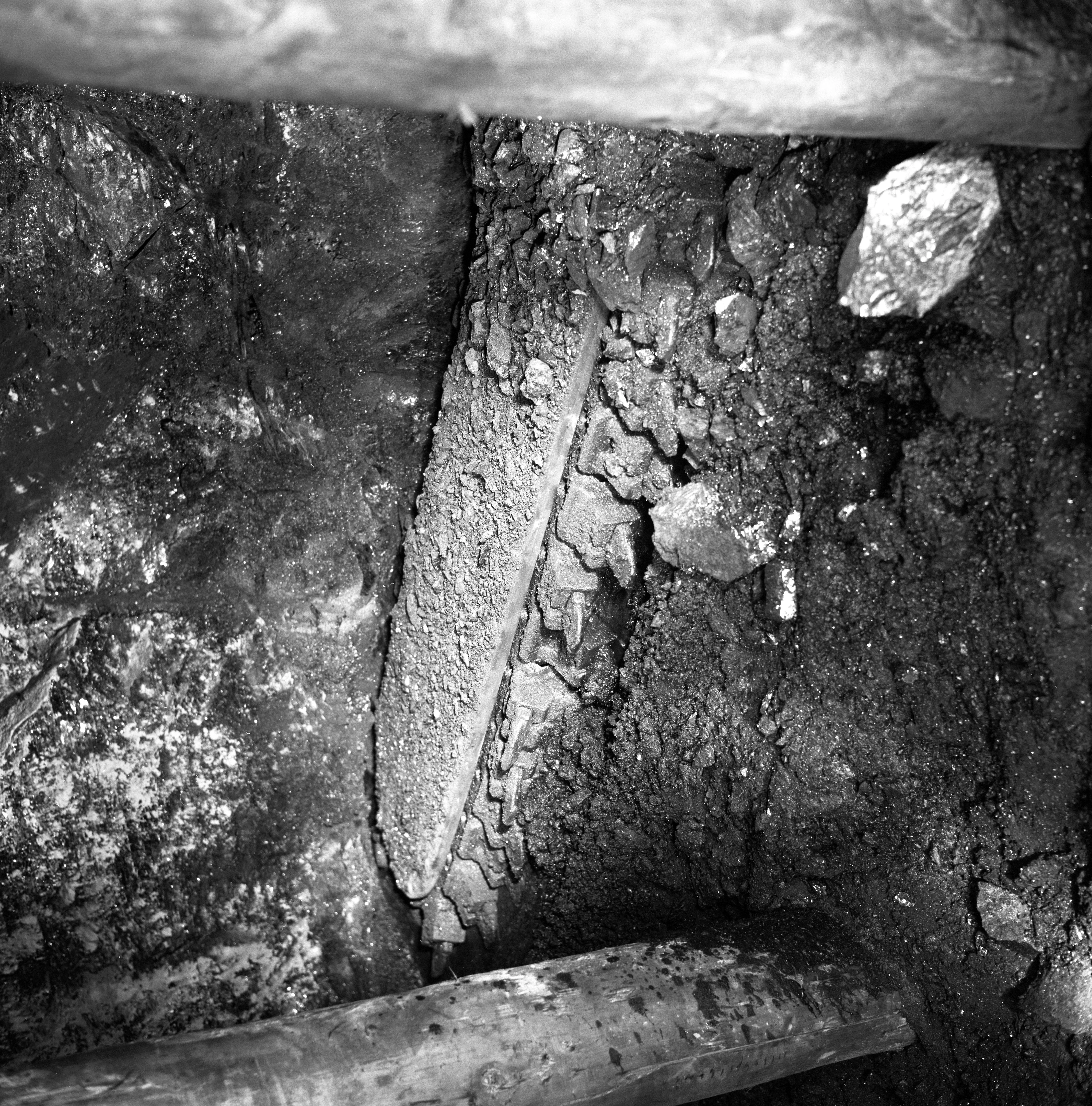
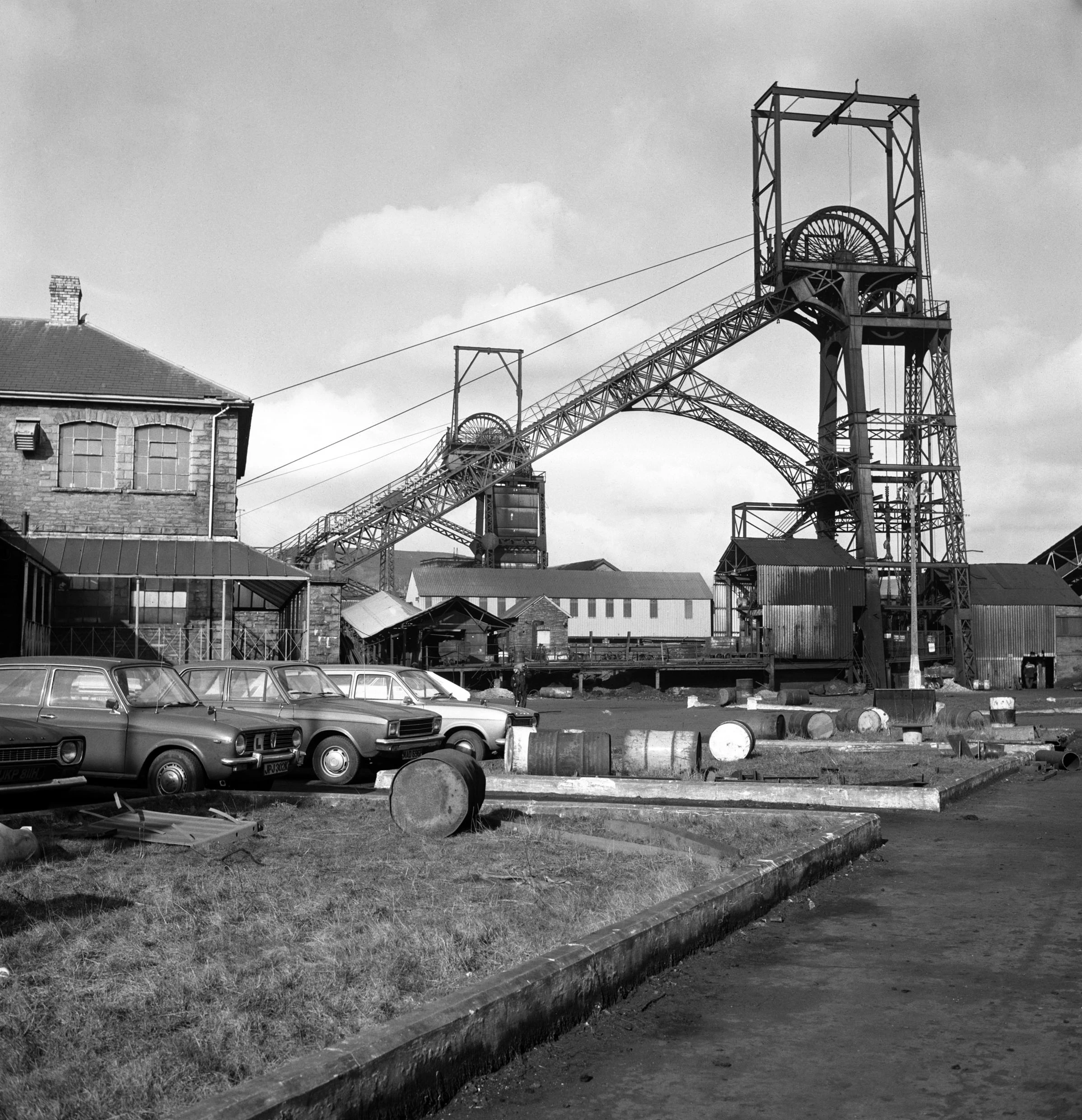
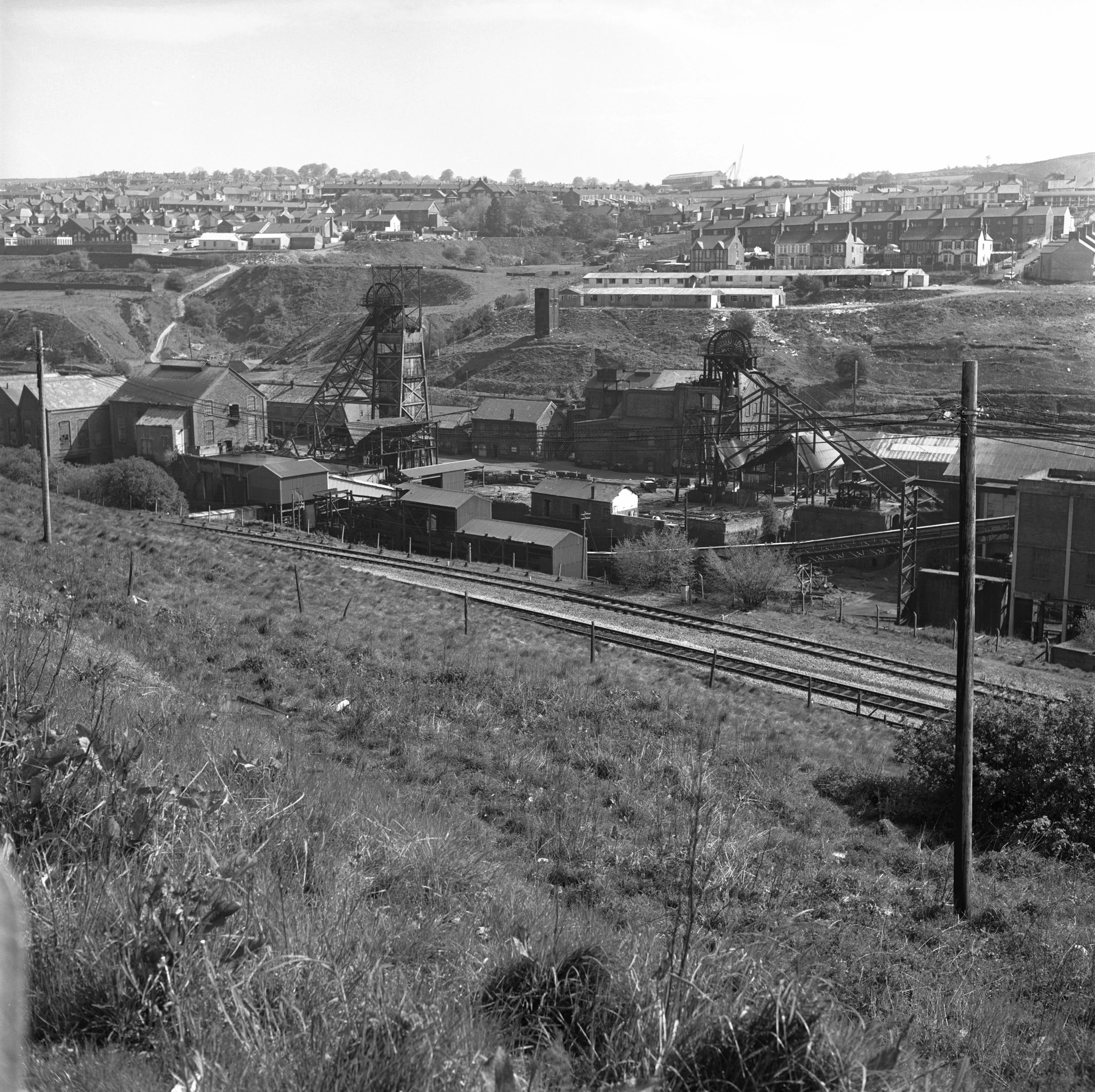
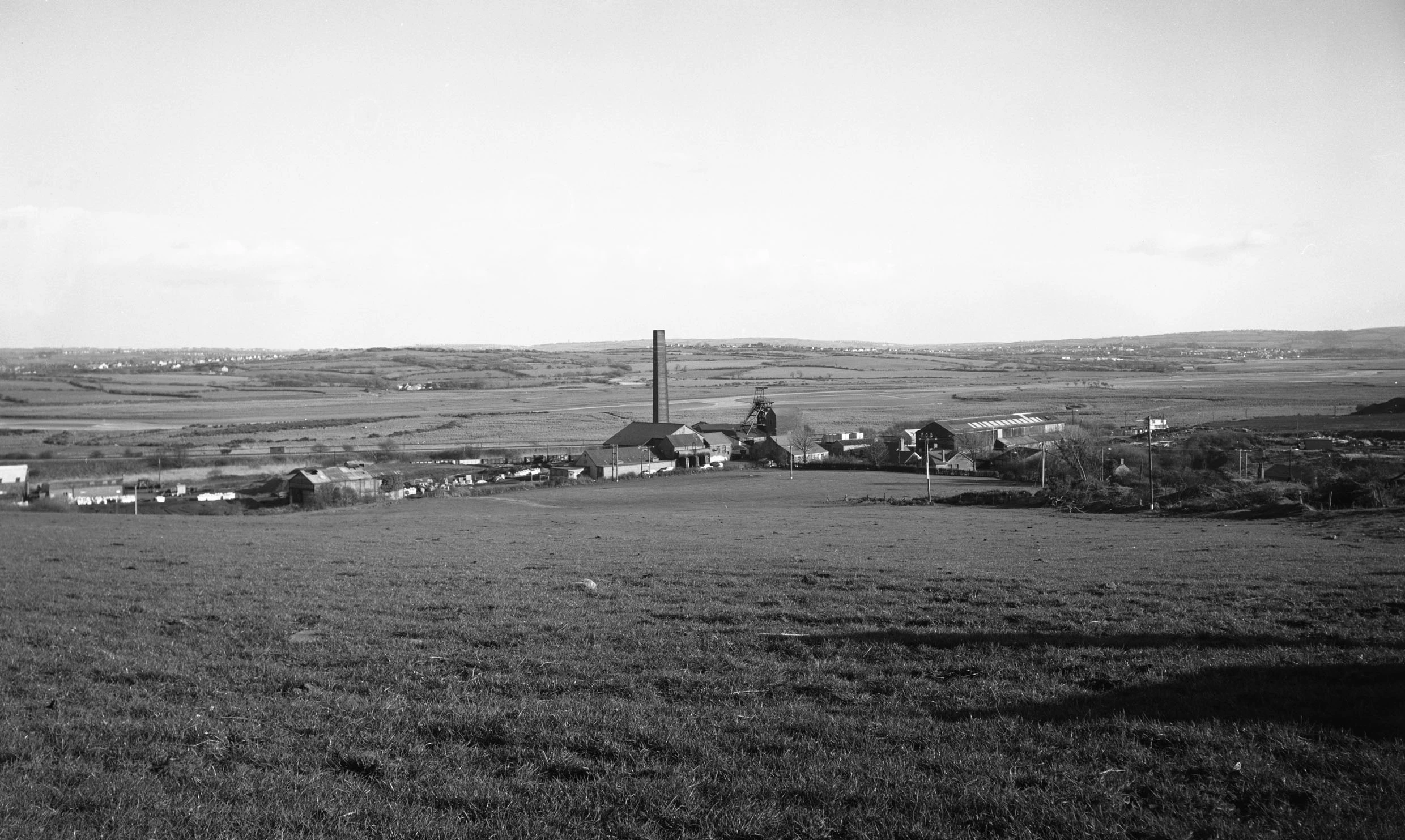
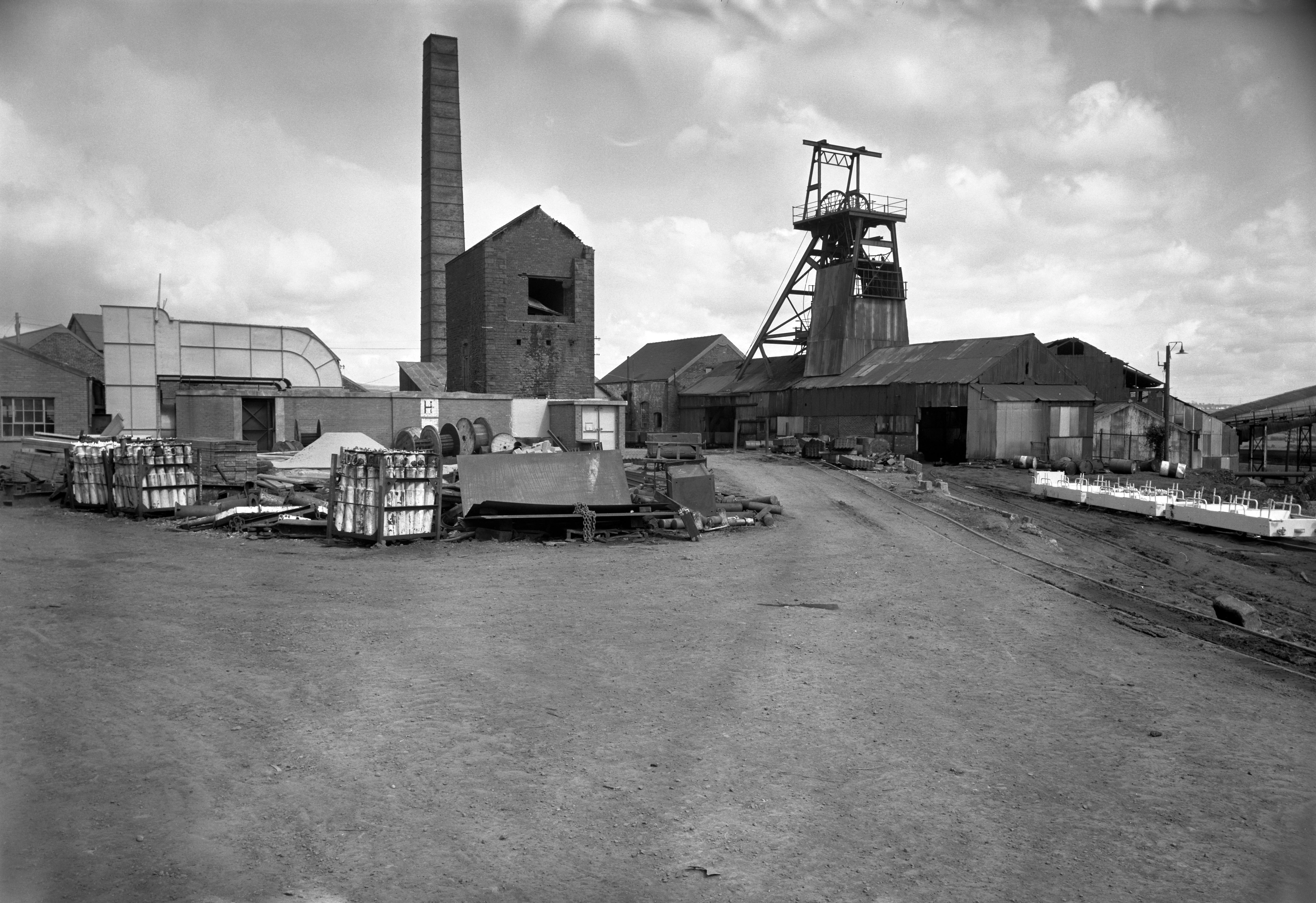
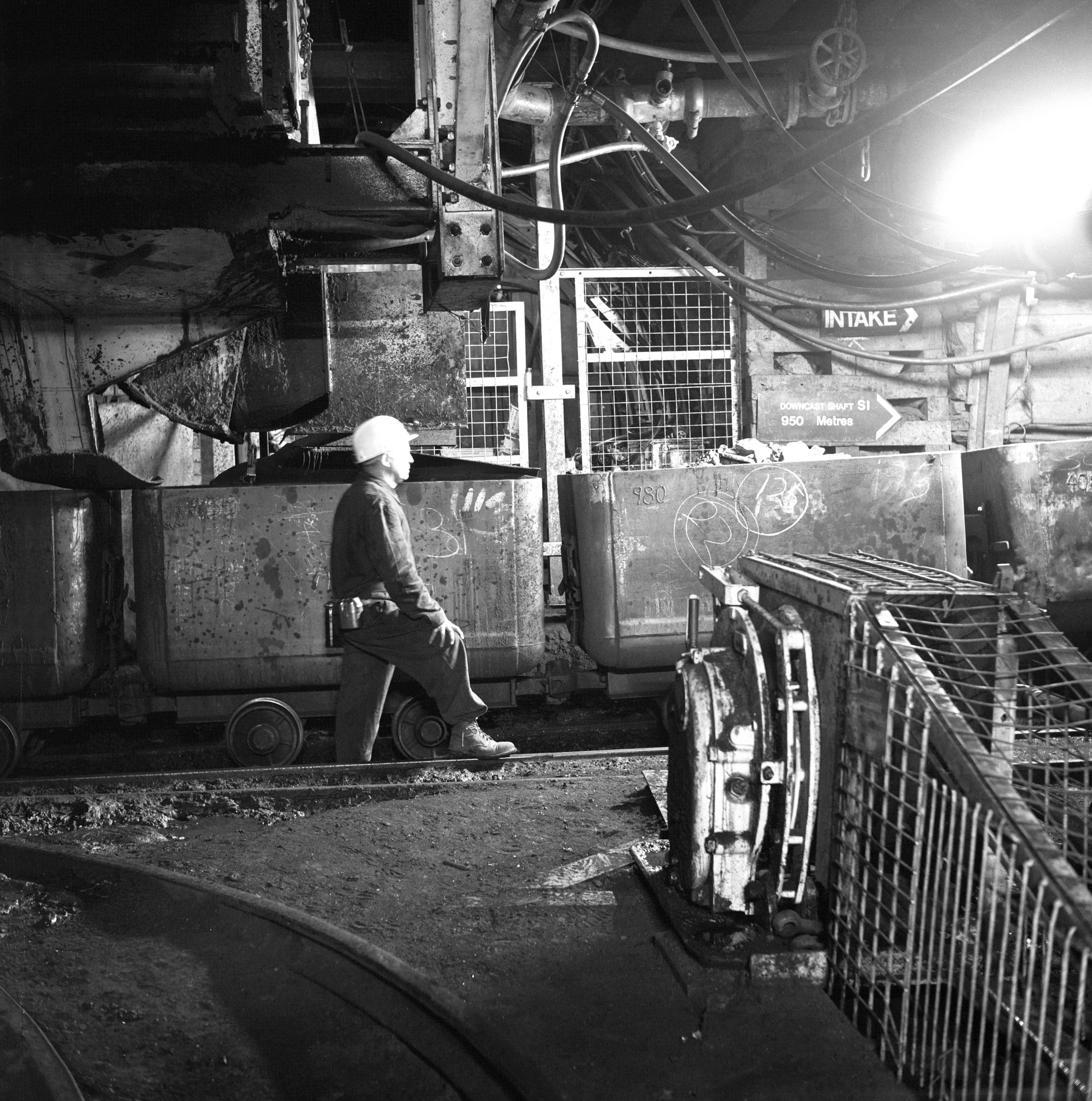
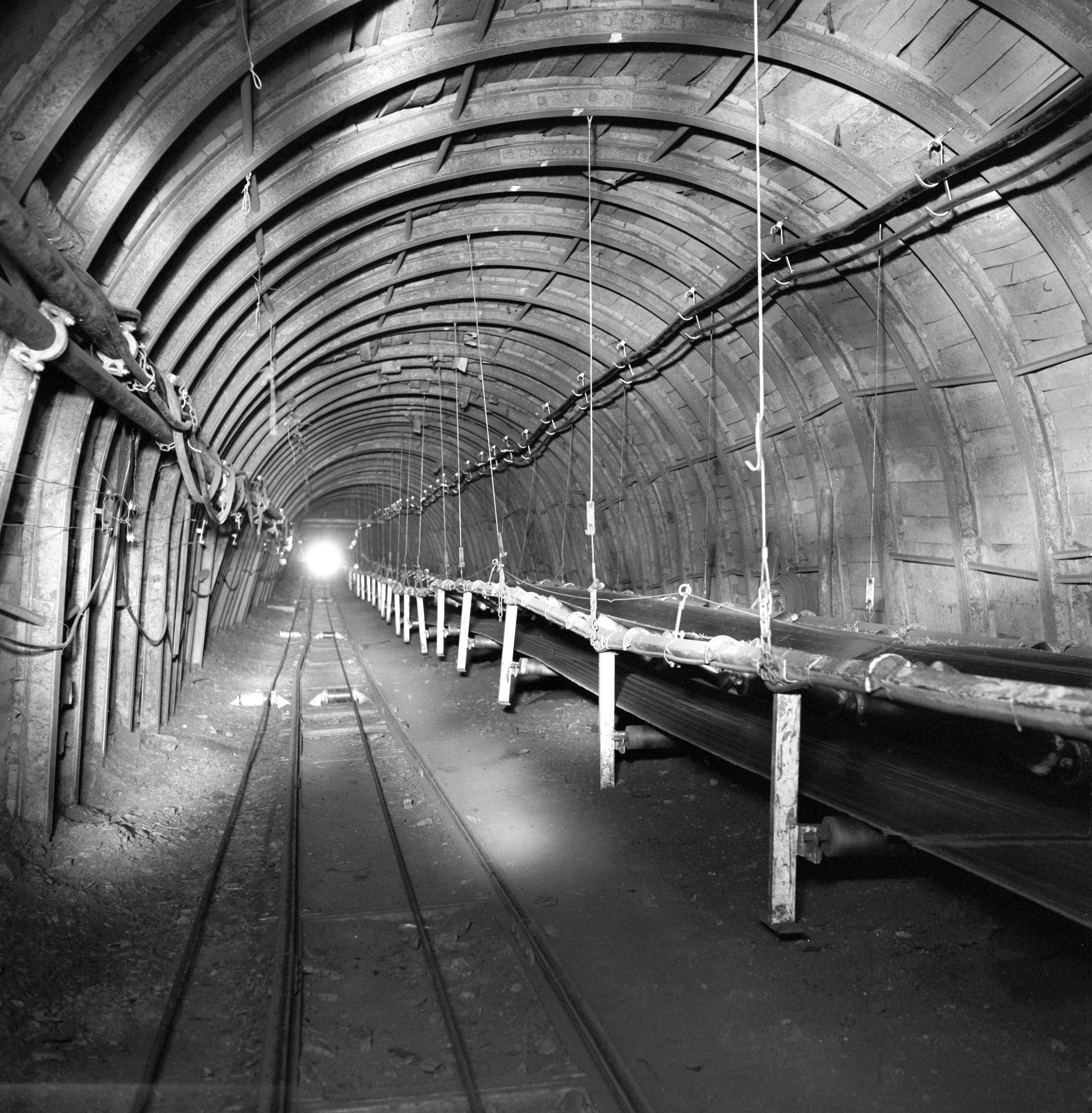
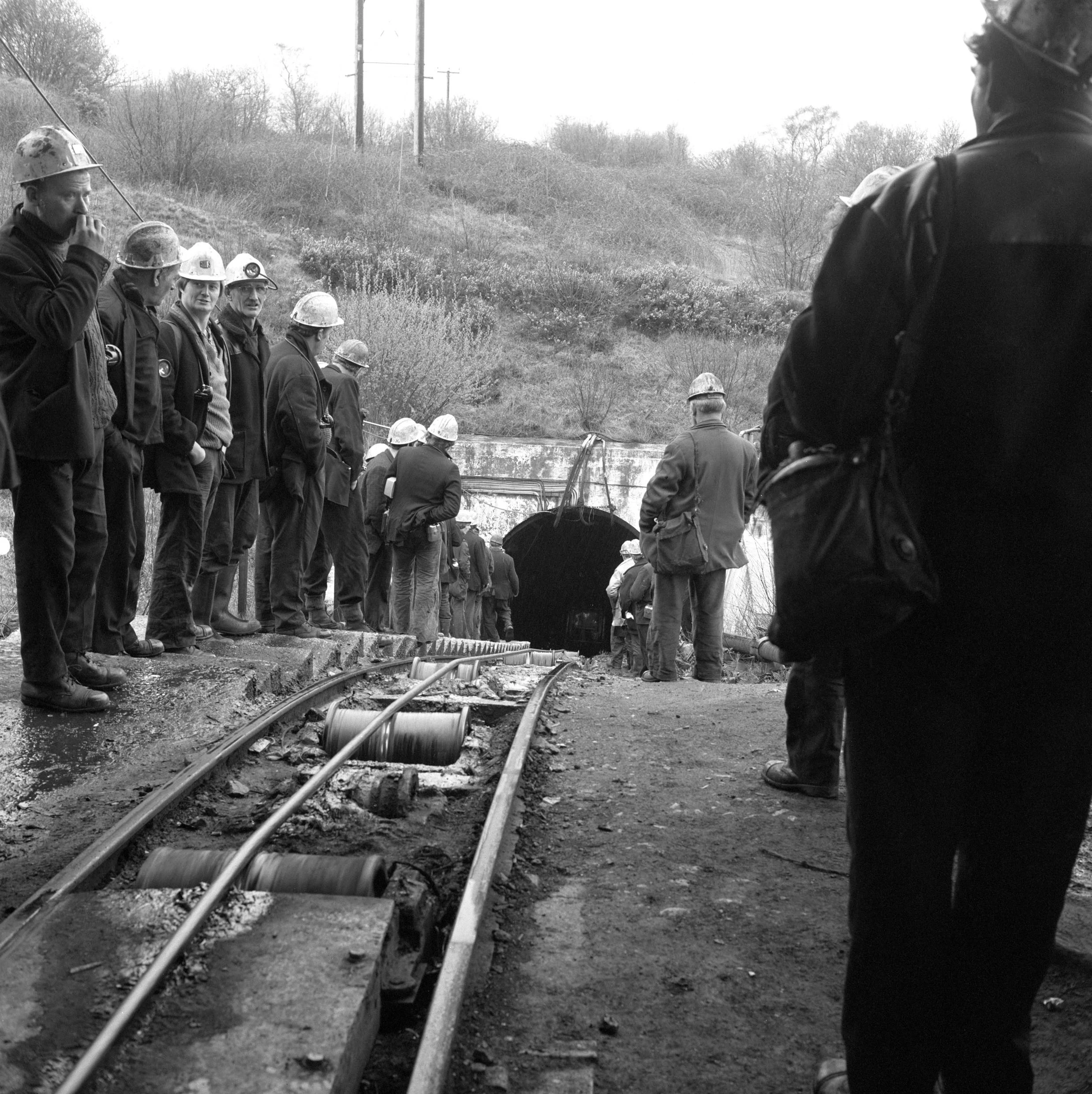
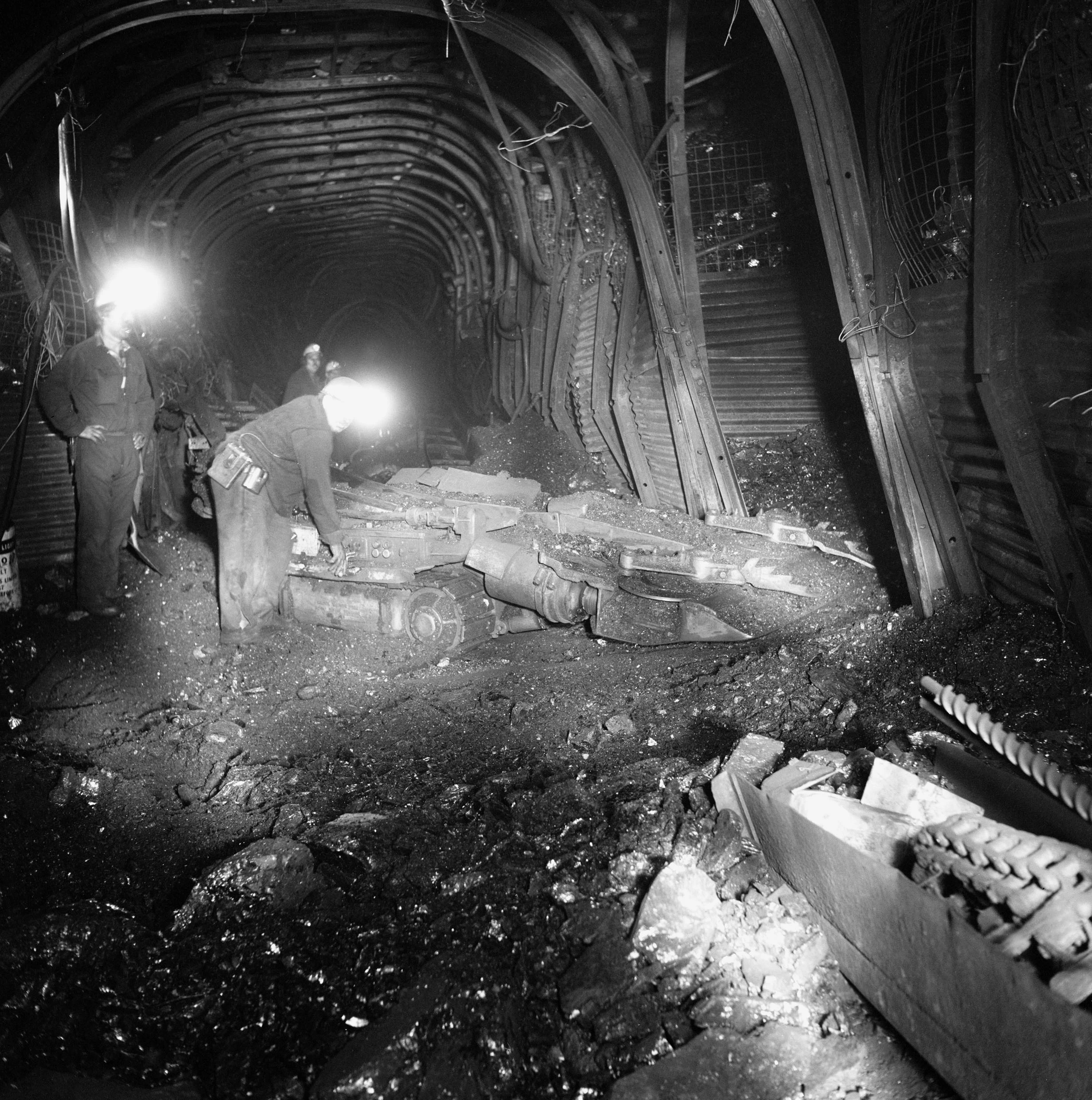
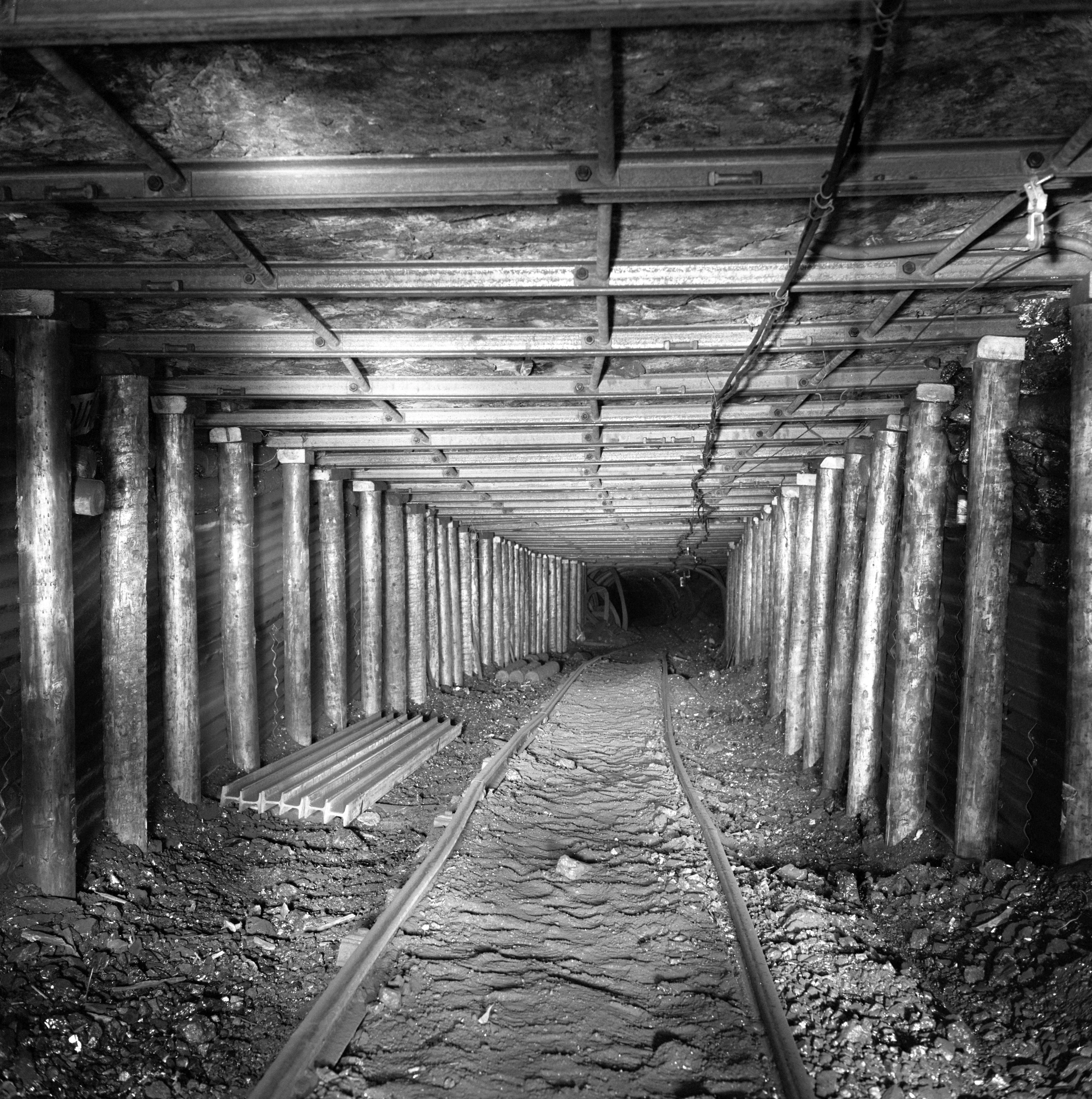
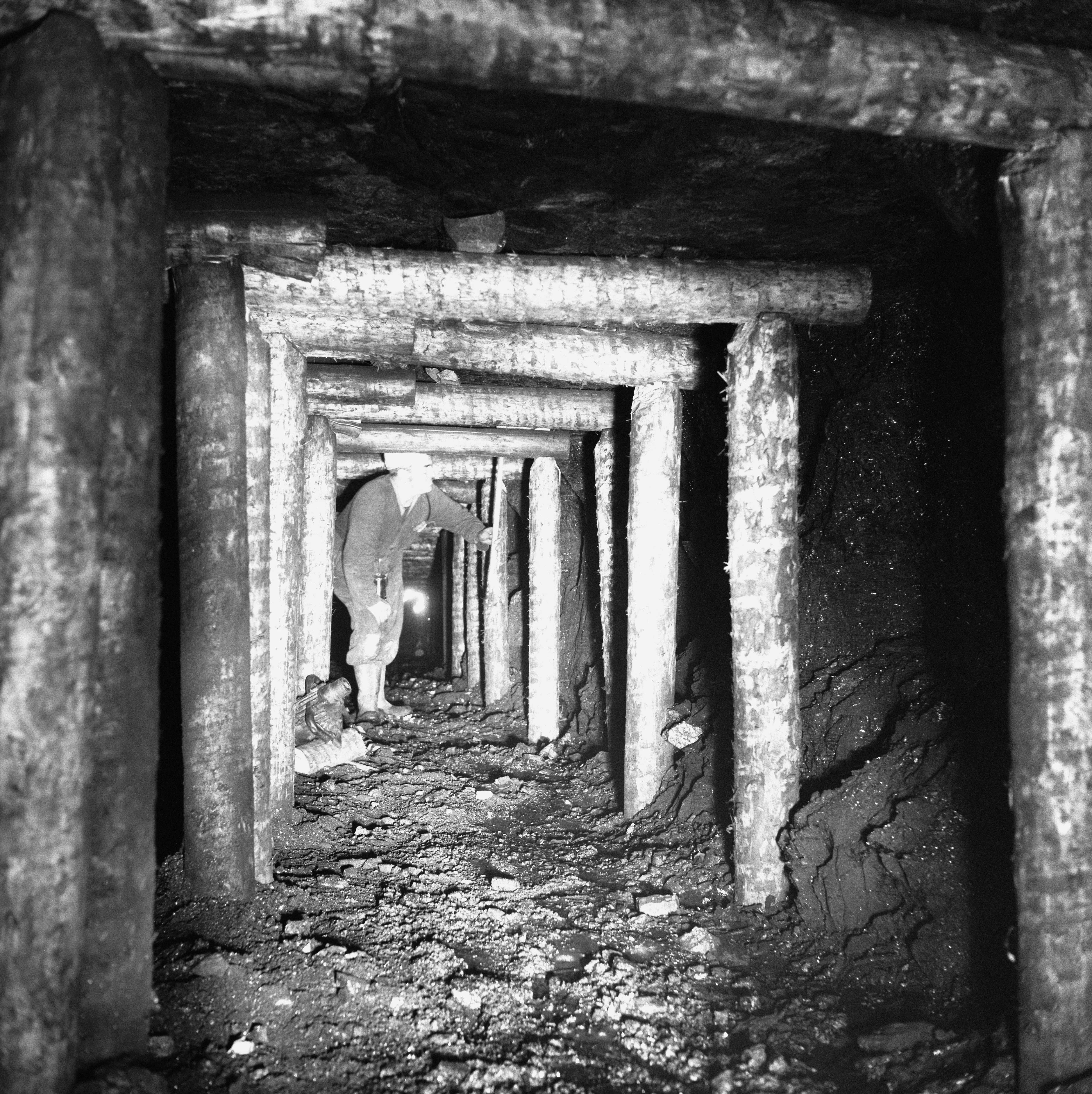
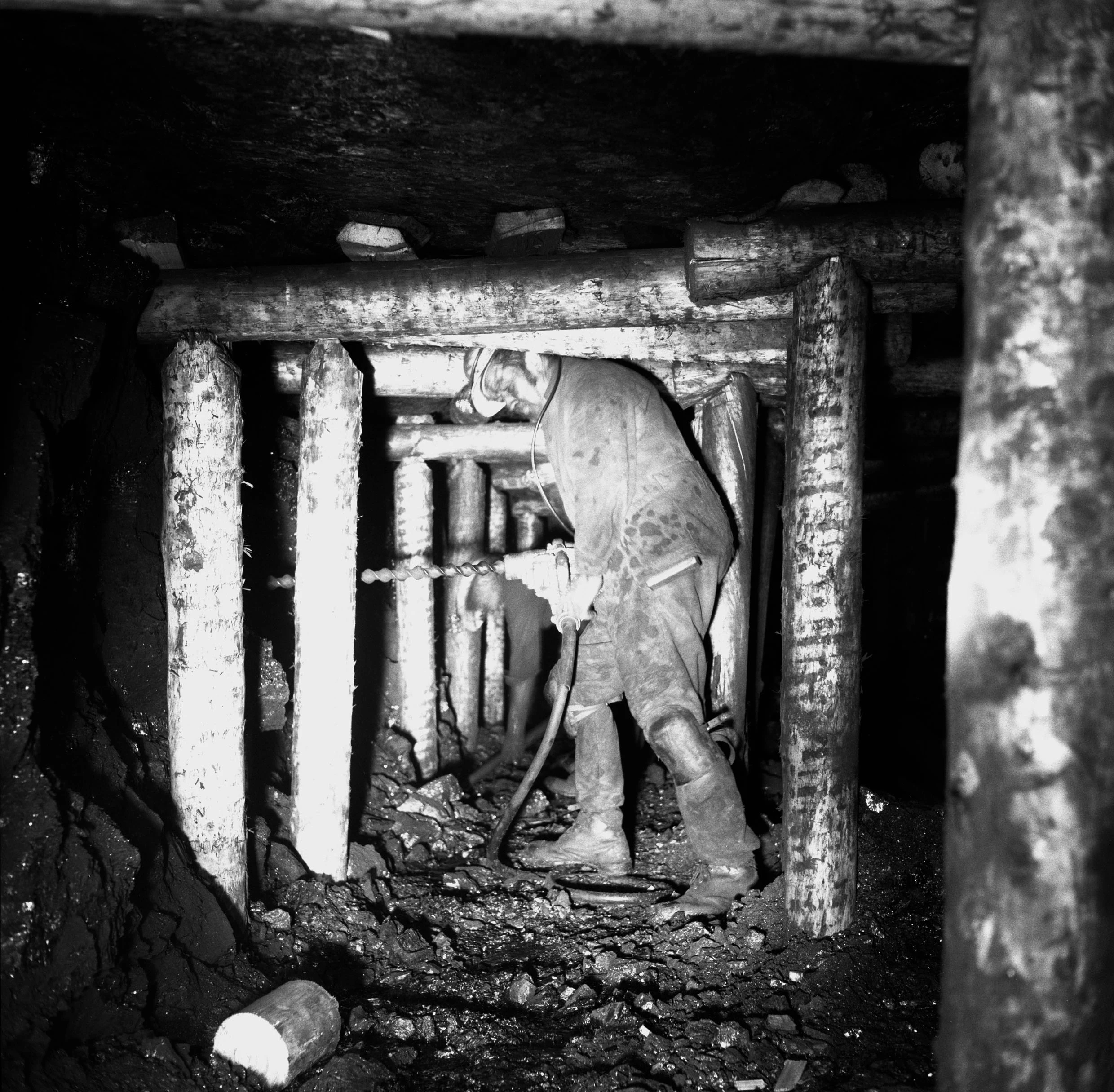
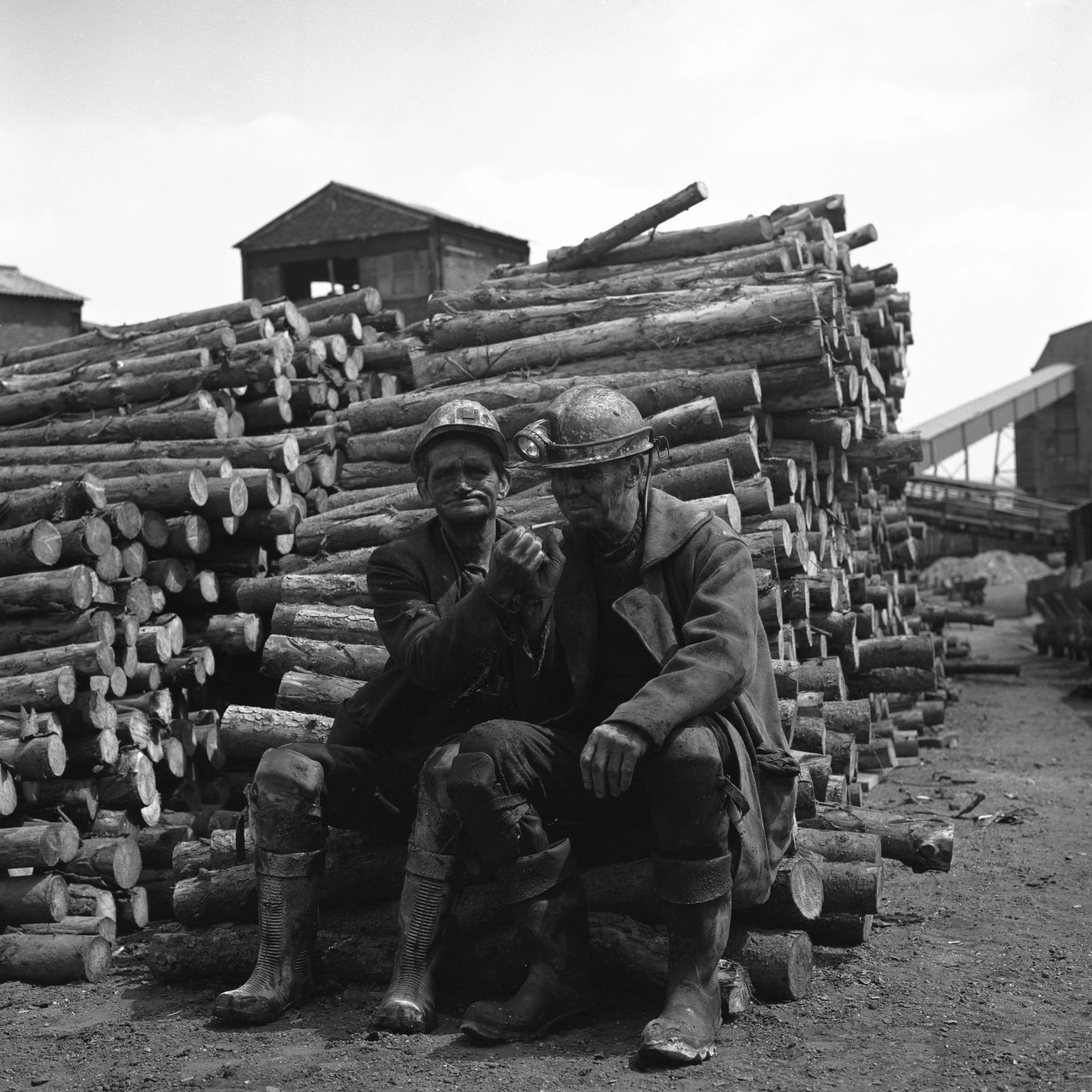
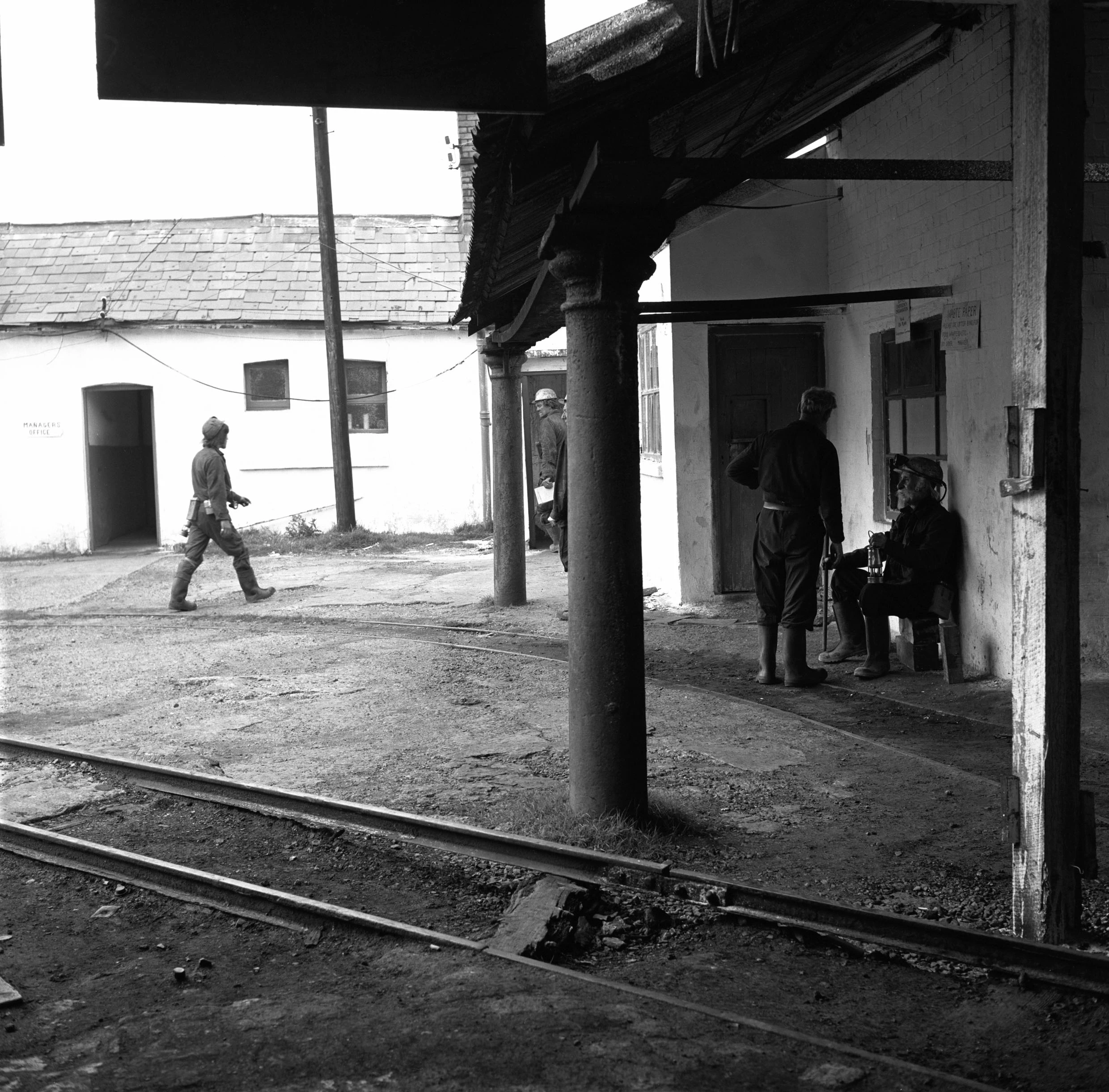
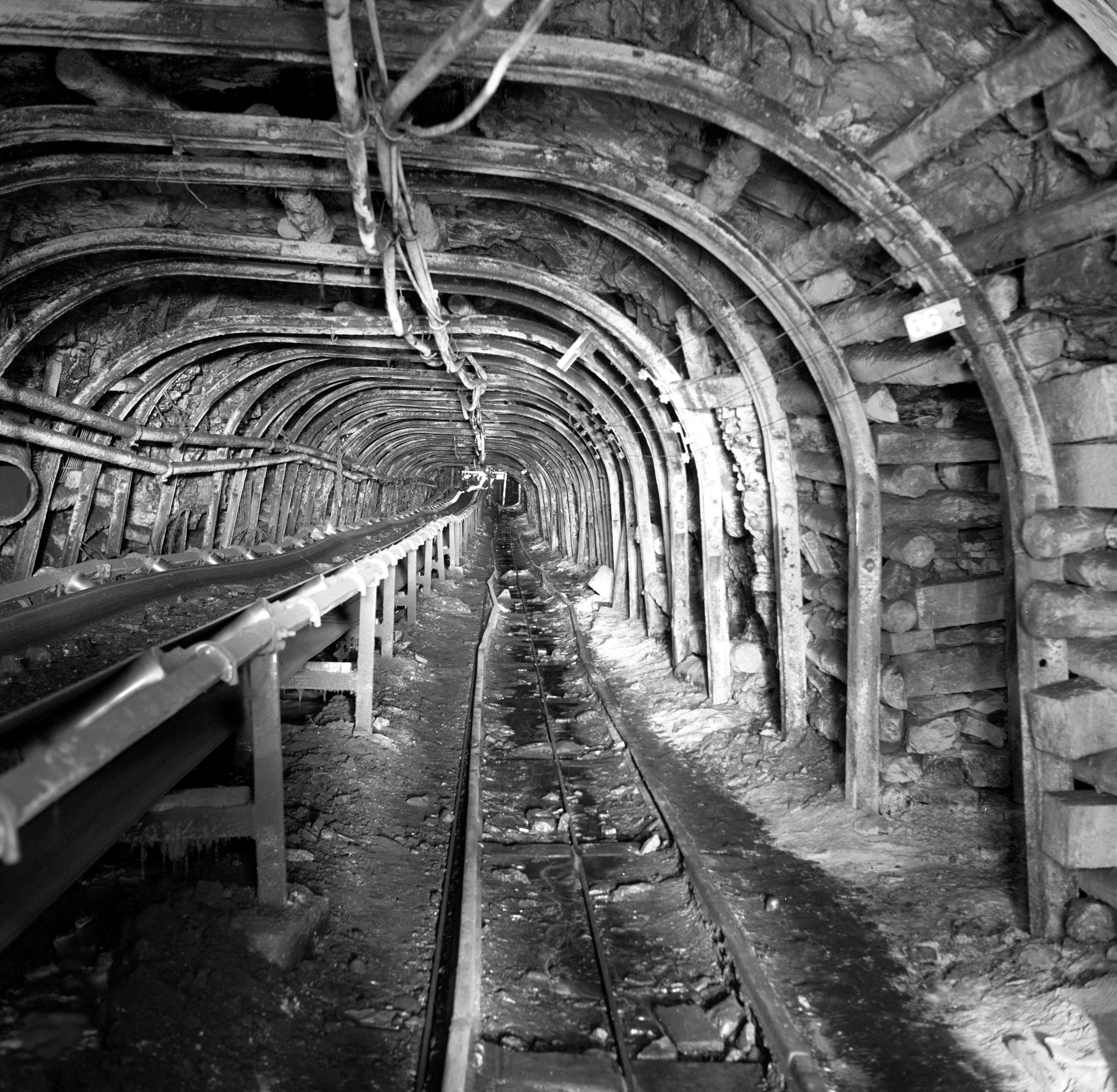
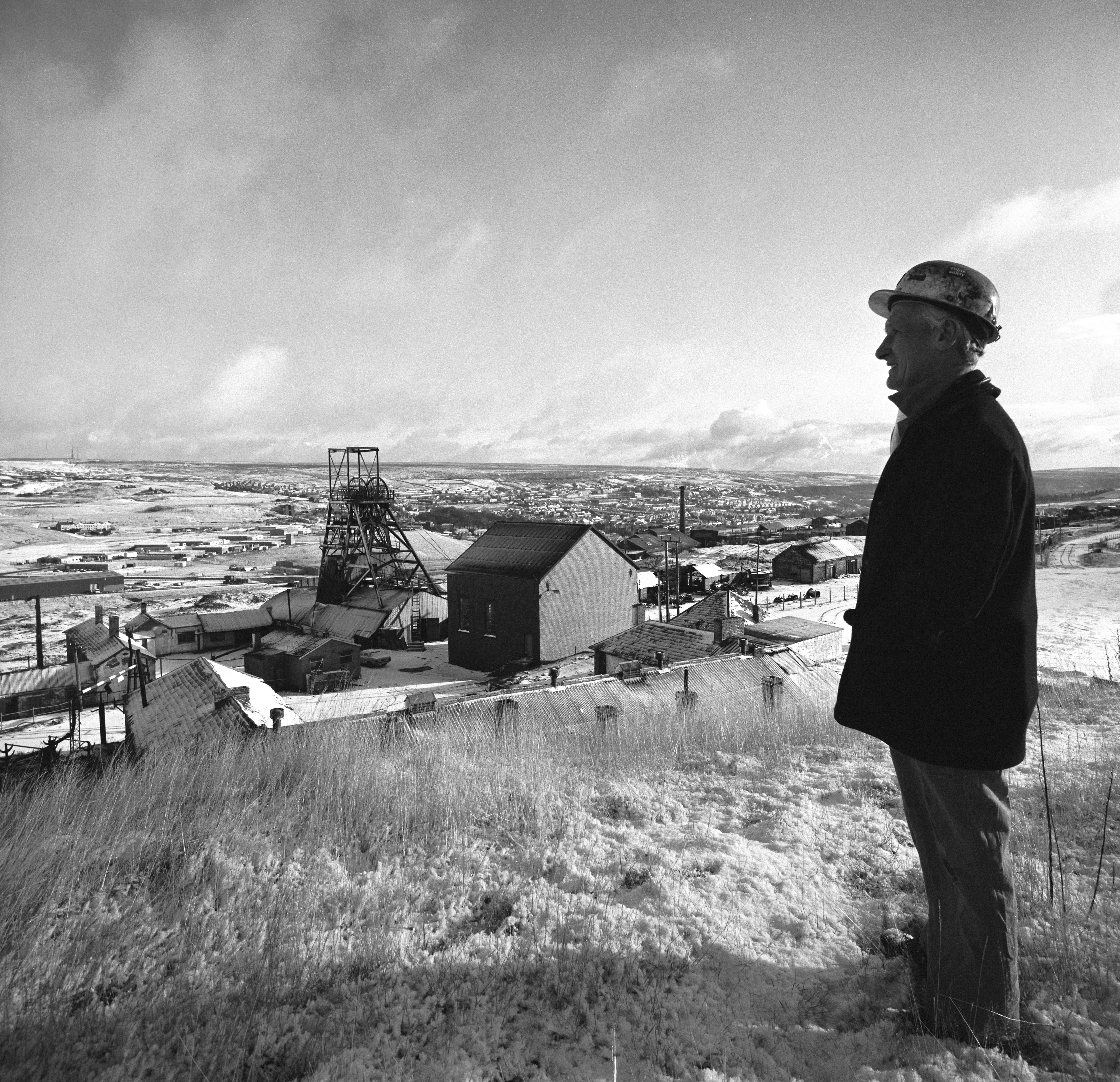
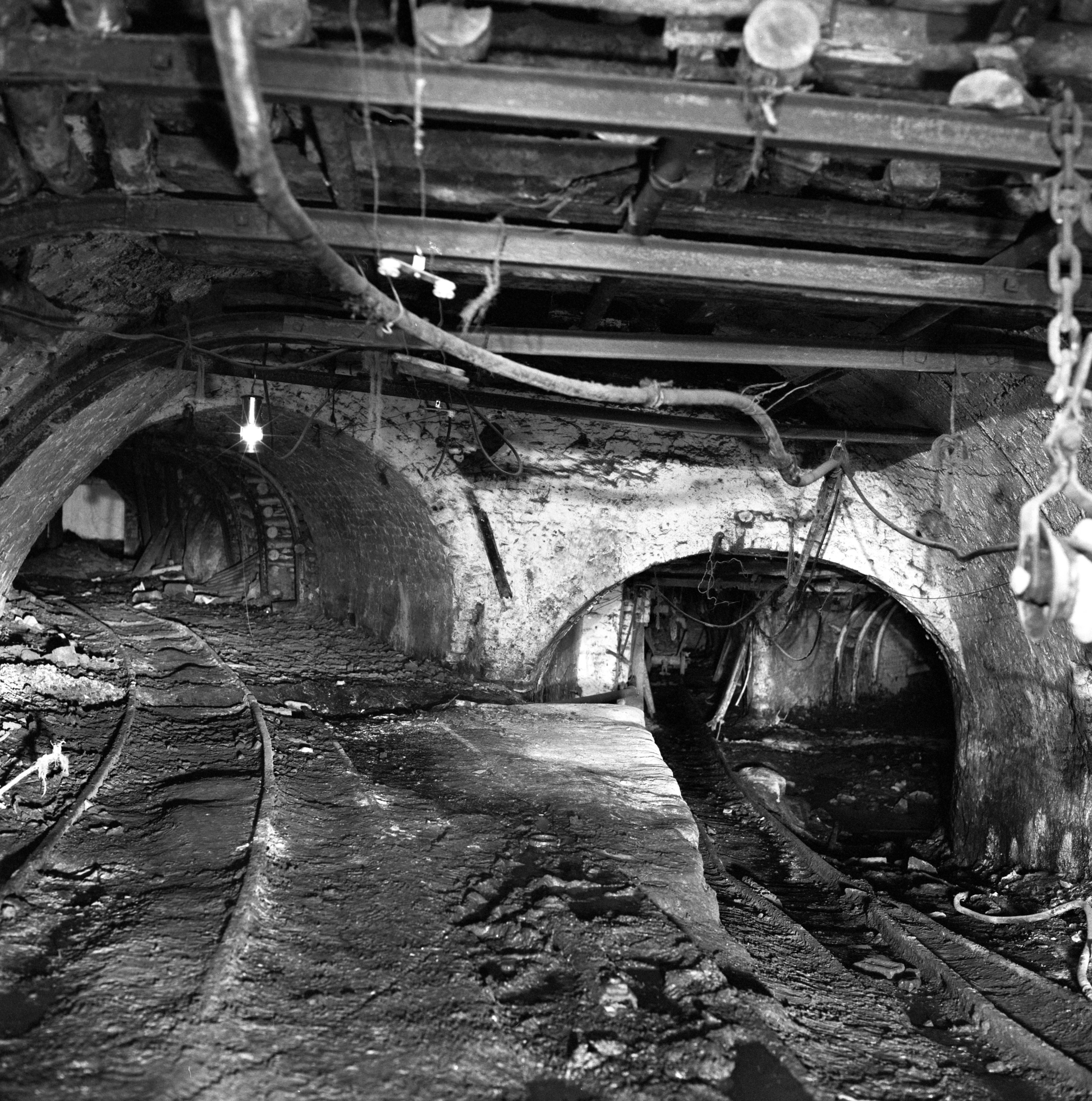
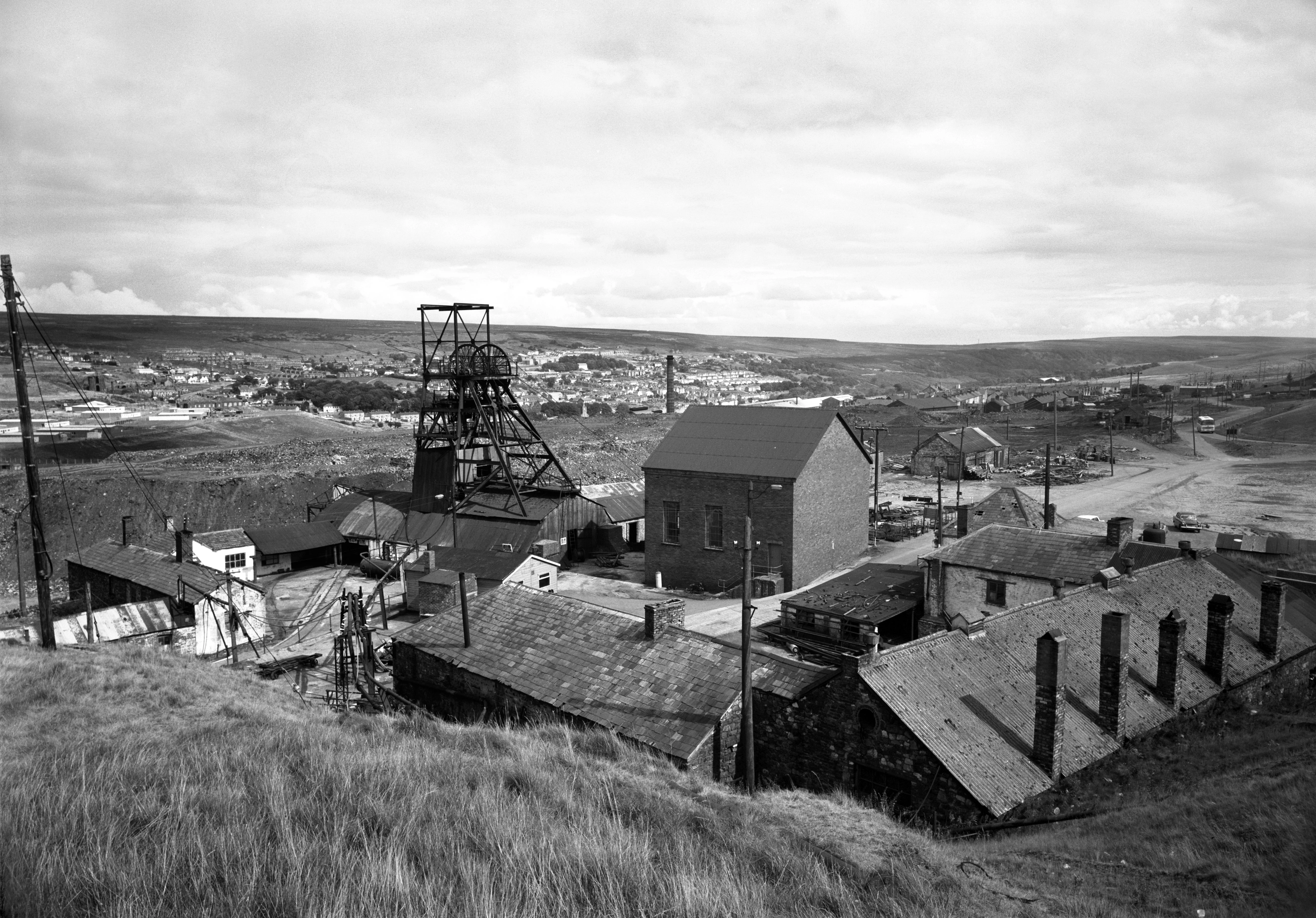
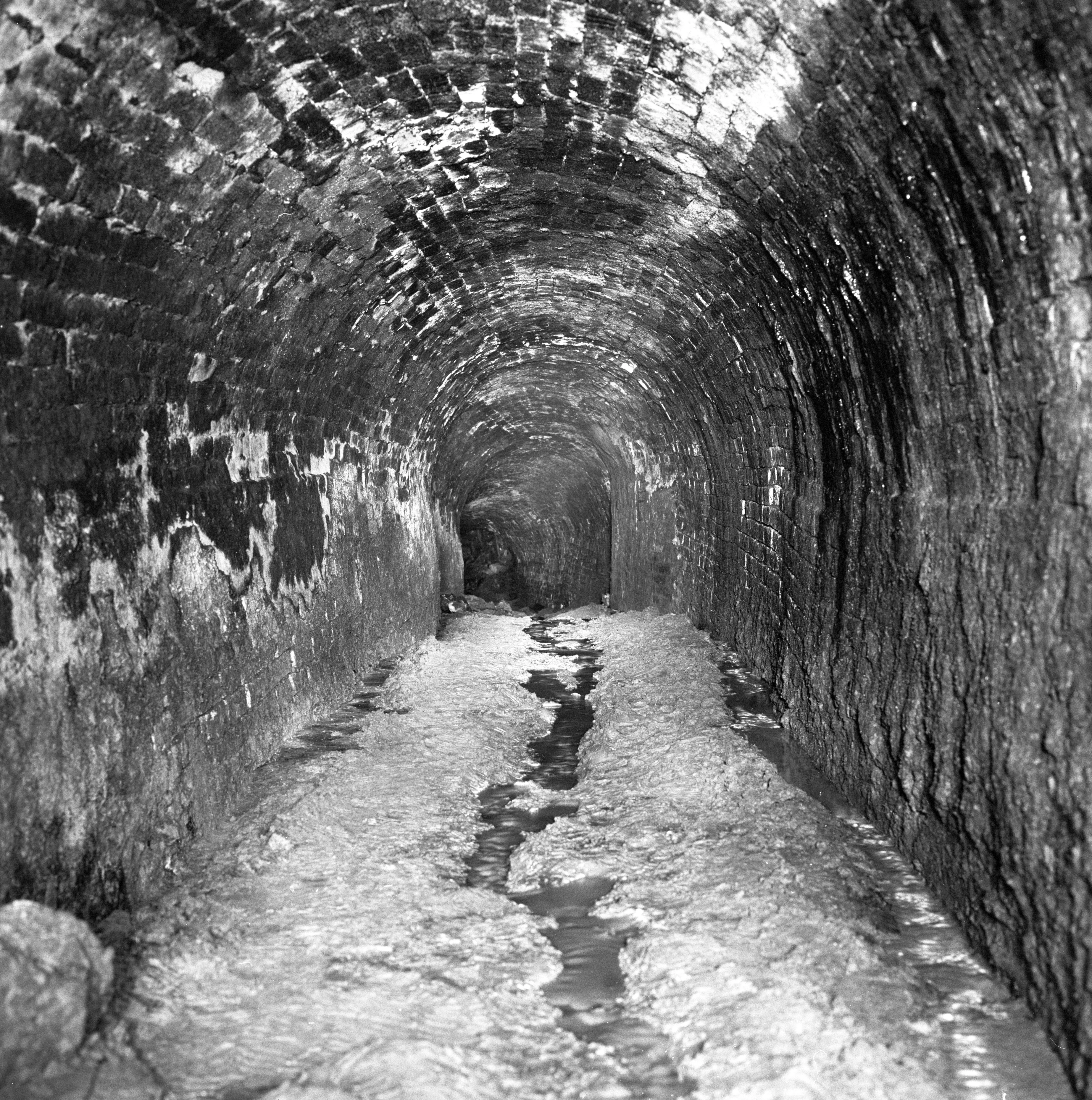
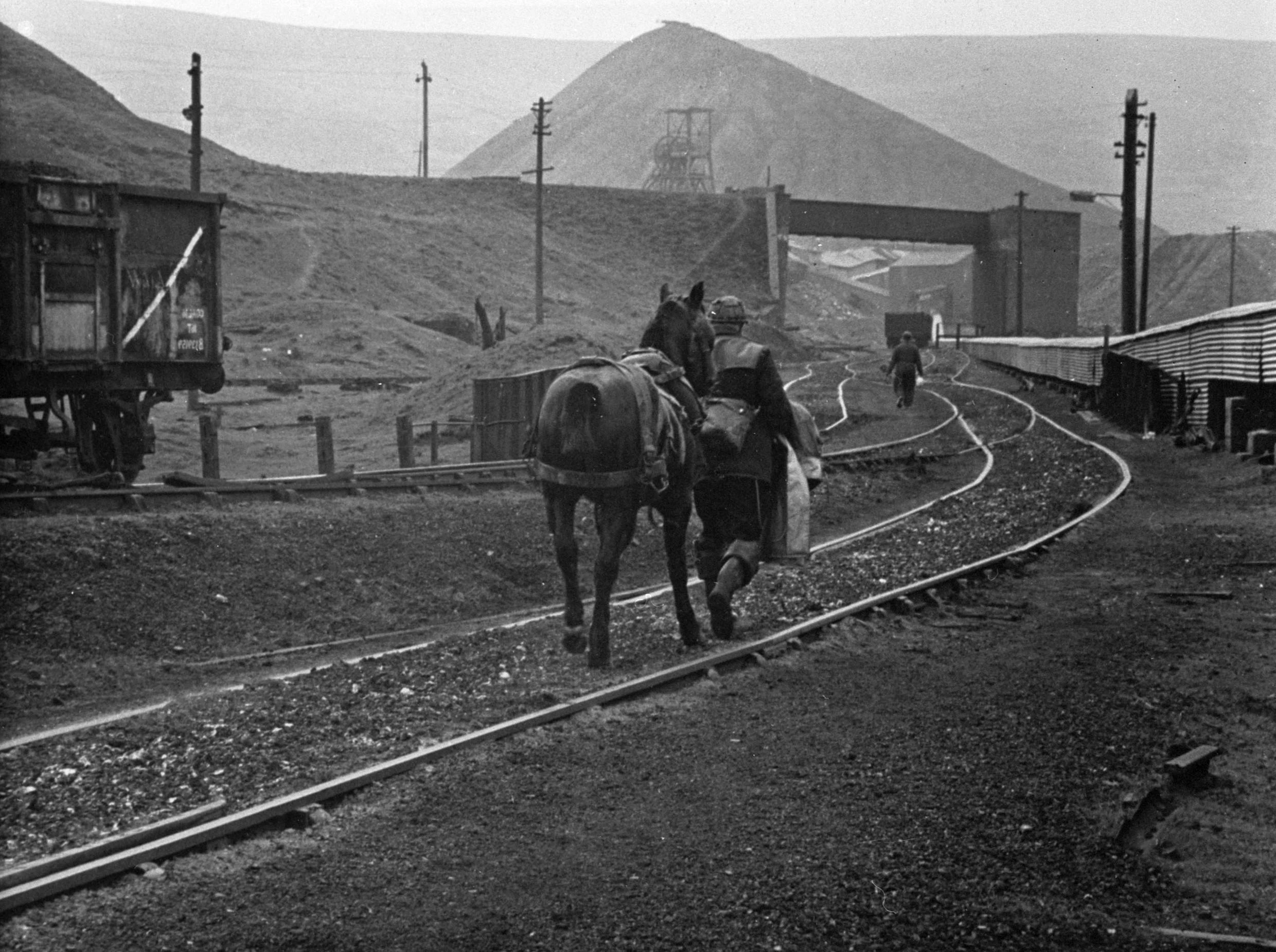
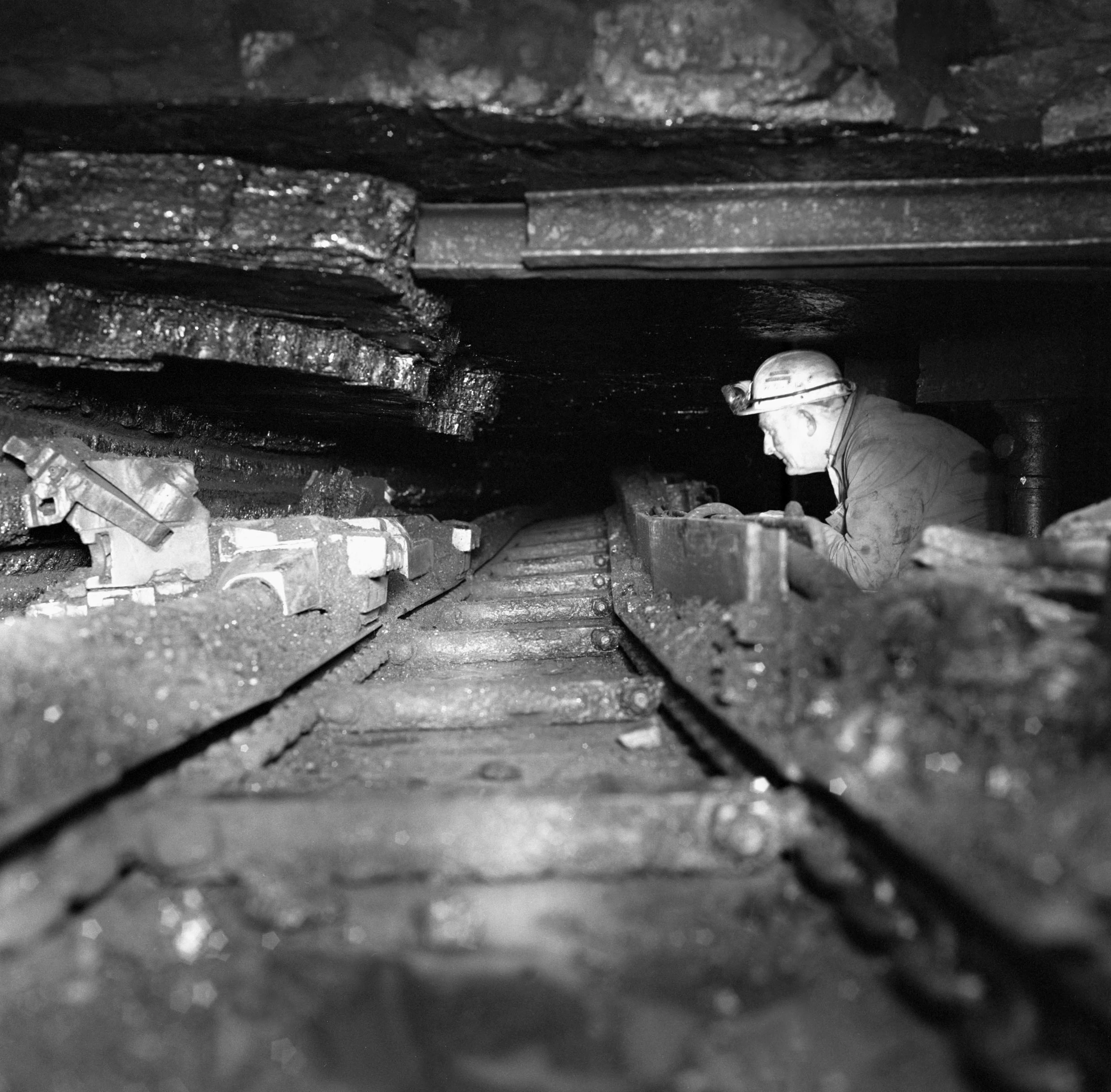
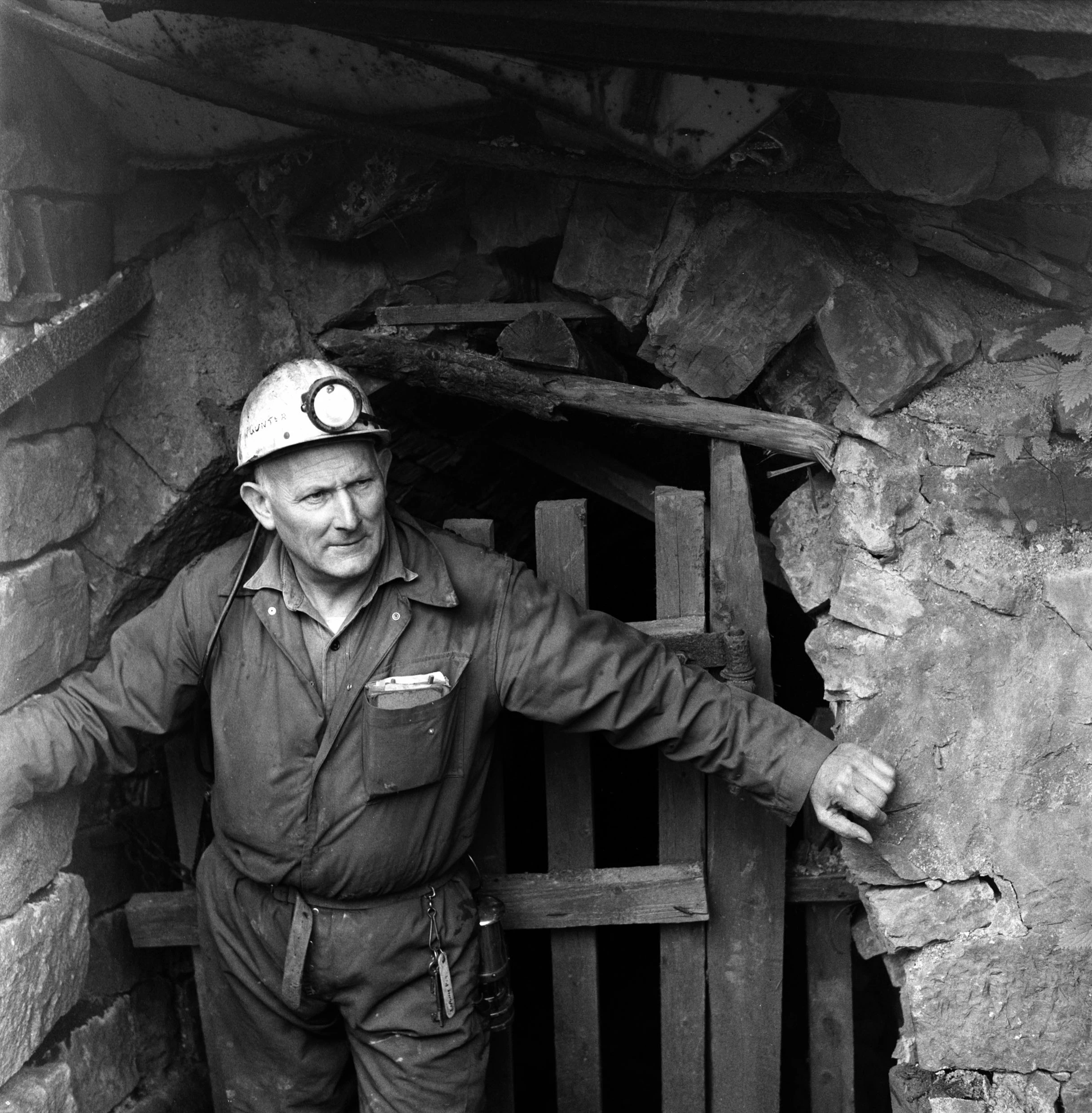
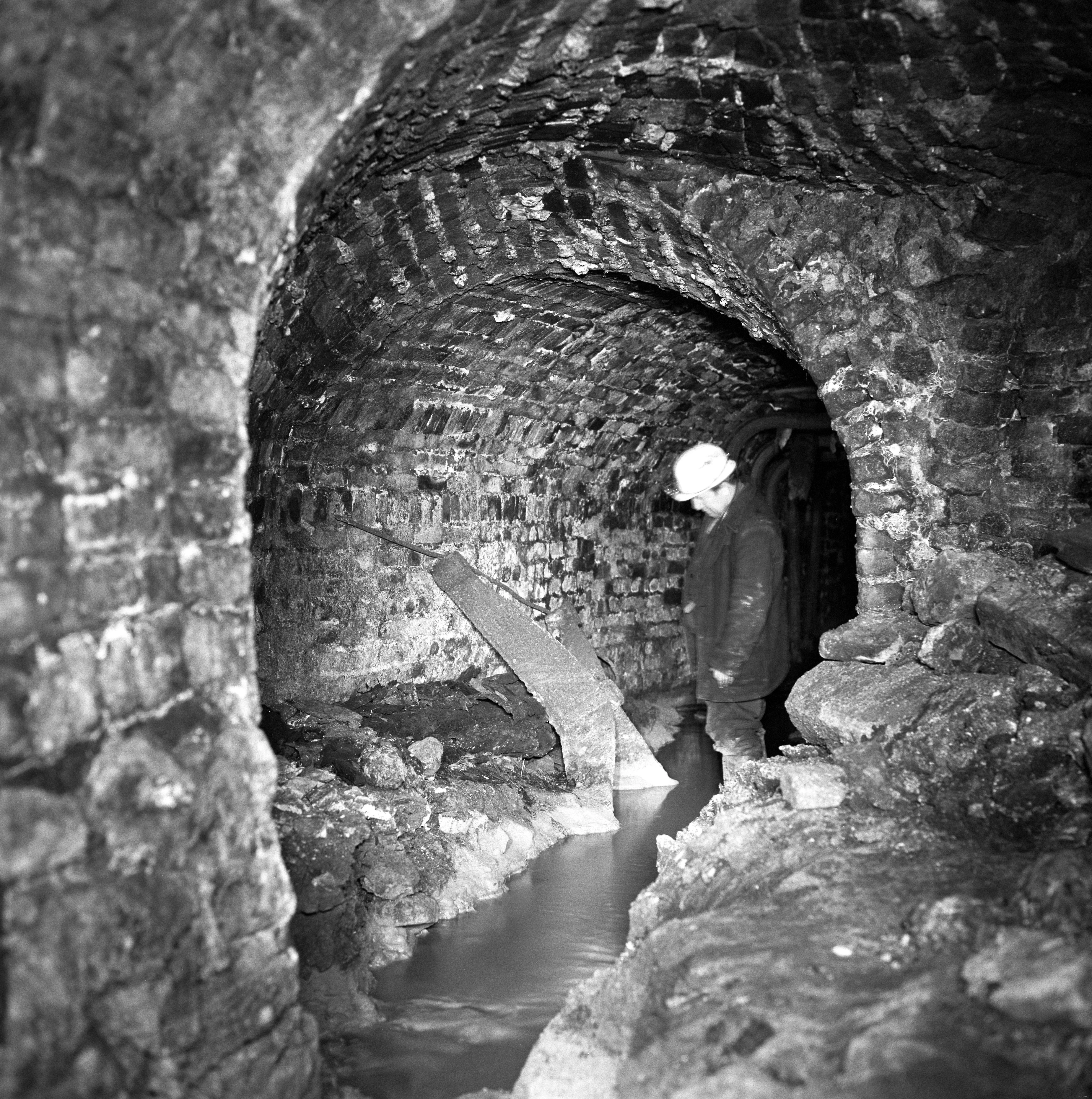
The Colliery photographs of John Cornwell 10 January 2012 John Cornwell was a freelance photographer who took many photographs of collieries, mostly in south Wales and the English Midlands, both underground and on the surface, during the 1970s and early 1980s. He perfected a method of underground photography using the standard colliery lighting and was able to photograph coal faces, roadways, shafts and equipment with amazing clarity. In addition to photographing working mines he also recorded abandoned mine workings, above and below ground.John Cornwell was also well respected in the broader field of industrial archaeology. He published a number of books on Welsh and English collieries.The copyright of his south Wales images is now owned by National Museum Wales.Download the catalogue to the Cornwell Photographic Collection [PDF 4.7MB] John Cornwell: Colliery photos Tirpentwys Colliery 1979 Six Bells Colliery, 1979 Oakdale Colliery, electric locomotive near the pit bottom, c.1978 Oakdale Colliery, coal conveyor attendant, c.1978 North Celynen Colliery, 1975 Markham Colliery yard, 1977 Marine Colliery, 1980 Marine Colliery, 1974, a 'Western' class locomotive - the 'Western Consort'. Llanhilleth Colliery, the lattice headframe on the No.2 shaft, 1975. Hafodyrynys Colliery, electric locomotive at the entrance to the drift in 1968. Cwmtillery Colliery, decorative brickwork on ventilation fan building, 1980 Cwmtillery Colliery pit bottom, 22 November 1977 Celynen South Colliery, 1978. Blaenserchen Colliery pit bottom in 1979 with supplies and a dram of waste. Blaenserchan colliery in 1973. Coegnant Colliery 1978, prop and bar face. Wyndham Colliery, c.1975 Wyndham/Western Colliery, turntable near pit bottom, c.1979 Treforgan Colliery with the afternoon shift waiting to descend 1979 St John's Colliery, Anderson Strathclyde shearer, c.1979 Overmen inspecting a shearer on the Six Feet Seam, Brynlliw Colliery 15 December 1977 Modern concrete viaduct linking the mine with the washery, Blaengwrach Colliery, c.1977. Graig Merthyr Colliery, line of drams in the Graigola Seam - note the unsupported sandstone roof, c.1977 Graig Merthyr Colliery yard in 1977 with a long journey of drams waiting to be run into the mine. Garw Colliery in 1977, with village in the background. Cefn Coed Colliery, 1973, engine house and downcast shaft headframe. Cefn Coed Colliery engine house for the Markham engine on the upcast shaft 1973. Aberpergwm, 1972, entrance of the new drift mine. Abernant Colliery, miner at a pumping station at pit bottom, 1978 Aberpergwm Colliery, Dosco Road heading machine and auxiliary fan ducting, c.1978 Ty Mawr Colliery, the remains of an underground ventilation furnace which date back to the late 1870s. Tower Colliery, 'Rex' with his ostler, 1979. Taff Merthyr Colliery, heading with Dosco road heading machine and auxiliary ventilation, 1979. Taff Merthyr Colliery in the late 1970s. Penrhiwceiber Colliery Pit bottom, 1978. Nantgarw Colliery, 1978, Anderson Strathclyde drum shearer cutting coal on the coal face. Merthyr Vale Colliery downcast shaft, c.1980 Maerdy Colliery, 1977, empty mine cars waiting at pit top. Lewis Merthyr Colliery, 1977, hydraulic roof supports in the yard waiting to be taken underground. Lady Windsor Colliery, steam locomotive with the upcast shaft in the background, 1977 Ffaldau Colliery, 1977, the pit head. Fernhill Colliery, the jib of an AB 15 hydraulic undercutter on a timbered longwall face. Deep Navigation Colliery, the downcast headframe, c.1978 Deep Duffryn Colliery, two pitmen inspecting the shaft from the roof of the cage, 1977-78. Bargoed Colliery, 20 May 1977. Morlais Colliery, general view looking east across the River Llwchwr, 1978. Morlais Colliery, a general view, note the derelict engine pumping house, 1978 Cynheidre Colliery,coal drams at an underground loading point, c.1978 Cynheidre Colliery, main trunk road with high speed conveyor, c.1978 Cwmgwili Colliery, 1978, afternoon shift waiting for their ride at the entrance of the mine. Cwmgwili Colliery, 1978, a Joy Loader and operators ready to commence work. Betws Mine, the afternoon shift waiting for the manriding train, c.1976 Cwmgwili Colliery, a completed drivage supported by timber, 1978 Ammanford Colliery, 1974, Mr P.A. Jones, Safety Officer inspecting the roof on the last coal face. Ammanford Colliery, 1974, Gerald Gibson drilling a shot hole on the coal face. Ammanford Colliery, 1974, a journey of empty drams being lowered into the slant. Two Blaenavon miners in the timber yard at the end of the morning shift, 1978. The Big Pit manager, Glyn Morgan, talking to Billy 'Pigeon' Preece (seated), Big Pit 1975 New roadway driven from the drift entrance with conveyor belt carrying coal from the Garw Seam, Big Pit 1975. Last day for Glyn Morgan, the last National Coal Board Manager, on 28 November 1980. Junction near pit bottom, Big Pit 1975, now part of the museum's underground tour. General surface view, Big Pit 1975. Forge level, driven c.1812, later incorporated into the Big Pit underground complex . Colliery horse returning to Big Pit surface stables from the Washery in 1968. Bill Gunter, the Big Pit safety officer, on the G11 face in 1979 Bill Gunter standing at the archway to Dick Kear's Slope, driven around 1820. Big Pit. A mine official examining a section of a cage of a water balance machine, near the pit bottom of the Forge Pit (Big Pit), 1975