
Working Abroad - Welsh Emigration: Shipping
19 September 2008

Sir Alfred Lewis Jones
Sir Alfred Lewis Jones
Quarrying stone, Randolph, Wisconsin
Welsh people were renowned for their mining expertise. As well as coal, they were experienced at excavating gold, iron, lead and copper ores.
As frontiers opened up in developing countries, Welsh miners were often to be found at the forefront. As well as miners, Wales provided some of the most experienced mine managers and engineers in the world. Demand for their skills led to the payment of good wages.
Welsh miners were second in number only to Cornishmen in the metal mines of the western USA.
Some metal mines in India and South Africa were developed by Welsh lead miners in the late 19th century. Both countries were part of the British Empire at the time and the declining lead industries in Wales meant there were people looking for opportunities in new areas.
The widening search for copper ores lead Welsh companies to open new mines in Newfoundland, Canada and Cape Colony, South Africa.
Price was born in Cwmllynfell around 1839. He emigrated first to Scranton, Pennsylvania as a coal miner but by 1860 he had moved to California and then British Columbia in the gold rush. He was a regular prize winner in goldfield eisteddfodau and conductor of a Welsh choir. Records show he was still seeking gold in 1887.
George Evans waiting to go on shift at Banwen colliery
Glo: 'N C bloody B' [PDF 7 MB]
The often callous and brutal treatment of coalminers over the years by both mine owners and management had nurtured a contempt that bordered on hatred. There were three British miners killed every single working day at the time.
So there was genuine rejoicing.
The National Coal Board standard flew proudly at every pithead, the NCB gold logo on a blue field. Only thirteen years earlier 266 miners, had been burnt to death in a north Wales pit. Only 16 bodies were ever recovered and no one properly brought to book. So the rejoicing was truly heartfelt in every coalfield on this island.
No one expected miracles from nationalisation but people became slowly aware of a giant incompetence, a kind of disjointed progress to somewhere, but no one knew exactly where.
One instance that I witnessed was when I was standing in for the underground engine driver in the Eighteen Feet seam. The rope on the main winding engine was about an inch and half in diameter and perhaps about a mile long. The manager, John Williams, was having a heated argument with some blokes from HQ. They wanted to replace the existing rope with a much thicker longer rope.
The new rope was fitted and proved to be too heavy for the weight of the journey (train of trams) to pull the length of the drift. What it cost to put that stupid blunder right goodness only knows. And that sort of crack-brained, hugely expensive blunder was happening a dozen times a day, in every coalfield in the country.
One or two of the colliers were over seventy years of age but filling as much coal as most and earning a tidy wage. We came out one Thursday off afternoon shift and picked up our pay dockets. The old timers had an envelope attached to theirs with a crude little note inside telling them they were on 14 days notice. No pension, no redundancy, nothing - and one or two of the old chaps had started work at 13 years of age!
John Williams had the old men brought back for a day, signed them on and kept them in the canteen until the end of the shift. That meant that the old fellers qualified for one pound a week colliery pension.
I became disgusted with the behaviour of the National Coal Board. Men had struggled over the years to bring about nationalisation - they had even gone to prison!
With each day that passed it became more and more apparent that trying to run the coal industry of Britain from a posh address in Belgravia wasn't working. Everywhere you looked there was disorderliness in planning and organisation. Still, work went on at the coal face in spite of it all.
With the advantage of hindsight we are now able to see an industry, colossal in size, massively underfunded for many, many years and generally very badly managed.
Maybe if someone had thought of asking, or if someone had had the courage to ask, say the head of Boots the Chemist or the head of Austin Cars to take charge, or demand co-operatives to be set up then perhaps the dream would have become reality.
The one positive thing that the miners got from nationalisation was that health and safety improved out of all recognition.
This article forms part of a booklet in the series 'Glo'produced by Big Pit: National Mining Museum. You can download the booklet here:
Glo: 'N C bloody B' [PDF 7 MB]
Raymond George Isted, Bevin Boy, Roseheyworth Collier 1943 — 1949
I was born in Herstmonceux in East Sussex; I left school at 14 and worked in a factory making automotive parts. When I reached 18, I was called up and sent to Brighton for a medical, I wanted to join the army although to be honest I would have been quite happy stopping at home!
"I was actually balloted to go into the mines and sent to Oakdale Training Centre. I lodged with a Mrs Jones in Risca along with Wyndham Jones, a cockney who had relations in Abertillery. We trained for six weeks at Oakdale (Wyndham proved to be 'like a woman' on the shovel) and then sent to Roseheyworth Colliery. We had to wear our own clothes at work, mine were supplied by my parents, and I used to send them back to Sussex every week by my mother for washing. She used to say 'I would rather my Raymond go to the army than the pit' — she thought it was all terrible, thought that Welsh people lived in caves.
"After a while I worked with Sid Fox on a heading where we were filling 13 or 14 drams a shift — Sid used to give me around £3 'knocking money'. When Sid went on the sick I worked the road with Gerald Williams.
"Gerald introduced me to Phyllis on a night out — I was shy and couldn't dance so that was the only way to do it in those days. But it ended up that she was the only girl I ever went out with and we've been married for 58 years this August (2005). We had a quiet wedding, both my parents were ill and couldn't come and there was no one else from my side of the family there. We went to Weston Super Mare for the honeymoon. My new wife didn't want to settle in Eastbourne so we stopped in Wales. It was always 'Hello Ray' every ten minutes in Wales - in Eastbourne you could walk around for six months and no one would talk to you!
"I worked for 6 years in the pits. I remember an overman pointing me out to someone and saying 'You see this boy here? A Bevin Boy and still working here — we can't get him from here!' I even picked up the accent a bit although that was to stop me getting ribbed about my Sussex accent. I feel more Welsh than my wife does now!"
This article forms part of the magazine 'Glo', produced by Big Pit National Coal Museum.
Mel Harris, Bevin Boy, Cwm Colliery 1944-1947.
I had done many jobs since Ernest Bevin forced me into the coalmine rather than the RAF. I had worked with a repairer and a haulier, with a shot firer, as a rider with journeys of drams — always reluctant, uninterested and rebellious.
"Now I was on the coal face with a senior collier who was also chairman of the miners' lodge — the union leader at the colliery... As the days passed, I watched him at work, noticing how neat and careful he was in everything he did. To the uninitiated the work of the collier appears rough and ready but it is really skilled and, at times, almost aesthetic. The care taken to keep floor, face and top of the stent well trimmed, the posts and cross pieces in line and the pride taken in leaving the stent neat and tidy at the end of the shift...
"Although working hard with Mr David — never called him anything else — my feeling about coal mining did not change. All my friends wore the uniform of one of the Forces and serving overseas, whilst I was in civilian clothes with no uniform provided except boots and helmet. I was on meagre rations, a very small wage and open to accusations of cowardice. Various attempts to get re-assigned to military posts were thwarted so that future prospects seemed bleak.
"In this feeling of despair I continued to work alongside Mr David and gradually he brought me some peace and resolution of my attitudes. I began to see him as a role model for a balanced and more optimistic view of life. He was a poorly educated, very intelligent man with clear views on rights and responsibilities. Once I asked him how, in his role as lodge chairman, he dealt with the payment agreements with the manager. He told me 'I will see that he keeps to his side of the agreement — and if any of my men break it they will answer to me.'
"I still hated being a Bevin Boy but he helped me to look at it as an experience which would benefit me in later life."
This article forms part of the Glo publication by Big Pit: National Mining Museum. Download here
Raymond George Isted, Bevin Boy, Roseheyworth Collier 1943 — 1949
I was born in Herstmonceux in East Sussex; I left school at 14 and worked in a factory making automotive parts. When I reached 18, I was called up and sent to Brighton for a medical, I wanted to join the army although to be honest I would have been quite happy stopping at home!
"I was actually balloted to go into the mines and sent to Oakdale Training Centre. I lodged with a Mrs Jones in Risca along with Wyndham Jones, a cockney who had relations in Abertillery. We trained for six weeks at Oakdale (Wyndham proved to be 'like a woman' on the shovel) and then sent to Roseheyworth Colliery. We had to wear our own clothes at work, mine were supplied by my parents, and I used to send them back to Sussex every week by my mother for washing. She used to say 'I would rather my Raymond go to the army than the pit' — she thought it was all terrible, thought that Welsh people lived in caves.
"After a while I worked with Sid Fox on a heading where we were filling 13 or 14 drams a shift — Sid used to give me around £3 'knocking money'. When Sid went on the sick I worked the road with Gerald Williams.
"Gerald introduced me to Phyllis on a night out — I was shy and couldn't dance so that was the only way to do it in those days. But it ended up that she was the only girl I ever went out with and we've been married for 58 years this August (2005). We had a quiet wedding, both my parents were ill and couldn't come and there was no one else from my side of the family there. We went to Weston Super Mare for the honeymoon. My new wife didn't want to settle in Eastbourne so we stopped in Wales. It was always 'Hello Ray' every ten minutes in Wales - in Eastbourne you could walk around for six months and no one would talk to you!
"I worked for 6 years in the pits. I remember an overman pointing me out to someone and saying 'You see this boy here? A Bevin Boy and still working here — we can't get him from here!' I even picked up the accent a bit although that was to stop me getting ribbed about my Sussex accent. I feel more Welsh than my wife does now!"
This article forms part of the Glo publication by Big Pit: National Mining Museum. Download here
If you go down to the beach today….
Helios and a Partial Solar Eclipse
SBRAGIO - call-out for creative freelancers!
Curating at St Fagans National Museum of History: What I've learned and why it matters
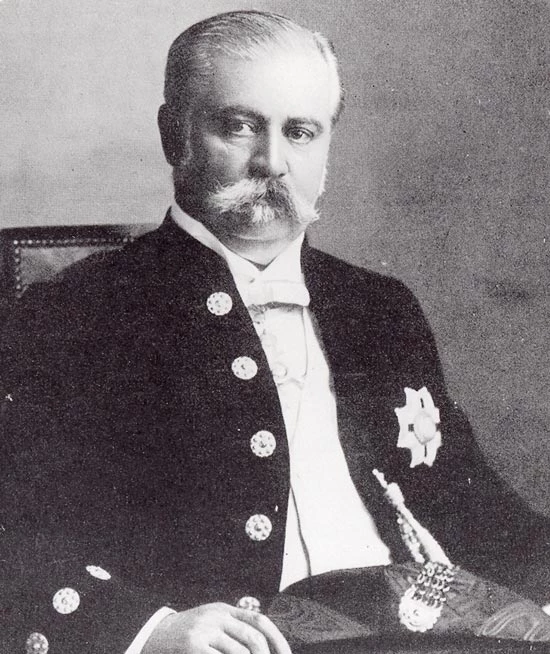
Sir Alfred Lewis Jones
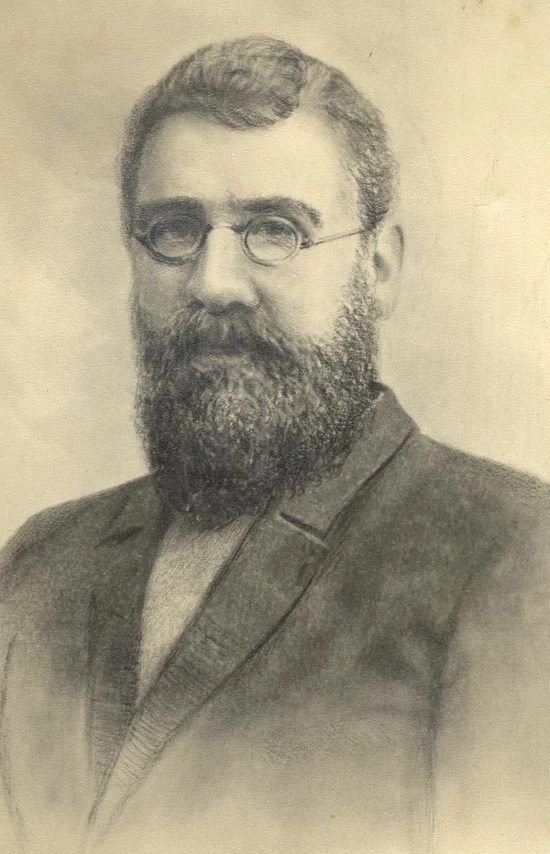
William Thomas
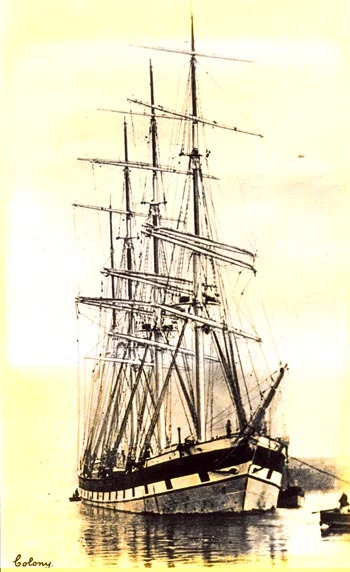
built for William Thomas in 1885
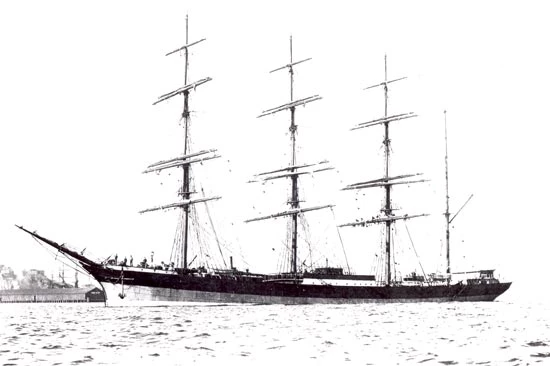
built for William Thomas in 1892
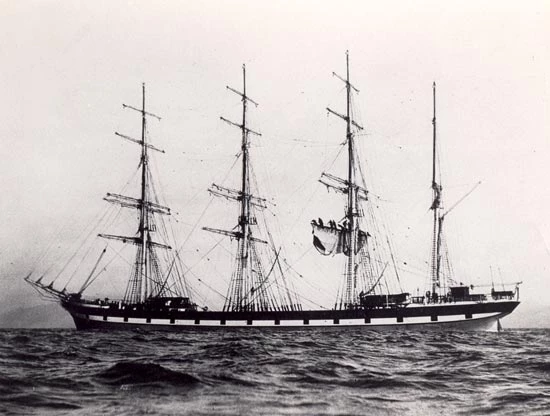
built for William Thomas in 1887

Quarrying stone, Randolph, Wisconsin
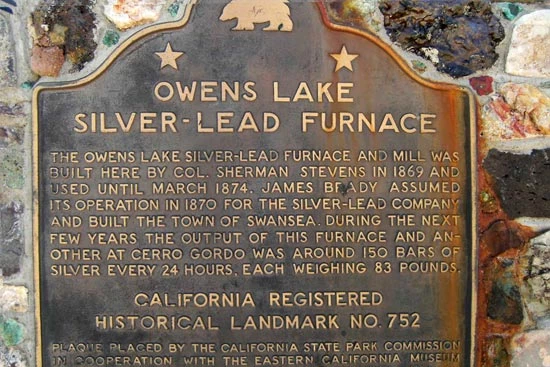
Owen's Lake Lead Mine, Swansea, California

George Evans waiting to go on shift at Banwen colliery
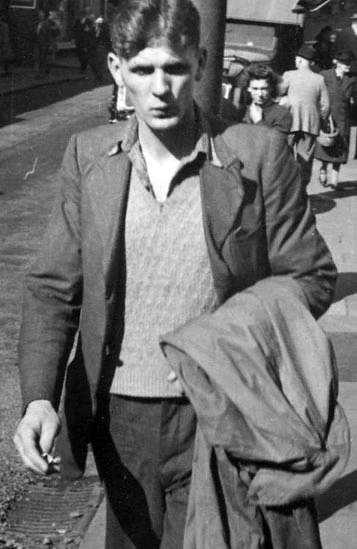
Raymond George Isted, Bevin Boy, Roseheyworth Collier 1943 — 1949
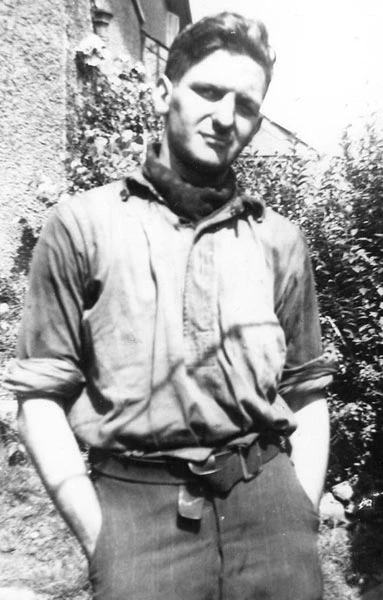
Mel Harris, Bevin Boy, Cwm Colliery 1944-1947.
Raymond George Isted, Bevin Boy, Roseheyworth Collier 1943 — 1949