: Natural History

Renewed Hope?

Katie Mortimer-Jones, 2 May 2014

The nest of Peregrine falcons in the clock tower appears to have failed, due to unknown causes sometime during the last week or so. However, after an absence of several days, both birds are showing renewed interest in the nest-site. Today has seen considerable activity with one bird visiting the nest several times and apparently busying itself tidying the interior while the other bird of the pair watched from close by. Although peregrines only have one brood each year, if the first brood is lost at an early stage they sometimes re-lay a second clutch, either in the original nest, or perhaps more often, at a nearby site. We now watch, wait and hope that a new clutch of eggs will be laid sometime in the near future and that these magnificent falcons will have more success the second time around.

Adrian Plant

Breeding failure

Katie Mortimer-Jones, 30 April 2014

It now looks that the breeding attempt by Peregrine Falcons in the clock tower has failed. All indications were that eggs were laid during late March and early April and if all had gone according to plan, they should have been hatching about now (eggs are usually incubated for 31-33 days). Unfortunately, no birds have been seen at the nest or perched nearby on the clock tower for several days now so it seems certain that the nest has been abandoned. We do not know why this breeding attempt has failed but the most likely cause is that the eggs have been eaten by predators, perhaps crows, ravens or gulls. Although peregrines only raise one brood each year it remains possible that the birds will make a second attempt to breed and we remain vigilant in case that happens.

Adrian Plant

Super Scientist Awards 2014

Catalena Angele, 28 April 2014

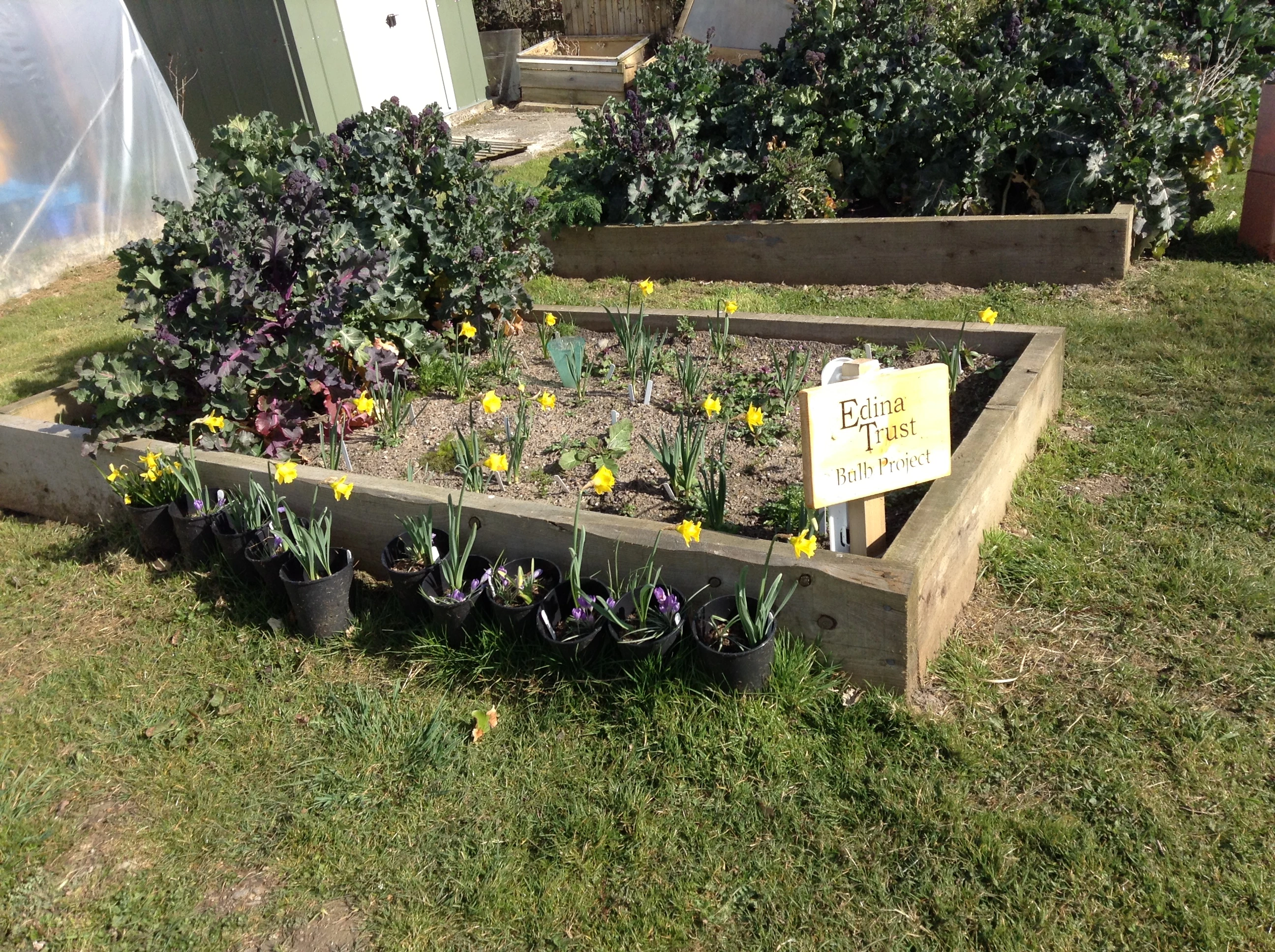
Ninety five schools across the UK will be awarded Super Scientist Certificates from Amgueddfa Cymru – National Museum Wales this year, in recognition of their contribution to the Spring Bulbs – Climate Change Investigation.

Huge Congratulations to all these schools! They are listed below, is your school listed?

Thank you to every one of the 4200 pupils who helped this year! Thank you for working so hard planting, observing, measuring and recording - you really are Super Scientists! Each one of you will receive a certificate and Super Scientist pencil, these will be sent to your school around the middle of May.

Many thanks to the Edina Trust for funding this project and helping to make this all happen!


Winners 2014

Well done to our three winners for sending in the most weather data! Each will receive a class trip of fun-packed nature activities.

  • Ysgol Clocaenog in Wales
  • Abronhill Primary School in Scotland
  • Dallas Road Community Primary School in England


Runners Up

Each school will receive a gift voucher to purchase lovely things for your gardening projects.

  • Ysgol Gynradd Cross Hands in Wales
  • Wormit Primary School in Scotland
  • The Blessed Sacrament Catholic Primary School in England


Highly commended

Each school will receive certificates, pencils, flower seeds and herb seeds.

  • Abergwili VC Primary
  • Archbishop Hutton's Primary School
  • Arkholme CE Primary School
  • Balshaw Lane Community Primary School
  • Bleasdale CE Primary School
  • Burscough Bridge Methodist School
  • Carnforth North Road Primary School
  • Christchurch CP School
  • Combe Primary School
  • Coppull Parish Church School
  • Cutteslowe Primary School
  • Darran Park Primary
  • Freuchie Primary School
  • Gladestry C. in W. Primary
  • Glyncollen Primary
  • Kilmaron School
  • Raglan VC Primary
  • SS Philip and James CE Primary School
  • St Athan Primary School
  • St Blanes Primary School
  • St Ignatius Primary School
  • St Mary's Catholic Primary School, Leyland
  • St Mellons Church in Wales Primary School
  • St Michael's CE (Aided) Primary School
  • St Nicholas Primary School
  • St Patrick's Primary School
  • Stanford in the Vale CE Primary School
  • Ysgol Bro Eirwg
  • Ysgol Deganwy


Schools with special recognition

Each school will receive, certificates, pencils and flower seeds.

  • Auchengray Primary School
  • Britannia Community Primary School
  • Cawthorne's Endowed Primary School
  • Coleg Meirion-Dwyfor
  • Culross Primary School
  • Greyfriars RC Primary School
  • Holy Trinity CE Primary School
  • John Cross CE Primary School
  • Llanishen Fach Primary School
  • Red Marsh School
  • St Anne's Catholic Primary School
  • St Laurence CE Primary School
  • Woodplumpton St. Anne's Primary School
  • Ysgol Gynradd Dolgellau
  • Ysgol Terrig
  • Ysgol Y Plas


Schools to be awarded certificates

Each school will receive Super Scientist Certificates and pencils.

  • All Saints' CE Primary School
  • Balcurvie Primary School
  • Ballerup Nursery
  • Blenheim Road Community Primary School
  • Brockholes Wood Community Primary School
  • Brynhyfryd Junior School
  • Catforth Primary School
  • Chatelherault Primary School
  • Cleddau Reach VC Primary School
  • Cobbs Brow Primary School
  • Coed-y-Lan Primary School
  • Flakefleet Primary School
  • Glencairn Primary School
  • Golden Hill School
  • Henllys C/W Primary
  • Hillside Specialist School
  • Ladywell Primary School
  • Lakeside Primary
  • Lea Community School
  • Manor Road Primary School
  • Manor School
  • Milford Haven Junior School
  • Newport Primary School
  • Pinfold Primary School
  • RAF Benson Primary School
  • Rogiet Primary School
  • Rougemont Junior School
  • Scotforth St Paul's CE Primary School
  • St Bernadette's Primary School
  • St Gregory's Catholic Primary School
  • St John's CE Primary School
  • St Nicholas C/W primary school
  • Trellech Primary School
  • Tynewater Primary School
  • Woodstock CE Primary School
  • Ysgol Bro Tawe
  • Ysgol Glan Cleddau
  • Ysgol Iau Hen Golwyn
  • Ysgol Nant y Coed
  • Ysgol Rhys Prichard
  • Ysgol Santes Tudful
  • Ysgol Sychdyn
  • Ysgol Y Berllan Deg
  • Ysgol Y Faenol


Daffodil Drawing Competition 2014

Congratulations to the following pupils who produced some excellent botanical drawings! Winners will receive Bird watching kits with mini binoculars.

  • 1st: Abbey – Coppull Parish Church School
  • 2nd: Louise – SS Philip and James CE Primary School (Pink 3)
  • 3rd: Amelie – Stanford in the Vale CE Primary School


Well done, you have all done an AMAZING job.

Professor Plant

Exploring biodiversity in the Amazon

Adrian Plant, 15 April 2014

Adrian Plant continues his fieldwork in the Amazon in collaboration with Jose Albertino Rafael and Josenir Camara from INPA (Brazil’s national Amazon research organisation) in Manaus.

So far two field-trips to remote corners of the Amazon have been successfully completed. The first was to Sao Gabriel da Cachoeira high up the Rio Negra not far from Brazil’s borders with Colombia and Venezuela and the second to a major tributary of the Amazon along the border with Peru at Benjamin Constant.

The forests of the Amazon Basin are flood forests; they become seasonally inundated by the flooded river and the waters bring with them many of the nutrients essential to the forests great productivity throughout the region. This year the forest remains unusually wet for the time of year which has caused a few practical problems for field entomology.- it is an acquired pleasure to slosh around in deep mud and water searching for new and interesting insects under a constant plague of biting mosquitoes. Yet, to an entomologist this is more or less a definition of “fun”!

The biodiversity is amazing of course and many of the insects seen and collected are undoubtedly new to science but will require much study in more comfortable surroundings after returning from the field. Meanwhile, Adrian will shortly be setting out on a third fieldtrip, this time to a little known area  between the mouth of the Amazon river and French Guiana where many exciting discoveries will undeniably be made.

Smoggy London

Catalena Angele, 14 April 2014

If you had been visiting London last week you would have noticed it was very smoggy, as if you were looking at everything through a dirty cloud! But what exactly is smog, and how is it different to fog?

What is fog?

Fog is a cloud on the ground! It is a natural part of the weather. It is lots of very tiny water droplets floating in the air. Fog helps plants by providing moisture and does not harm you if you breathe in.

What is smog?

Smog is a kind of air pollution. Smog is created when fog mixes with smoke and chemical fumes from cars and factories. Some of the chemicals in smog are toxic – this means poisonous! It is harmful to plants and animals and can be dangerous if breathed in.

The recent smog in London is a mixture of fog and pollution and a third ingredient – sand from the Sahara desert! The Sahara desert is a huge desert in Africa. Some of the desert sand is very, very small, like dust. Sometimes wind storms sweep up the dust and blow it thousands of miles to the UK. It’s amazing how far it travels!

Unfortunately, this mixture of fog and pollution and desert dust means that the London smog is not good for your lungs, and has made some people ill. Smog is one very good reason why we should all try to reduce air pollution!

So what can you do to help reduce air pollution?

Think about air pollution… What causes it? Can you think of 3 things you can do to reduce it? Why not talk about it in class and then click here to check your answers.  

Find out more information about smog click here. To see more picture of smoggy London click here.

Your comments, my answers:

Glyncollen Primary School: Sorry we were late again. We had a busy week as we are going to Llangrannog. We have had great fun doing this investigation. We can't wait to find out who has won the competition. We are going to tell the year3 class about it as they will be doing it next year. Thank you Professor Plant. Yr. 4. Prof P: Hope you had fun at Llangrannog! I am so glad you have enjoyed the investigation Glyncollen. Thank you so much for taking part!

Ysgol Clocaenog: Pen wedi disgyn ffwrdd! Athro'r Ardd: Wedi colli ei ben!

Gladestry C.I.W. School: Although the flowers were open earlier in the week, they have closed up again at the drop in temperature. Prof P: I can tell that you have learnt a lot about your planrs Gladestry, well done!

Many thanks,

Prof P