Community Engagement

Heritage in turbulent times

Christian Baars, 24 June 2015

Accidents happen: we drop our favourite coffee cup in the kitchen and it shatters into a million pieces; parking the car, we misjudge the distance to that bollard and, oops, scratch the car; the faulty television overheats and catches fire. We usually try to protect ourselves against such accidents by assessing the risk, and mitigate against risk to help us avoid accidents. We install smoke detectors, fire extinguishers and emergency stairs to help us get out of a burning building should the worst happen.

Our immediate thought in the event of a disaster is, quite rightly, the preservation of life. But objects that mean something to us are often a victim of disasters, too. This may be the family photographs getting lost in a house fire. Or it could be an entire historic building, which is important to the local or even national history. The very recent fire at Clandon Park House in April 2015 illustrates how quickly an important part of British social and parliamentary history can be destroyed (the Onslow family, whose estates this was, provided three speakers to the House of Commons over the centuries).

What if heritage is destroyed not by accident, but entirely purposefully? In 2013, a construction company in Belize destroyed a Maya pyramid to turn it into gravel for road fill. The pyramid was 2,300 year old – millennia of heritage, memory and civilisation were destroyed, incredibly, because the ancient structure provided a cheap and easy source of building material.

At other times, heritage – monuments, buildings, statues, or even individual objects – are the target of anger. In post-communist Eastern Europe, statues of Stalin or Lenin are being removed as symbols of power of a by-gone era. Palmyra, the prosperous Assyrian city in today’s Syria, has temples 2,200 years old, was first destroyed by the Romans in 273 AD, by the Timurids in 1400, and is now threatened once again with becoming a casualty of war and ideologies.

Whether you agree with the symbols and ideologies of the people who came before you, our own being is born from previous historic events. Our music, stories, architecture, even our state of government would be nothing without the histories that led up to them. To make sense of our modern world we need to remember – remember positive events for the good they are, and negative events so we can avoid dark hours of history repeating themselves. Ultimately, the past informs our present.

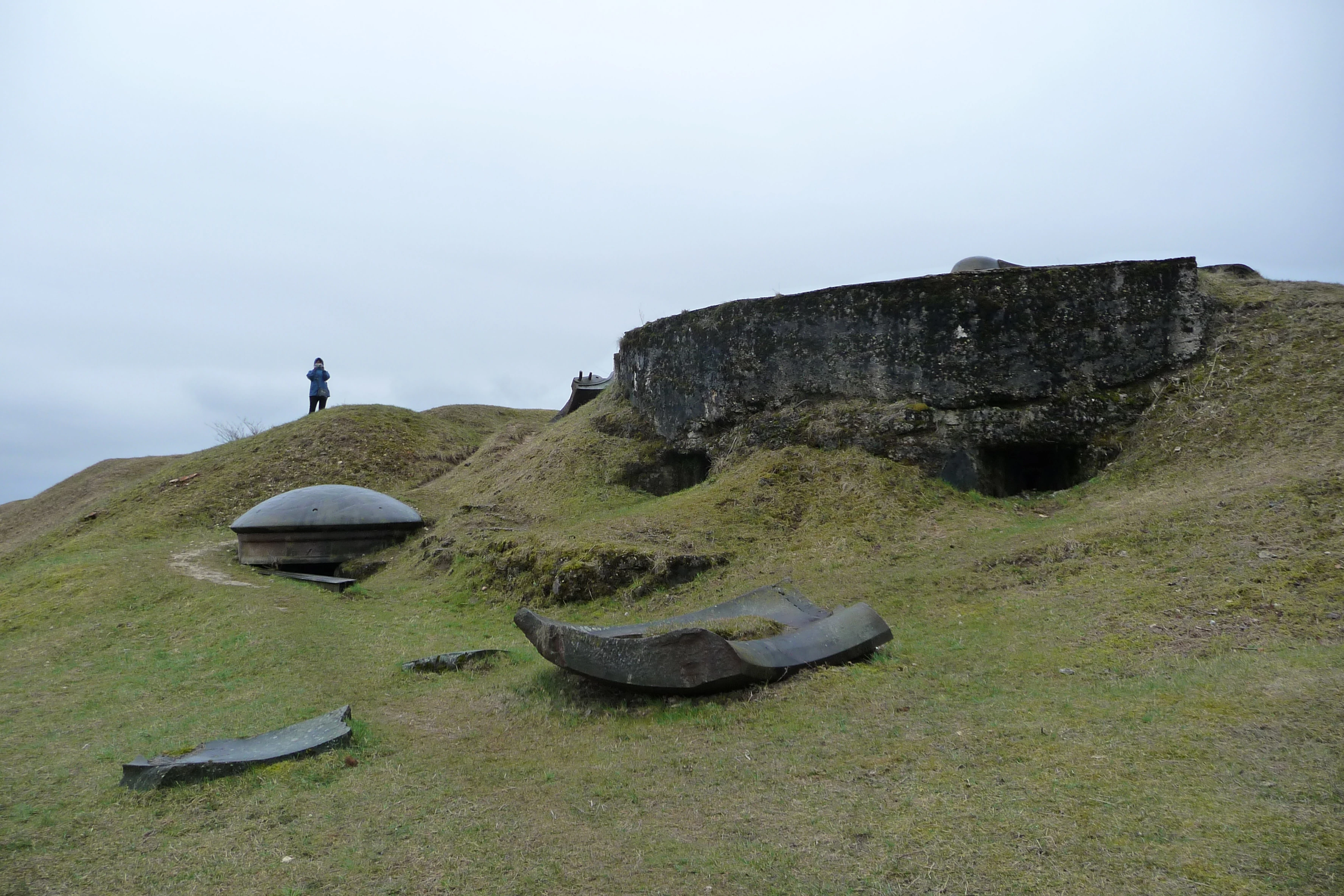
In this project, funded by Cardiff University Engagement Seed Funding, we explore the effect of armed conflict on stone surfaces, emergency planning and heritage salvage, strategies for post-conflict remediation, and construction of memories of WWI or post-communist Eastern Europe.

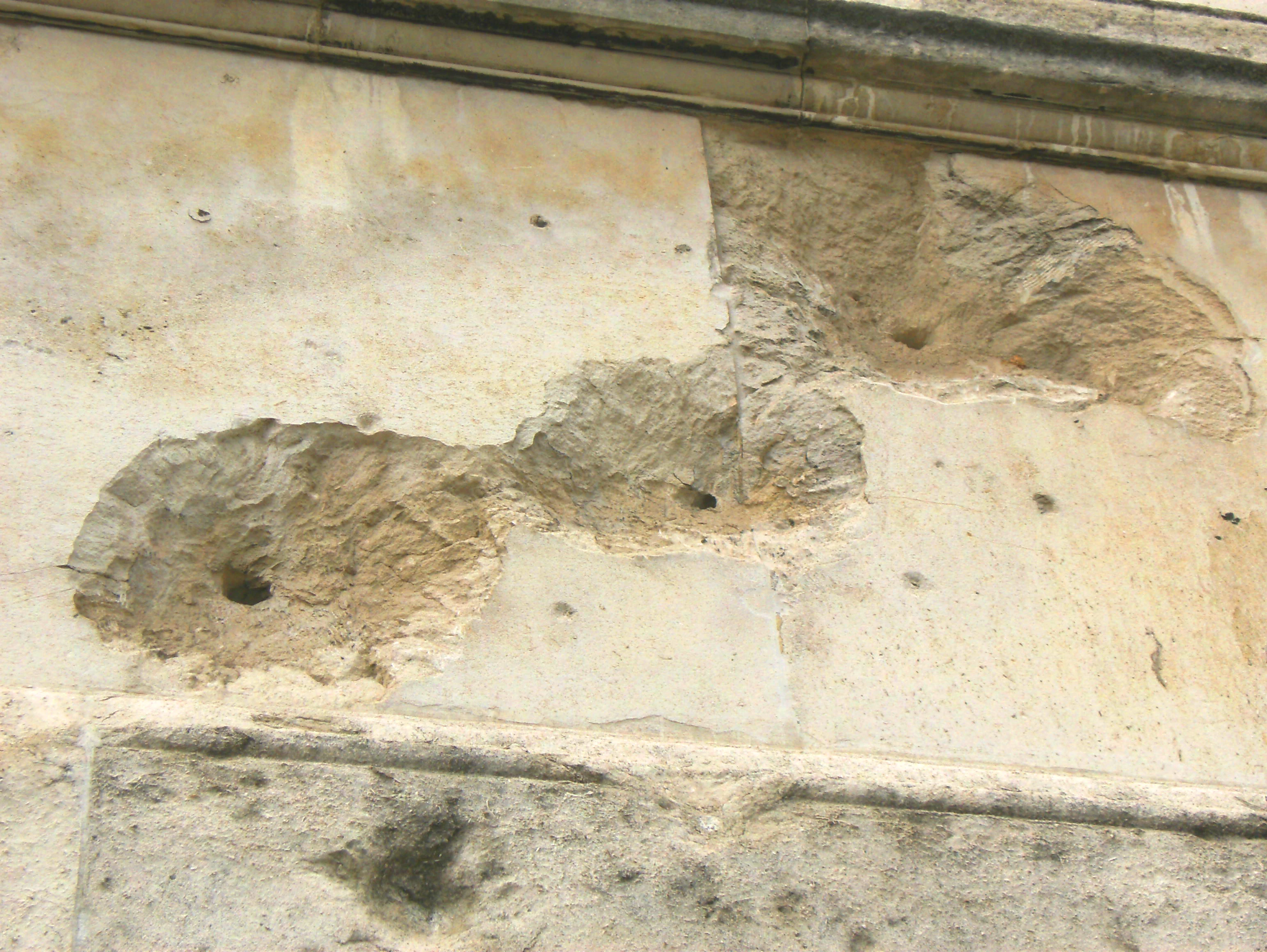
Dr Lisa Mol (Early Career Lecturer, Cardiff University, School of Earth and Ocean Sciences) works on the impact of armed warfare on stone surfaces, which links to heritage conservation and long-term strategies for post-conflict remediation. Lisa asks people to shoot with guns at pieces of building stone to study what happens on impact.

Building on his recently published monograph on the construction of memory of the First World War, and on sites of memory in Eastern Europe, Dr Toby Thacker (Senior Lecturer in Modern European History, Cardiff University, School of History, Archaeology and Religion) will cover the contested role of damaged historical sites in the construction of memory.

Dr Christian Baars (Senior Preventive Conservator, Amgueddfa Cymru – National Museum Wales) is a member of the Welsh Government’s Emergency Planning Network Wales; he ensures the long-term preservation of museum collections, has experience working with the emergency services and will highlight the importance of preserving heritage for future generations while addressing the issues of looting and illicit trade in cultural objects.

If you are interested in this subject please follow our blog and come along to one of our events at National Museum Cardiff this summer.

My experience as a ... Learning Volunteer!

Ffion Davies, 23 June 2015

By Claire Amundson, Learning Volunteer.


After deciding that teaching in schools was not my cup of tea, the question I was left with was, ‘What Now?’

With a background full of education related experience there seemed only one option; museum education. For someone just starting out in the museum sector, volunteering with the Learning and Events teams at Amgueddfa Cymru - National Museum Wales has been an incredible step on the ladder. More than that, it has been an incredible experience altogether.


Through volunteering I have met new people, some like-minded individuals looking for pastures new and some simply enjoying volunteering in retirement or their spare time. For me, however, volunteering with the learning teams at National Museum Cardiff and St. Fagans has opened up a new world. Through volunteering I have gained an insight into what museum education is and how powerful these informal learning sessions can be for visitors.


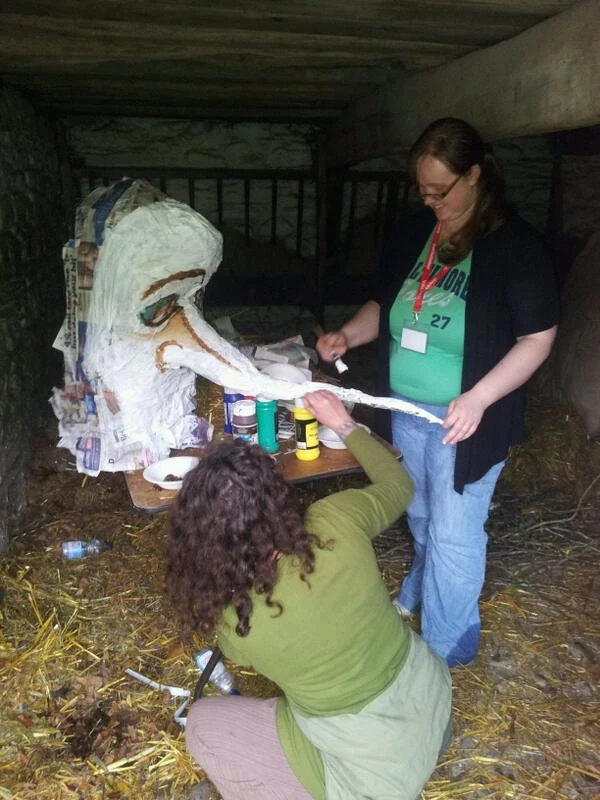
In my time as a volunteer I have helped make Iron Age shields, helped to build a Wicker Man, and deliver summer sessions on the Mold Cape and other exhibitions. When the Mold Cape returned to Wales it was a chance to research the Bronze Age period further and ‘dig deeper’ into history I had only touched on previously. I also volunteered on a session on Pop Art, and it was amazing to see how many children had no idea what a CD was and yet hear the stories of parents and grandparents remembering cassettes and vinyl records.


Volunteering has truly made an impact. I have worked with people of all ages and discovered how rewarding it is to work with families in an informal learning heritage setting; something that complimented my earlier experience in formal learning as a teacher and teaching assistant. These experiences helped me towards obtaining the Wordsworth Trust Traineeship in 2014, and expanded on my experience at Amgueddfa Cymru - National Museum Wales.


Now, although still searching for that first break-through role, I have a wealth of experience behind me and memories that will last for years to come!


Become a Housekeeping volunteer

Penny Hill, 17 June 2015

We would like to offer volunteers the opportunity to get involved in caring for the museum collections on open display in the historic houses. We have a huge number of objects, including items made from pottery, glass, textiles, paper, wood and leather, all of which need constant care and repair.


We plan to use traditional housekeeping techniques as well as modern conservation methods to help keep our collection looking good.  No previous experience is required, all training will be provided.


New facilities are also being created for our housekeeping volunteers, providing a comfortable area to work as well as relax.


If you are interested in joining us, please follow this link to the application form and we look forward to hearing from you.
This is a pilot project so even if the initial days we offer are not suitable, please still register your interest as more opportunities will arise in the future.

Become a Housekeeping volunteer

Penny Hill, 13 June 2015

We are currently recruiting housekeeping volunteers at St.Fagans to help look after the displays in the historic houses and Castle. This is a new scheme that is open to anyone who would like to get involved and learn more about traditional housekeeping techniques. Many of which still have a use today, such as using natural herbs and flowers to repel moths from precious woollen jumpers.


With your help we would also like to enhance the interpretation of the buildings by putting more of the collections on display and reintroduce traditional crafts to create replica items, such as rag rugs, baskets and wicker carpet beaters.


Training will be provided, so no previous experience is required, all we ask in return is a few hours of your time a week.  This is a pilot project, so even if the days currently on offer are not suitable please do still get in contact and register your interest.


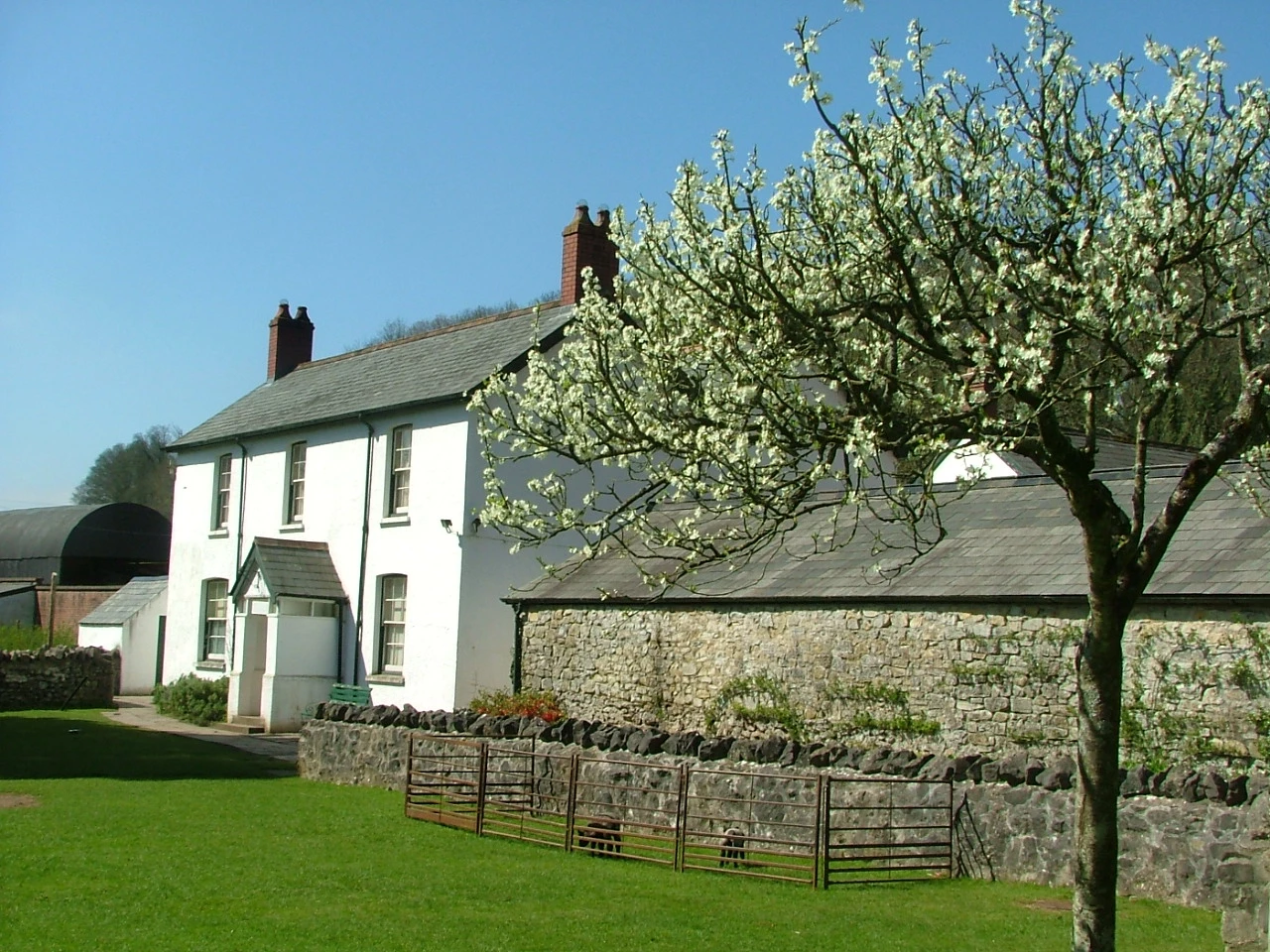
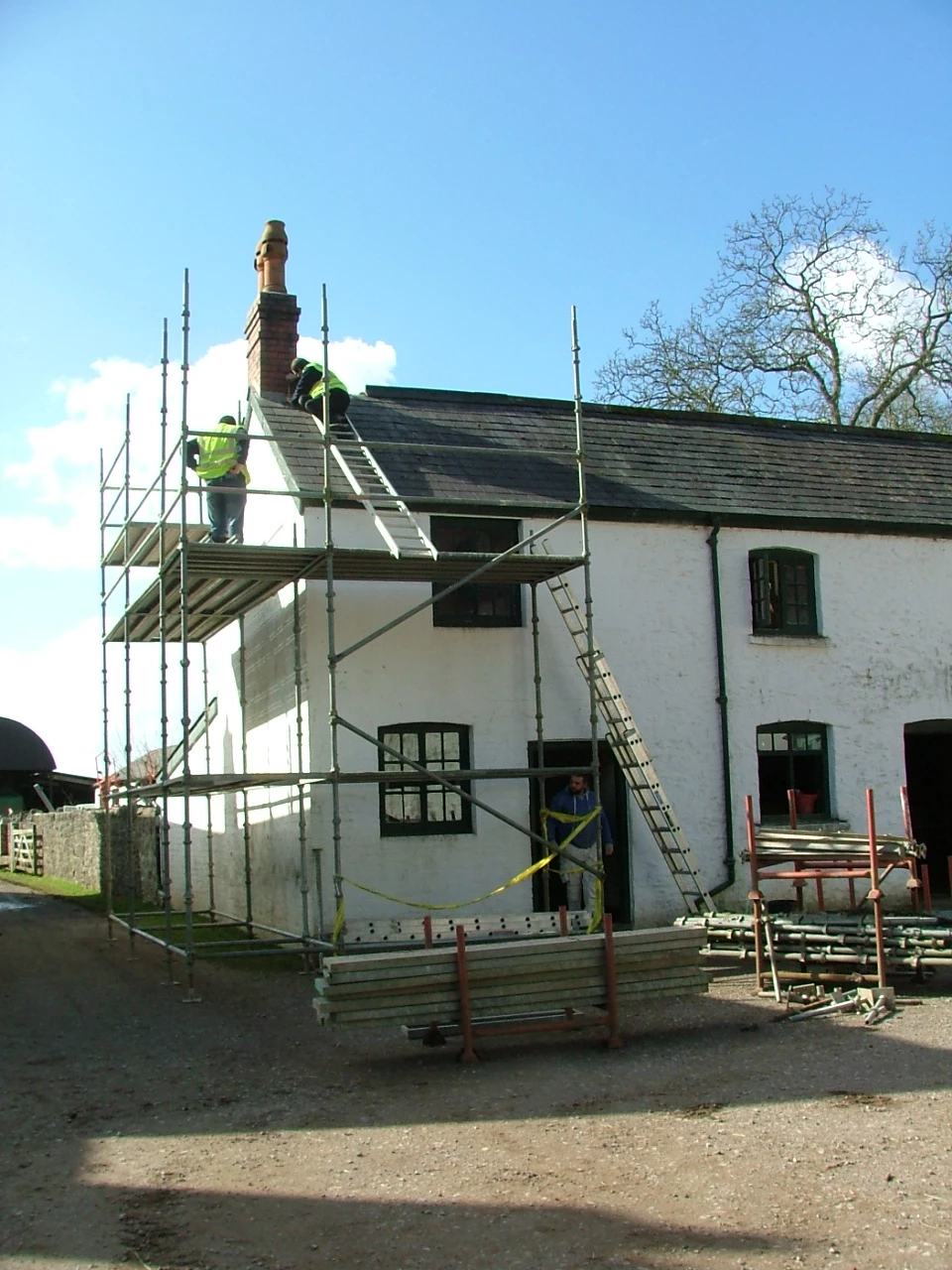
As part of the project we have converted one of the cottages at Llwyn yr Eos farm into a base for housekeeping volunteers, with studios and a comfortable place to relax.


If you are interested in becoming a housekeeping volunteer please follow this link and we look forward to hearing from you.

Bryn Eryr - Volunteers' Week

Ffion Davies, 7 June 2015

As part of Volunteers’ Week 2015 Amgueddfa Cymru invited the Volunteers, Community Partners and Staff who helped to build Bryn Eryr to a special preview event.

Bryn Eryr is our newly built Iron Age Farmstead which will be open to the public in the near future. Our volunteers and staff have helped with all elements of this build; from mixing clay to make the walls, to making nettle rope, to threshing spelt and even thatching the roof! They have been busy building this farmstead for the last 12 months, in preparation for the thousands of visitors and school children who will come to experience what life might have been like in the Iron Age.  

Our Bryn Eryr celebration was a great chance for everyone to bring family and friends, and even their dogs to see the outcome of all their hard work. Our learning department held activities for everyone to get involved in. There was copper beating, rope making and wool spinning, so everyone learnt a new skill and had fun in the process. This gave us a great chance to trial these activities before Bryn Eryr opens officially.

This marked the end of Amgueddfa Cymru’s Volunteers’ Week celebrations and as a final note we would like to thank everyone who has volunteered with us, either as an individual, in a group or to the 1025 visitors who last summer helped us make nettle rope, without your ongoing support we wouldn’t have achieved this.