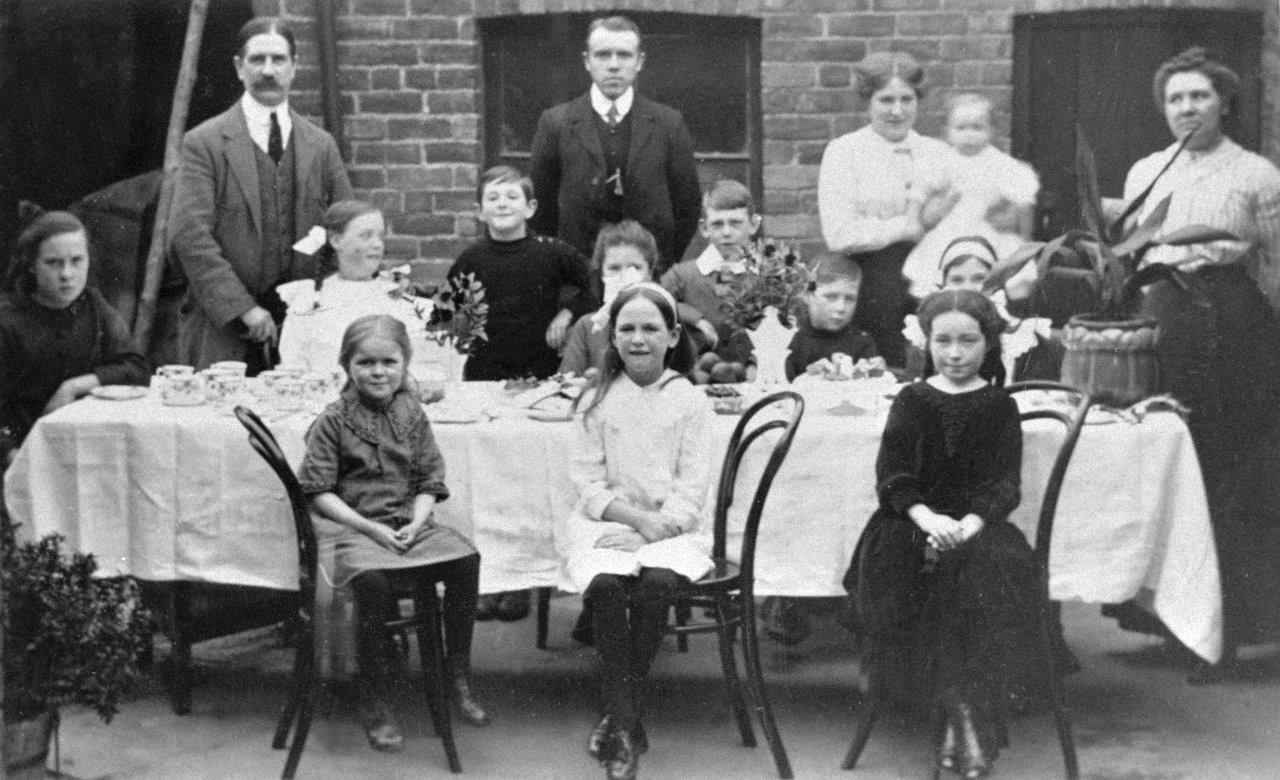
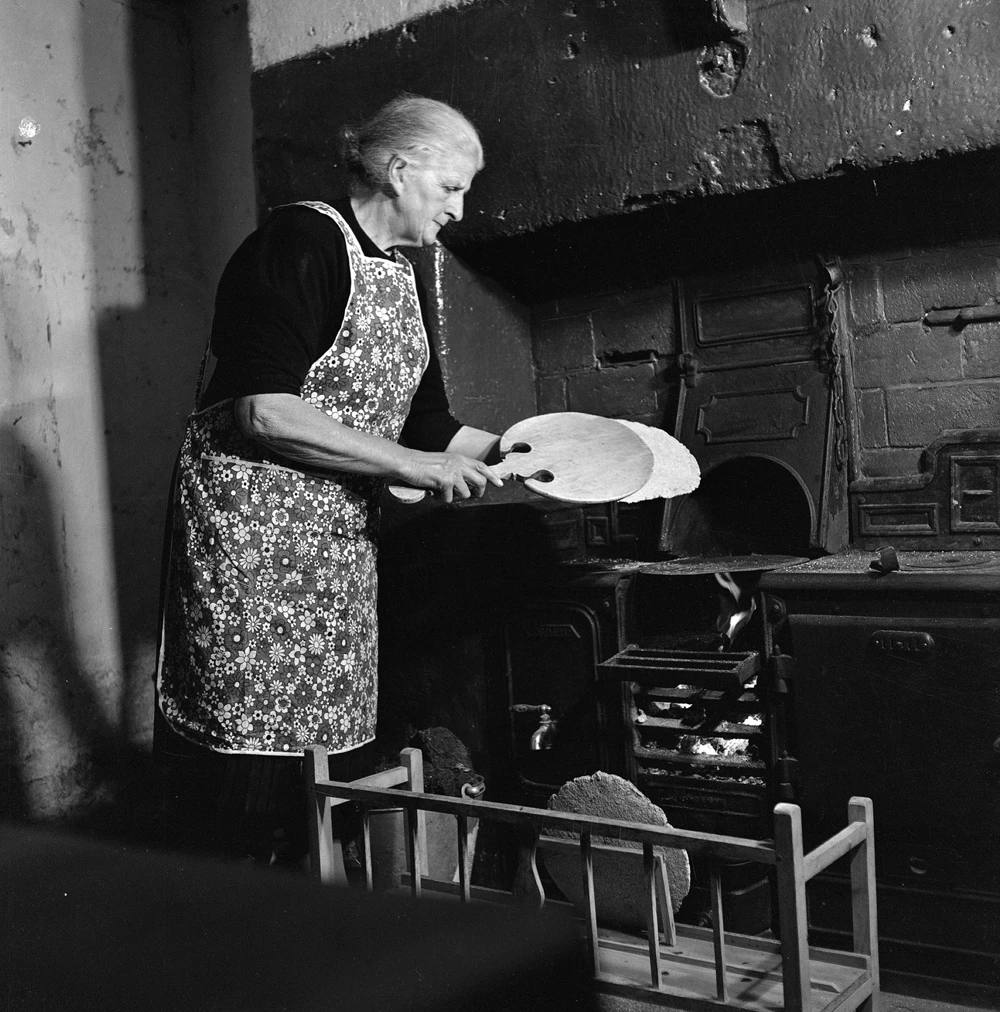
St Fagans Food Festival – Share your Family Celebrations and Recipes #Ryseitiau Mared McAleavey, 24 August 2016 I’m finding it hard to believe that the St Fagans Food Festival will be soon upon us – where has the year gone? Last year, we asked you to tweet your favourite family recipes to us. We had an amazing response, thanks again to all who took part, enabling us to create a lovely exhibition at Oakdale Workmen’s Institute over the Festival weekend.As part of this year’s Festival, we’re launching a digital version of Welsh Fare, a collection of traditional recipes collected by Minwel Tibbott. When she started at the Museum in 1969, the study of traditional foods was a very new research field. She realised very early on that the information would not be found in books and she travelled all over Wales in order to interview, record and film the older generation of women. They recalled the dishes prepared by their mothers, and their memories harked back to the end of the 1880s.With the digital version, not only can you read the recipes, but also hear the women explain the processes and see them prepare the dishes. We’re also keen to add to this collection, and as the Great British Bake Off fever grabs us once again, we’re asking you to share with us your favourite family recipes. We’d also like to add to our images of people feasting - people enjoying your showstoppers, a family celebration or a gathering of friends.Tweet recipes, images and information to @archifSFarchive or post them on the St Fagans Facebook page using the hashtag #Ryseitiau #FoodFestival. Another option is to bring them along to Oakdale Workmen’s Institute during the Food Festival and we’ll scan them. All the recipes and photos, as well as last year’s collection will be uploaded on to the People’s Collection Wales.For the latest on this project, follow tweets by @archifSFarchive and @SF_Ystafelloedd and the hashtags #Ryseitiau #Food Festival #WelshFare #AmserBwyd.
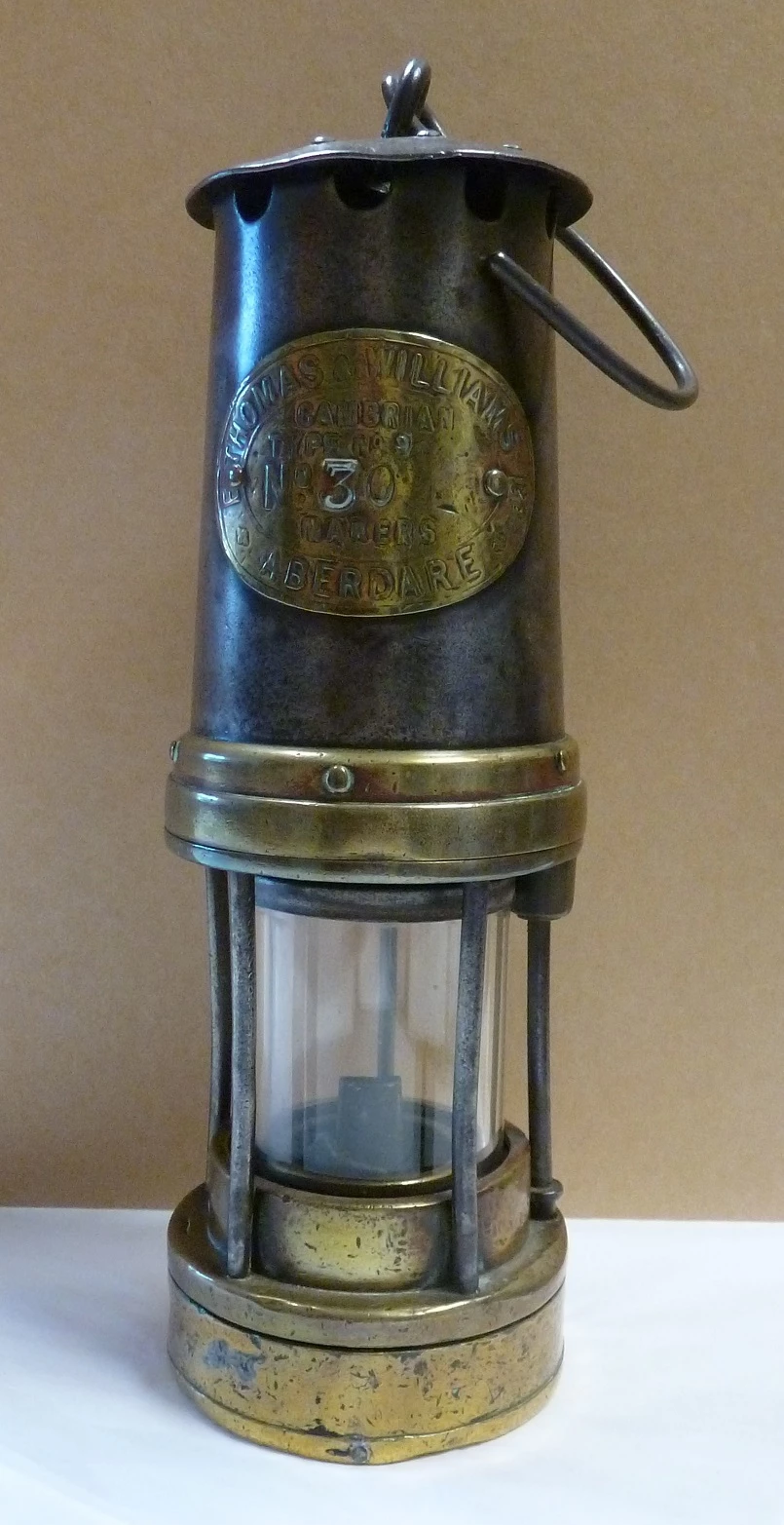
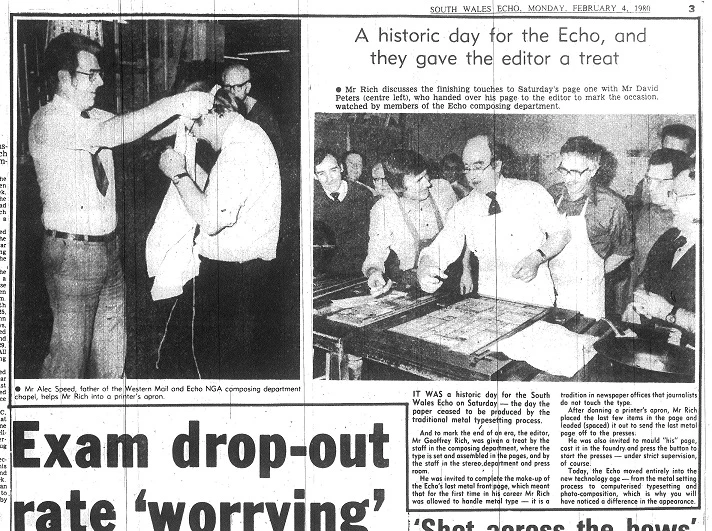
A Window into the Industry Collections – July 2016 Mark Etheridge, 26 July 2016 As usual in this monthly blog post I’d like to share with you some of the objects that have recently been added to the industry and transport collections.The first object this month is a photograph that shows the first ever rally of the Welsh Automobile Club. This was held at Bracelet Bay (a small bay close to Swansea near Mumbles Head) on 3rd December, probably in 1906 though we are not sure of the year. Can anyone help? The photograph was taken by W. Richards (late W.C. Roberts) of 16 & 17 Castle Street, Swansea.The Welsh Automobile Club was founded in about June 1904. The Western Mail of the 4th June 1904 reported “At last Welsh motor-cyclists have decided to form a club. I have just received details of a new organisation which is to be known as the Welsh Automobile Club. It intends to recruit its members from all parts of Wales, and has, I believe, a very representative committee… The club intends holding its meetings in all the chief towns of Wales… The organisation will be affiliated to the Motor Union and associated with the Automobile Club of Great Britain and Ireland.”In 1905 it had a membership of 99 people. Article from the South Wales Echo, 4th February 1980. This natural abrasive stone was used to grind/polish tinplate hand rolling mills. Roll turning, grinding and polishing were highly skilled crafts crucial to the working of iron, steel, tinplate and non-ferrous rolling mills. Little is recorded of these crafts, and so this stone is important in representing this important craft. Note that the metal frameworks that supported the stones have long since been scrapped as the last sheet hand mills in Wales closed in the mid-1960s. The stone was obtained by the donor during his employment in Player’s Tinplate Works, Clydach, in the early 1950s. As stated in previous blog posts, Amgueddfa Cymru holds by far the largest and wide-ranging Welsh-interest share certificate collection held by any public museum. This month we have added to this collection a share certificate for the Mawddach Gold Dredging Syndicate Ltd., dated 1896. This concern undertook the only significant attempts to search for the considerable quantities of gold that would have been washed down into the Mawddach Estaury by both natural weathering processes and during nineteenth century mining operations. This month, we were donated a hot metal forme which was used to print the front page of Western Mail newspaper on Saturday 2 February 1980. This was the last edition to be printed using this technology.The forme is made of Linotype 'slugs' of type (cast from a lead-tin-antimony alloy), and plastic 'line blocks' reproducing images, within a steel ‘chase’ [frame]. The formes were usually ‘broken-up’ (i.e. dismantled) after being used, this one being kept for its historic significance. Thus a forme, although crucial to the production of a newspaper, had only a transitory existence of a few hours. This technology was in use from about the 1890s to the 1980s.The next edition of both the Western Mail (and its sister paper the South Wales Echo) printed two days later on Monday 4 February marked the transition from this 'hot metal' process (both the slugs produced by the Linotype machines and the steroplates were cast using molten type metal) to photo typesetting, offset lithographic printing, and electronic / desk-top page composition.The two images show the final page of the Western Mail using the last forme. The second images is an article from the South Wales Echo concerning the change over, and showing the work in process.. Finally this month we were donated a lamp recovered from the Albion Colliery explosion of 1894. Inside the lamp was found a letter dated 1928 relating to the South Wales Coal Miners' Hinder March. Full details can be found in this article. Mark EtheridgeCurator: Industry & TransportFollow us on Twitter - @IndustryACNMW
Dyddiadur Kate: Dogni bara Mared McAleavey, 22 July 2016 Gan gofio bod llai na blwyddyn ers diwedd yr Ail Ryfel Byd prin iawn yw’r sylw a gawn gan Kate Rowlands o ran sgil effaith y rhyfel ar ei theulu a’i chymuned. Dydi hynny ddim yn syndod i’r rheiny ohonoch ddilynodd ei hanes ym 1914 – wrth ei ddarllen, digon hawdd oedd anghofio fod cysgod y Rhyfel Mawr ar drigolion y Sarnau.Fodd bynnag, sawl un ohonoch sylwodd ar ei chofnod y ddoe? 21 Gorffennaf 1946 - Adref trwy'r dydd. Dewi Jones (Tai mawr) yn pregethu yn Rhydywernen. Dechreu Rations ar y bara.Ar drothwy’r Ail Ryfel Byd roedd Prydain yn mewnforio 60% o’i bwyd. Wrth gofio am y prinder yn ystod y Rhyfel Byd Cyntaf, cyflwynodd y llywodraeth y sustem dogni ym mis Ionawr 1940. Dosbarthwyd llyfrau dogni i bawb a bu’n rhaid i bob cartref gofrestru gyda chigydd, groser a dyn llefrith lleol. Roedd y rhain yn derbyn digon o fwyd ar gyfer eu cwsmeriaid cofrestredig. Y bwydydd cyntaf i gael eu dogni oedd menyn, siwgr a ham. Ymhen amser cafodd mwy o fwydydd eu hychwanegu at y sustem, ac fe amrywiai swm y dogn o fis i fis wrth i’r cyflenwad o fwydydd amrywio. Dyma enghraifft o ddogn wythnos un oedolyn: Bacwn a ham 4 owns Menyn 2 owns Caws 2 owns (weithiau caniatawyd 4 neu 8 owns) Margarin 4 owns Olew coginio 4 owns (ond yn aml cyn lleied â 2 owns) Llefrith 3 peint (weithiau dim ond 2 beint, ond caniatawyd paced o lefrith powdwr bob 4 wythnos) Siwgr 8 owns Jam 1lb bob 2 fis Te 2 owns Wyau 1 wy yr wythnos os oeddynt ar gael Wy powdr paced bob 4 wythnosO fis Rhagfyr 1940 roedd popeth arall gwerth eu cael ar y sustem ‘pwyntiau’. Cai pob person 16 pwynt y mis i brynu detholiad o fwydydd fel bisgedi, bwyd tun a ffrwythau sych, gyda’r gwerth y nwyddau’n codi yn dibynnu ar eu hargaeledd.Roedd hi’n dipyn o dasg gwneud i’r dognau bara’ tan ddiwedd yr wythnos, ac roedd yr ymgyrch ‘Dig for Victory’ yn annog y boblogaeth i balu eu gwelyau blodau a’u troi nhw’n erddi llysiau. Cafodd pawb eu hannog i gadw ieir, cwningod, geifr a moch - rhywbeth oedd yn ail-natur mewn cymuned wledig fel y Sarnau. Efallai nad oedd siopau lleol Kate wastad yn gallu cael gafael ar y danteithion megis y bisgedi, y bwydydd tun neu bysgod ffres o’r môr fel siopau’r trefi a’r dinasoedd, ond roedd manteision i fyw yn y wlad a’r wybodaeth gynhenid o fyw ar y tir. Doedd dim angen cwponau na phwyntiau i hela cwningod gwyllt, colomennod, brain a physgod dŵr croyw. Byddai’r plant yn cael eu gyrru i gasglu ffrwythau gwyllt a fyddai'n cael eu defnyddio i greu cacenni a phwdinau blasus, yn jamiau a jeli. Byddent yn casglu cnau cyll, cnau ffawydd a chnau castan, madarch, dail danadl poethion a dant y llew – ac mae’r arfer hwn o fynd i chwilota am fwyd gwyllt wedi dod yn arfer ffasiynol unwaith eto i’n cenhedlaeth ni.Gwaethygu gwnaeth y sefyllfa bwyd ar ddiwedd y rhyfel. Yn dilyn cyfnod sych a chynhaeaf gwael, bu’n rhaid dogni bara ar y 21ain o Orffennaf 1946. Roedd hwn yn benderfyniad dadleuol a gythruddodd y boblogaeth – nid oedd bara wedi cael ei ddogni yn ystod y rhyfel. Ysgwn i faint o wahaniaeth gafodd hyn ar deulu Kate? Gwyddom ei bod yn parhau i bobi bara ceirch yn ystod 1946 – dyma oedd y bara a fwyteid fwyaf cyffredin yng Nghymru tan y bedwaredd ganrif ar bymtheg. Gwyliwch y ffilm hyfryd o’r archif yn dangos o Mrs Catrin Evans, Rhyd-y-bod, Cynllwyd, yn paratoi bara ceirch.Daeth dogni bara i ben ar y 24ain o Orffennaf 1948, a chodwyd cyfyngiadau ar de ym 1952 – rhyddhad mawr i genedl o yfwyr te! Tynnwyd hufen, wyau, siwgr a da-das neu fferins oddi ar y sustem ym 1953 a menyn, caws ac olew coginio ym 1954. Daeth 14 mlynedd o ddogni i ben ar y 4ydd o Orffennaf 1954 pan godwyd y cyfyngiadau ar gig a bacwn. Mae hi’n anodd amgyffred y rhyddhad a deimlwyd, yn arbennig o ystyried yr ystod eang o fwydydd a danteithion sydd ar gael i ni heddiw.
The Welsh dinosaur comes back to life Caroline Buttler, 21 July 2016 When you turn a corner in our Evolution of Wales galleries don’t be surprised if you find Dracoraptor hanigani, the new Welsh dinosaur, peering down on you from its perch on a rock.The skeleton of this small meat eating dinosaur, currently on display in the Main Hall at National Museum Cardiff, has fascinated the public, but palaeontologists at Amgueddfa Cymru wanted a life-like model of the animal to really show how it looked when it was alive 200 million years ago in the Jurassic.Bob Nicholls, a Bristol–based palaeo-artist, was commissioned to undertake this task. First Bob had to undertake extensive research to enable him reconstruct the dinosaur. He examined the bones and drew an anatomically accurate skeleton, comparing it to other species. He then added the soft tissue and considered how it would have lived before making an anatomically accurate model using steel, polystyrene, and clay. This was then moulded and a cast made of fibreglass and resin.It was important to make sure that the reconstruction was as scientifically accurate as possible. Palaeontologists think that the body might have been covered in a feathery down, and possibly with quills along its back and Bob carefully applied feathers to the surface of the model and long quill-like feathers on the back, tail and neck. This was a meticulous process because they all had to be attached in a way that looked natural.The project took over three months of painstaking work and after it was completed Bob said “There is no greater honour for a palaeo-artist than to be the first to show the world what a long extinct animal looked like”.The result is incredible - you can imagine Dracoraptor jumping down into the gallery and running around.
Sbaddu Malwod a Straeon Eraill Meinwen Ruddock-Jones, 15 July 2016 Mae’n ganol Gorffennaf. Mae’r ardd yn ei blodau, y llysiau yn wyrdd ac yn iachus a brwydr flynyddol y garddwr (neu’r archifydd yn yr achos hwn) a’r falwoden ar ei hanterth. Mae’n debyg bod gan y falwoden gyffredin tua 14,000 o ddannedd (neu rychau ar ei thafod i fod yn fanwl gywir) ac wedi iddi dywyllu, o dan olau lleuad, gall y gelyn gwancus hwn a’i ffrindiau achosi armagedon yn y borderi gan ddinistrio misoedd o dyfiant mewn un noson o wledda.Rhaid cymryd camau dybryd i arbed hyn rhag digwydd!Felly, i ymddiheurio i’r malwod hynny sydd efallai wedi cwrdd â’u crêwr ychydig yn gynharach na’r disgwyl trwy amryfal ffyrdd yn yr ardd eleni - dyma bedwar pwt diddorol o Archif Sain Amgueddfa Werin Cymru am y lladron llwglyd llithrig. Sbaddu Malwod yn Abergorlech Yn ôl Garfield Evans a anwyd yn Abergorlech yn 1909 ac a recordiwyd gan yr Amgueddfa yn 1977, roedd hi’n arfer yn yr ardal ar ddechrau’r ganrif i chwarae tric ar unrhyw blentyn dieithr a fyddai’n dod i’r ysgol. Byddent yn gofyn iddo “Wyt ti wedi gweld sbaddu malwed?”. “Na” fyddai’r ateb bob tro. Wedi dal sylw y plentyn newydd byddai un o’r bechgyn yn codi dau ddarn o bren ac yn mynd i chwilio am falwoden. Wedi dod o hyd i’r falwoden, byddai’r bachgen yn ei chodi a’i gosod i orwedd wyneb i waered ar y ddau ddarn o bren. Wrth i’r plentyn newydd syllu ar y falwoden, ac agosáu yn gegrwth ati, byddai’r daliwr yn taflu’r anifail druan yn sydyn i’w geg. Llafarganu i’r Falwoden Yn ôl Sian Williams a anwyd yn Nhyn-y-gongl, Môn, yn 1896, ac a recordiwyd gan yr Amgueddfa yn 1973, nid oedd ganddi hi a’i ffrindiau lawer o deganau pan yn blant. “Efo malwod oeddan ni’n chwarae’n blant, toedd gynno ni ddim byd arall.” Byddent yn dal malwoden yr un, gosod y malwod ar garreg y drws a llafarganu iddynt: ”Horn, horn, estyn dy bedwar corn allan, neu mi tafla’i di i Bwllheli, at y neidr goch i foddi” . Y plentyn â’r falwoden a fyddai’n tynnu ei phedwar corn allan yn gyntaf oedd yr enillydd. Meddyginiaeth ar gyfer Llyfrithen Yn ôl Blodwen Gettings a anwyd yn 1911 yn Llangwm ac a recordiwyd yn Saesneg gan yr Archif yn 1983, roedd gan y gymuned hon ger Hwlffordd feddyginiaeth wahanol iawn i’r cyffredin ar gyfer cael gwared o lyfrithen ar y llygad. I ddechrau, gellid rhwbio’r llyfrithen â modrwy briodas neu â chynffon cath, ond os na fyddai hynny’n gweithio, roedd un awgrym arall. Rhaid oedd dod o hyd i ddraenen o lwyn y ddraenen wen ac un falwoden dew o’r ardd. Wedyn aed ati i bigo’r falwoden â’r ddraenen ac arllwys yr hylif a ddeuai allan ohoni i mewn i’r llygad. Pennill i’r Falwoden I gloi, dyma bennill i’r falwoden gan Robin Lewis y Craswr o Felin Glasfryn. Clywodd William John Edwards, a anwyd yn 1898 ac a fagwyd ym Mhentrellyncymer, y rhigwm hwn gan ei fam pam oedd tua 15 oed ac fe’i recordiwyd yn ei adrodd gan yr Amgueddfa yn 1973.Malwen Ddu ar ochr wal,Slip a meddal a annodd ei dal.Well gen i un ddu nac un wen,A dau gorn o boptu’i phen.