: Taxonomy & Systematics

One thousand kinds of shells existing in Japan

Kristine Chapman, 7 September 2018

Hirase Museum

The Hirase Conchological Museum

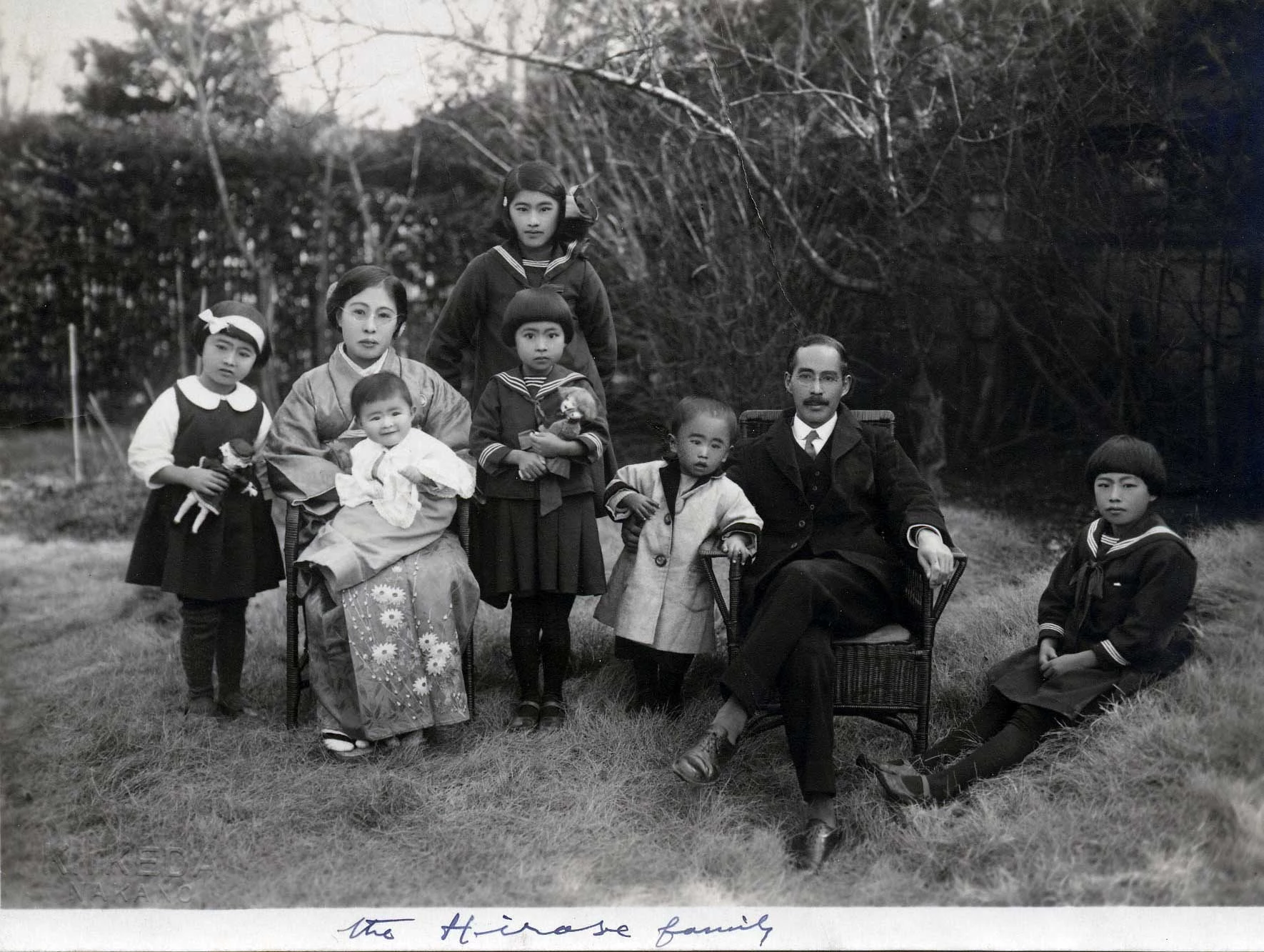
Shintaro Hirase and family, September 1931.

Shintaro Hirase and family, September 1931.

The Library holds a set of beautiful Japanese shell books in its Mollusca collection.

The book is Kai Chigusa, but is more commonly known as Kai sen shu (or The Illustrations of a Thousand Shells in English) by Yoichirō Hirase (1859–1925), and was produced from 1914-1922.

Hirase was a Japanese conchologist who assembled the largest collection of shells in Japan at the turn of the century, and established his own shell museum (the Hirase Conchological Museum) in Kyoto from 1913 to 1919. His son Shintarō Hirase (1884–1939) was also a Japanese malacologist, who taught at Seikei College.

The book is comprised of four volumes, and each volume is an ‘orihon’ folding book. Orihon is a traditional bookmaking technique that consists of a long strip of paper that is written on one side and then compacted by folding in zig-zag, or concertina, fashion. The style originated in China, but was later developed in Japan, where it is primarily associated with Buddhist works or picture books.

Each of the four volumes has roughly 100 illustrations of shells, resulting in 400 illustrations in total. There is a theory that Hirase originally planned to produce 10 volumes, each with 100 illustrations, and that would have resulted in the ‘One Thousand Shells’ of the English title.

All the illustrations are hand-coloured woodcuts, Hirase chose this technique, rather than the more common lithography of the time, because he wanted the work to be of interest to artists.

The text is kept quite minimal, as they are predominantly picture books, but the preface is in Japanese, and the plate lists are bilingual, in Japanese and English.

The first three volumes are quite rare, volume one was commissioned in 1914 to commemorate the first anniversary of his Conchological Museum. Volumes two and three were produced a year later in 1915. Then there was a delay in the production of volume four, and it was not issued until 1922. Copies of volume four are now very rare, and it is believed by many that it was not produced in as many numbers as the first three.

Hirase Museum

The Hirase Conchological Museum

However, we don’t know exactly when our copy of Kai Chigusa was published. It was produced by leading Kyoto art publisher Unsodo, who carried on printing it after Hirase’s death, right up until the mid-1930s. The publishers never indicated which edition was which, each volume carries the date of its original publication, so it is impossible to know when each of the four volumes were actually printed!

Hirase suffered poor health and severe financial strain in the final years of his life, which might explain why he was unable to complete the remaining volumes. His Conchological Museum closed down in 1919, and the shell collections were dispersed. A number went to the Smithsonian in 1921, many more went to what is now the Natural Science Museum in Tokyo, and the remainder were given to his son Shintarō.

Years later, Shintarō’s collection went to the Research Institute for Natural Resources in Tokyo. Some of it was destroyed during World War II, but what remains of the collection is still stored there.

We purchased this copy of Kai Chigusa from Antiquariaat Junk in 1999 to add to our Tomlin Library. Hirase communicated with many key shell collectors, including John Read le Brockton Tomlin, and the Tomlin archive contains a number of letters, postcards and photos from him.

Although Tomlin didn't own a copy of Kai Chigusa himself, he did have a number of other books in his collection relating to Hirase, such as an album of pictures in commemoration of a Conchological Exhibition in Kyoto Library in 1910. The exhibition was organised by Hirase, and included shells, books, illustrations and paintings from both his own collections, and that of collectors around the world. It was a precursor to his setting up his own Museum in 1913, and Tomlin’s copy of the album also contains two line drawings of the proposed museum.

16th century books in the Willoughby Gardner Library

Kristine Chapman, 14 August 2017

Pierre Belon - <em>L’histoire de la nature des oyseaux</em> (1555)

Pierre Belon - L’histoire de la nature des oyseaux (1555)

In 1953 Amgueddfa Cymru - National Museum Wales received the donation of a significant collection of over 300 natural history books, early and modern, from Dr Willoughby Gardner of Deganwy, north Wales. Dr Gardner was born in Cheshire in 1860, but ill health forced him to take early retirement. He went to live in Deganwy in the early 1900s, where he was able to dedicate his time to pursuing his interests, which spanned archaeology, entomology and numismatics.

Because of these interests, he had a close relationship with the Museum, for example, he did a great deal of work on surveying hill forts in Wales, and a number of finds from those digs were donated to the Archaeology department. And a few years before his death he donated his collection of British Aculeate Hymenoptera to the Zoology department.

However his donation of a substantial library of early natural history books, ranging from the 15th to the 18th centuries was by far his most generous bequest, and contains a number of rare treasures, especially those from the 16th century.

Books from this period illustrate the widespread and confident use of printing since the invention of the movable type printing press in 1450 by Gutenberg revolutionised the industry. The innovation spread from Germany throughout the rest of Europe, and by 1500 the number of printer’s workshops had dramatically increased, and they had refined their processes enough to produce books in ever greater quantities. This allowed for an increased exchange of information and ideas that resulted in significant advances in the fields of natural history during the 16th century.

Herbals

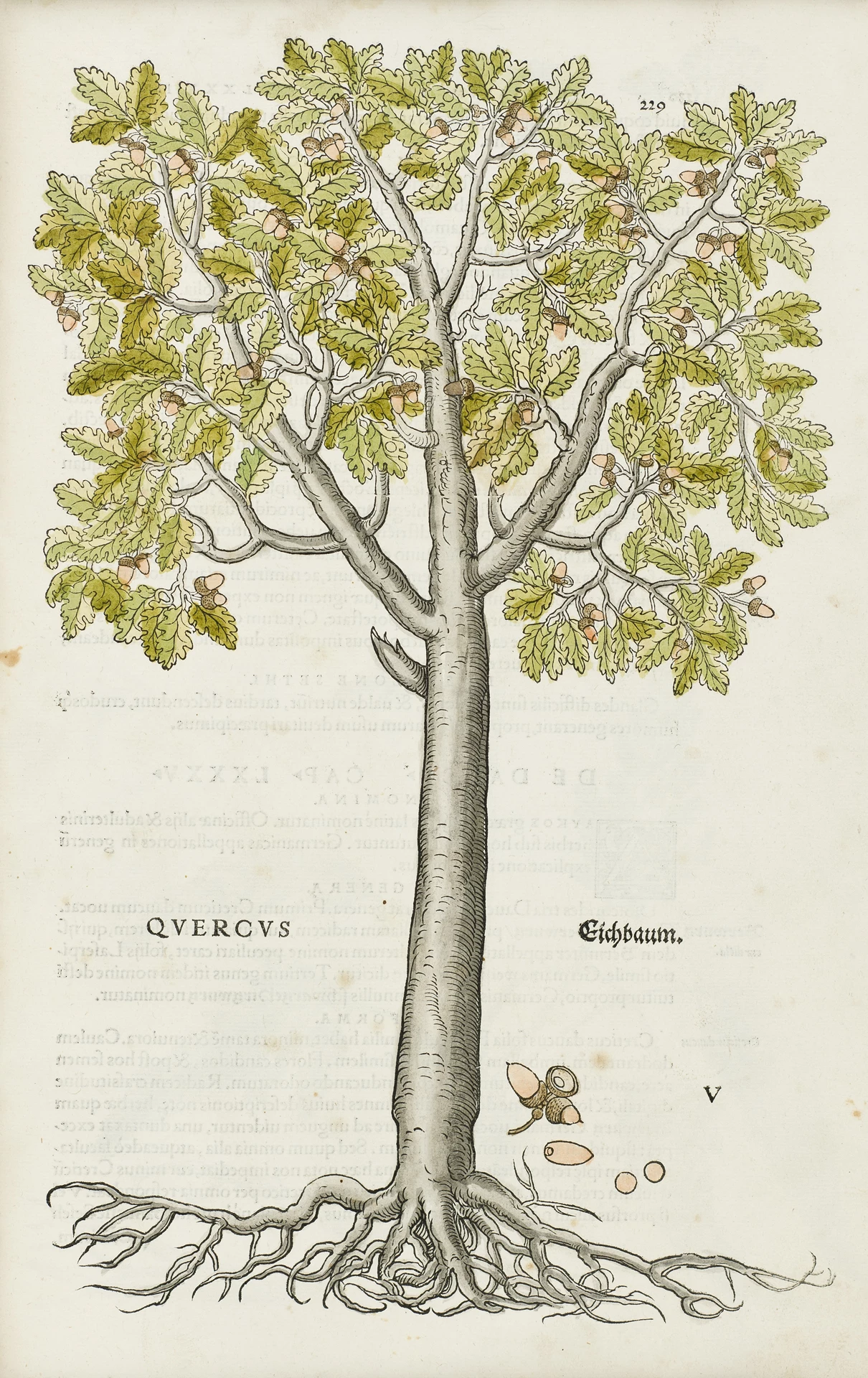
While early subjects for printing tended toward reprints of works from classical antiquity, by the mid-16th century a much wider range of subjects were covered. Very popular at this time were herbals, guides to plants that primarily focused on their properties as medicinal aids. The plants were listed, along with full descriptions and details as to what illnesses they could cure. They were often written by leading physicians and were aimed at the layman rather than the scholar.

The descriptions would often include illustrations of the plants, known as woodcuts. A woodcut is a form of relief printing that takes its name from the method of creation, a block of wood is carved away to reveal a raised design. This is inserted into the printing form alongside the text, inked up and printed as one. Afterwards the illustrations can be coloured by hand if required, although a book with coloured illustrations would have been much more expensive.

The collection of herbals from the 16th century in the Willoughby Gardner collection covers many of the leading publications of the time, including works by Otto Brunfels, Leonhard Fuchs, and Hieronymous Bock, often known as the

‘Fathers of German Botany’.

The Herbarum vivae eicones of Otto Brunfels was influential in that its drawings were primarily taken from life rather than copied from existing works, as was the standard practice of the time. They were also rendered as lifelike as possible instead of the more stylised designs which had been more common in German herbals. First published in 1530, the copy held in the Willoughby Gardner collection is a later volume from 1532.

In 1539 Hieronymus Bock published a herbal in his native language, German, which was later translated into Latin and made more widely available. Willoughby Gardner had a copy of the Latin translation, called De stirpium maxime, published in 1552, with hand coloured illustrations. What makes his copy special, is that at some point someone has gone through and written the English names for some of the plants next to the illustrations.

De historia stirpium by Leonhard Fuchs was published in 1542, the copy held in the Willoughby Gardner collection also has coloured illustrations, although sadly is incomplete as a section of pages from the middle of the book are missing.

Also included in the collection is A niewe herball, or historie of plantes by Rembert Dodoens, an English translation of 1578 taken from an earlier French edition. Originally published in Flemish in 1554, with the French version soon after, many of the illustrations were based on those of Fuchs, although the text was original.

Leonhard Fuchs - <em>De historia stirpium</em> (1542)

Leonhard Fuchs - De historia stirpium (1542)

Conrad Gesner - <em>Historiae animalium</em> (1551-58)

Conrad Gesner - Historiae animalium (1551-58)

Zoology

As well as the herbals, there are a number of other significant books in the collection dating from the mid-16th century, although these focus more on the field of zoology. Works in this area include;

  • Edward Wotton’s De differentiis animalium libri decem from 1552, a bibliography of the work of classical authors, he was considered to be the first naturalist to make a systematic study of natural history.
  • Guillaume Rondelet’s Libri de piscibus marinis, from 1554. Rondelet was a physician and professor based at the University of Montpelier in the south of France. Libri de piscibus marinis is his most famous work, and covers the full range of aquatic animals as scholars of this period made no distinction between fish and sea mammals. The book was a standard reference for students for nearly a century afterwards.
  • Pierre Belon’s L’histoire de la nature des oyseaux from 1555. Belon was a French explorer, naturalist, writer and diplomat who had been in a position to travel extensively throughout Europe and often recorded the wildlife he encountered in situ. Like many others of the Renaissance period, he studied and wrote on a range of topics including ornithology, botany, comparative anatomy, architecture and Egyptology.
  • And, multiple copies of Conrad Gesner’s Historiae animalium a five volume work, the first four volumes covering quadrupeds, birds and fish was produced in 1551–1558, while the fifth volume on snakes was issued posthumously in 1587. It was Gesner’s intention that his great encyclopaedia should record all of known life both real and mythological, which is why sea monsters, manticores and unicorns are also covered!

Gesner was a doctor and professor in Zurich, and unlike Belon he was not in a position to travel as much, relying instead on submissions from friends and colleagues across Europe. First hand observation was not always possible, and because Gesner had decided to include everything written on the animals he featured, he wasn’t always able to guarantee the accuracy of the information. But as he explained himself he:

“[thought] it best to record everything that he has been able to meet with, in order that future specialists in the various branches of natural history should have everything placed before them and draw their own conclusions in each case”.

Further reading

  • Arber, Agnes. Herbals: their origin and evolution, 3rd edition. Cambridge University Press, 1986
  • Kenyon, John R. The Willoughby Gardner Library: a collection of early printed books on natural history. National museum of Wales, 1982

A version of this article was first featured in the Friends newsletter.

William Smith and the Birth of the Geological Map

Tom Sharpe (Lyme Regis Museum and Cardiff University, former Curator of Palaeontology and Archives in Amgueddfa Cymru – National Museum Wales), 30 November 2015

William Smith and the birth of the geological map

Geological maps are fundamental tools to a geologist. Displaying the distribution of different types and ages of rocks, they are the first step to understanding the geology of a place and key to the search for raw materials. Today, the whole of Britain has been mapped, largely through the work of the official agency, the British Geological Survey. But two hundred years ago, geology was a new science and the Survey was yet to be established. The industrial revolution was in full swing and the demand for coal, iron and limestone was huge. Landowners, keen to find coal on their properties, were being exploited by itinerant surveyors who, through greed and ignorance, persuaded them to fund searches where coal was never likely to be found.

William Smith, a surveyor from Oxfordshire, realised that a map showing where different rock layers - strata - came to the surface would be of value to both landowners and surveyors, not just for locating coal but also for agriculture, showing the different rocks and hence soils of different types. It would take him almost 15 years to complete.

Smith was born on 23 March 1769 in the Cotswold village of Churchill where his father was the blacksmith. He had a limited schooling but at the age of eighteen he was taken on as an apprentice surveyor in the practice of Edward Webb in Stow-on-the-Wold. He showed an aptitude for measurement and mathematics and an eye for the shape of the land. In 1791 Smith was sent to survey and value coal mines in the Somerset coalfield south of Bath, and two years later was appointed to survey the route for a new canal to transport coal from the mines.

Discoveries

During the six years that Smith worked on the Somerset Coal Canal, he made two fundamental discoveries. The canal was to be constructed in two branches in adjacent valleys and Smith noticed that the sequence of rock layers was not only the same in each valley but that the layers were always tilted towards the southeast. During his travels around the country to examine other canal routes, Smith realised that the strata of southern England always occur in a regular order and all were tilted in the same direction. His other discovery was the realisation that certain fossils were associated with particular strata; this meant that he could use the fossils to identify where a layer of rock lay in the sequence of strata.

The practical application of these discoveries was immediately obvious to Smith. Coal occurs in association with grey mudstone rocks, but such rocks appear in several places in the sequence of strata, both far below and above the coal. Using fossils, Smith could identify which grey mudstones were part of the coal beds and which were not, and with his knowledge of the sequence of strata, Smith could construct a map showing where the different rocks were present at the surface and where coal could be found.

William Smith and the birth of the geological map

When Smith explained his work to his friends Joseph Townsend and Benjamin Richardson in Bath on 11th June 1799, they persuaded him that he needed to publish his discoveries in order to receive credit for them and, possibly, reward. That evening, he dictated the order of the strata to his friends and soon handwritten lists of the sequence of rocks from the coal up to the Chalk were in circulation. Soon afterwards, Smith sketched a map showing the rocks of the Bath area and a small map showing some of the rock outcrops extending across England. In 1801 he published a prospectus of his intended great work on the strata of England and Wales.

Over the course of the next fifteen years, Smith travelled widely across the country, working on commissions as a land surveyor and drainer. As he travelled, he took note of the landscapes and the rocks, gradually accumulating the information he needed for his map.

Publishing the Map

William Smith and the birth of the geological map

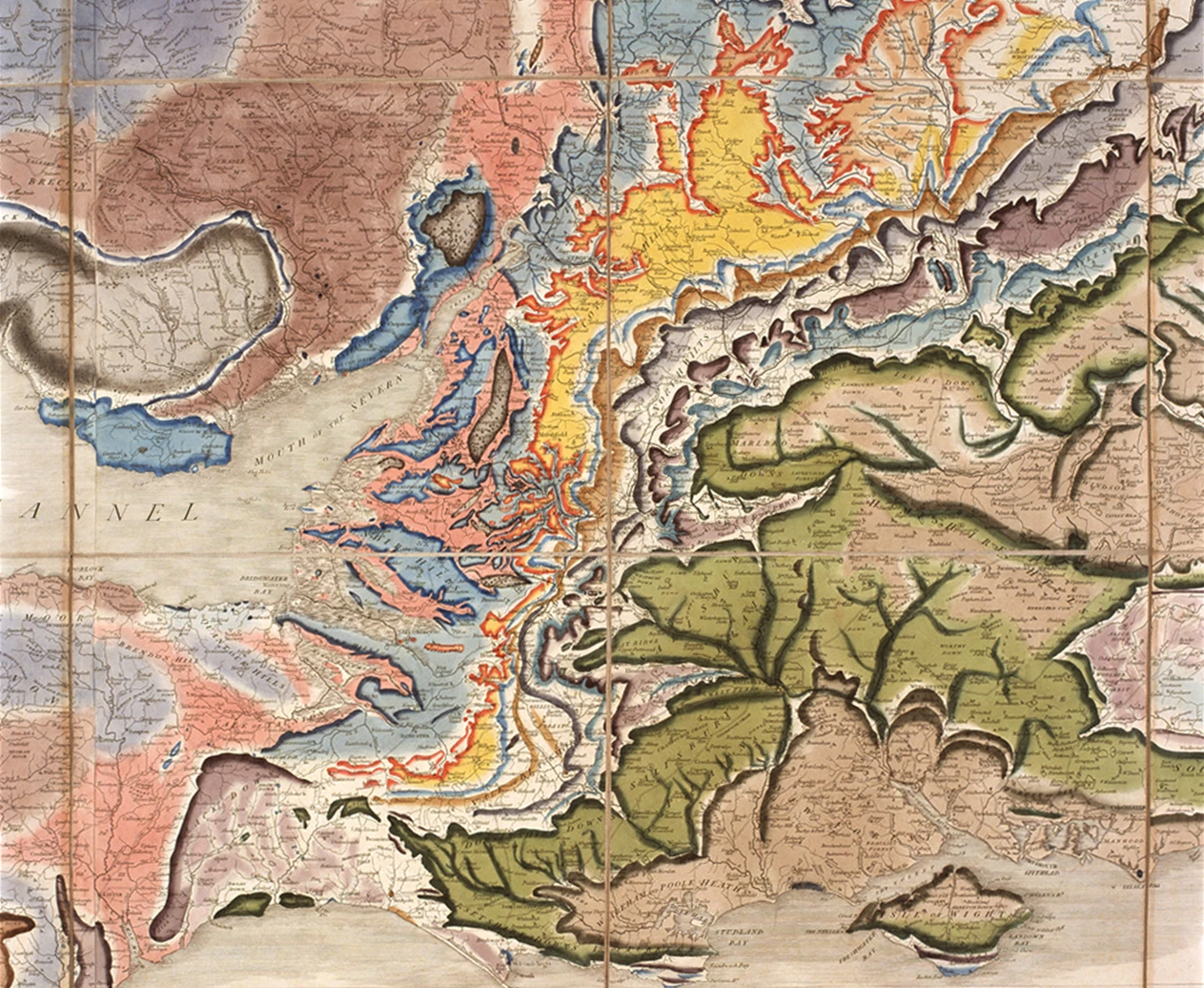
The map was eventually published late in 1815 by John Cary, a leading London mapmaker. A Delineation of the Strata of England and Wales, with part of Scotland was a monumental work. At a scale of five miles to the inch, it was huge, over eight feet tall and six feet wide. It was spectacularly (and expensively) hand-coloured. It sold at prices starting at 5 guineas for the map in fifteen sheets, plus an index map and an accompanying Memoir. But although Smith’s Memoir listed over 400 subscribers to his map, few had paid in advance, and as his map had taken so long to complete, some of his subscribers had died. We do not know how many maps were sold, but it may have been in the order of only about 350.

During the years of its production, Smith continually altered the map as new information about the distribution of the strata became available to him and there are at least five different issues of the map known.

Within five years, Smith’s map was eclipsed by another, in places more detailed, map, the product of the collaborative effort of members of the Geological Society of London under its first President, George Bellas Greenough. And within twenty years of the publication of Smith’s map, detailed geological mapping came within the remit of a new, government-funded Geological Survey of Great Britain.

Smith’s beautifully-coloured map, however, remains an icon of the science of geology and is widely regarded as the first true geological map of any country. It also the more remarkable in that it represents the work of one man, who single-handedly mapped, for the first time, over 175,000 square kilometres of Britain.

Today the map is much sought-after by collectors and commands serious prices (currently there is one for sale in London for over £90,000). The number of copies still extant is currently being researched, but it is likely to be in the order of 150. The Department of Geology (now Natural Sciences) in the National Museum of Wales is in the unique position of holding nine complete or partial copies of the map, more than any other institution in the world, thanks to the foresight of its first Keepers, Frederick J. North, Douglas A. Bassett and Michael G. Bassett. North, in particular, rapidly established the Geology Department’s map and archive collections as one of the most important in the country and this has been built upon by his two successors. The National Museum is the only place in the world where almost all of the different issues of the map can be examined side by side.

A version of the article was published in Earth Heritage.

Type your way into our collections

Harriet Wood, 17 April 2014

The homepage of the Mollusca Types Catalogue.

The homepage of the Mollusca Types Catalogue.

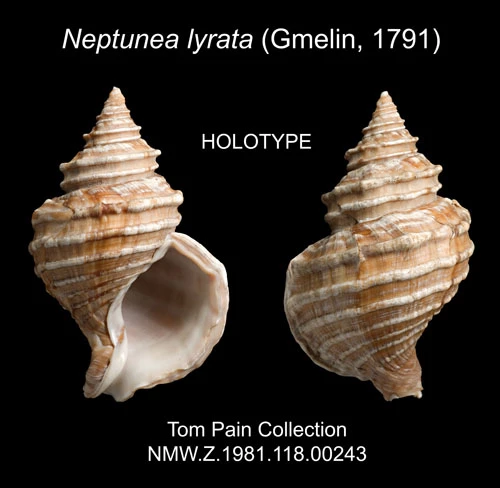
<em>Neptunea lyrata</em>, the oldest type specimen held at Amgueddfa Cymru, collected by Captain James Cook in 1778 from Alaska.
Neptunea lyrata

, the oldest type specimen held at Amgueddfa Cymru, collected by Captain James Cook in 1778 from Alaska.

Specimen images and labels for the type of <em>Octopus maculosus</em> described by our first director, Williams Evans Hoyle, in 1883.

Specimen images and labels for the type of Octopus maculosus described by our first director, Williams Evans Hoyle, in 1883.

A map illustrating the 110 countries that our web visitors come from so far.

A map illustrating the 110 countries that our web visitors come from so far.

Top 10 most viewed specimens after 18 months online

Top 10 most viewed specimens after 18 months online

The Mollusca Types Catalogue was published online by Amgueddfa Cymru in September 2012. This was the first time that images of over 350 of our most important mollusc specimens were made available to our ever growing cyber audience.

The Mollusc collections at Amgueddfa Cymru

The mollusc collections at Amgueddfa Cymru are of international significance and contain hundreds of thousands of specimens. Molluscs are an extremely diverse group that exist in most of the environments on the planet – from landsnails on mountain tops to bivalves in deep-sea hydrothermal vents, venomous cone shells to freshwater pearl mussels, carnivorous slugs to camouflaging cuttlefish. Our collection reflects this diversity and geographical and environmental range.

What are type specimens?

The ‘type’ specimens of any natural history collection are among the scientific gems that need to be safeguarded above all others. They are specimens carefully selected to represent new species and offer a permanent reference for future taxonomists.

Within the Amgueddfa Cymru Mollusca collection there are 3200 type specimens, spanning nearly 200 years of collecting. Two-thirds come from the famous

Melvill-Tomlin shell collection, illustrating its scientific depth and historical importance. Our earliest type is a large cold-water whelk from Alaska, collected in 1778 by Captain James Cook during his third and last voyage. This and many others were described by some of the great collectors and taxonomists of their time, including William Evans Hoyle, the Museum’s first director and Cephalopod expert.

The Mollusca Types Catalogue online

With many collection-based enquiries hinging on type material we were keen to develop a tool to make them accessible across the world and so the Mollusca Types Catalogue was born. The project began in 2009 when the focus was on isolating 350 of our most important types from the main collection, then storing them in new cabinets for easy access and increased security. All of these specimens and their labels were photographed and references for the original species descriptions were checked and scanned. This information was pulled together onto a database and published online. But this is only the beginning…

The many remaining types will be added periodically, with staff continuing to research unrecognised types within our collections. New type specimens will also be added whenever new species are discovered and described by our taxonomists.

Who’s been looking?

Since going online in 2012 the number of enquiries relating to type specimens has increased dramatically. This illustrates the important role that websites play in increasing access and the use of our collections. With the use of Google Analytics we can get some idea of who’s been looking over the last 18 months:

  • We have had 3,973 visitors, viewing 12,268 pages.
  • We have had hits from 113 countries.
  • Top 5 users: UK, Spain, United States, Italy, France.
  • 59.5% are new visitors and 40.5% are returning visitors.
  • Most viewed specimen: Scintilla lynchae Oliver & Holmes, 2004

Take a look

So, take a look for yourselves and let’s see where we are in a year from now….

Mollusca Types Catalogue

Wood, H. & Turner, J. A. 2012. Mollusca Types Catalogue. Amgueddfa Cymru - National Museum Wales. Available online at http://naturalhistory.museumwales.ac.uk/molluscatypes

Museum Type Fossils Online

Caroline Buttler, 8 April 2014

<em>Anthracoceras cambriense</em> Bisat, 1930
Anthracoceras cambriense

Bisat, 1930

<em>Bumastus? xestos</em> Lane & Thomas, 1978
Bumastus? xestos

Lane & Thomas, 1978

<em>Metacoceras postcostatum</em> Bisat, 1930
Metacoceras postcostatum

Bisat, 1930

<em>Archimylacris scalaris</em> Bolton, 1930
Archimylacris scalaris

Bolton, 1930

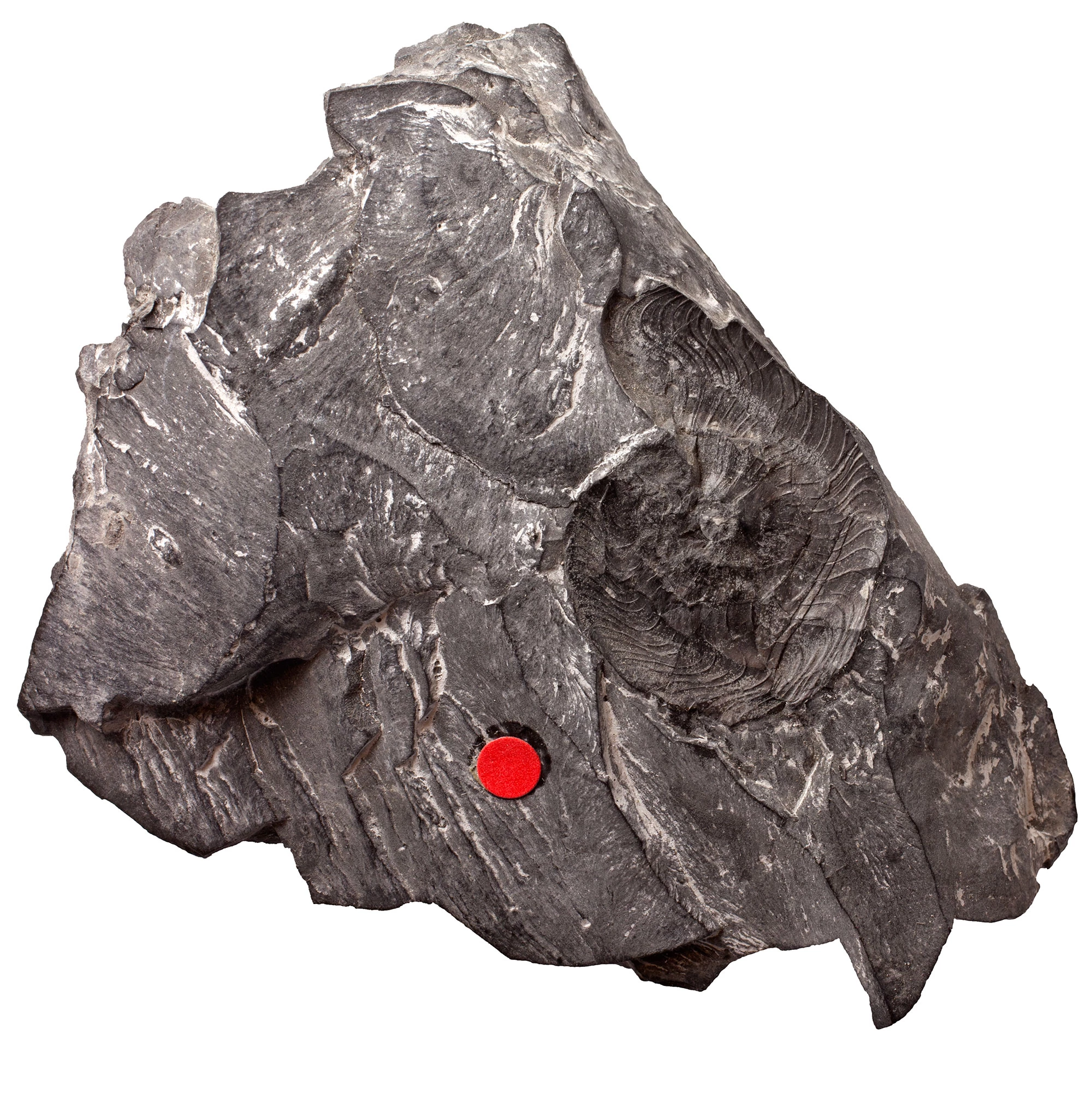
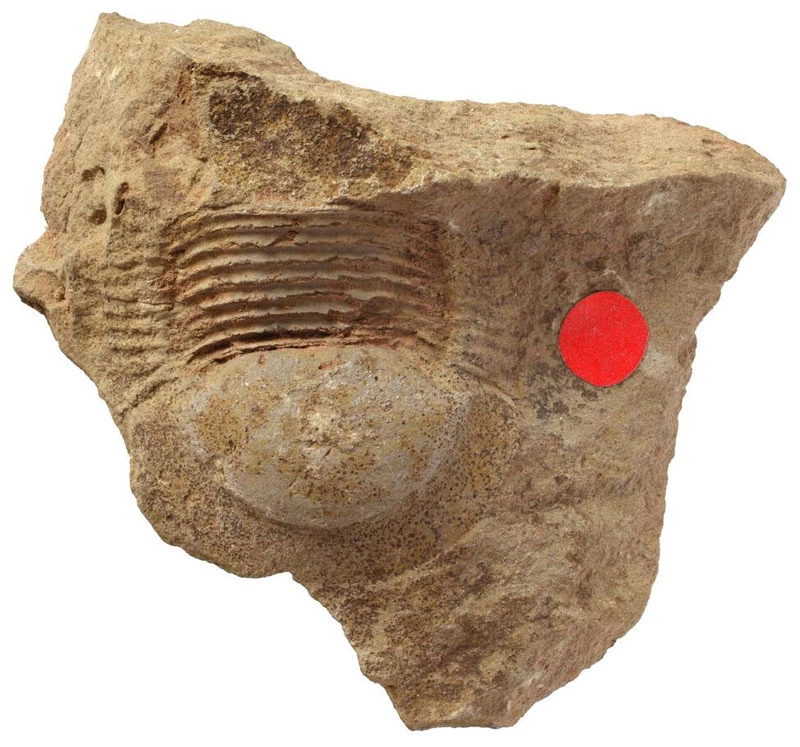
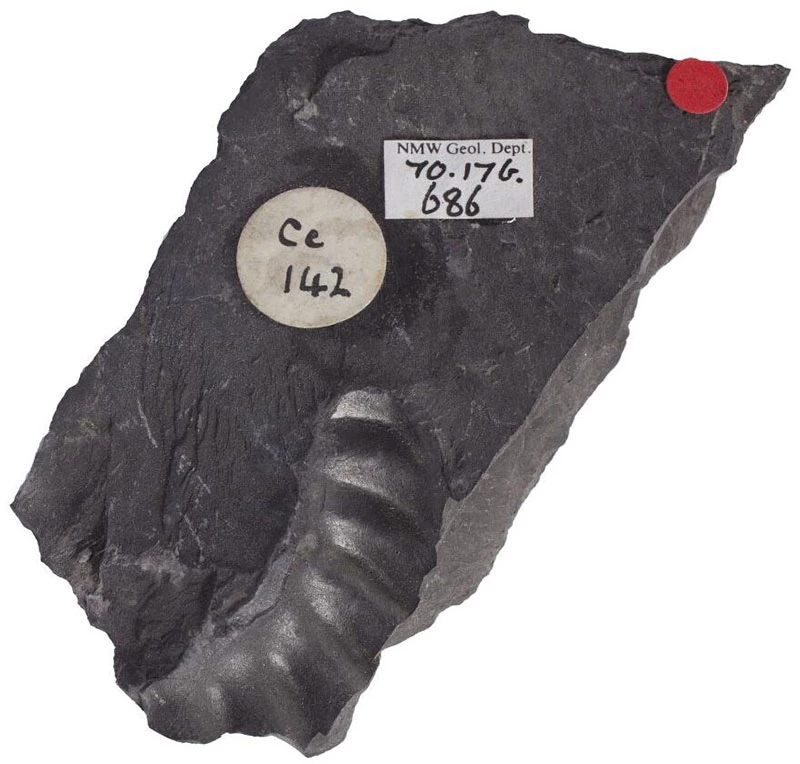
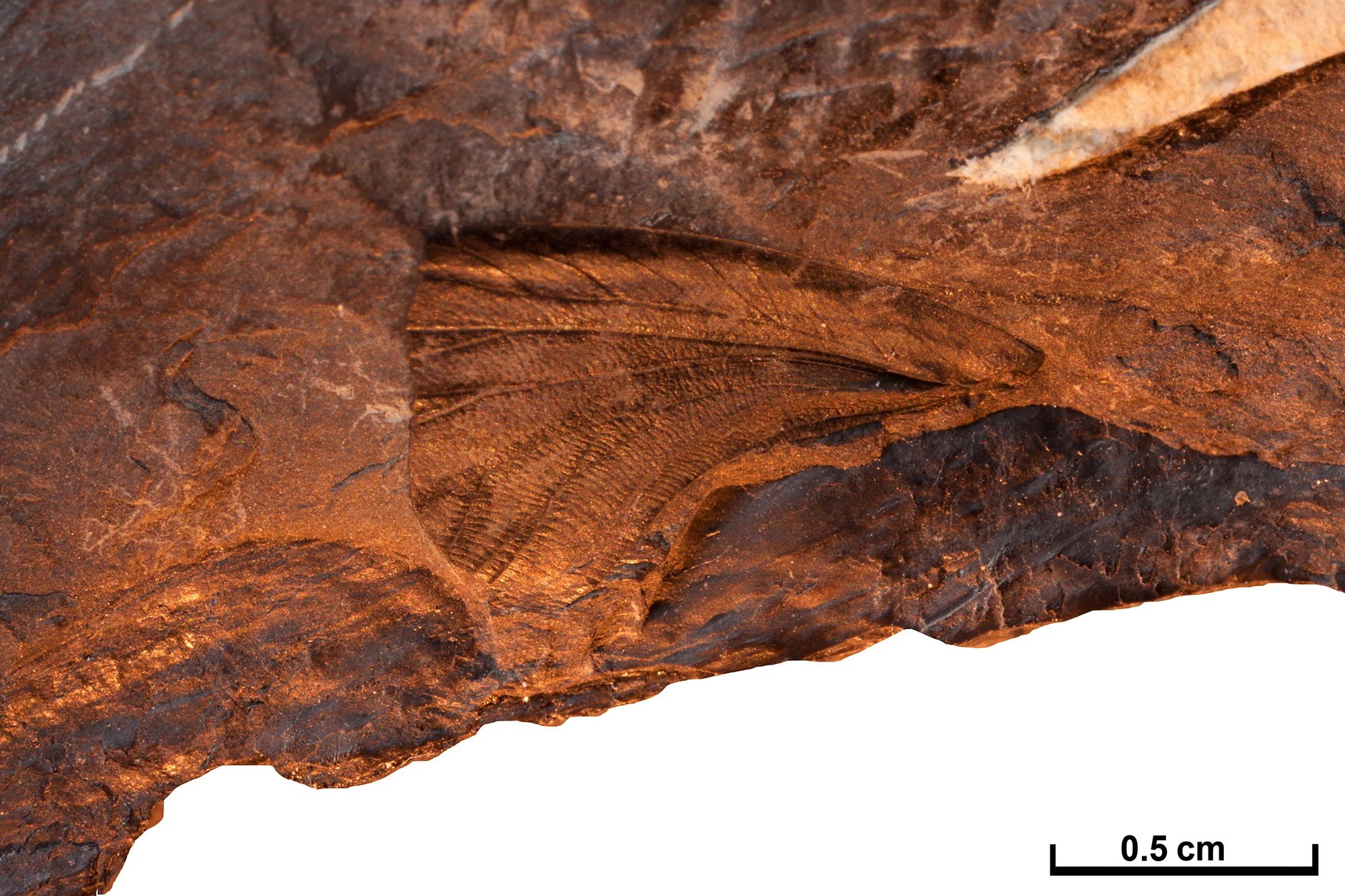
When a new species is described a single ‘type’ specimen is identified, which is then deposited in a recognised organisation and made available for anyone to study. These type specimens become the essential reference for taxonomists, both when describing existing species and erecting new ones. Without type specimens it would be hard to keep the integrity of a species, and over time the taxonomy could drift so that subsequent species interpretations would not bear any relationship to the original one.

GB3D Type Fossils

Amgueddfa Cymru has joined with the British Geological Survey and other UK organisations to produce the world’s first 3D virtual collection of British fossil type specimens, funded by JISC.  Thousands of high quality images, many as 3D anaglyphs, and spectacular 3D digital fossil models can now be browsed and downloaded for free.  The GB3D Type Fossils Online project has taken the fossils from their stores and made them available for academics, researchers and fossil enthusiasts to enjoy at their leisure.

Our British fossil type collection of over 2000 specimens forms a very small proportion of our total collection of fossil specimens from Wales and the rest of the world.  Researchers from Wales, the United Kingdom and world-wide use the collections to support their taxonomic research. Palaeontologists at the museum have named many new species of fossils and have sometimes had fossils named after them. For them and for all taxonomists it is essential to have access to type material. If you are dealing with a potential new species, ideally the actual type specimens of similar looking species should be examined, but this is not always possible, due to travel costs, for example.  

When a new species is proposed it is described in a scientific journal and the type specimen is photographed. However, in old publications some types have not been illustrated, and in some publications the images may be of poor quality making it hard to determine specific features of the specimen.  Therefore this new digital resource will be invaluable, illustrating the British type collection in high-resolution 2D and 3D images, in addition to 3D models. The freely available website will also provide worldwide access to our collections.

See the website here.