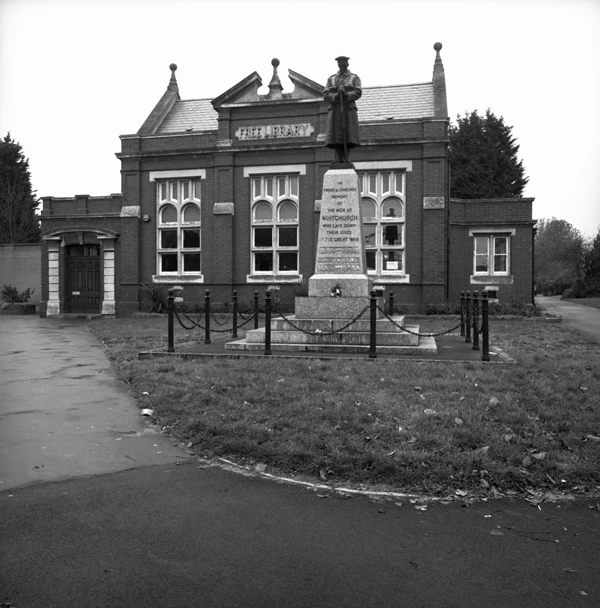
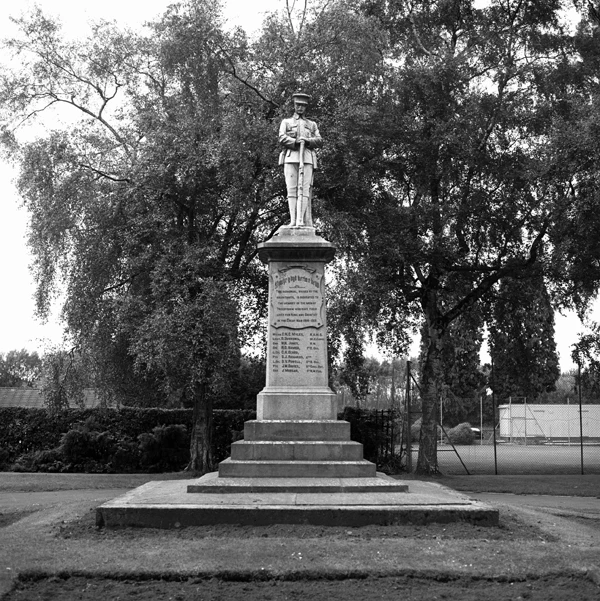
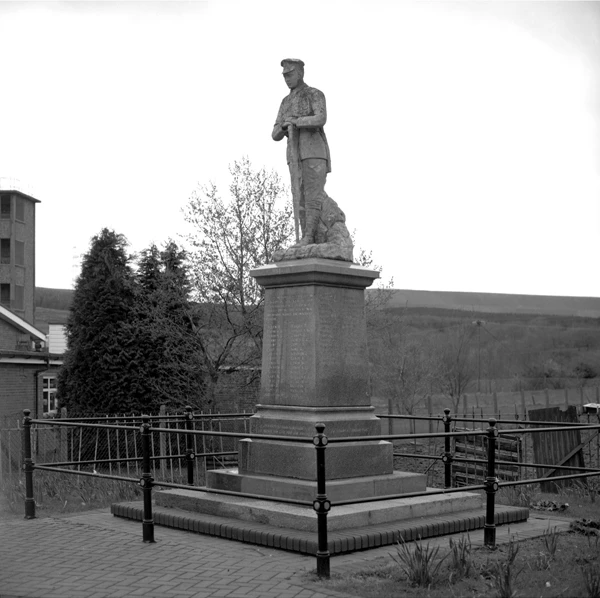
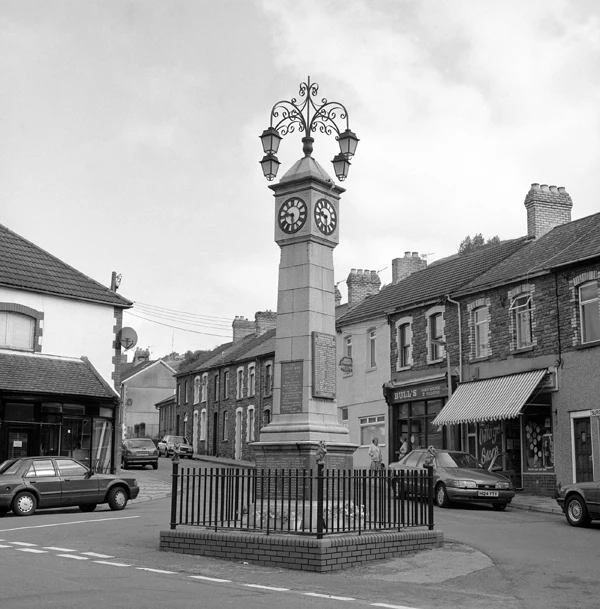
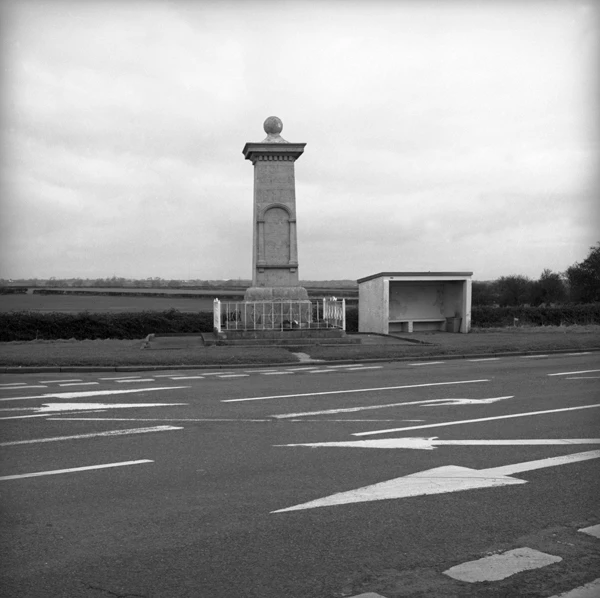
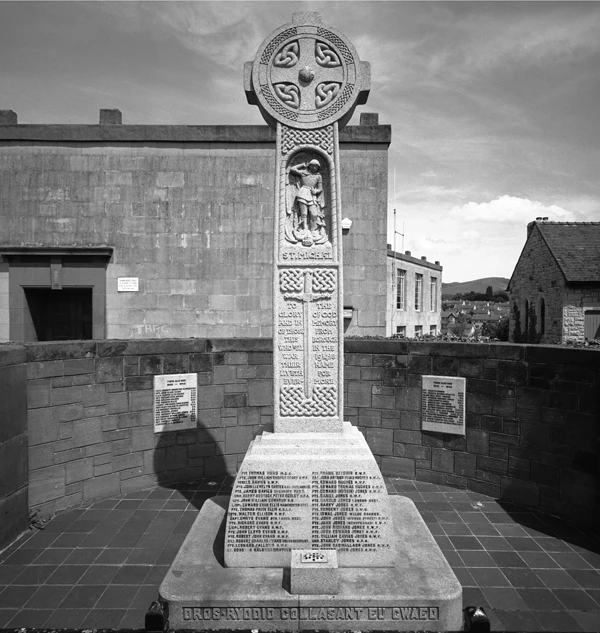
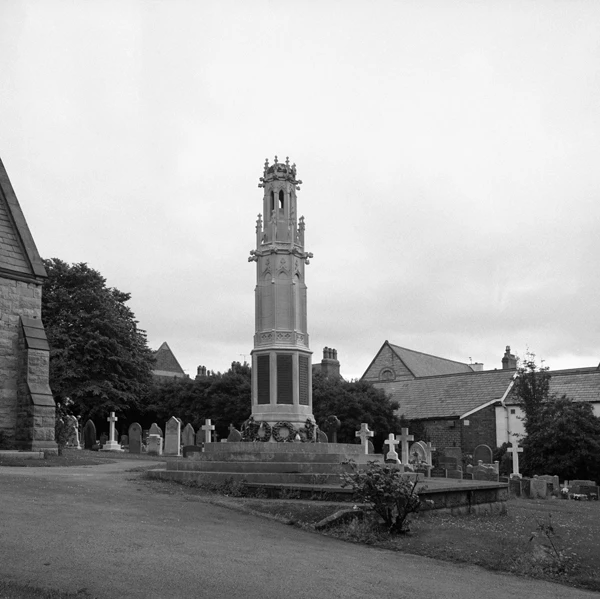
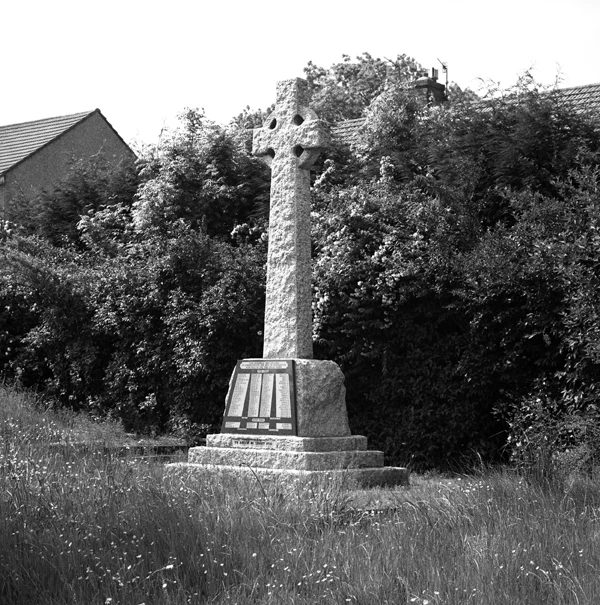
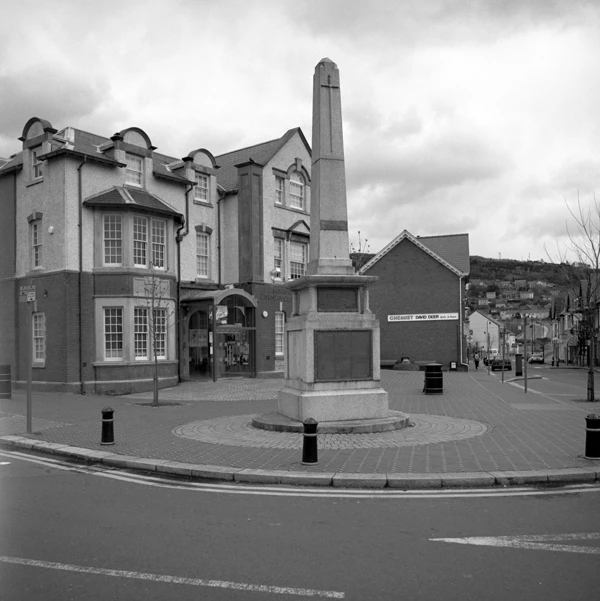
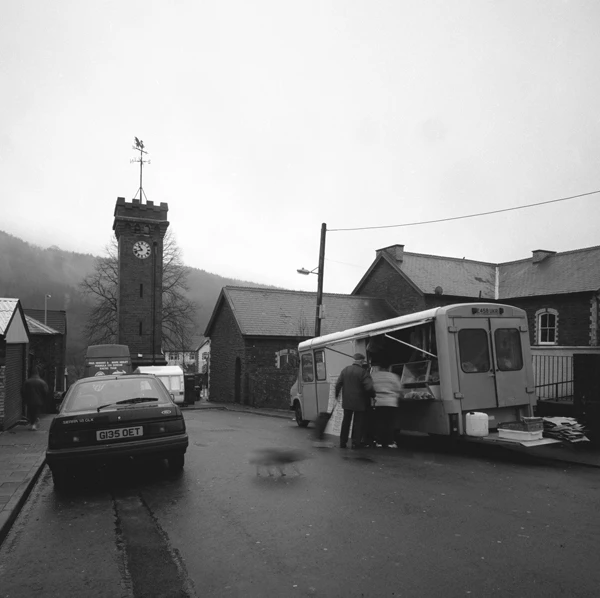
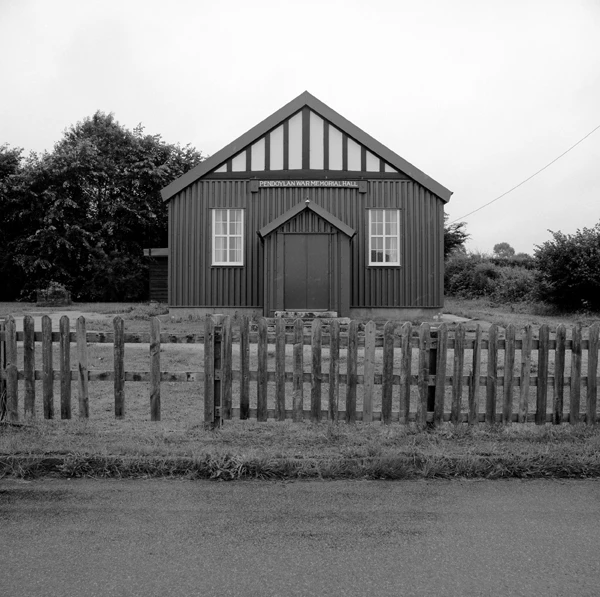
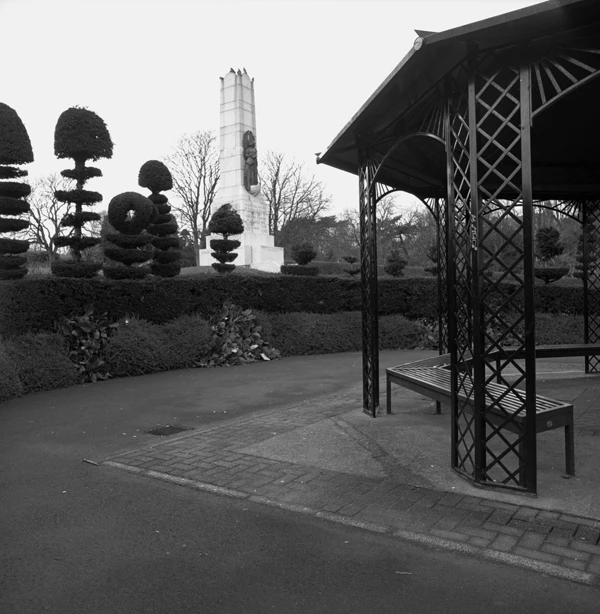
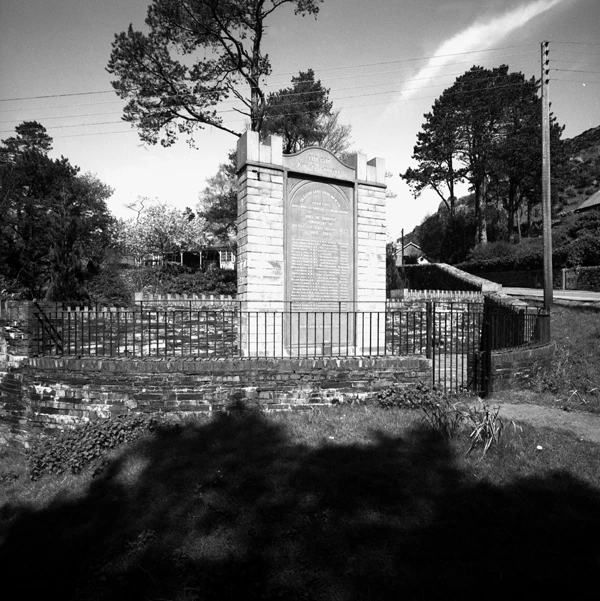
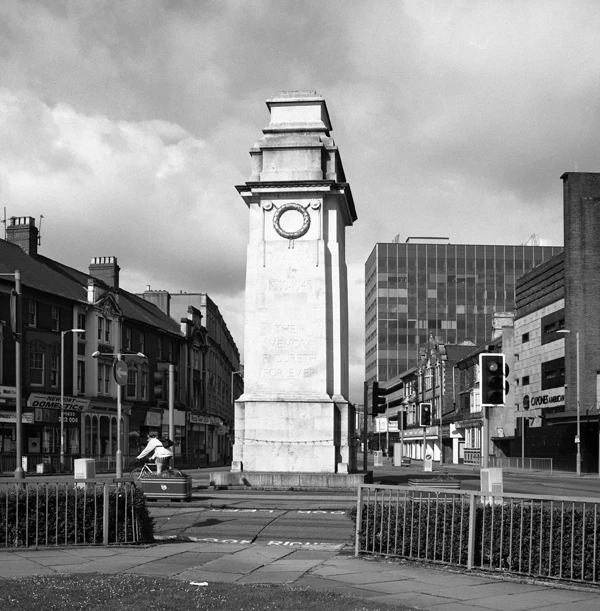
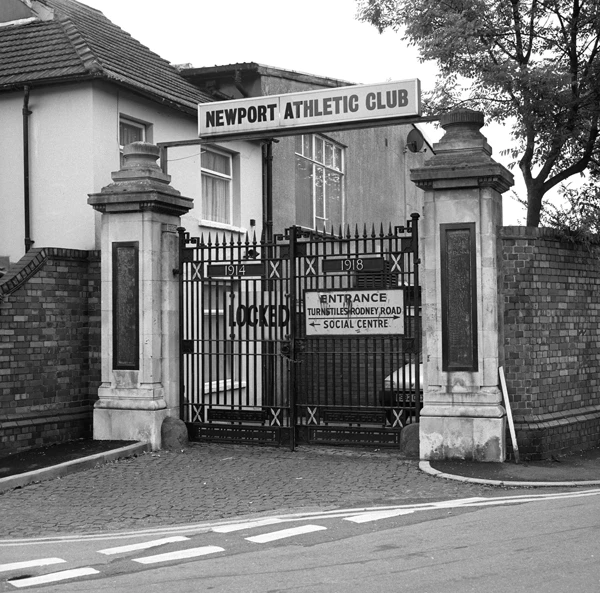
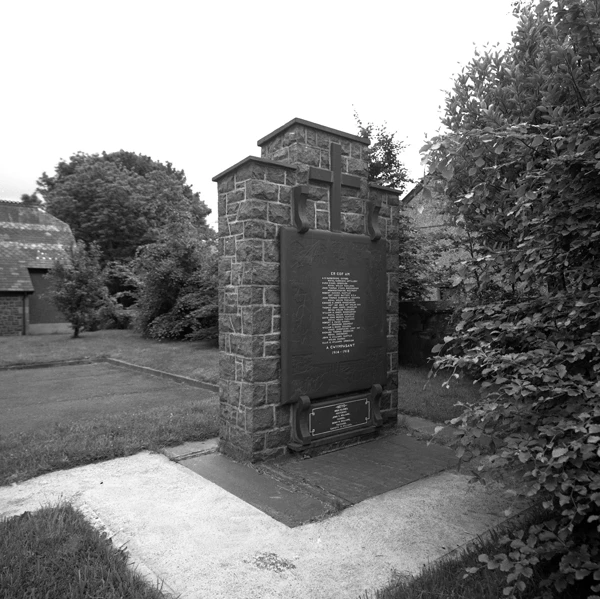
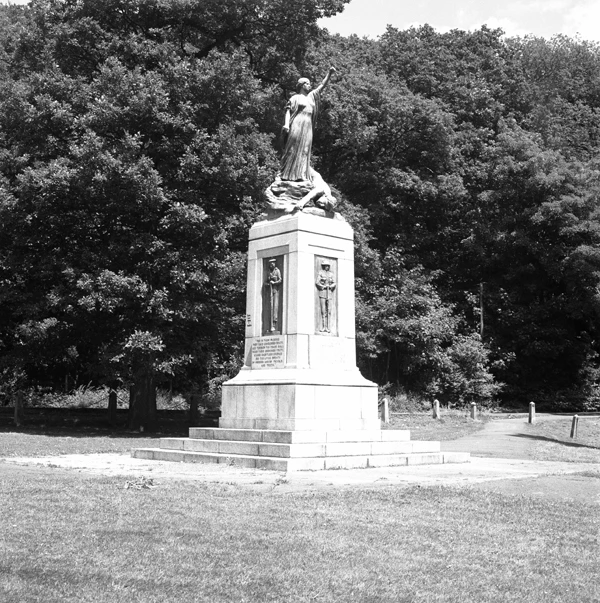
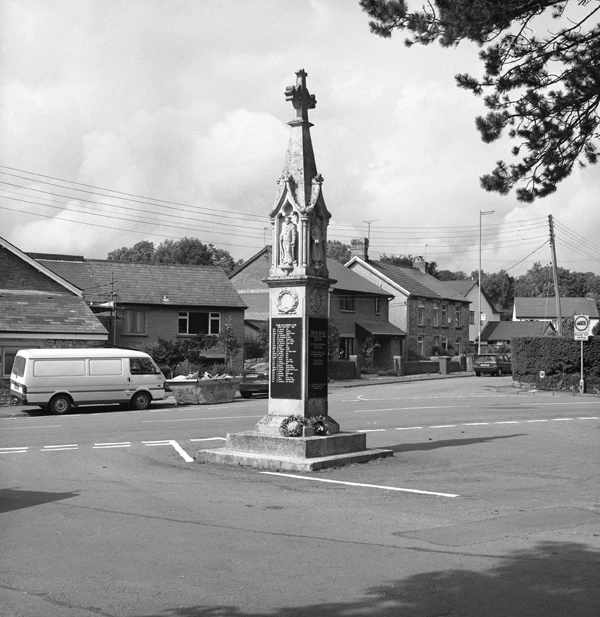
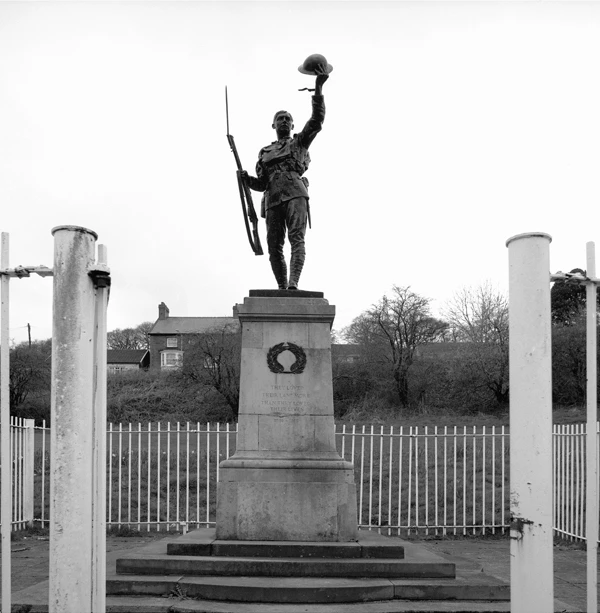
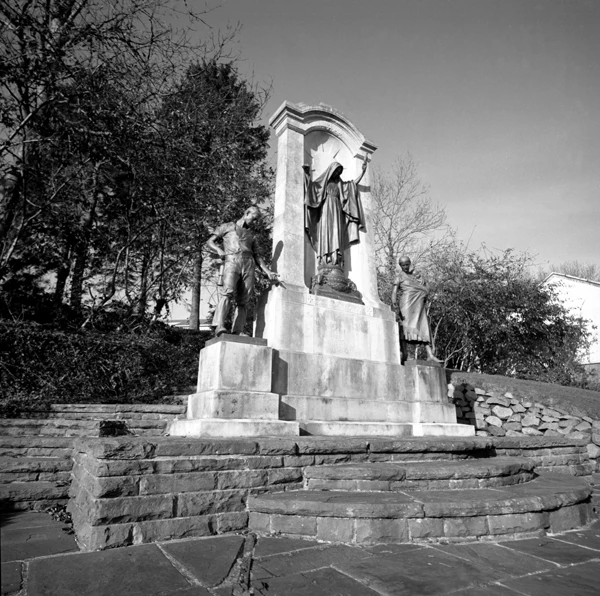
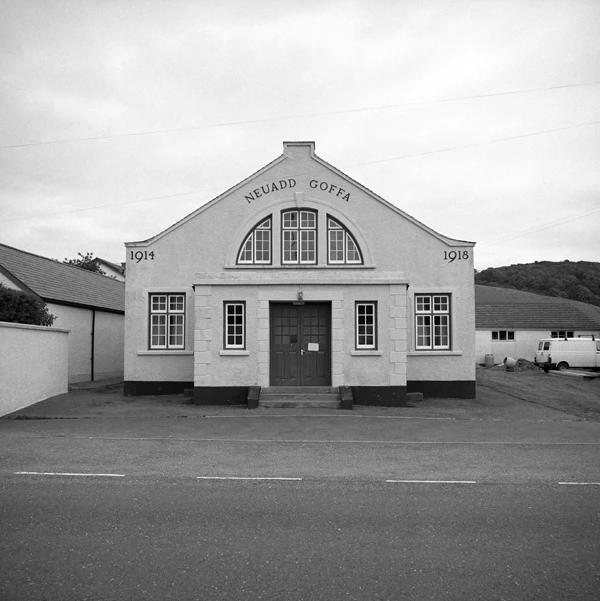
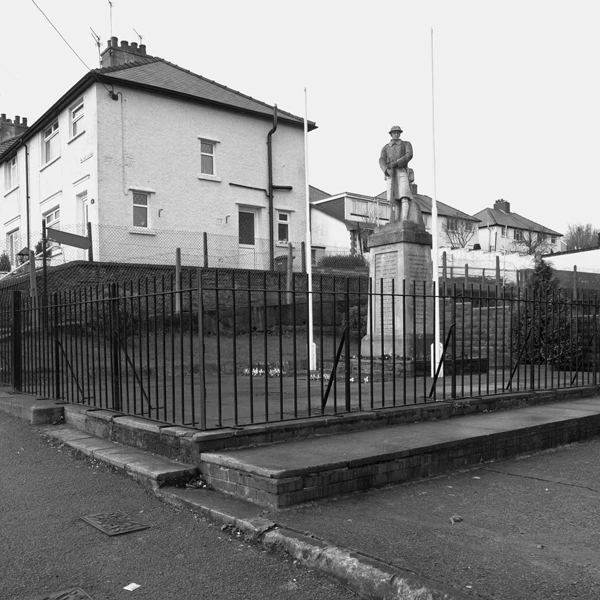
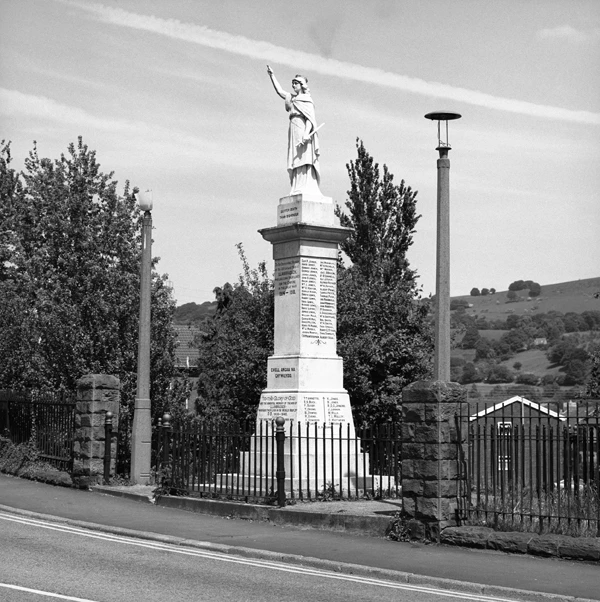
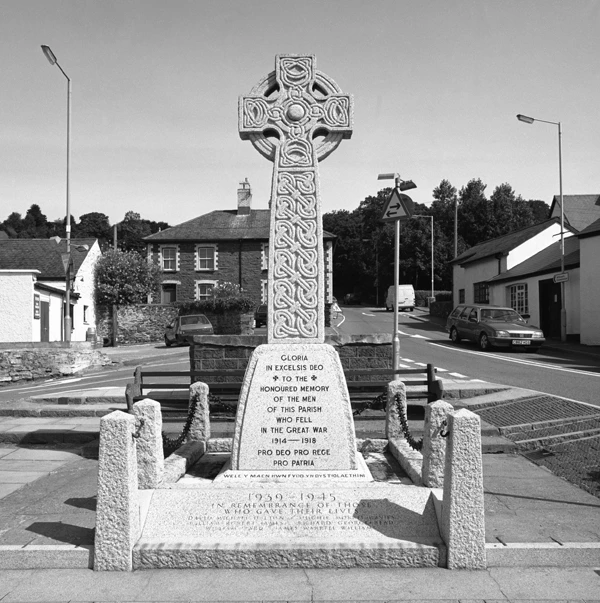
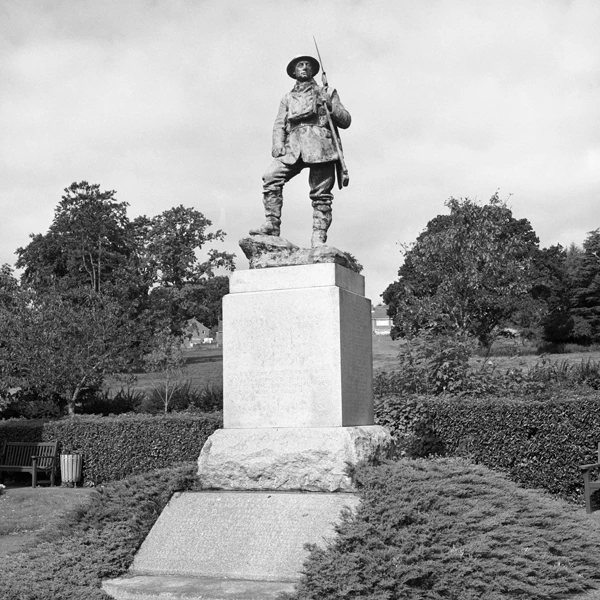
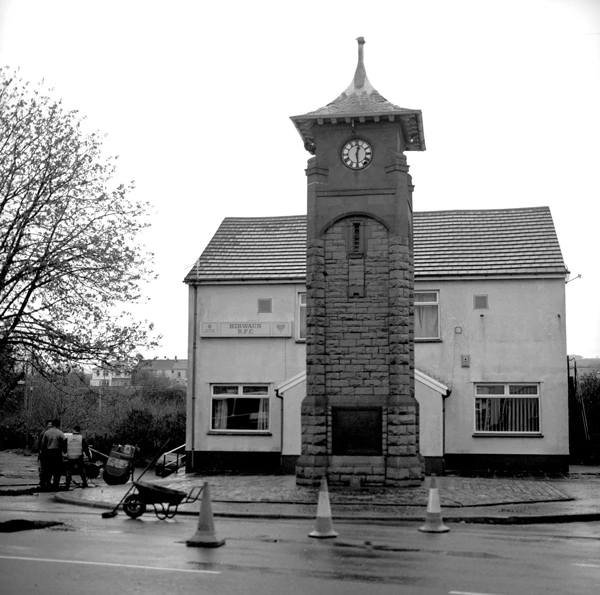
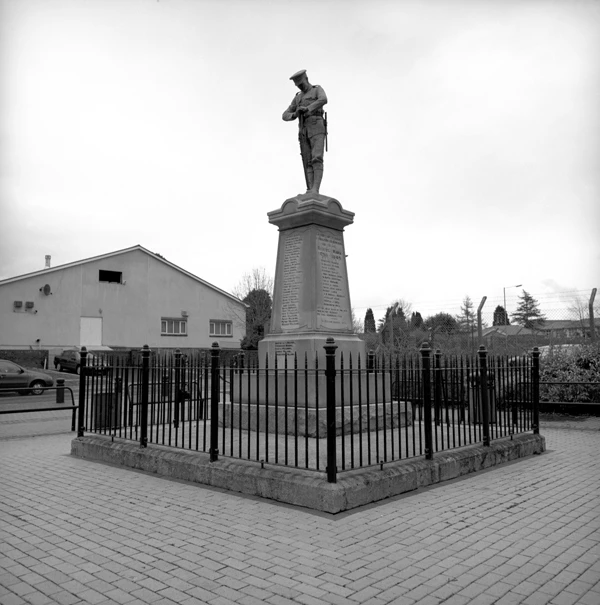
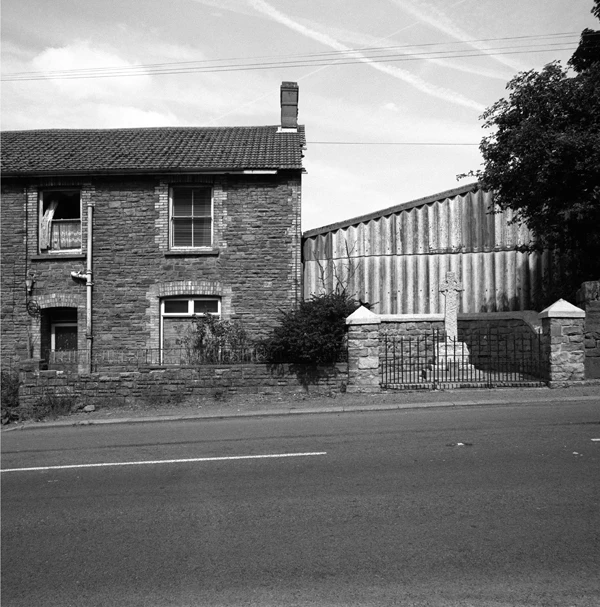
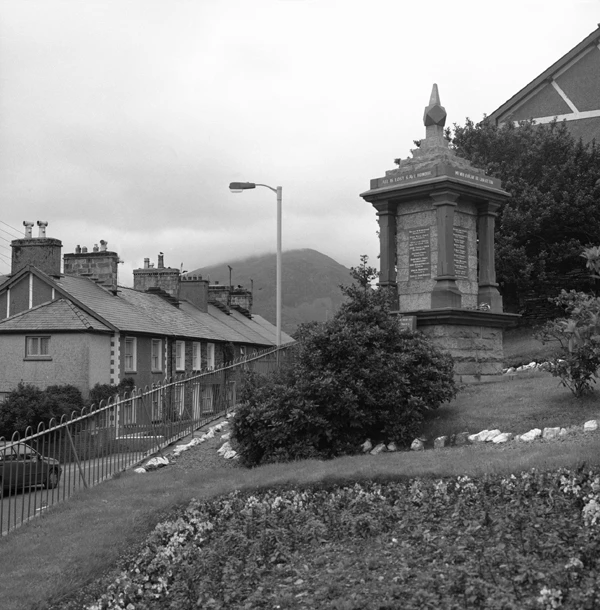
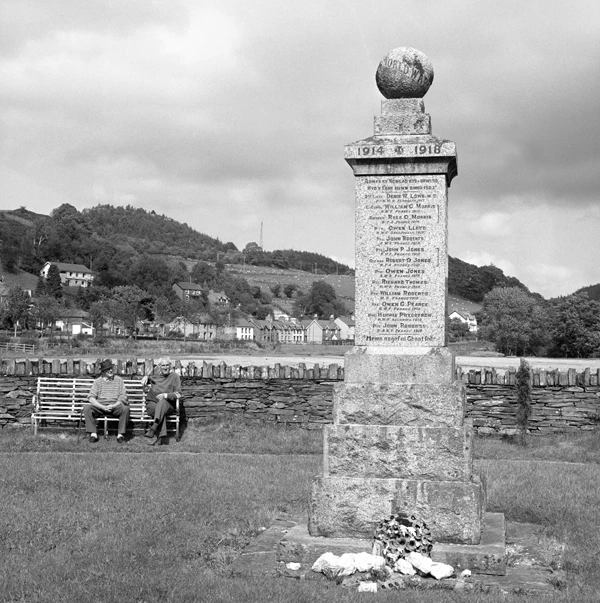
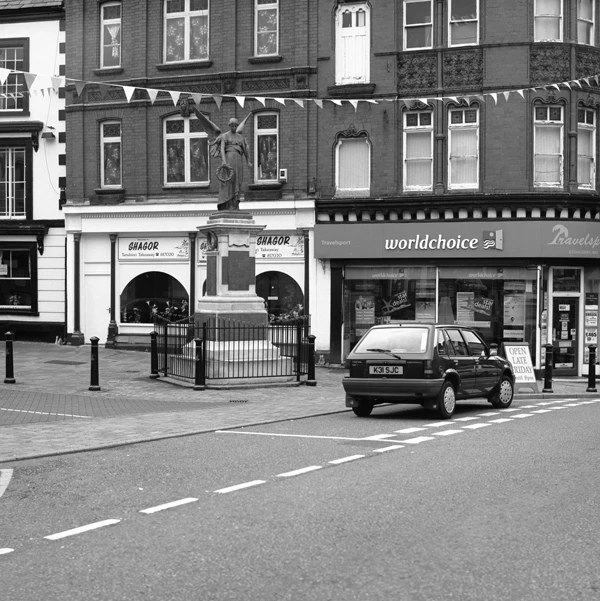
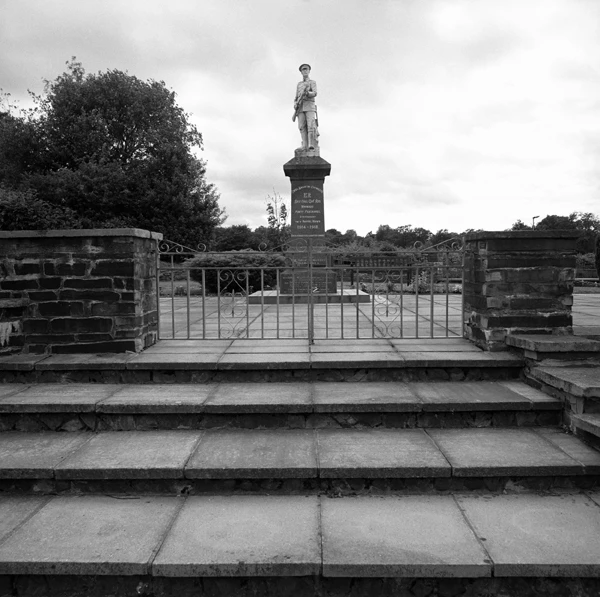
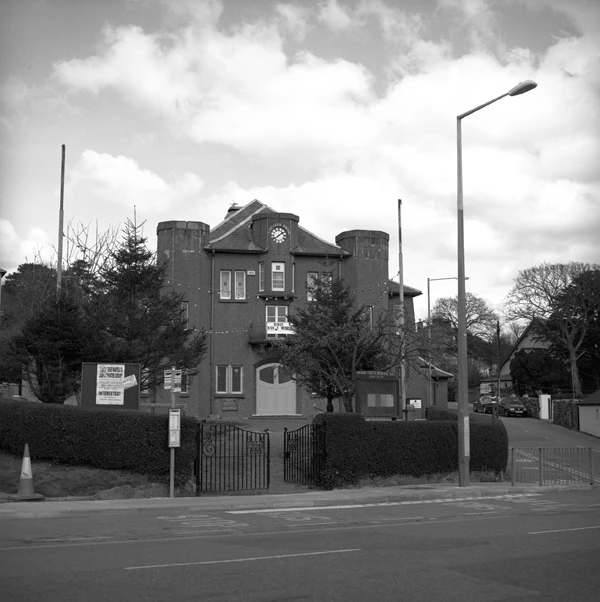
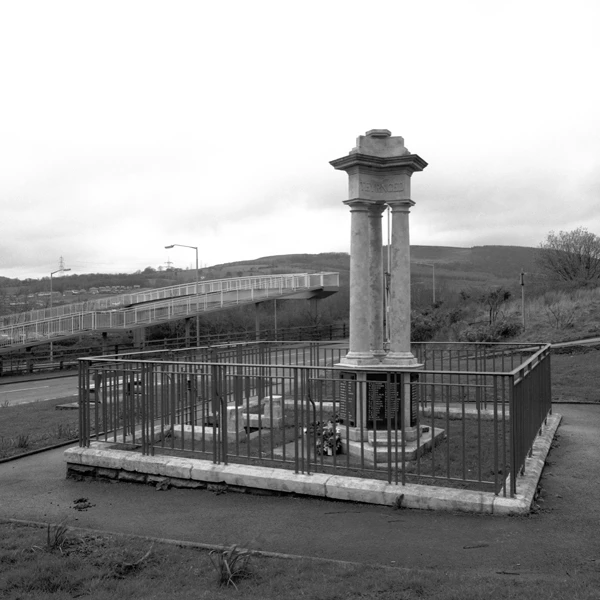
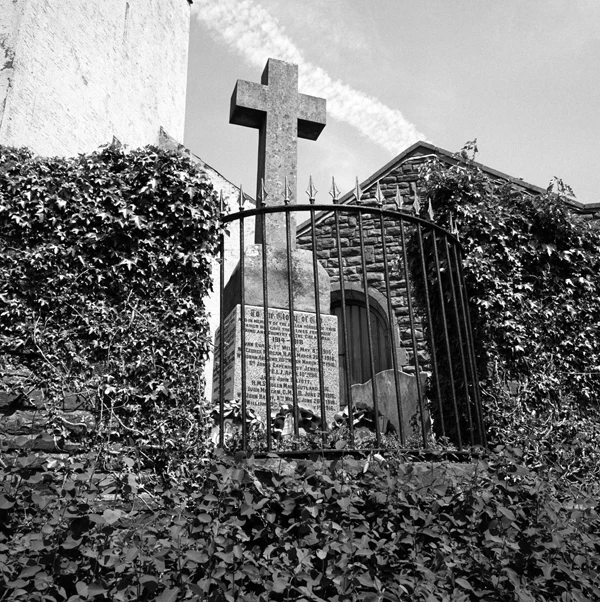
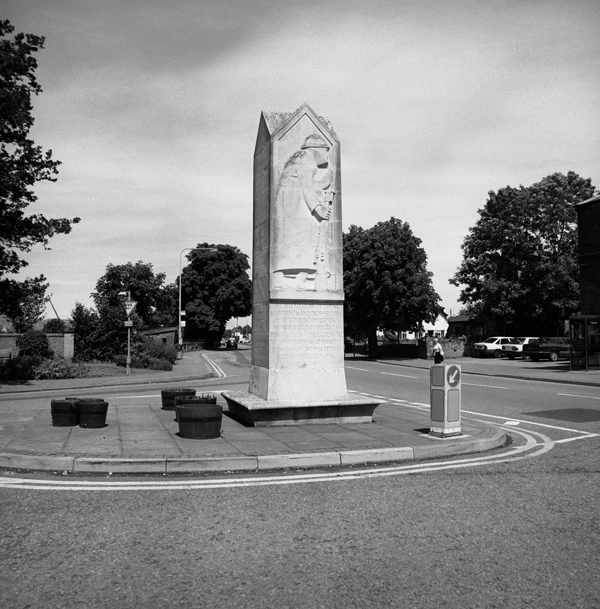
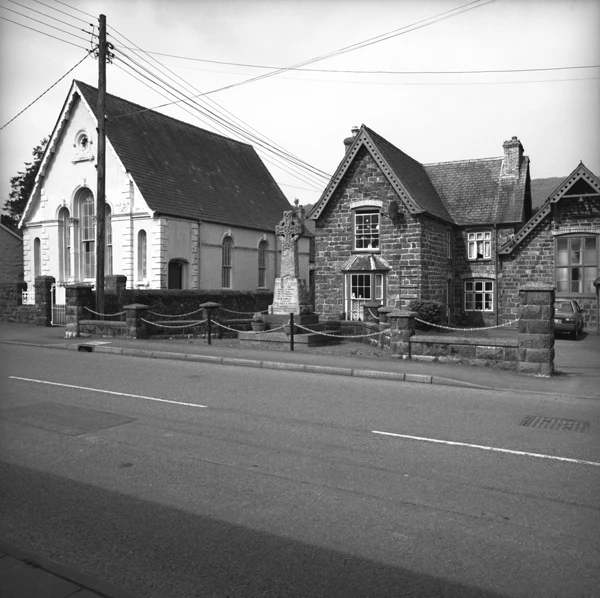
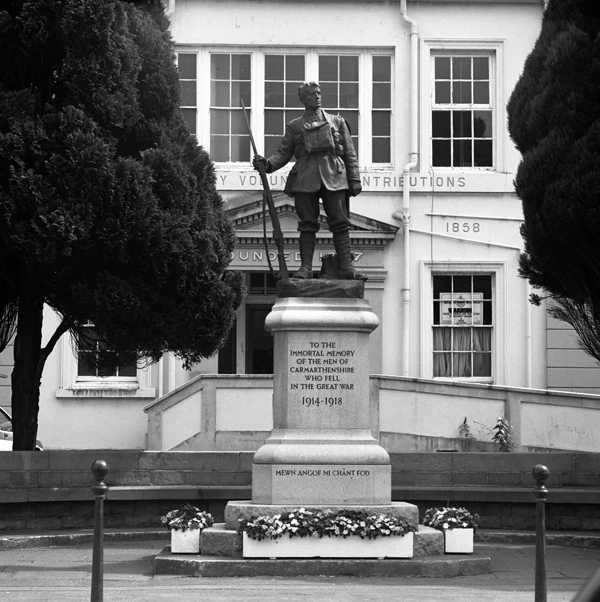
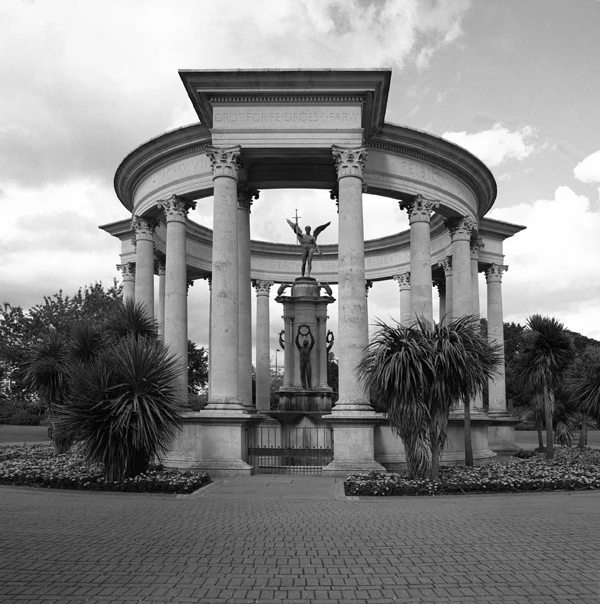
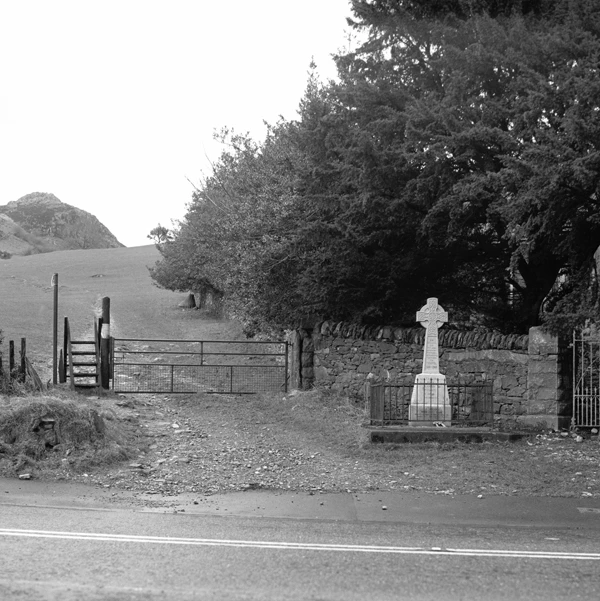
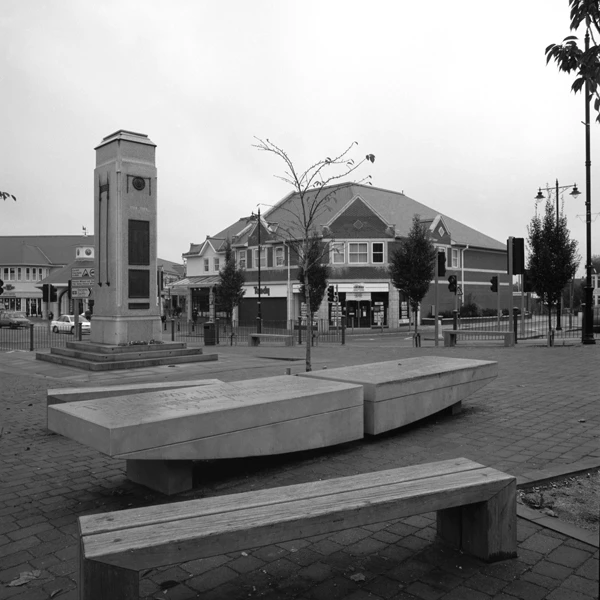
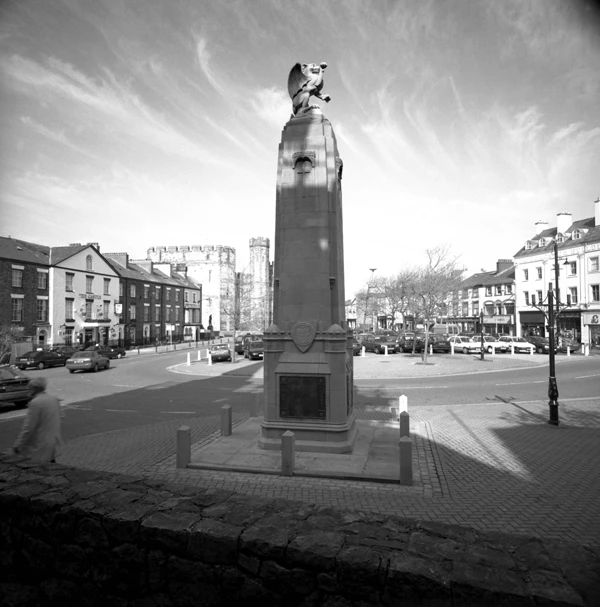
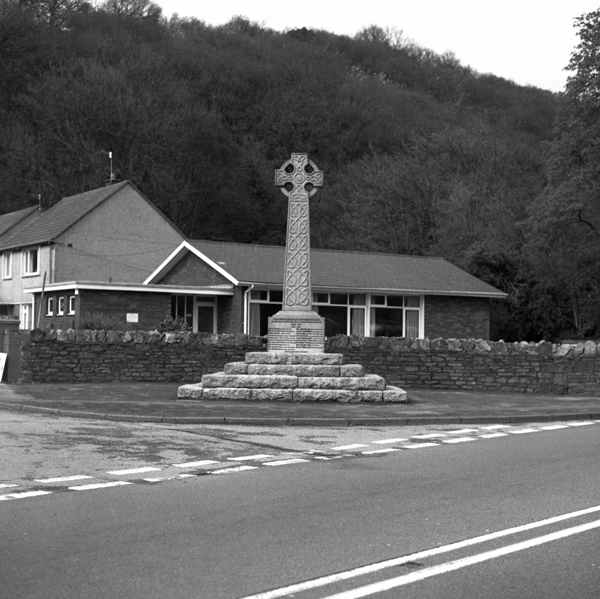
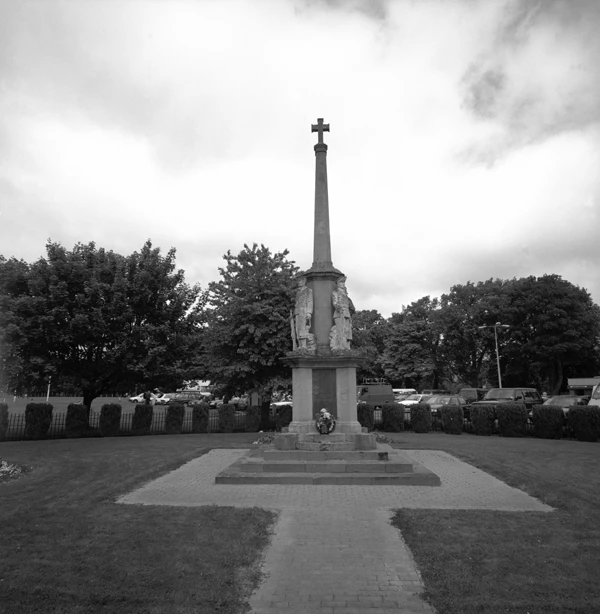
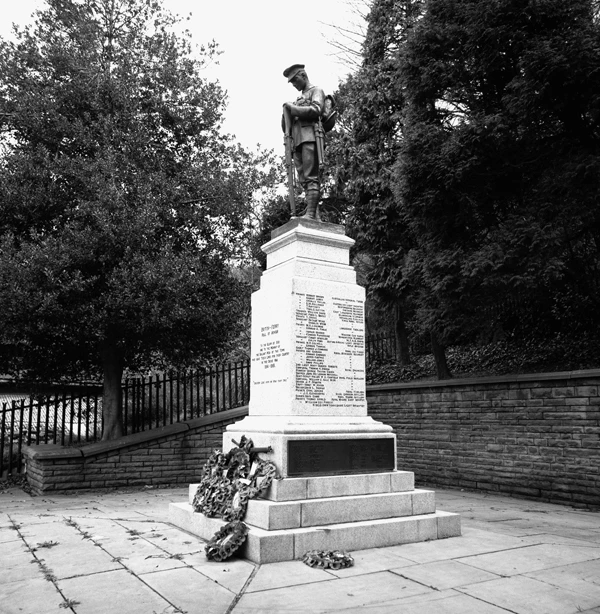
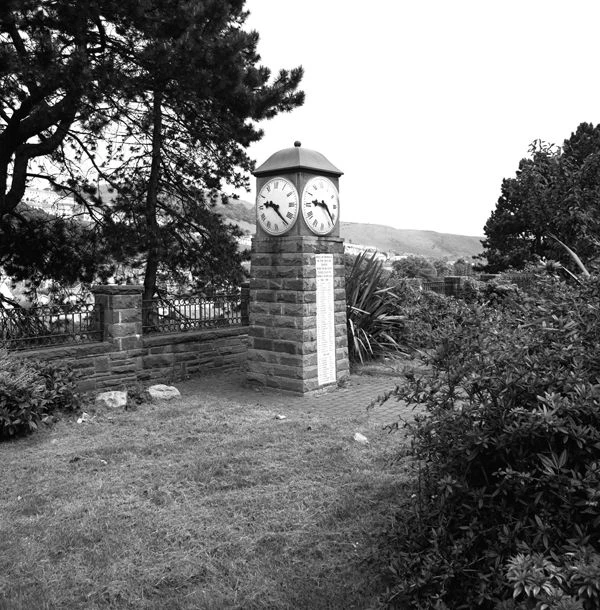
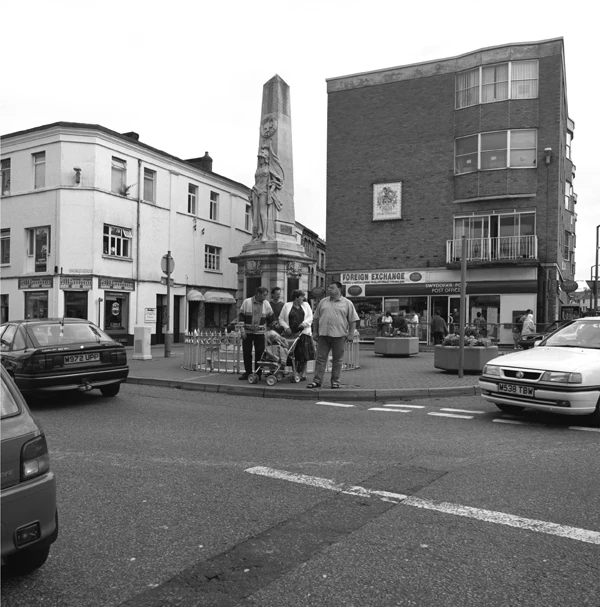
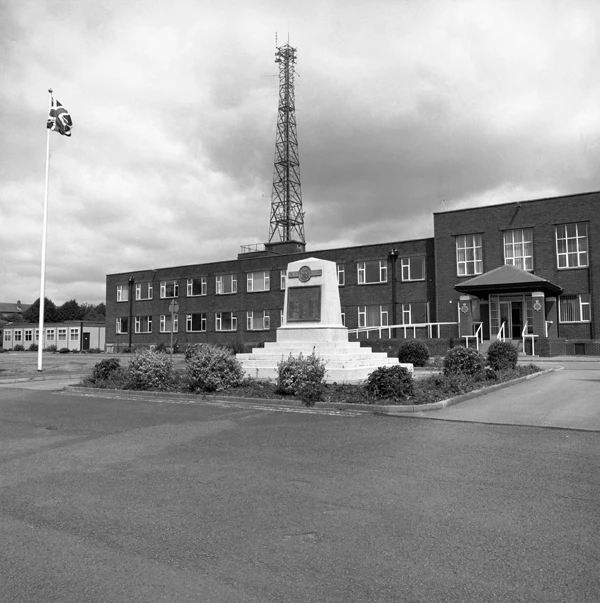
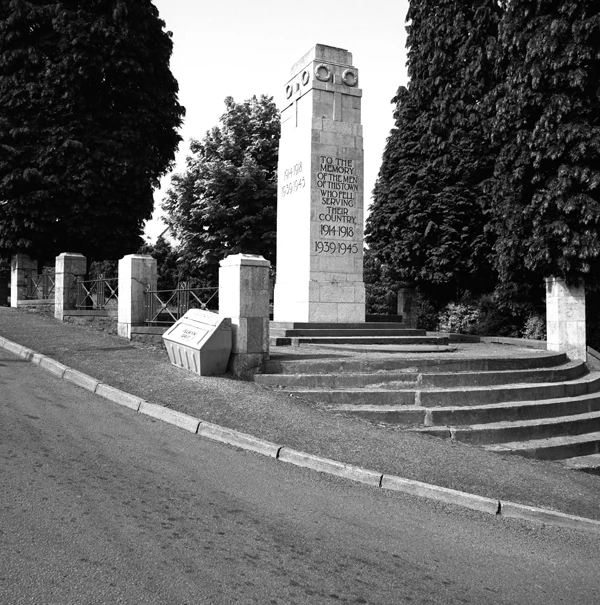
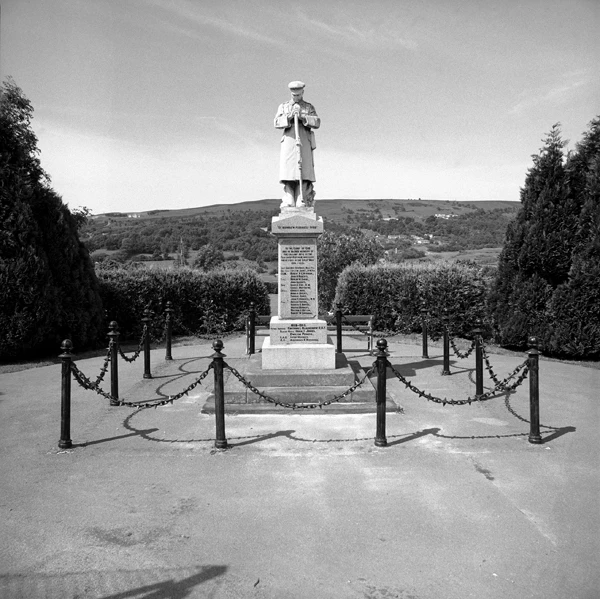
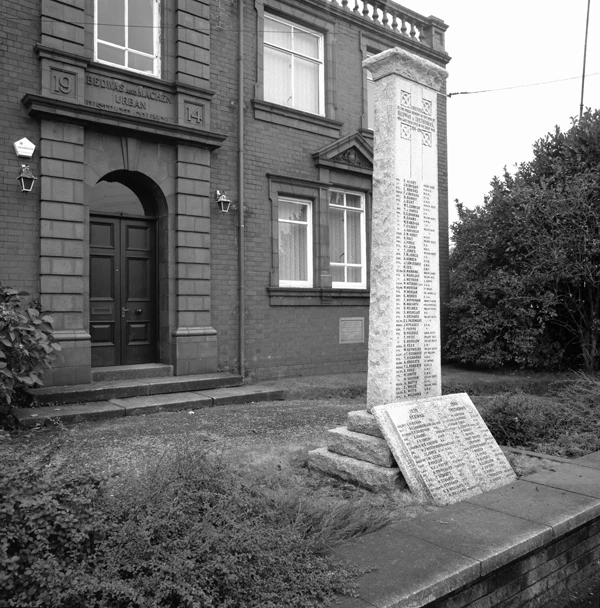
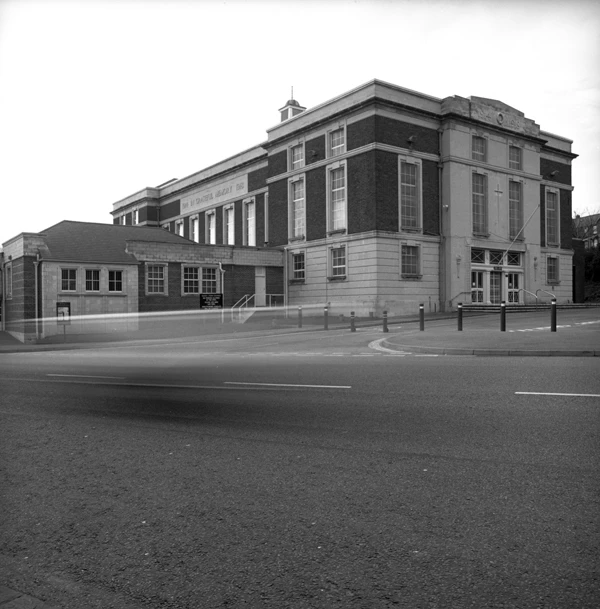
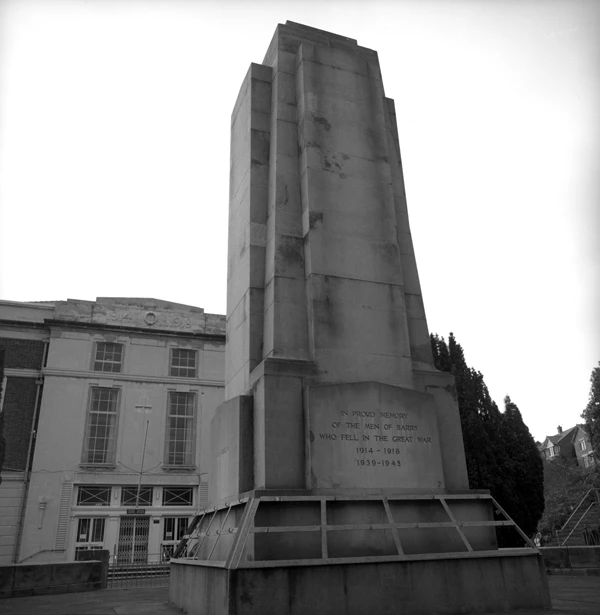
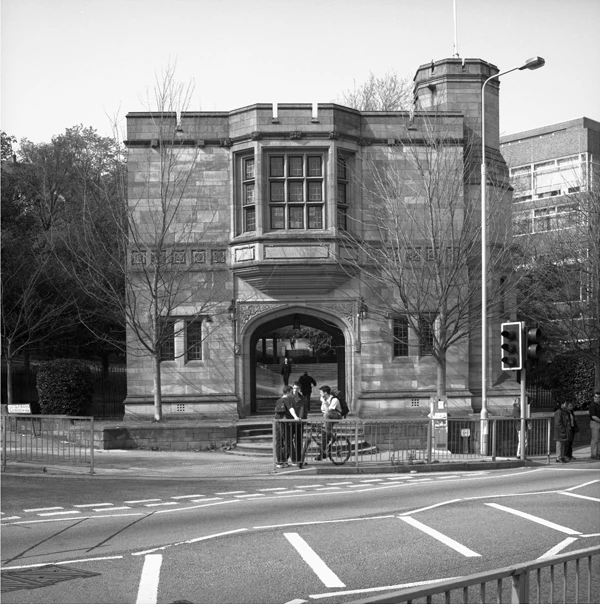
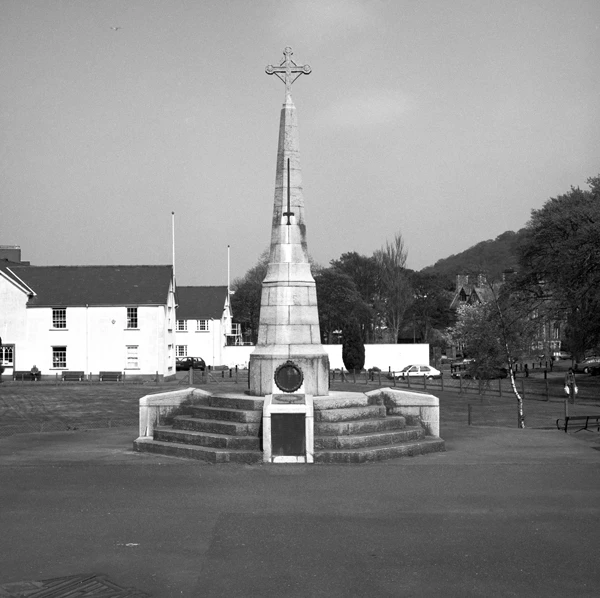
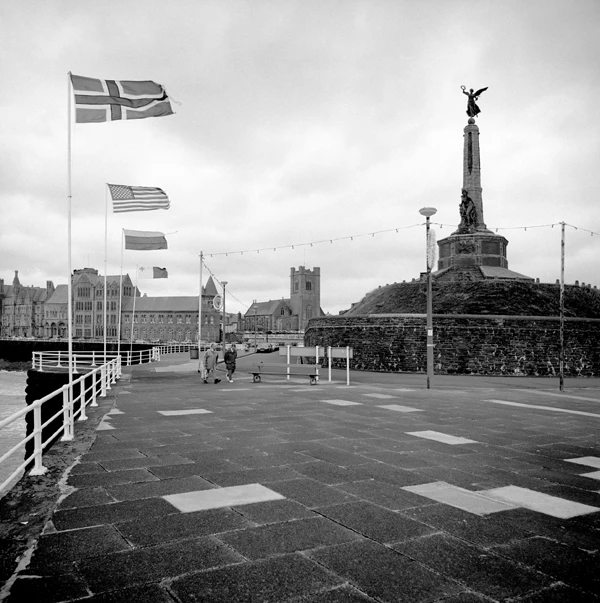
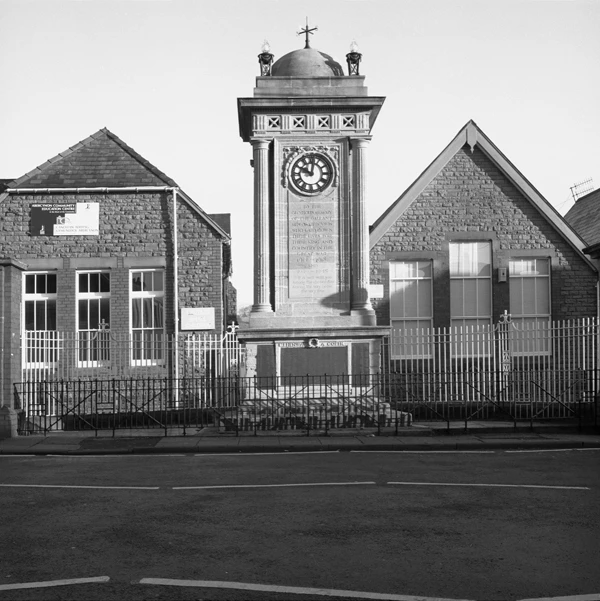
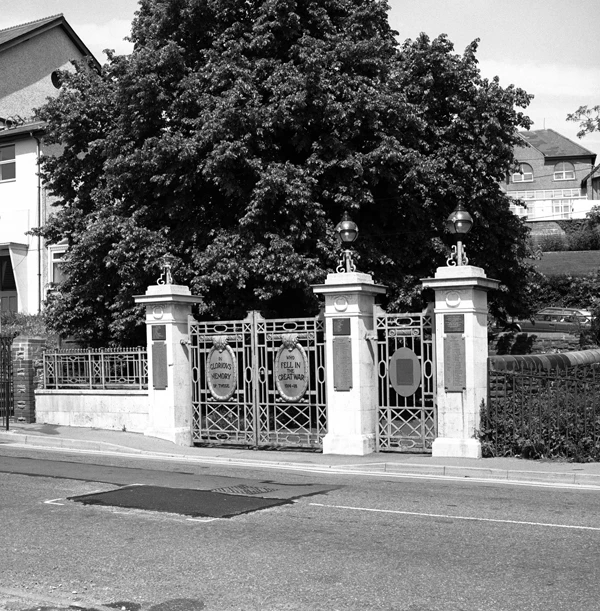
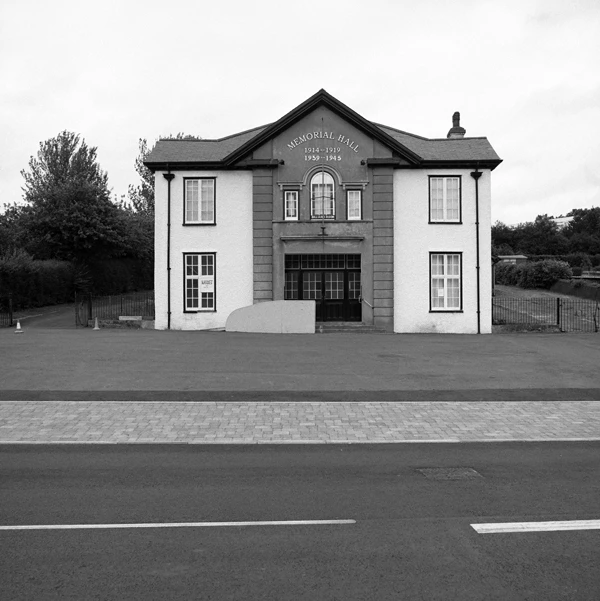
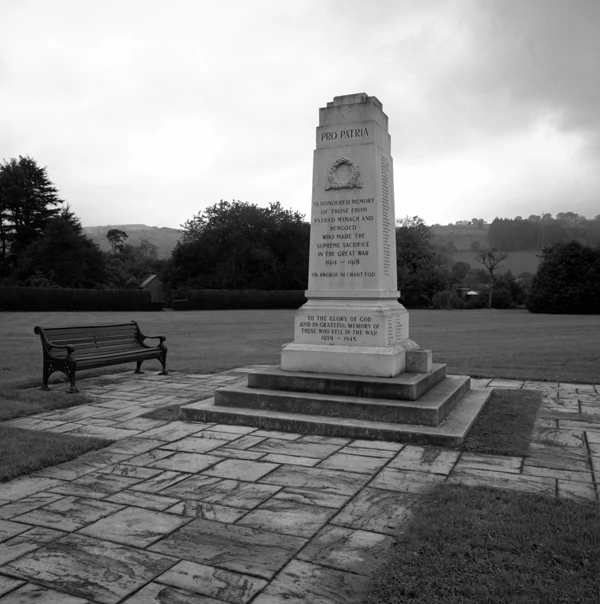
Aftermath: remembering the Great War in Wales 10 November 2011 Of the 700,000 British servicemen who lost their lives in the First World War, 35,000 are listed in the Welsh Book of Remembrance. The decision taken in 1915 to ban the repatriation of bodies from the battlefield had far reaching consequences in the commemoration process. The many hundreds of local war memorials across Wales reflected the desire for an immediate and permanent reminder of the dead, as communities sought public acknowledgement for their loss. Inscriptions on memorials invoke ideals of honour, sacrifice and loyalty, and are often expressed in Welsh and English, or as at Swansea, in Latin. The Second World War prompted a new ear of commemoration. A selection of different designs of war memorial built throughout Wales is shown in the following image gallery. War Memorials Ystrad Mynach UKNIWM Ref: 6803 Whitchurch, Cardiff [UKNIWM Ref: 6724] Troed-y-rhiw [UKNIWM ref: 6799] Swansea [UKNIWM ref: 6627] Seven Sisters [UKNIWM ref: 6853] Senghenydd [UKNIWM ref: 6791] St Athan [UKNIWM ref: 17704]. See also: War memorials trust Ruthin [UKNIWM ref: 7050] Prestatyn [UKNIWM ref: 7157] Pontlotyn [UKNIWM ref: 6786] Pontardawe [UKNIWM ref: 6622] Penrhiw-ceiber [UKNIWM ref: 6782] Pendoylan [UKNIWM ref: 37258] Penarth [UKNIWM ref: 6703] Oakley Slate Quarries [UKNIWM ref: 51556] Newport [UKNIWM ref: 2044] Newport Athletic Club [UKNIWM ref: 3687] Nantlle [UKNIWM ref: 17391] Mountain Ash [UKNIWM ref: 6777] Miskin [UKNIWM ref: 6776] Merthyr Vale [UKNIWM ref: 2116] Merthyr Tydfil [UKNIWM ref: 2009] Llanrhystud [UKNIWM ref: 17476] Llanharan [UKNIWM ref: 6764] Llanbradach [UKNIWM ref: 6763] Llanbadarn Fawr [UKNIWM ref: 6920] Lampeter [UKNIWM ref: 6813] Hirwaun [UKNIWM ref: 6761] Gwauncaegurwen [UKNIWM ref: 6856] Fochriw Blaenau Ffestiniog Dolwyddelan [UKNIWM ref: 17366] Dolaucothi Denbigh Cwmann Criccieth [UKNIWM ref: 24475] Cilfynydd [UKNIWM ref: 6756] Church Village [UKNIWM ref: 17692] Chirk [UKNIWM ref: 17780] Cemmaes Carmarthen [UKNIWM ref: 6809] Welsh National War Memorial, Cardiff [UKNIWM ref: 6640] Capel Curig [UKNIWM ref: 24488] Caerphilly [UKNIWM ref: 6746] Caernarfon [UKNIWM ref: 6831] Cadoxton-juxta-Neath Builth Wells [UKNIWM ref: 6837] Briton Ferry [UKNIWM ref: 6609] Tirphil [UKNIWM ref: 6792] Bridgend [UKNIWM ref: 6738] Bridgend Police War Memorial [UKNIWM ref: 6739] Blackwood [UKNIWM ref: 3671] Bersham [UKNIWM ref: 17812] Bedwas [UKNIWM ref: 6737] Barry [UKNIWM ref: 6633] Barry [UKNIWM ref: 17700] Bangor War Memorial Gatehouse Bangor War Memorial Aberystwyth [UKNIWM ref: 6913] Abercynon [UKNIWM ref: 6727] Aberbargoed [UKNIWM ref: 6726] Aberaeron [UKNIWM ref: 17467]
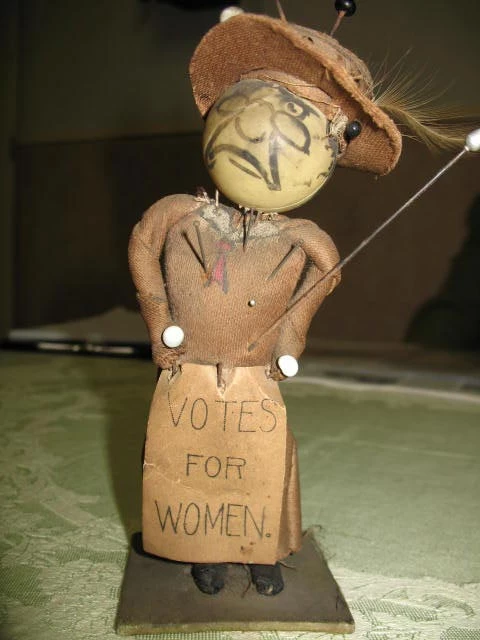
Revolting women Andrew Deathe, 23 May 2011 The battle for the right to vote This anti-suffragette 'voodoo' doll is an unflattering and grotesque caricature of a suffrage campaigner. The anti-suffrage movement used images such as this in cartoons and posters to ridicule and insult women who wanted the right to vote. Like many people around the world, women in Britain had to fight for the right to vote. Today we take this privilege for granted but it was not always the case. During the late 19th and early 20th centuries the women's suffrage movement fought for the right for women to vote in General Elections. These mainly female campaigners were known as Suffragettes or Suffragists. There have been many books written about them. What has received less attention however is the existence of an anti-suffrage movement, which sought to prevent women from getting the vote. Objectors to votes for women tried to convince people that the female mind was unable to understand politics. When they failed in this they resorted to tactics such as sending this 'voodoo doll'. Some of them went as far as attacking or spitting on women activists in the streets. The doll is an unflattering and grotesque caricature of a suffrage campaigner. The anti-suffrage movement used images such as this in cartoons and posters. They ridiculed and insulted women who wanted the right to vote. These views were an extension of the idea that 'a woman's place is in the home'. Women were frequently shown as needing protection from the 'man's world' of work and politics. Their role was to look after their husbands, homes and children. During the First World War the role of women in society changed. While men were away fighting, women took on many of their jobs. They were able to disprove the stereotype of being the weaker sex and prove their equality to men. This gave them another strong argument for having the vote. Despite the strength of opposition shown in this doll, hundreds of thousands of women in Wales were eventually empowered to express their political views at the ballot box. It is due to the commitment of the suffrage movement that every British adult has the right to use their vote in elections. View this item in 3D on the People's Collection Wales
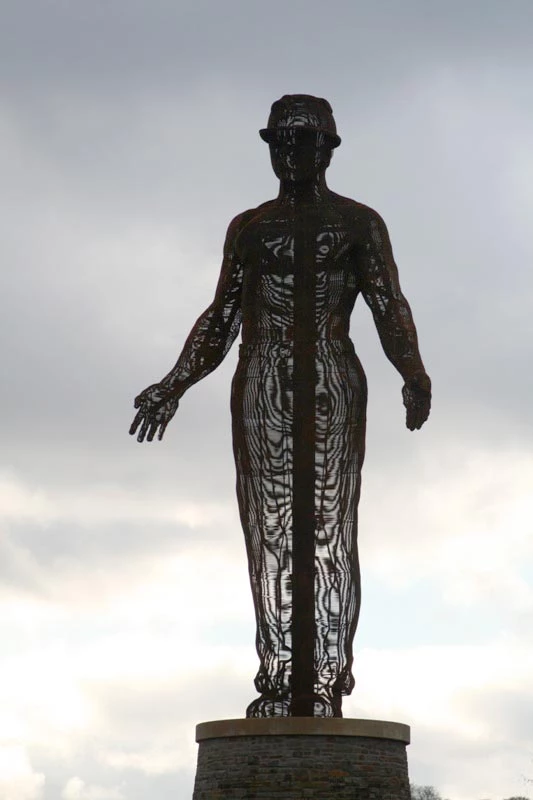
The Guardian of the Valleys 20 May 2011 Six Bells Disaster In the summer of 1960, the community of Six Bells near Abertillery, south Wales witnessed a disaster that would haunt them for the rest of their lives. On June 28th an underground explosion at 'Arrael Griffin' colliery led to the deaths of 45 miners, all local men - fathers, sons, husbands, brothers. Fifty years later, to the day, after tireless work by the community and local organisations, a steel sculpture by Sebastien Boyesen, over 60ft high, was dedicated to those who died. The name of each man who perished is engraved on its plinth. It was not possible to attach the outstretched arms for the opening ceremony due to safety concerns, but the statue was complete by the 28th July. Guardian of the Valleys This short film, by Alun Jones and Ian Smith, records the commemorative event and the dedication of the 'Guardian of the Valleys' who now stands proud, in memory of not just the Six Bells miners, but miners everywhere.
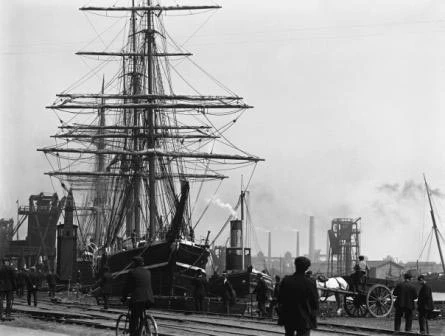
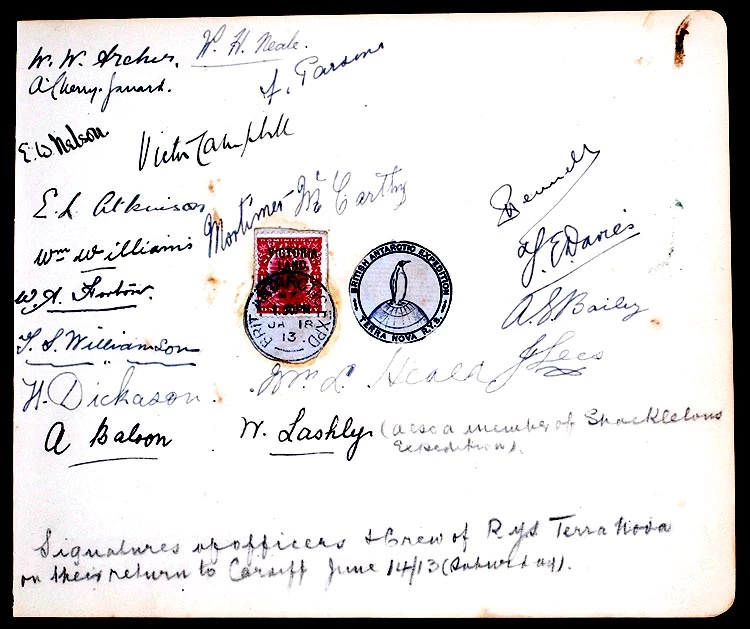
Autographs from Captain Scott’s 1910 Antarctic Expedition. 12 November 2010 The Terra Nova loading in Bute East Dock, Cardiff, June 1910 Scott’s 1910-13 British Antarctic Expedition Scott’s 1910-13 British Antarctic Expedition captured the imagination of the British public, most especially when the expedition ship, the Terra Nova, returned to Cardiff from the South without Scott and four of his companions. The autographs of the expedition members were much sought after. In the collections of Amgueddfa Cymru there are three items, two dating from the start of the expedition and one from the end, together bearing the signatures of 27 of the officers, scientists and crew of Scott’s expedition. Amongst them are the signatures of Scott, Wilson, Bowers and Oates who died on the return march from the South Pole. Notably absent on the documents from the start of the expedition is the signature of Welshman Edgar Evans from Rhossili on Gower who was the first to die on the return from the South Pole; he was merely a Petty Officer. Sailing towards Antarctica, June 1910 Setting off from Cardiff Accompanying a photograph of the Terra Nova and the ship’s and other officers are the signatures of: E. L. Atkinson Surgeon Edward Leicester Atkinson, RN (1881-1929). Main Party Surgeon and parasitologist. Atkinson led the search party which found the bodies of Scott, Wilson and Bowers in November 1912. W. W. Archer W.W. Archer, RN (Retired). Chief Steward, Shore Party. G. Murray Levick Surgeon George Murray Levick, RN (1877-1956). Surgeon on the Northern Party of the expedition, surviving for seven months through the winter in an ice cave. He studied the Adélie Penguin colony at Cape Adare and later wrote a book on Antarctic penguins. L. E. G. Oates Captain Lawrence Edward Grace Oates (1880-1912), 6th Inniskilling Dragoons. Weakened by severely frostbitten feet, Oates died on the return march from the South Pole, on 16 March 1912 when he famously told his companions Scott, Wilson and Bowers, “I am just going outside and may be some time” as left the tent and crawled out into the blizzard. E. R. G. R. Evans Lieutenant Edward (Teddy) Ratcliffe Garth Russell Evans, RN (1881-1957). Second-in-Command. Evans was instrumental in garnering Welsh support and sponsorship for the expedition and took over command of the expedition after Scott died. R. Scott Captain Robert Falcon Scott, CVO, RN (1868-1912). Expedition Leader. Scott had led the 1901-04 Discovery Expedition and returned to lead the Terra Nova Expedition. He reached the South Pole on 16 January 1912 with Wilson, Bowers, Oates and Edgar Evans. All five died on the return journey. The Terra Nova Sails towards Antarctica Letter dated June 17th 1910, At Sea, from Teddy Evans to P. Lowry Rusden of The Mercantile Pontoon Co Ltd, Roath Dock, Cardiff on British Antarctic Expedition headed paper: "... We had a fine breeze early yesterday & have been sailing over 8 knots ever since. I don’t think any of us will forget Cardiff. Sailing towards Antarctica, June 1910 Signatures of Edward R. G. R. Evans Lieutenant Edward (Teddy) Ratcliffe Garth Russell Evans, RN (1881-1957). Second-in-Command. With Welsh support and sponsorship, Evans had been planning his own Antarctic expedition when he heard about Scott’s plans. He later had a distinguished naval career and was created Lord Mountevens in 1946. D. G. Lillie Dennis G. Lillie MA. Ship’s Party Biologist Victor Campbell Lieutenant Victor Lindsey Arbuthnot Campbell, RN (1875-1956). Leader of the Northern Party, initially based at Cape Adare in Victoria Land. The six men of the Northern party were later stranded farther south along the coast and survived seven months of winter in an ice cave with little food and only their summer clothing. Apsley Cherry-Garrard Apsley George Benet Cherry-Garrard BA (1886-1959). Assistant Zoologist. Cherry-Garrard paid £1000 to join the Expedition. With Wilson and Bowers he made a winter journey to collect Emperor Penguin eggs which he later described in his book, The worst journey in the world. He was a member of the search party which found the bodies of Scott, Wilson and Bowers in November 1912. H. Rennick Lieutenant Henry E. de P. Rennick, RN. First Officer on the Terra Nova. E. W. Nelson Edward W Nelson (1883-1923). Biologist, Shore Party. Edward A. Wilson Dr Edward Adrian Wilson (1872-1912). Chief Scientist and Zoologist, Shore Party. Wilson had been with Scott on the 1901-4 Discovery Expedition. A skilled and talented artist and zoologist, Wilson was a close friend of Scott. He died with Scott and Bowers in their tent on the Ross Ice Shelf on their return from the South Pole in March 1912. E. L. Atkinson Surgeon Edward Leicester Atkinson, RN (1881-1929). Main Party Surgeon and parasitologist. Atkinson led the search party which found the bodies of Scott, Wilson and Bowers in November 1912. H. R. Bowers Lieutenant Henry Robertson Bowers, Royal Indian Marines (1883-1912). Scott put Bowers in charge of stores. He was a member of the final Polar Party and died with Scott and Wilson in their tent on the Ross Ice Shelf in March 1912 on the return march from the South Pole. The Return to Cardiff, 1913 The Return to Cardiff Signatures of officers and crew of RYS Terra Nova on their return to Cardiff June 14/13 (Saturday). New Zealand One Penny stamp, overprinted “Victoria Land” and franked “British Antarctic Expedition Ja 18 [19]13”. The signatures on this sheet are of interest because although they include four of the officers and scientists, the signatures are mostly those of the lower ranks, indicating that all of the crew were regarded as celebrities upon the expedition’s return. W. W. Archer W Archer, RN (Retired). Chief Steward, Shore Party. A. Cherry-Garrard Apsley Cherry-Garrard Assistant Zoologist. E. W. Nelson Edward W Nelson. Biologist. E. L. Atkinson Surgeon Edward L Atkinson RN. Main Party Surgeon and parasitologist. Wm W. Williams C.E.R.A. 2nd Class William W. Williams, RN. Chief Engineer, Ship’s Party. W. A. Horton E.R.A. 3rd Class William A. Horton, RN. Second Engineer, Ship’s Party. T. S. Williamson Petty Officer 1st Class Thomas S. Williamson, RN. Shore Party. He had served with Scott on the 1901-4 Discovery Expedition. He was a member of the search party which found the bodies of Scott, Wilson and Bowers in November 1912. H. Dickason Able Seaman Harry Dickason, RN. Northern Party. A. Balson Leading Seaman Albert Balson, R.N. Ship’s Party. W. H. Neale Steward W.H. Neale. Ship’s Party. F. Parsons Petty Officer 1st Class Frederick Parsons, RN. Ship’s Party. Victor Campbell Lieutenant Victor Lindsey Arbuthnot Campbell, RN (1875-1956). Leader of the Northern Party. Mortimer McCarthy Able Seaman Mortimer McCarthy. Ship’s Party. Wm L. Heald Petty Officer 1st Class William L. Heald, RN (Retired). Ship’s Party. He had served with Scott on the 1901-4 Discovery Expedition. W. Lashly Chief Stoker William Lashly, RN (1867-1940). Shore Party. He served with Scott on the 1901-4 Discovery Expedition. He was a member of the search party which found the bodies of Scott, Wilson and Bowers in November 1912. After the First World War, Lashly settled in Cardiff, working as a customs officer until 1932 when he retired to Hampshire. H. Pennell Lieutenant Harry Lewin Lee Pennell, RN (1882-1916). Ship’s Party, Navigator. F. E. Davies Leading Shipwright Francis E.C. Davies, RN. Carpenter, Ship’s Party. A. S. Bailey Petty Officer 2nd Class Arthur S. Bailey, RN. Ship’s Party J. Lees Able Seaman Joseph Lees, RN. Ship’s Party.
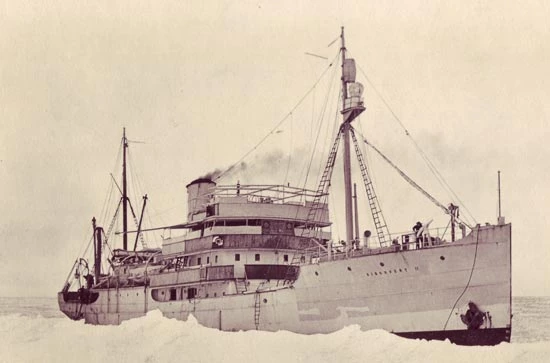
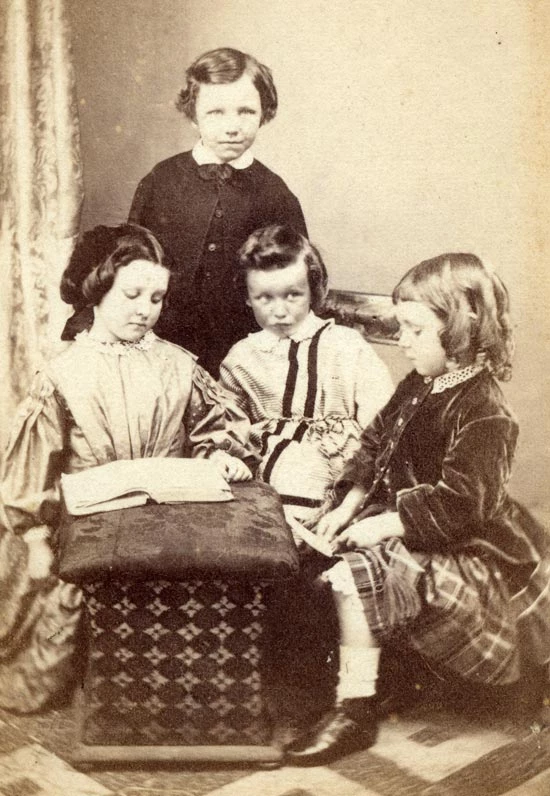
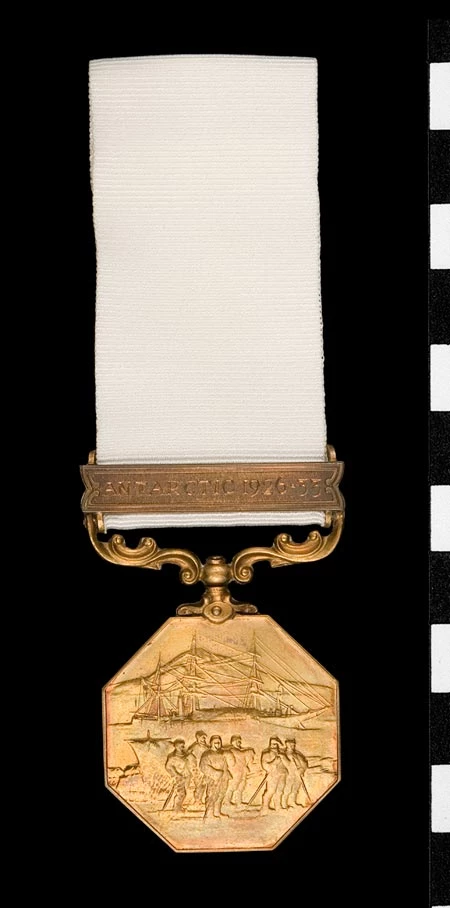
The Welsh in Antarctica 29 October 2010 Royal Research Ship Discovery II in loose pack ice, Bouvet Island, Southern Ocean, 1926. One of the most poignant Welsh stories from Scott's 1910-13 British Antarctic Expedition is that of Petty Officer Edgar Evans from Rhossili in Gower, one of the team of five who made it to the South Pole with Scott himself. Evans was the first to die on the return march from the South Pole. Here we explore other Welsh links with Antarctica — a geologist from St Fagans, and the Antarctic work of a zoologist from St Brides Major who later became Director of the National Museum. Edgeworth David (standing), aged about 7, with his sister Ethel (left) and two brothers (Edmund and Arthur), photographed in Cardiff in about 1865. Sir Tannat William Edgeworth David (1858-1934) by Norman Carter. © Estate of Norman Carter. Dilwyn John's Polar Medal. A Welsh Geologist at the South Magnetic Pole The geologist T.W. Edgeworth David was born in 1858 in St Fagans where his father was rector. He studied glacial deposits in south Wales before moving to Australia in 1882 to join the Geological Survey of New South Wales. In 1891 he was appointed Professor of Geology at the University of Sydney. He became one of Australia's most famous scientists. David joined Ernest Shackleton's Nimrod expedition in 1907. In March 1908, aged 50, he led the first ascent of Mount Erebus, an active volcano on Ross Island. With Douglas Mawson and Alistair Mackay, in January 1909, he was the first to reach the region of the South Magnetic Pole. His journey of 2,028 kilometres took 122 days and is one of the longest unsupported man-hauled sledging journeys ever undertaken. He persuaded the Australian government to contribute towards Scott's 1910 expedition and helped him appoint geologists from among his students. He was awarded the Polar Medal in 1910 and an honorary degree by the University of Wales in 1921. Dilwyn John and the Discovery Investigations Scott's first Antarctic ship, Discovery, returned to the continent in 1925 in the first of a series of scientific research cruises in the Southern Ocean to study the biology of the Southern Ocean and the effects of commercial whaling on the whale populations. This research, known as the Discovery Investigations, continued until 1951. David Dilwyn John (1901-95), from St Bride's Major in Glamorgan, was a zoologist who participated in three of these cruises between 1925 and 1935. The first, on Discovery, between 1925 and 1927, worked in the seas around South Georgia and the Antarctic Peninsula. He then spent two years on RRS William Scoresby on a whale marking expedition around South Georgia. In 1931-33, he was Chief Scientist on Discovery II on the first winter circumnavigation of Antarctica. In 1935 John joined the staff of the British Museum (Natural History) as Assistant Keeper of Zoology. He left in 1948 to become Director of the National Museum of Wales, a post he held until 1968. He was awarded the Polar Medal in 1941. Dilwyn John on his retirement as Director of the National Museum of Wales in 1968. Dilwyn John (on right) on John Peaks (415 metres), named after him on Powell Island, South Orkney Islands, 1933.