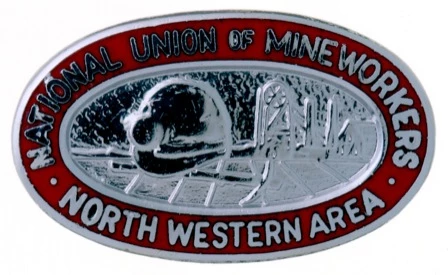
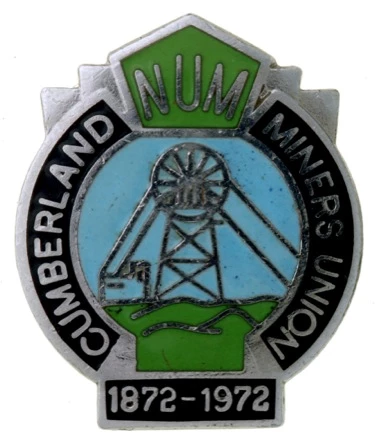
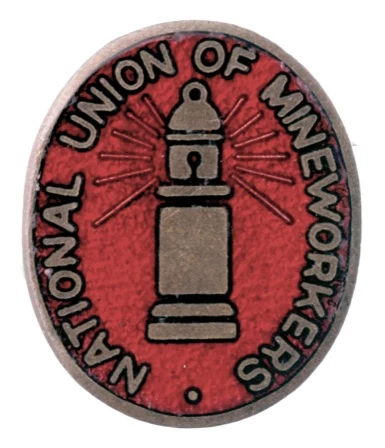
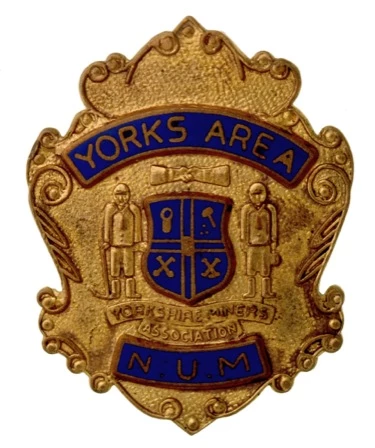
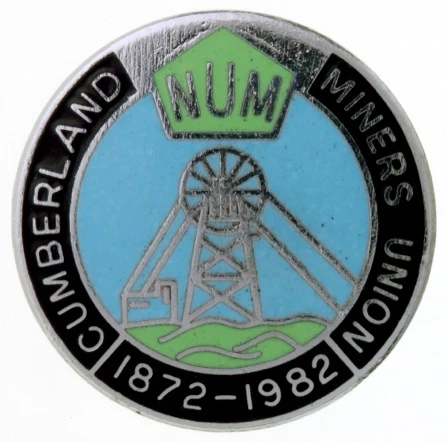
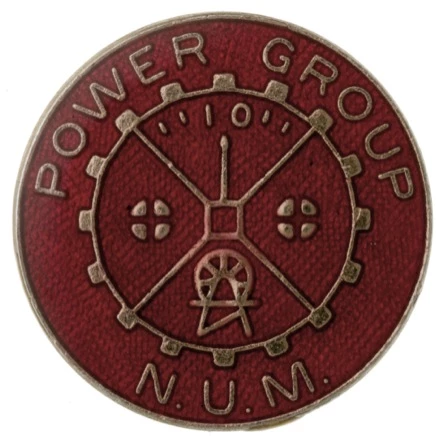
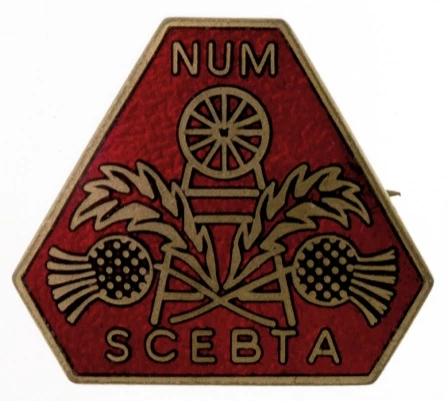
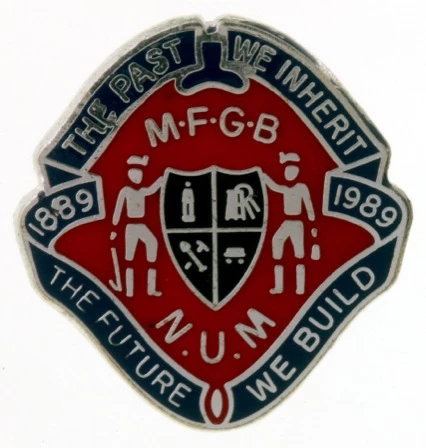
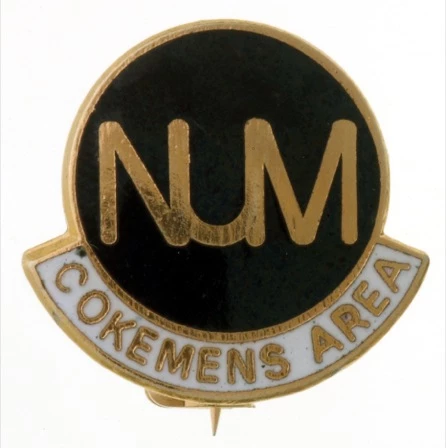
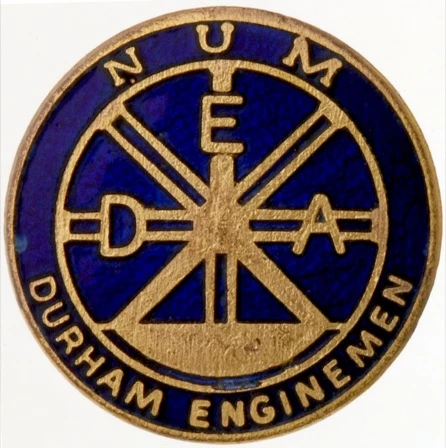
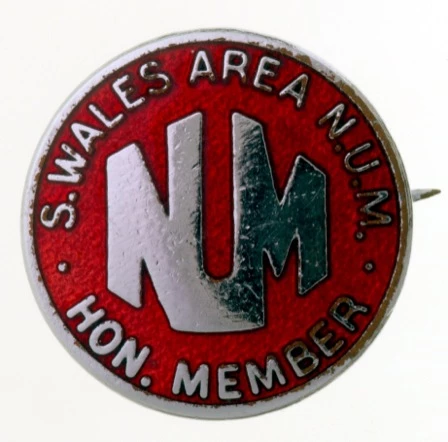
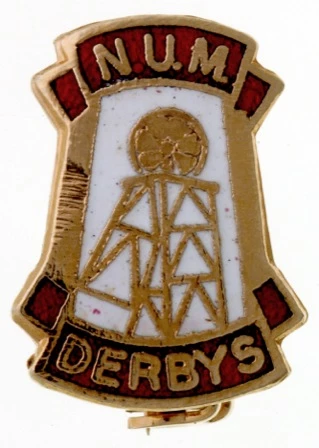
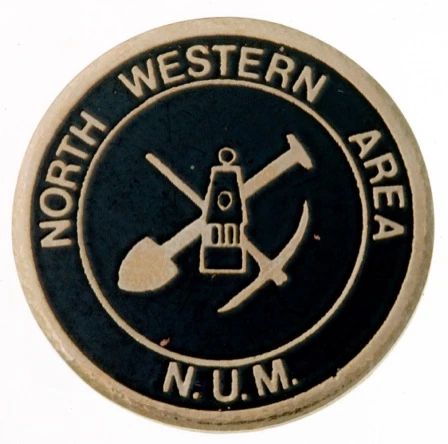
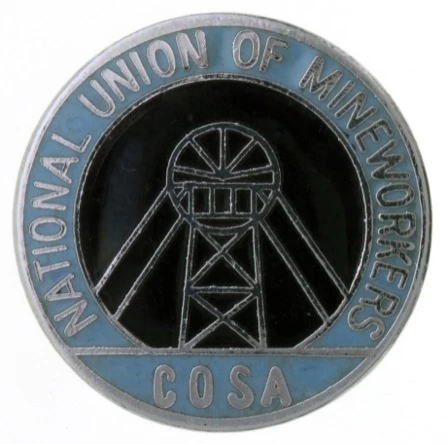
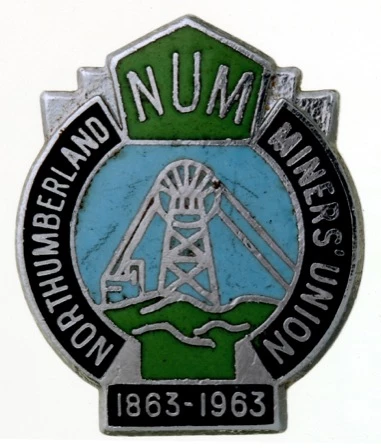
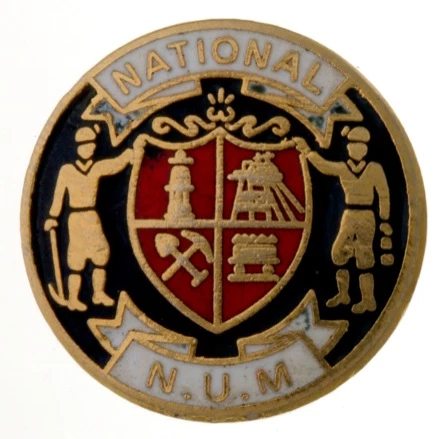
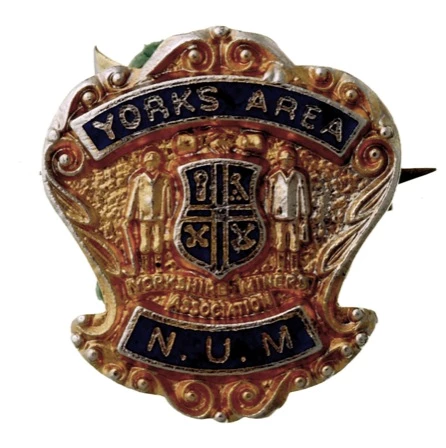
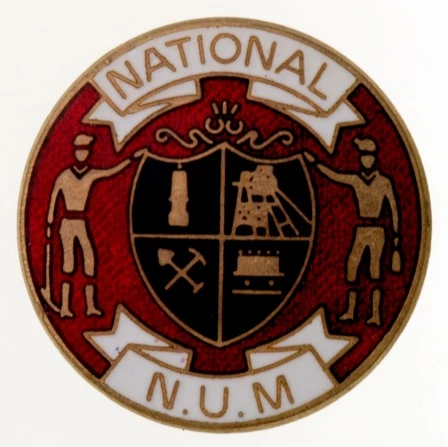
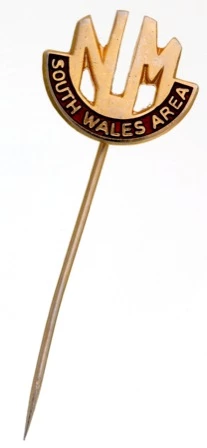
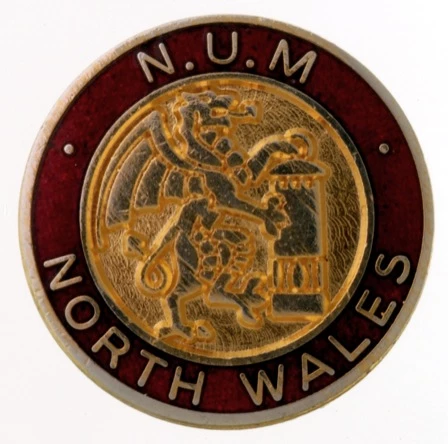
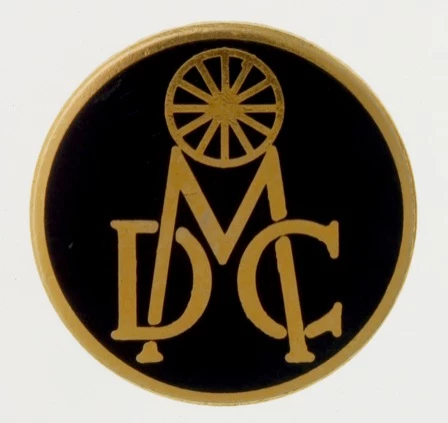
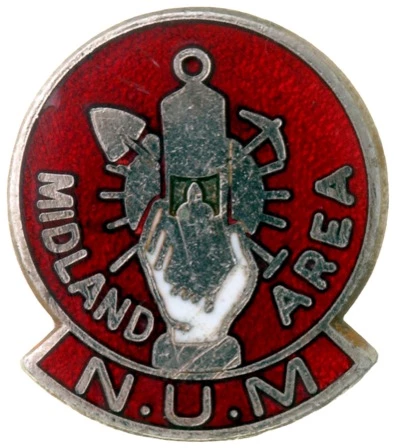
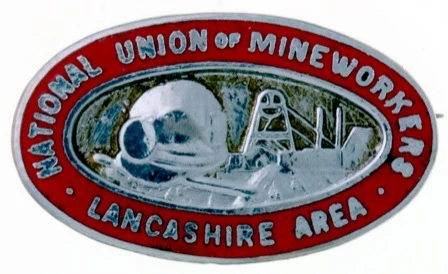
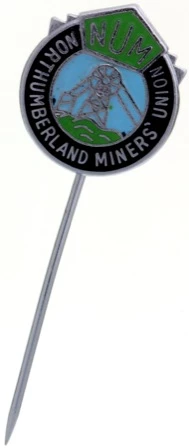
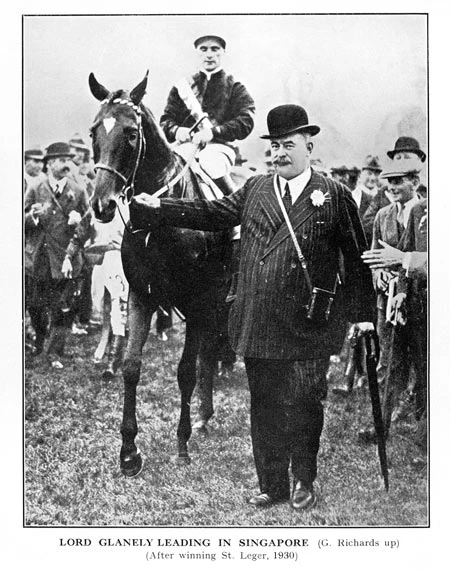
Coal Miners' Union Badges 2 July 2012 Badges are an important way of showing a person's allegiance to a particular cause or interest. They can also commemorate a particular event. There are many examples of badges connected to the coal industry. These badges were usually produced during industrial disputes or following mining disasters and were often sold to raise funds. The greatest number of badges were produced during and after the 1984-85 miners' strike. They came in various shapes and colours but usually gave the name of the National Union of Mineworkers (N.U.M.) Lodge or area, as well as a particular symbol. This could be an icon of the mining industry such as a lamp, headgear, crossed pick and shovel; or an example of working class symbolism such as clasped hands, broken chains and the scales of justice. In addition, badges produced in Wales often include a red dragon or a leek. The Industry Department of Amgueddfa Cymru - National Museum Wales has collected several hundred examples of these badges. Some are on display at Big Pit National Coal Museum and examples can be seen on our Images of Industry collections database. If you would like further information, you may be interested to read 'Enamel Badges of the National Union of Mineworkers' by Brian Witts (2008). Click on the thumbnail below for a selection of Badges from our Images of Industry collections database. Coal Miners' Badges Fattorini The Scottish Area National Union of Mineworkers (1984-1985) Fattorini National Union of Mineworkers North Western Area (1984-1985) Manufacturer unknown N.U.M. Cumberland Miners' Union (1972) Fattorini National Union of Mineworkers (1984-1985) Manufacturer unknown N.U.M. Yorks Area (1984-1985) Manufacturer unknown N.U.M. Cumberland Miners' Union (1982) Manufacturer unknown Power Group N.U.M. (1984-1985) Fattorini N.U.M. S.C.E.B.T.A. (1984-1985) Parry, F.C. M.F.G.B. N.U.M. (1984-1985) Manufacturer unknown N.U.M. Cokemens Area (1984-1985) Manufacturer unknown N.U.M. Durham Enginemen (1984-1985) Manufacturer unknown N.U.M. South Wales Area Hon. Member (1984-1985) Manufacturer unknown N.U.M. Derbys (1984-1985) Manufacturer unknown North Western Area N.U.M. (1984-1985) Manufacturer unknown National Union of Mineworkers C.O.S.A. (1984-1985) Manufacturer unknown N.U.M. Northumberland Miners' Union (1963) Manufacturer unknown National N.U.M. (1984-1985) Manufacturer unknown N.U.M. Yorks Area (1984-1985) Manufacturer unknown National N.U.M. (1984-1985) Manufacturer unknown N.U.M. South Wales Area (1984-1985) Manufacturer unknown N.U.M. North Wales (1984-1985) Fattorini Durham Colliery Mechanics (1984-1985) Manufacturer unknown N.U.M. Midland Area (1984-1985) Manufacturer unknown National Union of Mineworkers Lancashire Area (1984-1985) Fattorini N.U.M. Northumberland Miners' Union (1984-1985)
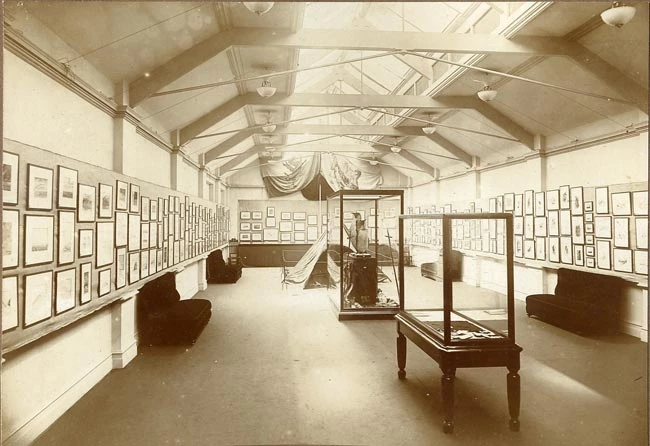
Captain Scott’s Welsh Flag Elen Phillips, 1 March 2012 The Terra Nova leaving Cardiff on 15 June 1910. The Welsh flag flies from the mizzen mast, while the White Ensign flies from the mizzen gaff. On the foremast is the flag of the City of Cardiff. The Welsh flag made by Howell & Co and presented to Captain Scott's Antarctic Expedition. Full-page advertisement for James Howell & Co - featured in a guide to the National Pageant of Wales, 1909. Published by the Great Western Railway Co. The textile collection of Amgueddfa Cymru includes several Welsh flags. Most were originally hoisted above civic buildings; one has even flown in outer space! The oldest and largest example in the collection is associated with another daring mission — Captain Robert Falcon Scott’s 1910–13 British Antarctic Expedition.The flag in question was displayed at a departure dinner held for Captain Scott and his officers in Cardiff on 13 June 1910 and was flown on the Terra Nova as the ship sailed from Cardiff and when she returned in 1913.On St David’s Day 1911 and 1912, the flag was hoisted in Antarctica at Scott’s expedition base hut.Made from a coarse woollen fabric, with selvages at the top and bottom edges, the flag measures an impressive 3.45m x 1.83m. The dragon motif is a cut-out which has been machine stitched to the green and white ground fabric. Details — such as its claws, tongue and eyes — have been achieved using black and white paint.James Howell & Co. of CardiffWe do not know who stitched and painted the flag, but we do know that it was made by James Howell & Co in Cardiff, probably by its dressmaking department.During a lunch held for Lieutenant E. R. G. R. Evans of Scott’s expedition on 1 November 1909, Howell’s offered to make a large Welsh flag for him ‘to take to the South Pole’. Evans had given up plans for his own Welsh Antarctic Expedition and had joined Scott as second-in-command.Evans was particularly influential in drumming up publicity and donations to the expedition, largely through the editor of the Western Mail, Willie Davies — it was Davies’s wife who came up with the idea of presenting a Welsh flag to the expedition.Cardiff ‘one of the most enterprising cities in the Empire’The inhabitants of Cardiff, in particular, had embraced the British Antarctic Expedition like no other region. Having achieved city status in 1905, Cardiff’s civic leaders were on a re-branding mission. They wanted, in the words of the Town Clark, J. L. Wheatley, to promote Cardiff ‘as one of the most enterprising cities in the Empire’.Closely associating the city with Scott’s voyage to Antarctica — one of the last great frontiers — was indicative of this newfound civic confidence.James Howell was a prominent figure within Cardiff’s business community. His department store, James Howell & Co., established in 1865, was the largest of its kind in Wales. It is of no surprise that James Howell felt compelled to contribute in some way to Scott’s venture. He had a track-record of ‘sponsoring’ civic events in Cardiff. In early 1909, he supplied one of his buildings on Wharton Street free-of-charge to the National Pageant of Wales. Postcard issued to commemorate the National Pageant of Wales, 1909 The Marchioness of Bute as 'Dame Wales' at the National Pageant of Wales, July 1909. In the summer of 1914, the Museum held a temporary exhibition of Edward Wilson's Antarctic watercolours and sketches. Wilson was Chief Scientist on Scott's expedition and died with him on the return journey from the South Pole in 1912. The exhibition was held in the City Hall as the Museum building was still under construction at that time. The Welsh flag and the flag of the City of Cardiff, both flown on the Terra Nova were displayed on the wall at the back of the exhibition. The two penguins in the display case are still in the Museum's collections. National Pageant of WalesThe National Pageant was essentially the great and the good of high society re-enacted scenes from Wales’s heroic past. The Pageant organisers required 40,000 items of costume and a team of 800 ‘lady workers’ were drafted in to help. For six months, the ladies set up camp in Wharton Street. As a Pageant sponsor, Howell would have also supplied professional dressmakers from his own workforce. Indeed, the iconic ‘Dame Wales’ dress worn in the Pageant’s opening scene on 26 July 1909 is remarkably similar in execution to the Terra Nova flag.Both the dress and the flag have similar, naïvely designed, appliquéd Welsh dragon motifs. Made probably only months apart in workrooms associated with James Howell & Co., could they have been stitched by the same hands?The Welsh Dragon of the 1890sThe dragon on the Terra Nova flag is noticeably different from that on today’s flag. It is more upright, a dragon segreant, rather than a dragon passant. This style of dragon was common during the 1890s and early 1900s. It can be seen, in various guises, on eisteddfod bardic chairs from this period, as well as on a host of other national insignia. The dressmakers of Howell’s probably adapted the Terra Nova dragon from such sources.Standardising the Welsh FlagIn 1910, the National Eisteddfod of Wales wrote to the Museum asking for advice on the design of the dragon: ‘We are anxious to have as near as possible the true form of the device’. A curator replied: ‘I regret to say that we have no authentic specimen of the animal in the National Museum’. The letter was handed to Mr Thomas Henry Thomas, a recognized authority on these matters, who had for many years attempted to standardise the Welsh dragon. His sketches and papers are now deposited at the Museum.The flag gets cut up for souvenirsWhen the Terra Nova returned to Cardiff in June 1913, with this Welsh flag flying from the mainmast, the Western Mail noted that it was ‘considerably smaller than when first hoisted three years ago. While the Terra Nova was berthed at Lyttleton, in New Zealand, the representatives of the Welsh societies at that port were allowed to cut away portions of the flag and to keep them as mementoes of the expedition’.At a dinner held in the Royal Hotel on 16 June 1913 to mark the expedition’s return to Cardiff, Teddy Evans announced that the flag was to be given to the National Museum of Wales. However, following the festivities there seems to have been some confusion as to what Evans had done with the flag. He thought he had given it to the Lord Mayor, but in fact it was found in the Royal Hotel some four months later!
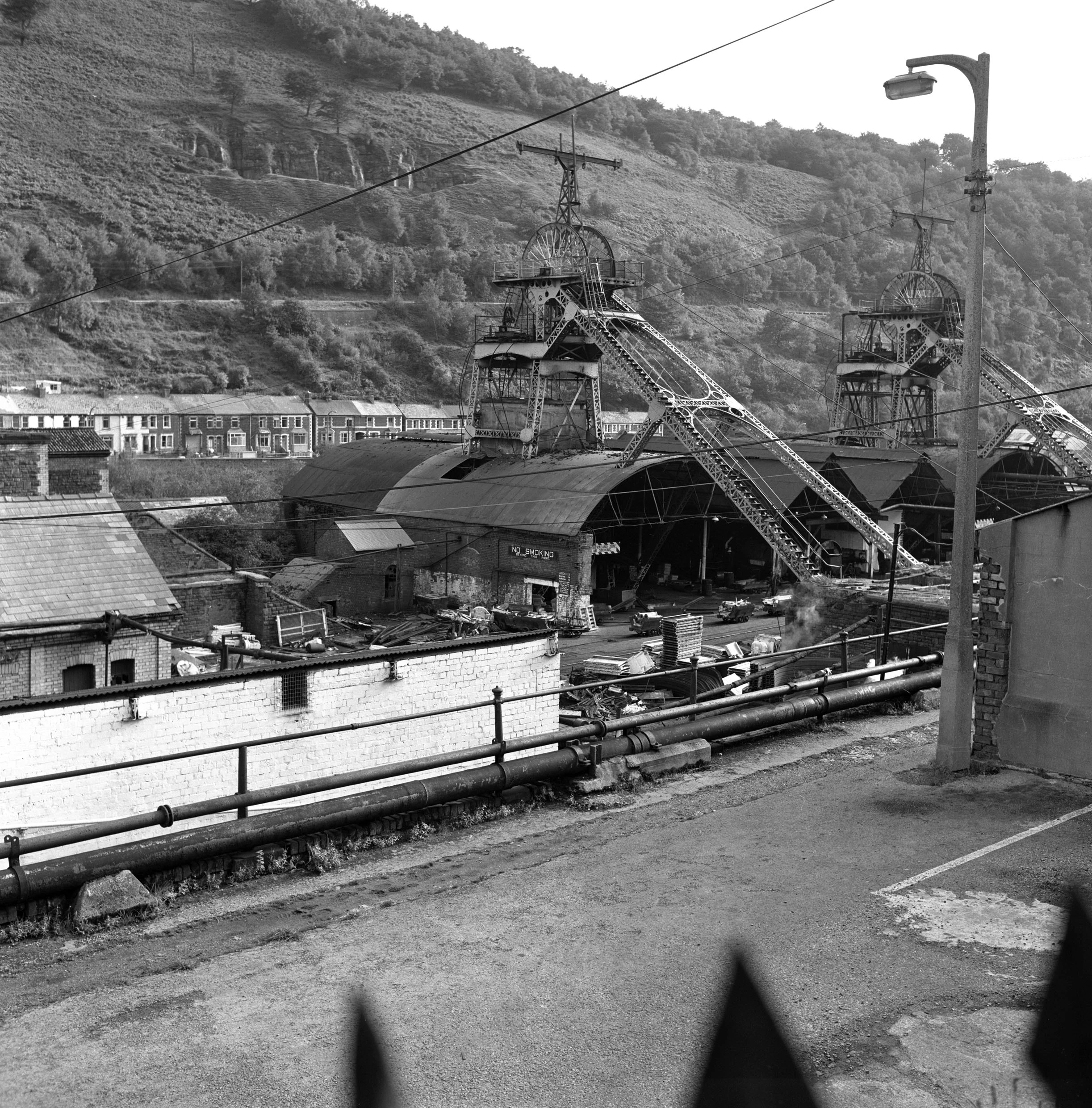
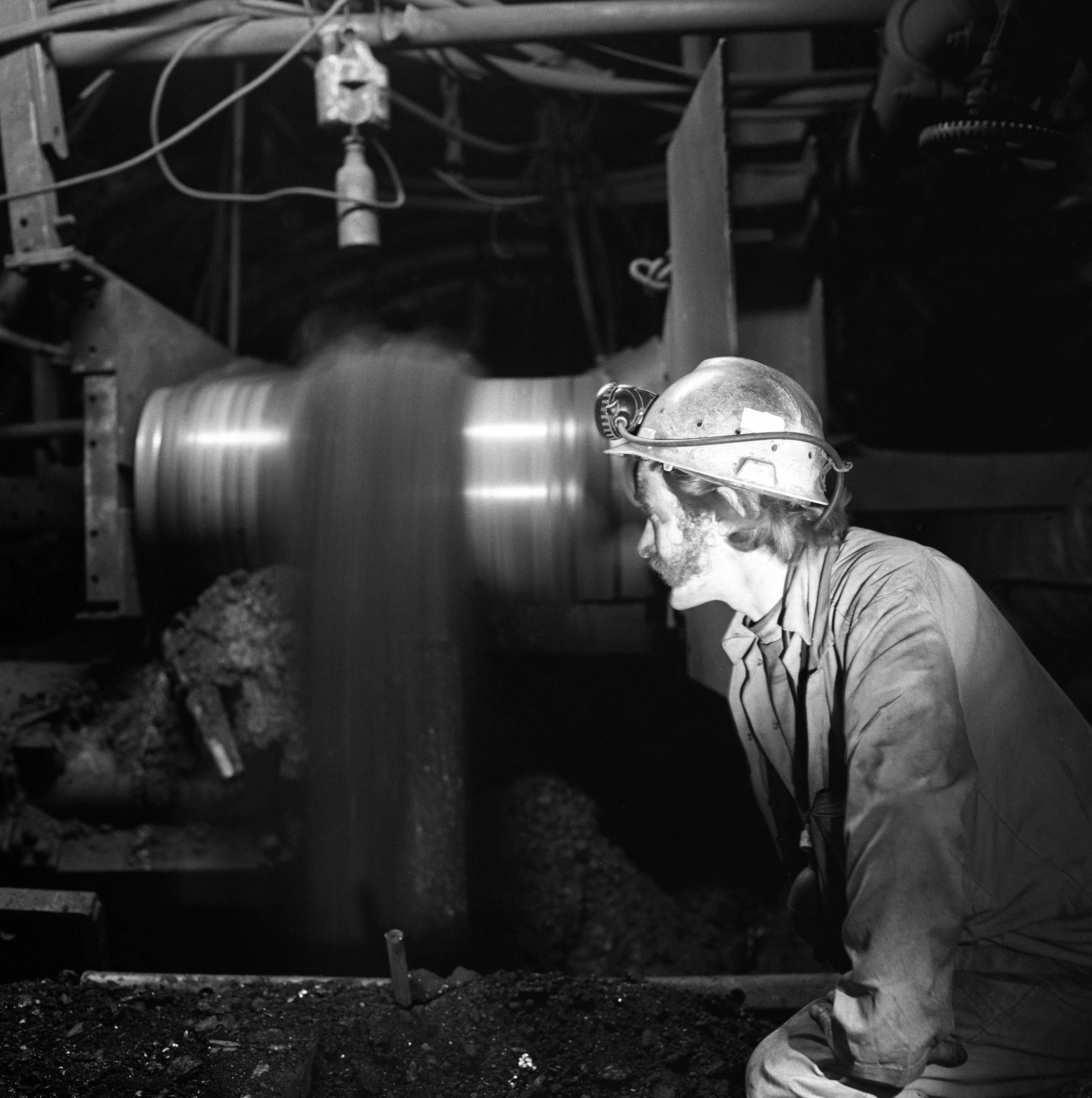
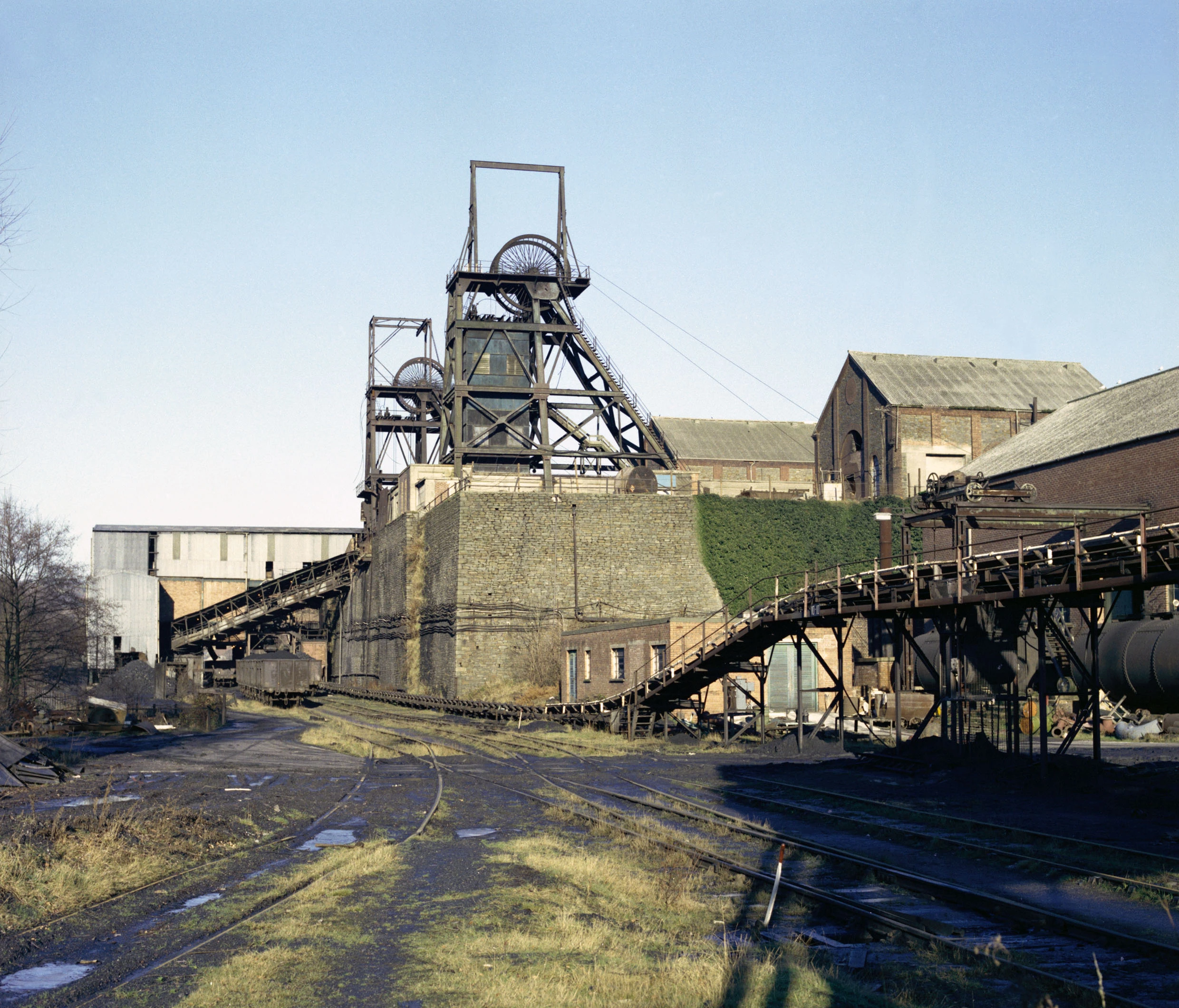
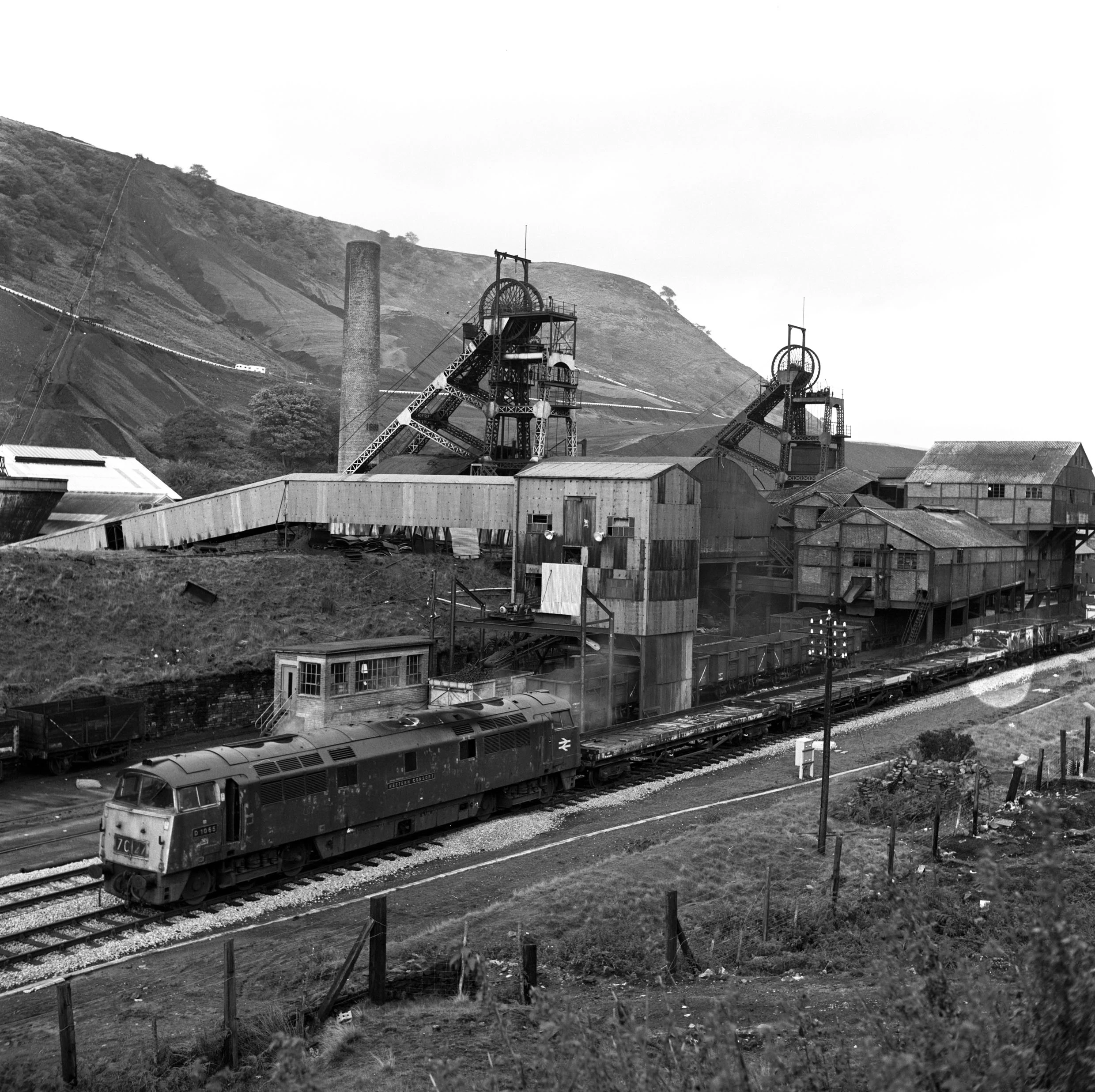
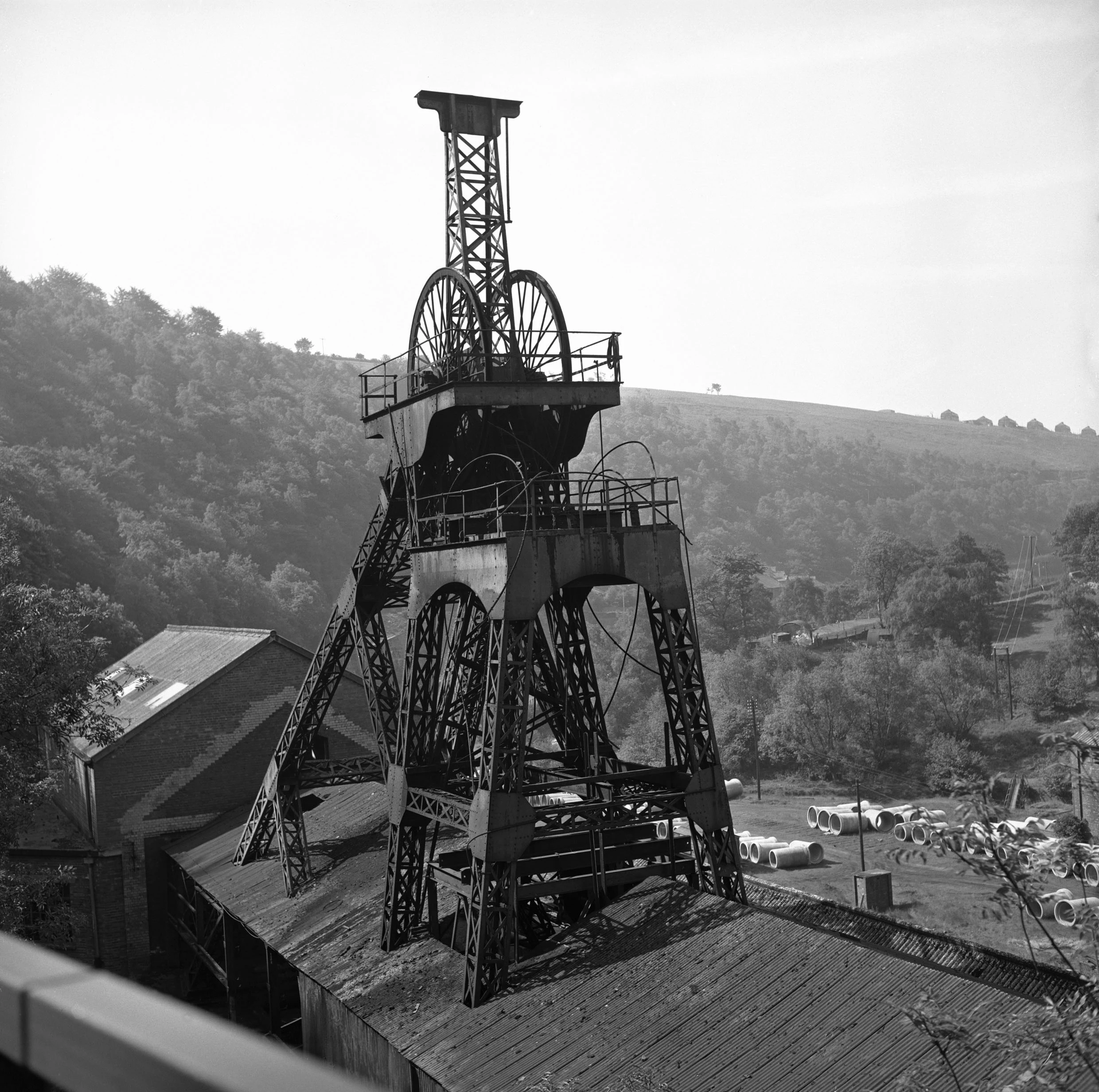
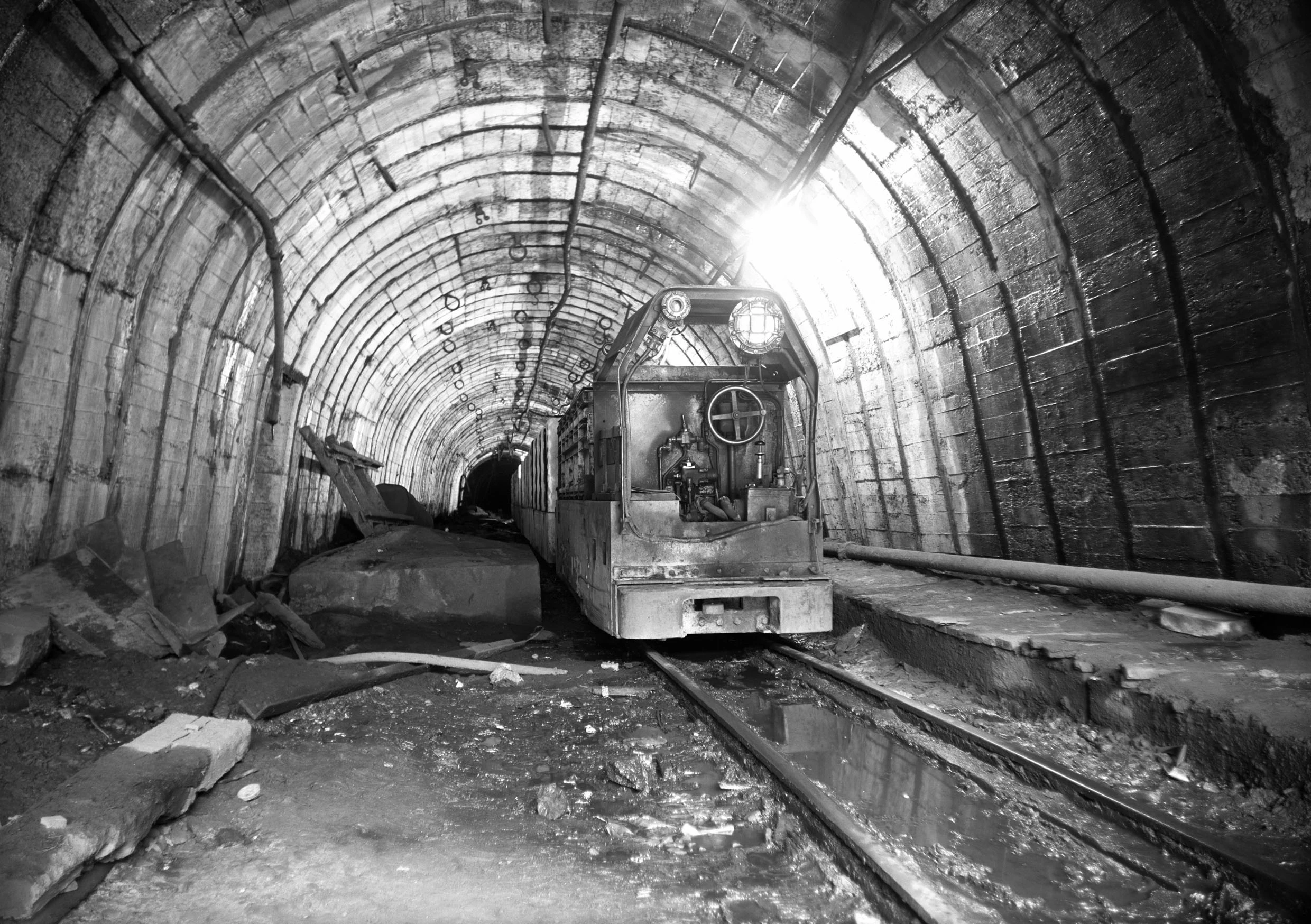
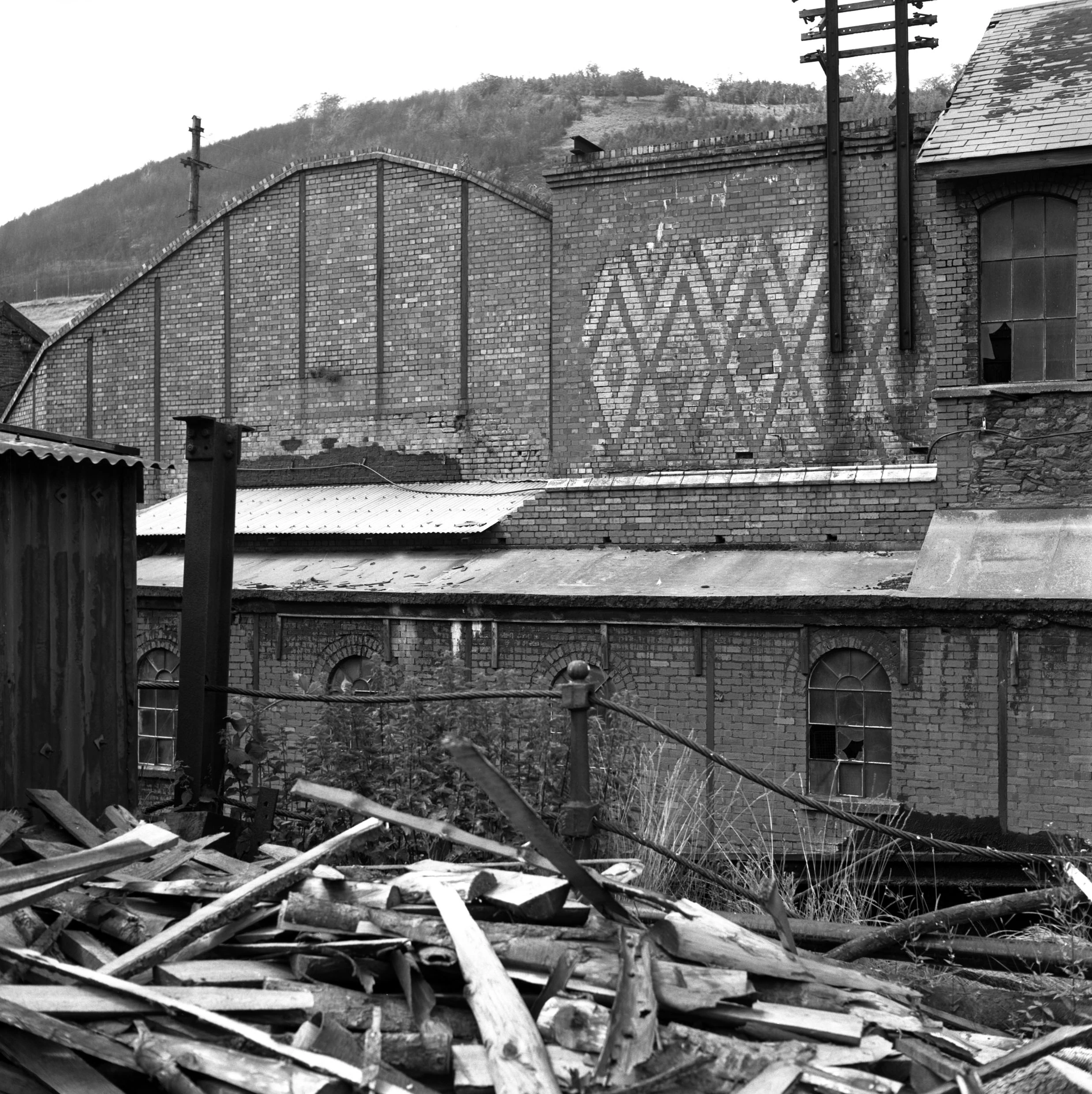
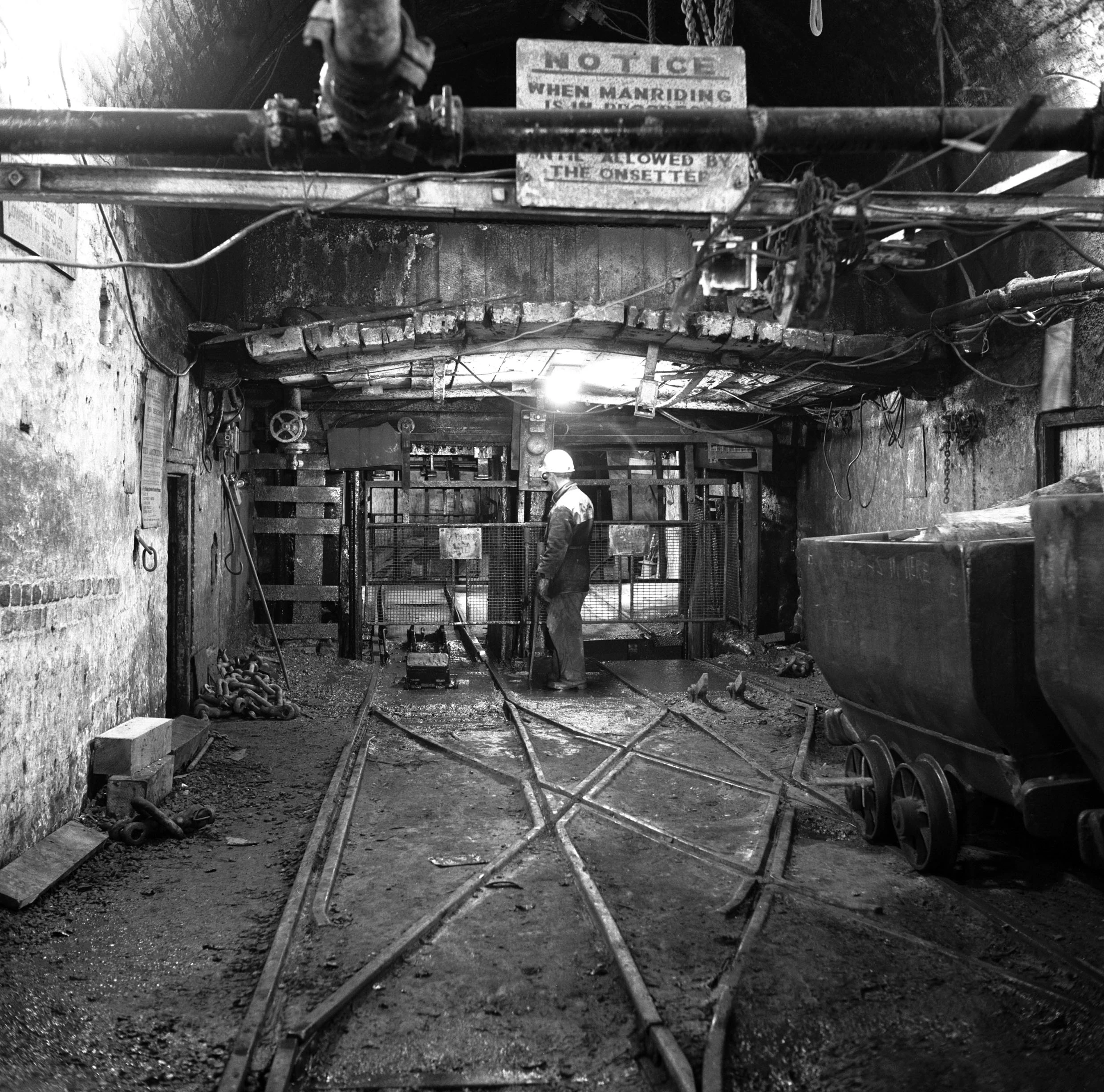
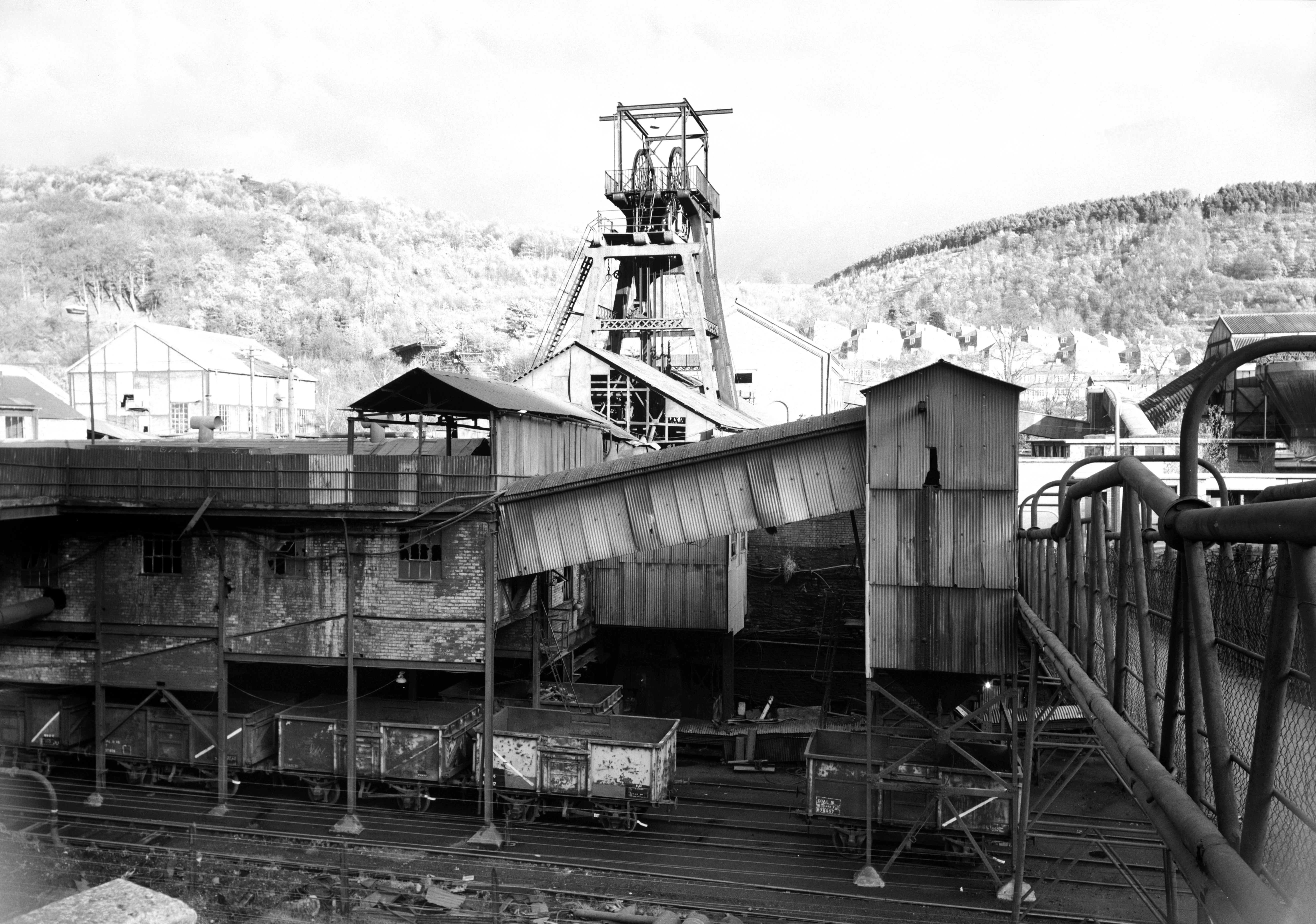
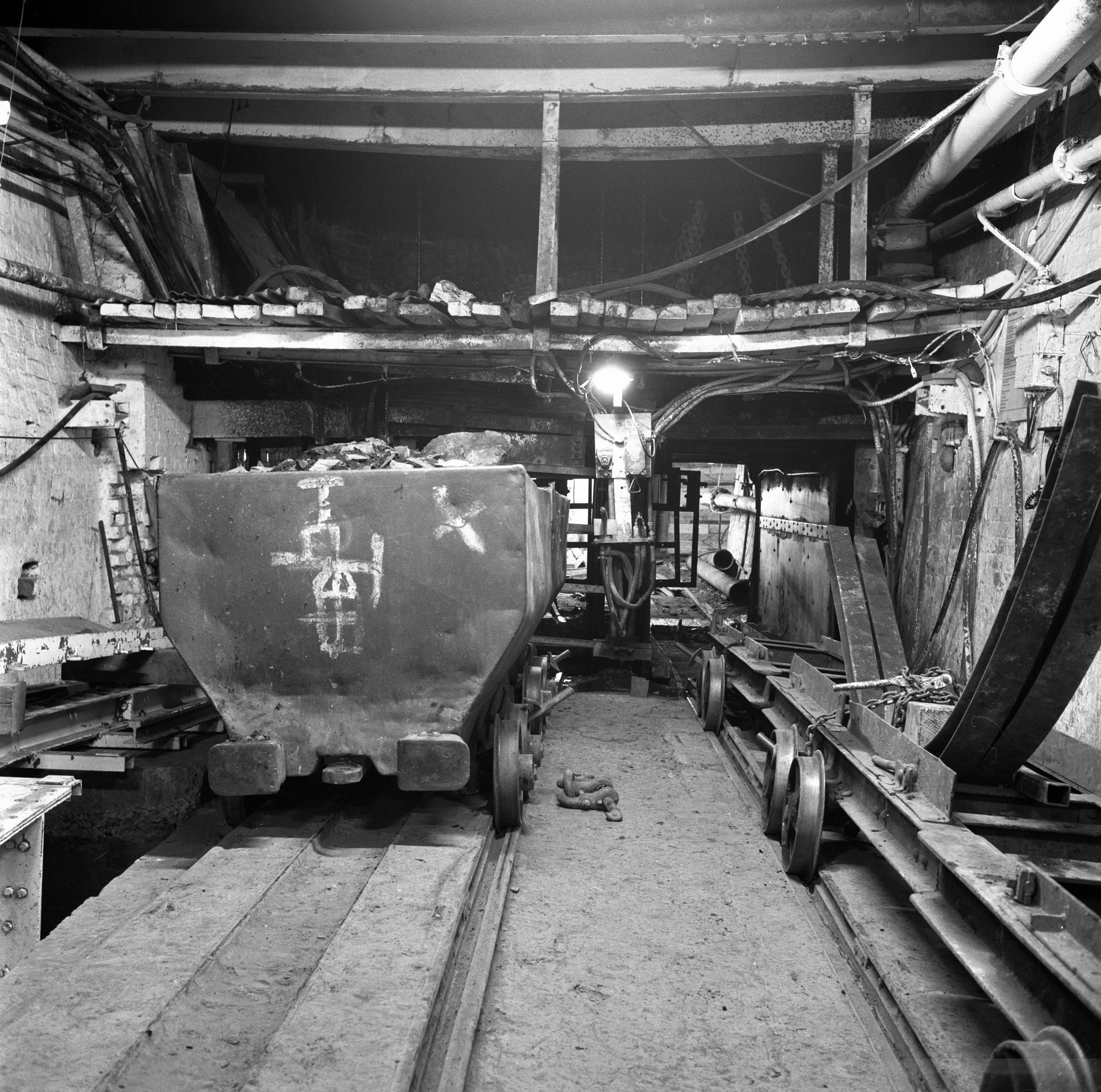
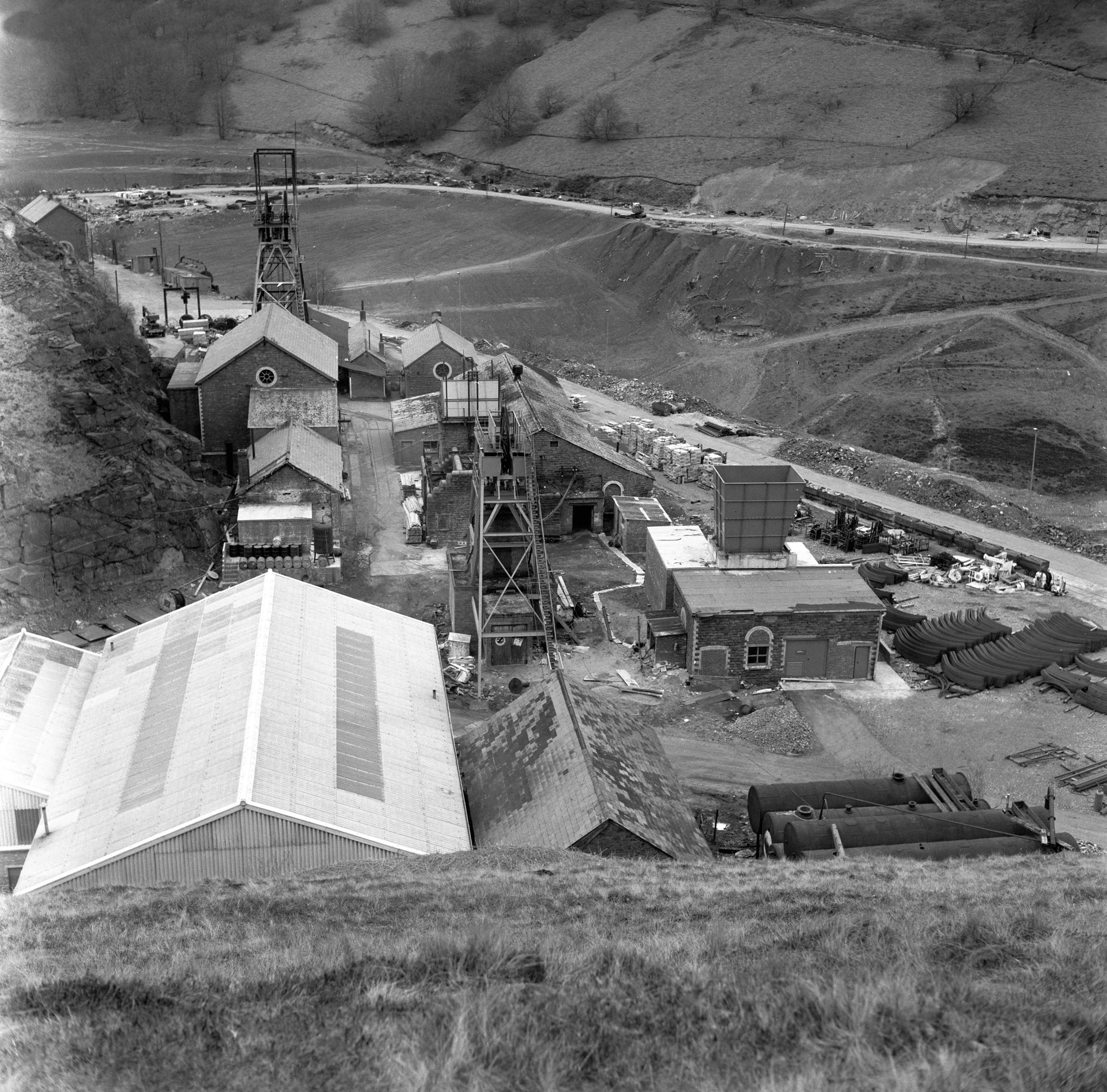
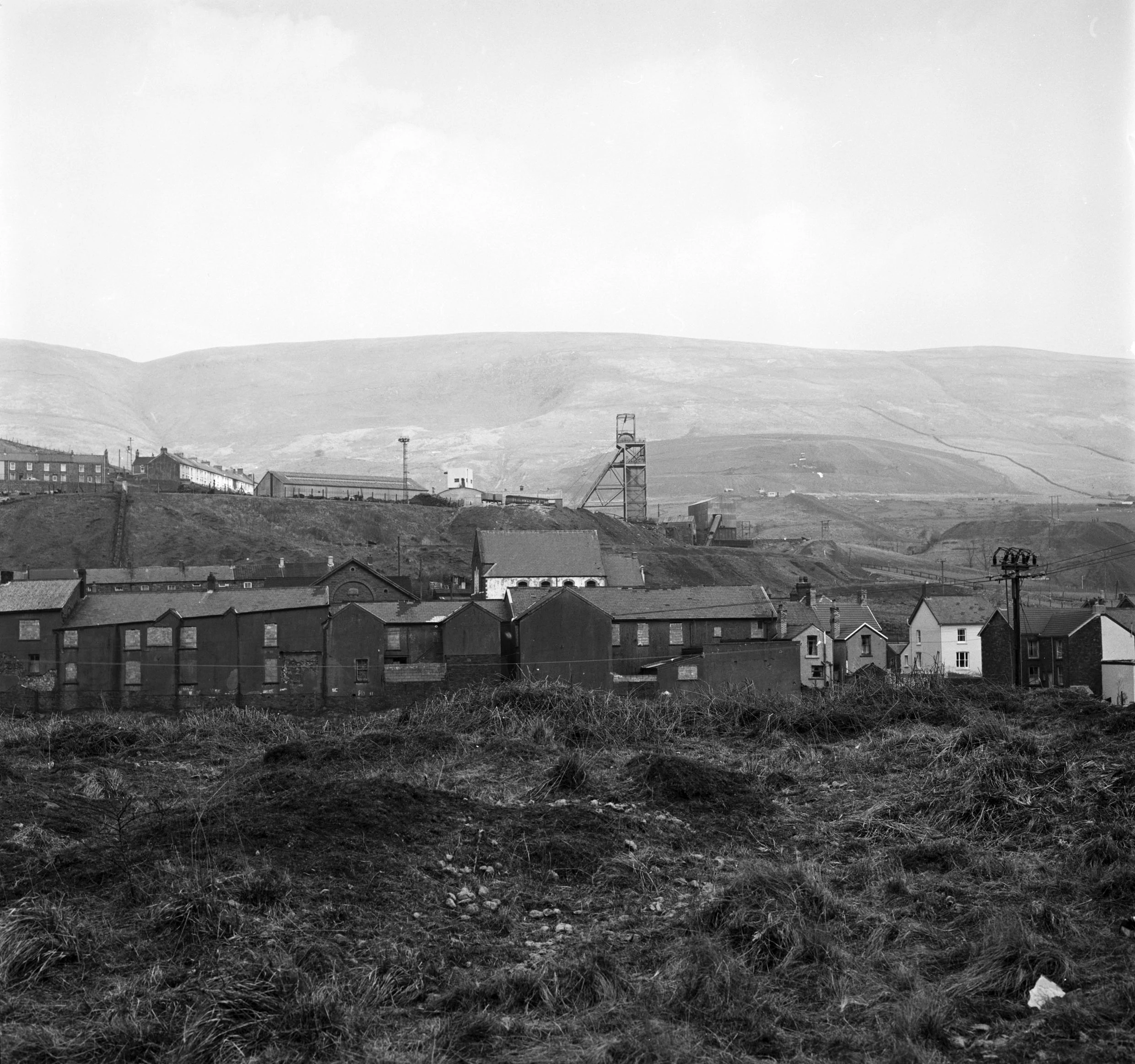
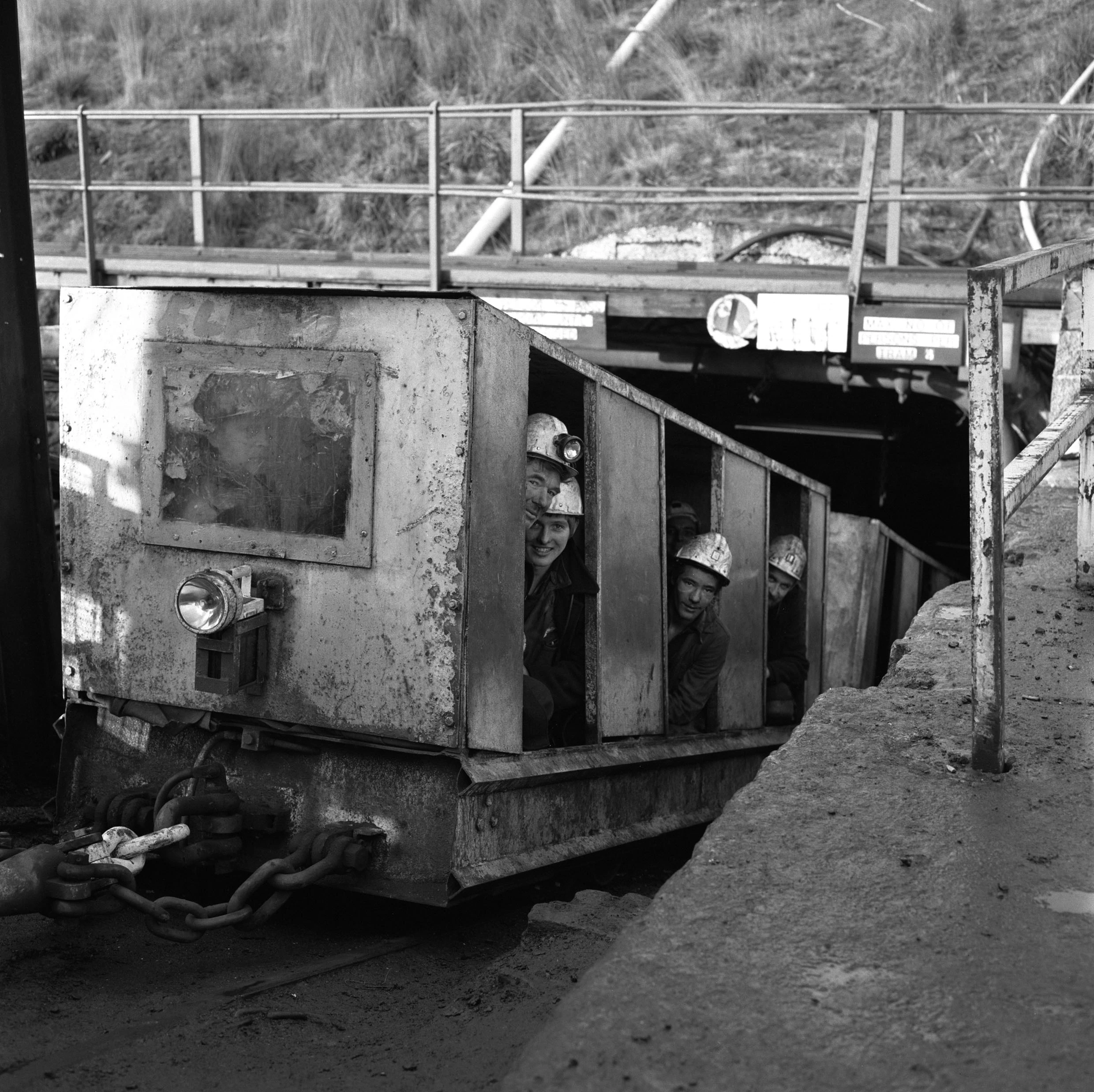
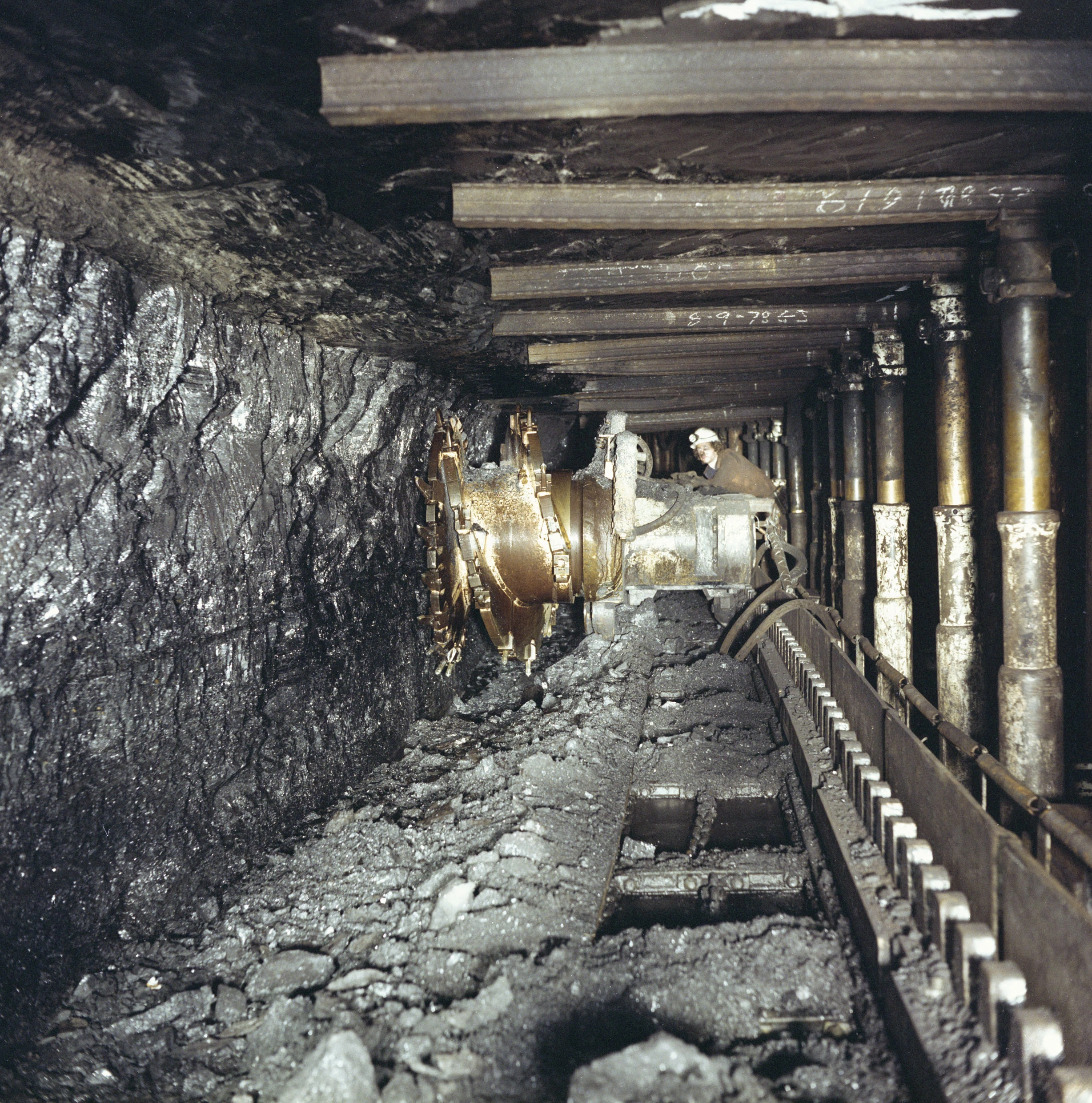
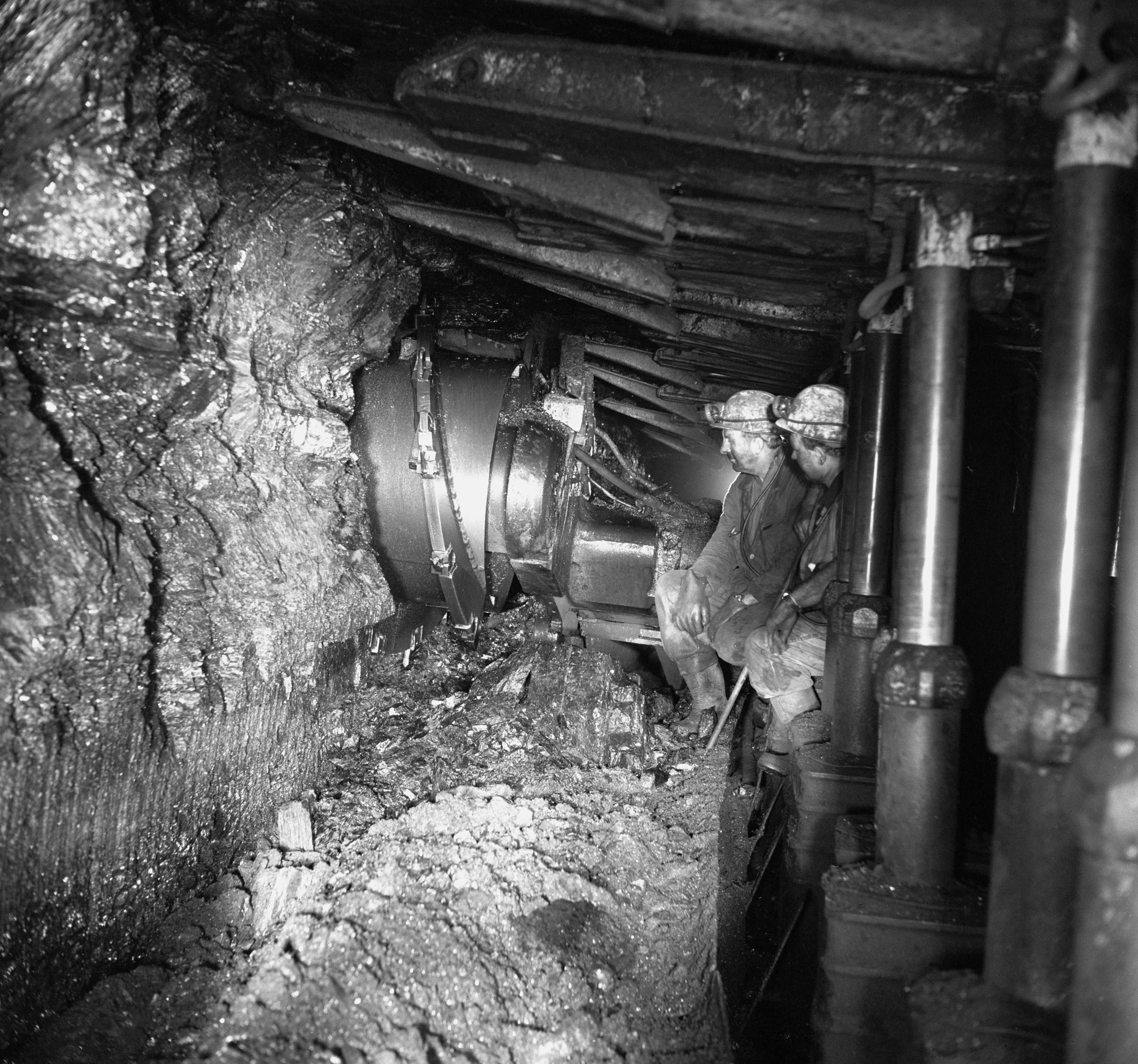
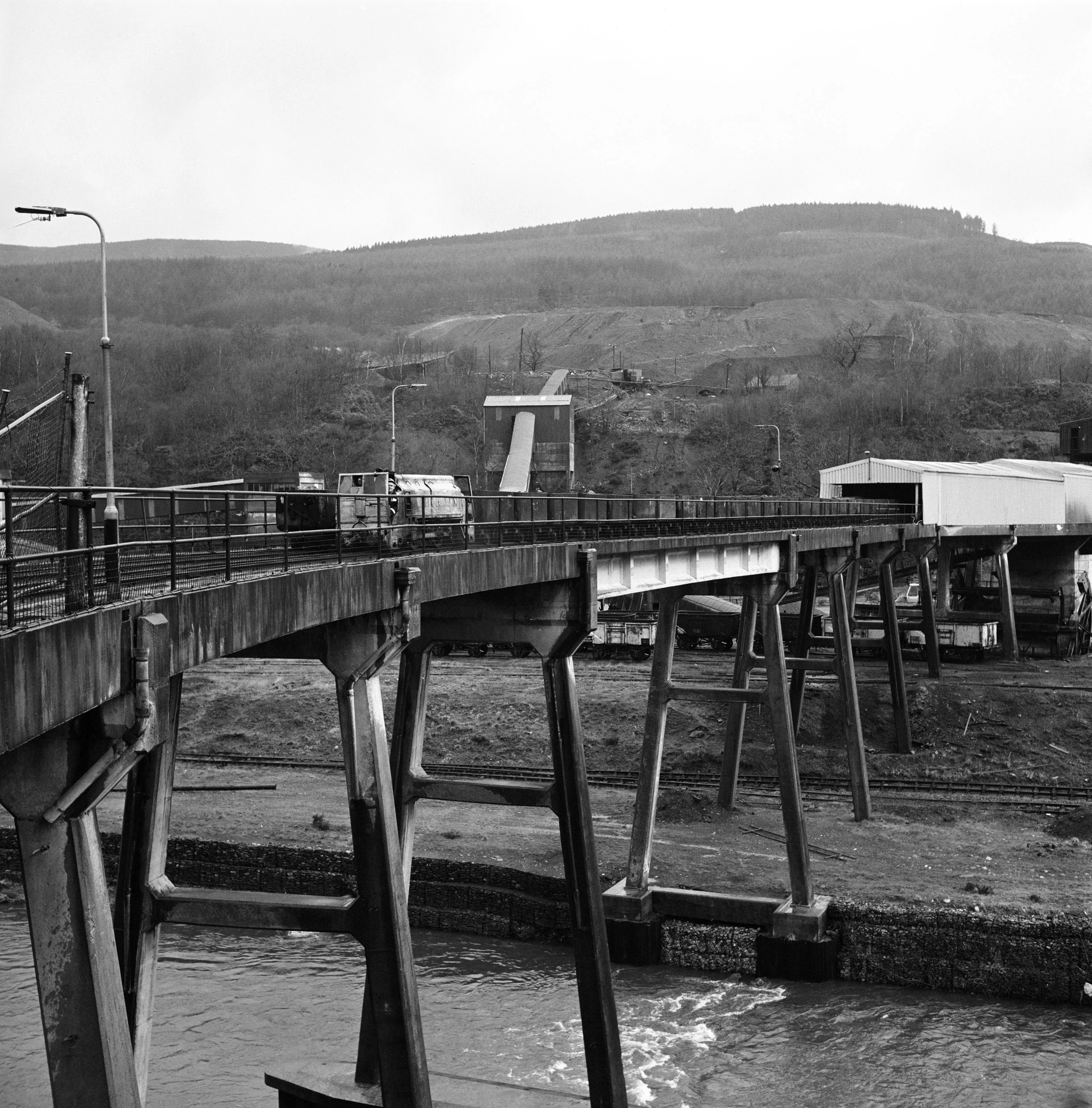
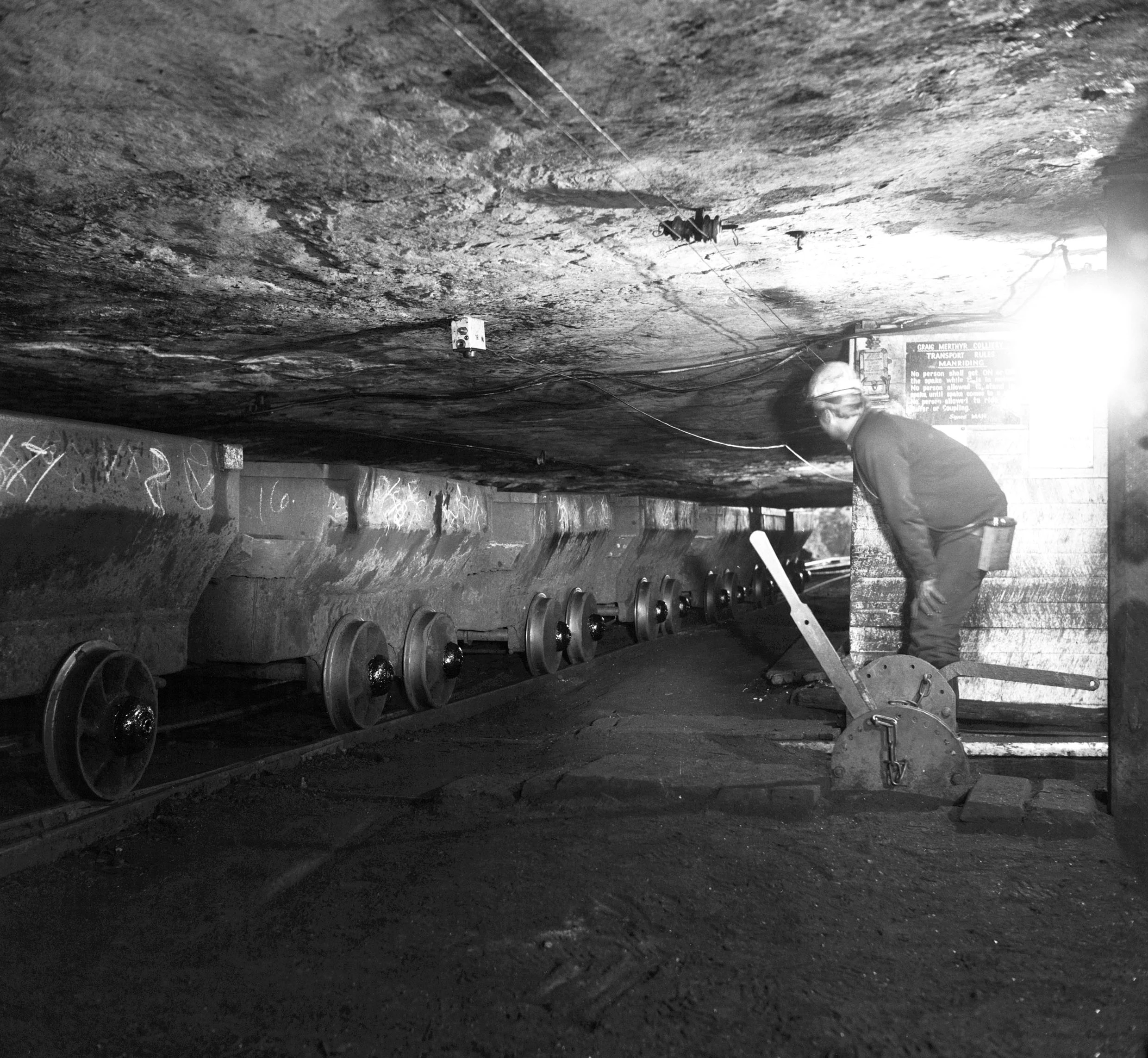
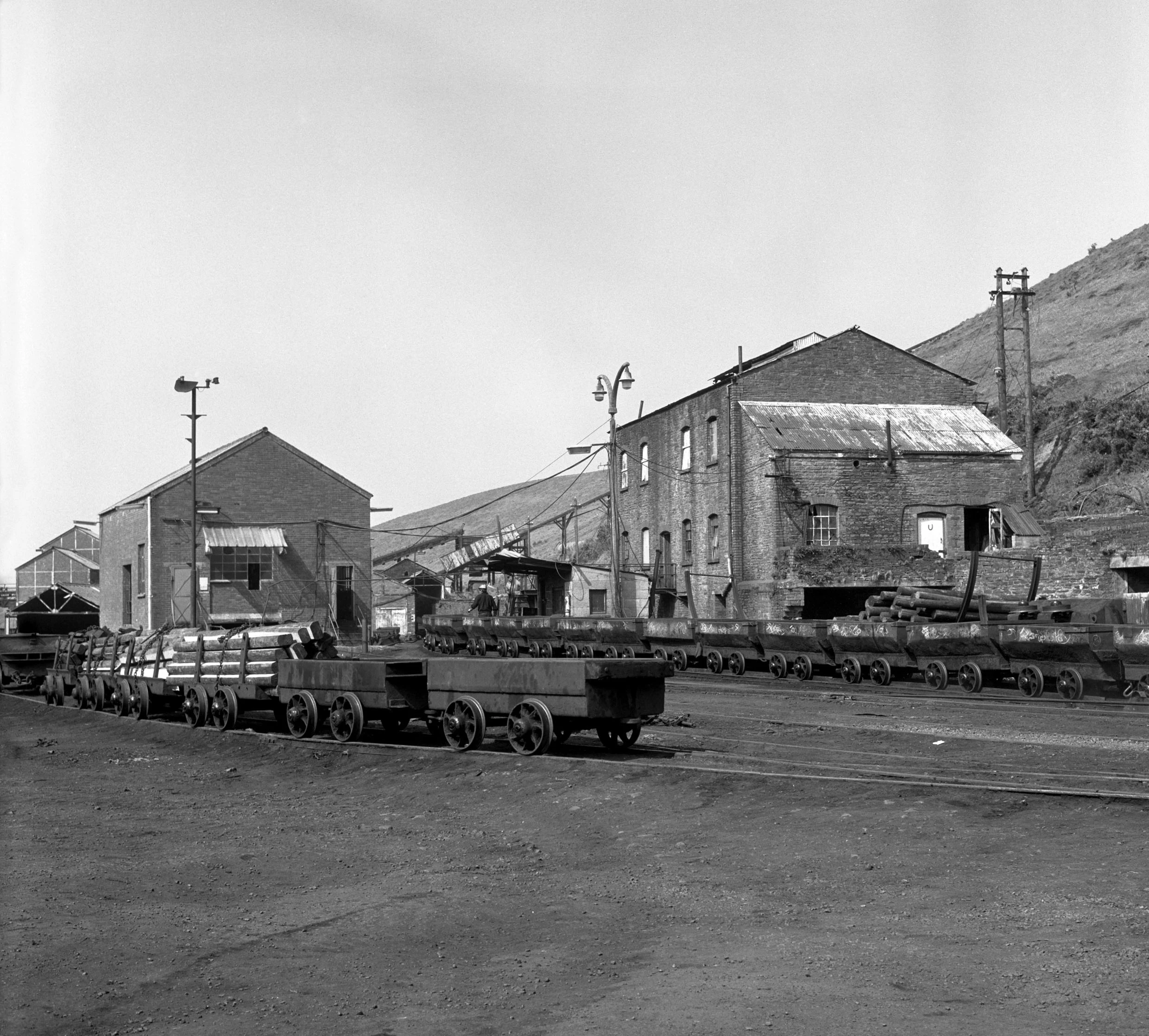
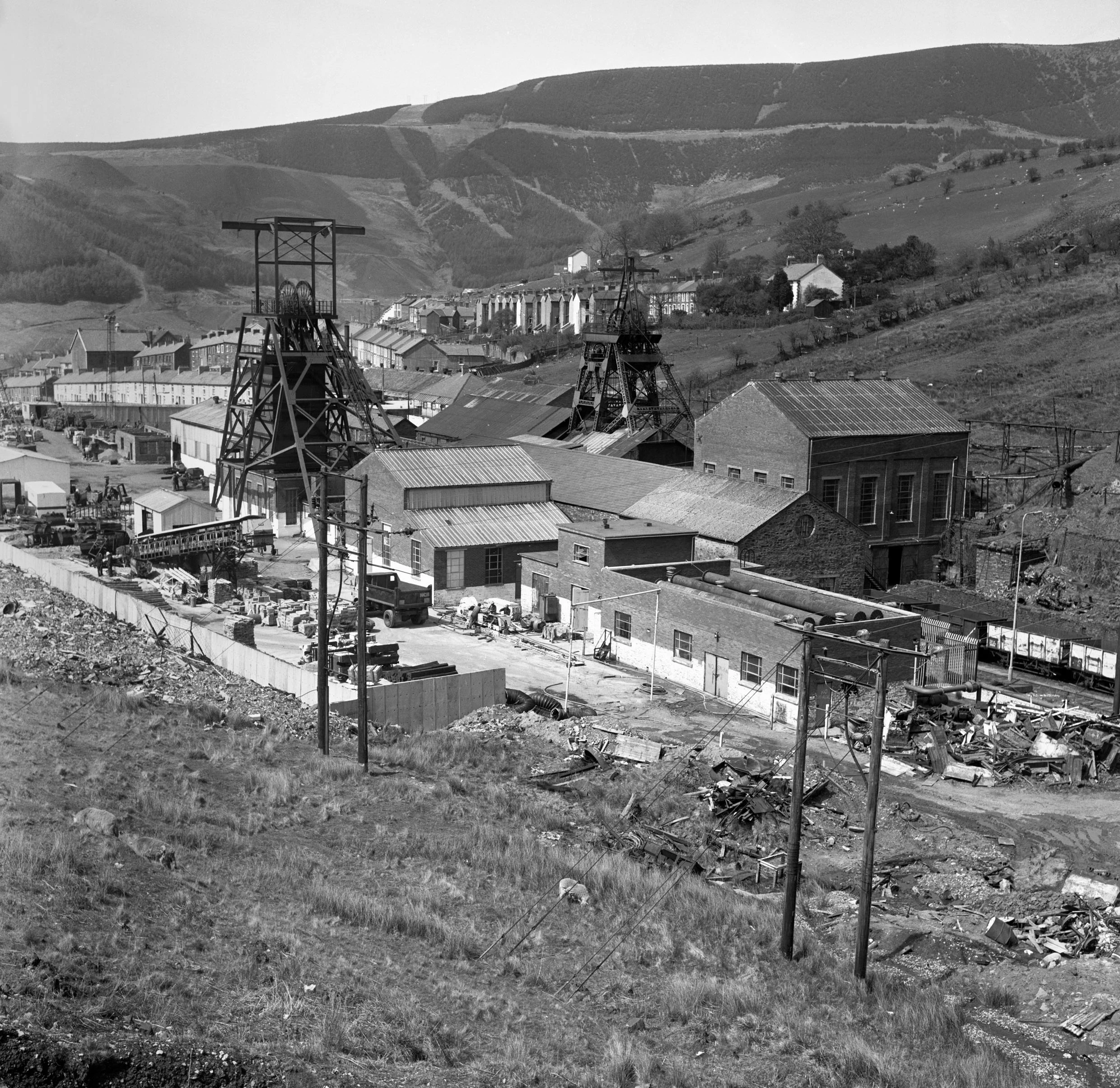
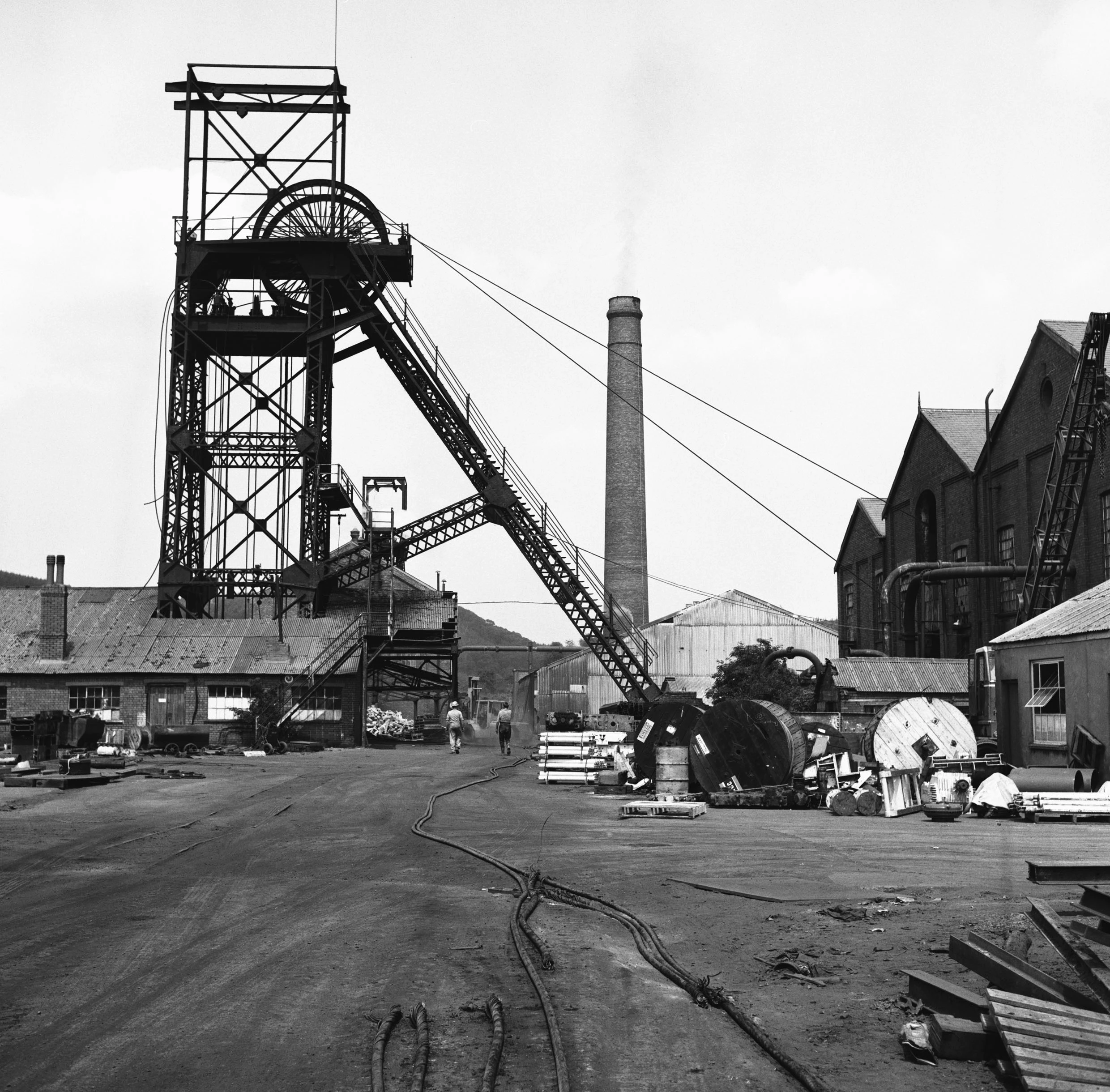
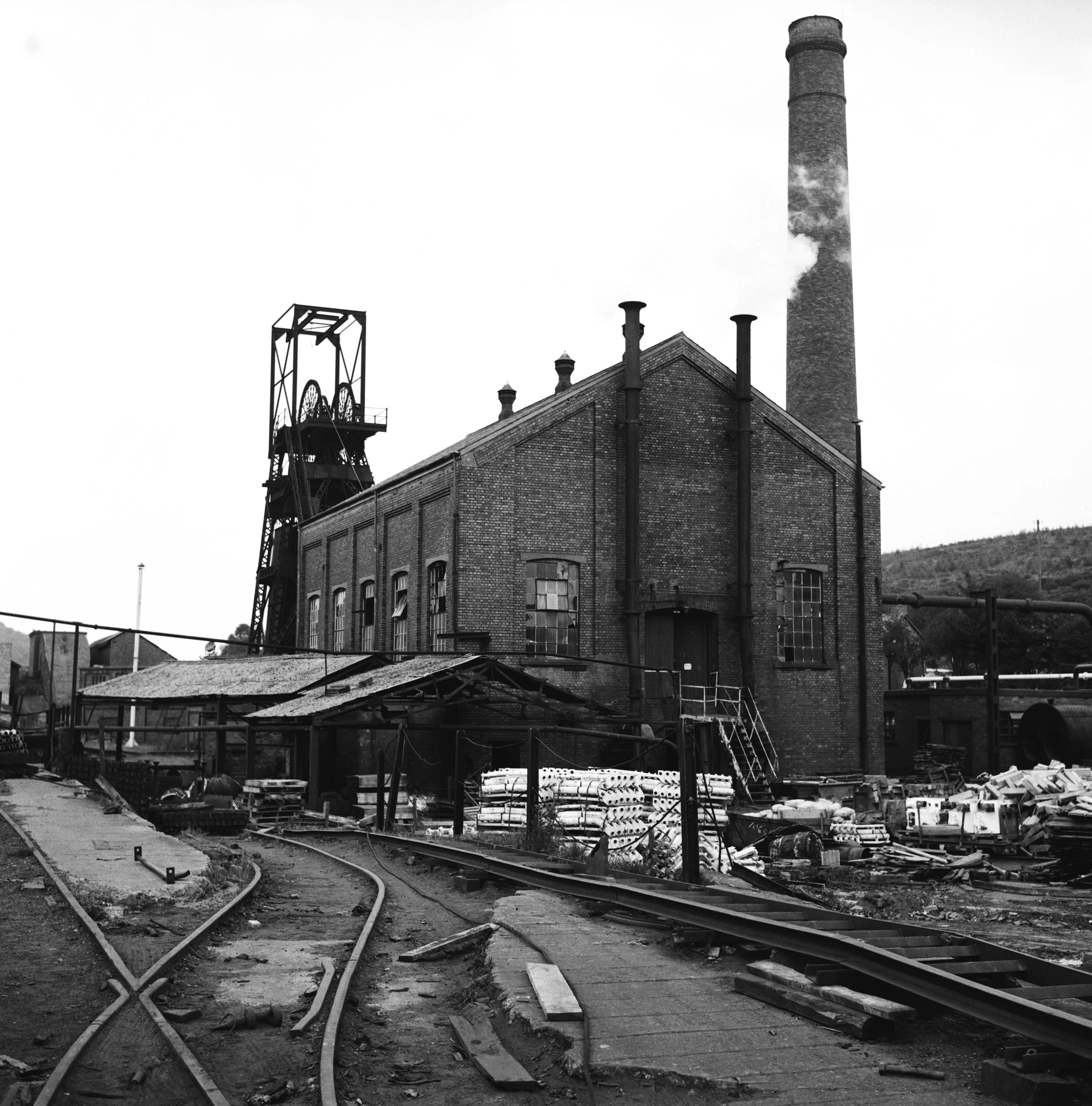
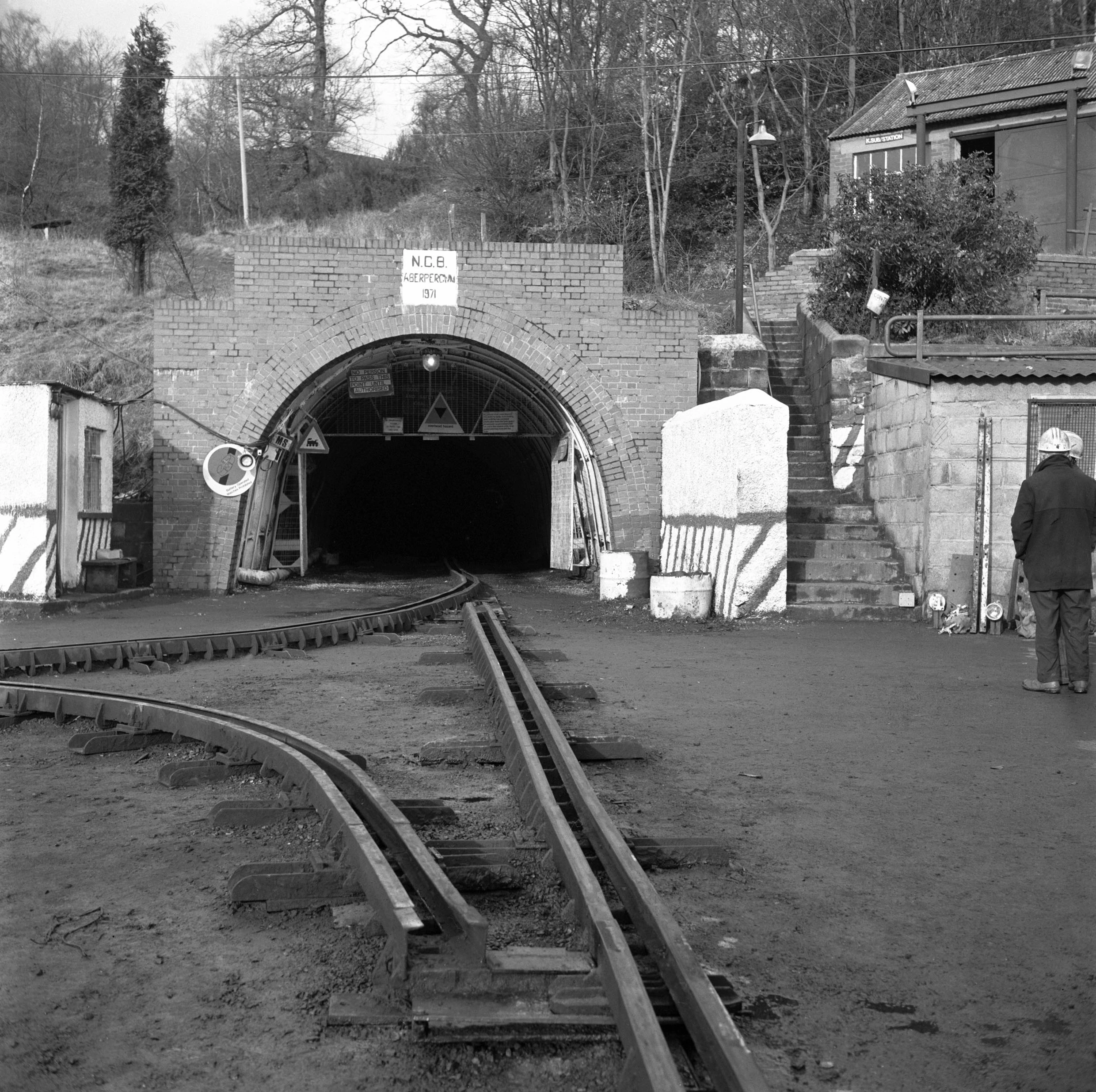
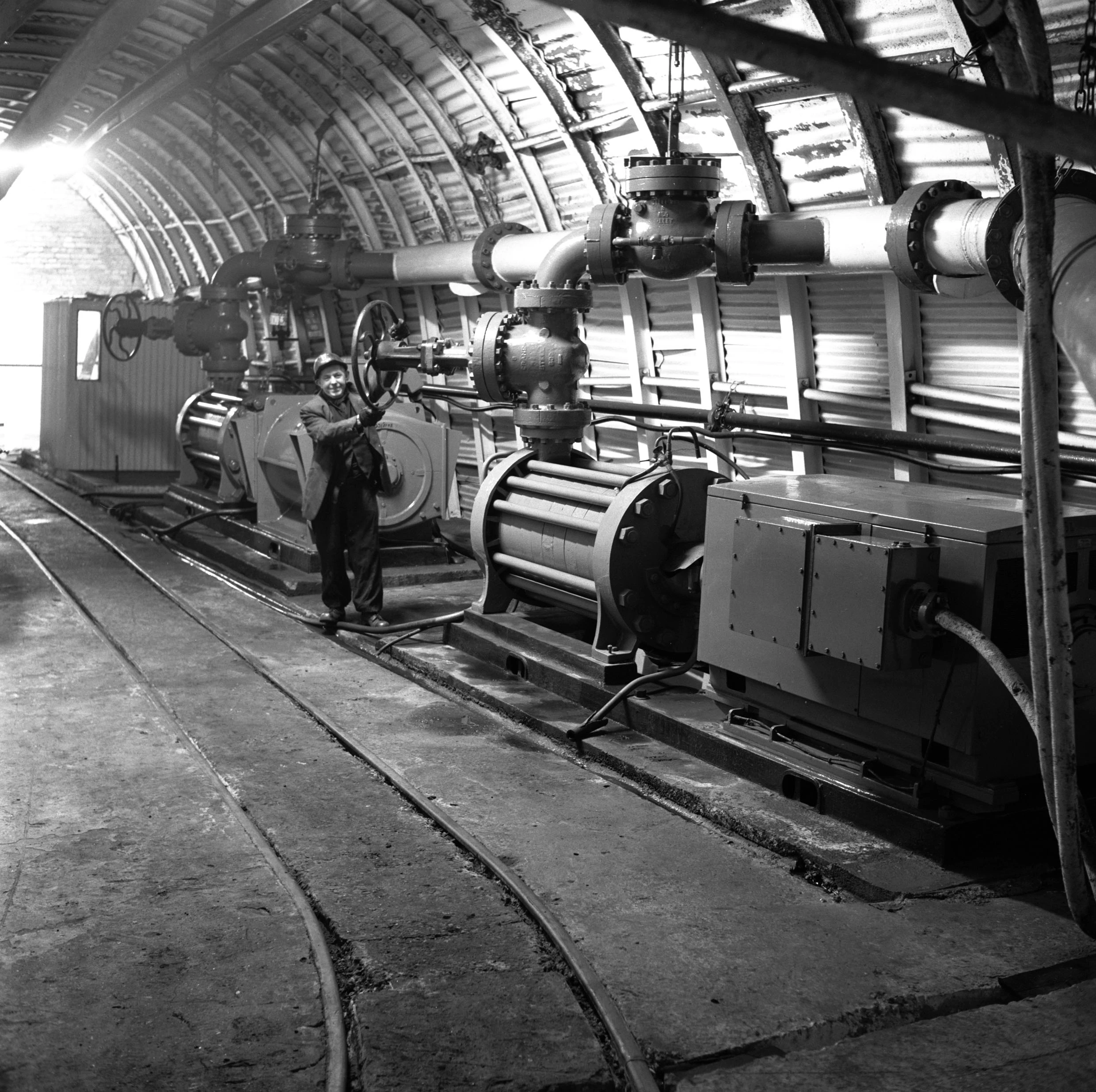
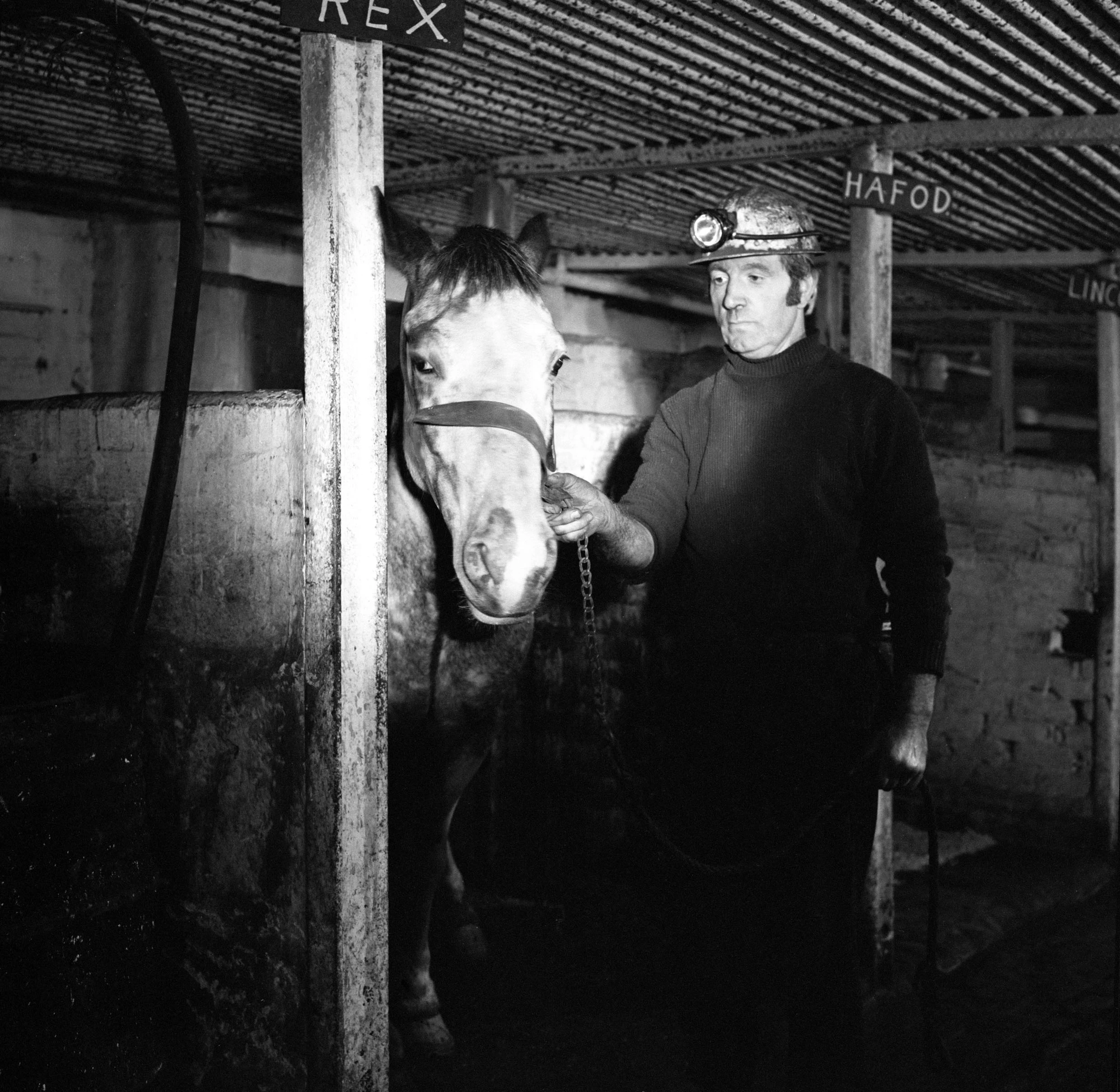
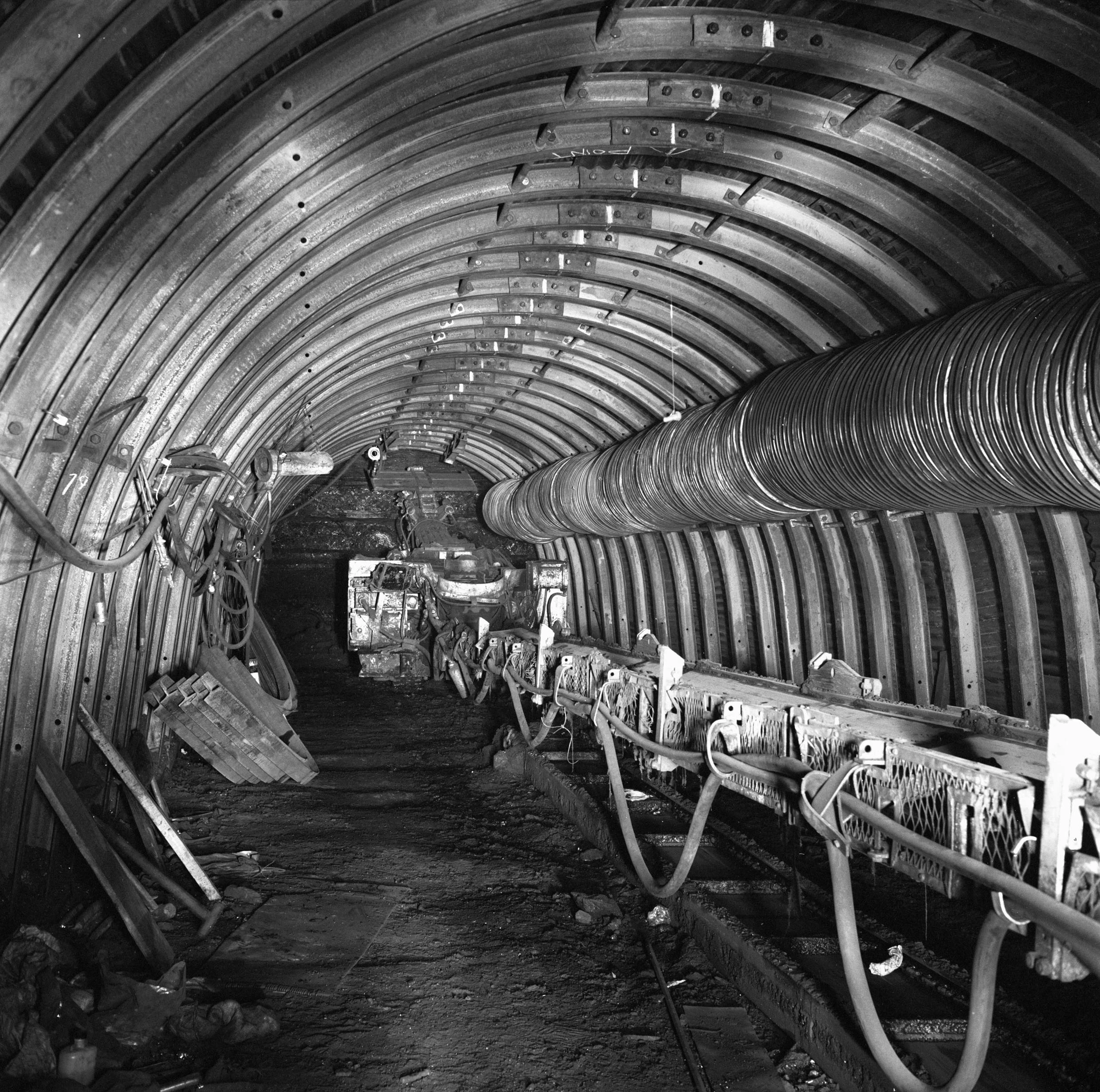
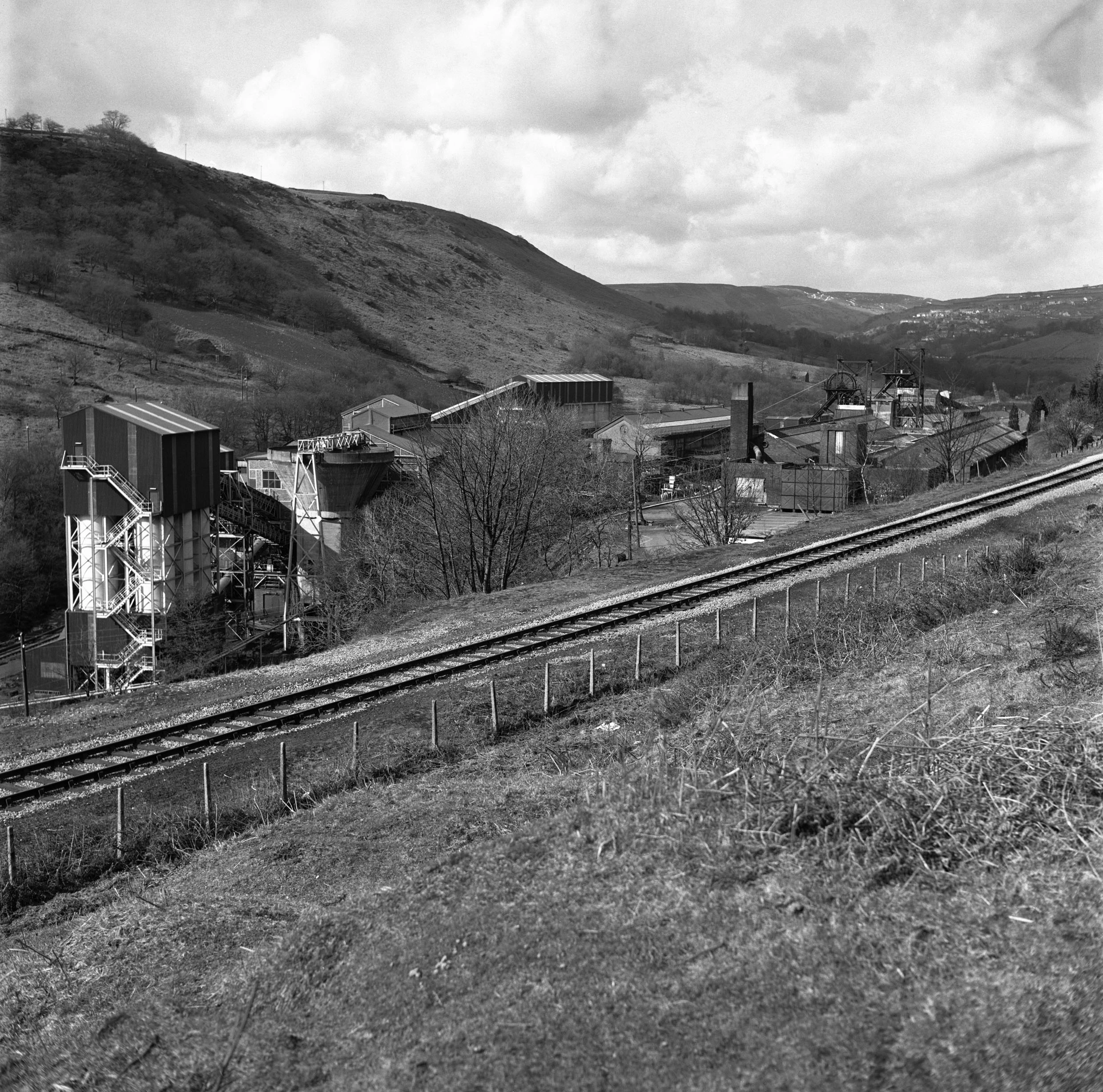
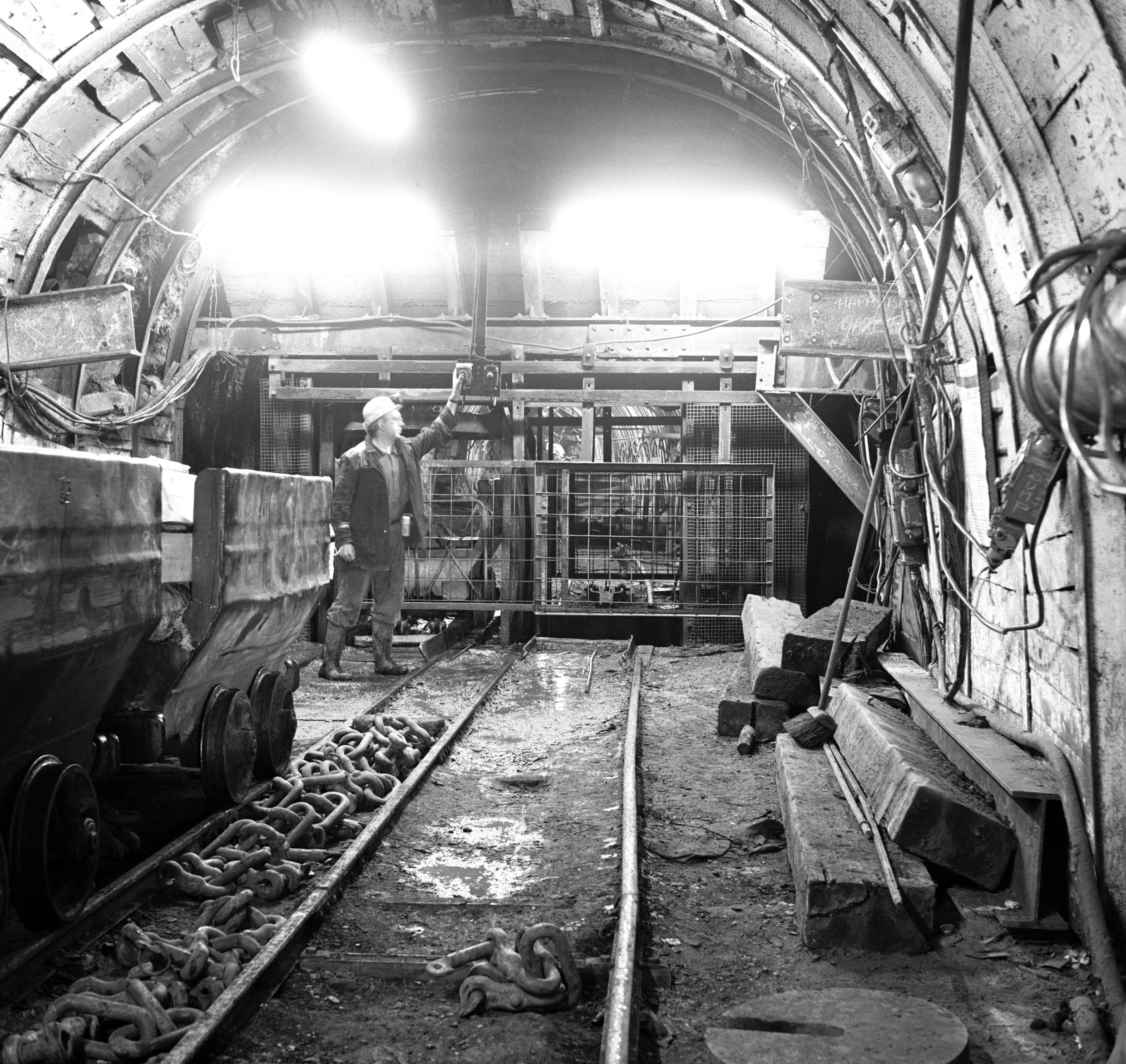
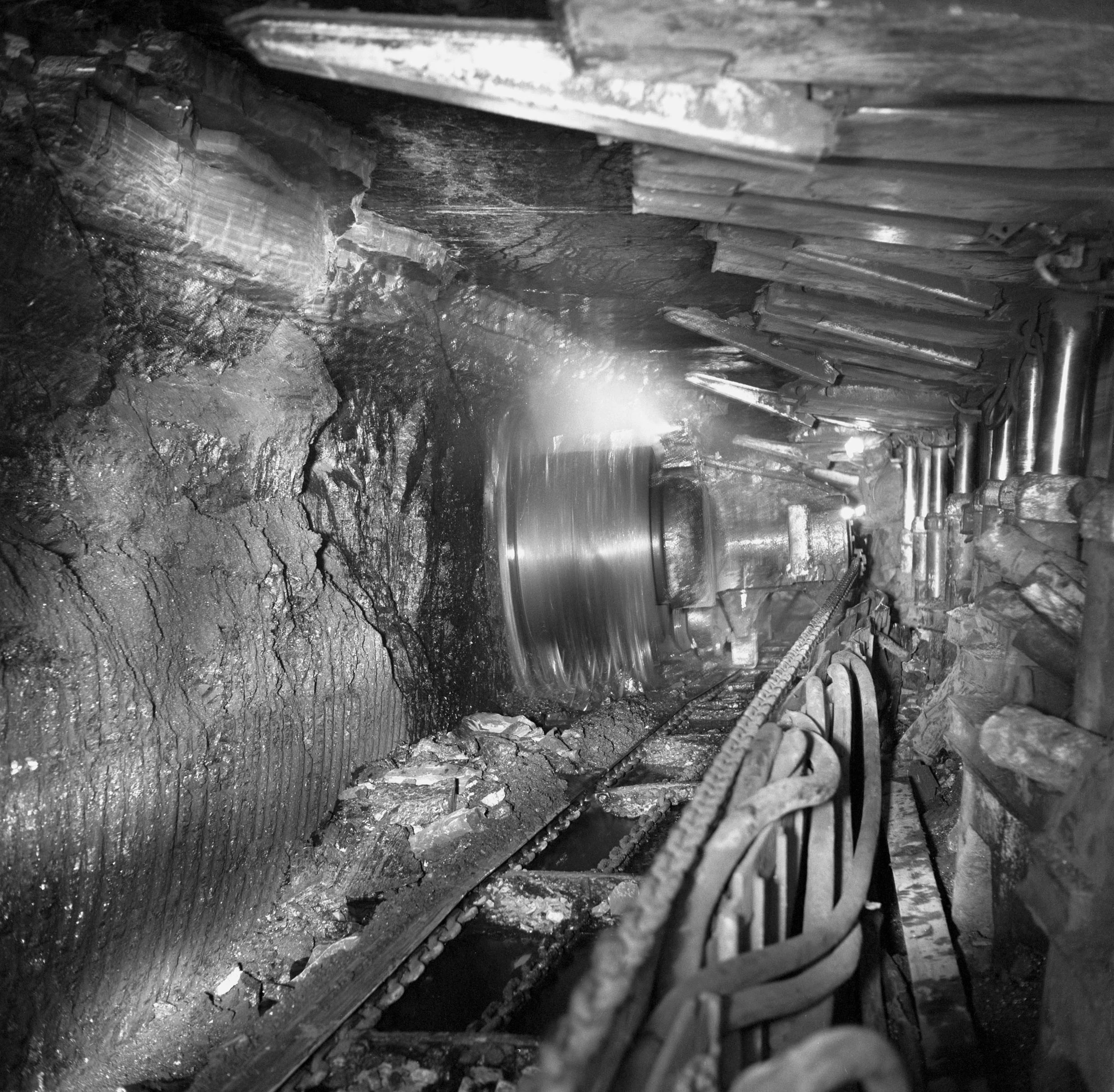
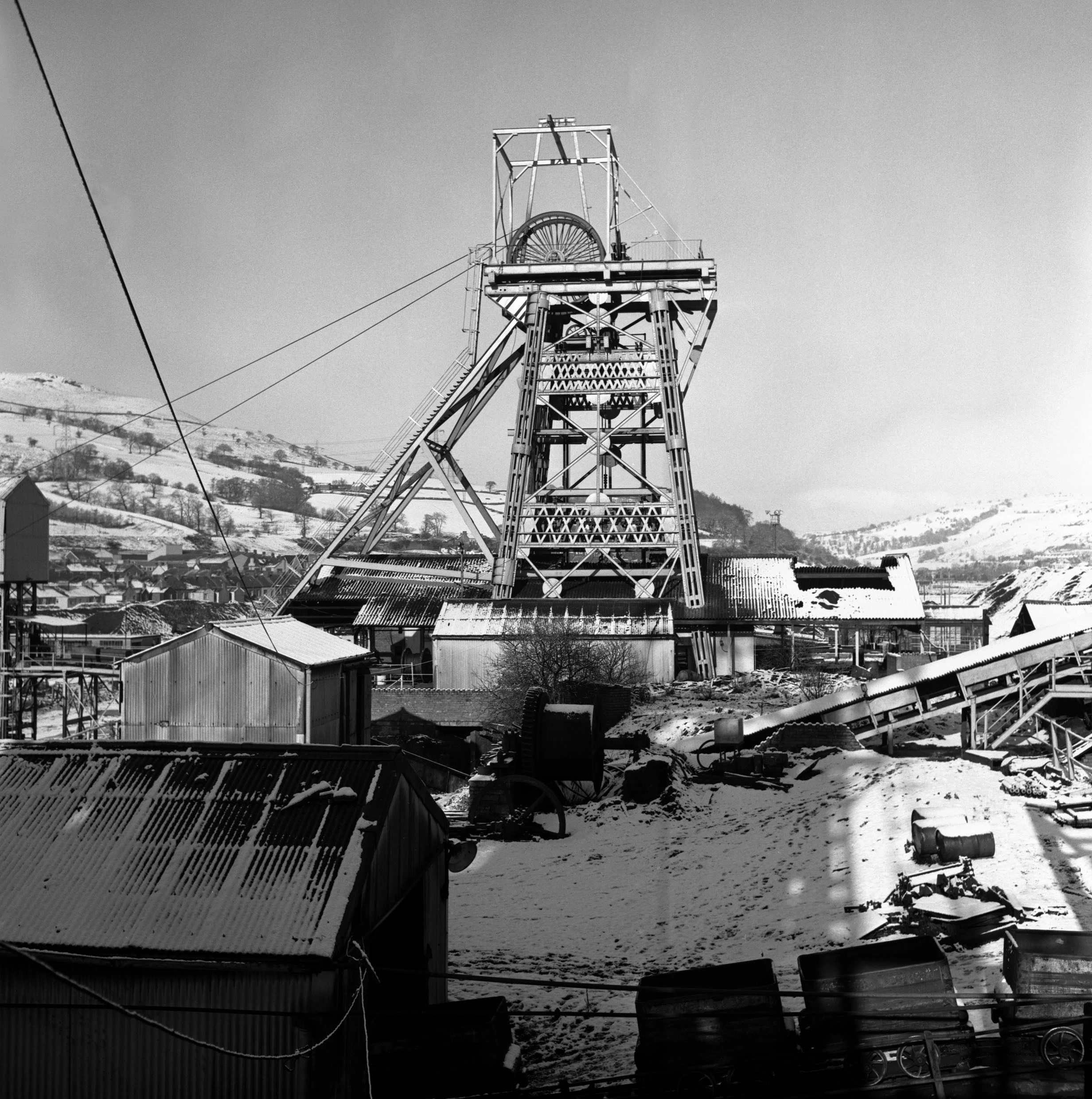
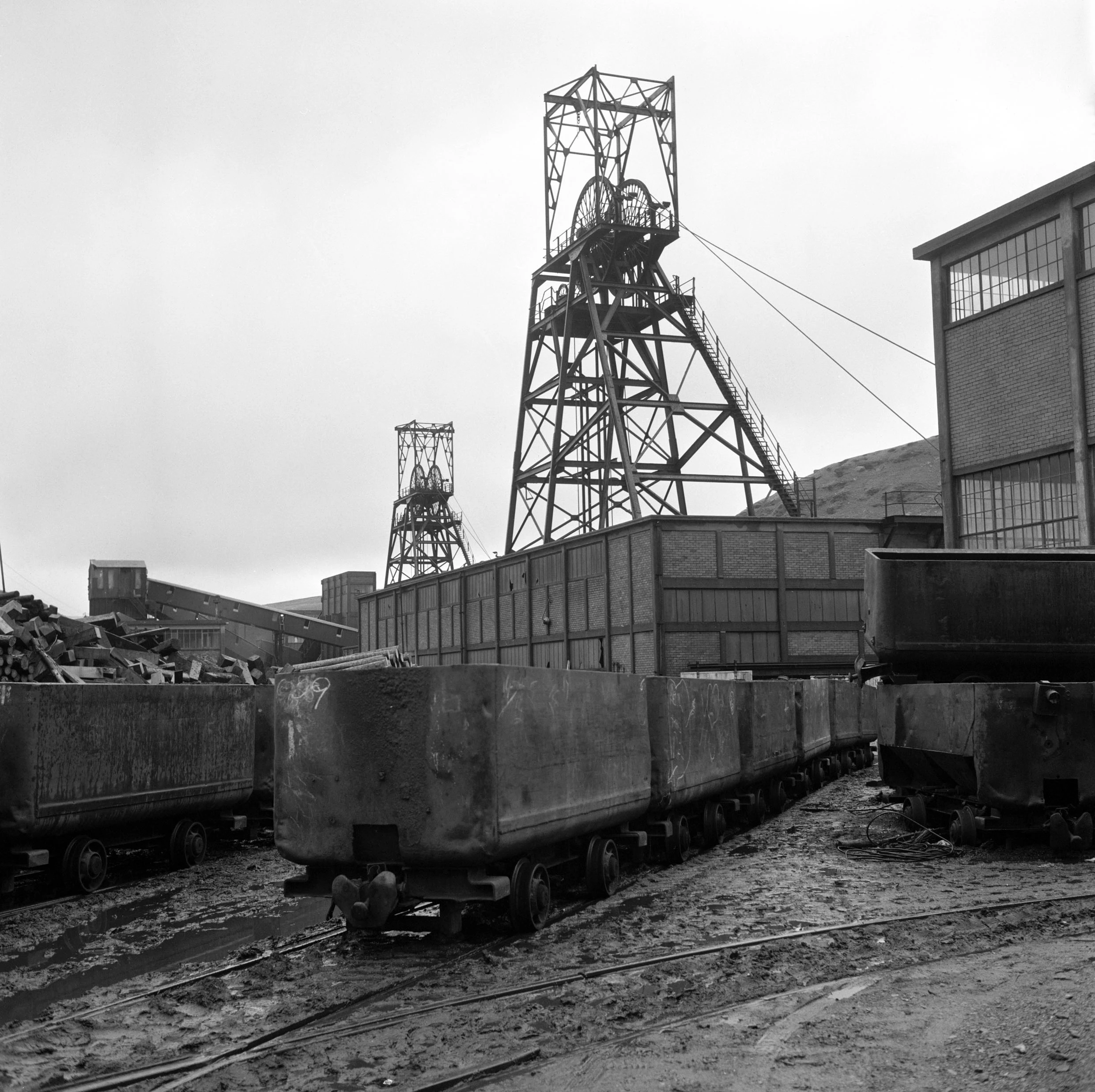
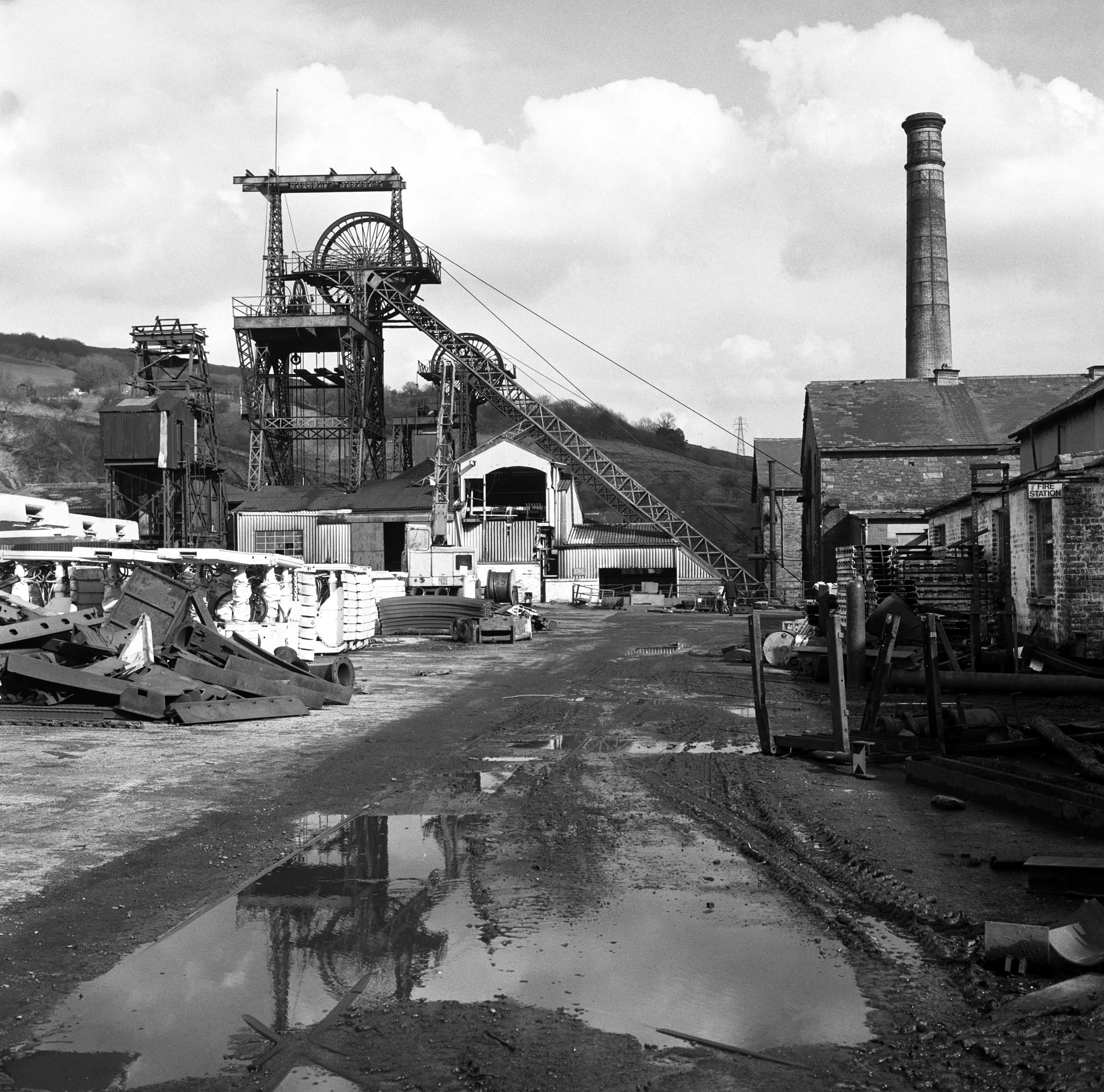
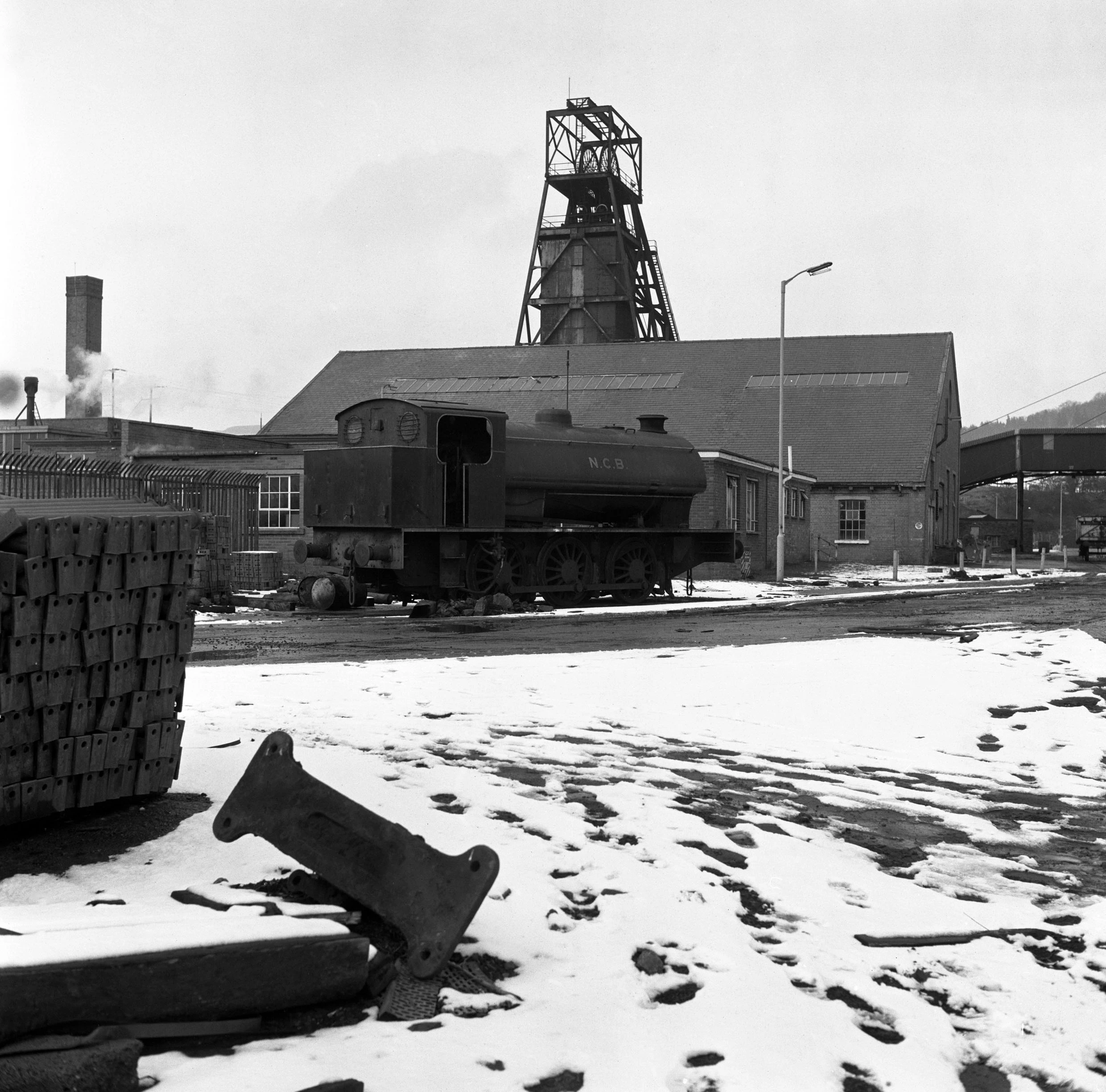
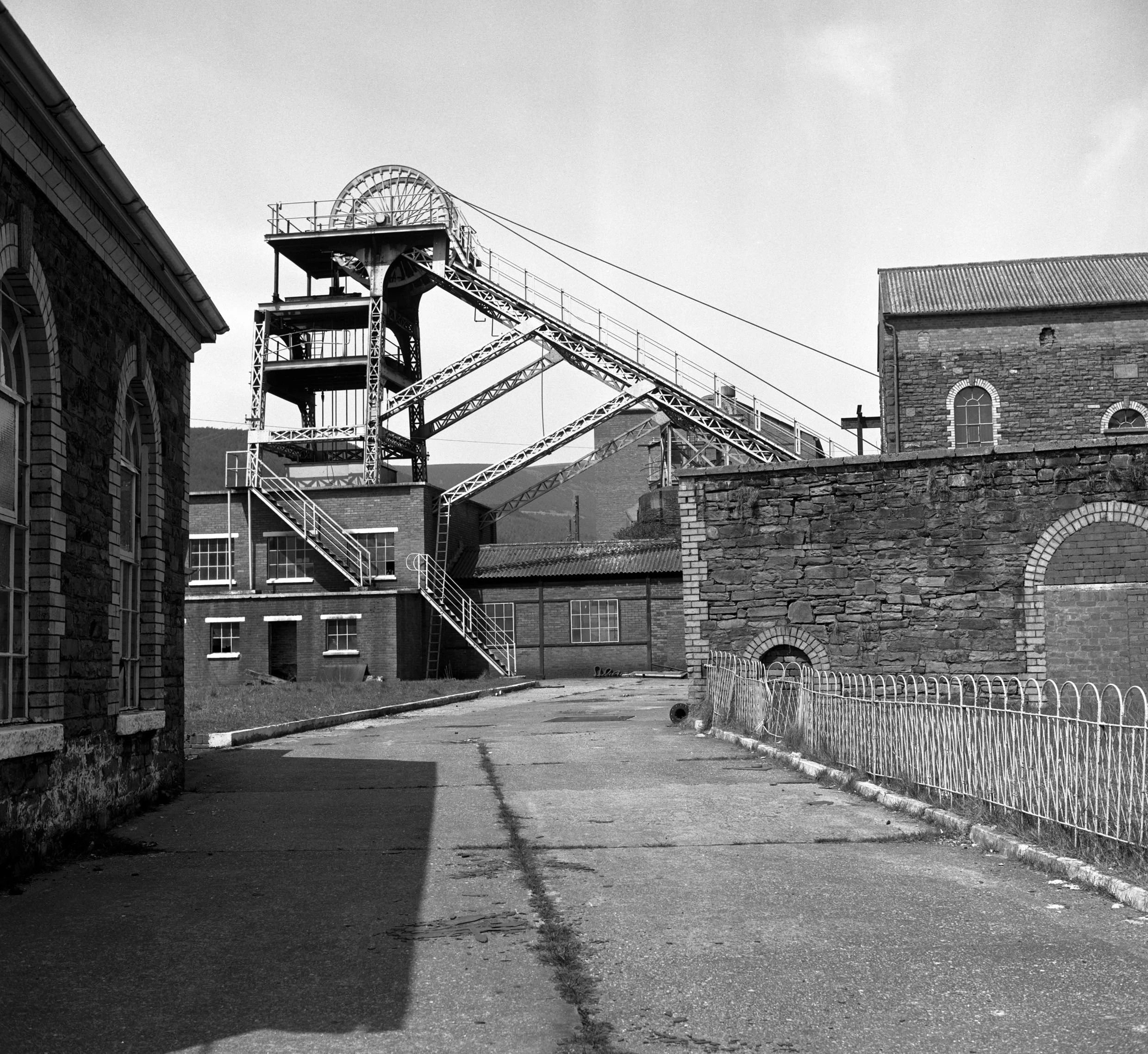
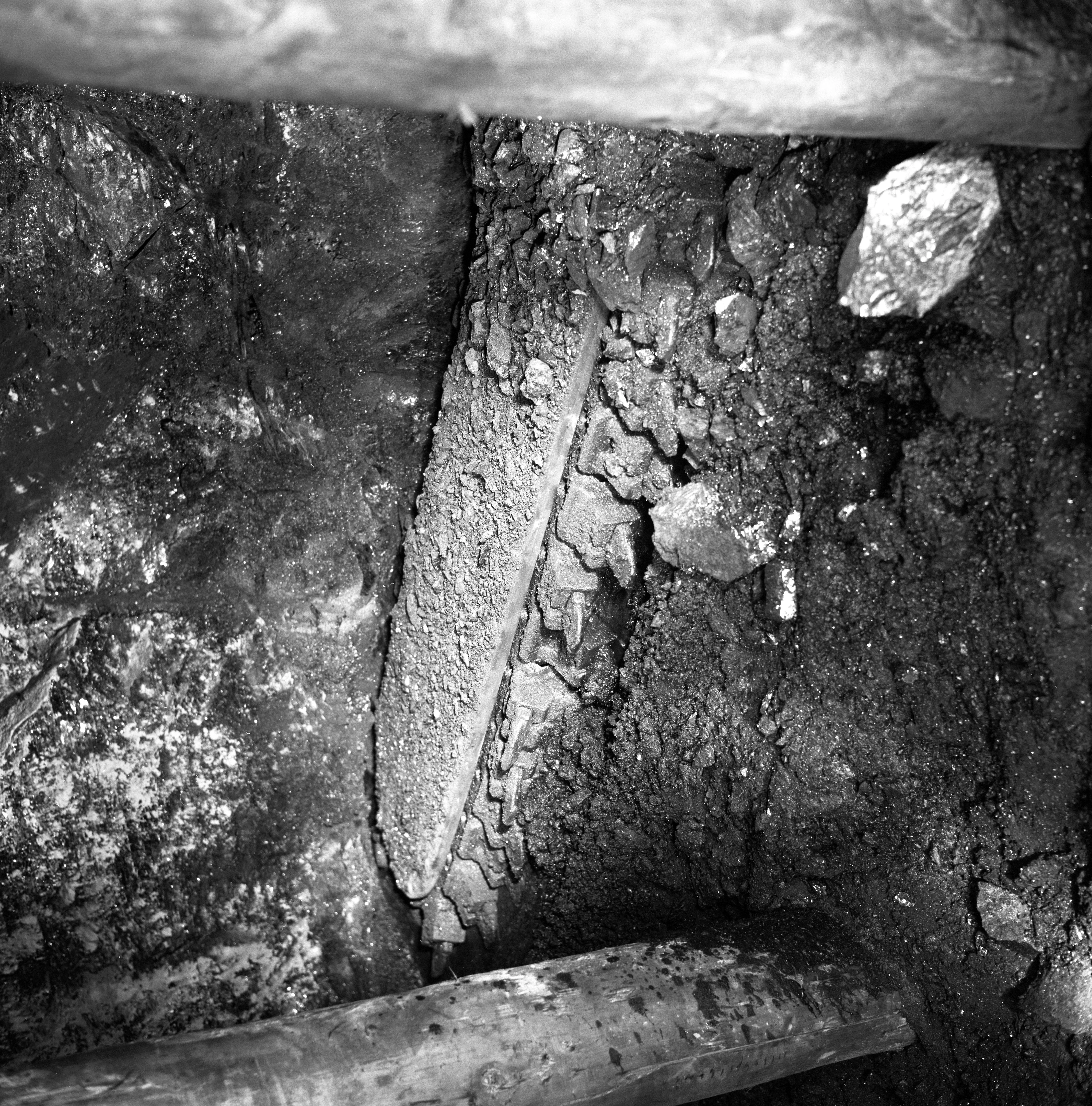
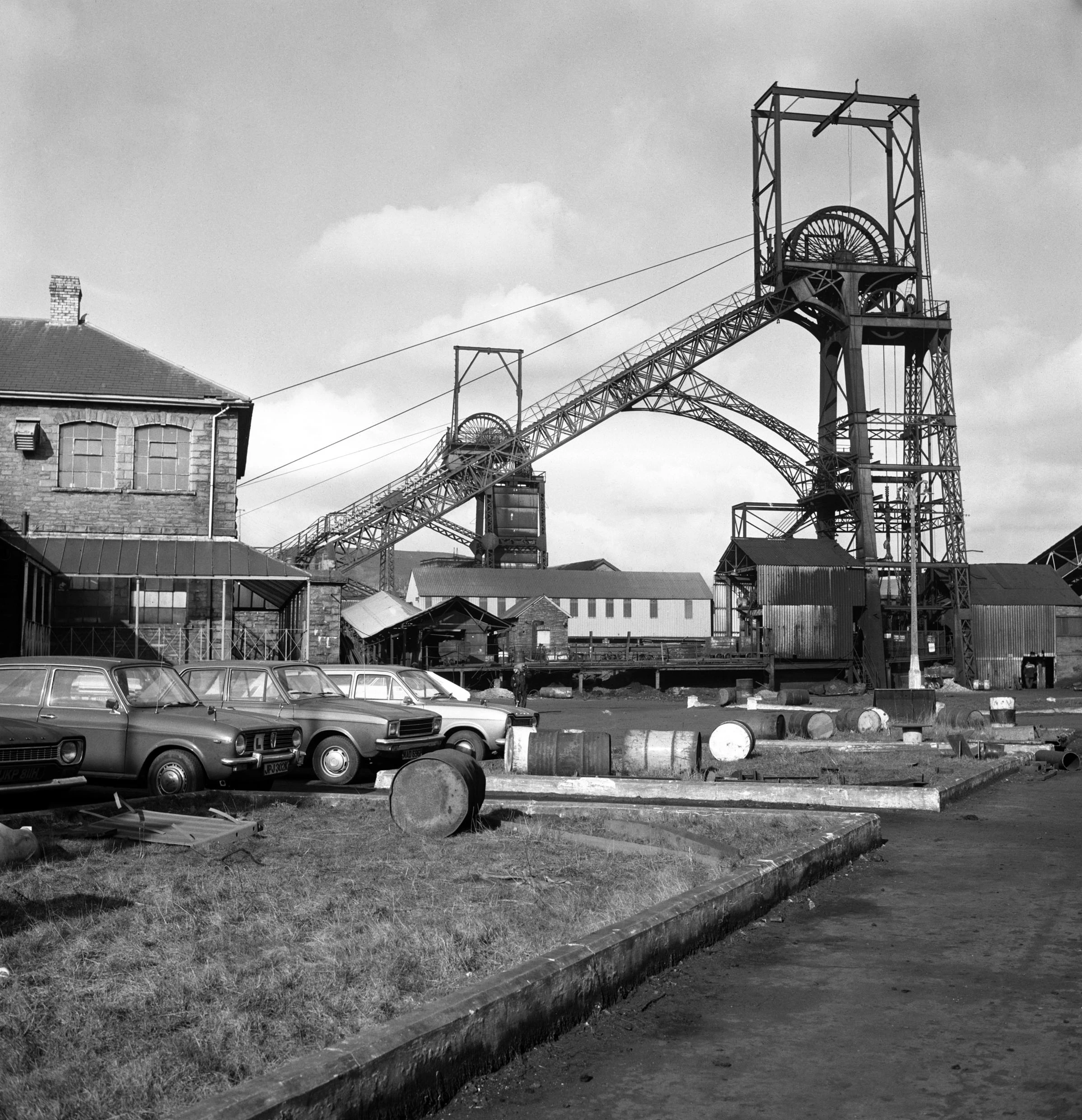
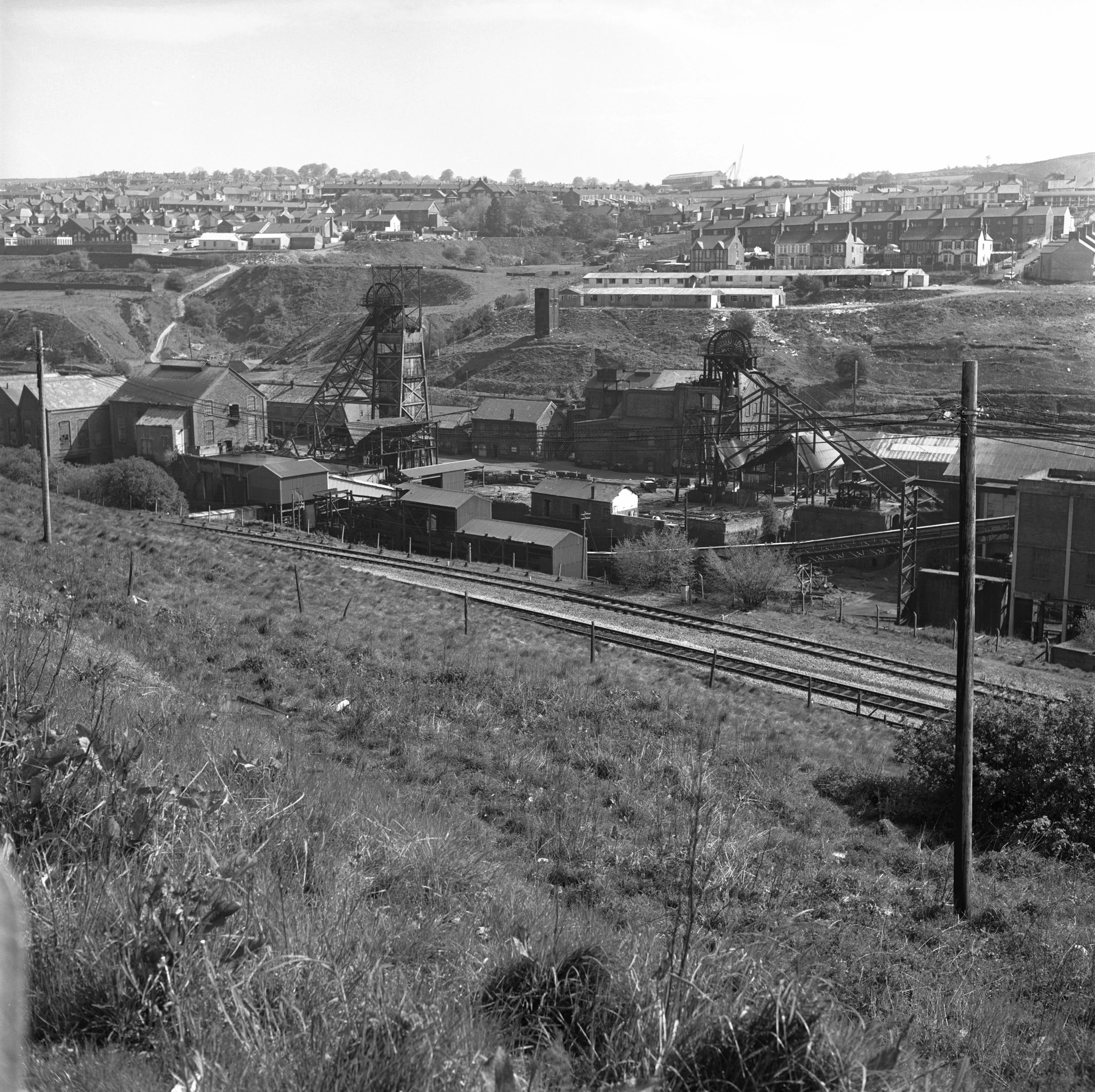
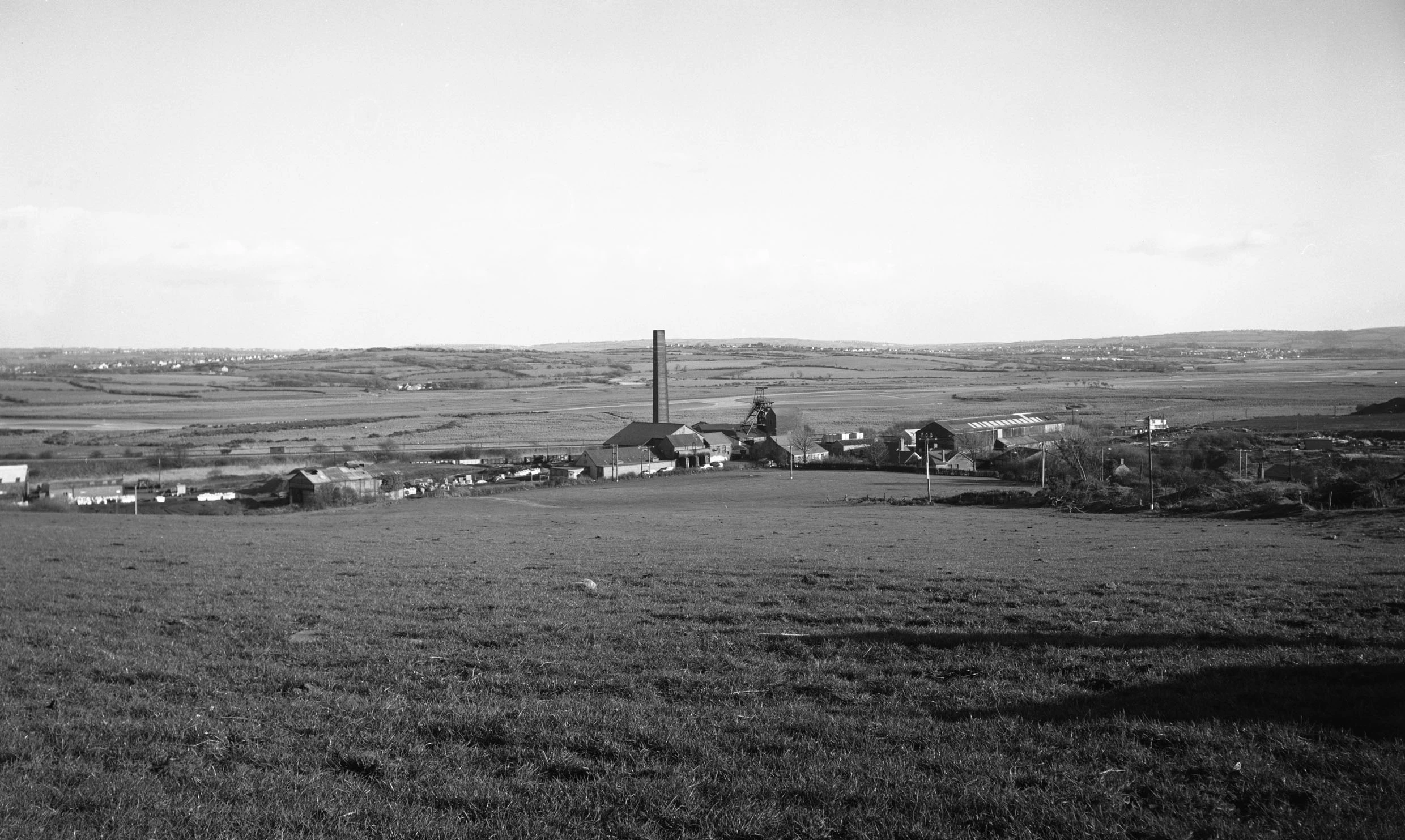
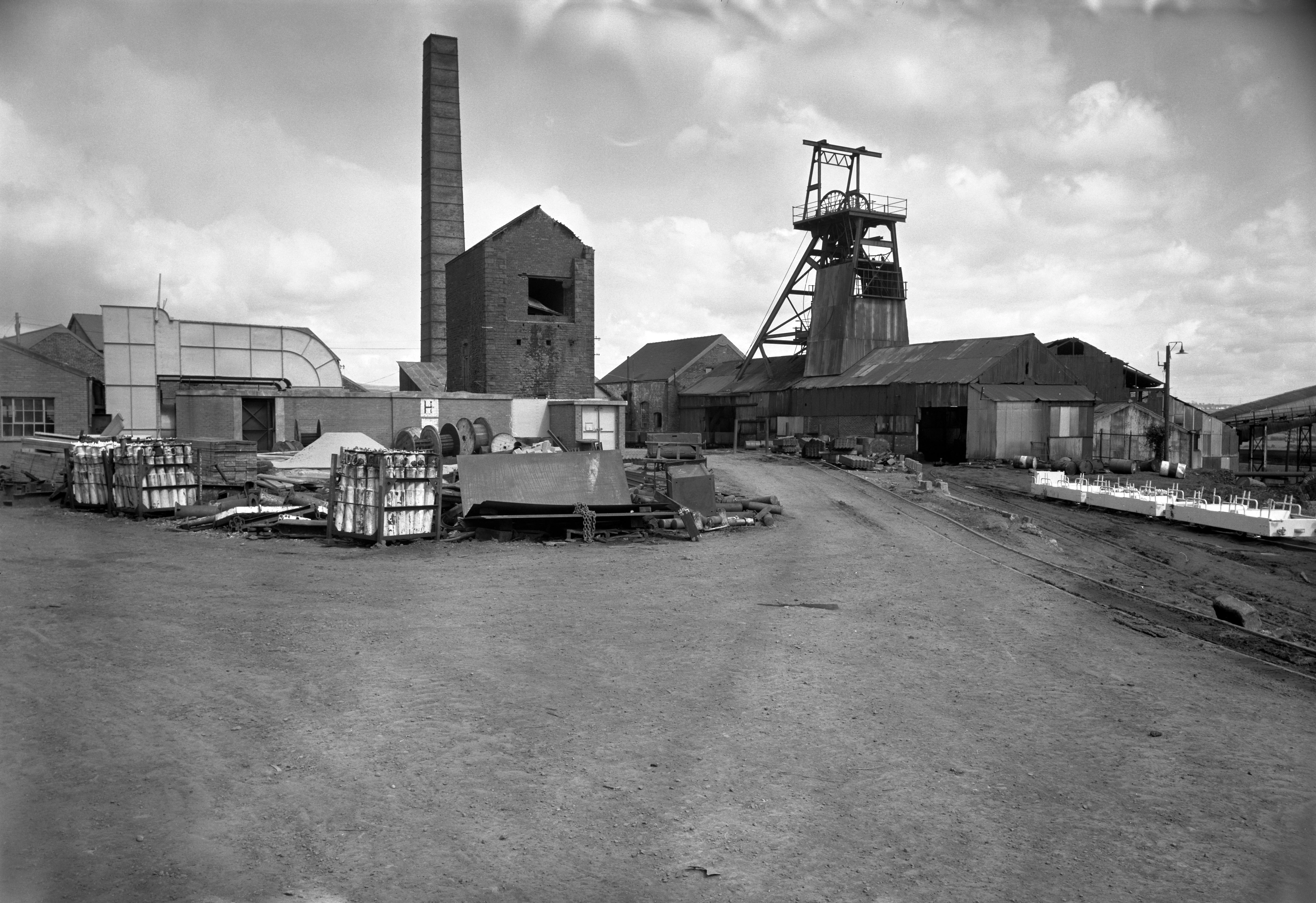
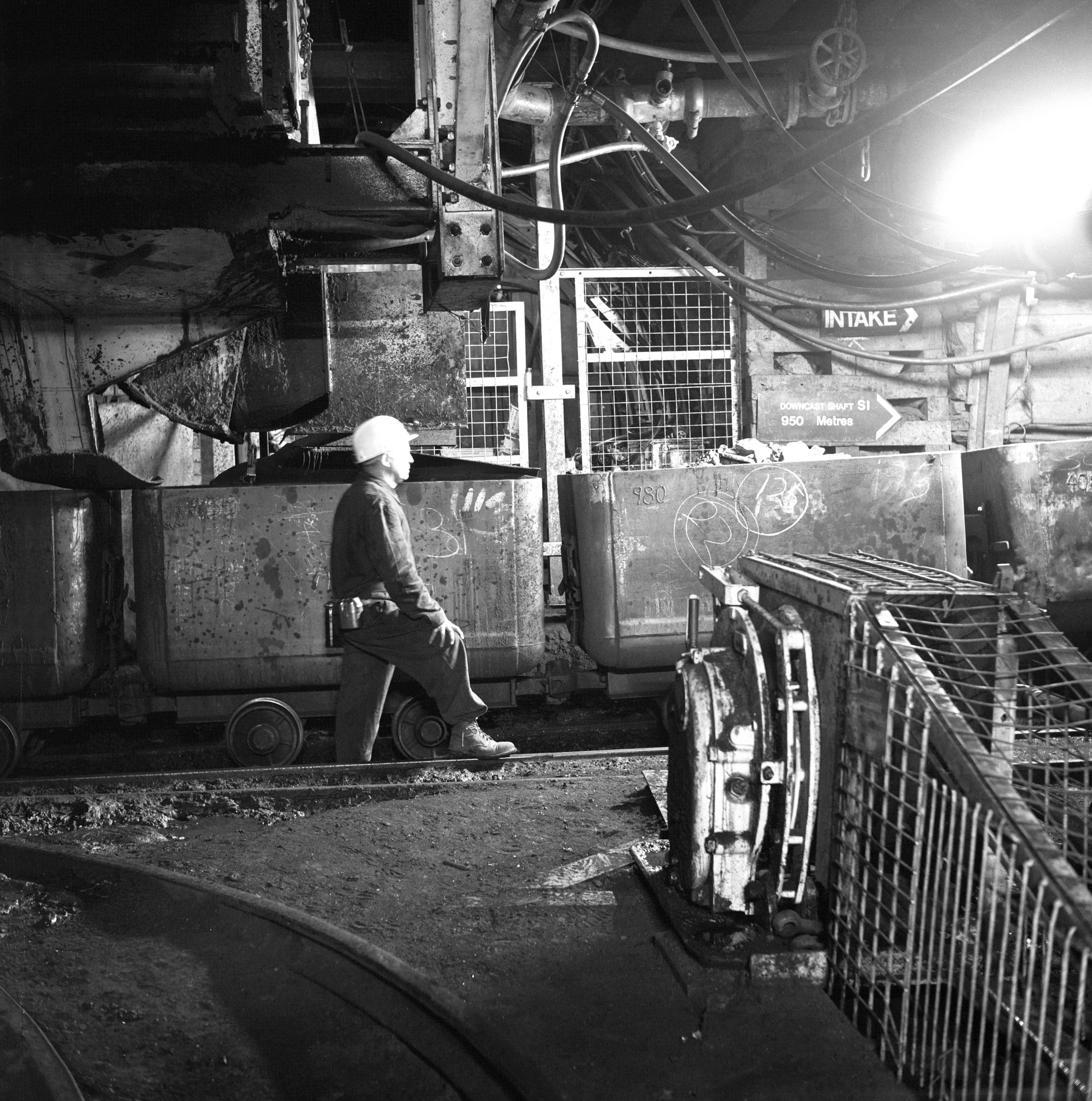
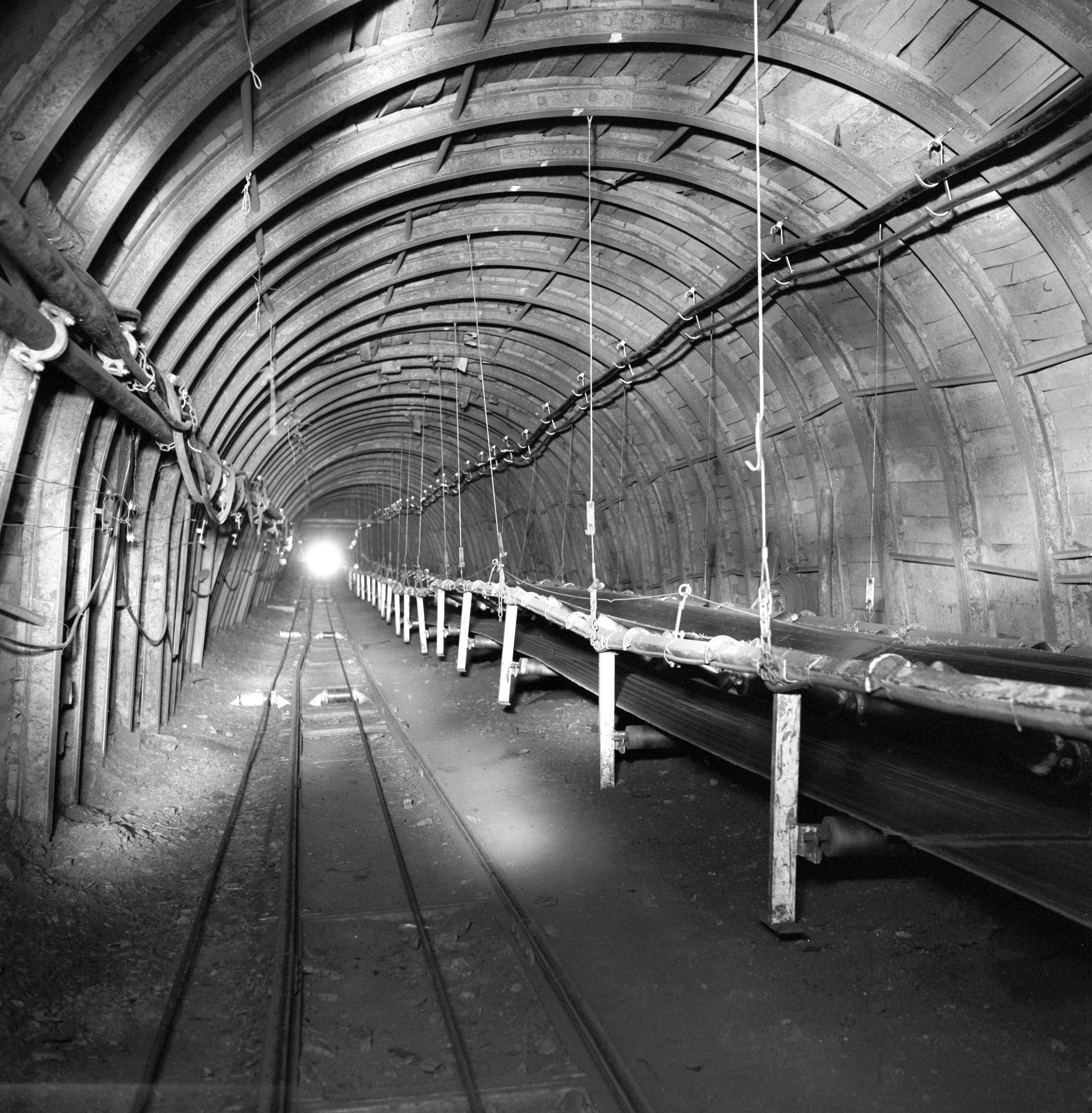
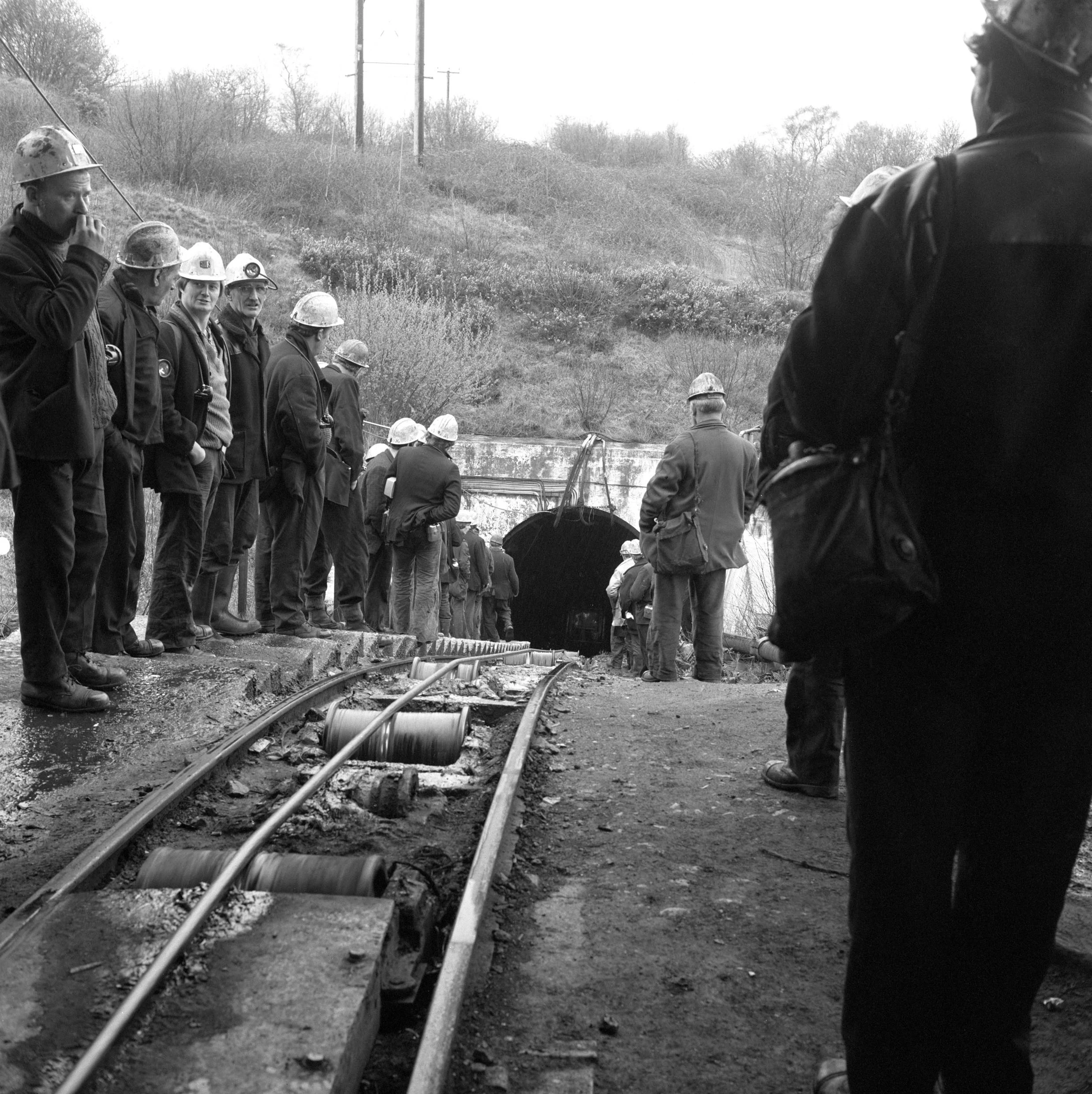
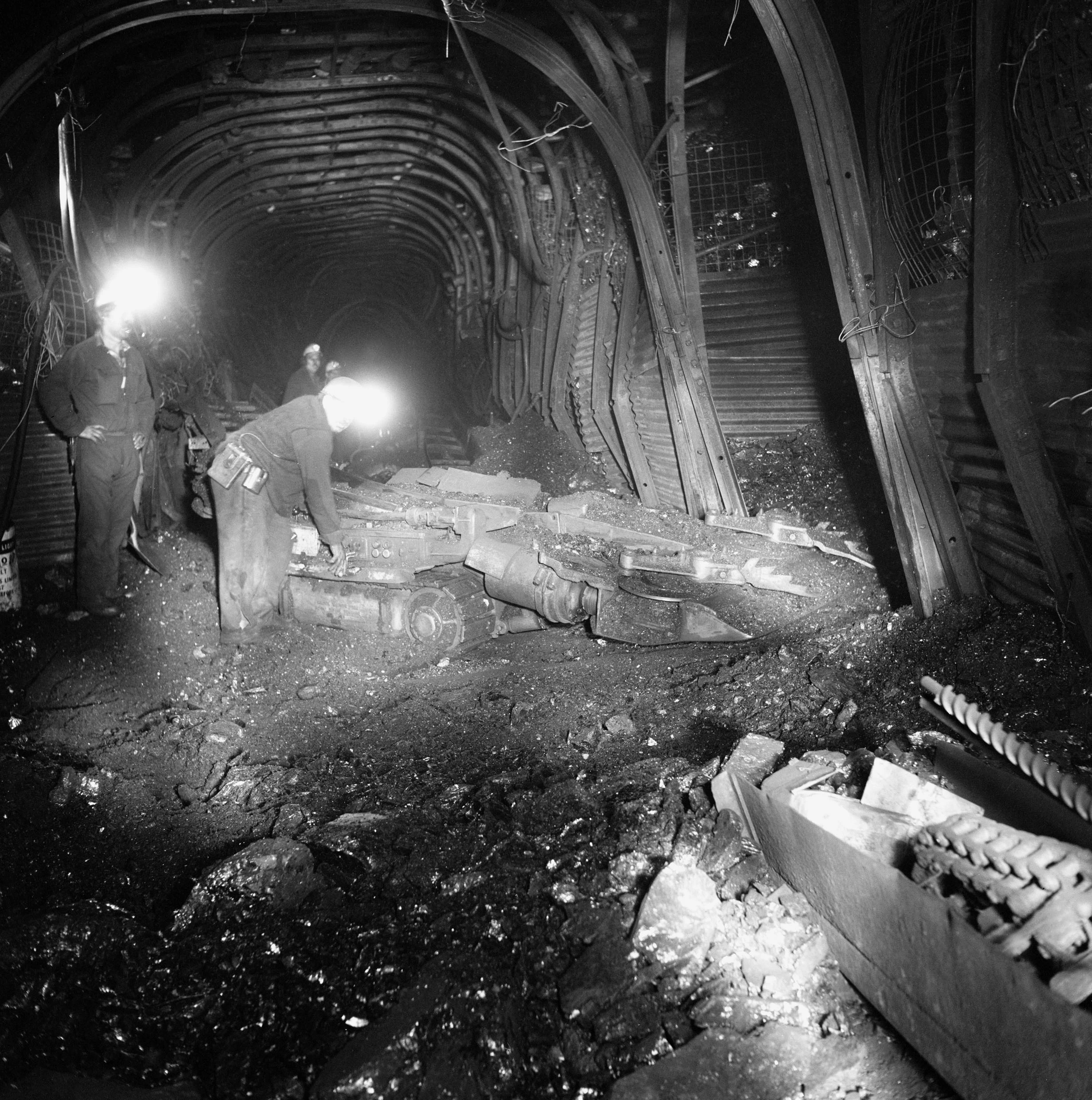
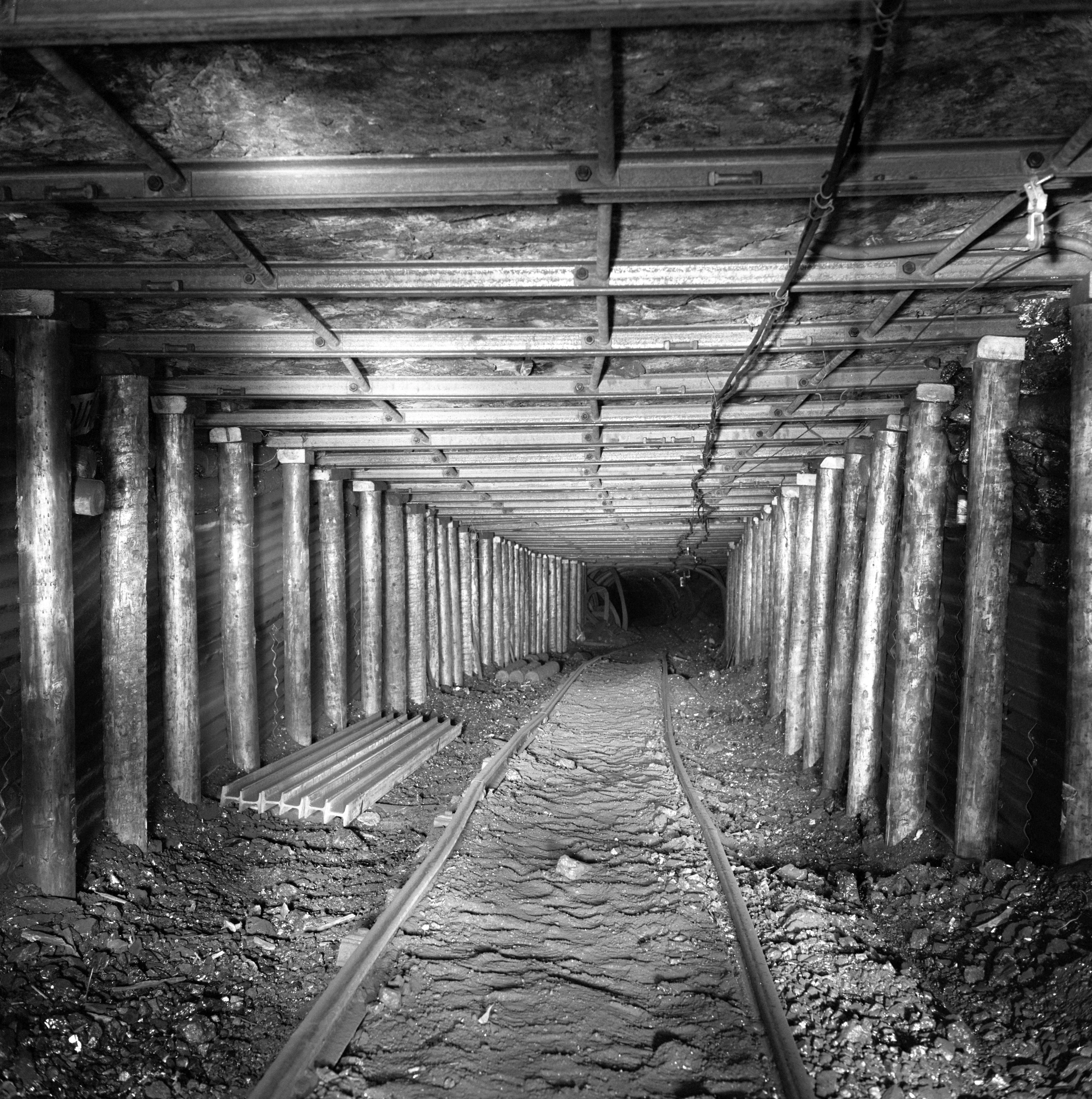
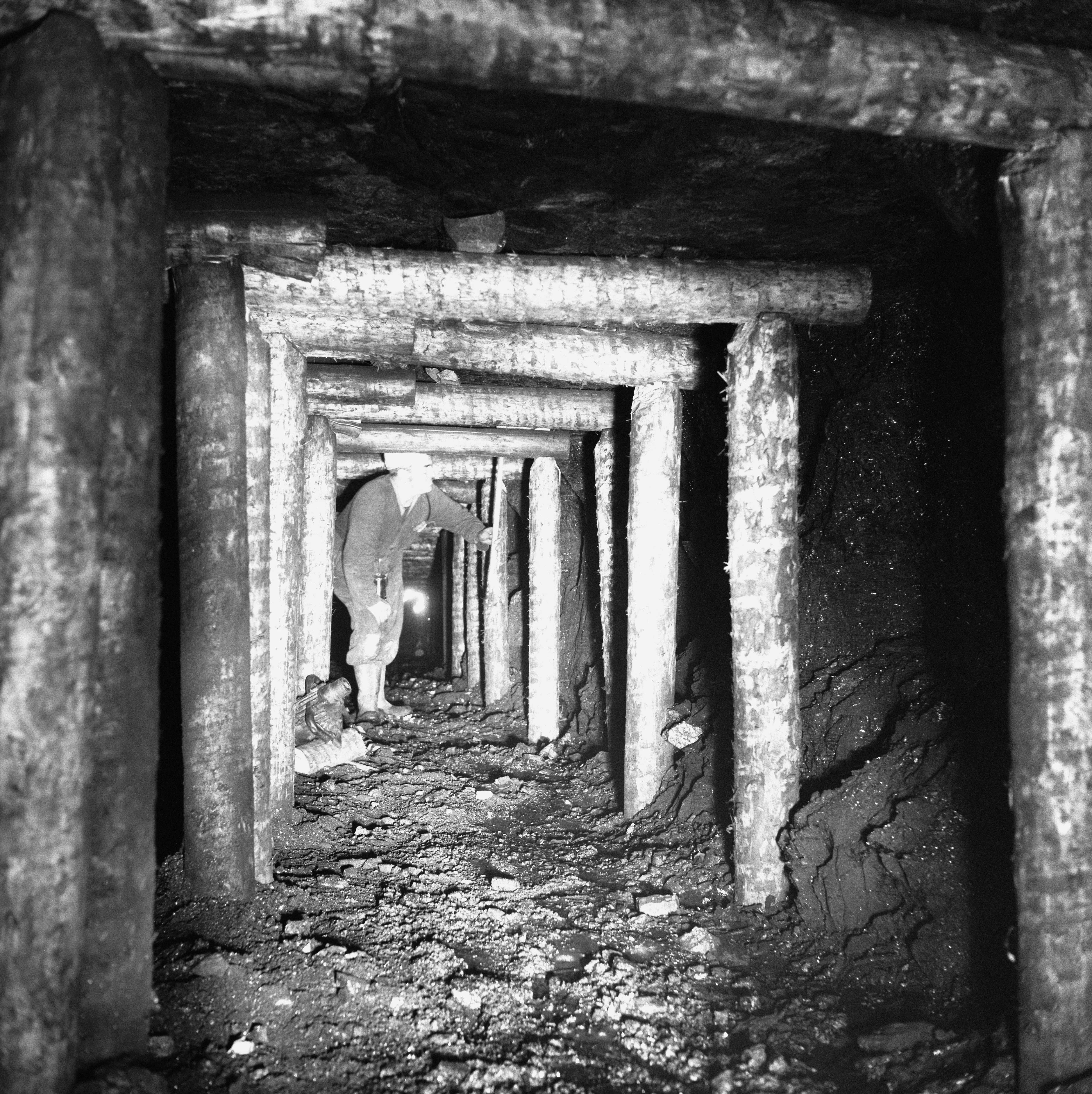
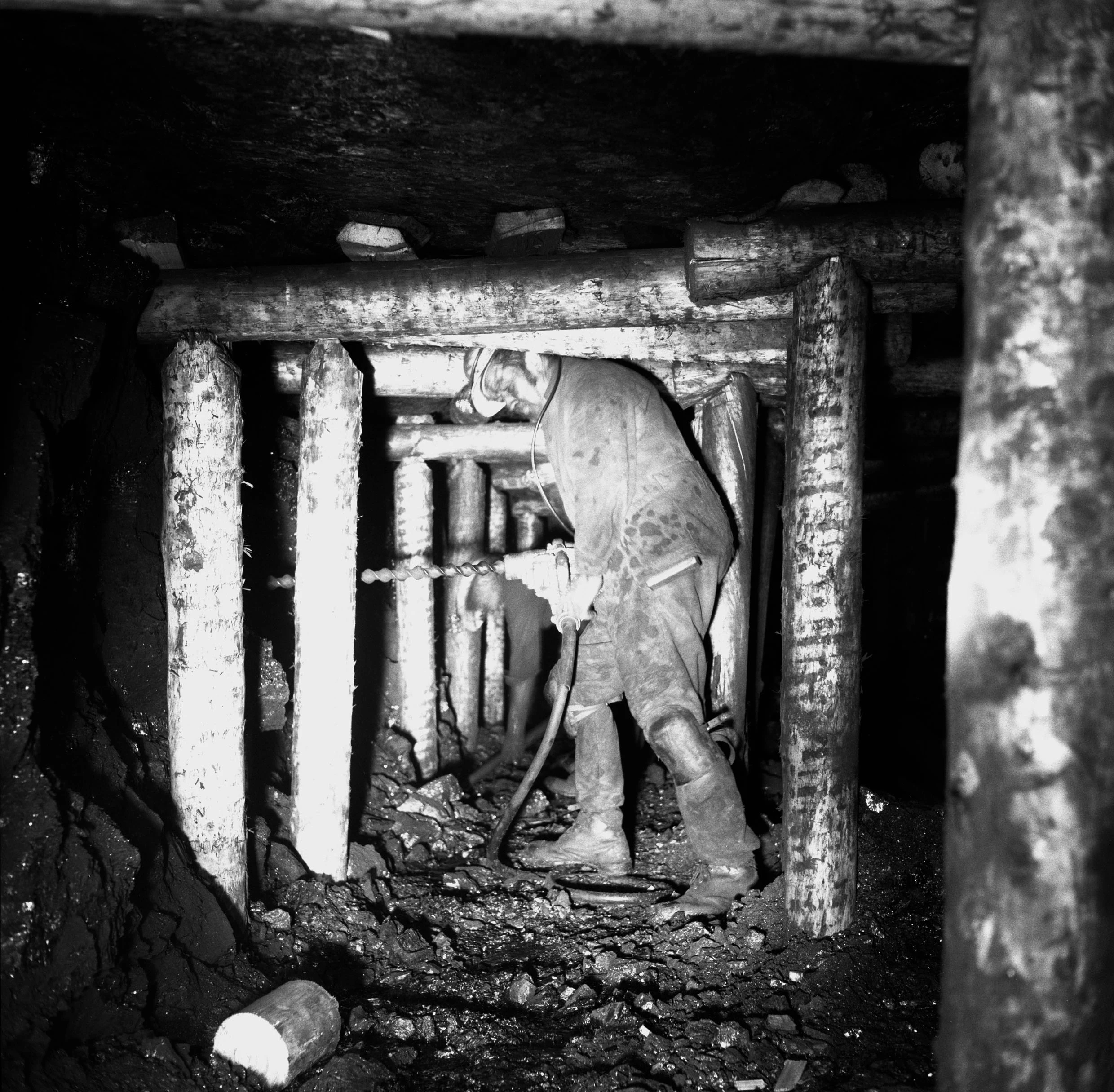
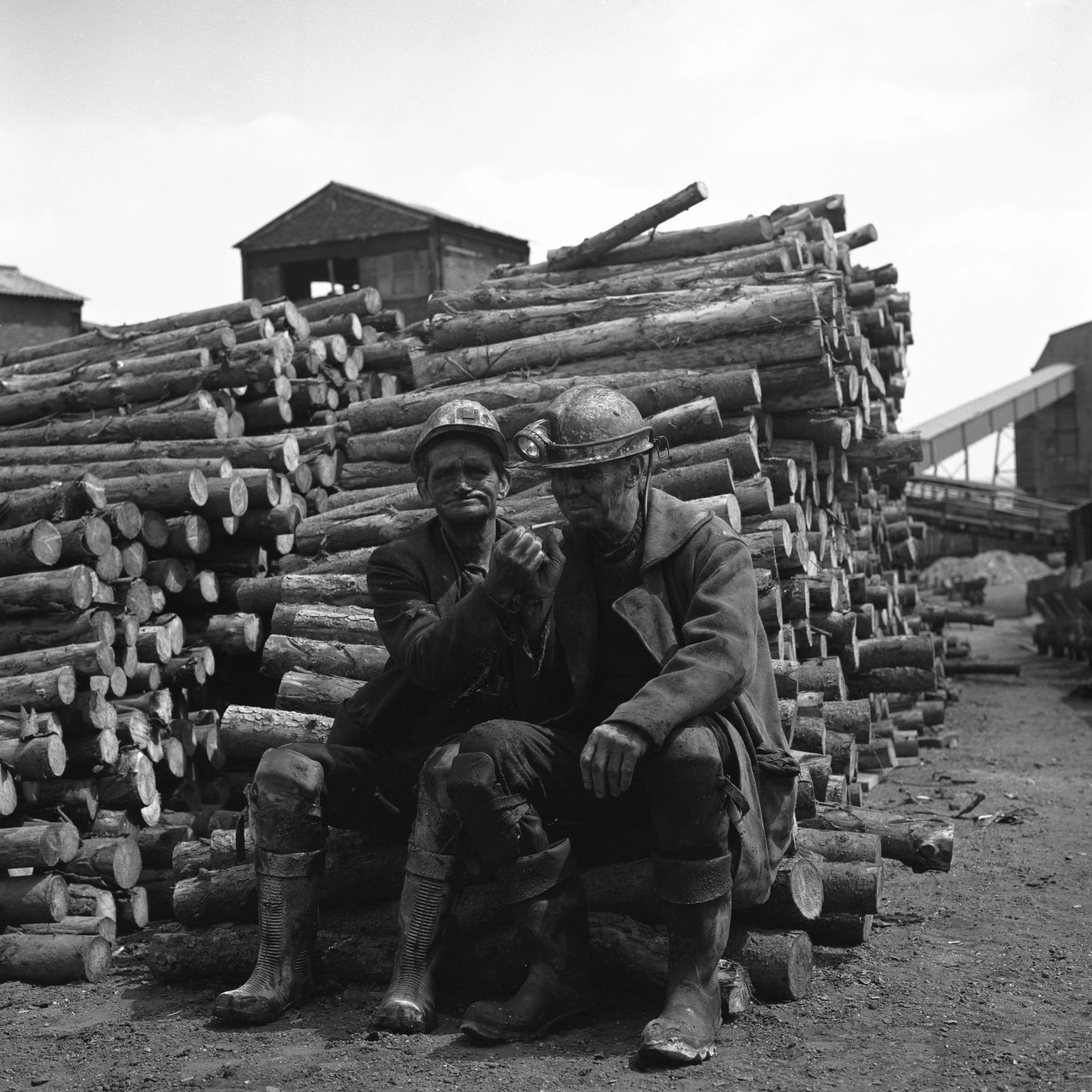
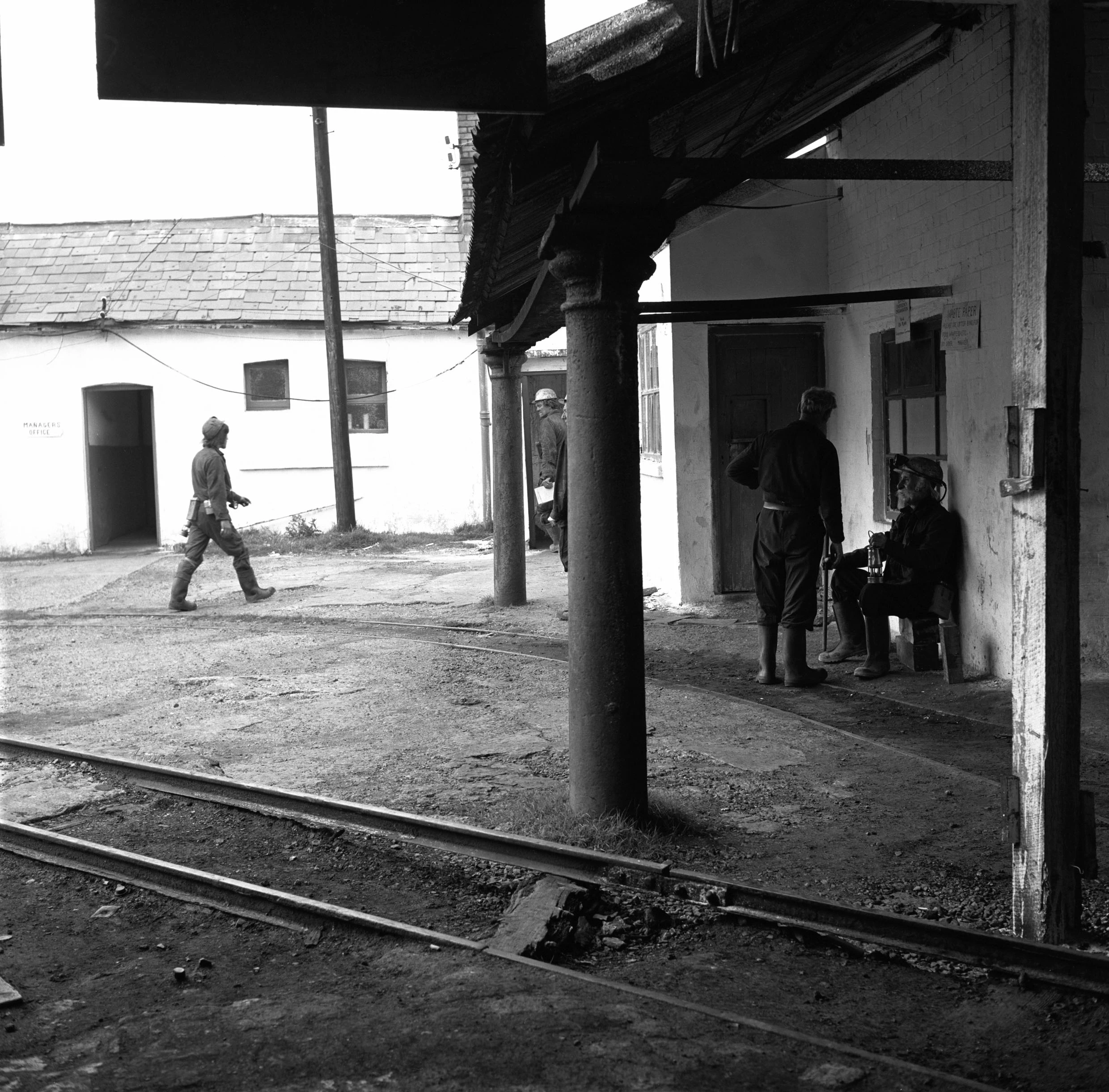
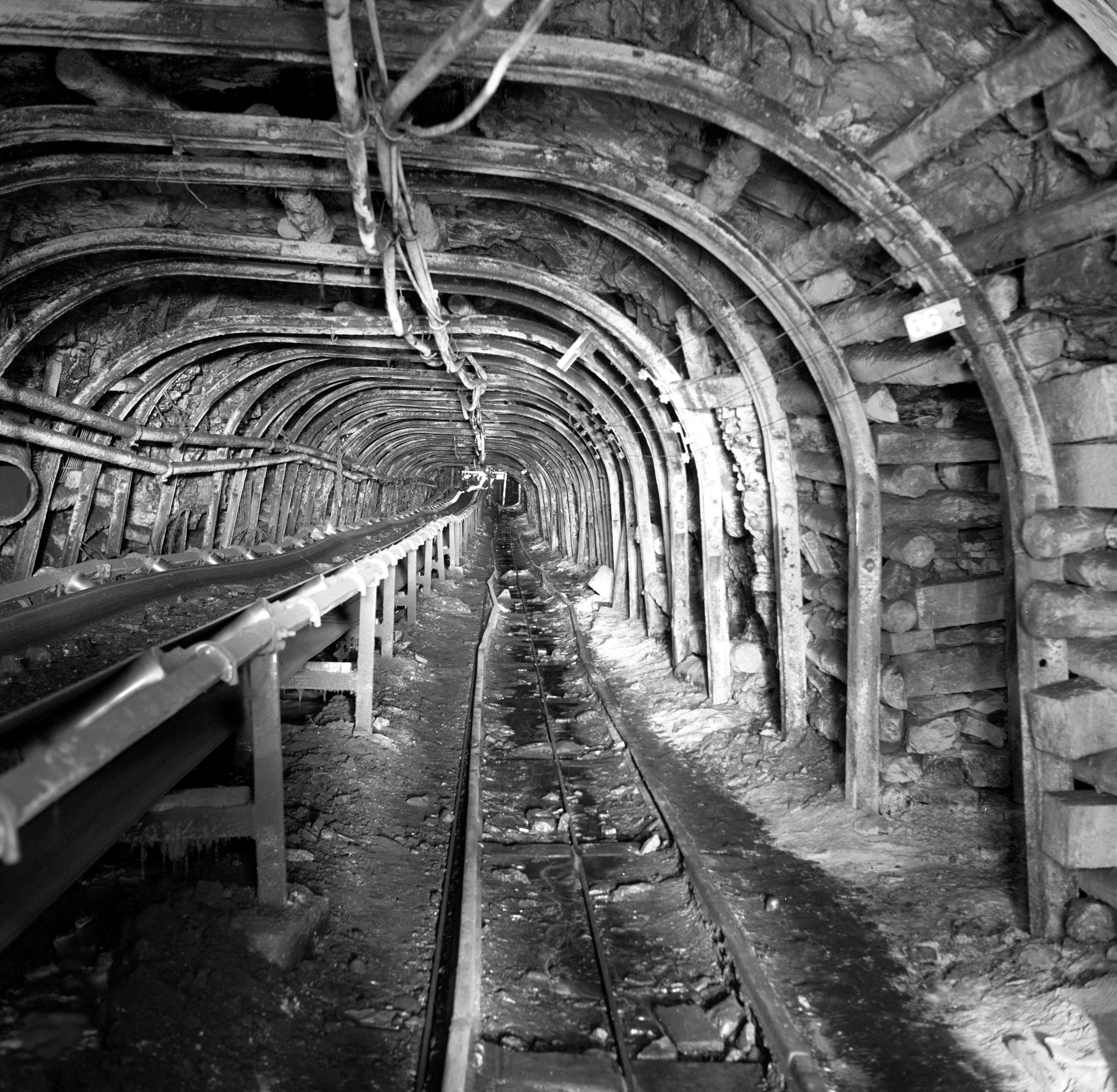
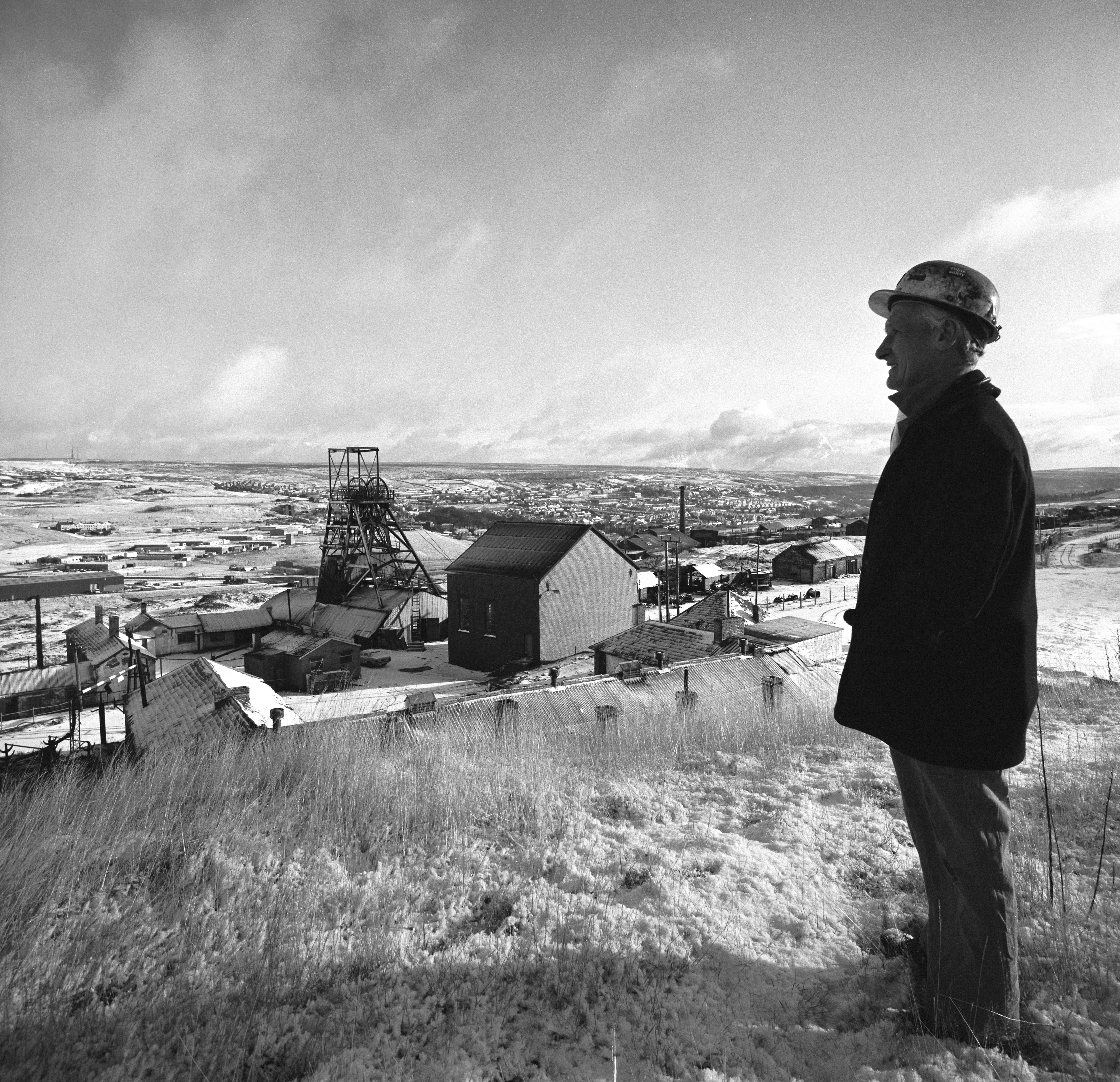
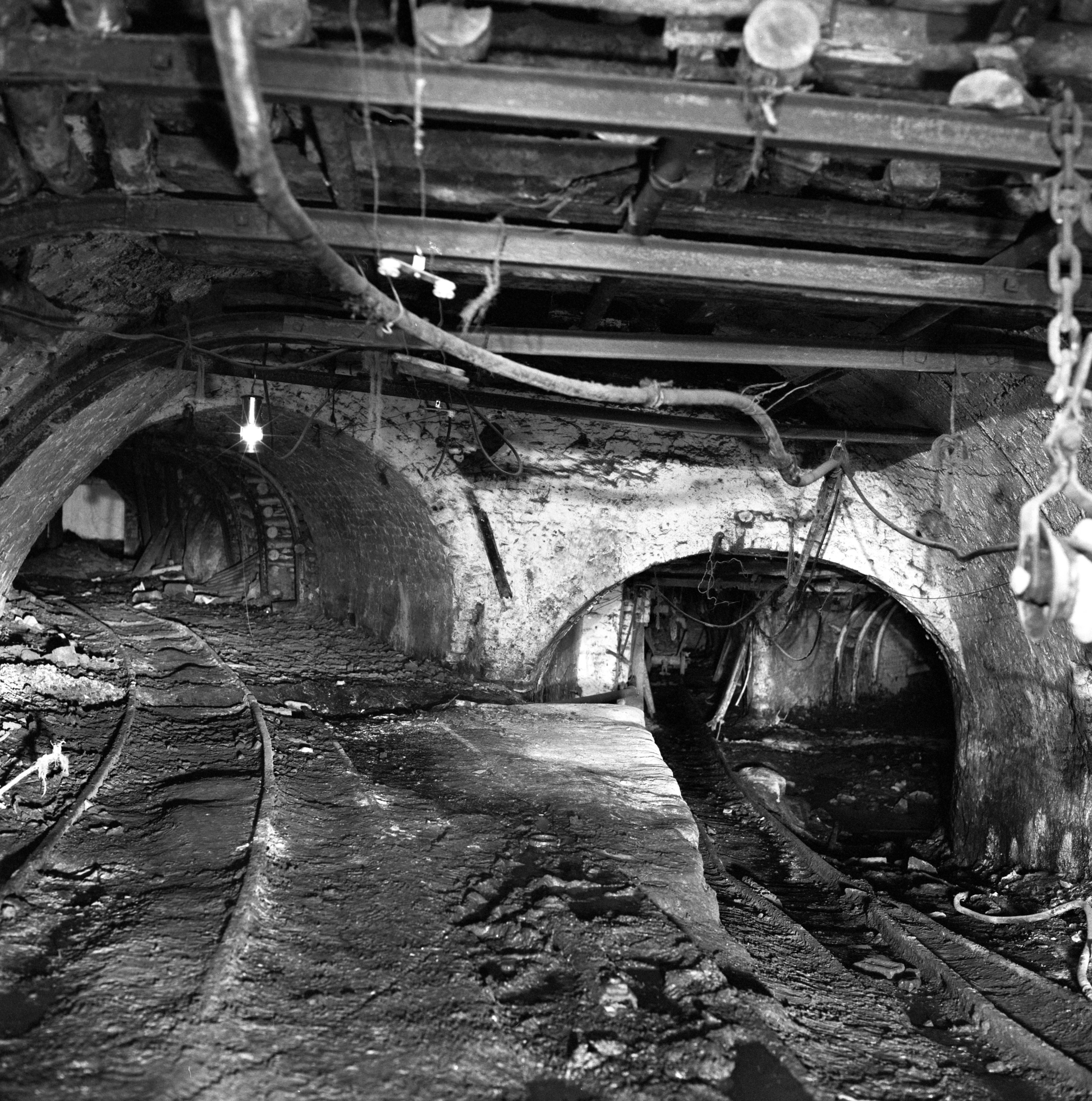
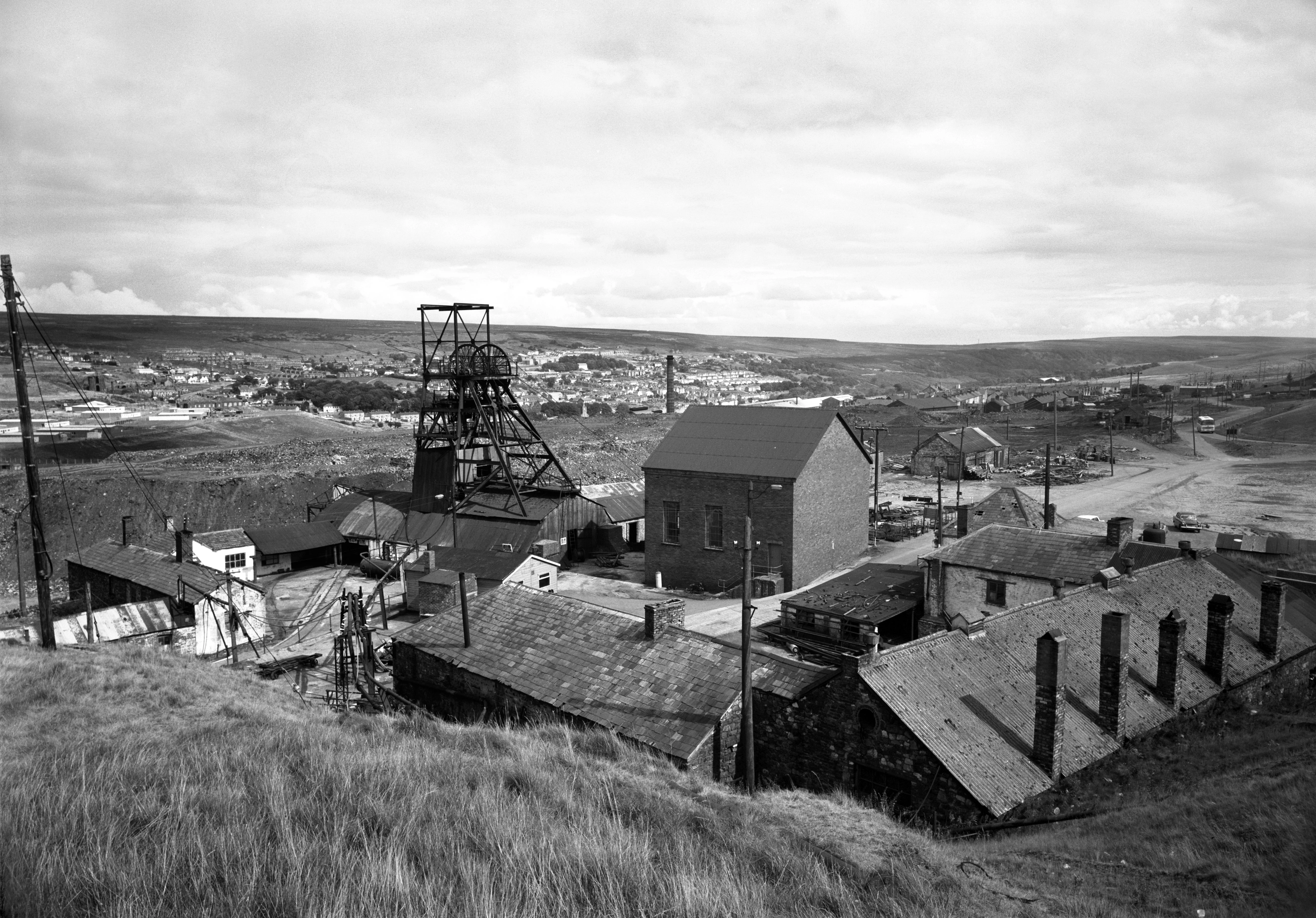
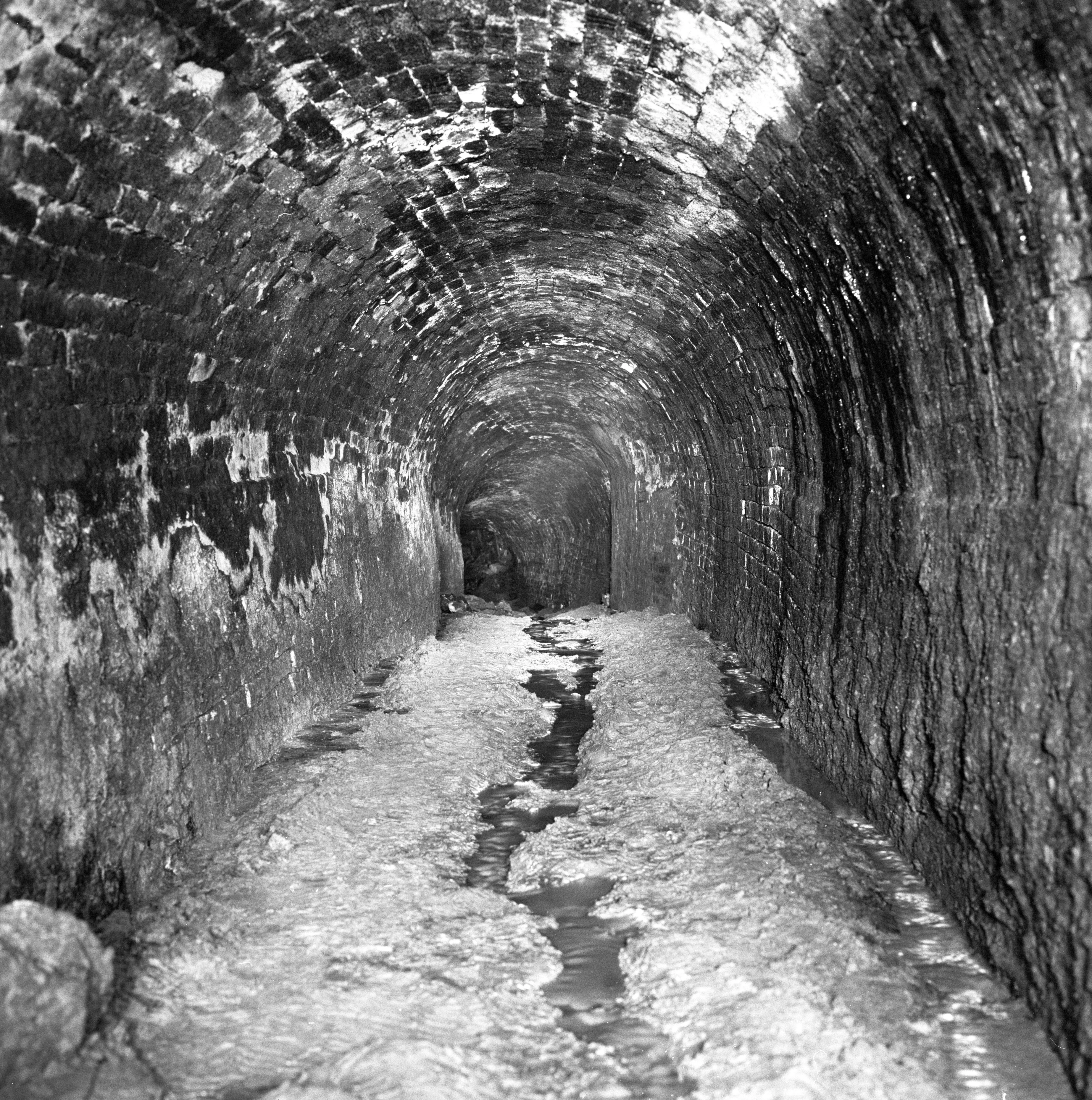
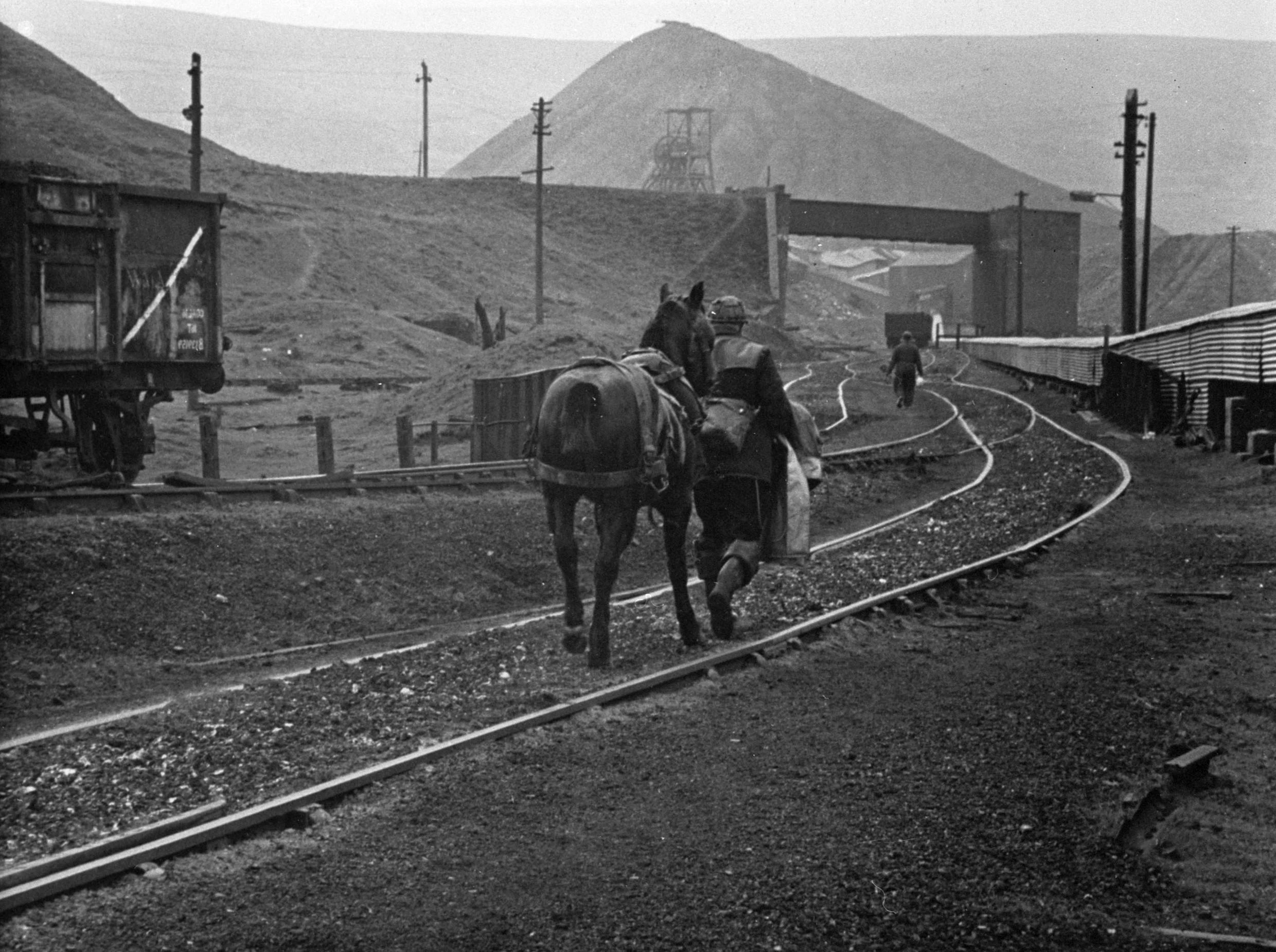
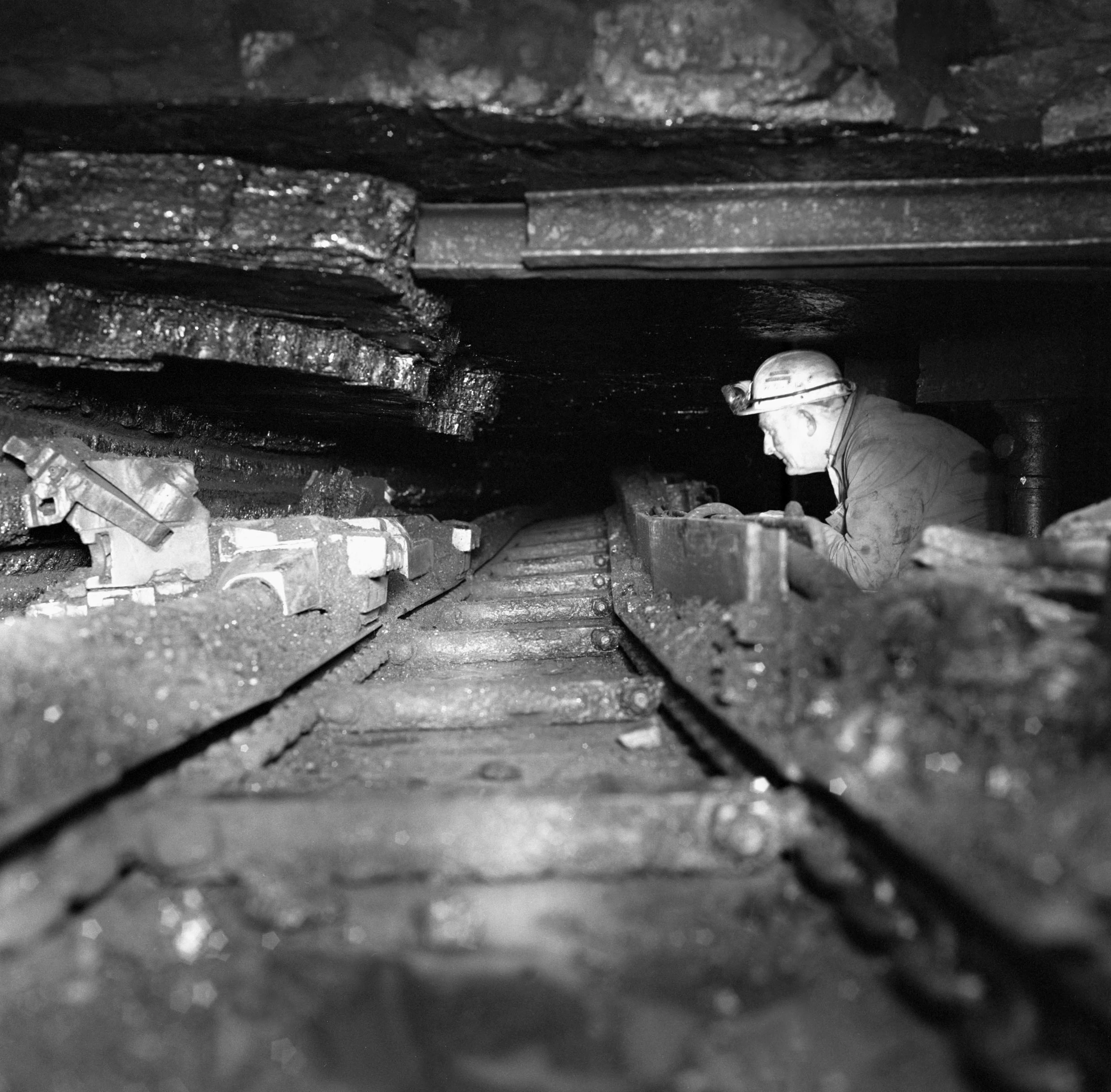
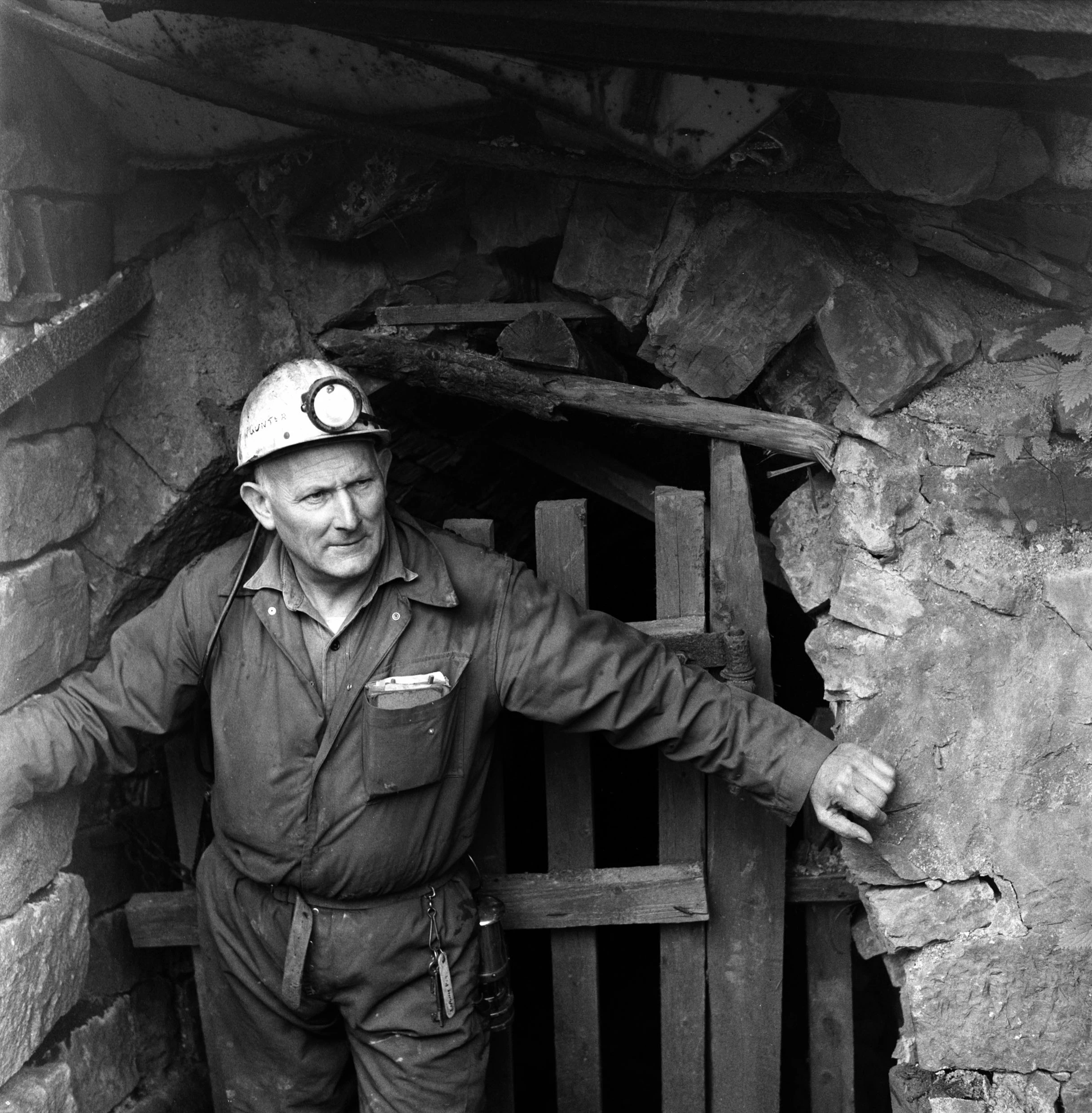
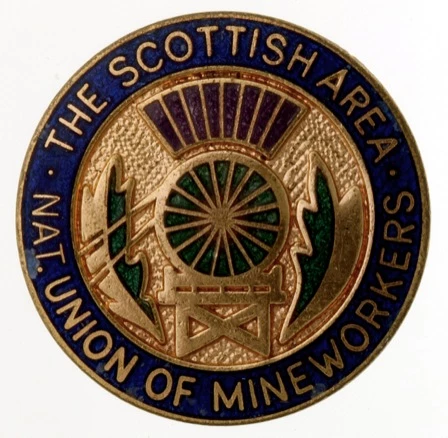
The Colliery photographs of John Cornwell 10 January 2012 John Cornwell was a freelance photographer who took many photographs of collieries, mostly in south Wales and the English Midlands, both underground and on the surface, during the 1970s and early 1980s. He perfected a method of underground photography using the standard colliery lighting and was able to photograph coal faces, roadways, shafts and equipment with amazing clarity. In addition to photographing working mines he also recorded abandoned mine workings, above and below ground.John Cornwell was also well respected in the broader field of industrial archaeology. He published a number of books on Welsh and English collieries.The copyright of his south Wales images is now owned by National Museum Wales.Download the catalogue to the Cornwell Photographic Collection [PDF 4.7MB] John Cornwell: Colliery photos Tirpentwys Colliery 1979 Six Bells Colliery, 1979 Oakdale Colliery, electric locomotive near the pit bottom, c.1978 Oakdale Colliery, coal conveyor attendant, c.1978 North Celynen Colliery, 1975 Markham Colliery yard, 1977 Marine Colliery, 1980 Marine Colliery, 1974, a 'Western' class locomotive - the 'Western Consort'. Llanhilleth Colliery, the lattice headframe on the No.2 shaft, 1975. Hafodyrynys Colliery, electric locomotive at the entrance to the drift in 1968. Cwmtillery Colliery, decorative brickwork on ventilation fan building, 1980 Cwmtillery Colliery pit bottom, 22 November 1977 Celynen South Colliery, 1978. Blaenserchen Colliery pit bottom in 1979 with supplies and a dram of waste. Blaenserchan colliery in 1973. Coegnant Colliery 1978, prop and bar face. Wyndham Colliery, c.1975 Wyndham/Western Colliery, turntable near pit bottom, c.1979 Treforgan Colliery with the afternoon shift waiting to descend 1979 St John's Colliery, Anderson Strathclyde shearer, c.1979 Overmen inspecting a shearer on the Six Feet Seam, Brynlliw Colliery 15 December 1977 Modern concrete viaduct linking the mine with the washery, Blaengwrach Colliery, c.1977. Graig Merthyr Colliery, line of drams in the Graigola Seam - note the unsupported sandstone roof, c.1977 Graig Merthyr Colliery yard in 1977 with a long journey of drams waiting to be run into the mine. Garw Colliery in 1977, with village in the background. Cefn Coed Colliery, 1973, engine house and downcast shaft headframe. Cefn Coed Colliery engine house for the Markham engine on the upcast shaft 1973. Aberpergwm, 1972, entrance of the new drift mine. Abernant Colliery, miner at a pumping station at pit bottom, 1978 Aberpergwm Colliery, Dosco Road heading machine and auxiliary fan ducting, c.1978 Ty Mawr Colliery, the remains of an underground ventilation furnace which date back to the late 1870s. Tower Colliery, 'Rex' with his ostler, 1979. Taff Merthyr Colliery, heading with Dosco road heading machine and auxiliary ventilation, 1979. Taff Merthyr Colliery in the late 1970s. Penrhiwceiber Colliery Pit bottom, 1978. Nantgarw Colliery, 1978, Anderson Strathclyde drum shearer cutting coal on the coal face. Merthyr Vale Colliery downcast shaft, c.1980 Maerdy Colliery, 1977, empty mine cars waiting at pit top. Lewis Merthyr Colliery, 1977, hydraulic roof supports in the yard waiting to be taken underground. Lady Windsor Colliery, steam locomotive with the upcast shaft in the background, 1977 Ffaldau Colliery, 1977, the pit head. Fernhill Colliery, the jib of an AB 15 hydraulic undercutter on a timbered longwall face. Deep Navigation Colliery, the downcast headframe, c.1978 Deep Duffryn Colliery, two pitmen inspecting the shaft from the roof of the cage, 1977-78. Bargoed Colliery, 20 May 1977. Morlais Colliery, general view looking east across the River Llwchwr, 1978. Morlais Colliery, a general view, note the derelict engine pumping house, 1978 Cynheidre Colliery,coal drams at an underground loading point, c.1978 Cynheidre Colliery, main trunk road with high speed conveyor, c.1978 Cwmgwili Colliery, 1978, afternoon shift waiting for their ride at the entrance of the mine. Cwmgwili Colliery, 1978, a Joy Loader and operators ready to commence work. Betws Mine, the afternoon shift waiting for the manriding train, c.1976 Cwmgwili Colliery, a completed drivage supported by timber, 1978 Ammanford Colliery, 1974, Mr P.A. Jones, Safety Officer inspecting the roof on the last coal face. Ammanford Colliery, 1974, Gerald Gibson drilling a shot hole on the coal face. Ammanford Colliery, 1974, a journey of empty drams being lowered into the slant. Two Blaenavon miners in the timber yard at the end of the morning shift, 1978. The Big Pit manager, Glyn Morgan, talking to Billy 'Pigeon' Preece (seated), Big Pit 1975 New roadway driven from the drift entrance with conveyor belt carrying coal from the Garw Seam, Big Pit 1975. Last day for Glyn Morgan, the last National Coal Board Manager, on 28 November 1980. Junction near pit bottom, Big Pit 1975, now part of the museum's underground tour. General surface view, Big Pit 1975. Forge level, driven c.1812, later incorporated into the Big Pit underground complex . Colliery horse returning to Big Pit surface stables from the Washery in 1968. Bill Gunter, the Big Pit safety officer, on the G11 face in 1979 Bill Gunter standing at the archway to Dick Kear's Slope, driven around 1820. Big Pit. A mine official examining a section of a cage of a water balance machine, near the pit bottom of the Forge Pit (Big Pit), 1975
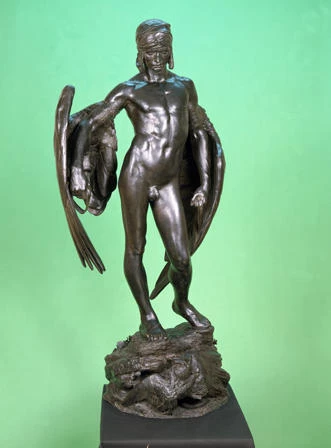
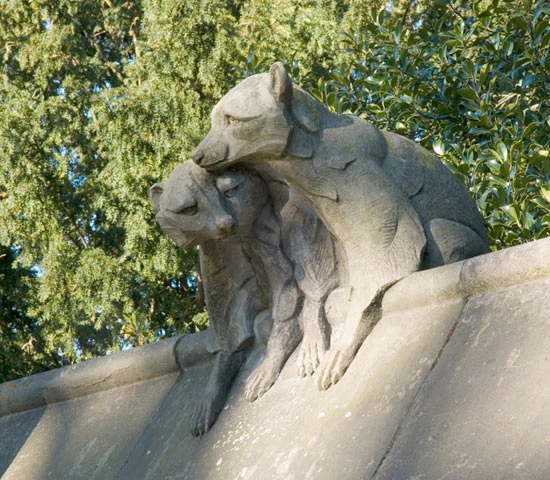
William Goscombe John (1860-1952) Oliver Fairclough, 10 December 2011 Morpheus Sir William Goscombe John (1860 - 1952) Icarus Sir Alfred Gilbert (1854 - 1934) In 1881, William Goscombe John assisted in creating the sculptures for Cardiff Castle's Animal Wall Edwardian Wales, newly wealthy from coal, iron and steel, provided rich opportunities for a sculptor. William Goscombe John's public monuments can be found all over Wales, but nowhere more than in his native Cardiff. He also modelled the prize medals still awarded by the National Eisteddfod today. Making his way He was born William John in Cardiff in March 1860. He assumed the name Goscombe from a Gloucestershire village near his mother's old home. His father Thomas John was a woodcarver in the workshops set up by Lord Bute for the restoration of Cardiff Castle. William joined his father at the age of 14, while also studying drawing at Cardiff School of Art. In 1881 he went to London as a pupil assistant to Thomas Nicholls, the sculptor responsible for the Castle's Animal Wall. He continued his studies at the Kennington School of Art and, from 1884, at the Royal Academy Schools, where he was taught naturalistic modelling in clay in the French manner introduced in London in the 1870s by Jules Dalou. He was an outstanding student, and travelled widely. He spent a year in Paris, including a period in Rodin's studio. In 1890 he returned to London and settled in St John's Wood. His sculpture Morpheus, shown in the Paris Salon of 1892, clearly shows Rodin's influence. The 'New Sculpture' British sculptors of John's generation were trying to make sculpture more dynamic through the vigorously naturalistic representation of the human body. They represent the final flowering of a sculptural tradition that had its roots in the Renaissance, and was revitalised by Rodin and his contemporaries in mid nineteenth-century France. John followed the success of Morpheus with a statue of John the Baptist for Lord Bute, and by a group of life-size nudes including Boy at Play and The Elf. These show complete mastery of anatomical form. By the end of the 1890s Goscombe John had firmly established himself, exhibiting his work both nationally and internationally. He was beginning to win big public commissions and in the years leading up to the First World War he was extremely busy. Wales and the Empire Although based in London, John was careful to position himself as Wales's national sculptor. In 1916 he contributed the central marble figure St David Blessing the People to a group of ten figures made for Cardiff City Hall. He also received commissions for portraits from the leading Welshmen of the day. John may have built his career on local patronage, but he attracted work from across the Empire, such as his tomb in Westminster Abbey to Conservative Prime Minister Lord Salisbury, and his equestrian statue of King Edward VII in Capetown. His first major public sculpture was the King's Regiment memorial (1905) in the centre of Liverpool, incorporating soldiers from the regiment's history, including the vast Drummer Boy, which is his best-known work. The Welsh and the Imperial came together in the commission for the regalia for the investiture of the future Edward VIII as Prince of Wales at Caernarfon Castle in 1911. John designed a crown, a ring, a sceptre and a sword that contained a 'Welsh' iconography of dragons, daffodils and Celtic interlace. John had little sympathy with what he termed the 'Easter Island' style of modern sculpture, with its emphasis on direct carving in stone. Critical opinion was already beginning to leave him behind by 1914, but the First World War tragically brought new commissions for memorials, including many in Wales. Goscombe John and the National Museum Goscombe John was one of the founding fathers of Amgueddfa Cymru. He served on the governing Council for over forty years, and played a major role in establishing the future direction of the art collection. As well as a complete representation of his own work, his gifts to the Museum included work by many of his fellows in the New Sculpture movement, among them the primary cast of Alfred Gilbert's Icarus, and by many other artists he admired.
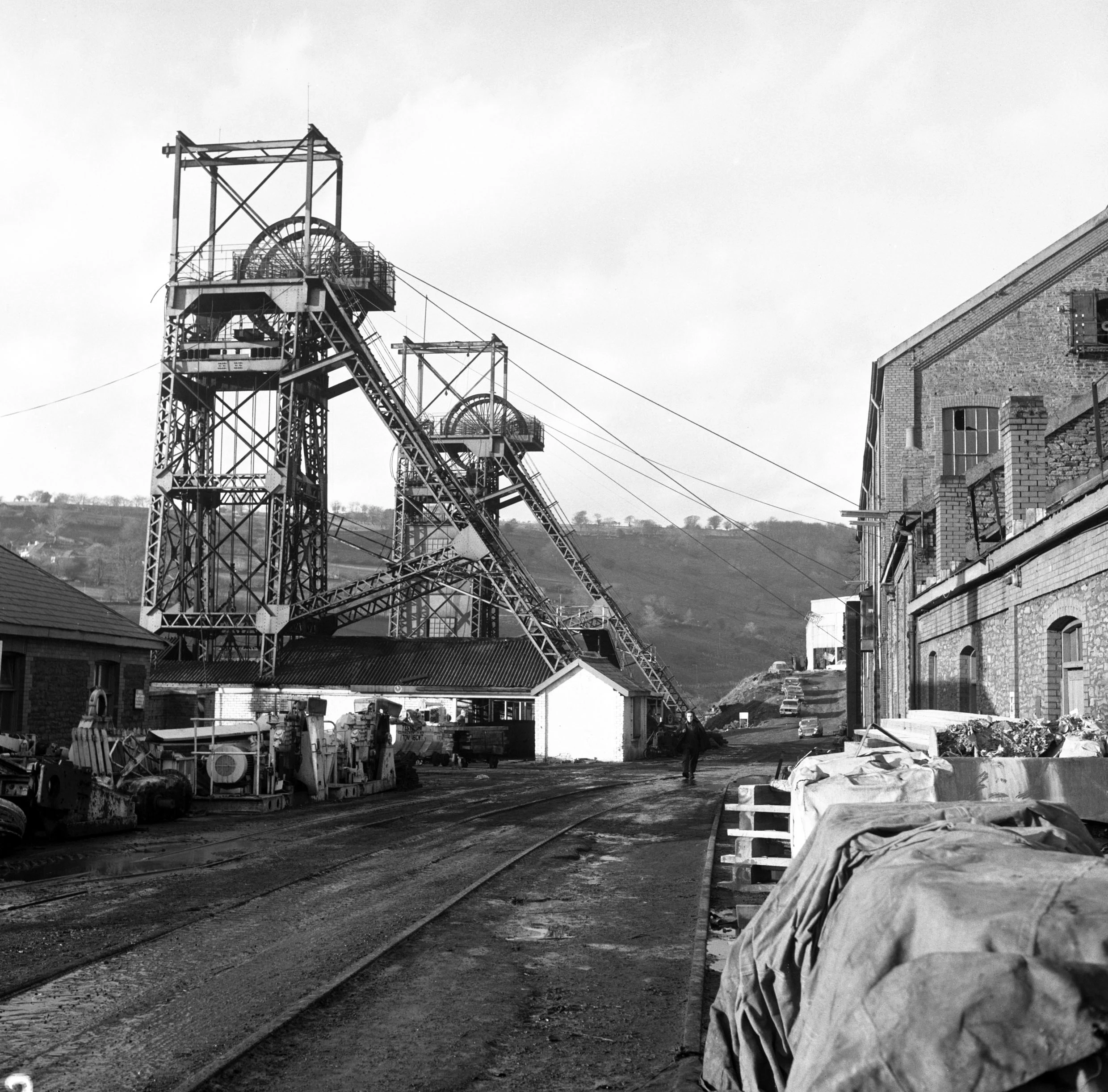
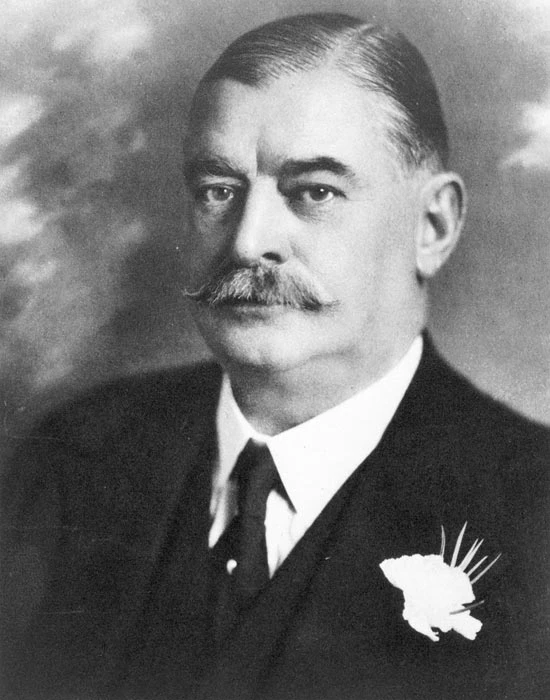
William James Tatem, 1st Baron Glanely (1868-1942) David Jenkins, 30 November 2011 William James Tatem, 1st Baron Glanely of St Fagans. Lord Glanely is probably best remembered today as a noted racehorse owner, whose horses won all five Classic races of the British turf. However, he made his money in shipping, and was generous in his support of numerous worthy causes in south Wales, particularly Amgueddfa Cymru and Cardiff University. Tatem was not Welsh at all; he was born at Appledore in north Devon in 1868, and the early death of his father Thomas led his mother to move her family to Cardiff when Tatem was eighteen. He joined the shipping company Anning Brothers as a clerk and became thoroughly familiar with all aspects of the shipping business. Armed with this knowledge he ventured into shipping on his own account in 1897, and the master of one of his first ships was a fellow-native of Appledore, William Reardon Smith. A substantial fleet By 1914 Tatem had built up a substantial fleet of sixteen ships. He was knighted in 1916 and in 1918 was elevated to the peerage, taking the title Baron Glanely of St Fagans. A perceptive and far-sighted shipowner, he sold off his entire fleet for a vast sum at the height of the post-First World War boom in 1919, only to re-enter shipowning with the purchase of six new ships, obtained at bargain prices, a few years later. This enabled him to survive the depression years far better than many of his contemporaries. Exning, Lord Glanely's palatial Newmarket house. Lord Glanely leads in Singapore, victorious in the 1930 St Leger; the jockey was Gordon Richards 'Sporting Bill' His horse-racing interests expanded considerably after the First World War. In 1919-20 he bought the fine house Exning in Newmarket, together with the nearby Lagrange stables. His first major win came at Royal Ascot in 1919 when his Grand Parade won the Derby. This win caused some controversy, as he had another horse running in the same race, the favourite, Dominion. At the finishing post Dominion was far down the field, while Grand Parade came home first at 33:1 — and all of Glanely's money was on the latter horse! He was a familiar figure at all the major race meetings and was popularly known as "sporting Bill". Philanthropy and charitable causes He was generous in his financial support of the National Museum, and this is recalled by the Glanely gallery in National Museum Cardiff. He was twice president of the University College of South Wales and Monmouthshire, in 1920-25 and 1934-42, where he had funded the construction of new scientific laboratories. During the Spanish Civil War he employed two of his own ships to transport a large number of Basque refugees to south Wales, and he also endowed a charity to support them thereafter. Despite his success in so many endeavours, personal happiness eluded him. His only son Shandon died aged just six in 1905, and Lady Glanely died following injuries sustained in a car accident in 1930. He was killed in an air-raid on Weston-Super-Mare on 24 June 1942.