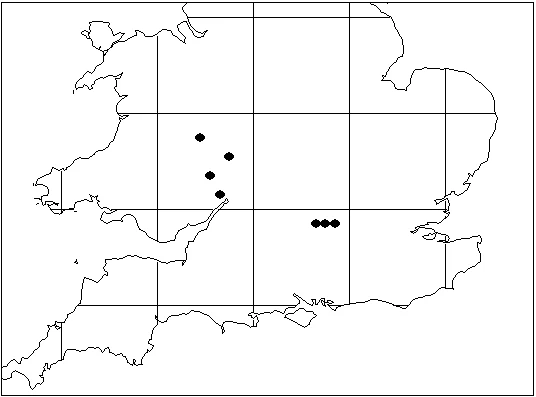
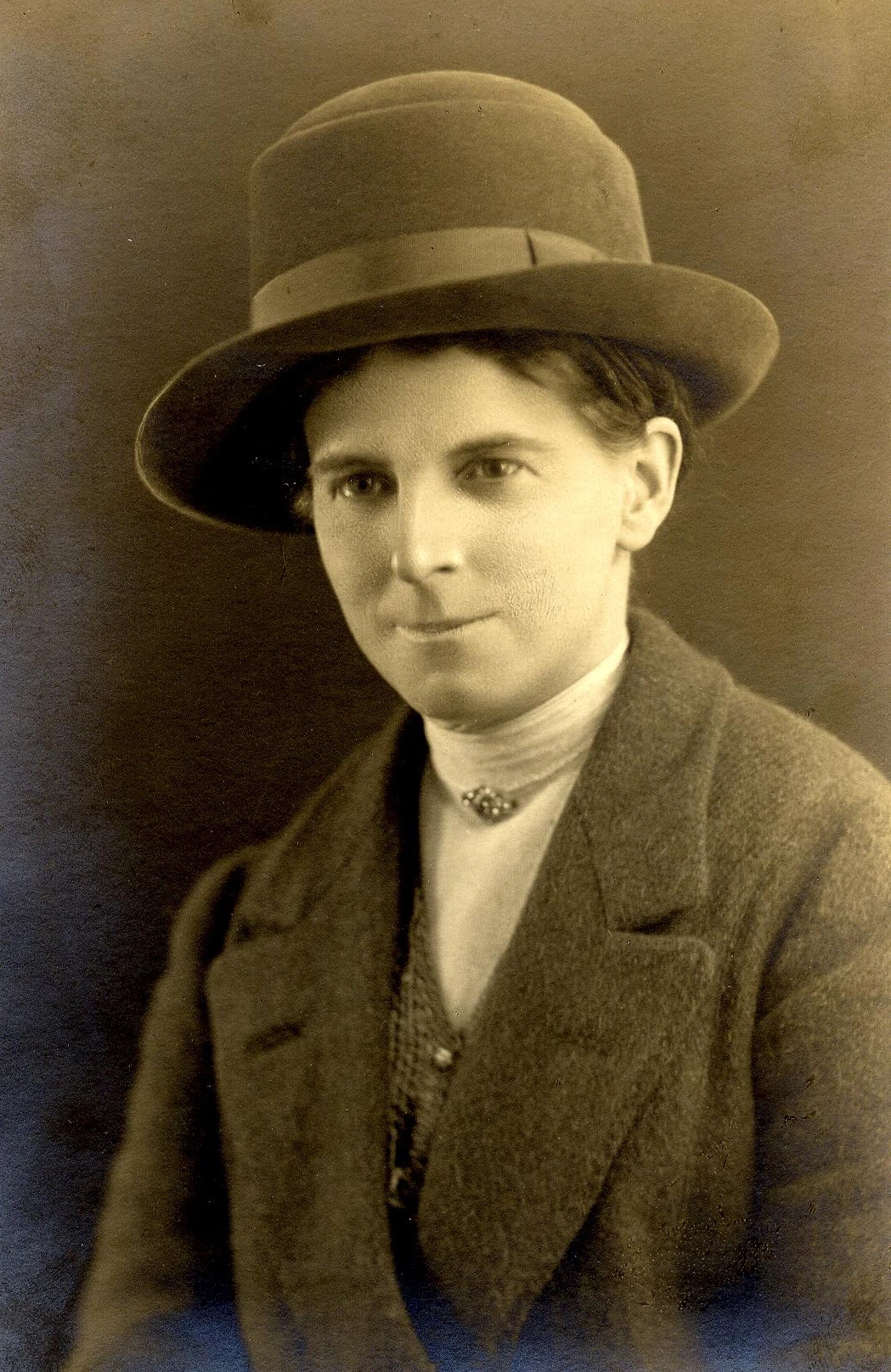
The Ghost Orchid: one of Britain's rarest plants 3 July 2013 The Herefordshire Ghost Orchid, 2009 Distribution map of Ghost Orchids in Britain (all records: data courtesy of Botanical Society of the British Isles 2013). Eleanor Vachell, c. 1930. A 1953 Ghost Orchid collected by Rex Graham The 1982 Herefordshire Ghost Orchid preserved in formalin The Welsh National Herbarium at Amguedfa Cymru has a small - but very precious - collection of Ghost Orchids (Epipogium aphyllum Sw.); is this something to be proud of, or should they have been left in the wild? The answer lies in the donations to the Museum, and slugs... Ghost Orchids are among the rarest plants in Britain. They have been found in about 11 sites in the Chilterns and West Midlands in England, but such is their rarity and the secrecy surrounding them that it is difficult to be sure exactly how many sites there are. Regarded as extinct Ghost Orchids were first discovered in Britain in 1854 but were only seen 11 times before the 1950s. They were seen regularly in a few Chilterns sites between 1953 and 1987 but then disappeared and were regarded as extinct until one plant was discovered in 2009. In most sites they have only been seen once, and rarely for more than ten years in any one site. Ghost orchids - a fleeting occurrence in dark, shaded woods Ghost Orchids get their name from their creamy-white to pinkish-brown colour and their fleeting occurrences in dark, shaded woods. The colour results from the absence of chlorophyll, as they are parasites of fungi associated with tree roots, and they do not need to photosynthesise their own food. They spend most of their lives as rhizomes (underground shoots) in the soil or leaf litter of woodlands, and flowering shoots only occasionally appear above ground. Even then, their small size (usually less than 15cm, rarely up to 23cm) and unpredictable appearance between June and October means that Ghost Orchids are rarely seen. Until recently the only British specimen held by Amgueddfa Cymru was a scrap of rhizome collected for Eleanor Vachell in 1926 - her herbarium is one of the most comprehensive ever put together by a British botanist - who donated her collection to the Museum when she died in 1949. The story of how the fragment of Ghost Orchid was discovered is given in her botanical diary: "28 May 1926. The telephone bell summoned Mr [Francis] Druce to receive a message from Mr Wilmott of the British Museum. Epipogium aphyllum had been found in Oxfordshire by a young girl and had been shown to Dr [George Claridge] Druce and Mrs Wedgwood. Now Mr Wilmott had found out the name of the wood and was ready to give all information!!! Excitement knew no bounds. Mr Druce rang up Elsie Knowling inviting her to join the search and a taxi was hurriedly summoned to take E.V. [=Eleanor Vachell] and Mr Druce to the British Museum to collect the particulars from Mr Wilmott. The little party walked to the wood where the single specimen had been found and searched diligently that part of the wood marked in the map lent by Mr Wilmott but without success, though they spread out widely in both directions... Completely baffled, the trio, at E.V.'s suggestion, returned to the town to search for the finder. After many enquiries had been made they were directed to a nice house, the home of Mrs I. ?, who was fortunately in when they called. E.V. acted spokesman. Mrs I. was most kind and after giving them a small sketch of the flower told them the name of the street where the girl who had found it lived. Off they started once more. The girl too was at home and there in a vase was another flower of Epipogium! In vain did Mr Druce plead with her to part with it but she was adamant! Before long however she had promised to show the place to which she had lead Dr Druce and Mrs Wedgwood and from which the two specimens had been gathered. Off again. This time straight to the right place, but there was nothing to be seen of Epipogium! 2 June 1926. A day to spare! Why not have one more hunt for Epipogium? Arriving at the wood, E.V. crept stealthily to the exact spot from which the specimen had been taken and kneeling down carefully, with their fingers they removed a little soil, exposing the stem of the orchid, to which were attached tiny tuberous rootlets! Undoubtedly the stem of Dr Druce's specimen! Making careful measurements for Mr Druce, they replaced the earth, covered the tiny hole with twigs and leaf-mould and fled home triumphant, possessed of a secret that they were forbidden to share with anyone except Mr Druce and Mr Wilmott. A few days later E.V. received from Mr Druce an excited letter of thanks and a box of earth containing a tiny rootlet that he had found in the exact spot they had indicated." [Source: Forty, M. & Rich, T. C. G., eds. (2006). The botanist. The botanical diary of Eleanor Vachell (1879-1948). National Museum of Wales, Cardiff.] Eleanor shared the rootlet with her great friend Elsie Knowling, who also had a herbarium. Coincidentally, the two fragments have been reunited at the Museum after being apart for 84 years. In 1953, Elsie's son Rex Graham stumbled across 22 Ghost Orchids in a Buckinghamshire wood, the largest colony of ever seen in Britain (Graham 1953). This was the first time that Ghost Orchids had been seen for 20 years and it made the national press. At the time Rex collected only three specimens, but over the next few years he collected more when they were found eaten off by slugs. Eventually Rex had four specimens for his own herbarium, to add to the scrap in his mother's herbarium. The Ghost Orchids were amongst the treasures in Graham & Harley herbarium, which was donated to Amgueddfa Cymru in 2010. The third collection is the Museum's only specimen preserved in spirit (rather than being pressed and dried) so that the three dimensional structure of the flower can be seen. Dr Valerie Richards (formerly Coombs) was looking for wild orchids in Herefordshire in 1982 when she discovered a single ghost orchid in a new site. When she took a local botanist to the site a few days later, a slug had eaten through the stem. She picked it up and took it home and preserved it in formalin like the zoological specimens she had been used to working with during her university days. The specimen was kindly donated to the Museum in 2013. The fourth and final collection resulted from the hard work and intuition of Mark Jannink combined with another hungry slug. Mark wondered if Ghost Orchids flowered more frequently after cold winters. He researched all previous Ghost Orchid discoveries - their preferred habitat, time of flowering and weather patterns - then staked out ten possible sites in the West Midlands, visiting them every two weeks throughout the summer of 2009, following the first cold winter for many years. Finally in September, he discovered one small specimen - causing great excitement amongst botanists, as the Ghost Orchid had been declared officially extinct in 2005! Mark returned several times over the next few days as the plant gradually faded and 'browned', until the stem was once again eaten through by slugs. The remains were collected and pressed, and donated to our herbarium shortly after. So five of the seven British Ghost Orchids in Amgueddfa Cymru have been collected as a consequence of slugs, which are more of a threat than botanists. The Ghost Orchids are fully protected by law under the Wildlife and Countryside Act 1981 but nobody seems to have told that to the slugs! We also have eight specimens from Europe, where Ghost Orchids are more widespread, though still rare. One of our best specimens was collected by W. A. Sledge in Switzerland. You are welcome to visit the Welsh National Herbarium to see the Ghost Orchids, but don't expected us to reveal where they were found! And please leave your slugs at home. Adapted for the website from the following article: The Ghost Orchid Collection [PDF] The scrap of Ghost Orchid rootlet in Eleanor Vachell's herbarium. Also attached to the specimen are Dr George Claridge Druce's (1924) account of it from Gardeners Chronicle series 3 volume 76, page 114 and two small sketches by Miss Baumgartner. Swiss Ghost Orchids collected by W. A. Sledge in 1955. The 2009 Ghost Orchid from Herefordshire. References Graham, R. A. (1953). Epipogium aphyllum Sw. in Buckinghamshire. Watsonia 3: 33 and tab. (http://archive.bsbi.org.uk/Wats3p33.pdf ). Harley, R. M. (1962). Obituary: Rex Alan Henry Graham. Proceedings of the Botanical Society of the British Isles 4: 505-507. For further information on Ghost Orchids see: Farrell, L. (1999) Epipogium aphyllum Sw. page 136 in Wigginton, M. J. (1999) British Red Data Books 1. Vascular plants. 3rd edition. JNCC, Peterborough. Foley, M. J. Y. & Clark, S. (2005) Orchids of the British Isles. The Griffin Press, Maidenhead. Jannink, M. & Rich, T. C. G. (2010). Ghost orchid rediscovered in Britain after 23 years. Journal of the Hardy Orchid Society 7: 14-15. Taylor, L. & Roberts, D. L. (2011). Biological Flora of the British Isles: Epipogium aphyllum Sw. Journal of Ecology 99: 878–890. http://onlinelibrary.wiley.com/doi/10.1111/j.1365-2745.2011.01839.x/abstract:
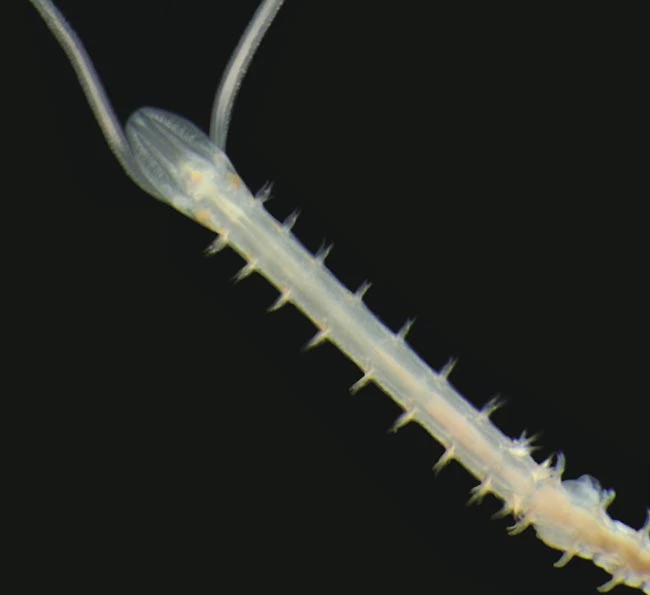
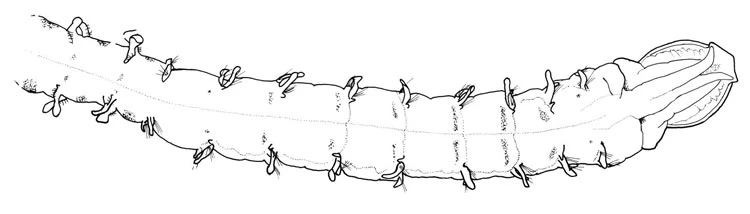
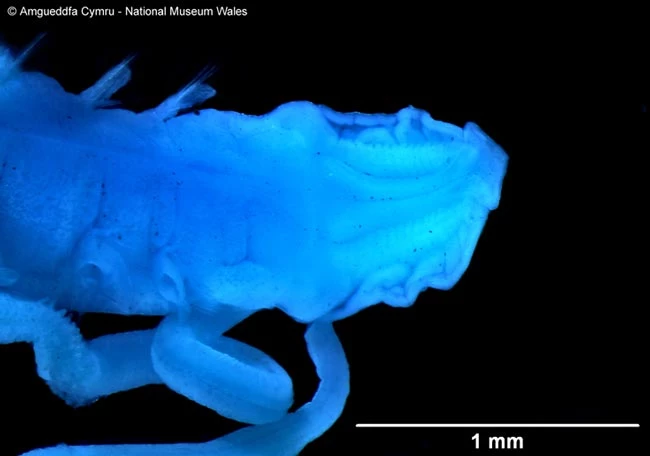
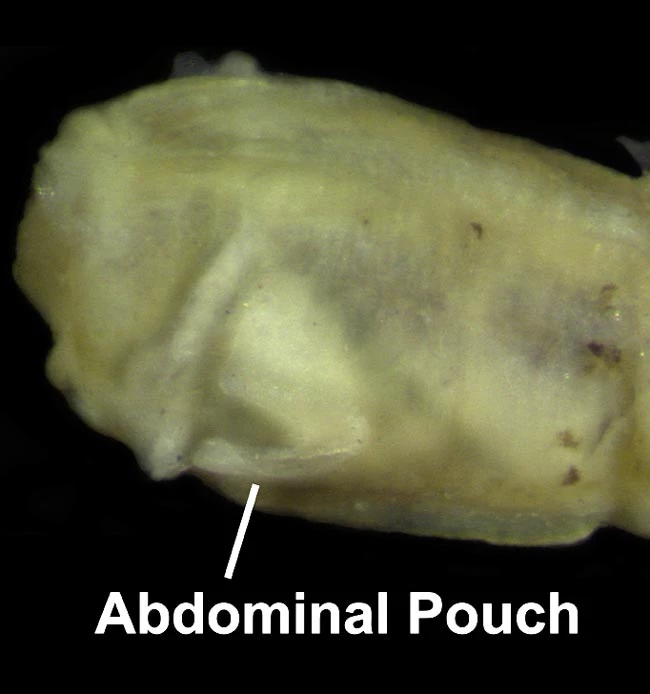
Species new to science: Shovelhead Worms from around the world Katie Mortimer-Jones, 8 January 2013 A British species of Shovelhead worm (Magelona johnstoni). Image: Andy Mackie. A Portuguese species of Shovelhead worm (Magelona lusitanica) Head end of Magelona montera from the Red Sea, stained with methyl green. Image: James Turner Magelona obockensis from the Gulf of Aden Head end of Magelona sinbadi from the Persian Gulf, stained with methyl green. Image: James Turner An example of a magelonid pouch Marine bristle-worms (Polychaetes) are related to earthworms and leeches - well known examples are lugworms and ragworms used by sea fisherman as bait. The Magelonidae is a small family of polychaetes that have a unique flattened head, used for digging, giving them the common name, the shovelhead worms. There are over 70 species of shovelhead worms, 11 of which were first described by marine biologists from Amgueddfa Cymru. Polychaetes are found in nearly every marine habitat and often make up a large proportion of the animals living in and on the seabed. There may be 9000 species worldwide, although estimates vary widely and new species are being discovered constantly (even in British waters). Polychaetes can vary hugely in their form and size, how mobile they are, and how they obtain their food. What are Shovelhead Worms (Polychaeta: Magelonidae)? The Magelonidae is a small family of polychaetes, found all over the world. They burrow in muds and sands, and are generally found at water depths of less than 100 m. They are slender, beautiful worms, usually less than 10 cm long. They have a unique flattened head, used for digging in sediments, giving the group its common name, the shovelhead worms. The have two long feeding tentacles (palps) that are adorned with small 'bumps' (papillae). Over 70 species are known worldwide, 11 of which were first described by marine biologists from Amgueddfa Cymru, including one British species, Magelona johnstoni Fiege, Licher & Mackie, (2000). Marine biologists at Amgueddfa Cymru have studied the shovelhead worms in the seas surrounding the Arabian Peninsula and confirmed the presence there of Magelona cornuta, Magelona obockensis, Magelona pulchella, Magelona crenulifrons and an undescribed species from the Red Sea (Mortimer, 2010). This research led to collaboration with scientists from the Spanish Centre d'Estudis Avançats de Blanes (CEAB) who made Magelona specimens available from over 100 locations in the same region. A worm with horns The undescribed species highlighted in 2010, was first noticed in the collections of the Muséum National d'Histoire Naturelle in Paris. It is a particularly interesting species as it has uniquely shaped horns on its head, giving it the appearance of wearing a bullfighter's hat! It has now been named Magelona montera, after the Spanish word for a matador's hat (Mortimer et al., 2012). A further six species of Magelona have now been identified from seas surrounding the Arabian Peninsula, including another new species from Iran named after the fictional sailor, Sinbad (M. sinbadi, M. cf. agoensis, M. conversa, M. cf. falcifera, M. symmetrica, and M. cf. cincta). This raises the total number of species known from the Red Sea/Gulf region to eleven, three of which were originally described from the Seychelles by Museum staff (Mortimer & Mackie, 2003; 2006). The partnership between Amgueddfa Cymru and CEAB has proven to be successful and also led to a review of the shovelhead worms from Portugal, including the description of a new species, Magelona lusitanica. This work was published in the proceedings of the 10th International Polychaete Conference, held in Italy, June 2010 (Mortimer, Gil & Fiege, 2011). In 2013, Museum staff worked with scientists from the East China Sea Fisheries Research Institute, Shanghai to describe a new species from the Yellow Sea, China (Zhou & Mortimer, 2013). Amgueddfa Cymru taxonomists have now studied 30% of all known Magelona species. However, it doesn't stop there. Work is now starting on British species as part of the museum's review of the British Polychaete Fauna. We will also investigate the distinctive abdominal pouches present in some magelonid species, whose function remains a mystery. References: Fiege, D., Licher, F. & Mackie, A.S.Y. 2000. A partial review of the European Magelonidae (Annelida: Polychaeta): Magelona mirabilis redefined and M. johnstoni sp. nov. distinguished. Journal of the Marine Biological Association of the United Kingdom, 80, 215-234. Mortimer, K. 2010. Magelonidae (Polychaeta) from the Arabian Peninsula: a review of known species, with notes on Magelona tinae from Thailand. Zootaxa, 2628, 1-26. Mortimer, K., Cassà, S., Martin, D. & Gil, J. 2012. New records and new species of Magelonidae (Polychaeta) from the Arabian Peninsula, with a re-description of Magelona pacifica and a discussion on the magelonid buccal region. Zootaxa, 3331, 1-43. Mortimer, K., Gil, J. & Fiege, D. 2011. Portuguese Magelona (Annelida: Magelonidae) with a description of a new species, a re-description of Magelona wilsoni Glémarec, 1966 and a key to adult Magelonidae from European waters. Italian Journal of Zoology, 78(S1), 124-139. Mortimer, K. & Mackie, A.S.Y. 2003. The Magelonidae (Annelida: Polychaeta) from the Seychelles, with the description of three new species. In: Sigvaldadóttir, E., Mackie, A.S.Y., Helgason, G.V., Reish, D.J., Svavarsson, J., Steingrímsson, S.A. & Gudmundsson, G. (eds). Advances in polychaete research. Hydrobiologia, 496(1-3), 163-173. Mortimer, K. & Mackie, A.S.Y. 2006. The Magelonidae (Annelida: Polychaeta) from the Seychelles. 2. Description of four additional species, three new to science. In: Sardá, R,. San Martín, G., López, E., Martin, D. & George, D. (eds). Scientific advances in polychaete research. Scientia Marina, 70(S3), 125-137. Zhou, J. & Mortimer, K. 2013. A new species of Magelona (Polychaeta: Magelonidae) from Chinese coastal waters . Journal of the Marine Biological Association, U.K, 93(6):1503-1510.
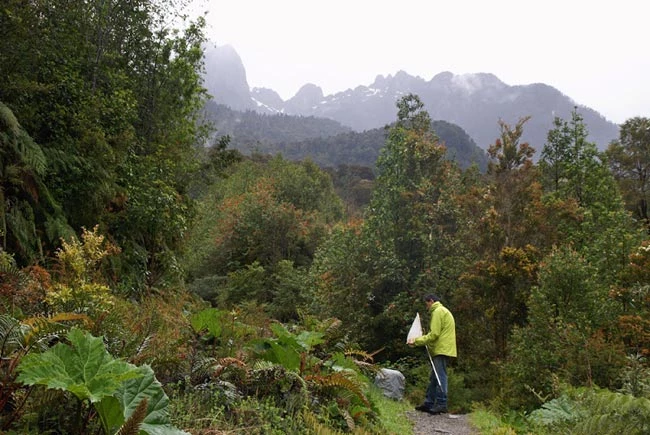
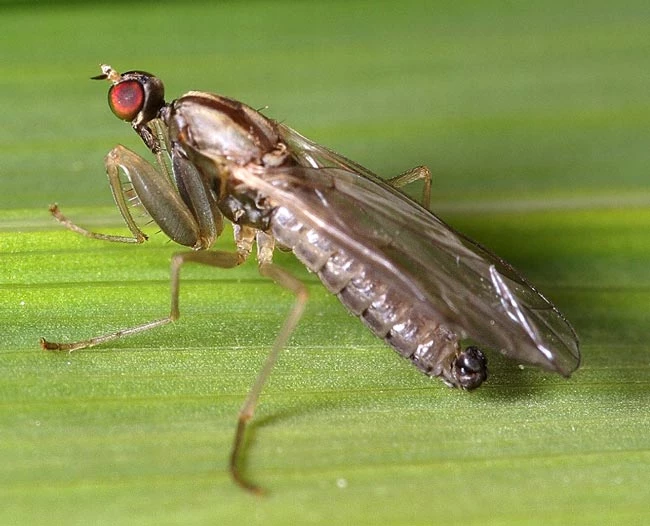
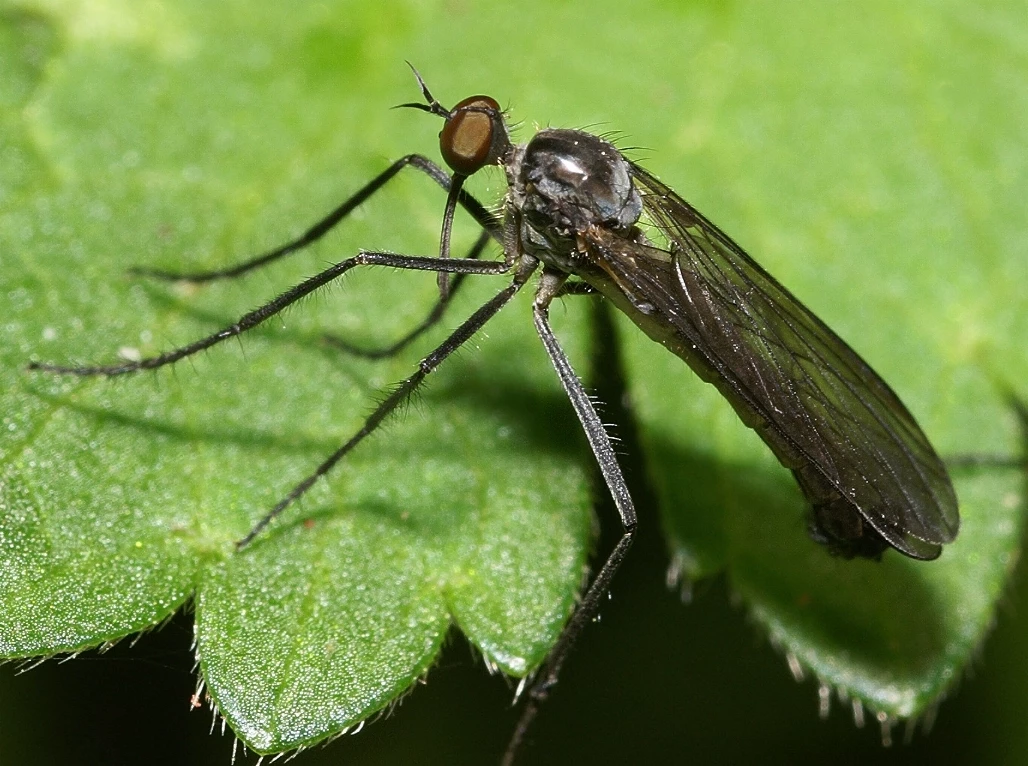
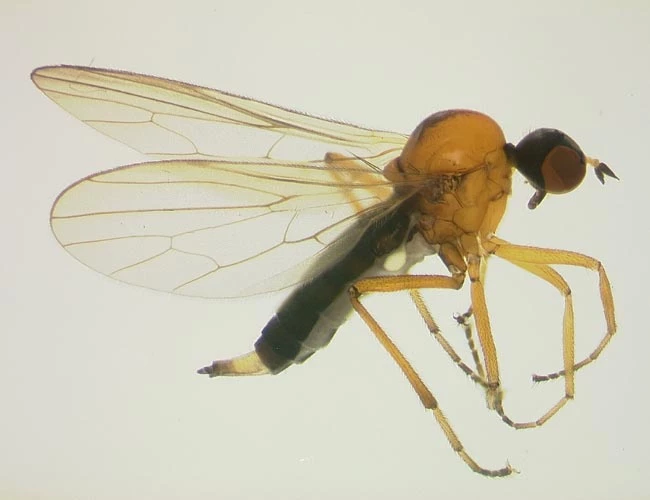
Species new to science: Dance-Flies from Chile Adrian Plant, 6 November 2012 Collecting insects, Alerce Andino, Chile. Chelipodozus sp. (about 4 mm long) Cladodromia sp. (about 4 mm long). Empis sp. An undescribed species of the macrorrhncha-group (about 6 mm long). An undescribed species of Neotrichina (about 4 mm long). All species are constantly evolving, and their current distributions and diversity, even in the local context of Wales, have been determined by factors such as climate change, continental drift and ecology. Scientists must therefore study organisms in a global context in order to properly appreciate how they fit into the Tree of Life. This is very much the case with insects, including flies (Diptera). Their major evolutionary lineages appeared in the remote past, at places now separated by the drifting apart of continents. For instance, many major species of Diptera evolved in Patagonia and Australasia, at a time when these lands formed part of the ancient supercontinent of Gondwana. In temperate regions, flies known as 'dance-flies' (Empidoidea) are numerous and may account for 10% of all fly species. Some feed on flowers and are important in pollination, while most are fierce predators of other invertebrates helping significantly to regulate pests. Still others have complicated mating rituals involving spectacular display flights and the presentation of dead insects as 'presents'! The Empidoidea first appeared in Gondwana in Jurassic times, at least 160 million years ago. As the supercontinent broke up and the continental fragments drifted apart, there was a massive increase in diversity of these flies. Collaboration between entomologists at Amgueddfa Cymru and other museums around the World have improved our understanding of the evolutionary history of these flies. One such project saw a team of entomologists from Amgueddfa Cymru and the Muséum national d'Histoire naturelle in Paris embarking on an expedition to Patagonia sponsored by CAFOTROP (CAnopée des FOrêts TROPicales). The objective was to look for new Gondwanic species in the dense temperate rainforests of Chilean Patagonia using specialist sampling methods of close searching, netting and trapping. This was followed by sifting, sorting and preserving the catch, ready for preparation and identification of the specimens once back in the laboratory. These southern temperate rainforest proved very rich in Empidoidea with three weeks collecting resulting in some 8,000 specimens, including many species unknown to science. Many genera have been identified that are now restricted to locations that were once part of Gondwana, such as Ceratomerus, Clinorhampha, and Cladodromia. Particularly exciting was finding new species of the Empis macrorryncha - a group of flies that are closely related to species of the same group known from SW Australia. This suggests these species evolved from a common ancestor which probably lived before the Gondwana continent fragmented.
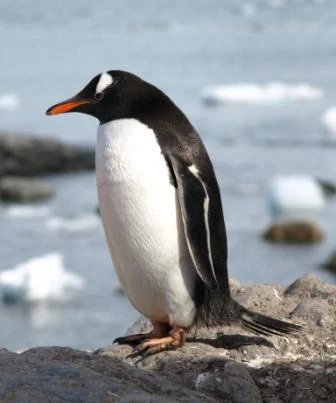
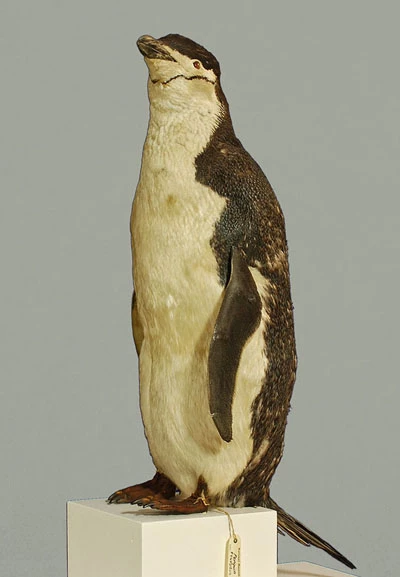
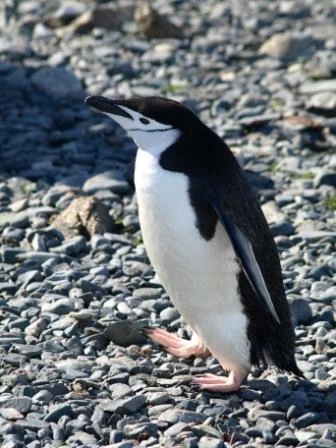
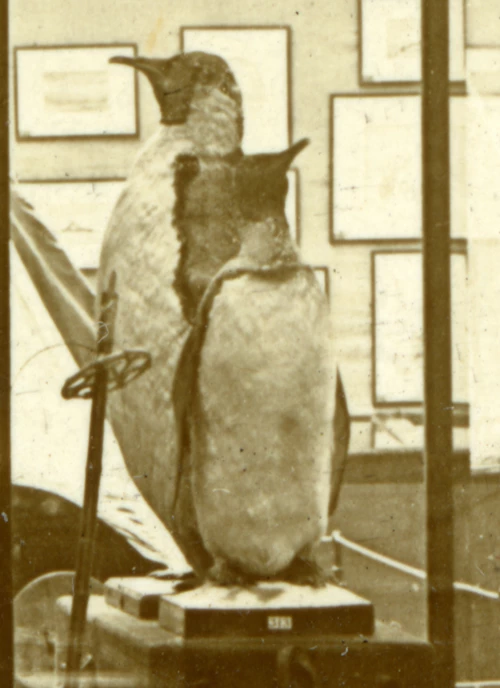
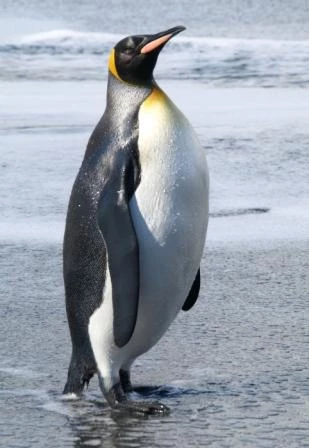
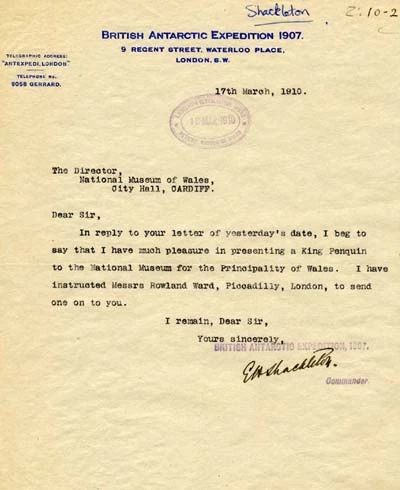
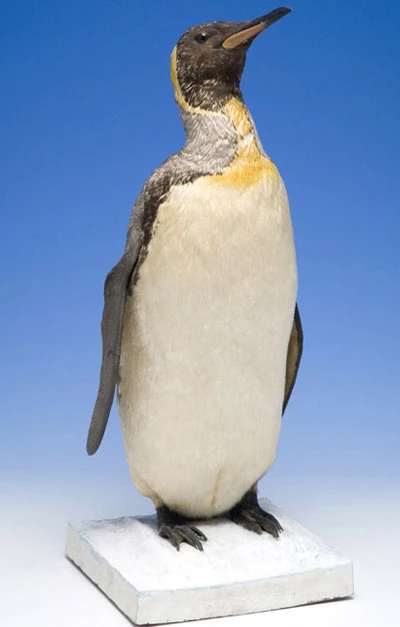
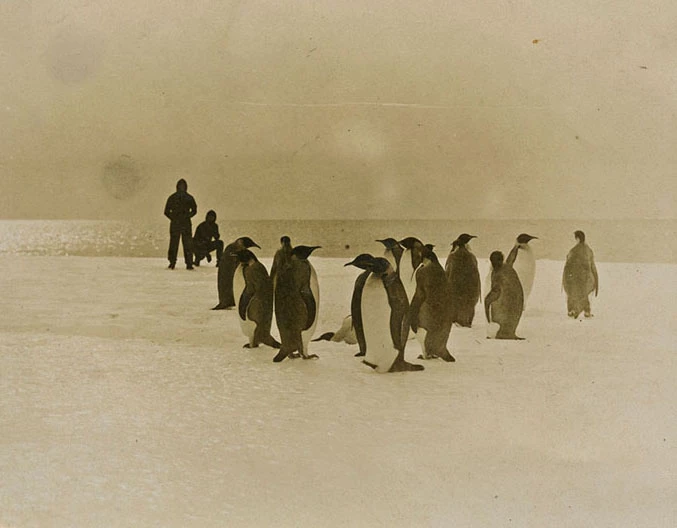
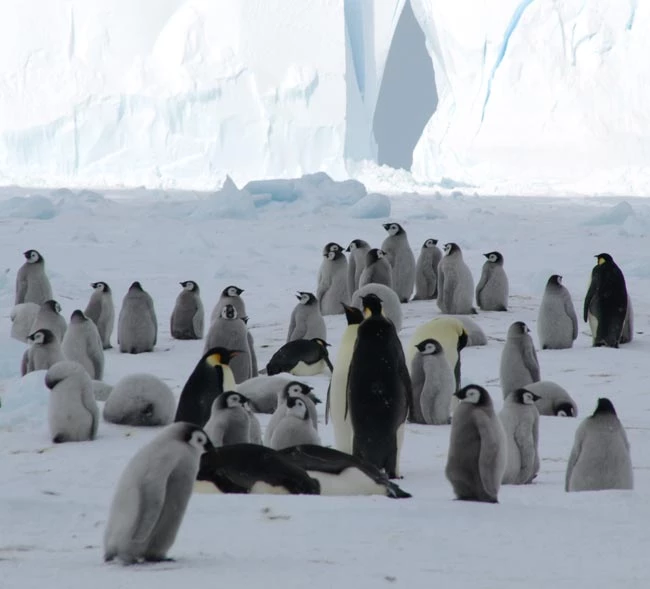
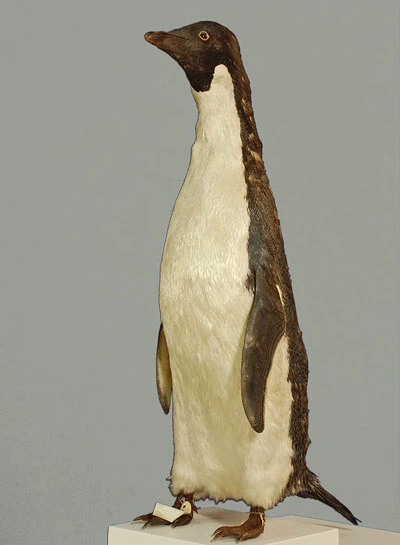
Antarctic Penguins 11 May 2012 Penguins are the archetypal Antarctic animals, but only two species, Emperor and Adélie, are truly Antarctic and found nowhere else. The other Antarctic penguins, such as Chinstrap and Gentoo, also occur on sub-Antarctic islands. Elsewhere in the world there are species of penguins which live in warmer climates and one, the Galapagos Penguin, lives practically on the equator. However, they always live where very cold waters feed up from the south. They are flightless birds, well-adapted for life in the sea where they spend most of their time. Emperor Penguins are the largest, standing over a metre in height and weighing 22-45 kg. Captain Scott, on his 1901-04 Discovery Expedition, was the first to observe the migration of the Emperor Penguin. They come ashore in April and then walk up to 100-160 km inland to their breeding areas. After laying her single egg, the female returns to the sea to feed, leaving the male to incubate the egg through the severe Antarctic winter. For nine weeks he endures temperatures as low as -50°C and winds of up to 200 km/h. During this time he cannot feed and by the time the female returns in spring he has lost 45% of his body weight! The early Antarctic explorers collected penguins for food but some were also collected as scientific specimens. We have several in the collections here at Amgueddfa Cymru. Antarctic Penguins Gentoo Penguin, Waterboat Point, Antarctic Peninsula. Image: T SharpeThe Gentoo Penguin is another of the small penguins and is the least common of the Antarctic penguins with a world population of about 300,000 pairs. Most of these are found on sub-Antarctic islands such as South Sandwich, South Shetland, South Orkney, Crozet and Heard. However, unlike the Adélie they aren't dependent on the pack-ice and it looks as though their numbers are increasing on the Antarctic Peninsula as it warms up. Chinstrap penguin in the Museum's collections Chinstrap Penguin, Half Moon Island, Antarctic Peninsula. Image: T SharpeThe Chinstrap Penguin is roughly the same size as the Adélie and is easily recognised by the thin strip or strap running under its chin. They are the one of the most numerous of the penguins, it's estimated there are about 7 million breeding pairs in the world! There are some huge colonies on the Antarctic peninsula, the biggest colonies can have as many as 200,000 birds living in them. One of the Emperor Penguins and the Shackleton King Penguin can be seen in this 1914 Antarctic exhibition held by the Museum in the City Hall, Cardiff. King penguin, Gold Harbour, South Georgia. Image: T. Sharpe Letter from Sir Ernest Shackleton to the Director of the Museum. King Penguin presented to the Museum by Sir Ernest Shackleton. It was collected on the 1907-09 Nimrod Expedition, probably from Macquarie Island.King Penguins are the second largest penguins, they stand about 90 cm tall and weigh 11-16 kg. They are not found on the Antarctic continent, as they prefer slightly warmer water. They breed on sub-Antarctic islands such as Crozet and Kerguelen islands in the South Indian Ocean; Macquarie Island between New Zealand and Antarctica; and the Falklands and South Georgia in the South Atlantic Ocean. Surgeon George Murray Levick (1877-1956) was on Captain Scott's 1910-13 British Antarctic Expedition. Levick studied the Adélie Penguin rookery at Cape Adare on the Ross Sea coast of Antarctica while based there in the summer of 1911-12 with the Expedition's Northern Party. Antarctic Penguins. A study of their social habits was published by Levick in 1914 and was based on his observations of the penguin rookery at Cape Adare. Emperor Penguins photographed by Frederick Gillies in Queen Mary's Land, Antarctica in 1912. Gillies was a Chief Engineer on the Aurora, a former Newfoundland sealing ship used on Douglas Mawson's Australasian Antarctic Expedition of 1911-14. Gillies was born in Cardiff and served his apprenticeship as an engineer on the steamers of John Shearman and Company and P. Baker and Company of Cardiff. Emperor Penguins and chicks, Ross Sea, Antarctica. Image: T Sharpe. Adélie Penguin in the Museum's collections. The Adélie Penguin is the only other truly Antarctic penguin. It is about half the size of the Emperor Penguin and weighs between 4 and 6 kg. Adélie Penguins look as though they are being affected by the climate change happening around the Antarctic Peninsula. Adélies only occur where there is plenty of pack-ice in the sea. As the peninsula has warmed there is now less pack-ice in the height of the summer and the Adélie Penguins appear to be moving further south to stay with the pack-ice. Peter Howlett and Tom Sharpe.
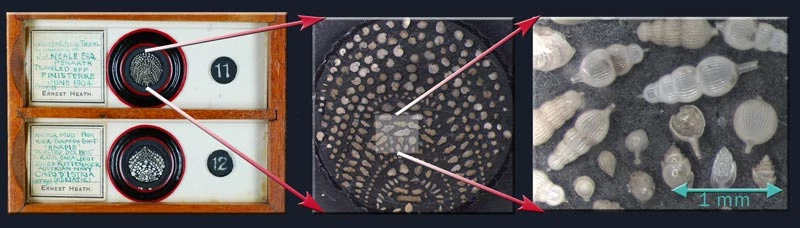
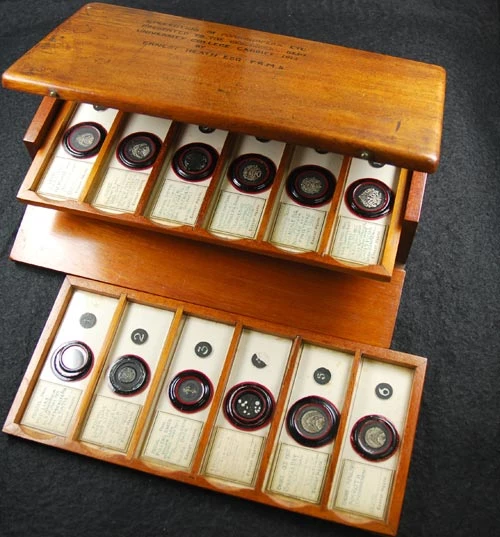
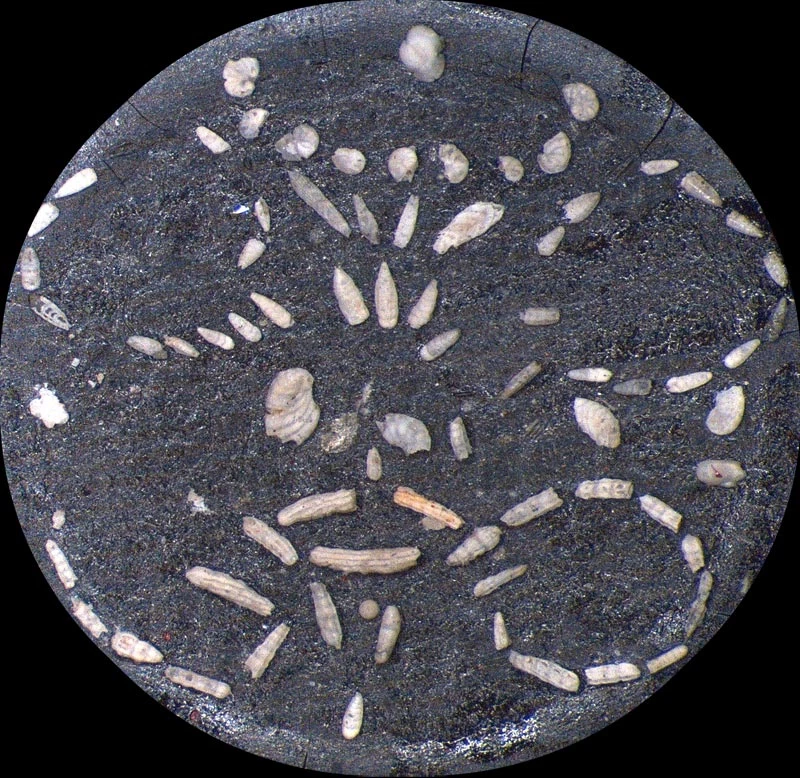
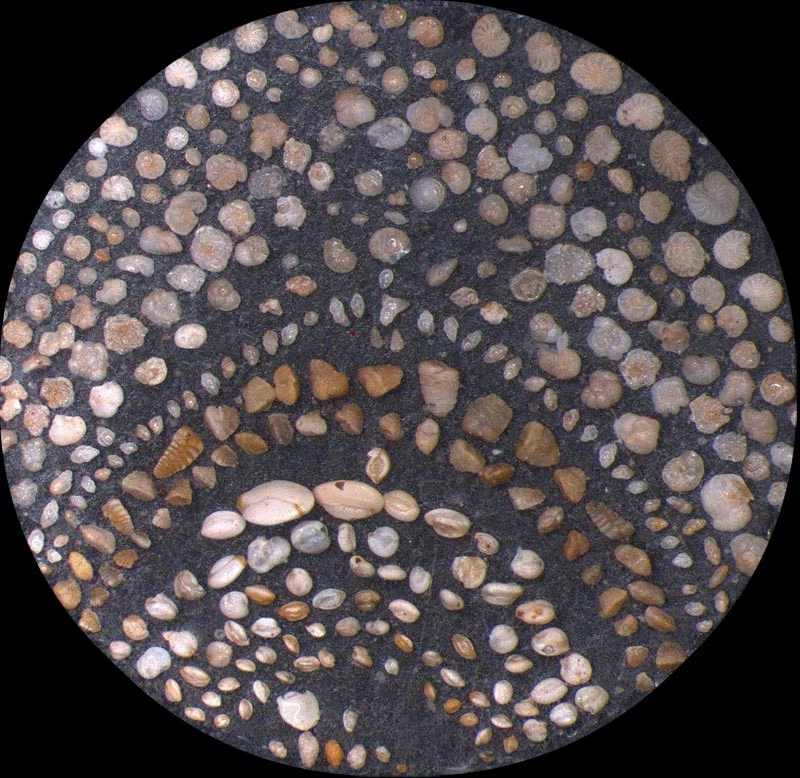
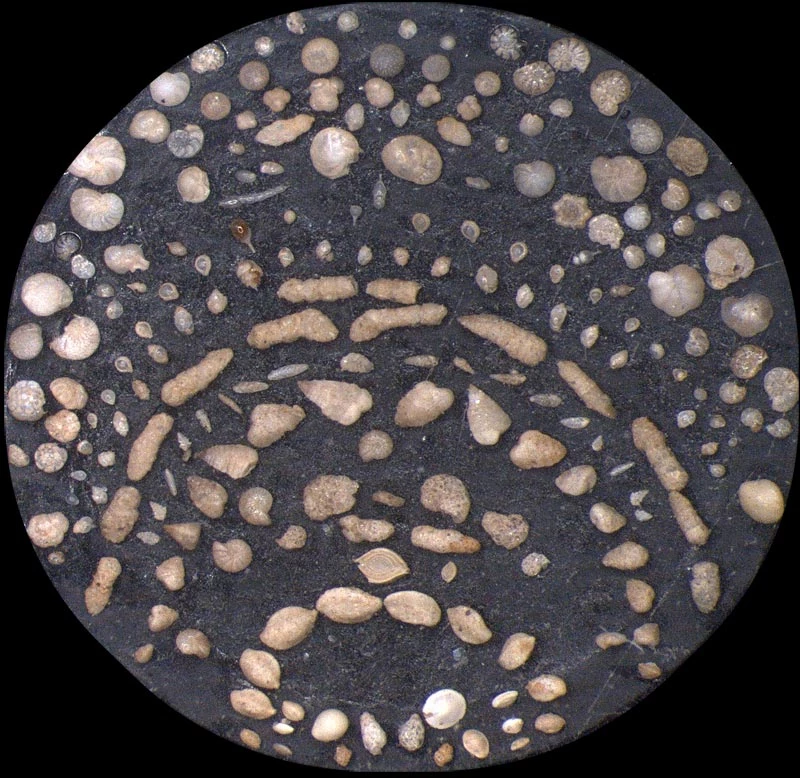
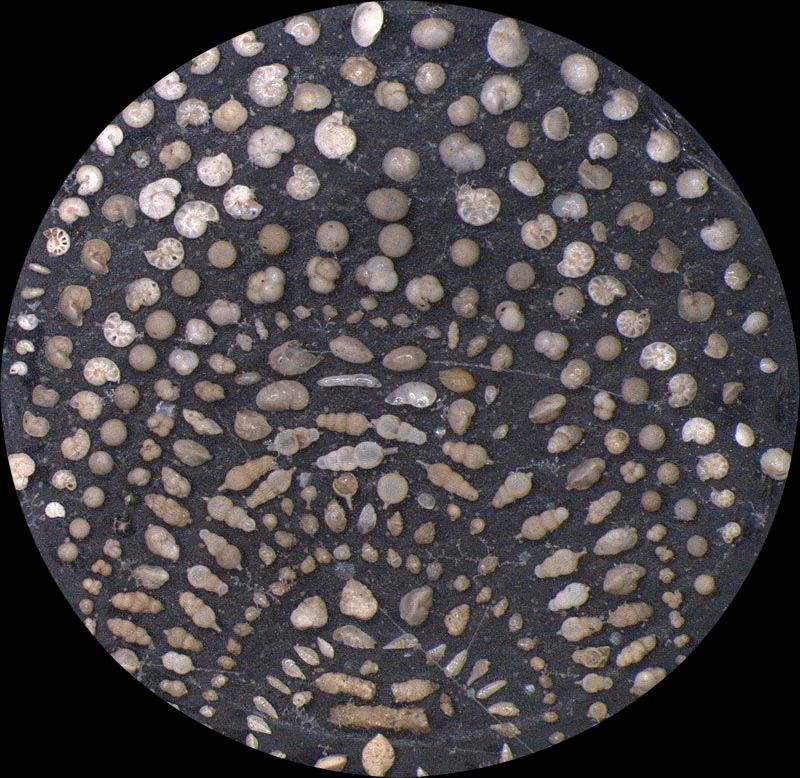
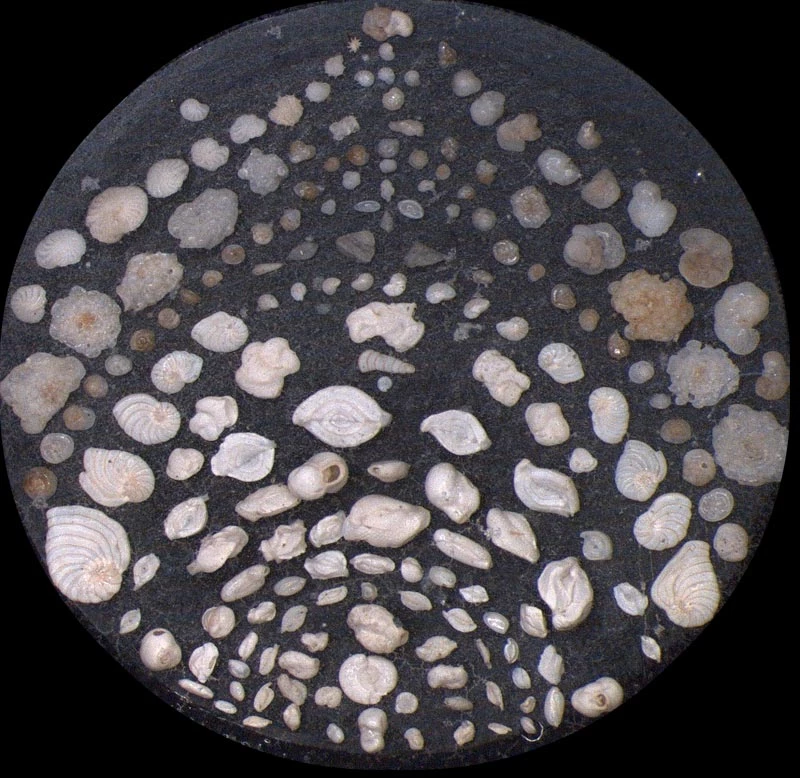
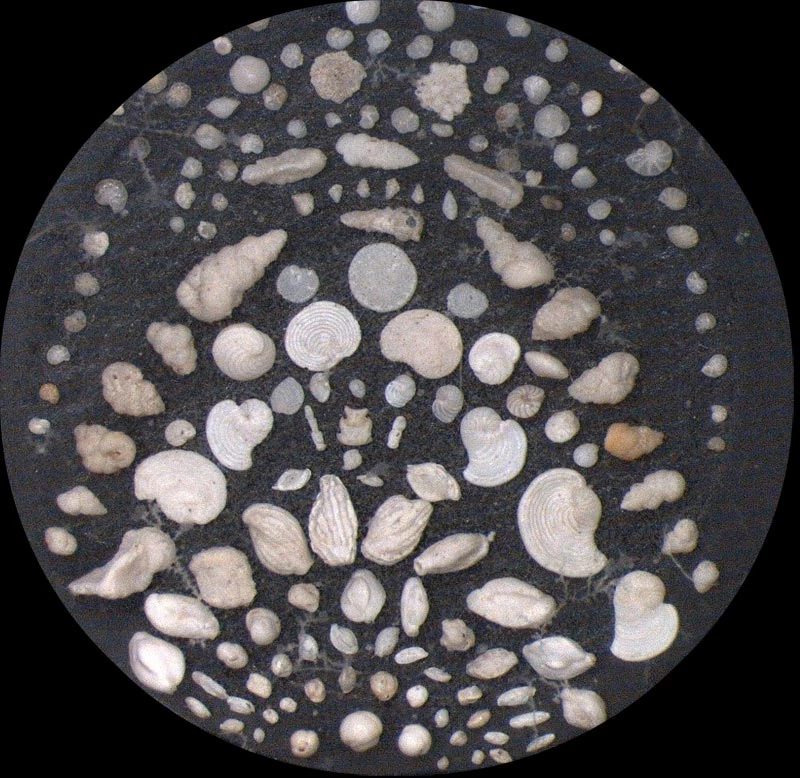
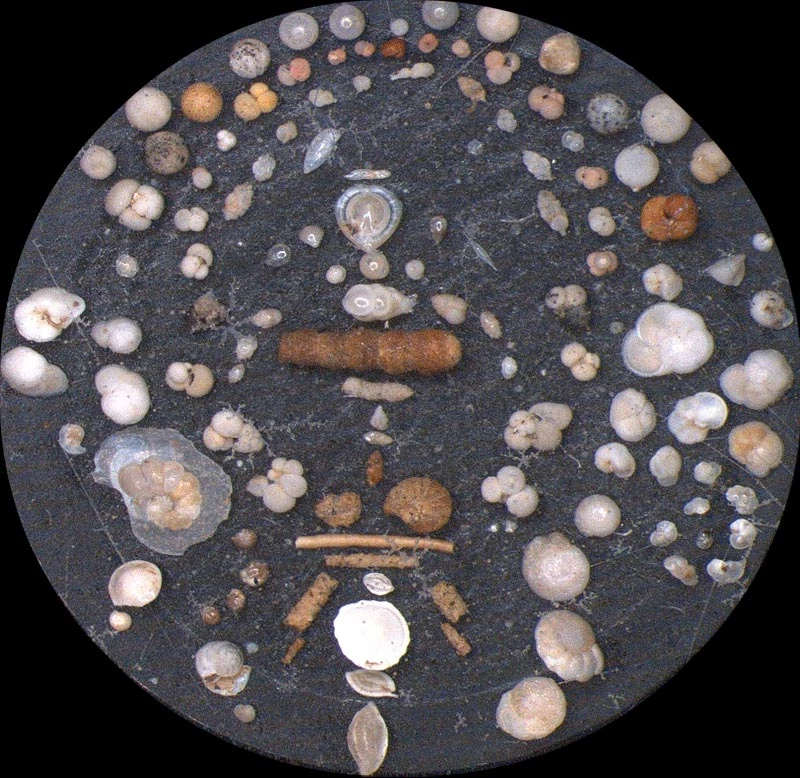
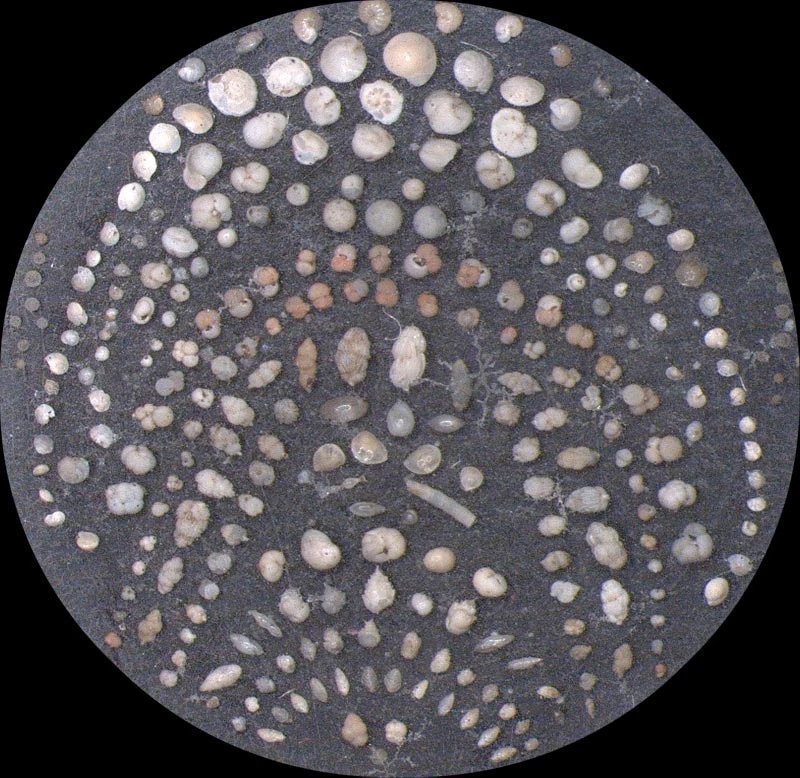
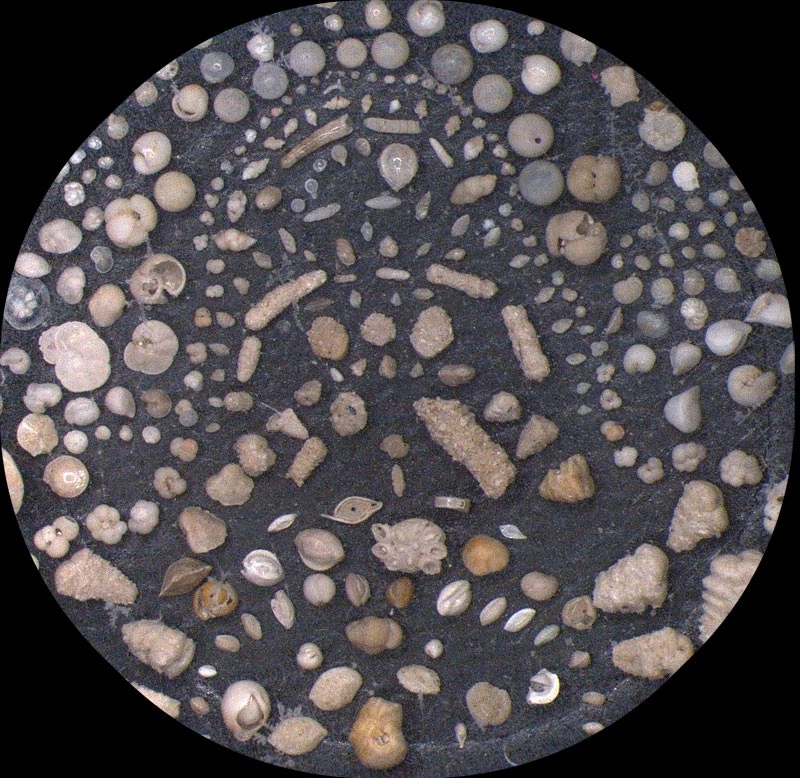
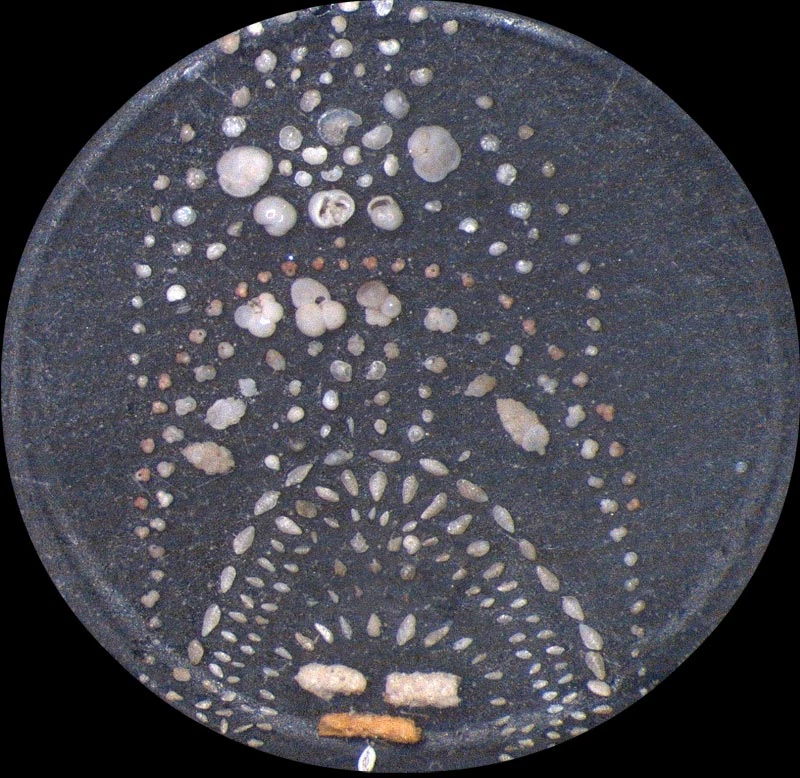
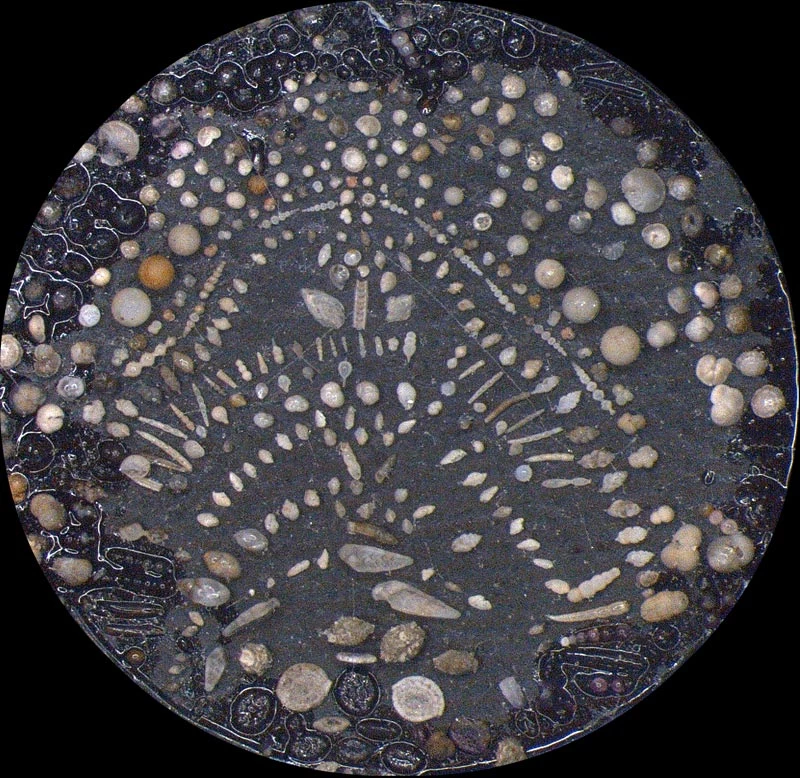
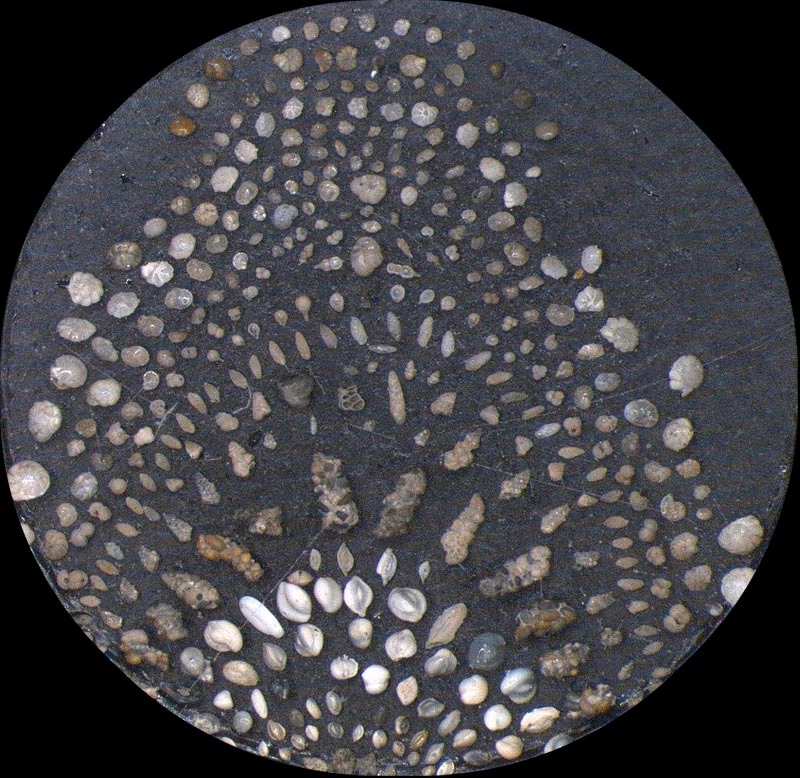
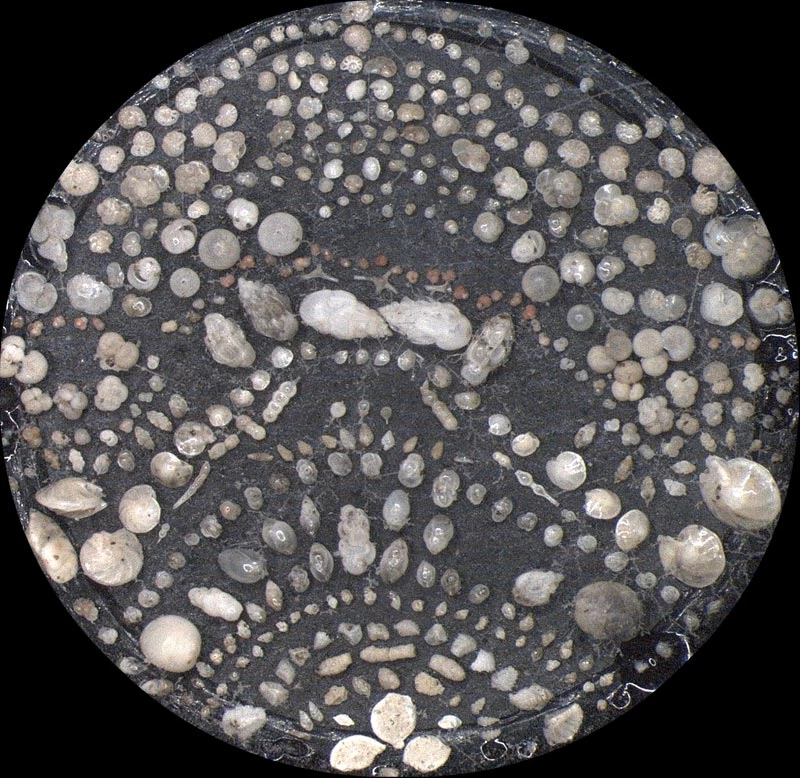
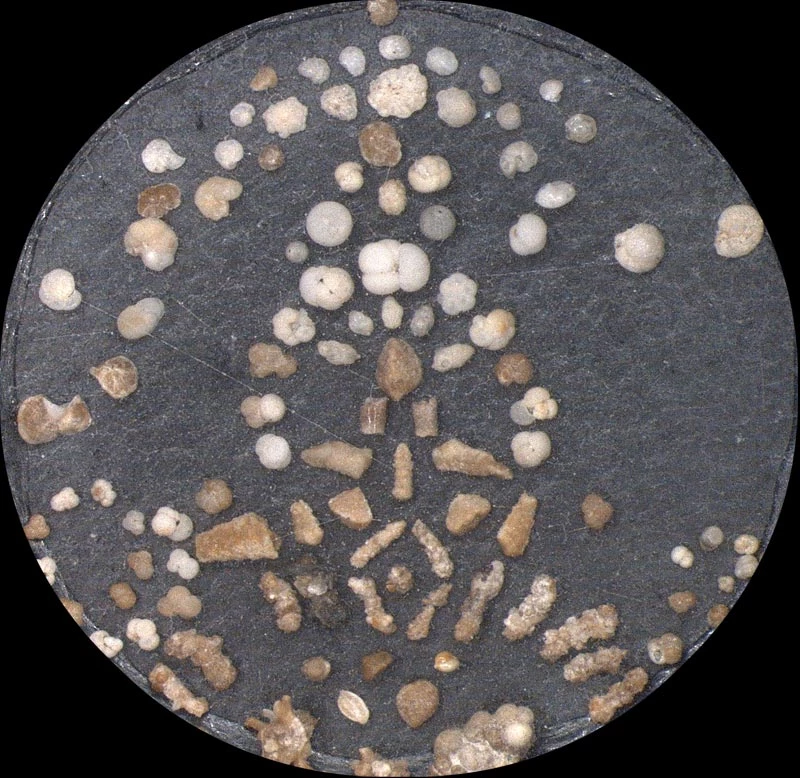
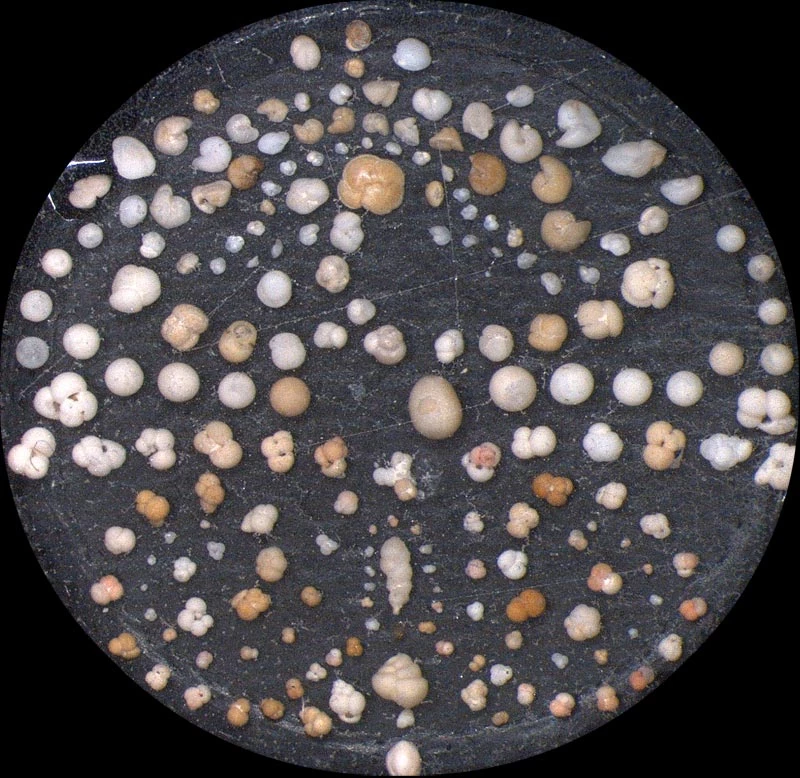
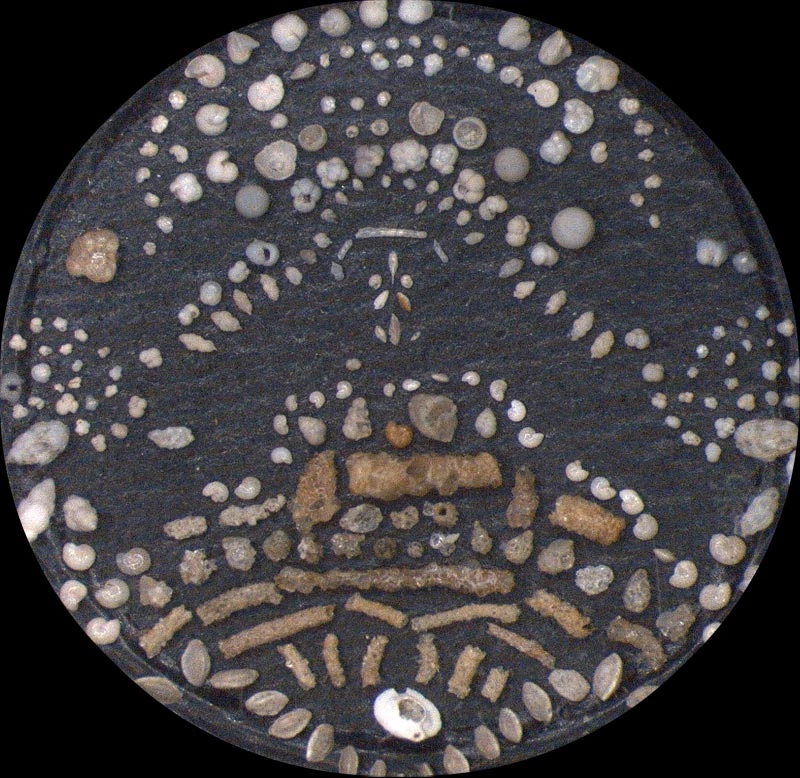
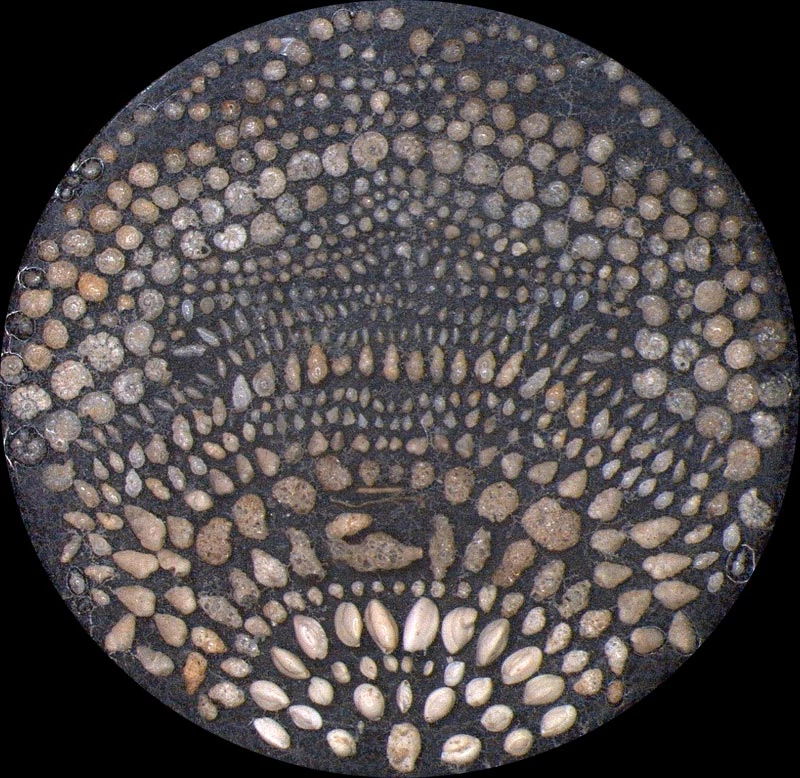
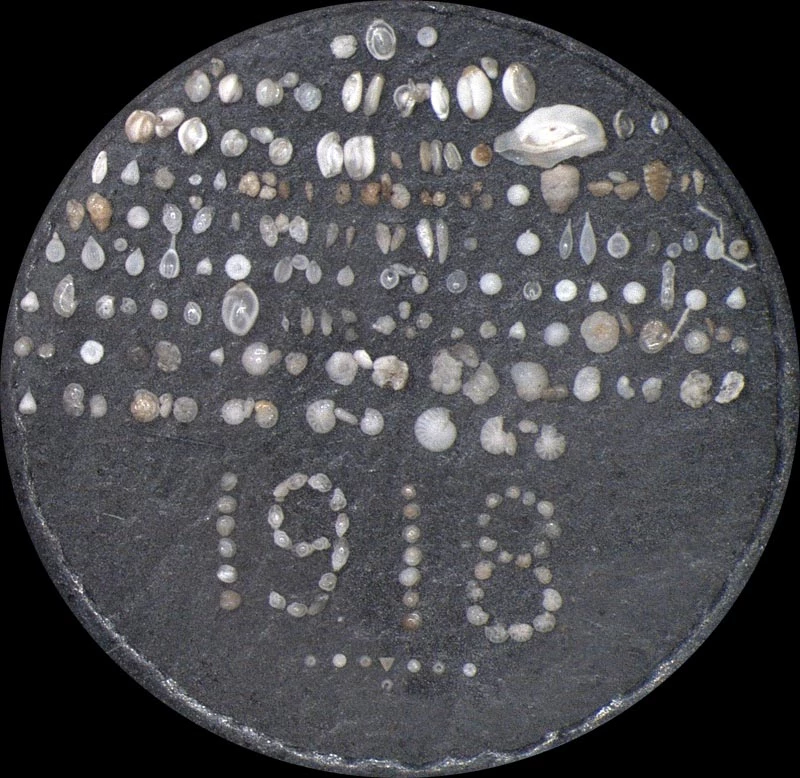
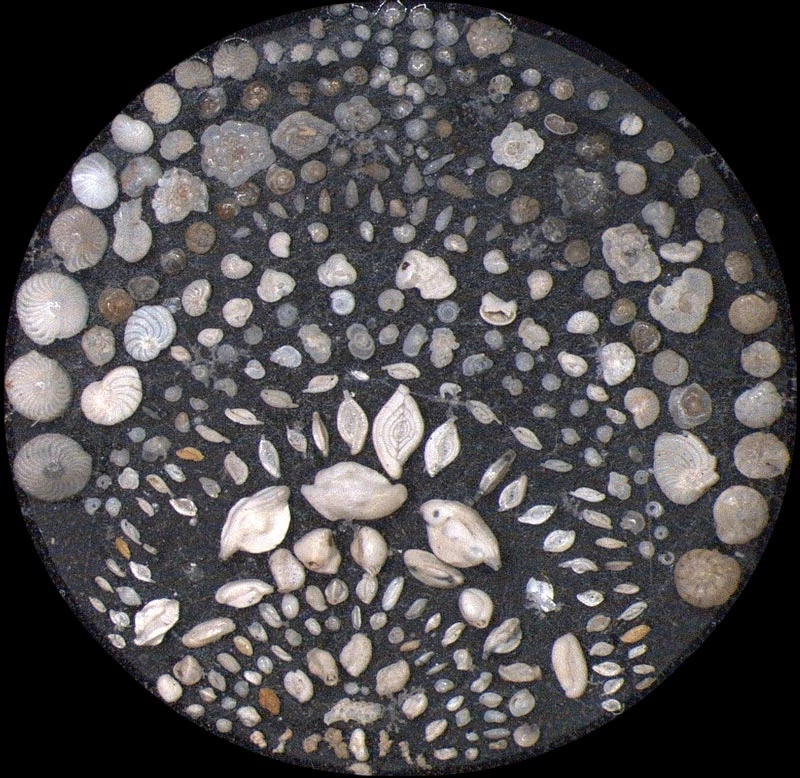
Microscopic designs: Ernest Heath's collection of Foraminifera 5 January 2012 The Ernest Heath slide collection Would you have the patience to create tiny patterns like these? Imagine yourself back in the early 1900's with no TV or internet for entertainment. Luckily affordable microscopes are the latest thing and you've started collecting weird and wonderful objects to look at. It's a popular form of entertainment to explore the natural world in miniature. These wonderful microscope slides are mostly made up of foraminifera (forams), tiny animals which live floating near the sea surface or on the sea bed. Ernest Heath: A fellow with a steady hand The Ernest Heath slide collection They were created by Ernest Heath, probably using a wet paintbrush to pick the shells from samples of sand and mud. We don’t know much about him, apart from that he was a fellow of the Royal Microscopical Society, somehow got hold of deep-sea mud from around the world, and must have had a lot of time on his hands! Please contact us if you know anything else about him. Museum experts in the Geology department have recently cleaned and restored this unique collection of beautiful slides. Fossils from the birth of a new science. Microscope slide before and after conservation Some of the forams were dredged by HMS Challenger on its voyage of discovery in 1872-1876. This was one of the first ocean-going scientific research expeditions and has been called the birth of oceanography, the study of the oceans. In fact we probably still know less about the ocean floor than we do about the dark side of the moon! Click on the thumbnails below to view a selection of images from the collection Ernest Heath's collection of Foraminifera Heath Microfossil Collection: 80.36G.2. Foraminifera, Jurassic of Newbridge Road, Bath, Somerset Heath Microfossil Collection: 80.36G.5. Foraminifera, Swansea Bay shore Heath Microfossil Collection: 80.36G.6. Foraminifera, Amroth shore, Saundersfoot , Pembrokeshire Heath Microfossil Collection: 80.36G.7. Foraminifera, Newgale sands, Haverfordwest , Pembrokeshire Heath Microfossil Collection: 80.36G.8 Foraminifera, Bunowen and Dogs Bay, Co. Galway, Ireland Heath Microfossil Collection: 80.36G.10. Foraminifera, Trawled off the Smalls Lighthouse, 20 miles south west of St. David's Head, Pembrokeshire Heath Microfossil Collection: 80.36G.11. Foraminifera, trawled off Finistère, Bretagne, France Heath Microfossil Collection: 80.36G.12. Foraminifera, Anchor mud from KUK Torpedo Boat Harpie, Capo d'Istria, Adriatic sea Heath Microfossil Collection: 80.36G.13. Foraminifera, Anchor mud from SS Blue Jacket, Ergasteria, Greece Heath Microfossil Collection: 80.36G.14. Foraminifera, Shallow Water, Barbados, West Indies, Carribean Sea Heath Microfossil Collection: 80.36G.16. Foraminifera, Sounding 850 fms, 20 miles north of Colon, Panama Heath Microfossil Collection: 80.36G.18. Foraminifera, Sounding 510 fms, 60 miles off West coast of Africa Heath Microfossil Collection: 80.36G.20. Foraminifera, Sounding 600 fms, 12 miles off Mozambique Heath Microfossil Collection: 80.36G.21. Foraminifera, Sounding 530 fms, 72 miles South East of Beira, Mozambique Heath Microfossil Collection: 80.36G.22. Foraminifera, Foraminifera, Sounding 535 fms, 35 miles South East of Obiat, Somalia Heath Microfossil Collection: 80.36G.23. Foraminifera, Sounding 39 fms, about 49 miles west of Bombay, India Heath Microfossil Collection: 80.36G.24. Foraminifera, Sounding 40 fms, about 50 miles west of Bombay, India Heath Microfossil Collection: 80.36G.25. Foraminifera, Foraminifera, Sounding 480 fms, about 20 degrees east of Aden, Yemen Heath Microfossil Collection: 80.36G.26. Foraminifera, Sounding 135 fms. Challenger expedition station 185, Raine Island, Torres Strait, Queensland, Australia Heath Microfossil Collection: 80.36G.27. Foraminifera, Sounding 1415 fms. Challenger expedition station 339, Mid-Atlantic Heath Microfossil Collection: 80.36G.28. Foraminifera from Dredgings 624 fms, North Sea Heath Microfossil Collection: 80.36G.29. Foraminifers from Dredgings 40 fms, Moray Firth, Scotland Heath Microfossil Collection: 80.36G.36. Foraminifera from intertidal zone, Pwlldu, Gower, south Wales.