: Plants & Animals

Trapped in Time

Trevor Bailey, 26 February 2014

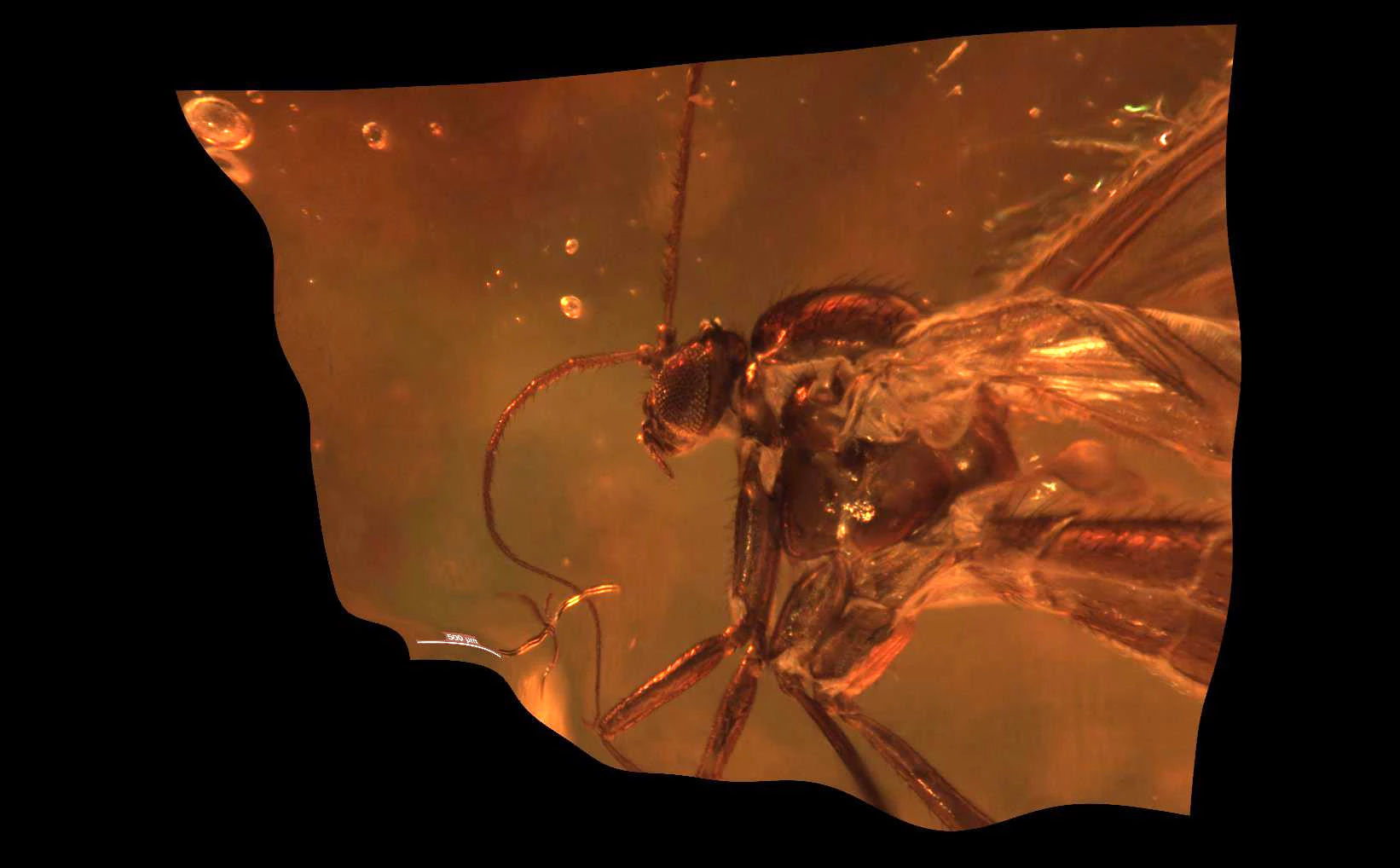
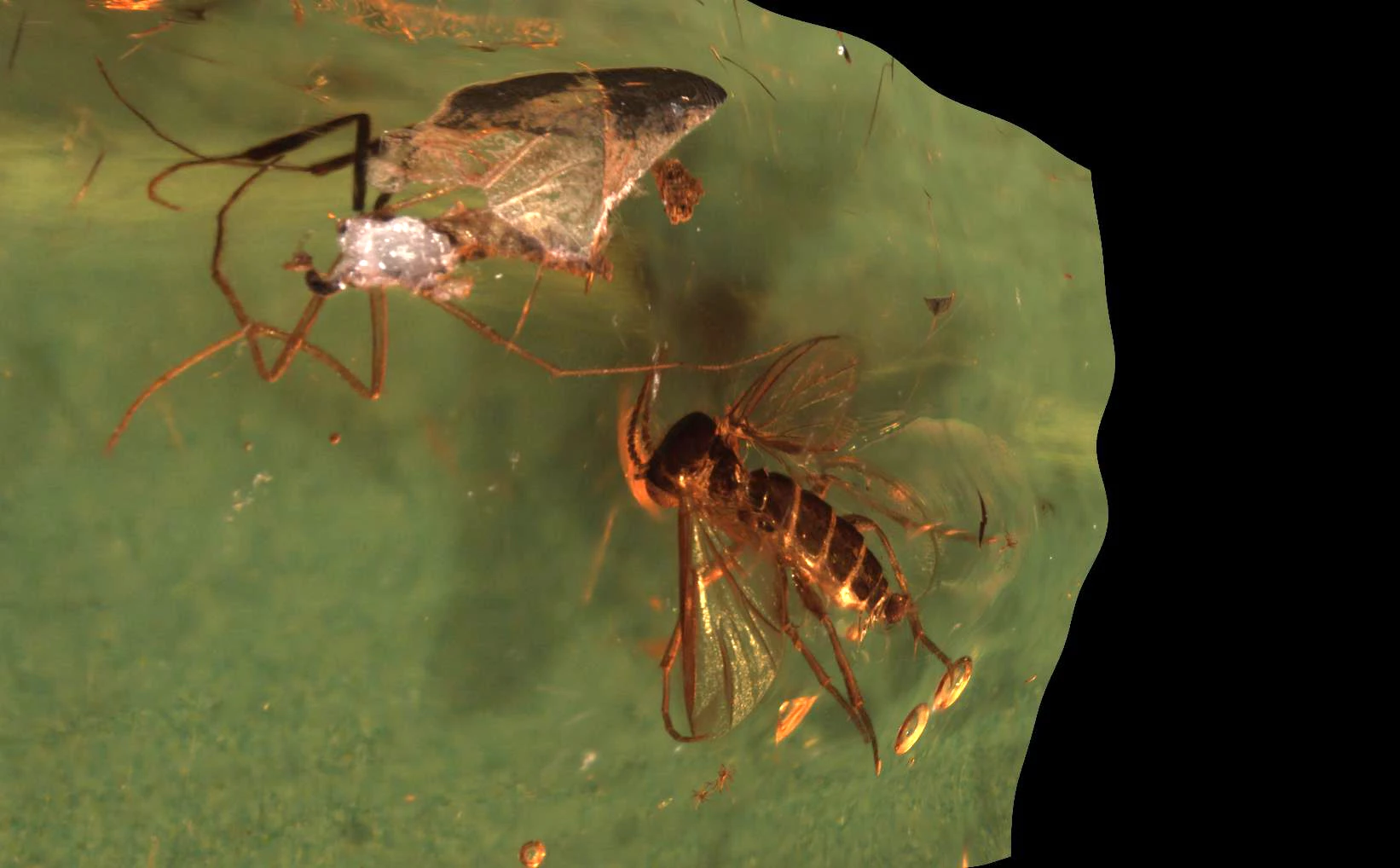
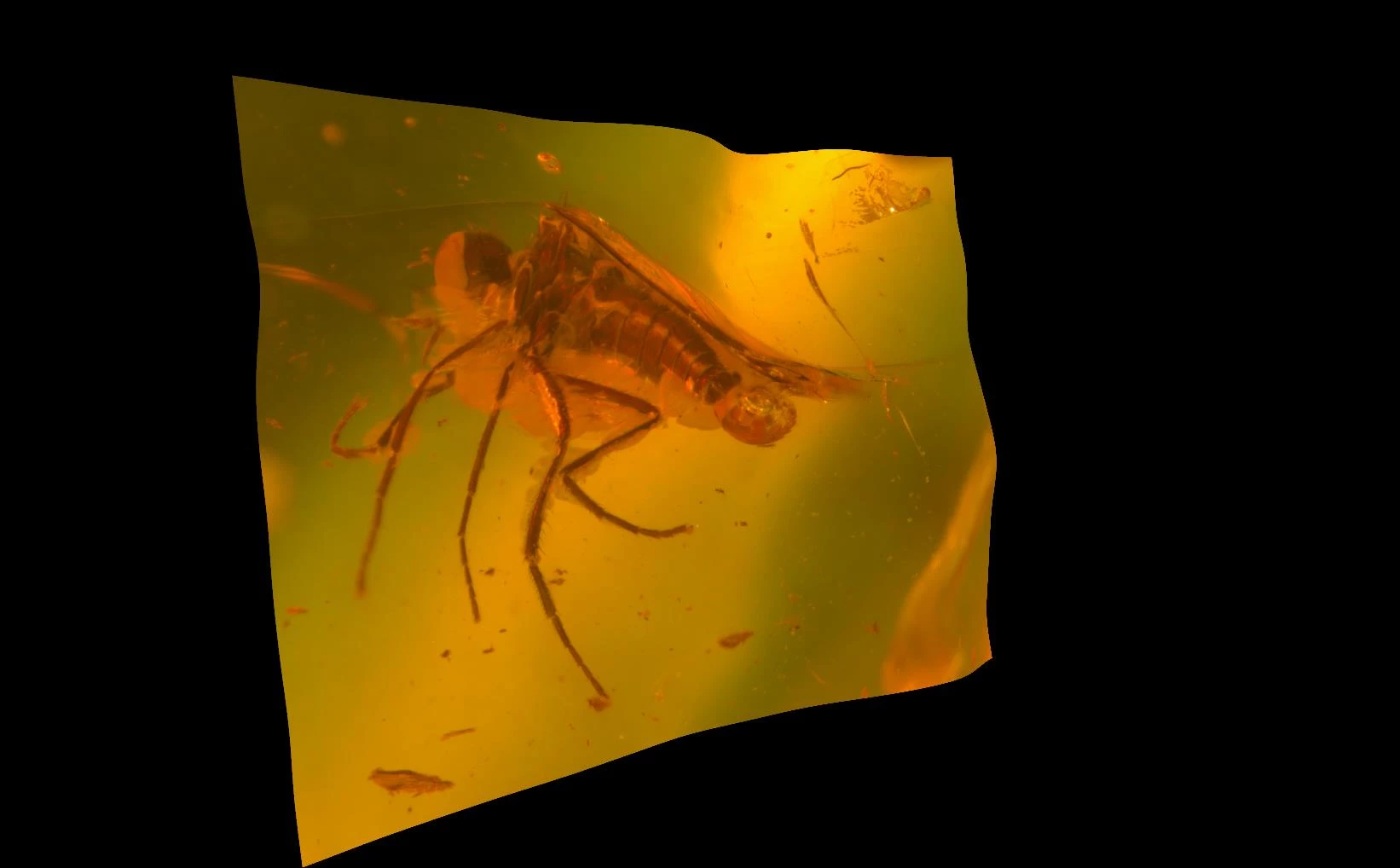
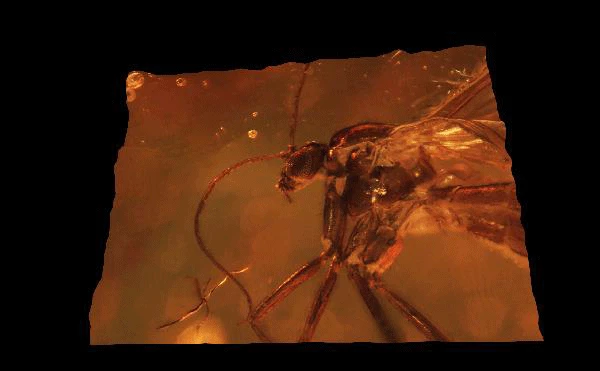
Fungus Gnat (Sciaridae)

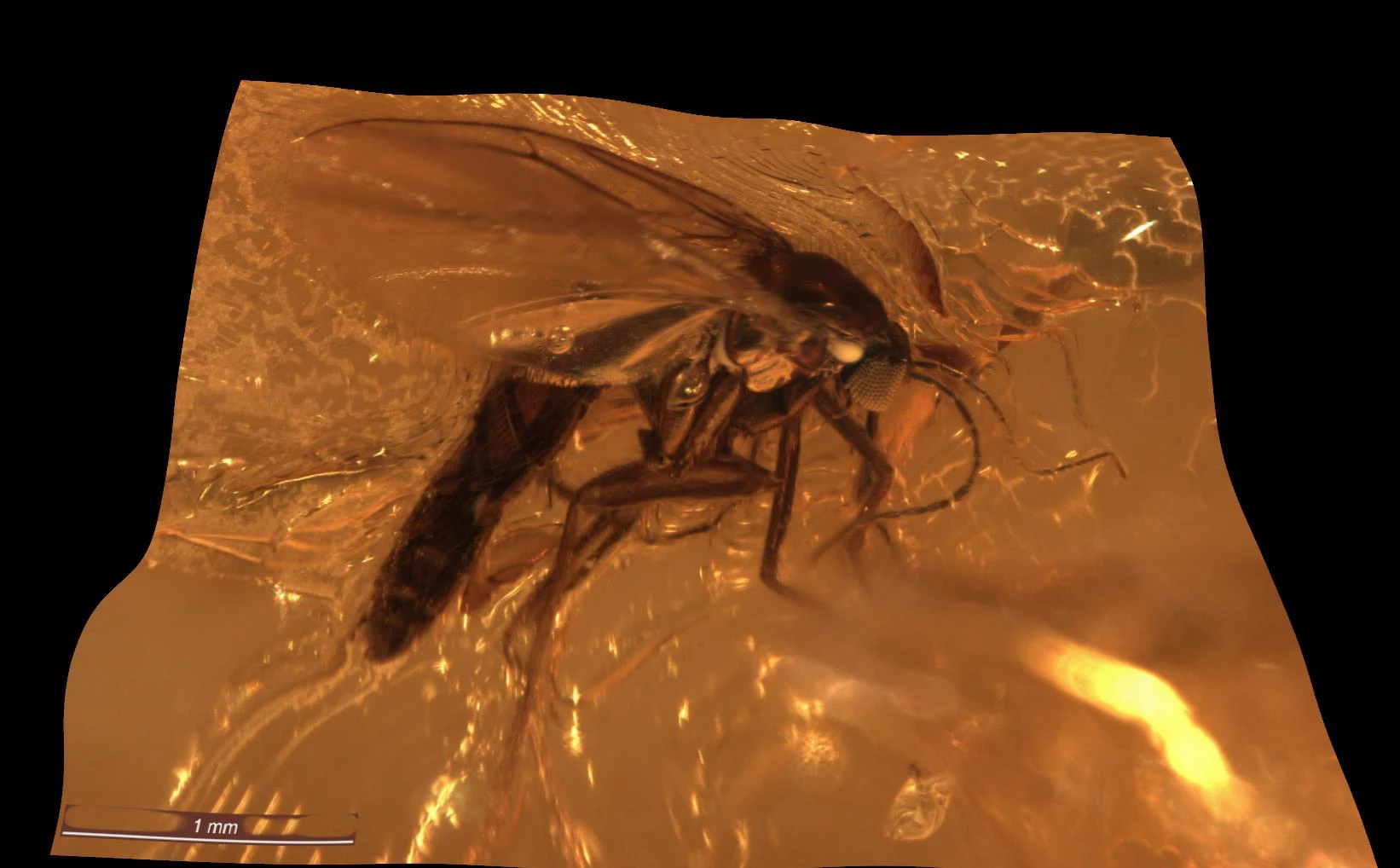
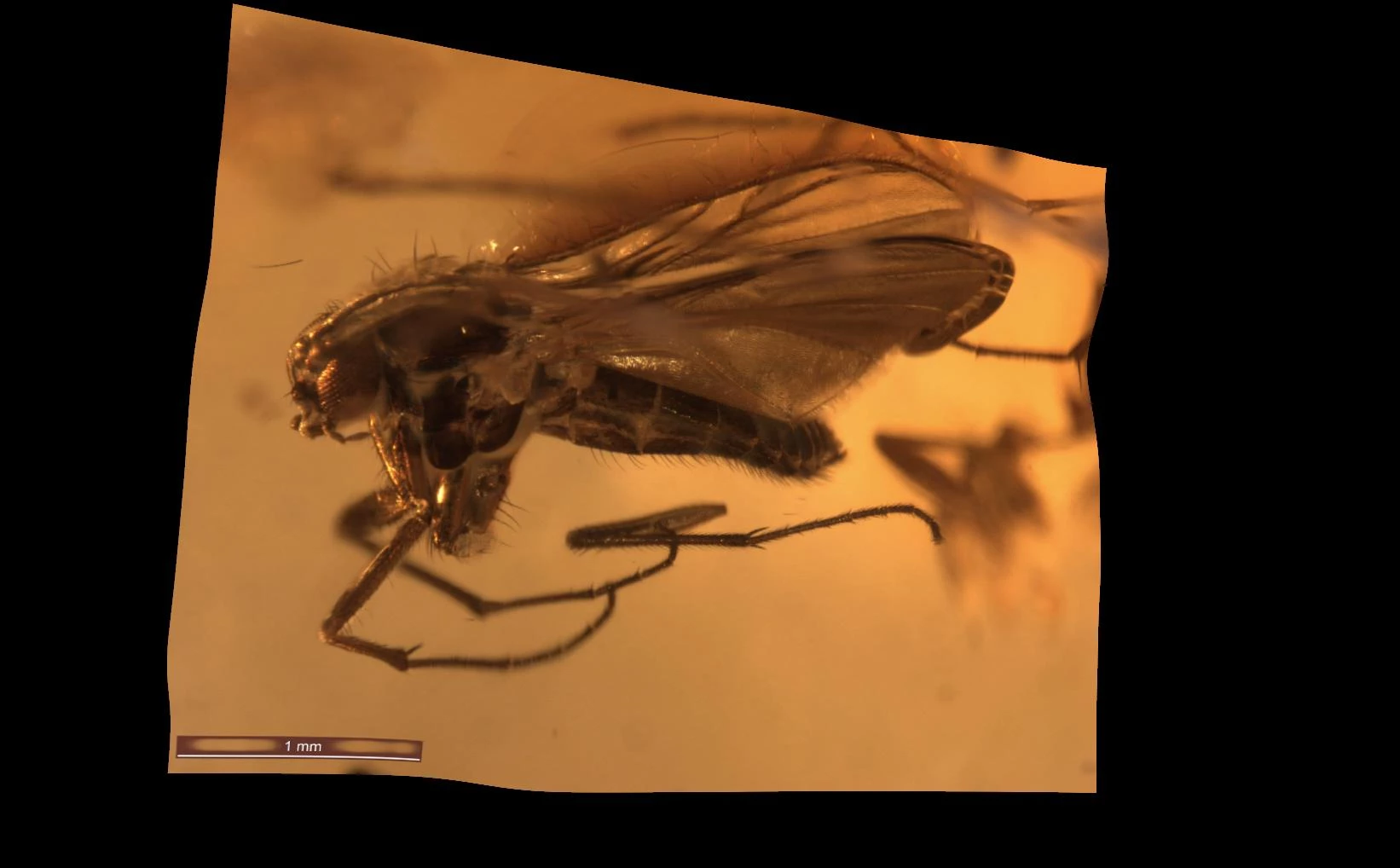
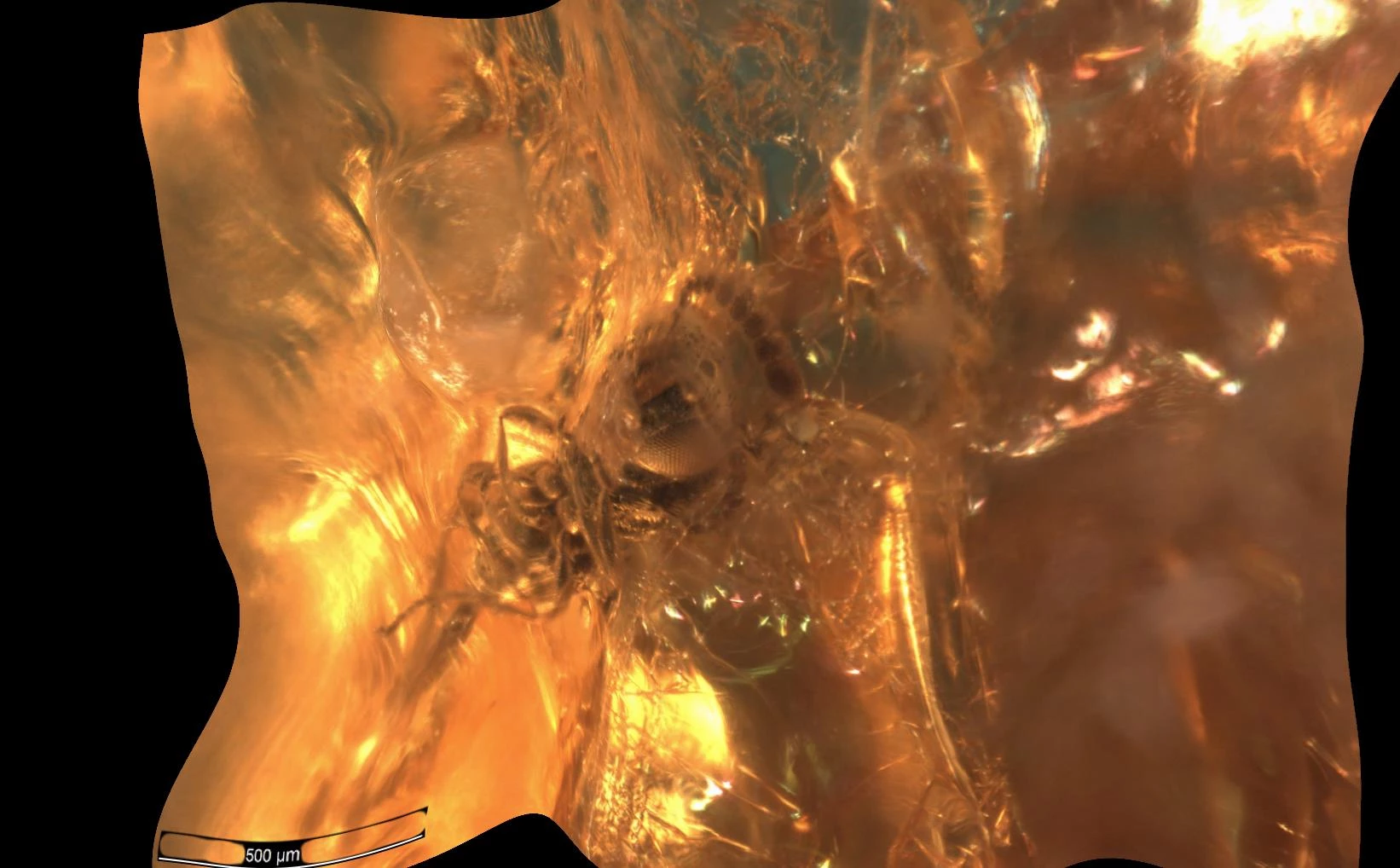
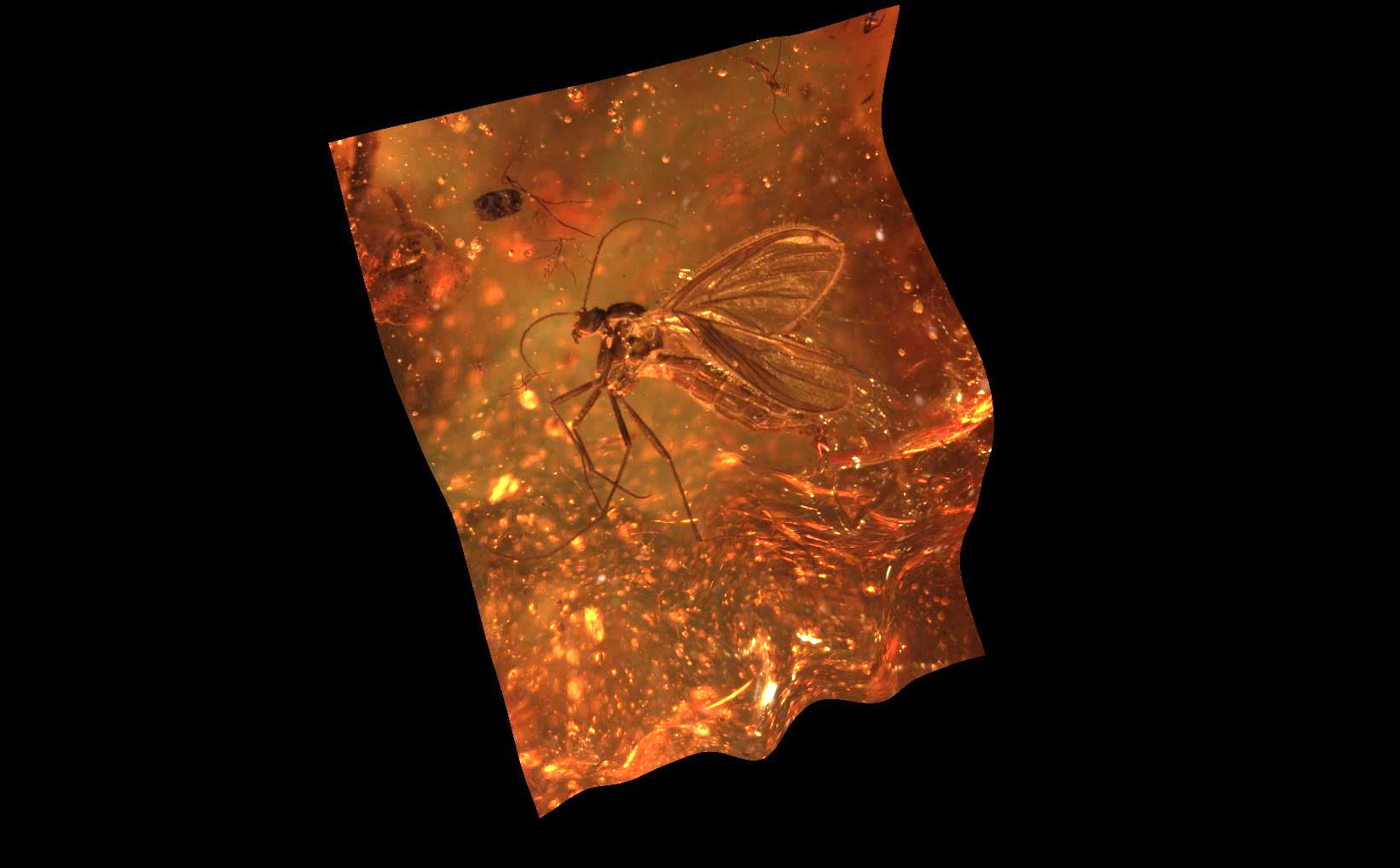
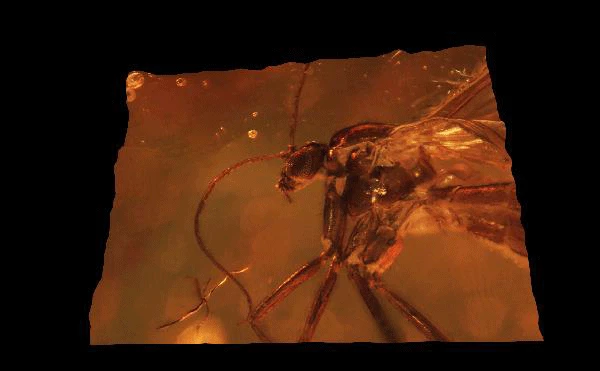
Fungus Gnat (Sciaridae)
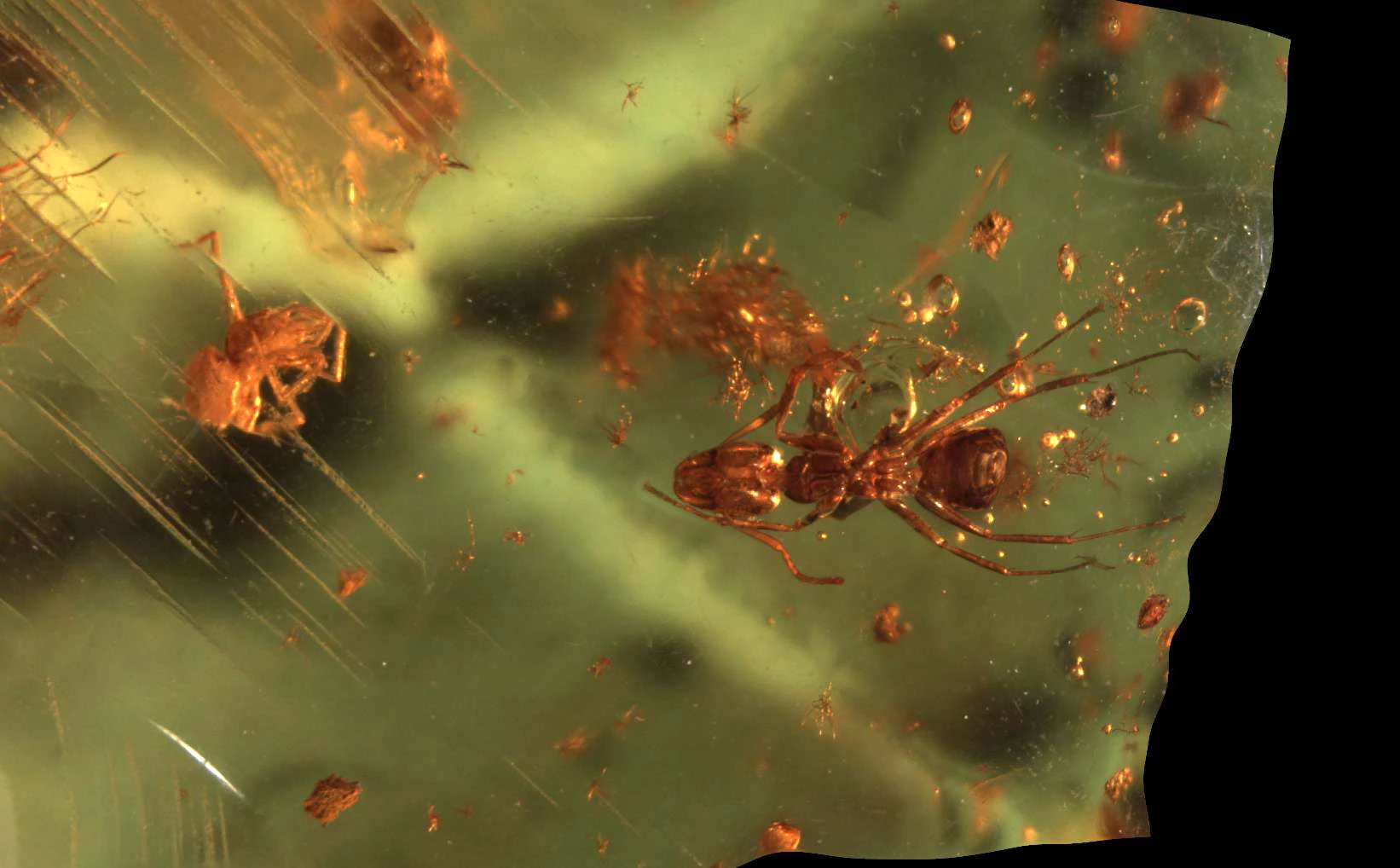
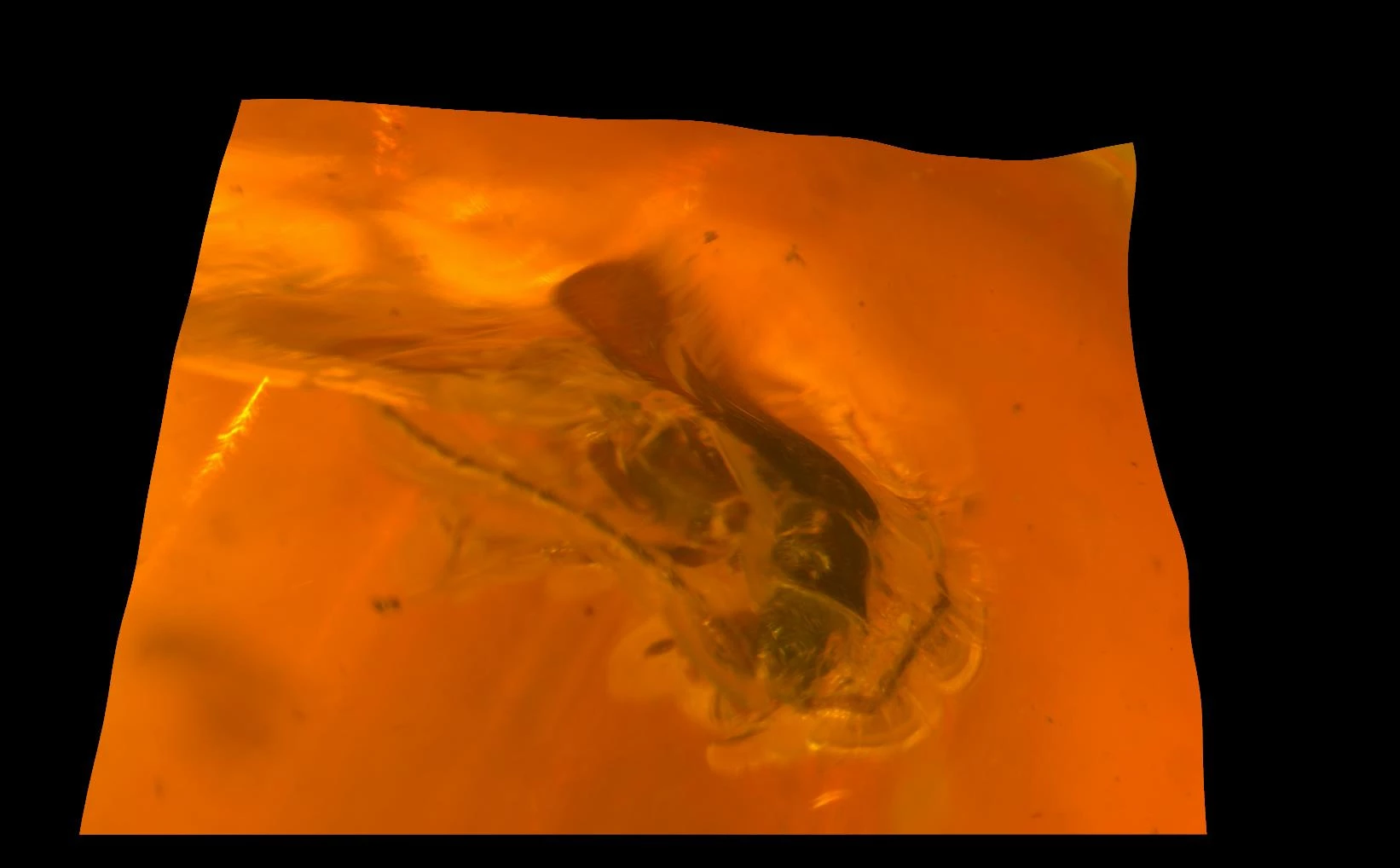
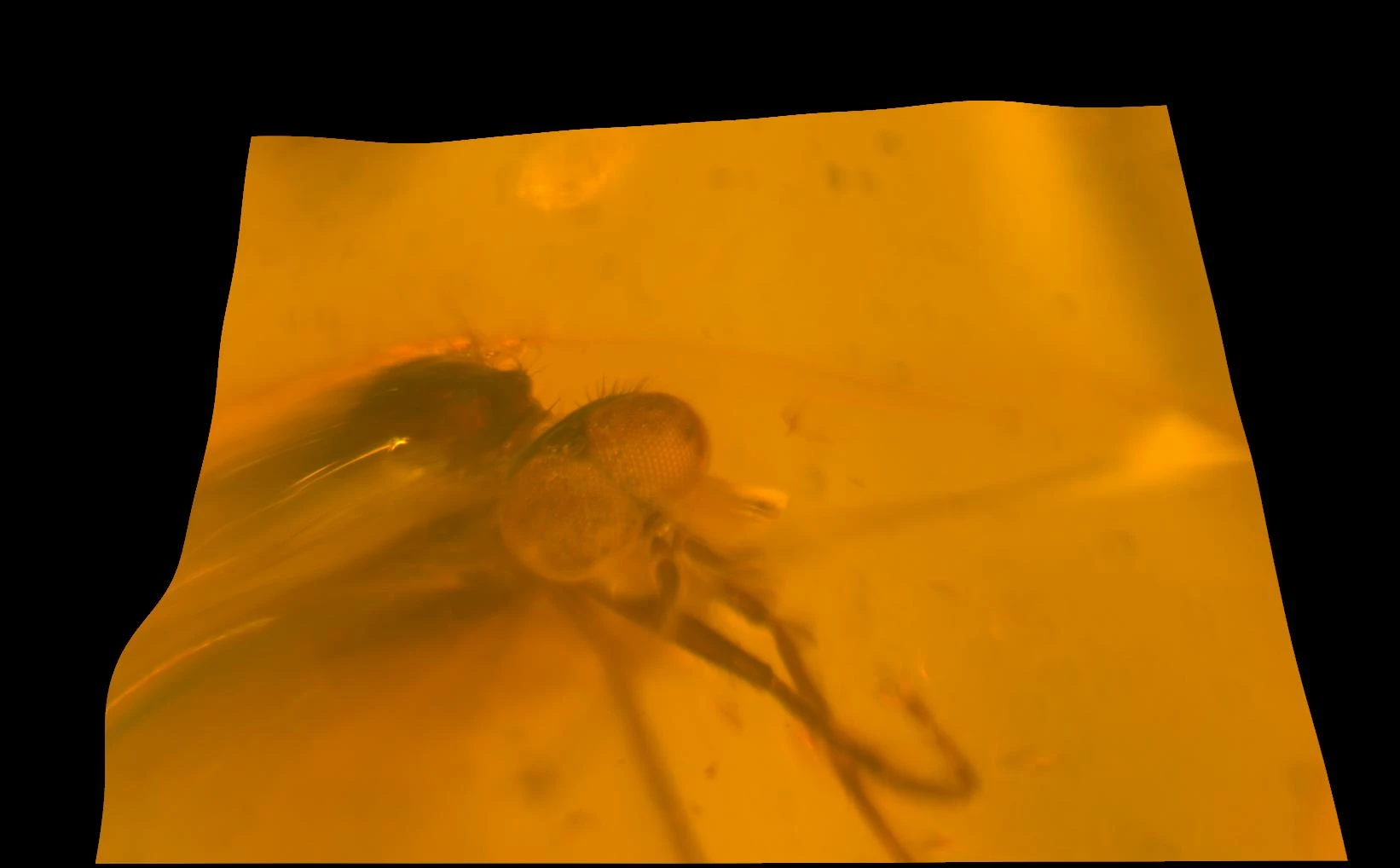
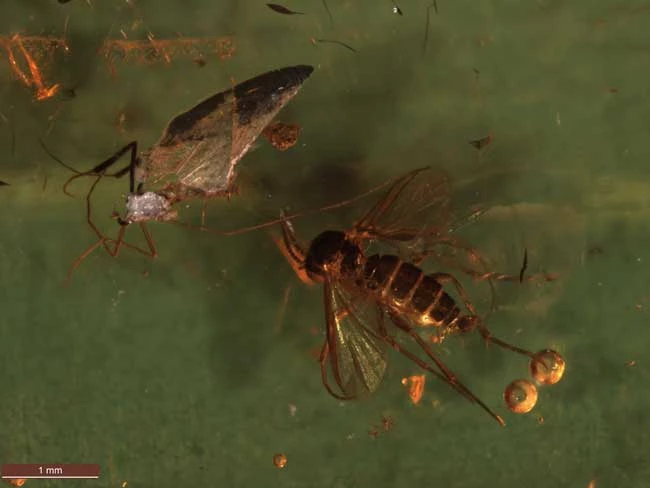
These small animals look like they died yesterday, but they are actually about 50 million years old.

A student on work experience at the Museum used new software to image our amber collection. Using a microscope, photos were taken from different depths inside an amber sample. The in-focus parts of each photo were then merged to create a single clear image.

Windows on an ancient world

These animals died after becoming trapped in soft sticky resin produced by conifer trees as protection against fungal infection. When the trees died their resin was buried underground in layers of vegetation and sediment - eventually becoming hardened by pressure and heat to form amber.

Most of our amber comes from the Baltic Sea region. The trapped animals include ants, aphids, beetles, flies, gnats, harvestmen, moths, nematode worms, spiders, and wasps. These forest creatures lived at least 50 million years ago in the Eocene epoch. This was a time of greenhouse climate which was much warmer than today due to higher levels of carbon dioxide in the atmosphere.

There’s also a wasp preserved in amber from Cretaceous sediments of New Jersey, USA – which makes it old enough to have seen the dinosaurs!

Looking after amber

We store our amber in air tight containers in a room where the temperature and amount of water vapour in the air (humidity) can be controlled. If amber is exposed to rapid swings between too damp and too dry, tiny cracks can form, and these windows to the past can be broken.

Plants of Plenty

10 February 2014

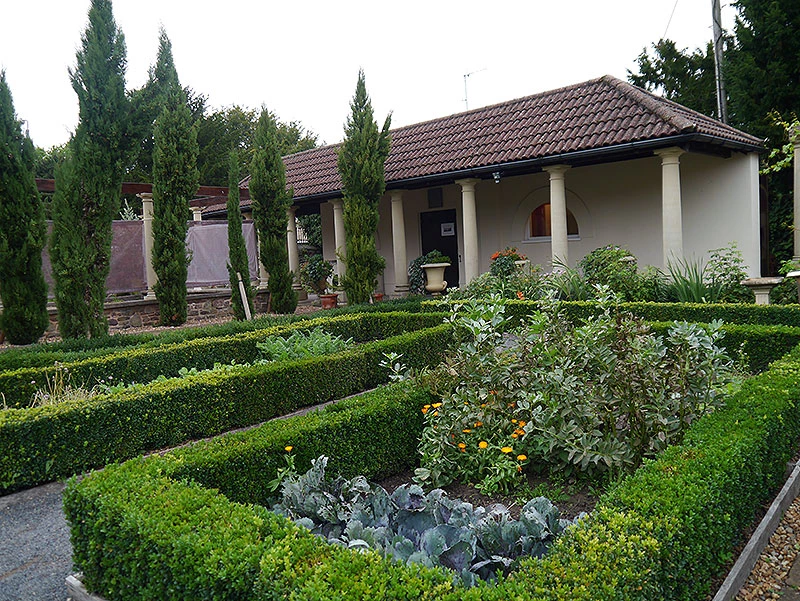
The Gardens at National Roman Legion Museum
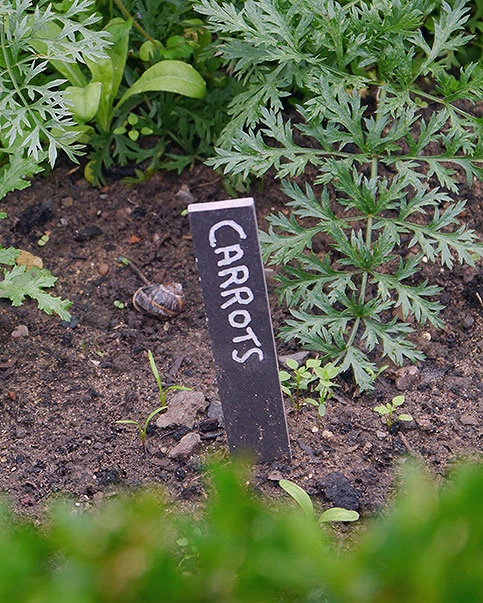
Carrots growing
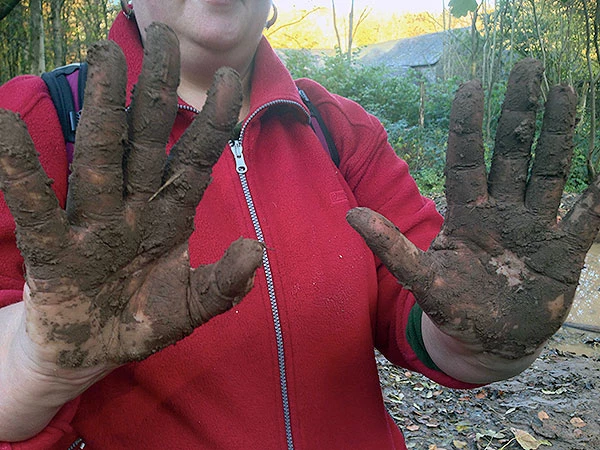
Gardening hands

Where do peanuts and potatoes grow? What are tomatoes? Explore the imaginary mixed-up Plant of Plenty and learn more about the plants on your plate.

Beans are the seeds of a bean plant and they grow in a pod. Sometimes we eat the pod as well. Beans belong to the same plant family as peas.

Tomatoes are the fruits of a tomato plant. If you slice a tomato, you can see the seeds inside. Tomato growers use bumblebees in their greenhouses to pollinate the flowers to produce tomatoes.

Plums are fruits. The stone inside a plum is the seed. The tasty fleshy part is to attract animals (including us!) to help spread the seeds.

Cloves are flowers. These whole cloves are dried flower buds of a tropical tree. Most cloves are produced in Indonesia where people harvest them by hand and dry them in the sun.

We eat leaves of herbs. Oregano and mint have aromatic leaves. People all over the world use herbs to make teas or to flavour their cooking. Scientists think the essential oils that give the leaves their scent may have evolved to stop animals eating them.

We eat the leaves of onions, leeks and chives. Think of how you can peel away an onion’s layers. Each layer in the onion is a specialised leaf that the plant uses to store food and water. In legend, St David told Welsh soldiers to wear leeks. That way they could identify each other easily in battle.

Carrots are roots. We grow so many carrots in the UK that we are the 5th largest producer in the world. The ancestors of today’s carrots were purple or yellow. Then plant breeders developed orange carrots and they became popular.

Potatoes are underground stems. Potato plants store carbohydrate (starch) in these special underground stems called tubers. Potatoes are in the same plant family as tomatoes, peppers and chillies.

Peanuts are seeds. Peanuts are harvested from underground. When insects pollinate the flowers of the peanut plant, pods develop with the nuts (seeds) inside. Slowly the pods are pushed down into the ground as the stalk on the pod grows longer.

Madness not to stay safe around Mercury

Dr Victoria Purewal, 5 November 2013

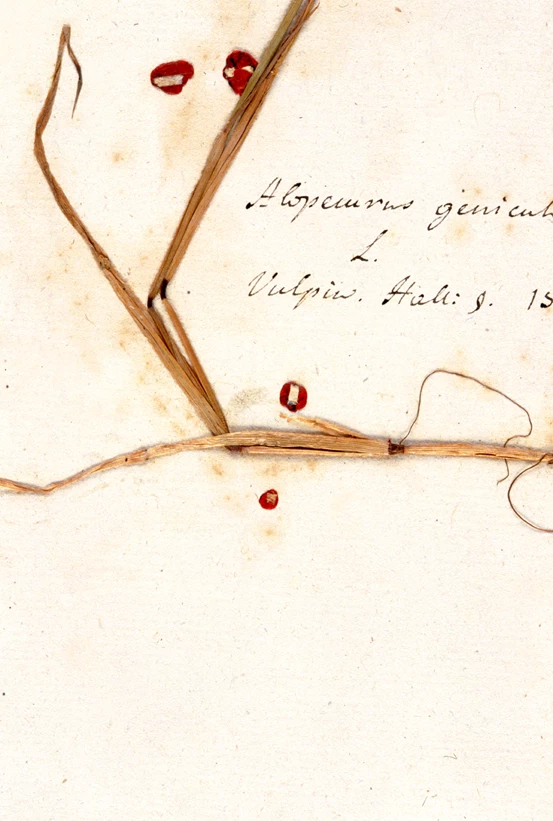
Herbarium specimen sheet from 3rd Earl of Bute’s herbarium c. 1770.

Figure 1 Image of a section of a specimen sheet belonging to the 3rd Earl of Bute’s herbarium c. 1770. The paper sheet is not providing any clues as to whether this sheet has been treated or not. The brown stains are natural breakdown products of the plant.

Herbarium specimen sheet from 3rd Earl of Bute’s herbarium c. 1770. under UV exposure

Figure 2 The same herbarium sheet under UV exposure. The grey discolouration is typical of mercury and the bright splashes are indicative of aqueous mercury applications.

Using a UV scanning device on old herbarium specimen sheets

Figure 3 Using the UV scanning device.

Natural history collections are susceptible to deterioration from pests and moulds and so historically, chemicals have been applied to safeguard these collections for the future. The most common chemical application to botanical specimens was Mercuric chloride (Corrosive sublimate). Mercury has helped to preserve specimens up until the present day, but these treatments leave a legacy - salts of mercury are not only toxic to pests, but also to people.

'Mad as a hatter'

In the 19th century, the felt-hat industry commonly used mercuric nitrate to cure the felt. The wearer and the hat maker were then exposed to mercury which is now known to attack the central nervous system and affect the brain. The unusual behaviour attributed to hat makers, due to the mercury poisoning, gave rise to the term ‘Mad as a hatter’ and probably fuelled Lewis Carroll’s imagination for his ‘mad tea party.’

The main problem encountered with these treatments is that they are hazardous to health but largely imperceptible to the human eye (Fig. 1).

Research conducted at the National Museum Wales department of Conservation, uncovered that some of the 600,000 herbarium specimens housed within the collections were contaminated with mercury. This could pose a potential risk to the health of staff members and visitors to the collections, unless addressed. It was important to be able to establish which sheets had been treated, what the chemical was and how much was present. To do this in the usual way would have involved specialist chemists, expensive analytical equipment and years of work; an expensive and timely process.

Continuing research into this issue by Dr Vicky Purewal, the botanical conservator at the National Museum Wales, uncovered that chemical processes are accelerated by mercury in the ageing papers, providing tiny clues to the presence of mercury. By devising a specific novel technique, these tiny clues can be translated into real information. This technique does not require expensive analytical equipment, all it needs is a simple hand held UV-A lamp. The Ultra violet radiation causes certain chemical processes in the paper to fluoresce a definite colour providing a positive response to the presence of mercury (Fig.2).

This research by the museum has been vital in developing a rapid technique in identifying contaminated collections (Fig.3). It has helped provide information on the historic treatments that the specimen has undergone and as a result helped to safeguard the health of staff members and visitors to the herbarium. As a result the collections can be separated into treated and non-treated material. The contaminated collections can then be handled appropriately and re-mounted removing a large amount of the contamination from the herbarium environment. DNA analysis currently carried out by researchers within the NMW herbarium; also find the UV technique extremely efficient at helping to determine whether the collections have been subjected to mercury applications which may interfere with extraction of genetic information.

The impact of this research is two-fold: on professional conservation and curatorial practice; and on the health and safety of the collection users when working within the herbarium. Key institutions such as the Royal Botanic Gardens, Kew, the Natural History Museum, London and the Royal College of Physicians are just a few of the other organisations that have benefitted from this simple and rapid identification tool developed by Vicky Purewal at the National Museum Wales.

John Stuart, 3rd Earl of Bute (1713-1792): Bute's Botanical Tables

Heather Pardoe, 30 September 2013

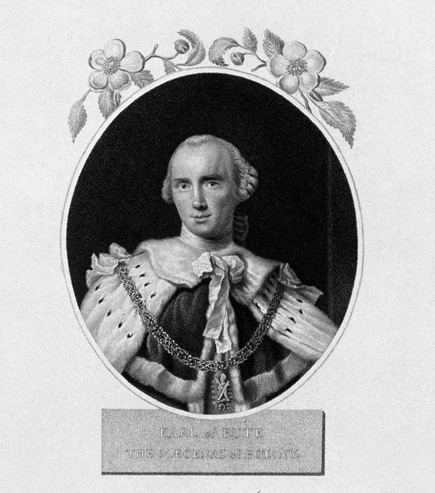
Portrait of the Third Earl of Bute

Portrait of the Third Earl of Bute (reproduced from Temple of Flora (1807) by Robert Thornton).

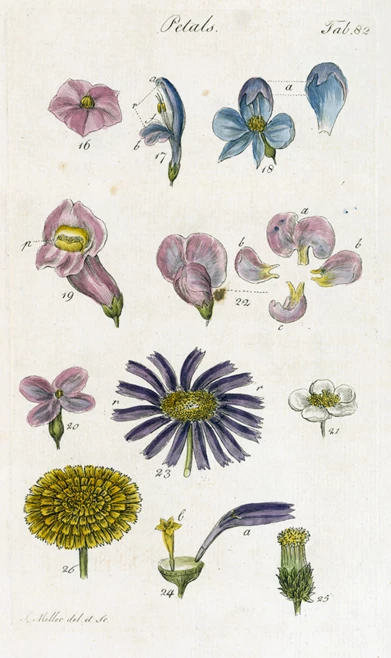
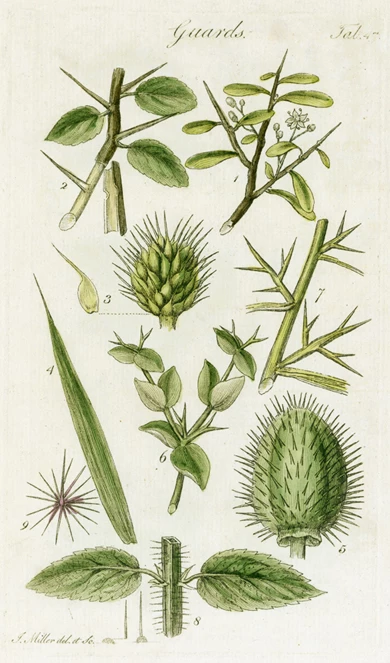
The museum’s copy of Bute’s <em>Botanical Tables</em>.

The museum’s copy of Bute’s Botanical Tables.

2013 was the birth tercentenary of the Third Earl of Bute, a powerful figure in eighteenth century Britain – renowned both as a politician and as a botanist. One of his greatest contributions to botany was a book called the Botanical Tables, and Amgueddfa Cymru is fortunate to own a complete set of this rare and exquisite publication.

John Stuart, 3rd Earl of Bute (1713-1792) was a friend and confidante of George III. Early in his career Bute reluctantly became a politician, encouraged by his royal friend. In May 1762, he was appointed Prime Minister. However, Bute proved an unpopular leader and resigned after a year. He must have been relieved to retire from public life to his house at Highcliffe in Hampshire, with his vast botanical library, to continue his botanical interests.

Carl Linnaeus's new taxonomic system

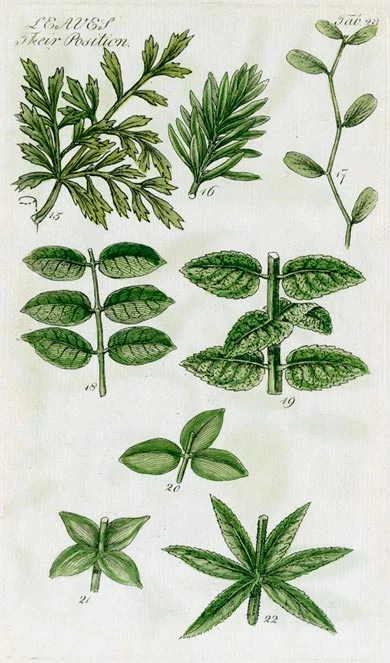
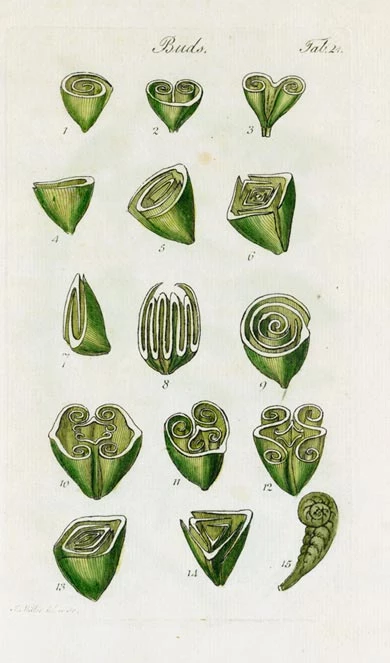
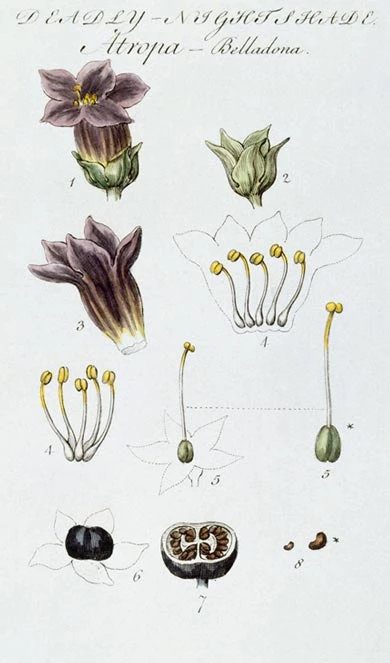
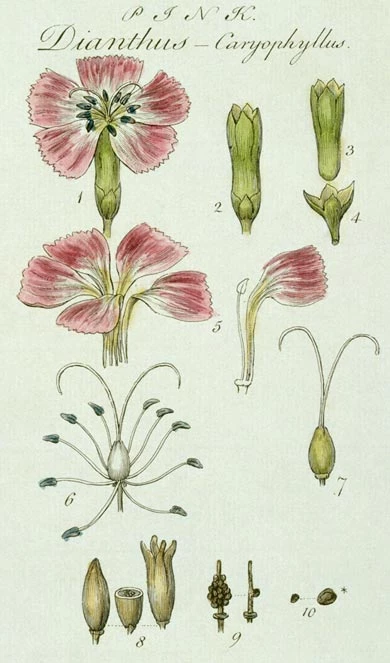
Bute worked on several botanical publications and was strongly influenced by the renowned Swedish taxonomist Carl Linnaeus. Bute's best known publication was entitled Botanical Tables, or to give it its full title; Botanical Tables containing the different familys of British Plants distinguished by a few obvious parts of Fructification rang'd in a Synoptical method. Published in 1785, the aim of the Tables was to explain the principles of Linnaeus's new and controversial taxonomic system.

Most of the illustrations in the Botanical Tables were by the artist John Miller (1715-1790). It was a huge task, involving over 600 illustrations detailing the sexual organs and their number to comply with the Linnaean system. Each set of Tables consists of 9 volumes covering the whole range of British plant life - including mosses, grasses, flowers and trees, as well as lichens, fungi and seaweeds - and contains detailed illustrations of every plant listed.

Twelve sets of the Tables were printed by Lord Bute at his own expense, at a total cost of £1,000. Most sets were bound in speckled fawn calf leather with the Bute coat of arms placed centrally. Two sets were specially prepared for the royal family and bound in red goatskin with pages edged in gold but without the Bute arms.

Botany as a fashionable amusement

Bute was particularly keen to explain the taxonomic system to women, since he felt that this "delightful part of nature" was peculiarly suited to the attention of the "fair sex"; botany, under their protection, would soon become a fashionable amusement. True to this aim Bute presented seven sets of the Tables to women:

  • Queen Charlotte (wife of King George III),
  • Catherine II (Empress of Russia),
  • The Duchess of Portland,
  • Mrs Jane Barrington,
  • Lady Elizabeth (Betty) Mackenzie,
  • Lady Anne Ruthven
  • Lady Jane Macartney.

The latter three of these were family members. Bute kept two sets for himself and sent one set each to the eminent British botanist and later President of the Royal Society Joseph Banks (1743-1829), the eminent French botanist George Louis Leclerc, Comte de Buffon (1707-1788) and Bute's old friend Louis Dutens (1730-1812).

Amgueddfa Cymru has in its collections loose illustrations and tables that are thought either to have been draft copies or material being prepared for a subsequent edition. However, in 1994 the Museum acquired a complete copy of the Botanical Tables at a Christie's sale of highly important books from Beriah Botfield's Library.

Whilst trying to ascertain which of the original 12 sets the Museum holds, researchers here have managed to trace 10 sets, 7 of which can be identified with their original recipients.

Perhaps, one day, the remaining two will be discovered on a dusty shelf of an old library and then all twelve original copies can be accounted for.

Recipients

The recipients of the twelve copies of the Botanic Tables:

  1. Queen Charlotte (wife of King George III), [Red Goatskin bound copy]
  2. Catherine II (Empress of Russia), [Red Goatskin bound copy]
  3. The Duchess of Portland,
  4. Mrs Jane Barrington,
  5. Lady Elizabeth (Betty) Mackenzie, family member
  6. Lady Anne Ruthven, family member
  7. Lady Jane Macartney, family member
  8. Sir Joseph Banks (1743-1829)
  9. George Louis Leclerc, Comte de Buffon (1707-1788)
  10. Louis Dutens (1730-1812)
  11. Retained by Third Earl of Bute
  12. Retained by Third Earl of Bute

References

Lazarus, M. H. & Pardoe, H. S. (eds) 2003. Catalogue of Botanical Prints and Drawings held by the National Museums & Galleries of Wales. National Museums & Galleries of Wales, Cardiff, 319 pp.

Lazarus, M. H. & Pardoe, H. S. 2009. Bute's Botanical tables: dictated by Nature. Archives of natural history 36 (2): 277–298.

Lazarus, M. H. & Pardoe, H. S. (in prep.) Bute's Botanical Tables (1785). Luton Hoo Tercentenary Special Publication

Insects in Amber

25 July 2013

Please click on the thumbnails below to browse through a selection insects caught in amber.