United Nations international year of the periodic table of chemical elements: June - silicon

Tom Cotterell, Lucy McCobb, Elizabeth Walker and Ingrid Jüttner, 30 June 2019

Into June and we have selected silicon as our element of the month. This element might not be instantly recognisable as of significance to Wales, but it does have an interesting history.

Silicon (chemical symbol – Si), atomic number 14, is a hard but brittle crystalline solid, with a blue-grey metallic lustre. Silicon is the second most abundant element (about 28% by mass) in the Earth’s crust after oxygen with which it has a strong affinity. Consequently, it took until 1823 for a scientist - Jöns Jakob Berzelius – to prepare it in pure form.

In Wales, silicon is present virtually everywhere in one form or another: from quartz (silicon dioxide, SiO2) in sedimentary siltstones, sandstones and conglomerates; complex silicates in igneous and metamorphic rocks; to sediments in soils.

Silica (silicon dioxide, or quartz) was mined extensively in the Pontneddfechan area, in South Wales, from the late 18th century until 1964 for the manufacturing of firebricks for kilns and furnaces. It occurs as a very pure material highly concentrated in quartzite within a geological unit known as the Basal Grit. Weathering and erosion of the quartzite has produced deposits of silica sand and this was extensively quarried for the production of refractory fire bricks for the smelting industries.

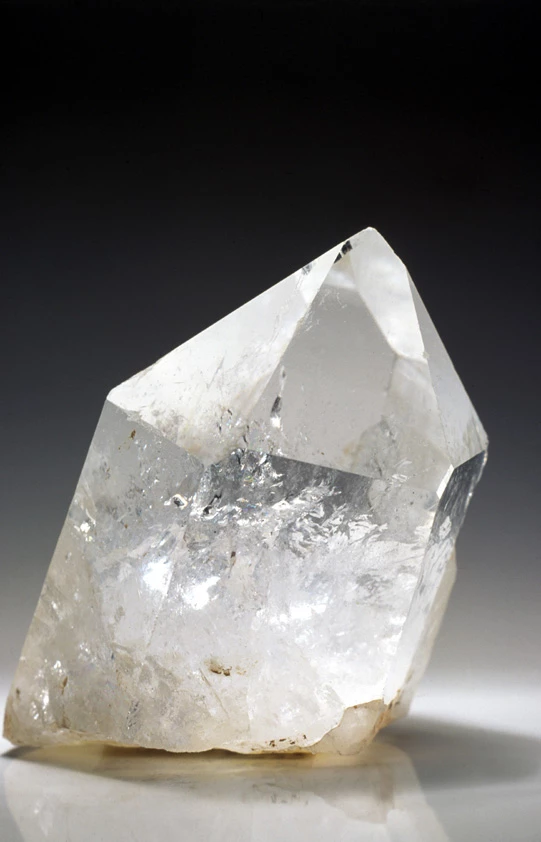
In North Wales, a little-known trade in rock crystal – a colourless, glassy variety of quartz crystal – took place in Snowdonia during the 18th and 19th centuries centred upon the village of Beddgelert. T. H. Parry-Williams refers to this in one of his writings. Miners and mountain guides searched for veins of quartz in the mountains and collected crystals to sell to tourists as curios and some were possibly used to make crystal chandeliers. Later, crystals were occasionally discovered in the vast slate quarries, or during the large-scale construction of forestry tracks during the 1960s.

Silicon, as silica (another name for silicon dioxide) is also important to certain organisms. In particular diatoms and sponges.

Diatoms are single-celled microscopic algae with a complex cell wall made of silica. They are abundant in all waters, produce oxygen and are food for other aquatic organisms. Diatoms are also frequently used to monitor water quality.

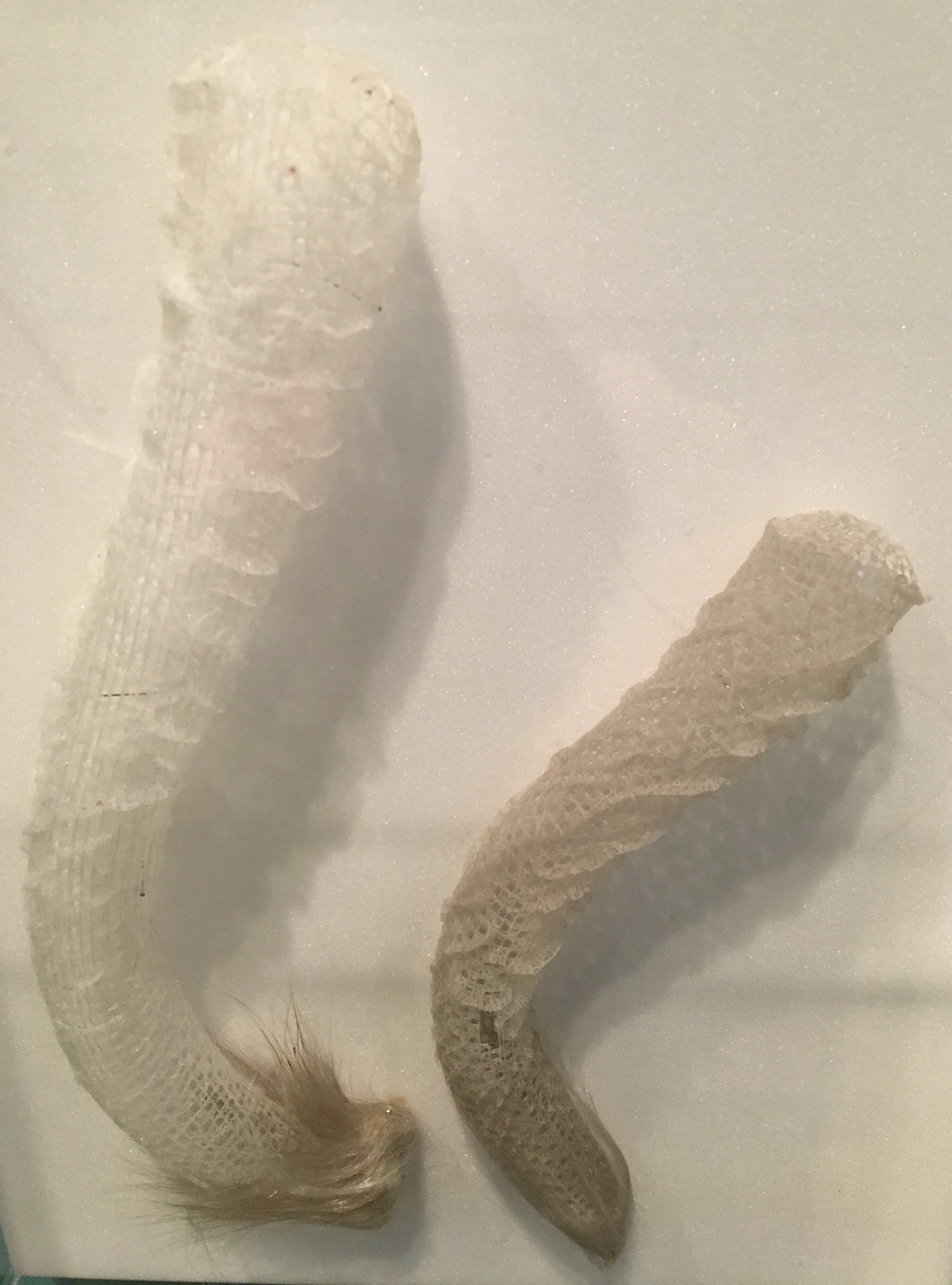
Sponges build their skeletons from a framework of tiny elements called spicules, which are made of silica in most sponge groups.  One of the most beautiful examples is the Venus’ Flower Basket glass sponge, which lives anchored to the deep ocean floor near the Philippines.  A pair of shrimps lives inside this sponge, breeding inside it and spending their whole lives protected within its delicate glass walls.  Thanks to this unusual symbiotic relationship, the dead skeletons of Venus’ Flower Baskets are a popular wedding gift in Japan.

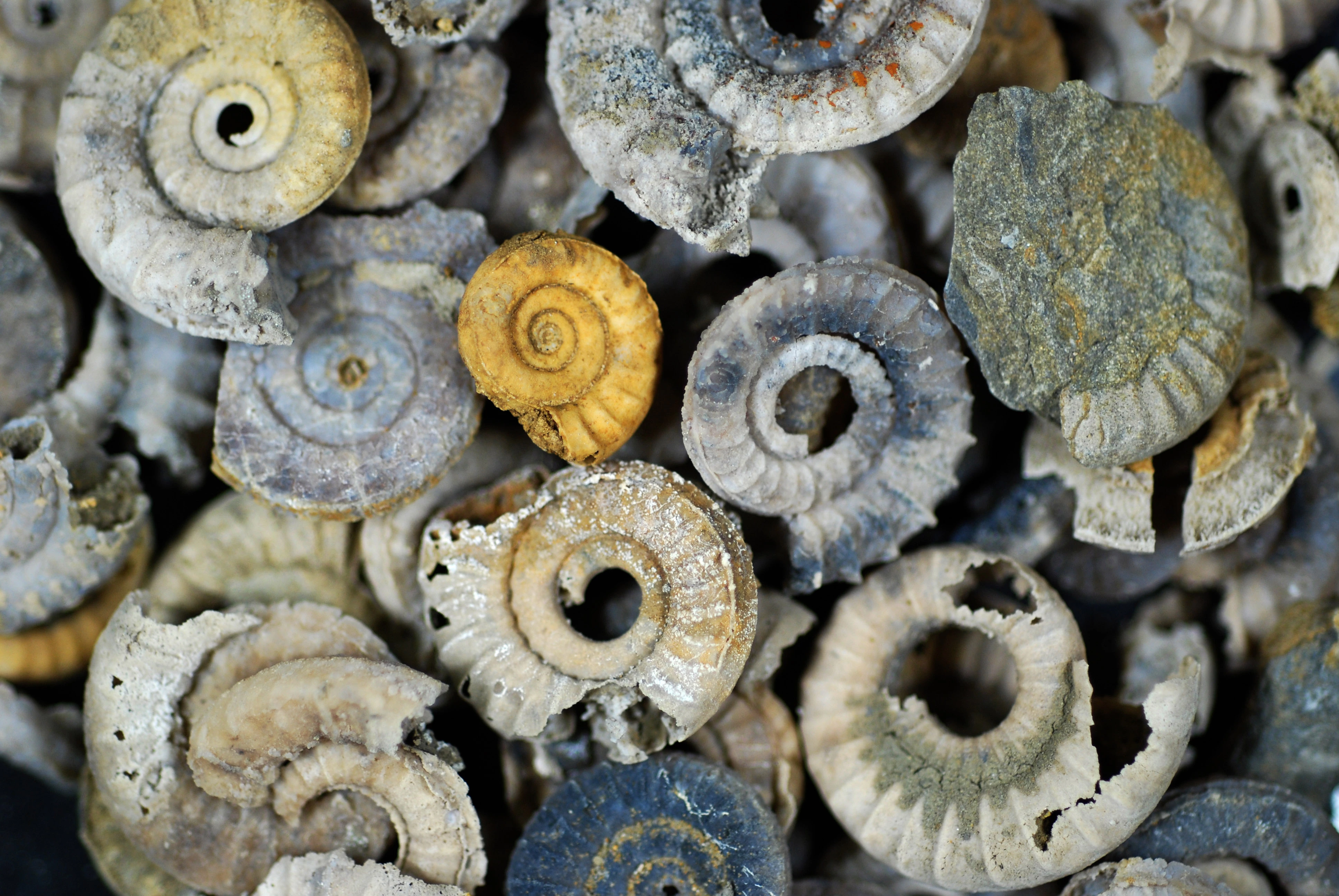
Sponges are the most primitive kind of animal on Earth, and their resistant spicules are found as fossils from as far back as 580 million years ago. Silica is also important in the preservation of other types of fossil.  When dead animals or plants are buried, silica from groundwater can fill in the pores and other empty spaces in wood, bone or shells, and/or it can replace the original remains as they decay or dissolve.  This is most common in areas where the groundwater has high silica levels, due to volcanic activity or erosion of silica-rich rocks.  The organic remains act as a focal point for silica formation, and often the rock surrounding the fossils is made of different minerals.  For example, shells that were originally made of calcium carbonate can dissolve and be replaced by silica, whilst being fossilised within limestone (calcium carbonate).  Extracting the fossils is a simple process of putting the rock in some acid and waiting for it to dissolve, leaving behind the silicified fossils.  The Museum’s fossil collections include many silicified shells of brachiopods, ammonites, bryozoans and other sea creatures.

One of the most spectacular types of fossil preserved in silica is ‘petrified wood’.  Silica replaced the original cells of the wood as it decayed and also filled in any gaps, literally ‘turning it to stone’.  In some places, including Patagonia and the USA, whole tree trunks replaced by silica are found in so called ‘petrified forests’.  Other plant fossils, such as cones, can also be fossilised in this way.

Chert is a rock made of very small crystals of silica.  Many major chert deposits formed at the bottom of ancient oceans from ‘siliceous ooze’, which is made of the skeletal remains of millions of tiny organisms including diatoms and radiolarians (single-celled plankton).  Chert nodules can also form within other rocks through chemical processes. 

Chert found within chalk is known as flint, and was a very important material for making tools throughout Prehistory. Tools are made by knapping, that is striking a prepared flint edge, or striking platform, with a harder stone to detach pieces called flakes or blades. These flakes, blades, and indeed the core from which they are struck can then be modified with secondary working into fine tool forms. Amongst the most skilful are fine arrowheads, including these from a Bronze Age grave at Breach Farm, Vale of Glamorgan, Wales. Flint was generally the material of choice for making sharp cutting tools as it is so fine-grained and fractures conchoidally and cleanly it gives a really sharp cutting edge. Indeed, so much so, that anecdotally eye-surgeons are reported to occasionally use a freshly struck flint blade in the operating theatre!

Because it is very fine-grained and hard, chert can preserve fossils of very small things from far back in our planet’s history.  The oldest potential fossils on Earth are found in cherts, and include the possible remains of bacteria from over 3 billion years ago.  Younger fossils, from the Rhynie Chert of northern Scotland, provide a glimpse of one of the earliest land communities, 400 million years ago.  Simple plants, and animals including primitive spider-like creatures and scorpions, were preserved in fine detail thanks to silica-rich water from volcanic hot springs.

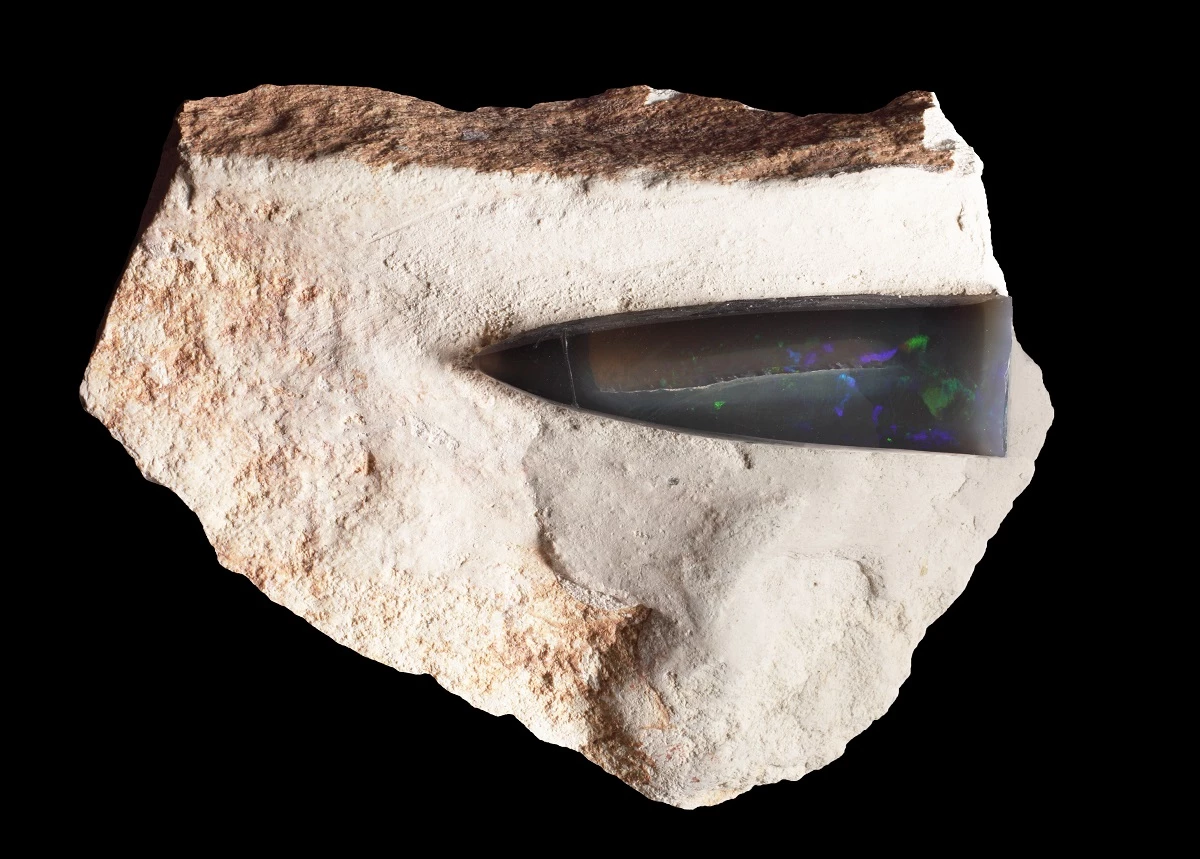
Opal is a hydrated form of silica, meaning that it contains between 3 and 21% water.  Unlike standard silica, it does not have a set crystal form, but some of its forms diffract light, creating a beautiful iridescent effect in a variety of different colours.  For this reason, opal has been prized for centuries as a gemstone for making pendants, rings and other jewellery.  Australia produces a lot of the world’s opal, and is also a source of rare and spectacular opalised fossils.  The shells of invertebrates such as belemnites (prehistoric squid-like creatures), and even dinosaur bones, have been replaced by opal, creating very colourful specimens in a world where fossils are usually grey or brown.

Spring Bulb Champion 2019

Penny Dacey, 28 June 2019

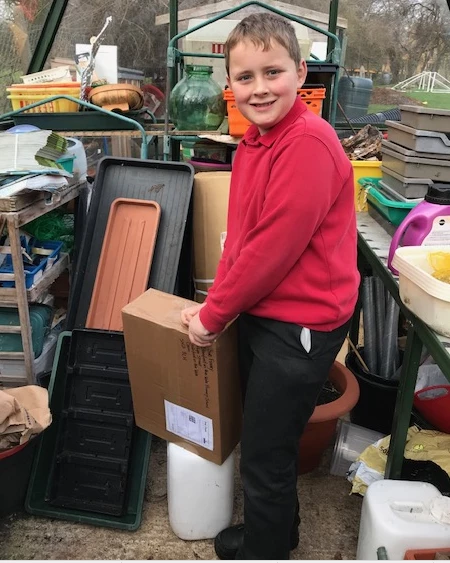
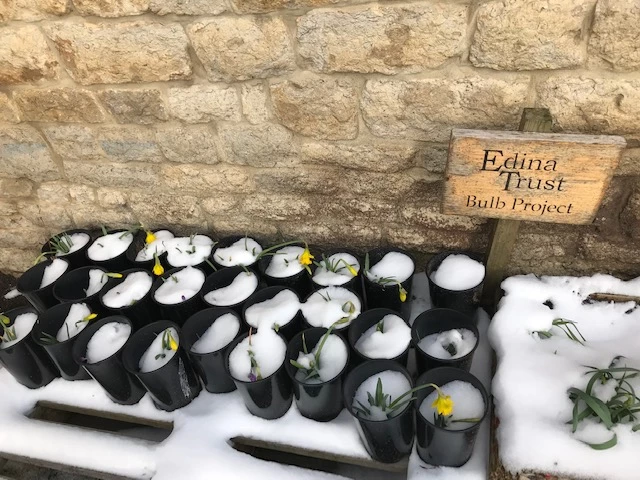
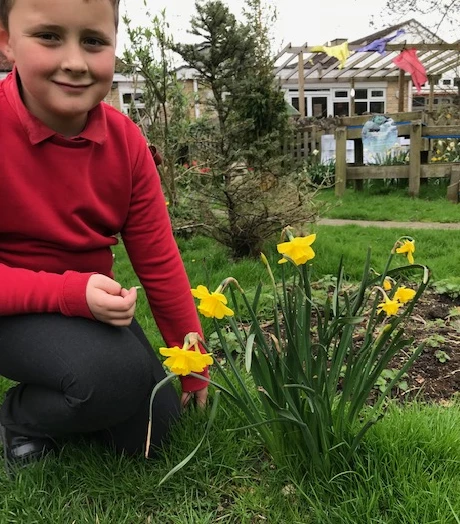
Riley, a pupil at Stanford in the Vale Primary, has taken part in the Spring Bulbs for Schools Investigation for the past three years. He has shown exceptional commitment to the project, and has endeared himself to the project coordinators through his descriptive and friendly feedback. I have to say that I have enjoyed receiving regular weekly updates from Riley over the last three years.

Here are some of Riley’s best comments:

2017:

  • The weather has turned really cold today. Been training people to do this experiment during the week. From Riley xxx
  •  Hello. This week it has not been icy and it has been nice all except today. Hope you have had a nice week. Bye Bye (Riley)
  •  Hello, this week it has been cold and hot and it has been a really good week because we have had a delivery of two new trolleys and we even invested in a wormery which is a big hit with our foundation friends. (Riley)

 2018:

  • Hi this is Stanford in the vale primary school, we done this amazing project last year .I am Riley one of the gardening club members. I was the one that recorded and submitted this data last year. I loved doing this project last year, I hope I will this year too. I will be also teaching some of my friends how to do this project this year too. Bye Bye Riley (Riley)
  •  Cannot believe this is the last weather reading for this year! We have observed some strange weather patterns this year! Snow - sunshine! (Riley)

 2019:

  • Happy to restart the project and I am teaching the younger children in the club how to record. Have a good weekend and we will be back next week. Regards Riley (Riley)
  • HI THERE, this week it has been a mixed week and there has been a lot of rain this week and there has been a bit of sun. Today in class we were talking about global warming which is a serious issue which needs to be sorted out. Speak to you next week!

To celebrate Riley’s contribution to the investigation, we asked if he’d be happy to answer some questions and give us an insight into his experience of participating in the Spring Bulbs for Schools Investigation.

An interview with Riley:

Q. How long have you been involved with the Spring Bulbs for Schools Investigation?

A. I have been involved in this investigation for three years now.

Q. What have you enjoyed most about the project?

A. I’ve mostly enjoyed recording the weather and the rain. I like seeing the difference between the temperatures of different days.

Q. What do you feel you have gained from the project, have you developed new skills?

A. Yes, I do think I have gained on this project. I have developed how to record the rain using a gauge and it has helped me using a thermometer more accurately.

Q. What are your thoughts on Science and Maths?

A. I am quite interested in both of these subjects, so this has helped me produce a lot more in these subjects.

Q. What were you feelings towards these subjects before the project, have they changed?

A. I was feeling quite confident before I started and now I am feeling much more confident about it.

Q. Were you aware that you were doing math and numeracy during the project?

A. I was sort of aware that I was using maths and numeracy during the project. I was mostly aware as I was measuring in millimetres and degrees.

Q. Were you confident taking scientific measurements before the project?

A. I was a little confident but I wasn’t that sure on it but now I am really happy about it.

Q. Do you feel these skills have developed through your time on the project?

A. Yes definitely, before I wasn’t that sure mostly on how to measure the rain and this project has developed my skills on that and developed my skills also in science.

Q. What advice would you give us to improve or develop the project?

A. I think it would be good fun if you could give the children some more fun activities or competitions because at the moment you don’t have many.

Q. You took a leading role, teaching other pupils about the project. Can you tell us a little bit about that experience?

A. I think it is really fun / exciting teaching other children about this experiment because it makes me feel like it is helping other children develop their science / maths and it makes me think that they could take over the job and become future scientists! 

We’ve taken Riley’s advice on board, and will be looking at new activities and competitions we can introduce over the coming years.

Riley is the first to be nominated as a Spring Bulb Champion. In future, we will invite teachers to nominate pupils who have shown outstanding commitment or who they feel have developed as a direct result of the project, to be recognised as Spring Bulb Champions.

Thank you Riley, and everyone who participated in this year’s project.

Professor Plant

Explore Volunteer Blog: Guess the Artist

Ashley White, 28 June 2019

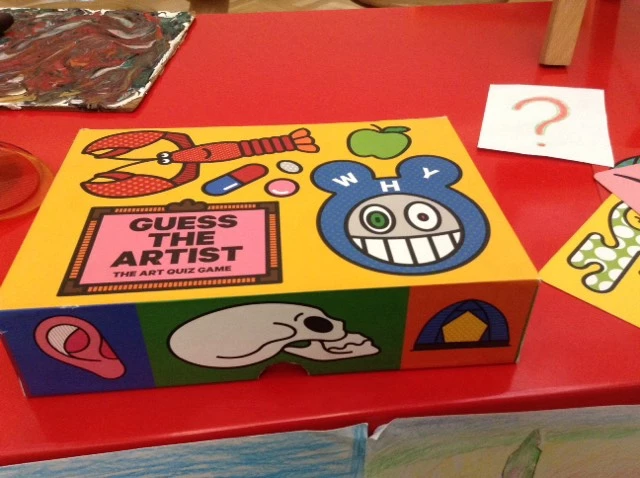
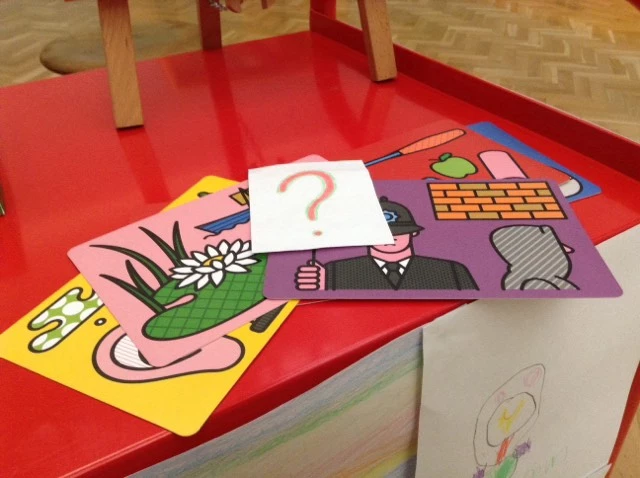
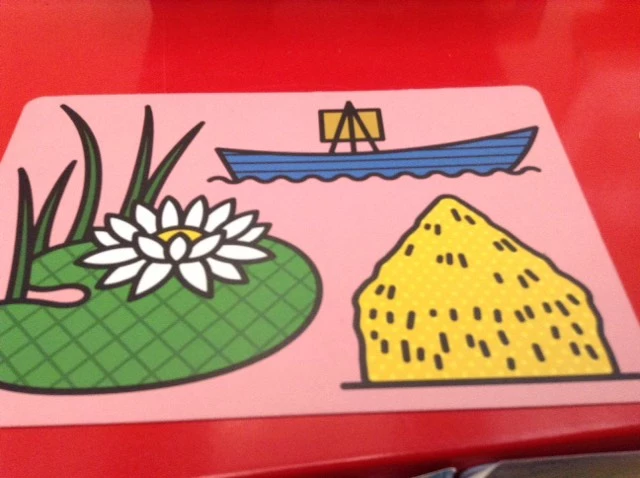
Here at the National Museum Cardiff, we have several display trolleys of many different kinds. However in this blog, I wish to talk about the flashcard card game featured on our art trolley named Guess the Artist. In this particular game visitors to the museum can sit down with family members and friends inside in the gallery. The idea behind the game is that many artists are enclosed on cards within the box, along with pictures and captions written on each side of the card giving information about the artist and other relevant facts. 

For example, one of the display cards has pictures of works by Vincent Van Gogh. On one side of the card are pictures which you can use to guess the artist’s identity, and on the other side are written captions along with the artist’s name. Families can play the game for several minutes guessing the various different artists on the cards. 

This is particular game is excellent for our many visitors because after finishing the game, they can go in search of the various artworks from the cards, some of which are on display in the museum’s many galleries. This is fantastic for families and a brilliant educational process for all involved.

SECRET GARDEN: Brian’s Story

Brian, Volunteer , 26 June 2019

My name is Brian and I live in Talbot Green. When I was in school I used to do gardening in Y Pant. In the winter I used to help my dad in the garden.

I worked in Remploy in Tonyrefail for ten years starting in 1974. We used to do all sorts of jobs. Then I did four years in Llantrisant, and twenty five years in Porth. On Fridays we finished early and went to the pub for lunch. I retired in 2013. I have the opening plaque from when Remploy opened in Porth in 1988. The building has been demolished.

Since I retired I have done a computer course and a photography course. I have also done pottery and pop art, and I have a big collection of paintings that I have done.

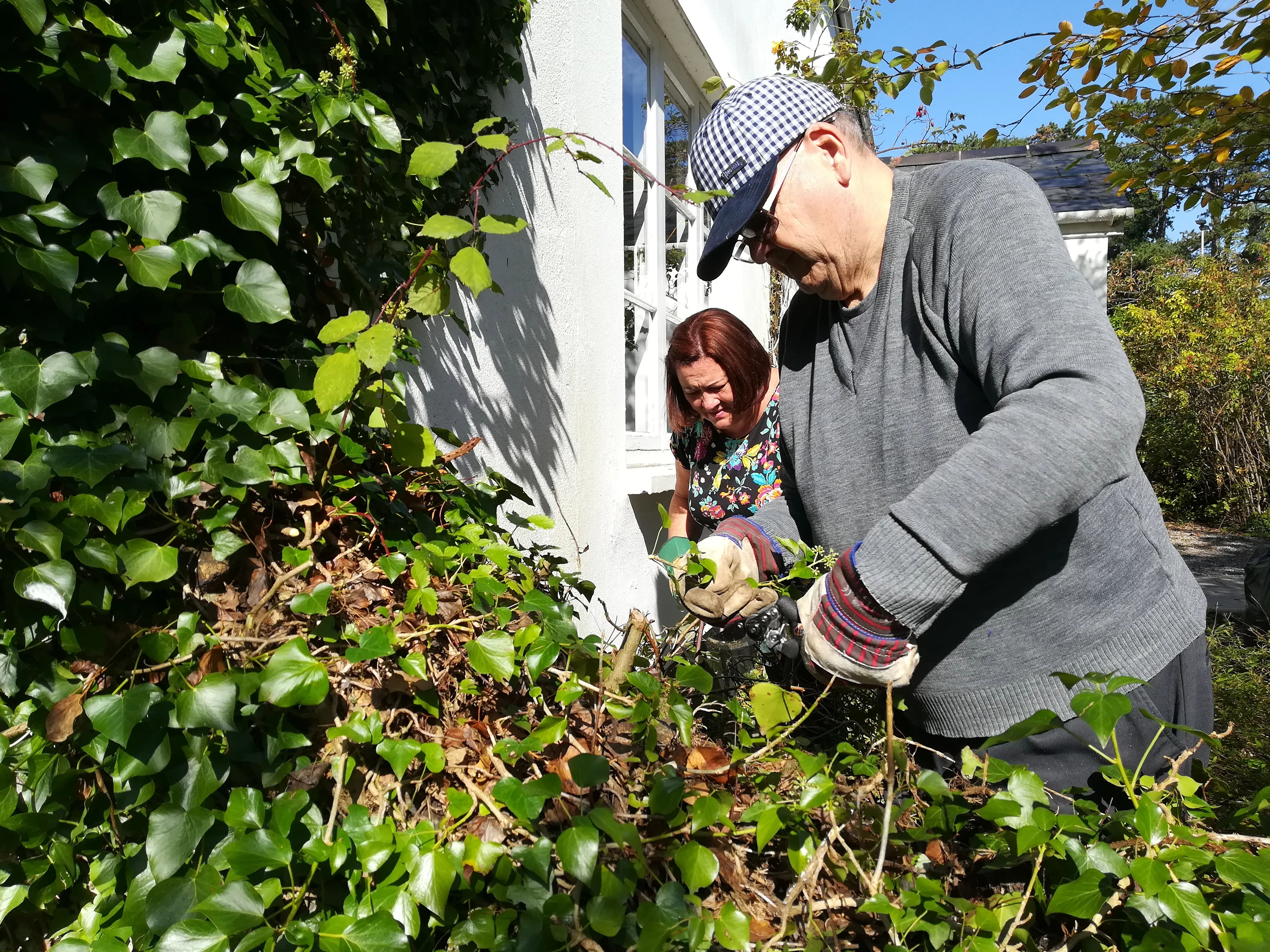
I came to the Take Charge coffee morning in August 2018 and found out about the chance to help at The Secret Garden at St Fagans National Museum of History. That’s when I decided to start gardening again. I’ve learned about teamwork, we work here in a team.

I enjoy doing it, I feel happy. I look forward to coming out and abought especially. I feel tired after, but good tired. My favourite job is raking. I’ve learnt that I enjoy volunteering.


The Secret Garden is maintain and developed by Innovate Trust whose main work is to support people with learning disabilities, mental health issues and people with physical impairments.


10 YEARS OF TAKING PART: Joe's Story

Joe Lewis, 26 June 2019

Hi pawb, my name is Joe Lewis and I am a Learning Officer at St Fagans National Museum of History. I have been working for Amgueddfa Cymry - National Museum Wales for 10 years this year.

This year is also 10 years since the volunteering department was set up in National Museum Wales.

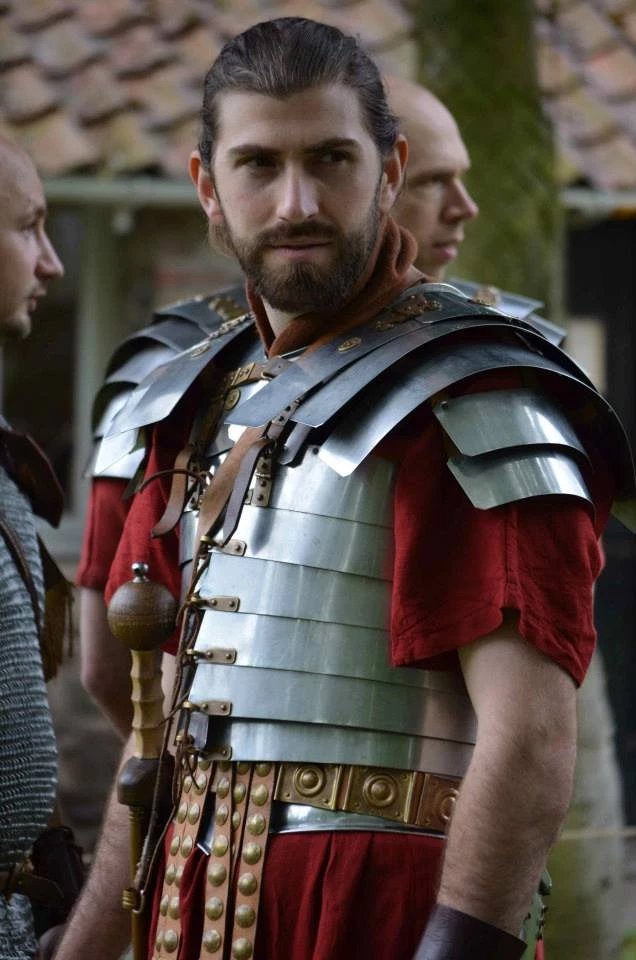
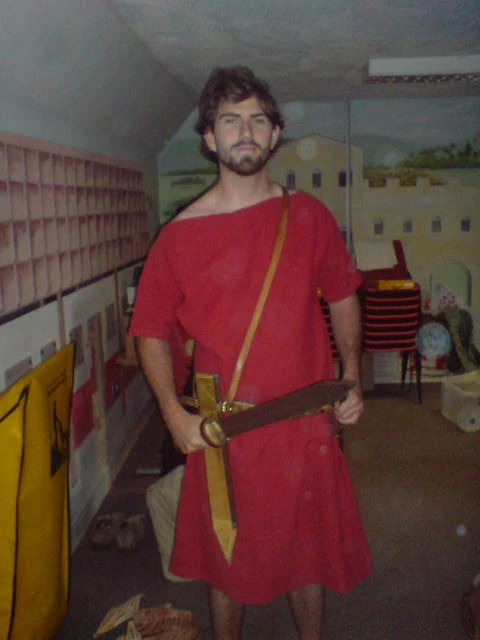
I began my career in Amgueddfa Cymru as a volunteer in the summer of 2009. I volunteered at the National Roman Legion Museum in Caerleon where I spent the summer dressed as a Roman and engaging with the public. After this experience I was asked to join the pool staff to help facilitate school sessions and public events.  

Between 2009 – 2011 I did a part-time Masters in Archaeology and volunteered for the Portable Antiquities Scheme, based at National Museum Cardiff. This volunteering role gave me experience in object photography and identification. It was through this experience that I was given the opportunity to catalogue an assemblage of Roman artefacts from Brecon Gaer Roman Fort. This gave me my dissertation topic and later the opportunity to publish 2 papers on Brecon Gaer.

Before I started volunteering at National Museum Wales I had been unemployed for several months and was suffering with depression. Volunteering helped to give me vital work and academic experience that helped me get a job and out of depression.

I owe a great deal to the volunteering department for giving me the opportunities I’ve had to lead me to where I am today. A massive thanks to them and a Happy 10th Anniversary!